


 购物车
 个人中心

A visszakapott élet
¥57.31
Ninge ?n martieNinge ?ntr-un hornDin care iese fumNinge tot mai densCople?itor?i ?ntoarce fumul din drum?l preseaz? ?n horn ca-ntr-un teasc?l ?ndeas? la loc ?n c?rbuniAstup? flac?raRea?az? focul ?nMiezul ?nsu?i al P?m?ntului.

Labirintul haosului meu
¥32.62
Ca orice construc?ie solid?, ?i un sistem de g?ndire se pl?smuie?te pe structura unor con?cepte fundamentale cu func?ii vitaminizante pentru ?ntreaga desf??urare a g?ndului ?i pen?tru ?nchegarea lui ?ntr?o viziune articulat? ?i complex?, marcat? de cele dou? condi?ii indis?pensabile unui sistem: completitudinea ?i non?contradic?ia. ?i mai preciz?m, chiar cu riscul suspiciunii de banal, c? un sistem de g?ndire articulat nu las? ?i nu trebuie s? lase r?m??i?e sau componente necuprinse ?n ansamblu. C?ci un sistem incomplet, cu resturi sau componen?te r?mase ?n afara ?ntregului ??i pierde carac?teristica de sistem. S? preciz?m totu?i c? vorbim despre sis?tem ?ntr?un loc unde, nu doar c? lipse?te, dar a ?i fost repudiat cu o insisten?? repetat? ?i ?n?d?rjit?. Nu spun c? furia lui Cioran ?mpotriva ideii de sistem filosofic nu??i are ra?iunile ei, spun doar c? chiar acolo unde este t?g?duit?, o anumit? viziune de ansamblu asupra lumii este totu?i implicit?. Nu se poate vorbi despre parte, despre fragment f?r? s? se aib? ?n vede?re imaginea totului ?i felul cum o diviziune este a?ezat? ?n p?ntecul exist?rii. Ionel Necula
Dincolo de bine ?i de r?u
¥46.36
Schlesak l combin pe Bakunin cu Marx i era sedus de modelul politic iugoslav. “Teoria tnrului Marx (preluat de la Hegel): realizarea i autorealizarea.“ Dictatura i aprea nc umana, aproape de o forma de realitate i de trirea autentic. Libertatea occidental ar fi creat doar un context amorf. n acest inacceptabil context, nu caut o ieire practic, optnd pentru una teoretic, teoria fiind suficient siei i dizlocnd tot restul. “Nu de soluii, ci de utopii, de ieiri, de asta avem nevoie.“ (dec. 1971) epeneag nu gndea diferit. i el definea contextul social i politic n termeni identici. Accepta i modelul iugoslav. i gsea calitatea de a fi joncional. “Iugoslavia poate juca rolul de punct de contact.“ Nu degeaba se spune: Historia magistr vitae! Istoria (realitatea, contextul) dicteaz modurile de a gndi, prea puin retrospectiv, vag proiectiv, ntr-un prezent tranzitoriu, amorf i (n)formal. La 12 august 1973, urma modelul ceh, “opoziie pe fa“ i-i schia corespondentului su un plan de colaborare.“Un eseu incitant despre unul dintre cei mai importani scriitori romni de expresie germana, stabilii n Italia.

Speaking of Poetry...
¥15.40
A book of poetry on various themes. Springtime I shall wait for you springtimeWhen winter has passed awayRosebuds will be dancing in the nightBeneath the Milky Way Lovers kissing and holding handsWaltzing a brisk and lively danceUnderneath the crescent moon that shownAs Orpheus sings a joyful song Mockingbirds will send forth merry soundsAwakening nature's dreary brownChildren playing games while folksLaugh and tell their silly jokes
Simply Dirac
¥65.32
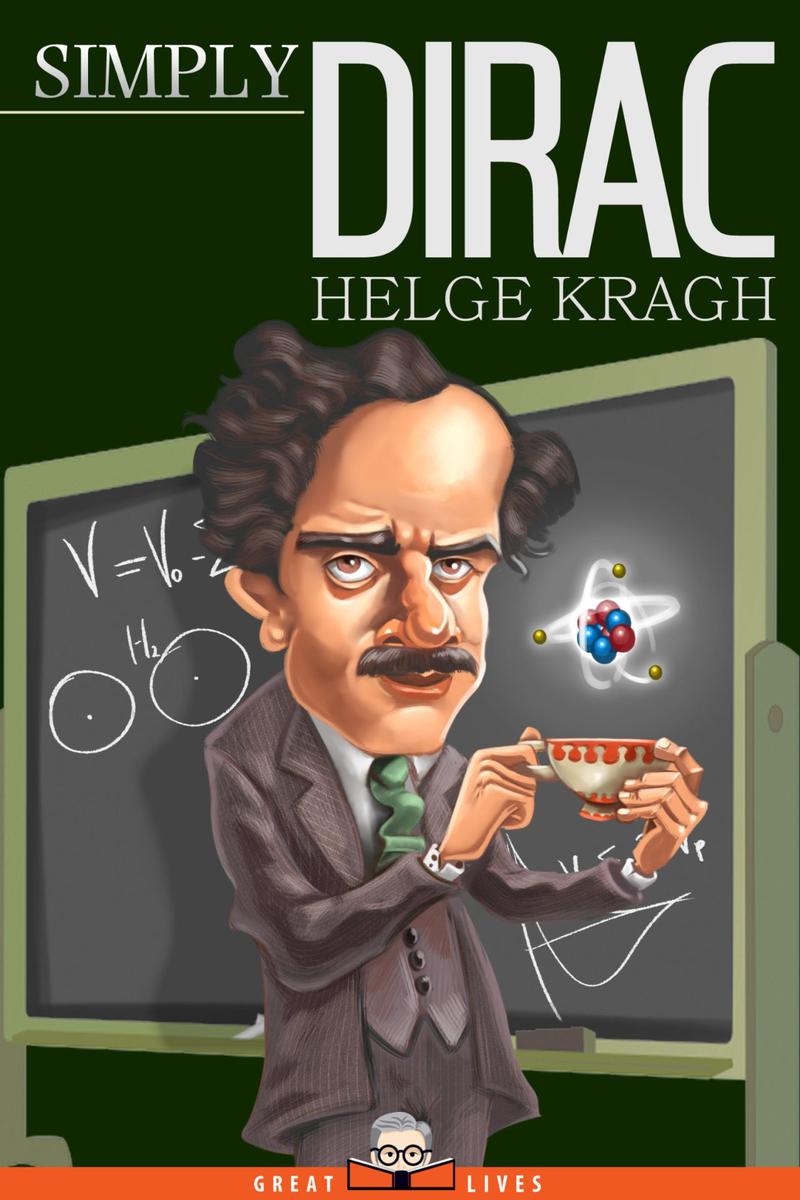
Paul Dirac?(1902–1984) was a brilliant mathematician and a 1933 Nobel laureate whose work ranks alongside that of Albert Einstein and Sir Isaac Newton. Although not as well known as his famous contemporaries Werner Heisenberg and Richard Feynman, his influence on the course of physics was immense. His landmark book,?The Principles of Quantum Mechanics, introduced that new science to the world and his “Dirac equation” was the first theory to reconcile special relativity and quantum mechanics. Dirac held the Lucasian Chair of Mathematics at Cambridge University, a position also occupied by such luminaries as Isaac Newton and Stephen Hawking. Yet, during his 40-year career as a professor, he had only a few doctoral students due to his peculiar personality, which bordered on the bizarre. Taciturn and introverted, with virtually no social skills, he once turned down a knighthood because he didn’t want to be addressed by his first name. Einstein described him as “balancing on the dizzying path between genius and madness.” In?Simply Dirac, author?Helge Kragh?blends the scientific and the personal and invites the reader to get to know both Dirac the quantum genius and Dirac the social misfit. Featuring cameo appearances by some of the greatest scientists of the 20th century and highlighting the dramatic changes that occurred in the field of physics during Dirac’s lifetime, this fascinating biography is an invaluable introduction to a truly singular man.

The Works of Edgar Allan Poe:Volume 1
¥8.09
This Housemartin Classics edition includes the full original text as well as an easy to use interactive table of contents.
Gnedich
¥90.03
Maria Rybakova’s Gnedich captures the reader’s attention in its first stanzas with a striking allusion to Homeric Greece: “The rage that killed so many/the wretched rage of Achilles/who knew that he would perish/ that he would perish young. This is a novel-in-verse about the first Russian translator of the Iliad, the romantic poet and librarian Nikolai Gnedich (1784-1833). Since Gnedich spent almost his entire life translating Homer’s epic poem, Maria Rybakova has chosen verse as the most appropriate stylistic means in recreating his life. To the English-speaking world, this genre of poetic biography is best exemplified by Ruth Padel’s Darwin – A Life in Poems. Like the Iliad itself, the novel consists of twelve Songs or Cantos, and covers the life of Gnedich from his childhood to his death. It depicts the lives of Gnedich and his best friend, the poet Batyushkov, who is slowly losing his sanity, and incorporates motifs from their poetry, from Homer’s epics, and from Greek mythology, as well as magnificent images of imperial Russia and the Homeric world. The space of the novel covers snowy Russian villages, aristocratic St. Petersburg salons, magnificent Italian landscapes, and the austere Greece of Homer’s heroes. Rybakova conjures a fittingly romantic vision of the dramatic lives of Gnedich and his best friend. A major part of the novel is the moving correspondence between the two poets. Philosophical reflections on the fate of the individual are intertwined with poignant stanzas devoted to the great but unhappy love to the tragic actress Ekaterina Semyonova that consumed Gnedich. The novel culminates in Batyushkov’s final breakdown in the lunatic asylum and Gnedich’s ruminations on Russia’s tragic future fate. The poetic language of Gnedich is refined: it combines the clarity of Rybakova’s syllabic verses and the sophistication of her metaphors with distinct, novelistic depictions of certain landscapes, people, and their interactions. The novel is spectacularly designed: Rybakova’s style resembles a movie projection with stop-cards at the key moments in Gnedich’s life, his long conversations with his friend, and particular striking sceneries. It creates a novelistic effect on the tale about Gnedich’s life, spanning over twenty years. The narrative is often interrupted by streams of consciousness and reminiscence by its main heroes. At the same time, it continues the traditions of Russian classic literature with its attention to detail and the psychology of the characters. A significant part of the novel is dedicated to the description of Gnedich’s friendship with Konstantin Batyushkov, a talented poet of the Pushkin epoch. Gnedich, disfigured by a childhood disease, was a librarian at the Imperial Library in St. Petersburg and became famous through his translation of the Illiad. Batyushkov, an officer of the Russian Imperial court who participated in military campaigns, as well as one of the best poets of the beginning of the 19th century, went through deep crisis and mental illness. The friendship between the two becomes one of the themes within the novel. Rybakova builds the novel-in-verse’s plot around Gnedich’s translation of the Illiad into Russian. The narrative progresses from the adult Gnedich’s recollection of his childhood in a small country estate in Ukraine in the first Song, his illness and discovery of the magnificent Greek epic about the siege of the Troy that changed his life forever, to the completion of his work on his translation as a final victory over his life’s circumstances. The titanic work on the translation continued for almost twenty-two years (1807-29).
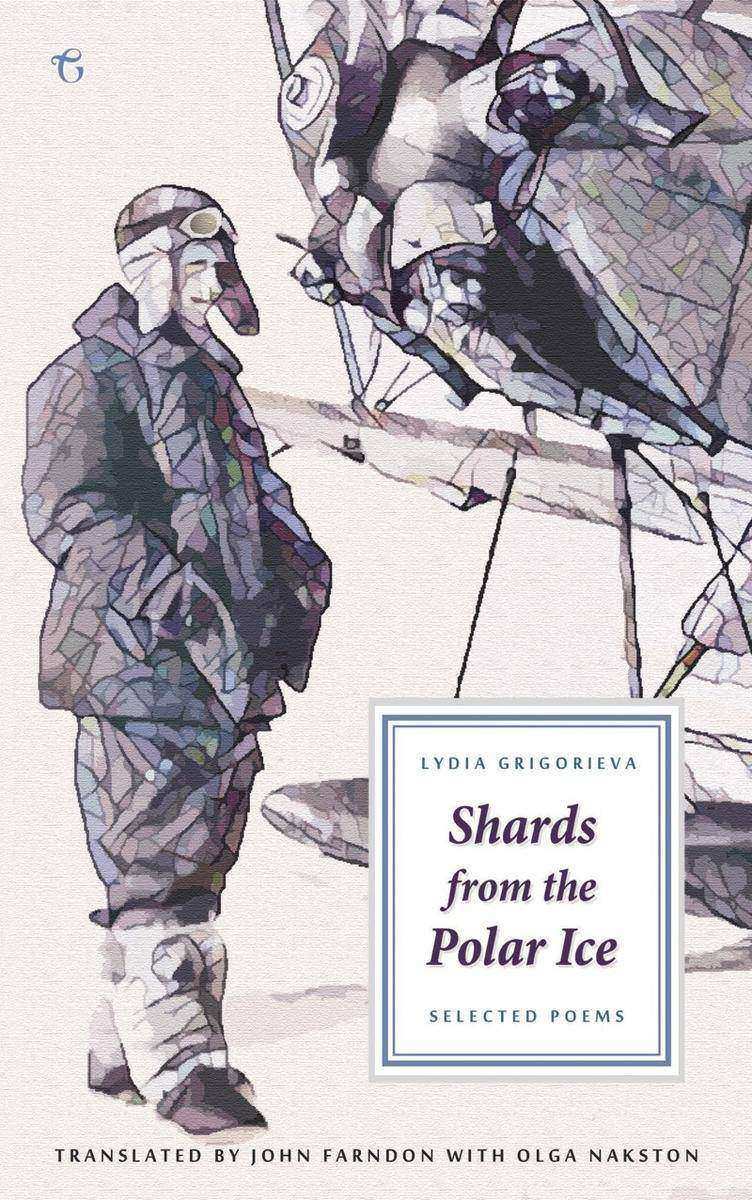
Shards from the Polar Ice:Selected Poems
¥90.03
“It would be hard to imagine Russian poetry in the last half century without Lydia Grigorieva,” writes eminent Russian poet and critic Konstantin Kedrov. Grigorieva is a uniquely individual voice, bucking the trends of modernist poetry to create her own distinctive and beguiling body of poetry. Her work draws on her own remarkable life to create startlingly arresting images and metaphors, full of beauty and power, from her series that emerged from her Arctic childhood, to the troubles that beset Ukraine. Her range of influences is wide, and Beethoven, Freud, Sylvia Plath and Byron all appear in her poems as well as more familiar Russian images. At the heart of Grigorieva’s poetry is what she calls its ‘musicality’ – her firm belief in the power of rhyme and rhythm in creating a poetic experience. In this first major collection of her work in English, English poet John Farndon, working with Grigorieva and co-translator Olga Nakston, has recreated this musicality in English so that English readers might experience for the first time what makes her work so revered in her Russian homeland. Translated by John Farndon with Olga Nakston. Maxim Hodak - Максим Ходак (Publisher), Max Mendor - Макс Мендор (Director), Ksenia Papazova (Managing Editor).
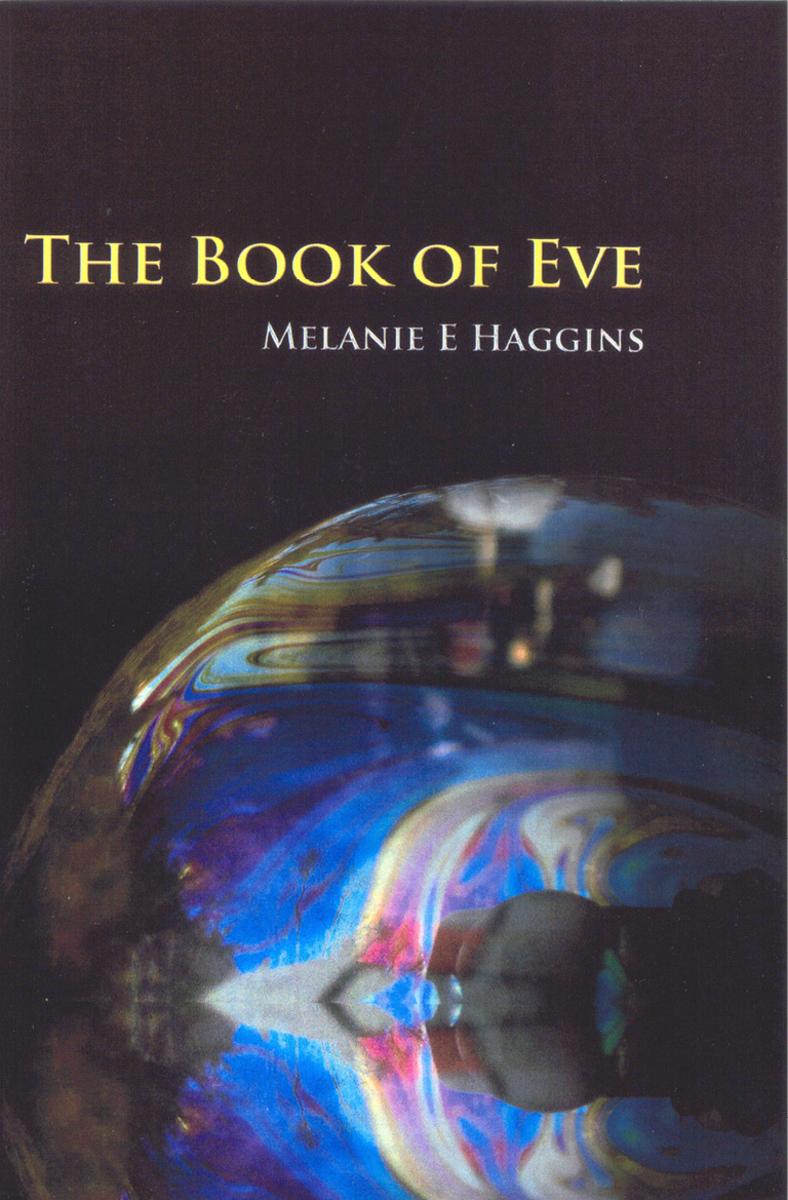
Book of Eve
¥24.43
The Book of Eve is neither male nor female, rather a poetic revelation of one's exploration of life. A quest for knowledge, wisdom, truths and understanding, Eve takes us on a heartfelt journey of discoveries, fears, needs and desires. Melanie E. Haggins is a poet, a creative writer and former radio personality. She is strongly influenced by a musical and business background, which later helped her to progress into the world of media as the host of her own popular radio magazine show, where she conducted celebrity interviews with musicians and vocalists alike. An inspirational figure to young people and women of all ages, Melanie has worked for many years as a passionate educator and mentor to young people within her community, championing a number of initiatives on behalf of young people and human rights. With a keen eye for innovation, she draws inspiration from all she encounters for the purpose of improving the lives of those who come into contact with her as she continues to put her visionary ideas and quests for truths into poetic forms.

God, Love and Laughter
¥29.33
In 2004, prolific authoress, Marian Bythell, strayed from her established path of writing holiday journals to produce an excellent volume of verse. Now, following the publication of another travel-based book and a biography of her late mother, she has penned a companion to Poems of Love, Life & Laughter. For this collection, Marian once again offers a clever mix of humour and pathos, but also includes poems and prayers which reflect her deep religious faith.

Dementia Poems
¥44.05
Iris Therese Smith Reid wrote these poems along the way while looking after a husband who suffers from dementia and sickness. They were inspired by some of the things he has done and said while Iris has been his carer (for the last seven years now), his wife and his lifeline. Since her husband was diagnosed with dementia Iris has kept a journal recording the many ways this tragic disorder has affected their daily life together. The process of writing is one of the things that have helped her through this difficult time. "e;Writing this and the poems,"e; she says, "e;helps me recharge my batteries for what lies ahead."e;

Queen Victoria - Her Life and Reign
¥19.52
A fantastic biography of Queen Victoria by an anonymous author.

Maths Problem Solving Year 2
¥127.43
Maths Problem Solving - Year 2 is the second of six books in the Maths Problem Solving series. The books have been written for teachers to use during the numeracy lesson. They cover the 'solving problem' objectives from the numeracy framework. This first book contains four chapters; Making decisions, Reasoning about numbers or shapes, Problems involving 'real life', money or measures and Organizing and using data. The books are designed in such a way that each section has six stages of questions to be worked through. Every stage is split into three levels, for example 1a, 1b or 1c, based on achievement. Each corresponding question from these levels follow the same line of questioning, so that when the teacher talks about a certain question, the solution process is the same for each level but the complexity of the sum varies.

Szívhang 371. (Sürg?s beavatkozás)
¥18.74
Szívhang 371. (Sürg?s beavatkozás)

Az orrszarvú dühe
¥58.29
Az orrszarvú dühe

Júlia 434. (A pokol tornácán)
¥18.74
Júlia 434. (A pokol tornácán)

Fegyelmezés szeretettel
¥72.92
Fegyelmezés szeretettel
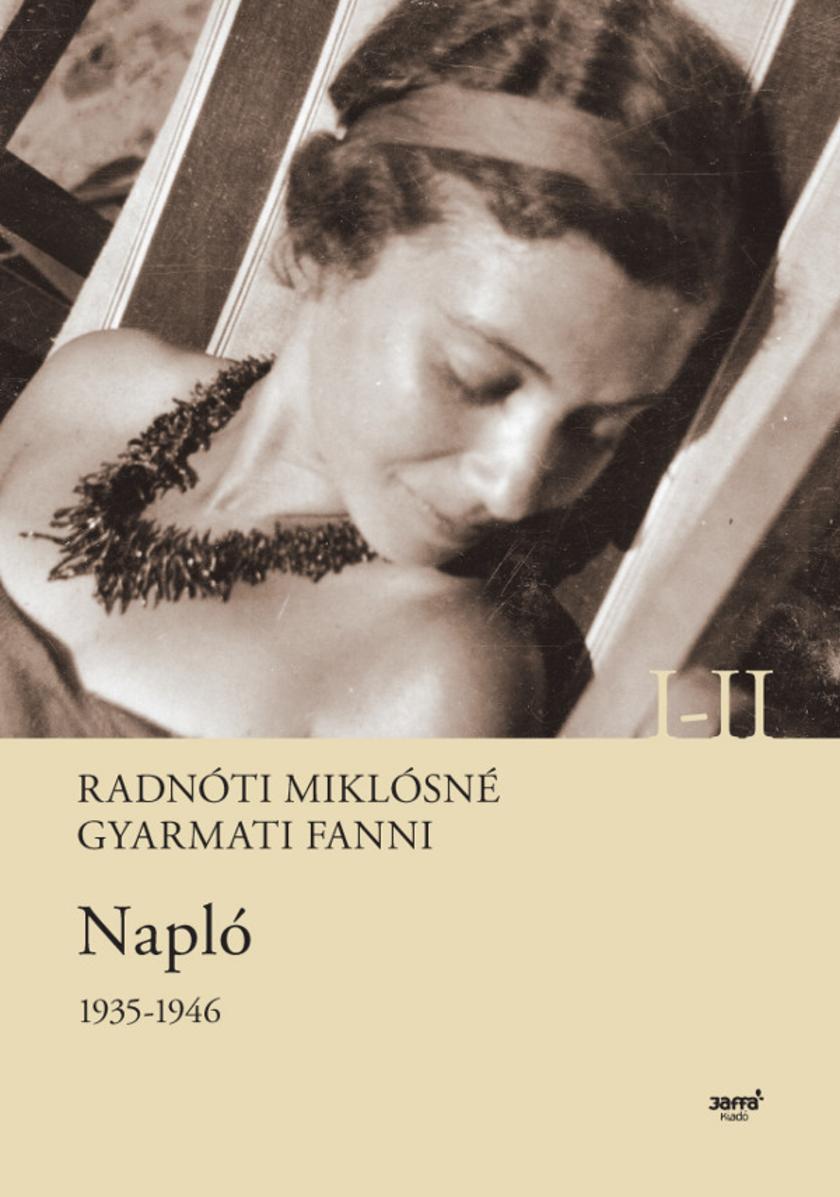
Napló 1935-1946 I-II.
¥190.15
Napló 1935-1946 I-II.

Mire leszáll az éj
¥72.59
Mire leszáll az éj

Romana 419. (Az ?si módszer)
¥18.74
Romana 419. (Az ?si módszer)
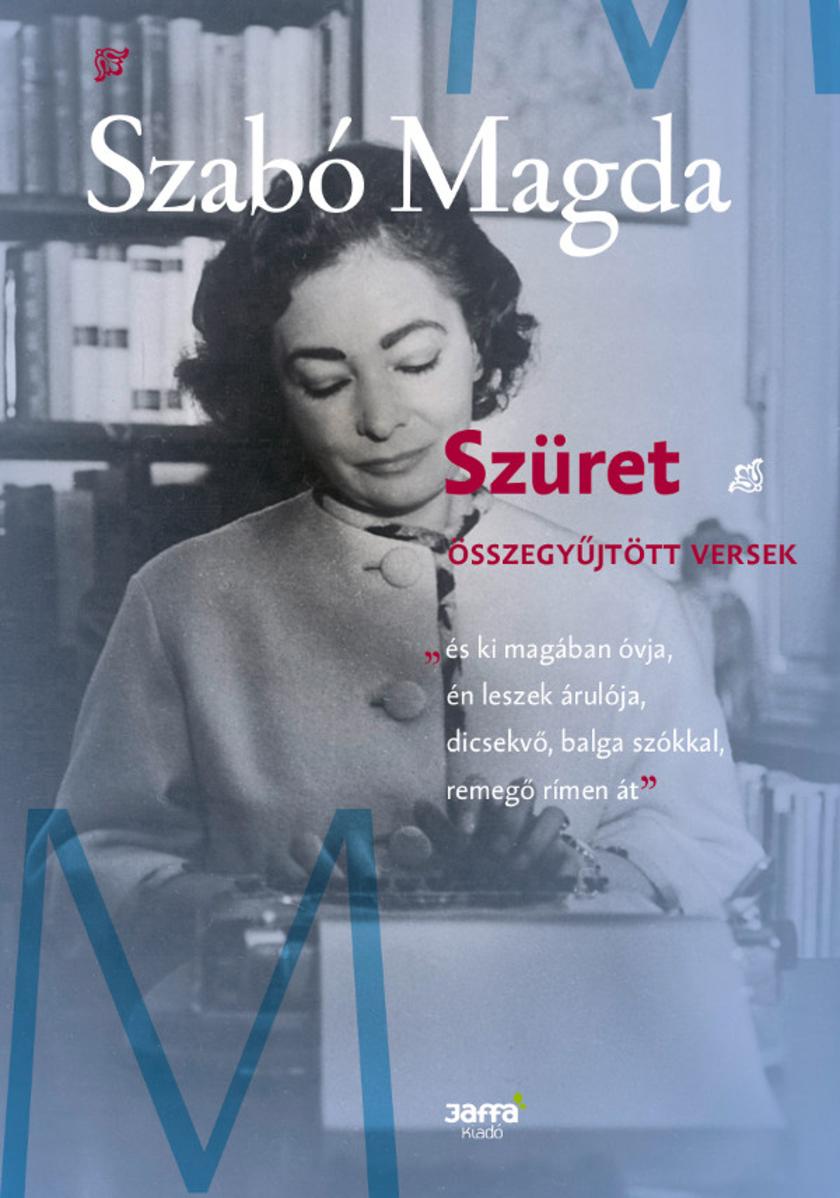
Szüret: ?sszegy?jt?tt versek
¥72.59
Szüret: ?sszegy?jt?tt versek


