


 购物车
购物车 个人中心
个人中心
Essays of Robert Louis Stevenson
¥8.09
This collection includes: ON THE ENJOYMENT OF UNPLEASANT PLACES, AN APOLOGY FOR IDLERS, AES TRIPLEX, TALK AND TALKERS, A GOSSIP ON ROMANCE, THE CHARACTER OF DOGS, A COLLEGE MAGAZINE, BOOKS WHICH HAVE INFLUENCED ME, and PULVIS ET UMBRA.
Taras Bulba and Other Tales
¥8.09
This collection includes: Taras Bulba, St. John's Eve, The Cloak, How the Two Ivans Quarrelled, The Mysterious Portrait, and The Calash. According to Wikipedia: "Nikolai Vasilievich Gogol ( 1809 - 1852) was a Russian writer of Ukrainian ethnicity. Although his early works were heavily influenced by his Ukrainian upbringing and identity, he wrote in Russian and his works belong to the tradition of Russian literature; often called the "father of modern Russian realism," he was one of the first Russian authors to criticize his country's way of life. The novels Taras Bul'ba (1835; 1842 [revised edition]), Dead Souls (1842), the play The Inspector-General (1836, 1842), and the short story The Overcoat (1842) are among his masterpieces."
Essays of Travel
¥8.09
This collection includes: THE AMATEUR EMIGRANT: FROM THE CLYDE TO SANDY HOOK. COCKERMOUTH AND KESWICK, AN AUTUMN EFFECT, A WINTER'S WALK IN CARRICK AND GALLOWAY, FOREST NOTES, A MOUNTAIN TOWN IN FRANCE, RANDOM MEMORIES: ROSA QUO LOCORUM, THE IDEAL HOUSE, DAVOS IN WINTER, HEALTH AND MOUNTAINS, ALPINE DIVERSION, THE STUMULATION OF THE ALPS, ROADS, and ON THE ENJOYMENT OF UNPLEASANT PLACES.

Boone's Wilderness Road
¥8.09
Volume 6 of the series "Historic Highways of America". According to Wikipedia: "Archer Butler Hulbert (26 Jan 1873 – 24 Dec 1933), historical geographer, writer, and professor of American history... He was Vice-Principal of the Putnam Military Academy, Zanesville, Ohio, until 1897. Hulbert then did newspaper work in Korea in 1897 and '98: he was editor of the Korean Independent (Seoul) and edited Far East American newspapers... He was Professor of American History at Marietta College 1904-18. After Marietta College, Hulbert became a lecturer in American History at Clark University from 1918 to 1919. He also was a lecturer at the University of Chicago in 1904 and 1923; and he served as archivist for the Harvard Commission on Western History (1912-16). Hulbert's last position was at Colorado College, from 1920 until his death... Hulbert's interest in trails dated from fishing trips taken during his college, when he noticed Indian trails. This interest led at first to his 16 volumes of Historic Highways of America (1902-05)."

Waterways of Westward Expansion
¥8.09
Volume 9 of the series "Historic Highways of America". According to Wikipedia: "Archer Butler Hulbert (26 Jan 1873 – 24 Dec 1933), historical geographer, writer, and professor of American history... He was Vice-Principal of the Putnam Military Academy, Zanesville, Ohio, until 1897. Hulbert then did newspaper work in Korea in 1897 and '98: he was editor of the Korean Independent (Seoul) and edited Far East American newspapers... He was Professor of American History at Marietta College 1904-18. After Marietta College, Hulbert became a lecturer in American History at Clark University from 1918 to 1919. He also was a lecturer at the University of Chicago in 1904 and 1923; and he served as archivist for the Harvard Commission on Western History (1912-16). Hulbert's last position was at Colorado College, from 1920 until his death... Hulbert's interest in trails dated from fishing trips taken during his college, when he noticed Indian trails. This interest led at first to his 16 volumes of Historic Highways of America (1902-05)."

The Schoolmistress and Other Stories
¥8.09
This collection includes: THE SCHOOLMISTRESS, A NERVOUS BREAKDOWN, MISERY, CHAMPAGNE, AFTER THE THEATRE, A LADY'S STORY, IN EXILE, THE CATTLE-DEALERS, SORROW, ON OFFICIAL DUTY, THE FIRST-CLASS PASSENGER, A TRAGIC ACTOR, A TRANSGRESSION, SMALL FRY, THE REQUIEM, IN THE COACH-HOUSE, PANIC FEARS, THE BET, THE HEAD-GARDENER'S STORY, THE BEAUTIES, and THE SHOEMAKER AND THE DEVIL. According to Wikipedia: "Anton Pavlovich Chekhov (1860 – 1904) was a Russian short-story writer, playwright and physician, considered to be one of the greatest short-story writers in world literature. His career as a dramatist produced four classics and his best short stories are held in high esteem by writers and critics Chekhov practised as a doctor throughout most of his literary career: "Medicine is my lawful wife," he once said, "and literature is my mistress." Chekhov renounced the theatre after the disastrous reception of The Seagull in 1896; but the play was revived to acclaim in 1898 by Constantin Stanislavski's Moscow Art Theatre, which subsequently also produced Uncle Vanya and premiered Chekhov’s last two plays, Three Sisters and The Cherry Orchard. These four works present a special challenge to the acting ensemble as well as to audiences, because in place of conventional action Chekhov offers a "theatre of mood" and a "submerged life in the text." Chekhov had at first written stories only for the money, but as his artistic ambition grew, he made formal innovations which have influenced the evolution of the modern short story. His originality consists in an early use of the stream-of-consciousness technique, later adopted by James Joyce and other modernists, combined with a disavowal of the moral finality of traditional story structure He made no apologies for the difficulties this posed to readers, insisting that the role of an artist was to ask questions, not to answer them."
The Basket Woman
¥8.09
First published in 1904. According to Wikipedia: "Mary Hunter Austin (September 9, 1868 – August 13, 1934) was an American writer. One of the early nature writers of the American Southwest, her classic The Land of Little Rain (1903) describes the fauna, flora and people – as well as evoking the mysticism and spirituality – of the region between the High Sierra and the Mojave Desert of southern California."
The Ten Tragedies of Euripides
¥8.09
This file includes 10 tragedies by Euripides, literally translated by Theodore Buckley. The plays are: HECUBA, ORESTES, PHOENISSAE (The Phoenician Virgins), MEDEA, HIPPOLYTUS, ALCESTIS, BACCHAE, HERACLIDAE, IPHIGENIA IN AULIS, and IPHIGENIA IN TAURIS. According to Wikipedia: "Euripides (ca. 480 BCE–406 BCE) was the last of the three great tragedians of classical Athens (the other two being Aeschylus and Sophocles). Ancient scholars thought that Euripides had written ninety-five plays, although four of those were probably written by Critias. Eighteen or nineteen of Euripides' plays have survived complete. There has been debate about his authorship of Rhesus, largely on stylistic grounds and ignoring classical evidence that the play was his. Fragments, some substantial, of most of the other plays also survive. More of his plays have survived than those of Aeschylus and Sophocles together, because of the unique nature of the Euripidean manuscript tradition. Euripides is known primarily for having reshaped the formal structure of Athenian tragedy by portraying strong female characters and intelligent slaves and by satirizing many heroes of Greek mythology. His plays seem modern by comparison with those of his contemporaries, focusing on the inner lives and motives of his characters in a way previously unknown to Greek audiences."

Ghostly Tales
¥8.09
This file includes the classic ghost stories: Schalken the Painter (1851), An Account of Some Strange Disturbances in Aungier Street (1853), An Authentic Narrative of a Haunted House (1862), Ultor De Lacy: A Legend of Cappercullen (1861) , The Haunted Baronet (1871), Ghost Stories of Chapelizod (1851), The Drunkard's Dream (1838), The Ghost and the Bone-setter (1838), The Mysterious Lodger (1850) , LAURA SILVER BELL (1872), WICKED CAPTAIN WALSHAWE, OF WAULING (1869), THE CHILD THAT WENT WITH THE FAIRIES (1870), STORIES OF LOUGH GUIR (1870), *The Magician Earl, *Moll Rial's Adventure, *The Banshee, *The Governess's Dream, *The Earl's Hall, THE VISION OF TOM CHUFF (1870), and DICKON THE DEVIL (1872) .
The Seven Plays of Sophocles
¥8.09
This file includes the English verse translation by Lewis Campbell of all seven extant Sophocles plays: Antigone, Aias. King Oedipus, Electra, The Tracinian Maidens, Philoctetes, and Oedippus at Colonos. According to Wikipedia: "Sophocles( c. 496 BC-406 BC) was the second of the three ancient Greek tragedians whose work has survived. His first plays were written later than those of Aeschylus and earlier than those of Euripides. According to the Suda, a 10th century encyclopedia, Sophocles wrote 123 plays during the course of his life, but only seven have survived in a complete form... The most famous of Sophocles' tragedies are those concerning Oedipus and Antigone: these are often known as the Theban plays, although each play was actually a part of different tetralogy, the other members of which are now lost. Sophocles influenced the development of the drama, most importantly by adding a third actor and thereby reducing the importance of the chorus in the presentation of the plot."
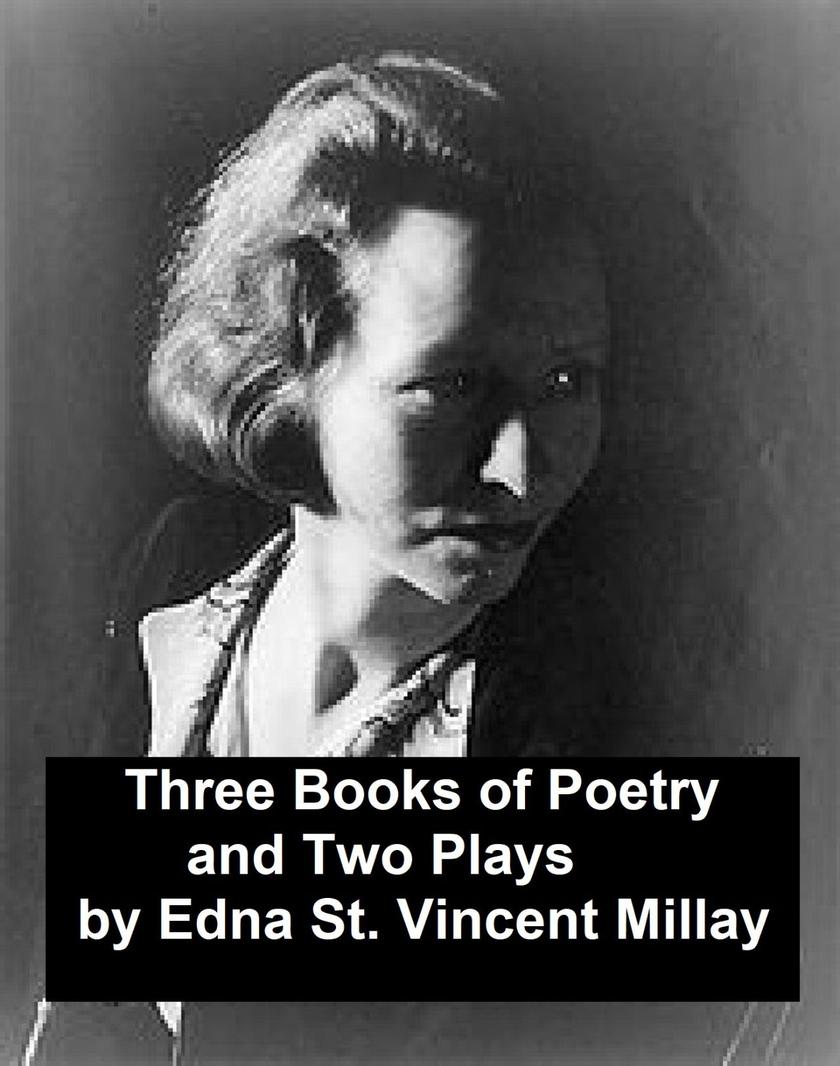
Three Books of Poetry and Two Plays
¥8.09
This file includes the short poetry collections A Few Figs from Thistles, Renascence and Other Poems, and Second April. It also includes the plays Aria da Capo (one act) and The Lamp and The Bell (five acts). According to Wikipedia: "Edna St. Vincent Millay (February 22, 1892 – October 19, 1950) was an American lyrical poet and playwright and the first woman to receive the Pulitzer Prize for Poetry. She was also known for her unconventional, bohemian lifestyle and her many love affairs. She used the pseudonym Nancy Boyd for her prose work."
The Odes of Pindar
¥8.09
This translation first published in 1874. According to Wikipedia: "Pindar (c. 522–443 BC), was an Ancient Greek lyric poet from Thebes. Of the canonical nine lyric poets of ancient Greece, his work is the best preserved. Quintilian wrote, "Of the nine lyric poets, Pindar is by far the greatest, in virtue of his inspired magnificence, the beauty of his thoughts and figures, the rich exuberance of his language and matter, and his rolling flood of eloquence, characteristics which, as Horace rightly held, make him inimitable." His poems however can also seem difficult and even peculiar... his style still challenges the casual reader and he continues to be a much admired though largely unread poet."
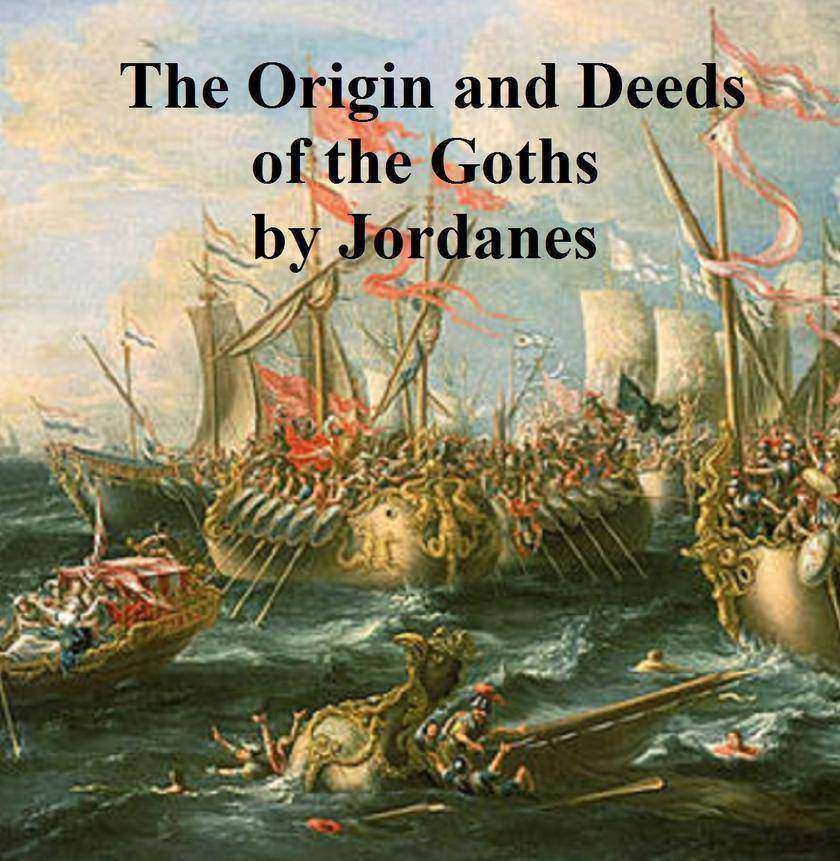
The Origin and Deeds of the Goths
¥8.09
This English version first published in 1908. "For the first time the story of the Goths recorded in the Getica of Jordanes, a Christian Goth who wrote his account in the year 551, probably in Constantinople, is now put in English form, as part of an edition of the Getica prepared by Mr. Mierow. Those who care for the romance of history will be charmed by this great tale of a lost cause and will not find the simple-hearted exaggerations of the eulogist of the Gothic race misleading. He pictured what he believed or wanted to believe, and his employment of fable and legend, as well as the naive exhibition of his loyal prejudices, merely heightens the interest of his story." According to Wikipedia: "Jordanes, also written Jordanis or, uncommonly, Jornandes, was a 6th-century Roman bureaucrat, who turned his hand to history later in life. While he also wrote Romana about the history of Rome, his best-known work is his Getica, written in Constantinople about AD 551. It is the only extant ancient work dealing with the early history of the Goths."
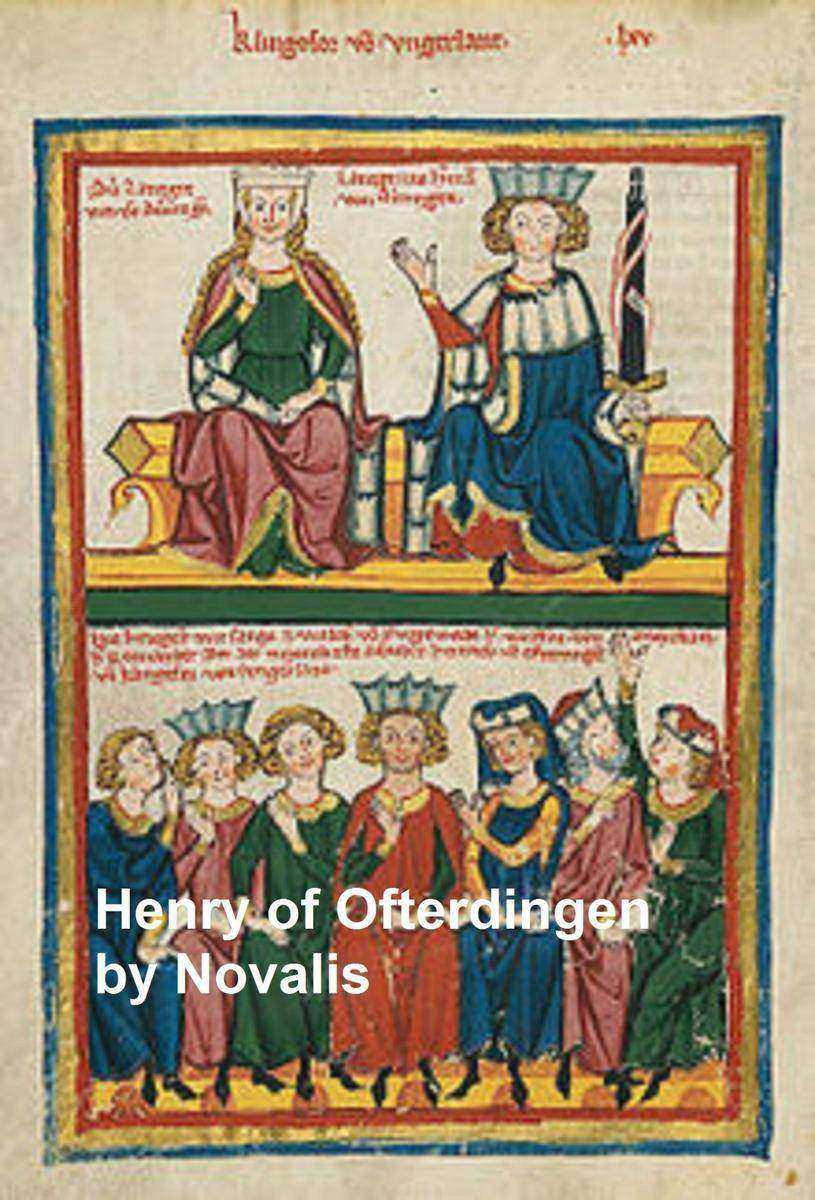
Henry of Ofterdingen
¥8.09
This translation first published in 1842. According to Wikipedia: "Novalis was the pseudonym of Georg Philipp Friedrich Freiherr von Hardenberg (May 2, 1772 – March 25, 1801), a poet, an author and philosopher of early German Romanticism... The novel fragments Heinrich von Ofterdingen and Die Lehrlinge zu Sais (The Novices of Sais) reflect the idea of describing a universal world harmony with the help of poetry. The novel 'Heinrich von Ofterdingen' contains the "blue flower", a symbol that became an emblem for the whole of German Romanticism. Originally the novel was supposed to be an answer to Goethe’s Wilhelm Meister, a work that Novalis had read with enthusiasm but later on judged as being highly unpoetical. He disliked the victory of the economical over the poetic."
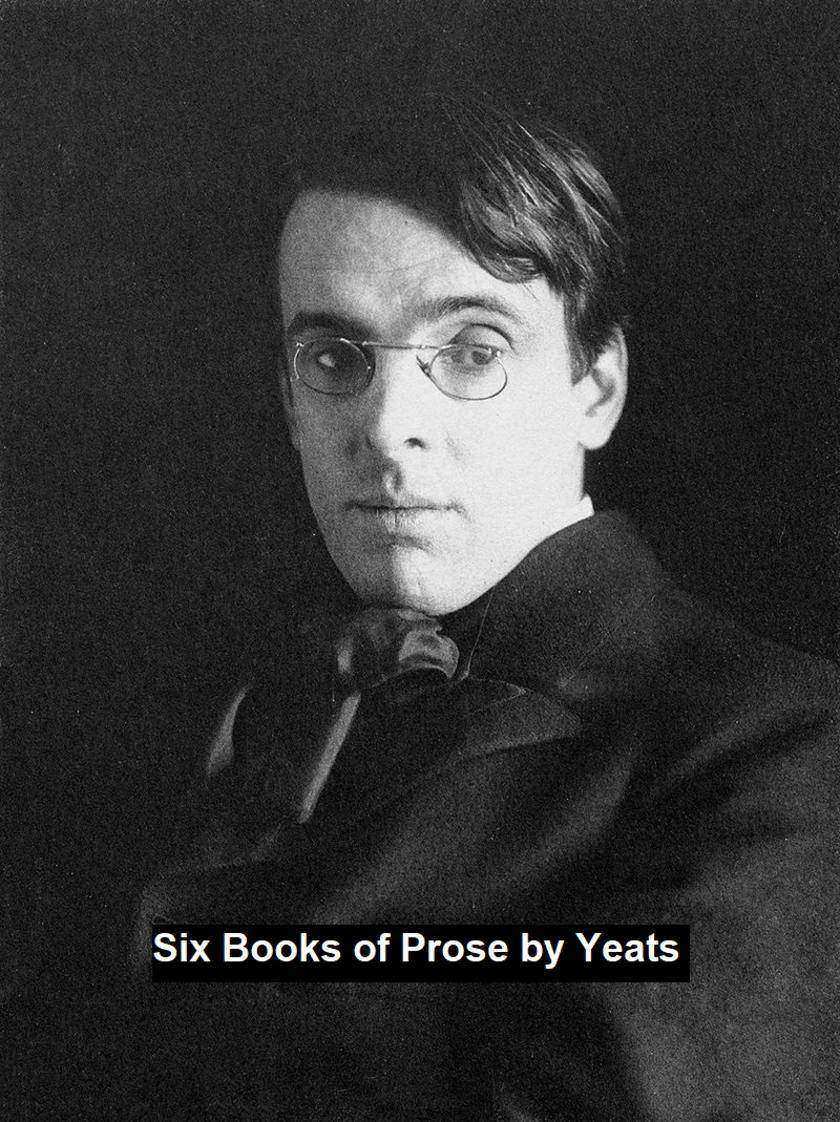
Six Books of Prose
¥8.09
This file includes: Celtic Twilight, Four Years, Rosa Alchemica, The Secret Rose, Stories of Red Hanrahan, and Synge and the Ireland of His Time. According to Wikipedia: "William Butler Yeats (13 June 1865 - 28 January 1939) was an Irish poet, dramatist, and one of the foremost figures of 20th century literature. A pillar of both the Irish and British literary establishments, in his later years Yeats served as an Irish Senator for two terms. He was a driving force behind the Irish Literary Revival, and along with Lady Gregory and Edward Martyn founded the Abbey Theatre, serving as its chief during its early years. In 1923, he was awarded a Nobel Prize in Literature for what the Nobel Committee described as "inspired poetry, which in a highly artistic form gives expression to the spirit of a whole nation." He was the first Irishman so honored. Yeats is generally considered one of the few writers whose greatest works were completed after being awarded the Nobel Prize;[2] such works include The Tower (1928) and The Winding Stair and Other Poems (1929). Yeats was born and educated in Dublin, but spent his childhood in County Sligo. He studied poetry in his youth, and from an early age was fascinated by both Irish legends and the occult. Those topics feature in the first phase of his work, which lasted roughly until the turn of the century. His earliest volume of verse was published in 1889, and those slowly paced and lyrical poems display debts to Edmund Spenser and Percy Bysshe Shelley, as well as to the lyricism of the Pre-Raphaelite poets. From 1900, Yeats' poetry grew more physical and realistic. He largely renounced the transcendental beliefs of his youth, though he remained preoccupied with physical and spiritual masks, as well as with cyclical theories of life."
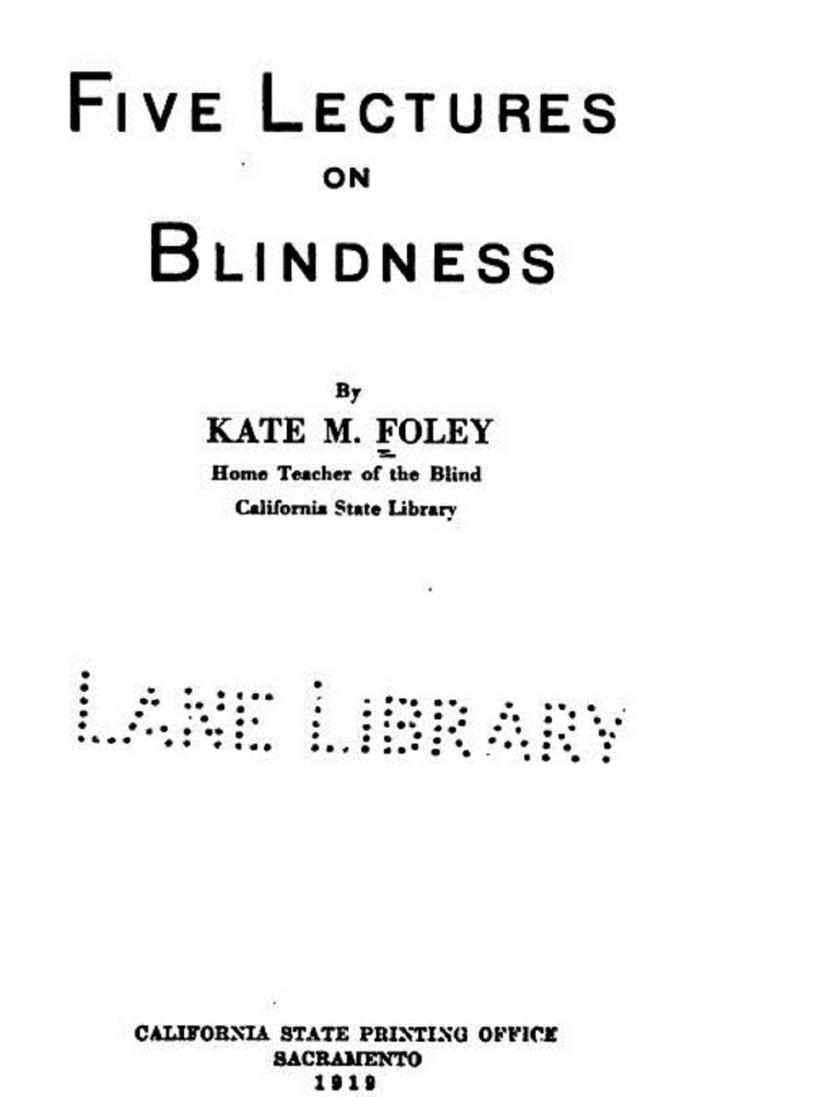
Five Lectures on Blindness
¥8.09
First published in 1919 by the California State Library.? The lectures cover: The Psychology of Blindness, The Blind Child and Its Develoment, The Re-Education of the Blind Adult, The Attiture of the Public Toward the Blind, and Prevention of Blindness and Conservation of Vision in Adults and Children.? According to the Foreword: "The following lectures were written primarily to be delivered at the summer sessions of the University of California, at Berkeley and at Los Angeles, in the summer of 1918. We are printing them, however, so that the information in them can be more widely distributed, since they are the outgrowth of almost a quarter of a century spent in work for the blind, and were written from the standpoint of a blind person, seeking to better the condition of the blind. They were addressed not to the blind, but to the seeing public, for the benefit that will accrue to the blind from a better understanding of their problems. The successful work of Miss Foley as a student in the California School for the Blind, as a volunteer teacher, and in recent years as home teacher for the California State Library, makes these lectures particularly important and authoritative."
Rudimental Divine Science
¥8.09
First published in 1891. According to Wikipedia: "Mary Baker Eddy (born Mary Morse Baker July 16, 1821 – December 3, 1910) was the founder of the Christian Science movement. Deeply religious, she advocated Christian Science as a spiritual practical solution to health and moral issues. She wrote Science and Health with Key to the Scriptures, founded The First Church of Christ, Scientist of Boston in 1879, and several periodicals including The Christian Science Monitor. She took the name Mary Baker Glover from her first marriage and was also known as Mary Baker Glover Eddy or Mary Baker G. Eddy from her third marriage. She did much spiritual teaching, lecturing, and instantaneous healing. Her influence continues to grow through her writings."
The Unity of Good
¥8.09
First published in 1887. According to Wikipedia: "Mary Baker Eddy (born Mary Morse Baker July 16, 1821 – December 3, 1910) was the founder of the Christian Science movement. Deeply religious, she advocated Christian Science as a spiritual practical solution to health and moral issues. She wrote Science and Health with Key to the Scriptures, founded The First Church of Christ, Scientist of Boston in 1879, and several periodicals including The Christian Science Monitor. She took the name Mary Baker Glover from her first marriage and was also known as Mary Baker Glover Eddy or Mary Baker G. Eddy from her third marriage. She did much spiritual teaching, lecturing, and instantaneous healing. Her influence continues to grow through her writings."
A Visit to Three Fronts
¥8.09
Account of World War I, first published in 1916. According to Wikipedia: "Sir Arthur Ignatius Conan Doyle (22 May 1859 – 7 July 1930) was a Scottish physician and writer who is most noted for his fictional stories about the detective Sherlock Holmes, which are generally considered milestones in the field of crime fiction. He is also known for writing the fictional adventures of a second character he invented, Professor Challenger, and for popularising the mystery of the Mary Celeste. He was a prolific writer whose other works include fantasy and science fiction stories, plays, romances, poetry, non-fiction, and historical novels."
A Desert Drama
¥8.09
According to Wikipedia: "Korosko was a 19th-century settlement on the Nile River in Sudan. It was located 118 miles (190 km) south of Aswan and served as the point of departure for caravans avoiding the Dongola bend in the river by striking out directly across the desert to Abu Hamad. It was replaced in this function by Wadi Halfa after the construction of the Sudan Military Railroad during the 1890s amid the Mahdi War. Although the railway employed a different gauge and was not connected to the Egyptian system, the two networks were connected directly by steamboat and Korosko, between them, diminished in importance. Its former location was flooded by Lake Nasser upon the completion of the Aswan High Dam."
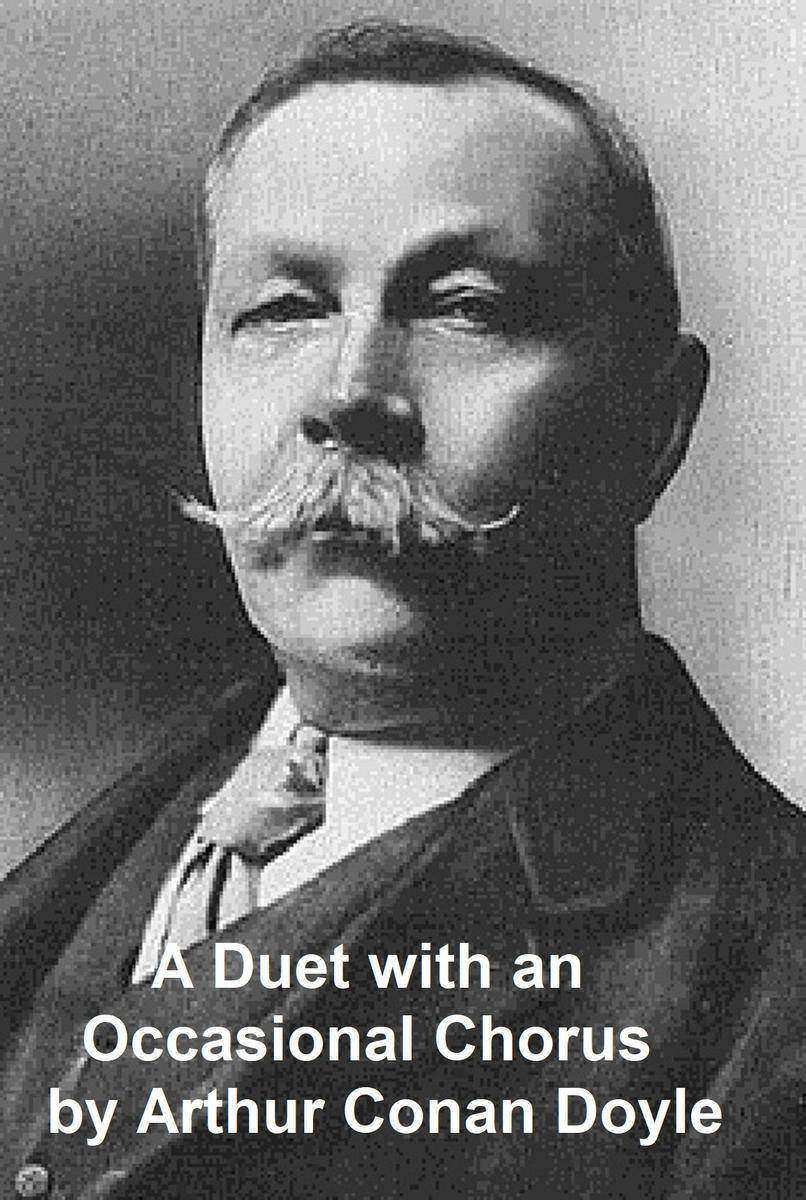
A Duet with an Occasional Chorus
¥8.09
Novel first published in 1899. According to Wikipedia: "Sir Arthur Ignatius Conan Doyle (22 May 1859 – 7 July 1930) was a Scottish physician and writer who is most noted for his fictional stories about the detective Sherlock Holmes, which are generally considered milestones in the field of crime fiction. He is also known for writing the fictional adventures of a second character he invented, Professor Challenger, and for popularising the mystery of the Mary Celeste. He was a prolific writer whose other works include fantasy and science fiction stories, plays, romances, poetry, non-fiction, and historical novels."


