


 购物车
购物车 个人中心
个人中心
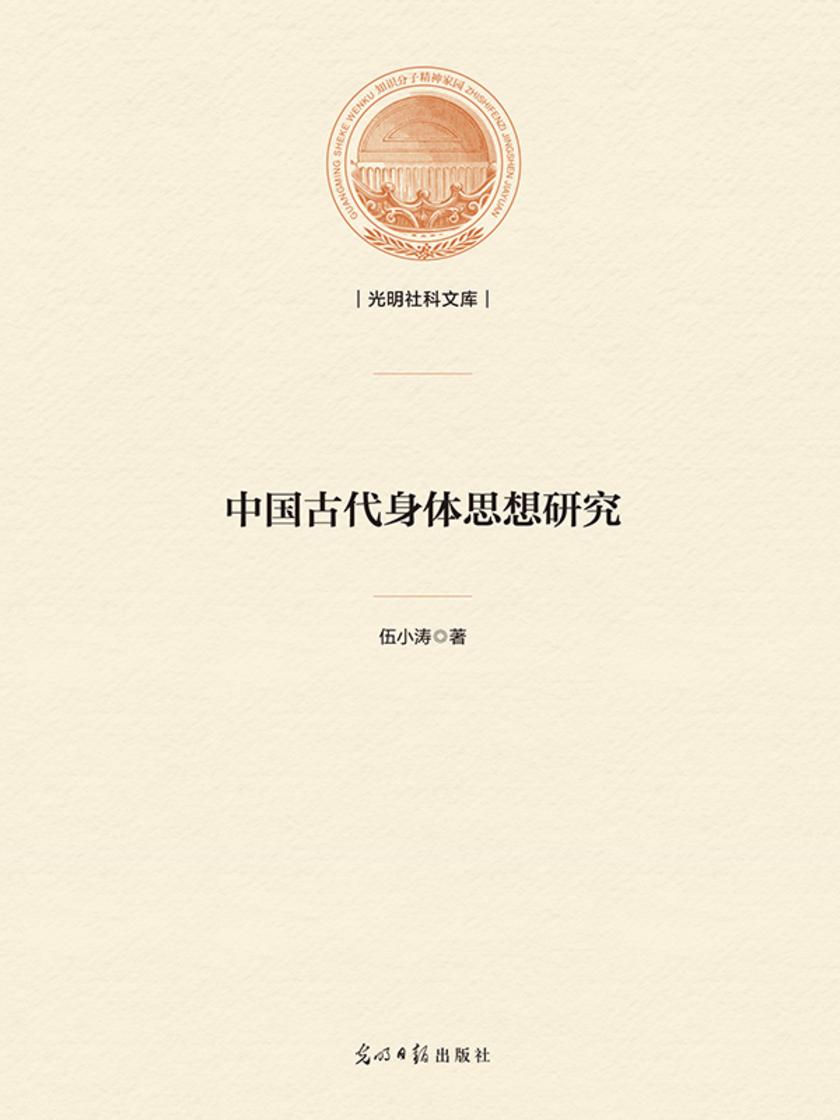
中国古代身体思想研究
¥55.30
本书以马克思主义身体观为指导,合理地吸收运用西方身体理论,在传统经典研究的基础上,参考有关的研究著作、论文,对中国古代身体思想作出逻辑梳理、科学分析和辨证批判。本书分三大部分。序言部分主要以习近平总书记关于传统文化的重要讲话和2017年1月中共中央办公厅、国务院办公厅联合印发的《关于实施中华优秀文化传承发展工程的意见》为切,论述选题的缘起和意义。指出在西方政治哲学身体转向的同时,中国从20世纪90年代起也始传统文化的身体关注……中国古代身体发展史是一部从奴隶社会到封建社会的身体铭刻史。与西方身体思想发展经过自然身体思想观、神学身体思想观、社会身体思想观三个时期一样,中国身体思想发展也经过三个时期,即:先秦身体图式时期、两汉魏晋南北朝身体叙事时期和唐宋元明清身体社会化时期。它分别对应中国奴隶社会瓦解封建社会形成时期、封建社会一步发展时期和封建社会繁荣衰落时期。它详细地展示了身体的多重面相和权力、话语在身体下的烙印。

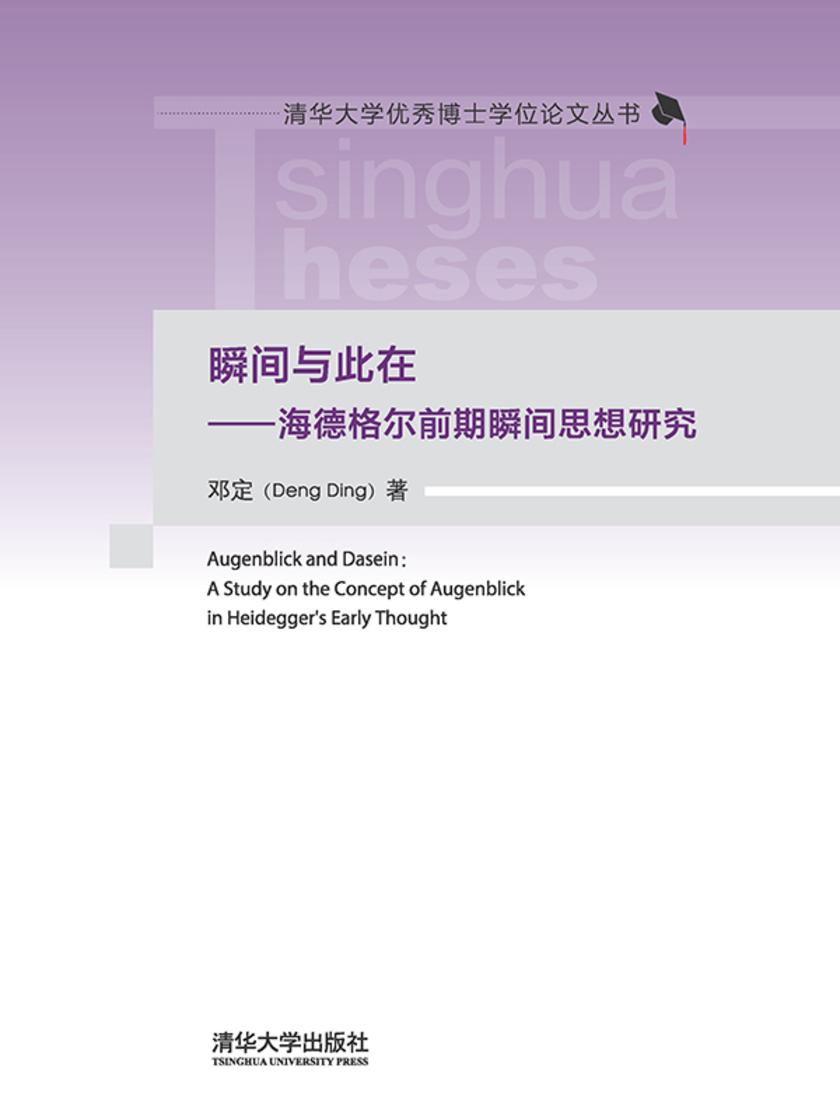
瞬间与此在——海德格尔前期瞬间思想研究
¥55.30
本文研究海德格尔前期思想中的"瞬间"问题.海德格尔对这一问题的研究主要源于亚里士多德和柯尔恺郭尔的相关思想,大致从三条路。本文在现象学的视角下,结合文本分析,尝试厘清海德格尔“瞬间”概念的多重含义。
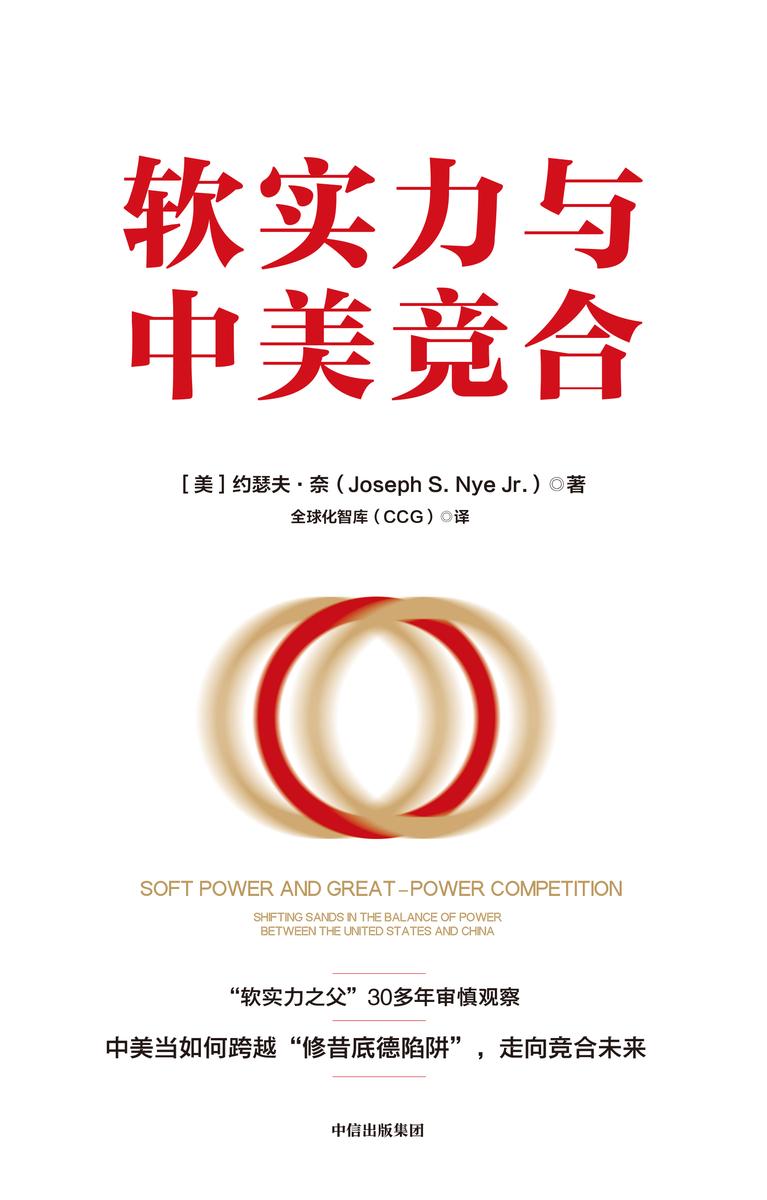
软实力与中美竞合
¥55.30
1990年,约瑟夫·奈首次提出“软实力”概念,传统国际政治领域的分析框架就此改写。他让我们认识到,在今天这样一个信息时代,成功不仅取决于谁的军队能胜,也取决于谁讲的故事更吸引人。一国的实力不仅包括基于军事和经济实力来胁迫或收他国的硬实力,还包括依靠自己的文化、政治理念和政策方针来吸引他国的软实力。随后,这一概念不仅被纳美国一些重大外交政策的考量,也从此走向世界,转变了全世界人民看待权力的视角。 本书收录了三十多年来约瑟夫·奈对中美这两个大国软实力发展状况及其如何影响中美关系走向的审慎观察。他见证了两国在科技、经济、军事领域的竞争不断加剧,同时也目睹气候变化、恐怖主义、网络风险以及大流行病等跨国性挑战的升级。他深刻认识到,两国当前的深度相互依存,意味着中美对抗必然导致两败俱伤,但紧张和误判始终伴随着美国对国家衰落和权力平衡变化的焦虑。因此,只有消弭误解误判,造中美竞合的新型外交关系,方能跨越“修昔底德陷阱”,走向“正和博弈”。
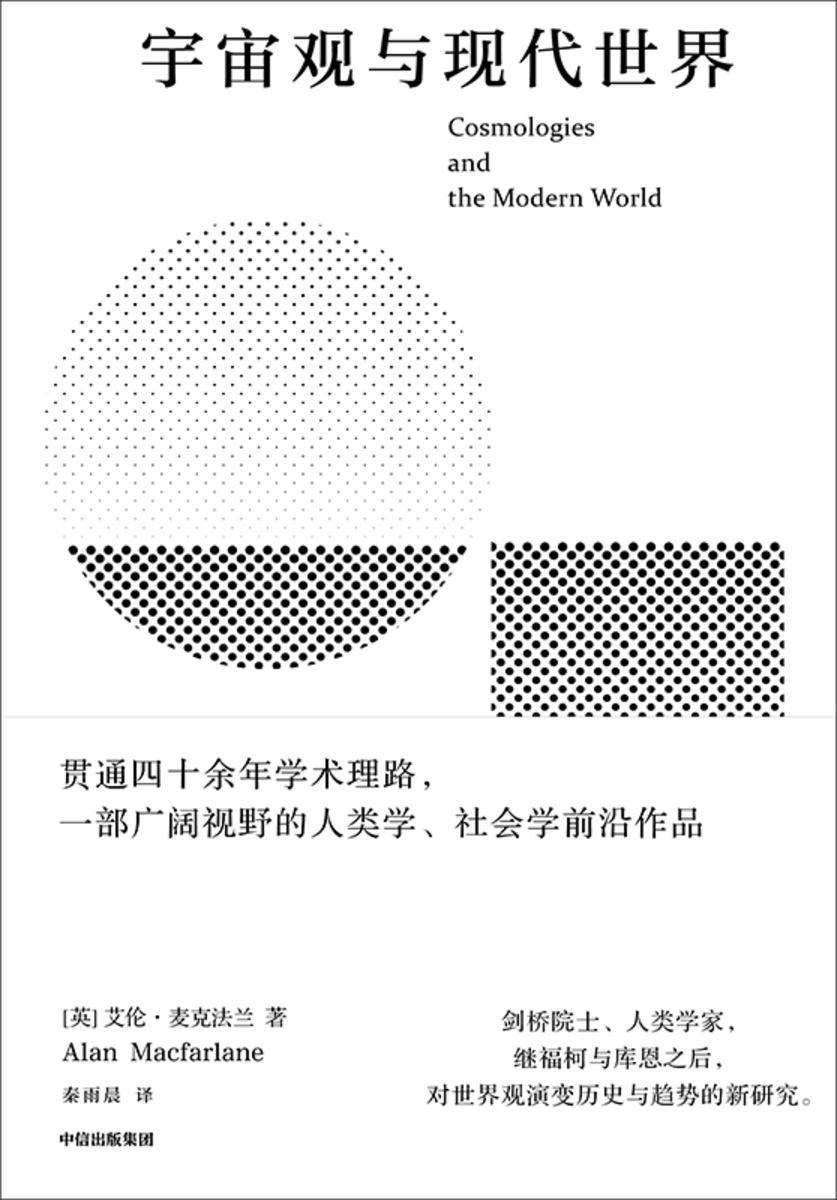
宇宙观与现代世界
¥55.30
本书深探讨了西方尤其是英语文化圈的世界观变迁,借助人类学、哲学和历史学的交叉视角,分析了不同文明的思维体系如何映射其权力结构、社会结构和历史脉络,并随着技术和权力关系的演变而悄然改变。 书中特别关注了西方对中国态度的变迁,同时讨论了时间与空间概念的文化差异和历史演,以及这些变化如何影响我们对世界的理解。通过比较研究,本书挑战了我们对时间、步和历史的传统认知,引领读者深探索人类文明的深层结构,从而获得对历史思想转变及其与社会变迁关系的新洞见。 人们只相信和受那些符合他们思维范畴和生活经历的解释。随着社会的变迁,他们倾向于不断创造和重塑自己的意义体系。人们不断修改对过去的认知,以适应当前的处境。
马克思主义伦理学的探索(马克思主义研究论库·第一辑)
¥55.42
《马克思主义伦理学的探索》详细阐述了伦理学的对象、方法、任务,特别是探讨了马克思主义伦理学的体系结构和特征,对道德需要、道德评价、道德境界、道德人格等伦理学问题的探索都具有创性。书中还讨论了应用伦理学、伦理学的学科发展等问题。
王阳明的智慧
¥55.99
王阳明是中国历史上极为重要的思想家,他的“心即理”“知行合一”“致良知”“万物一体”等主张,不仅影响了曾国藩、梁启超、梁漱溟、钱穆等名家,更是对我们普通人的生活有着重要的指导意义。《传习录》是王阳明讲学以及与弟子对话的语录集,记载了他“心即理”“知行合一”“致良知”“万物一体”等核心思想。 复旦大学哲学学院吴震教授、知名学者孙钦香潜心研究阳明心学多年,从《传习录》中提炼出99个能体现王阳明思想精神的经典章句,并做了详尽的注解和评析,以提纲挈领的方式、简明通俗的语言,深剖析《传习录》的哲学内核,让我们了解王阳明的为人,领悟心学的智慧精髓,掌握处世成事的秘诀。

禅之道(2024年新版)
¥55.99
“禅没有目的,如不去往何方的旅行。因为充满希望的旅途胜过终的到达。” “禅”这一古老玄奥的学说对现代生活还有何意义?这本风靡全球60余年的一代经典《禅之道》带你探索禅的世界,体会禅的“无为”“自足”对焦虑不安的现代生活的启示意义——自我和世界、现在与未来的对立消失,束缚得以解脱,放身心,活在当下。 《禅之道》初版于1957年,是西方哲学家阿伦·瓦兹众多著作中影响深远的经典长销之作,其观透彻,条理清晰,适宜普通读者门阅读。书中既有对于禅思想的全面阐述,也有将禅应用于生活和艺术领域的实践指导。 全书围绕“禅”这一主题,上承“背景和历史”,下启“原理和实践”。 上篇追溯禅与道家、佛教的渊源,深阐述与禅的诞生密切关联的《易经》、老子、庄子、列子、印度教和大乘佛教的主要思想,并细致梳理禅宗的历史传承。 下篇重阐述禅精神中核心的两个概念“空”和“妙”,以及“静坐无为”的禅修方式,并以“坐禅”和“公案”为例展深探讨;最后讨论禅在生活、艺术中的表达与应用,如禅与诗艺、茶道、园艺、书法、剑术等之间的关联。
现代西方哲学讲演集
¥56.00
《贺麟全集》的出版,是我和许多学界同仁久已期盼的事情。贺麟先生是现代中国的重要哲学家、翻译家、哲学史学家和前期新儒家代表人物之一,不了解贺麟先生的学术活动和成果,就无法真正知晓现代中国如何引入、消化西方哲学,也会盲然于新儒家运动一个重大思想源头。而要深入研究贺麟,此《全集》就是全面和权威的文本。

叶秀山全集·第七卷
¥56.00
【内容简介】 本选题分类结集叶秀山先生全部已经出版的专著,在学术期刊上发表的所有论文,以及部分笔记、札记、书信和讲演录,共11卷。本选题代表了当代中国哲学的高度,是哲学专业学习者和研究者的重要学习和参考用书。第七卷包括《永恒的活火》《学与思的轮回》这两本作者著作。
《周易》与中国文化
¥56.00
《周易》被誉为“六经之首”,是中国文化元的代表。它作为一种逻辑思维方式,贯穿于中华民族各种文化形成发展的始终,对中国文化产生了长期而广泛深刻的影响。不论是农、医、术、数、天文、地理、律历、文史、艺术、棋戏,还是哲学、政治、经济、军事、教育、科技等,都在不同程度上打上了易学的烙印。在我们民族的民族精神、伦理道德、风俗习惯、文化行为中更是流淌着易学的精血。《周易》的三才观、整体观、象数逻辑思维方式,不仅是中国文化元的代表,同时也构成了世界文化之一元。本书作者宋会群、苗雪兰通过多个领域的研究,详细论述了《周易》与中国文化的关系。书稿分为以下七个部分:一、千古奇书——《周易》; 二、周易学简史; 三、《周易》与中国思想文化; 四、《周易》与中华民族精神; 五、《周易》与中国古代科学; 六、《周易》与术数文化; 七、余论。引导读者由浅入深,领略《周易》文化的博大精深,感受《周易》对中国文化无处不在的影响。
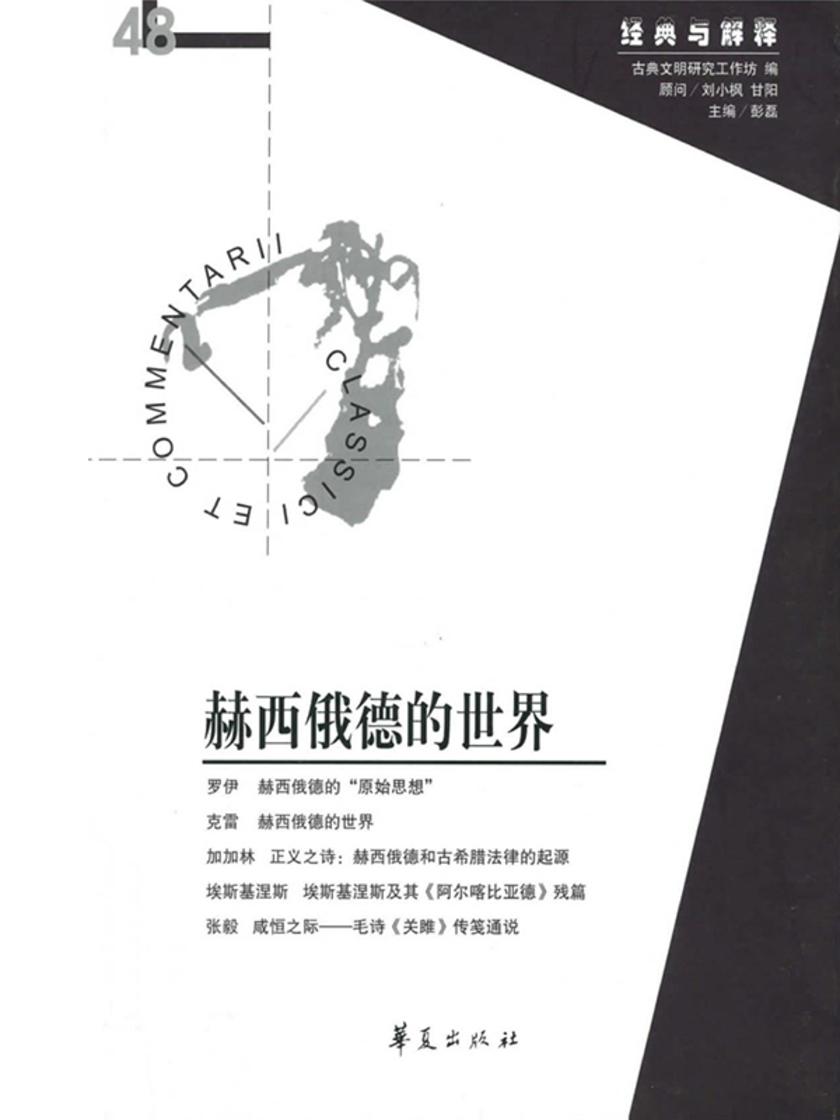
赫西俄德的世界(“经典与解释”第48期)
¥56.00
本期为赫西俄德专题,选译了英语学界研究赫西俄德的四篇代表性文章,分别涉及赫西俄德诗歌与自然哲学和政治哲学的关系问题,意图显示赫西俄德的两个世界——自然的世界和正义的世界之间的关系,揭示赫西俄德与古希腊思想的深刻勾连。 “古典作品研究”栏目选译了日本学者斋藤拙堂的《老子辨》和古希腊哲学家埃斯基涅斯的《阿尔喀比亚德》残篇。“思想史发微”则收录研究海德格尔的力作《从“同一者”到“命运”》;“旧文新刊”栏目刊布民国湖南学者郭倬瑩的《四部通論·經部流別》;“评论”收录两篇译文,分别涉及黑格尔和施特劳斯。

梁启超评传(陈其泰史学萃编)
¥56.00
综观梁氏一生, 从对历史发展的影响说, 他在戊戌前后的十年和晚年从事著述是主要的。 他是近代维新派的领袖人物, 又是一位启蒙思想家和近代学术文化的拓者。 从 1918 年起, 是梁启超专心从事著述的十年。 1918 年他即奋力著 《 中国通史》 , 因用功过度致吐血数次。 1919 年, 他在欧洲考察了一年。 1920 年初回国后, 集中力量从事著述和讲学, 以近代观写下了大量论著, 著名的有 《 清代学术概论》 《 中国近三百年学术史》 《 中国历史研究法》 及其 《 补编》 《 墨子学案》 《 先秦政治思想史》 《 儒家哲学》《 中国文化史;社会组织篇》 《 国学门书要目及其读法》 《 古书真伪及其年代》《 要籍解题及其读法》 等。 本书的研究方法 是把梁氏的史学成就分为前期 (19世纪末至 20 世纪初)和后期 (晚年著述)两个阶段, 以求更清晰地显示他思想和学术演的脉络; 以分析代表性论著为主, 并与其他成果结合论述, 力求揭示他作为杰出史家具有深刻意义的贡献。
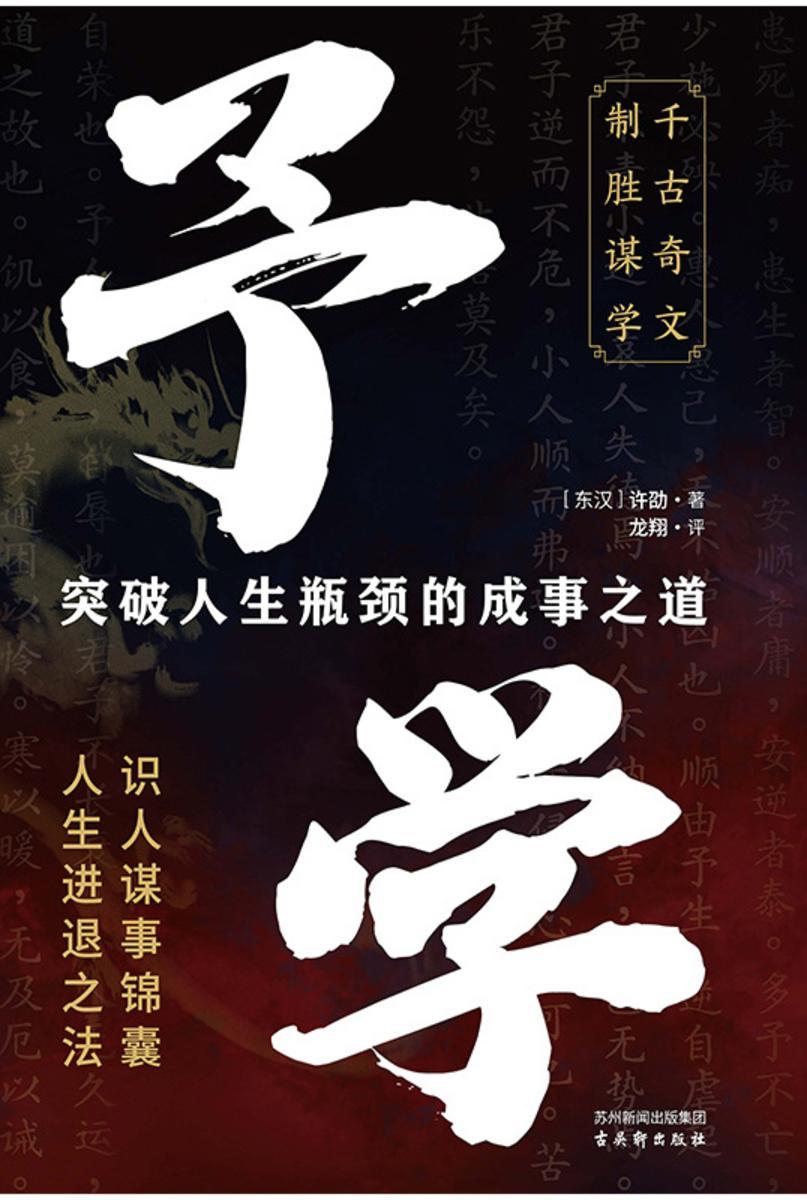
予学 突破人生瓶颈的成事之道
¥56.00
《予学》是一部介绍古人修身立世、发心成事的处世谋略著作,也是中华传统哲学中“舍得”“予取”思想的重要体现。古人认为,成大事者要有远见卓识,在多数人都以猎取为能时,要明白欲取必先予,小予小成,大予大成。本书对成功的奥秘做了深刻的挖掘,揭示给予对人生意义的重大影响,从基本观念上改变人们对成功的定义,不仅在内容上哲理深邃、启人心智,而且还有适用面广、实用性强等特。

意义的逻辑
¥56.00
《意义的逻辑》由 34 篇悖论系列构成,附有5篇论文,是德勒兹最重要的著作之一。德勒兹经由古代悖论与现代悖论确定意义与无意义的地位,探寻意义与无意义冲突的场所,探讨事件哲学与生成哲学、内在性平面与无器官身体、时间的神话构想、游戏等论题,其中涉及刘易斯·卡罗尔、安托南·阿尔托、马拉美、左拉、菲茨杰拉德、米歇尔·图尼埃等作家,斯多亚学派、塞涅卡、尼采、克罗索夫斯基等哲学家,弗洛伊德、梅兰妮·克莱因等精神分析学家。深度、高度和表面融生命构成的复杂关系,而德勒兹摒弃深度,驳斥高度,他经由刘易斯·卡罗尔从文学维度征服表面,经由斯多亚学派从哲学维度征服表面,旨在诠释保尔·瓦雷里的名言:“最深邃的是皮肤”。
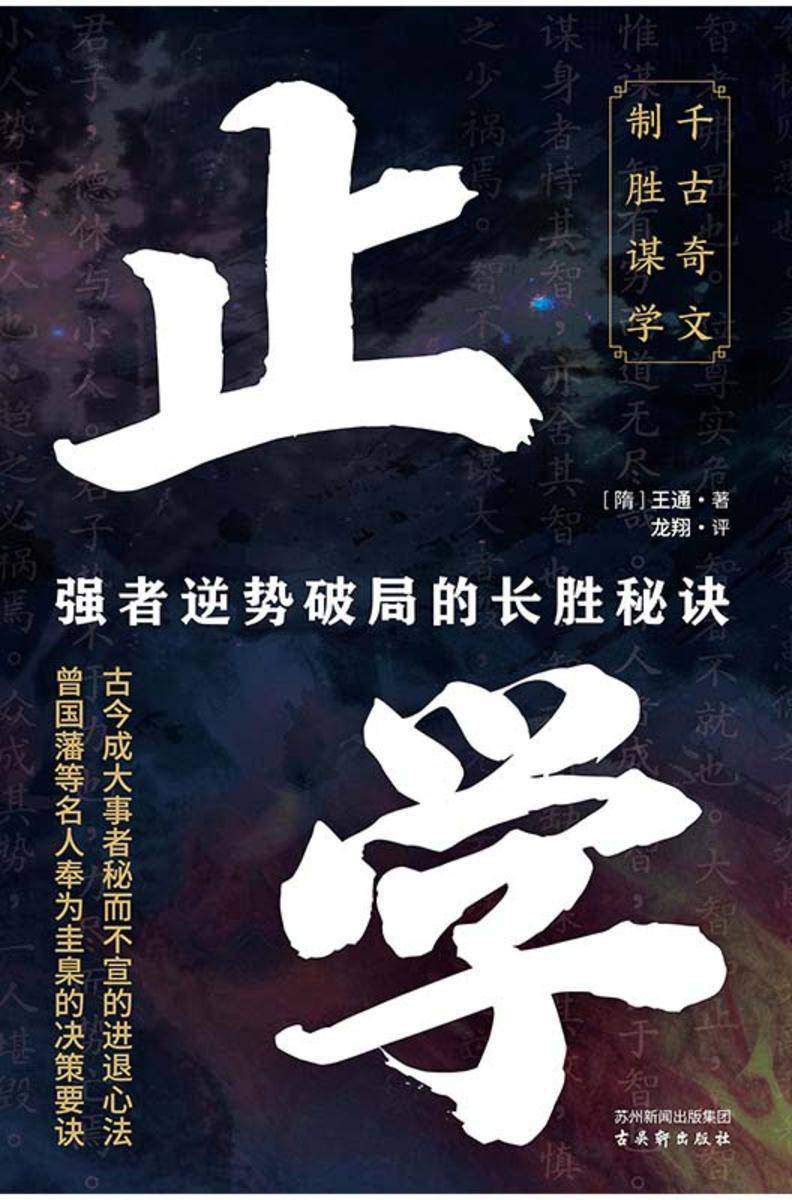
止学 强者逆势破局的长胜秘诀
¥56.00
《止学》是一部以“知止”思想为核心、论述如何在退之间保持平衡的处世谋略典籍,对了解中国传统的哲学思想和处世智慧具有重要的意义。所谓“知止”,就是要适可而止,过度的追求可能会导致灾难,而适度的追求才能带来成功。曾国藩少时钟爱此书,一生作为处处皆有“知止”的烙印;李嘉诚更将“知止”二字悬挂于办公室内,叮嘱自己身体力行……
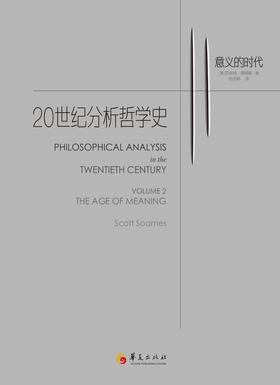
20世纪分析哲学史卷二
¥56.24
分析哲学是20世纪主要的两大哲学流派之一,自摩尔、罗素以来,大师辈出,经典产品层出不穷,可以说,整个改变了西方哲学的面貌。本书是探讨20世纪分析哲学的一部巨著,作者是著名的分析哲学家,在书中详尽地考察了从摩尔、罗素、维特根斯坦到蒯因、克里普克等大师的哲学思想,对其在哲学史上的主要贡献做了极其精彩的分析,对其论证中的不足同样做了犀利的批评。可以说,本书必将作为一部经典的哲学史而流传后世。第二卷通过如下哲学家或学派来解释分析传统在接下来的四分之一个世纪里的演变:首先是后期维特根斯坦和英国的日常语言学派,然后是威拉德·冯·奥曼·蒯因在科学启发下向自然主义的转变,以及这种转变与唐纳德·戴维森的语言理论的融合,后是索尔·克里普克对必然性和先天性的概念重构,这种重构改变了分析哲学的轨迹。正是这个时候,分析的传统背离了关于哲学的语言观念,并回归到把逻辑和语言作为哲学理论化的有力工具的早期视野中去。尽管关于哲学的语言视野失败了,但我们在理解哲学各个领域的核心问题方面还是取得了很大进展。第二卷讲述了上述故事,而它的“尾声”部分勾勒了二十世纪结束之际哲学专业化的多元化新纪元。
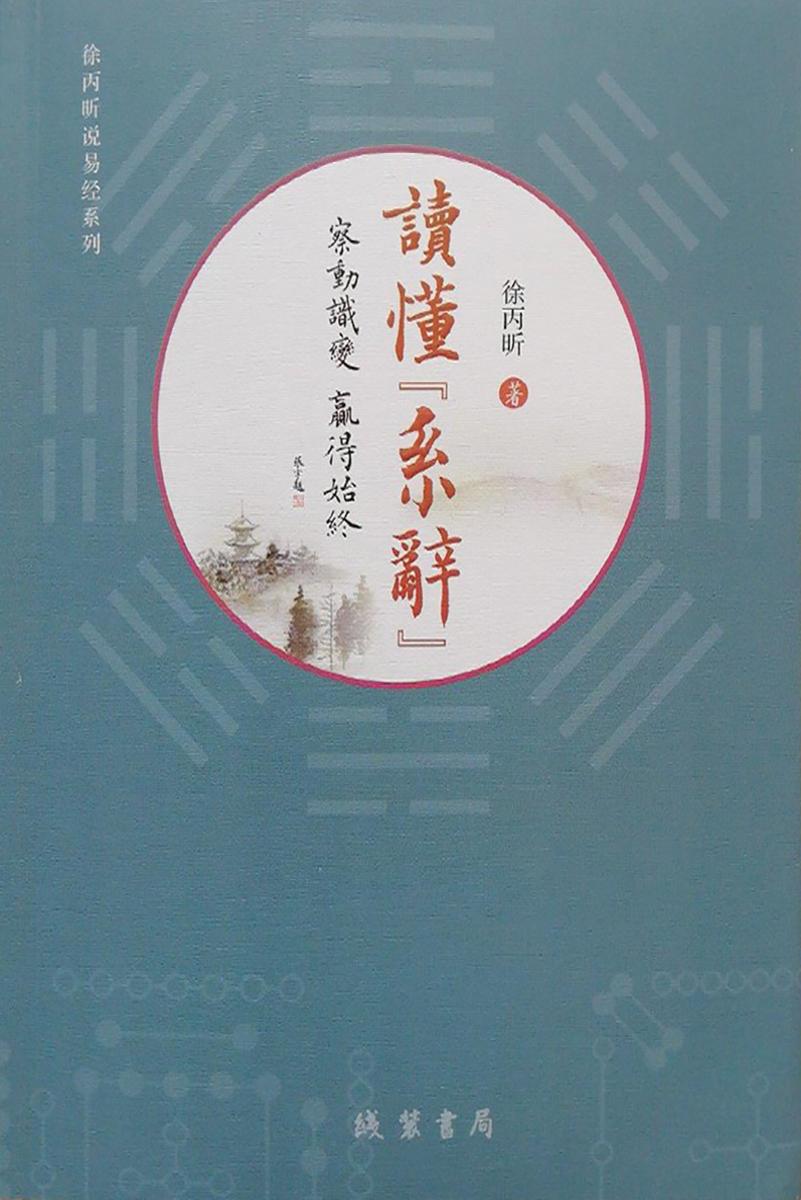
读懂《系辞》:察动识变 赢得始终
¥57.00
读懂《系辞》:察动识变 赢得始终

孟子与汉代四家诗 中华书局出品
¥57.00
本书结合考古发现、辑佚资料、传世文献及学界成果,主要从思想史、学术史、文学史的角度手,着力于理清孟子与汉代四家诗之间的深层渊源,并对《孟子》在汉代《诗》学发展中的地位和作用予以重新探讨。正文共分五章。章是对孟子与战国秦汉《诗》学发展关系的纵向考察,主要从学术渊源、地缘关系、时代变换与孟子地位变迁三个层面,探讨孟子与周秦两汉的《诗》学渊源。第二、三、四、五章分别以鲁、齐、韩、毛四家诗为主体,从各自的学术渊源、经学特征、诗学主旨、诗义承袭和学者受等角度,分析了孟子与四家诗的深层关联。
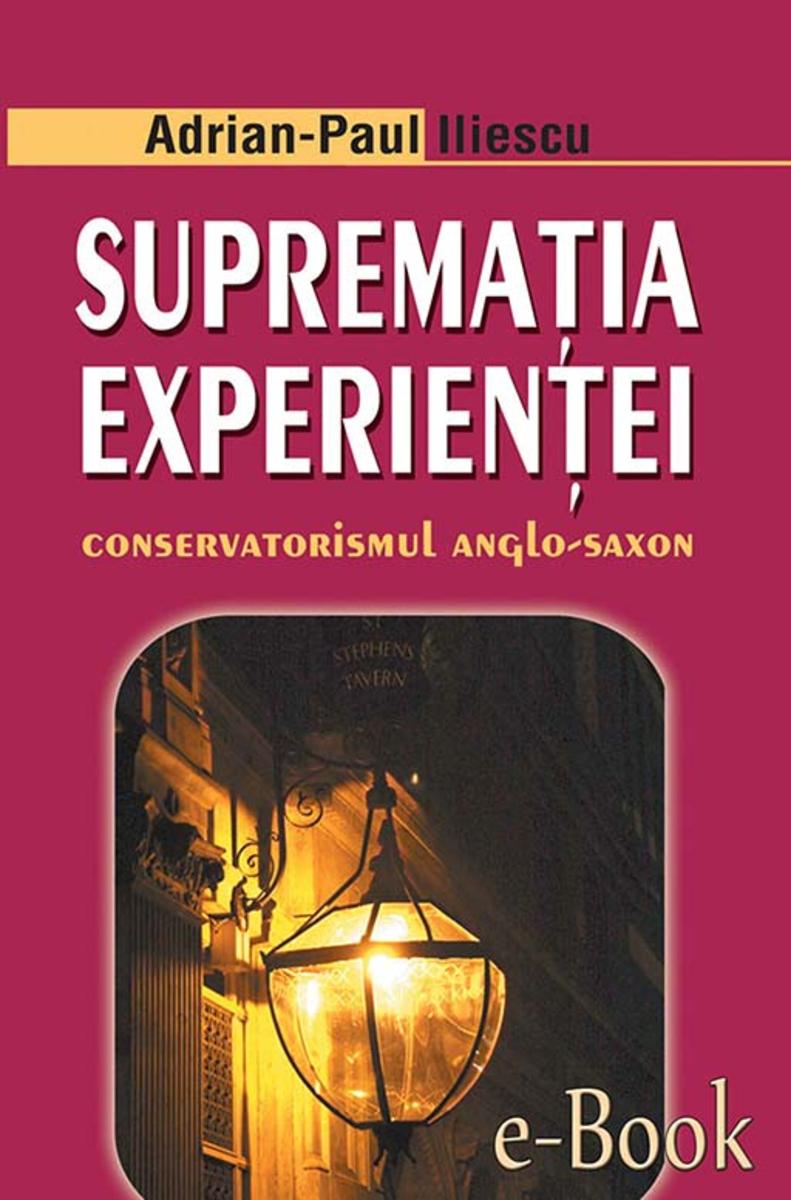
Suprema?ia experien?ei. Conservatorismul anglo-saxon
¥57.14
Via?a fiec?ruia dintre noi se desf??oar? pe fundalul unor nara?iuni?sau teorii filosofice discrete ?i insesizabile, care ne ofer? sens ?i ne ?ndrum? ?n momentele de cump?n?.Au o istorie fascinant? ?i uneori extrem de agitat?, care st? m?rturie?pentru str?daniile noastre de a ?n?elege lumea ?i de a o transforma ?ntr-un mediu familiar.Cartea de fa?? ne prezint? istoriile a trei dintre aceste nara?iuni,?cunoscute mai mult filosofilor, cu toate c? ele ?ncearc? s? ofere r?spuns?la ?ntreb?ri tulbur?toare ?i de?o importan?? cov?r?itoare pentru?noi to?i: de ce exist? lumea, ?n ce const? identitatea persoanei, ce?este realitatea.
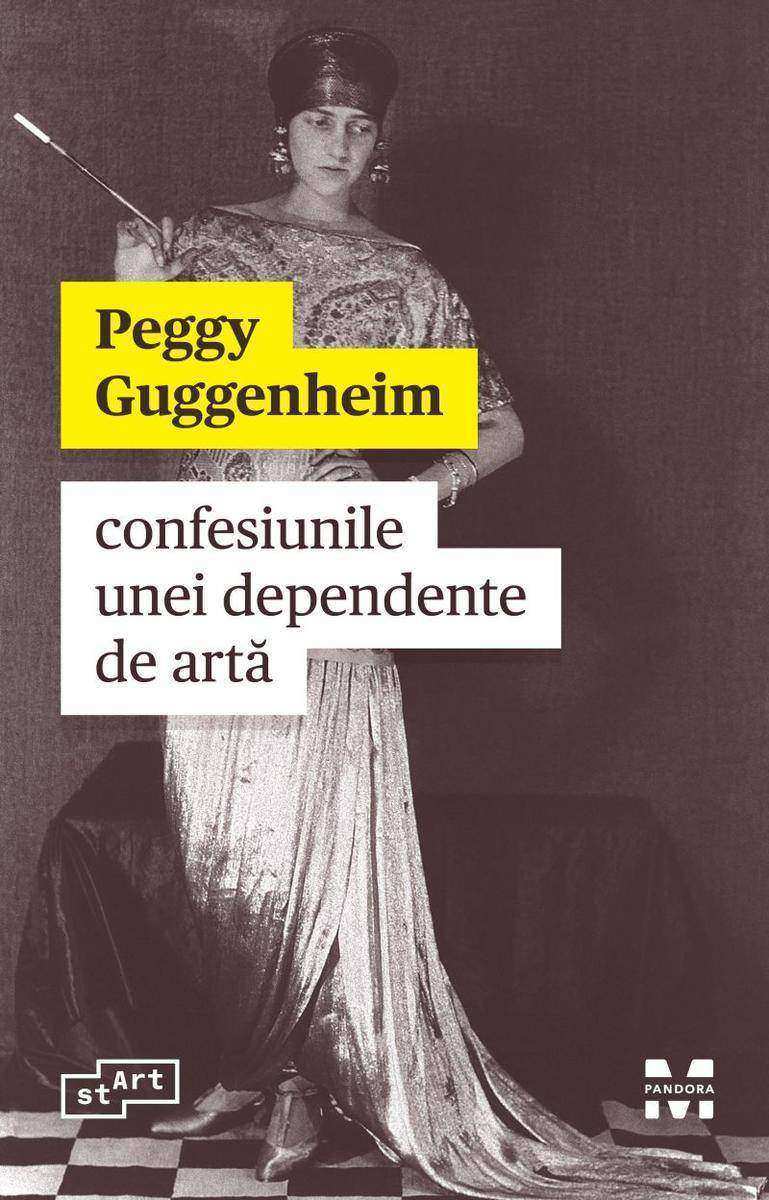
Confesiunile unei dependente de art?
¥57.14
One of the greatest works of philosophy, political theory, and literature ever produced, Plato’s Republic has shaped Western thought for thousands of years, and remains as relevant today as when it was written during the fourth century B.C.Republic begins by posing a central question: "What is justice, and why should we be just, especially when the wicked often seem happier and more successful?" For Plato, the answer lies with the ways people, groups, and institutions organize and behave. A brilliant inquiry into the problems of constructing the perfect state, and the roles education, the arts, family, and religion should play in our lives, Republic employs picturesque settings, sharply outlined characters, and conversational dialogue to drive home the philosopher’s often provocative arguments.Highly regarded as one of the most accurate renderings of Plato's Republic that has yet been published, this widely acclaimed work is the first strictly literal translation of a timeless classic. This Special Collector's Edition includes a new introduction by Prof. Colin Kant, PH.D, a noted Platonian and Socratic scholar.
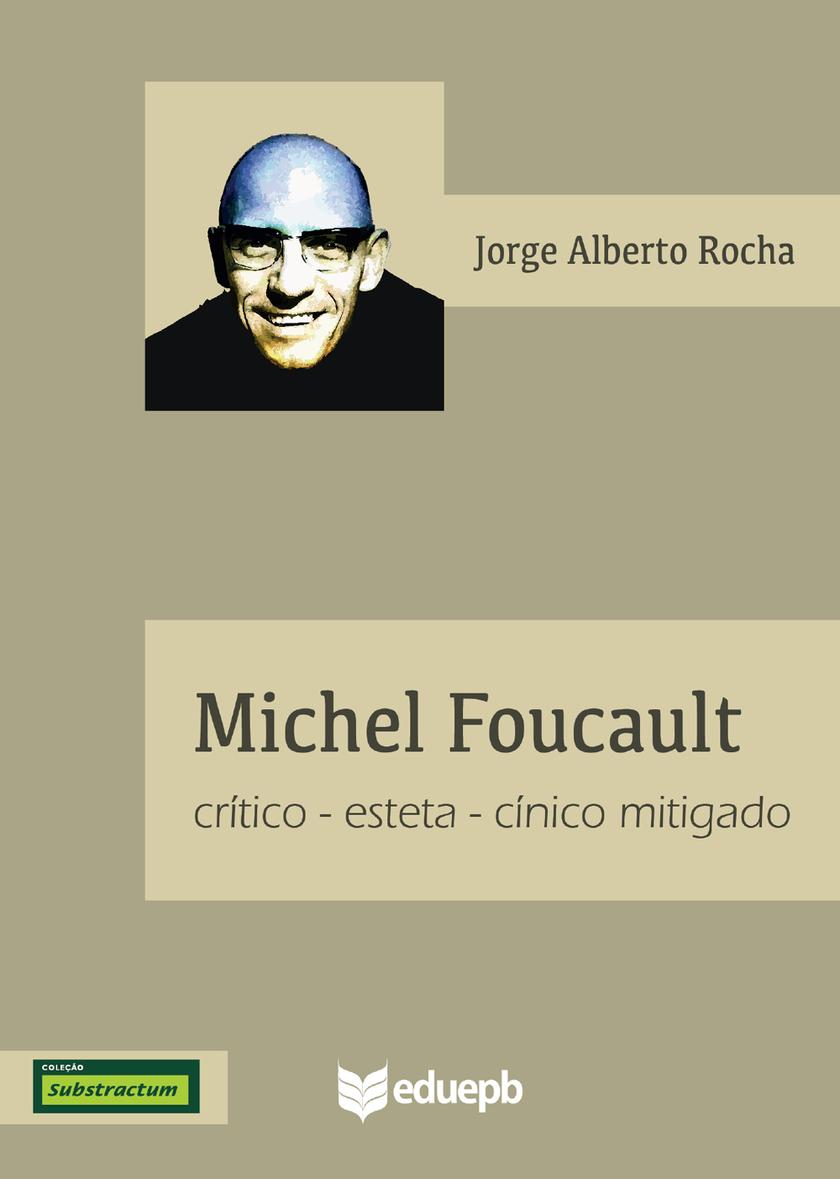
Michel Foucault: crítico-esteta-cínico mitigado
¥57.14
S?rmanul Nietzsche, ?bestia blond?“, a avut ?i el parte de crucificare. Multor profe?i ?i m?ntuitori li se ?nt?mpl? asta: eventual ?i ?n timpul vie?ii, ?i dup? moarte. Nietzsche, r?zvr?titul ?mpotriva legilor celor vechi, ?ntemeietorul orgolios al noii sale ?religii“, a trebuit s? suporte ?i el toate e?ecurile ?i r?st?lm?cirile posibile, ba chiar ?i punerea terifiant? ?n practic? a unora dintre ideile lui, care nici nu mai erau ale lui ?i, ?ndeob?te, nu mai erau idei…?Viclenia ra?iunii“, implicit a istoriei, o descrisese Hegel, unul dintre cei mul?i pe care Nietzsche nu-i agrea. Dincoace de istorie ?i chiar dincolo de ea, r?m?n c?r?ile. Omul n-a fost s? fie m?ntuit de Nietzsche. C?r?ile lui vor d?inui printre oameni: pentru oameni.


