


 购物车
购物车 个人中心
个人中心
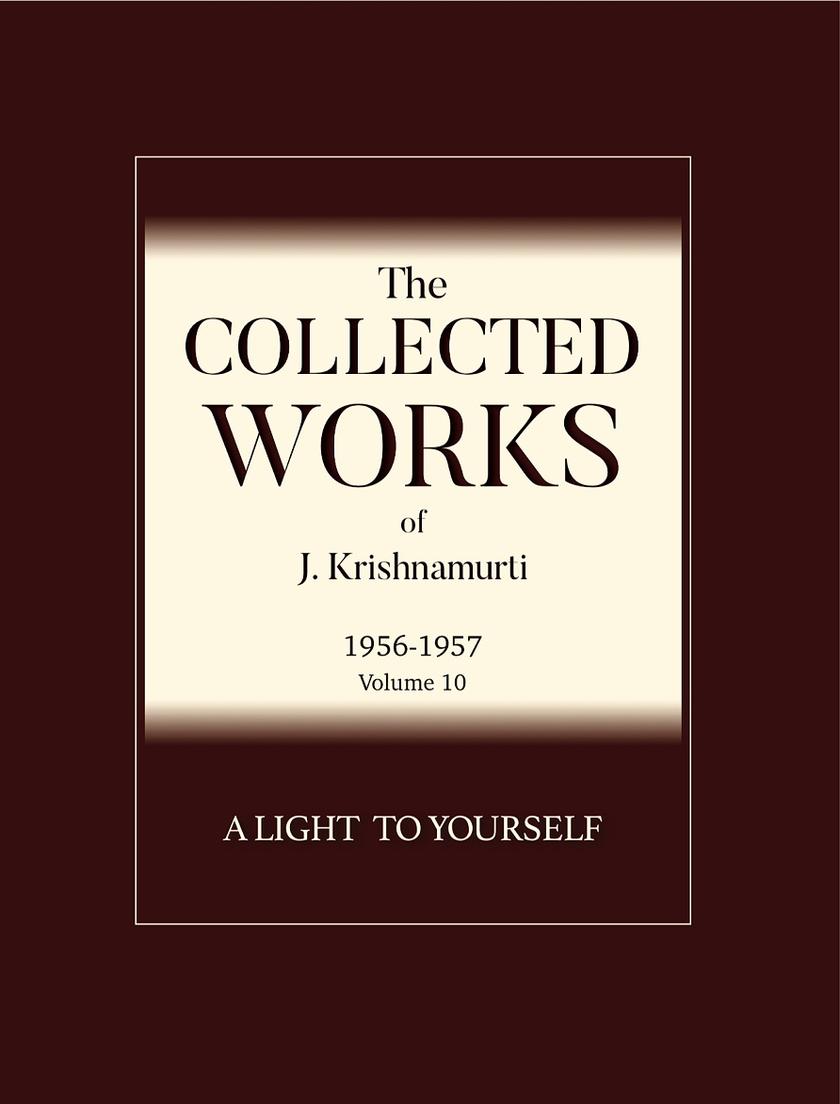
A Light to Yourself
¥57.14
In these talks, given in Europe and India, Krishnamurti goes into the importance of going into problems openly, without conclusions. "..because we approach our problems partially, through all these various forms of conditioning, it seems to me that we are thereby not understanding them. I feel that the approach to any problem is of much more significance than the problem itself, and that if we could approach our many difficulties without any particular form of conditioning or prejudice, then perhaps we would come to a fundamental understanding of them." An extensive compendium of Krishnamurti's talks and discussions in the USA, Europe, India, New Zealand, and South Africa from 1933 to 1967—the Collected Works have been carefully authenticated against existing transcripts and tapes. Each volume includes a frontispiece photograph of Krishnamurti , with question and subject indexes at the end. The content of each volume is not limited to the subject of the title, but rather offers a unique view of Krishnamurti's extraordinary teachings in selected years. The Collected Works offers the reader the opportunity to explore the early writings and dialogues in their most complete and authentic form.
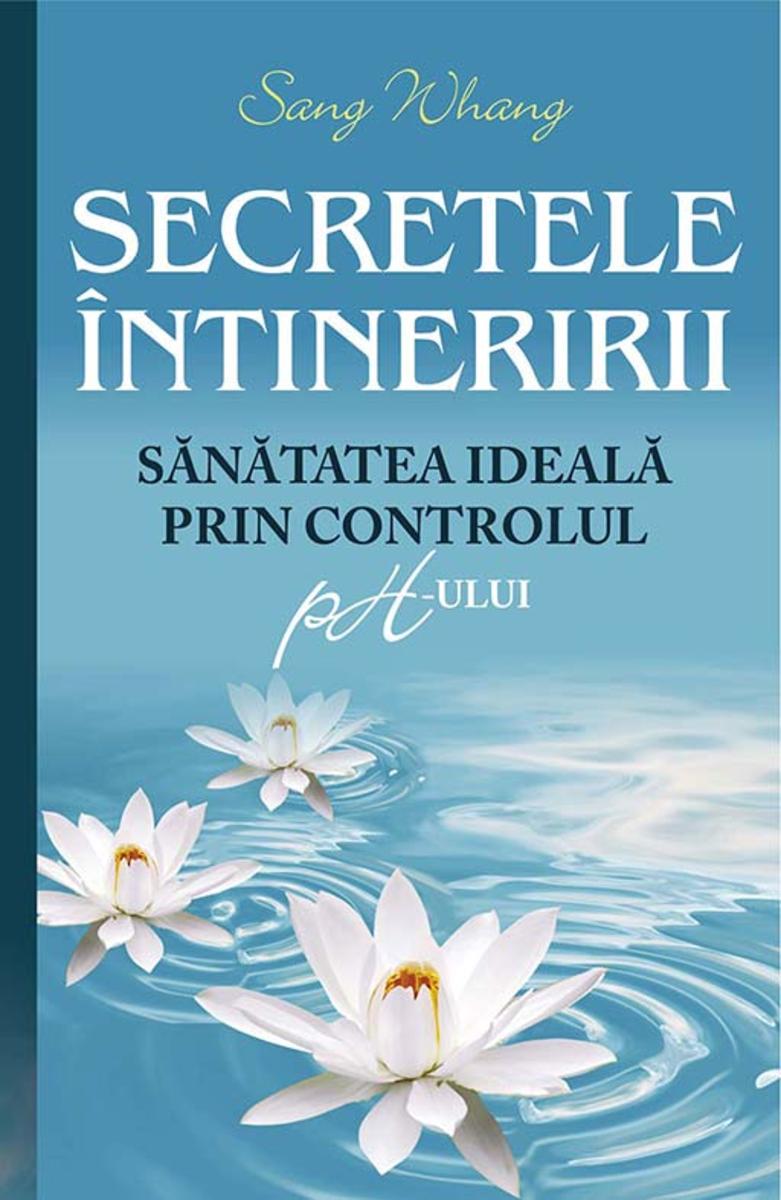
Secretele ?ntineririi. S?n?tatea ideal? prin controlul pH-ului
¥57.14
Pamfletul Sim?ul comun (1776) a fost un veritabil best-seller ?n epoc?, succesul de care s-a bucurat reflect?ndu-se ?n numeroasele republic?ri. Lucrarea pledeaz?, cu argumente solide, pentru separarea total? a coloniilor americane de Marea Britanie, invoc?nd drepturile naturale ale oamenilor, egalitatea ?i suveranitatea fiec?rei fiin?e, supunerea doar fa?? de lege ?i caracterul absurd al institu?iei monarhiei. Autorul surprinde cu verv? ?i fine?e toate circumstan?ele favorabile desprinderii de patria-mam?, ?ndemn?ndu-?i concet??enii s?-?i decid? singuri soarta.

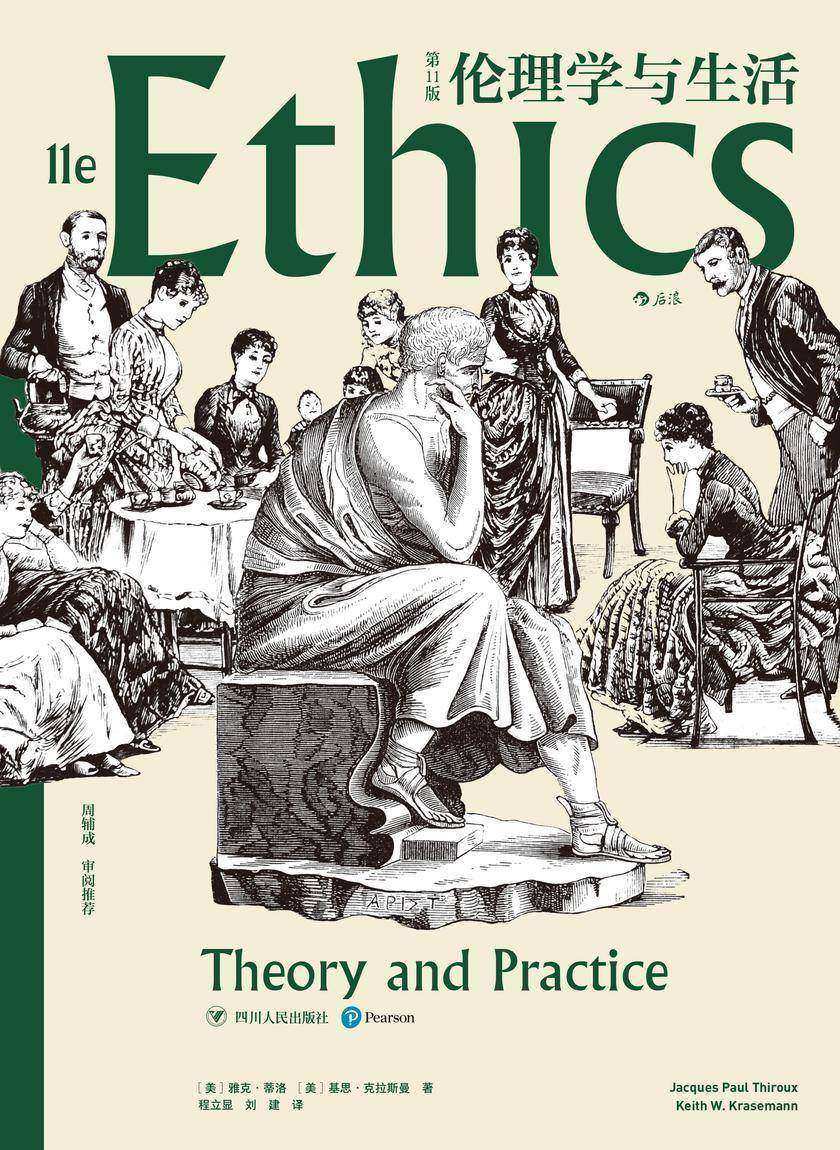
伦理学与生活(第11版)
促销价:¥24.99|¥96.00
作者直面当今社会深刻的道德危机,将伦理学理论应用于日常生活的阐释,鼓励道德主体的反思、批判和创新精神。这是本书的*特色。本书对描述的、规范的和分析的伦理学行了科学综合,汲取东方伦理学的精华,构建了“人道主义伦理学”体系;力倡生命价值、善良、公正、诚实和个人自由等五条道德原则,为生命(医学)伦理、企业伦理、媒体伦理、环境伦理、性伦理等广泛的社会伦理问题提供了应对之道。 本书自面世四十余年来,在世界范围内拥有持续增长的读者群。本书不仅为哲学与伦理学专业师生所喜爱,也广受非专业读者的欢迎。正如中国伦理学大家周辅成先生所言,本书体现的“知行合一”的为学为人之道,必将在广大中国读者当中引起灵魂深处的共鸣。

叶秀山全集·第五卷
¥57.60
【内容简介】 本选题分类结集叶秀山先生全部已经出版的专著,在学术期刊上发表的所有论文,以及部分笔记、札记、书信和讲演录,共11卷。本选题代表了当代中国哲学的高度,是哲学专业学 习者和研究者的重要学习和参考用书。第五卷包括《说“写字”》《中西智慧的贯通》《哲学作为创造性的智慧》三本作者专著和自选集。

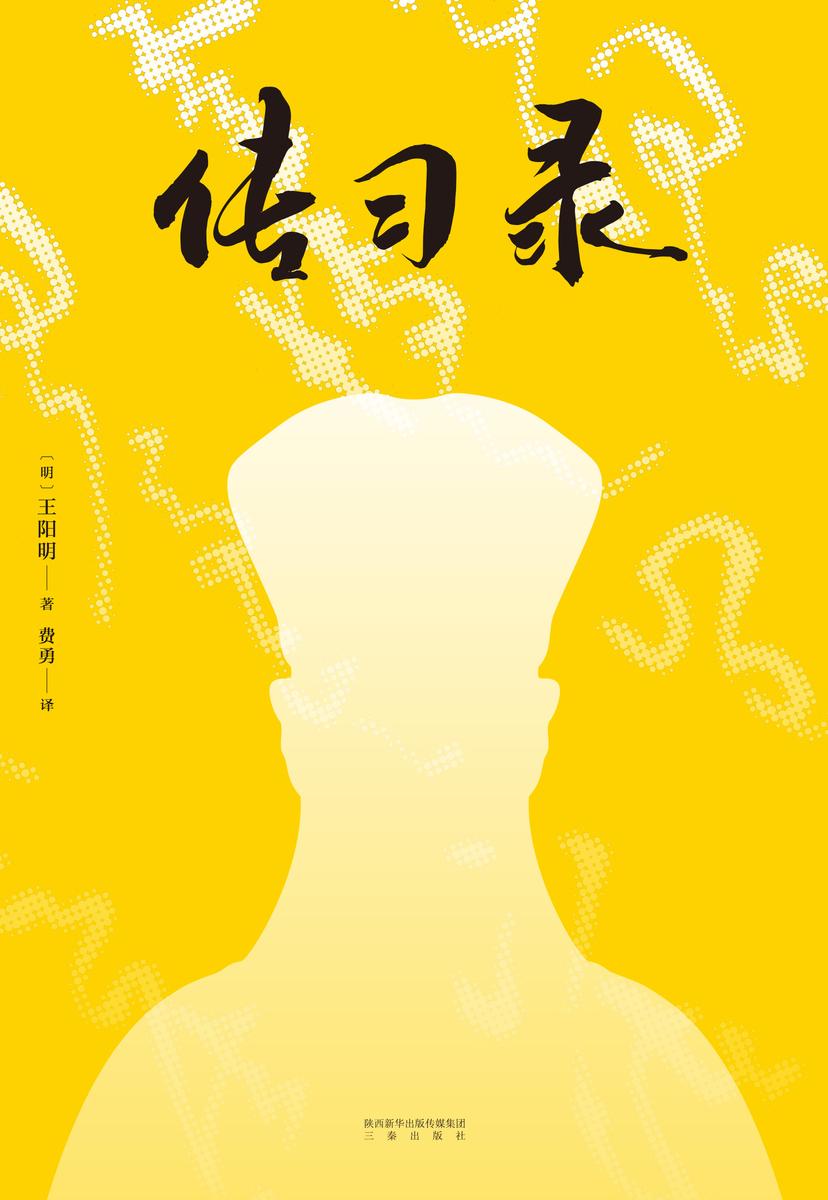
传习录(知行合一的生活哲学读本,全译全注,万字导读,一本书读懂阳明心学)
¥58.00
《传习录》是王阳明的问答语录和论学书信集,集中而系统地阐释了阳明心学心即理、致良知、知行合一的内涵,是一部简明而有代表性的古典哲学著作。它所阐述的修身、养心、处世之道对于现代生活依然有巨大的指导意义,可以说,这是一本充满实践性的生活哲学读本。 钱穆将其列为"中国人人所之书";学者杜维明曾断言,21世纪将是王阳明的世纪;著名畅销书作家当年明月盛赞王阳明:"彪炳显赫,自明之后,唯此一人而已。" 著名学者、《金刚经修心课》作者费勇教授在潜心研究《传习录》后,以精准流畅的译文呈现阳明心学之精髓,修正了现有版本的数十处谬误,并以万字序言导读,力图呈现一本人人皆可读懂的《传习录》。

叶秀山全集·第八卷
¥58.00
【内容简介】 本选题分类结集叶秀山先生全部已经出版的专著,在学术期刊上发表的所有论文,以及部分笔记、札记、书信和讲演录,共11卷。本选题代表了当代中国哲学的高度,是哲学专业学习者和研究者的重要学习和参考用书。第八卷包括《科学·宗教·哲学》这本作者专著。
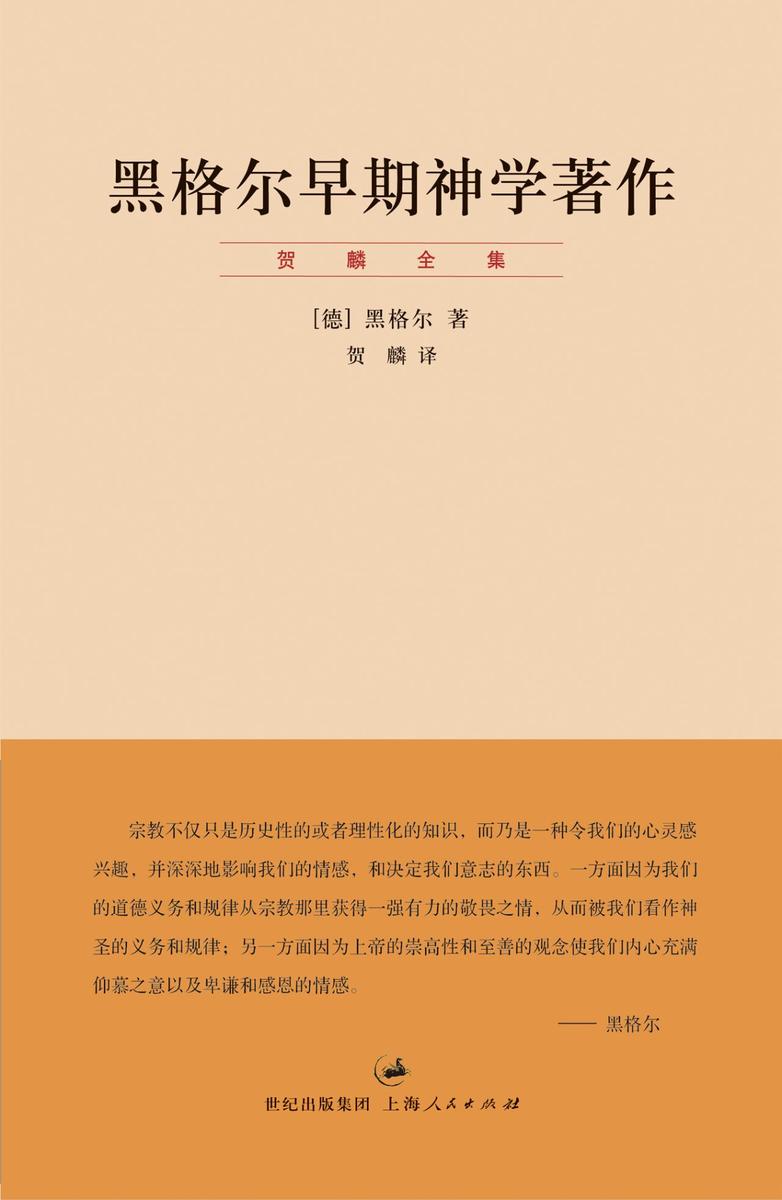
贺麟全集:黑格尔早期神学著作
¥58.00
《黑格尔早期神学著作》(“贺麟全集”第八卷)是著名哲学家、翻译家贺麟的重要译著之一,以八十岁高龄自诺尔编黑格尔著《早期神学著作》的德文原版翻译而成,并参考诺克斯与克朗纳的英译本。本书也是身为译介黑格尔至中国人的贺麟先生,生前后一部黑格尔相关译著。其中收黑格尔著《民众宗教和基督教》《耶稣传》《基督教的权威性》《基督教的精神及其命运》及《1800年体系残篇》等五篇论文,是了解和研究黑格尔早期神学思想的手资料。
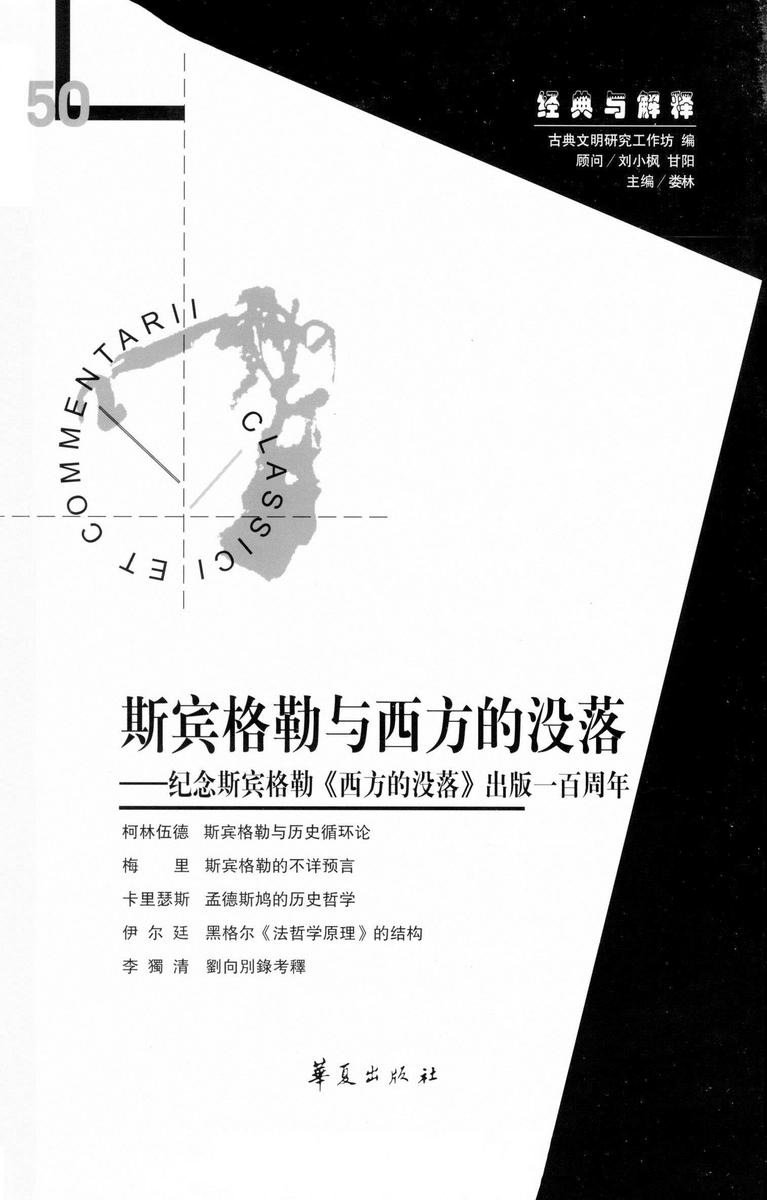
斯宾格勒与西方的没落:纪念斯宾格勒《西方的没落》出版一百周年(“经典与解释”第50期)
¥58.00
1918年斯宾格勒《西方的没落》出版,标志着西方现代性危机发展到*激烈的程度。“西方的没落”自此成为表述西方现代性危机的一个新概念,在学界得到广泛受。此文集为纪念《西方的没落》出版100周年而编,收多篇关键的相关论文。旨在帮助国人深理解西方学界对这个问题的看法,并在如今中西文明愈发相与激荡的大潮中,提供一番借鉴。 早期现代政治哲学的构建者,如黑格尔、孟德斯鸠等人,不但共同塑造了西方现代文明的高峰,同时也埋下了西方现代文明危机的种子。黑格尔的《法哲学原理》,孟德斯鸠的历史哲学,都是早期政治哲学思想的代表,文集中分别收关于二人的一篇研究论文。 20世纪的思想者施特劳斯对西方现代性给予了*深刻的反省,但其哲学思想和研究在西方主流学界并未得到应有的受,本集选一篇施特劳斯相关的研究论文,旨在表明,与施特劳斯相比,西方主流学界似乎拥有睿智的学院式的哲学思考,却对西方现代性问题缺乏真正锐利的反思。
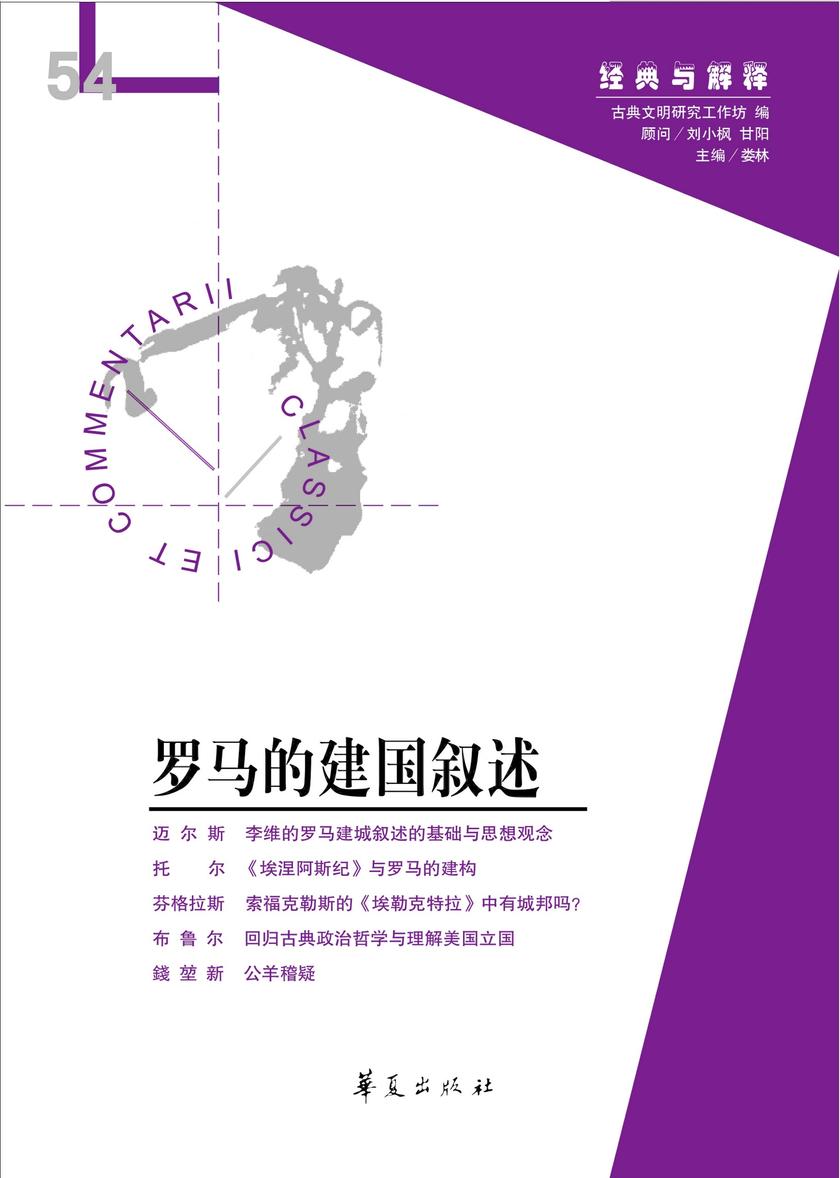
罗马的建国叙述(经典与解释辑刊54期)
¥58.00
《罗马的建国叙述》是“经典与解释”辑刊第54期,主要关注史家和文人对罗马建国这一历史事件的不同叙述视角。罗马作为希腊文明的继承者,同时面临巨大的希腊压力。因此,罗马有见识的思考者一直尝试建立罗马文明的自主性,这一突出地呈现于对罗马建国这一母题的不断追溯和叙述中。 本辑的主题论文选择了四篇相关文献,分别关注史家李维的构造,探讨维吉尔通过埃涅阿斯对罗马特质的表达,研究西塞罗理解的罗马政制,勾勒基督教思想世界对罗马的塑造。 本辑刊的其他常设栏目也各具特色。
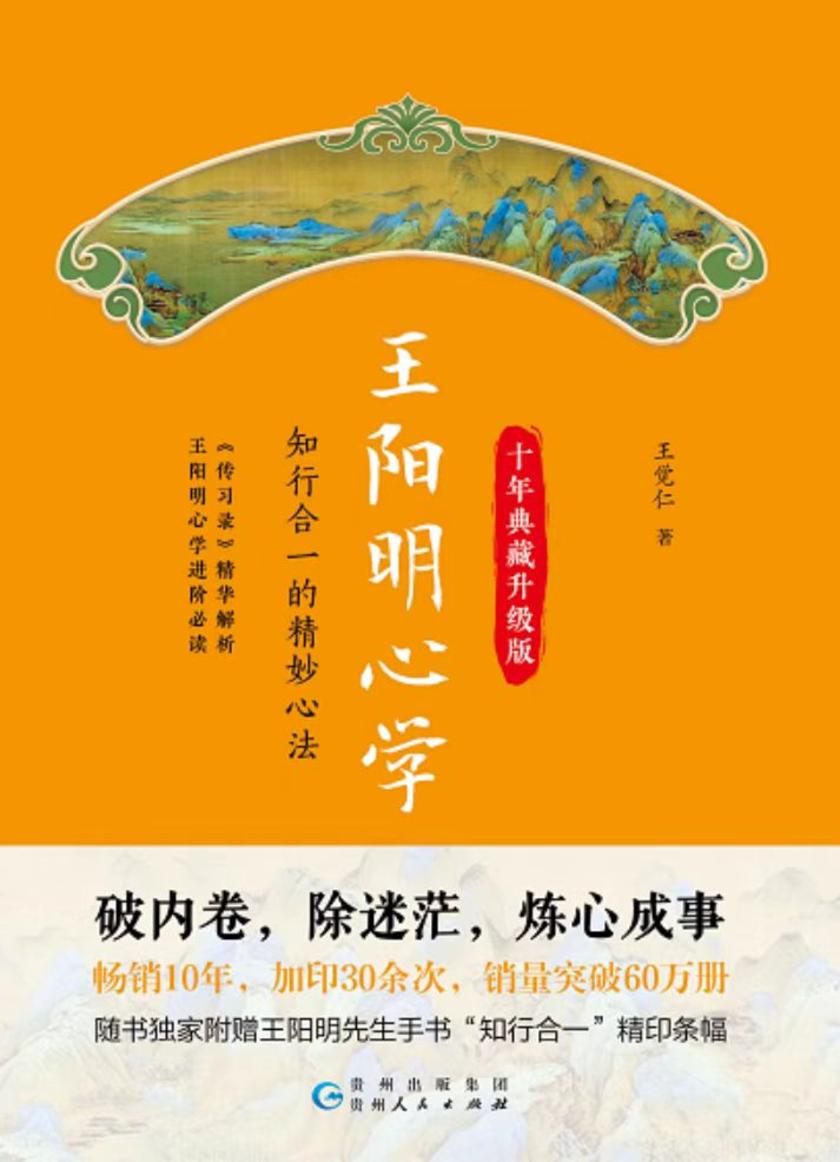
王阳明心学(十年典藏升级版)
¥58.00
一介儒生王阳明,为什么能成为立德、立功、立言三不朽的圣人?为什么能成为曾国藩、梁启超、伊藤博文、稻盛和夫等中外名人共同的心灵导师?后世无数阳明心学的践行者,为什么也能走出精彩人生,成就辉煌事业?这是因为他们无一例外地掌握了解决人生问题的利器——阳明心学。 阳明心学集儒、释、道三家之大成,强调即理、知行合一、致良知,是500年来中国人精妙的神奇智慧。本书用通俗易懂的语言解读阳明心学的传世典籍《传习录》,深浅出地阐释阳明心学的核心理念,旨在让今天的读者轻松领悟阳明心学知行合一的智慧精髓,修炼内心强大的自己,启与生俱来的正能量,获得幸福完满的人生。 本次再版,由作者王觉仁精心修订全稿,并新增《阳明心学简明纲要》,以便读者对阳明心学有一个完整而清晰的认识,奠定一步研究的基础。
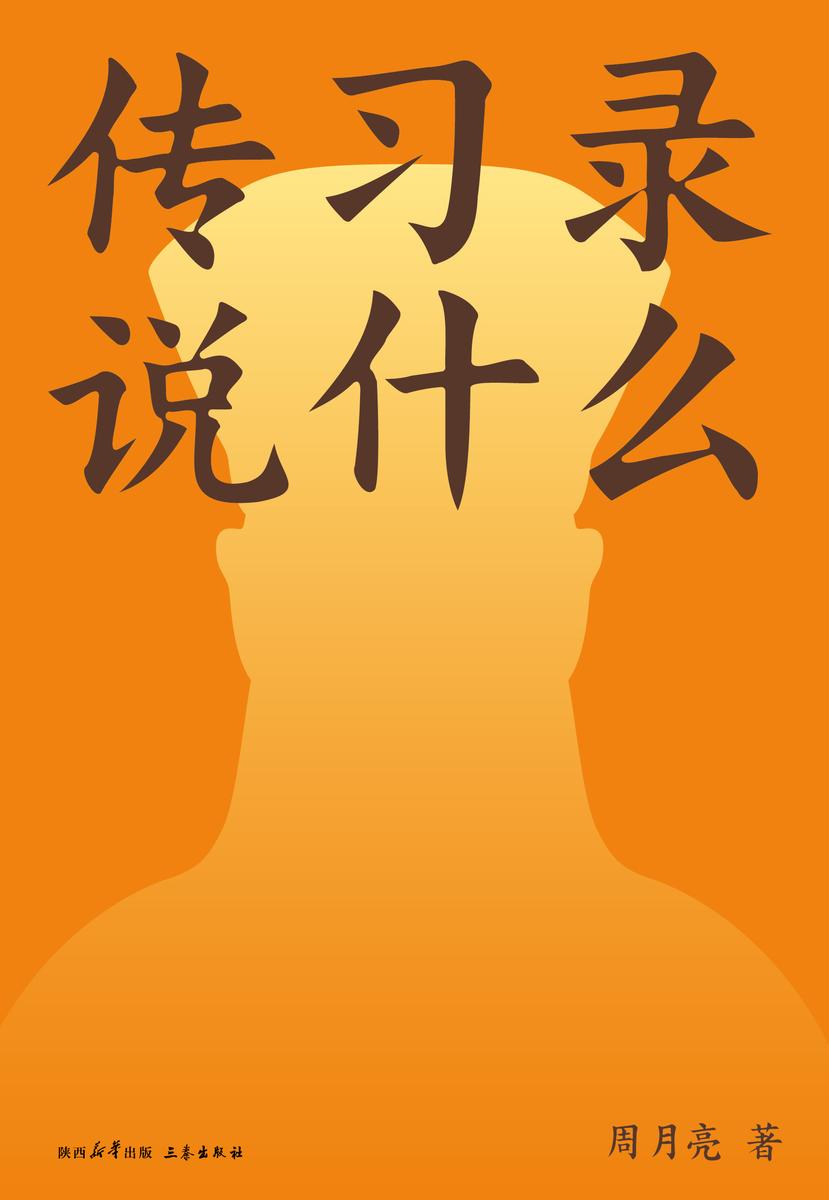
传习录说什么
¥58.00
《传习录》是王阳明心法的集合。但它内容驳杂,编排散乱,容易令普通读者望而却步。中国传媒大学教授、博导周月亮,将其整合提炼,概括为立志功夫、格物致知功夫、精一功夫等15个主题,阐释其核心观。带大家轻松读懂阳明心学,即便处在身不由己的世界,仍能保持一颗强大的心。
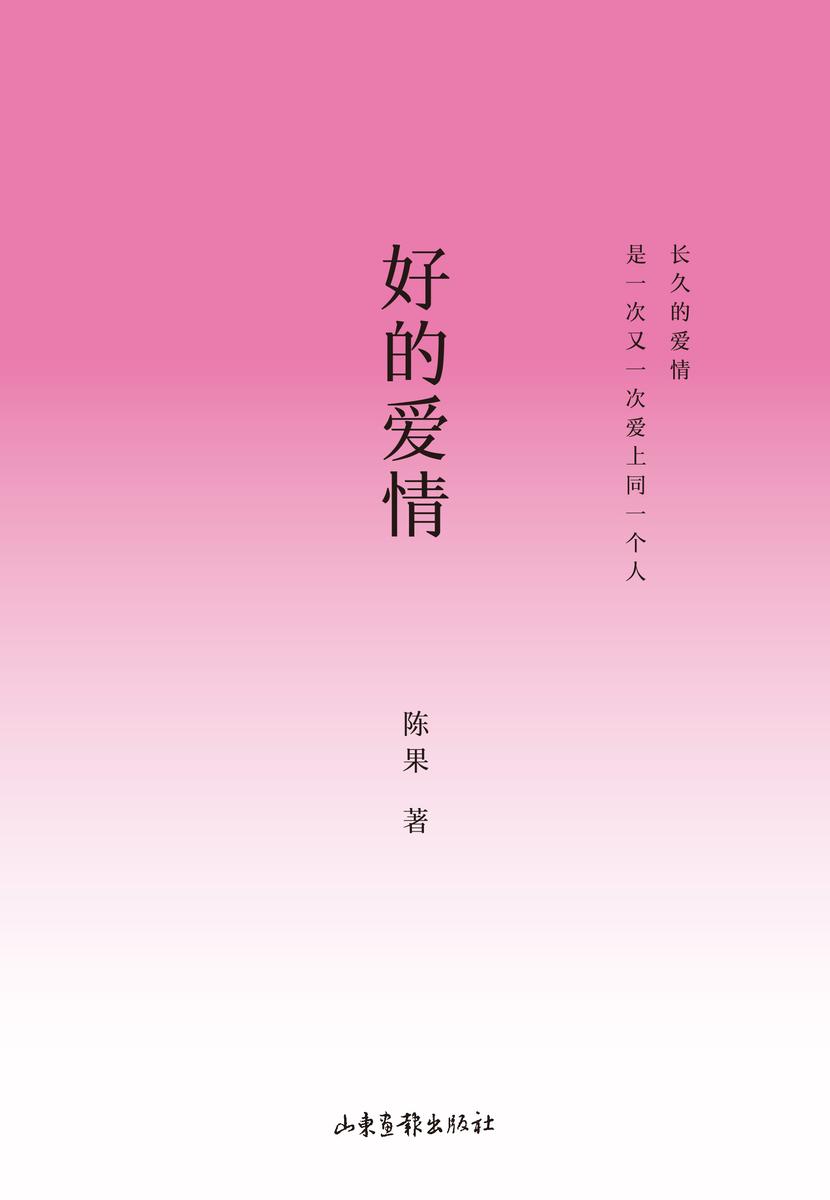
好的爱情
¥58.00
爱,是人类基本的本能,人们对它充满了好奇、期待、困惑。爱情又是人类最美好的情感之一,我们一生都在与“爱”相处,与“爱情”磕磕绊绊。面对爱情,人们常感困惑常说“我已经不期待爱情了”。准确地说,是已经不敢奢望与某个人发生纯粹的爱情。 爱过的人,更深切地了解什么是孤独。只有真正的爱,才能治愈真正的孤独。人缺爱而生孤独,在孤独中等待爱,又因爱超越孤独。这爱,可以是两情相悦的爱情,可以是情深义重的友情、亲情,可以是对生活的无限热忱,当然还包括一个人的自爱——爱自己,就是在爱生活;爱自己,正因为爱自由。 作者陈果抓住了人类宿命的共通之处,用哲学思考的方式去梳理、剖析、解惑,帮助读者了解爱,拥抱爱情,成就自己,最终你会发现:原来长久的爱情,就是一次又一次爱上同一个人。
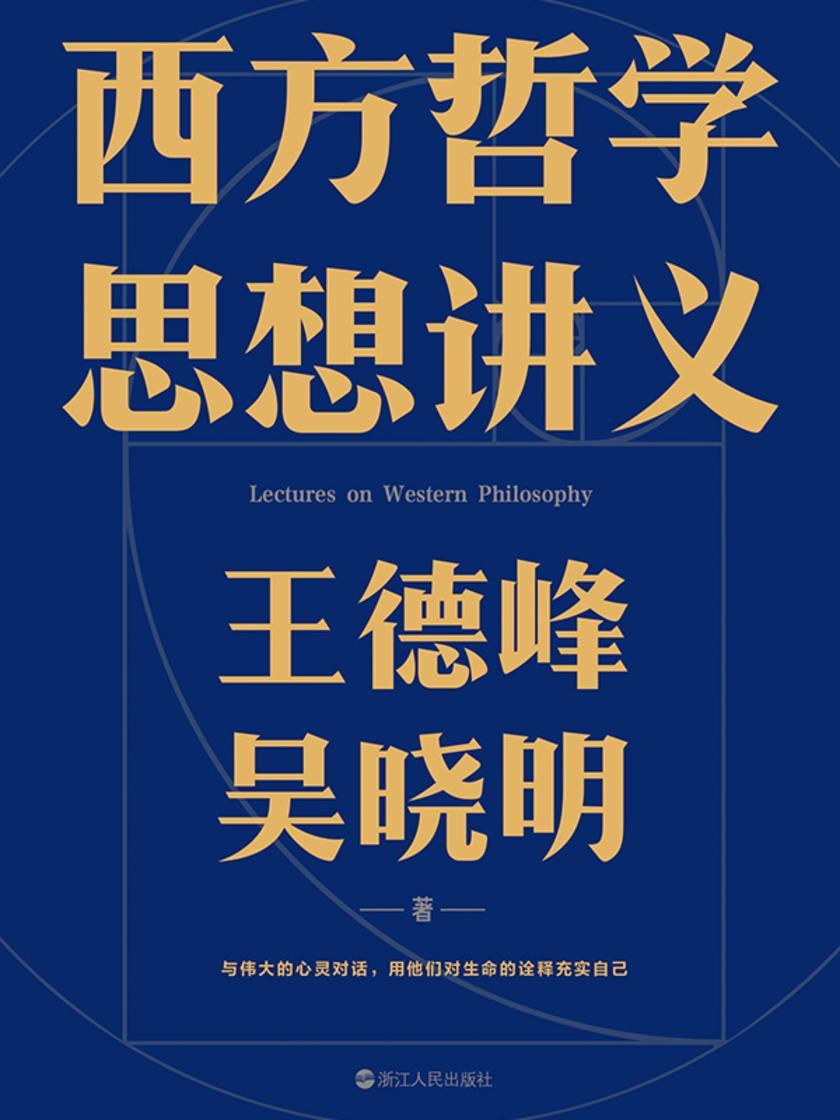
西方哲学思想讲义
¥58.00
复旦大学教授王德峰和吴晓明写给年轻人的10堂西方哲学通识课,读懂2000年的西方智慧与文明。 《西方哲学思想讲义》是了解西方哲学的简明读本,以故事的形式,带领读者走尼采、卢梭、柏拉图等10位伟大思想家的精神世界,在深了解他们生平经历的同时,感受他们在追寻价值与意义之路上的挫折与坚韧、孤独与慰藉、迷茫与豁然。 哲学不仅仅是高深的思想,更是让你生活变好的方式。本书,与西方2000年来蕞优秀的灵魂对话,用哲学的思维提升我们的头脑,用哲学的眼光更加理性地看待世界,充实人生,使自己成为有格局、有魄力、有智慧的自由人。
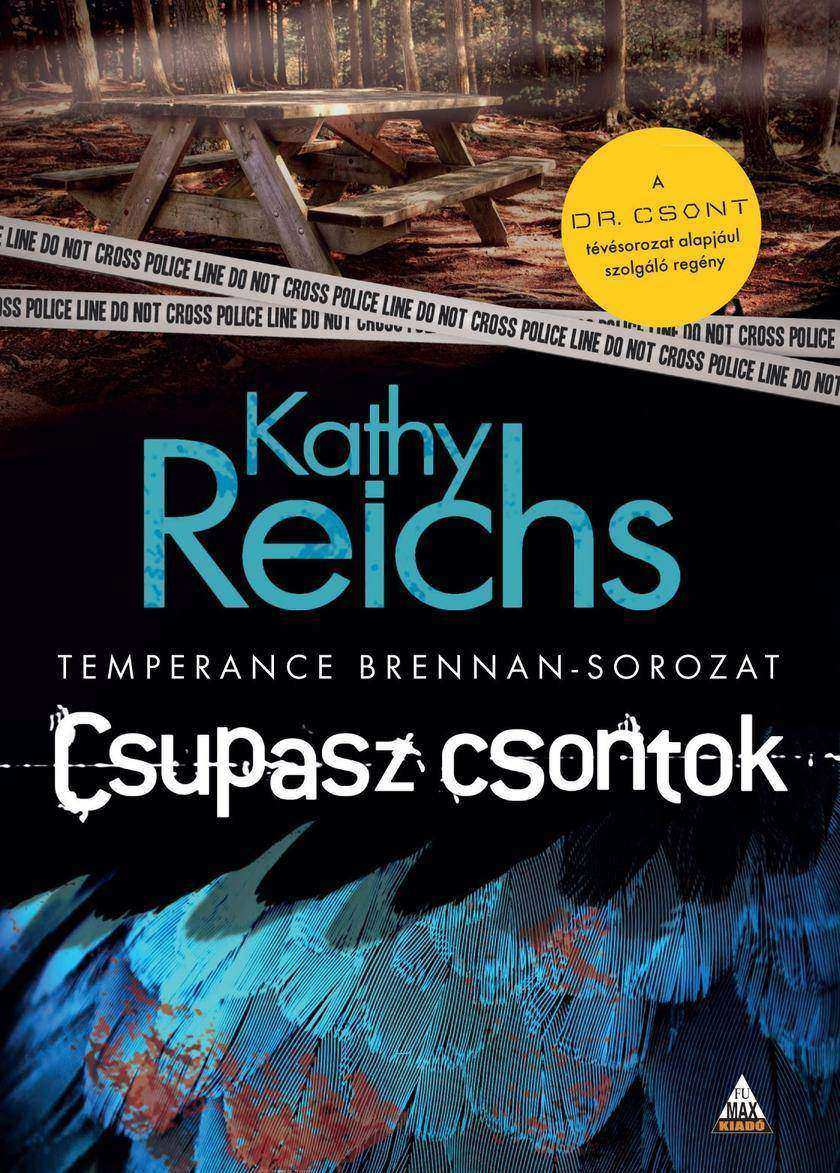
Csupasz csontok
¥58.21
DAVID HUME (1711 – 1776) was a Scottish philosopher, historian, economist, and essayist known especially for his philosophical empiricism and skepticism. He was one of the most important figures in the history of Western philosophy and the Scottish Enlightenment. Hume is often grouped with John Locke, George Berkeley, and a handful of others as a British Empiricist. Beginning with his A Treatise of Human Nature (1739), Hume strove to create a total naturalistic "science of man" that examined the psychological basis of human nature. In stark opposition to the rationalists who preceded him, most notably Descartes, he concluded that desire rather than reason governed human behaviour, saying: "REASON IS, and OUGHT ONLY to BE the SLAVE of the PASSIONS". A prominent figure in the sceptical philosophical tradition and a strong empiricist, he argued against the existence of innate ideas, concluding instead that humans have knowledge only of things they directly experience.. NOTHING is more usual and more natural for those, who pretend to discover anything new to the world in philosophy and the sciences, than to insinuate the praises of their own systems, by decrying all those, which have been advanced before them. And indeed were they content with lamenting that ignorance, which we still lie under in the most important questions, that can come before the tribunal of human reason, there are few, who have an acquaintance with the sciences, that would not readily agree with them. It is easy for one of judgment and learning, to perceive the weak foundation even of those systems, which have obtained the greatest credit, and have carried their pretensions highest to accurate and profound reasoning. Principles taken upon trust, consequences lamely deduced from them, want of coherence in the parts, and of evidence in the whole, these are every where to be met with in the systems of the most eminent philosophers, and seem to have drawn disgrace upon philosophy itself. Nor is there required such profound knowledge to discover the present imperfect condition of the sciences, but even the rabble without doors may, judge from the noise and clamour, which they hear, that all goes not well within. There is nothing which is not the subject of debate, and in which men of learning are not of contrary opinions. The most trivial question escapes not our controversy, and in the most momentous we are not able to give any certain decision. Disputes are multiplied, as if every thing was uncertain; and these disputes are managed with the greatest warmth, as if every thing was certain. Amidst all this bustle it is not reason, which carries the prize, but eloquence; and no man needs ever despair of gaining proselytes to the most extravagant hypothesis, who has art enough to represent it in any favourable colours. The victory is not gained by the men at arms, who manage the pike and the sword; but by the trumpeters, drummers, and musicians of the army. From hence in my opinion arises that common prejudice against metaphysical reasonings of all kinds, even amongst those, who profess themselves scholars, and have a just value for every other part of literature. By metaphysical reasonings, they do not understand those on any particular branch of science, but every kind of argument, which is any way abstruse, and requires some attention to be comprehended. We have so often lost our labour in such researches, that we commonly reject them without hesitation, and resolve, if we must for ever be a prey to errors and delusions, that they shall at least be natural and entertaining. And indeed nothing but the most determined scepticism, along with a great degree of indolence, can justify this aversion to metaphysics. For if truth be at all within the reach of human capacity, it is certain it must lie very deep and abstruse: and to hope we shall arrive at it without pains, while the greatest geniuses have failed with the utmost pains..
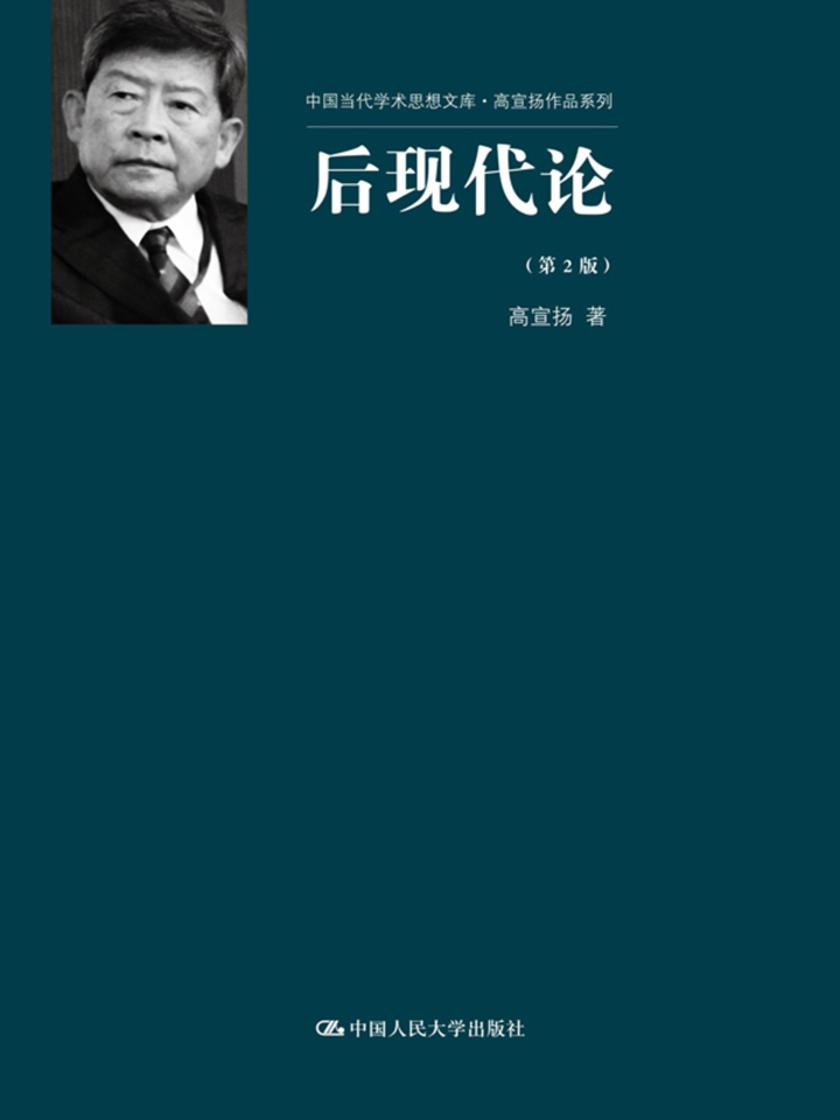
后现代论(第2版)
¥58.80
后现代主义是西方流行的社会文化思潮之一,也是各种新型社会理论和当代艺术创造的哲学基础。它以多样表达形式和不确定的概念游戏,一方面对启蒙以来的现代性行尖刻的批判和反省,揭示了现代资本主义的内在危机的深厚思想根源,另一方面同时提出别出心裁的创造性思路,主张否定传统价值和道德,把“解构”当成创新本身的重要途径,从而为新社会埋下潜在的危机种子。对于后现代主义的悖论性,作者以深浅出的流畅文字,一方面对后现代主义基本概念及其代表人物的基本思想行分析,另一方面又结合当代社会和文化的特征,分析后现代主义的现实意义及其潜在矛盾性。 《后现代论》是作者根据自身亲历并在西方国家就地行科学研究的基础上写出的,它有利于高等院校师生、研究人员及一般读者从新的角度全面了解后现代主义的内容及其意义。
科学与伦理(国家社科基金后期资助项目)
¥58.80
科学与伦理问题不仅是科学伦理学、科学哲学等学科中的一个重大理论问题,而且对于科学和技术政策的制定,对于科学家遵守科学研究的道德规范,对于端正社会对科学的态度,具有切实的现实意义。本书作者在研读大量中外文献的基础上,经过缜密的思考,紧紧围绕科学与伦理这个中心,针对其中包含的主要议题,诸如科学的善恶、科学与伦理的关系、科学家对社会的道德责任、科学与军事以及科学家与军事研究、科学和科学家与政治、科学家的科学良心、爱因斯坦的伦理思想和道德实践及做人楷模,以及基因和人工智能技性科学中的伦理问题与道德争端、中国学界的学术不端行为和整饬之道等行了比较全面、深的剖析和探讨,并且针对一些紧迫的、敏感的现实问题提出了自己独到的见解和具有启发性的看法,可谓“科学与人文珠联璧合,学术共思想相得益彰”。本书资料翔实,观新颖,逻辑严谨,结构合理,文字流畅、优美,雅俗共赏,适合于不同层次的读者阅读或深究。
马克思主义中国化进程中经典著作编译与传播研究(1949—1978)(马克思主义研究论库·第二辑;国家出版基金项目;中国人民大学科学研究基金项目)
¥58.80
新中国成立70年以来,马克思主义经典著作在中国的编译与传播,既是马克思主义中国化的首要前提,又是实现马克思主义中国化的基本途径。自新中国成立以来到1978年改革放时期,是中国历史发展的一个十分重要的特殊阶段,也构成了马克思主义经典著作编译传播史上的一个十分重要的特殊阶段。本书对这一时期马克思主义经典著作编译与传播的社会历史条件、编译与出版机构的建立与完善,以及编译与传播的重要阶段、主要类别、基本特征、传播途径及对马克思主义中国化的历史影响与现实启示等方面行深研究,梳理马克思主义经典著作版本演化的历史轨迹,总结经典文本编译与传播的经验教训,揭示其在推动马克思主义中国化过程中的历史作用和当代价值。
生命伦理学(增订版)(当代中国人文大系)
¥58.80
生命伦理学是20世纪60年代诞生的新颖交叉学科,50多年来一直发展迅速,现已扩展到世界上几乎所有重要国家。生命伦理学目前不仅在学院之内活动,而且已经深实践,走向生活。生命伦理学的发展不仅有助于解决生命科技以及医疗卫生中的伦理问题,也有助于指出人文社会科学理论如何综合科学技术发展应用实际的路。 本书1987年出版,是对当代生命科学技术伦理问题的讨论,这些生命科学技术包括辅助生殖、生育控制、遗传和优生、生命维持、器官移植、行为控制等。本书在对生命科学技术以及医疗卫生中的伦理问题,即应该做什么和应该如何做的问题行探讨的基础上,也提出了对生命科技以及医疗卫生行管理的建议,其中不少建议已经被采纳在法律、法规、条例之中。今天增订再版此书,并附有作者近年来的多篇学术论文,可帮助读者一窥我国生命伦理学发展的历程。
宋明理学研究(增订版)(当代中国人文大系)
¥58.80
宋明理学是对时代所面临的冲突和危机的化解,是价值理想和道德形上学的重建,是儒释道三教融突的结晶,是中国古代哲学发展的“造极”。理学是以道体为核心,以穷理为精髓,以“存天理,去人欲”为存养工夫,以“齐家、治国、平天下”为实质,以成圣为标的。 理学是宋元明清时期哲学概念范畴的发展史,一个民族的理论思维、一个时代的哲学思潮和哲学家哲学体系,都是由诸相互联系、作用的哲学概念范畴之间的逻辑顺序或结合方式构成的。 《宋明理学研究》再现各哲学家哲学的面貌,并阐述了理学的称谓、分系、特色、发展阶段、范畴结构演变、时代精神及其历史作用、影响和评价。对宋明理学重要哲学家的身世、生平、哲学逻辑结构、哲学概念的分析及内涵作了深仔细、全面系统的论述,对解读、体认宋明理学很有帮助。

王船山体用思想研究(国家社科基金后期资助项目)
¥58.80
本书比较整全地呈现出船山体用思想结构及其相较于道学传统的差异性。船山体用之基本义是气作为宇宙全体的变合流行,其无方所无定体,无法被抽象为不变本体,人只能在聚散变化之用中见体。此义在性论层面即性日生日成,性体不是初生之际受命于天的某种不变本体,而是来自天之生生之德。继善成性,以后天之习使其不断充实生成,近精纯整全之天德,此为由用生体。民族文化历史可视为民族之性的生成丰富,其中*重要的资源,一则为先圣经典的传承与诠释,一则为国史对丰富境遇的描述与持守。通过经学去理解经典,通过读史来磨练扩充其伦理政治德性,这个过程既是其个体习与性成的体用相生,也是整个民族历史不断生成并持守自身一以贯之的过程。
中华伦理文明新形态
¥58.80
本书论述了“中华伦理文明新形态”,将其界定为人类文明新形态的伦理内核和中华伦理文明演发展的最新成果,对中华伦理文明新形态的内涵要义、思想基础、生成机理、主要内容、建构实践、话语体系等展了深系统的探究对“人类文明新形态”的伦理向度作了深系统的理论阐释,提出了伦理学研究的新议题,辟伦理学理论研究新方向。中华伦理文明新形态是一个前沿性论题,对其展深系统的研究有助于拓展中国伦理学理论研究的范围。


