


 购物车
购物车 个人中心
个人中心
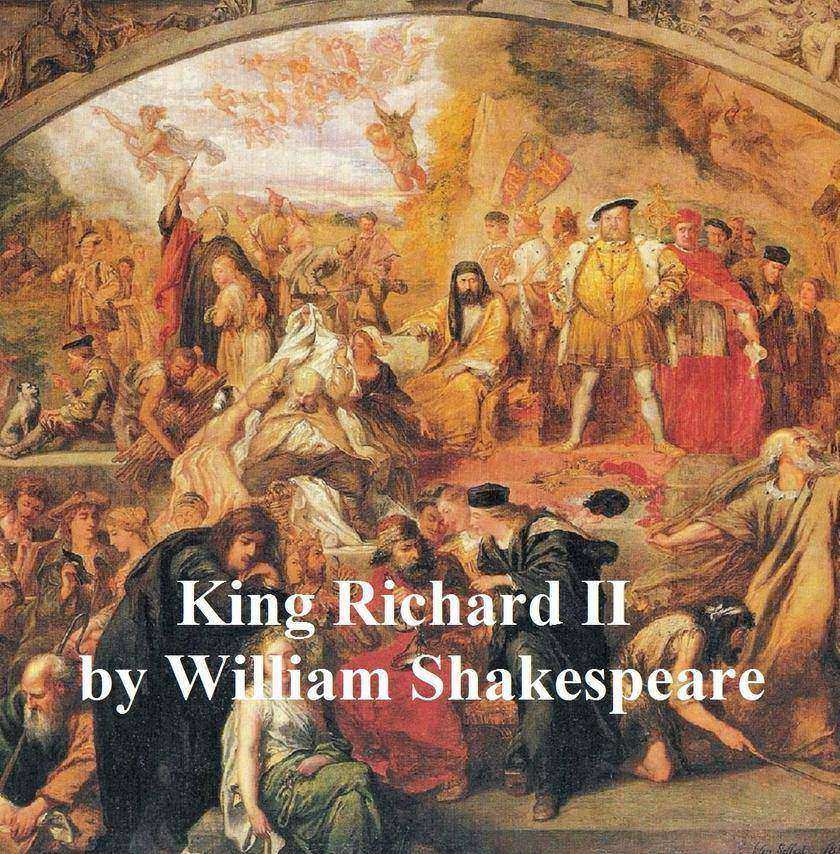
King Richard II, with line numbers
¥8.09
The classic Shakespearean history play. According to Wikipedia: "King Richard the Second is a history play by William Shakespeare believed to be written in approximately 1595. It is based on the life of King Richard II of England and is the first part of a tetralogy, referred to by scholars as the Henriad, followed by three plays concerning Richard's successors: Henry IV, part 1, Henry IV, part 2, and Henry V. It may not have been written as a stand-alone work."
The Seagull: A play in four acts
¥40.79
A masterpiece of modern drama, The Seagull dramatises the romantic and artistic conflicts between four characters: the ingenue Nina, the fading actress Irina, her son the symbolist playwright Konstantin, and the famous middlebrow story writer Trigorin.
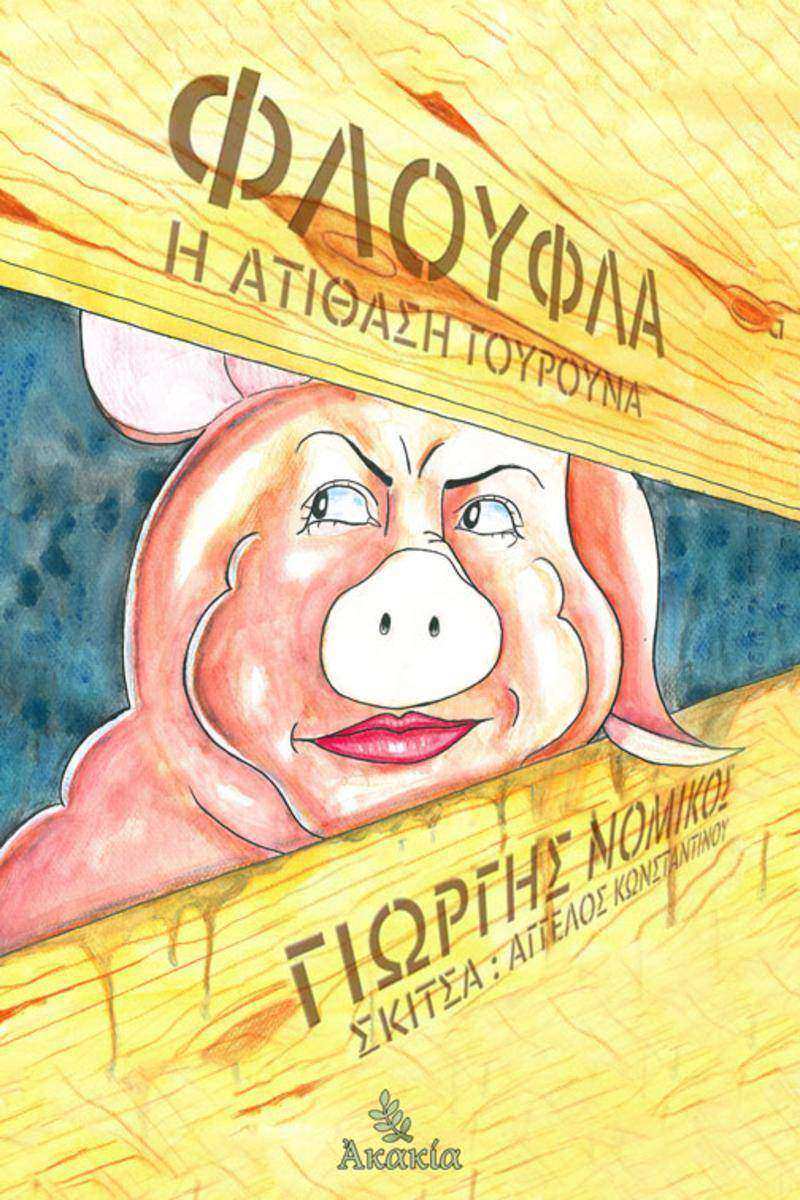
Φλο?φλα η Ατ?θαση Γουρο?να
¥52.65
Κ?ποτε ζο?σε μια γουρο?να που βρ?θηκε με την παρ?α τη? στο χοιροτρ?φειο. Στο χοιροτροφε?ο συζητ?γε με τα αλλ? ζω?κια για το προκαθορισμ?νο μελλ?ν τη?. ?Ηρθε η μ?ρα που ηταν η σειρ? τη? για το σφαγε?ο. Σφαγ?α? και γιο? τη μεταφ?ρουν στο σπ?τι ζωντ?νη. Τη δ?νουν στο κ?πο και η οικογ?νεια πα?ι στο σουπερμαρκετ για να ψων?σει τα υλικ? που χρει?ζονται για να τη μαγειρ?ψουν, Η γουρο?να κ?νει ?κκληση βοηθε?α? σε δι?φορα περαστικ? ?ντομα που συναντ?ει μπροστ? τη? Η πασχαλ?τσα, η ακρ?δα τη? θ?τουν ?ρου? για να τη βοηθ?σουν, τα μυρμ?γκια δεν σηκ?νουν κουβ?ντα για βο?θεια. Η πεταλο?δα ε?ναι βιαστικι? γιατ? την απειλο?ν τα παιδι? με απ?χη και το λυκ?σκυλο λιγουρ?υεται τα κοκκ?λα τη?. Κανε?? φα?νεται δεν μπορε? να σ?σει την ατ?θαση γουρο?να. Μια μ?λισσα γεμ?τη αισθημ?τα ε?ναι η τελευτα?α περαστικι? στο κ?πο. Η γουρο?να Φλο?φλα προειδοποιε? τη μ?λισσα οτ? πρ?κειται να γ?νει ?να λαχταριστ? οικογενειακ? γε?μα. Η μ?λισσ? ταρ?χτηκε και βλ?ποντα? το μελλ?ν τη? γουρο?να? Φλο?φλα?, τρ?χει στην κυψ?λ? τη? να ενημερ?σει τη βασ?λισσα για το συμβ?ν. Η βασ?λισσα διακοπτει τη λειτουργε?α τη? κυψ?λη? και συγκαλε? ?κτακτο συμβο?λιο. Στο συμβο?λιο αποφασ?ζεται εργ?τριε? και κηφ?νε? να βοηθ?σουν τη γουρο?να Φλο?φλα υπ? τι? οδηγ?ε? τη? βασ?λισσα?. Οι εργατρι?? μ?λισσε? πειθαρχημ?νε? και υπ?κουε? τσιμπ?νε με το κεντρ? του? , του? ανθρ?που? και θυσι?ζονται για χ?ρη τη? γουρο?να? Φλο?φλα?. Οι ?νθρωποι χοροπηδ?νε απ? τα ενοχλητικ? τσιμπ?ματα και πασαλε?βονται με αμμωνι?? και αλοιφ??. Η γουρο?να Φλ?υφλα καταλ?γει για βοσκ? στο λιβ?δι και η βασ?λισσα την συμβουλε?ει να παρατηρε? του? γυρ? τη? και να σ?βεται τη διαφορετικ?τητα του?.
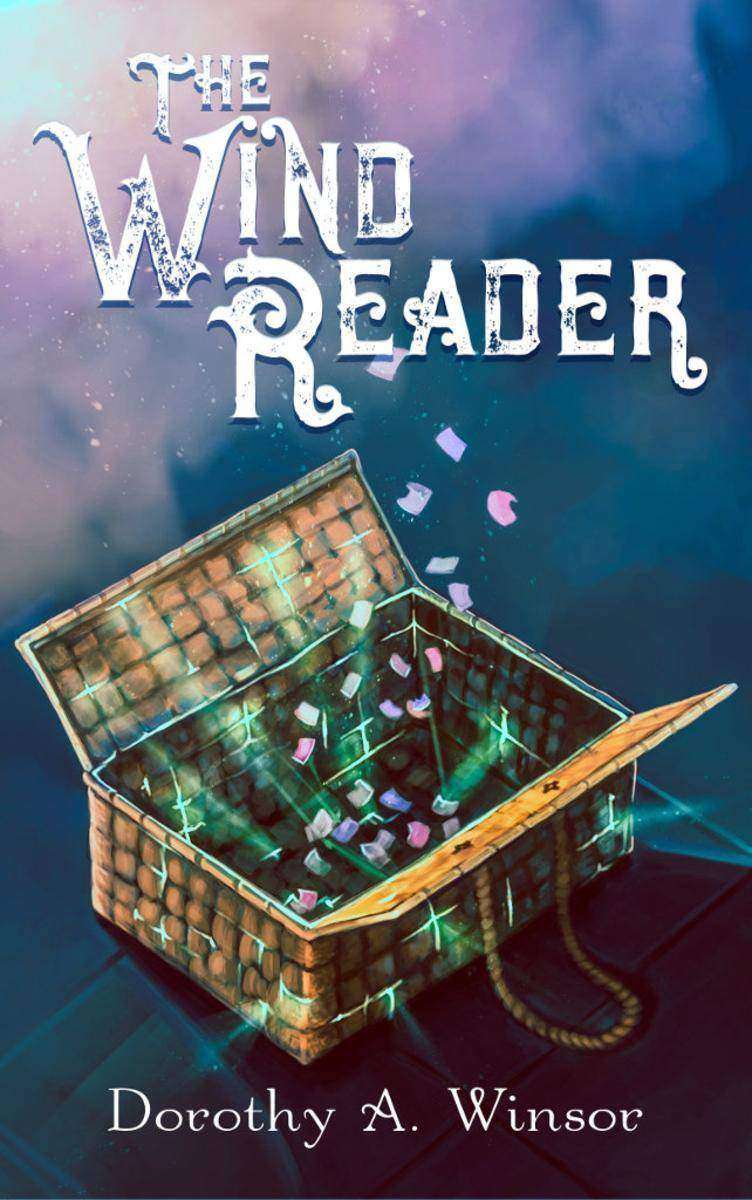
The Wind Reader
¥32.62
Stuck in a city far from home, street kid Doniver fakes telling fortunes so he can earn a few coins to feed himself and his friends. Then the divine Powers smile on him when he accidentally delivers a true prediction for the prince. Concerned about rumors of treason, the prince demands that Doniver use his "magic" to prevent harm from coming to the king, and so Doniver is taken--dragged?--into the castle to be the royal fortune teller. Now Doniver must decide where the boundaries of honor lie, as he struggles to work convincing magic, fend off whoever is trying to shut him up, and stop an assassin, assuming he can even figure out who the would-be assassin is. All he wants is to survive long enough to go home to the Uplands, but it's starting to look as if that might be too much to ask.
The Survival Handbook: Learn the survival skills of the world's elite forces
¥40.79
The Survival Handbook takes you through all the things you need to know about surviving disasters and staying alive in the wild, such as where to find water in the desert; how to build shelters from locally-available materials that will keep out the wind and rain but will also be ventilated; what plants are safe to eat and what are deadly poisonous; and what animals will pose a threat in survival situations. Packed with tips from the world's elite special forces and other survival specialists, this is a handy reference to surviving in the wild. [This is a text-only ebook edition.]
A Woman of No Importance
¥8.09
Classic play. According to Wikipedia: "Oscar Fingal O'Flahertie Wills Wilde (1854 - 1900) was an Irish playwright, novelist, poet, and author of short stories. Known for his barbed wit, he was one of the most successful playwrights of late Victorian London, and one of the greatest celebrities of his day. As the result of a famous trial, he suffered a dramatic downfall and was imprisoned for two years of hard labour after being convicted of the offence of 'gross indecency.'"
La Esmeralda
¥8.09
Pièce classique / livret de Hugo, basé sur une scène de son roman Notre Dame de Paris (Le Bossu de Notre Dame), en fran?ais original. Selon Wikipedia: "Victor-Marie Hugo (26 février 1802 - 22 mai 1885) était un poète, dramaturge, romancier, essayiste, artiste visuel, homme d'?tat, militant des droits de l'homme et représentant du mouvement romantique en France. La renommée littéraire vient d'abord de sa poésie, mais repose aussi sur ses romans et ses réalisations dramatiques Parmi les nombreux volumes de poésie, Les Contemplations et La Légende des siècles sont particulièrement estimés et Hugo est parfois identifié comme le plus grand poète fran?ais. La France, ses ?uvres les plus connues sont les romans Les Misérables et Notre-Dame de Paris (connu aussi en anglais sous le titre de Le Bossu de Notre-Dame), bien que conservateur conservateur dans sa jeunesse, Hugo devint plus libéral au fil des décennies. il est devenu un partisan passionné du républicanisme et son travail touche à la plupart des questions politiques et sociales et aux tendances artistiques de son temps: il est enterré au Panthéon.
The Poems of Jonathan Swift
¥8.09
According to Wikipedia: "Jonathan Swift (30 November 1667 – 19 October 1745) was an Anglo-Irish satirist, essayist, political pamphleteer (first for the Whigs, then for the Tories), poet and cleric who became Dean of St. Patrick's Cathedral, Dublin. He is remembered for works such as Gulliver's Travels, A Modest Proposal, A Journal to Stella, Drapier's Letters, The Battle of the Books, An Argument Against Abolishing Christianity, and A Tale of a Tub. Swift is probably the foremost prose satirist in the English language, and is less well known for his poetry. Swift originally published all of his works under pseudonyms—such as Lemuel Gulliver, Isaac Bickerstaff, M.B. Drapier—or anonymously. He is also known for being a master of two styles of satire: the Horatian and Juvenalian styles."
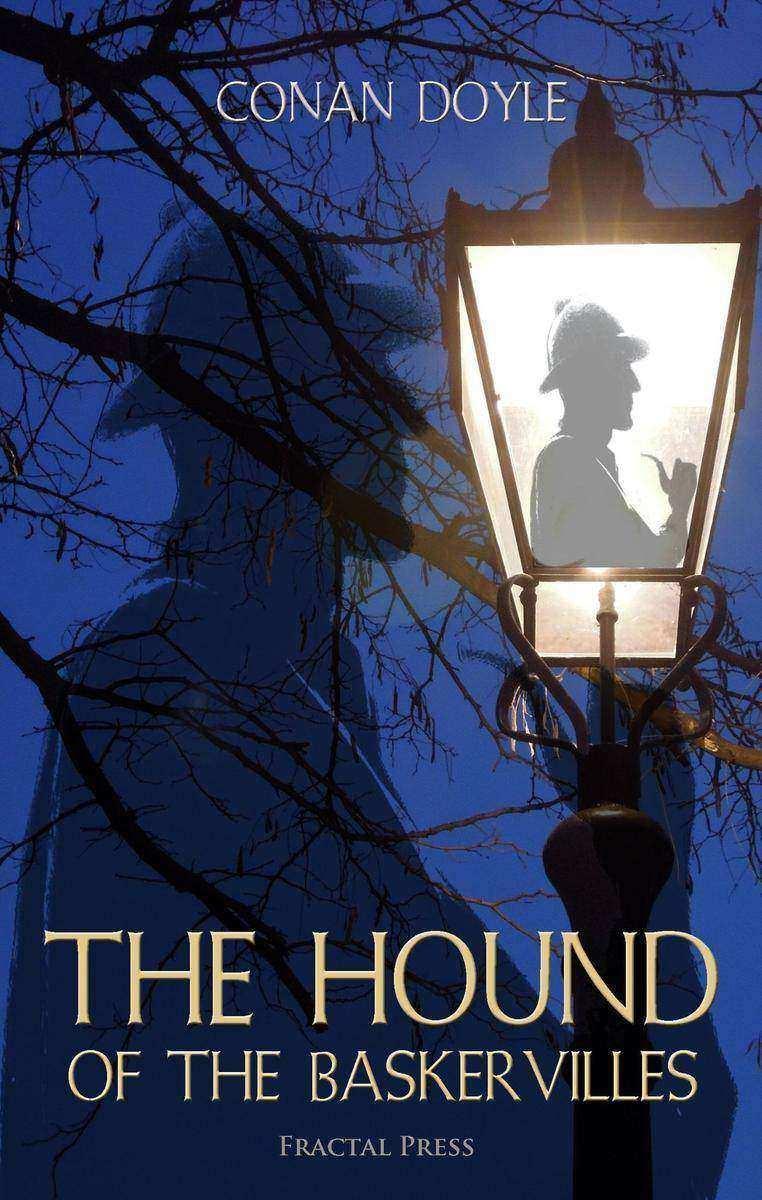
The Hound of the Baskervilles
¥40.79
The Hound of the Baskervilles is one of the four crime novels by Sir Arthur Conan Doyle in which detective Sherlock Holmes and Dr Watson investigate the legend of a supernatural beast that may have been trained to murder Sir Henry Baskerville on the fog-shrouded moorland that makes up his estate.

Frankenstein
¥40.79
A landmark work of romantic and gothic literature, as well as science fiction, the novel's storyline emerged from a dream and Shelley's own travels of the region in which the story unfolds. Mary Shelley started writing the story when she was just eighteen.
The Adventures of Robinson Crusoe
¥40.79
Set on a tropical island where Robinson Crusoe found himself after a terrible storm at sea, we follow his life and adventures far away from civilization. A novel which has inspired countless imitations and adaptations, remains one of the most original and inspiring stories in the English language.
Dead Souls
¥40.79
Chichikov, a gentleman of middling social class and position arrives in a small town and quickly tries to make a good name for himself by impressing the officials of the town. Despite his limited funds, he spends extravagantly hoping that a great show of wealth and power at the start will gain him the connections he needs to carry out his mysterious plan to acquire 'dead souls.'
An Ideal Husband
¥40.79
Wilde's dramatic masterpiece set in London. Many of the themes of An Ideal Husband were influenced by the situation Oscar Wilde found himself in during the early 1890s. 'Sooner or later we shall all have to pay for what we do. But no one should be entirely judged by their past.'
The Master Key An Electrical Fairy Tale by L. Frank Baum - Delphi Classics (Illu
¥8.09
This eBook features the unabridged text of ‘The Master Key An Electrical Fairy Tale by L. Frank Baum - Delphi Classics (Illustrated)’ from the bestselling edition of ‘The Complete Works of L. Frank Baum’. Having established their name as the leading publisher of classic literature and art, Delphi Classics produce publications that are individually crafted with superior formatting, while introducing many rare texts for the first time in digital print. The Delphi Classics edition of Baum includes original annotations and illustrations relating to the life and works of the author, as well as individual tables of contents, allowing you to navigate eBooks quickly and easily. eBook features: * The complete unabridged text of ‘The Master Key An Electrical Fairy Tale by L. Frank Baum - Delphi Classics (Illustrated)’ * Beautifully illustrated with images related to Baum’s works * Individual contents table, allowing easy navigation around the eBook * Excellent formatting of the text Please visit www.delphiclassics.com to learn more about our wide range of titles
Saint Joan
¥18.56
Saint Joan is a play by George Bernard Shaw, based on the life and trial of Joan of Arc. Published not long after the canonization of Joan of Arc by the Roman Catholic Church, the play dramatises what is known of her life based on the substantial records of her trial. Shaw studied the transcripts and decided that the concerned people acted in good faith according to their beliefs. He wrote in his preface to the play: There are no villains in the piece. Crime, like disease, is not interesting: it is something to be done away with by general consent, and that is all [there is] about it. It is what men do at their best, with good intentions, and what normal men and women find that they must and will do in spite of their intentions, that really concern us

Play Easily on Piano and Keyboards
¥92.62
Every year few millions of Americans start to study music. After one year 80% of them stop this studying. They are not talented enough? But what they are studying for whole year long. All music theory can be delivered for 30 minutes. In this book we deliver music theory in historical and logic succession demonstrating it on examples for playing piano and keyboards. This book really helps you.Every year few millions of Americans start to study music. After one year 80% of them stop this studying. They are not talented enough? But what they are studying for whole year long. All music theory can be delivered for 30 minutes. In this book we deliver music theory in historical and logic succession demonstrating it on examples for playing piano and keyboards. This book really helps you.
A to Z Gardening for Beginners
¥32.62
Gardening might seem like an easy thing to do. Buy a plant, dig a hole in the ground, drop the plant in it, and cover it up waiting for blooms to suddenly appear. If only it were that simple. The overall idea of gardening is basic, but gardening is very intricate. It’s not as simple as just buying a plant and planting it. Gardening involves pest control, weeding, knowing the needs of each plant, soil types, etc. But if you’ve just started to become interested in gardening, there’s a lot to know. It can be easy to get excited and buy everything you see garden related, but take it slow. This guide will help you know all the basics of gardening. Everything from types of gardens, how much sunlight plants need, companion planting, essential gardening tools to have, and much more. When you’re done reading, you’ll be fully prepared to create your garden and make it one of the best. The Benefits of Gardening So, you decided to give gardening a try. That’s great! Gardening has many benefits for your health. It can not only help to improve it, but it has the ability to reduce stress and anxiety and works to keep your mind active. It also good to help relax. Relax? Yes, gardening can lead to relaxation in many ways. One is that you’re outside and in nature. It’s been scientifically proven that being outside can help give you daily doses of Vitamin D, help improve your mood, and give you a better night’s sleep. The other way of relaxation is just that, sleep. Working in a garden can help give you a better’s night sleep. So, before you decide to take other means to fall asleep, try spending a day gardening instead. These benefits are just a sample of the happiness and fulfillment that gardening will give you.
The Transitional Social Art Group: For Children with Autism or Adjustment Diffic
¥31.56
According to various research data, transition from primary to secondary school causes concern to many children (Jindal-Snape, 2010). This is more intense in the case of children with autism, because of their difficulty to face changes (Al-Ghani & Kenward, 2009). In the Transitional Social Art Group numerous topics can be explored systematically about this transition through an arts activity programme. Furthermore meetings involve presentation of sensory material, group discussion and group games relevant to each topic. Mainstream students can participate voluntarily in this group; in this case they could be prepared to provide practical and social support to peers with autism/communication difficulties during this transition under adult supervision. In this way this programme could also contribute to the prevention or elimination of bullying. In the present book there is an analytical presentation of the Transitional Social Art Group Programme addressed to practitioners or parents of children with autism. Additionally it could be implemented for children having communication or adjustment difficulties due to other reasons. The Transitional Social Art Group Programme can be used during other transitions, too.

101 Interesting Facts on Ronnie Biggs and the Great Train Robbery
¥24.43
The Great Train Robbery, and the part Ronnie Biggs played in it, is one of the most famous true crime stories of all time. Ronnie's imprisonment, subsequent escape and life on the run has been the subject of much discussion and this new book sets out the facts for anyone wishing to find out what really happened on the day of the robbery and in the years beyond. Do you know how many members of rail staff were on board the train on the day of the robbery? Are you aware which celebrities became involved in the Free Ronnie Biggs Campaign? Can you name the many films, documentaries and books that have been produced about the Great Train Robbery? All this information and more is in 101 Interesting Facts on Ronnie Biggs and The Great Train Robbery. Despite Ronnie Biggs' advancing age and the fact that 2013 marks the 50th anniversary of the Great Train Robbery, the daring 1963 heist still attracts a great deal of interest. If you would like to know the facts, this book is for you.
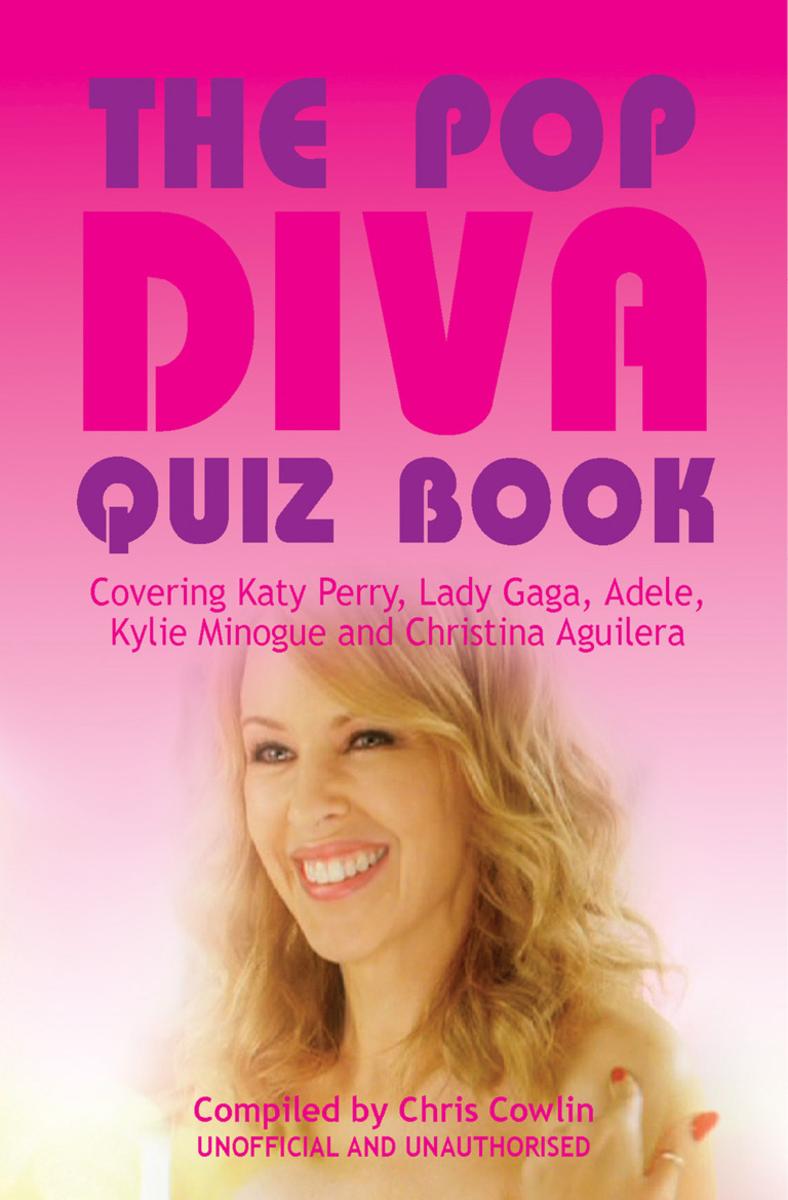
Pop Diva Quiz Book
¥39.14
The music industry has produced some iconic female artists in recent years. From princess of pop, Kylie Minogue, through to the eccentric Lady Gaga, these modern day divas belt out hit after hit for our entertainment. If you are a fan of powerful female singers, you are certain to enjoy The Pop Diva Quiz Book. Which American singer-songwriter was heavily influenced by gospel music when she was growing up? Which award-winning artist attended the BRIT school in the UK? Which singer released an album called 'Back to Basics' in 2006? The answers to these brain teasers and more can all be found inside this book. Featuring five multi-talented female artists; Katy Perry, Lady Gaga, Adele, Kylie Minogue and Christina Aguilera, you are sure to learn something new about your favourite diva. With 100 questions on the women who have helped to shape the modern music landscape, this book will appeal to pop fans of all ages. Find out how much you really know about some of the most influential women in pop.
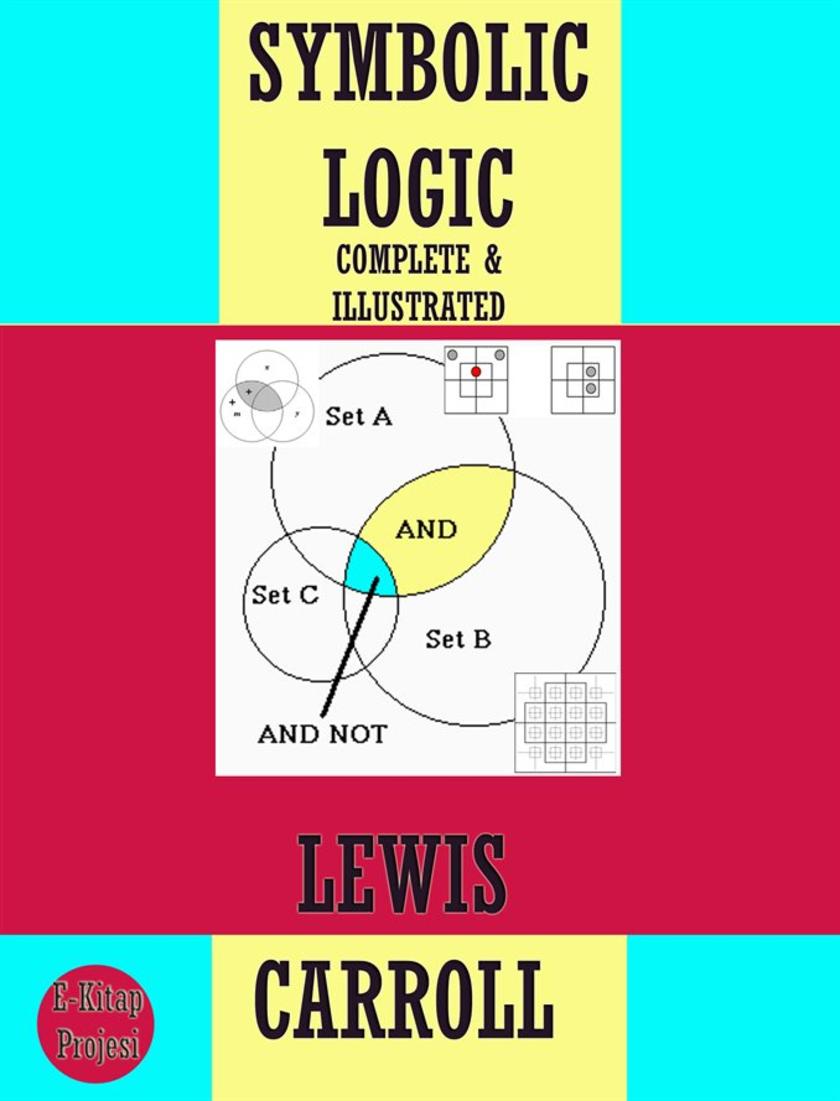
Symbolic Logic: {Complete & Illustrated}
¥28.04
The excellence of the following Treatise is so well known to all in any tolerable degree conversant with the Art of Painting, that it would be almost superfluous to say any thing respecting it, were it not that it here appears under the form of a new translation, of which fome account may be expected. Of the original Work, which is in reality a selection from the voluminous manuscript collections of the Author, both in Solio and Quarto, of all such passages as related to Painting, no edition appeared in print till 1651. Though its Author died so long before as the year 1519; and it is owing to the circumstance of a manuscript copy of these extracts in the original Italian, having fallen into the hands of “Raphael” that in the former of these years it was published at Paris in a thin folio volume in that language, accompanied with a set of cuts from the drawings of Niccolo Pouissin, and Alberti, the former having designed and defined the human figures, the latter the geometrical and other representations.. The first translation of this Treatise into English, appeared in the year 1721. It does not declare by whom it was made; but though it prosesses to have been done from the original Italian, it is evident, upon a comparison, that more use was made of the revised edition of the French translation. Indifferent, however, as it is, it had become fo scarce, and risen to a price fo extravagant, that, to supply the demand, it was found necessary, in the year 1796, to reprint it as it stood, with all its errors on its head, no opportunity then offering of procuring a french translation. This last impression, however, being now alfo disposed of, and a new one again called for, the present Translator was induced to step forward, and undertake the office of frenh translating it, on finding, by comparing the former versions both in French and English with the original, many passages which he thought might at once be more concisely and more faithfully rendered. ABOUT AUTHOR: Leonardo di ser Piero da Vinci (15 April 1452 – 2 May 1519) was an Italian painter, sculptor, architect, musician, mathematician, engineer, inventor, anatomist, geologist, cartographer, botanist, and writer. He is widely considered to be one of the greatest polymaths of all time and perhaps the most diversely talented person ever to have lived. His genius, perhaps more than that of any other figure, epitomized the Renaissance humanist ideal. Leonardo has often been described as the archetype of the Renaissance Man, a man of "unquenchable curiosity" and "feverishly inventive imagination". Marco Rosci states that while there is much speculation about Leonardo, his vision of the world is essentially logical rather than mysterious, and that the empirical methods he employed were unusual for his time. Born out of wedlock to a notary, Piero da Vinci, and a peasant woman, Caterina, in Vinci in the region of Florence, Leonardo was educated in the studio of the renowned Florentine painter Verrocchio. Much of his earlier working life was spent in the service of Ludovico il Moro in Milan. He later worked in Rome, Bologna and Venice, and he spent his last years in France at the home awarded him by Francis I. Leonardo was, and is, renowned as one of the greatest painters of all time. Among his works, the Mona Lisa is the most famous and most parodied portrait and The Last Supper the most reproduced religious painting of all time, with their fame approached only by Michelangelo's The Creation of Adam. Leonardo's drawing of the Vitruvian Man is also regarded as a cultural icon, being reproduced on items as varied as the euro coin, textbooks, and T-shirts. Perhaps fifteen of his paintings have survived, the small number because of his constant, and frequently disastrous, experimentation with new techniques, and his chronic procrastination. Nevertheless, these few works, together with his notebooks, which contain drawings, scientific diagrams, and his thoughts on the nature of painting, compose a contribution to later generations of artists rivalled only by that of his contemporary, Michelangelo. Leonardo is revered for his technological ingenuity. He conceptualised flying machines, an armoured vehicle, concentrated solar power, an adding machine, and the double hull, also outlining a rudimentary theory of plate tectonics.


