


 购物车
购物车 个人中心
个人中心
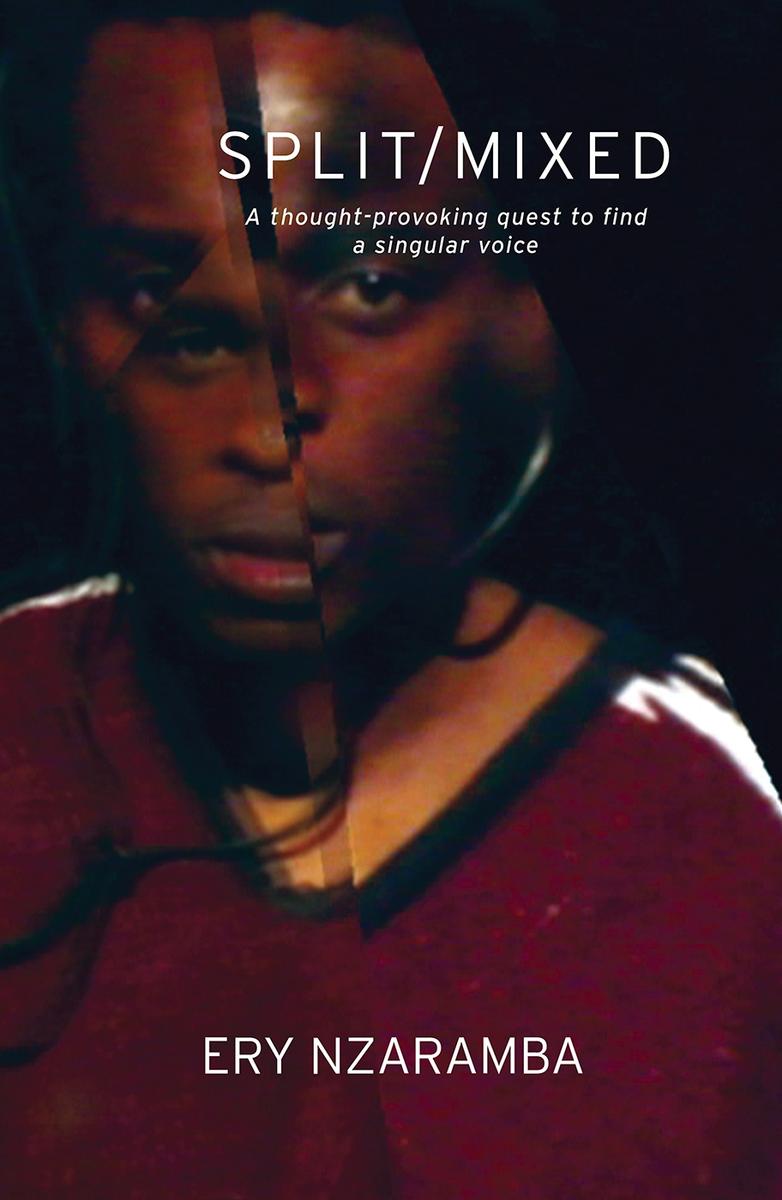
Split/Mixed
¥38.62
A dual language edition in English and French. The genocide in Rwanda shocked the world. Back then, Ery Nzaramba was only a teenager and his family’s escape to Europe turned him into a “survivor”. How should he now respond to questions about who he is and where he comes from? In this autobiographical one-man play, performed to acclaim on the Edinburgh Festival Fringe, the author journeys back to his Rwandan childhood. With the help of a cassette player, he brings to life nearly a dozen characters, exploring memories of kinship, cultural attitudes and personal identity. Both funny and poignant, the play highlights not only the intolerance that can breed violence and war but also the importance of power and privilege in the struggle for survival. Le génocide au Rwanda a choqué le monde. ? l'époque, Ery Nzaramba était un adolescent. Après que sa famille se fut échappé en Europe, il est devenu un ?survivant?. Désormais, que doit-il répondre à des questions sur qui il est et d'où il vient? Dans ce one-man show autobiographique, salué par la critique lors de sa présentation au Festival d'?dimbourg, l'auteur retourne vers son enfance au Rwanda. Accompagné d'un lecteur cassette, il donne vie à une bonne douzaine de personnages, explorant souvenirs de famille et d'affinités, attitudes culturelles et identité. ? la fois poignante et pleine d'humour, la pièce met en lumière non seulement l'intolérance qui peut engendrer violence et guerre, mais aussi l'importance du privilège dans la lutte pour la survie.
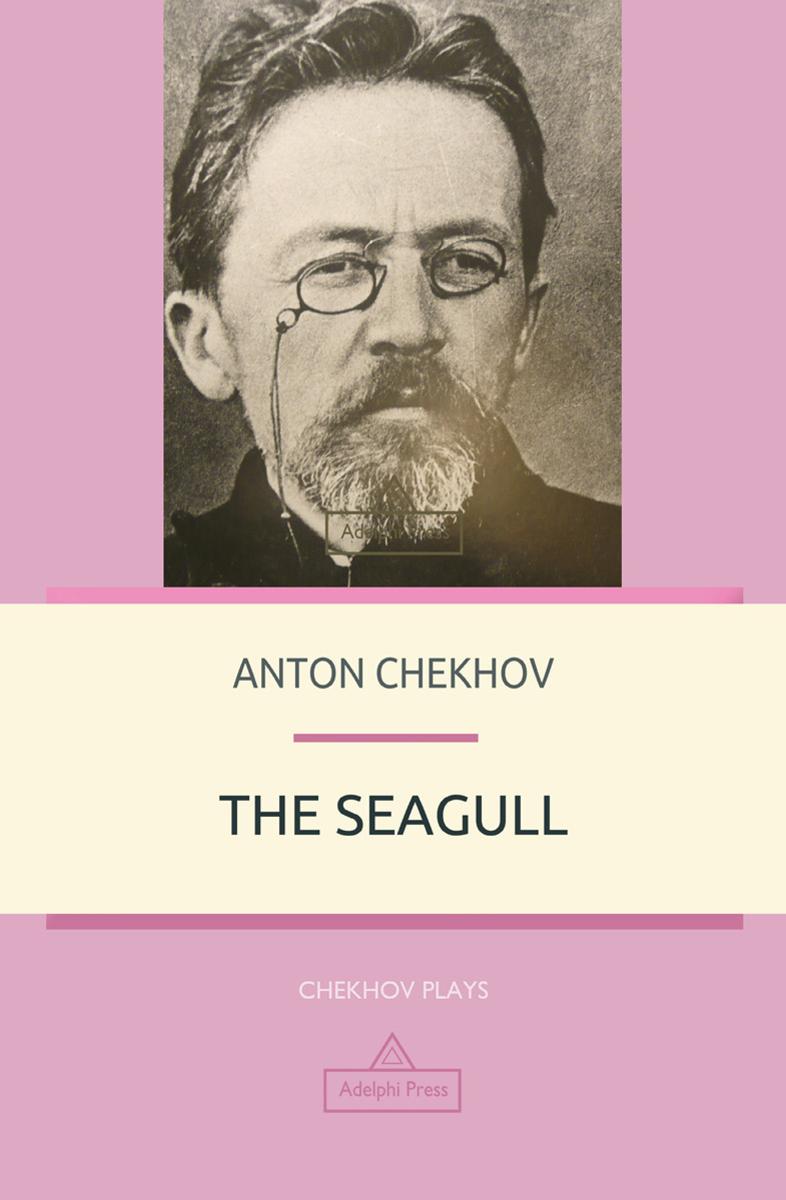
The Seagull
¥24.44
The Seagull is one of the best ever dramas about the theatre, yet on the very first opening night it was a famous failure. The play triumphed later in Stanislavski's production and became one of the greatest events in the history of Russian theatre and one of the greatest new developments in the history of world drama.
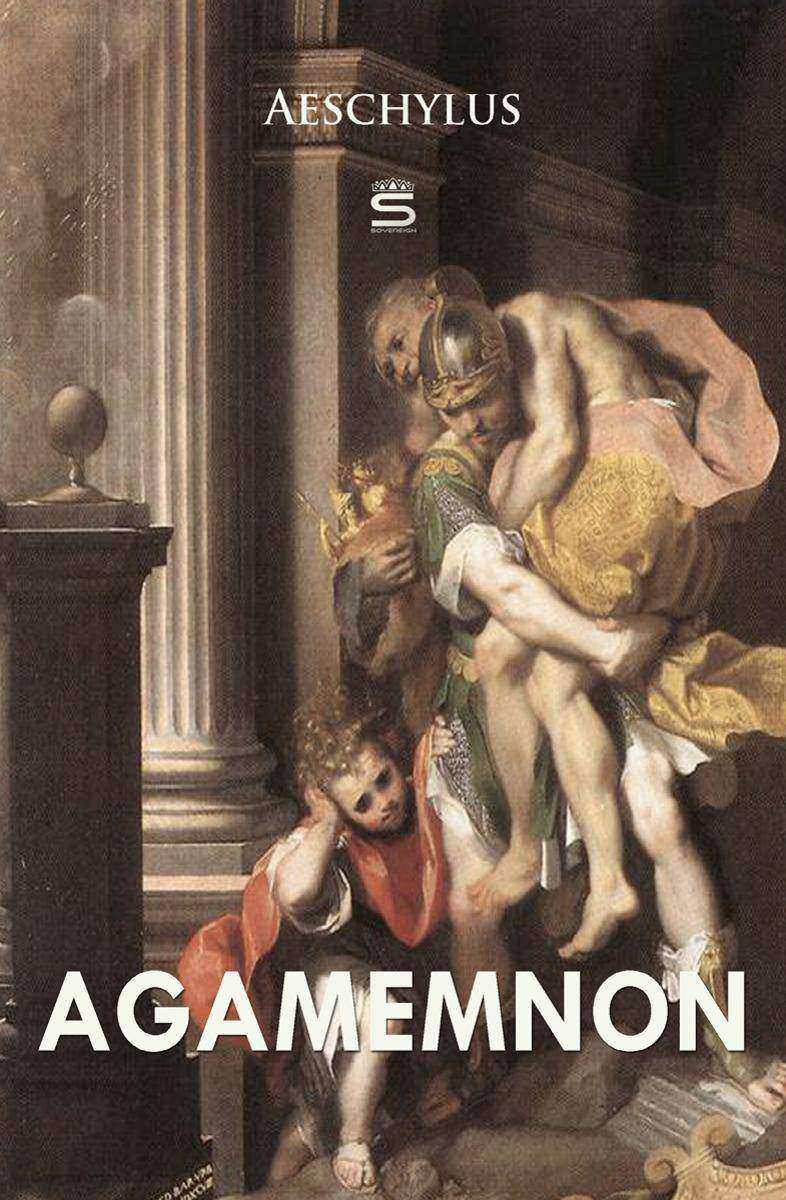
Agamemnon
¥40.79
A watchman on top of the house, reporting that he has been lying restless there like a dog for a year, for so rules the expectant manly-willed heart of a woman (that woman being Clytemnestra awaiting the return of her husband, who has arranged that mountaintop beacons give the signal when Troy has fallen). He laments the fortunes of the house, but promises to keep silent: 'A huge ox has stepped onto my tongue.' However, when Agamemnon returns, he brings with him Cassandra, the enslaved daughter of the Trojan king, Priam, and a priestess of Apollo, as his concubine, further angering Clytemnestra.
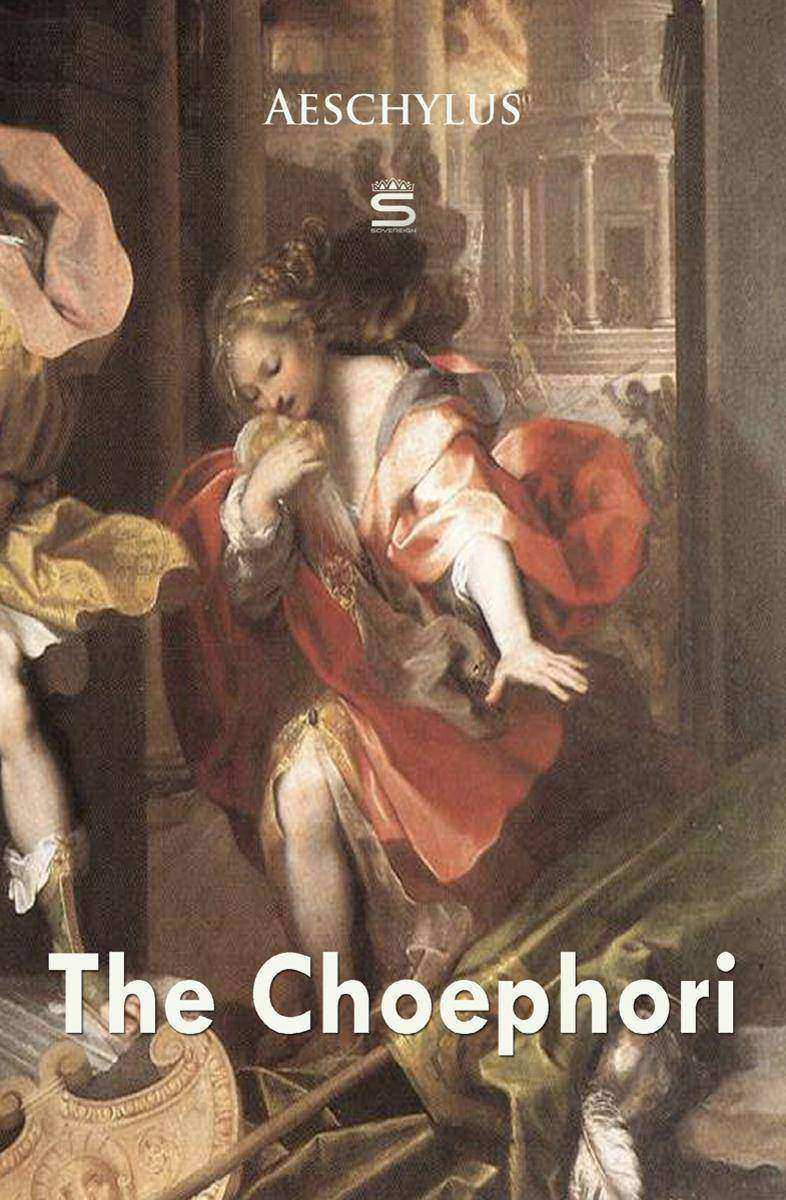
The Choephori
¥40.79
Orestes arrives at the grave of his father, accompanied by his cousin Pylades, the son of the king of Phocis, where he has grown up in exile; he places two locks of his hair on the tomb. Orestes and Pylades hide as Electra, Orestes' sister, arrives at the grave accompanied by a chorus of elderly slave women (the libation bearers of the title) to pour libations on Agamemnon's grave; they have been sent by Clytemnestra in an effort to ward off harm. Just as the ritual ends, Electra spots a lock of hair on the tomb which she recognizes as similar to her own; subsequently she sees two sets of footprints, one of which has proportions similar to hers. At this point Orestes and Pylades emerge from their hiding place and Orestes gradually convinces her of his identity.
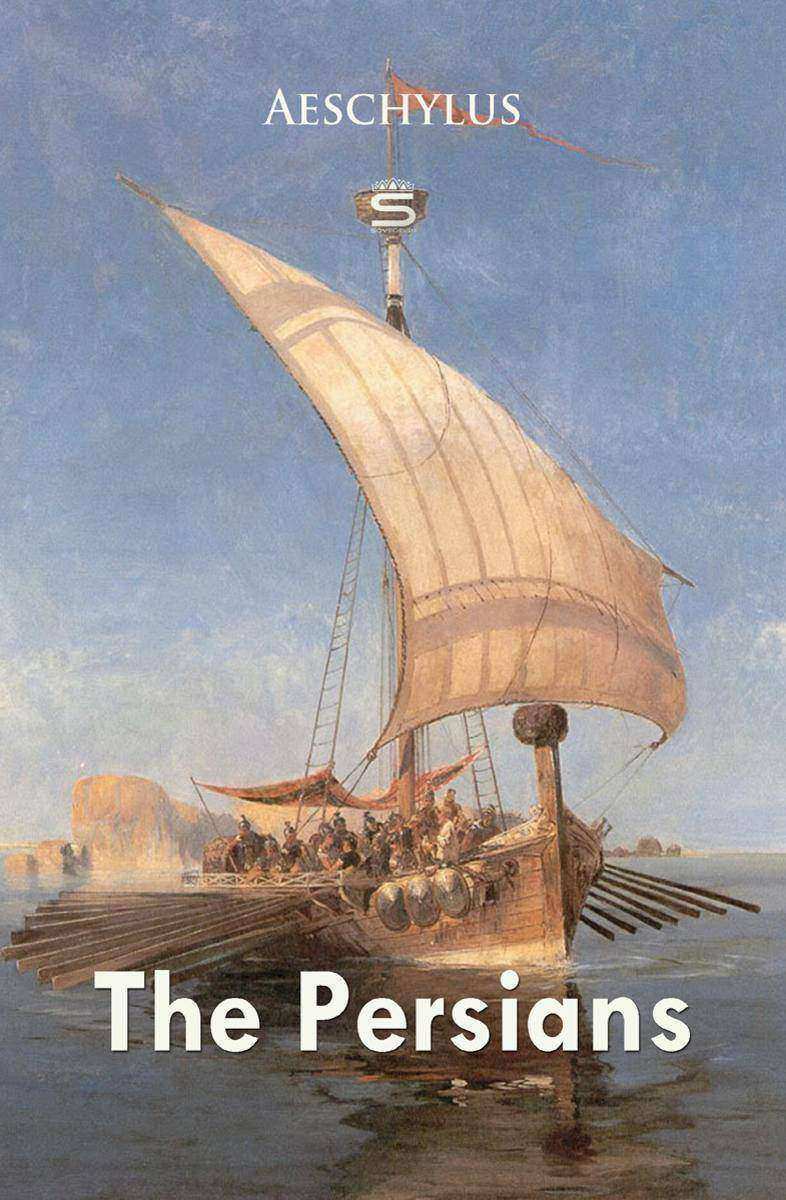
The Persians
¥40.79
The Persians takes place in Susa, which at the time was one of the capitals of the Persian Empire, and opens with a chorus of old men of Susa, who are soon joined by the Queen Mother, Atossa, as they await news of her son King Xerxes' expedition against the Greeks. Expressing her anxiety and unease, Atossa narrates what is probably the first dream sequence in European theatre.
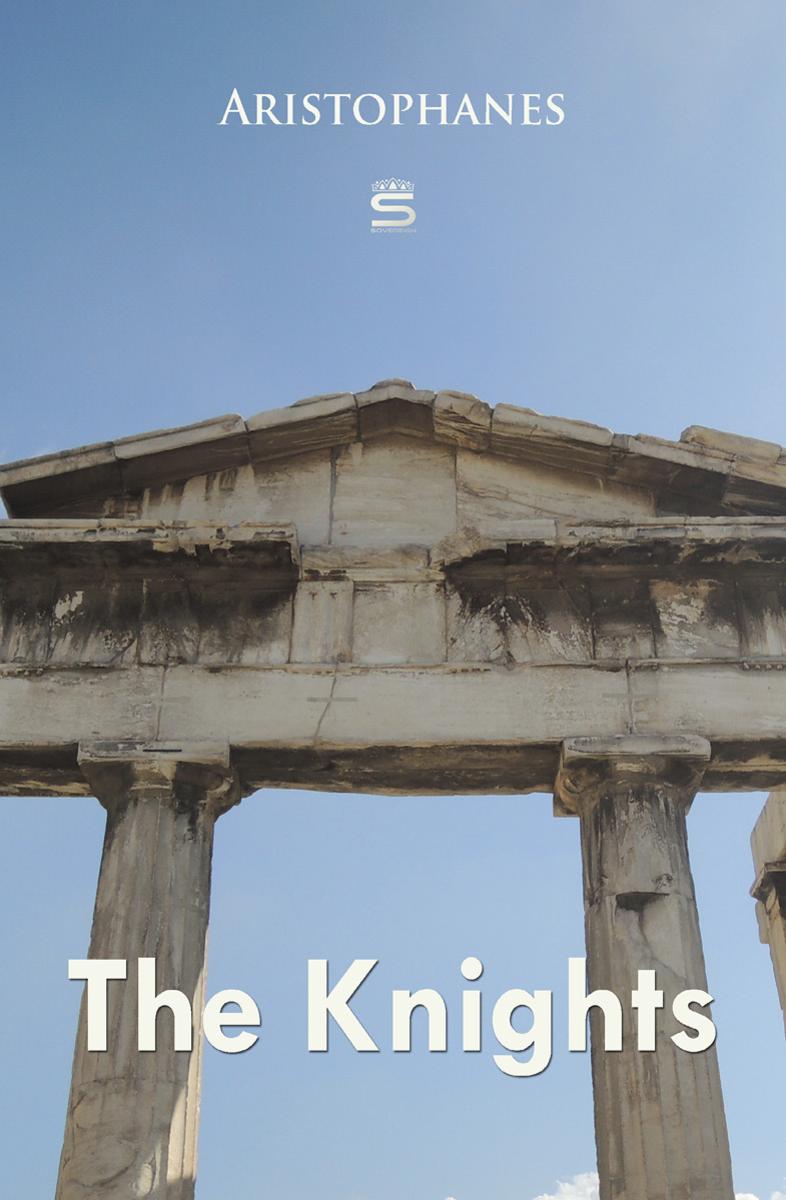
The Knights
¥40.79
The Knights is a satire on political and social life in 5th-century BC Athens, the characters are drawn from real life and Cleon is clearly intended to be the villain. However it is also an allegory, the characters are figures of fantasy and the villain in this context is Paphlagonian, a comic monstrosity responsible for almost everything that's wrong with the world.
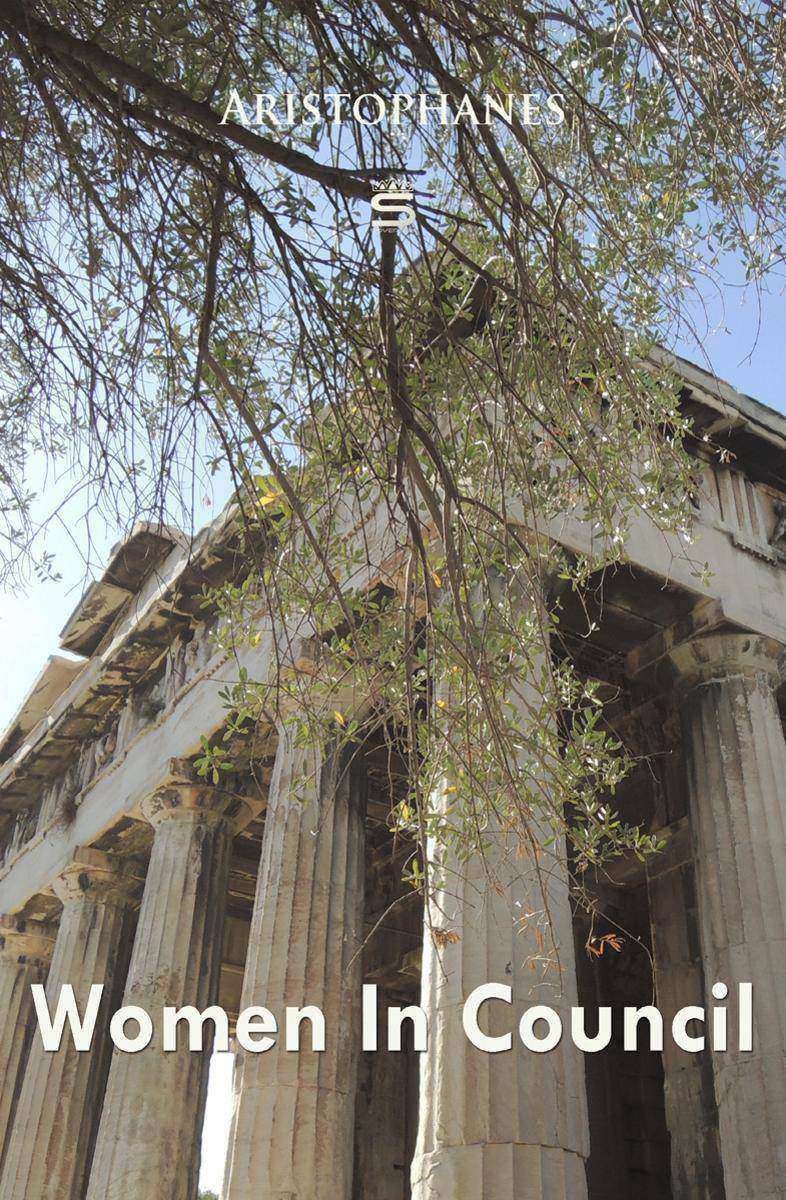
Women In Council
¥40.79
A group of women, led by the wise and redoubtable Praxagora, has decided that the women of Athens must convince the men to give them control of the city, as they are convinced they can do a better job. Disguised as men, the women sneak into the assembly and command the majority of votes needed to carry their series of revolutionary proposals, even convincing some of the men to vote for it on the grounds that it is the only thing they have not tried.

Big Foot: …And Tiny Little Heartstrings
¥38.62
With grime music and Guyanese folk stories, Joseph Barnes-Phillip's semi-autobiographical story is a comic, tragic and honest portrayal of becoming a man. The story follows Rayleigh as he negotiates the tensions of growing up and taking responsibility – to his pregnant girlfriend, to his sick mother, to his church, to the multi-cultural community he grew up in and somewhere in the mix to himself. When the euphoric highs of teenage life in south London collide with his mum's terminal illness, all Rayleigh wants to do it watch anime in his pants and eat indomie. Love, life and masculinity meet head-on as Rayleigh tries to find his feet, torn between the new girl in his life and being there for his mum, while trying not to make the same mistakes as his dad.

Insights Into Education
¥73.49
Insights into Education presents the educational philosophy of J. Krishnamurti in an easy to use, topic-based format. It is a practical handbook that comes alive when used as an introduction to group investigation and dialogue. What it offers to teachers everywhere is an inroad into the many matters of concern with which they are faced on a daily basis. That we cannot continue as we have been doing, with rote-learning, fact-finding, and a modicum of analysis as the building blocks of education, is obvious to anyone who is at all concerned with teaching and learning in a world with accelerating technological advancement, alienation, and despair. It is these very issues that are tackled here, sometimes implicitly but always at depth. What Krishnamurti proposes, and here discloses, is a different approach to learning altogether, one that distinguishes itself radically from what we normally understand by that term: the accumulation of knowledge, with its application and testing. By narrowing down our understanding to the pragmatic and the measurable, we forfeit the opportunity to probe deeply and to awaken intelligence in our students and in ourselves. What is meant by intelligence in this context is not the capacity to memorize and measure, but that subtler ability to see the whole which comes alive in a human being when he/she sees the limits of the measurable. To awaken this intelligence is the goal of education.
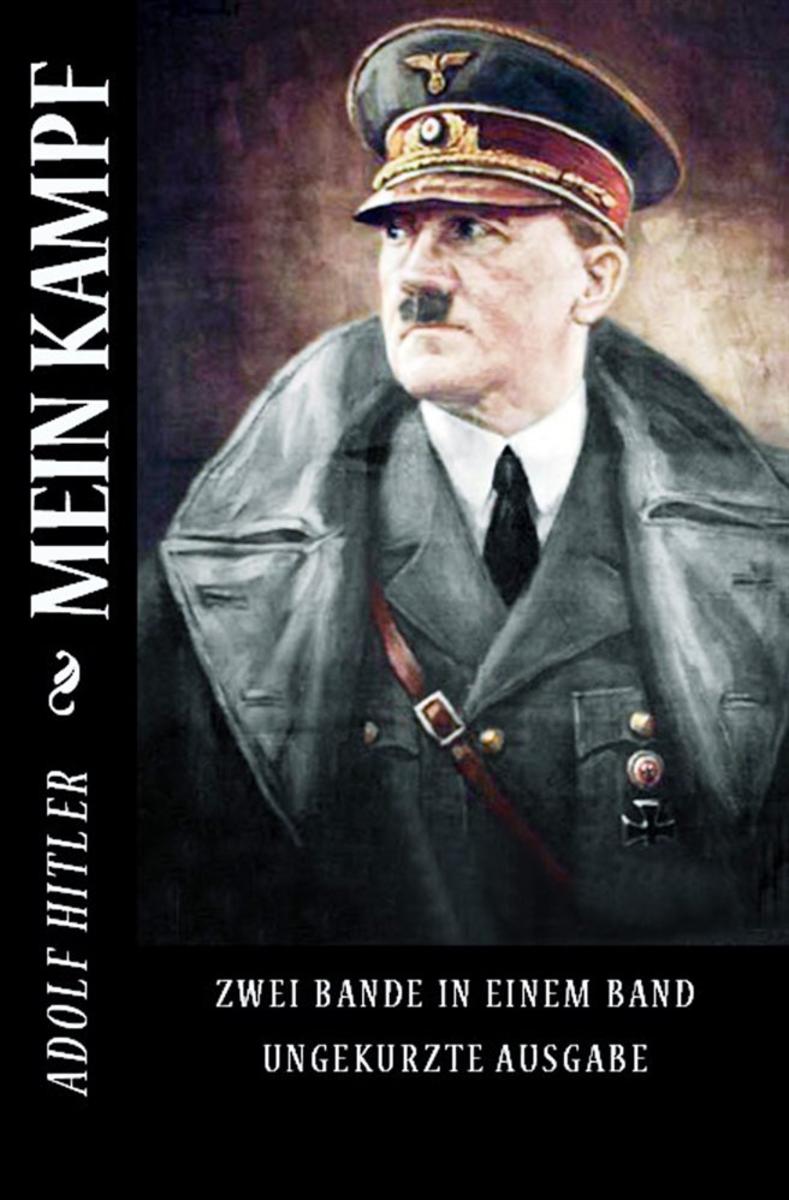
Mein Kampf: "Zwei Bande in Einem Band Ungekurzte Ausgabe"
¥37.11
Mein Kampf ist eine politisch-ideologische Programmschrift Adolf Hitlers. Sie erschien in zwei Teilen. Hitler stellte darin seinen Werdegang zum Politiker und seine Weltanschauung dar. Das Buch enthalt Hitlers Autobiografie, ist in der Hauptsache aber eine zweckgerichtete Kampf- und Propagandaschrift, die zum Neuaufbau der NSDAP als zentral gelenkter Partei unter Hitlers Fuhrung dienen sollte.??Der erste Band entstand in Hitlers Haftzeit 1924 und wurde erstmals am 18. Juli 1925, der zweite am 11. Dezember 1926 veroffentlicht. Vor allem der erste Band wurde bis 1932 in der Weimarer Republik zu einem viel diskutierten Bestseller.??Hitler schrieb 1924 den ersten Teil von Mein Kampf wahrend seiner Festungshaft in der Haftanstalt Landsberg in Landsberg am Lech. Er soll den Text seinem spateren Stellvertreter Rudolf HeB diktiert haben. Neuere Erkenntnisse weisen darauf hin, dass Hitler den Text selbst auf einer Reiseschreibmaschine tippte. Winifred Wagner berichtete, Hitler "massenhaft Schreibpapier" nach Landsberg geschickt zu haben.??Ursprunglich sollte das Buch Viereinhalb Jahre [des Kampfes] gegen Luge, Dummheit und Feigheit heiBen. Nach der vorzeitigen Haftentlassung im Dezember 1924 diktierte Hitler den starker programmatisch ausgelegten zweiten Teil von Mein Kampf seinem Gefolgsmann Max Amann, Direktor des Franz-Eher-Verlags. Amann und Hitler zogen sich im Sommer 1925 in das (daher spater so genannte) Kampfhausl des Pensionswirts Bruno Buchner auf dem Obersalzberg (nahe dem spateren Berghof) zuruck, um das Manuskript zu tippen.??Im Juli 1925 erschien der erste Band, im Dezember 1926 der zweite. Bis 1930 vertrieb der Verlag Mein Kampf in zwei groBformatigen Banden zum Preis von zunachst je 12, ab 1928 14 Reichsmark.??Der Originaltext erlebte in seiner zwanzigjahrigen Editionsgeschichte von 1925 bis 1945 zahlreiche Anderungen und Erweiterungen. Der Text der spaten Ausgaben aus den 1940er Jahren ist nur bedingt in direkten Bezug zu setzen mit Hitlers publizistischer und politischer Positionierung Mitte der 1920er. ??Im Herbst 2006 tauchten in Munchen funf Manuskript- und achtzehn Entwurfsseiten zu Hitlers Buch auf, die er vor dessen Veroffentlichung im Fruhjahr und im Sommer 1924 wahrend seiner Festungshaft in Landsberg verfasst hatte. Der Vergleich mit der spateren Endfassung ermoglichte der Hitlerforschung Ruckschlusse zur Entwicklung von Hitlers Weltbild und Agitationsweise.??Der erste und der zweite Band erschienen in einer Erstauflage von je 10.000 Exemplaren. Die NSDAP finanzierte sich ganz wesentlich uber den eigenen Parteiverlag, an dem auch Hitler personlich beteiligt war. Von der einbandigen Volksausgabe wurden bis Januar 1933 287.000 Exemplare zum Preis von je 12 RM durch den Zentralverlag der NSDAP (Franz Eher Nachfolger) verkauft. ??Hitler erhielt pro verkauftem Buch 10 Prozent Tantiemen. Die folgende einbandige Ausgabe kostete 8 RM ("Volksausgabe", ab 1930)...
The Communist Manifesto
¥8.82
Manifesto of the Communist Party (German: Manifest der Kommunistischen Partei), often referred to as The Communist Manifesto, was first published on February 21, 1848, and is one of the world's most influential political manuscripts. Commissioned by the Communist League and written by communist theorists Karl Marx and Friedrich Engels, it laid out the League's purposes and program. The Manifesto suggested a course of action for a proletarian (working class) revolution to overthrow the bourgeois social order and to eventually bring about a classless and stateless society, and the abolition of private property.
Aristotle: The Complete Works
¥8.82
Part 1: Logic (Organon) Categories, translated by E. M. Edghill On Interpretation, translated by E. M. Edghill Prior Analytics (2 Books), translated by A. J. Jenkinson Posterior Analytics (2 Books), translated by G. R. G. Mure Topics (8 Books), translated by W. A. Pickard-Cambridge Sophistical Refutations, translated by W. A. Pickard-Cambridge Part 2: Universal Physics Physics (8 Books), translated by R. P. Hardie and R. K. Gaye On the Heavens (4 Books), translated by J. L. Stocks On Gerneration and Corruption (2 Books), translated by H. H. Joachim Meteorology (4 Books), translated by E. W. Webster Part 3: Human Physics On the Soul (3 Books), translated by J. A. Smith On Sense and the Sensible, translated by J. I. Beare On Memory and Reminiscence, translated by J. I. Beare On Sleep and Sleeplessness, translated by J. I. Beare On Dreams, translated by J. I. Beare On Prophesying by Dreams, translated by J. I. Beare On Longevity and Shortness of Life, translated by G. R. T. Ross On Youth, Old Age, Life and Death, and Respiration, translated by G. R. T. Ross Part 4: Animal Physics The History of Animals (9 Books), translated by D'Arcy Wentworth Thompson On the Parts of Animals (4 Books), translated by William Ogle On the Motion of Animals, translated by A. S. L. Farquharson On the Gait of Animals, translated by A. S. L. Farquharson On the Generation of Animals (5 Books), translated by Arthur Platt Part 5: Metaphysics (15 Books), translated by W. D. Ross Part 6: Ethics and Politics Nicomachean Ethics (10 Books), translated by W. D. Ross Politics (8 Books), translated by Benjamin Jowett The Athenian Constitution, translated by Sir Frederic G. Kenyon Part 7: Aesthetic Writings Rhetoric (3 Books), translated by W. Rhys Roberts Poetics, translated by S. H. Butcher
O inim? de Broscu??. Volumul X. Puterea z?mbetului
¥46.60
Volumul Sublimul tr?d?rii reprezint? o incursiune ?n lumea ?multidimensional?“ a crea?iei teatrale. Convins de existen?a unor straturi rarefiate ale spiritului, ?n care reprezenta?ia a fost h?r?zit? s? existe, autorul se ?ndep?rteaz? de orice interpretare ?vulgar?“, la prima m?n?, a artei scenice. F?c?ndu-se apel la teorii ale esteticii teatrale, dar ?i ale filosofiei, psihanalizei, exegezei ?i criticii literare, ne este relevat un univers artistic complicat, complex, predispus unei analize profunde. Astfel, locul care ?i este destinat spectatorului nu mai este acela de privitor pasiv, ci de partener al actorilor.?Oper?nd alegerea de sine“, spectatorul iese din plasa esteticului nu pentru a-i desfide rostul, ci pentru a se proiecta ?n centrul ac?iunii scenice, ?ntr-un loc ?n care ??i poate afirma prezen?a. Actul ?lecturii“ teatrului implic? ?ndatoriri egale cu cele din spa?iul public, for??ndu-l pe insul aflat ?n sala de spectacol s? faca o eschiva printre imperativele vie?ii, consider?nd interpretarea ca circumscriere concret? ?n ?legea universal?“ a eticului. Doar ?n acest fel, spectatorul poate accepta responsabilit??i legate de ceea ce i se ?nt?mpl?, atent la (?i preocupat de) via?a sa superioar?, spiritual?.“
Magna?ii. Cum au inventat Andrew Carnegie, John D.
¥86.00
Dintre toate scrierile Svetlanei Aleksievici, Ultimii martori este cea mai sf??ietoare. C?ci ce poate fi mai cumplit dec?t copil?ria ?n timp de r?zboi, mai tragic dec?t inocen?a supus? violen?ei ?i anihil?rii? Personajele acestei c?r?i, b?ie?i ?i fete, aveau, ?n perioada celui de al Doilea R?zboi Mondial – conflictul poate cel mai inuman din istorie –, ?ntre trei ?i doisprezece ani, dar r?nile c?p?tate atunci le s?ngereaz? p?n? ?n ziua de azi. ?i totu?i, ?n pofida suferin?elor descrise, textul dob?nde?te o extraordinar? for?? evocatoare pentru c? reu?e?te s? reconstituie poezia inerent? v?rstei copil?riei. Tulbur?tor prin ?nc?rc?tura sa de adev?r ?i r?v??itor suflete?te, Ultimii martori ne schimb? perspectiva asupra istoriei, a r?zboiului, a copil?riei ?i a vie?ii.
Trecutul la judecata istoriei
¥130.72
Boris Johnson exploreaz?, ?n paginile acestui volum, din ce anume este constituit ?factorul Churchill“ – acea inteligen?? unic? a unuia dintre cei mai importan?i lideri ai secolului XX. Demont?nd miturile ?i prejudec??ile care au d?inuit al?turi de realitate, Johnson realizeaz? – cu inteligen?a ?i pasiunea caracteristice – portretul unui om al contradic?iilor, al curajului contagios, ?nzestrat cu o elocin?? uimitoare ?i cu o putere inegalabil? de a croi strategii. Curajos pe c?mpul de lupt?, Churchill a trebuit s? primeasc? ordin de la rege pentru a sta departe de focul b?t?liei ?n Ziua Z; a fost de acord cu bombardamentele strategice la scar? extins?, cu toate c? ura distrugerile produse de r?zboi ?i ?i dispre?uia pe politicienii care nu ?i tr?iser? ororile. A fost un jurnalist apreciat, un mare orator ?i a c??tigat Premiul Nobel pentru Literatur?. A fost faimos pentru capacitatea de a combina serile de dineuri oficiale cu nop?ile ?n care lua decizii cruciale pentru soarta r?zboiului. Viziunea sa progresist? asupra lumii l-a f?cut un pionier ?n dezvoltarea sistemului public de s?n?tate, de educa?ie ?i de asisten?? social?, de?i a r?mas un adept incorigibil al incorectitudinii politice. Factorul Churchill nu este o carte doar pe gustul pasiona?ilor de istorie. Este o lectur? esen?ial? pentru to?i cei care doresc s? afle din ce material anume e f?cut un mare lider.
Elita interbelic?: sociologia rom?neasc? ?n context european
¥90.84
Pe 1 mai 1915, c?nd Primul R?zboi Mondial intra ?n cea de a zecea sa lun?, un transoceanic de linie luxos, la fel de bogat decorat ca un conac englezesc de ?ar?, pleca din New York cu destina?ia Liverpool, av?nd la bord un num?r record de copii. ?n r?ndurile pasagerilor domnea o surprinz?toare stare de bun? dispozi?ie, de?i Germania declarase c? apele din jurul Marii Britanii constituiau o zon? de r?zboi. Luni de zile, submarinele germane sem?naser? teroarea ?n Atlanticul de Nord. Dar Lusitania era unul dintre marile transatlantice ale epocii, cel mai rapid vapor de linie aflat ?n serviciu, iar c?pitanul ei, William Thomas Turner, avea o ?ncredere de nestr?mutat ?n regulile stricte ale r?zboiului purtat de gentlemani, care feriser?, vreme de un secol, vasele civile de orice atac. Este o poveste pe care mul?i dintre noi cred c? o cunosc, f?r? a o ?ti cu adev?rat, iar Erik Larson ne-o readuce ?n aten?ie plin? de suspans, schimb?nd rolurile ?ntre v?n?tor ?i v?nat, ?n timp ce descrie un tablou mai general al Americii la apogeul Erei Progresului. Plin? de str?lucire ?i de emo?ie, Siajul mor?ii aduce la via?? o distribu?ie de personaje evocatoare, de la faimosul librar din Boston Charles Lauriat, la pioniera din domeniul arhitecturii Theodate Pope ?i la pre?edintele Woodrow Wilson, un om sufocat de suferin?? ?i ?ngrozit de perspectiva unui r?zboi mondial. Siajul mor?ii surprinde drama pur? ?i puterea emo?ional? a unui dezastru ale c?rui detalii intime ?i ?n?eles real riscau s? r?m?n? pierdute ?n negurile istoriei.
The Art of War
¥8.82
The Art of War is a Chinese military treatise that was written during the 6th century BC by Sun Tzu. Composed of 13 chapters, each of which is devoted to one aspect of warfare, it has long been praised as the definitive work on military strategies and tactics of its time. The Art of War is one of the oldest books on military strategy in the world. It is the first and one of the most successful works on strategy and has had a huge influence on Eastern and Western military thinking, business tactics, and beyond. Sun Tzu was the first to recognize the importance of positioning in strategy and that position is affected both by objective conditions in the physical environment and the subjective opinions of competitive actors in that environment. He taught that strategy was not planning in the sense of working through a to-do list, but rather that it requires quick and appropriate responses to changing conditions.
Cruikshank's Water Colours
¥27.88
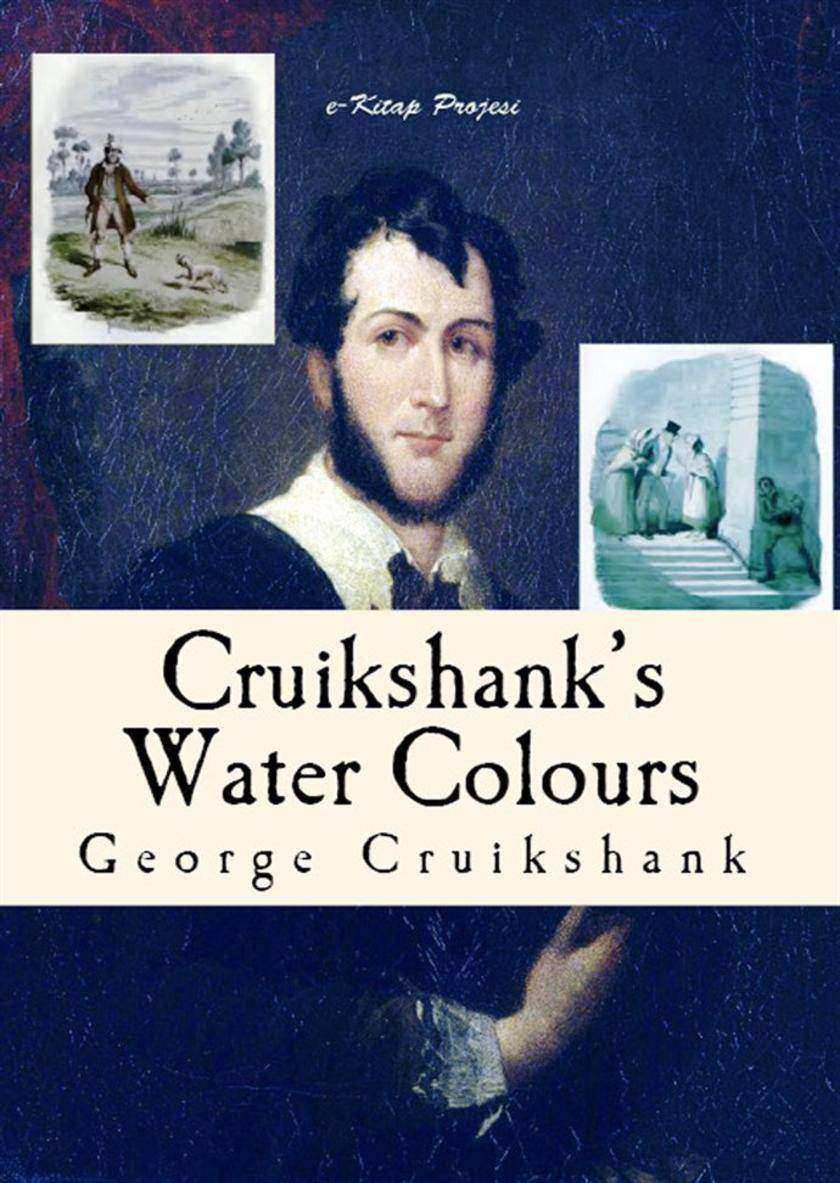
It is fair to characterise the three suites of original water-colour drawings, as executed by our artist, as unique examples of the great George Cruikshank's special individual proficiency as an exponent of this branch of technical dexterity. More-over, it may be regarded as a fortunate circumstance that the three works, here reproduced with amazing fidelity in facsimile, represent happily the very chefs d'oeuvre of his wonderful productions; in their respective categories, preserving the best examples of his remarkable genius as an imaginative creator of vivid pictures, alike stirring and animated, and representing at one glance his vast dramatic powers, his mastery of the humorous side of life, and the intensity he was consistently able to infuse into terrible and tragic scenes. It is noteworthy that the inimitable artist George Cruikshank but rarely pro-duced finished water-colour drawings; the bulk of his prolific and familiarly rec-ognised designs for book illustrations were mostly dainty pencil sketches, occa-sionally finished in pen and ink. It is a problem difficult to solve satisfactorily whether, beyond the three memorable instances of the works here reproduced in facsimile, there are in existence any other complete suites of original illustrations by George Cruikshank—that is to say, fully executed by his master hand as finished water-colour drawings. Tinted sketches may be found in the prized possessions of Cruikshank collectors, and spirited studies for many of his favourite and most successful subjects have been cleverly touched in with watercolours; for instance, such as certain of his original drawings as designed for the illustrations of Harri-son Ainsworth's Tower of London, and the clever historical and picturesque series of Windsor Castle designs; these are, however, to be regarded as exceptional cases, for the bulk of these most successful and popular designs were carefully executed in pencil, or occasionally outlined with the pen, and highly finished with washes of warm sepia. It is worthy of recollection that Cruikshank was a most dexterous artist in this monochrome branch, his earlier artistic experiences having been al-most exclusively in the walk of aqua-tinted etchings; all his early book illustrations, his caricatures, and satirical plates—social or political—were uniformly etched by his hand in the most spirited fashion, after his ready sketches and rough studies, and when the outline etching was bitten in, Cruikshank elaborately worked out his colour suggestions, for light and shade, with a brush over the first-etched outline, in tones of sepia or Indian ink, for the guidance of the professional 'aquatinters'—the school of artists to whose trained skill was entrusted the task of completing these plates to produce the effect of highly finished washed drawings in mono-chrome. By this, his youthful practice, George Cruikshank had acquired remarka-ble dexterity, his original pen-and-ink designs, and the outline etchings, after his earlier book illustrations, being worked up in monochrome to the dainty finish of delicate miniatures, in which art both his father Isaac and his brother Isaac Robert were first-class proficients, as he himself has recorded with pride in describing the special gifts and qualifications which distinguished the Cruikshank family. ? ABOUT THE AUTHOR; George Cruikshank (1792 – 1878) was a British caricaturist and book illustrator, praised as the "modern Hogarth" during his life. His book illustrations for his friend Charles Dickens, and many other authors, reached an international audience. Cruikshank was born in London. His father, Isaac Cruikshank, was one of the leading caricaturists of the late 1790s and Cruikshank started his career as his father's apprentice and assistant. His older brother, Isaac Robert, also followed in the family business as a caricaturist and illustrator. Cruikshank's early work was caricature; but in 1823, at the age of 31, he started to focus on book illustration. He illustrated the first, 1823 English translation (by Edgar Taylor and David Jardine) of Grimms' Fairy Tales, published in two volumes as German Popular Stories. On 16 October 1827, he married Mary Ann Walker (1807–1849). Two years after her death, on 7 March 1851, he married Eliza Widdison. The two lived at 263 Hampstead Road, North London.Upon his death, it was discovered that Cruikshank had fathered 11 illegitimate children with a mistress named Adelaide Attree, his former servant, who lived close to where he lived with his wife. Adelaide was ostensibly married and had taken the married surname 'Archibold'.
Povestea unui startup. Leadership prin experimentare
¥73.49
Lord Ronald Gower (1845 ù1916) was a British aristocrat, Liberal politician, sculptor and writer. Besides being a sculpture he wrote biographies of Marie Antoinette and Joan of Arc, and a history of the Tower of London. Joan of Arc was a15th century French heroine. She was born a peasant girl in eastern France who grew up to lead the French army to several important victories during the Hundred Years' War. She was captured by the Burgundians, sold to the English, tried by an ecclesiastical court, and burned at the stake when she was nineteen years old.
Plimb?ndu-l pe Fun
¥24.44
Drag? cititorule,Dac? te-ai uitat ieri mai mult de dou? ore la televizor ?i nu po?i f?r? asta, las? cartea asta jos.Dac? vrei s? fii de acord cu cineva, cu oricine, nu e?ti omul meu.Dac? m? ?tii din tinere?e ?i crezi c? sunt b?iatul care se b?lb?ia la prompter, dai banii degeaba.Dac? vrei s? dai cadou cartea asta unui prieten, nu mai bine ?i iei o sticl? de vin? Eu nu ?tiu s? ame?esc a?a bine.?n general, recomand cartea doar c?torva oameni.Cei care vor s? afle cum am ajuns s? tr?im, iubim, alegem ?n social media.Dar mai ales celor care cred c? a scrie poate schimba ceva.P.S. Poate.Doar c? trebuie s? scriem cu to?ii ?n acela?i timp.Despre asta e Share! Despre for?a social media, cel mai bun amplificator de idei pe care ?l ?tiu.?ntr-un fel, dac? stai s? te g?nde?ti, ?i tu ai scris-o.
The Spanish Tragedie: "1587"
¥27.88
"The Spanish Tragedy", or "Hieronimo" is Mad Again is an Elizabethan tragedy written by Thomas Kyd between 1582 and 1592. Highly popular and influential in its time, The Spanish Tragedy established a new genre in English theatre, the revenge play or revenge tragedy. Its plot contains several violent murders and includes as one of its characters a personification of Revenge. "The Spanish Tragedy "was often referred to (or parodied) in works written by other Elizabethan playwrights, including William Shakespeare, Ben Jonson, and Christopher Marlowe. Many elements of The Spanish Tragedy, such as the play-within-a-play used to trap a murderer and a ghost intent on vengeance, appear in Shakespeare's Hamlet. (Thomas Kyd is frequently proposed as the author of the hypothetical Ur-Hamlet that may have been one of Shakespeare's primary sources for Hamlet.)


