


 购物车
购物车 个人中心
个人中心
Дол? та фур??
¥24.93
Knjiga Me?uodnosi umjetni?kih svjetova dio je doktorske disertacije, a govori o simultanoj i sukcesivnoj umjetnosti kroz ilustracije Bhagavad Gite, u 18 poglavlja od kojih svako ima dvije verzije. Su?tina autori?inog interesa je prijenos misli i osje?aja iz drevnog indijskog epa, kroz likovne elemente, odnosno vizualizacija vremenske umjetnosti; poku?ala je interpretirati kroz kompoziciju, boju, liniju, kontrast, tre?u dimenziju, strukturu, teksturu, proporciju, ritam i dinamiku, filozofiju Bhagavad Gite, koja je posebna utoliko ?to je u Indiji filozofija jednako religija, i obrnuto. Spomenuta je i analogija izme?u vremenskih i prostornih umjetnosti, kao ?to je boja (valer), glazba (akord), te upravo kroz sinergiju zna?enja i zra?enja na ilustracijama mo?emo do?ivjeti da "?itamo sliku". ? Tatjana Burzanovi? je autorica, umjetnica, grafi?ka dizajnerica i dizajnerica interijera, profesor na Fakultetu za kulturu i turizam na predmetu Indijska kultura, te na Fakultetu za dizajn i multimediju na Univerzitetu Donja Gorica u Podgorici, Crna Gora. Diplomirala je na Akademiji likovnih umjetnosti u Sarajevu, a doktorat obranila na Fakultetu primenjenih umjetnosti u Beogradu. Svoje je radove izlagala na brojnim samostalnim i grupnim izlo?bama, te sudjelovala u umjetni?kim i pedago?kim kolonijama. Dobila je nekoliko nagrada za dizajn knjiga. Knjiga Me?uovisnost umjetni?kih svjetova?nagra?ena je na 11. sajmu knjiga u Podgorici za najbolje opremljeno umjetni?ko izdanje. Knjiga je u elektroni?kom izdanju dostupna i u engleskom prijevodu.
The World's Greatest Tanks: An Illustrated History
¥81.67
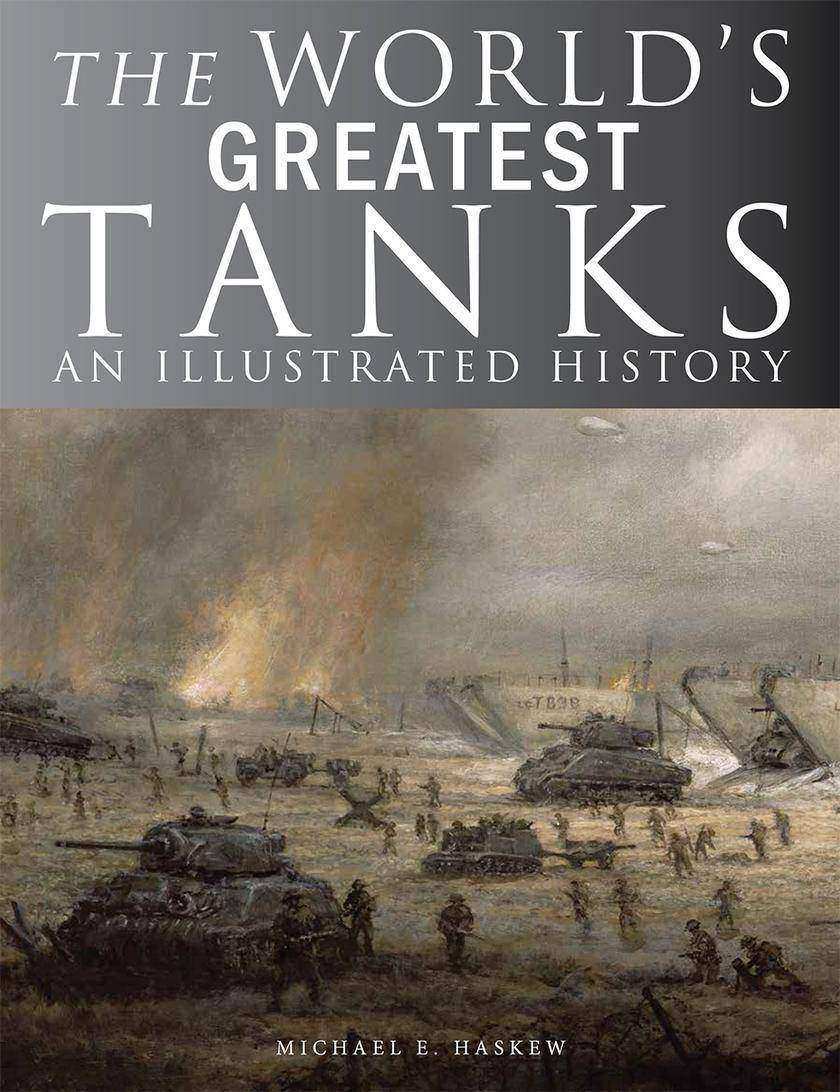
The World's Greatest Tanks features 52 of the best armoured fighting vehicles from World War I to the present day. Beginning with the prototype Mark V Male in 1917, the book ranges from World War I, World War II, through the Cold War and up to the highly sophisticated tanks that have seen recent service in wars in the Balkans, Caususus, and Middle East. From the Soviet T-34 and German Panther tanks of World War II to the M1A2 Abrams, Challenger 2 and T-90 of the present day, The World's Greatest Tanks is an expert examination of the most successful tanks of the past hundred years. Each entry is examined over two spreads and includes a brief description of the tank's development and history, a colour profile artwork, photographs, key features and specifications tables. Packed with more than 200 artworks and photographs, The World's Greatest Tanks is a colourful guide for the military historian and military technology enthusiast.
Gladiator: Fighting for Life, Glory and Freedom
¥81.67
“When everyone had had plenty to eat and drink they called for the gladiators. The moment anyone’s throat was cut, they clapped their hands in pleasure. And it sometimes even turned out that someone had specified in their will that the most beautiful women he had purchased were to fight each other….” – Athenaeus, The Learned Banqueters With their origins as blood rites staged at the funerals of rich aristocrats, gladiatorial combat is one of the defining images of ancient Rome. For more than 600 years, people flocked to arenas to watch these highly trained warriors participate in a blood-soaked spectacle that was part sport, part theatre and part cold-blooded murder. Gladiatorial contests were a spectacular dramatization of the Roman emperor’s formidable power. Gladiator looks at life and service in the Roman arenas from the origins of the games in the third century BCE through to the demise of the games in the fifth century CE. It explores the lives of the prisoners of war, criminals, slaves and volunteers who became gladiators, their training, and the more than 20 types of gladiator they could become, fighting with different types of weapons. From Spartacus’s slave revolt to the real Emperor Commodius who liked to play at being a gladiator, from female gladiators to the great combats involving hundreds of exotic animals, Gladiator is a colourful, accessible study of the ancient world’s famous warrior entertainers.
Drones
¥81.67
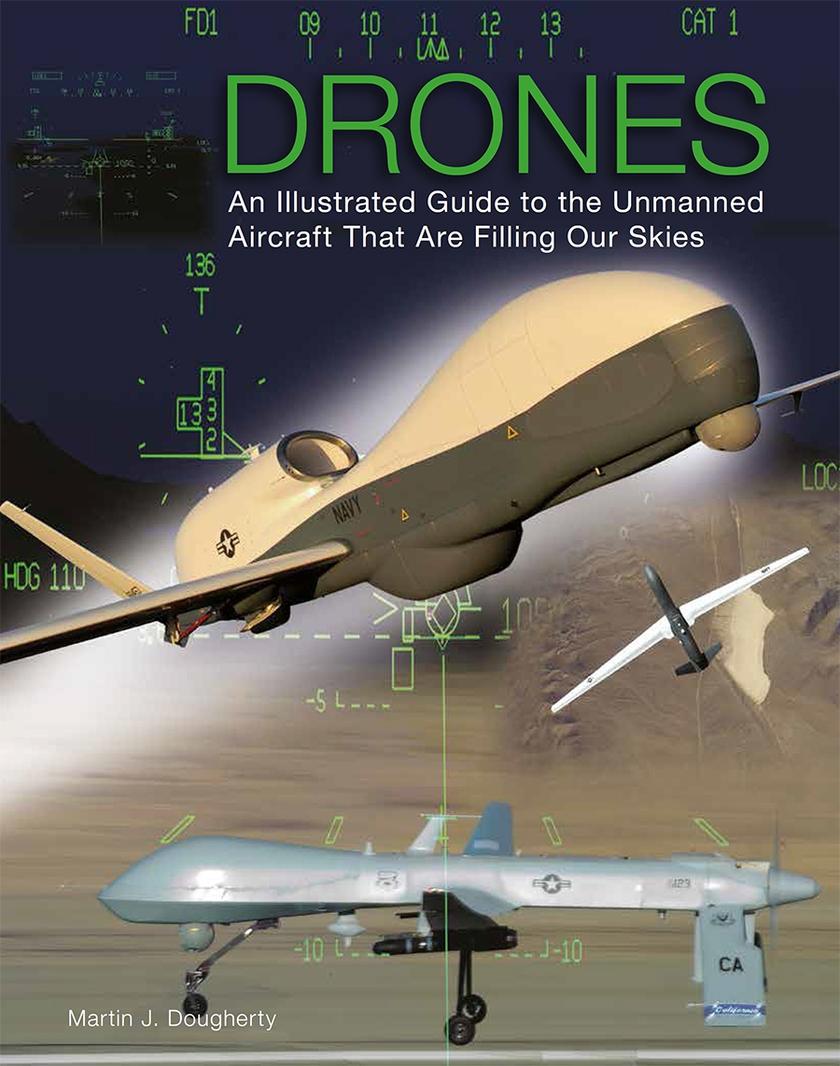
Little more than ten years ago drones were barely used, but now more than 50 countries have them in service and they are not only changing how wars are fought but how crops are sprayed, how underwater pipelines are monitored and even how sports events are filmed. If it’s too risky to send a manned aircraft to survey the intensity of a hurricane or a combat zone, or too costly for conservation wardens to chart the movement of wildlife, drones can be used. Used for reconnaissance work and mapping as well as launching missiles, drones can fly autonomously or be controlled by remote control. Peering into a volcano about to erupt, checking how fast a forest fire is spreading, exploring the wreck of a sunken ship, charting your enemy’s position and taking out a military target—these are just some of the uses of drones today. From drones the size of a fingertip to drones that can carry soldiers, from single rotorcraft to multi-rotorcraft to propeller craft drones, Drones expertly examines these complex vehicles, which are not only very different from manned aircraft, but also very different from each other. Illustrated with more than 220 colour photographs and artworks, Drones is an exciting, accessibly written work about the latest in military and civilian aviation technology.
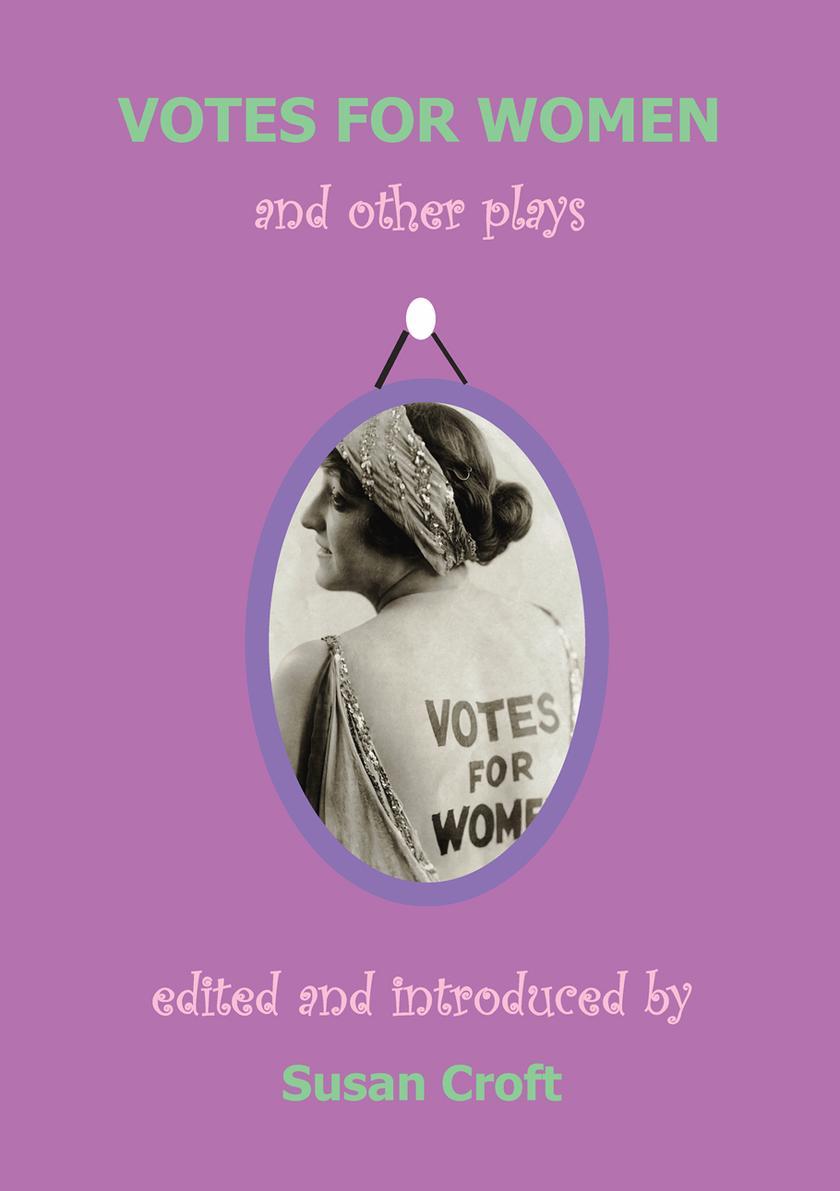
Votes for Women: and Other Plays
¥40.79
The best collection of suffrage plays on offer. Introduced and set in historical context by Dr Susan Croft, formerly Curator at the Theatre Museum in London, with a chronology of suffrage drama from 1907-1914.? The astonishing women involved in the Actresses Franchise League set up their own theatre companies and engaged with the battle for the vote by writing and performing campaigning plays all over the country. They launched themselves onto the political stage with their satirical plays, sketches and monologues whilst at the same time challenging the staid conventions of the Edwardian Theatre of the day. The legacy of their inspiring work to change both theatre and society has survived in the political theatre, agit-prop and verbatim theatre we know today.? Full playtexts from the following: ’How the Vote was Won’ by Cicely Hamilton and Chris St. John ’The Apple’ by Inez Bensusan ’Jim s Leg’ by L.S. Phibbs ’Votes for Women’ by Elizabeth Robins ’At the Gates’ by Alice Chapin ’In the Workhouse’ by Margaret Wynne Nevinson ’A Change of Tenant’ by Helen Margaret Nightingale.
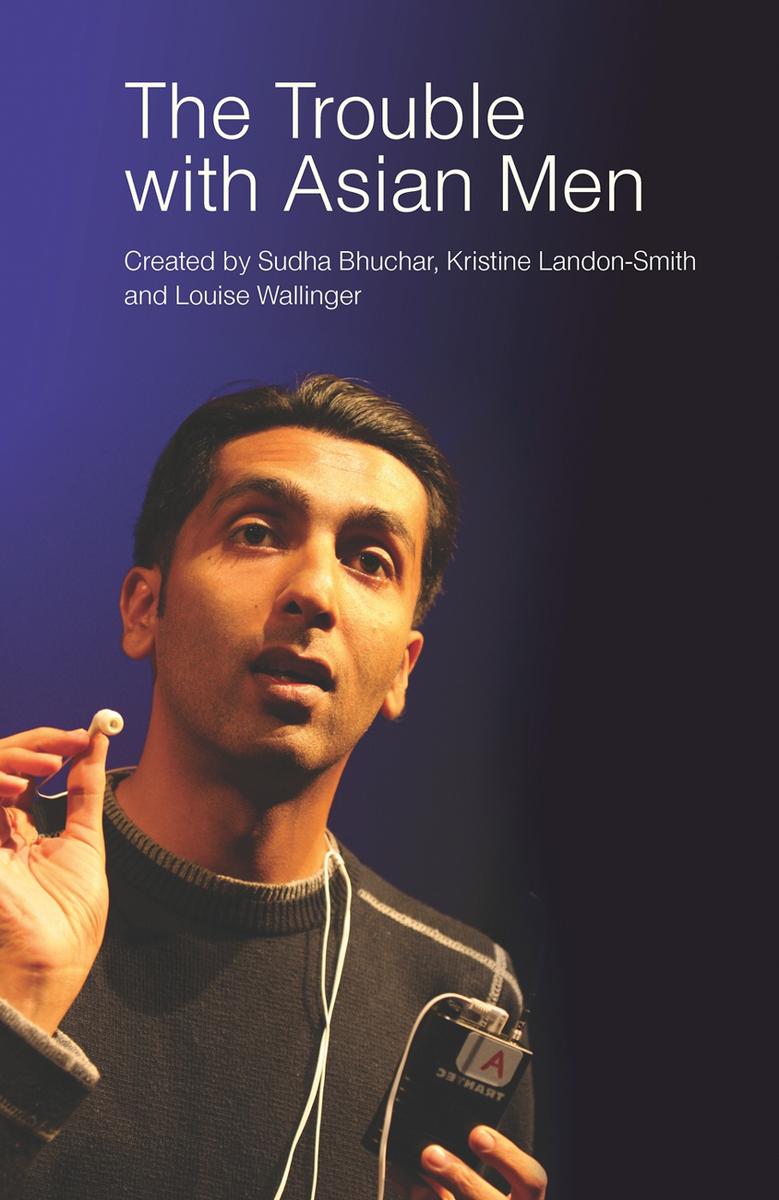
The Trouble with Asian Men
¥40.79
Macho men or metrosexual guys? Mummy’s boys or blokes under their missus’ thumbs? Self-made entrepreneurs, pukka professionals and successful executives with their Mercedes Benz lives and designer-clad wives; husbands, sons, uncles, brothers and fathers – these successful, soulful and spirited Asian men have come a long way from their origins but they’ve all got roots! The Trouble with Asian Men is a vital, tender and hilarious insight into lives that surround us every day. From the award-winning theatre company that brought us East is East, a revealing verbatim comedy that has played to sell-out houses internationally.
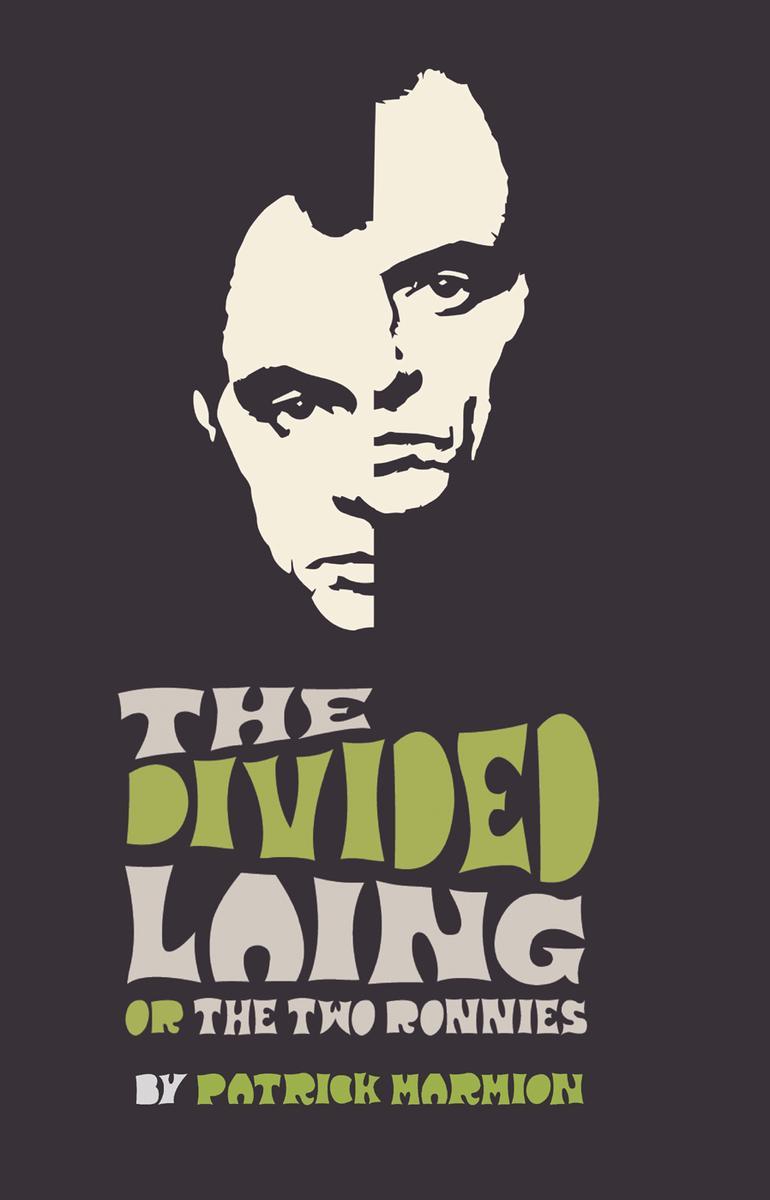
The Divided Laing: Or The Two Ronnies
¥40.79
London 1970: Experimental psychiatrist R.D. Laing is facing eviction from his pioneering asylum in the East End’s Kingsley Hall. Local residents are up in arms – and to make matters worse, Ronnie’s revolutionary colleague David Cooper is flipping out on the roof… With his personal life going down the pan and his mental state heading the same way, Ronnie takes an acid trip to the future. His mission is to save his therapeutic collective The Philadelphia Association and secure his professional legacy. Will it be a one-way ticket to madness – or can breakdown sometimes mean breakthrough?
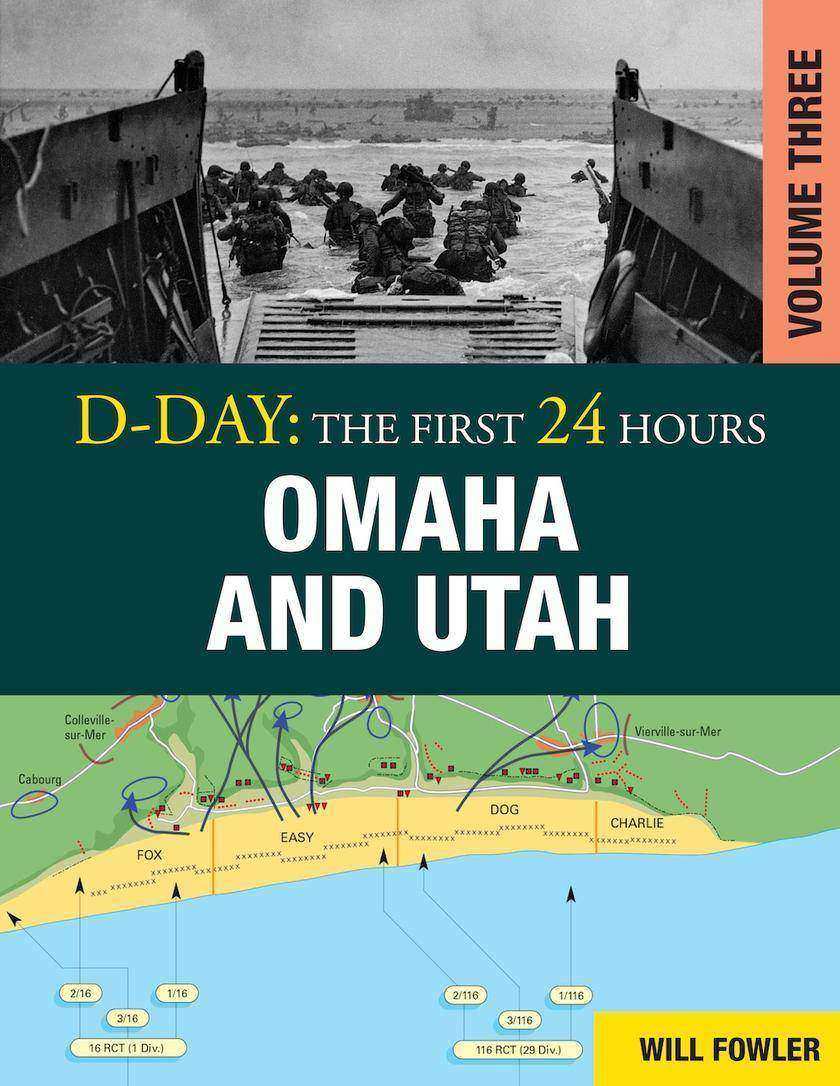
D-Day: Omaha and Utah
¥40.79
In any military operation throughout history, few 24-hour periods have been as crucial as that of 6th June 1944. With the aid of specially commissioned maps, D-Day: The First 24 Hours series gives the dramatic history of the first 24 hours of the Normandy landings, and explains in detail the events that occurred in each landing zone. In this third volume of the series, the book describes the American landings on Omaha and Utah beaches. The fighting on Omaha was some of the most desperate fighting took place, but the beach was eventually secured. The book also includes the famous operation by the US Rangers to capture the gun position at Pointe du Hoc, successfully scaling a sheer cliff face in the teeth of the defenders' fire. With colour and black & white photographs, the book is a guide to key events in the first 24 hours of the D-Day landings that saw the Allies successfully achieve a foothold in Northern Europe.
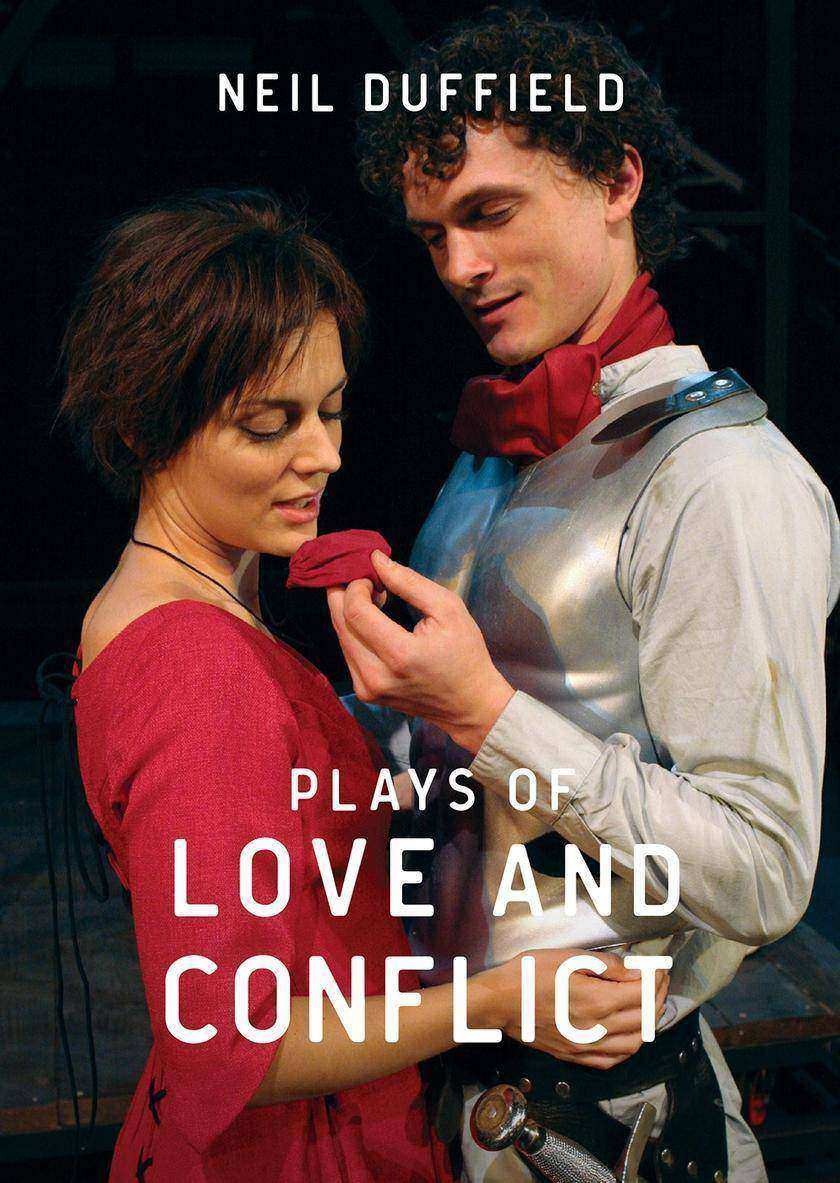
Plays of Love and Conflict
¥40.79
From beautiful adaptations of classics to exciting new writing, Duffield is a master of storytelling. Commissioned by theatres and community groups in the UK, these plays offer strong roles for both men and women, as well as the opportunity for song and dance. They will appeal to schools and youth theatres as well as both amateur and professional performers. Using a mixture of storytelling, theatre and song, BROTHERS IN ARMS draws on the true story of two brothers from a Yorkshire pit village – one of whom steadfastly refused to fight in World War I, while the other volunteered and served on the front line in France. Cast 8 minimum. Adapted from Hugo’s novel, THE HUNCHBACK OF NOTRE DAME is ‘remarkably faithful to the author’s original intention… a faultless production.’ – THE MORNING STAR Cast 8 minimum. WITH ALL MY LOVE is a tale of conspiracy and betrayal, of family feuds and deep-held secrets, of a woman’s struggle to keep faith with a husband transported to the other side of the world. Suitable for large cast productions, aimed at a general audience.
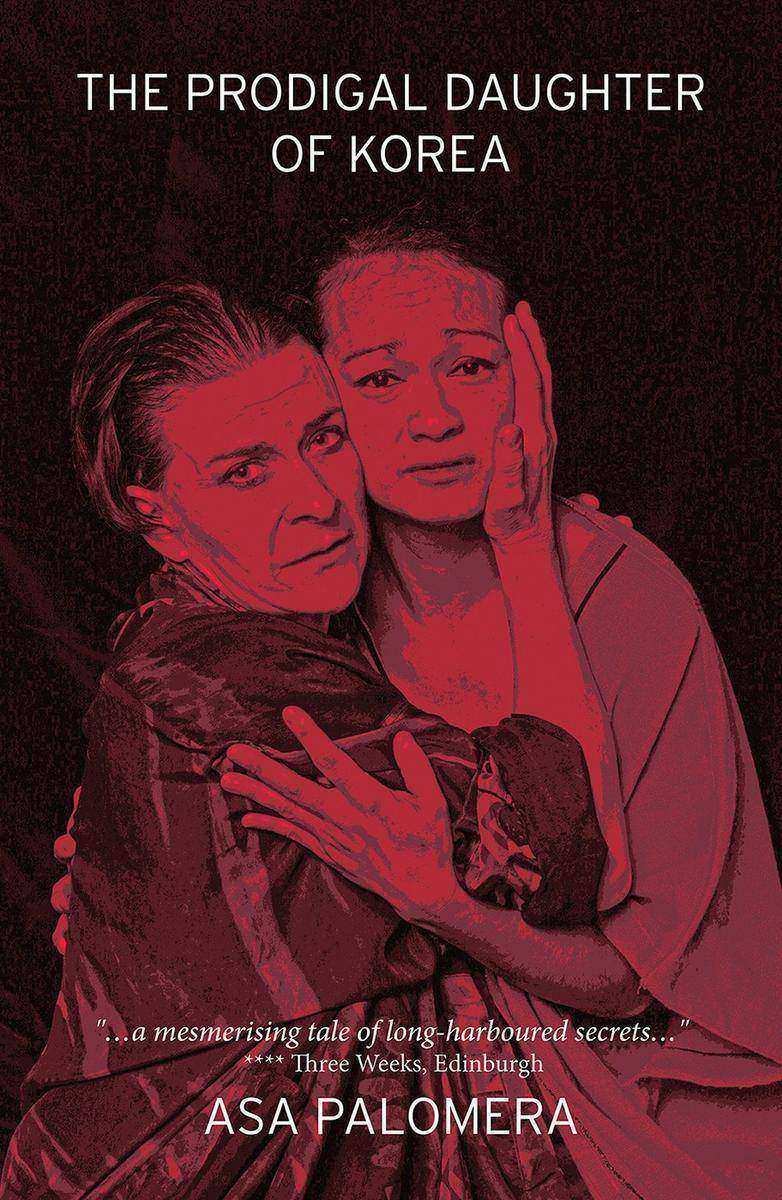
The Prodigal Daughter of Korea
¥40.79
When Mina’s father dies, she returns to Korea to visit a family she barely knows, desperately looking for some answers. But her mother is reluctant to discuss the past, especially the war, or the reasons that Mina was sent so far away as a child, to America. Her younger sister seems unable to grow up and it doesn’t help that their nosy neighbour is always on their doorstep. Secrets and lies divide them all irrevocably. When the truth is finally revealed, it is both shocking and redemptive, allowing Mina and those around her to see themselves anew and break free from years of pain and guilt.
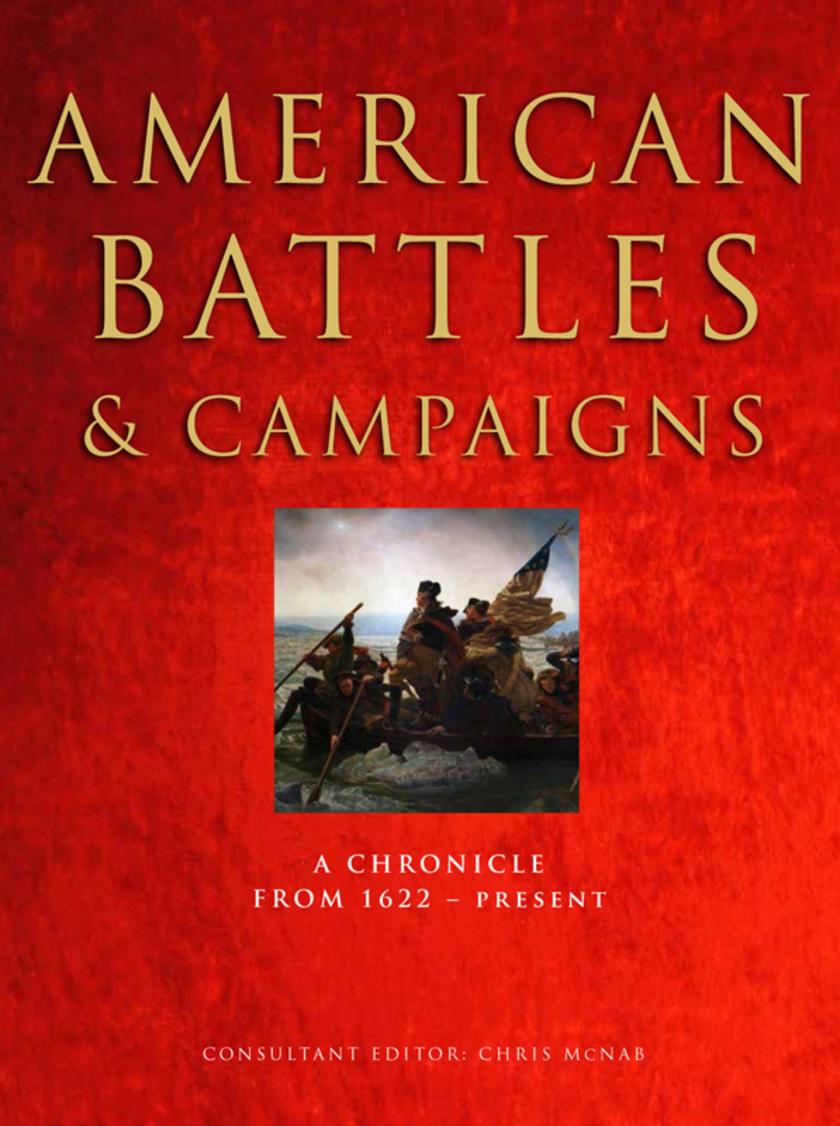
American Battles and Campaigns: A Chronicle from 1622 - Present
¥65.32
Raids and sieges; trench warfare and air campaigns; guerrilla warfare, naval engagements, and colonial wars; American Battles & Campaigns covers every major campaign and battle fought in North America or by United States’ forces overseas, from the Pequot War of 1634 to the recent conflicts in Afghanistan and Iraq. Arranged chronologically, American Battles & Campaigns includes hundreds of entries, ranging from the 1770 Boston Massacre through the Alamo (1836) and the Philippine-American War (1899–1902), to Chateau-Thierry (1918), Midway (1942) and Hue (1969). Major battles, such as Yorktown, Gettysburg, Pearl Harbor, and D-Day are illustrated with an annotated colour 3D map and detailed text explaining the course of the engagement. There are also colour and black & white photographs, numerous 2D battle maps, paintings and artworks, and expert accounts from leading military historians on each engagement. American Battles & Campaigns offers a complete guide to every war fought by the United States, from early European settlement to the present day.
Plimb?ndu-l pe Fun
¥24.44
Drag? cititorule,Dac? te-ai uitat ieri mai mult de dou? ore la televizor ?i nu po?i f?r? asta, las? cartea asta jos.Dac? vrei s? fii de acord cu cineva, cu oricine, nu e?ti omul meu.Dac? m? ?tii din tinere?e ?i crezi c? sunt b?iatul care se b?lb?ia la prompter, dai banii degeaba.Dac? vrei s? dai cadou cartea asta unui prieten, nu mai bine ?i iei o sticl? de vin? Eu nu ?tiu s? ame?esc a?a bine.?n general, recomand cartea doar c?torva oameni.Cei care vor s? afle cum am ajuns s? tr?im, iubim, alegem ?n social media.Dar mai ales celor care cred c? a scrie poate schimba ceva.P.S. Poate.Doar c? trebuie s? scriem cu to?ii ?n acela?i timp.Despre asta e Share! Despre for?a social media, cel mai bun amplificator de idei pe care ?l ?tiu.?ntr-un fel, dac? stai s? te g?nde?ti, ?i tu ai scris-o.
G?lceava sonetelor
¥16.27
Comandorul Sablin are ca subiect principal activitatea fostului ofi?er al Marinei Ruse Imperiale reflectat? ?n dosarele Siguran?ei ?i ale Securit??ii. Documentele publicate sub egida Institutului de Istorie ?George Bari?iu“ al Academiei Rom?ne acoper? perioada interbelic? ?i cea postbelic?. Nikolai Vasilievici Sablin a activat pe vasul ?arului Nikolai al II-lea al Rusiei, ??tandart“, iar dup? 1918 – ca ?ef al Cifrului Statului Major al Flotei Militare din Marea Baltic?. ?n Rom?nia a fost reprezentant al Marelui Duce Kiril Vladimirovici, pre?edinte al filialei Uniunii Militare Navale Ruse, vicepre?edinte al Societ??ii de Ajutor a Fo?tilor Combatan?i Ru?i de pe Frontul Rom?n, director al ziarului Golos Buharesta, a participat la r?zboiul antisovietic.Din nota agentului Securit??ii ?Alexandru Popescu“, casa ?Paula“, 19 octombrie 1956:?Urmare notelor anterioare referitoare la emigrantul rus, fost reprezentant pentru Rom?nia al organiza?iei emigran?ilor ru?i Mi?carea Monarhist? Rus?, ?inut ?n observa?ie, comunic:Despre leg?tura lui Sablin N. cu organele informative militare rom?ne ?nainte de 23 august 1944 am auzit din timpul vechiului meu serviciu, ?ns? nu am avut preciziuni. ?n prezent semnalez urm?toarele:Dup? cum s-a comunicat prin nota din 10 octombrie a.c., ?n ziua de 4 octombrie a.c., Sablin Nikolai a f?cut o vizit? lui Baikov Andrei (str. Sl?ve?ti 3), c?nd s-a discutat cu acesta chestiunea cu pensia lui Sablin N., sistat?.?n timpul convorbirii (am asistat ?n camer? ?i eu) Sablin N. a povestit c? el s-a ?nt?lnit cu un fost colonel rom?n (numele n-am putut re?ine) pe care Sablin N. l-a cunoscut ?nainte de 23 august 1944 ?i cu care a avut ni?te leg?turi.Sablin N. a spus c? el sper? c? la cererea lui acest colonel va ajuta lui ?n chestia pensiei sale, deoarece el ?n trecut a colaborat cu acesta ?n domeniul informativ, privitor la URSS. Sablin Nikolai a specificat c? acest material el c?p?ta de la fratele s?u Sablin Eugen, din Londra (Sablin Eugen ?n ultimul an al regimului ?arist a fost ministrul Rusiei ?n Anglia, iar apoi a fost conduc?torul emigra?iei ruse din Londra ?i unul din activi?tii principali din Mi?carea Monarhist? Rus?).“
LIBERT? & POTERE. Saggio sull'arte di strisciare ad uso dei cortigiani
¥55.75
Exila?i este singura pies? scris? de Joyce, unde ??i face manifest?, prin regulile speciei, predilec?ia pentru m??tile puse fiec?rui personaj. Citit? ca o trecere ?n ordine cronologic? de la Portret al artistului ?n tinere?e la Ulise, piesa con?ine m?rci clare ale obsesiilor scriitorului ?i urme vizibile ale experien?ei omului James Joyce. Rela?iile de dragoste, parentale sau de prietenie sunt cele care dezechilibreaz? personajele, exilul temporar ?n Italia fiind doar o alt? form? a ?nstr?in?rii din Irlanda natal?.
The Ship of Ishtar
¥7.93
Gustáv Murín? k?nyvében a vad és zabolátlan kilencvenes évekbe kalauzolja el az olvasót, abba az id?be, amikor a volt szocialista államoknak azzal kellett szembesülniük, hogy a demokratizálódás bizony t?rvényszer?en magával hozza a komolyabb szervezett b?n?z?i csoportok megjelenését is. Az államapparátus fenekén tojáshéj, a b?n?z?k zsebében pedig a fegyver és a pénz. Kicsoda valójában Jozef Rohá?, a profi, akihez a legvéresebb merényletek k?t?dnek Szlovákiában és Magyarországon egyaránt? Mi k?ze van a magyar b?rt?nbüntetését t?lt? Eva Reze?ovának a kassai gengszterekhez? Hogyan t?nt el 114 vagonnyi olaj Pozsony és Budapest k?z?tt? Mi k?ti ?ssze Magyarországot az újkori t?rténelem legvéresebb maffialeszámolásával? Ki szervezte meg a szlovák k?ztársasági eln?k fiának elrablását? Ki ne emlékezne a vadkeletre? Ezek a csoportok nem ismertek határokat, így a szlovák és a magyar alvilág számos ponton és ügyben kapcsolódhatott egymáshoz. Ezekb?l a t?rténetekb?l kiderül, hogyan. T?rténetek, amelyek egyszer véget érnek. A b?n azonban marad, itt jár k?ztünk továbbra is.
The World's Greatest Military Aircraft: An Illustrated History
¥81.67
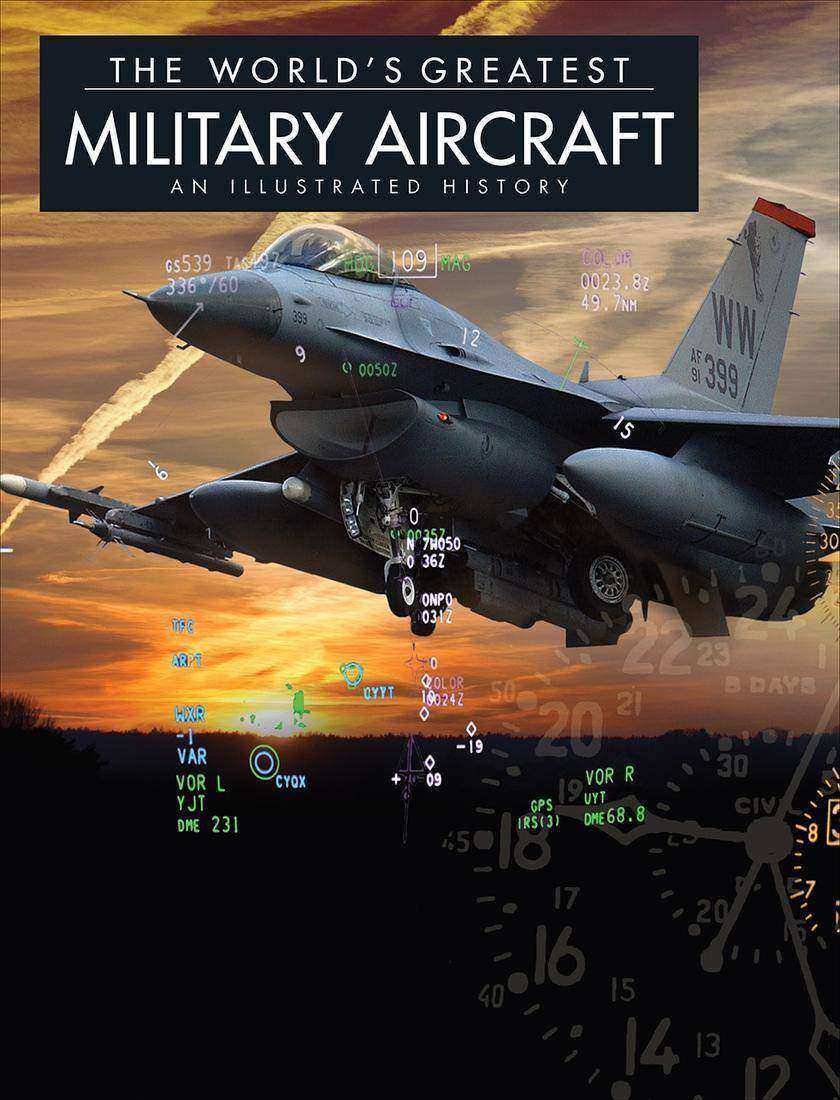
Ever since man first took to the air, combat aircraft have been at the cutting edge of aviation technology, resulting in some of the greatest and most complex designs ever built. The World’s Greatest Military Aircraft features 52 of the most important military aircraft of the last hundred years. The book includes all the main types, from biplane fighters and carrier aircraft to tactical bombers, transport aircraft, multirole fighters, strategic strike aircraft and stealth bombers. Featured aircraft include: the Fokker Dr.1 triplane, the legendary fighter flown by German flying ace Manfred von Richthofen, ‘the Red Baron’, during World War I; the Mitsubishi A6M Zero, Japan’s highly-manoeuvrable fighter that dominated air-to-air combat in the early part of the Pacific War; the tank-busting Il-2 Shturmovik, the most produced aircraft in World War II; the Harrier jump jet, a vertical take-off and landing (VTOL) fighter that has been service for more than 40 years; the B-2 Spirit bomber, an American precision strike aircraft used in recent conflicts in Kosovo, Iraq and Afghanistan; and the F-22 Raptor, an air superiority fighter with state-of-the-art stealth technology that makes it almost invisible to radars. Each entry includes a brief description of the model’s development and history, a profile view, key features and specifications. Packed with more than 200 artworks and photographs, The World’s Greatest Military Aircraft is a colourful guide for the military aviation enthusiast.
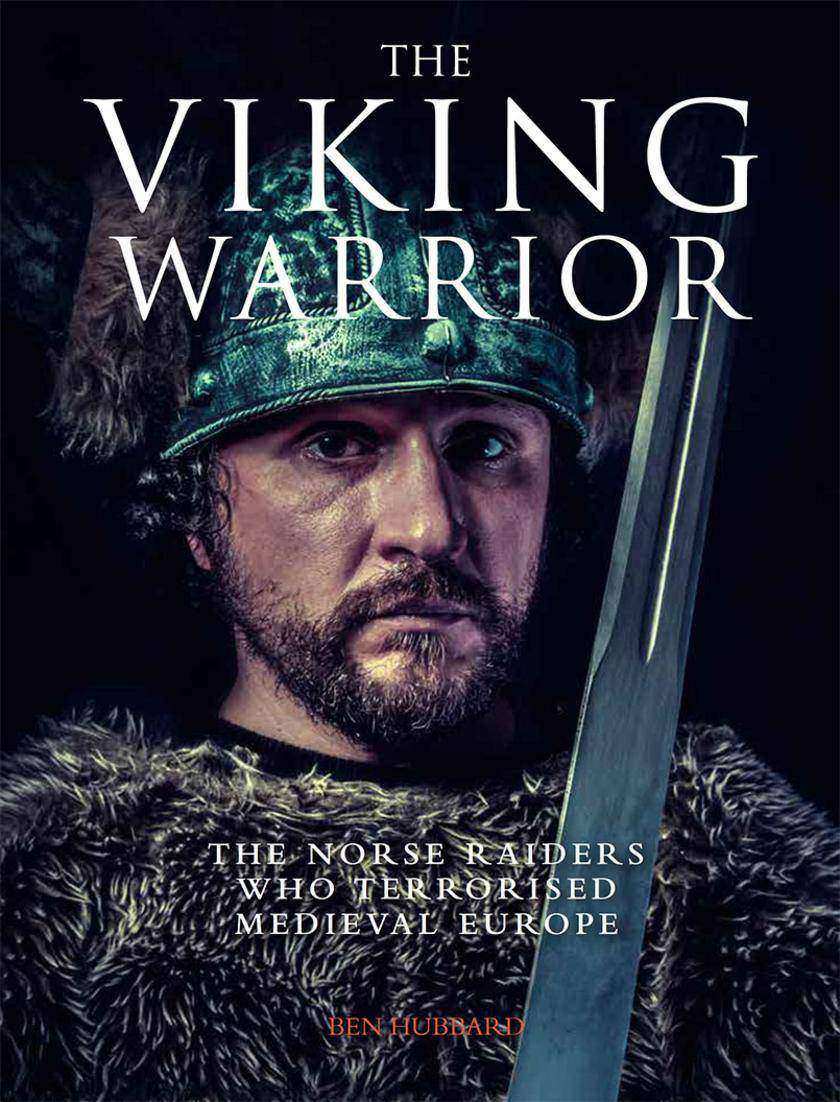
The Viking Warrior: The Norse Raiders Who Terrorized Medieval Europe
¥81.67
"…and they laid all waste with dreadful havoc, trod with unhallowed feet the holy places, dug up the altars, and carried off all the treasures of the holy church. Some of the brethren they killed; some they carried off in chains; many they cast out, naked and loaded with insults; some they drowned in the sea." —Simeon of Durham, A History of the Community of Durham Beginning in 789 CE, the Vikings raided monasteries, sacked settlements and invaded the Atlantic coast of Europe and the British Isles. They looted and enslaved their enemies, terrorizing all whom they encountered. But that is only part of their story. Sailing their famous longboats, they discovered Iceland and North America, colonised Greenland, founded Dublin, and also sailed up the River Seine and besieged Paris. They settled from Newfoundland to Russia, conquered eastern England, and fought battles from Ireland to the Caspian Sea. They traded walruses with Inuits, brought Russian furs to Western Europe and took European slaves to Constantinople. Their graves contain Arab silver, Byzantine silks and Frankish weapons and artefacts. Illustrated with more than 200 maps, photographs and artworks, The Viking Warrior examines these fearsome warriors through their origins, social structure, raiding culture, weapons, trading networks and settlements.
Plays for Young People
¥40.79
Red Red Shoes was commissioned by the Unicorn Theatre for Children and The Place. Based on the Hans Christian Andersen tale, this play uses dance, music and drama to explore the inner world of a traumatised child fleeing from war in Eastern Europe. (Ages 9+) Eye of the Storm offers a contemporary version of Shakespeare’s The Tempest, exploring father/daughter relationships and the need for independence. (Ages 12+) Playing From the Heart, commissioned by the Polka Theatre, is a poetic piece which follows the travails of the young Evelyn Glennie to become a professional musician despite her profound deafness. (Ages 8+)

The British Beat Explosion: Rock'N'Roll Island
¥40.79
Over a small bridge on an island in the middle of the Thames, a great 60s club played host to acts that would later make a global name for themselves, including the Rolling Stones, Long John Baldry, Rod Stewart, the Small Faces, the Yardbirds and David Bowie. Jazz greats such as Cyril Davies, Ken Colyer and Acker Bilk also played at the legendary Eel Pie Hotel during its 50s and 60s heyday. This collection of essays traces ‘Eelpiland’s’ long-overlooked contribution to the British music scene.

Who Do We Think We Are?
¥32.62
A kaleidoscope of stories about war, displacement, revolution and liberation taking us on an emotional journey across three continents. Based on the actors’ personal and family experiences, the stories interweave and overlap, exploring moments of joy, sadness and laughter set against key historical events over the last hundred years. Poignant, moving, funny, inspiring, this is the first piece of work created by the Visible Ensemble, dedicated to putting older performers and their rich lives centre stage.
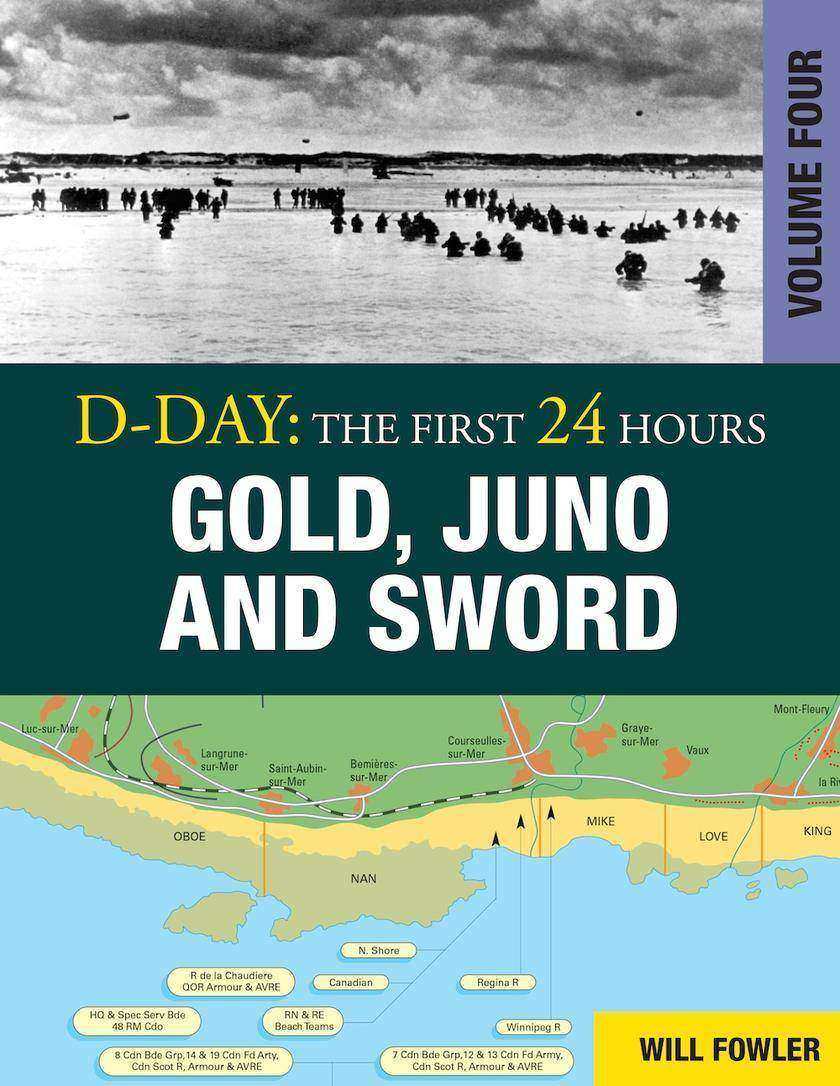
D-Day: Gold, Juno and Sword
¥40.79
In any military operation throughout history, few 24-hour periods have been as crucial as that of 6th June 1944. With the aid of specially commissioned maps, D-Day: The First 24 Hours series gives the dramatic history of the first 24 hours of the Normandy landings, and explains in detail the events that occurred in each landing zone. In this fourth volume of the series, the book describes the British and Canadian landings on Gold, Juno and Sword beaches. The book also includes details of the human cost of the first day, and a full order of battle for both sides. With colour and black & white photographs, the book is a guide to key events in the first 24 hours of the D-Day landings that saw the Allies successfully achieve a foothold in Northern Europe.


