


 购物车
购物车 个人中心
个人中心
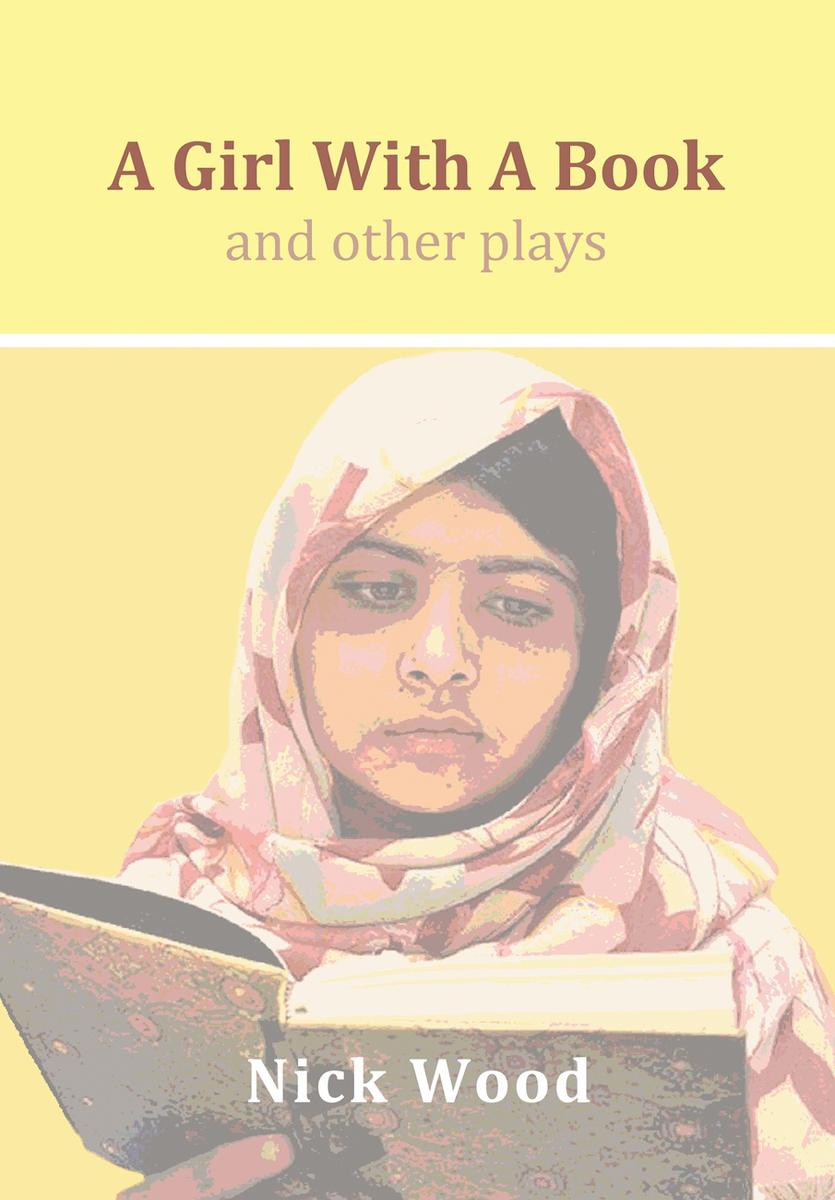
A Girl With A Book and Other Plays
¥40.79
A topical collection of new plays by popular UK playwright Nick Wood 'I am not a lone voice, I am many.'?Malala ? Yousafzai A Girl with a Book and?Other Plays ?brings together four plays for young people by acclaimed playwright Nick Wood. Topical and wide-ranging, they concern refugees, friendship, loss and courage. 'You know those sente nces that start I'm not sexist/racist/homophobic and the speaker sticks in the word 'but' and goes on to prove that's exactly what they are?' The title play, ? A Girl with a Book ?is an honest response to the story of Malala Yousafzai, who was shot by the Taliban. Produced many times in Germany and the UK, the play raises serious questions about the West's complex relationship with and attitudes to the Muslim world. 'a journey into empathy and imagination...'?Stephen Lowe Plays Nick Wood's poignant political drama A Girl with a Book is based on the true story of Nobel Peace Prize-Winner Malala Yousafza. In 2012, gunmen stopped a bus in Pakistan and shot three young girls. Their crime? Wanting to go to school. Knowing nothing about the situation, able to offer little more than outrage, the writer is forced out from behind his desk and in the search for answers to help him tell the story of a brave young woman's fight for girls' education, but when his research uncovers attitudes at odds with his liberal convictions he has to face what he learns about himself. Achieving international acclaim after its opening in Hamburg, A Girl with a Book examines Malala's story through a series of questions - Wood asks how a girl who wanted to go to school could become such a target. Bird boy:?Eddie and Tim create their own den up on the Knoll, a secret place for heroes. The only problem is, winter is setting in and Eddie won't come down. As the snow falls, Tim must decide whether to take food to Eddie or betray him by telling the grown ups where he is. Mia:?Mia is a refugee who has lost her home, and most of her family. She has odd bits and pieces in her bag, which have stories attached to them. Mia is searching for her sister, Sofia, can they help? Dream of White Horses: ? ?Paul wants two things - to find out whether his father's death was an accident or not. He climbs the same cliff, to discover what happened to his father, and a great deal about himself. '...invites us to better understand Malala, her father, and her kinsmen.'? On Religion '...a journey into empathy and imagination coolly and cleanly done. A crucially important tale well told with great humanity.' ? Stephen Lowe, playwright '...there's plenty of scope here for schools, colleges and youth theatre groups. The title play... has a cast of one... The remaining three plays use larger casts and explore asylum seeking, friendship, loss and courage.' ?Susan Elkin, The Stage
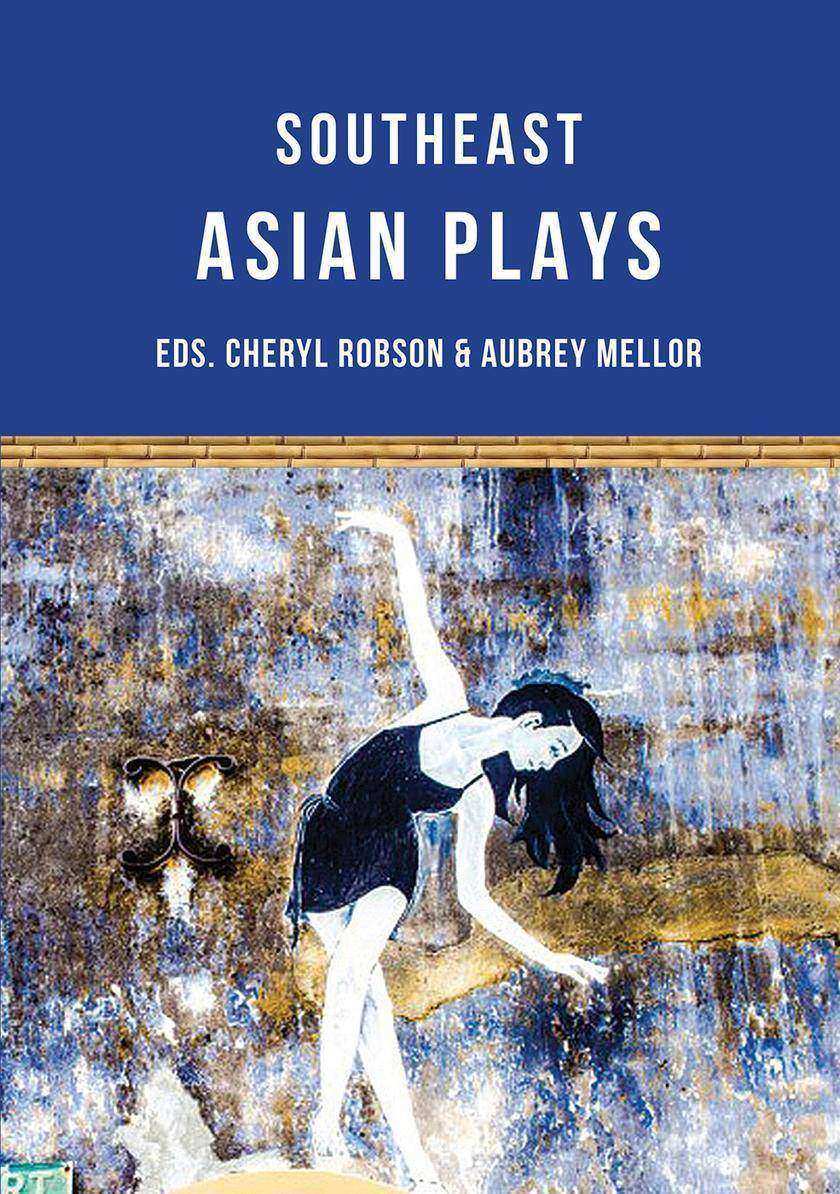
Southeast Asian Plays
¥40.79
The first ever comprehensive collection of plays ?in English from Southeast Asia. Features work by eight playwrights from seven countries in Southeast Asia, a region which is experiencing profound change:?Singapore, Vietnam, Malaysia, Thailand, the Philippines, Indonesia and Cambodia.? Southeast Asian Plays ?explores the rich variety of dramatic work that is only beginning to be translated into English. Theatre scripts are merely blueprints for productions, especially in this region. As elsewhere, second productions and revivals are rare, so publication is key to allowing play texts to find a wider international readership. Topics include the global financial crisis, sex workers, traditional v modern values, the role of faith in society, corruption in high places and journalistic ethics. The plays have been selected for performance. Plays: The Plunge by Jean Tay (Singapore) An Evening At the Opera by Floy Quintos (Philippines) Night of the Minotaur by Tew Bunnag (Thailand) Tarap Man by Ann Lee (Malaysia) Dark Rac e by Dang Chuong (Vietnam) Frangipani by Chhon Sina (Cambodia) Picnic by Joned Suryatmoko (Indonesia) Nadirah by Alfian Saat (Singapore) "The editors have done an excellent job of opening up our chances of reading and learning about plays from all over Southeast Asia. ...editorial choices are significant for opening up spaces to voices which are otherwise heard less often. All in all the plays are interesting for the ways in which they grapple with key concerns in their respective societies."? --The Asiatic
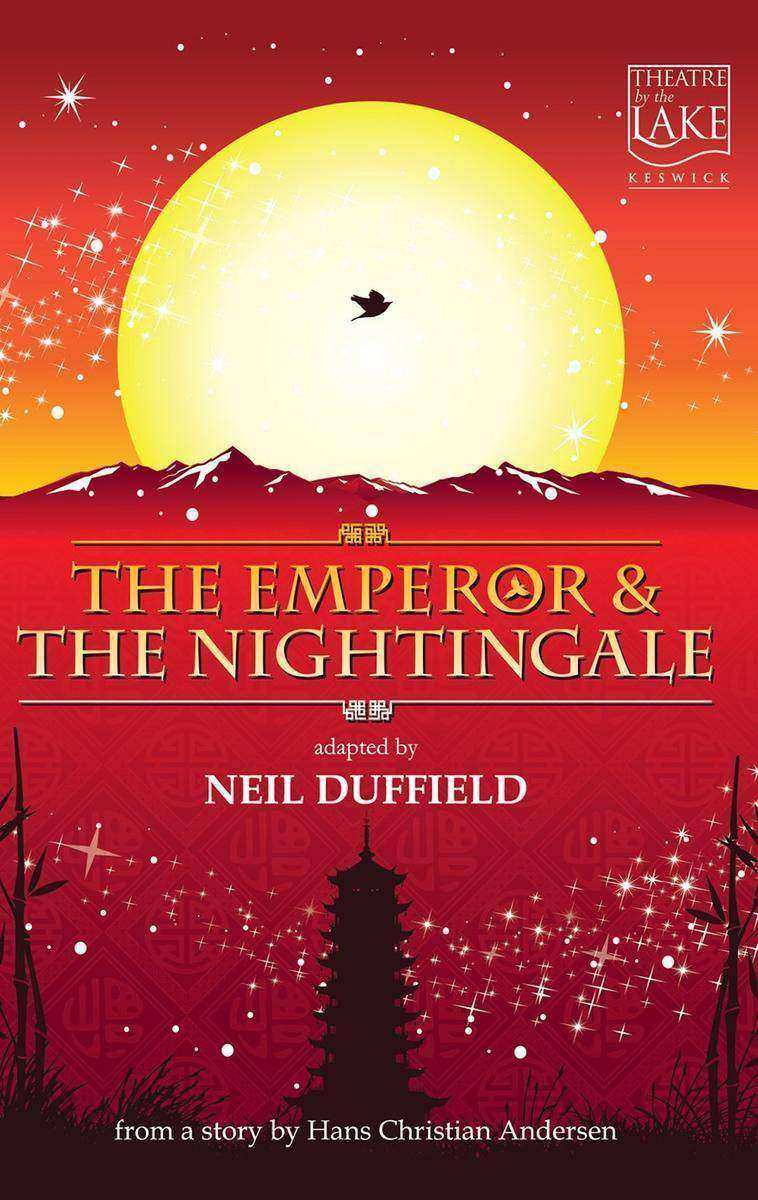
The Emperor and the Nightingale
¥40.79
From a story by Hans Christian Andersen In ancient China, young emperor Wu is kept a virtual prisoner in his palace by his devious guardian, Li Si. Wu believes the world outside the Forbidden City is an evil and dangerous place. But when Xiao, a young servant girl, tells him of the most beautiful sound on earth – the song of the nightingale – it’s too much to resist. The two embark on an adventure that will take them across mountain tops and waterfalls, past chattering monkeys and magical dragons to the far reaches of his kingdom. When Wu returns with the nightingale, and starts to overturn the old palace customs, Li Si plots to restore things to the way they were before. Featuring puppetry, music and all the colour, movement and spectacle of Chinese theatre, this joyful adaptation of Hans Christian Andersen’s fairy tale is a feast for the senses that will delight the whole family. Suitable for ages 6+

The Diary of a Hounslow Girl
¥40.79
The story of a modern Asian young woman trying to straddle Western attitudes and traditional beliefs. You've heard of an Essex Girl or even a Chelsea Girl but what is a Hounslow Girl? The term has become a byword for confident, young Muslim women who are grappling with traditional values, city life and fashion. From the joys of Pakistani weddings to fights on the night bus, Ambreen Razia's? The Diary of a Hounslow Girl ?is a funny, bold, provocative play highlighting the challenges of being a teenage girl in a traditional Muslim family, alongside the temptations and influences of growing up in and around London. “Ambreen’s writing is poetic in its structure and intensity, funny, moving, chilling, and delivered in a style that takes inspiration from spoken word and physical theatre. She has created a rhythm that draws the audience in, as compelling as a thriller, complete with gathering ominousness, shocks and comic relief.” Deborah Bestwick, Director, Ovalhouse “Ambreen Razia’s terrific play is exactly the kind of new work we wish to support in the new home of multi-cultural theatre in London. Hounslow Girl is a wonderfully funny take on a London phenomenon and one audiences will enjoy.” Jatinder Verma, Artistic Director, Tara Arts” "a powerful piece of theatre... Ambreen Razia's performance is astonishing."?BritishTheatre.com "This is a sophisticated, moving and often very funny piece of writing, particularly nuanced in its depiction of Shaheeda's relationship with her mother ... astute in tackling the breakdown of the loving bonds between parent and child that can occur when a child becomes a teenager – and also how this experience can be magnified for the children of first-generation immigrants, whose parents feel distant from their children’s British lives... Razia's script touches on everything from first love to cultural expectations to student-teacher relationships; it’s a bit like an inner-city version of An Education."?The Stage Ambreen Razia is an actress and writer from South London.? The Diary of a Hounslow Girl is Ambreen's debut show which premiered at Ovalhouse in 2015. Passionate about re-establishing British Asian comedy within the UK, she continues to write her comedy sketch show involving two British Asian girls exploring the?clash between traditional Indian/Pakistani culture and modern British life. She is also currently writing her next play POT primarily focusing on the recent comeback of gang culture within the UK.?Performance credits include: On the Middle Day (Old Vic Theatre);? Words and Women (Edinburgh Fringe); Random Acts (Channel 4);? Fair Exchange (Hen and Chickens Theatre);? Variations on a Theme (Camden People's Theatre);? Mind the Gap (National Theatre ); No Guts, No Heart, No Glory? (BBC4/Perth Festival Australia) and Murdered by my Father? (BBC3).
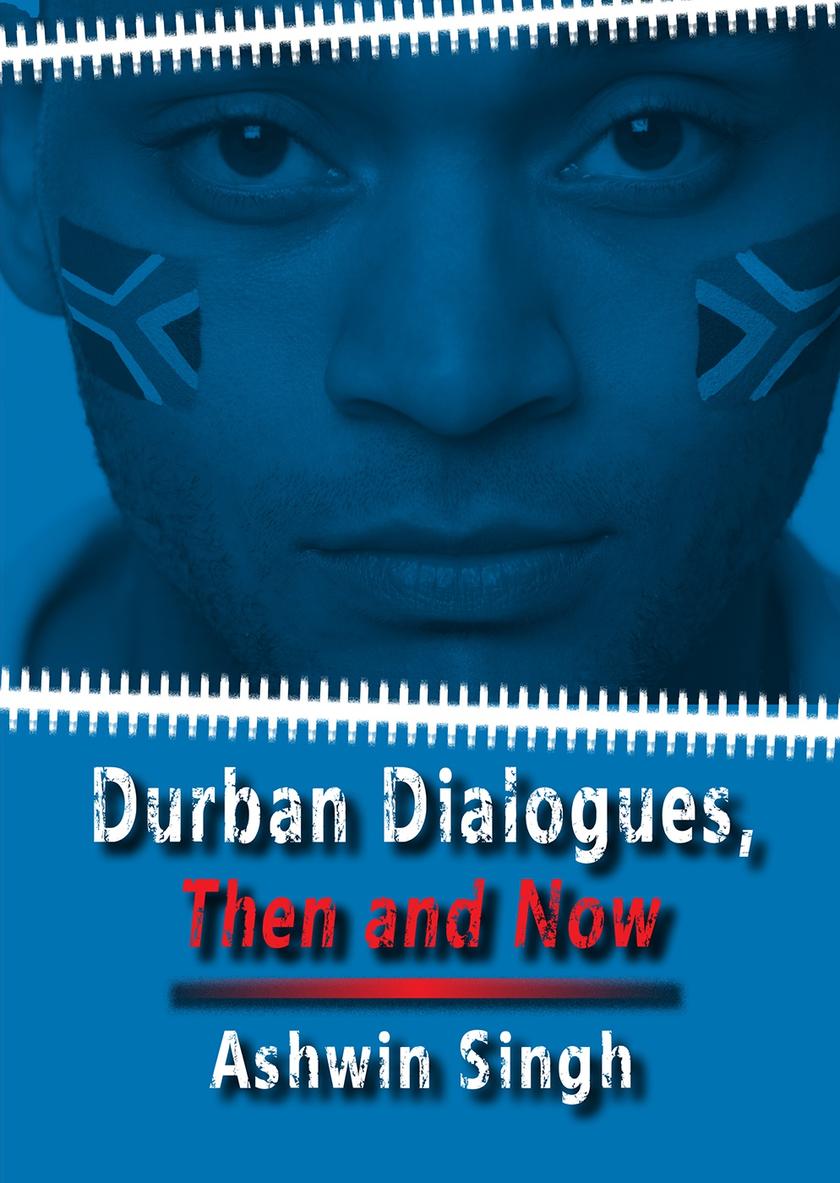
Durban Dialogues, Then and Now
¥40.79
With a foreword by director Ralph Lawson and introduction by Pranav Joshipura, Associate Professor of English, Mahila College, Gandhinagar, India. A follow-up anthology of three hard-hitting plays to Singh’s successful drama anthology Durban Dialogues, Indian Voice (2013) which is now studied internationally. The plays selected, namely Into the Grey, Shooting and Swing cover topics such as social activism, the death of a friend and discrimination in sport. Described through Singh’s satirical lens, these thought-provoking plays bring us up to date with the challenges of life in post-Apartheid South Africa. They focus particularly on people of Indian origin and their relationships with other South African communities and chart the loss of ideals in the dream of the Rainbow nation. Into the Grey: A harrowing drama depicting the twenty-nine year association between two Durban activists who battle a variety of challenges as their country stumbles towards a bleak future. Shooting: A one-man play about the unchanging paradigm in Durban’s small town communities in the early years of democracy as a football prodigy’s dream is brutally shattered. Swing: A two-hander about the relationship between a mixed-race Durban tennis player and her father/coach as they confront many obstacles in a society which undervalues the girl-child.
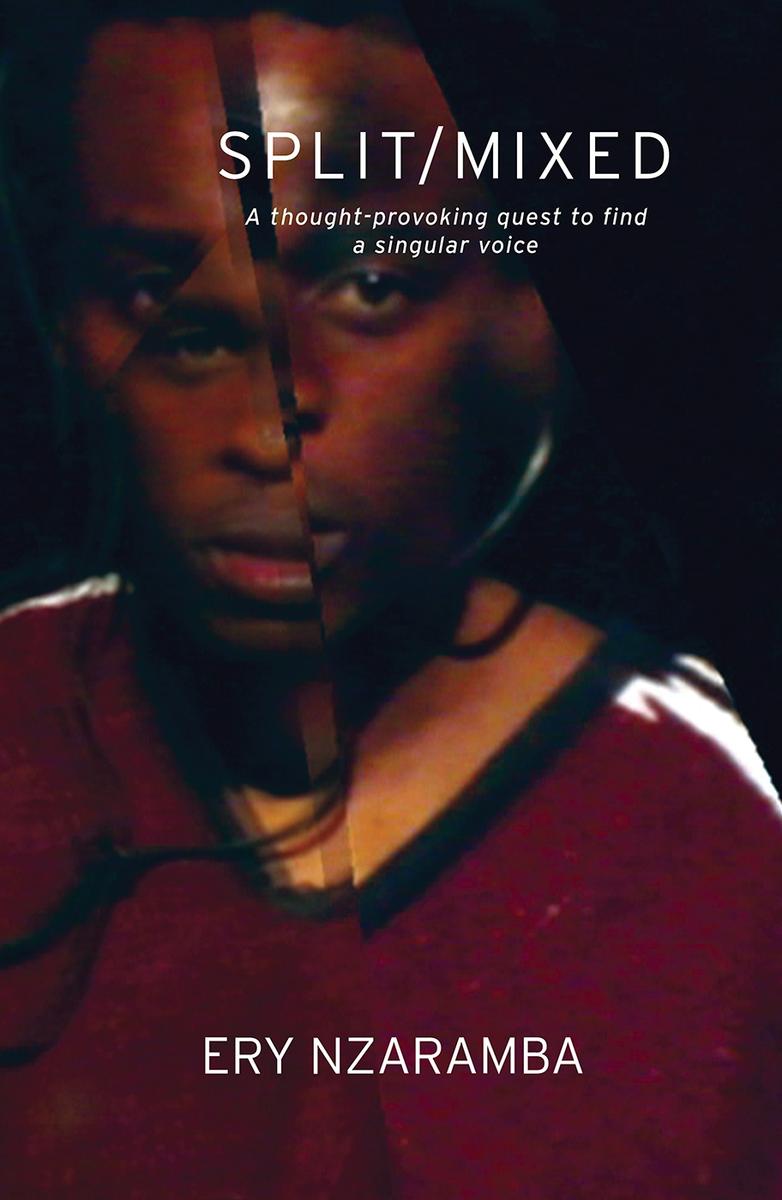
Split/Mixed
¥40.79
A dual language edition in English and French. The genocide in Rwanda shocked the world. Back then, Ery Nzaramba was only a teenager and his family’s escape to Europe turned him into a “survivor”. How should he now respond to questions about who he is and where he comes from? In this autobiographical one-man play, performed to acclaim on the Edinburgh Festival Fringe, the author journeys back to his Rwandan childhood. With the help of a cassette player, he brings to life nearly a dozen characters, exploring memories of kinship, cultural attitudes and personal identity. Both funny and poignant, the play highlights not only the intolerance that can breed violence and war but also the importance of power and privilege in the struggle for survival. Le génocide au Rwanda a choqué le monde. ? l'époque, Ery Nzaramba était un adolescent. Après que sa famille se fut échappé en Europe, il est devenu un ?survivant?. Désormais, que doit-il répondre à des questions sur qui il est et d'où il vient? Dans ce one-man show autobiographique, salué par la critique lors de sa présentation au Festival d'?dimbourg, l'auteur retourne vers son enfance au Rwanda. Accompagné d'un lecteur cassette, il donne vie à une bonne douzaine de personnages, explorant souvenirs de famille et d'affinités, attitudes culturelles et identité. ? la fois poignante et pleine d'humour, la pièce met en lumière non seulement l'intolérance qui peut engendrer violence et guerre, mais aussi l'importance du privilège dans la lutte pour la survie.
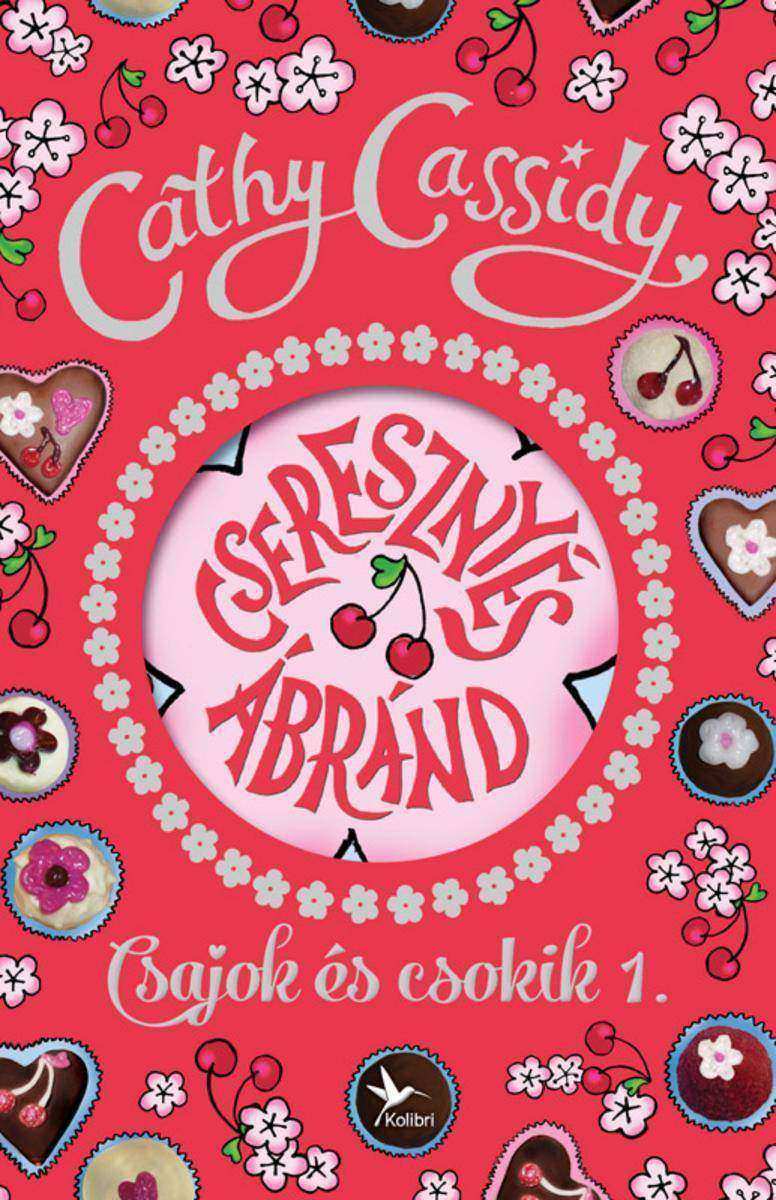
Cseresznyés ábránd
¥56.98
RUINS OF ANCIENT CITIES, WITH GENERAL AND PARTICULAR ACCOUNTS OF THEIR RISE, FALL, AND PRESENT CONDITION. - BY CHARLES BUCKE This Volume contain these cities;Messene, Mycen?, Miletus, Nauplia, Nemea, Nineveh, The Destruction of Sennacherib, Numantia, Olympia, Puteoli, Palmyra (Tadmor), Patr?, Pella, Pergamus, Persepolis, Petra (Wady Mousa), Phigalia, Plat?a, P?stum, Pompeii, Rama, Rome, Saguntum, Hannibal’s Speech to His Soldiers, Sais, Samaria, Sapphura, Sardis, Seleucia, Selinus, Or Selinuntum, Sicyon, Sidon, Smyrna, Spalatro, Stratonice, Susa, Sybaris, Syene, Syracuse, Thebes, Troja, And Other Cities of the Troas, Tyre, Veii Fallen, fallen, a silent heap; their heroes allSunk in their urns:—Behold the pride of pomp,The throne of nations fallen; obscured in dustEven yet majestical.—The solemn sceneElates the soul! ? ?{DYER} The reader is requested to observe, that, though the plan of this work is entirely his own, the compiler of it does not put it forth as in any way original in respect to language or description. It is, in fact, a much better book, than if it had been what is strictly called original, (which, indeed, must have involved an utter impossibility:) for it is a selection of some of the best materials the British Museum could furnish; sometimes worked up in his own language; and sometimes—and, indeed, very frequently—in that of others: the compiler having, at an humble distance and with unequal steps, followed the plan which M. Rollin proposed to himself, when he composed his celebrated history of ancient times.—"To adorn and enrich my own," says that celebrated writer, "I will be so ingenuous as to confess, that I do not scruple, nor am ashamed, to rifle whereever I come; and that I often do not cite the authors from whom I transcribe, because of the liberty I take to make some slight alterations. I have made the best use in my power of the solid reflections that occur in the Bishop of Meaux's Universal History, which is one of the most beautiful and most useful books in our language. I have also received great assistance from the learned Dean Prideaux's 'Connexion of the Old and New Testament,' in which he has traced and cleared up, in an admirable manner, the particulars relating to ancient history. I shall take the same liberty with whatever comes in my way, that may suit my design, and contribute to its perfection. I am very sensible, that it is not so much for a person's reputation to make use of other men's labours, and that it is in a manner renouncing the name and quality of author. But I am not over-fond of that title, and shall be extremely well pleased, and think myself very happy, if I can but deserve the name of a good compiler; and supply my readers with a tolerable history, who will not be over-solicitous to inquire what hand it comes from, provided they are but pleased with it."Having followed this example,—the compiler wishes he could say with equal effect,—he will be fully satisfied, should judicious readers feel inclined to concede, that he has shown some judgment in selecting his materials, and some taste in binding "the beads of the chain," that connects them together. He disclaims, in fact, (as, in the present instance, he is bound to do), all the "divine honours" of authorship; satisfied with those of a selecter, adapter, and compiler; and happy in the hope that he has here, by means of the superior writers, whose labours he has used, furnished his readers with an useful, accurate, and amusing work.? ? ? ? ? C. B.
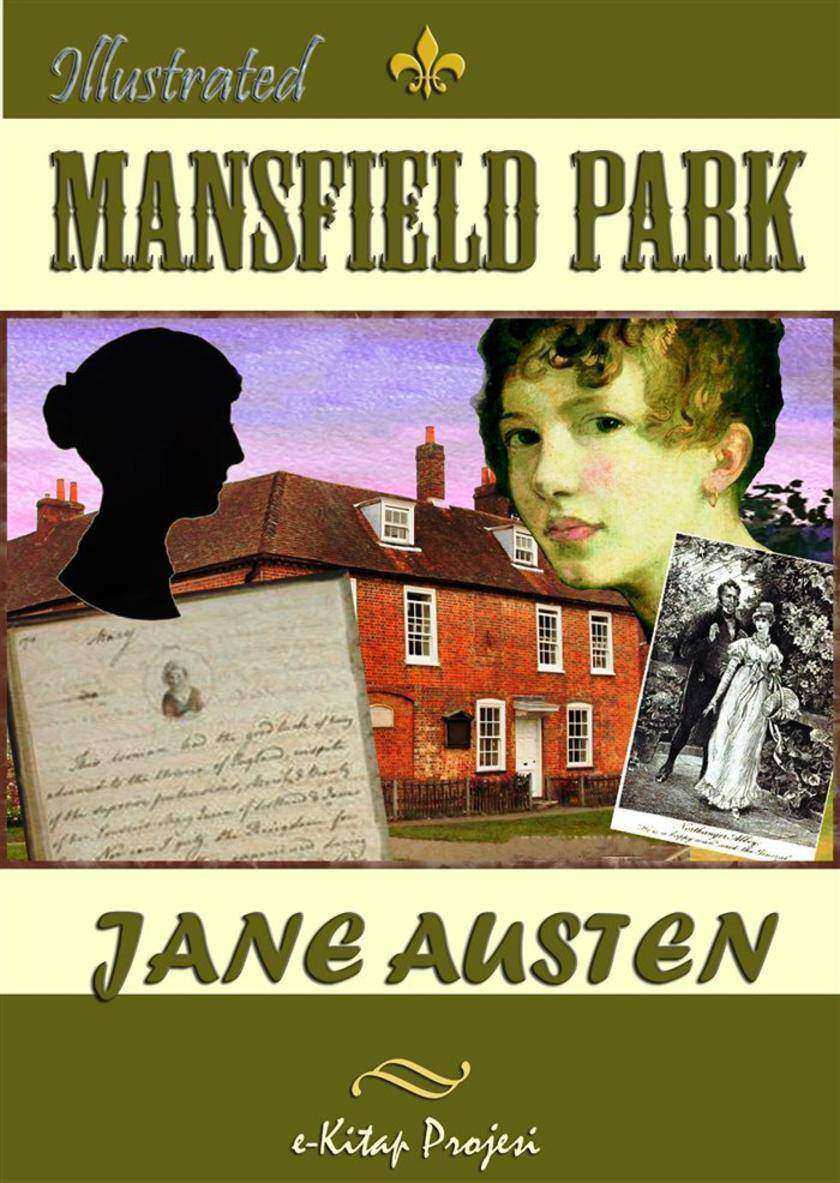
Mansfield Park
¥28.04
It is believed that the scene of this tale, and most of the information necessary to understand its allusions, are rendered sufficiently obvious to the reader in the text itself, or in the accompanying notes. Still there is so much obscurity in the Indian traditions, and so much confusion in the Indian names, as to render some explanation useful. Few men exhibit greater diversity, or, if we may so express it, greater antithesis of character, than the native warrior of North America. In war, he is daring, boastful, cunning, ruthless, self-denying, and self-devoted; in peace, just, generous, hospitable, revengeful, superstitious, modest, and commonly chaste. These are qualities, it is true, which do not distinguish all alike; but they are so far the predominating traits of these remarkable people as to be characteristic. It is generally believed that the Aborigines of the American continent have an Asiatic origin. There are many physical as well as moral facts which corroborate this opinion, and some few that would seem to weigh against it. The color of the Indian, the writer believes, is peculiar to himself, and while his cheek-bones have a very striking indication of a Tartar origin, his eyes have not. Climate may have had great influence on the former, but it is difficult to see how it can have produced the substantial difference which exists in the latter. The imagery of the Indian, both in his poetry and in his oratory, is oriental; chastened, and perhaps improved, by the limited range of his practical knowledge. He draws his metaphors from the clouds, the seasons, the birds, the beasts, and the vegetable world. In this, perhaps, he does no more than any other energetic and imaginative race would do, being compelled to set bounds to fancy by experience; but the North American Indian clothes his ideas in a dress which is different from that of the African, and is oriental in itself. His language has the richness and sententious fullness of the Chinese. Philologists have said that there are but two or three languages, among all the numerous tribes which formerly occupied the country that now composes the United States. They ascribe the known difficulty one people have to understand another to corruptions and dialects. The writer remembers to have been present at an interview between two chiefs of the Great Prairies west of the Mississippi, and when an interpreter was in attendance who spoke both their languages. The warriors appeared to be on the most friendly terms, and seemingly conversed much together; yet, according to the account of the interpreter, each was absolutely ignorant of what the other said. They were of hostile tribes, brought together by the influence of the American government; and it is worthy of remark, that a common policy led them both to adopt the same subject. They mutually exhorted each other to be of use in the event of the chances of war throwing either of the parties into the hands of his enemies. Whatever may be the truth, as respects the root and the genius of the Indian tongues, it is quite certain they are now so distinct in their words as to possess most of the disadvantages of strange languages; hence much of the embarrassment that has arisen in learning their histories, and most of the uncertainty which exists in their traditions. Like nations of higher pretensions, the American Indian gives a very different account of his own tribe or race from that which is given by other people. He is much addicted to overestimating his own perfections, and to undervaluing those of his rival or his enemy; a trait which may possibly be thought corroborative of the Mosaic account of the creation. The whites have assisted greatly in rendering the traditions of the Aborigines more obscure by their own manner of corrupting names. Thus, the term used in the title of this book has undergone the changes of Mahicanni, Mohicans, and Mohegans; the latter being the word commonly used by the whites.
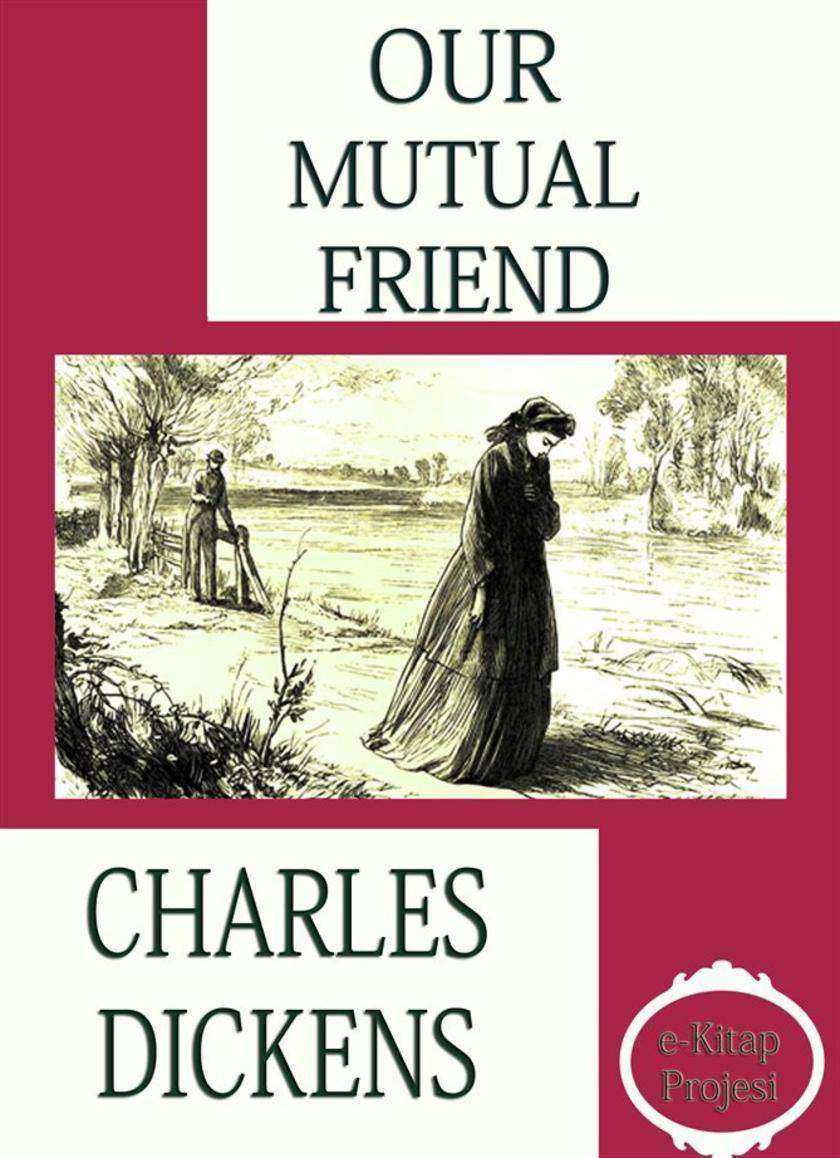
Our Mutual Friend
¥28.04
IT is much easier to understand and remember a thing when a reason is given for it, than when we are merely shown how to do it without being told why it is so done; for in the latter case, instead of being assisted by reason, our real help in all study, we have to rely upon memory or our power of imitation, and to do simply as we are told without thinking about it. The consequence is that at the very first difficulty we are left to flounder about in the dark, or to remain inactive till the master comes to our assistance.? Now in this book it is proposed to enlist the reasoning faculty from the very first: to let one problem grow out of another and to be dependent on the foregoing, as in geometry, and so to explain each thing we do that there shall be no doubt in the mind as to the correctness of the proceeding. The student will thus gain the power of finding out any new problem for himself, and will therefore acquire a true knowledge of perspective.?? George Adolphus Storey??Book First?The Necessity of the Study of Perspective to Painters, Sculptors, and Architects?LEONARDO DA VINCI tells us in his celebrated Treatise on Painting that the young artist should first of all learn perspective, that is to say, he should first of all learn that he has to depict on a flat surface objects which are in relief or distant one from the other; for this is the simple art of painting. Objects appear smaller at a distance than near to us, so by drawing them thus we give depth to our canvas. The outline of a ball is a mere flat circle, but with proper shading we make it appear round, and this is the perspective of light and shade.? ‘The next thing to be considered is the effect of the atmosphere and light. If two figures are in the same coloured dress, and are standing one behind the other, then they should be of slightly different tone, so as to separate them. And in like manner, according to the distance of the mountains in a landscape and the greater or less density of the air, so do we depict space between them, not only making them smaller in outline, but less distinct.’?Sir Edwin Landseer used to say that in looking at a figure in a picture he liked to feel that he could walk round it, and this exactly expresses the impression that the true art of painting should make upon the spectator.??There is another observation of Leonardo’s that it is well I should here transcribe; he says: ‘Many are desirous of learning to draw, and are very fond of it, who are notwithstanding void of a proper disposition for it. This may be known by their want of perseverance; like boys who draw everything in a hurry, never finishing or shadowing.’ This shows they do not care for their work, and all instruction is thrown away upon them. At the present time there is too much of this ‘everything in a hurry’, and beginning in this way leads only to failure and disappointment. These observations apply equally to perspective as to drawing and painting.? Unfortunately, this study is too often neglected by our painters, some of them even complacently confessing their ignorance of it; while the ordinary student either turns from it with distaste, or only endures going through it with a view to passing an examination, little thinking of what value it will be to him in working out his pictures. Whether the manner of teaching perspective is the cause of this dislike for it, I cannot say; but certainly most of our English books on the subject are anything but attractive.??All the great masters of painting have also been masters of perspective, for they knew that without it, it would be impossible to carry out their grand compositions. In many cases they were even inspired by it in choosing their subjects. When one looks at those sunny interiors, those corridors and courtyards by De Hooghe, with their figures far off and near, one feels that their charm consists greatly in their perspective, as well as in their light and tone and colour... ?
Singura cale
¥98.02
Lucrarea aduce in dezbaterile istoricilor si economistilor evolutia economica si politica a Romaniei in perioada 1859-1900, marcand o contributie insemnata in acest domeniu destul de putin studiat, analizat si dezbatut.Tema centrala a lucrarii o constituie necesitatea crearii unei industrii romanesti inca de la inceputul secolului al XIX-lea, pledand in favoarea protectionismului, a independentei capitalurilor si a mainii de lucru calificata.De asemenea, autorul analizeaza dezbaterile care au avut loc in epoca pe tema industrializarii si protectionismului intre cele doua partide mari existente in a doua jumatate a secolului XIX: Conservator si Liberal, precum si cele dintre economistii de conceptie din acea vreme: D.P. Martian, I. Ghica, Ionica Tautu, P.S. Aurelian.
Filosofia Meritului
¥168.41
The work represents a synthesis published and printed in two volumes (the 1st volume in 2002, the second one, in 2004) under the aegis of Mica Valahie Publishing House in Bucharest. Being elaborated on the basis of some documents discovered in the Romanian and foreign archives, the two volumes cover the period up to 1929 in the first volume and the period from 1929 to 2005 in the second one. The paper reveals the role and place of Romanian oil in the evolution of the national and worldwide history, especially during the World War between 1939 and 1945 and in the development of the so-called “cold war”. The book insists upon the prospects of the specific “black gold” evolution.In the addendum there are to be found some interesting documents and the complete bibliography of oil.
The Samurai Warrior: The Golden Age of Japan’s Elite Warriors 1560–1615
¥81.67
During Japan’s Warring States period, centuries of strife had left the country divided and leaderless. Those who filled the power vacuum were the daimyo, warlords who ruled over the clans and provinces of Japan. Serving their daimyo, the samurai were the ultimate warriors at a time when military prowess won out over hereditary power and position. The nature of warfare itself changed—romantic ideas of mounted duels and battlefield decorum became as rare as aristocratic samurai leaders. Marching in to replace them were the common foot soldiers, the ashigaru , armed with pikes and matchlock rifles. The Samurai Warrior examines the fighting men of this key period in Japanese history. Divided into six chapters, the book describes the unification under the Tokugawa bakufu , the major battles of the era, the weapons and armour used, the social structure of Japanese society, myths about the samurai, and finally the decline of the samurai amidst the modernization of the Meiji period. Including more than 200 photographs, illustrations, paintings, and maps, The Samurai Warrior is a colourful, accessible study of Japan’s famous but often misunderstood warrior elite.
Fall of the Reich: D-Day, Arnhem, Bulge and Berlin
¥40.79
Campaigns of World War II: Fall of the Reich is a military history of the Western European campaign from D-Day in June 1944 to the fall of Berlin in May 1945. Beginning with the Allied preparations for what would become Operation Overlord, from the initial discussions of Roosevelt and Churchill, to the deliberations and plans of Marshall and Brooke, and the subsequent appointment of commanders like Eisenhower, Montgomery and Ramsay, the book covers in detail the landings on the Normandy coast. Combining tactical coverage of events such as the severe fighting at Omaha and Pegasus Bridge, the Canadian success on Juno beach, and the 21st Panzer Division's aborted counterattack, with reporting of the reactions of Hitler and Rommel to the landings, the book provides an explanation of why the Allied advance ran out of steam, and a description of their struggle to escape the bocage hedgerows of Normandy. The US-led breakout in late July 1944 released Bradley and Patton's forces into the heart of France, and the liberation of Paris followed swiftly. A crumbling German defence led to Allied overconfidence and the resultant 'bridge too far' at Arnhem, but as the Allies approached the Rhine and the German border, resistance quickly stiffened. Hitler's last gamble, the attack through the Ardennes known as the Battle of the Bulge, brought temporary panic to the Allied ranks, but heroic stands at Bastogne and elsewhere, coupled with a German acute lack of petrol and the weather clearing to allow Allied aircraft to operate again, led to the defeat of the last Wehrmacht attack in the west. The final year of the war saw the Allies advancing as occupying forces into the heart of Germany, adopting Eisenhower's broad front strategy. Finally the book examines why the decision was made to allow the Red Army to occupy Berlin and remain on the western bank of the Elbe river. Part of a five-volume series on the Second World War written by prominent military historians, Fall of the Reich is a masterful account of the 1944–45 campaign in Western Europe that describes both the action on the front line and the decisions made behind the scenes that decided the fate of Nazi Germany.

Szerelem hirdetésre
¥52.48
A színházi kulisszák sok titkot rejtenek. Minden el?adás valódi küzdelem a sikerért, amiért nem csak a színészek, de a m?szak is megdolgozik. Honnan tudja a súgó, hogy mikor szorul a színész a segítségére? Miként lehet az asszisztens a rendez? igazi társa? Milyen egy igazi gyors?lt?zés? Mi t?rténik, ha nem sül el id?ben egy kelléknek használt fegyver? Hogyan varázsolják át pillanatok alatt a színpadképet a díszít?k? Milyen módszerekkel dolgoznak a koreográfusok? Mi jelenti az igazi kihívást az ügyel?k számára? Miért is van szükség annyi lámpára a színházban? Ez a k?nyv most egy kül?nleges utazásra hív a színházi kulisszák m?gé, amelyben ?lt?ztet?k, díszít?k, kellékesek, súgók, rendez?asszisztensek, világosítók, hangosítók, koreográfusok és ügyel?k mesélnek arról, hogy mi is t?rténik a függ?ny m?g?tt, amit már a reflektorok sem világítanak meg.Lovász-Horváth Nikolett, amellett, hogy az ARTIQ Kulturális Magazinba ír színikritikákat, hosszú évek óta dolgozik néz?téri munkatársként az egyik népszer? belvárosi színházban. Számára a színház nem munkahely, hanem maga a szerelem. Az? évek alatt pedig nemcsak a néz?i szokásokat ismerte meg, de a kulisszák m?gé is volt alkalma bepillantani.
Life of the Moselle
¥28.04
["The Elements of Drawing" was written during the winter of 1856. The First Edition was published in 1857; the Second followed in the same year, with some additions and slight alterations. The Third Edition consisted of sixth thousand, 1859; seventh thousand, 1860; and eighth thousand, 1861.The work was partly reproduced in "Our Sketching Club," by the Rev. R. St. John Tyrwhitt, M.A., 1874; with new editions in 1875, 1882, and 1886.Mr. Ruskin meant, during his tenure of the Slade Professorship at Oxford, to recast his teaching, and to write a systematic manual for the use of his Drawing School, under the title of "The Laws of Fésole." Of this only vol. i. was completed, 1879; second edition, 1882. As, therefore, "The Elements of Drawing" has never been completely superseded, and as many readers of Mr. Ruskin's works have expressed a desire to possess the book in its old form, it is now reprinted as it stood in 1859.] ? THE SECOND EDITION.As one or two questions, asked of me since the publication of this work, have indicated points requiring elucidation, I have added a few short notes in the first Appendix. It is not, I think, desirable otherwise to modify the form or add to the matter of a book as it passes through successive editions; I have, therefore, only mended the wording of some obscure sentences; with which exception the text remains, and will remain, in its original form, which I had carefully considered. Should the public find the book useful, and call for further editions of it, such additional notes as may be necessary will be always placed in the first Appendix, where they can be at once referred to, in any library, by the possessors of the earlier editions; and I will take care they shall not be numerous.August 3, 1857. ? PREFACE? i. It may perhaps be thought, that in prefacing a manual of drawing, I ought to expatiate on the reasons why drawing should be learned; but those reasons appear to me so many and so weighty, that I cannot quickly state or enforce them. With the reader's permission, as this volume is too large already, I will waive all discussion respecting the importance of the subject, and touch only on those points which may appear questionable in the method of its treatment. ? ii. In the first place, the book is not calculated for the use of children under the age of twelve or fourteen. I do not think it advisable to engage a child in any but the most voluntary practice of art. If it has talent for drawing, it will be continually scrawling on what paper it can get; and should be allowed to scrawl at its own free will, due praise being given for every appearance of care, or truth, in its efforts. It should be allowed to amuse itself with cheap colors almost as soon as it has sense enough to wish for them. If it merely daubs the paper with shapeless stains, the color-box may be taken away till it knows better: but as soon as it begins painting red coats on soldiers, striped flags to ships, etc., it should have colors at command; and, without restraining its choice of subject in that imaginative and historical art, of a military tendency, which children delight in, (generally quite as valuable, by the way, as any historical art delighted in by their elders,) it should be gently led by the parents to try to draw, in such childish fashion as may be, the things it can see and likes,—birds, or butterflies, or flowers, or fruit. ? iii. In later years, the indulgence of using the color should only be granted as a reward, after it has shown care and progress in its drawings with pencil. A limited number of good and amusing prints should always be within a boy's reach: in these days of cheap illustration he can hardly possess a volume of nursery tales without good wood-cuts in it, and should be encouraged to copy what he likes best of this kind; but should be firmly restricted to a few prints and to a few books.
Энда. Земля легенд (Jenda. Zemlja legend)
¥26.65
Брошура в стисл?й та популярн?й форм? розпов?да? про под?? Укра?нсько? революц?? 1917–1921 рок?в – процеси державного буд?вництва, творення укра?нсько? пол?тично? нац??, в?дродження укра?нсько? науки, осв?ти, культури та духовност?. Багато уваги прид?ля?ться л?дерам Укра?нсько? революц?? – Михайлу Грушевському, Володимиру Винниченку, Симону Петлюр?, Павлу Скоропадському, ?вгену Петрушевичу, Номану Челеб?дж?хану та ?н., як? розробляли ?? ?деолог?ю, формували порядок денний, вели за собою народ. Розкрива?ться ?нституц?йне буд?вництво, творення законодавчо?, виконавчо?, судово? г?лок влади, розбудова в?йська, дипломат??, ф?нансово? системи тощо. Фотокартки ? св?дчення сучасник?в в?дтворюють атмосферу того часу, проливають св?тло на життя ? побут звичайно? людини в умовах революц?йних потряс?нь.??Брошура п?дготовлена на основ? матер?ал?в ?нформац?йно-просв?тницько? кампан??, яку Укра?нський ?нститут нац?онально? пам’ят? проводить до 100-р?ччя Укра?нсько? революц?? 1917-1921 рок?в, в ход? яко? п?дготовлено низку фотодокументальних виставок, комплект?в лист?вок та ?нформац?йних матер?ал?в, дитячу наст?льну гру, спец?ал?зовану веб-стор?нку, присвячену под?ям Укра?нсько? революц?? 1917–1921 рок?в (www.UNR.memory.gov.ua).??
The Blood Ship
¥18.74
DRAWING is the expression of an idea: “Art must come from within, and not from without. This fact has led some to assert that the study of nature is not essential to the student, and that careful training in the study of the representation of the actual appearance is mechanical and harmful. Such persons forget that all art ideas and sentiments must be based upon natural objects, and that a person who cannot represent truly what he sees will be entirely unable to express the simplest ideal conceptions so that others may appreciate them. Study of nature is, then, of the first and greatest importance to the art student.A drawing may be made in outline, in light and shade, or in color. The value of the drawing artistically does not depend upon the medium used, but upon the individuality of the draughtsman making it. The simplest pencil sketch may have much more merit than an elaborate colored drawing made by one who is unable to represent truly the facts of nature, or who sees, instead of the beauty and poetry, the ugliness and the imperfections of the subject. OBJECTS FOR STUDY:We hear a great deal now about the cultivation of the sense of beauty by the choice of drawing models. Many go so far as to say that nothing but the most beautiful forms should be given from the start, and, asserting that the cube, cylinder,and other type forms are not beautiful, they say that they should not be used, but that beautiful variations of these type forms should be provided. More definite information than this is rarely given. We are not told what natural objects are beautiful, and cheap enough to be provided, or how these objects of beauty are to be obtained, if they are not provided by the city. Such advice as to the use of beautiful models must be very pleasant and valuable to the drawing teacher, who so often fails to secure the money necessary to provide the cheap wooden models costing a few cents each ; and we do not wonder that special and regular teachers often regard this subject as one having no standards and no authorities. Much of all this commotion about beautiful objects of study is raised by those who, suffering from criticism, have in the desire to escape it plunged headlong from one set of mechanical rules for a series of lessons for the public schools, to another set less arbitrary in certain directions, but still mechanical, and if possible, more harmful than before, because attempting more.The average teacher can readily learn to discover at a glance whether or not the drawing of a cube represents the object as it might appear. She can do this even without seeing the model from the pupil's position; and the student can compare his drawing with the object and discover its errors more easily than he can in the drawing of a cast, a leaf, a figure,or any other object of beauty, in which the beauty depends upon lines which are subtile and which require a trained eye to see at all truly.

John Newman Quiz Book
¥24.43
Are you a fan of John Newman? Have you followed his progress through the charts from the release of his debut single to receiving three Brit award nominations? Would you like to find out more about the talented singer and musician? If so, The John Newman Quiz Book is definitely for you. The trademark streak in John's hair was originally a tribute to which soulful female artist who had a similar blonde streak? How did John celebrate 'Love Me Again' reaching number 1 in the UK singles charts? At what overseas festival did John headline in July 2014? The answers to these questions and more can all be found in this fun quiz book. John has been steadily building up a dedicated following ever since he featured on Rudimental's chart-topping single 'Feel the Love'. Since then, John's popularity has continued to rise so make sure that you are the first to find out all about the distinctive artist. With 100 questions all about your favourite singer, this is a must-have book for John's growing fanbase.
101 Interesting Facts on the History of Horse Racing
¥24.43
Are you a fan of horse racing? Do the origins of this action-packed sport intrigue you? Would you like to find out more about the horses, riders and trainers involved in the famous races? If so, you are certain to enjoy 101 Interesting Facts on the History of Horse Racing. It's a chronological journey from the earliest days of racing. Read about racing before the days of the thoroughbred; the first recorders of racing; the mystery of the foundation stallions; the origin of grey horses; twins; the early bookmakers and other Turf personalities; the American Godolphin Arabian; the truth behind the origins of the Grand National and who was the real winner of the 1880 Derby. The answers can all be found in this informative new book along with many more fascinating facts about the history of racing. This book is packed with carefully researched, detailed information about all aspects of racing including famous runners, breeders, owners, jockeys and much more, so that you can't fail to learn something new. This is a must-have book for anyone with an interest in racing.

Ellie Goulding Quiz Book
¥24.43
Are you a fan of Ellie Goulding? Have you followed Ellie's steady rise to fame from the release of her debut album in 2010 to current chart success? Would you like to find out more about the talented singer-songwriter and instrumentalist? If you answered yes to any of the above questions, you won't want to be without The Ellie Goulding Quiz Book. Can you name Ellie's second studio album, released in 2012? What BRIT award was Ellie nominated for, and subsequently won, in 2010? Do you know how many instruments Ellie can play? The 100 similar questions in this quiz book have been researched and compiled to test your knowledge of your favourite star and so that you can get to know her better. Bringing you up to date with all the music, events and activities of this popular and versatile performer, this book is packed with information. A fun and entertaining book for the whole family and a must-have for Ellie Goulding fans from five to 95.
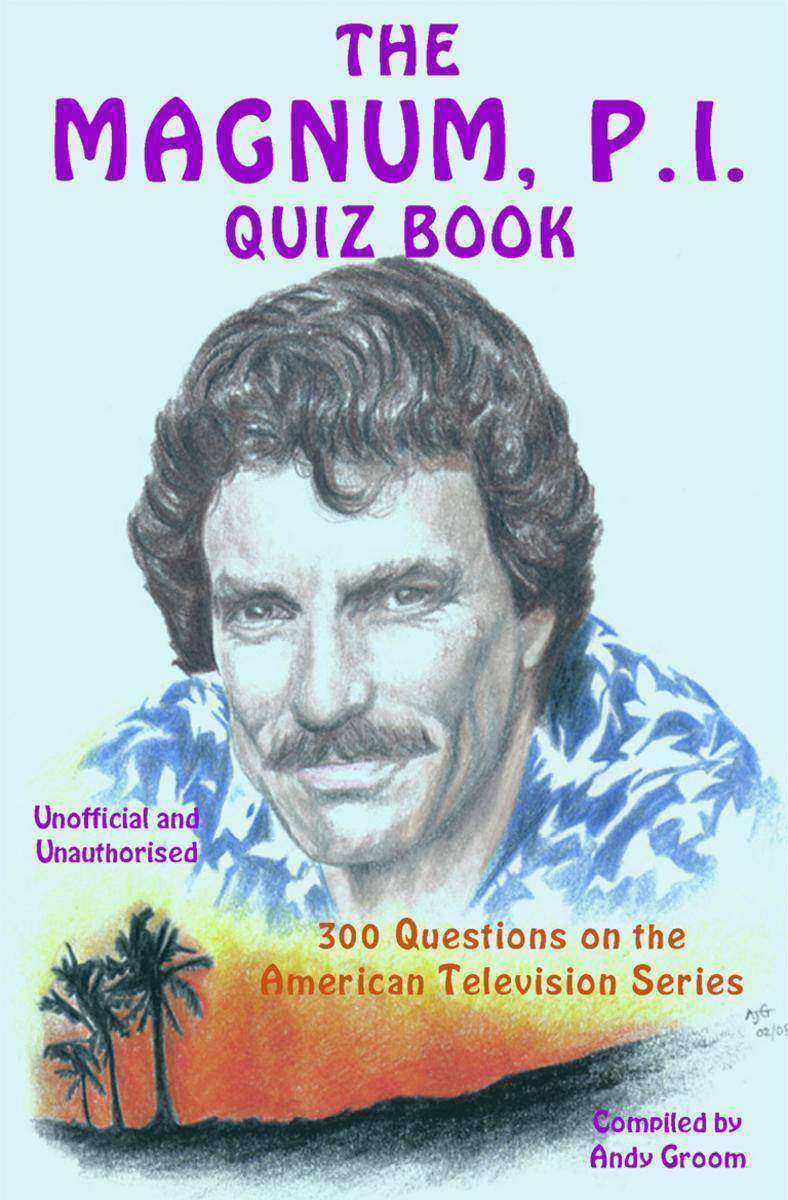
Magnum, P.I. Quiz Book
¥29.33
Were you a fan of the 1980s' cult American series Magnum P.I.? Can you remember the names of the four main characters? Was Magnum P.I. one of your favourite TV shows from yesteryear? If so, you won't want to be without this new quiz book. What was Magnum's iconic Hawaiian shirt called? Who was the original composer of the Magnum P.I. theme song? In which major film was actor Tom Selleck originally cast? The answers to these questions and more can all be found inside The Magnum P.I. Quiz Book. With 300 questions on the characters, the actors who brought them to life, writers, episodes, guest stars, cars and much more Magnum related trivia, this book will take you back in time as you relive all those memorable moments from Magnum P.I. Full of facts about the show that had audiences across the globe glued to their screens, this book will tell you everything you ever wanted to know about the award-winning, iconic TV series. This is a must-have for Magnum P.I. fans of all ages.


