


 购物车
购物车 个人中心
个人中心
A Kidnapped Santa Claus
¥84.16
First published in 1904, "A Kidnapped Santa Claus" by L. Frank Baum, the author of The Wizard of Oz, describes the action of some uncommon events in the land of Santa. Not far from the Laughing Valley where Santa and all his magical helpers live, and beyond the Forest of Burzee, there stands a huge mountain that contains the Cave of Demons. Each demon has a specialty: Selfishness, Envy, Hatred, Malice, and Repentance. Because the promise of Santa puts all girls and boys on their best behavior, the demons have hardly any visitors to their caves. In order to remedy their dismal foot traffic, they conspire to kidnap Santa! But oh! even when it looks as if the demons might win, one can never underestimate the power of devoted (and magical!) friends. Adapted by Alex Robinson, author of several graphic novels, the action and menace of the tale will be enhanced and lightly spoofed. It seems a most appropriate treatment of Baum's work -- he was an author who often let his profound and unsettling meanings roil beneath the surface of his otherwise fanciful stories.
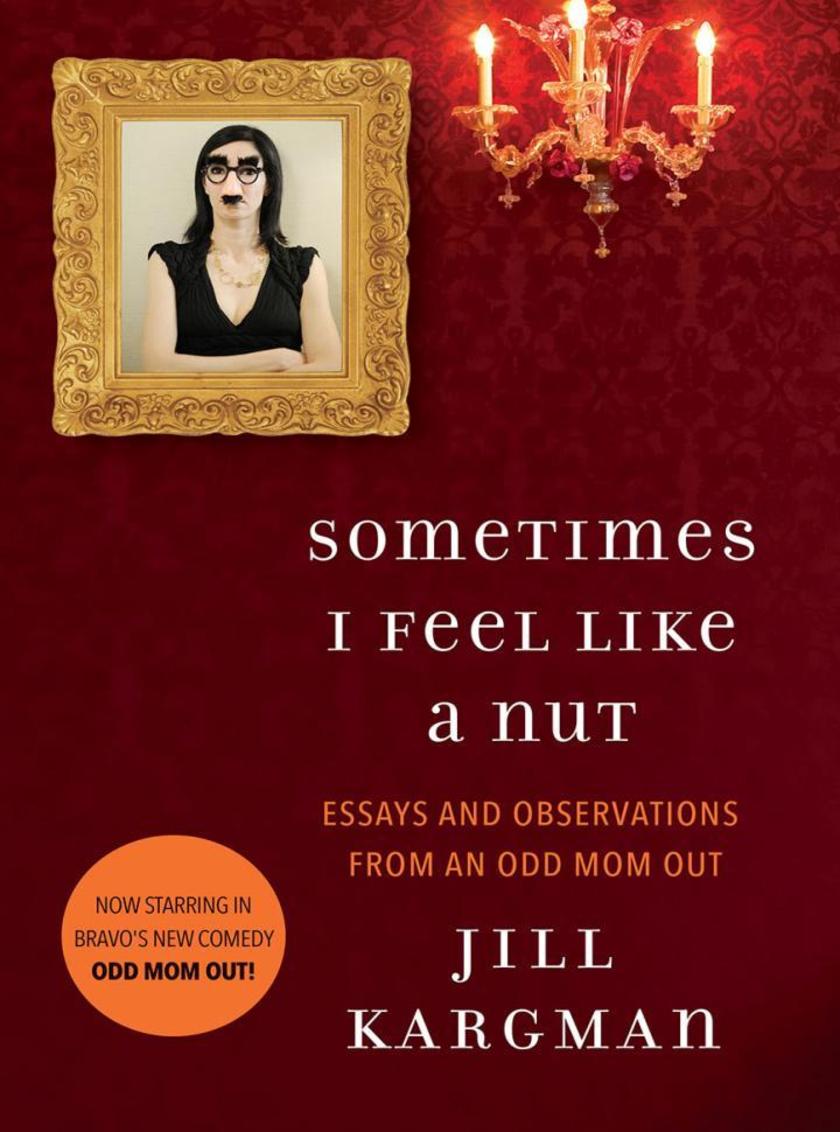
Sometimes I Feel Like a Nut: Essays and Observations From An Odd Mom Out
¥110.71
Demonstrating Woody Allen's magical math equation, comedy = tragedy + time, a sensational collection of witty essays about life, love, hate, kids, work, school, and more from the author of The Ex-Mrs. Hedgefund and Arm Candy Jill Kargman is a mother, wife, and writer living the life in New York City . . . a life that includes camping out in a one-bedroom apartment with some unfortunate (and furry) roommates, battling the Momzillas of Manhattan, and coming to terms with her desire for gay men. In this entertaining collection of observations, Kargman offers her unique, wickedly funny perspective as she zips around Manhattan with three kids in tow.Kargman tackles issues big and small with sharp wit and laugh-out-loud humor: her love of the smell of gasoline, her new names for nail polishes, her adventures in New York City real estate, and her fear of mimes, clowns, and other haunting things. Whether it's surviving a family road trip or why she can't stand Cirque du So Lame, living with a mommy vagina the size of the Holland Tunnel or surviving the hell that was her first job out of college, Kargman's nutty self triumphs, thanks to a wonderfully wise outlook and sense of fun that makes the best of everything that gets thrown her way. And if that's not enough, Kargman illustrates her reflections with doodles that capture her refreshing voice.
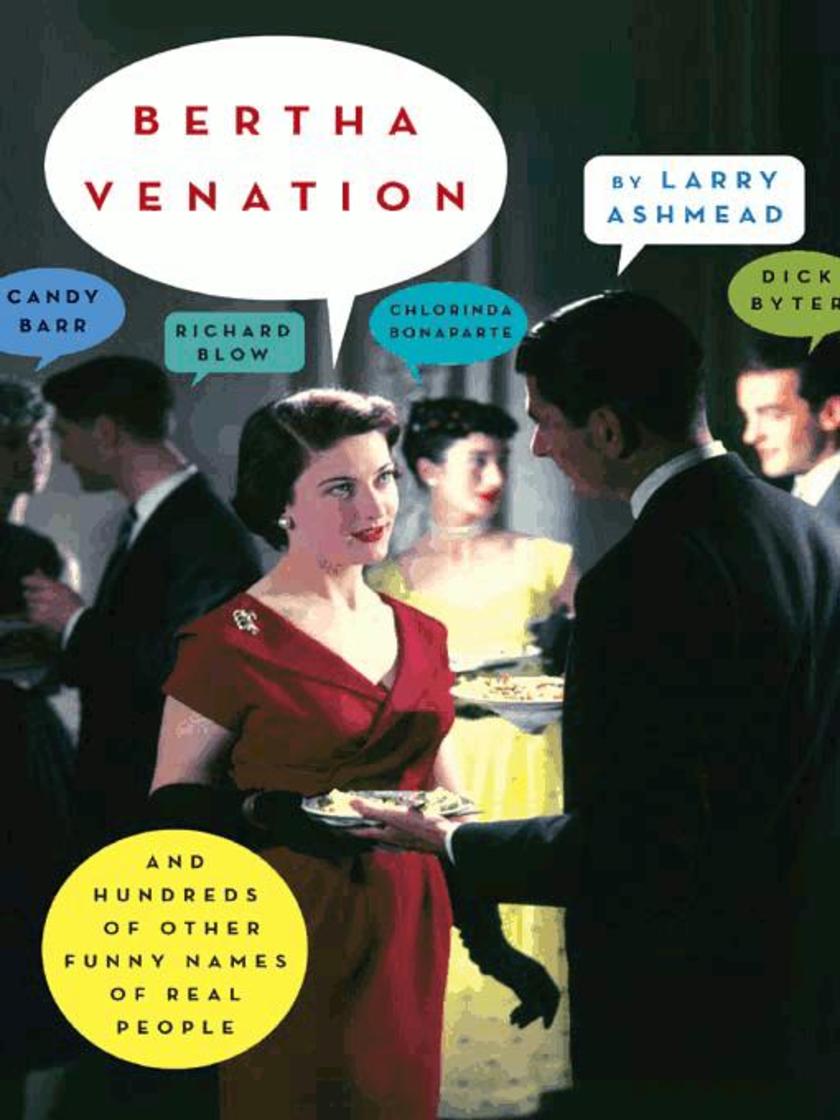
Bertha Venation
¥84.05
An ideal gift book with personality and charm, Bertha Venation is a legendary editor's lifetime collection of the amazing names of actual people, with his own inimitable wit, commentary, and stories.Roger Gotobed . . . Ida Slaptor . . . Formica Dinette . . . Honeysuckle Weeks . . . Gay Beach . . . Sappho Clissit . . . Dimple MysteryThis colorful collection of extraordinary names, sure to please every lover of miscellany, features: Celebrity Children, Weirdest Names in Sports, Aptly Named Professionals, Literary Highlights, Funny Name Marriages, Places and Houses with Strange Names, Long and Meaningless Names, and Pets.Barbara Fatt Heine . . . P. Enis . . . Razzle and Dazzle . . . Moondog . . . Casa Enima . . . Phydeaux . . . Phat Ho . . . Fitz Funfrock . . . Mone't Elysea Ann . . . and Lake Chargoggagoggmanchauggagoggchaubunagungamaugg
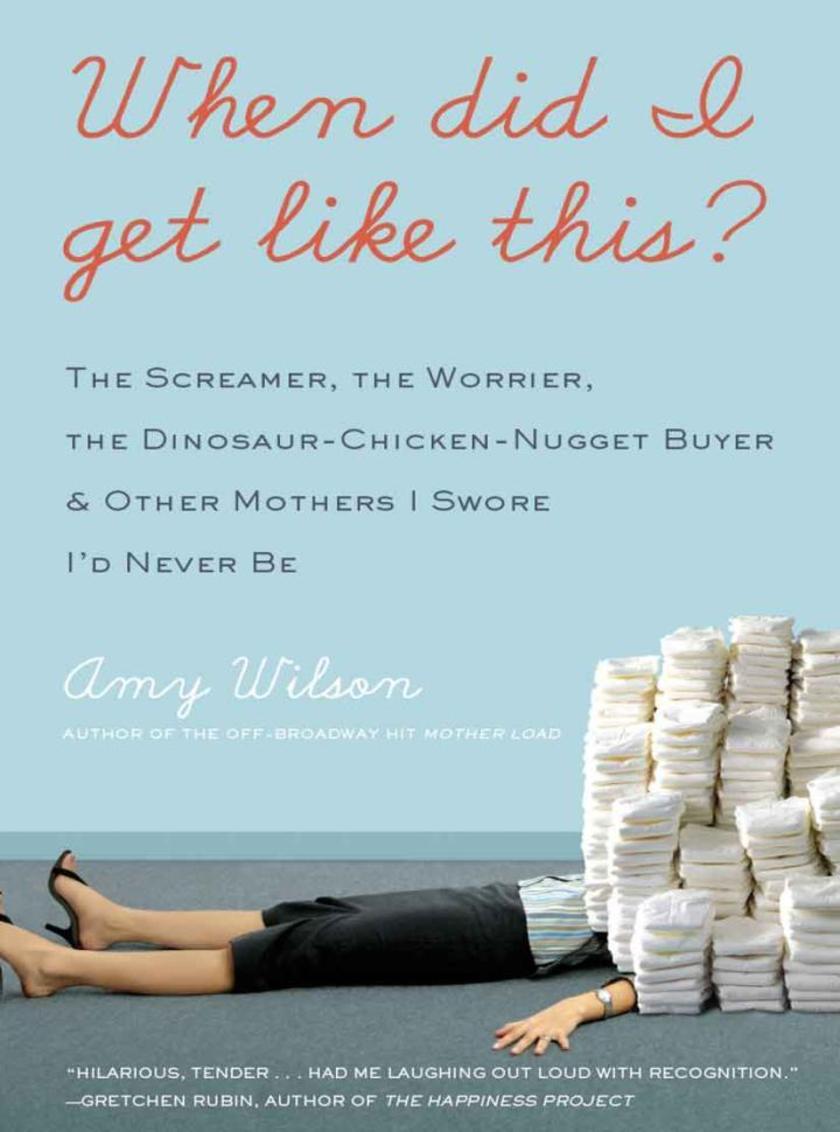
When Did I Get Like This?
¥83.03
When Did I Get Like Thisis the hilarious story of one mother's struggle to shrug off the ridiculous standards of modern parenting, and remember how to enjoy her children Over the last seven years of long days with little children, I have had many moments of joy, calm, and peaceful reverie.This book is about the other moments.Before I became a mother, failing at something did not shake my fundamental belief in my capabilities as a human being. But now that I am the mother of three children under the age of seven, I have one overriding daily thought: I suck at this.What kind of mother feeds her kids dinosaur chicken nuggetsThree times a weekWhat kind of mother lets hand washing after using the toilet slide, as long as it was just Number OneAnd then I wonder: When did I get like thisWhy do I doubt my parenting abilities, day after dayWhy does motherhood, a job as old as Eve, have me teetering daily on the edge of sanity?With each new stage of motherhood, I tell myself I will never again be suckered by the question, "Don't you want what's best for your children?" And yet, time after time, I am. Sometimes, I am right to obsess. Other times, the record will show, it has been distinctly counterproductive.I'm working on it . . .

Just Below the Line
¥372.78
With America on the brink of the largest number of older adults and persons with disabilities in the country's history, the deceleration in housing production during the first decade of the twenty-first century, and a continued reliance on conventional housing policies and practices, a perfect storm has emerged in the housing industry. The lack of fit between the existing housing stock and the needs of the U.S. population is growing pronounced. Just as housing needed to be retooled at the end of WWII, the American housing industry is in dire need of change today. The South-with its high rates of poverty, older residents, residents with disabilities, extensive rural areas, and out-of-date housing policies and practices-serves as a "canary in the coal mine" for the impending, nationwide housing crisis. Just Below the Line discusses how reworking the policies and practices of the housing industry in the South can serve as a model for the rest of the nation in meeting the physical and social needs of persons with disabilities and aging boomers. Policy makers, designers, builders, realtors, advocates, and housing consumers will be able to use this book to promote the production of equitable housing nationwide.Published in collaboration with the Fay Jones School of Architecture.

Genius and Heroin
¥95.39
What is the price of brillianceWhy are so many creative geniuses also ruinously self-destructiveFrom Caravaggio to Jackson Pollack, from Arthur Rimbaud to Jack Kerouac, from Charlie Parker to Janis Joplin, to Kurt Cobain, and on and on, authors and artists throughout history have binged, pill-popped, injected, or poisoned themselves for their art. Fully illustrated and addictively readable, Genius and Heroin is the indispensable reference to the untidy lives of our greatest artists and thinkers, entertainingly chronicling how the notoriously creative lived and died whether their ultimate downfalls were the result of opiates, alcohol, pot, absinthe, or the slow-motion suicide of obsession.
Oh the Moon
¥94.10
From actress, comedian, musician, and writer Charlyne Yi comes this collection of illustrated, interconnected short stories and anecdotes that blends comedy, fantastic adventures, and a storm of feelings that will make you want to laugh and cry at the same time—reminiscent of the works of Demetri Martin, Shel Silverstein and John Cassavetes. Charlyne Yi takes readers from a sky filled with vengeful clouds to the depths of a frog’s stomach, and to Hell and back—literally—in this collection of short stories that showcases her unique style. Equal parts whimsical, hilarious, heartbreaking, and terrifying, these short stories—both written and illustrated by Charlyne—can be read separately, but are connected thematically following the difficulties of love at every age: Forgive Me: What happens when the tiniest boy of all time is the only thing standing between the world’s largest baby and an angry mobWho could ever love something so smallOr so big She’s All Legs: In this spicy, action-packed romance, Agatha, a woman who is literally just legs and a head, decides to hunt down and kill the Devil himself. Along the way she meets Cassady, an Elvis impersonator with his own, mysterious gripe with the Dark Lord. Short, one-page anecdotes, poems, reflections, and imagery are also included. Strange, heartfelt, and wonderful, Oh the Moon shows you love in the way that only Charlyne Yi’s brilliant, witty mind can.

Macho Meditations
¥50.60
An uproariously funny daily inspirational guide for manly men. Ralph and Reggie two regular, blue-collar buds from Boston offer one-a-day mcnuggets of affirmation, inspiration, manly wisdom and earth-shaking epiphanies from the end of the bar on the inner issues that truly matter everything from sex to sports to sex to imported vs. domestic to sex to the meaning of life.
Yiddish Yoga
¥83.08
Meet Ruthie: a recently widowed New York City Jewish grandmother who doesn't necessarily come to yoga with the most open of minds. But when her granddaughter Stephanie gives her a year of yoga classes as a gift ("I think it will help you grieve, Bubby"), she doesn't want to risk offending her.At first, Ruthie is skeptical of yoga and its promise of renewal, healing, and transformation ("You know what's wrong with yogaThey haven't mastered the art of kvetching!"). She can't resist poking fun at some of the new words and rituals she encounters, translating the exotic language of Yoga into the more familiar idiom of her native Yiddish culture.As Ruthie's journey progresses from week to week, she forges new paths, new postures, and unexpected friendships, slowly overcoming her grief. Yiddish Yoga is a poignant, witty, and human story of love in its many expressions between grandmother and granddaughter, between an older woman and her younger yoga teacher, between a widow and her beloved husband of fifty years. As Ruthie learns to let go of the past without forgetting, she shows us how to embrace the present with new vigor, strength, and courage and, above all, makes us laugh.
Chocolate, Please
¥84.28
An inside look at the life of Comedy's Lovable Queen of Mean, Lisa Lampanelli, as she dishes on everything from relationships, food, and fat to why once you go black, you never go back In her jaw-droppingly hilarious and politically incorrect memoir, Lisa reveals all including the dysfunctional childhood that made her the insult comic she is today, the subject for which she's best known (black men, black men, and more black men), and her hilarious struggles with her addiction to food and hot guys. By telling her story in her very real, very candid, very open way, Lisa shows her audience that it's okay to be yourself, even if it's just one rehab stint at a time. Lisa also takes readers behind the scenes at the roasts that have marked her comedy career and launched her into the comedy elite, and reveals the important "firsts" in her career, including her first time on her hero's program, The Howard Stern Show.Chocolate, Please is a side-splittingly funny portrait of the woman behind the award-winning insult comedy.
I Shudder
¥83.03
A hilariously funny, touching, and revelatory book from one of America's preeminent humorists In his plays, his screenplays, and his writing for the New Yorker and Premiere, Paul Rudnick has established himself as a comic master whose talents transcend genre. Now, in I Shudder, he trains his wickedly perceptive eye on everything from his New Jersey family to Hollywood to demented alcoholic Broadway stars waving swords. At his Uncle Rudy's funeral, Rudnick's beloved Aunt Lil put one hand on her husband's coffin and her other hand on Rudnick's shoulder and said, "Your Uncle Rudy always loved you. He never understood why, in your writing, you had to use that kind of language, but he loved you."Charming and touching, I Shudder is rendered in Rudnick's gorgeous, zinger-laden prose and reminds us of the need to keep our tongues sharp in the midst of life's many obstacles and absurdities. Here is one of the most accomplished collections in years, from a writer who ranks with David Sedaris and Augusten Burroughs as one of our most gifted and hilarious social observers.
Fail Nation
¥73.03
From the underbelly of the nuts behind hit websites failblog.org and icanhascheezburger.com comes FAIL Nation, your silent guide and handler to the not-even-close-to-perfect nation of FAIL, chock-full of irrelevant tips and useless suggestions about why to shop, who to eat, and when to see. So fasten your exit and check for the nearest seatbelt your FAIL plane departs now.
Mental Floss: What's the Difference?
¥72.70
Enlighten Up Already!MonetManetWho can even tell the differenceWell, with the help of the newest mental_floss tome, you can! Want to learn how to tell egg rolls from spring rolls, nuclear bombs from dirty nuclear bombs, or even how to tell an idiot from a moron (there's a real scientific difference)Piece of cake! Whether you're trying to impress your boss, your mother-in-law, attractive singles, or a pack of fourth graders (you know how they love semantics), mental_floss gives you all the tips and tricks to have you sounding like a genius.
Mirth of a Nation
¥90.54
A salvo of hilarity from that loose canon of American humor that Mirth of a Nation editor Michael J. Rosen has culled from some 1200 pages of brilliantly original works by our best contemporary humorists. This action-packed compilation of highlights includes Bobbie Ann Mason's stint at the La Bamba hotline, David Rakoff's insights on families, Andy Borowitz's memoir of Emily Dickinson (basically, she was a drunken jerk), and Michael Feldman's helpful (re)locating of the Midwest.

My Dead Dad Was in ZZ Top
¥83.03
An irreverent and ridiculous collection of "found" documents that will change everything you thought you knew about rock and roll, by the creator and star of Adult Swim's DelocatedJon Glaser delves into the unknown and highly secretive histories of dozens of rock and roll's greatest bands with sometimes spectacular, sometimes heartbreaking, always completely made-up results. In this book, you'll discover the following: Handwritten letters by Glaser's own father, which reveal him to be an early member of the band we now know as ZZ Top Old lyrics journals of, among others, Bob Dylan and David Bowie, featuring a collection of songs they probably hoped would never see the light of day A letter from Ringo to the rest of the Beatles, the week after their breakup, informing them of his plans to start a Beatles tribute band Formerly classified government documents with shocking revelations about the Navy SEALs and the Butthole Surfers Prince's set list for the bat mitzvah of Steven Spielberg's daughter Rachel, including the songs "Purple Oy Vey," "I Could Never Take the Place of Your Rabbi," and "When Doves Kvetch" My Dead Dad Was in ZZ Top is for everyone who loves absurd, made-up stories about their favorite bands. It's also for everyone who doesn't love absurd, made-up stories about their favorite real bands they just might not enjoy it as much.
It Books
¥139.90
self-inflicted wound (n): a spectacularly humiliating, and often hilarious, incident entirely of one's own making. see also: you did it to yourself.Have you ever made a decision you instantly regrettedHumiliated yourself in a room of your peers, or shamed yourself in front of your massive crushEver blown a job interview, frozen during a presentation, acted like a total idiot on a dateEver said the wrong thing at the wrong time, unable to keep your tongue from flapping out the stupidest words you've ever said in your life, everIf you are a human being, the answer, of course, is yes. Take heart. You're not alone. This is known as the Self-Inflicted Wound, and every one of us bears a scar. Or several. Here, Aisha Tyler, comedian, actress, cohost of CBS's The Talk, star of Archer, and creator of the top-ranked podcast Girl on Guy, serves up a spectacular collection of her own self-inflicted wounds. From almost setting herself on fire, to vomiting on a boy she liked, to getting drunk and sleeping through the SATs, to going into crushing debt to pay for college and then throwing away her degree to become a comedian, Aisha's life has been a series of spectacularly epic fails. And she's got the scars to prove it. Literally.Through it all, Aisha's triumphs haven't come in spite of the failures, but because of them. Because with every failure comes a lesson learned, a strength revealed, a fear overcome, or an adventure braved. Self-Inflicted Wounds isn't just about surviving failure. It's about embracing failure pursuing it, even on the winding path to success. And after you've failed a time or three, hopefully you'll have learned something. Or at the very least have a really killer story. Because to err is human, but to fail epically is hilarious.
Mental Floss presents In the Beginning
¥95.39
Sure, you know all about the birds and bees. But did Dad ever tell you that it wasn't a stork that put that shiny can opener in your kitchen drawerOr paperclips started out as proud, Nazi-fighting warriorsAnd did he tell you how cruise control was originally conceived by a blind geniusFrom mullets to Silly Putty, lie detectors to karaoke, we've got the true stories behind everything you didn't think had stories. Because if you're looking for answers, In the Beginning is the place to start.
Crazy Bosses
¥123.24
Since the latter part of the century just past, Stanley Bing has been exploring the relationship between authority and madness. In one bestselling book after another, reporting from his hot-seat as an insider in a world-renowned multinational corporation, he has tried to understand the inner workings of those who lead us and to inquire why they seem to be powered, much of the time, by demons that make them obnoxious and dangerous, even to themselves. In What Would Machiavelli Do?, Bing looked at the issue of why mean people do better than nice people, and found that in their particular form of insanity lay incredible power. In Throwing the Elephant: Zen and the Art of Managing Up, he offered a spiritual path toward managing the unruly executive beast. And in Sun Tzu Was a Sissy, he taught us how to become one of them, and wage war on the playing field that ends in a dream home in Cabo. Now he returns to his roots to offer the last word on the entity that shapes our lives and stomps through and on our dreams: The Crazy Boss. Students of Bing and there are many, secreted inside tortured organizations, yearning for blunt instruments with which to fight will note that he has walked this ground before, looking for answers. In 1992, he published the first edition of Crazy Bosses, which was fine, as far as it went. Now, some 15 years and several dozen insane bosses later, he has updated and rethought much of the work. Back in the last century, Bing was a small, trembling creature, looking up at those who made his life miserable and analyzing the mental illness that gave them their power. Today, while still trembling much of the time, he is in fact one of those people his prior work has warned us against. His own hard-won wisdom and now institutionalized dementia make this new edition completely fresh and indispensable to anyone who works for somebody else or lives with somebody else, or would like to. In short, Bing is back on his home turf in this funny, true, and essential book, peering with his keen and frosty eye at the crazy boss in all his guises: the Bully, the Paranoid, the Narcissist, the Wimp, and the self-destructive Disaster Hunter. If you loved the original, classic Crazy Bosses, you'll be thrilled to plunge back into the new, refurbished pool. If you are new to the book, strap yourself in: it's going to be a crazy ride.
236 Pounds of Class Vice President
¥84.16
When Jason Mulgrew enrolls in a private high school in an exciting new neighborhood (North Philly, murder center of the city), he finds himlf displaced into a world of privilege and strict standards. His classmates, whose parents are lawyers and bankers, live in houses with yards and pools. Mulgrew, whose longshoreman father bought him a motorcycle upon completion of his driver's test, struggles to relate in this wider world, fighting his way through the gauntlet of high school as an awkward, sexless giant. Mulgrew tackles the glorious complications, misapprehensions, and obsessions of the teenage mind. He revisits his unhealthy fixations on dogs, his "bird," the Prep, friends who are girls, Kahlúa & Cream, and a certain position in student body government to craft yet another raunchy, honest, and relentlessly funny memoir.
How to Eat Like a Child
¥90.77
Universal and timeless, Delia Ephron's How to Eat Like a Child is a delightful revisiting of the joys -- and tricky ploys -- of childhood. Made into a children's television special and a musical theater revue performed across the country each year, How to Eat Like a Child offers advice beyond the artful etiquette of food consumption. Ephron also teaches us "How to Laugh Hysterically," "How to Have a Birthday Party," "How to Torture Your Sister," and much, much more. As the Washington Post Book World noted, `After the giggles of recognition have subsided, one thing will be very clear: all adults are kids in grown-ups' clothing."
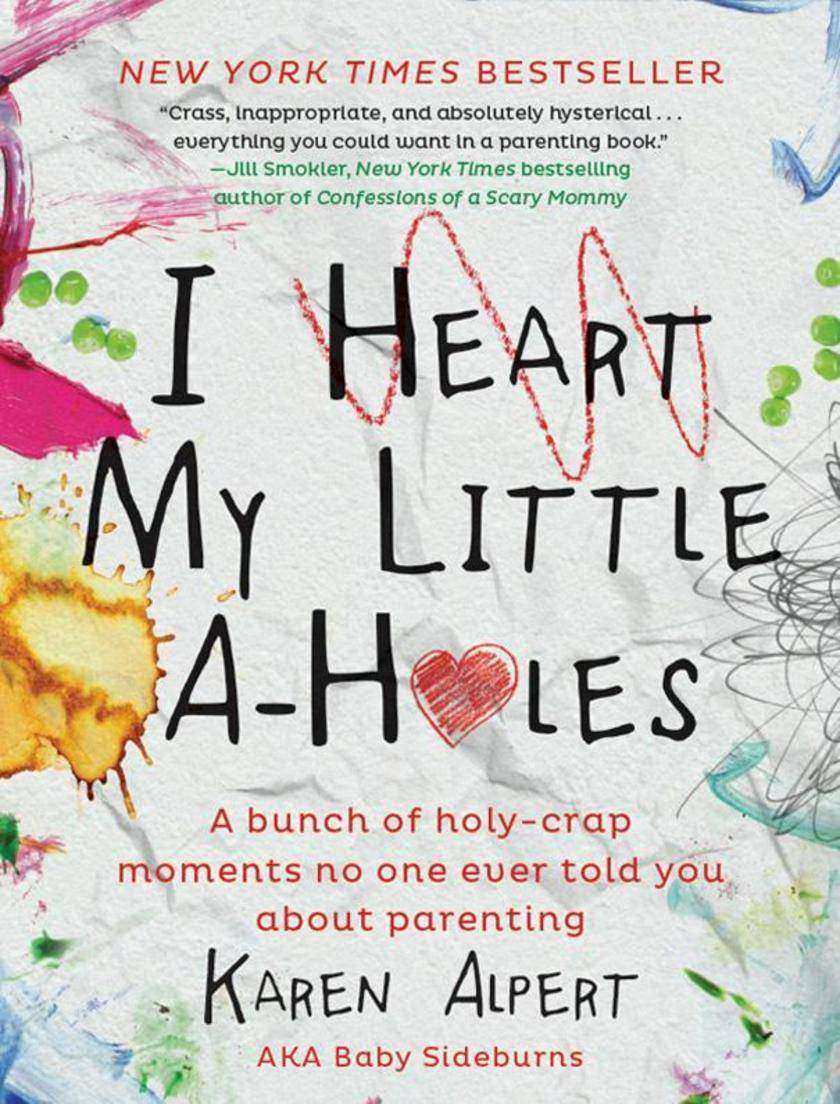
I Heart My Little A-Holes
¥94.10
Popular blogger Karen Alpert shares her hysterical take on the many "joys" of parenting I Heart My Little A-Holes is full of hilarious stories, lists, thoughts and pictures that will make you laugh so hard you'll wish you were wearing a diaper.


