


 购物车
购物车 个人中心
个人中心
Mesure pour Mesure (Measure for Measure in French)
¥8.09
Comédie Shakespeare, traduit en fran?ais. Selon Wikipedia: ?Measure for Measure est une pièce de William Shakespeare, qui aurait été écrite en 1603 ou 1604. Elle était (et continue d'être) classée comédie, mais son humeur défie ces attentes. Diverses raisons, certains critiques l'ont étiqueté comme l'un des jeux de problème de Shakespeare.A l'origine publié dans le premier folio de 1623 (où il a d'abord été étiqueté comme une comédie), la première performance enregistrée de la pièce était en 1604. La pièce traite des problèmes de la miséricorde, de la justice, de la vérité et de leur relation à l'orgueil et à l'humilité: "Certains se lèvent par le péché, d'autres tombent par la vertu".
La Songe d'une Nuit de'Ete (A Midsummer Night's Dream in French)
¥8.09
Comédie de Shakespeare, traduite en fran?ais par Fran?ois Pierre Guillaume Guizot (1787 - 1874), historien fran?ais et homme d'?tat. Publié en 1862. Selon Wikipedia: "Un Songe d'une nuit d'été est une pièce écrite par William Shakespeare, qui aurait été écrite entre 1590 et 1596. Elle décrit les événements entourant le mariage du duc d'Athènes, Thésée, et la Reine des Amazones, Hippolyta, dont les aventures de quatre jeunes amants athéniens et d'un groupe de six comédiens amateurs manipulés par les fées qui peuplent la forêt où se déroule la plus grande partie de la pièce. Les ?uvres les plus populaires de Shakespeare pour la scène et sont largement jouées à travers le monde. "
Troilus et Cressida, Troilus and Cressida in French
¥8.09
Traduit par Fran?ois Pierre Guillaume Guizot (1787 - 1874), historien fran?ais et homme d'?tat. Publié en 1862. Selon Wikipedia: "Troilus et Cressida est une tragédie de William Shakespeare, qui aurait été écrite en 1602. Il a également été décrit par Frederick S. Boas comme l'une des pièces à problèmes de Shakespeare. note avec la mort du noble cheval de Troie Hector et la destruction de l'amour entre Tro?lus et Cressida.Tout au long de la pièce, le ton s'écroule follement entre comédie débile et tristesse tragique, et les lecteurs et les spectateurs ont souvent du mal à comprendre comment on est Cependant, plusieurs éléments caractéristiques de la pièce (le plus notable étant sa remise en question constante de valeurs intrinsèques telles que la hiérarchie, l'honneur et l'amour) ont souvent été considérés comme nettement ?modernes? ..
King Lear, with line numbers
¥8.09
The classic tragedy. According to Wikipedia: "King Lear is a tragedy by William Shakespeare, believed to have been written between 1603 and 1606, and is considered one of his greatest works. The play is based on the legend of Leir of Britain, a mythological pre-Roman king. It has been widely adapted for stage and screen, with the part of Lear being played by many of the world's most accomplished actors. There are two distinct versions of the play: The True Chronicle of the History of the Life and Death of King Lear and His Three Daughters, which appeared in quarto in 1608, and The Tragedy of King Lear, which appeared in the First Folio in 1623, a more theatrical version. The two texts are commonly printed in a conflated version, although many modern editors have argued that each version has its individual integrity. After the Restoration the play was often modified by theatre practitioners who disliked its dark and depressing tone. But since the 19th century, it has been regarded as one of Shakespeare's supreme achievements. The tragedy is particularly noted for its probing observations on the nature of human suffering and kinship.
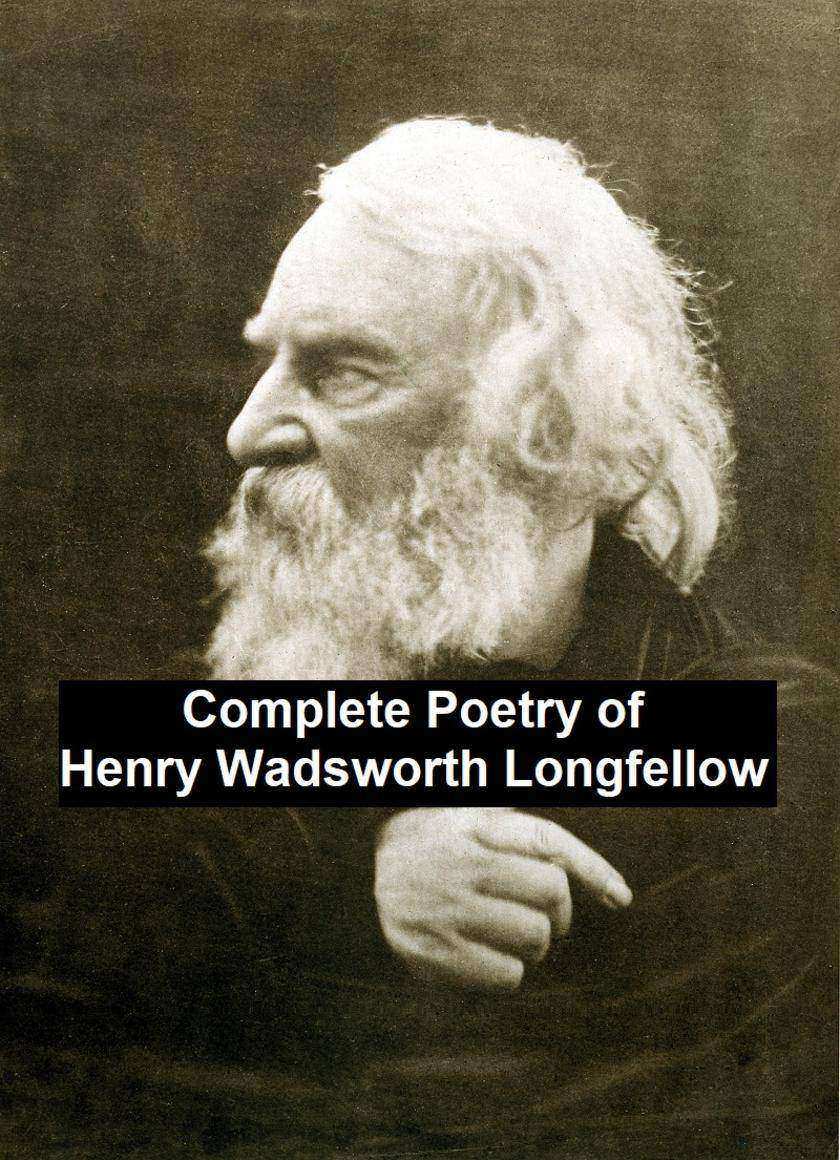
Complete Poetry of Henry Wadsworth Longfellow
¥8.09
The Household Edition of Longfellow's Poetical Writings contains all his original verse that he wished to preserve, and all his translations except the Divina Commedia. The poems are printed as nearly as possible in chronological order. Originally published in 1902. According to Wikipedia: "Henry Wadsworth Longfellow (February 27, 1807 – March 24, 1882) was an American educator and poet whose works include "Paul Revere's Ride", The Song of Hiawatha, and "Evangeline". He was also the first American to translate Dante Alighieri's The Divine Comedy and was one of the five members of the group known as the Fireside Poets."
The Tempest
¥8.09
Classic Shakespearean romance. According to Wikipedia: "The Tempest is a play written by William Shakespeare. Many scholars believe that it was written in 1610–11,[1] although some researchers have argued for an earlier dating.[2] While listed as a comedy when it was initially published in the First Folio of 1623, many modern editors have since re-labeled the play a romance. It did not attract a significant amount of attention before the closing of the theatres in 1642 and after the Restoration it attained popularity only in adapted versions.[3] Theatre productions began to reinstate the original Shakespearean text in the mid-19th century,[4] and in the 20th century, critics and scholars undertook a significant re-appraisal of the play's value, to the extent that it is now considered to be one of Shakespeare's greatest works."
Measure for Measure/ Maass fur Maass: Bilingual edition
¥8.09
Bilingual, English and German. Shakespeare comedy in English with line numbers and translated to German. According to Wikipedia: "Measure for Measure is a play by William Shakespeare, believed to have been written in 1603 or 1604. It was (and continues to be) classified as comedy, but its mood defies those expectations. As a result and for a variety of reasons, some critics have labelled it as one of Shakespeare's problem plays. Originally published in the First Folio of 1623 (where it was first labelled as a comedy), the play's first recorded performance was in 1604. The play deals with the issues of mercy, justice, and truth and their relationship to pride and humility: "Some rise by sin, and some by virtue fall". Zweisprachig, Englisch und Deutsch. Shakespeare-Kom?die in Englisch mit Zeilennummern und ins Deutsche übersetzt. Laut Wikipedia ist "Measure for Measure" ein Stück von William Shakespeare, das 1603 oder 1604 geschrieben wurde. Es wurde (und wird weiterhin) als Kom?die klassifiziert, aber seine Stimmung widersetzt sich diesen Erwartungen Eine Vielzahl von Gründen wurde von einigen Kritikern als eines von Shakespeares Problemspielen bezeichnet.Erst im First Folio von 1623 ver?ffentlicht (wo es zuerst als Kom?die bezeichnet wurde), war die erste Aufnahme des Stücks 1604. Das Stück handelt von den Themen von Barmherzigkeit, Gerechtigkeit und Wahrheit und ihrer Beziehung zu Stolz und Demut: "Einige erheben sich aus Sünde, und manche fallen durch Tugend".
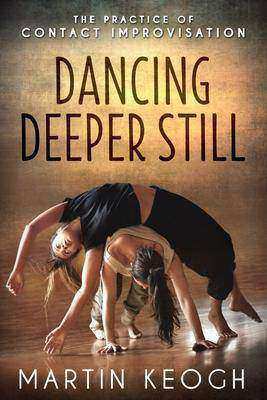
Dancing Deeper Still:The Practice of Contact Improvisation
¥77.31
You went to your first Contact Improvisation (C.I.) class, or a friend invited you to the weekly jam, and you’re captivated. Or perhaps, you’ve been dancing and investigating for years. What’s next? What discoveries await you in your dance? In 1972, Steve Paxton convened a group of athletes and dancers to research the principles of Contact Improvisation. Since then the form has matured into a worldwide, collaborative experiment with no central control. Everyone who enters adds their findings and permutations to this inherently unfinished dance form. Dancing Deeper Still is a sourcebook of essays on Contact Improvisation, a philosophical treatise, and a handbook. This compilation of 30 years of writings is meant to accompany and support your investigation as you discover new pathways and dynamics in your dancing. It includes chapters on: ·??????Contact Improvisation in performance ·??????Boundaries and sexuality ·??????Political activism ·??????Dancing while aging ·??????Expanded teaching research notes ·??????Advanced skills Whether you are the improviser who savors the slow rivers of sensation…or who delights in spontaneous acrobatics…or any of the bountiful realms in between, this book was written for you. Your discoveries enrich the community-held body of knowledge in our ever-evolving form. I invite you to dance deeper still. ? Martin Keogh dances, teaches, and researches Contact Improvisation. His love for the dance has taken him to 31 countries across six continents. Keogh was named a Fulbright Senior Specialist for his contribution to the development of the form. Martin spent time in monasteries in Japan and Korea and was the director of the Empty Gate Zen Center in Berkeley, CA before he discovered the world of dance. He is the author of: As Much Time as it Takes and the anthology: Hope Beneath Our Feet: Restoring Our Place in the Natural World. He lives with his family by the Salish Sea in British Columbia. martinkeogh.com
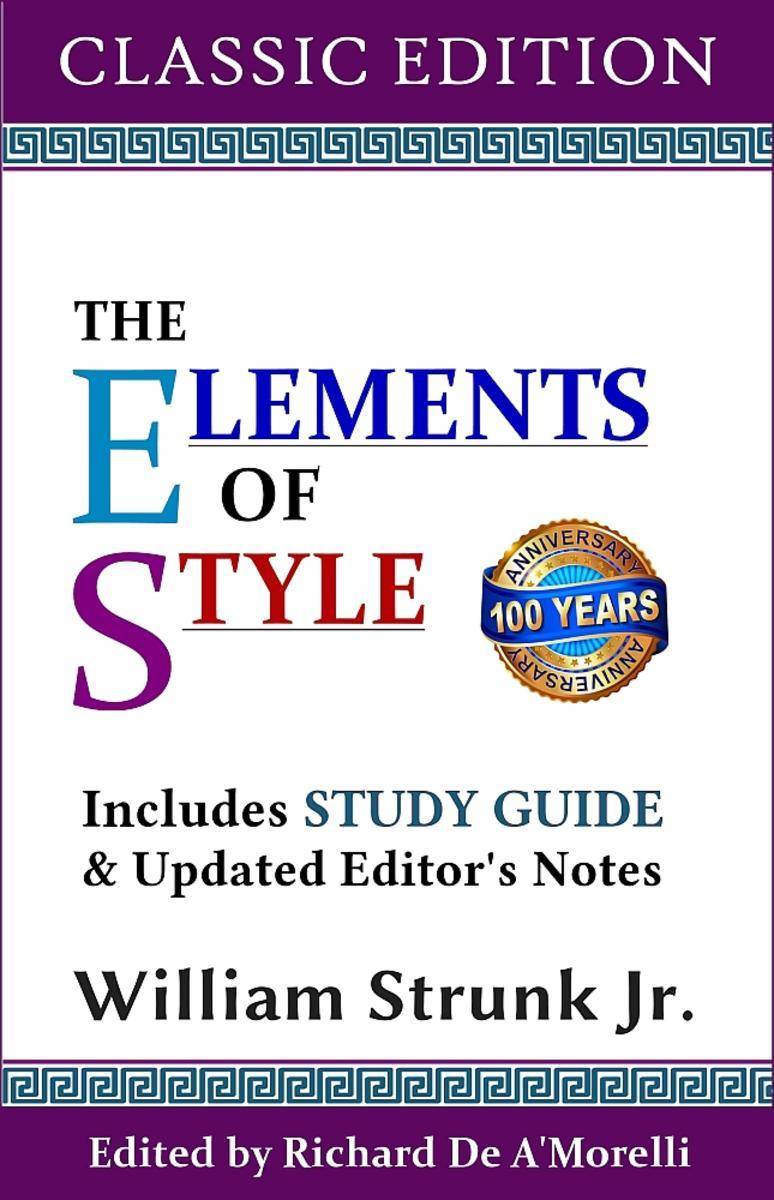
The Elements of Style (Classic Edition): With Editor's Notes and Study Guide
¥23.14
This Classic Edition contains the original version of "The Elements of Style" written by Cornell University English professor William Strunk Jr. Generations of college students and writers have learned the basics of grammar from this short primer over the years. It was rated "one of the 100 most influential books written in English" by Time in 2011, and iconic author Stephen King recommended it as a grammar handbook that all aspiring writers should read. Written one hundred years ago, "The Elements of Style" is a nostalgic link to a momentous time in American history that ushered in the Art Deco era and the Roaring Twenties. Many of the English grammar rules it cites are as relevant today as they were at the turn of the 20th century; but, one by one, these rules are becoming out-of-date This Classic Edition, updated as we head into 2017, is intended as a tribute to Prof. Strunk's enduring book. It follows the original version but includes these enhancements for today's readers: 1. Editorial notes have been inserted to indicate grammar rules now considered obsolete, and to provide brief insights on updated rules for present-day writers. 2. Easily recognizable symbols have been added to the grammar examples throughout the book so that readers can discern correctly written sentences from errors at a glance. 3. A Study Guide has been added at the conclusion of the book. 4. The paperback version includes blank, lined pages at the end for convenient note taking. 5. The digital version has been restyled for improved display on all modern e-book readers.
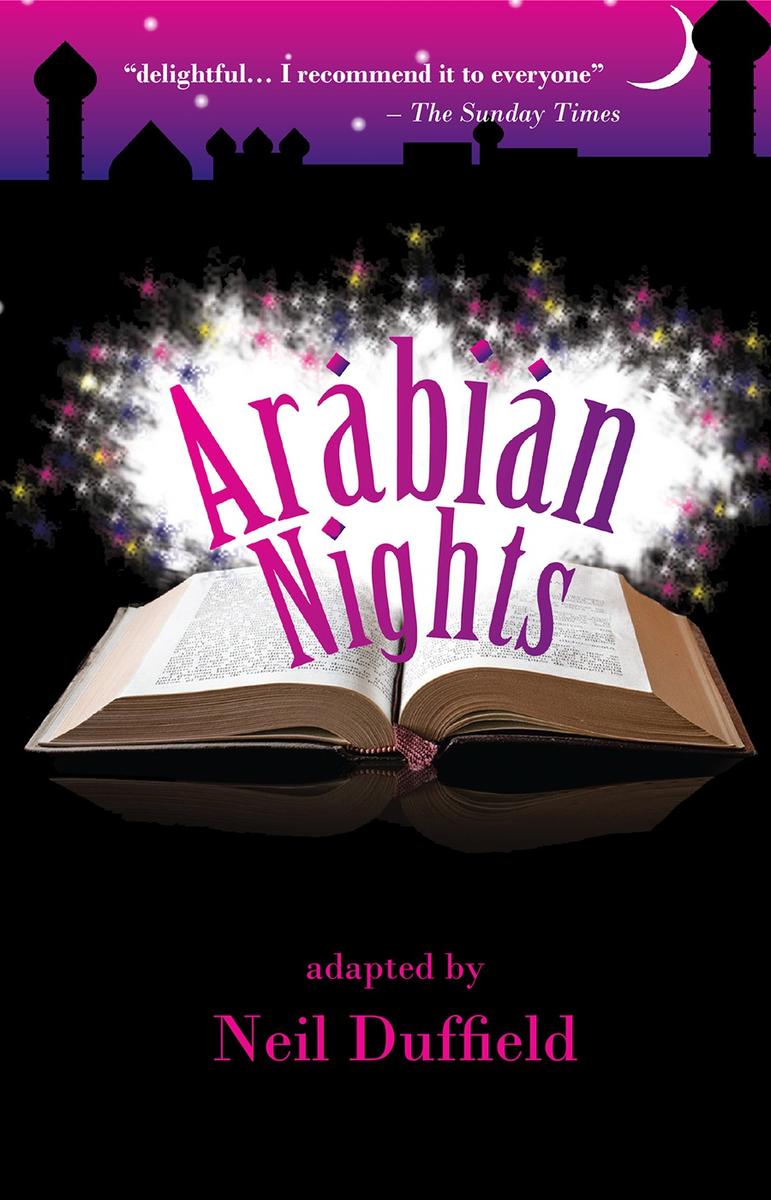
Arabian Nights
¥40.79
When Sheherazad is brought to the palace to be the Sultan’s new bride, her very life depends upon her skill as a storyteller. She tells him tales of lost cities and buried treasure, of slave girls and robbers, of genies in bottles and evil sorcerers. But will it be enough to save her? The stories of the Arabian Nights date back more than a thousand years and originate from Persia, India and Arabia. Neil Duffield has combined elements of many of them, keeping alive the excitement and humour to produce a show which will transport the audience into a world of myth and legend where fantasy and reality can never be separated.

Combustion
¥40.79
Bradford, in the month of Ramadan. Shaz, a local garage mechanic, is trying to keep his business going despite the terrible scandal of Asian men involved in grooming young girls for sex in the area. A protest march through the city is planned and Samina, Shaz’s sister wants to make a speech at a counter-demonstration for Peace. Shaz just wants a quiet life so that his prospective in-laws will let him marry their beautiful daughter, but as the city gets swept up in the protest, his world gets turned upside down. Asif Khan’s debut play is a fabulously comic take on the combustion surrounding young British Muslim lives.
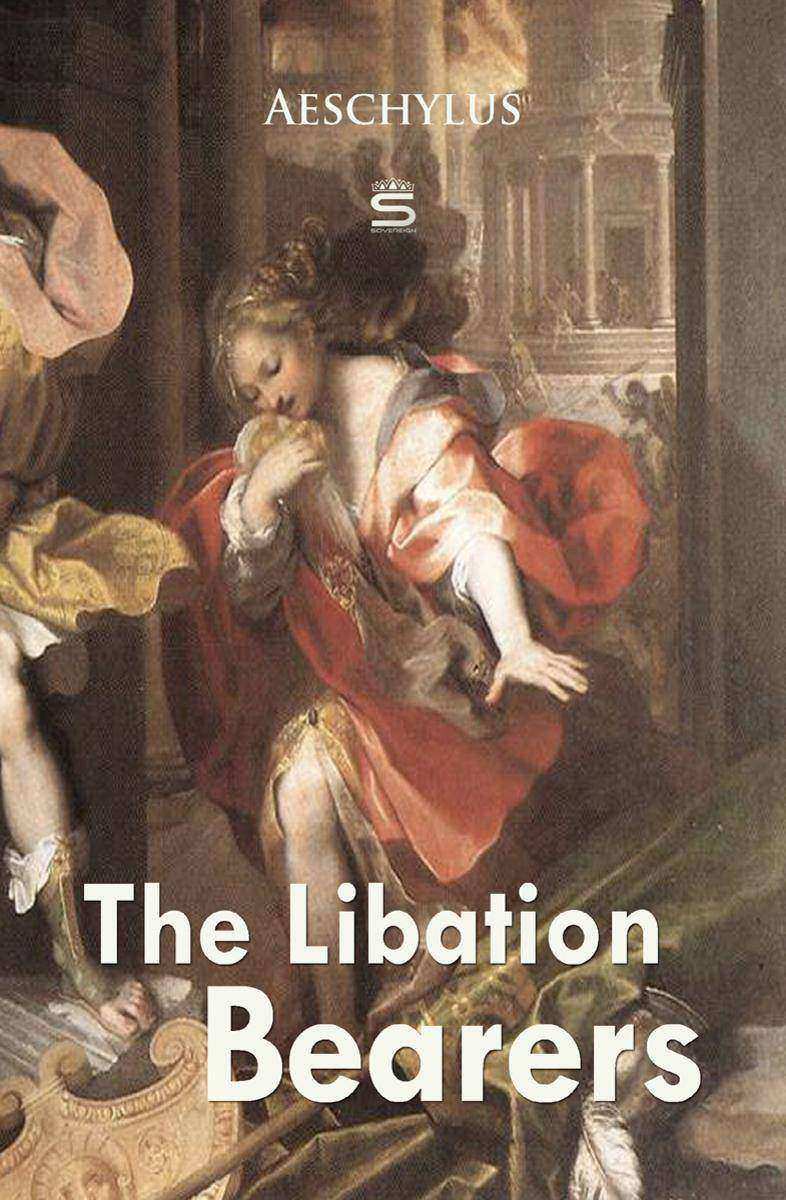
The Libation Bearers
¥40.79
Orestes arrives at the grave of his father, accompanied by his cousin Pylades, the son of the king of Phocis, where he has grown up in exile; he places two locks of his hair on the tomb. Orestes and Pylades hide as Electra, Orestes' sister, arrives at the grave accompanied by a chorus of elderly slave women (the libation bearers of the title) to pour libations on Agamemnon's grave; they have been sent by Clytemnestra in an effort to ward off harm. Just as the ritual ends, Electra spots a lock of hair on the tomb which she recognizes as similar to her own; subsequently she sees two sets of footprints, one of which has proportions similar to hers. At this point Orestes and Pylades emerge from their hiding place and Orestes gradually convinces her of his identity.
Utilitarianism
¥8.82
John Stuart Mill's book Utilitarianism is a philosophical defense of utilitarianism in ethics. The essay first appeared as a series of three articles published in Fraser's Magazine in 1861; the articles were collected and reprinted as a single book in 1863. It went through four editions during Mill's lifetime with minor additions and revisions. Although Mill includes discussions of utilitarian ethical principles in other works such as On Liberty and The Subjection of Women, Utilitarianism contains Mill's only major discussion of the fundamental grounds for utilitarian ethical theory.
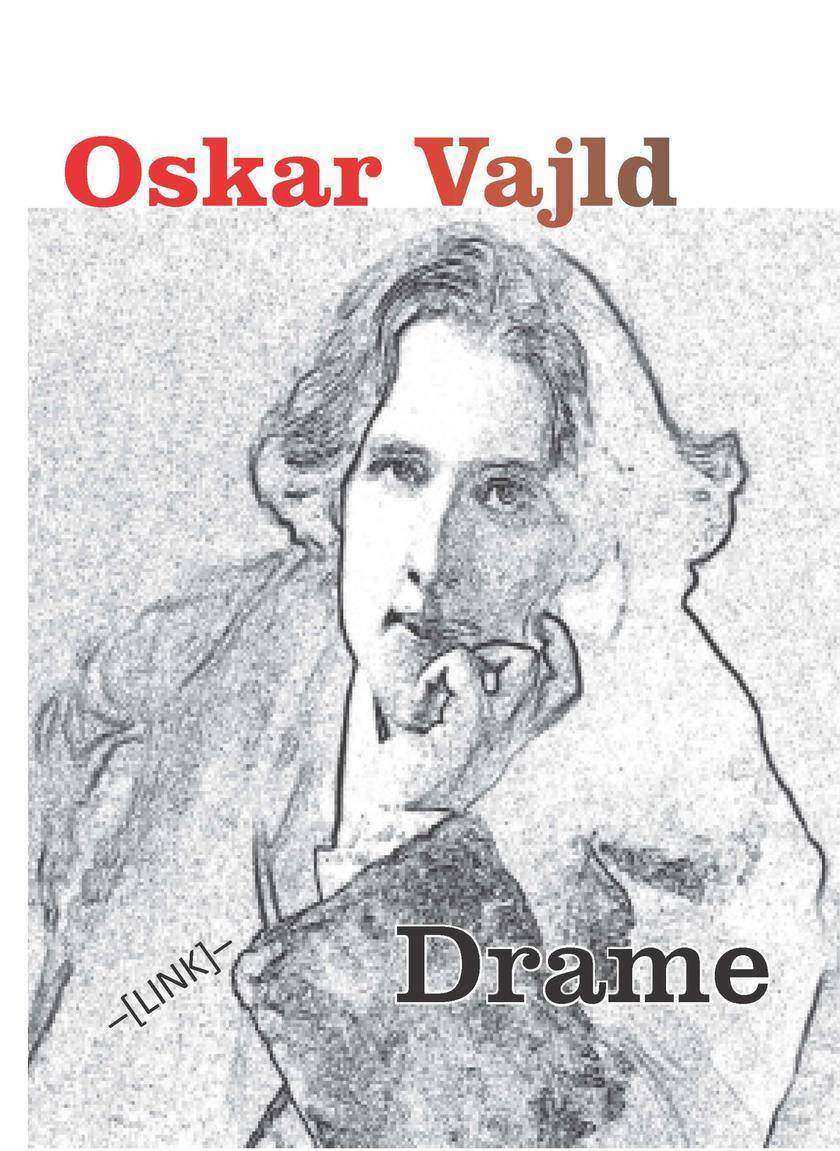
Drame Oskara Vajlda
¥37.20
Ni prevodi najzna?ajnijih drama Oskara Vajlda: Salome, Sveta kurtizana i Va?no je?da si?Ernest
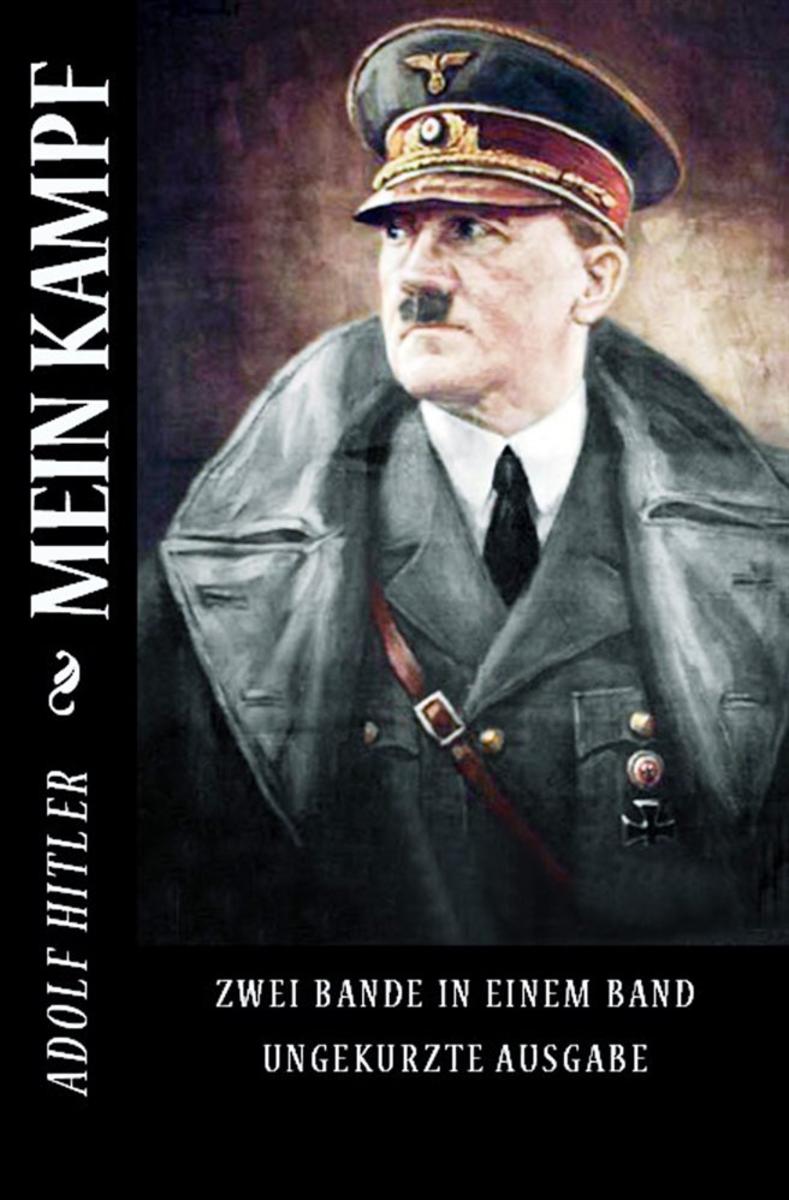
Mein Kampf: "Zwei Bande in Einem Band Ungekurzte Ausgabe"
¥37.11
Mein Kampf ist eine politisch-ideologische Programmschrift Adolf Hitlers. Sie erschien in zwei Teilen. Hitler stellte darin seinen Werdegang zum Politiker und seine Weltanschauung dar. Das Buch enthalt Hitlers Autobiografie, ist in der Hauptsache aber eine zweckgerichtete Kampf- und Propagandaschrift, die zum Neuaufbau der NSDAP als zentral gelenkter Partei unter Hitlers Fuhrung dienen sollte.??Der erste Band entstand in Hitlers Haftzeit 1924 und wurde erstmals am 18. Juli 1925, der zweite am 11. Dezember 1926 veroffentlicht. Vor allem der erste Band wurde bis 1932 in der Weimarer Republik zu einem viel diskutierten Bestseller.??Hitler schrieb 1924 den ersten Teil von Mein Kampf wahrend seiner Festungshaft in der Haftanstalt Landsberg in Landsberg am Lech. Er soll den Text seinem spateren Stellvertreter Rudolf HeB diktiert haben. Neuere Erkenntnisse weisen darauf hin, dass Hitler den Text selbst auf einer Reiseschreibmaschine tippte. Winifred Wagner berichtete, Hitler "massenhaft Schreibpapier" nach Landsberg geschickt zu haben.??Ursprunglich sollte das Buch Viereinhalb Jahre [des Kampfes] gegen Luge, Dummheit und Feigheit heiBen. Nach der vorzeitigen Haftentlassung im Dezember 1924 diktierte Hitler den starker programmatisch ausgelegten zweiten Teil von Mein Kampf seinem Gefolgsmann Max Amann, Direktor des Franz-Eher-Verlags. Amann und Hitler zogen sich im Sommer 1925 in das (daher spater so genannte) Kampfhausl des Pensionswirts Bruno Buchner auf dem Obersalzberg (nahe dem spateren Berghof) zuruck, um das Manuskript zu tippen.??Im Juli 1925 erschien der erste Band, im Dezember 1926 der zweite. Bis 1930 vertrieb der Verlag Mein Kampf in zwei groBformatigen Banden zum Preis von zunachst je 12, ab 1928 14 Reichsmark.??Der Originaltext erlebte in seiner zwanzigjahrigen Editionsgeschichte von 1925 bis 1945 zahlreiche Anderungen und Erweiterungen. Der Text der spaten Ausgaben aus den 1940er Jahren ist nur bedingt in direkten Bezug zu setzen mit Hitlers publizistischer und politischer Positionierung Mitte der 1920er. ??Im Herbst 2006 tauchten in Munchen funf Manuskript- und achtzehn Entwurfsseiten zu Hitlers Buch auf, die er vor dessen Veroffentlichung im Fruhjahr und im Sommer 1924 wahrend seiner Festungshaft in Landsberg verfasst hatte. Der Vergleich mit der spateren Endfassung ermoglichte der Hitlerforschung Ruckschlusse zur Entwicklung von Hitlers Weltbild und Agitationsweise.??Der erste und der zweite Band erschienen in einer Erstauflage von je 10.000 Exemplaren. Die NSDAP finanzierte sich ganz wesentlich uber den eigenen Parteiverlag, an dem auch Hitler personlich beteiligt war. Von der einbandigen Volksausgabe wurden bis Januar 1933 287.000 Exemplare zum Preis von je 12 RM durch den Zentralverlag der NSDAP (Franz Eher Nachfolger) verkauft. ??Hitler erhielt pro verkauftem Buch 10 Prozent Tantiemen. Die folgende einbandige Ausgabe kostete 8 RM ("Volksausgabe", ab 1930)...
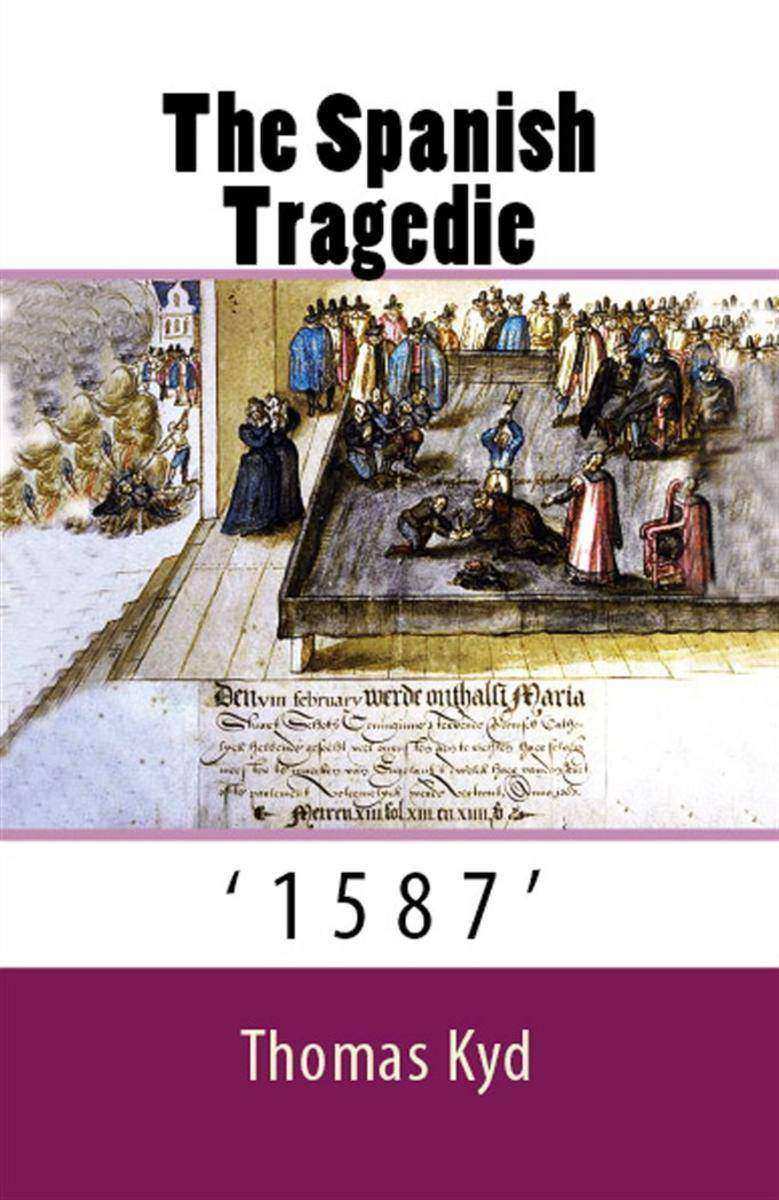
The Spanish Tragedie: "1587"
¥27.88
"The Spanish Tragedy", or "Hieronimo" is Mad Again is an Elizabethan tragedy written by Thomas Kyd between 1582 and 1592. Highly popular and influential in its time, The Spanish Tragedy established a new genre in English theatre, the revenge play or revenge tragedy. Its plot contains several violent murders and includes as one of its characters a personification of Revenge. "The Spanish Tragedy "was often referred to (or parodied) in works written by other Elizabethan playwrights, including William Shakespeare, Ben Jonson, and Christopher Marlowe. Many elements of The Spanish Tragedy, such as the play-within-a-play used to trap a murderer and a ghost intent on vengeance, appear in Shakespeare's Hamlet. (Thomas Kyd is frequently proposed as the author of the hypothetical Ur-Hamlet that may have been one of Shakespeare's primary sources for Hamlet.)
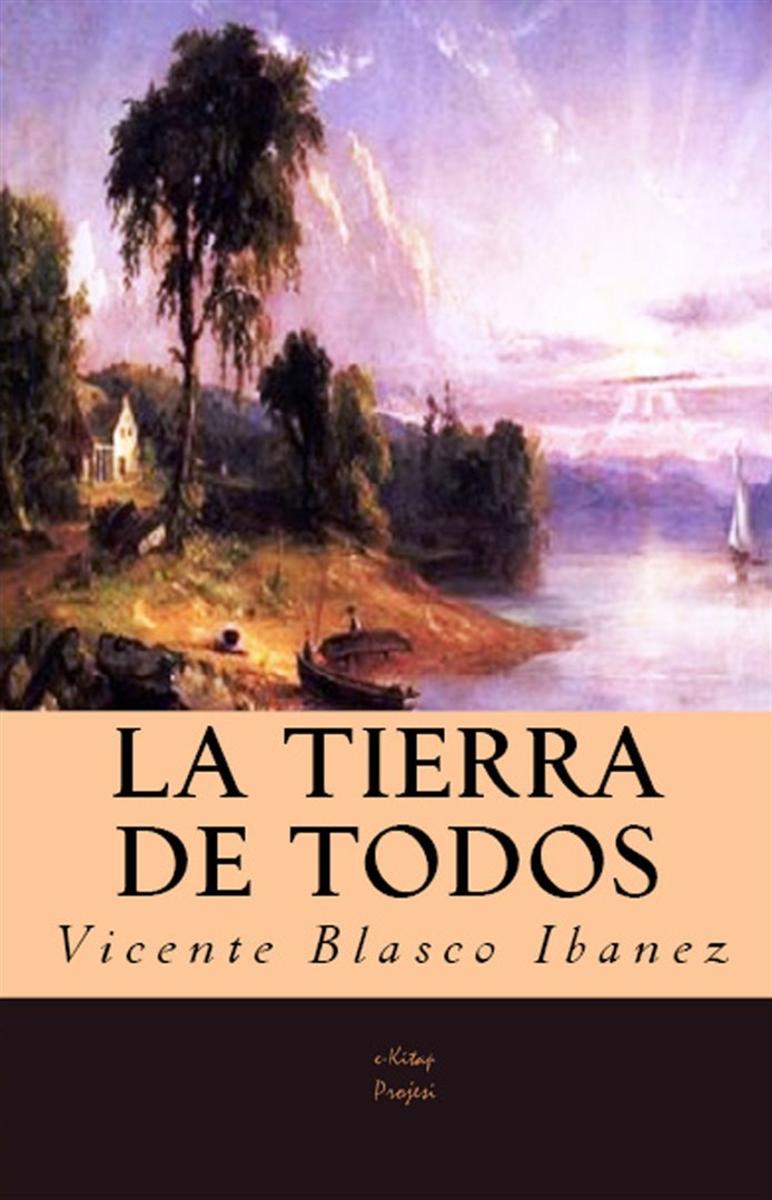
La Tierra de Todos
¥18.56
Como todas las mananas, el marques de Torrebianca salio tarde de su dormitorio, mostrando cierta inquietud ante la bandeja de plata con cartas y periodicos que el ayuda de camara habia dejado sobre la mesa de su biblioteca. Cuando los sellos de los sobres eran extranjeros, parecia contento, como si acabase de librarse de un peligro. Si las cartas eran de Paris, fruncia el ceno, preparandose a una lectura abundante en sinsabores y humillaciones. Ademas, el membrete impreso en muchas de ellas le anunciaba de antemano la personalidad de tenaces acreedores, haciendole adivinar su contenido. Su esposa, llamada ?la bella Elena?, por una hermosura indiscutible, que sus amigas empezaban a considerar historica a causa de su exagerada duracion, recibia con mas serenidad estas cartas, como si toda su existencia la hubiese pasado entre deudas y reclamaciones. El tenia una concepcion mas anticuada del honor, creyendo que es preferible no contraer deudas, y cuando se contraen, hay que pagarlas. ? AUTOR: Vicente Blasco Ibanez nacio el 29 de enero de 1867 en Valencia (Espana). Era hijo de Ramona Ibanez y del comerciante Gaspar Blanco. Estudio Derecho en la Universidad de Valencia. Participo en la politica uniendose al Partido Republicano". En 1894 fundo el periodico El pueblo. En el ano 1896, fue detenido y condenado a varios meses de prision. En 1889 contrajo matrimonio con Maria Blasco del Cacho, hija del magistrado Rafael Blasco y Moreno. Cuando subio al poder Canovas del Castillo, el escritor se exilio brevemente en la ciudad de Paris. Fue un autor vinculado en muchos aspectos al naturalismo frances. Por otra parte, la explicita intencion politicosocial de algunas de las novelas de Blasco Ibanez, aunada al escaso bagaje intelectual del autor, lo mantuvo alejado de los representantes de la Generacion del 98. Murio el 28 de enero de 1928 en Menton (Francia)a los 60 anos. Entre sus titulos destacan: "Arroz y Tartana" (1894), "La Barraca" (1898), "Entre Naranjos (1900), "Canas y Barro" (1902), "La Horda" (1905), "Sangre y Arena" (1908) o "Los Cuatro Jinetes Del Apocalipsis" (1916).
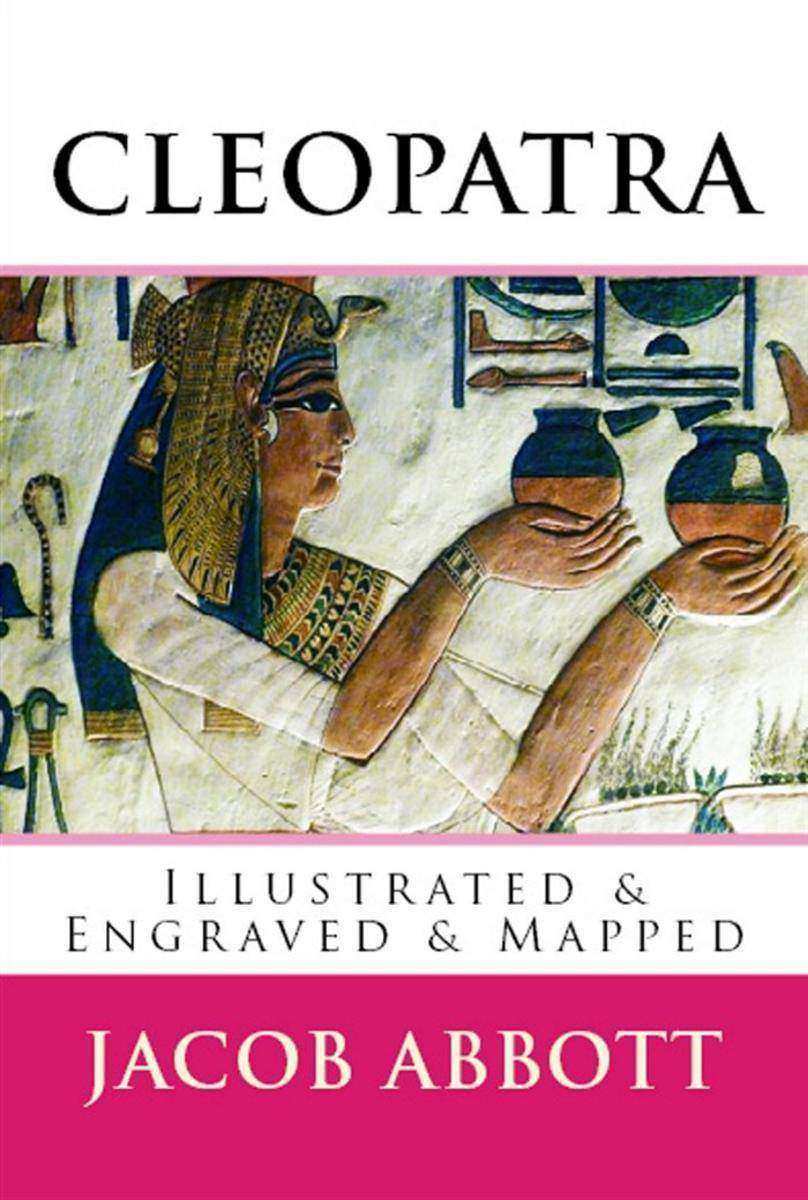
Cleopatra
¥18.56
THE story of Cleopatra is a story of crime. It is a narrative of the course and the consequences of unlawful love. In her strange and romantic history we see this passion portrayed with the most complete and graphic fidelity in all its influences and effects; its uncontrollable impulses, its intoxicating joys, its reckless and mad career, and the dreadful remorse and ultimate despair and ruin in which it always and inevitably ends.??Cleopatra was by birth an Egyptian; by ancestry and descent she was a Greek. Thus, while Alexandria and the delta of the Nile formed the scene of the most im-portant events and incidents of her history, it was the blood of Macedon which flowed in her veins. Her character and action are marked by the genius, the courage, the originality, and the impulsiveness pertaining to the stock from which she sprung. The events of her history, on the other hand, and the peculiar character of her adventures, her sufferings, and her sins, were determined by the circumstances with which she was surrounded, and the influences which were brought to bear upon her in the soft and voluptuous clime where the scenes of her early life were laid..??Egypt has always been considered as physically the most remarkable country on the globe. It is a long and narrow valley of verdure and fruitfulness, completely insulated from the rest of the habitable world. It is more completely insulated, in fact, than any literal island could be, inasmuch as deserts are more impassable than seas. The very existence of Egypt is a most extraordinary phenomenon. If we could but soar with the wings of an eagle into the air, and look down upon the scene, so as to observe the operation of that grand and yet simple process by which this long and wonderful valley, teeming so profusely with animal and vegetable life, has been formed, and is annually revivified and renewed, in the midst of surrounding wastes of silence, desolation, and death, we should gaze upon it with never-ceasing admiration and pleasure. We have not the wings of the eagle, but the generalizations of science furnish us with a sort of substitute for them. The long series of patient, careful, and sagacious observations, which have been continued now for two thousand years, bring us results, by means of which, through our powers of mental conception, we may take a comprehensive survey of the whole scene, analo-gous, in some respects, to that which direct and actual vision would afford us, if we could look down upon it from the eagle's point of view. It is, however, so-mewhat humiliating to our pride of intellect to reflect that long-continued philosophical investigations and learned scientific research are, in such a case as this, after all, in some sense, only a sort of substitute for wings. A human mind connected with a pair of eagle's wings would have solved the mystery of Egypt in a week; whereas science, philosophy, and research, confined to the surface of the ground, have been occupied for twenty centuries in accomplishing the undertaking.
Paradisul r?t?ci?ilor
¥57.14
Despre Europa s-a vorbit mult, ?n special din perspectiva social? ?i economic?, ?ns? tema nu a fost dezb?tut?, a?a cum s-ar fi cuvenit, de pe pozi?ia culturii. Cartea Mituri ?i legende ale antichit??ii propune studii eseistice referitoare la baza culturii europene. Eseurile ne invit? s? g?ndim ?mpreun? Europa din perspectiva singurului factor care une?te – cultura.
De la Homer la Joyce
¥76.03
Dincolo de miza succesului ?colar (examenul de Evaluare Na?ional? fiind un prag important pentru fiecare elev), studiul limbii ?i al literaturii rom?ne trebuie s? r?m?n?, ?n gimnaziu, o experien?? cultural? pertinent? ?i interesant?, care s? implice imagina?ia, gustul estetic, nevoia de autointerogare ?i de comunicare. Respect?nd programa specific?, structura oficial? a subiectelor ?i maniera de formulare a sarcinilor de lucru stabilite de Ministerul Educa?iei, volumul ??i propune s? nuan?eze preg?tirea continu? ?i sistematic? pentru Evaluarea Na?ional?, intervenind cu fi?e teoretice esen?ializate, teme de portofoliu, modele ?i sugestii de rezolvare, r?spunsuri selective ?i o cons istent? baterie de teste de antrenament. De asemenea, cartea are ?n vedere, prin selec?ia textelor (clasice sau contemporane, din autori celebri sau mai pu?in cunoscu?i ?n anii de gimnaziu), redescoperirea ?n adolescentul de 14?15 ani a cititorului pasionat sau m?car avizat, dornic s???i sus?in? punctele de vedere, s???i l?rgeasc? orizontul cultural ?i s? descopere, dincolo de informa?ii, reguli, canoane, adev?ratele provoc?ri, ierarhii, idoli, ca form? de acomodare cu specificul ?i noile problematici ale orelor de limba ?i literatura rom?n? din clasa a IX?a de liceu.
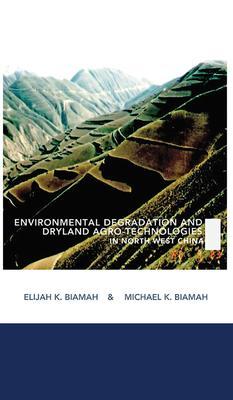
Environmental Degradation and Dryland Agro-Technologies in Northwest China
¥99.52
Environmental Degradation and Dryland Agro-Technologies in Northwest China” is a documentation of past and present research, training and extension experiences on: environmental degradation; conservation farming systems; water and nutrient management options; soil and water management technologies and training; soil erosion control; dryland agriculture and soil erosion; soil fertility and crop production; drought and soil water use, demonstration of ecologically sustainable agriculture; and dissemination of farming system technologies in the arid and semi-arid lands of Northwest China. These concerns are expounded on both from the national (China) and Regional (Loess Plateau) perspectives. The information provided herein was obtained through a review of all relevant literature and firsthand consultations/discussions undertaken by the author with professors and local research scientists, technicians and farmers in Northwest China. The facts and figures presented are based on their experiences of many years. This publication does provide valuable scientific information on the status of environmental degradation and dryland agro-technologies within Northwest China that are either traditional or newly developed through scientific research at various relevant Institutions such as NWAU, NWISWC and Regional Academies of Agricultural Sciences such as SAAS, GAAS, NAAF and QAAF. There are lessons to be learnt and plausible remedial conservation measures to be adopted elsewhere from these experiences in Northwest China.


