


 购物车
购物车 个人中心
个人中心
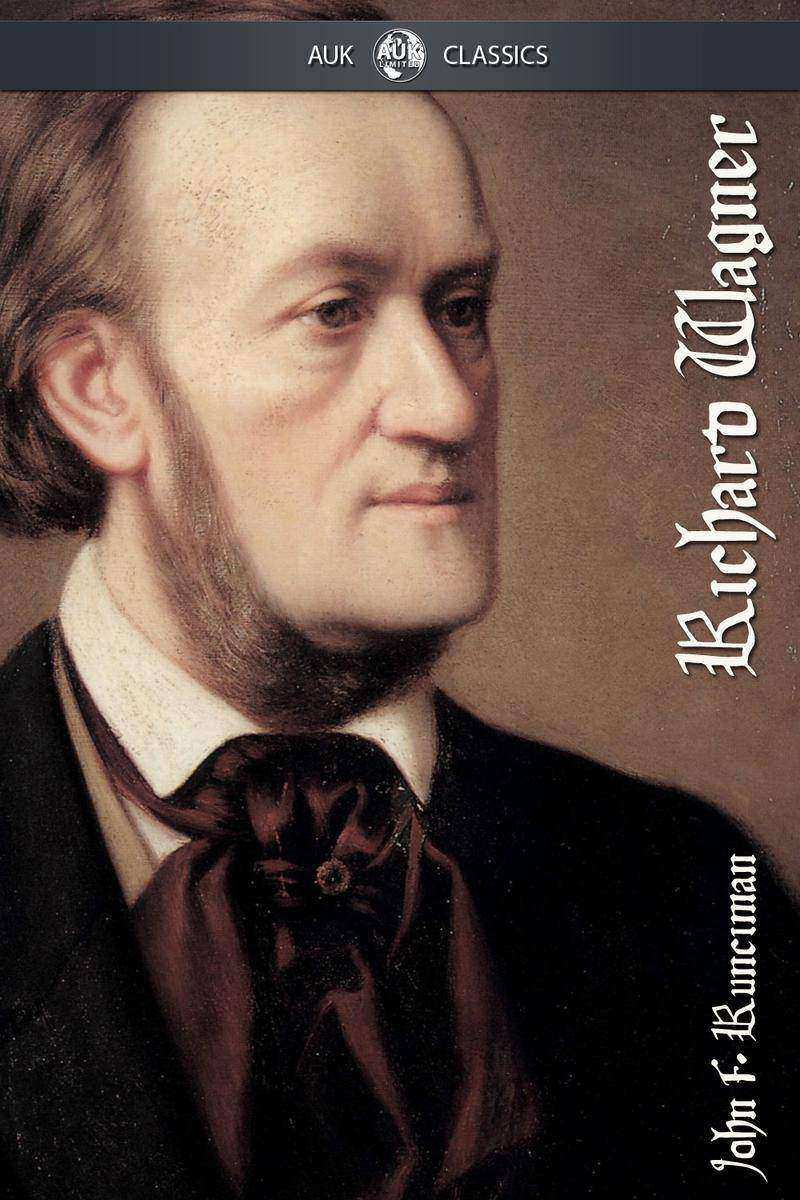
Richard Wagner
¥29.33
This short biography of the famous composer Richard Wagner details his life, his works and gives the reader an interesting guide to the style that defined this master of operas and other musical works. This version has been specifically edited and formatted for today's e-readers, and makes an excellent addition to any music-related book collection.
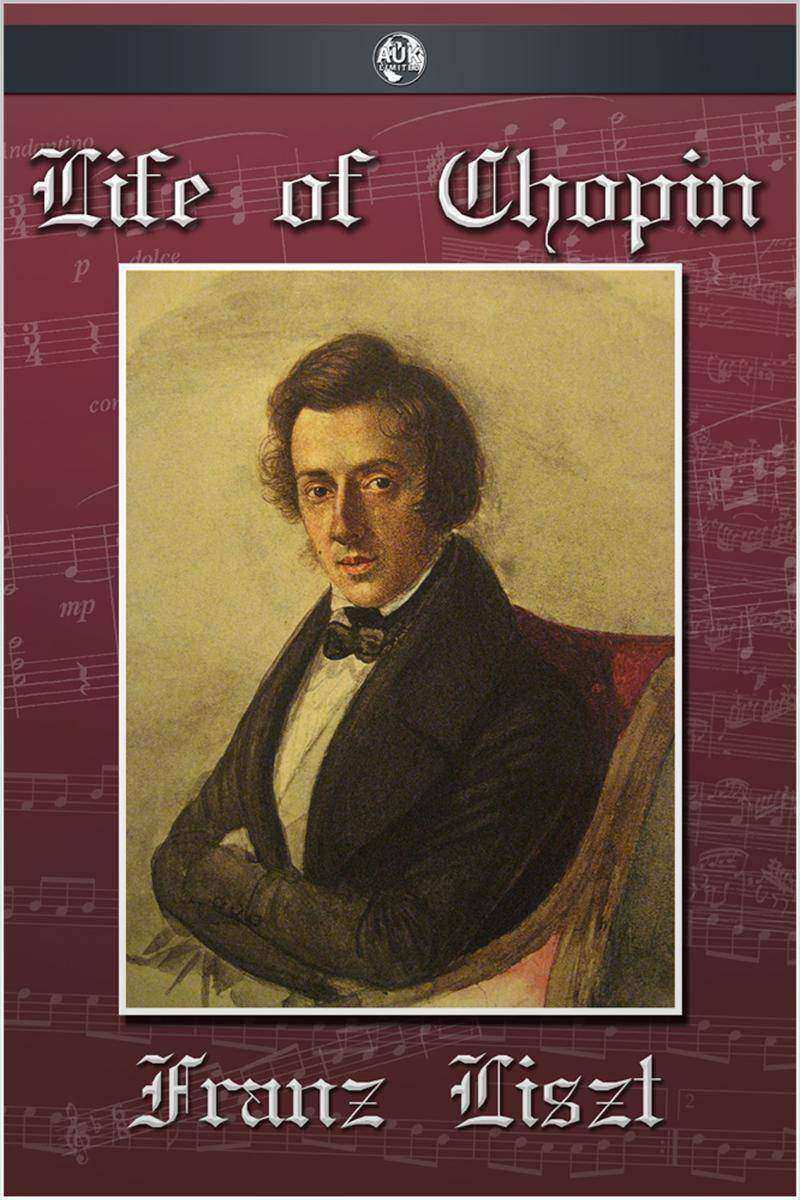
Life of Chopin
¥44.05
This short biography of the famous composer Frederic Chopin (by none other than Franz Liszt!) details his life, his works and gives the reader an interesting guide to the style that defined this master of composing for the piano. This version has been specifically edited and formatted for today's e-readers, and makes an excellent addition to any music-related book collection.
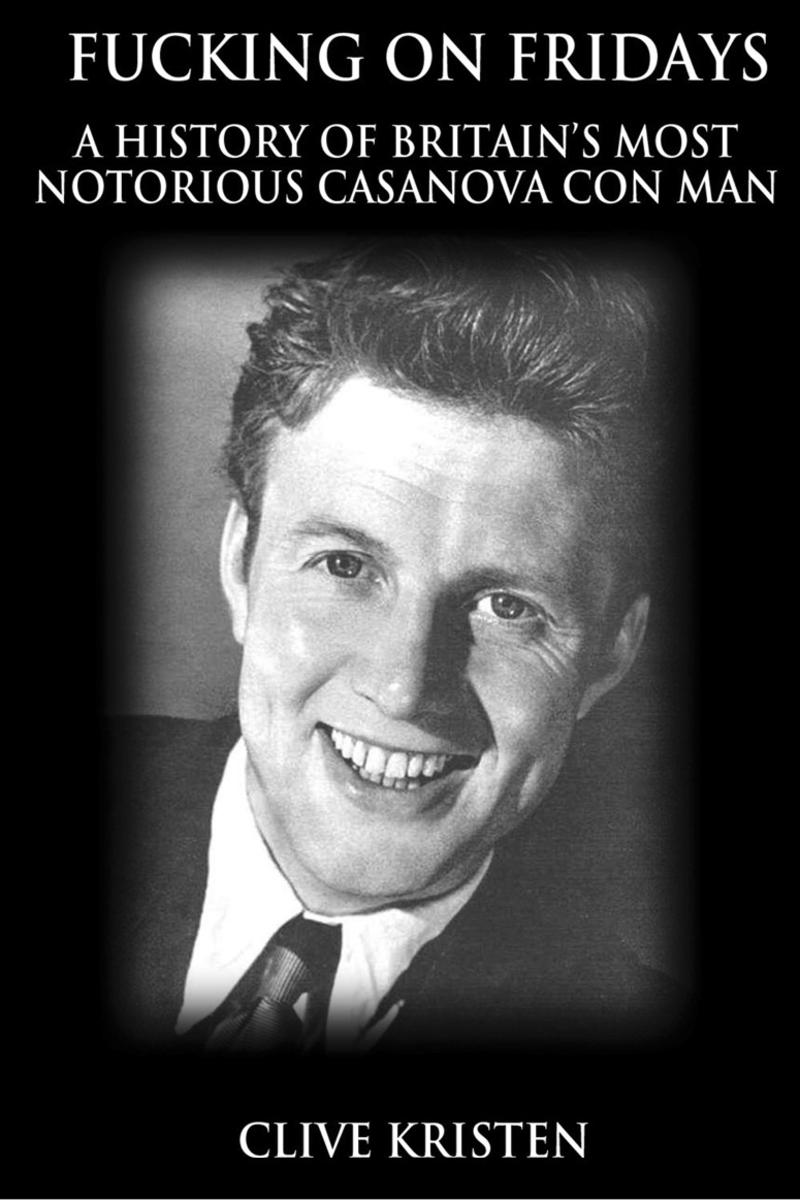
Fucking On Fridays
¥29.33
Dennis Loraine died in self-imposed obscurity in South London. During the last three decades of his life he slept with a revolver under his pillow. Dennis's childhood in a Bristol orphanage gave him a thirst for success. The University of Life, however, made him cabin boy, code-breaker and actor. By his early thirties he had married four times and fathered a dozen children. He maintained a lavish lifestyle by preying on older women. He became a trusted friend of the famous and wanted to be like them. With his partner, screen idol and Oscar winner George Sanders, he created the Company of Cads which was to become the driving force behind the greatest financial scandal of the 1960's. Celebrity investors, who included world famous author Graham Greene and silent movie legend Charlie Chaplin, had their careers compromised. The Cads also took millions from the public purse. When the company collapsed Dennis went underground as a US Secret Service mole and was instrumental in bringing to justice those behind the biggest counterfeiting operation in US history. As a consequence of this, and a possible attempt to embarrass a future Prime Minister, the Cads scandal was whitewashed and none of the principals were brought to justice in the UK. As Dennis Loraine's oldest son, I am uniquely placed to tell his story. The intention throughout is to excavate the truth and to reveal something of the world in which my father lived and moved. Significant events are corroborated by solid documentary evidence.

Life Starts Now
¥88.19
Maria Lawson rose to fame on the hit TV show The X Factor in 2005 but had already enjoyed some success as a singer/songwriter prior to this, having secured a recording and publishing contract through her own efforts and determination to break into the music industry. Life Starts Now follows Maria's journey from hopeful unknown, through the audition process and beyond to her appearance on a major national television show, taking the reader behind the scenes to find out what really goes on inside the hit show. This fascinating autobiography documents Maria's early life and explains how this ambitious young girl from a humble background fulfilled her dream of TV stardom and recording success. In this honest and heart warming account, Maria explains how she coped with the transition from obscurity to a life in the limelight only to come close to losing everything she worked so hard to achieve. More recently, Maria has emerged stronger than ever, having overcome past setbacks to release an exciting second album Emotional Rollercoaster and has secured a record deal with a new label. The birth of her son has meant that she now has to fit her busy schedule around her most important role as a mother. This book is not only an inspirational story, proving that it is possible for anyone to achieve their dreams, it is also a practical self help guide offering pregnancy and life skills advice based on Maria's own experiences as an artist, businesswoman and new mum.
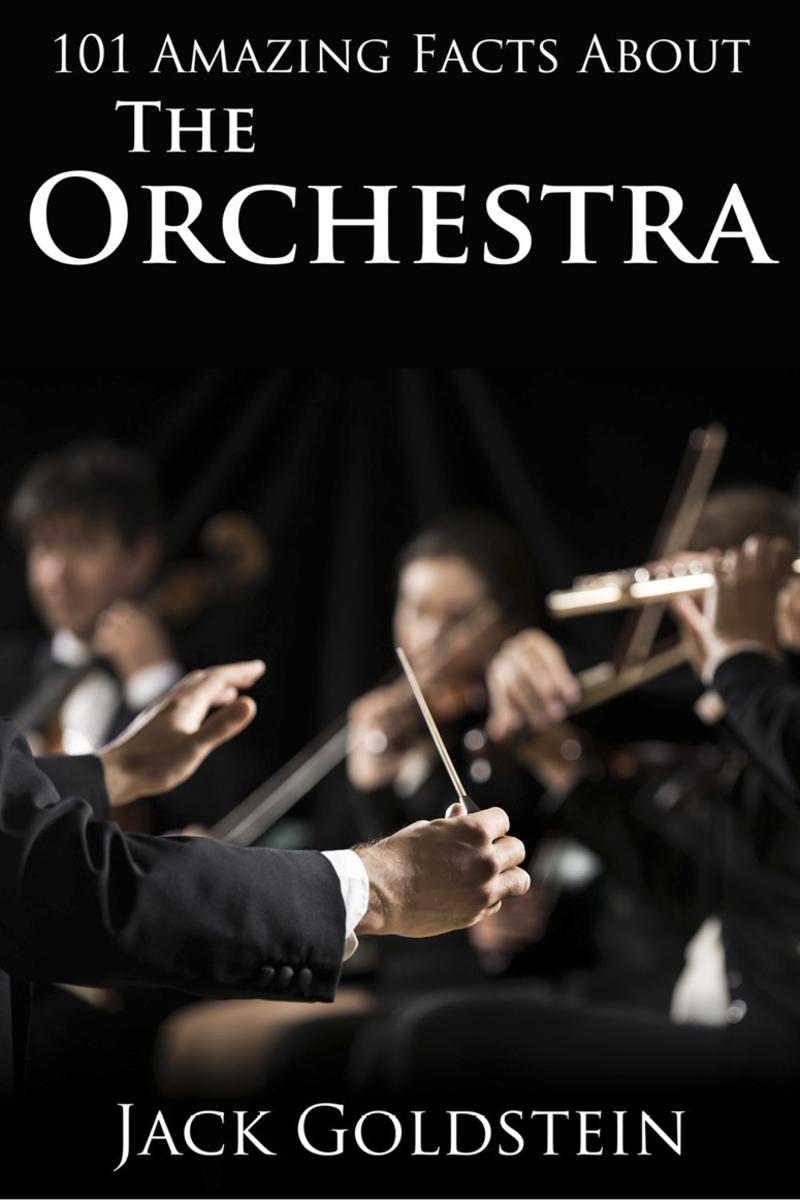
101 Amazing Facts about The Orchestra
¥19.52
What is special about the double bass compared to all other string instruments? What is the difference between a xylophone and a glockenspiel? How long is the tubing that makes up a trumpet? And what is the name of the world's oldest surviving violin? All of these questions and more are answered in this introductory guide to the instruments featured in the modern symphony orchestra. With sections covering strings, brass, woodwind, percussion and keyboard instruments, as well as additional information about the history and structure of the orchestra, this is a fascinating book for children and adults alike.
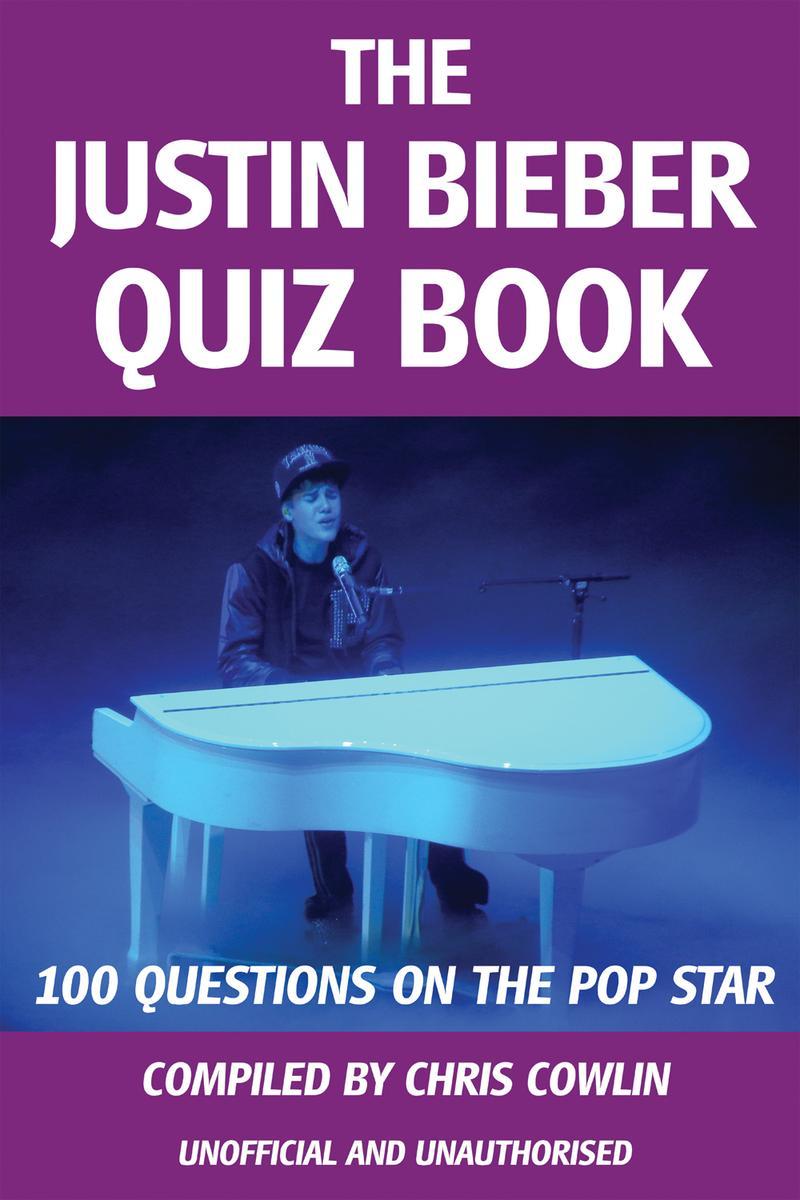
Justin Bieber Quiz Book
¥24.43
Are you Justin Bieber's number one fan? Have you charted the Canadian teenager's meteoric rise to fame from YouTube discovery to global megastar? Do you think you know everything there is to know about the worldwide phenomenon that is Justin Bieber? If so, this quiz book will soon find out if there are any gaps in your knowledge. Do you know Justin's favourite food and drink, his super power wish or the name of the person who discovered him in 2008? Can you name all the instruments that he can play or reel off of the many awards Justin has won? The answers to all these questions and more can be found in this quiz book. With 100 fascinating facts about your favourite pop star, including many personal details such as his height and shoe size, you are bound to discover something new. This tribute to Justin Bieber is as informative as it is entertaining and is a must-have reference guide for all fans of the multi-talented teen idol.
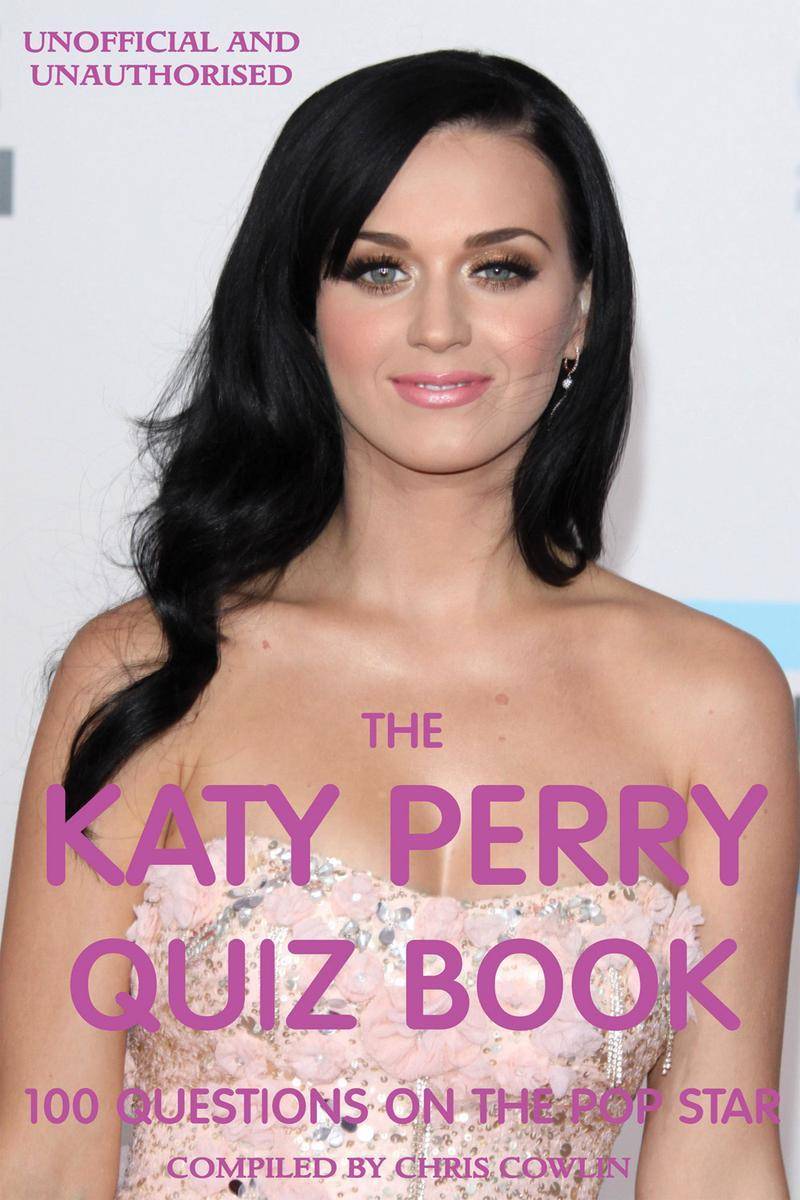
Katy Perry Quiz Book
¥24.43
Are you Katy Perry's number one fan? Have you followed her incredible journey from teenage songster to global megastar? Do you know everything there is to know about the singer-songwriter from the influences behind her music and the origins of her unconventional dress style to the name of her famous husband? If so, this quiz book is just what you need to test your knowledge. The 100 thought provoking questions in this quiz book are sure to uncover some new fact about the charismatic pop star. Packed with information about all aspects of Katy's life from her greatest hits, awards and nominations, tours and TV appearances as well as many personal details, The Katy Perry Quiz Book is guaranteed to get you thinking. This fitting tribute to the hugely successful chart topping artist is a fun and entertaining way to find out more about your favourite celebrity. If you are a fan of the one and only Katy Perry, this is the must-have book for you.
Celebrities' Favourite Books
¥58.76
Dementia, including Alzheimer's disease, characterised by mental deterioration and degeneration of the brain, is distressing for both sufferers and those who care for them, and Celebrities' Favourite Books is dedicated to those affected.Containing around 100 letters from well-known people nominating their all-time favourite reads and explaining their choice, this book is designed both to stimulate an interest in reading novels and also to raise awareness of Alzheimer's disease.With a fitting foreword by Princess Alexandra, the aim of the book is to highlight the plight of sufferers and raise awareness of, and funds for, the valuable work carried out by the Alzheimer's Society.

A-Z of NES Games
¥19.52
The A-Z of NES Games: Volume 1 features reviews of three different games for each letter of the alphabet. The games range from the very earliest releases in the mid-eighties to the modern homebrew games of today. This book shows you just how diverse the library of titles is for the Nintendo NES and how it became one of the most popular consoles of all-time.
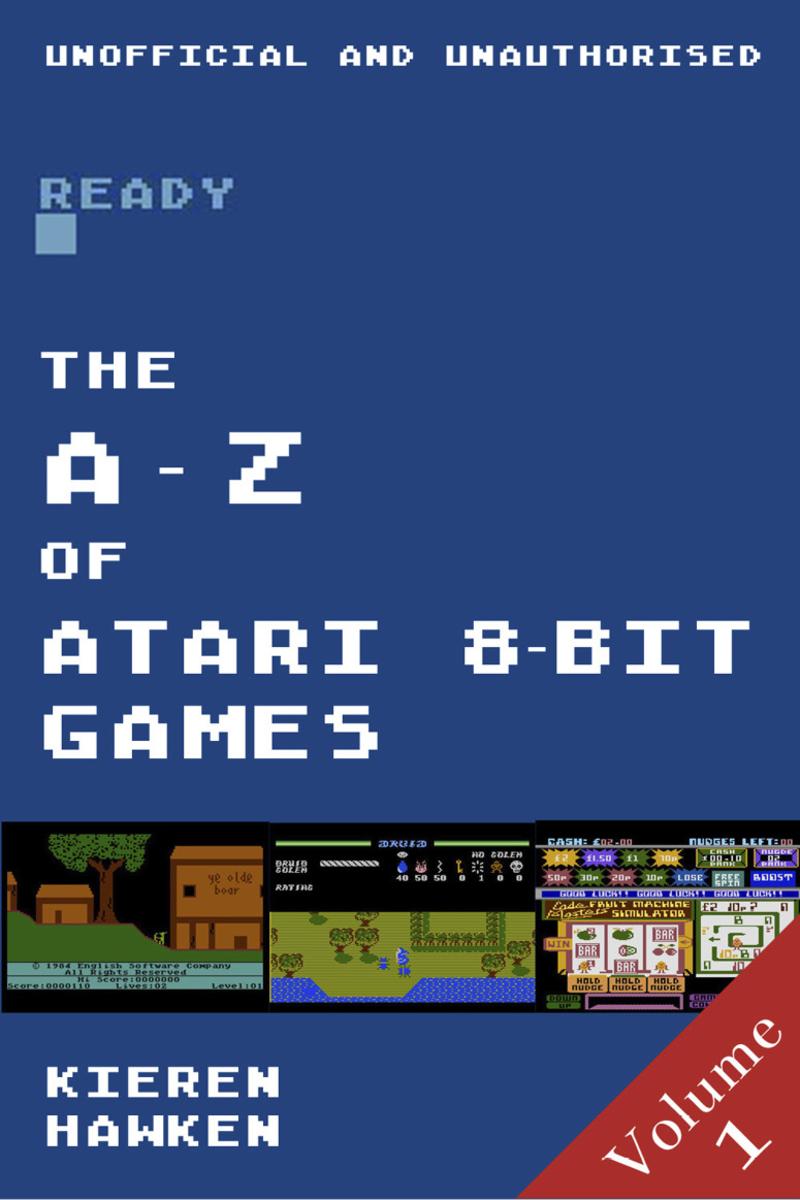
A-Z of Atari 8-bit Games
¥19.52
The A-Z of Atari 8-bit Games: Volume 1 features reviews of three different games for each letter of the alphabet. The games range from the very earliest releases in the late 70s to the modern homebrew games of today. This book shows you just how diverse the library of titles is for the Atari 8-bit computers and how it became one of the popular computers of all time.
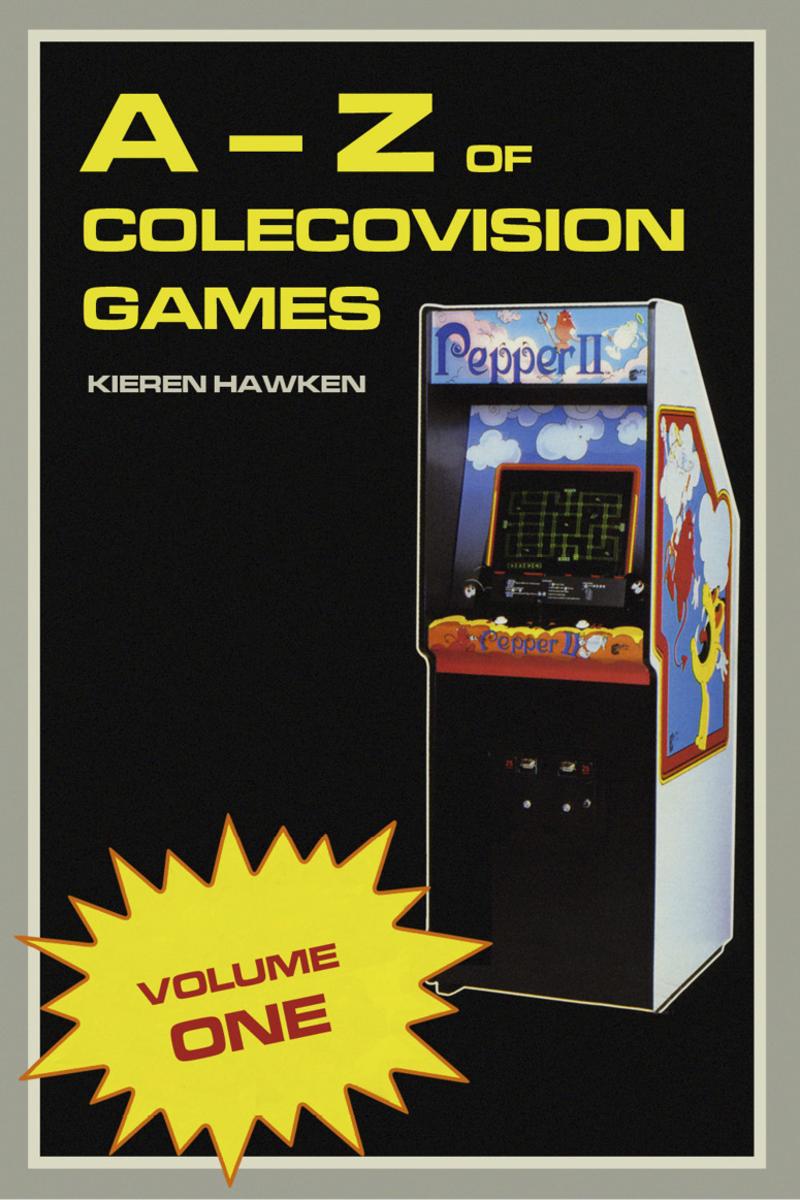
A-Z of Colecovision Games - Volume 1
¥19.52
The A-Z of ColecoVision Games features reviews of three different games for each letter of the alphabet. The games range from the very earliest releases in the mid-eighties to the modern homebrew games of today. This book shows you just how diverse the library of titles is for the ColecoVision and how it's become one of the most collectable consoles out there.
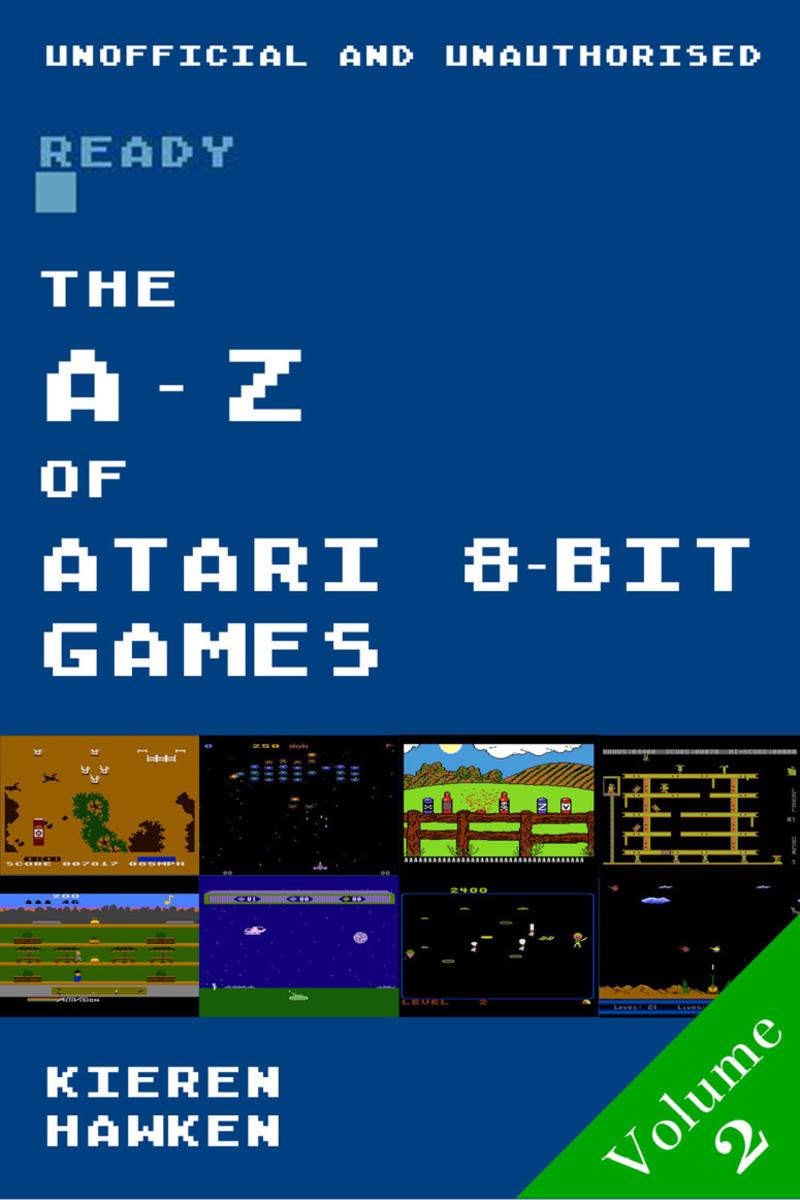
A-Z of Atari 8-bit Games
¥19.52
The A-Z of Atari 8-bit Games: Volume 2 features reviews of three different games for each letter of the alphabet. The games range from the very earliest releases in the late 70s to the modern homebrew games of today. This book shows you just how diverse the library of titles is for the Atari 8-bit computers and how it became one of the popular computers of all time.
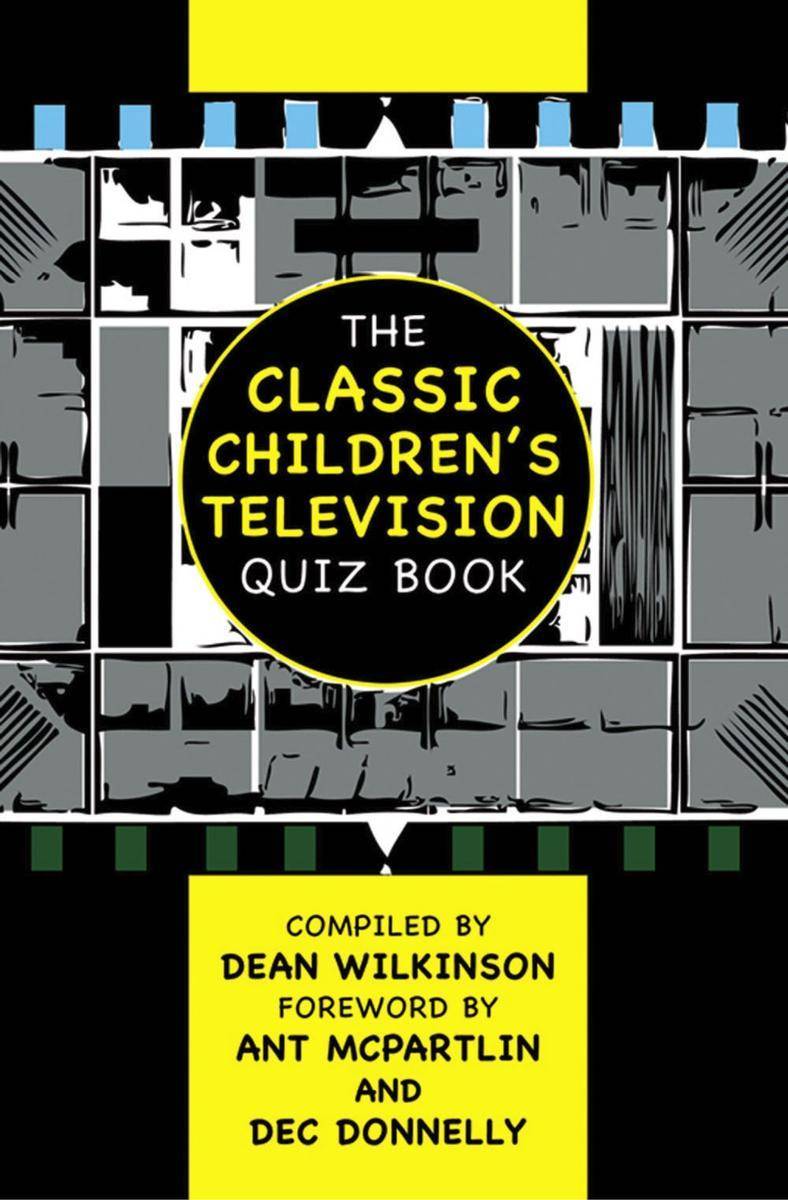
Classic Children's Television Quiz Book
¥73.48
Compiled by acclaimed television scriptwriter and novelist Dean Wilkinson, The Classic Children's Television Quiz Book is packed with fascinating facts about the shows you loved as a child as well as those programmes currently capturing the imagination of today's young audiences. From timeless classics like Thunderbirds, Blue Peter and Dr Who to the thoroughly up-to-date Sponge Bob, the 1,000 questions in this book will not only test your memory of the characters you grew up with but your family's knowledge of their current favourites. With a fitting foreword by popular family TV presenters Ant and Dec this book is sure to prove a hit with television lovers of all ages and, in particular, those members of the older generation who have remained young at heart.
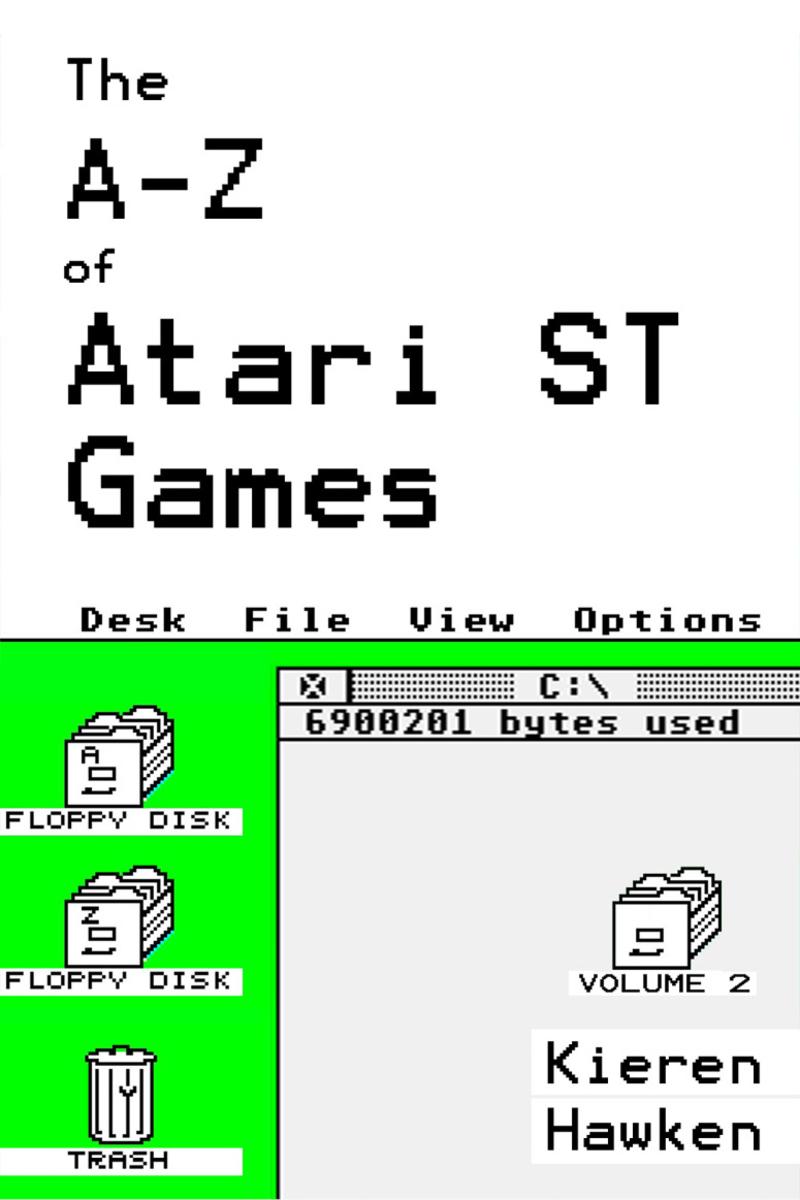
A-Z of Atari ST Games
¥19.52
The A-Z of Atari ST Games: Volume 2 features reviews of three different games for each letter of the alphabet. The games range from the very earliest releases in the mid 80s to the modern homebrew games of today. This book shows you just how diverse the library of titles is for the Atari ST range and how it became one of the most popular home computers of all time.

Colours (Activities for 3-5 Year Olds)
¥39.14
Colours: Activities for 3-5 Year Olds contains enjoyable activities to help develop children's essential skills. Recognizing, identifying and being able to name colours are essential steps in the early education of all children. Colour knowledge is an important means of helping children to make comparisons and observe and explore their environment. The practical activities in Colours include: Fun ways of teaching colour recognition and identification, Sorting and matching games, Unusual art and craft ideas and Suggestions for exploring colours in the environment. All the books in the Activities for 3-5 Year Olds Series contain tried-and-tested activities, linked to the six key areas of learning. They are an invaluable resource of fun, easy-to-use ideas for all early years settings, from preschools and nurseries to reception classes and day nurseries.
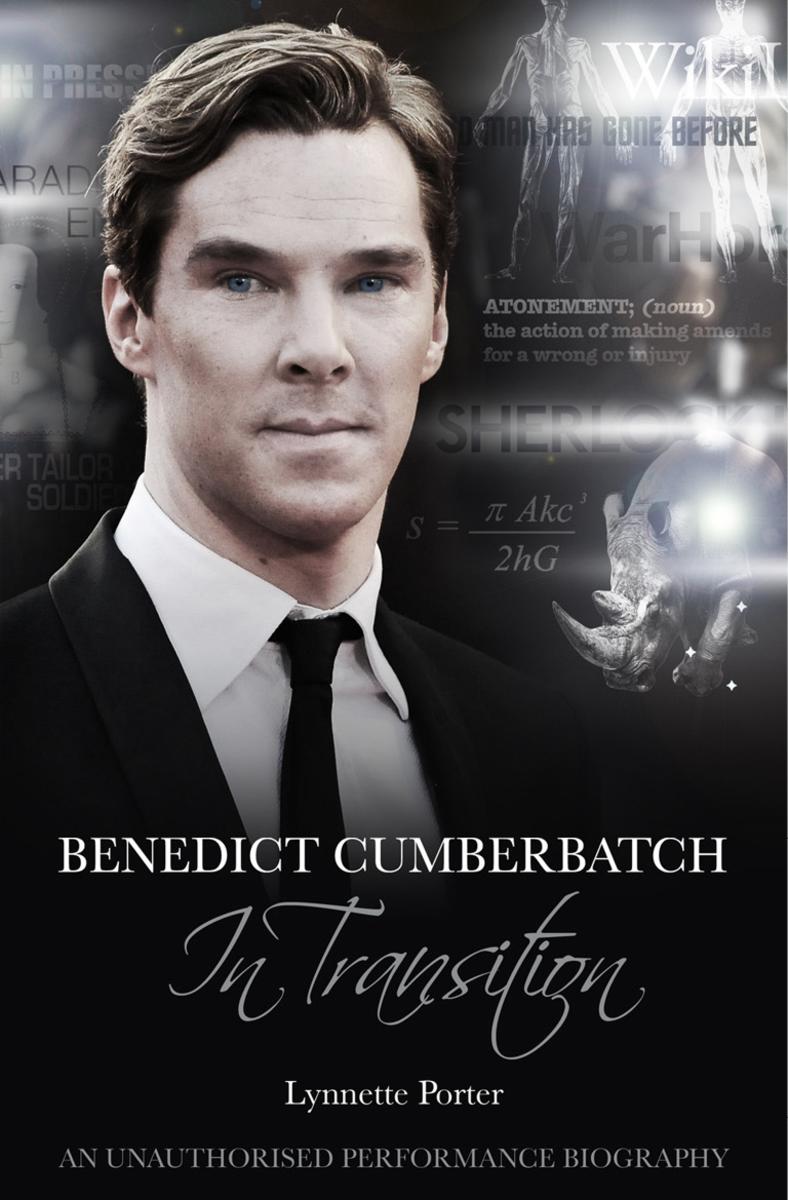
Benedict Cumberbatch, In Transition
¥58.76
Tinker Tailor Soldier Spy, War Horse, Star Trek: Into Darkness, The Hobbit trilogy, Twelve Years a Slave, August: Osage County, The Fifth Estate; Hedda Gabler, After the Dance, Frankenstein; Hawking, To the Ends of the Earth, The Last Enemy, Parade's End, and, of course, Sherlock. For most actors, these stellar cinematic, theatrical, and television events would be the highlights of a lifetime's work. On Benedict Cumberbatch's resume they are only a few of many entries. Especially since 2010, his performances have garnered a plethora of best actor awards, both in the theatre (Evening Standard Theatre Award, Critics Circle Theatre Award, and Olivier Award), by playing the dual roles of Victor Frankenstein and the Creature in the National Theatre's Frankenstein, and on television (Broadcasting Press Guild Award, Critics Choice Television Award, Crime Thriller Award, and TV Choice Award), by starring as the titular Holmes in the BBC's Sherlock. Add these and other recent accolades to nearly a decade's nominations and awards (such as the Golden Nymph as best actor in Hawking), and it's easy to see why Benedict Cumberbatch is often hailed as the actor of his generation. Cumberbatch's body of work further includes indie films, radio plays and series, television documentaries, live dramatic readings, multimedia advertisements, and even the occasional stint as a fashion model. He often shares an intriguing perspective on his profession, as evidenced in sometimes controversial interviews. He has become so much in demand that online box offices crash when tickets for his performances go on sale, and, before a Cheltenham Literature Festival Q&A session, fans overwhelmed Twitter when so many responded immediately to a call for questions. Cumberbatch consistently is a top name on lists ranging from sex appeal to global influence. In 2012 he beat David Beckham in the former and U.S. President Barack Obama in the latter. Increasingly, part of Cumberbatch's job involves the role of celebrity. Benedict Cumberbatch is at a pivotal point in his profession, and his career trajectory especially as documented in entertainment media permits a closer examination of just what it means to be a celebrity or star in Britain or the U.S. and how an actor may be perceived very differently in London or Hollywood. This performance biography is an analysis of a man in transition from working actor to multimedia star, as well as the balance between actor and celebrity. It looks at what makes this actor so well suited to play one of popular culture's iconic characters, Sherlock Holmes, and how Sherlock is so well suited to propel Cumberbatch toward greater global fame.
101 Amazing Marilyn Manson Facts
¥19.52
Are you the world's biggest Marilyn Manson fan? Or do you want to know everything there is to know about the controversial frontman?If so, then this is the book for you! Contained within are 101 amazing facts about everything, from how Marilyn got started in the music business to his personal life, awards he has won, unusual objects he is said to collect and much more. The book is easily organised into sections so you can find the information you want fast!
George Bernard Shaw - A Selection of One-Act Plays
¥19.52
A choice selection of one-act plays from the Nobel Prize for Literature and Academy Award winning playwright George Bernard Shaw.Includes: Augustus Does His Bit: A True-to-Life Farce The Dark Lady of the Sonnets How He Lied to Her Husband The Inca of Perusalem: An Almost Historical Comedietta Overruled Press Cuttings
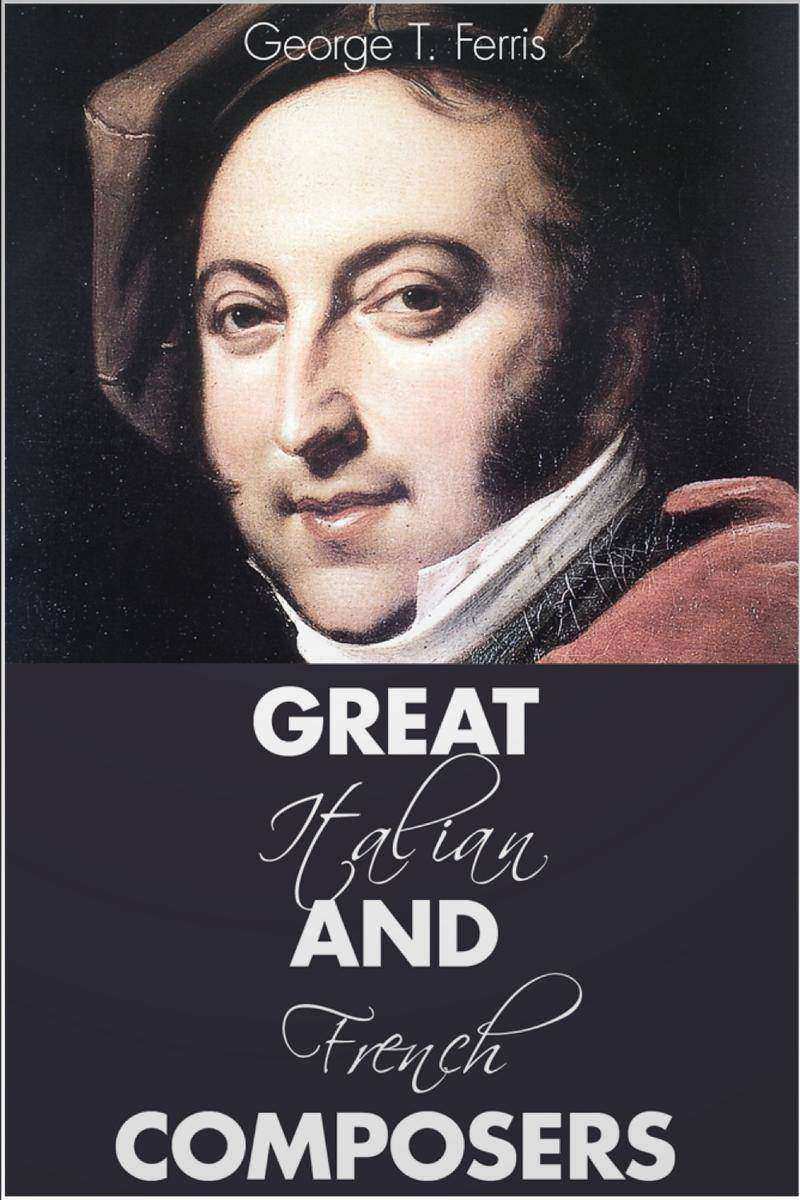
Great Italian and French Composers
¥19.52
A fascinating look at several famous composers from Italy and France, including Rossini, Verdi, Berlioz and Cherubini.

50 Quick Facts about Arizona
¥9.71
This book is part of a series of 50 quick facts about each of the United States of America. This book covers the state of Arizona. Facts about the major cities, the history of the state, famous people linked to Arizona and many more subjects. This book contains all you will ever need to know about the Copper State.

50 Quick Facts about Texas
¥9.71
This book is part of a series of 50 quick facts about each of the United States of America. This book covers the state of Texas. Facts about the major cities, the history of the state, famous people linked to Texas and many more subjects. This book contains all you will ever need to know about the Lone Star state.


