


 购物车
 个人中心

Societatea deschis? contra Societ??ii deschise
¥51.85
Cei ce sus?in c? tr?im ?ntr-o er? a comunic?rii par s? confunde dezvoltarea telecomunica?iilor cu progresul comunic?rii interumane. Nu este c?tu?i de pu?in sigur c? suntem ast?zi mai capabili dec?t ?n trecut de solidaritate afectiv? cu semenii, de ?mp?rt??ire de tr?iri intime, de prietenie ?i dragoste. Poate chiar dimpotriv?. Ceea ce ?inea ?n trecut de normalitatea vie?ii de fiecare zi ?i, ca atare, nu mobiliza ?n mod special aten?ia celor implica?i, a devenit ast?zi obiect de analiz? tocmai pentru c? nu se mai produce spontan, ci necesit? un efort con?tient, inclusiv de natura teoretic-investigativ?.Cunoa?terea principiilor ?i a mecanismelor comunic?rii interpersonale a devenit indispensabil? pentru ameliorarea raporturilor dintre oameni ?i a ?ncetat s? mai fie numai o problem? a speciali?tilor. Dac? ?n trecut oamenii comunicau spontan, ?n felul ?n care f?cea proza ?burghezul gentilom“, ast?zi suntem tot mai mult ?n situa?ia unui domn Jourdain care, pentru a se apropia de semenii s?i, are nevoie de un ghid. Acestui imperativ ?ncearc? s?-i r?spund?, ?n felul s?u, ?i lucrarea de fa??.
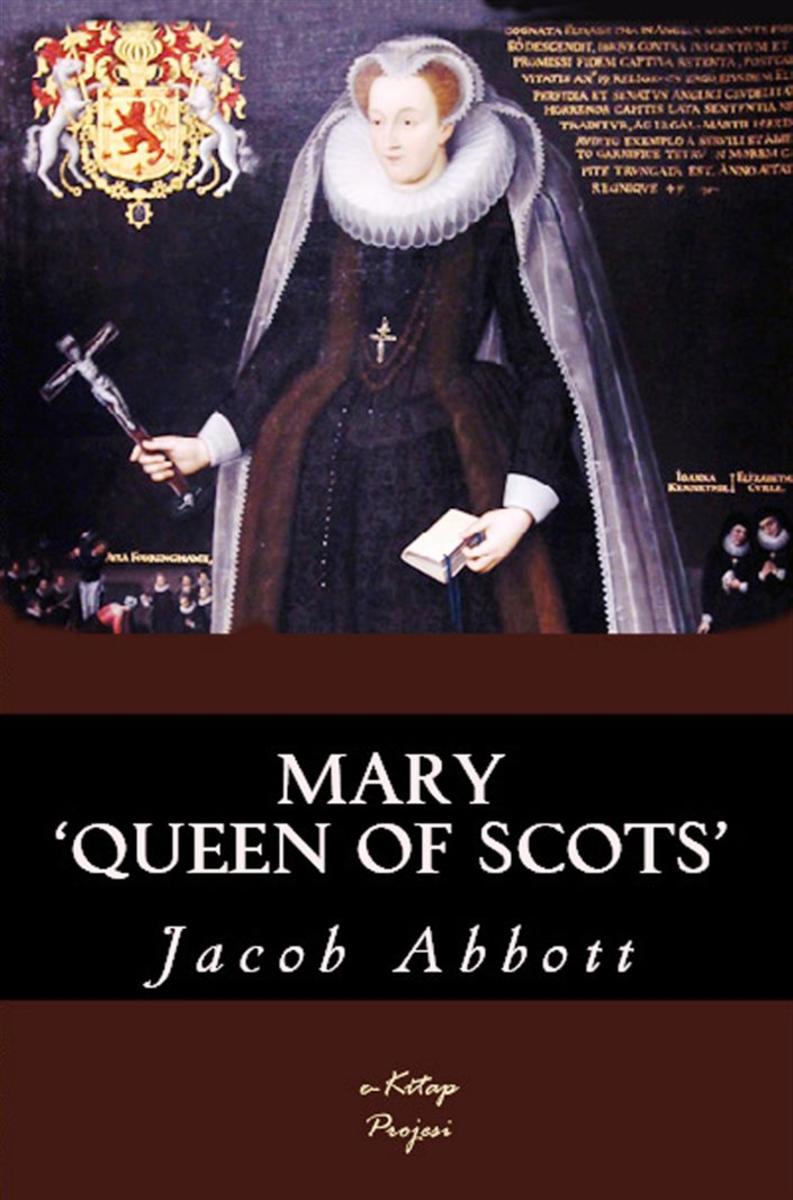
Mary Queen of Scots
¥27.88
TRAVELERS who go into Scotland take a great interest in visiting, among other places, a certain room in the ruins of an old palace, where Queen Mary was born. Queen Mary was very beautiful, but she was very unfortunate and unhappy. Every body takes a strong interest in her story, and this interest attaches, in some degree, to the room where her sad and sorrowful life was begun.??The palace is near a little village called Linlithgow. The village has but one long street, which consists of ancient stone houses. North of it is a little lake, or rather pond: they call it, in Scotland, a loch. The palace is between the village and the loch; it is upon a beautiful swell of land which projects out into the water. There is a very small island in the middle of the loch and the shores are bordered with fertile fields. The palace, when entire, was square, with an open space or court in the center. There was a beautiful stone fountain in the center of this court, and an arched gateway through which horsemen and carriages could ride in. The doors of entrance into the palace were on the inside of the court.??The palace is now in ruins. A troop of soldiers came to it one day in time of war, after Mary and her mother had left it, and spent the night there: they spread straw over the floors to sleep upon. In the morning, when they went away, they wantonly set the straw on fire, and left it burning, and thus the palace was destroyed. Some of the lower floors were of stone; but all the upper floors and the roof were burned, and all the wood-work of the rooms, and the doors and window-frames. Since then the palace has never been repaired, but remains a melancholy pile of ruins.??The room where Mary was born had a stone floor. The rubbish which has fallen from above has covered it with a sort of soil, and grass and weeds grow up all over it. It is a very melancholy sight to see.
Romulus
¥18.56
SOME men are renowned in history on account of the extraordinary powers and capacities which they exhibited in the course of their career, or the intrinsic greatness of the deeds which they performed. Others, without having really achieved any thing in itself very great or wonderful, have become widely known to mankind by reason of the vast consequences which, in the subsequent course of events, resulted from their doings. Men of this latter class are conspicuous rather than great. From among thousands of other men equally exalted in character with themselves, they are brought out prominently to the notice of mankind only in consequence of the strong light reflected, by great events subsequently occurring, back upon the position where they happened to stand.??The celebrity of Romulus seems to be of this latter kind. He founded a city. A thousand other men have founded cities; and in doing their work have evinced perhaps as much courage, sagacity, and mental power as Romulus displayed. ?The city of Romulus, however, became in the end the queen and mistress of the world. It rose to so exalted a position of influence and power, and retained its ascendency so long, that now for twenty centuries every civilized nation in the western world have felt a strong interest in every thing pertaining to its history, and have been accustomed to look back with special curiosity to the circumstances of its origin. ??In consequence of this it has happened that though Romulus, in his actual day, performed no very great exploits, and enjoyed no pre-eminence above the thousand other half-savage chieftains of his class, whose names have been long forgotten, and very probably while he lived never dreamed of any extended fame, yet so brilliant is the illumination which the subsequent events of history have shed upon his position and his doings, that his name and the incidents of his life have been brought out very conspicuously to view, and attract very strongly the attention of mankind.??The history of Rome is usually made to begin with the story of ?neas. In order that the reader may understand in what light that romantic tale is to be re-garded, it is necessary to premise some statements in respect to the general condition of society in ancient days, and to the nature of the strange narrations, circulated in those early periods among mankind, out of which in later ages, when the art of writing came to be introduced, learned men compiled and recorded what they termed history.
An American Book of Golden Deeds
¥28.29
AS you open this book you will probably ask, "What is a golden deed?"?Let me tell you. It is the doing of something for somebody else doing it without thought of self, without thought of reward, fearlessly, heroically, and because it is a duty.??Such a deed is possible to you, to me, to everybody. It is frequently performed without forethought or definite intention. It is the spontaneous manifestation of nobility, somewhere, of mind or heart. It may consist merely in the doing of some kind and helpful service at home or at school. It may be an unexpected test of heroism a warning of danger, a saving of somebody's life. It may be an act of benevolence, or a series of such acts, world-wide in application and results.??This little volume is only a book of samples. Here are specimens of golden deeds of various kinds and of different degrees of merit, ranging from the unpremeditated saving of a railroad train to the great humanitarian movement which carries blessings to all mankind. To attempt to tell of every such deed, or of every one that is eminently worthy, would fill a multitude of books. ??The, examples which I have chosen are such only as have occurred on American soil, or have been performed by Americans, thus distinguishing the volume from Miss Charlotte Yonge's "Book of Golden Deeds," published for English readers fifty years ago. While some of these narratives may have the appearance of romance, yet they are all believed to be true, and in most cases the real name of the hero, or of the lover of humanity, is given.??Instances of doing and daring have always a fascination for young people, and when to these is added the idea of a noble underlying motive the lessons taught by them cannot fail to be beneficial. ?

Descent into Hell: [Illustrated & Biography Added]
¥18.56
Descent Into Hell is a novel written by Charles Williams, first published in 1937. Williams is less well known than his fellow Inklings, such as C. S. Lewis and J. R. R. Tolkien. Like some of them, however, he wrote a series of novels which combine elements of fantasy fiction and Christian symbolism. Forgoing the detective fiction style of most of his earlier supernatural novels, most of the story's action is spiritual or psychological in nature. It fits the "theological thriller" description sometimes given to his works. For this reason Descent was initially rejected by publishers, though T. S. Eliot's publishing house Faber and Faberwould eventually pick up the novel, as Eliot admired Williams's work, and, though he did not like Descent Into Hell as well as the earlier novels, desired to see it printed.SHORT SUMMARY: The action takes place in Battle Hill, outside London, amidst the townspeople's staging of a new play by Peter Stanhope. The hill seems to reside at the crux of time, as characters from the past appear, and perhaps at a doorway to the beyond, as characters are alternately summoned heavenwards or descend into hell. Pauline Anstruther, the heroine of the novel, lives in fear of meeting her own doppelganger, which has appeared to her throughout her life. But Stanhope, in an action central to the author's own theology, takes the burden of her fears upon himself—Williams called this The Doctrine of Substituted Love—and enables Pauline, at long last, to face her true self. Williams drew this idea from the biblical verse, "Ye shall bear one another's burdens" And so Stanhope does take the weight, with no surreptitious motive, in the most affecting scene in the novel. And Pauline, liberated, is able to accept truth.On the other hand, Lawrence Wentworth, a local historian, finding his desire for Adela Hunt to be unrequited, falls in love instead with a spirit form of Adela, which seems to represent a kind of extreme self-love on his part. As he isolates himself more and more with this insubstantial figure, and dreams of descending a silver rope into a dark pit, Wentworth begins the descent into Hell.HARROWING of HELL: "Christ in Limbo" and "Descent into Hell" redirect here. For the novel by Charles Williams, see Descent into Hell (novel). For the 8th-century Anglo-Saxon liturgical play, see Harrowing of Hell (drama).

Mother and the Tiger
¥65.32
In 1969 the small Asian nation of Cambodia was under attack: first by US bombers as the Vietnam war spilled over the border, and then by the Khmer Rouge as they began their brutal reign of terror. Under the rule of Pol Pot, ordinary city folk were driven from their homes and banished to labour camps that eventually saw two million people die. Darkness descended and "Year Zero" had begun. Mother and the Tiger is the story of one small girl, who struggled to survive one of the most ruthless regimes in human history. Six-year-old Hui Lim was trapped by the madness around her and cast into a seemingly endless nightmare. Her family was cursed as a member of a hated ethnic minority and targeted by the murderous Khmer Rouge. To survive where so many others died, Hui had to tap an inner strength that she never knew she possessed. Despite her youth she was determined to find her scattered family, no matter the odds. Her memoir of that brutal regime proves that even amidst the blackest depths of human depravity, hope can endure.

I Have Before Me A Remarkable Document Given To Me By A Young Lady From Rwanda
¥40.79
Inspired by the real life experiences of Rwandan refugees in the UK, the play tells the story of two people from entirely different worlds who meet at a Refugee Centre in London: Juliette is a young Rwandan asylum seeker, detemined to write a book on the genocide that killed her famiily; Simon is a middle-aged failing novelist, whose job is to help people write. The play follows their funny and touching relationship and tackles issues that face many refugees who live in the UK today. Nominated as Time Out Critics’ Choice, the play has been broadcast by the BBC World Service and was toured nationally by iceandfire in Autumn 2004 with the support of the Arts Council England.
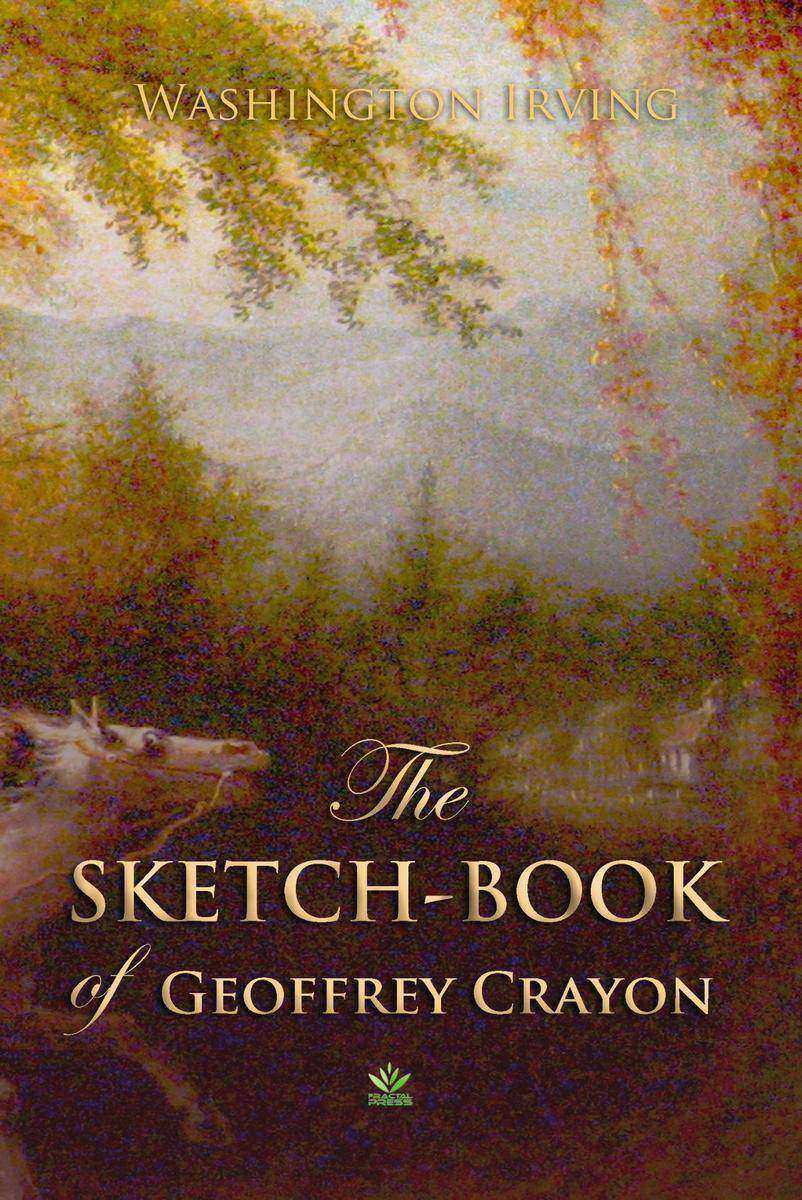
The Sketch-Book of Geoffrey Crayon
¥40.79
A collection of stories and legends written by Washington Irving. Apart from Rip Van Winkle and The Legend of Sleepy Hollow which made both Irving and The Sketch Book famous , the other tales include Roscoe, The Broken Heart, A Royal Poet, The Spectre Bridegroom, Westminster Abbey, Little Britain, and others. The book also marks Irving's first use of the pseudonym Geoffrey Crayon.
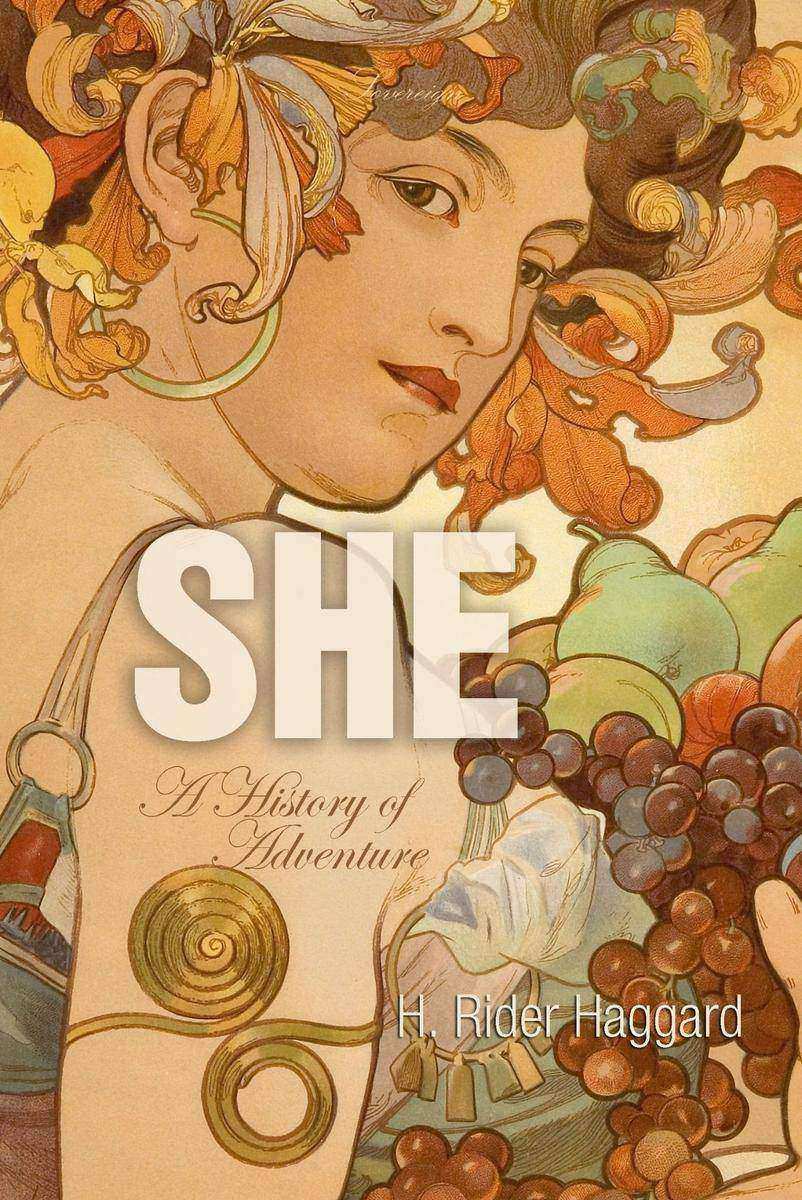
She: A History of Adventure
¥40.79
A young Cambridge University professor, Horace Holly, is visited by a colleague, Vincey, who reveals that he will soon die and proceeds to tell Holly a fantastical tale of his family heritage. He charges Holly with the task of raising his young son, Leo and gives Holly a locked iron box, with instructions that it is not to be opened until Leo turns 25.
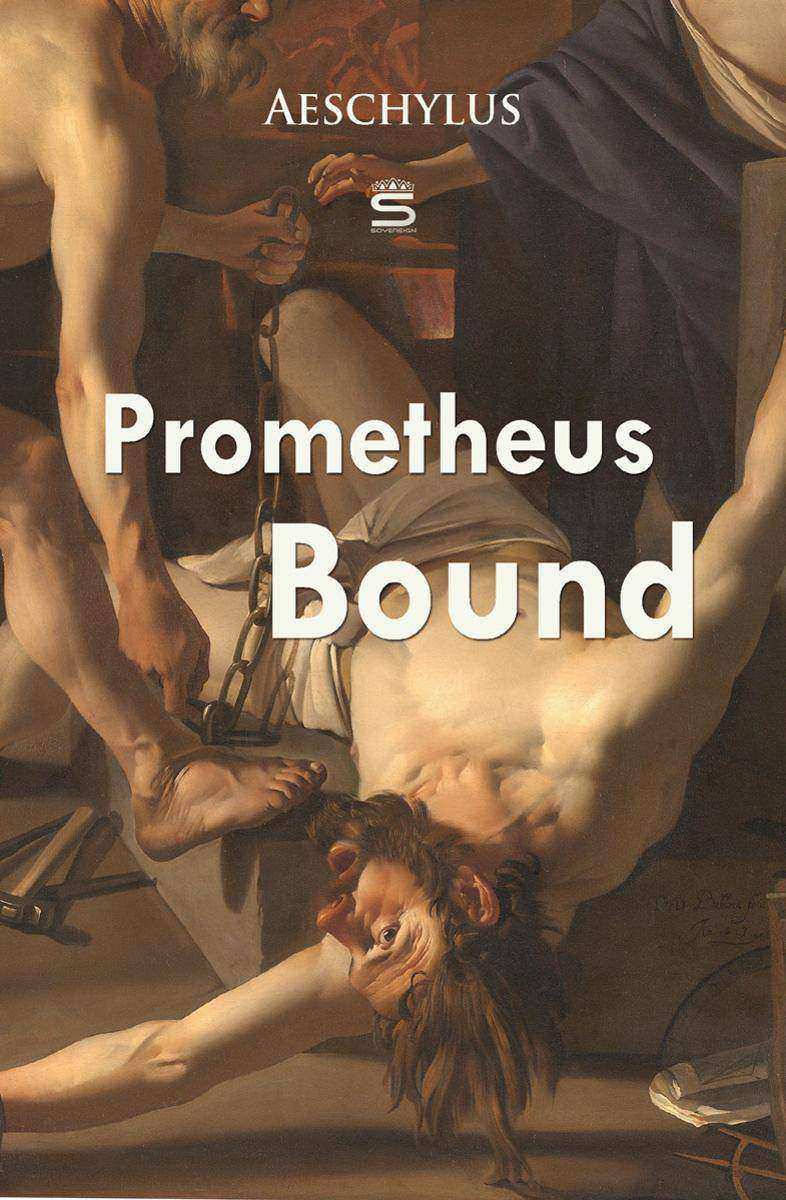
Prometheus Bound
¥40.79
Prometheus, a Titan who defies the gods and gives fire to mankind, acts for which he is subjected to perpetual punishment. The Oceanids appear and attempt to comfort Prometheus by conversing with him. Prometheus cryptically tells them that he knows of a potential marriage that would lead to Zeus's downfall. A Titan named Oceanus commiserates with Prometheus and urges him to make peace with Zeus.
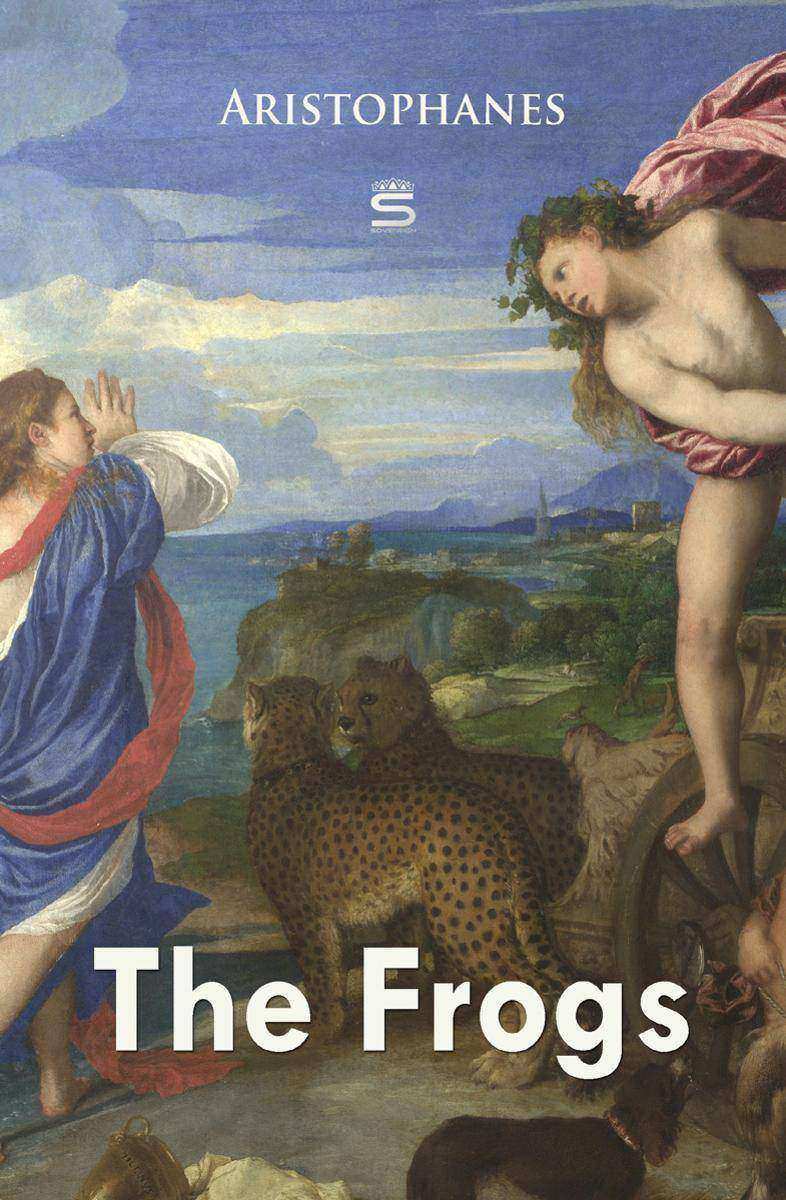
The Frogs
¥40.79
The Frogs tells the story of the god Dionysus, who, despairing of the state of Athens' tragedians, travels to the underworld to bring the playwright Euripides back from the dead. He brings along his slave Xanthias, who is smarter and braver than Dionysus. As the play opens, Xanthias and Dionysus argue over what kind of jokes Xanthias can use to open the play.
The Ecclesiazusae
¥40.79
A group of women, led by the wise and redoubtable Praxagora, has decided that the women of Athens must convince the men to give them control of the city, as they are convinced they can do a better job. Disguised as men, the women sneak into the assembly and command the majority of votes needed to carry their series of revolutionary proposals, even convincing some of the men to vote for it on the grounds that it is the only thing they have not tried.
Adonijah: "A Tale of the Jewish Dispersion"
¥23.22
The period included in the reigns of Nero, Galba, Otho, Vitellius, and Vespasian, was remarkable for two memorable events in the annals of ecclesiastical history; the first persecution of the Christian Church by the sixth Roman sovereign, and the dissolution of the Jewish polity by Titus. The destruction of Jerusalem was stupendous, not only as an act of divine wrath, but as being the proximate cause of the dispersion of a whole nation, upon which a long series of sorrow, spoliation, and oppression lighted, in consequence of the curse the Jews had invoked, when in reply to the remonstrances of Pilate they had cried out, “His blood be upon us and our children.” The church below, represented in Scripture as a type of the heavenly Jerusalem above, and having its seat then in the doomed city, was not to continue there, lest the native Jews composing it should gather round them a people of their own nation, in a place destined to remain desolate till the time when the dispersed of Israel should be converted, and rebuild their city and temple. The city bearing the ancient name of Jerusalem does not indeed occupy the same site, being built round the sacred spot where the garden once stood, in which a mortal sepulchre received the lifeless form of the Saviour of the world. But happier times seem dawning on the dispersed of Judea. Our own days have seen the foundations of a Jewish Christian church laid in Jerusalem; our Queen Victoria and the King of Prussia united to commence a work of love, thereby fulfilling in part the promise made to the Jews of old, “And kings shall be thy nursing fathers, and queens thy nursing mothers.” To those readers who feel interested in the dispersed of Israel and Judea, these pages may afford, perhaps, information on an important subject as well as amusement.

The Value of Nothing
¥23.14
Welcome! Come on in! Take part in the project launch of ArtWorks, the new back to work initiative created and run by your friend and ours, the one, the only, the most fantastic… Vince Fine! And so begins the project launch from hell… Exploring issues of how society views those living on benefits, the ‘creative industries’ and what we should value in life, this dark comedy (running in real time) charts the fall from grace of the central comedic hero, Vince Fine, as he watches everything he’s ever dreamed of slip from his fingers. Includes some audience participation and interaction.

Ghidul de fertilitate ?i contracep?ie. Clinica Mayo
¥81.67
Specialist ?n domeniul avangardei, scriitorul – extrem de incomod uneori! – Ovidiu Morar, scrie despre scriitorii evrei din Rom?nia ?ntr-un stil incomod, m?nat de un zeu al drept??ii, impar?ial ?i feroce. Cine sunt scriitorii evrei? ?n ce m?sura ei se deosebesc de rom?ni, unguri, francezi, ?i ?n ce m?sur? se aseam?n?? Aceste ?i multe alte ?ntreb?ri mai mult sau mai pu?in comode revin aidoma unui laitmotiv pe parcursul c?r?ii, scrise ?ntr-un stil alert, incitant, cu note v?dit incomode, iar pe aclouri de-a dreptul provocatoare.
Dincolo de bine ?i de r?u. Genealogia moralei
¥98.02
Doamna Marusia CIRSTEA, doctor in stiinte istorice, a investigat, in baza cercetarii unei extrem de bogate bibliografii si a unor studii intense in arhivele diplomatice si militare interne (Arhiva Ministerului de Externe al Romaniei - Bucuresti, Arhivele Militare Nationale – Bucuresti si Pitesti, Arhivele Nationale ale Romaniei - Bucuresti, Biblioteca Nationala si Biblioteca Academiei Romane, ambele din Bucuresti), o problema de mare interes, abordata pana acum de numerosi istorici romani si straini (Paul D. Quinlan, Elisabeth Barker, V. F. Dobrinescu, Gh. Pascalau, Ion Patroiu s.a.). Tocmai de aceea, meritul autoarei este cu totul deosebit, intrucat, bazandu-se pe rezultatele cercetarilor anterioare, dar, aprofundandu-le si completandu-le substantial cu documente inedite, este in masura sa realizeze o contributie stiintifica de reala valoare pe marginea evolutiei raporturilor politico-diplomatice intre Romania si Marea Britanie intr-una din perioadele cele mai captivante si mai dificile ale epocii contemporane – ajunul conflagratiei mondiale din 1939-1945. Asa dupa cum se subliniaza in ampla Introducere, problema cercetata ?constituie o tema de studiu si de reflectie importanta, interesanta si plina de invataminte, nu numai pentru istoricul de astazi, dar si pentru omul simplu, pasionat de istorie si, indeosebi, pentru politicianul si diplomatul care trebuie sa gaseasca solutii practice unor aspecte interesand raporturile internationale“ (p. 3). Astfel, dupa o pertinenta si documentata Introducere, care elucideaza si aspectele istoriografice ale cercetarii, autoarea realizeaza o consistenta monografie privind relatiile dintre Bucuresti si Londra intre 1936 si 1939, in cuprinsul a patru capitole judicios repartizate pentru a se asigura tratarea globala si unitara a materiei. De un mare interes si cu o importanta pondere in economia lucrarii se dovedesc, nu mai putin, Concluziile (pp. 200-213), Bibliografia (pp. 214-232) si cele 25 de Anexe (pp. 233-350).Ultimele luni de pace si inceputul celui de-al doilea razboi mondial, evolutia raporturilor anglo-romane in context fac obiectul celui de-al IV-lea capitol. Principalele evenimente tratate sunt, in ordine cronologica, faimosul caz Tilea; garantiile franceze si britanice acordate Poloniei, Greciei si Romaniei; rostul pactului sovieto-german din 23 august 1939 in politica europeana; declansarea razboiului si atitudinea Romaniei si, in sfarsit, proclamarea neutralitatii Romaniei in razboi vizavi de implicarea Marii Britanii in ostilitati. Temeinicia cercetarii este atestata de o bogata si sistematica Bibliografíe, care, fara indoiala, intregeste, in chip fericit, textul lucrarii. In acelasi timp, Anexele ingaduie specialistului si cititorului interesat sa aprecieze amploarea si seriozitatea investigatiilor arhivistice.
S? mori din dragoste
¥65.32
Un volum cuprinzand studii si documente descoperite in arhivele romane si straine (aproximativ 900 pagini) privind istoria conflictului mondial din 1939-1945 si a razboiului rece. Lucrarea reflecta, in esenta, batalia pentru informatii angajata intre serviciile de spionaj dupa 1939, pregatirea si infaptuirea loviturii de stat de la 23 August 1944, lupta pentru putere la nivelul conducerii P.C.R. (1944-1989), premisele loviturii de stat din 22 decembrie 1989, prabusirea statului comunist in Europa Est-Centrala e.t.c.

Cel mai bun tat?
¥73.49
Insumeaza o serie de cursuri universitare (de docenta si nu numai) tinute de unul dintre cei mai ilustrii elevi ai lui Vasile Parvan, prof. dr. docent Vladimir Dumitrescu, la Universitatea din Bucuresti in anii 30 ai secolului trecut, in vederea obtinerii titlului de docent si pe cel de conferentiar al respectivei Universitati. Volumul incepe cu o cuprinzatoare prelegere din care aflam cere au fost formele de civilizatie preistorica in Dacia rasariteana pana in mileniul I, i. C., precum si rolul marilor fluvii in dezvoltarea civilizatiilor omenesti.
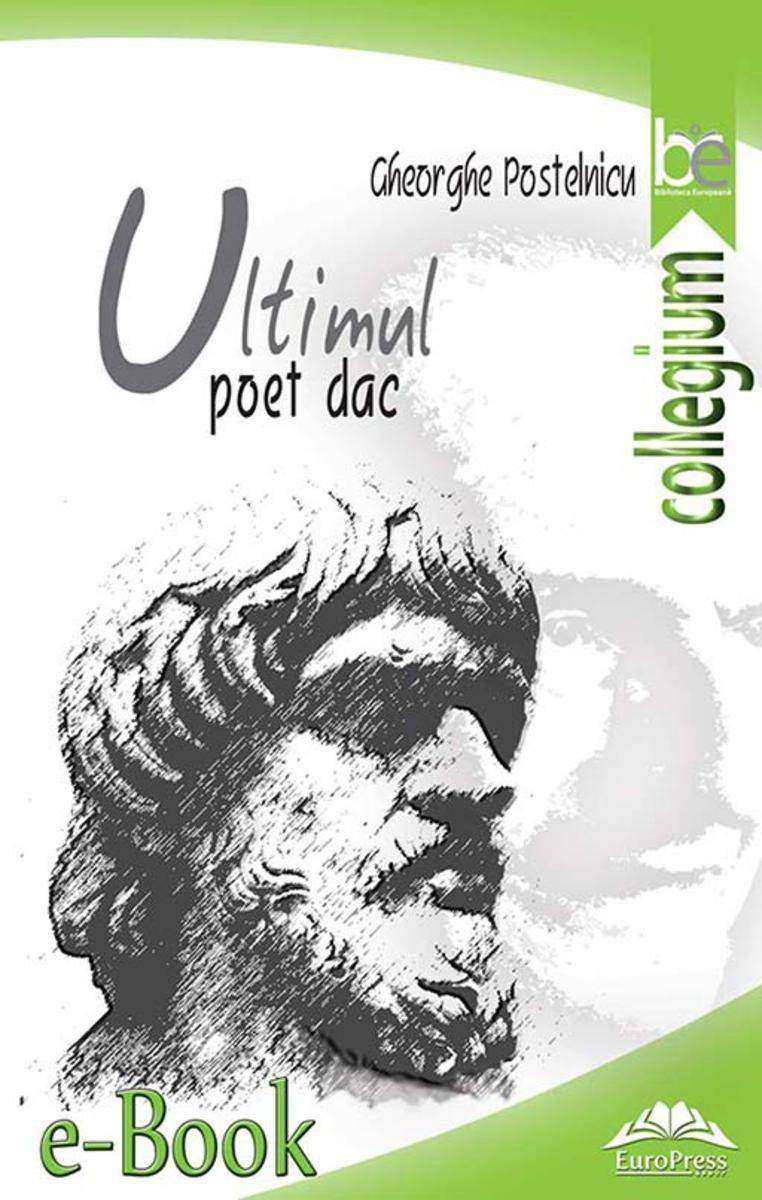
Ultimul poet dac
¥40.79
Dictionarul de sociologie rurala este primul volum din cele sase care alcatuiesc Enciclopedia Rurala. Lucrarea se inscrie in traditia deschisa de Scoala Sociologica de la Bucuresti si pentru realizarea sa a colaborat un colectiv de autori din toate centrele universitare ale tarii: Bucuresti, Cluj, Oradea, Iasi, Brasov, Craiova. Dictionarul este structurat pe patru sectiuni (termeni, personalitati, curente, reviste) si cumuleaza, pe o intindere de aproximativ 650 de pagini, un numar de peste 300 de termeni. Lucrarea valorifica terminologia sociologiei rurale romanesti si europene precum si cea din practica unor institutii internationale si regionale care prin natura preocuparilor lor afecteaza mediul rural. De asemenea dictionarul ofera o sistematizare schematica a teoriilor si curentelor de referinta pentru domeniu si constituie un ghid util pentru toti cei interesati de practica si metodologia de cercetare rurala din sociologie, antropologie si politici de dezvoltare.
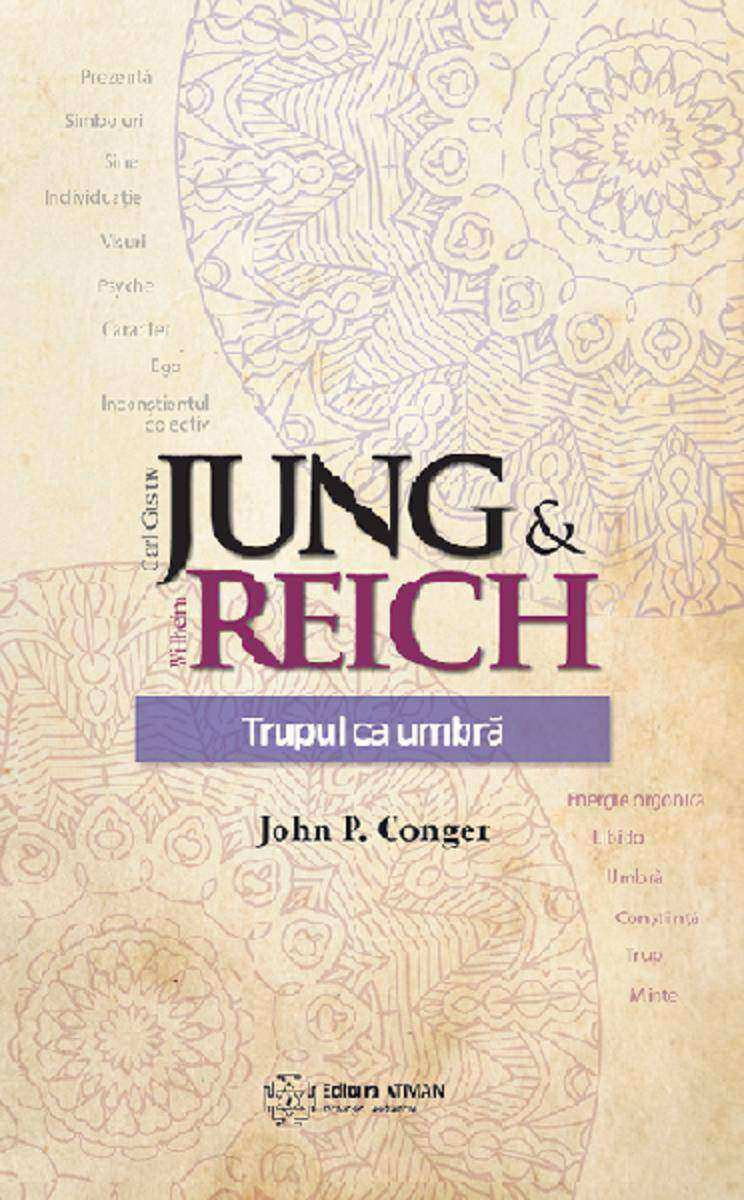
Jung & Reich. Trupul ca o umbr?
¥57.14
L?sa?i atunci trufia la o parte, C?ci de b?rba?i trufia ne desparte. ?i m?inile, duioase ?i supuse, ?n slujba lor pe veci s? fie puse. ?i so?ul meu, de ?ndat? ce ar vrea, ?n m?na lui mi a? pune m?na mea. Then vail your stomachs, for it is no boot,And place your hands below your husband’s foot: In token of which duty, if he please, My hand is ready; may it do him ease.
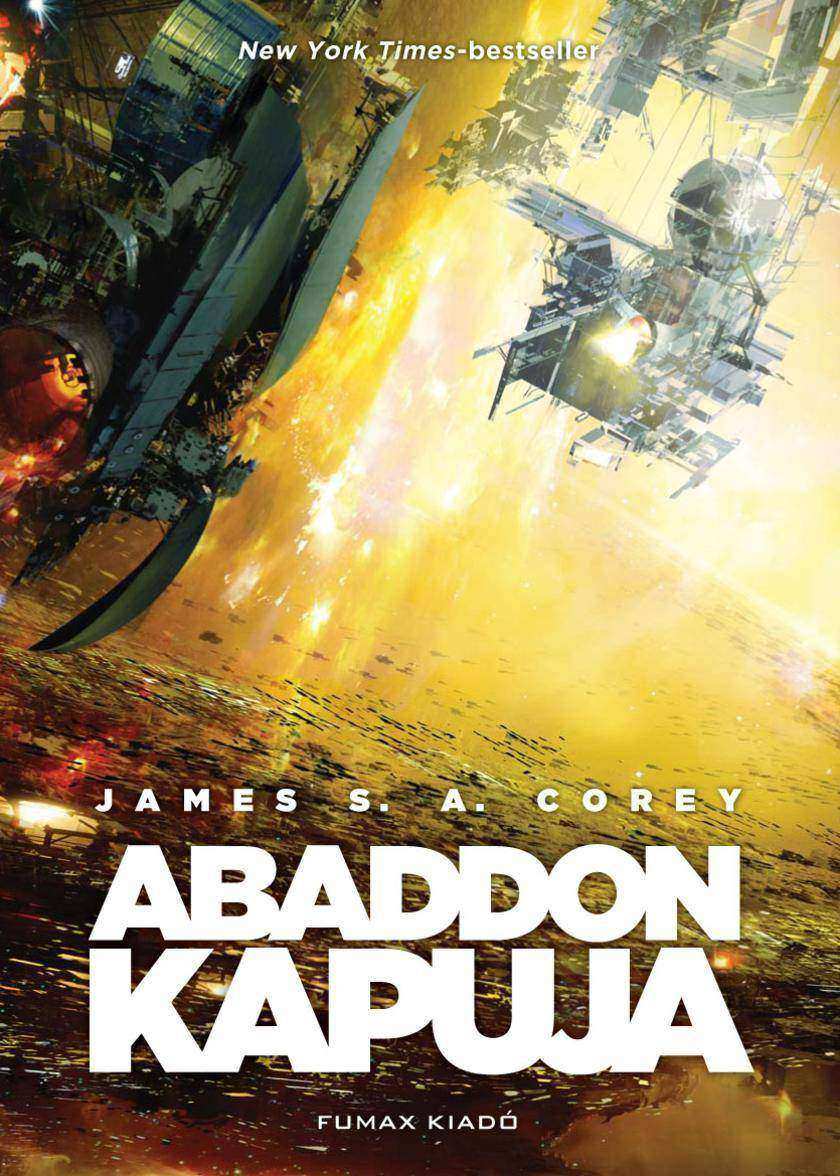
Abaddon kapuja
¥73.49
ARCHITECTURE seems to me to be the most wonderful of all the arts. We may not love it as much as others, when we are young perhaps we cannot do so, because it is so great and so grand; but at any time of life one can see that in Architecture some of the most marvellous achievements of men are displayed. The principal reason for saying this is that Architecture is not an imitative art, like Painting and Sculpture. The first picture that was ever painted was a portrait or an imitation of something that the painter had seen. So in Sculpture, the first statue or bas-relief was an attempt to reproduce some being or object that the sculptor had seen, or to make a work which combined portions of several things that he had observed; but in Architecture this was not true. No temples or tombs or palaces existed until they had first taken form in the mind and imagination of the builders, and were created out of space and nothingness, so to speak. Thus Painting and Sculpture are imitative arts, but Architecture is a constructive art; and while one may love pictures or statues more than the work of the architect, it seems to me that one must wonder most at the last. We do not know how long the earth has existed, and in studying the most ancient times of which we have any accurate knowledge, we come upon facts which prove that men must have lived and died long before the dates of which we can speak exactly. The earliest nations of whose Architecture we can give an account are called heathen nations, and their art is called Ancient or Heathen Art, and this comes down to the time when the Roman Emperor Constantine was converted to Christianity, and changed the Roman Capitol from Rome to Constantinople in the year of our Lord 328. The buildings and the ruins which still remain from these ancient times are in Egypt, Assyria, Persia, Judea, Asia Minor, Greece, Etruria, and Rome. Many of these have been excavated or uncovered, as, during the ages that have passed since their erection, they had been buried away from sight by the accumulation of earth about them. These excavations are always going on in various countries, and men are ever striving to learn more about the wonders of ancient days; and we may hope that in the future as marvellous things may be revealed to us as have been shown in the past. EGYPT: As we consider the Architecture of Egypt, the Great Pyramid first attracts attention on account of its antiquity and its importance. This was built by Cheops, who is also called Suphis, about 3000 years before Christ. At that distant day the Egyptians seem to have been a nation of pyramid-builders, for even now, after all the years that have rolled between them and us, we know of more than sixty of these mysterious monuments which have been opened and explored. Of all these the three pyramids at Ghizeh are best known, and that of Cheops is the most remarkable among them. Those of you who have studied the history of the wars of Napoleon I. will remember that it was near this spot that he fought the so-called Battle of the Pyramids, and that in addressing his soldiers he reminded them that here the ages looked down upon them, thus referring to the many years during which this great pyramid had stood on the border of the desert, as if watching the flight of Time and calmly waiting to see what would happen on the final day of all earthly things. There have been much speculation and many opinions as to the use for which these pyramids were made, but the most general belief is that they were intended for the tombs of the powerful kings who reigned in Egypt and caused them to be built.The pyramid of Cheops was four hundred and eighty feet and nine inches high, and its base was seven hundred and sixty-four feet square. It is so difficult to understand. CLARA ERSKINE CLEMENTAUTHOR OF "HANDBOOK OF LEGENDARY AND MYTHOLOGICAL ART," "PAINTERS, SCULPTORS, ENGRAVERS, ARCHITECTS AND THEIR WORKS," "ARTISTS OF THE NINETEENTH CENTURY"


