


 购物车
 个人中心

Перемикайся. Стань тим, ким хочеш бути
¥29.02
David Stevenson?jedan je od najistaknutijih prou?avatelja Prvoga svjetskog rata. U svom monumentalnom djelu?1914.–1918. Povijest Prvog svjetskog rata?kre?e od uzroka sukoba, prolazi kroz sva boji?ta, analizira geopoliti?ke odnose, ravnote?u izme?u imperijalnih sila, politi?ke i vojne promjene, kraj rata i mirovne ugovore koji su odredili okvir budu?ih me?unarodnih odnosa, te zavr?ava raspravom o nastavku ratnog sukoba drugim sredstvima i o poslijeratnom ure?enju svijeta koje ?e izazvati nove sukobe. Ova povijest jedna je od onih koje otkrivaju nove ?injenice i reinterpretiraju povijesne izvore, ali jednako tako stvaraju cjelovitu sliku o kompleksnosti sukoba. Stevensonova povijest prva je sveobuhvatna povijest Prvoga svjetskog rata objavljena u Hrvatskoj nakon vi?e od 50 godina. Knjiga koju je potrebno pro?itati da bi se shvatilo dvadeseto stolje?e i razumjelo vrijeme u kojem ?ivimo.

Дол? та фур??
¥24.93
Knjiga Me?uodnosi umjetni?kih svjetova dio je doktorske disertacije, a govori o simultanoj i sukcesivnoj umjetnosti kroz ilustracije Bhagavad Gite, u 18 poglavlja od kojih svako ima dvije verzije. Su?tina autori?inog interesa je prijenos misli i osje?aja iz drevnog indijskog epa, kroz likovne elemente, odnosno vizualizacija vremenske umjetnosti; poku?ala je interpretirati kroz kompoziciju, boju, liniju, kontrast, tre?u dimenziju, strukturu, teksturu, proporciju, ritam i dinamiku, filozofiju Bhagavad Gite, koja je posebna utoliko ?to je u Indiji filozofija jednako religija, i obrnuto. Spomenuta je i analogija izme?u vremenskih i prostornih umjetnosti, kao ?to je boja (valer), glazba (akord), te upravo kroz sinergiju zna?enja i zra?enja na ilustracijama mo?emo do?ivjeti da "?itamo sliku". ? Tatjana Burzanovi? je autorica, umjetnica, grafi?ka dizajnerica i dizajnerica interijera, profesor na Fakultetu za kulturu i turizam na predmetu Indijska kultura, te na Fakultetu za dizajn i multimediju na Univerzitetu Donja Gorica u Podgorici, Crna Gora. Diplomirala je na Akademiji likovnih umjetnosti u Sarajevu, a doktorat obranila na Fakultetu primenjenih umjetnosti u Beogradu. Svoje je radove izlagala na brojnim samostalnim i grupnim izlo?bama, te sudjelovala u umjetni?kim i pedago?kim kolonijama. Dobila je nekoliko nagrada za dizajn knjiga. Knjiga Me?uovisnost umjetni?kih svjetova?nagra?ena je na 11. sajmu knjiga u Podgorici za najbolje opremljeno umjetni?ko izdanje. Knjiga je u elektroni?kom izdanju dostupna i u engleskom prijevodu.

Calea spre fericire. Pove?ti adev?rate. Vol. 2
¥11.04
No caso da episteme comunicacional pode-se dizer que a mesma vem-se constituindo na historicidade de conceitos chave e de hipóteses clássicas que têm nutrido o pensamento teórico e a pesquisa empírica do campo. Pensando a episteme comunicacional trata disso, ou seja, do objeto comunica??o em sua trajetória por fazer-se, a qual, ao acumular-se, permite a renova??o do que foi pensado a seu respeito e a prospec??o de novos pontos de vista.
Любий друг
¥5.72
Fic??o brasileira no século XXI é um livro instigante. De leitura agradável e de interesse amplo, debru?a-se, com competência e inventividade, sobre oito escritores brasileiros contempor?neos, consagrados e premiados. O que n?o é pouco em uma tradi??o como a nossa, em que n?o se encontram muitos estudiosos de literatura que encarem o contempor?neo e consigam discuti-lo de forma a dialogar, n?o apenas com o estudioso e o especialista como também com o leitor comum interessado em literatura. Adriana Lunardi, Alberto Martins, Luiz Ruffato, Michel Laub, Milton Hatoum, Nelson de Oliveira, Ricardo Lísias e Rodrigo Lacerda encontram, por meio da leitura que deles fazem os autores deste livro, novos olhares para suas obras. E, nestes novos olhares, há um convite para novos leitores e leituras renovadas.

The Samurai Warrior: The Golden Age of Japan’s Elite Warriors 1560–1615
¥81.67
During Japan’s Warring States period, centuries of strife had left the country divided and leaderless. Those who filled the power vacuum were the daimyo, warlords who ruled over the clans and provinces of Japan. Serving their daimyo, the samurai were the ultimate warriors at a time when military prowess won out over hereditary power and position. The nature of warfare itself changed—romantic ideas of mounted duels and battlefield decorum became as rare as aristocratic samurai leaders. Marching in to replace them were the common foot soldiers, the ashigaru , armed with pikes and matchlock rifles. The Samurai Warrior examines the fighting men of this key period in Japanese history. Divided into six chapters, the book describes the unification under the Tokugawa bakufu , the major battles of the era, the weapons and armour used, the social structure of Japanese society, myths about the samurai, and finally the decline of the samurai amidst the modernization of the Meiji period. Including more than 200 photographs, illustrations, paintings, and maps, The Samurai Warrior is a colourful, accessible study of Japan’s famous but often misunderstood warrior elite.

Fall of the Reich: D-Day, Arnhem, Bulge and Berlin
¥40.79
Campaigns of World War II: Fall of the Reich is a military history of the Western European campaign from D-Day in June 1944 to the fall of Berlin in May 1945. Beginning with the Allied preparations for what would become Operation Overlord, from the initial discussions of Roosevelt and Churchill, to the deliberations and plans of Marshall and Brooke, and the subsequent appointment of commanders like Eisenhower, Montgomery and Ramsay, the book covers in detail the landings on the Normandy coast. Combining tactical coverage of events such as the severe fighting at Omaha and Pegasus Bridge, the Canadian success on Juno beach, and the 21st Panzer Division's aborted counterattack, with reporting of the reactions of Hitler and Rommel to the landings, the book provides an explanation of why the Allied advance ran out of steam, and a description of their struggle to escape the bocage hedgerows of Normandy. The US-led breakout in late July 1944 released Bradley and Patton's forces into the heart of France, and the liberation of Paris followed swiftly. A crumbling German defence led to Allied overconfidence and the resultant 'bridge too far' at Arnhem, but as the Allies approached the Rhine and the German border, resistance quickly stiffened. Hitler's last gamble, the attack through the Ardennes known as the Battle of the Bulge, brought temporary panic to the Allied ranks, but heroic stands at Bastogne and elsewhere, coupled with a German acute lack of petrol and the weather clearing to allow Allied aircraft to operate again, led to the defeat of the last Wehrmacht attack in the west. The final year of the war saw the Allies advancing as occupying forces into the heart of Germany, adopting Eisenhower's broad front strategy. Finally the book examines why the decision was made to allow the Red Army to occupy Berlin and remain on the western bank of the Elbe river. Part of a five-volume series on the Second World War written by prominent military historians, Fall of the Reich is a masterful account of the 1944–45 campaign in Western Europe that describes both the action on the front line and the decisions made behind the scenes that decided the fate of Nazi Germany.
The World's Greatest Tanks: An Illustrated History
¥81.67
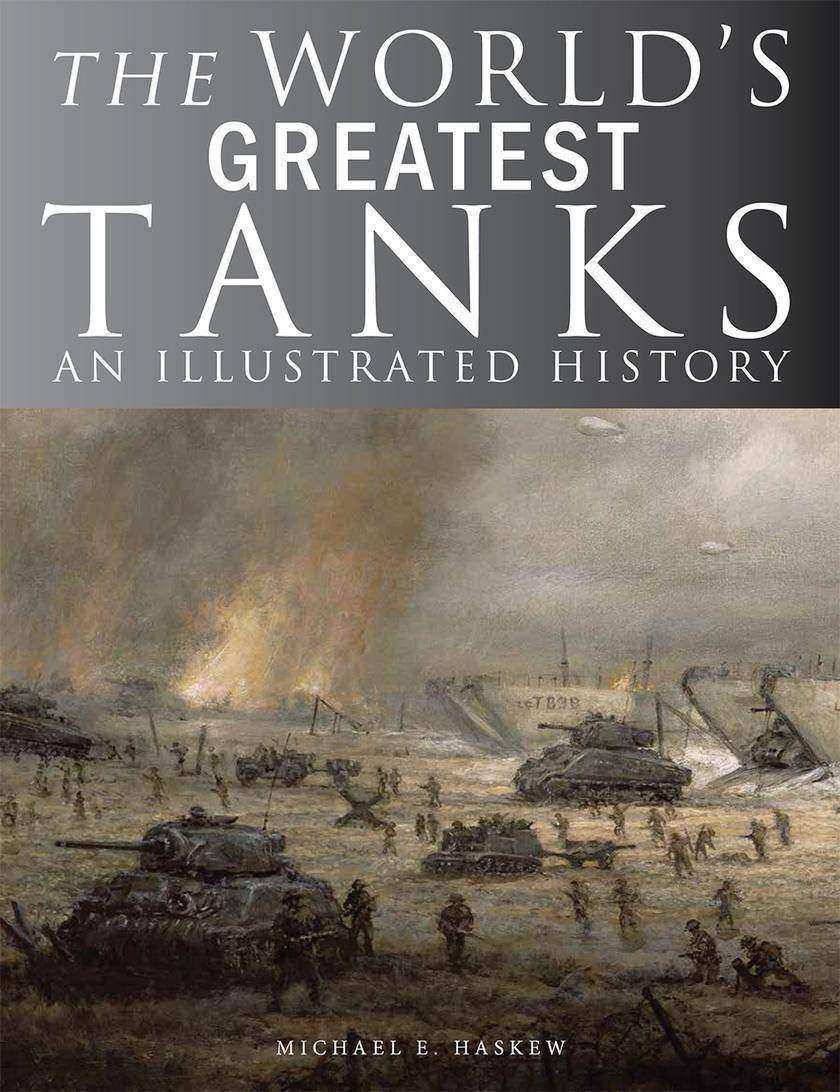
The World's Greatest Tanks features 52 of the best armoured fighting vehicles from World War I to the present day. Beginning with the prototype Mark V Male in 1917, the book ranges from World War I, World War II, through the Cold War and up to the highly sophisticated tanks that have seen recent service in wars in the Balkans, Caususus, and Middle East. From the Soviet T-34 and German Panther tanks of World War II to the M1A2 Abrams, Challenger 2 and T-90 of the present day, The World's Greatest Tanks is an expert examination of the most successful tanks of the past hundred years. Each entry is examined over two spreads and includes a brief description of the tank's development and history, a colour profile artwork, photographs, key features and specifications tables. Packed with more than 200 artworks and photographs, The World's Greatest Tanks is a colourful guide for the military historian and military technology enthusiast.
Gladiator: Fighting for Life, Glory and Freedom
¥81.67
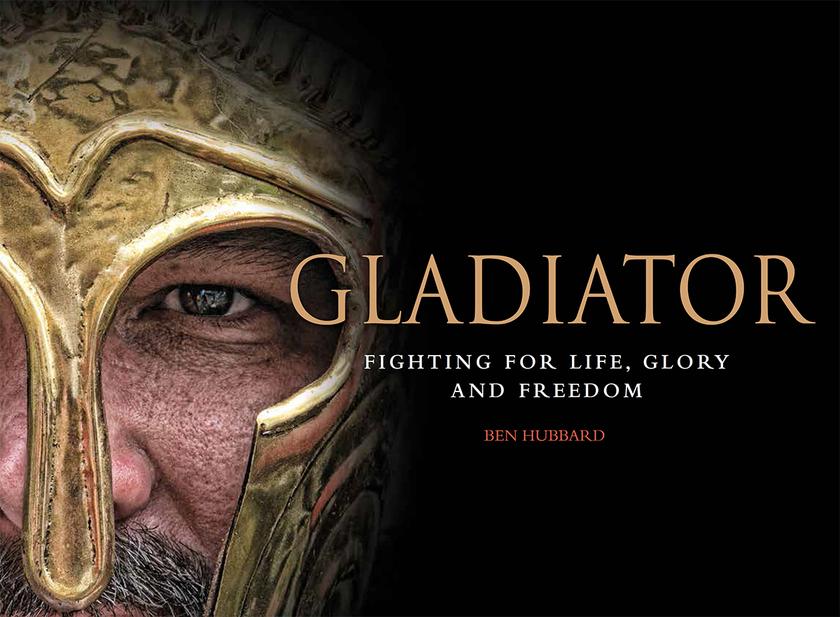
“When everyone had had plenty to eat and drink they called for the gladiators. The moment anyone’s throat was cut, they clapped their hands in pleasure. And it sometimes even turned out that someone had specified in their will that the most beautiful women he had purchased were to fight each other….” – Athenaeus, The Learned Banqueters With their origins as blood rites staged at the funerals of rich aristocrats, gladiatorial combat is one of the defining images of ancient Rome. For more than 600 years, people flocked to arenas to watch these highly trained warriors participate in a blood-soaked spectacle that was part sport, part theatre and part cold-blooded murder. Gladiatorial contests were a spectacular dramatization of the Roman emperor’s formidable power. Gladiator looks at life and service in the Roman arenas from the origins of the games in the third century BCE through to the demise of the games in the fifth century CE. It explores the lives of the prisoners of war, criminals, slaves and volunteers who became gladiators, their training, and the more than 20 types of gladiator they could become, fighting with different types of weapons. From Spartacus’s slave revolt to the real Emperor Commodius who liked to play at being a gladiator, from female gladiators to the great combats involving hundreds of exotic animals, Gladiator is a colourful, accessible study of the ancient world’s famous warrior entertainers.
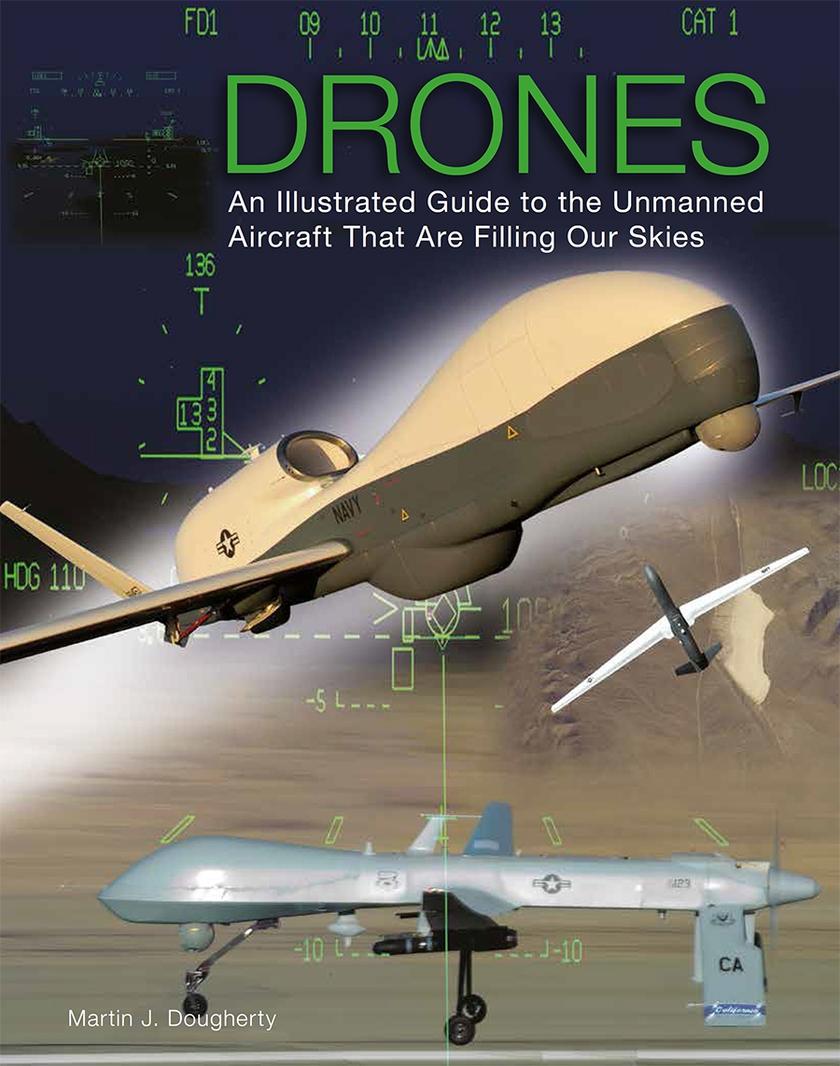
Drones
¥81.67
Little more than ten years ago drones were barely used, but now more than 50 countries have them in service and they are not only changing how wars are fought but how crops are sprayed, how underwater pipelines are monitored and even how sports events are filmed. If it’s too risky to send a manned aircraft to survey the intensity of a hurricane or a combat zone, or too costly for conservation wardens to chart the movement of wildlife, drones can be used. Used for reconnaissance work and mapping as well as launching missiles, drones can fly autonomously or be controlled by remote control. Peering into a volcano about to erupt, checking how fast a forest fire is spreading, exploring the wreck of a sunken ship, charting your enemy’s position and taking out a military target—these are just some of the uses of drones today. From drones the size of a fingertip to drones that can carry soldiers, from single rotorcraft to multi-rotorcraft to propeller craft drones, Drones expertly examines these complex vehicles, which are not only very different from manned aircraft, but also very different from each other. Illustrated with more than 220 colour photographs and artworks, Drones is an exciting, accessibly written work about the latest in military and civilian aviation technology.
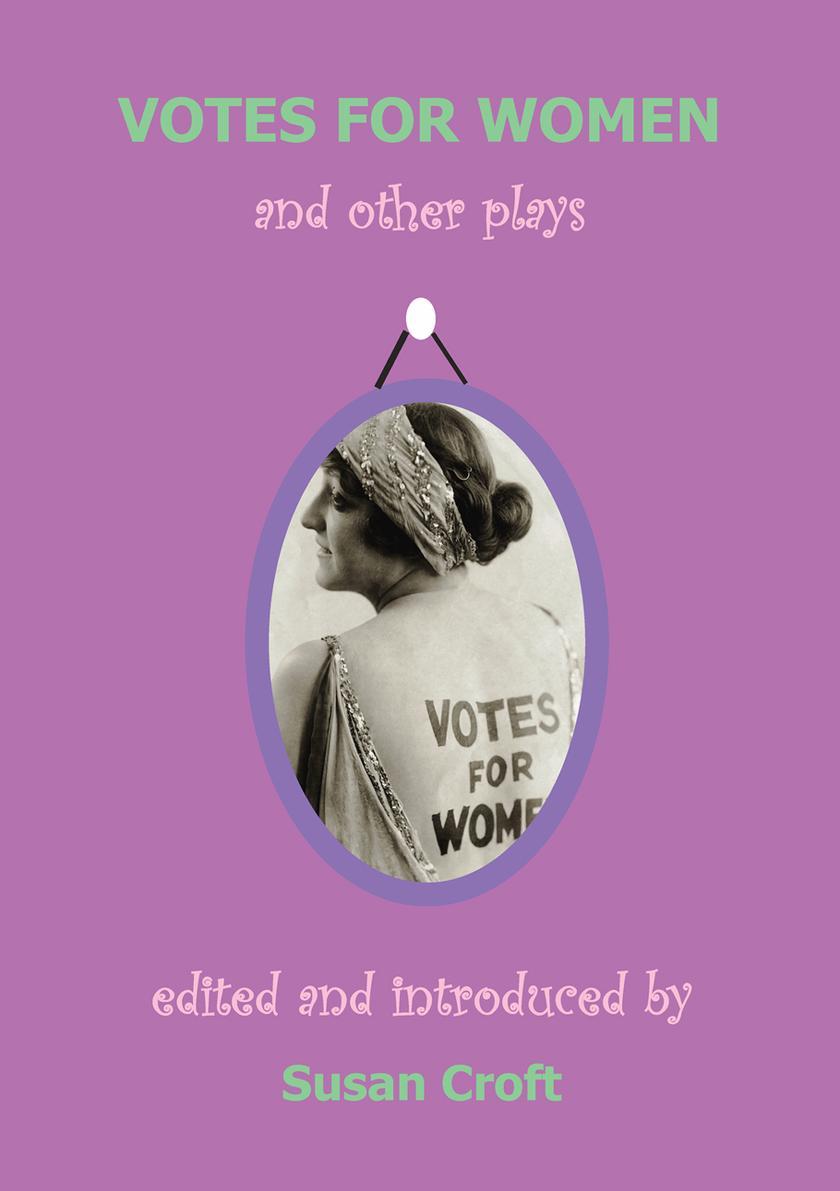
Votes for Women: and Other Plays
¥40.79
The best collection of suffrage plays on offer. Introduced and set in historical context by Dr Susan Croft, formerly Curator at the Theatre Museum in London, with a chronology of suffrage drama from 1907-1914.? The astonishing women involved in the Actresses Franchise League set up their own theatre companies and engaged with the battle for the vote by writing and performing campaigning plays all over the country. They launched themselves onto the political stage with their satirical plays, sketches and monologues whilst at the same time challenging the staid conventions of the Edwardian Theatre of the day. The legacy of their inspiring work to change both theatre and society has survived in the political theatre, agit-prop and verbatim theatre we know today.? Full playtexts from the following: ’How the Vote was Won’ by Cicely Hamilton and Chris St. John ’The Apple’ by Inez Bensusan ’Jim s Leg’ by L.S. Phibbs ’Votes for Women’ by Elizabeth Robins ’At the Gates’ by Alice Chapin ’In the Workhouse’ by Margaret Wynne Nevinson ’A Change of Tenant’ by Helen Margaret Nightingale.
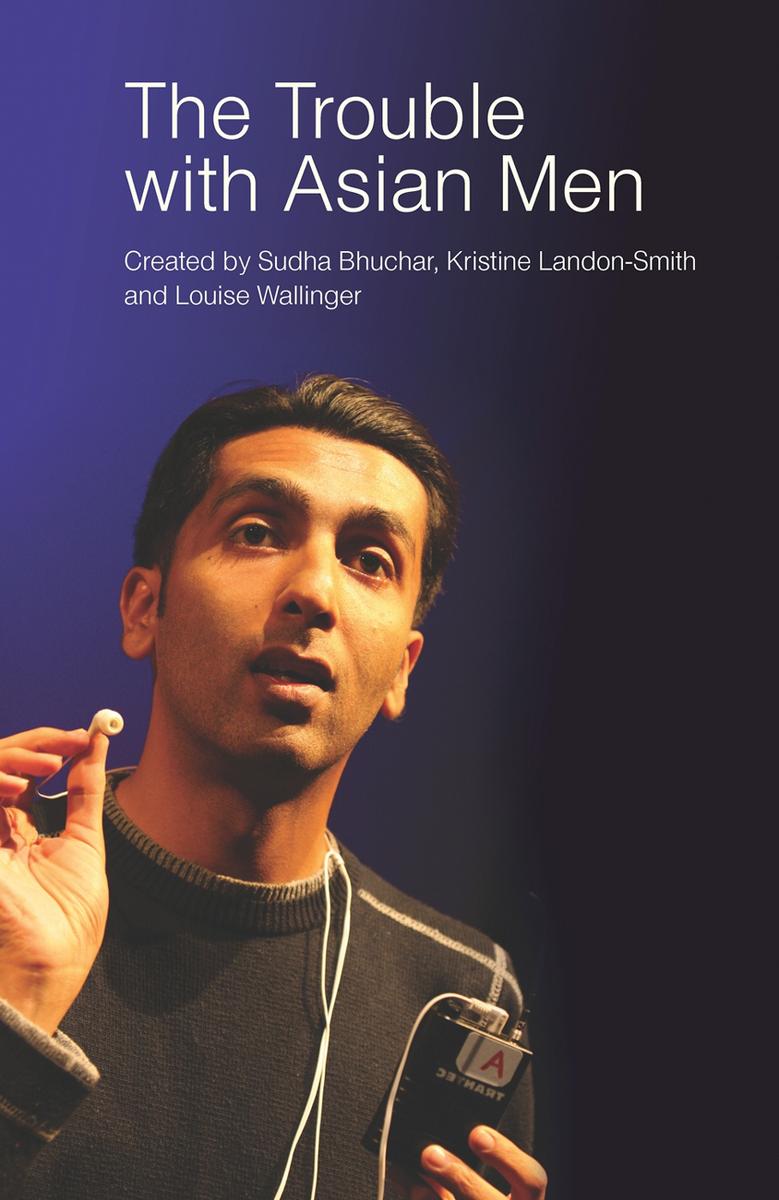
The Trouble with Asian Men
¥40.79
Macho men or metrosexual guys? Mummy’s boys or blokes under their missus’ thumbs? Self-made entrepreneurs, pukka professionals and successful executives with their Mercedes Benz lives and designer-clad wives; husbands, sons, uncles, brothers and fathers – these successful, soulful and spirited Asian men have come a long way from their origins but they’ve all got roots! The Trouble with Asian Men is a vital, tender and hilarious insight into lives that surround us every day. From the award-winning theatre company that brought us East is East, a revealing verbatim comedy that has played to sell-out houses internationally.
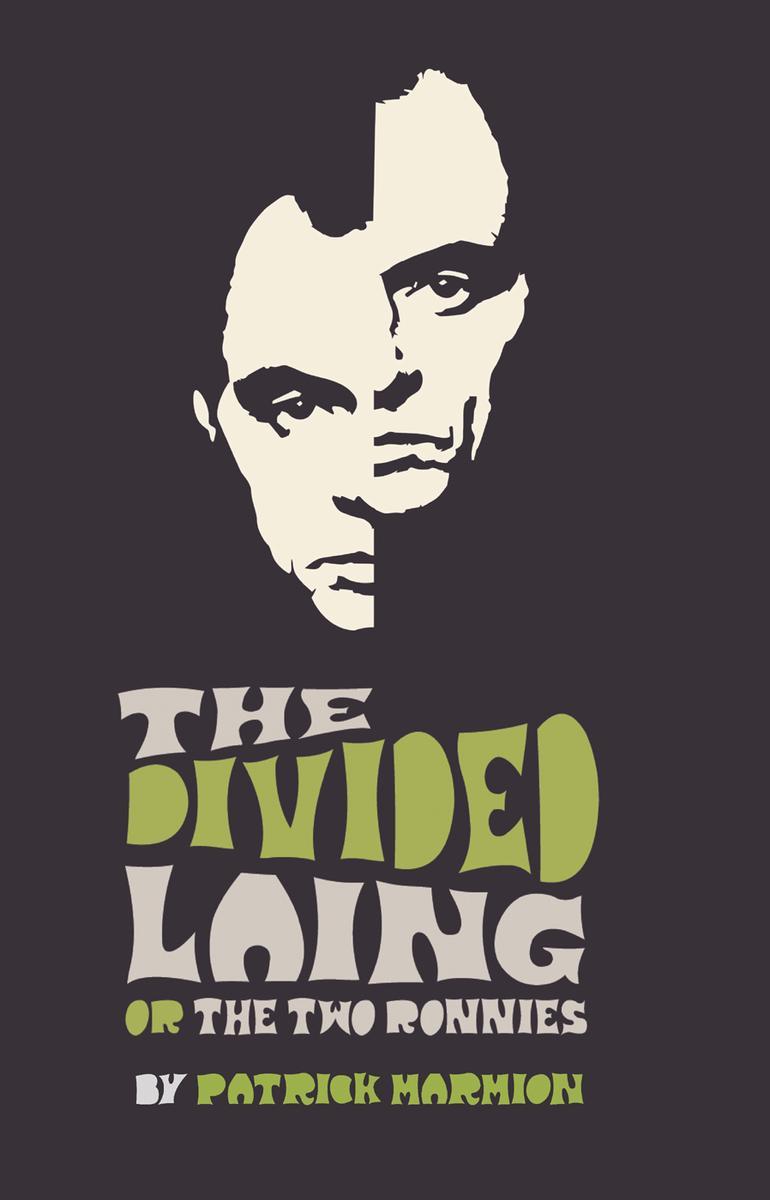
The Divided Laing: Or The Two Ronnies
¥40.79
London 1970: Experimental psychiatrist R.D. Laing is facing eviction from his pioneering asylum in the East End’s Kingsley Hall. Local residents are up in arms – and to make matters worse, Ronnie’s revolutionary colleague David Cooper is flipping out on the roof… With his personal life going down the pan and his mental state heading the same way, Ronnie takes an acid trip to the future. His mission is to save his therapeutic collective The Philadelphia Association and secure his professional legacy. Will it be a one-way ticket to madness – or can breakdown sometimes mean breakthrough?
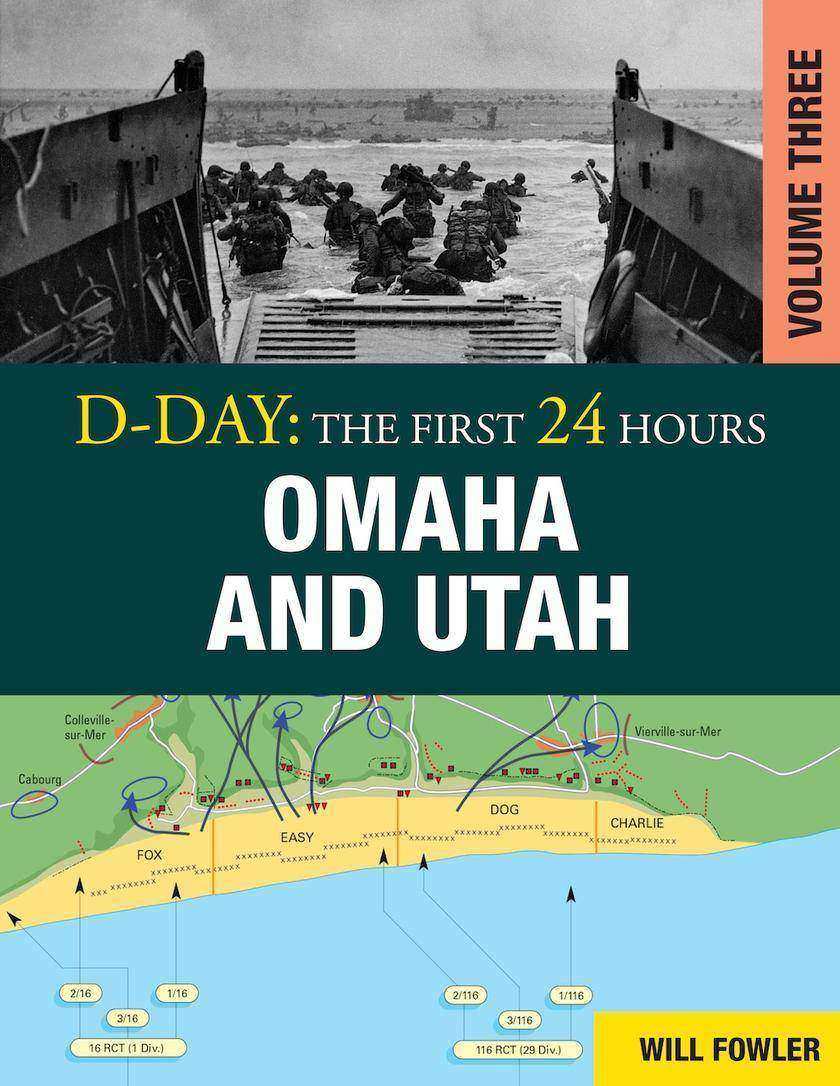
D-Day: Omaha and Utah
¥40.79
In any military operation throughout history, few 24-hour periods have been as crucial as that of 6th June 1944. With the aid of specially commissioned maps, D-Day: The First 24 Hours series gives the dramatic history of the first 24 hours of the Normandy landings, and explains in detail the events that occurred in each landing zone. In this third volume of the series, the book describes the American landings on Omaha and Utah beaches. The fighting on Omaha was some of the most desperate fighting took place, but the beach was eventually secured. The book also includes the famous operation by the US Rangers to capture the gun position at Pointe du Hoc, successfully scaling a sheer cliff face in the teeth of the defenders' fire. With colour and black & white photographs, the book is a guide to key events in the first 24 hours of the D-Day landings that saw the Allies successfully achieve a foothold in Northern Europe.
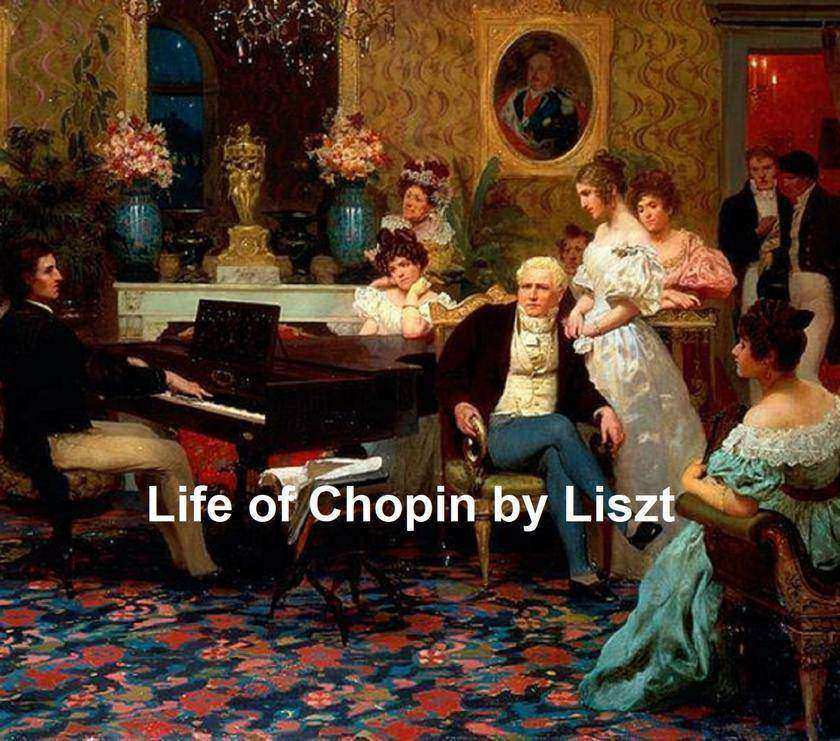
Life of Chopin
¥8.09
Life of Chopin

Универсальный календарь садовода-огородника
¥17.74
Читанка для учн?в старших клас?в середньо? школи в ус?х ?вропейських кра?нах. Книжку створено в рамках сп?льного проекту орган?зац?й та установ, що працюють разом у Платформ? ?вропейсько? пам'ят? та сумл?ння. Зб?рка м?стить 30 дивовижних ?стор?й людей з 16 ?вропейських кра?н, що зазнали тотал?таризму. Це розпов?д? про см?ливц?в, як? протистояли тотал?таризмов? та загинули, а також про тих, кому пощастило вижити. Ц? розпов?д? сповнен? надзвичайного суму через незм?рн? страждання, що ?х завдали фанатичн? орудар?, поборники та п?дсобники тотал?таризму таким же людям, як ? вони. Але водночас вони осп?вують любов до свободи, людську г?дн?сть, несхитн?сть, см?лив?сть, в?ру та в?ддан?сть головним людським ц?нностям.
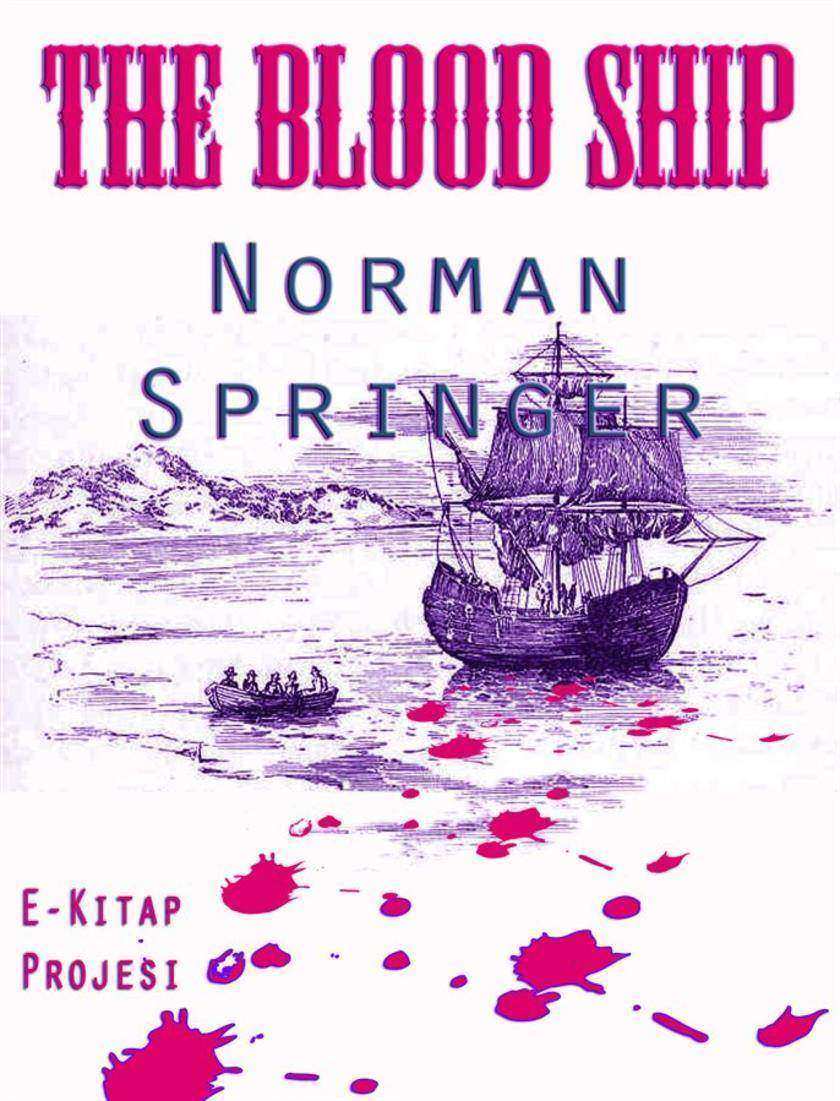
The Blood Ship
¥18.74
DRAWING is the expression of an idea: “Art must come from within, and not from without. This fact has led some to assert that the study of nature is not essential to the student, and that careful training in the study of the representation of the actual appearance is mechanical and harmful. Such persons forget that all art ideas and sentiments must be based upon natural objects, and that a person who cannot represent truly what he sees will be entirely unable to express the simplest ideal conceptions so that others may appreciate them. Study of nature is, then, of the first and greatest importance to the art student.A drawing may be made in outline, in light and shade, or in color. The value of the drawing artistically does not depend upon the medium used, but upon the individuality of the draughtsman making it. The simplest pencil sketch may have much more merit than an elaborate colored drawing made by one who is unable to represent truly the facts of nature, or who sees, instead of the beauty and poetry, the ugliness and the imperfections of the subject. OBJECTS FOR STUDY:We hear a great deal now about the cultivation of the sense of beauty by the choice of drawing models. Many go so far as to say that nothing but the most beautiful forms should be given from the start, and, asserting that the cube, cylinder,and other type forms are not beautiful, they say that they should not be used, but that beautiful variations of these type forms should be provided. More definite information than this is rarely given. We are not told what natural objects are beautiful, and cheap enough to be provided, or how these objects of beauty are to be obtained, if they are not provided by the city. Such advice as to the use of beautiful models must be very pleasant and valuable to the drawing teacher, who so often fails to secure the money necessary to provide the cheap wooden models costing a few cents each ; and we do not wonder that special and regular teachers often regard this subject as one having no standards and no authorities. Much of all this commotion about beautiful objects of study is raised by those who, suffering from criticism, have in the desire to escape it plunged headlong from one set of mechanical rules for a series of lessons for the public schools, to another set less arbitrary in certain directions, but still mechanical, and if possible, more harmful than before, because attempting more.The average teacher can readily learn to discover at a glance whether or not the drawing of a cube represents the object as it might appear. She can do this even without seeing the model from the pupil's position; and the student can compare his drawing with the object and discover its errors more easily than he can in the drawing of a cast, a leaf, a figure,or any other object of beauty, in which the beauty depends upon lines which are subtile and which require a trained eye to see at all truly.
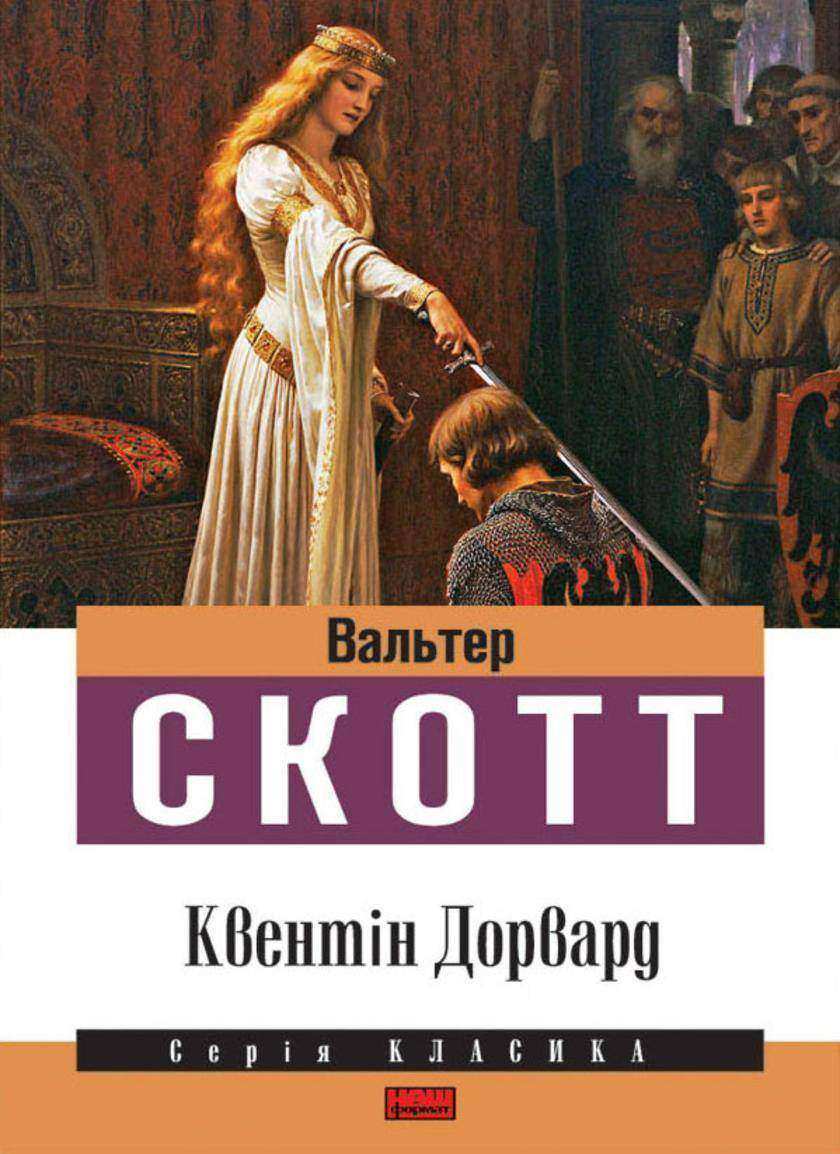
Квент?н Дорвард
¥5.72
s vezes, a única coisa verdadeira num jornal é a data, disse Luis Fernando Verissimo. Tomar ao pé da letra essa frase bem-humorada do cronista pode no ser um bom negócio. Porém, ainda mais temerário seria aceitar a hipótese oposta, ou seja, de que tudo acontece do jeito que o jornalista nos conta. Certos recursos de escrita e de edio aumentam tanto a temperatura do texto que provocam a fuso entre a fantasia e a realidade. Esse fenmeno misterioso, com seu toque de alquimia, é o que Renato Modernell investiga em A notícia como fábula.

Несказане
¥25.18
Le piante percepiscono il suono e amano suonare.Lo dimostrano studi e sperimentazioni condotte in ambito accademico e, ancora di più, le esperienze di numerosi ricercatori e musicisti che insegnano alle piante a usare apparecchiature musicali elettroniche e suonano e cantano insieme a loro.Le ricerche sull’intelligenza vegetale, sulla sensibilità delle piante e sulla loro disponibilità a dialogare con noi aprono la nostra mente verso una più profonda visione della natura e il nostro cuore a nuove occasioni di scambio con tutto ciò che è vivo intorno a noi.
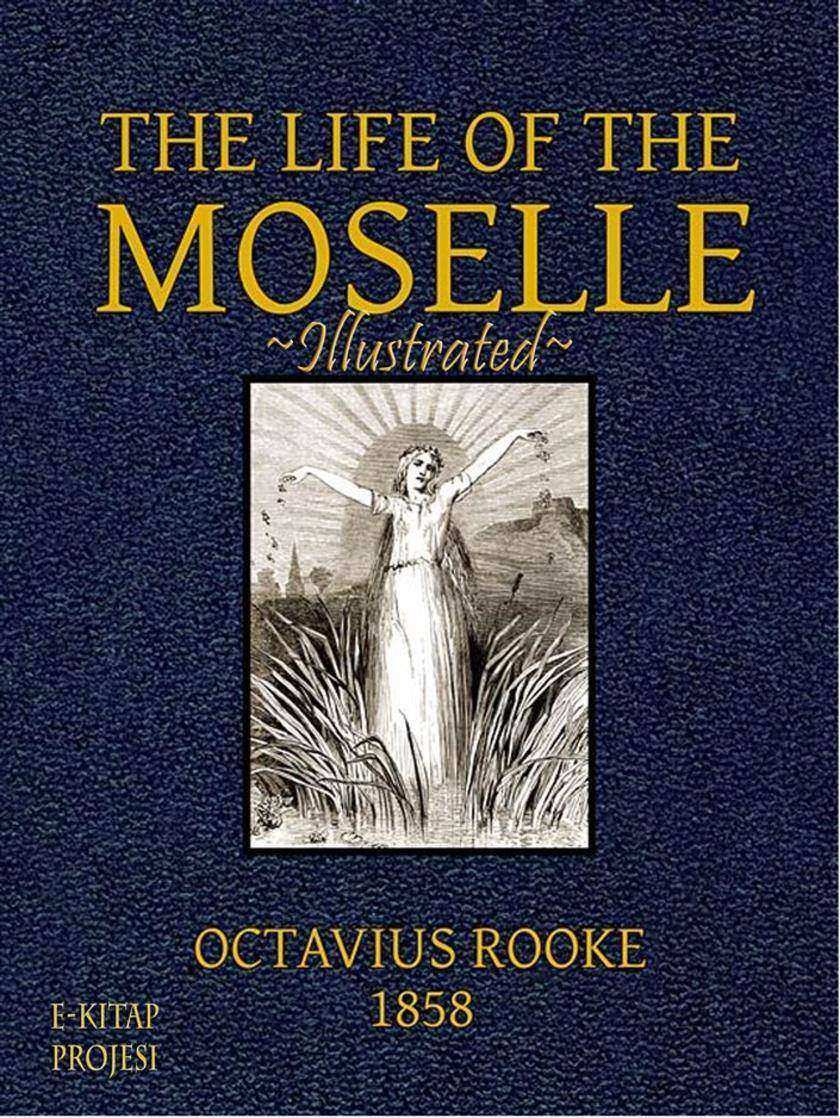
Life of the Moselle
¥28.04
["The Elements of Drawing" was written during the winter of 1856. The First Edition was published in 1857; the Second followed in the same year, with some additions and slight alterations. The Third Edition consisted of sixth thousand, 1859; seventh thousand, 1860; and eighth thousand, 1861.The work was partly reproduced in "Our Sketching Club," by the Rev. R. St. John Tyrwhitt, M.A., 1874; with new editions in 1875, 1882, and 1886.Mr. Ruskin meant, during his tenure of the Slade Professorship at Oxford, to recast his teaching, and to write a systematic manual for the use of his Drawing School, under the title of "The Laws of Fésole." Of this only vol. i. was completed, 1879; second edition, 1882. As, therefore, "The Elements of Drawing" has never been completely superseded, and as many readers of Mr. Ruskin's works have expressed a desire to possess the book in its old form, it is now reprinted as it stood in 1859.] ? THE SECOND EDITION.As one or two questions, asked of me since the publication of this work, have indicated points requiring elucidation, I have added a few short notes in the first Appendix. It is not, I think, desirable otherwise to modify the form or add to the matter of a book as it passes through successive editions; I have, therefore, only mended the wording of some obscure sentences; with which exception the text remains, and will remain, in its original form, which I had carefully considered. Should the public find the book useful, and call for further editions of it, such additional notes as may be necessary will be always placed in the first Appendix, where they can be at once referred to, in any library, by the possessors of the earlier editions; and I will take care they shall not be numerous.August 3, 1857. ? PREFACE? i. It may perhaps be thought, that in prefacing a manual of drawing, I ought to expatiate on the reasons why drawing should be learned; but those reasons appear to me so many and so weighty, that I cannot quickly state or enforce them. With the reader's permission, as this volume is too large already, I will waive all discussion respecting the importance of the subject, and touch only on those points which may appear questionable in the method of its treatment. ? ii. In the first place, the book is not calculated for the use of children under the age of twelve or fourteen. I do not think it advisable to engage a child in any but the most voluntary practice of art. If it has talent for drawing, it will be continually scrawling on what paper it can get; and should be allowed to scrawl at its own free will, due praise being given for every appearance of care, or truth, in its efforts. It should be allowed to amuse itself with cheap colors almost as soon as it has sense enough to wish for them. If it merely daubs the paper with shapeless stains, the color-box may be taken away till it knows better: but as soon as it begins painting red coats on soldiers, striped flags to ships, etc., it should have colors at command; and, without restraining its choice of subject in that imaginative and historical art, of a military tendency, which children delight in, (generally quite as valuable, by the way, as any historical art delighted in by their elders,) it should be gently led by the parents to try to draw, in such childish fashion as may be, the things it can see and likes,—birds, or butterflies, or flowers, or fruit. ? iii. In later years, the indulgence of using the color should only be granted as a reward, after it has shown care and progress in its drawings with pencil. A limited number of good and amusing prints should always be within a boy's reach: in these days of cheap illustration he can hardly possess a volume of nursery tales without good wood-cuts in it, and should be encouraged to copy what he likes best of this kind; but should be firmly restricted to a few prints and to a few books.
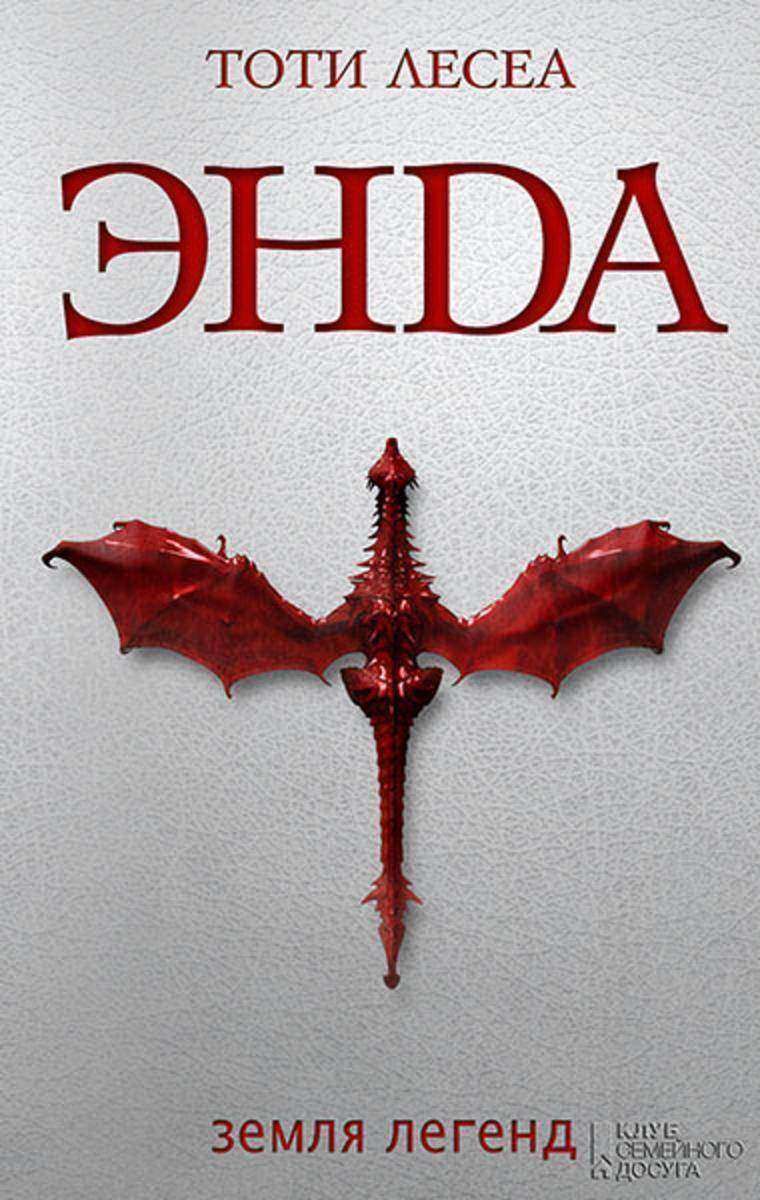
Энда. Земля легенд (Jenda. Zemlja legend)
¥26.65
Брошура в стисл?й та популярн?й форм? розпов?да? про под?? Укра?нсько? революц?? 1917–1921 рок?в – процеси державного буд?вництва, творення укра?нсько? пол?тично? нац??, в?дродження укра?нсько? науки, осв?ти, культури та духовност?. Багато уваги прид?ля?ться л?дерам Укра?нсько? революц?? – Михайлу Грушевському, Володимиру Винниченку, Симону Петлюр?, Павлу Скоропадському, ?вгену Петрушевичу, Номану Челеб?дж?хану та ?н., як? розробляли ?? ?деолог?ю, формували порядок денний, вели за собою народ. Розкрива?ться ?нституц?йне буд?вництво, творення законодавчо?, виконавчо?, судово? г?лок влади, розбудова в?йська, дипломат??, ф?нансово? системи тощо. Фотокартки ? св?дчення сучасник?в в?дтворюють атмосферу того часу, проливають св?тло на життя ? побут звичайно? людини в умовах революц?йних потряс?нь.??Брошура п?дготовлена на основ? матер?ал?в ?нформац?йно-просв?тницько? кампан??, яку Укра?нський ?нститут нац?онально? пам’ят? проводить до 100-р?ччя Укра?нсько? революц?? 1917-1921 рок?в, в ход? яко? п?дготовлено низку фотодокументальних виставок, комплект?в лист?вок та ?нформац?йних матер?ал?в, дитячу наст?льну гру, спец?ал?зовану веб-стор?нку, присвячену под?ям Укра?нсько? революц?? 1917–1921 рок?в (www.UNR.memory.gov.ua).??
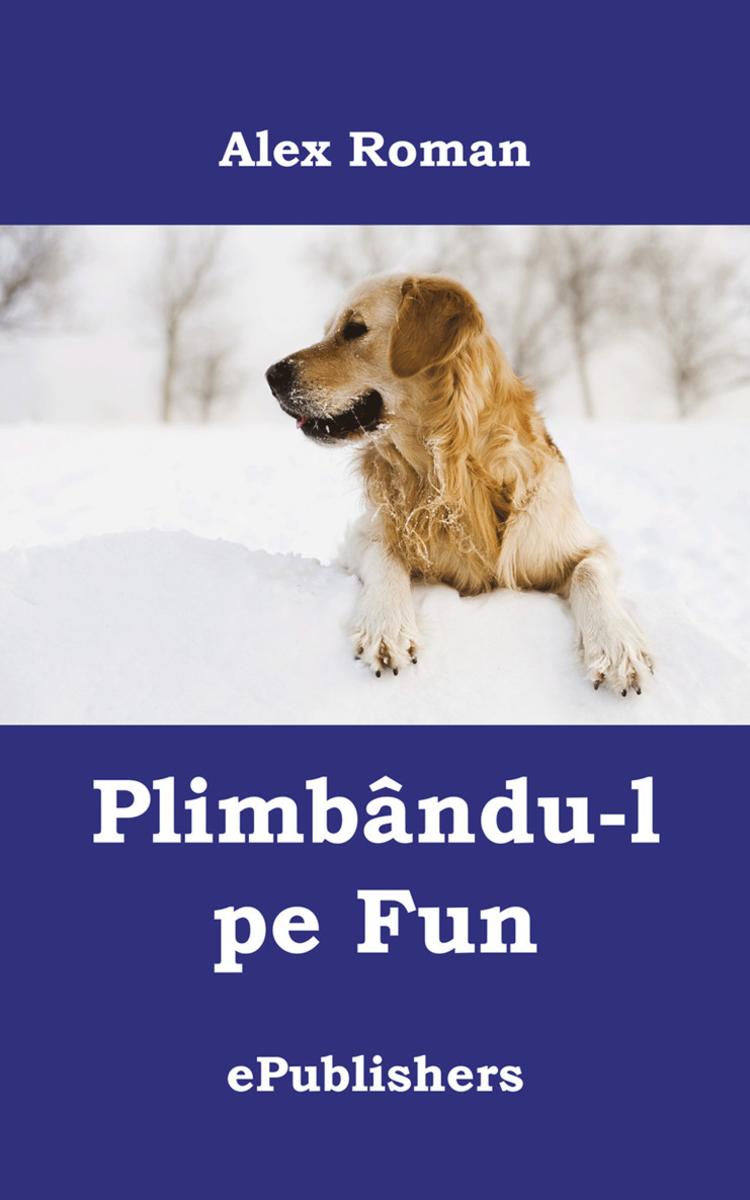
Plimb?ndu-l pe Fun
¥24.44
Drag? cititorule,Dac? te-ai uitat ieri mai mult de dou? ore la televizor ?i nu po?i f?r? asta, las? cartea asta jos.Dac? vrei s? fii de acord cu cineva, cu oricine, nu e?ti omul meu.Dac? m? ?tii din tinere?e ?i crezi c? sunt b?iatul care se b?lb?ia la prompter, dai banii degeaba.Dac? vrei s? dai cadou cartea asta unui prieten, nu mai bine ?i iei o sticl? de vin? Eu nu ?tiu s? ame?esc a?a bine.?n general, recomand cartea doar c?torva oameni.Cei care vor s? afle cum am ajuns s? tr?im, iubim, alegem ?n social media.Dar mai ales celor care cred c? a scrie poate schimba ceva.P.S. Poate.Doar c? trebuie s? scriem cu to?ii ?n acela?i timp.Despre asta e Share! Despre for?a social media, cel mai bun amplificator de idei pe care ?l ?tiu.?ntr-un fel, dac? stai s? te g?nde?ti, ?i tu ai scris-o.


