


 购物车
 个人中心

Symbolic Logic: {Complete & Illustrated}
¥28.04
The excellence of the following Treatise is so well known to all in any tolerable degree conversant with the Art of Painting, that it would be almost superfluous to say any thing respecting it, were it not that it here appears under the form of a new translation, of which fome account may be expected. Of the original Work, which is in reality a selection from the voluminous manuscript collections of the Author, both in Solio and Quarto, of all such passages as related to Painting, no edition appeared in print till 1651. Though its Author died so long before as the year 1519; and it is owing to the circumstance of a manuscript copy of these extracts in the original Italian, having fallen into the hands of “Raphael” that in the former of these years it was published at Paris in a thin folio volume in that language, accompanied with a set of cuts from the drawings of Niccolo Pouissin, and Alberti, the former having designed and defined the human figures, the latter the geometrical and other representations.. The first translation of this Treatise into English, appeared in the year 1721. It does not declare by whom it was made; but though it prosesses to have been done from the original Italian, it is evident, upon a comparison, that more use was made of the revised edition of the French translation. Indifferent, however, as it is, it had become fo scarce, and risen to a price fo extravagant, that, to supply the demand, it was found necessary, in the year 1796, to reprint it as it stood, with all its errors on its head, no opportunity then offering of procuring a french translation. This last impression, however, being now alfo disposed of, and a new one again called for, the present Translator was induced to step forward, and undertake the office of frenh translating it, on finding, by comparing the former versions both in French and English with the original, many passages which he thought might at once be more concisely and more faithfully rendered. ABOUT AUTHOR: Leonardo di ser Piero da Vinci (15 April 1452 – 2 May 1519) was an Italian painter, sculptor, architect, musician, mathematician, engineer, inventor, anatomist, geologist, cartographer, botanist, and writer. He is widely considered to be one of the greatest polymaths of all time and perhaps the most diversely talented person ever to have lived. His genius, perhaps more than that of any other figure, epitomized the Renaissance humanist ideal. Leonardo has often been described as the archetype of the Renaissance Man, a man of "unquenchable curiosity" and "feverishly inventive imagination". Marco Rosci states that while there is much speculation about Leonardo, his vision of the world is essentially logical rather than mysterious, and that the empirical methods he employed were unusual for his time. Born out of wedlock to a notary, Piero da Vinci, and a peasant woman, Caterina, in Vinci in the region of Florence, Leonardo was educated in the studio of the renowned Florentine painter Verrocchio. Much of his earlier working life was spent in the service of Ludovico il Moro in Milan. He later worked in Rome, Bologna and Venice, and he spent his last years in France at the home awarded him by Francis I. Leonardo was, and is, renowned as one of the greatest painters of all time. Among his works, the Mona Lisa is the most famous and most parodied portrait and The Last Supper the most reproduced religious painting of all time, with their fame approached only by Michelangelo's The Creation of Adam. Leonardo's drawing of the Vitruvian Man is also regarded as a cultural icon, being reproduced on items as varied as the euro coin, textbooks, and T-shirts. Perhaps fifteen of his paintings have survived, the small number because of his constant, and frequently disastrous, experimentation with new techniques, and his chronic procrastination. Nevertheless, these few works, together with his notebooks, which contain drawings, scientific diagrams, and his thoughts on the nature of painting, compose a contribution to later generations of artists rivalled only by that of his contemporary, Michelangelo. Leonardo is revered for his technological ingenuity. He conceptualised flying machines, an armoured vehicle, concentrated solar power, an adding machine, and the double hull, also outlining a rudimentary theory of plate tectonics.
The Invisible Man
¥18.74
To present at a single glance a comprehensive view of the History of English Church Architecture from the Heptarchy to the Reformation, and to do this in a manner, which, without taxing too seriously the memory of the student, may enable him to fix in his mind the limits, and the general outline of the inquiry he is about to enter upon, is the object of the present treatise.? Instead therefore of entering, as is usual in elementary works of this nature, into a detailed account of all the parts of an Ecclesiastical structure, a certain portion only of such a building has for this purpose been selected, and so exhibited in the garb in which it appeared at successive intervals of time, as to present to the reader a means of comparison that will enable him readily to apprehend the gradual change of form through which it passed from the Eleventh to the Sixteenth Centuries, and at once to recognise the leading characteristics of the several Periods into which it is here proposed to divide the History of our National Architecture. Having thus fixed these leading characteristics in his mind, he will then be in a condition to follow us hereafter, if he pleases, into the detail of the whole subject, and to become familiar with those niceties of distinction, the detection of which—escaping, as they do, the eye of the general observer—contributes so materially to the enjoyment of the study, and a perfect acquaintance with which is so absolutely essential to a correct understanding of the true History of the Art.?That this mode of approaching the study of this subject is a convenient one, will probably be admitted by those who may remember the difficulties they encoun-tered, in their early attempts to acquire a general conception of the scheme of the History of Church Architecture, as given in most of the manuals now in use; and the complexity of detail in which they found themselves immediately involved on the very threshold of their inquiry.? It has been the practice in most elementary works on Church Architecture to derive the illustrations of the subject, indifferently from the smaller and the larger buildings of the Kingdom; and by implication to assign an equal authority to both. It will be readily admitted, however, that the History of an Art is to be gathered from its principal Monuments, and not from those the design or execution of which may have been entrusted to other than the ablest masters of the Period: in the choice, therefore, of the examples which have been selected to illustrate the series of changes which are described in the following pages, reference has been made principally to the great Cathedral, Abbey, and Collegiate Churches of the Kingdom, and occasionally only to some of the larger Parish Churches whose size or importance would seem to bring them under the above denomination.??Church Architecture in England, from its earliest existence down to the Sixteenth Century, was in a state of constant progress, or transition, and this progress appears to have been carried on, with certain exceptions in different parts of the country, very nearly simultaneously. It follows from this circumstance, first, That it is impossible to divide our National Architecture correctly into any number of distinct Orders or Styles; and secondly, That any Division of its History into a given number of Periods, must necessarily be an arbitrary one. It is nevertheless absolutely essential for the purpose of conveniently describing the long series of noble monuments which remain to us, that we should adopt some system of chronological arrangement, which may enable us to group, and to classify them in a distinct and intelligible manner: and although no broad lines of demarcation in this connected series are discernible—so gradual was the change—yet so rapid and so complete was it also, that a period of fifty years did not elapse without a material alteration in the form and fashion of every detail of a building. ?
Monoverzumok: Kozmosz, t?rvény, tudomány
¥34.99
Az álomszer?en meseszép hangulat hirtelen féltékenységi dührohammá változik, rémálommá: a szicíliai király barátját, Polixenést és feleségét (Hermione) házasságt?réssel vádolva küldi a halálba, el?bbi csupán Camillo h?ségének k?sz?nhet?en menekülhet el. Apollo jóslata sem tudja meggy?zni Leontest képzetei hamisságáról, csupán a sz?rny? látvány – szerettei holtteste – ébreszti fel zavaros állapotából. Már kés?, egyetlen utódját, a fattyúnak vélt csecsem?t távoli partokon hagyta sorsára. A t?rténetbe sok év múltán kapcsolódunk bele újra, Perdita – a csecsem?, akit megtalált fiával együtt (Mufurc) nevelt egy pásztor – felcseperedett, és mindenkit elámít vélt származását meghazudtoló szépsége, nemessége. Florizel királyfi beleszeret, és elhagyja érte apja, Polixenes királyi udvarát. A király, a h? Camillóval együtt, álruhában meglesi a pásztorok ünnepét, és haraggal veszi tudomásul fia vonzódását egy egyszer? pásztorlány iránt. Camillo, aki ráj?n Perdita kilétére, a fiatalokat Szicíliába küldi, ahol Leontes tárt karokkal fogadja elveszettnek hitt lányát, és Hermione szobra életre kel. A megbocsájtás, a feloldás pillanata lehetne ez, ha a t?rténetet mindvégig mozgató figura nem g?rdítené a néz?tér és a színpad k?zé az áttetsz?ség, a látomás, az álomszer?ség tüllfügg?nyét. ?s számunkra nem marad más, csupán a feloldatlanság feszültsége.
Párizs, 1913
¥27.71
William Shakespeare egyik legnagyobb m?ve a Macbeth, a hatalomvágytól megszállott gyenge ember drámája. Macbethnek egyszer azt j?vend?lik, hogy király lesz. Felesége ?szt?nzésére és segítségével, hogy beteljesedjék a jóslat, álmában meg?lik a náluk vendégesked? királyt. Tettüket a leitatott ?r?kre fogják, akiknek nincs is idejük tiltakozásra a hamis vád ellen, mert Macbeth sz?rny? ?felindultságában” meg?li ?ket. A hatalmat, a rangot azonban nem tudják élvezni…

Plimb?ndu-l pe Fun
¥24.44
Drag? cititorule,Dac? te-ai uitat ieri mai mult de dou? ore la televizor ?i nu po?i f?r? asta, las? cartea asta jos.Dac? vrei s? fii de acord cu cineva, cu oricine, nu e?ti omul meu.Dac? m? ?tii din tinere?e ?i crezi c? sunt b?iatul care se b?lb?ia la prompter, dai banii degeaba.Dac? vrei s? dai cadou cartea asta unui prieten, nu mai bine ?i iei o sticl? de vin? Eu nu ?tiu s? ame?esc a?a bine.?n general, recomand cartea doar c?torva oameni.Cei care vor s? afle cum am ajuns s? tr?im, iubim, alegem ?n social media.Dar mai ales celor care cred c? a scrie poate schimba ceva.P.S. Poate.Doar c? trebuie s? scriem cu to?ii ?n acela?i timp.Despre asta e Share! Despre for?a social media, cel mai bun amplificator de idei pe care ?l ?tiu.?ntr-un fel, dac? stai s? te g?nde?ti, ?i tu ai scris-o.
Квент?н Дорвард
¥5.72
s vezes, a única coisa verdadeira num jornal é a data, disse Luis Fernando Verissimo. Tomar ao pé da letra essa frase bem-humorada do cronista pode no ser um bom negócio. Porém, ainda mais temerário seria aceitar a hipótese oposta, ou seja, de que tudo acontece do jeito que o jornalista nos conta. Certos recursos de escrita e de edio aumentam tanto a temperatura do texto que provocam a fuso entre a fantasia e a realidade. Esse fenmeno misterioso, com seu toque de alquimia, é o que Renato Modernell investiga em A notícia como fábula.

Az elveszett cirkáló
¥14.39
1920-ban a magyar t?rténelem egyik legsúlyosabb krízise érkezett el. Nem csupán a t?rténelmi Magyarország és hagyományos vezet? rétegei találtattak k?nny?nek: 1918 és 1919 forradalmaival együtt elbuktak a radikális reformokat szorgalmazó baloldali pártok is. K?zel hat év háborús pusztítás után gazdasági, szociális, külpolitikai és m?vel?dési problémák sokasága halmozódott fel. Ekkor született meg a fiatal értelmiség reform iránt elk?telezett részéb?l a magyar népi mozgalom. Az ? t?rténetükr?l szól ez a k?nyv. A magyar népi mozgalomról meglep?en keveset tud a jelenkor emlékezete, és ismereteink jó része is leginkább félreértésekb?l és el?ítéletekb?l táplálkozik. A népi mozgalom elitjéhez tartozók – Németh Lászlótól és Illyés Gyulától kezdve Veres Péteren és Kovács Imrén át egészen Bibó Istvánig – megpróbáltak választ találni a Trianon utáni Magyarország legéget?bb kérdéseire, méghozzá nem a hagyományos ideológiák mentén, hanem egy általuk ?harmadik útnak” nevezett eszmeiség jegyében. Papp István k?tete – amely harminc év óta az els? modern szemlélet? ?sszefoglalása a témának – els?sorban azt kívánja bemutatni, hogyan és miért született meg a népi mozgalom, illetve hogy legfontosabb tagjai milyen elgondolásokat fogalmaztak meg, és milyen reformokat láttak szükségesnek 1945 el?tt és után.
Life of the Moselle
¥28.04
["The Elements of Drawing" was written during the winter of 1856. The First Edition was published in 1857; the Second followed in the same year, with some additions and slight alterations. The Third Edition consisted of sixth thousand, 1859; seventh thousand, 1860; and eighth thousand, 1861.The work was partly reproduced in "Our Sketching Club," by the Rev. R. St. John Tyrwhitt, M.A., 1874; with new editions in 1875, 1882, and 1886.Mr. Ruskin meant, during his tenure of the Slade Professorship at Oxford, to recast his teaching, and to write a systematic manual for the use of his Drawing School, under the title of "The Laws of Fésole." Of this only vol. i. was completed, 1879; second edition, 1882. As, therefore, "The Elements of Drawing" has never been completely superseded, and as many readers of Mr. Ruskin's works have expressed a desire to possess the book in its old form, it is now reprinted as it stood in 1859.] ? THE SECOND EDITION.As one or two questions, asked of me since the publication of this work, have indicated points requiring elucidation, I have added a few short notes in the first Appendix. It is not, I think, desirable otherwise to modify the form or add to the matter of a book as it passes through successive editions; I have, therefore, only mended the wording of some obscure sentences; with which exception the text remains, and will remain, in its original form, which I had carefully considered. Should the public find the book useful, and call for further editions of it, such additional notes as may be necessary will be always placed in the first Appendix, where they can be at once referred to, in any library, by the possessors of the earlier editions; and I will take care they shall not be numerous.August 3, 1857. ? PREFACE? i. It may perhaps be thought, that in prefacing a manual of drawing, I ought to expatiate on the reasons why drawing should be learned; but those reasons appear to me so many and so weighty, that I cannot quickly state or enforce them. With the reader's permission, as this volume is too large already, I will waive all discussion respecting the importance of the subject, and touch only on those points which may appear questionable in the method of its treatment. ? ii. In the first place, the book is not calculated for the use of children under the age of twelve or fourteen. I do not think it advisable to engage a child in any but the most voluntary practice of art. If it has talent for drawing, it will be continually scrawling on what paper it can get; and should be allowed to scrawl at its own free will, due praise being given for every appearance of care, or truth, in its efforts. It should be allowed to amuse itself with cheap colors almost as soon as it has sense enough to wish for them. If it merely daubs the paper with shapeless stains, the color-box may be taken away till it knows better: but as soon as it begins painting red coats on soldiers, striped flags to ships, etc., it should have colors at command; and, without restraining its choice of subject in that imaginative and historical art, of a military tendency, which children delight in, (generally quite as valuable, by the way, as any historical art delighted in by their elders,) it should be gently led by the parents to try to draw, in such childish fashion as may be, the things it can see and likes,—birds, or butterflies, or flowers, or fruit. ? iii. In later years, the indulgence of using the color should only be granted as a reward, after it has shown care and progress in its drawings with pencil. A limited number of good and amusing prints should always be within a boy's reach: in these days of cheap illustration he can hardly possess a volume of nursery tales without good wood-cuts in it, and should be encouraged to copy what he likes best of this kind; but should be firmly restricted to a few prints and to a few books.
Энда. Земля легенд (Jenda. Zemlja legend)
¥26.65
Брошура в стисл?й та популярн?й форм? розпов?да? про под?? Укра?нсько? революц?? 1917–1921 рок?в – процеси державного буд?вництва, творення укра?нсько? пол?тично? нац??, в?дродження укра?нсько? науки, осв?ти, культури та духовност?. Багато уваги прид?ля?ться л?дерам Укра?нсько? революц?? – Михайлу Грушевському, Володимиру Винниченку, Симону Петлюр?, Павлу Скоропадському, ?вгену Петрушевичу, Номану Челеб?дж?хану та ?н., як? розробляли ?? ?деолог?ю, формували порядок денний, вели за собою народ. Розкрива?ться ?нституц?йне буд?вництво, творення законодавчо?, виконавчо?, судово? г?лок влади, розбудова в?йська, дипломат??, ф?нансово? системи тощо. Фотокартки ? св?дчення сучасник?в в?дтворюють атмосферу того часу, проливають св?тло на життя ? побут звичайно? людини в умовах революц?йних потряс?нь.??Брошура п?дготовлена на основ? матер?ал?в ?нформац?йно-просв?тницько? кампан??, яку Укра?нський ?нститут нац?онально? пам’ят? проводить до 100-р?ччя Укра?нсько? революц?? 1917-1921 рок?в, в ход? яко? п?дготовлено низку фотодокументальних виставок, комплект?в лист?вок та ?нформац?йних матер?ал?в, дитячу наст?льну гру, спец?ал?зовану веб-стор?нку, присвячену под?ям Укра?нсько? революц?? 1917–1921 рок?в (www.UNR.memory.gov.ua).??

The Blood Ship
¥18.74
DRAWING is the expression of an idea: “Art must come from within, and not from without. This fact has led some to assert that the study of nature is not essential to the student, and that careful training in the study of the representation of the actual appearance is mechanical and harmful. Such persons forget that all art ideas and sentiments must be based upon natural objects, and that a person who cannot represent truly what he sees will be entirely unable to express the simplest ideal conceptions so that others may appreciate them. Study of nature is, then, of the first and greatest importance to the art student.A drawing may be made in outline, in light and shade, or in color. The value of the drawing artistically does not depend upon the medium used, but upon the individuality of the draughtsman making it. The simplest pencil sketch may have much more merit than an elaborate colored drawing made by one who is unable to represent truly the facts of nature, or who sees, instead of the beauty and poetry, the ugliness and the imperfections of the subject. OBJECTS FOR STUDY:We hear a great deal now about the cultivation of the sense of beauty by the choice of drawing models. Many go so far as to say that nothing but the most beautiful forms should be given from the start, and, asserting that the cube, cylinder,and other type forms are not beautiful, they say that they should not be used, but that beautiful variations of these type forms should be provided. More definite information than this is rarely given. We are not told what natural objects are beautiful, and cheap enough to be provided, or how these objects of beauty are to be obtained, if they are not provided by the city. Such advice as to the use of beautiful models must be very pleasant and valuable to the drawing teacher, who so often fails to secure the money necessary to provide the cheap wooden models costing a few cents each ; and we do not wonder that special and regular teachers often regard this subject as one having no standards and no authorities. Much of all this commotion about beautiful objects of study is raised by those who, suffering from criticism, have in the desire to escape it plunged headlong from one set of mechanical rules for a series of lessons for the public schools, to another set less arbitrary in certain directions, but still mechanical, and if possible, more harmful than before, because attempting more.The average teacher can readily learn to discover at a glance whether or not the drawing of a cube represents the object as it might appear. She can do this even without seeing the model from the pupil's position; and the student can compare his drawing with the object and discover its errors more easily than he can in the drawing of a cast, a leaf, a figure,or any other object of beauty, in which the beauty depends upon lines which are subtile and which require a trained eye to see at all truly.

Универсальный календарь садовода-огородника
¥17.74
Читанка для учн?в старших клас?в середньо? школи в ус?х ?вропейських кра?нах. Книжку створено в рамках сп?льного проекту орган?зац?й та установ, що працюють разом у Платформ? ?вропейсько? пам'ят? та сумл?ння. Зб?рка м?стить 30 дивовижних ?стор?й людей з 16 ?вропейських кра?н, що зазнали тотал?таризму. Це розпов?д? про см?ливц?в, як? протистояли тотал?таризмов? та загинули, а також про тих, кому пощастило вижити. Ц? розпов?д? сповнен? надзвичайного суму через незм?рн? страждання, що ?х завдали фанатичн? орудар?, поборники та п?дсобники тотал?таризму таким же людям, як ? вони. Але водночас вони осп?вують любов до свободи, людську г?дн?сть, несхитн?сть, см?лив?сть, в?ру та в?ддан?сть головним людським ц?нностям.
The Ship of Ishtar
¥7.93
Gustáv Murín? k?nyvében a vad és zabolátlan kilencvenes évekbe kalauzolja el az olvasót, abba az id?be, amikor a volt szocialista államoknak azzal kellett szembesülniük, hogy a demokratizálódás bizony t?rvényszer?en magával hozza a komolyabb szervezett b?n?z?i csoportok megjelenését is. Az államapparátus fenekén tojáshéj, a b?n?z?k zsebében pedig a fegyver és a pénz. Kicsoda valójában Jozef Rohá?, a profi, akihez a legvéresebb merényletek k?t?dnek Szlovákiában és Magyarországon egyaránt? Mi k?ze van a magyar b?rt?nbüntetését t?lt? Eva Reze?ovának a kassai gengszterekhez? Hogyan t?nt el 114 vagonnyi olaj Pozsony és Budapest k?z?tt? Mi k?ti ?ssze Magyarországot az újkori t?rténelem legvéresebb maffialeszámolásával? Ki szervezte meg a szlovák k?ztársasági eln?k fiának elrablását? Ki ne emlékezne a vadkeletre? Ezek a csoportok nem ismertek határokat, így a szlovák és a magyar alvilág számos ponton és ügyben kapcsolódhatott egymáshoz. Ezekb?l a t?rténetekb?l kiderül, hogyan. T?rténetek, amelyek egyszer véget érnek. A b?n azonban marad, itt jár k?ztünk továbbra is.
Cinnet ve Ask: "Bir Felsefe & Sosyoloji Kurami"
¥28.04
Milyen lenyomatot hagyott bennünk 1956? T?rténelem alulnézetb?l, avagy családi emlékek, személyes t?rténetek az ominózus ?szr?l, ami után minden más lett. Hogyan lesz egy 17 éves gyárimunkás fiúból néhány nap leforgása alatt forradalmár? Mi t?rtént Erdélyben 56-ban? Mikor eszmél rá a hatéves kislány, hogy a nagyapja Magyarország legfontosabb embere? Hogyan él tovább az, akinek a menyasszonya ?r?kre elhagyta az országot? Hogyan válik a távoli kultúrából érkez? idegen október 23. szellemiségét átérz? emberré? Ilyen és ezekhez hasonló kérdésekre válaszol t?bbek k?z?tt Horgas Eszter, Varga Miklós, Kiss Zoltán Zéro, Tordai Teri, Vámos Miklós, Bornai Tibor és sokan mások. A kül?n?s, szívszorító vagy kalandos emlékekb?l megismerhetjük az ezerarcú forradalom néhány emberi mozzanatát. Naszvadi Judith családi érintettsége okán is kezdte el feltenni a kérdéseket el?bb sz?kebb, majd tágabb k?rnyezetében. A 60. évfordulóra így, ezekb?l az interjúkból állt ?ssze A mi '56-unk.
When the World Shook
¥8.01
A sorozat és ami m?g?tte van I. Szulejmán szultán 1494-ben született, és 1566-ban Szigetvár alatt vesztette életét. 1520-tól haláláig az Oszmán Birodalom ikonikus uralkodójaként hódított. A magyar t?rténelmet ismer?k biztosan nem rajongtak érte soha. Miután 2013-ban az egyik kereskedelmi csatorna megvásárolta az életér?l szóló Szulejmán cím? sorozatot, a szultán negatív megítélése sokat változott. A néz?k megkedvelték a Halit Ergen? által alakított Fényességest. A sorozatban ábrázolt t?rténelmi események, személyek azonban nem minden esetben egyeznek a valósággal. Ezt az alkotók is megjegyzik: a m? t?rténelmi ihletés? - ami nem azonos a t?rténelmi h?séggel. R. Kelényi Angelika tisztázza a valós t?rténelmi eseményeket. ?sszegy?jt?tt érdekességeken keresztül oszlatja el a félreértéseket, mik?zben szórakoztatja az olvasót.
A kabaré regénye
¥27.71
E tündérjátékról úgy tartják, egy f?úri esküv? alkalmából íródott. Err?l szól maga a darab is, a szerelemr?l, a házasságról, a szenvedélyr?l, az akadályok legy?zésér?l. A Szentivánéj egyetlen hatalmas nászéjszaka. Puck, a csúfondáros apród, aki miatt kit?r a háborúság a tündérkirály és tündérkirályn? k?z?tt, minden kerget?z?, egymást ?z? szerelmesnek jelképe lehet, akik szüntelen váltakozásban gerjednek egyért s taszítják el a másikat. Mintha a való életben is Puck gonosz varázslatára fordulna meg minden, majd jótékony varázslatára az éj végére valahogy mégis ?sszerendez?djék. Tündéri álomvilág cívódással, féltéssel, ellenállhatatlan vágyakkal.
The Mysterious Island
¥8.67
Hard Times – For These Times (commonly known as "Hard Times") is the tenth novel by Charles Dickens, first published in 1854. The book appraises English society and highlights the social and economic pressures of the times. Hard Times is unusual in several respects. It is by far the shortest of Dickens' novels, barely a quarter of the length of those written immediately before and after it. Also, unlike all but one of his other novels, Hard Times has neither a preface nor illustrations. Moreover, it is his only novel not to have scenes set in London. Instead the story is set in the fictitious Victorian industrial Coketown, a generic Northern English mill-town, in some ways similar to Manchester, though smaller. Coketown may be partially based on 19th-century Preston. One of Dickens's reasons for writing Hard Times was that sales of his weekly periodical, Household Words, were low, and it was hoped the novel's publication in instalments would boost circulation – as indeed proved to be the case. Since publication it has received a mixed response from critics. Critics such as George Bernard Shaw and Thomas Macaulay have mainly focused on Dickens's treatment of trade unions and his post–Industrial Revolution pessimism regarding the divide between capitalist mill owners and undervalued workers during the Victorian era. F. R. Leavis, a great admirer of the book, included it—but not Dickens' work as a whole—as part of his Great Tradition of English novels. ***‘Now, what I want is, Facts. Teach these boys and girls nothing but Facts. Facts alone are wanted in life. Plant nothing else, and root out everything else. You can only form the minds of reasoning animals upon Facts: nothing else will ever be of any service to them. This is the principle on which I bring up my own children, and this is the principle on which I bring up these children. Stick to Facts, sir!’ ? ?The scene was a plain, bare, monotonous vault of a school-room, and the speaker’s square forefinger emphasized his observations by underscoring every sentence with a line on the schoolmaster’s sleeve. The emphasis was helped by the speaker’s square wall of a forehead, which had his eyebrows for its base, while his eyes found commodious cellarage in two dark caves, overshadowed by the wall. The emphasis was helped by the speaker’s mouth, which was wide, thin, and hard set. The emphasis was helped by the speaker’s voice, which was inflexible, dry, and dictatorial. The emphasis was helped by the speaker’s hair, which bristled on the skirts of his bald head, a plantation of firs to keep the wind from its shining surface, all covered with knobs, like the crust of a plum pie, as if the head had scarcely warehouse-room for the hard facts stored inside. The speaker’s obstinate carriage, square coat, square legs, square shoulders,—nay, his very neckcloth, trained to take him by the throat with an unaccommodating grasp, like a stubborn fact, as it was,—all helped the emphasis. ‘In this life, we want nothing but Facts, sir; nothing but Facts!’The speaker, and the schoolmaster, and the third grown person present, all backed a little, and swept with their eyes the inclined plane of little vessels then and there arranged in order, ready to have imperial gallons of facts poured into them until they were full to the brim.

Lakodalom az állatkertben
¥35.99
A magyar turanizmus jellegzetesen magyar és teljességgel elhallgatott eszmeáramlat: akik benne voltak, igyekeztek még a nyomait is eltüntetni. Pedig a magyar k?zvéleményt a 19. század eleje óta izgatta a magyarság keleti eredete és nyugati mintak?vetése k?zti ellentmondás. Vissza kell-e fordulnunk keletre? Létrej?het-e a ?turáni népek” ?sszefogása? Van-e a magyaroknak küldetésük Keleten? Vagy éppen Nyugaton? Száz évvel ezel?tt magyar expedíciók rótták Anatólia, a Balkán és Dél-Oroszország útjait, a magyar kormány hatalmas ?sszegeket áldozott, hogy keleti ?szt?ndíjasokat hozzon Magyarországra, magyar üzletemberek próbáltak piacot találni a K?zel-Keleten, és a turanizmus divatjának k?sz?nhet? az els? külf?ldi magyar intézet megnyitása is. A két világháború k?z?tt az eszmeáramlat számos befolyásos értelmiségit kísértett meg, majd 1945 után elhallgattatták. Ennek ellenére túlélte az államszocializmus éveit, és újra teret nyert a rendszerváltozás után. Ez a k?nyv nemcsak a turanizmus, hanem a Keletr?l való gondolkodás és politikai konzekvenciáinak t?rténete is. Izgalmas, másfél évszázados utazás Tibett?l Argentínáig, Tartutól Isztambulig. Felbukkan benne a turáni egyistenhív? rádióm?szerész, a feministából lett vércsoportkutató f?ldbirtokosleány, a monoklis múzeumalapító, aki egyszerre találta ki a világbékét és a l?vészárokásó gépet, néhány pénzhamisító, illetve a mérn?k, aki megállapította a magyar–maori rokonságot. Turanista emlékek k?z?tt élünk – csak nem tudunk róluk. Ablonczy Balázs (1974) t?rténész, az ELTE BTK oktatója és az MTA BTK T?rténettudományi Intézetének tudományos f?munkatársa. Doktori címét 2004-ben szerezte, tanított és kutatott Londonban, Párizsban, Berlinben és az Egyesült ?llamokbeli Bloomingtonban. 2011 és 2015 k?z?tt a Párizsi Magyar Intézet igazgatója volt. Jelenleg az MTA Lendület-pályázatán támogatott Trianon 100 kutatócsoport vezet?je, Budapesten él.
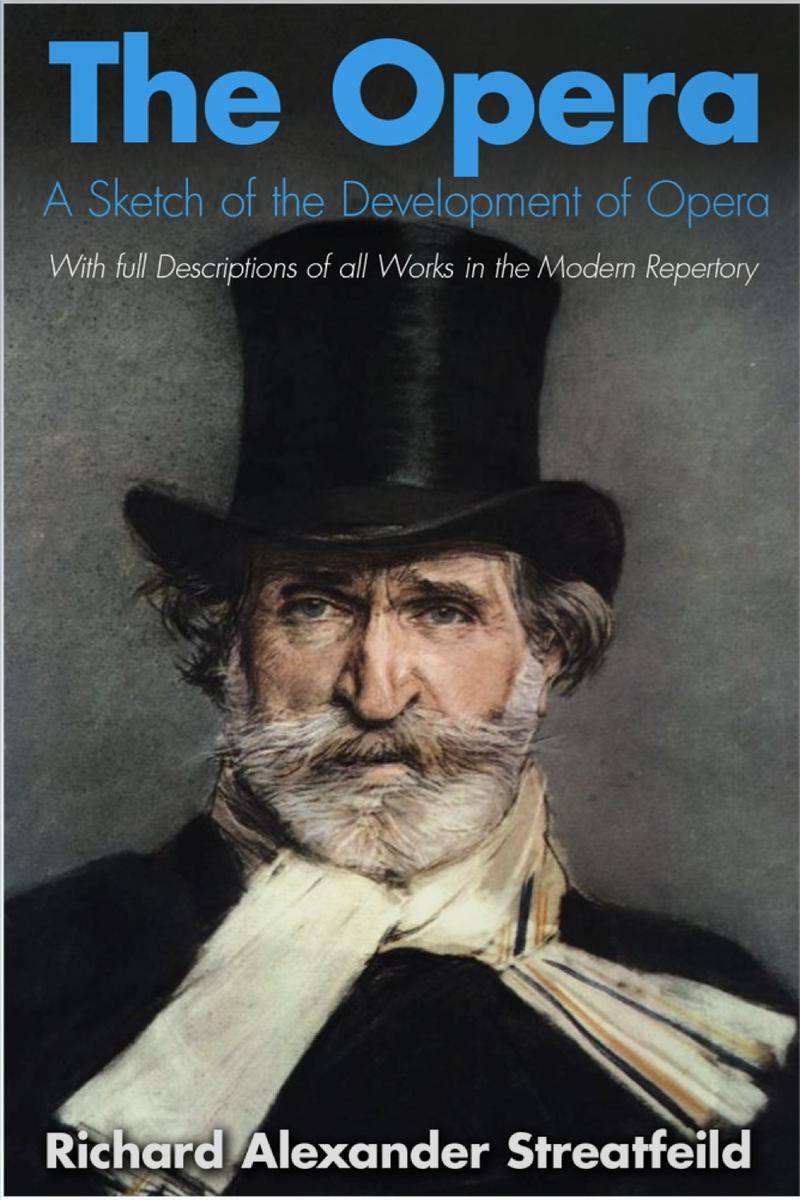
Opera
¥19.52
A fascinating look at the history and development of opera as an art form, looking at many famous examples.
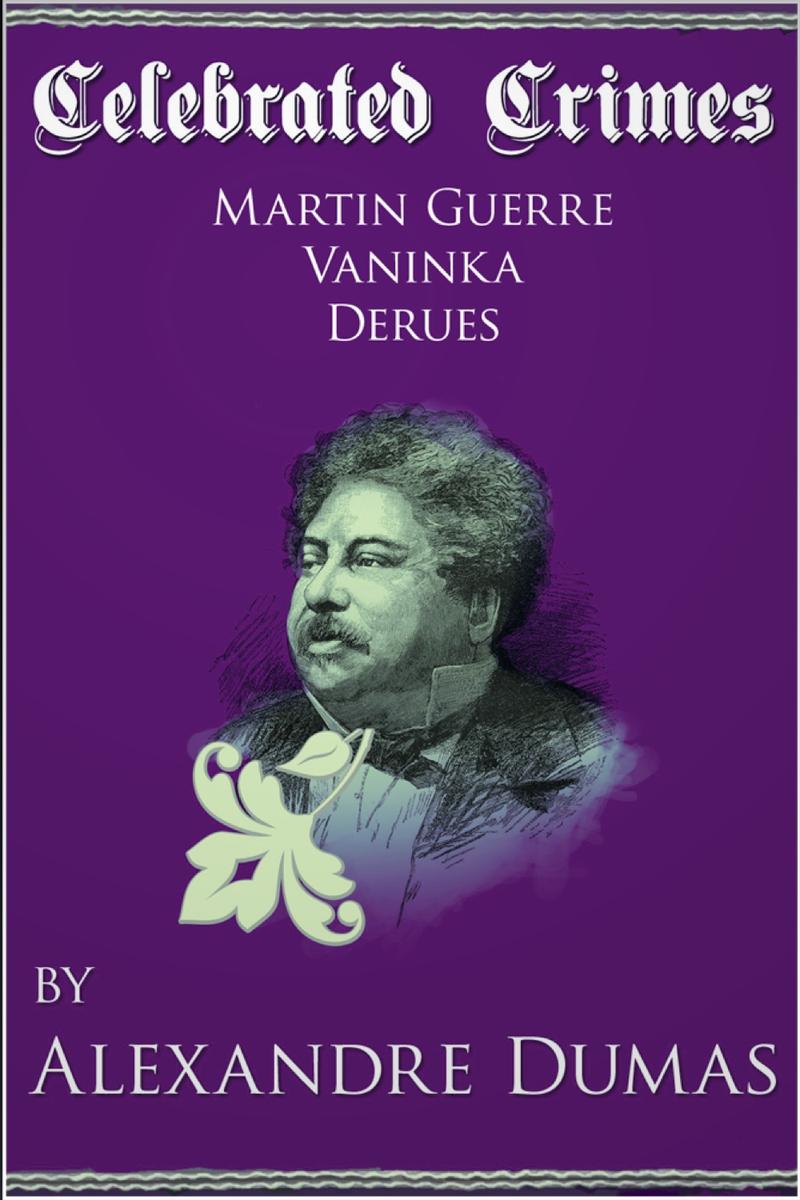
Celebrated Crimes 'Martin Guerre', 'Vaninka' and 'Derues'
¥19.52
Three writings taken from 'Celebrated Crimes', a series of essays on famous criminals and crimes by the author of 'The Count of Monte Cristo' and 'The Three Musketeers', Alexandre Dumas.
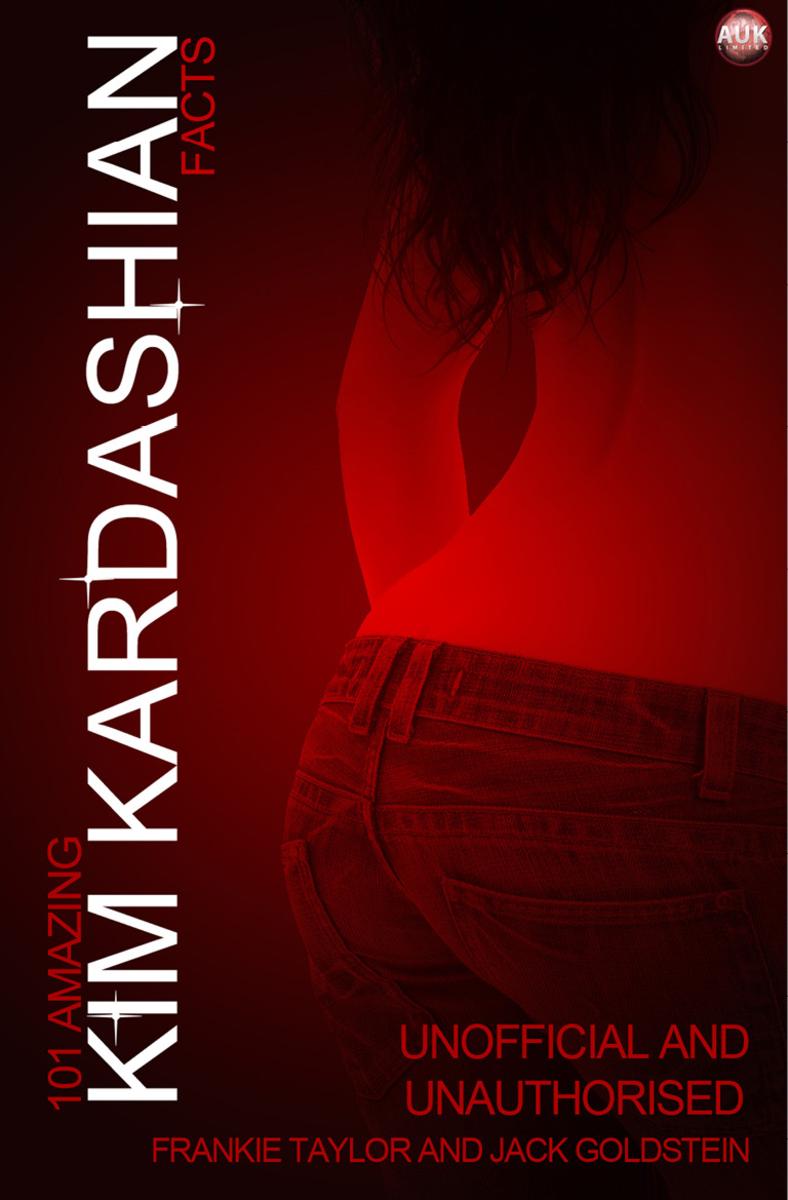
101 Amazing Kim Kardashian Facts
¥19.52
Are you the world's biggest Kim Kardashian Fan? Do you know everything there is to know about today's greatest style icon and reality TV star? Then this is the book for you! In this easy-to-digest eBook are 101 facts about your favourite celebrity - do you know all of them?Test yourself and your friends with these handily-packaged facts easily organised into categories for maximum enjoyment. Sections include Kim's TV work, her fashion, and some crazy facts about her life. Show everyone that you are the master of Kardashian Knowledge!

Несказане
¥25.18
Le piante percepiscono il suono e amano suonare.Lo dimostrano studi e sperimentazioni condotte in ambito accademico e, ancora di più, le esperienze di numerosi ricercatori e musicisti che insegnano alle piante a usare apparecchiature musicali elettroniche e suonano e cantano insieme a loro.Le ricerche sull’intelligenza vegetale, sulla sensibilità delle piante e sulla loro disponibilità a dialogare con noi aprono la nostra mente verso una più profonda visione della natura e il nostro cuore a nuove occasioni di scambio con tutto ciò che è vivo intorno a noi.


