


 购物车
购物车 个人中心
个人中心
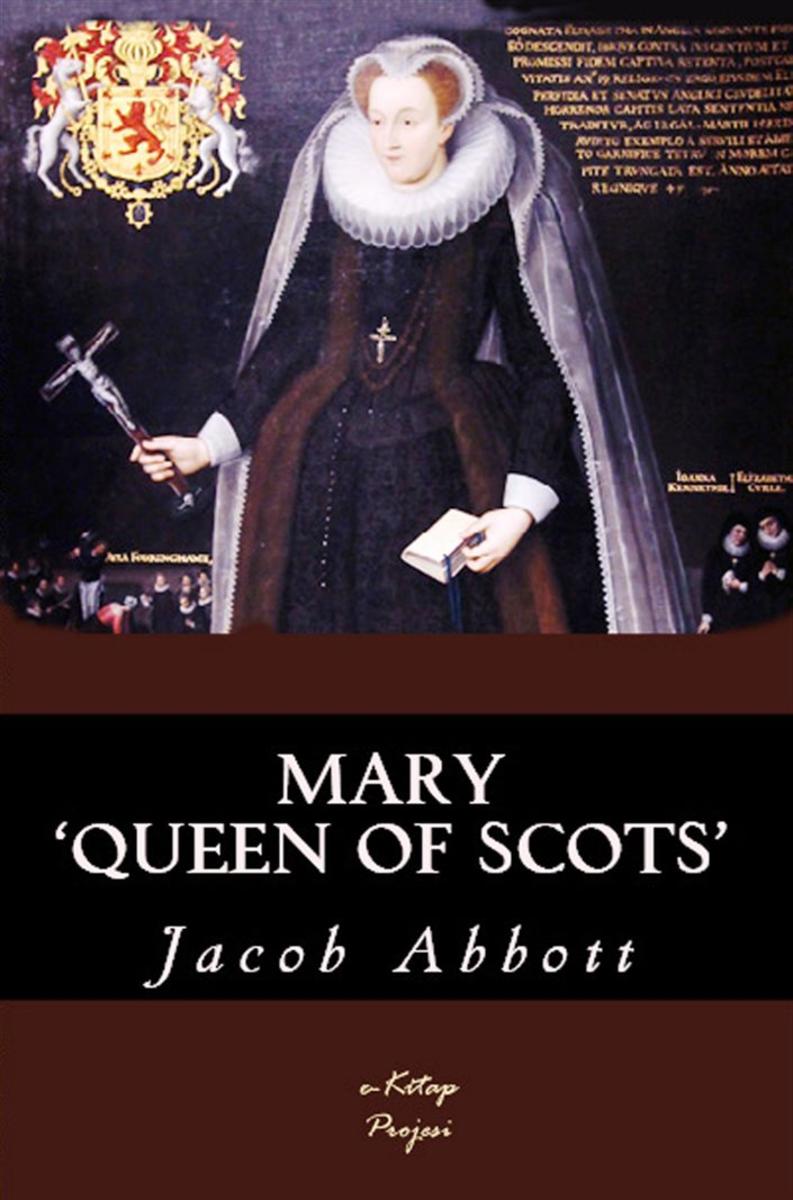
Mary Queen of Scots
¥27.88
TRAVELERS who go into Scotland take a great interest in visiting, among other places, a certain room in the ruins of an old palace, where Queen Mary was born. Queen Mary was very beautiful, but she was very unfortunate and unhappy. Every body takes a strong interest in her story, and this interest attaches, in some degree, to the room where her sad and sorrowful life was begun.??The palace is near a little village called Linlithgow. The village has but one long street, which consists of ancient stone houses. North of it is a little lake, or rather pond: they call it, in Scotland, a loch. The palace is between the village and the loch; it is upon a beautiful swell of land which projects out into the water. There is a very small island in the middle of the loch and the shores are bordered with fertile fields. The palace, when entire, was square, with an open space or court in the center. There was a beautiful stone fountain in the center of this court, and an arched gateway through which horsemen and carriages could ride in. The doors of entrance into the palace were on the inside of the court.??The palace is now in ruins. A troop of soldiers came to it one day in time of war, after Mary and her mother had left it, and spent the night there: they spread straw over the floors to sleep upon. In the morning, when they went away, they wantonly set the straw on fire, and left it burning, and thus the palace was destroyed. Some of the lower floors were of stone; but all the upper floors and the roof were burned, and all the wood-work of the rooms, and the doors and window-frames. Since then the palace has never been repaired, but remains a melancholy pile of ruins.??The room where Mary was born had a stone floor. The rubbish which has fallen from above has covered it with a sort of soil, and grass and weeds grow up all over it. It is a very melancholy sight to see.
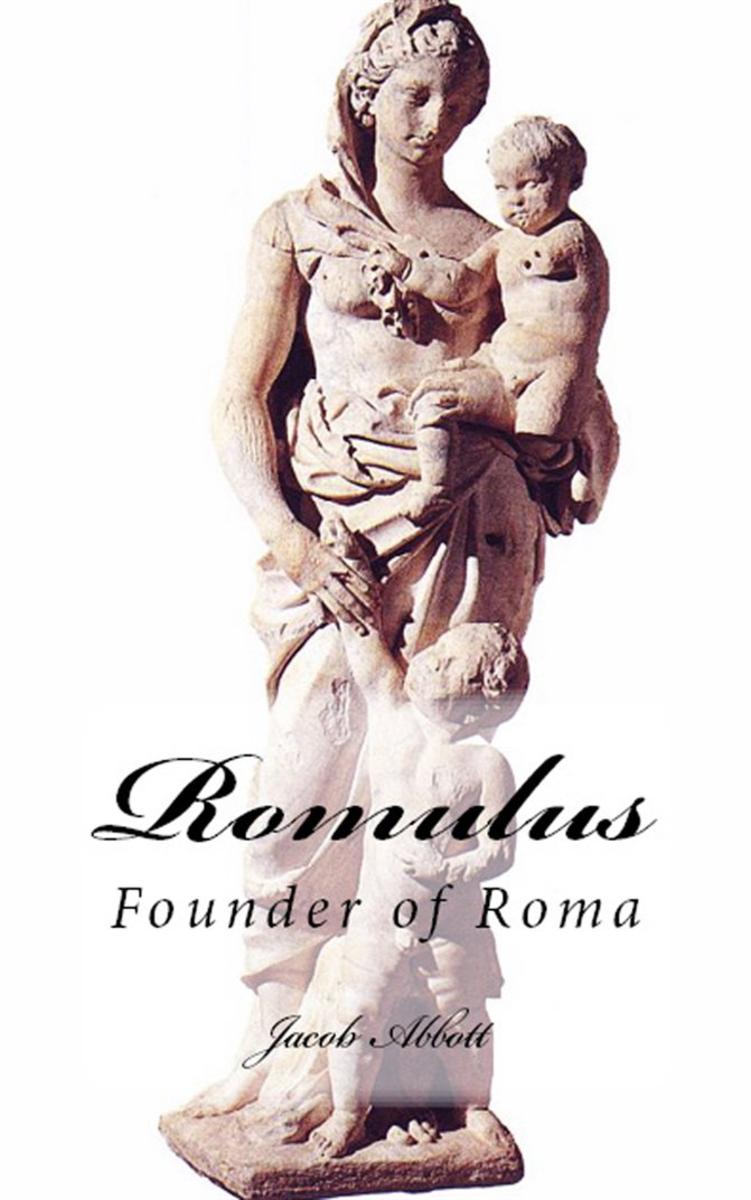
Romulus
¥18.56
SOME men are renowned in history on account of the extraordinary powers and capacities which they exhibited in the course of their career, or the intrinsic greatness of the deeds which they performed. Others, without having really achieved any thing in itself very great or wonderful, have become widely known to mankind by reason of the vast consequences which, in the subsequent course of events, resulted from their doings. Men of this latter class are conspicuous rather than great. From among thousands of other men equally exalted in character with themselves, they are brought out prominently to the notice of mankind only in consequence of the strong light reflected, by great events subsequently occurring, back upon the position where they happened to stand.??The celebrity of Romulus seems to be of this latter kind. He founded a city. A thousand other men have founded cities; and in doing their work have evinced perhaps as much courage, sagacity, and mental power as Romulus displayed. ?The city of Romulus, however, became in the end the queen and mistress of the world. It rose to so exalted a position of influence and power, and retained its ascendency so long, that now for twenty centuries every civilized nation in the western world have felt a strong interest in every thing pertaining to its history, and have been accustomed to look back with special curiosity to the circumstances of its origin. ??In consequence of this it has happened that though Romulus, in his actual day, performed no very great exploits, and enjoyed no pre-eminence above the thousand other half-savage chieftains of his class, whose names have been long forgotten, and very probably while he lived never dreamed of any extended fame, yet so brilliant is the illumination which the subsequent events of history have shed upon his position and his doings, that his name and the incidents of his life have been brought out very conspicuously to view, and attract very strongly the attention of mankind.??The history of Rome is usually made to begin with the story of ?neas. In order that the reader may understand in what light that romantic tale is to be re-garded, it is necessary to premise some statements in respect to the general condition of society in ancient days, and to the nature of the strange narrations, circulated in those early periods among mankind, out of which in later ages, when the art of writing came to be introduced, learned men compiled and recorded what they termed history.
![Descent into Hell: [Illustrated & Biography Added]](https://platform-permanent.ddimg.cn/pt-media-info-soa-resource/digital/product/47/16/1901164716_ii_cover.jpg?version=a18d0f02-f816-45de-87f7-612b965f776d)
Descent into Hell: [Illustrated & Biography Added]
¥18.56
Descent Into Hell is a novel written by Charles Williams, first published in 1937. Williams is less well known than his fellow Inklings, such as C. S. Lewis and J. R. R. Tolkien. Like some of them, however, he wrote a series of novels which combine elements of fantasy fiction and Christian symbolism. Forgoing the detective fiction style of most of his earlier supernatural novels, most of the story's action is spiritual or psychological in nature. It fits the "theological thriller" description sometimes given to his works. For this reason Descent was initially rejected by publishers, though T. S. Eliot's publishing house Faber and Faberwould eventually pick up the novel, as Eliot admired Williams's work, and, though he did not like Descent Into Hell as well as the earlier novels, desired to see it printed.SHORT SUMMARY: The action takes place in Battle Hill, outside London, amidst the townspeople's staging of a new play by Peter Stanhope. The hill seems to reside at the crux of time, as characters from the past appear, and perhaps at a doorway to the beyond, as characters are alternately summoned heavenwards or descend into hell. Pauline Anstruther, the heroine of the novel, lives in fear of meeting her own doppelganger, which has appeared to her throughout her life. But Stanhope, in an action central to the author's own theology, takes the burden of her fears upon himself—Williams called this The Doctrine of Substituted Love—and enables Pauline, at long last, to face her true self. Williams drew this idea from the biblical verse, "Ye shall bear one another's burdens" And so Stanhope does take the weight, with no surreptitious motive, in the most affecting scene in the novel. And Pauline, liberated, is able to accept truth.On the other hand, Lawrence Wentworth, a local historian, finding his desire for Adela Hunt to be unrequited, falls in love instead with a spirit form of Adela, which seems to represent a kind of extreme self-love on his part. As he isolates himself more and more with this insubstantial figure, and dreams of descending a silver rope into a dark pit, Wentworth begins the descent into Hell.HARROWING of HELL: "Christ in Limbo" and "Descent into Hell" redirect here. For the novel by Charles Williams, see Descent into Hell (novel). For the 8th-century Anglo-Saxon liturgical play, see Harrowing of Hell (drama).
Deadly Seven: FEATURE FILM SCRIPT
¥44.81
Deadly Seven is a combination of monologues and ‘light’ script engagement of a psychologist with her seven clients, who each represent a deadly sin. Once the psychologist realises she lacks control over each of her clients’ lives, she decides to put an end to their madness. All characters represent an obsession which ultimately destroys them; leading to their deaths.
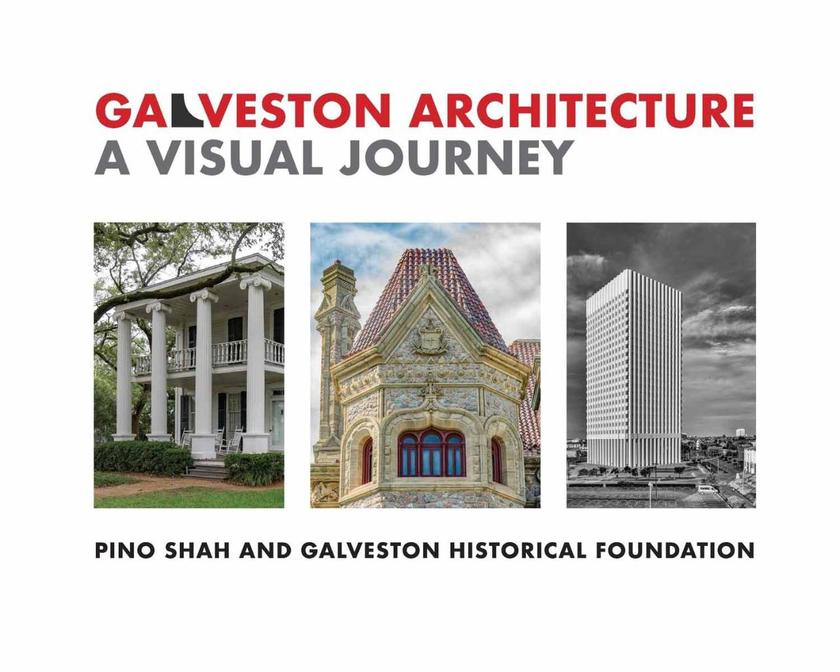
Galveston Architecture: A Visual Journey
¥245.17
Galveston Architecture: A Visual Journey is a photographic journey of the architecture and history of select 100 buildings in Galveston, Texas, with photographs by Pino Shah, World Heritage Photographer and narratives by Galveston Historical Foundation (GHF). The book includes full illustrations of 100 buildings re ecting Greek Revival, Victorian, Italianate and Mid-century Modern architectural styles from 1840s through 1990s. Pino Shah is a world heritage photographer based in McAllen, Texas and Ahmedabad, India. Galveston Historical Foundation preserves and revitalizes the architectural, cultural and maritime heritage of Galveston Island. The Foundation is a 501 (c) (3) non-pro t charitable corporation.
An American Book of Golden Deeds
¥28.29
AS you open this book you will probably ask, "What is a golden deed?"?Let me tell you. It is the doing of something for somebody else doing it without thought of self, without thought of reward, fearlessly, heroically, and because it is a duty.??Such a deed is possible to you, to me, to everybody. It is frequently performed without forethought or definite intention. It is the spontaneous manifestation of nobility, somewhere, of mind or heart. It may consist merely in the doing of some kind and helpful service at home or at school. It may be an unexpected test of heroism a warning of danger, a saving of somebody's life. It may be an act of benevolence, or a series of such acts, world-wide in application and results.??This little volume is only a book of samples. Here are specimens of golden deeds of various kinds and of different degrees of merit, ranging from the unpremeditated saving of a railroad train to the great humanitarian movement which carries blessings to all mankind. To attempt to tell of every such deed, or of every one that is eminently worthy, would fill a multitude of books. ??The, examples which I have chosen are such only as have occurred on American soil, or have been performed by Americans, thus distinguishing the volume from Miss Charlotte Yonge's "Book of Golden Deeds," published for English readers fifty years ago. While some of these narratives may have the appearance of romance, yet they are all believed to be true, and in most cases the real name of the hero, or of the lover of humanity, is given.??Instances of doing and daring have always a fascination for young people, and when to these is added the idea of a noble underlying motive the lessons taught by them cannot fail to be beneficial. ?
Adonijah: "A Tale of the Jewish Dispersion"
¥23.22
The period included in the reigns of Nero, Galba, Otho, Vitellius, and Vespasian, was remarkable for two memorable events in the annals of ecclesiastical history; the first persecution of the Christian Church by the sixth Roman sovereign, and the dissolution of the Jewish polity by Titus. The destruction of Jerusalem was stupendous, not only as an act of divine wrath, but as being the proximate cause of the dispersion of a whole nation, upon which a long series of sorrow, spoliation, and oppression lighted, in consequence of the curse the Jews had invoked, when in reply to the remonstrances of Pilate they had cried out, “His blood be upon us and our children.” The church below, represented in Scripture as a type of the heavenly Jerusalem above, and having its seat then in the doomed city, was not to continue there, lest the native Jews composing it should gather round them a people of their own nation, in a place destined to remain desolate till the time when the dispersed of Israel should be converted, and rebuild their city and temple. The city bearing the ancient name of Jerusalem does not indeed occupy the same site, being built round the sacred spot where the garden once stood, in which a mortal sepulchre received the lifeless form of the Saviour of the world. But happier times seem dawning on the dispersed of Judea. Our own days have seen the foundations of a Jewish Christian church laid in Jerusalem; our Queen Victoria and the King of Prussia united to commence a work of love, thereby fulfilling in part the promise made to the Jews of old, “And kings shall be thy nursing fathers, and queens thy nursing mothers.” To those readers who feel interested in the dispersed of Israel and Judea, these pages may afford, perhaps, information on an important subject as well as amusement.
Exploratorii. Cartea a III-a - Muntele de fum
¥73.49
Cartea t?n?rului universitar Mihai-Bogdan Marian consacrat? analizei conflictelor interna?ionale este o invita?ie la luciditate, la reflec?ie autonom?, dezinhibat?, la cercetare aplicat?, f?r? prejudec??i ?i partizanate apriorice. Autorul este un analist pentru care exerci?iul ?n sine al disec?rii cauzelor ?i ?mprejur?rilor ce favorizeaz? apari?ia ?i acutizarea conflictelor interna?ionale nu este unul fortuit sau gratuit. Ideea sa tutelar? este c? orice astfel de conflict poate fi pre?nt?mpinat. Iar dac?, fatalmente, el s-a declan?at ?i s-a dezvoltat, sc?p?nd poate de sub control, poate fi dezamorsat, factorii angrena?i ?n acest proces av?nd la ?ndem?n? algoritmi ?i proceduri standard care nu trebuie s? fac? obiectul unei ac?iuni in extremis, care s? justifice de fapt prin e?ec escaladarea ?n continuare a conflictului ca atare. (Mihai Milca)
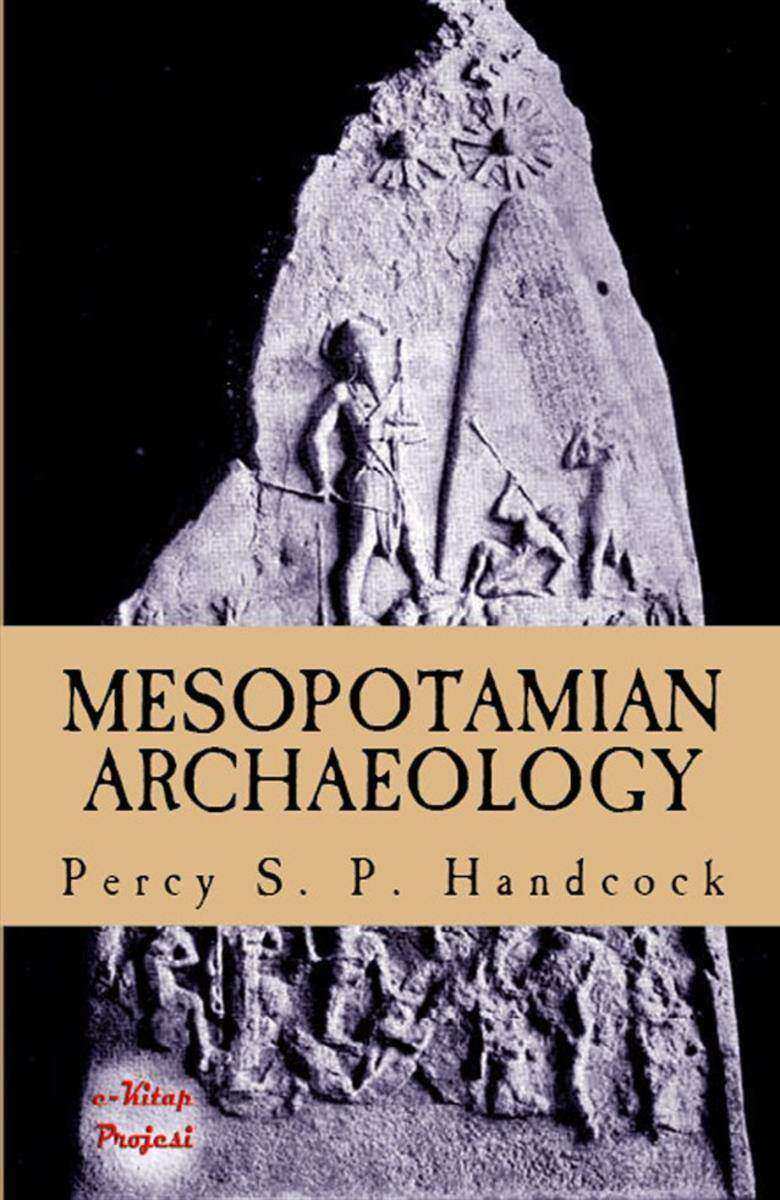
Mesopotamian Archaeology
¥37.20
THE Mesopotamian civilization shares with the Egyptian civilization the honour of being one of the two earliest civilizations in the world, and although M. J. de Morgan’s excavations at Susa the ruined capital of ancient Elam, have brought to light the elements of an advanced civilization which perhaps even antedates that of Mesopotamia, it must be remembered that the Sumerians who, so far as our present knowledge goes, were the first to introduce the arts of life and all that they bring with them, into the low-lying valley of the Tigris and Euphrates, probably themselves emigrated from the Elamite plateau on the east of the Tigris; at all events the Sumerians expressed both “mountain” and “country” by the same writing-sign, the two apparently being synonymous from their point of view; in support of this theory of a mountain-home for the Sumerians, we may perhaps further explain the temple-towers, the characteristic feature of most of the religious edifices in Mesopotamia, as a conscious or unconscious imitation in bricks and mortar of the hills and ridges of their native-land, due to an innate aversion to the dead-level monotony of the Babylonian plain, while it is also a significant fact that in the earliest period Shamash the Sun-god is represented with one foot resting on a mountain, or else standing between two mountains. However this may be, the history of the Elamites was intimately wrapped up with that of the dwellers on the other side of the Tigris, from the earliest times down to the sack of Susa by Ashur-bani-pal, king of Assyria, in the seventh century. Both peoples adopted the cuneiform system of writing, so-called owing to the wedge-shaped formation of the characters, the wedges being due to the material used in later times for all writing purposes—the clay of their native soil—: both spoke an agglutinative, as opposed to an inflexional language like our own, and both inherited a similar culture. A further, and in its way a more convincing argument in support of the mountain-origin theory is afforded by the early art of the Sumerians. On the most primitive seal cylinders1 we find trees and animals whose home is in the mountains, and which certainly were not native to the low-lying plain of Babylonia. The cypress and the cedar-tree are only found in mountainous districts, but a tree which must be identified with one or the other of them is represented on the early seal cylinders; it is of course true that ancient Sumerian rulers fetched cedar wood from the mountains for their building operations, and therefore the presence of such a tree on cylinder seals merely argues a certain acquaintance with the tree, but Ceteris paribus it is more reasonable to suppose that the material earthly objects depicted, were those with which the people were entirely familiar and not those with which they were merely casually acquainted. Again, on the early cylinders the mountain bull, known as the Bison bonasus, assumes the r?le played in later times by the lowland water-buffalo. This occurs with such persistent regularity that the inference that the home of the Sumerians in those days was in the mountains is almost inevitable. Again, as Ward points out, the composite man-bull Ea-bani, the companion of Gilgamesh, has always the body of a bison, never that of a buffalo. So too the frequent occurrence of the ibex, the oryx, and the deer with branching horns, all argues in the same direction, for the natural home of all these animals lay in the mountains.
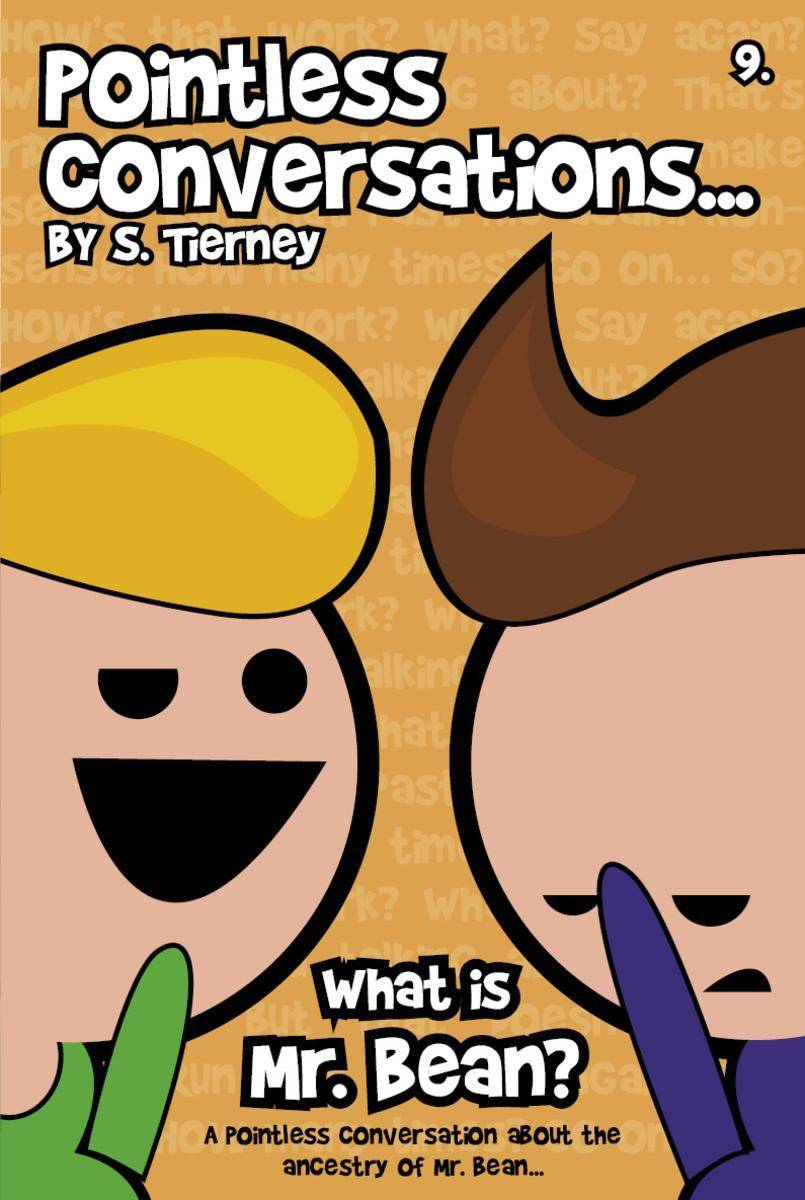
Pointless Conversations
¥19.52
Pointless conversations: a selection of daft, ridiculous and utterly pointless meanderings from the mind of Scott Tierney. If you've ever wanted to know the answers to why Superman is a coward, why Spiderman should technically be deformed, and if Superdog caused the death of Krypton, then these bite-sized comics will reveal all. The discussions may be insane, and most of what is said is rambling, but despite this, you may find yourself agreeing with most of what is said. It's a fair point: where does Spiderman store all that web?

101 Amazing McFly Facts
¥19.52
Are you the world's biggest McFly Fan? Do you know everything there is to know about Dougie, Harry, Tom and Danny? Then this is the book for you! In this easy-to-digest eBook are 101 facts about your favourite band - do you know all of them?Test yourself and your friends with these handily-packaged facts easily organised into categories for maximum enjoyment. Sections include their music, the individual members of the band, and some crazy facts about their lives! Show everyone that you are the master of McFly mania!
Pride and Prejudice
¥8.67
Meddig él velünk a kommunista diktatúra emléke? ?s mit kezdjünk vele, ha már nem tudjuk elfelejteni? – így fogalmazhatók meg r?viden Kukorelly Endre Rom cím? k?nyvének alapkérdései. Pontosabb volna egyes szám els? személyben kérdezni, hiszen a k?nyv mindvégig így és innen beszél k?z?s t?rténetünkr?l: már ezzel elhárítva a hamis k?z?sségiség mítoszait és nyomasztó beszédmódjait. Ironikusan, ?nironikusan rákérdez arra, amit ma a térség legszívesebben elfelejtene, illetve amir?l kínzóan ostoba ?nigazoló t?rténeteket gyárt. Kukorelly Endre kikezdi ezt a fárasztó, ?nigazoló retorikát, ám a k?nyv beszél?je nem áltatja az olvasót, hogy ? kívülálló lenne, aki már akkor is átlátott a szitán. Nem, csak éppen meg?rizte ízlését és humorát, ami talán elég ahhoz, hogy hitelesen beszélhessen az ízléstelenség és kedélytelenség világáról. Ami nem csak a múlt.?
The Adventures of Sherlock Holmes
¥16.27
THE PRINCE was written by Niccolo' Machiavelli in the 1500s. It has continued to be a best seller in many languages. Presently, it is translated into modern English, with illustrations by Benjamin Martinez and an Introduction by Adolph Cso.The Prince is a classic book that explores the attainment, maintenance, and utilization of political power in the western world. Machiavelli wrote The Prince to demonstrate his skill in the art of the state, presenting advice on how a prince might acquire and hold power. Machiavelli defended the notion of rule by force rather than by law. Accordingly, The Prince seems to rationalize a number of actions done solely to perpetuate power. It is an examination of power-its attainment, development, and successful use.
S? mori din dragoste
¥65.32
Un volum cuprinzand studii si documente descoperite in arhivele romane si straine (aproximativ 900 pagini) privind istoria conflictului mondial din 1939-1945 si a razboiului rece. Lucrarea reflecta, in esenta, batalia pentru informatii angajata intre serviciile de spionaj dupa 1939, pregatirea si infaptuirea loviturii de stat de la 23 August 1944, lupta pentru putere la nivelul conducerii P.C.R. (1944-1989), premisele loviturii de stat din 22 decembrie 1989, prabusirea statului comunist in Europa Est-Centrala e.t.c.
101 Amazing Facts about Fifth Harmony
¥19.52
Are you the world's most dedicated Harmonizer? Do you know more about Fifth Harmony than any other fan? Or do you want to discover some fantastic information about the girls who have taken the world by storm? If so, then this is the book for you! Contained within are more than one hundred amazing facts about everything, from the music to the relationships plus much, much more. The book is easily organised into sections so you can find the information you want fast, and is perfect for all ages. No Harmonizer should be without it!

101 Amazing Facts about The Vamps
¥19.52
Are you the ultimate Vampette or Vampion? Do you want to know even more about Brad, James, Connor and Tristan? If so, then this is the book for you! Contained within are 101 amazing facts about everything, from how the boys formed the band to their likes, dislikes and awards they have won plus much, much more. The book is easily organised into sections so you can find the information you want fast and is perfect for all ages.
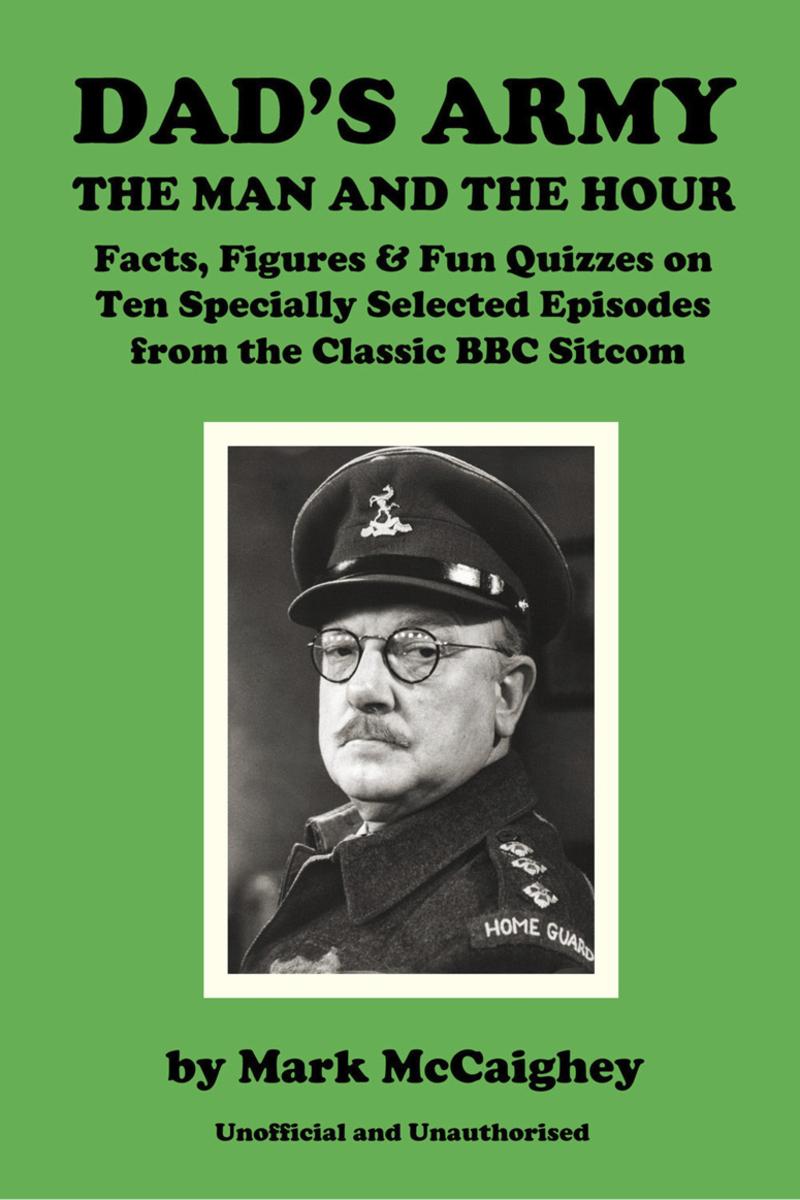
Dad's Army - The Man and The Hour
¥29.33
This original, informative and entertaining book focuses on ten specially chosen episodes from the eighty Dad's Army shows that were produced during the programme's long run from 1968 to 1977. Amongst the episodes featured are ones that have been favoured by the writers Jimmy Perry and David Croft and by some of its stars - John Le Mesurier, Ian Lavender and Frank Williams. There are anecdotes and quotes from those involved and quizzes on each of the episodes, which are: The Man and the Hour (first episode), The Showing Up of Corporal Jones, The Armoured Might of Lance Corporal Jones, Something Nasty in the Vault, Branded, Mum's Army, The Deadly Attachment (the "e;Don't tell him, Pike"e; episode), The Royal Train, Ring Dem Bells and Never Too Old (final episode). Dad's Army The Man and The Hour is an absolute must-have for fans of this classic sitcom.
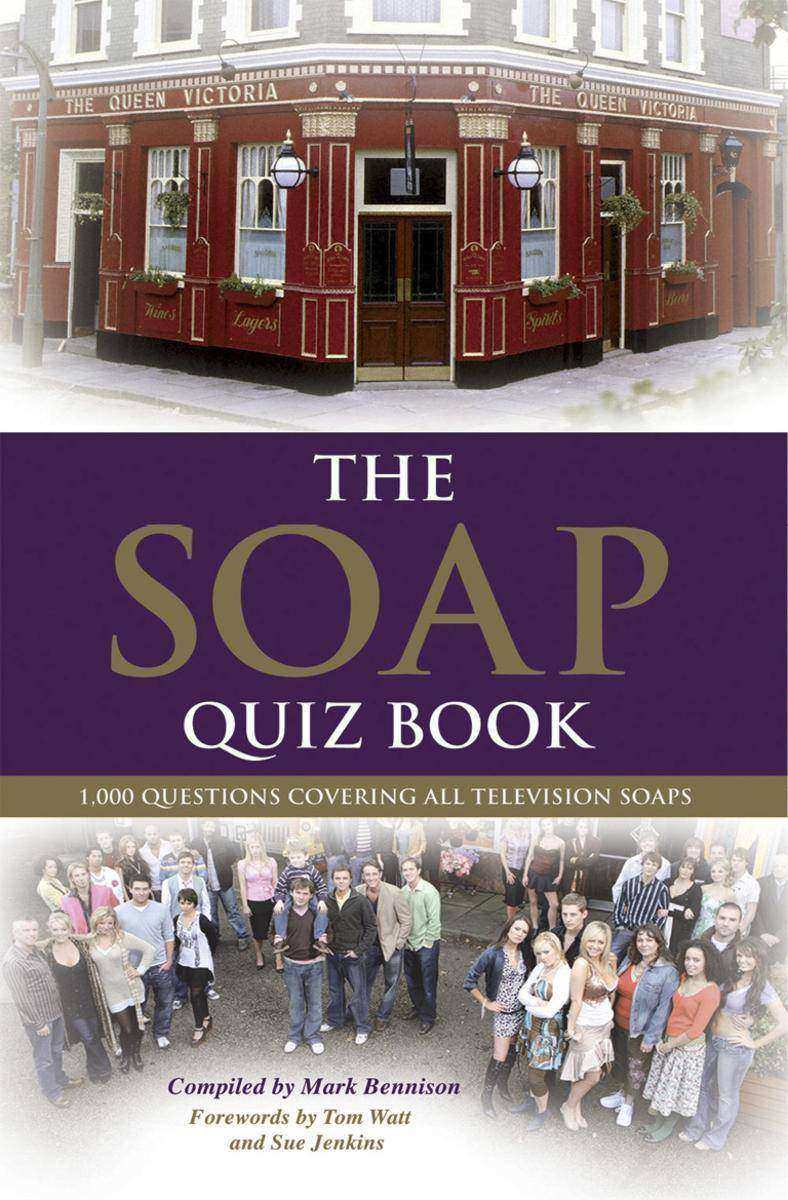
Soap Quiz Book
¥39.14
Can you remember Hilda Ogden, Annie Sugden and Dirty Den or are you more familiar with the current soap stars who keep us hooked with the ever changing dramatic events that shape their onscreen lives? All your favourite characters from yesteryear can be found in this quiz book alongside those more contemporary villains television audiences just love to hate. The 1,000 testing questions in this book will have you arguing with family and friends about the many memorable moments that have defined the history of soap. Gripping plots, bad guys and girls, heroes, happy events and dark moments, loves and losses are all covered in The Soap Quiz Book and will refresh your memory of all the essential viewing moments from the soaps down the years. Packed with fascinating facts this book is guaranteed to provide hours of entertainment for soap fans of all ages. So whether you are a dedicated follower of Coronation Street, have never missed an episode of Neighbours or have just discovered Hollyoaks this quiz book is sure to prove a fun read.

101 Interesting Facts on Union J
¥24.43
Are you Union J fan? Have you followed their career from performing together for the first time as a band on The X Factor to the release of their first studio album? Would you like to know a bit more about George, Josh, JJ, and Jaymi? If so, 101 Interesting Facts on Union J will tell you everything you ever wanted to know about the four band members. What is George's favourite film, Josh's shoe size, what type of food does Jaymi enjoy and what performer most inspires JJ? Find out the answers to these questions and more inside this new book all about pop sensation Union J. Full of information about your favourite boy band, including many personal details, this book covers the boys' journey from four unknown artists, to forming the band, releasing an album and going on tour. Find out about life before and after The X Factor for the boys with 101 interesting facts all about Union J, a must-have book for the band's many fans.

Puppy's Tail
¥19.52
People love cute and cuddly puppies, but have you ever wondered why so many are abandoned, often within a day of purchase? The answer is because the new owner never realised just how much is actually involved in looking after a young puppy. The aim of this book is to give the prospective owner an honest idea of what is involved in rearing a young puppy into adulthood and to get an idea if the experience is for them.

Cheryl Cole Quiz Book
¥24.43
Are you a devoted fan of Cheryl Cole? Have you followed her career from the early days of Girls Aloud through to chart topping solo artist and glamorous X Factor judge? Do you consider yourself to be an expert on the woman who has become a trend setting style icon and global megastar? If so, now you can test your knowledge with the 100 probing questions in this quiz book. Every aspect of Cheryl's life is well documented in the press, from her marriage break up and relationships to her fashion choices, but how much do you really know about the woman behind the public image? What is Cheryl's favourite film, what job did she do before finding fame as a singer and what are her political views? The answers to all these questions and more can be found inside The Cheryl Cole Quiz Book. Packed full of information, this book is certain to reveal some previously unknown fact about the Geordie 'girl next door' who went on to become an international star. This is a must-have read for Cheryl Cole fans everywhere.


