


 购物车
购物车 个人中心
个人中心
Uciga?ul dragonului
¥81.67
Necesitatea acestei carti s-a impus in campul istoriografiei contemporane ca un raspuns ce se cerea stringent intr-un moment in care istoriografia in ansamblul ei a intrat intr-un serios impas girat si incurajat de predominanta agresiva si interferenta unor scoli si curente inconsistente, care de care mai zgomotoase, mai belicoase, mai ?originale“, concomitent cu intensificarea presiunii factorului politic (guverne, parlamente, tribunale, ong-uri etc).Tematica lucrarii o constituie evenimentele care au tulburat intreaga lume in perioada celui de-al Doilea Razboi Mondial.Studiile din aceasta carte au aparut sub semnatura celor mai prestigiosi istorici ai neamului nostru din aceasta perioada: acad. Dan Berindei, acad. Florin Constantiniu, prof. univ. dr. Gh. Buzatu (coordonatorul editiei), Stela Cheptea si multi altii.
An American Book of Golden Deeds
¥28.29
AS you open this book you will probably ask, "What is a golden deed?"?Let me tell you. It is the doing of something for somebody else doing it without thought of self, without thought of reward, fearlessly, heroically, and because it is a duty.??Such a deed is possible to you, to me, to everybody. It is frequently performed without forethought or definite intention. It is the spontaneous manifestation of nobility, somewhere, of mind or heart. It may consist merely in the doing of some kind and helpful service at home or at school. It may be an unexpected test of heroism a warning of danger, a saving of somebody's life. It may be an act of benevolence, or a series of such acts, world-wide in application and results.??This little volume is only a book of samples. Here are specimens of golden deeds of various kinds and of different degrees of merit, ranging from the unpremeditated saving of a railroad train to the great humanitarian movement which carries blessings to all mankind. To attempt to tell of every such deed, or of every one that is eminently worthy, would fill a multitude of books. ??The, examples which I have chosen are such only as have occurred on American soil, or have been performed by Americans, thus distinguishing the volume from Miss Charlotte Yonge's "Book of Golden Deeds," published for English readers fifty years ago. While some of these narratives may have the appearance of romance, yet they are all believed to be true, and in most cases the real name of the hero, or of the lover of humanity, is given.??Instances of doing and daring have always a fascination for young people, and when to these is added the idea of a noble underlying motive the lessons taught by them cannot fail to be beneficial. ?
Ceasul r?u pe strada Hickory
¥33.03
Cartea de fa?? vrea s? relateze succint, dar temeinic, evenimentele petrecute în cei dou?zeci de ani de insecuritate ?i criz? ce au urmat Marelui R?zboi. Indiferent cât de puternice sau de durat? au fost for?ele ce au dus la izbucnirea celui de-al Doilea R?zboi Mondial, a existat un moment când principalii actori pe scena istoriei s-au v?zut nevoi?i s? se confrunte cu aceste for?e ?i s? ia anumite decizii. Marile evenimente ale istoriei î?i genereaz? o dinamic? ?i o desf??urare proprii. Din perspectiva noastr?, a celor de acum, al Doilea R?zboi Mondial pare s? fi izbucnit din cauza crizei interna?ionale provocate de Germania lui Hitler. Îns? nimic din ce se întâmpl? în istorie nu este inevitabil, dup? cum va încerca s? demonstreze acest volum. Dialogul straniu între sistem ?i actorii lui se afl? la baza relat?rii istorice. Evenimentele înse?i pot fi, în acela?i timp, cauz? ?i efect – la fel cum s-a întâmplat ?

Un buzunar plin cu secar?
¥33.03
Istoria serviciilor de informa?ii sovietice continu? s? fie un mister“, m?rturise?te Boris Volodarski, fost c?pitan în Serviciul de Informa?ii Militare din URSS (GRU), unul dintre cei mai mari exper?i în studierea serviciilor secrete sovietice. ?i tot Volodarski este de p?rere c? majoritatea materialelor publicate pe aceast? tem? este plin? de falsuri ?i de informa?ii distorsionate, incluzând aici ?i memoriile publicate de fo?tii agen?i. Noile documente disponibile ast?zi ne permit s? cunoa?tem mult mai bine adev?rul despre interven?ia sovietic? în Spania ?i rolul jucat de agen?ii URSS: Gerö, Grigulevici, Philby (ini?ial trimis cu misiunea de a-l asasina pe Franco), Kol?ov ?i, mai ales, Lev Nikolski, cunoscut drept Aleksandr Orlov – omul care i-a în?elat pe Stalin ?i pe cei de la CIA, ?i chiar lumea întreag? cu memoriile sale. Acesta a condus, din februarie 1937, sta?ia NKVD din Spania ?i a fost responsabil de o etap? important? a regimului de teroare sângeroas?, care a inclus asasinarea lui Kurt Landau ?i a lui Andreu Nin. Cartea de fa??, care demonteaz? o cantitate impresionant? de fabula?ii, falsuri ?i minciuni, ce continu? s? fie propagate ?i ast?zi, va fi, f?r? îndoial?, o referin?? indispensabil? pentru to?i cei care î?i propun s? studieze R?zboiul Civil din Spania.

Negru profund, noian de negru
¥75.21
Aceast? carte este un demers pe care l-am g?ndit ca pe o lucrare de sintez? care s? surprind?, ?n m?sura posibilit??ilor, puncte de referin?? ?ntre texte ?i autori din perioade diferite, din Evul Mediu european ?i Rena?tere, con?tient? fiind c? epoca medieval? nu trebuie considerat? cu nimic mai prejos dec?t grandorile Greciei vechi sau ale Rena?terii. Problematica acestui concept al Alegoriei ?n receptarea sa de c?tre literatura Evului Mediu, dar ?i de c?tre epocile ulterioare, este complex? ?i bogata bibliografie ce i s-a consacrat ?n ultimele decenii nu face dec?t s? provoace la noi discu?ii ?i interpret?ri a?a cum este ?i aceast? lucrare.
Last Descendants - A New York-i felkelés
¥65.97
Europa acas“ este un album creat n urma unui turneu de conferine i lecturi publice inute de ctre autoare, Aura Christi, n ara lui Homer i Aristotel. Protagonitii albumului sunt Aura Christi, Nicolae Breban, Ion Ianoi, Janina Ianoi, Andrei Potlog, Victor Ivanovici, Monica Svulescu-Voudouri. Protagonistul cel mai important, ns, este fr ndoial Marea Elad i cultura ei, civilizaia acestei ri mitice - temelia civilizaiei europene moderne. Albumul conine poeme i comentarii, dar i imagini memorabile realizate de poeta Aura Christi la Delphi, Atena i alte epicentre legendare ale civilizaiei europene.
TRI KNJIGE O SOFIJI
¥80.93
O istorie politico-sentimental? a capitalei noastre. De ce o istorie politico-sentimental?? Pentru c?, ?n evolu?ia Bucure?tiului, de-alungul secolelor, afacerile politice s-au ?mpletit adesea, inevitabil, cu b?t?ile inimii. Chiar prima perioad? a cet??ii, ca ?i capital? domneasc?, tutelat? de figu ra dominant? a doamnei Chiajna, poate fi b?nuit? de un senzualism crud care a deschis drum acelui fenomen pe care Ionescu-Gion ?l numea at?t de plastic ?ginecolatrie“, adic? ascultarea dovedit? de domnitorii valahi fa?? de so?iile lor.
Te ur?sc - nu m? p?r?si. ?n?elegerea personalit??ii borderline
¥73.49
Lucrarea abordeaza teme majore ale politicii despre parlamentarism, parlament, parlamentari, care au suscitat si suscita si astazi aprige controverse, antrenand eforturi si pasiuni in toate mediile culturale si politice ale societatii in decursul vremilor.In analiza Discursurilor si dezbaterilor parlamentare, specialistii si nespecialistii au la dispozitie un bogat material arhivistic alaturi de presa timpului, rod al eforturilor parlamentarilor indiferent de sistemele de reprezentare existente in stat la un moment dat – unicameral sau bicameral.De semnalat in cuprinsul volumului este Mesajul Tronului, sustinut de Al.I. Cuza, alaturi de care intalnim maestri ai elocintei parlamentare romanesti cum ar fi M. Kogalniceanu, Titu Maiorescu, P.P. Carp, I.I.C. Bratianu, Take Ionescu, N. Iorga, O. Goga, N. Titulescu, A.C. Cuza, Al. Vaida-Voievod si multi altii.
![Descent into Hell: [Illustrated & Biography Added]](https://platform-permanent.ddimg.cn/pt-media-info-soa-resource/digital/product/47/16/1901164716_ii_cover.jpg?version=a18d0f02-f816-45de-87f7-612b965f776d)
Descent into Hell: [Illustrated & Biography Added]
¥18.56
Descent Into Hell is a novel written by Charles Williams, first published in 1937. Williams is less well known than his fellow Inklings, such as C. S. Lewis and J. R. R. Tolkien. Like some of them, however, he wrote a series of novels which combine elements of fantasy fiction and Christian symbolism. Forgoing the detective fiction style of most of his earlier supernatural novels, most of the story's action is spiritual or psychological in nature. It fits the "theological thriller" description sometimes given to his works. For this reason Descent was initially rejected by publishers, though T. S. Eliot's publishing house Faber and Faberwould eventually pick up the novel, as Eliot admired Williams's work, and, though he did not like Descent Into Hell as well as the earlier novels, desired to see it printed.SHORT SUMMARY: The action takes place in Battle Hill, outside London, amidst the townspeople's staging of a new play by Peter Stanhope. The hill seems to reside at the crux of time, as characters from the past appear, and perhaps at a doorway to the beyond, as characters are alternately summoned heavenwards or descend into hell. Pauline Anstruther, the heroine of the novel, lives in fear of meeting her own doppelganger, which has appeared to her throughout her life. But Stanhope, in an action central to the author's own theology, takes the burden of her fears upon himself—Williams called this The Doctrine of Substituted Love—and enables Pauline, at long last, to face her true self. Williams drew this idea from the biblical verse, "Ye shall bear one another's burdens" And so Stanhope does take the weight, with no surreptitious motive, in the most affecting scene in the novel. And Pauline, liberated, is able to accept truth.On the other hand, Lawrence Wentworth, a local historian, finding his desire for Adela Hunt to be unrequited, falls in love instead with a spirit form of Adela, which seems to represent a kind of extreme self-love on his part. As he isolates himself more and more with this insubstantial figure, and dreams of descending a silver rope into a dark pit, Wentworth begins the descent into Hell.HARROWING of HELL: "Christ in Limbo" and "Descent into Hell" redirect here. For the novel by Charles Williams, see Descent into Hell (novel). For the 8th-century Anglo-Saxon liturgical play, see Harrowing of Hell (drama).
Aforisme ?i pamflete
¥85.05
Cititorul va redescoperi, citind aceast? carte, istoriile, uneori-adeseori, scandaloase ale celebrelor cupluri bucure?tene, inclusiv c?teva din pove?tile de dragoste care s-au legat ?ntre domni?ele noastre ?i str?inii ajun?i la Bucure?ti, fie ?n calitate de diploma?i, fie de militari. Nu lipsesc din aceste pagini nici arti?tii din galeria ?aman?ilor magnifici“ ai Bucure?tilor de odinioar?. Un exemplu este povestea rivalit??ii Eminescu – Caragiale ?n ceea ce-o prive?te pe Veronica Micle sau povestea dublei pasiuni a arhitectului Alexandru Orascu – pentru so?ia sa Elena Marcovici ?i pentru ora?ul natal pe care visa s?-l ridice din cenu?? ?i ruine. Un Bucure?ti al Afroditei ?i al lui Eros (cum ?i mergea vestea ?nca din veacul fanariot, potrivit calug?rului grec Daponte), nu era de ?nchipuit f?r? evocarea vestitelor baluri din palatul ?u?u ?i nici f?r? evocarea cuplului Grigore ?i Irina ?u?u, arbitri ai elegan?ei, ospitalit??ii ?i curtoaziei specifice secolului al XIX-lea.
Tr?darea
¥65.32
Carte nominalizat? la premiile Samuel Johnson, Duff Cooper ?i Marsh Biography?O biografie splendid scris?, o carte care reu?e?te s? ne surprind? ?n multiple feluri. Nu numai c? scoate din umbra istoriei personalitatea lui Potemkin ?i cariera sa excentric?, dar aduce la via?? Rusia aristocratic? a secolului al XVIII-lea… Este evident c? ceea ce l-a fascinat pe Sebag Montefiore este ?nsu?i omul – personalitatea, realiz?rile, rela?ia sa de o via?? cu suverana-amant? –, iar aceast? fascina?ie transpare ?n fiecare pagin? a c?r?ii.“ – Anne Applebaum?O carte magnific?… Reabilitarea plin? de pasiune ?i de devotament a eroului lui Montefiore este numai unul dintre nenum?ratele atuuri minunate ale acestei c?r?i. Realizat? ?n urma cercet?rii am?nun?ite a arhivelor ruse?ti, este o lucrare ?tiin?ific? deosebit?… O biografie superb?… greu de imaginat c? va putea fi ?ntrecut? vreodat?.“ – Frank McLynn?Entuziasmul ?i erudi?ia lui Montefiore fac din aceast? carte mult mai mult dec?t o biografie captivant?, lectura ei este un galop n?valnic… Un triumf al muncii de cercetare ?i o bucurie a lecturii.“ – Antony BeevorCa t?n?r ofi?er de gard?, Grigori Potemkin a atras aten?ia Ecaterinei, la acea vreme Mare Duces? a Rusiei, cu un gest teatral plin de mare galanterie ?n timpul loviturii de palat care a adus-o pe aceasta la tron. ?n cei treizeci de ani care au urmat, avea s? devin? iubitul ei, partener la domnie ?i so? ?ntr-o c?s?torie secret?, care l?sa libertate am?ndurora pentru satisfacerea propriilor extravagan?e sexuale. Potemkin s-a dovedit a fi unul dintre cei mai sclipitori oameni de stat ai secolului al XVIII-lea, ajut?nd-o pe Ecaterina s? extind? Imperiul Rus ?i manipul?nd cu ?ndem?nare alia?i ?i adversari, de la Constantinopol p?n? la Londra.Aceast? biografie recreeaz? cu ?nsufle?ire personalitatea flamboaiant? ?i realiz?rile lui Potemkin ?i ?i red? locul cuvenit ca un adev?rat colos al secolului al XVIII-lea.Volumul este o cronic? a rela?iei tumultuoase dintre Potemkin ?i Ecaterina, a extraordinarei pove?ti de dragoste dintre dou? personalit??i puternice care au influen?at cursul istoriei. Aduc?nd la via?? aceste personaje cu destine romane?ti, Montefiore relateaz? totodat? povestea cre?rii Imperiului Rus. O biografie la superlativ – intim? ?i panoramic?, explod?nd de via?? ?i pasiune.?Una dintre marile pove?ti de dragoste ale istoriei, ?n aceea?i lig? cu Joséphine ?i Napoleon, Antoniu ?i Cleopatra… O carte excelent?, scris? cu o extraordinar? m?iestrie a detaliului ?i un talent literar uluitor.“ – The Economist
Oameni de treab?
¥48.97
Volumul top t – festivalul rezisten?ei rock (re)aduce ?n discu?ie istoria celui mai important festival rock al Rom?niei. Ap?rut ?n seria STRATONE, cu Nelu Stratone coordonator, volumul beneficiaz? de un cuv?nt introductiv semnat de Gabi Gombo? plus o potfa?? de Florin-Silviu Ursulescu, doi grei ai istoriei rockului rom?nesc ?i prieteni ai festivalului. Structura este una cumva istoricizant?: un palmares al edi?iilor, un amplu interiviu cu Cornel Constantinescu, Tolea Po?tovei ?i Florin Artene, trei dintre artizanii organizatori, un capitol dedicat scenei rock buzoiene, impresii ale participan?ilor la festival, interviuri realizate de-a lungul timpului ?n caietele program. Ve?i reg?si ?i multe fotografii din edi?iile top t. Cartea-document este ?i o pledoarie pentru revenirea festivalului ?n circuitul na?ional, editura Casa de pariuri literare propun?nd ?n noiembrie 2016, la t?rgul Gaudeamus, un stand personalizat al festivalului.
A sz?ke ciklon
¥14.39
Mindannyian tudjuk még, mit jelentett az ?tvenes években, ha valakir?l azt mondták: ?elvitte egy fekete autó”, ahogy a ma emberének nem csengenek ismeretlenül az ?VO vagy az ?VH bet?szavak sem. Ezt hallva mindenki tudja: a kommunista diktatúráról, és annak legfontosabb eszk?zér?l, a politikai rend?rségr?l van szó. M?LLER ROLF k?nyve e szervezet t?rténetét dolgozza fel. A második világháború végét?l az 1956-os forradalomig kalauzolja el az olvasót, mik?zben számos k?zszájon forgó fogalmat tisztáz. Sorra veszi a kül?nb?z? elnevezések alatt m?k?d? titkos nyomozó szerveket, az átalakítások m?g?tt meghúzódó okokat. Elbeszéli az államvédelem évekig els? számú vezet?jének, Péter Gábornak az élett?rténetét, bemutatja kevésbé ismert riválisát, segít?it, és pozíciójának ?r?k?seit. Szemléletes példákat hoz a Rákosi Mátyás és sz?kebb k?re által gyakorolt ?kézi irányításra”, amelynek során még a felejthetetlen helsinki olimpia és a magyar-angol labdarúgó mérk?zés is el?kerül. A k?tetb?l természetesen nem maradhatnak ki az ügyn?k?k és a besúgók sem: a hálózat m?k?désén és a titkos technikákon túl az érdekl?d? megismerheti azt is, hogy kikb?l szervezték a hivatásos állományt, bepillanthat mindennapjaikba, és végigjárhatja azokat a helyszíneket, amelyek valamilyen módon a magyar politikai rend?rség legs?tétebb évtizedéhez k?t?dtek. Müller Rolf 1974-ben született Kaposváron. A Kossuth Lajos Tudományegyetem b?lcsészkarán végzett t?rténelem-politológia szakon. 1998-tól a T?rténeti Hivatalnak, 2033 óta jogutódjának, az ?llambiztonsági Szolgálatok T?rténeti Levéltárának munkatársa. Alapító szerkeszt?je a Betekint? cím? internetes folyóiratnak, t?bb éven át a lap f?szerkeszt?je. 2007-ben védte meg doktori disszertációját. 2011 szeptemberét?l a Magyar Tudományos Akadémia Bolyai-?szt?ndíjasa. Kutatási területe az 1945 és 1990 k?z?tt m?k?d? magyar politikai rend?rség t?rténete, illetve a fényképek és az emlékezet kapcsolata.
Pride and Prejudice
¥8.67
Meddig él velünk a kommunista diktatúra emléke? ?s mit kezdjünk vele, ha már nem tudjuk elfelejteni? – így fogalmazhatók meg r?viden Kukorelly Endre Rom cím? k?nyvének alapkérdései. Pontosabb volna egyes szám els? személyben kérdezni, hiszen a k?nyv mindvégig így és innen beszél k?z?s t?rténetünkr?l: már ezzel elhárítva a hamis k?z?sségiség mítoszait és nyomasztó beszédmódjait. Ironikusan, ?nironikusan rákérdez arra, amit ma a térség legszívesebben elfelejtene, illetve amir?l kínzóan ostoba ?nigazoló t?rténeteket gyárt. Kukorelly Endre kikezdi ezt a fárasztó, ?nigazoló retorikát, ám a k?nyv beszél?je nem áltatja az olvasót, hogy ? kívülálló lenne, aki már akkor is átlátott a szitán. Nem, csak éppen meg?rizte ízlését és humorát, ami talán elég ahhoz, hogy hitelesen beszélhessen az ízléstelenség és kedélytelenség világáról. Ami nem csak a múlt.?
The Adventures of Sherlock Holmes
¥16.27
THE PRINCE was written by Niccolo' Machiavelli in the 1500s. It has continued to be a best seller in many languages. Presently, it is translated into modern English, with illustrations by Benjamin Martinez and an Introduction by Adolph Cso.The Prince is a classic book that explores the attainment, maintenance, and utilization of political power in the western world. Machiavelli wrote The Prince to demonstrate his skill in the art of the state, presenting advice on how a prince might acquire and hold power. Machiavelli defended the notion of rule by force rather than by law. Accordingly, The Prince seems to rationalize a number of actions done solely to perpetuate power. It is an examination of power-its attainment, development, and successful use.

Eliberarea de jocurile min?ii
¥32.62
Indezirabilii, publicat sub egida Institutului de Istorie ?George Bari?iu“ al Academiei Rom?ne, scoate la lumin? informa?ii pu?in cunoscute despre exodul etnicilor evrei, rom?ni, ru?i ?i ucraineni din URSS ?n Rom?nia.Cauzele, mijloacele emigr?rii, reac?ia autorit??ilor, a popula?iei autohtone ?i a organiza?iilor interna?ionale, fenomenele conexe sunt relevate ?n contextul profundelor transform?ri sociale ?i politice din perioada 1919-1939. Prezentarea unor texte scrise de ?i despre emigran?i ofer? detalii asupra atrocit??ilor comise de regimul sovietic, a modului ?n care au fost percepu?i ?i a celui ?n care au perceput indezirabilii statul na?ional unitar rom?n.Fragment din subsec?iunea ?Trecerea Nistrului ?n ambele sensuri: motive ?i consecin?e“Unul din efectele masacrelor de la Nistru din lunile februarie-martie 1932 ?i ale noului val de refugia?i din RASS Moldoveneasc? asupra opiniei publice din Rom?nia a constat ?n exprimarea pozi?iei fa?? de evenimentele tragice ?n publica?ii. Jurnali?tii ?i cercet?torii nu s-au limitat la analiza evenimentelor, ci au publicat o serie ?ntreag? de materiale despre istoria regiunii transnistrene ?i a rom?nilor de acolo. De exemplu, potrivit lui Pamfil ?eicaru, amplificarea represiunilor din URSS reprezenta unul din aspectele luptei ?mpotriva tradi?iei (familia, p?m?ntul, religia), iar rom?nii transnistreni – un bastion de ?nd?r?tnic? rezisten?? a tradi?iei. ?n fapt, purificarea regiunii transnistrene, echivala cu desfiin?area pseudo-autonomiei moldovene?ti, iar dispari?ia entit??ii intra ?n linia necesit??ilor de via?? ale centraliz?rii Moscovei, trec?nd peste particularit??ile provinciale. Motivele extermin?rii sunt rezumate ?n finalul analizei: ?Moldovenii n-au fost buni, n-au slujit scopurilor pentru care li se d?duse chiar ?i titlul de Republic? Moldoveneasc?, dispari?ia lor a ap?rut ca o porunc? nivelatoare a standardului na?ional conceput de Stalin. ?i de pe p?m?nturile unde tr?iesc de veacuri, de pe malurile Nistrului, sunt porni?i ?n dep?rt?rile pustii ?i ?nghe?ate ale Siberiei. Drumul lung ?i greu, foamea, bolile, le va tot ?mpu?ina num?rul, p?n? ce nu va mai r?m?ne niciunul din neamul blestemat al moldovenilor, ace?ti ?nd?r?tnici adversari ai uniformiz?rii staliniste. De-a lungul Rusiei ro?ii (tot at?t de milostiv? ca ?i Rusia ?arist?) mormintele lor vor ?nsemna drumul crucific?rii moldave. ?i ieri ?i azi Pohod na Sibir! Numai imbecilii ??i ?nchipuie c? esen?a na?iilor se schimb? prin revolu?ii“. La 23 martie 1932, sub impresia cazurilor, individuale sau de grup, aproape zilnice, de ?mpu?care a ??ranilor rom?ni care ?ncercau s? p?trund? din Transnistria ?n Rom?nia, Pamfil ?eicaru dezvolta ideea de standardizare spiritual? prin represiune masiv?, exterminatorie, ?ntr-un articol cu accente directe antiminoritare ?i indirecte antiguvernamentale. Raportat la incapacitatea sau imposibilitatea opririi crimelor de la frontiera sovieto-rom?n?, directorul Curentului propunea efectuarea unui schimb de popula?ie cu URSS, mediat de Societatea Na?iunilor: ?[…] exact ?n propor?ia numeric? a moldovenilor de peste Nistru ce ni s-ar trimite, am expedia comuni?ti ruteni, oameni converti?i ce nu ar mai necesita at?ta trud? uciga?? c?te sunt constr?nse autorit??ile sovietice s? fac?“. O critic? explicit? viza rolul activ pe care ar fi trebuit s?-l joace Societatea Na?iunilor: ?Un mijloc foarte simplu de a curma un asasinat, un semn de prezen?? uman? a institu?iei de asisten?? a popoarelor, de activ? prezen?? a Societ??ii Na?iunilor“. Trebuie men?ionat ?ns? faptul c?, ?ntr-un articol ulterior, se consemna sprijinul acordat de A. ?ulghin, reprezentantul ucrainean la Geneva, delega?iei Rom?niei, care a cerut condamnarea masacrelor de la Nistru ?n format multilateral. Mai mult dec?t at?t, putem observa c? ucrainenii sunt men?iona?i pe l?ng? etnicii rom?ni ca victime ale atrocit??ilor: ?Masacrele s-au repetat, ??ranii au fost ?mpu?ca?i f?r? mil?, rom?ni ?i ucraineni laolalt?“.
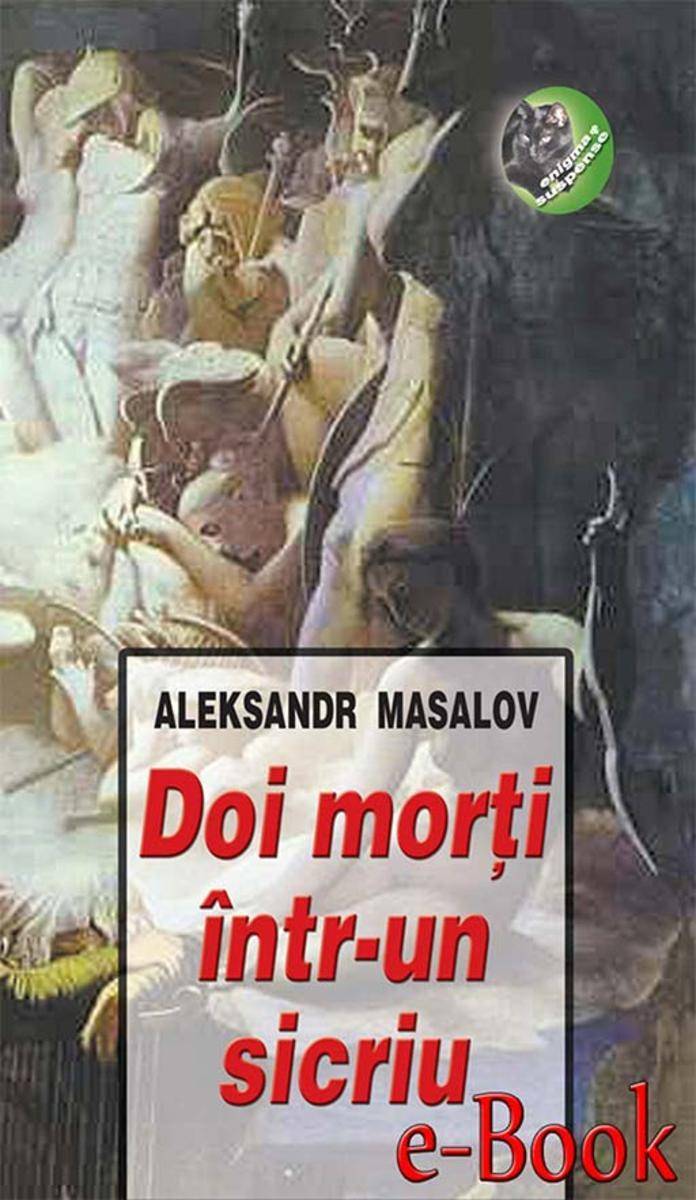
Doi mor?i ?ntr-un sicriu
¥40.79
Un fascinant discurs despre unul dintre cei mai celebri ?i cei mai disputa?i actori ?i regizori, cu istorii scandaloase al c?ror personaj atipic a fost, cu via?? – nu totdeauna lipsit? de r?sp?ntii ?i suspans – de culise a acestui filosof al scenei ?i bufon metafizic al existen?ei. Autoarei i s-a decernat pentru aceast? carte Premiul Uniunii Cinea?tilor din Rom?nia.
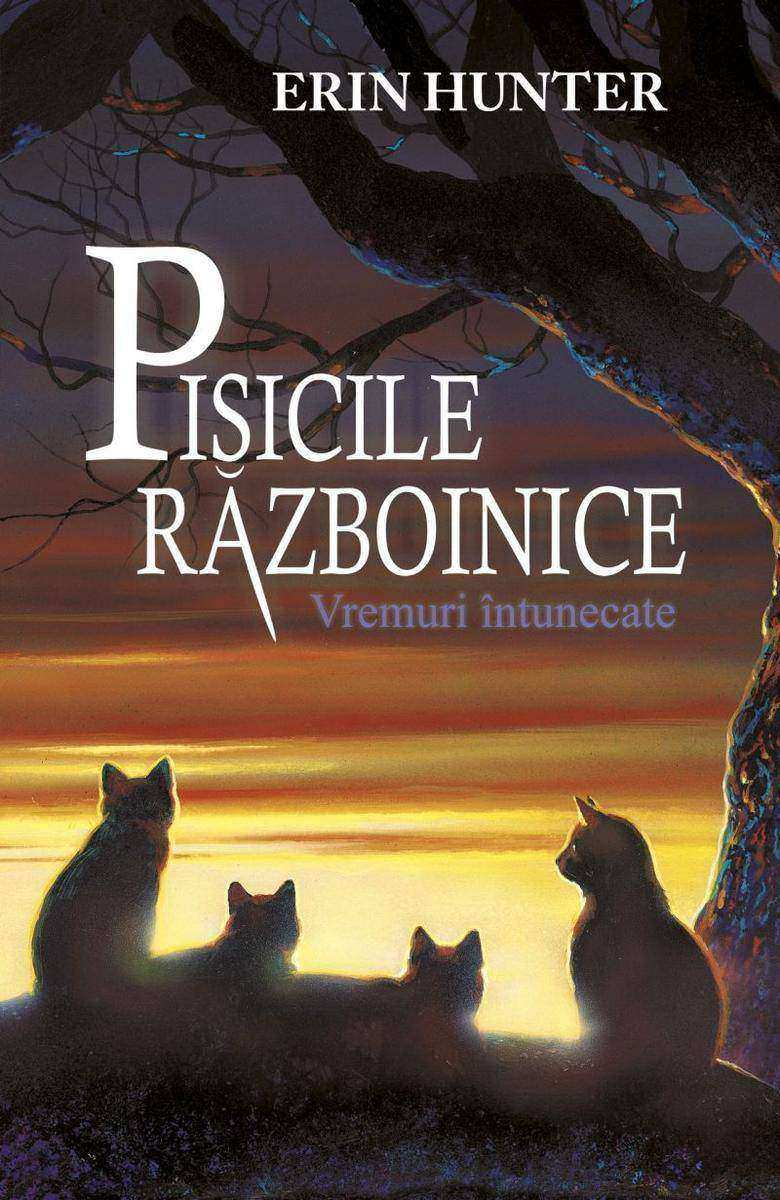
Pisicile r?zboinice. Cartea a VI-a - Vremuri ?ntunecate
¥73.49
Junimea ?i revista Convorbiri literare, pentru o ?ar? ca a noastr?, a tuturor nea?ez?rilor, au fost un suflu de temeinicie care s-a mai repetat ?n perioada interbelic?, f?r? a reu?i s? se coaguleze ca urmare a r?zboiului ?i dictaturilor ce l-au ?nso?it ?i urmat; suflu care pare ?nc? departe, ca s? nu spunem imposibil s? revin? ?n cultura rom?n? sub presiunea globalismului ?i multiculturalismului, a deconstruc?iei cu program ?n toate manifest?rile social-culturale, materiale ?i spirituale. E un model care, dup? o sut? cincizeci de ani, ?nc? ??i trimite razele f?r? a primi o reflectare pe m?sur?.Ceea ce deosebe?te criticismul junimist de criticile epocii ?i, ?n parte, ?i de al ?nainta?ilor este atitudinea comun?, afirmat? de Maiorescu, respectul adev?rului.Importan?a ?i influen?a junimismului ?n sfera politic? sunt de acela?i nivel cu cele afirmate ?n plan cultural ?i literar, e drept, nu cu aceea?i durabilitate, politicul este mult mai efemer, dar nu mai pu?in implicat ?i cu efecte imediate ?i adesea pe termen mediu ?i lung ?n via?a social? a ??rii. (Cassian Maria Spiridon)
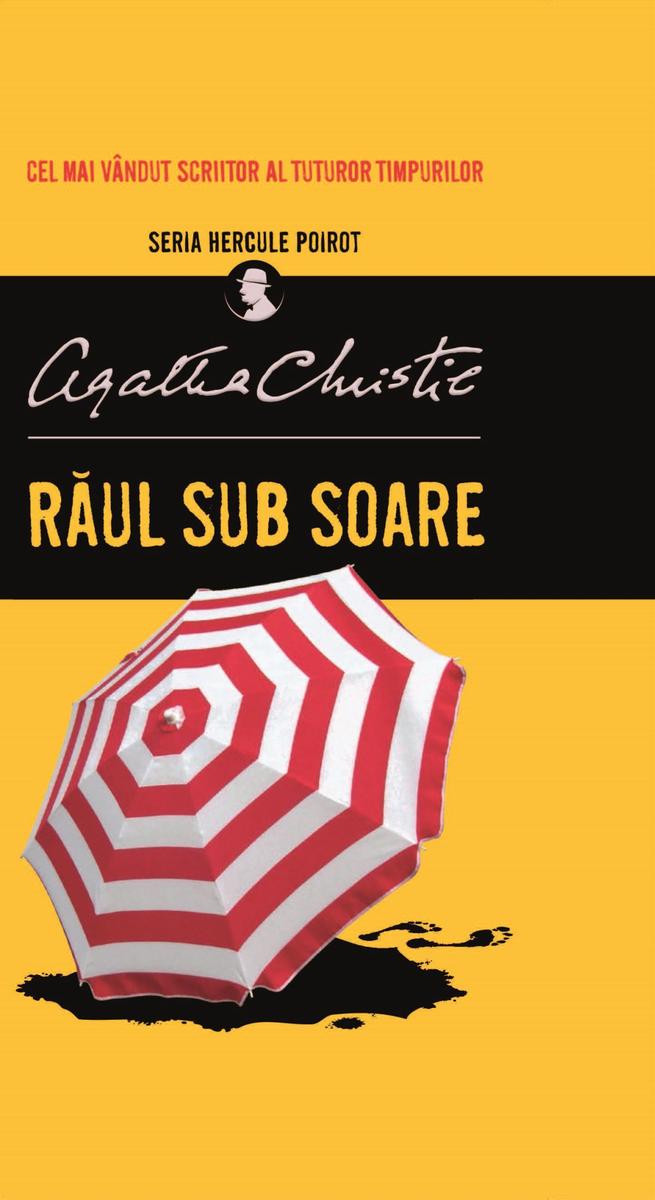
Raul sub soare
¥51.50
n vara anului 1914, cea mai mare parte a Europei s-a prbuit ntr-un rzboi att de catastrofal nct a zdruncinat politica i nsui sistemul de credine al continentului ntr-un mod fundamental. Dezastrul i-a nspimntat pe supravieuitori i a ocat o civilizaie care i asumase total rolul de model pentru restul lumii. Totul s-a prbuit ntr-un haos de o slbticie aflat dincolo de orice termen de comparaie. n 1939, europenii aveau s nceap un al doilea conflict care a reuit s fie chiar i mai teribil – un rzboi n care uciderea civililor a ocupat scena central i care a culminat cu Holocaustul. Drumul spre iadne spune aceast poveste cu nelegere, fler i originalitate. Kershaw reia evenimentele ntr-o naraiune fascinant, dar abordeaz i problemele cele mai dificile pe care le ridic aceste ntmplri din trecut – ce au nsemnat ele pentru europenii care le-au declanat i care le-au trit i ce nseamn pentru noi. Istorie la dimensiuni epice... ar trebui s figureze n lista lecturilor obligatorii. –The New York Times Ne aflm n prezena unui istoric emerit.– Spectator Magistral.– The Economist

101 Amazing McFly Facts
¥19.52
Are you the world's biggest McFly Fan? Do you know everything there is to know about Dougie, Harry, Tom and Danny? Then this is the book for you! In this easy-to-digest eBook are 101 facts about your favourite band - do you know all of them?Test yourself and your friends with these handily-packaged facts easily organised into categories for maximum enjoyment. Sections include their music, the individual members of the band, and some crazy facts about their lives! Show everyone that you are the master of McFly mania!

Ghidul de fertilitate ?i contracep?ie. Clinica Mayo
¥81.67
Specialist ?n domeniul avangardei, scriitorul – extrem de incomod uneori! – Ovidiu Morar, scrie despre scriitorii evrei din Rom?nia ?ntr-un stil incomod, m?nat de un zeu al drept??ii, impar?ial ?i feroce. Cine sunt scriitorii evrei? ?n ce m?sura ei se deosebesc de rom?ni, unguri, francezi, ?i ?n ce m?sur? se aseam?n?? Aceste ?i multe alte ?ntreb?ri mai mult sau mai pu?in comode revin aidoma unui laitmotiv pe parcursul c?r?ii, scrise ?ntr-un stil alert, incitant, cu note v?dit incomode, iar pe aclouri de-a dreptul provocatoare.


