


 购物车
购物车 个人中心
个人中心
Uncle Vanya
¥24.44
Uncle Vanya is different from Chekhov's other major plays as it is essentially an extensive reworking of his own other play published a decade earlier, The Wood Demon. By elucidating the specific changes Chekhov made during the revision process—these include reducing the cast-list from almost two dozen down to nine, changing the climactic suicide of The Wood Demon into the famous failed homicide of Uncle Vanya, and altering the original happy ending into a more problematic.
The Acharnians
¥40.79
The protagonist, Dikaiopolis, miraculously obtains a private peace treaty with The Spartans and he enjoys the benefits of peace in spite of opposition from some of his fellow Athenians.
Peace
¥40.79
Trygaeus, a middle-aged Athenian, miraculously brings about a peaceful end to the Peloponnesian War, thereby earning the gratitude of farmers while bankrupting various tradesmen who had profited from the hostilities. He celebrates his triumph by marrying Harvest, a companion of Festival and Peace, all of whom he has liberated from a celestial prison.
The Wasps
¥40.79
The play begins with a strange scene—a large net has been spread over a house, the entry is barricaded and two slaves are sleeping in the street outside. A third man is positioned at the top of an exterior wall with a view into the inner courtyard but he too is asleep. The two slaves wake and we learn from their banter that they are keeping guard over a 'monster'. The man asleep above them is their master and the monster is his father—he has an unusual disease.
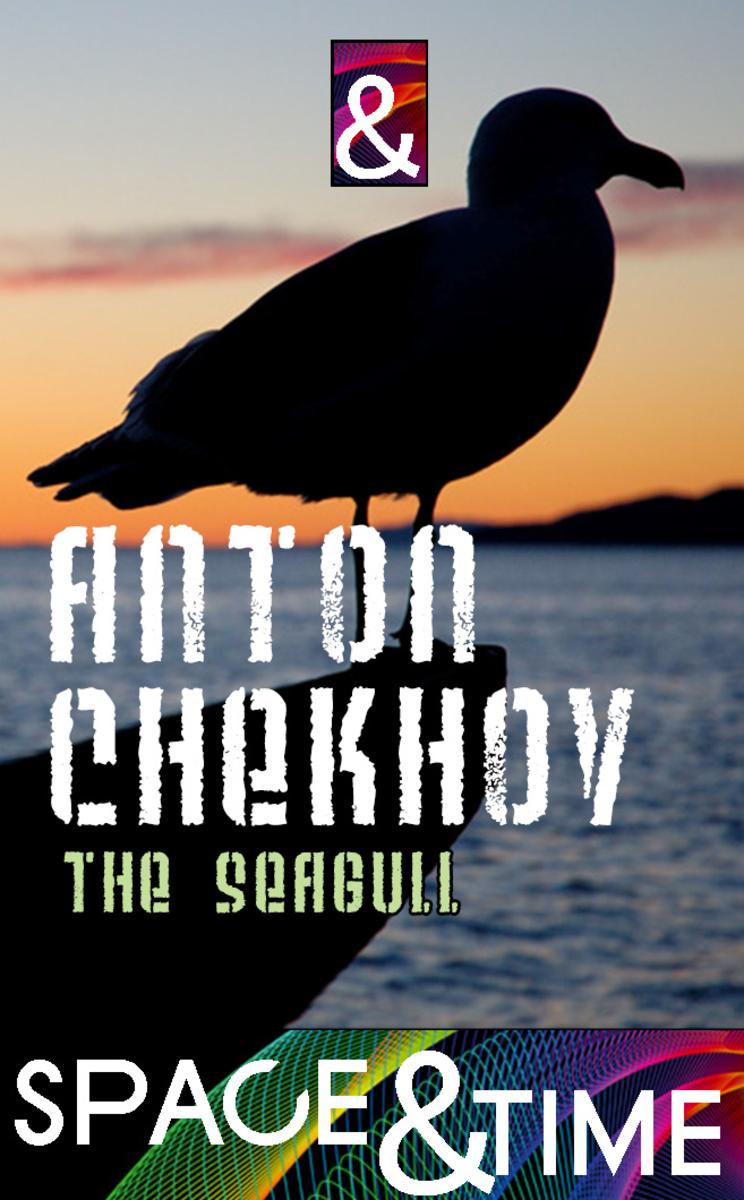
The Seagull
¥8.09
Space and Time are pleased to bring you The Seagull by Anton Checkov. This classic is presented as a wonderfully presented edition with a fully interactive table of contents.
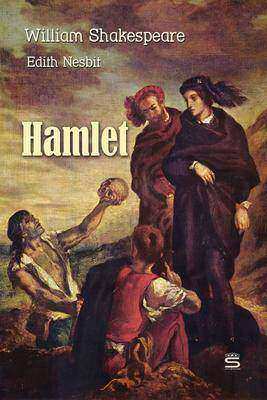
Hamlet
¥38.62
This edition of 'Hamlet' is an adaptation of Shakespeare's eponymous play 'The Tragedy of Hamlet, Prince of Denmark'. Set in Denmark, the story dramatises the revenge Prince Hamlet is called to wreak upon his uncle, Claudius, by the ghost of Hamlet's father, King Hamlet. Narrated in plain modern English, capturing the very essence and key elements of the original Shakespeare's drama.

Exploratorii. Cartea a III-a - Muntele de fum
¥73.49
Cartea t?n?rului universitar Mihai-Bogdan Marian consacrat? analizei conflictelor interna?ionale este o invita?ie la luciditate, la reflec?ie autonom?, dezinhibat?, la cercetare aplicat?, f?r? prejudec??i ?i partizanate apriorice. Autorul este un analist pentru care exerci?iul ?n sine al disec?rii cauzelor ?i ?mprejur?rilor ce favorizeaz? apari?ia ?i acutizarea conflictelor interna?ionale nu este unul fortuit sau gratuit. Ideea sa tutelar? este c? orice astfel de conflict poate fi pre?nt?mpinat. Iar dac?, fatalmente, el s-a declan?at ?i s-a dezvoltat, sc?p?nd poate de sub control, poate fi dezamorsat, factorii angrena?i ?n acest proces av?nd la ?ndem?n? algoritmi ?i proceduri standard care nu trebuie s? fac? obiectul unei ac?iuni in extremis, care s? justifice de fapt prin e?ec escaladarea ?n continuare a conflictului ca atare. (Mihai Milca)

Societatea deschis? contra Societ??ii deschise
¥51.85
Cei ce sus?in c? tr?im ?ntr-o er? a comunic?rii par s? confunde dezvoltarea telecomunica?iilor cu progresul comunic?rii interumane. Nu este c?tu?i de pu?in sigur c? suntem ast?zi mai capabili dec?t ?n trecut de solidaritate afectiv? cu semenii, de ?mp?rt??ire de tr?iri intime, de prietenie ?i dragoste. Poate chiar dimpotriv?. Ceea ce ?inea ?n trecut de normalitatea vie?ii de fiecare zi ?i, ca atare, nu mobiliza ?n mod special aten?ia celor implica?i, a devenit ast?zi obiect de analiz? tocmai pentru c? nu se mai produce spontan, ci necesit? un efort con?tient, inclusiv de natura teoretic-investigativ?.Cunoa?terea principiilor ?i a mecanismelor comunic?rii interpersonale a devenit indispensabil? pentru ameliorarea raporturilor dintre oameni ?i a ?ncetat s? mai fie numai o problem? a speciali?tilor. Dac? ?n trecut oamenii comunicau spontan, ?n felul ?n care f?cea proza ?burghezul gentilom“, ast?zi suntem tot mai mult ?n situa?ia unui domn Jourdain care, pentru a se apropia de semenii s?i, are nevoie de un ghid. Acestui imperativ ?ncearc? s?-i r?spund?, ?n felul s?u, ?i lucrarea de fa??.

The Wealth of Nations
¥8.82
Adam Smith's masterpiece, first published in 1776, is the foundation of modern economic thought and remains the single most important account of the rise of, and the principles behind, modern capitalism. Written in clear and incisive prose, The Wealth of Nations articulates the concepts indispensable to an understanding of contemporary society.

The Federalist Papers by Publius Unabridged 1787 Original Version
¥8.82
The Federalist Papers are a series of 85 articles advocating the ratification of the United States Constitution. Seventy-seven of the essays were published serially in The Independent Journal and The New York Packet between October 1787 and August 1788. A compilation of these and eight others, called The Federalist, was published in 1788 by J. and A. McLean. The Federalist Papers serve as a primary source for interpretation of the Constitution, as they outline the philosophy and motivation of the proposed system of government. The authors of the Federalist Papers wanted to both influence the vote in favor of ratification and shape future interpretations of the Constitution. According to historian Richard B. Morris, they are an "incomparable exposition of the Constitution, a classic in political science unsurpassed in both breadth and depth by the product of any later American writer."
Sublimul tr?d?rii
¥61.83
Apariia n 1948 a primei reviste romneti n exil, la Paris, intitulat de creatorii ei, Virgil Ierunca i Mircea Eliade, Luceafrul“, a venit dup ce tvlugul sovietic reuise s anihileze n ar Romnia politic, iar pe cea spiritual parial, ducnd, dup cum spunea Julien Benda, la trdarea crturarilor. Reacia la aceast stare a venit, aa dup cum era i firesc, din partea unor intelectuali exilai i cu precdere a lui Virgil Ierunca, unul dintre cei doi componeni a ceea ce putem denumi instituia Lovinescu – Ierunca“. Acest cuplu a tiut s prezerve valorile romneti i nu numai pe cele spirituale, s anime, s conving, s scoat din inerie pe acei intelectuali romni exilai care i cutau menirea n acea lume care, pe atunci, nu oferea, ca mai trziu, linitea interioar att de necesar creaiei. Ierunca a fost deseori cel care l-a mpins pe Mircea Eliade s nu rmn ancorat ntr-o literatur de mrturii, ci ntr-o via activ de creaie, de cutri. Volumul de fa, care ne restituie“ Luceafrul“, se datoreaz meritului deosebit al autorilor Mihaela Albu i Dan Anghelescu.Studiul efectuat cu ntreaga dragoste i acribie a cercetatorului ne dezvluie, cu rafinament, ndeosebi o cunoatere aprofundat a simirilor celor care, cu 60 de ani n urm, nu abdicaser de la datorie. Impresioneaz nu numai relatarea faptic, dar i bogia cu care cei doi autori pun n relaie imensul lor bagaj cultural cu ceea ce au produs cu o jumtate de secol n urm autorii Luceafrului“.“ (Dinu Zamfirescu)

Deadly Seven: FEATURE FILM SCRIPT
¥44.81
Deadly Seven is a combination of monologues and ‘light’ script engagement of a psychologist with her seven clients, who each represent a deadly sin. Once the psychologist realises she lacks control over each of her clients’ lives, she decides to put an end to their madness. All characters represent an obsession which ultimately destroys them; leading to their deaths.
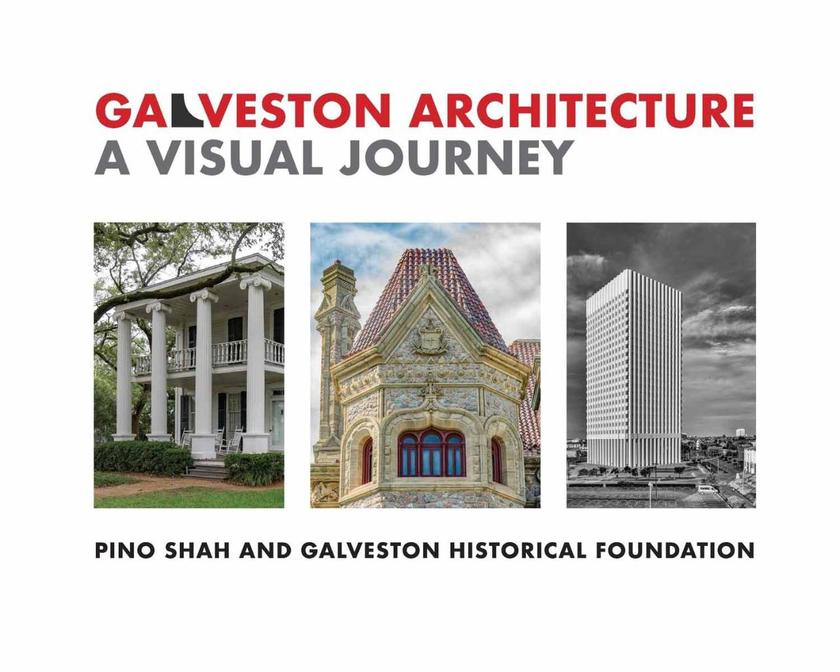
Galveston Architecture: A Visual Journey
¥245.17
Galveston Architecture: A Visual Journey is a photographic journey of the architecture and history of select 100 buildings in Galveston, Texas, with photographs by Pino Shah, World Heritage Photographer and narratives by Galveston Historical Foundation (GHF). The book includes full illustrations of 100 buildings re ecting Greek Revival, Victorian, Italianate and Mid-century Modern architectural styles from 1840s through 1990s. Pino Shah is a world heritage photographer based in McAllen, Texas and Ahmedabad, India. Galveston Historical Foundation preserves and revitalizes the architectural, cultural and maritime heritage of Galveston Island. The Foundation is a 501 (c) (3) non-pro t charitable corporation.
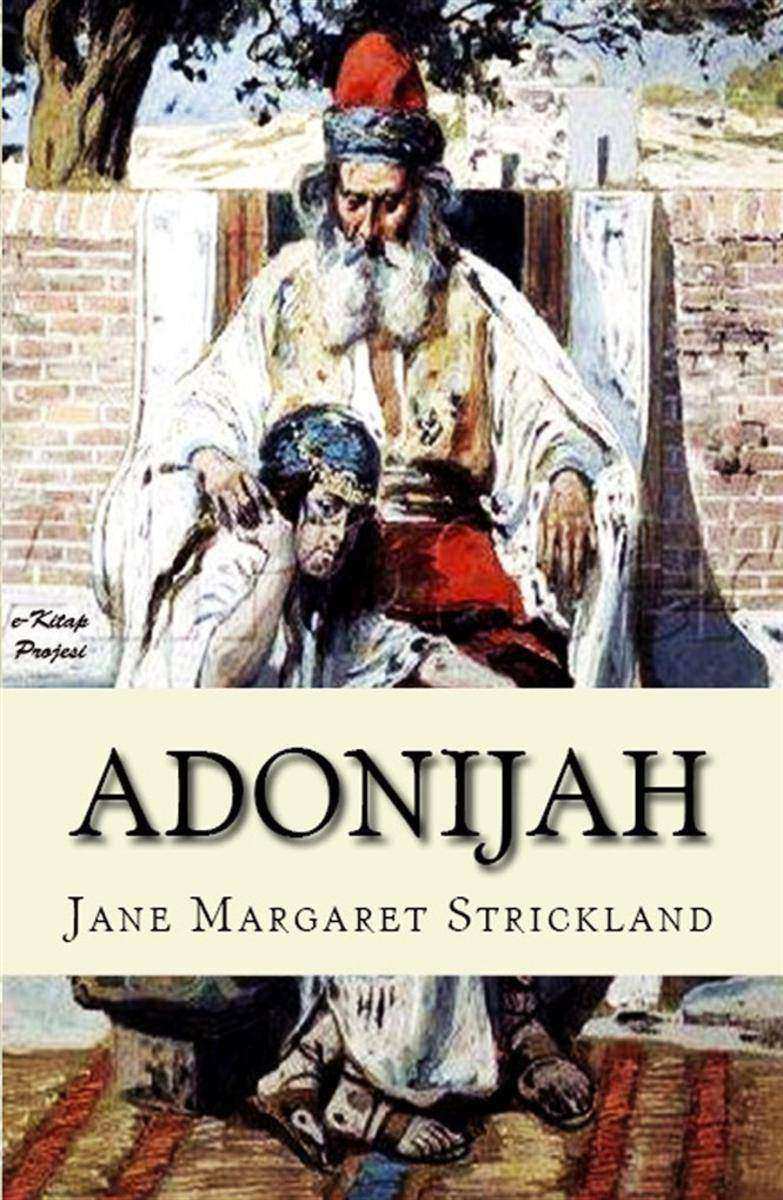
Adonijah: "A Tale of the Jewish Dispersion"
¥23.22
The period included in the reigns of Nero, Galba, Otho, Vitellius, and Vespasian, was remarkable for two memorable events in the annals of ecclesiastical history; the first persecution of the Christian Church by the sixth Roman sovereign, and the dissolution of the Jewish polity by Titus. The destruction of Jerusalem was stupendous, not only as an act of divine wrath, but as being the proximate cause of the dispersion of a whole nation, upon which a long series of sorrow, spoliation, and oppression lighted, in consequence of the curse the Jews had invoked, when in reply to the remonstrances of Pilate they had cried out, “His blood be upon us and our children.” The church below, represented in Scripture as a type of the heavenly Jerusalem above, and having its seat then in the doomed city, was not to continue there, lest the native Jews composing it should gather round them a people of their own nation, in a place destined to remain desolate till the time when the dispersed of Israel should be converted, and rebuild their city and temple. The city bearing the ancient name of Jerusalem does not indeed occupy the same site, being built round the sacred spot where the garden once stood, in which a mortal sepulchre received the lifeless form of the Saviour of the world. But happier times seem dawning on the dispersed of Judea. Our own days have seen the foundations of a Jewish Christian church laid in Jerusalem; our Queen Victoria and the King of Prussia united to commence a work of love, thereby fulfilling in part the promise made to the Jews of old, “And kings shall be thy nursing fathers, and queens thy nursing mothers.” To those readers who feel interested in the dispersed of Israel and Judea, these pages may afford, perhaps, information on an important subject as well as amusement.
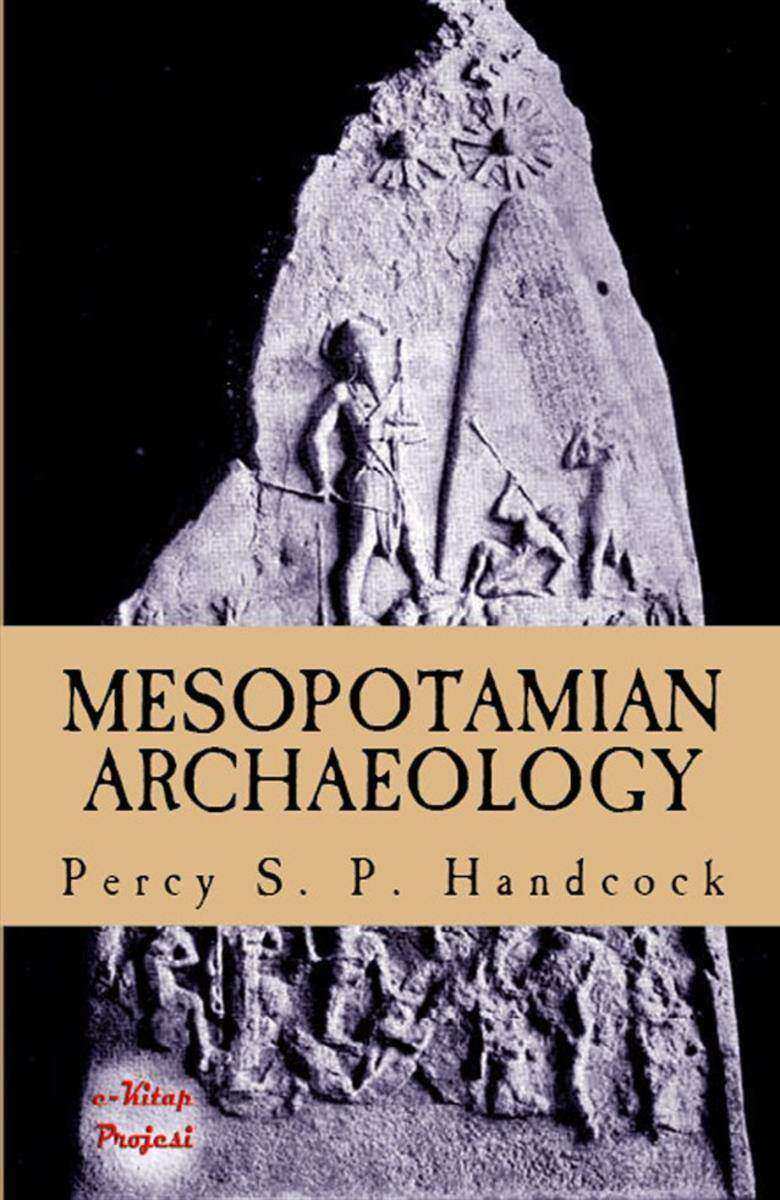
Mesopotamian Archaeology
¥37.20
THE Mesopotamian civilization shares with the Egyptian civilization the honour of being one of the two earliest civilizations in the world, and although M. J. de Morgan’s excavations at Susa the ruined capital of ancient Elam, have brought to light the elements of an advanced civilization which perhaps even antedates that of Mesopotamia, it must be remembered that the Sumerians who, so far as our present knowledge goes, were the first to introduce the arts of life and all that they bring with them, into the low-lying valley of the Tigris and Euphrates, probably themselves emigrated from the Elamite plateau on the east of the Tigris; at all events the Sumerians expressed both “mountain” and “country” by the same writing-sign, the two apparently being synonymous from their point of view; in support of this theory of a mountain-home for the Sumerians, we may perhaps further explain the temple-towers, the characteristic feature of most of the religious edifices in Mesopotamia, as a conscious or unconscious imitation in bricks and mortar of the hills and ridges of their native-land, due to an innate aversion to the dead-level monotony of the Babylonian plain, while it is also a significant fact that in the earliest period Shamash the Sun-god is represented with one foot resting on a mountain, or else standing between two mountains. However this may be, the history of the Elamites was intimately wrapped up with that of the dwellers on the other side of the Tigris, from the earliest times down to the sack of Susa by Ashur-bani-pal, king of Assyria, in the seventh century. Both peoples adopted the cuneiform system of writing, so-called owing to the wedge-shaped formation of the characters, the wedges being due to the material used in later times for all writing purposes—the clay of their native soil—: both spoke an agglutinative, as opposed to an inflexional language like our own, and both inherited a similar culture. A further, and in its way a more convincing argument in support of the mountain-origin theory is afforded by the early art of the Sumerians. On the most primitive seal cylinders1 we find trees and animals whose home is in the mountains, and which certainly were not native to the low-lying plain of Babylonia. The cypress and the cedar-tree are only found in mountainous districts, but a tree which must be identified with one or the other of them is represented on the early seal cylinders; it is of course true that ancient Sumerian rulers fetched cedar wood from the mountains for their building operations, and therefore the presence of such a tree on cylinder seals merely argues a certain acquaintance with the tree, but Ceteris paribus it is more reasonable to suppose that the material earthly objects depicted, were those with which the people were entirely familiar and not those with which they were merely casually acquainted. Again, on the early cylinders the mountain bull, known as the Bison bonasus, assumes the r?le played in later times by the lowland water-buffalo. This occurs with such persistent regularity that the inference that the home of the Sumerians in those days was in the mountains is almost inevitable. Again, as Ward points out, the composite man-bull Ea-bani, the companion of Gilgamesh, has always the body of a bison, never that of a buffalo. So too the frequent occurrence of the ibex, the oryx, and the deer with branching horns, all argues in the same direction, for the natural home of all these animals lay in the mountains.
A Midsummer Night's Dream
¥18.88
“Midsummer Night's Dream” is Shakespeare's classic tale of two couples who can't quite pair up to everyone's satisfaction. Demetrius and Lysander love Hermia. ??Hermia loves Lysander but has been promised to Demetrius by her father. Hermia's best friend Helena loves Demetrius, but in his obsession for Hermia Demetrius barely even notices her smitten friend. ??When Hermia and Lysander plan to elope all four find themselves in the forest late at night where the fairy Puck and his lord Oberon wreck havoc on the humans with a love potion that causes the victim to fall in love with the first thing they see upon waking.??- Some Books of Shakespeare:?- Romeo and Juliet (1597)?- Hamlet (1599)?- Macbeth (1606)?- Julius Caesar (1599)?- Othello (1603)?- The Merchant of Venice (1598)?- Much Ado About Nothing (1600)?- King Lear (1606)?- The Taming of the Shrew (1594)?- The Comedy of Errors (1594)

Peisaje interioare
¥57.14
Volumul de fa?? reune?te portretele sclipitoare ale celor mai ilustre favorite. Apropiate puterii, exercit?ndu??i influen?a adesea ?ntr?o manier? clandestin?, ele alc?tuiesc un galant cortegiu de femei c?rora importan?i b?rba?i de stat le datoreaz? mult. Ce este o favorit?? Cuv?ntul, ne?ndoielnic originar din italian?, se refer? la o femeie care ?se bucur? de favorurile" unei persoane de rang foarte ?nalt. Spre deosebire de o amant?, favorita nu se mul?ume?te s? fie obiectul unei pasiuni amoroase, fie aceasta efemer? ori durabil?. Ea are putere, exercit? influen?? politic?, economic? sau artistic?; ob?ine rezultate, fericite sau dezastruoase. Fie c? e iubit? de popula?ie, tolerat? sau detestat?, nimic nu se face ?i nu se desface f?r? ea. Muzele prezentate de autor ?n acest periplu prin istoria Europei au jucat toate un rol propor?ional cu influen?a exercitat? asupra monarhului, prin?ului mo?tenitor, regelui sau ?mp?ratului l?ng? care s-au aflat, fie el c?s?torit, v?duv sau celibatar: Agnes Sorel, Diana de Poitiers, Gabrielle d’Estrées, Louise de La Valliere, marchiza de Montespan, doamna de Maintenon, surorile de Nesle, marchiza de Pompadour, doamna du Barry, Zoé du Cayla, Lol Montez, Miss Howard, Katia Dolgorukova, Blanche Delacroix, Magda Lupescu ?i Wallis Simpson. Optsprezece portrete de femei care au influen?at cursul istoriei. ?n bine ?i ?n r?u.?
Orchard and Vineyard
¥18.56
ESCAPECOME, shall we go, my comrade, from this denWhere falsehood reigns and we have dallied long?Exchange the curious vanities of menFor roads of freedom and for ships of song? We came as strangers, came to learn and look,To hear their music, drink the wine they gave.Now let us hence again; the happy brookShall quench our thirst, our music be the wave. Come! they are feasting, let us steal away.Beyond the doors the night awaits us, sweet.To-morrow we shall see the break of day,And goat-herds’ pipes shall lead our roaming feet. TO EVE IN TEARSYOU laughed, and all the fountains of the EastLeapt up to Heaven with their diamond rainTo hang in light, and when your laughter ceasedDropped shivered arrows to the ground again. You laughed, and from the belfries of the earthThe music rippled like a shaken pool;And listless banners at the breeze of mirthWere stirred in harbours suddenly made cool. You wept, and all the music of the air—As when a hand is laid upon a bell—Was stilled, and Dryads of the tossing hairCrept back abashed within the secret dell. MARIANA IN THE NORTHALL her youth is gone, her beautiful youth outworn,Daughter of tarn and tor, the moors that were once her homeNo longer know her step on the upland tracks forlornWhere she was wont to roam. All her hounds are dead, her beautiful hounds are dead,That paced beside the hoofs of her high and nimble horse,Or streaked in lean pursuit of the tawny hare that fledOut of the yellow gorse. All her lovers have passed, her beautiful lovers have passed,The young and eager men that fought for her arrogant hand,And the only voice which endures to mourn for her at the lastIs the voice of the lonely land. SORROW OF DEPARTURE. For D.HE sat among the shadows lost,And heard the careless voice speak onOf life when he was gone from home,Of days that he had made his own,Familiar schemes that he had known,And dates that he had cherished mostAs star-points in the year to come,And he was suddenly alone,Thinking (not bitterly,But with a grave regret) that heWas in that room a ghost. He sat among the shades apart,The careless voice he scarcely heard.In that arrested hour there stirredShy birds of beauty in his heart. The clouds of March he would not seeAcross the sky race royally,Nor yet the drift of daffodilHe planted with so glad a hand,Nor yet the loveliness he plannedFor summer’s sequence to fulfil,Nor trace upon the hillThe annual waking of the land,Nor meditative standTo watch the turning of the mill. He would not pause above the WealdWith twilight falling dim,And mark the chequer-board of field,The water gleaming like a shield,The oast-house in the elms concealed,Nor see, from heaven’s chalice-rim,The vintaged sunset brim,Nor yet the high, suspended starHanging eternally afar. These things would be, but not for him. At summer noon he would not lieOne with his cutter’s rise and dip,Free with the wind and sea and sky,And watch the dappled waves go by,The sea-gulls scream and slip;White sails, white birds, white clouds, white foam,White cliffs that curled the love of homeAround him like a whip....He would not see that summer noonFade into dusk from light,While he on shifting waters brightSailed idly on, beneath the moonClimbing the dome of night. This was his dream of happy thingsThat he had loved through many springs, And never more might know.But man must pass the shrouded gateCompanioned by his secret fate,And he must lonely go,And none can help or understand,For other men may touch his hand,But none the soul below.
![Oxford [Illustrated]](https://platform-permanent.ddimg.cn/pt-media-info-soa-resource/digital/product/45/54/1901164554_ii_cover.jpg?version=81ee585e-882a-449f-85a7-ac4b5d693560)
Oxford [Illustrated]
¥18.56
AT the east end of the choir aisle of the Cathedral there is a portion of the wall which is possibly the oldest piece of masonry in Oxford, for it is thought to be a part of the original Church of St. Frideswyde, on whose site the Cathedral Church of Christ (to give its full title) now stands. Even so it is not possible to speak with historical certainty of the saint or of the date of her Church, which was built for her by her father, so the legend says, when she took the veil; though the year 740 may be provisionally accepted as the last year of her life. St. Frideswyde's was a conventual Church, with a Priory attached, and both were burnt down in 1002, but rebuilt by Ethelred. How much of his handiwork survives in the present structure it is not easy to de-termine; but the Norman builders of the twelfth century effected, at any rate, such a transformation that no suggestion of Saxon architecture is obtruded. Their work went on for some twenty years, under the supervision of the then Prior, Robert of Cricklade, and the Church was consecrated anew in 1180. The main features of the interior—the massive pillars and arches—are substantially the same to-day as the builders left them then. THIS BOOK, is not intended to compete with any existing guides to Oxford: it is not a guide-book in any formal or exhaustive sense. Its purpose is to shew forth the chief beauties of the University and City, as they have ap-peared to several artists; with such a running commentary as may explain the pictures, and may indicate whatever is most interesting in connection with the scenes which they represent. Slight as the notes are, there has been no sacrifice, it is believed, of accuracy. The principal facts have been derived from Alexander Chalmers' History of the Colleges, Halls, and Public Buildings of the University of Oxford, from Mr. Lang's Oxford, and from the Oxford and its Colleges of Mr. J. Wells. The illustrations, with the exception of six only, which are derived from Ackermann's Oxford, are reproduced from the paintings of living artists, mostly by Mr. W. Matthison, the others by Mrs. C. R. Walton, Walter S. S. Tyrwhitt, Mr. Bayzant, and Miss E. S. Cheesewright.
Mary Queen of Scots
¥27.88
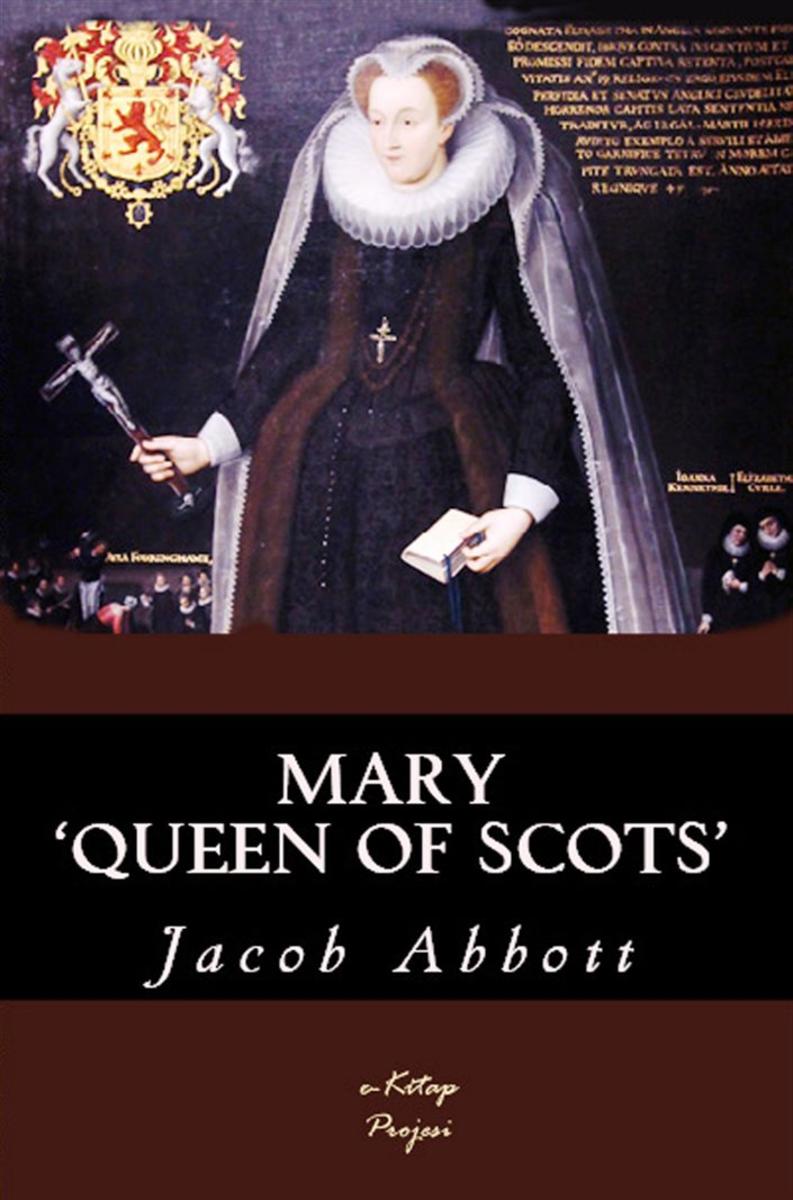
TRAVELERS who go into Scotland take a great interest in visiting, among other places, a certain room in the ruins of an old palace, where Queen Mary was born. Queen Mary was very beautiful, but she was very unfortunate and unhappy. Every body takes a strong interest in her story, and this interest attaches, in some degree, to the room where her sad and sorrowful life was begun.??The palace is near a little village called Linlithgow. The village has but one long street, which consists of ancient stone houses. North of it is a little lake, or rather pond: they call it, in Scotland, a loch. The palace is between the village and the loch; it is upon a beautiful swell of land which projects out into the water. There is a very small island in the middle of the loch and the shores are bordered with fertile fields. The palace, when entire, was square, with an open space or court in the center. There was a beautiful stone fountain in the center of this court, and an arched gateway through which horsemen and carriages could ride in. The doors of entrance into the palace were on the inside of the court.??The palace is now in ruins. A troop of soldiers came to it one day in time of war, after Mary and her mother had left it, and spent the night there: they spread straw over the floors to sleep upon. In the morning, when they went away, they wantonly set the straw on fire, and left it burning, and thus the palace was destroyed. Some of the lower floors were of stone; but all the upper floors and the roof were burned, and all the wood-work of the rooms, and the doors and window-frames. Since then the palace has never been repaired, but remains a melancholy pile of ruins.??The room where Mary was born had a stone floor. The rubbish which has fallen from above has covered it with a sort of soil, and grass and weeds grow up all over it. It is a very melancholy sight to see.
Romulus
¥18.56
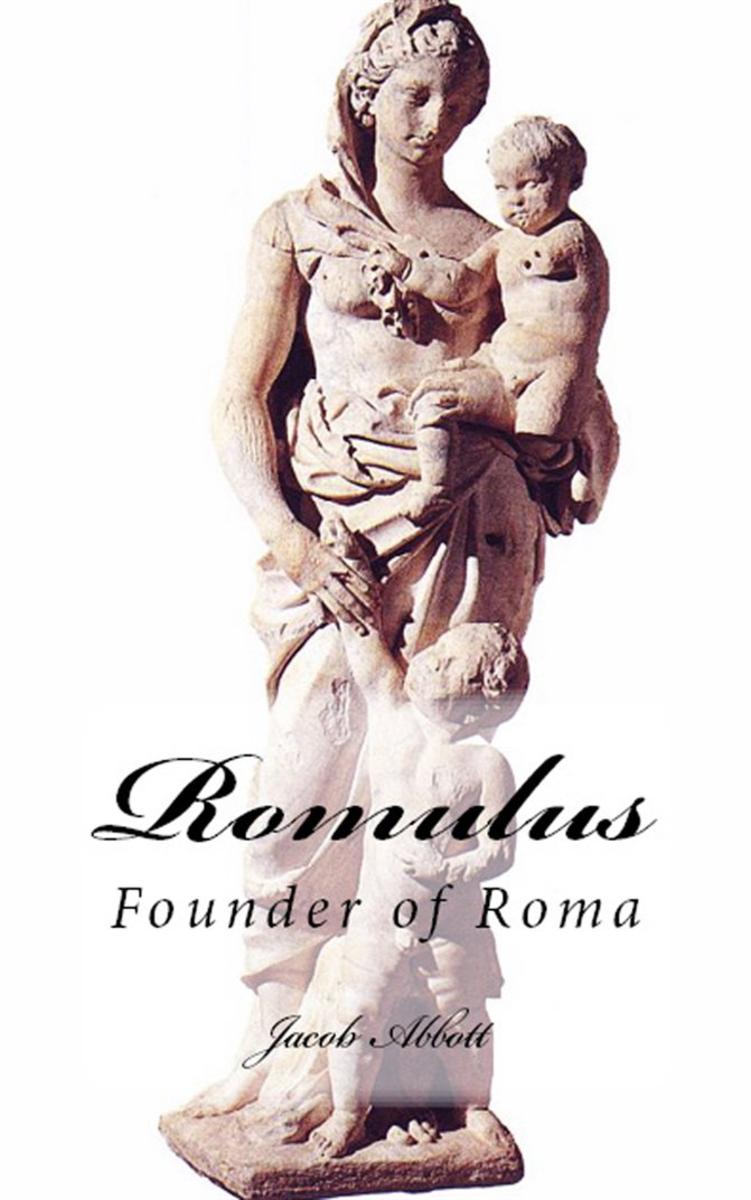
SOME men are renowned in history on account of the extraordinary powers and capacities which they exhibited in the course of their career, or the intrinsic greatness of the deeds which they performed. Others, without having really achieved any thing in itself very great or wonderful, have become widely known to mankind by reason of the vast consequences which, in the subsequent course of events, resulted from their doings. Men of this latter class are conspicuous rather than great. From among thousands of other men equally exalted in character with themselves, they are brought out prominently to the notice of mankind only in consequence of the strong light reflected, by great events subsequently occurring, back upon the position where they happened to stand.??The celebrity of Romulus seems to be of this latter kind. He founded a city. A thousand other men have founded cities; and in doing their work have evinced perhaps as much courage, sagacity, and mental power as Romulus displayed. ?The city of Romulus, however, became in the end the queen and mistress of the world. It rose to so exalted a position of influence and power, and retained its ascendency so long, that now for twenty centuries every civilized nation in the western world have felt a strong interest in every thing pertaining to its history, and have been accustomed to look back with special curiosity to the circumstances of its origin. ??In consequence of this it has happened that though Romulus, in his actual day, performed no very great exploits, and enjoyed no pre-eminence above the thousand other half-savage chieftains of his class, whose names have been long forgotten, and very probably while he lived never dreamed of any extended fame, yet so brilliant is the illumination which the subsequent events of history have shed upon his position and his doings, that his name and the incidents of his life have been brought out very conspicuously to view, and attract very strongly the attention of mankind.??The history of Rome is usually made to begin with the story of ?neas. In order that the reader may understand in what light that romantic tale is to be re-garded, it is necessary to premise some statements in respect to the general condition of society in ancient days, and to the nature of the strange narrations, circulated in those early periods among mankind, out of which in later ages, when the art of writing came to be introduced, learned men compiled and recorded what they termed history.


