


 购物车
购物车 个人中心
个人中心

An Ideal Husband
¥40.79
Wilde's dramatic masterpiece set in London. Many of the themes of An Ideal Husband were influenced by the situation Oscar Wilde found himself in during the early 1890s. 'Sooner or later we shall all have to pay for what we do. But no one should be entirely judged by their past.'

Woman of Flowers
¥40.79
Rose cannot remember what came before the house at the edge of the forest. Gwynne says he magicked her out of the flowers, but she’s not so sure. She has played the part of the perfect farmer’s wife for Lewis, who is kept firmly in place by his uncle Gwynne, and accepted her lonely existence. Then a stranger is seen in the forest. What lengths will she go to, to escape the life chosen for her? A contemporary tale of desire, beauty, betrayal and revenge. Award-winning Kaite O’Reilly has written for National Theatre Wales and the London 2012 Cultural Olympiad. Her work has been produced across the UK and internationally. Her awards include the Peggy Ramsay Award, and the Ted Hughes prize for New Works in Poetry.

The Survival Handbook: Learn the survival skills of the world's elite forces
¥40.79
The Survival Handbook takes you through all the things you need to know about surviving disasters and staying alive in the wild, such as where to find water in the desert; how to build shelters from locally-available materials that will keep out the wind and rain but will also be ventilated; what plants are safe to eat and what are deadly poisonous; and what animals will pose a threat in survival situations. Packed with tips from the world's elite special forces and other survival specialists, this is a handy reference to surviving in the wild. [This is a text-only ebook edition.]
Summer
¥40.79
Charity Royall is eighteen, bored with life in the small town of North Dormer. While working at the library, Charity meets visiting architect Lucius Harney and they become friends. Will their growing closeness lead to a happy marriage? Charity was born in an impoverished mountain community and her life is complicated by Mr. Royall who intruded into her bedroom when she was seventeen and later urged her to marry him. Lucius starts an affair with Charity Royall, all the while hiding the fact that he is engaged to society girl Annabel Balch.

From the Earth to the Moon; and, Round the Moon
¥40.79
The Gun Club, a society based in Baltimore and dedicated to the design of weapons of all kinds, come up with a plan to construct a cannon capable of shooting a projectile to the moon. The projectile is successfully launched, but the destinies of the three astronauts are left inconclusive. The sequel, Around the Moon, deals with what happens to the three men in their travel from the earth to the moon.
Ten Years Later
¥40.79
In this continuing sequel to The Three Musketeers, d'Artagnan discovers Belle-Isle is being fortified and the engineer ostensibly in charge is Porthos. The blueprints show Aramis' handwriting. Despite his friends, d'Artagnan hides the true reason for his presence. Aramis, suspicious of d'Artagnan, sends Porthos back to Paris to warn Fouquet, whilst tricking d'Artagnan into searching for Porthos around Vannes. Porthos warns Fouquet in time, and he cedes Belle-Ile to the king, humiliating Colbert. On returning from the mission, d'Artagnan is made Captain of the King's Musketeers.
The Marble Faun
¥40.79
The Marble Faun, a romance set in beautiful Italy tells the story of Miriam, the painter with an unknown past. Throughout the novel, she is compared to many other women including Eve, Beatrice Cenci, Judith, and Cleopatra. Miriam is pursued by a mysterious, threatening man who is her evil genius through life.

From Docks to Desktops
¥40.79
London's recent history captured in dramatic form. Created from dozens of personal testimonies, this is the story of the changing face of work today. Surrey Docks in South-East London was once a thriving commercial hub, hosting some of the UK’s leading commercial brands, including Crosse & Blackwell, Sarson’s, Peek Freans and Lipton’s. These huge organisations created a myriad of jobs for local people, and the community prospered. But, with the decline of the docks in the 1970s, factories closed down or relocated, work patterns changed and redevelopment began. ‘From Docks to Desktops’ explores the fascinating story of how one community has survived the 21st-century challenges of urban change and renewal.
The Hound of the Baskervilles
¥40.79
The Hound of the Baskervilles is one of the four crime novels by Sir Arthur Conan Doyle in which detective Sherlock Holmes and Dr Watson investigate the legend of a supernatural beast that may have been trained to murder Sir Henry Baskerville on the fog-shrouded moorland that makes up his estate.

Frankenstein
¥40.79
A landmark work of romantic and gothic literature, as well as science fiction, the novel's storyline emerged from a dream and Shelley's own travels of the region in which the story unfolds. Mary Shelley started writing the story when she was just eighteen.
The Adventures of Robinson Crusoe
¥40.79
Set on a tropical island where Robinson Crusoe found himself after a terrible storm at sea, we follow his life and adventures far away from civilization. A novel which has inspired countless imitations and adaptations, remains one of the most original and inspiring stories in the English language.
Dead Souls
¥40.79
Chichikov, a gentleman of middling social class and position arrives in a small town and quickly tries to make a good name for himself by impressing the officials of the town. Despite his limited funds, he spends extravagantly hoping that a great show of wealth and power at the start will gain him the connections he needs to carry out his mysterious plan to acquire 'dead souls.'

The Seagull: A play in four acts
¥40.79
A masterpiece of modern drama, The Seagull dramatises the romantic and artistic conflicts between four characters: the ingenue Nina, the fading actress Irina, her son the symbolist playwright Konstantin, and the famous middlebrow story writer Trigorin.

Fall of the Reich: D-Day, Arnhem, Bulge and Berlin
¥40.79
Campaigns of World War II: Fall of the Reich is a military history of the Western European campaign from D-Day in June 1944 to the fall of Berlin in May 1945. Beginning with the Allied preparations for what would become Operation Overlord, from the initial discussions of Roosevelt and Churchill, to the deliberations and plans of Marshall and Brooke, and the subsequent appointment of commanders like Eisenhower, Montgomery and Ramsay, the book covers in detail the landings on the Normandy coast. Combining tactical coverage of events such as the severe fighting at Omaha and Pegasus Bridge, the Canadian success on Juno beach, and the 21st Panzer Division's aborted counterattack, with reporting of the reactions of Hitler and Rommel to the landings, the book provides an explanation of why the Allied advance ran out of steam, and a description of their struggle to escape the bocage hedgerows of Normandy. The US-led breakout in late July 1944 released Bradley and Patton's forces into the heart of France, and the liberation of Paris followed swiftly. A crumbling German defence led to Allied overconfidence and the resultant 'bridge too far' at Arnhem, but as the Allies approached the Rhine and the German border, resistance quickly stiffened. Hitler's last gamble, the attack through the Ardennes known as the Battle of the Bulge, brought temporary panic to the Allied ranks, but heroic stands at Bastogne and elsewhere, coupled with a German acute lack of petrol and the weather clearing to allow Allied aircraft to operate again, led to the defeat of the last Wehrmacht attack in the west. The final year of the war saw the Allies advancing as occupying forces into the heart of Germany, adopting Eisenhower's broad front strategy. Finally the book examines why the decision was made to allow the Red Army to occupy Berlin and remain on the western bank of the Elbe river. Part of a five-volume series on the Second World War written by prominent military historians, Fall of the Reich is a masterful account of the 1944–45 campaign in Western Europe that describes both the action on the front line and the decisions made behind the scenes that decided the fate of Nazi Germany.
Votes for Women: and Other Plays
¥40.79
The best collection of suffrage plays on offer. Introduced and set in historical context by Dr Susan Croft, formerly Curator at the Theatre Museum in London, with a chronology of suffrage drama from 1907-1914.? The astonishing women involved in the Actresses Franchise League set up their own theatre companies and engaged with the battle for the vote by writing and performing campaigning plays all over the country. They launched themselves onto the political stage with their satirical plays, sketches and monologues whilst at the same time challenging the staid conventions of the Edwardian Theatre of the day. The legacy of their inspiring work to change both theatre and society has survived in the political theatre, agit-prop and verbatim theatre we know today.? Full playtexts from the following: ’How the Vote was Won’ by Cicely Hamilton and Chris St. John ’The Apple’ by Inez Bensusan ’Jim s Leg’ by L.S. Phibbs ’Votes for Women’ by Elizabeth Robins ’At the Gates’ by Alice Chapin ’In the Workhouse’ by Margaret Wynne Nevinson ’A Change of Tenant’ by Helen Margaret Nightingale.

The Trouble with Asian Men
¥40.79
Macho men or metrosexual guys? Mummy’s boys or blokes under their missus’ thumbs? Self-made entrepreneurs, pukka professionals and successful executives with their Mercedes Benz lives and designer-clad wives; husbands, sons, uncles, brothers and fathers – these successful, soulful and spirited Asian men have come a long way from their origins but they’ve all got roots! The Trouble with Asian Men is a vital, tender and hilarious insight into lives that surround us every day. From the award-winning theatre company that brought us East is East, a revealing verbatim comedy that has played to sell-out houses internationally.

The Divided Laing: Or The Two Ronnies
¥40.79
London 1970: Experimental psychiatrist R.D. Laing is facing eviction from his pioneering asylum in the East End’s Kingsley Hall. Local residents are up in arms – and to make matters worse, Ronnie’s revolutionary colleague David Cooper is flipping out on the roof… With his personal life going down the pan and his mental state heading the same way, Ronnie takes an acid trip to the future. His mission is to save his therapeutic collective The Philadelphia Association and secure his professional legacy. Will it be a one-way ticket to madness – or can breakdown sometimes mean breakthrough?
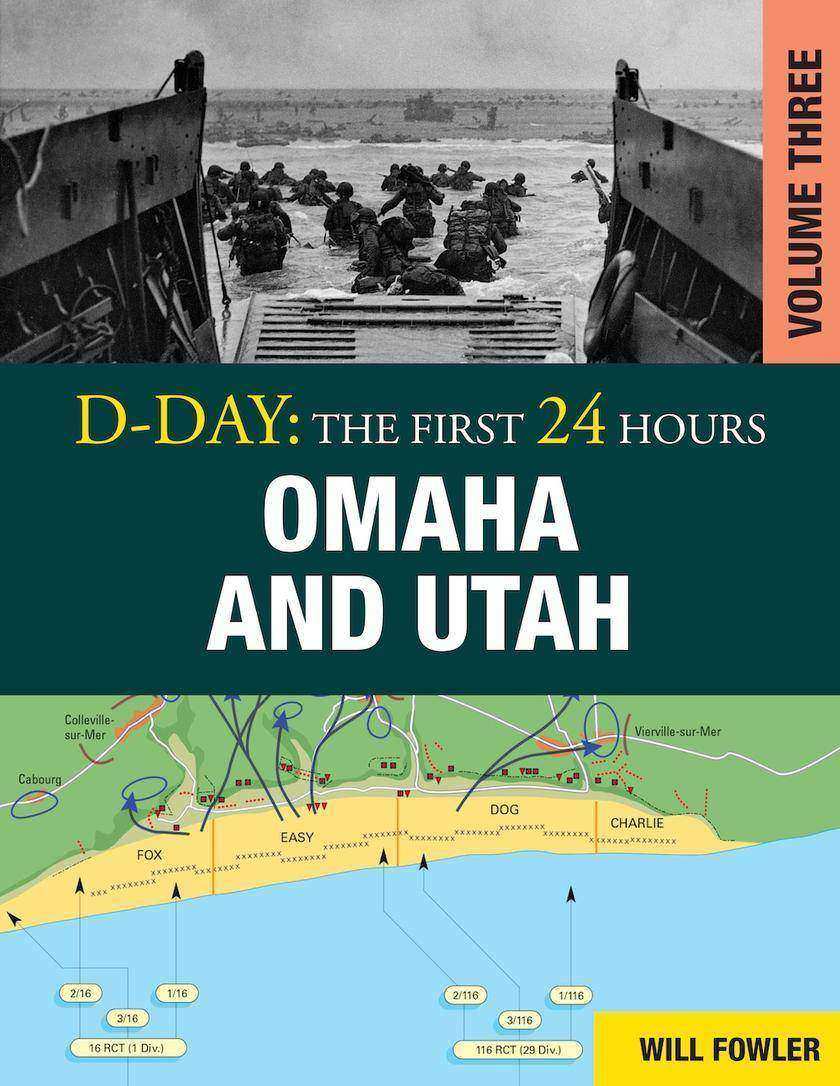
D-Day: Omaha and Utah
¥40.79
In any military operation throughout history, few 24-hour periods have been as crucial as that of 6th June 1944. With the aid of specially commissioned maps, D-Day: The First 24 Hours series gives the dramatic history of the first 24 hours of the Normandy landings, and explains in detail the events that occurred in each landing zone. In this third volume of the series, the book describes the American landings on Omaha and Utah beaches. The fighting on Omaha was some of the most desperate fighting took place, but the beach was eventually secured. The book also includes the famous operation by the US Rangers to capture the gun position at Pointe du Hoc, successfully scaling a sheer cliff face in the teeth of the defenders' fire. With colour and black & white photographs, the book is a guide to key events in the first 24 hours of the D-Day landings that saw the Allies successfully achieve a foothold in Northern Europe.
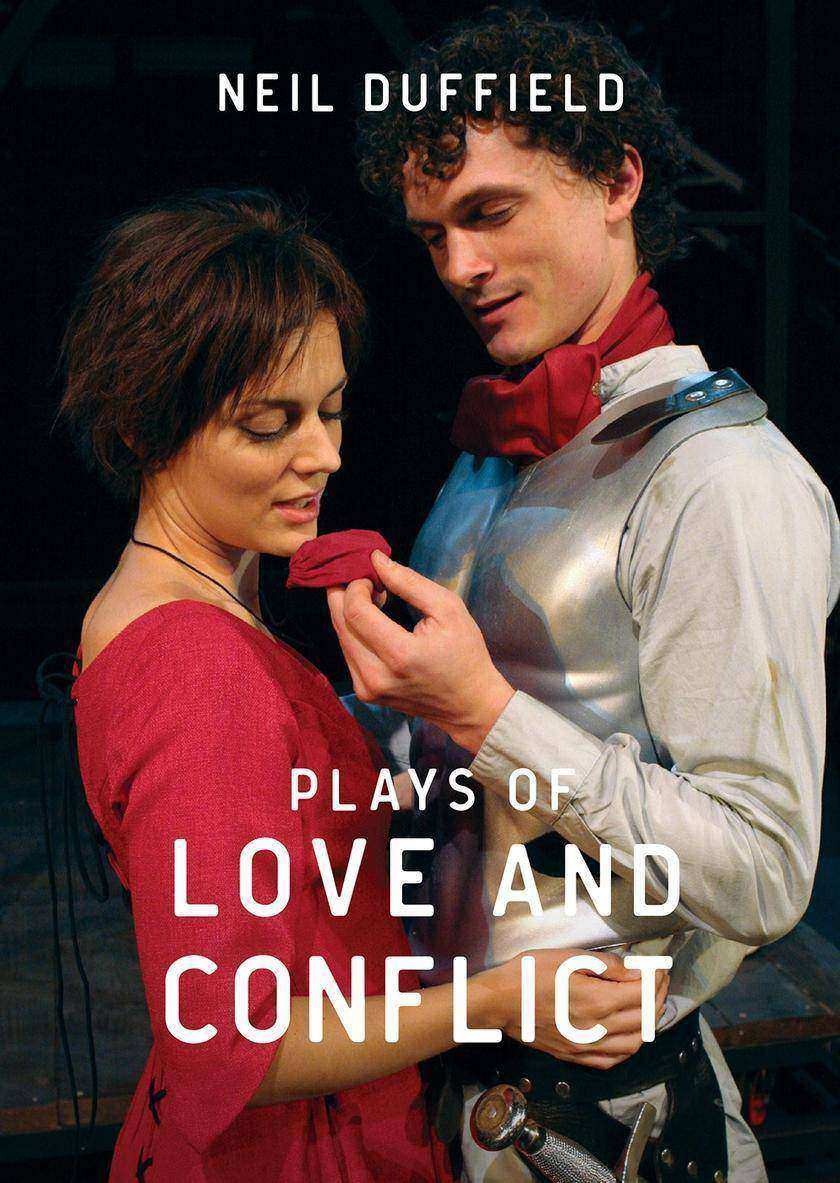
Plays of Love and Conflict
¥40.79
From beautiful adaptations of classics to exciting new writing, Duffield is a master of storytelling. Commissioned by theatres and community groups in the UK, these plays offer strong roles for both men and women, as well as the opportunity for song and dance. They will appeal to schools and youth theatres as well as both amateur and professional performers. Using a mixture of storytelling, theatre and song, BROTHERS IN ARMS draws on the true story of two brothers from a Yorkshire pit village – one of whom steadfastly refused to fight in World War I, while the other volunteered and served on the front line in France. Cast 8 minimum. Adapted from Hugo’s novel, THE HUNCHBACK OF NOTRE DAME is ‘remarkably faithful to the author’s original intention… a faultless production.’ – THE MORNING STAR Cast 8 minimum. WITH ALL MY LOVE is a tale of conspiracy and betrayal, of family feuds and deep-held secrets, of a woman’s struggle to keep faith with a husband transported to the other side of the world. Suitable for large cast productions, aimed at a general audience.

The Prodigal Daughter of Korea
¥40.79
When Mina’s father dies, she returns to Korea to visit a family she barely knows, desperately looking for some answers. But her mother is reluctant to discuss the past, especially the war, or the reasons that Mina was sent so far away as a child, to America. Her younger sister seems unable to grow up and it doesn’t help that their nosy neighbour is always on their doorstep. Secrets and lies divide them all irrevocably. When the truth is finally revealed, it is both shocking and redemptive, allowing Mina and those around her to see themselves anew and break free from years of pain and guilt.
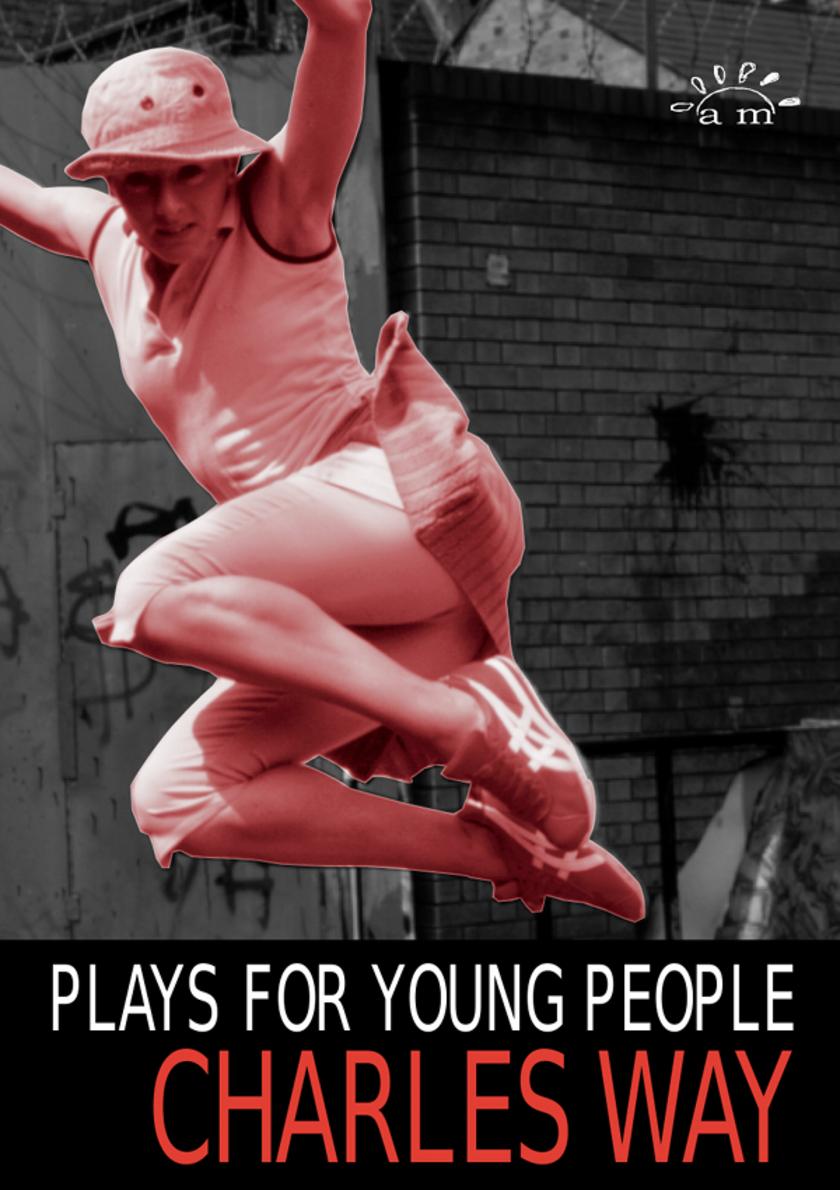
Plays for Young People
¥40.79
Red Red Shoes was commissioned by the Unicorn Theatre for Children and The Place. Based on the Hans Christian Andersen tale, this play uses dance, music and drama to explore the inner world of a traumatised child fleeing from war in Eastern Europe. (Ages 9+) Eye of the Storm offers a contemporary version of Shakespeare’s The Tempest, exploring father/daughter relationships and the need for independence. (Ages 12+) Playing From the Heart, commissioned by the Polka Theatre, is a poetic piece which follows the travails of the young Evelyn Glennie to become a professional musician despite her profound deafness. (Ages 8+)


