


 购物车
购物车 个人中心
个人中心
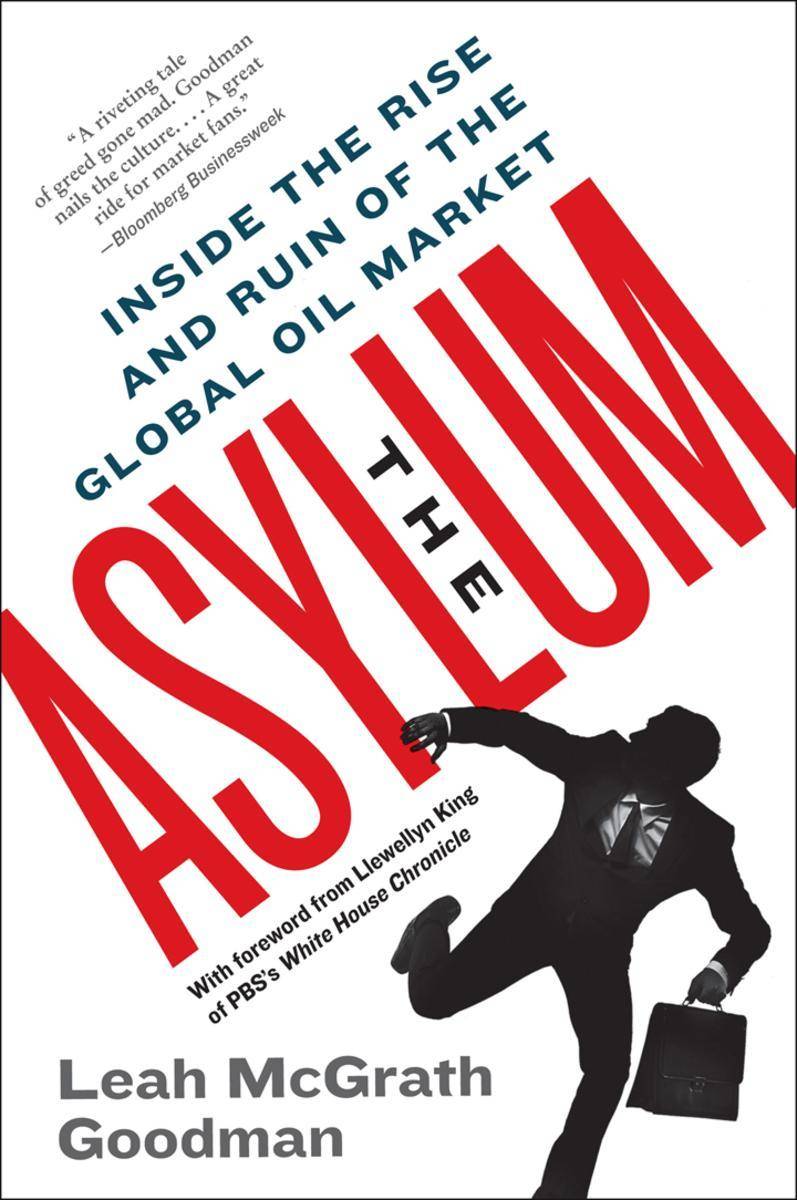
The Asylum
¥88.56
They were a band of outsiders unable to get jobs with New York's gilded financial establishment. They would go on to corner the world's multitrillion-dollar oil market, reaping unimaginable riches while bringing the economy to its knees. Meet the self-anointed kings of the New York Mercantile Exchange. In some ways, they are everything you would expect them to be: a secretive, members-only club of men and women who live lavish lifestyles; cavort with politicians, strippers, and celebrities; and blissfully jacked up oil prices to nearly $150 a barrel while profiting off the misery of the working class. In other ways, they are nothing you can imagine: many come from working-class families themselves. The progeny of Jewish, Irish, and Italian immigrants who escaped war-torn Europe, they take pride in flagrantly spurning Wall Street. Under the thumb of an all-powerful international oil cartel, the energy market had long eluded the grasp of America's hungry capitalists. Neither the oil royalty of Houston nor the titans of Wall Street had ever succeeded in fully wresting away control. But facing extinction, the rough-and-tumble traders of Nymex led by the reluctant son of a producemerchant went after this Goliath and won, creating the world's first free oil market and minting billions in the process. Their stunning journey from poverty to prosperity belies the brutal and violent history that is their legacy. For the first time, The Asylum unmasks the oil market's self-described "inmates" in all their un*ed and dysfunctional glory: the happily married father from Long Island whose lust for money and power was exceeded only by his taste for cruel pranks; the Italian kung fu fighting gasoline trader whose ferocity in the trading pits earned him countless millions; the cheerful Nazi hunter who traded quietly by day and ambushed Nazi sympathizers by night; and the Irish-born femme fatale who outsmarted all but one of the exchange's chairmen the Hungarian emigre who, try as he might, could do nothing to rein in the oil market's unruly inhabitants. From the treacherous boardroom schemes to the hookers and blow of the trading pits; from the repeat terrorist attacks and FBI stings to the grand alliances and outrageous fortunes that brought the global economy to the brink, The Asylum ventures deep into the belly of the beast, revealing how raw ambition and the endless quest for wealth can change the very nature of both man and market. Showcasing seven years of research and hundreds of hours of interviews, Leah McGrath Goodman reveals what really happened behind the scenes as oil prices topped out and what choice the traders ultimately made when forced to choose between their longtime brotherhood and their precious oil monopoly.

Resistance to Innovation
¥370.82
Every year, about 25,000 new products are introduced in the United States. Most of these products fail-at considerable expense to the companies that produce them. Such failures are typically thought to result from consumers' resistance to innovation, but marketers have tended to focus instead on consumers who show little resistance, despite these "e;early adopters"e; comprising only 20 percent of the consumer population.Shaul Oreg and Jacob Goldenberg bring the insights of marketing and organizational behavior to bear on the attitudes and behaviors of the remaining 80 percent who resist innovation. The authors identify two competing definitions of resistance: In marketing, resistance denotes a reluctance to adopt a worthy new product, or one that offers a clear benefit and carries little or no risk. In the field of organizational behavior, employees are defined as resistant if they are unwilling to implement changes regardless of the reasons behind their reluctance. Seeking to clarify the act of rejecting a new product from the reasons-rational or not-consumers may have for doing so, Oreg and Goldenberg propose a more coherent definition of resistance less encumbered by subjective, context-specific factors and personality traits. The application of this tighter definition makes it possible to disentangle resistance from its sources and ultimately offers a richer understanding of consumers' underlying motivations. This important research is made clear through the use of many real-life examples.
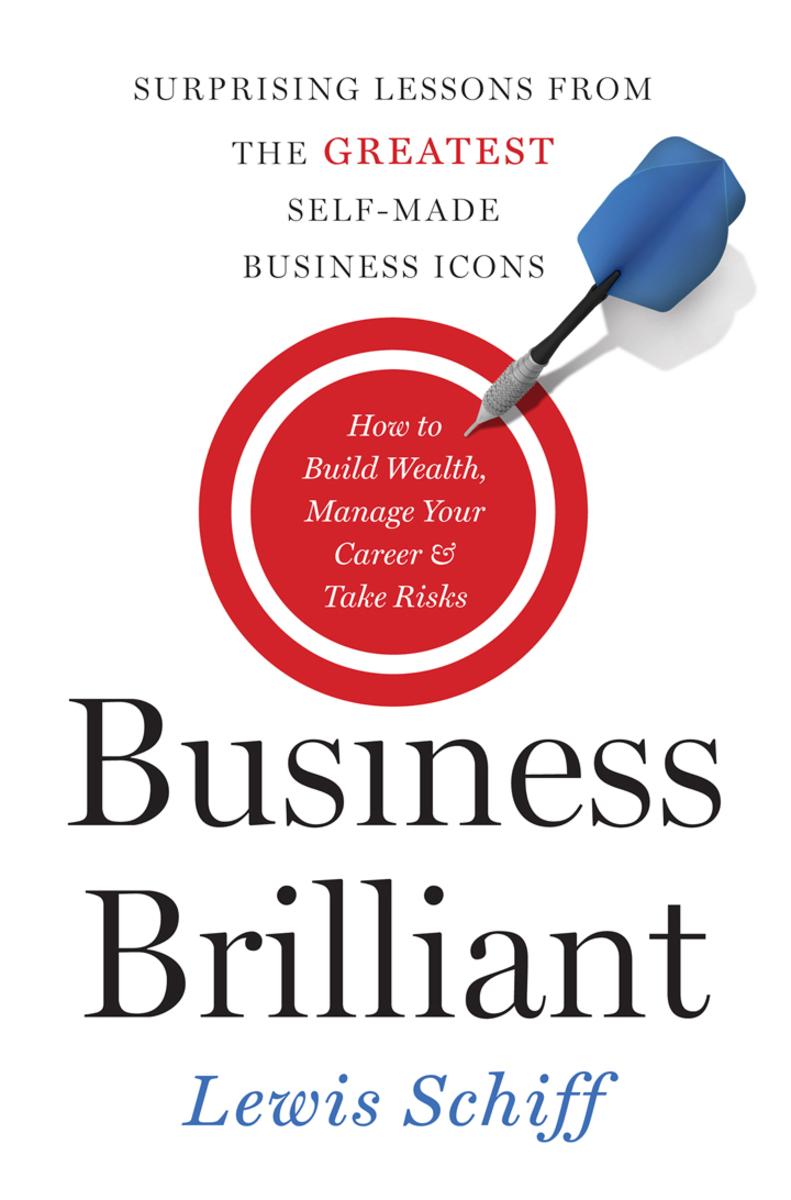
Business Brilliant
¥162.76
Ask a member of the middle class what it takes to become wealthy, and she'll tell you it takes a bold new idea. Tell that to a self-made millionaire, and he'll vehemently disagree. What explains the difference in mind-set between the self-made wealthy and the rest of usIt not what you think, as journalist and entrepreneur Lewis Schiff convincingly illustrates through groundbreaking research and compelling storytelling. For decades, the middle class has believed that the road to success meant working hard and playing by rules passed down from previous generations. But as the 2008 economic crisis has made clear, the old rules no longer apply. While household net worth has declined for most, self-made business leaders entrepreneurially minded individuals born into the middle class who have accumulated significant wealth have prospered. What makes these have-mores financially successful while the rest of us have never felt more uncertain about our professional and financial futuresIn Business Brilliant , Lewis Schiff reveals the eye-opening findings from a national survey of middle-class workers and self-made millionaires, offering practical guidance to show the rest of us what America self-made rich already know. Through his research, he holds a mirror to our most commonly held beliefs about success and then reveals the truth about how wealth is really created by surveying the truly wealthy. In doing so, he explodes the conventional wisdom and identifies the distinct principles practiced by individuals who may or may not be any smarter than the rest of the population but seem to understand instinctively how money is made. They don't employ business-as-usual practices; they adopt a Business Brilliant mind-set. The book illustrates how these self-made millionaires choose their careers, negotiate to win, and leverage social networks to accumulate their wealth. Schiff argues that it is the synergy behind seven uncommon practices, not serendipity or luck, that produces success. He offers a practical four-step program anyone can follow to position themselves to succeed more often and a roadmap to compare your own Business Brilliance to the executives and entrepreneurs who have successfully navigated our rapidly changing economy. While Business Brilliant doesn't promise to make you rich, it can help you achieve better results in your career and accumulate wealth faster.
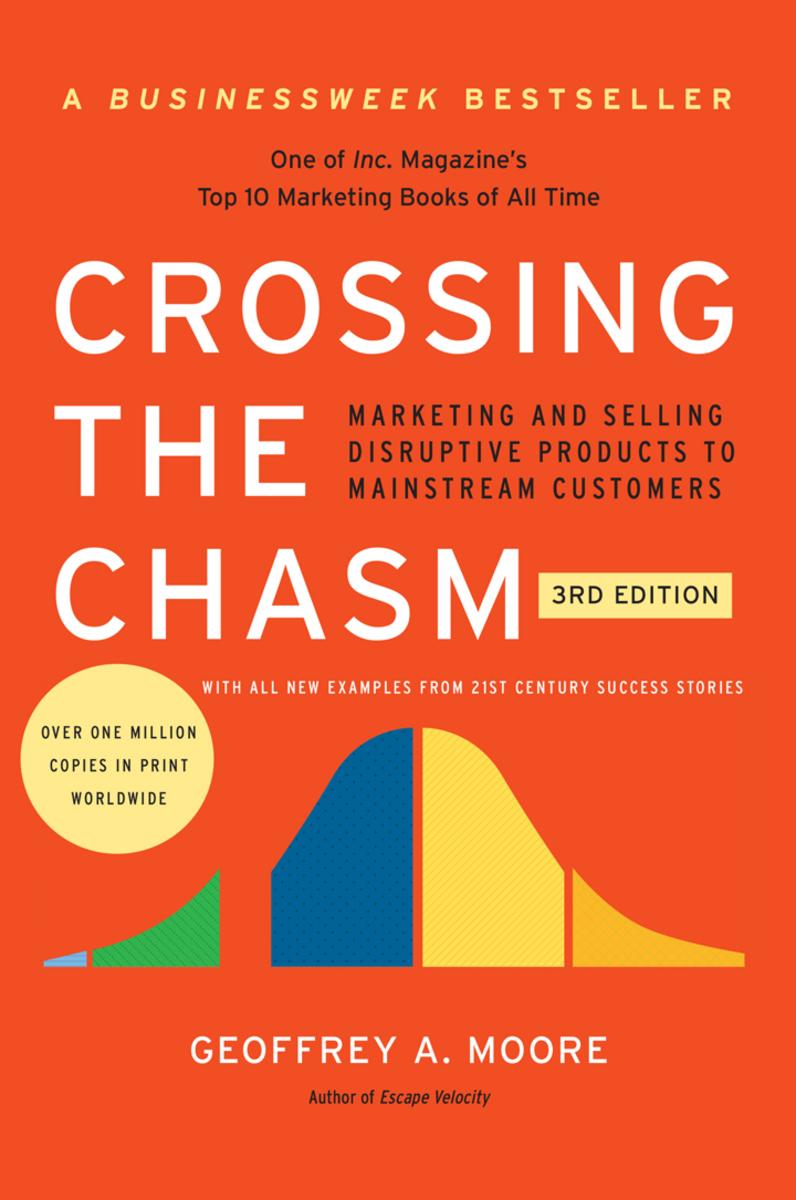
Crossing the Chasm, 3rd Edition
¥123.10
The bible for bringing cutting-edge products to larger markets now revised and updated with new insights into the realities of high-tech marketing In Crossing the Chasm , Geoffrey A. Moore shows that in the Technology Adoption Life Cycle which begins with innovators and moves to early adopters, early majority, late majority, and laggards there is a vast chasm between the early adopters and the early majority. While early adopters are willing to sacrifice for the advantage of being first, the early majority waits until they know that the technology actually offers improvements in productivity. The challenge for innovators and marketers is to narrow this chasm and ultimately accelerate adoption across every segment. This third edition brings Moore's classic work up to date with dozens of new examples of successes and failures, new strategies for marketing in the digital world, and Moore's most current insights and findings. He also includes two new appendices, the first connecting the ideas in Crossing the Chasm to work subsequently published in his Inside the Tornado , and the second presenting his recent groundbreaking work for technology adoption models for high-tech consumer markets.

The Honest Truth About Dishonesty
¥95.11
The New York Times bestselling author of Predictably Irrational and The Upside of Irrationality returns with thought-provoking work to challenge our preconceptions about dishonesty and urge us to take an honest look at ourselves. Does the chance of getting caught affect how likely we are to cheatHow do companies pave the way for dishonestyDoes collaboration make us more honest or less soDoes religion improve our honestyMost of us think of ourselves as honest, but, in fact, we all cheat. From Washington to Wall Street, the classroom to the workplace, unethical behavior is everywhere. None of us is immune, whether it the white lie to head off trouble or padding our expense reports. In The (Honest) Truth About Dishonesty , award-winning, bestselling author Dan Ariely turns his unique insight and innovative research to the question of dishonesty. Generally, we assume that cheating, like most other decisions, is based on a rational cost-benefit analysis. But Ariely argues, and then demonstrates, that it actually the irrational forces that we don't take into account that often determine whether we behave ethically or not. For every Enron or political bribe, there are countless puffed r sum s, hidden commissions, and knockoff purses. In The (Honest) Truth About Dishonesty , Ariely shows why some things are easier to lie about; how getting caught matters less than we think; and how business practices pave the way for unethical behavior, both intentionally and unintentionally. Ariely explores how unethical behavior works in the personal, professional, and political worlds, and how it affects all of us, even as we think of ourselves as having high moral standards. But all is not lost. Ariely also identifies what keeps us honest, pointing the way for achieving higher ethics in our everyday lives. With compelling personal and academic findings, The (Honest) Truth About Dishonesty will change the way we see ourselves, our actions, and others.
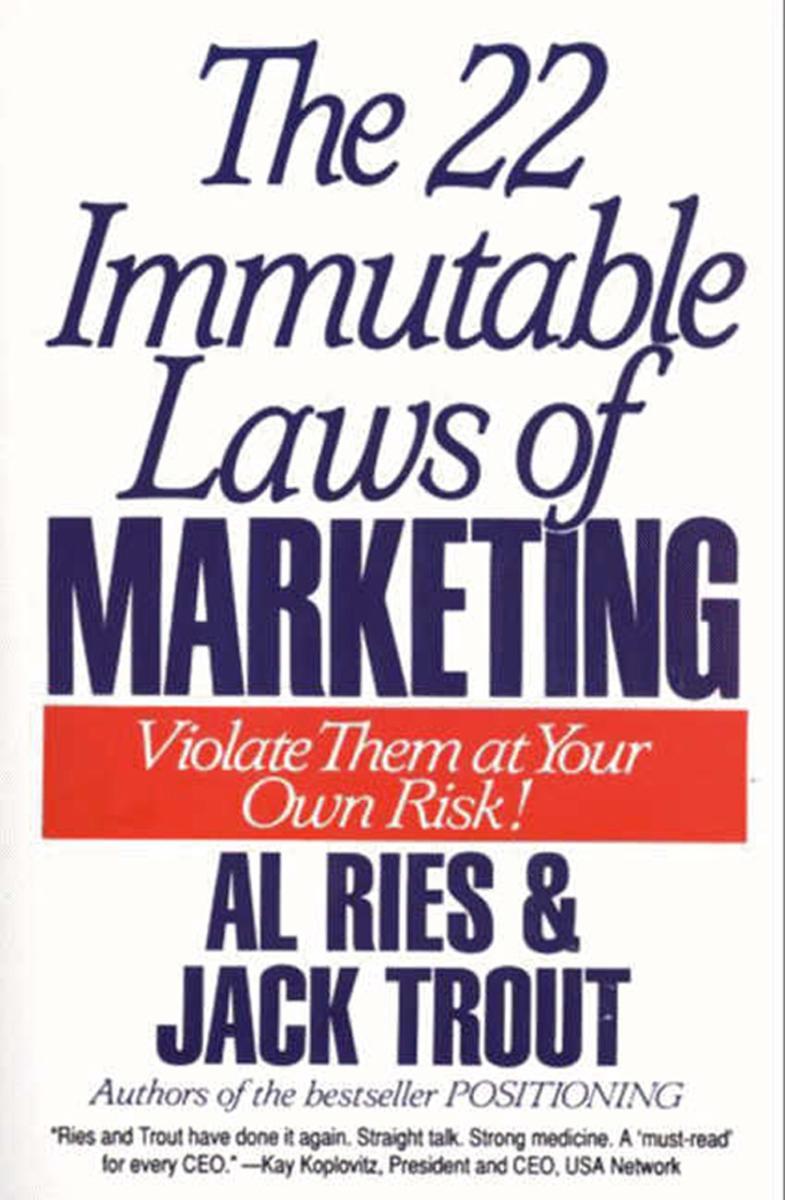
The 22 Immutable Laws of Marketing
¥94.10
Two world-renowned marketing consultants and bestselling authors present the definitive rules of marketing.
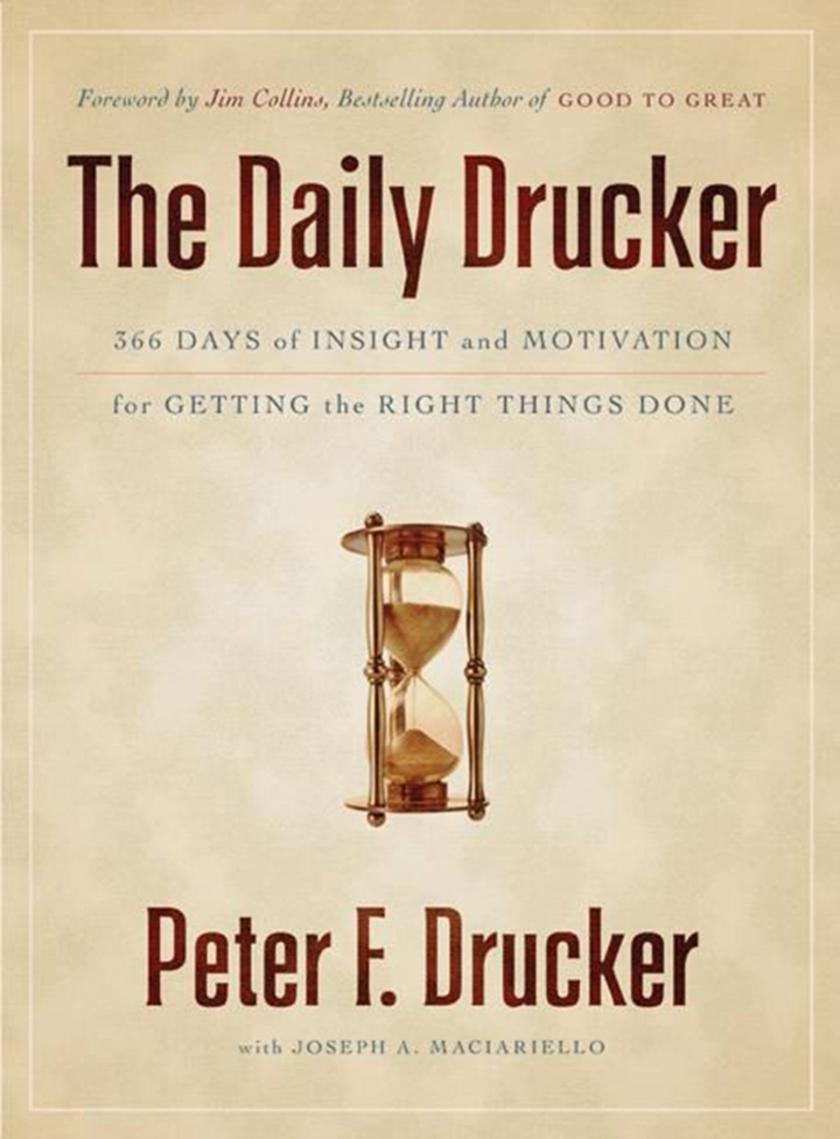
The Daily Drucker
¥110.71
Revered management thinker Peter F. Drucker is our trusted guide in this thoughtful, day-by-day companion that offers his penetrating and practical wisdom. Amid the multiple pressures of our daily work lives, The Daily Drucker provides the inspiration and advice to meet the many challenges we face. With his trademark clarity, vision, and humanity, Drucker sets out his ideas on a broad swath of key topics, from time management, to innovation, to outsourcing, providing useful insights for each day of the year. These 366 daily readings have been harvested from Drucker's lifetime of work. At the bottom of each page, the reader will find an action point that spells out exactly how to put Drucker's ideas into practice. It is as if the wisest and most action-oriented management consultant in the world is in the room, offering his timeless gems of advice. The Daily Drucker is for anyone who seeks to understand and put to use Drucker's powerful words and ideas.

Think BIG and Kick Ass in Business and Life
¥94.10
Donald J. Trump is an icon: the very definition of the American success story. The star of The Apprentice and developer of some of the planet's most prestigious real estate, he's been on the bottom and risen to become one of the world's wealthiest men. Bill Zanker started The Learning Annex with $5,000 and grew it into a $5 million a year company. That was before he met Donald Trump. Thirty months later, after Zanker learned to think BIG himself, The Learning Annex is generating over $100 million a year in sales and still growing. Together, they're living examples of how thinking BIG and knowing when to back up your opinions aggressively regardless of what your critics or opponents might say can help you maximize your personal and professional achievements. For the first time ever, you too can learn Trump's secrets to thinking BIG and kicking ass! Learn: Momentum: the Big Mo. How to get it and how to get it back. Revenge: how and when to get it (and why it's so sweet). "I love you, now sign this!" Why contracts in business and personal life are so important. Real-life stories from people who've applied the think BIG formula in their own lives. These strategies are proven and attested to by those who've learned to think BIG from Donald Trump and found success in their own lives. Bill Zanker used Donald's strategies to grow the revenues of The Learning Annex twenty times in under three years. Both of them have been down and out, and know what it's like to feel the whole world's against you and both have risen to dizzying heights of success by thinking BIG and kicking ass! It is an attitude that can be easily learned.
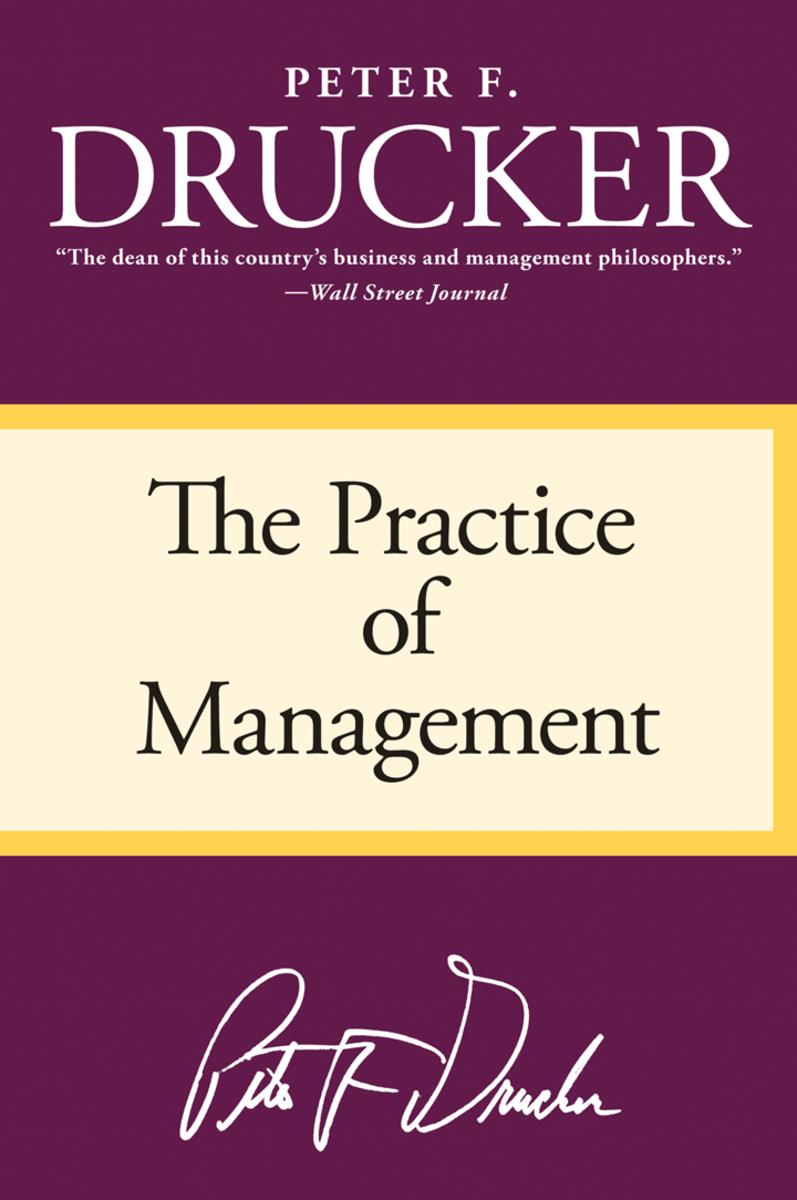
The Practice of Management
¥94.10
A classic since its publication in 1954, The Practice of Management was the first book to look at management as a whole and being a manager as a separate responsibility. The Practice of Management created the discipline of modern management practices. Readable, fundamental, and basic, it remains an essential book for students, aspiring managers, and seasoned professionals.

The Upside of Irrationality
¥94.10
The provocative follow-up to the New York Times bestseller Predictably Irrational Why can large bonuses make CEOs less productiveHow can confusing directions actually help usWhy is revenge so important to usWhy is there such a big difference between what we think will make us happy and what really makes us happyIn his groundbreaking book Predictably Irrational , social scientist Dan Ariely revealed the multiple biases that lead us into making unwise decisions. Now, in The Upside of Irrationality , he exposes the surprising negative and positive effects irrationality can have on our lives. Focusing on our behaviors at work and in relationships, he offers new insights and eye-opening truths about what really motivates us on the job, how one unwise action can become a long-term habit, how we learn to love the ones we're with, and more. Drawing on the same experimental methods that made Predictably Irrational one of the most talked-about bestsellers of the past few years, Ariely uses data from his own original and entertaining experiments to draw arresting conclusions about how and why we behave the way we do. From our office attitudes, to our romantic relationships, to our search for purpose in life, Ariely explains how to break through our negative patterns of thought and behavior to make better decisions. The Upside of Irrationality will change the way we see ourselves at work and at home and cast our irrational behaviors in a more nuanced light.

The E-Myth Physician
¥77.49
Michael E. Gerber, bestselling author of The E-Myth Revisited shares his powerful insights to lead independent physicians to successful practices and enriched lives.Michael Gerber has dedicated much of his professional life to the study of entrepreneurship and business dynamics. His E-Myth Academy is renown in the entrepreneurial world for its business insight and guidance as well as its inspirational advice.In the E-Myth Physician, bestselling author Gerber returns to his roots in order to provide indispensable advice to doctors who own and run their own practices. Gerber provides excellent business insights into topics such as streamlining systems, effective small-business management practices, healthy patient relations and managing cash flow, all with the goal of freeing physicians from the daily grind of running a business and leading them to a happier and more productive life while doing the job they love - practising medicine.
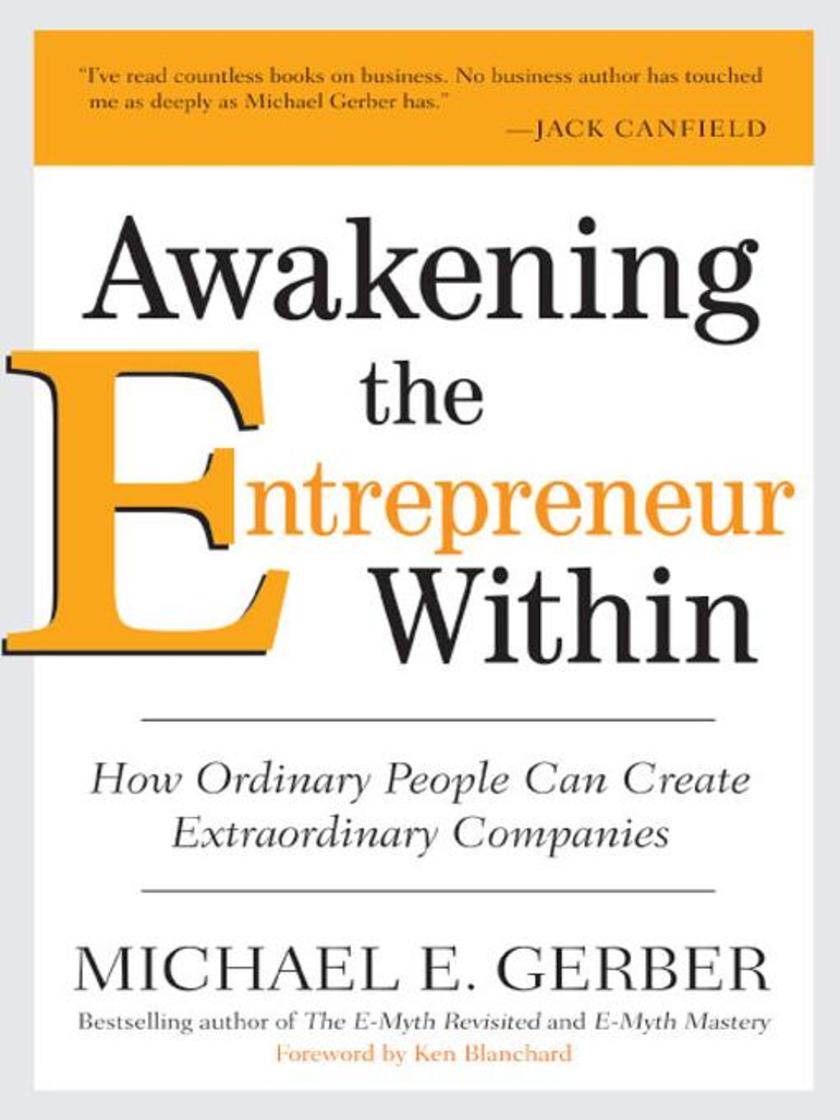
Awakening the Entrepreneur Within
¥88.56
A business without a dream is like a life without a purpose. Michael Gerber Dream Vision Purpose MissionThese words have been defining the life of Michael Gerber, bestselling author and international small business guru. He created E-Myth Worldwide in 1977 to transform the way that small business owners grow their companies. Now he's created In The Dreaming Room as a place where entrepreneurs and future entrepreneurs come to discover how to make their dreams a reality.Michael's Dream: to inspire people to dream by awakening the entrepreneur within them. Michael's Vision: to be the authority for helping dreamers everywhere create the small businesses they once could only imagine.Michael's Purpose: to transform the lives of ordinary people by providing them with the thrill of creation while creating the means to generate their own and others' economic freedom.Michael's Mission: to create a turnkey system for awakening the entrepreneur within every person who wishes to go into business for themselves, while providing them with the support for doing it.And he has done it. In Awakening the Entrepreneur Within you are invited into the Dreaming Room, where your own entrepreneurial dreams will come alive and become reality. Michael will help you shape your dream into a viable, economically successful company! As he writes: It is time to dream. It is time to care about something bigger than you. It is time to imagine something sorely needed in the world the world you live in that somebody would pay to have. It is time to look around you and ask yourself, 'What's missing in this pictureIf you see something missing in your world, it's time to start dreaming. Let Michael Gerber welcome you to the Dreaming Room.
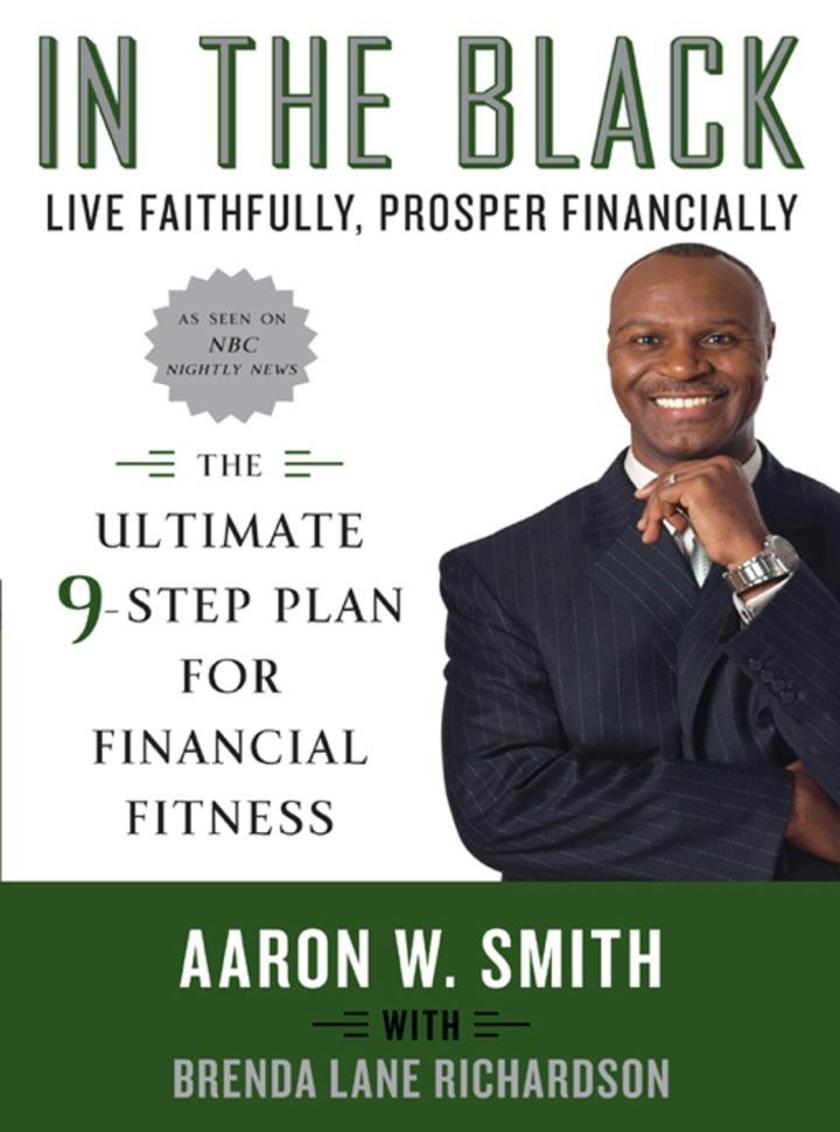
In the Black
¥90.73
With economic uncertainty reaching unprecedented levels, Aaron W. Smith's accessible nine-step plan to take control of your financial future will resonate whether you're just starting out or finding yourself midlife with concerns about your retirement. In The Black will transform your retirement plans, regardless of income, by offering concrete advice on what opportunities are available and using real-life examples to illustrate how anyone can achieve their financial dreams be they middle- aged and facing debt or actively saving since their early twenties. In clear, easy-to-follow steps, readers will learn how to: Overcome historical resistance to investing Save for retirement while keeping kinship ties intact Use faith as a motivator for saving and strengthening financial discipline Break through denial about changes in Social Security and pension plans. . . and much more.
The Wall Street Journal Guide to the End of Wall Street as We Know It
¥90.77
The definitive guide for Main Street readers who want to make sense of what's happening on Wall Street and better understand how we got here and what we need to know to in days to come. Written by seasoned financial writer Dave Kansas this official Wall Street Journal guide will be filled with practical information revealing what the crisis means for reader's financial lives and what steps they should be taking now to inform and protect themselves.

Remember Me
¥90.90
In Remember Me, Time writer Lisa Takeuchi Cullen has created a humorous and poignant chronicle of her travels around the country to discover how Americans are reinventing the rites of dying. What she learned is that people no longer want to take death lying down; instead, they're taking their demise into their own hands and planning the afterparty. Cullen hears stories of modern-day funerals: lobster-shaped caskets and other unconventional containers for corpses; cremated remains turned into diamonds; and even mishaps like dove releases gone horribly wrong. Eye-opening, funny, and unforgettable, Remember Me gives an account of the ways in which Americans are designing new occasions to mark death by celebrating life.
Console Wars
¥111.91
A mesmerizing, behind-the-scenes business thriller that chronicles how Sega, a small, scrappy gaming company led by an unlikely visionary and a team of rebels, took on the juggernaut Nintendo and revolutionized the videogame industry in development as a feature film from Sony PicturesIn 1990, Nintendo had a virtual monopoly on the videogame industry. Sega, on the other hand, was just a faltering arcade company with big aspirations and even bigger personalities. But all that would change with the arrival of Tom Kalinske, a former Mattel executive who knew nothing about videogames and everything about fighting uphill battles. His unconventional tactics, combined with the blood, sweat, and bold ideas of his renegade employees, completely transformed Sega and led to a ruthless, David-and-Goliath showdown with Nintendo. Little did he realize that Sega's success would create many new enemies and, most important, make Nintendo stronger than ever.The battle was vicious, relentless, and highly profitable, eventually sparking a global corporate war that would be fought on several fronts: from living rooms and school yards to boardrooms and Congress. It was a once-in-a-lifetime, no-holds-barred conflict that pitted brother against brother, kid against adult, Sonic against Mario, and the United States against Japan.Based on more than two hundred interviews with former Sega and Nintendo employees, Console Wars is the tale of how Tom Kalinske miraculously turned an industry punch line into a market leader. Blake J. Harris brings into focus the warriors, the strategies, and the battles and explores how they transformed popular culture forever. Ultimately, Console Wars is the story of how a humble family man, with an extraordinary imagination and a gift for turning problems into competitive advantages, inspired a team of underdogs to slay a giant and, as a result, give birth to a sixty-billion-dollar industry.
How to Work a Room, 25th Anniversary Edition
¥88.56
The classic bestseller on socializing now fully updated for social interactions in a digital ageHow to Work a Room is the classic bestselling book on improving communication and socializing skills, and using them to create and leverage connections. This Silver Anniversary Edition is fully revised and updated to include the role of technology and social media in networking, as well as Susan RoAne's proven tips for using digital strategies to your advantage plus practical hints for starting conversations and strengthening rapport with strangers. How to Work a Room: The 25th Anniversary Edition is a vital tool for business professionals, job seekers and career changers of all ages.
Die Broke
¥95.39
From America's most trusted financial advisor comes a comprehensive guide to a new and utterly sane financial choice. In Die Broke, you'll learn that life is a game where the loser gives his money to Uncle Sam at the end. There are four steps to the process: Quit Today No, don't tell your boss to shove it...at least not out loud. But in your head accept that from this day on you're a free agent whose number one workplace priority is your personal bottom line.Pay Cash You should be as conscious of spending as you are of saving. Credit should be a rarely used tool for those few times (buying homes and cars) when paying cash is impossible.Don't Retire Your work life should be a journey up and down hills, rather than a climb up a sheer cliff that ends with a jump into the abyss.Die Broke It sounds terrifying, the one intolerable outcome to your financial life. And yet, in truth, dying broke might be your best option for a life without fear: fear of failure and privation now, fear of impoverishment in the long run.
Put More Cash in Your Pocket
¥94.10
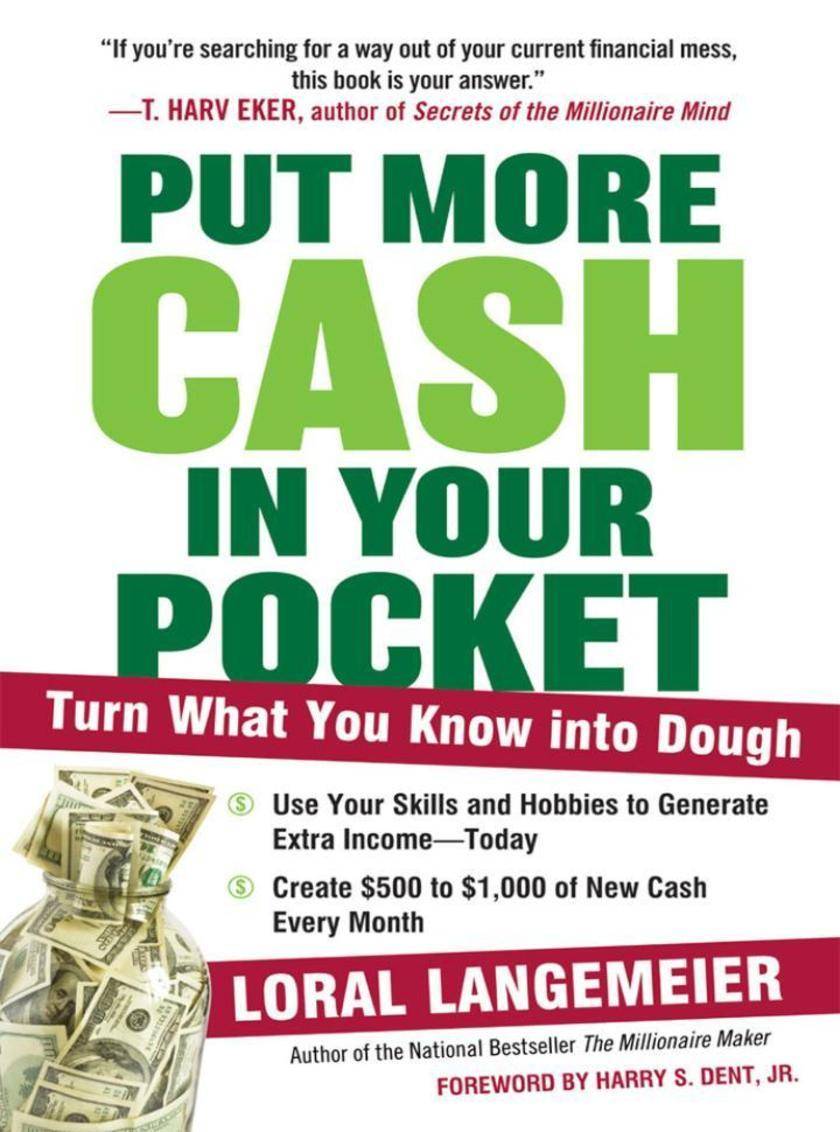
Quit worrying about debt. . . .Forget penny-pinching. . . . Stop sacrificing. . . . Forget saving money. You don't get wealthy by putting your money away in a bank account, nor do you become poor just because you bought yourself an extra latte. You get rich by making money . . . and America's leading money-making expert Loral Langemeier can show you how.A timely book with a counterintuitive message, Put More Cash in Your Pocket helps you create your own "lemonade stand" by getting paid for the things you already do. By following Loral's simple and straightforward approach, you'll put more cash as much as $1,000 a month in your pocket in no time.
Getting from College to Career
¥99.65
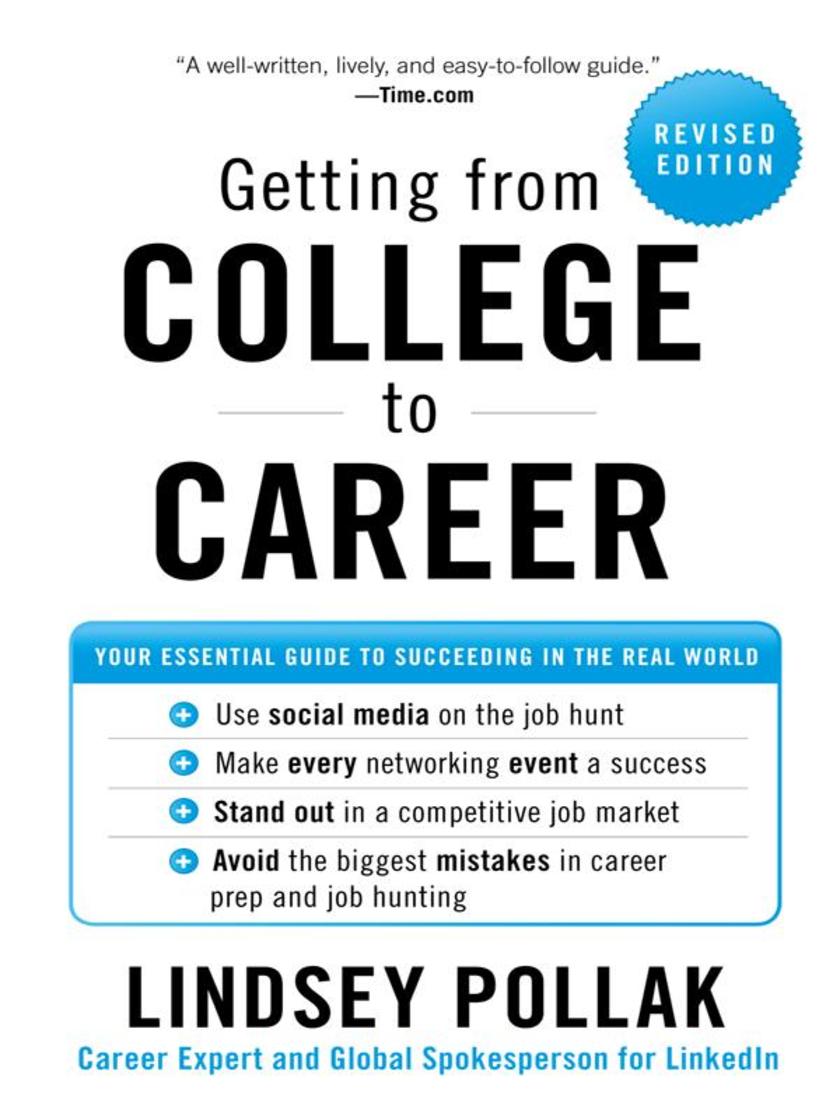
Get Ready for the Real World How do you get a job without experience and get experience without a jobIt’s the question virtually every college student or recent graduate faces. Now newly revised and updated, Lindsey Pollak’s Getting from College to Career is the definitive guide to building the experience, skills, and confidence you need to succeed in the job search, offering action-oriented tips and strategies ranging from the simple to the expert. Learn how to: ?Get the best tools for career prep and job hunting ?E-mail like a professional ?Go global ?Practice the eight essentials of internship achievement ?Perform five minutes of stand-up ?Overprepare for interviews ?Persist without being a pest Getting from College to Career gives you the essential information and guidance you need to get your foot in the door of the real world. Don’t start your first job search without it!
Punk Marketing
¥101.00
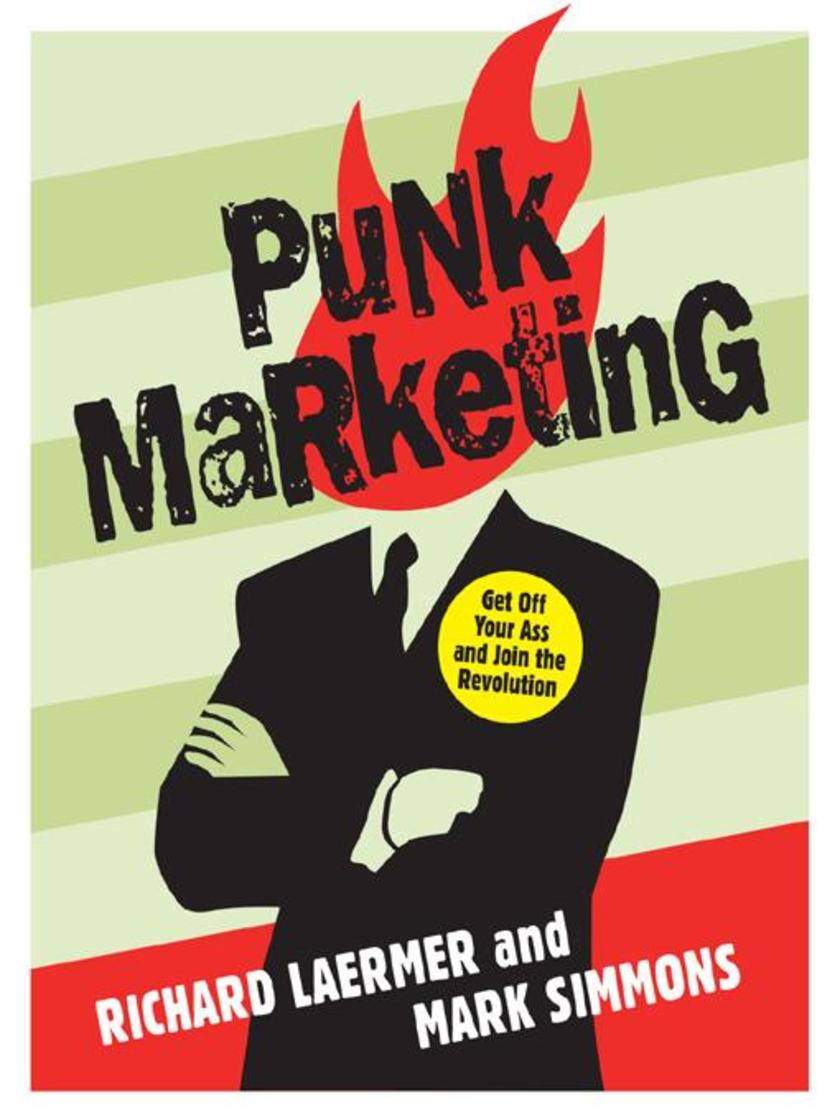
The marketing revolution is here, so get on the right side of the barricade and become a part of it! Let's thank Mr. and Mrs. Consumer and their little Consumerlings who have seized power from the corporations and are now firmly in control. In Punk Marketing, Laermer and Simmons take an irreverent, penetrating look at the seismic change in the relationship between the people who sell stuff products, services, entertainment and those who purchase it. They demonstrate that to survive in business, a revolutionary approach is needed one they have branded "Punk Marketing" and it's one we all need to understand, for the traditional divisions among commerce, content, and consumers are continuing to blur ever more rapidly.Never dull, sometimes controversial, but always a helluva lot of fun, Punk Marketing presents a manifesto for any businessperson needing to engage consumers or any consumer seeking to understand and employ their newfound power. And here's the good news: It's based on principles that have existed forever. In an age of digital video recorders, "branded" entertainment, cell-phone TV, multiplayer online games, and never-ending social networking, a coherent approach to marketing has never been more vital. With Punk Marketing, there's a built-in plan to equip you with tools to make all this change work out just fine, thanks.Punk Marketing is the first shot soon to be heard 'round the world of a long-awaited and breathless uprising that businesses want, deserve, and desperately need.


