


 购物车
购物车 个人中心
个人中心
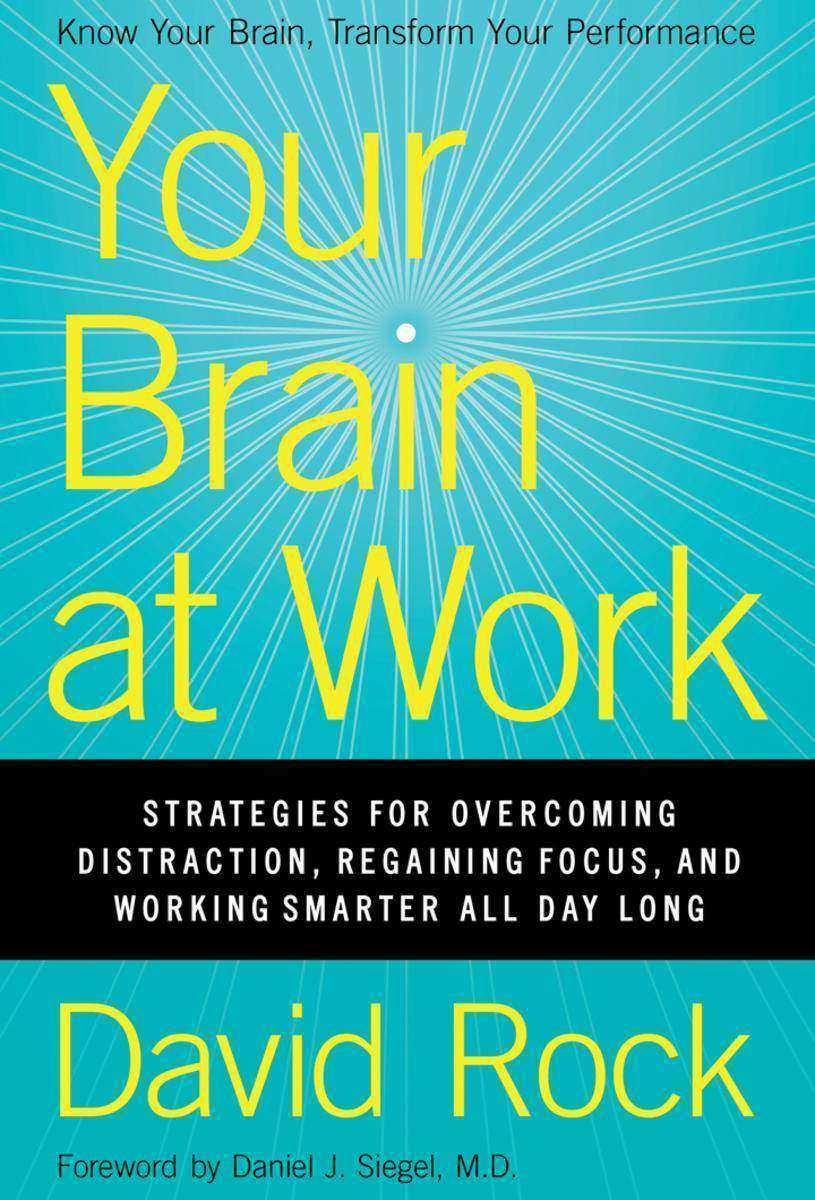
Your Brain at Work
¥166.09
Meet Emily and Paul, the parents of two young children. Emily is a newly promoted executive in a large corporation, while Paul has his own business as a consultant. Their lives, like all of ours, are filled with a bewildering blizzard of emails, phone calls, yet more emails, meetings, projects, proposals, and plans. For them, just staying ahead of the storm has become a seemingly insurmountable task. In this book, we travel inside the brains of Emily and Paul as they attempt to sort the vast quantities of information they're presented with and figure out how to prioritize, organize, and act on it. Fortunately for Emily and Paul and for readers of Your Brain at Work they're in good hands: David Rock knows how the brain works and more specifically, how it works in a work setting. Your Brain at Work explores: Why your brains feels so taxed, and how to take full advantage of your mental resources Why it's so hard to focus, and how to better manage distractions How to maximize your chance of finding insights that can solve seemingly insurmountable problems How to keep your cool in any situation, so that you can make the best decisions possible How to collaborate with others more effectively Why providing feedback is so difficult, and how to make it easier How to effectively change other people's behavior Rock shows how it's possible not only to survive in today's overwhelming work environment but to succeed in it and still feel energized at the end of the day, with a sense of accomplishment.

Multipliers
¥155.02
Are you a genius or a genius maker We've all had experience with two dramatically different types of leaders. The first type drain intelligence, energy, and capability from the ones around them and always need to be the smartest ones in the room. These are the idea killers, the energy sappers, the diminishers of talent and commitment. On the other side of the spectrum are leaders who use their intelligence to amplify the smarts and capabilities of the people around them. When these leaders walk into a room, lightbulbs go off over people's heads, ideas flow, and problems get solved. These are the leaders who inspire employees to stretch themselves to deliver results that surpass expectations. These are the Multipliers. And the world needs more of them, especially now, when leaders are expected to do more with less. In this engaging and highly practical book, leadership expert Liz Wiseman and management consultant Greg McKeown explore these two leadership styles, persuasively showing how Multipliers can have a resoundingly positive and profitable effect on organizations getting more done with fewer resources, developing and attracting talent, and cultivating new ideas and energy to drive organizational change and innovation. In analyzing data from more than 150 leaders, Wiseman and McKeown have identified five disciplines that distinguish Multipliers from Diminishers. These five disciplines are not based on innate talent; indeed, they are skills and practices that everyone can learn to use even lifelong and recalcitrant Diminishers. Lively, real-world case studies and practical tips and techniques bring to life each of these principles, showing you how to become a Multiplier too, whether you are a new or an experienced manager. Just imagine what you could accomplish if you could harness all the energy and intelligence around you. Multipliers will show you how.
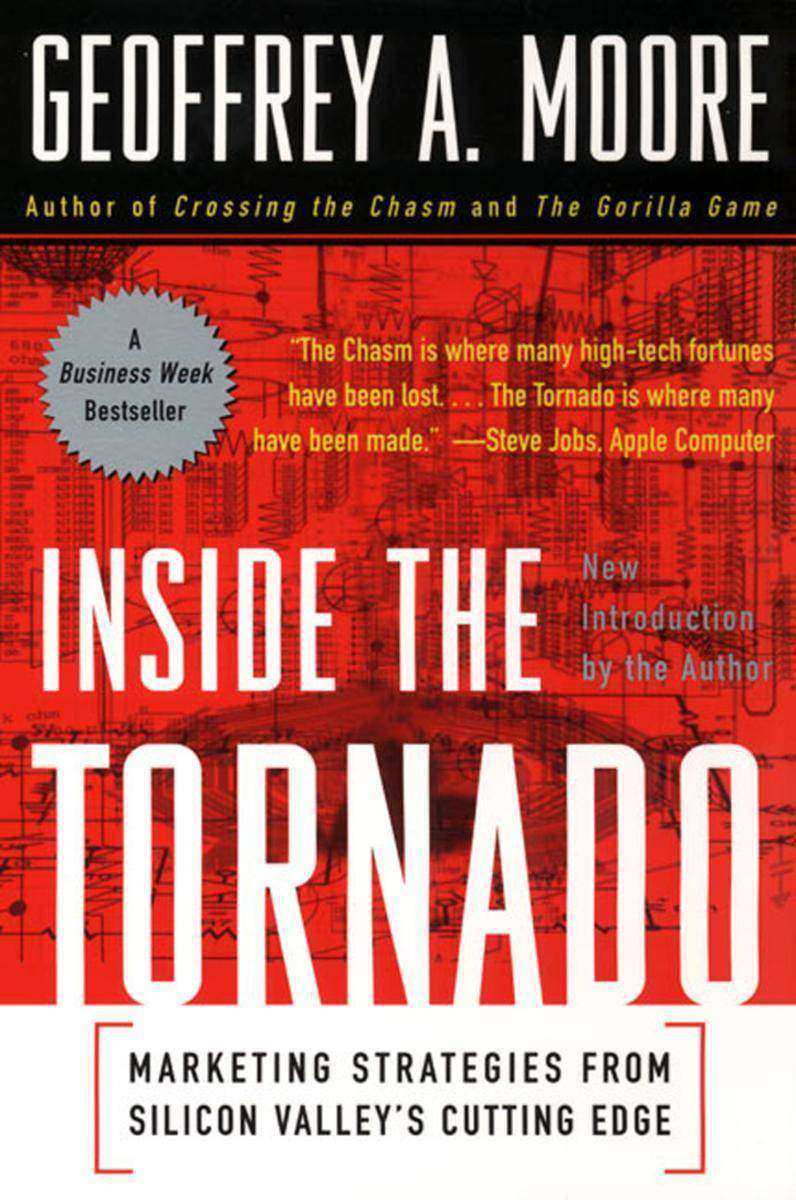
Inside the Tornado
¥99.65
In this, the second of Geoff Moore's classic three-part marketing series, Moore provides highly useful guidelines for moving products beyond early adopters and into the lucrative mainstream market. Updated for the HarperBusiness Essentials series with a new author's note. Once a product "crosses the chasm" it is faced with the "tornado," a make or break time period where mainstream customers determine whether the product takes off or falls flat. In Inside the Tornado , Moore details various marketing strategies that will teach marketers how reach these customers and how to take advantage of living inside the tornado in order to reap the benefits of mainstream adoption.
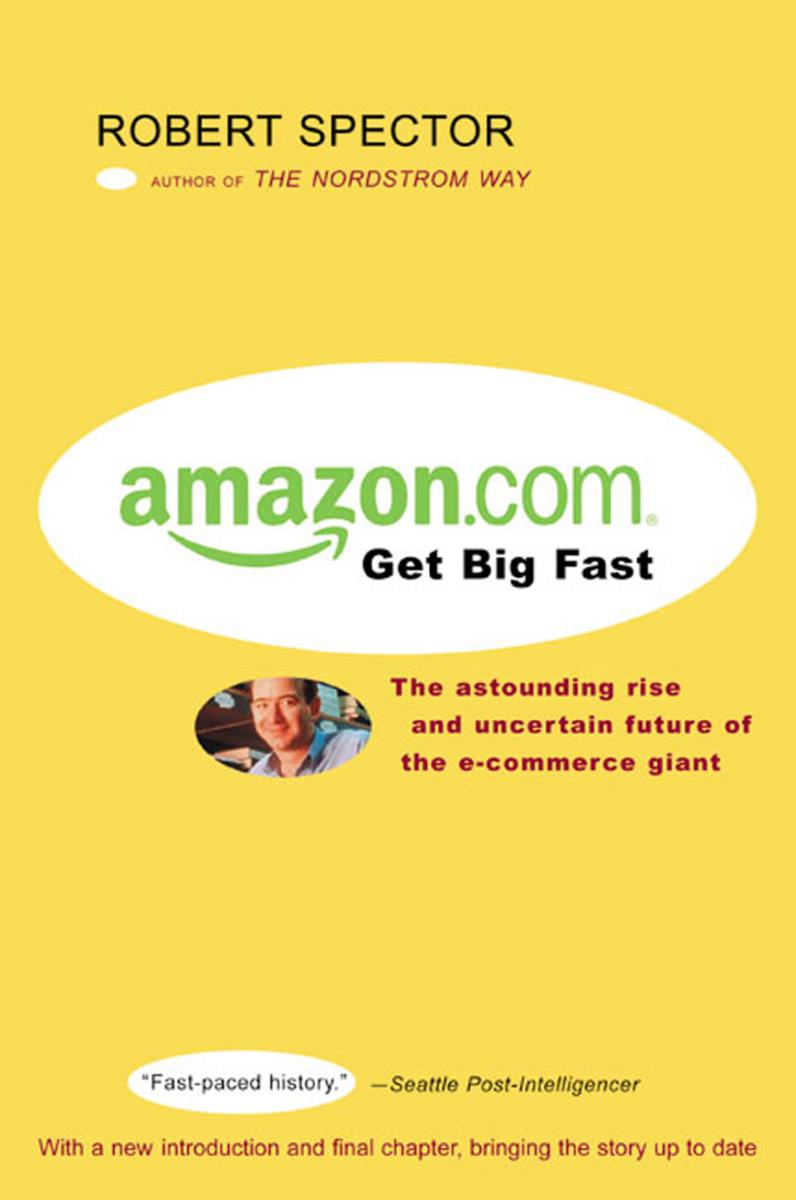
Amazon.com
¥95.39
In Amazon.com Jeff Bezos built something the world had never seen. He created the most recognized brand name on the Internet, became for a time one of the richest men in the world, and was crowned "the king of cyber-commerce." Yet for all the media exposure, the inside story of Amazon.com has never really been told. In this revealing, unauthorized account, Robert Spector, journalist and best-selling author, gives us this up-to-date, fast-paced, behind-the-scenes story of the company's creation and rise, its tumultuous present, and its uncertain future.
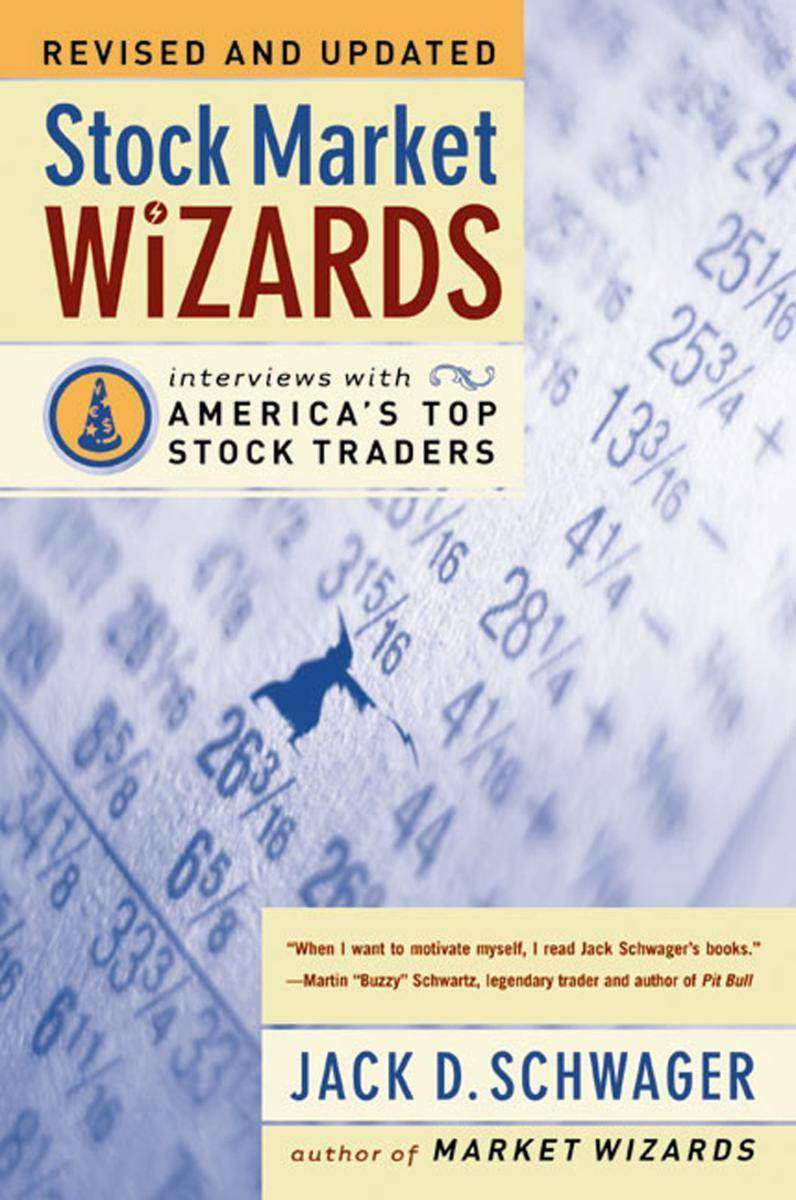
Stock Market Wizards
¥90.51
The third in the bestselling Market Wizards series, this time focusing on the barometer of the economy the stock market. It has been nearly a decade since the publication of the highly successful The New Market Wizards. The interim has witnessed the most dynamic bull market in US stock history, a collapse in commodity prices, dramatic failures in some of the world's leading hedge funds, the burst of the Internet bubble, a fall into recession and subsequent rumblings of recovery. Who have been the 'market wizards' during this tumultuous financial periodHow did some traders manage to significantly outperform a stockmarket that during its heyday moved virtually straight upThis book will feature interviews with a variety of traders who achieved phenomenal financial success during the glory days of the Internet boom. In contrast with the first two Market Wizard books, which included traders from a broad financial spectrum stocks, bonds, currencies and futures this volume will focus on traders in the stockmarket.
Ricardo's Law
¥24.44
This book offers the first comprehensive assessment of Tony Blair's premiership and his Third Way project. It reveals the hidden flaw in the market economy which explains why politicians, of all parties, cannot keep their grand promises. Blair promised to reform the Welfare State - the pact between people and their governments to abolish the evils of poverty and ignorance. In fact, however, despite a record three election victories in a row, the gap between rich and poor widened. The reason, the author argues, is the method government relies on to raise taxes. Contrary to intention, the tax burden on low-income earners increased, while property owners have enjoyed record capital gains. The outcome is over ?1trillion indebtedness which renders tens of thousands of families vulnerable to bankruptcy and the loss of their homes in the next recession. Fred Harrison reveals how taxpayers’ money is channelled behind the scenes, through ‘the invisible hand’, from poor to rich people and from poor to rich parts of the country. Public spending, for example on roads, railways, schools and hospitals, makes a major contribution to rising land values. These benefit house and other property owners, rich ones more than poor ones, desirable locations and asset-rich parts of the country more than poor ones, but those who rent their properties do not share in the windfall gains. In fact, they have to pay rising rents. Taking Britain as a case study, Harrison escorts the reader along an old Roman road from south to north to pin-point how poverty is institutionalised in the growing divide between rich and poor. Along the way he illuminates the inner workings of tax policies and property rights that similarly afflict all market economies Tax reform is on the political agenda in the West, but politicians continue to believe their consultants who tell them that 'broad-based' taxes are necessary. Harrison challenger this conventional wisdom and explains that the market economy needs to integrate the prices charged for public services with the prices charged for all other goods and services. This model is based on people, including the rich, paying for, and in proportion to, the benefits they receive, which really would be progressive. This reform has a further benefit. It would enable the European and American economies to face the challenge of the newly emerging economies and remain competitive in the global markets of the 21st century.
Snakes in Suits
¥99.65
Let's say you're about to hire somebody for a position in your company. Your corporation wants someone who's fearless, charismatic, and full of new ideas. Candidate X is charming, smart, and has all the right answers to your questions. Problem solved, rightMaybe not.We'd like to think that if we met someone who was completely without conscience -- someone who was capable of doing anything at all if it served his or her purposes -- we would recognize it. In popular culture, the image of the psychopath is of someone like Hannibal Lecter or the BTK Killer. But in reality, many psychopaths just want money, or power, or fame, or simply a nice car. Where do these psychopaths goOften, it's to the corporate world. Researchers Paul Babiak and Robert Hare have long studied psychopaths. Hare, the author of Without Conscience, is a world-renowned expert on psychopathy, and Babiak is an industrial-organizational psychologist. Recently the two came together to study how psychopaths operate in corporations, and the results were surprising. They found that it's exactly the modern, open, more flexible corporate world, in which high risks can equal high profits, that attracts psychopaths. They may enter as rising stars and corporate saviors, but all too soon they're abusing the trust of colleagues, manipulating supervisors, and leaving the workplace in shambles.Snakes in Suits is a compelling, frightening, and scientifically sound look at exactly how psychopaths work in the corporate environment: what kind of companies attract them, how they negotiate the hiring process, and how they function day by day. You'll learn how they apply their "instinctive" manipulation techniques -- assessing potential targets, controlling influential victims, and abandoning those no longer useful -- to business processes such as hiring, political command and control, and executive succession, all while hiding within the corporate culture. It's a must read for anyone in the business world, because whatever level you're at, you'll learn the subtle warning signs of psychopathic behavior and be able to protect yourself and your company -- before it's too late.

Consulting Demons
¥101.00
In this gripping and colorful account of the American dream gone astray, Lewis Pinault provides the essential guidelines on how to get ahead and an enlightening perspective on the brutal infighting that can engulf even the most civilized consulting firm. This stunning expose of some of the most prestigious and respected names in the business leads you into a world where a client's interests are skillfully subordinated to those of the consultants, where money rules the day, and where principles and morals are unwelcome baggage.Humorous and insightful, this no-holds-barred account takes you behind the scenes of the dehumanizing indoctrination of an academic intellectual into an exploitative -- and exploited -- "global transformation contractor." Featuring new material dealing with the e-consulting industry's boom, bust, and its future, Consulting Demons offers the most complete look at an industry that exacts the highest prices for the most questionable standards of success.

Integrity
¥105.17
Integrity more than simple honesty, it's the key to success. A person with integrity has the ability to pull everything together, to make it all happen no matter how challenging the circumstances. Drawing on experiences from his work, Dr. Henry Cloud, a clinical psychologist, leadership coach, corporate consultant and nationally syndicated radio host, shows how our character can keep us from achieving all we want to (or could) be. In Integrity, Dr. Cloud explores the six qualities of character that define integrity, and how people with integrity: Are able to connect with others and build trust Are oriented toward reality Finish well Embrace the negative Are oriented toward increase Have an understanding of the transcendent Integrity is not something that you either have or don't, but instead is an exciting growth path that all of us can engage in and enjoy.
Winning the NFL Way
¥90.77
Being an NFL coach is the ultimate high-pressure job. Every Sunday a coach makes split-second decisions that will not only decide the fate of a game, but also his team's season and, ultimately, his own job.Meet Mike Holmgren, Jon Gruden, John Fox, Andy Reid, and Mike Sherman -- top NFL head coaches whose careers rest on their ability to lead other men to win in the fiercely competitive world of professional football.In this extraordinary collaboration with their agent Bob LaMonte, each of these five coaches shares his leadership principles. LaMonte takes you behind the scenes, where you'll be a fly on the wall as these men reveal how to win beyond the X's and O's. You will see how these successful leaders communicate with different personalities, develop vision, build trust in their people, and win loyalty, as well as overcome adversity and adapt to change.Through their colorful and motivational anecdotes, you'll gain unprecedented insights into the minds of some of the best coaches today and valuable lessons on what it means to be a leader and a champion.

Setting the Table
¥95.11
In October 1985, at age twenty-seven, Danny Meyer, with a good idea and scant experience, opened what would become one of New York City's most revered restaurants Union Square Cafe. Little more than twenty years later, Danny is the CEO of one of the world's most dynamic restaurant organizations, which includes eleven unique dining establishments, each at the top of its game. How has he done itHow has he consistently beaten the odds and set the competitive bar in one of the toughest trades around?In this landmark book, Danny shares the lessons he's learned while developing the winning recipe for doing the business he calls "enlightened hospitality." This innovative philosophy emphasizes putting the power of hospitality to work in a new and counterintuitive way: The first and most important application of hospitality is to the people who work for you, and then, in descending order of priority, to the guests, the community, the suppliers, and the investors. This way of prioritizing stands the more traditional business models on their heads, but Danny considers it the foundation of every success that he and his restaurants have achieved. Some of Danny's other insights: Hospitality is present when something happens for you. It is absent when something happens to you. These two simple concepts for and to express it all. Context, context, context, trumps the outdated location, location, location. Shared ownership develops when guests talk about a restaurant as if it's theirs. That sense of affiliation builds trust and invariably leads to repeat business. Err on the side of generosity: You get more by first giving more. Wherever your center lies, know it, name it, believe in it. When you cede your core values to someone else, it's time to quit. Full of behind-the-scenes history on the creation of Danny's most famous restaurants and the anecdotes, advice, and lessons he has accumulated on his long and ecstatic journey to the top of the American restaurant scene, Setting the Table is a treasure trove of innovative insights that are applicable to any business or organization.
Once Upon a Car
¥99.65
Once Upon a Car is the brilliantly reported inside-the-boardrooms-and-factories story of Detroit's fight for survival, going beyond the headlines to chronicle how the country's Big Three auto companies General Motors, Ford, and Chrysler teetered on the brink of collapse during the 2008 financial crisis. In a tale that reads like a corporate thriller, Bill Vlasic, who has covered the auto industry for more than fifteen years, first for the Detroit News and now for the New York Times, takes readers into the executive offices, assembly plants, and union halls to introduce a cast of memorable characters, many of whom are speaking out for the first time, including the executives who struggled to save their companies but in the end had to seek a controversial, last-gasp rescue from the U.S. government.Vlasic goes behind the scenes to portray the men at the top during Detroit's last stand. Rick Wagoner, the CEO of General Motors, tried to turn around a dying company, only to be forced to resign as a condition of the government bailout. Bill Ford, great-grandson of the legendary Henry Ford, had the will to keep Ford alive but needed the guts to hire an unknown outsider, Alan Mulally, to transform the company before it crashed. At Chrysler, leadership was constantly changing as new owners tried in vain to fix the smallest of the beleaguered Big Three. And through it all, the president of the United Auto Workers union, Ron Gettelfinger, fought to save the jobs of the men and women who build American-made cars and trucks.This tale of an iconic industry in crisis is more than a big business drama and provides a rich, unvarnished portrait of how Detroit's decline affected tens of thousands of workers and dozens of communities nationwide. The story moves from the gleaming corporate skyscrapers and massive auto plants to the halls of the U.S. Congress and into the Oval Office, where President Obama and his aides wrestled with how to keep General Motors and Chrysler from going out of business. Vlasic shows why the bailout worked, and how Detroit can succeed under new leadership and build automobiles equal to any in the world. Once Upon a Car tells a uniquely American tale of success, failure, and redemption. It is an important and illuminating chapter in an astonishing story that is still unfolding. And no one is more qualified to write it than Bill Vlasic.

Man vs. Markets
¥99.65
After years of TV and radio coverage, gallons of newsprint ink, and billions of scholarly opinions on the blogosphere, do we really understand the financial engineering that brought the global economy to the brink?The terms and acronyms that make up the language of economics are enough to cause the layman's head to start spinning: leverage, securitization, futures, options, MBS, CDS, CDO. Luckily, we have veteran journalist Paddy Hirsch senior producer at APM's Marketplace and acknowledged Whiteboard Guru to help us crack the code. In Man vs. Markets, he proves that it's not impossible to understand what's going on in the glass-and-steel canyons of Wall Street; that most international financial transactions aren't all that different from those taking place every day in stores, in car dealerships, even on the playgrounds of Main Street.BondsThey're basically loans. FuturesYou probably used one when you ordered your Thanksgiving turkey last year. OptionsEver bought a fully transferable, returnable airline ticketThat's pretty much the same thing.With a winning combination of acquired wisdom, common sense, market savvy, and an outrageous sense of humor, Hirsch clearly explains and defines the instruments that power our financial system and very nearly caused its demise. Clever, insightful, hugely educational, and always entertaining, Man vs. Markets translates the often confusing language of finance, enabling every one of us to truly comprehend what makes the markets tick.
The Clean Tech Revolution
¥90.77
When industry giants such as GE, Toyota, and Sharp and investment firms such as Goldman Sachs are making multibillion-dollar investments in clean technology, the message is clear. Developing clean technologies is no longer a social issue championed by environmentalists; it's a moneymaking enterprise moving solidly into the business mainstream. In fact, as the economy faces unprecedented challenges from high energy prices, resource shortages, and global environmental and security threats, clean tech technologies designed to provide superior performance at a lower cost while creating significantly less waste than conventional offerings promises to be the next engine of economic growth.In The Clean Tech Revolution, authors Ron Pernick and Clint Wilder identify the major forces that have pushed clean tech from back-to-the-earth utopian dream to its current revolution among the inner circles of corporate boardrooms, on Wall Street trading floors, and in government offices around the globe. By highlighting eight major clean-tech sectors solar energy, wind power, biofuels and biomaterials, green buildings, personal transportation, the smart grid, mobile applications, and water filtration they uncover how investors, entrepreneurs, and individuals can profit from this next wave of technological innovation. Pernick and Wilder shine the spotlight on the winners among technologies, companies, and regions that are likely to reap the greatest benefits from clean tech and they show you why the time to act is now.Groundbreaking and authoritative, The Clean Tech Revolution is the must-read book to understand and profit from the clean technologies that are reshaping our fast-changing world.

Change or Die
¥99.65
Change or Die. What if you were given that choiceIf you didn't, your time would end soon a lot sooner than it had to. Could you change when change matters mostThis is the question Alan Deutschman poses in Change or Die, which began as a sensational cover story by the same title for Fast Company. Deutschman concludes that although we all have the ability to change our behavior, we rarely ever do. From patients suffering from heart disease to repeat offenders in the criminal justice system to companies trapped in the mold of unsuccessful business practices, many of us could prevent ominous outcomes by simply changing our mindset.A powerful book with universal appeal, Change or Die deconstructs and debunks age-old myths about change and empowers us with three critical keys relate, repeat, and reframe to help us make important positive changes in our lives. Explaining breakthrough research and progressive ideas from a wide selection of leaders in medicine, science, and business (including Dr. Dean Ornish, Mimi Silbert of the Delancey Street Foundation, Bill Gates, Daniel Boulud, and many others), Deutschman demonstrates how anyone can achieve lasting, revolutionary changes that are positive, attainable, and absolutely vital.
Radical Collaboration
¥90.51
What is Your Collaborative Intention?James W. Tamm and Ronald J. Luyet provide tools that will increase your ability to collaborate. You will learn to be more aware of others and how to problem-solve and negotiate. Collaborative skills have never been more important, and these skills are absolutely necessary for today's workplace.Radical Collaboration is a how-to-manual for anyone who wants to create trusting, collaborative environments, and transform groups into motivated and empowered teams.It is an eye-opener for leaders, managers, HR professionals, agents, trainers, and consultants who are seeking constructive ways of getting the results they want.

Beyond Reengineering
¥90.83
Reengineering has captured the imagination of managers and shareholders alike, sending corporations on journeys of radical business redesign that have already begun to transfigure global industry. Yet aside from earning them improvements in their business performance, the shift into more-process-centered organizations is causing fundamental changes in the corporate world, changes that business leaders are only now beginning to understand. What will the revolutions final legacy beBeyond Reengineering addresses this question, exploring reengineering's effects on such areas as: Jobs: What does process-centering do to the nature of jobsWhat does a process-centered workplace feel likeManagers: What is the new role of the manager in a process-centered companyEducation: What skills are vital in the process-centered working world, and how can young or inexperienced workers prepareSociety: What are the implications of process-centering for employment and the economy as a wholeInvestment: What are the characteristics of a successful 21st-century corporationAn informed look at one of the most profound changes to ever sweep the corporate world, Beyond Reengineering is the business manual for the 21st century.

Minority Rules
¥128.85
In a perfect corporate world, intellect, hard work, and professionalism would be recognized and rewarded regardless of the color of your skin. Kenneth Arroyo Roldan is here to tell you that nobody works in a perfect corporate world. Stellar performance alone will not determine corporate advancement—minorities need to learn and follow the rules of corporate politics. As one African American employee who started as a systems analyst at Xerox observed, "The reality was that despite your ability, if you weren't playing politics correctly, you would be derailed." In Minority Rules, Roldan gives a dose of tough love to minorities in corporate America while educating their majority counterparts. As the CEO of the top U.S. head-hunting firm specializing in placing minorities in fast track jobs, Roldan watched as minority superstars hired at Fortune 500 companies bailed out, disappointed and rejected after only a few years. The problem, Roldan says, is that minorities are not adequately prepared psychologically or culturally for corporate careers. In a six-step plan, he explains how to surmount the obstacles, play corporate hardball, and succeed as a minority in the workplace. Corporate culture is unforgiving to minorities, but it is possible to rise to the top with Roldan as your guide. With refreshing candor, Roldan prepares minorities both psychologically and culturally for corporate careers. Forget about using affirmative action and discrimination lawsuits to level the playing field. The only way to win is to know the landscape and master the rules of the game—from finding the right mentor to learning the art of networking to focusing on self-reliance, patience, and most of all, performance. Roldan shows minorities how to climb to the top jobs—and keep them.
The WSJ Guide to the 50 Economic Indicators That Really Matter
¥88.56
An entertaining, must-have guide to the indicators most investors aren't following but should be!To make the best possible investment decisions, savvy investors know that they should pay close attention to economic indicators. But while most are looking at conventional barometers like unemployment rates and housing starts, the smartest investors are following the often ignored, sometimes curious, but always interesting indicators that offer a true sense of where the economy is and where it's going. They provide the vital information needed to beat the market. In The Wall Street Journal Guide to the 50 Economic Indicators That Really Matter, Simon Constable and Robert E. Wright offer investors powerful new tools to guide them through the markets. Whether it's the VIX index (which tracks the level of anxiety among investors) or the Vixen index (which tracks the number of attractive waitresses in your hometown), this essential guide includes in-depth analyses of 50 valuable economic indicators, as well as what to watch for, what to do when movement happens, and the risk level involved in taking action. This must-have guide entertains and enlightens while offering essential advice on navigating the global economic climate.

The On-Time, On-Target Manager
¥110.71
Ken Blanchard's phenomenal bestsellers, such as The One Minute Manager and Raving Fans, have made him a globally recognized business legend. Millions look to Blanchard for innovative approaches to management, leadership, customer service, and much more. Now, he has joined with noted business author Steve Gottry to explore one of the most common and insidious problems plaguing the workplace procrastination.The On-Time, On-Target Manager is the story of Bob, a typical middle manager who puts things off to the last minute. As a result, he misses deadlines because his lack of focus causes him to accomplish meaningless tasks before getting to the important things. Like many professionals, Bob rationalizes, justifies, and tries to explain. Luckily, Bob is sent to his company's CEO which stands for "Chief Effectiveness Officer" who helps him deal with the three negative side effects of procrastination: lateness, poor work quality, and stress to himself and others. Bob learns how to transform himself from a crisis-prone Last-Minute manager into a productive On-Time, On-Target manager.With this engaging parable, Blanchard and Gottry offer practical strategies any professional can put into practice to improve his or her performance.

It's Okay to Be the Boss
¥132.87
Do you feel you don't have enough time to manage your people?Do you avoid interacting with some employees because you hate the dreaded confrontations that often follow?Do you have some great employees you really cannot afford to lose?Do you secretly wish you could be more in control but don't know where to start?Managing people is harder and more high-pressure today than ever before. There's no room for downtime, waste, or inefficiency. You have to do more with less. And employees have become high maintenance. Not only are they more likely to disagree openly and push back, but they also won't work hard for vague promises of long-term rewards. They look to you their immediate boss to help them get what they need and want at work. How do you tackle this huge management challengeIf you are like most managers, you take a hands-off approach. You "empower" employees by leaving them alone, unless they really need you. After all, you don't want to "micromanage" them and don't have the time to hold every employee's hand. Of course, problems always come up and often snowball into bigger problems. In fact, you probably spend too much of your time solving problems and falling behind on your work . . . which leaves even less time for managing people . . . which opens the door for even more problems!In It's Okay to Be the Boss, Bruce Tulgan puts his finger on the biggest problem in corporate America an undermanagement epidemic affecting managers at all levels of the organization and in all industries and offers another way. His clear, step-by-step guide to becoming the strong manager employees need challenges bosses everywhere to spell out expectations, tell employees exactly what to do and how to do it, monitor and measure performance constantly, and correct failure quickly and reward success even more quickly. Now that's how you set employees up for success and help them earn what they need. Tulgan opens our eyes to the undisciplined workplace that is overwhelming managers and frustrating workers and invites bosses everywhere to accept the sacred responsibility of managing people. His message: It's okay to be the boss. Be a great one!


