


 购物车
购物车 个人中心
个人中心

Radical Collaboration
¥90.51
What is Your Collaborative Intention?James W. Tamm and Ronald J. Luyet provide tools that will increase your ability to collaborate. You will learn to be more aware of others and how to problem-solve and negotiate. Collaborative skills have never been more important, and these skills are absolutely necessary for today's workplace.Radical Collaboration is a how-to-manual for anyone who wants to create trusting, collaborative environments, and transform groups into motivated and empowered teams.It is an eye-opener for leaders, managers, HR professionals, agents, trainers, and consultants who are seeking constructive ways of getting the results they want.

Irrationally Yours
¥88.56
Three-time New York Times bestselling author Dan Ariely teams up with legendary The New Yorker cartoonist William Haefeli to present an expanded, illustrated collection of his immensely popularWall Street Journal advice column, “Ask Ariely”. Behavioral economist Dan Ariely revolutionized the way we think about ourselves, our minds, and our actions in his books Predictably Irrational, The Upside of Irrationality, and The Honest Truth about Dishonesty. Ariely applies this scientific analysis of the human condition in his “Ask Ariely” Q & A column in the Wall Street Journal, in which he responds to readers who write in with personal conundrums ranging from the serious to the curious: What can you do to stay calm when you’re playing the volatile stock market What’s the best way to get someone to stop smoking How can you maximize the return on your investment at an all-you-can-eat buffet Is it possible to put a price on the human soul Can you ever rationally justify spending thousands of dollars on a RolexIn Ask Ariely, a broad variety of economic, ethical, and emotional dilemmas are explored and addressed through text and images. Using their trademark insight and wit, Ariely and Haefeli help us reflect on how we can reason our way through external and internal challenges. Readers will laugh, learn, and most importantly gain a new perspective on how to deal with the inevitable problems that plague our daily life.

The E-Myth Manager
¥94.10
More than ten years after his first bestselling book The EMyth changed the lives of hundreds of thousands of small business owners Michael Gerber trepreneur author and speaker extraordinaire res the next salvo in his highly successful EMyth Revolution. Drawing on lessons learned from working with more than 15000 small medium sized and very large organisations Gerber has discovered the truth behind why management doesn't work and what to do about it. Unearthing the arbitrary origins of commonly held doctrines such as the omniscience of leader (Emperor) and the most widely embraced myth of all EMyth Manager offers a fresh provocative alternative to management as we know it. It explores why every manager must take charge of his own life reconcile his own personal vision with that of the organisation and develop an entrepreneurial mind set to achieve true success.

The Myth of the Rational Market
¥94.10
Chronicling the rise and fall of the efficient market theory and the century-long making of the modern financial industry, Justin Fox's The Myth of the Rational Market is as much an intellectual whodunit as a cultural history of the perils and possibilities of risk. The book brings to life the people and ideas that forged modern finance and investing, from the formative days of Wall Street through the Great Depression and into the financial calamity of today. It's a tale that features professors who made and lost fortunes, battled fiercely over ideas, beat the house in blackjack, wrote bestselling books, and played major roles on the world stage. It's also a tale of Wall Street's evolution, the power of the market to generate wealth and wreak havoc, and free market capitalism's war with itself.The efficient market hypothesis long part of academic folklore but codified in the 1960s at the University of Chicago has evolved into a powerful myth. It has been the maker and loser of fortunes, the driver of trillions of dollars, the inspiration for index funds and vast new derivatives markets, and the guidepost for thousands of careers. The theory holds that the market is always right, and that the decisions of millions of rational investors, all acting on information to outsmart one another, always provide the best judge of a stock's value. That myth is crumbling.Celebrated journalist and columnist Fox introduces a new wave of economists and scholars who no longer teach that investors are rational or that the markets are always right. Many of them now agree with Yale professor Robert Shiller that the efficient markets theory represents one of the most remarkable errors in the history of economic thought. Today the theory has given way to counterintuitive hypotheses about human behavior, psychological models of decision making, and the irrationality of the markets. Investors overreact, underreact, and make irrational decisions based on imperfect data. In his landmark treatment of the history of the world's markets, Fox uncovers the new ideas that may come to drive the market in the century ahead.

Best Practices: Hiring People
¥78.55
Filling your ranks with exceptional employees has never been more important or more challenging. Hiring People, a comprehensive and essential resource for any manager on the run, shows you how.Learn to: Attract, find, and retain top performers Conduct an effective talent search Get the most out of interviews Craft an irresistible offer Use recruiters effectively Build a referral network you can depend on The Collins Best Practices guides offer new and seasoned managers the essential information they need to achieve more, both personally and professionally. Designed to provide tried-and-true advice from the world's most influential business minds, they feature practical strategies and tips to help you get ahead.
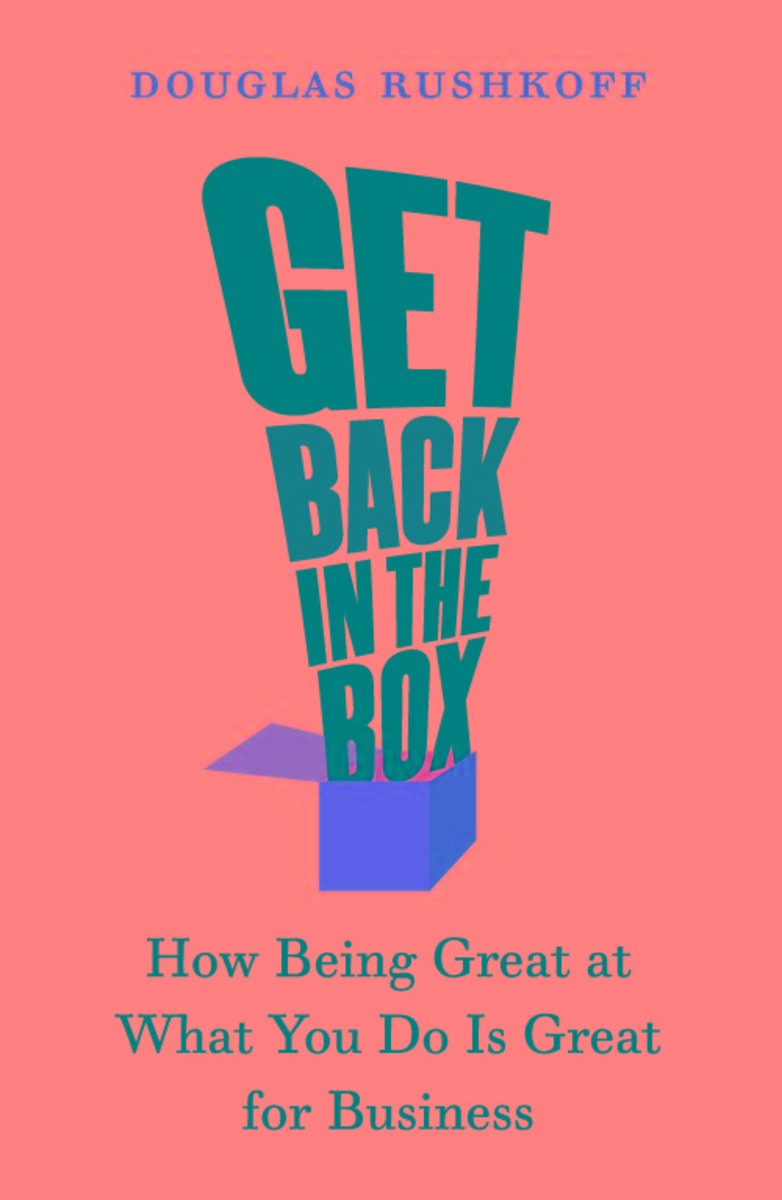
Get Back in the Box
¥84.28
Douglas Rushkoff was one of the first social commentators to identify the new culture around the internet. He has spent nearly a decade advising companies on the ways they can re-orient their businesses to the transformations the internet has caused. Through his speaking and consulting, Rushkoff has discovered an important and unrecognized shift in American business. Too many companies are panicked and operating in survival mode when the worst of the crisis has already passed. Likening the internet transformation to the intellectual and technological ferment of the Enlightment, Rushkoff suggests we have a remarkable opportunity to re-integrate our new perspective with the work we actually do. Instead of running around trying to "think out of the box," Rushkoff demonstrates, now is the time to "get back in the box" and improve the way we do our jobs, run our operations and drive innovation from the ground up. Combining stories gleaned from his consulting with a thrilling tour of history's dramatic moments and clever readings of cultural shift we've just experienced, Rushkoff offers a compelling vision of the simple and effective ways businesses can re-invigorate themselves.
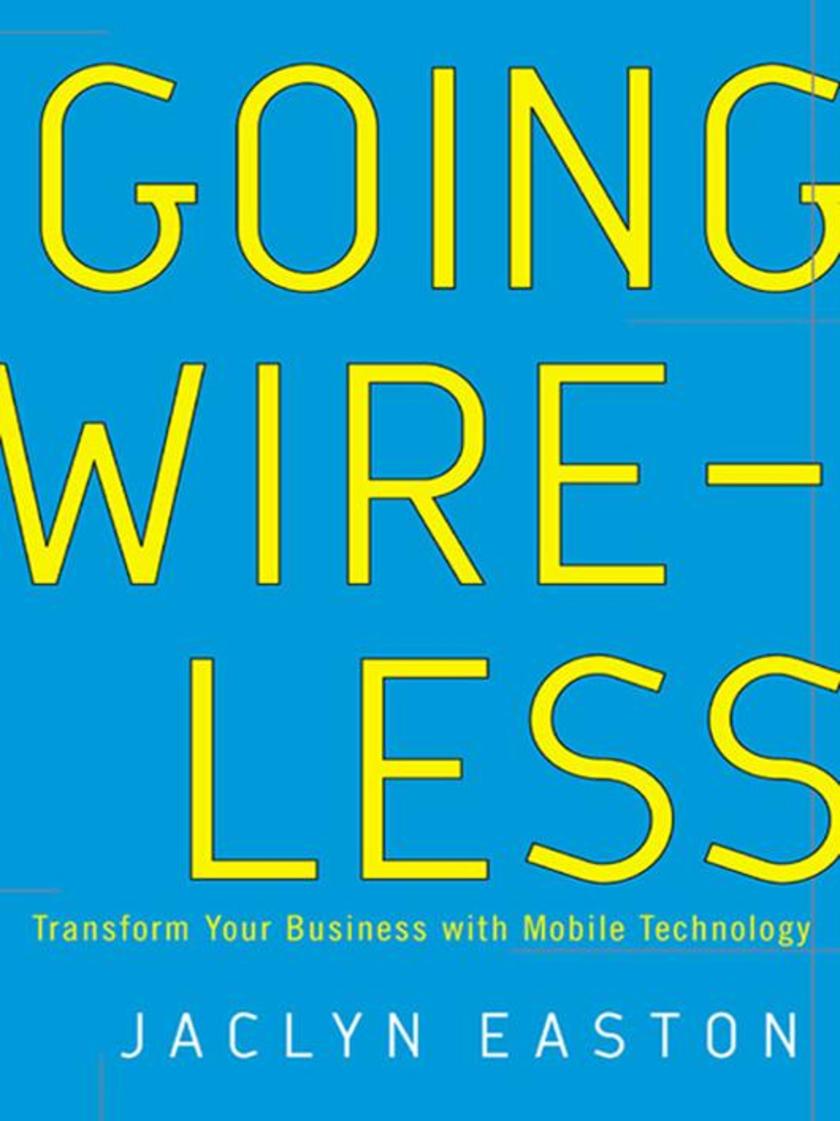
Going Wireless
¥151.30
Going Wireless delivers the unexpected by showing how wireless is transforming every type of enterprise from micro-businesses to multi-national conglomerates.Award-winning technology journalist Jaclyn Easton begins with an in-depth look at owning your customers and clients through mobile commerce whether your company focuses on consumers or business-to-business.From there you will learn about the advantages of wirelessly fortifying your mobile workforce of itinerant executives, sales personnel, and field service technicians as well as how wireless is dramatically redefining customer service, marketing, and advertising.Going Wireless also delves deep inside the corporation. First you'll find out why most companies are "handsizing" in addition to deploying wireless technology to rejuvenate warehouses, supply chains, procurement procedures, data collection, competitive intelligence, and much more.The best part is that these scenarios are supported by over 40 brand-name success stories, including: How Sears saves millions by wirelessly enabling 100 percent of their appliance repair technicians; How the Gap proved that by sewing wireless technology in their clothing they could reduce labor distribution costs by 50 percent; How McKessanHBOC a Fortune 40 corporation used mobile technology to entirely eliminate all their manifest imaging costs. While most people associate wireless with cell phones and Palm handhelds, you'll also learn that wireless has been around for over 100 years and has spawned mobile options you've never heard of and is being used in ways you've never imagined.This makes Going Wireless the perfect book for executives and managers who need a comprehensive overview of the wireless options that can make their companies more competitive, more productive, and more profitable.
HarperCollins e-books
¥112.23
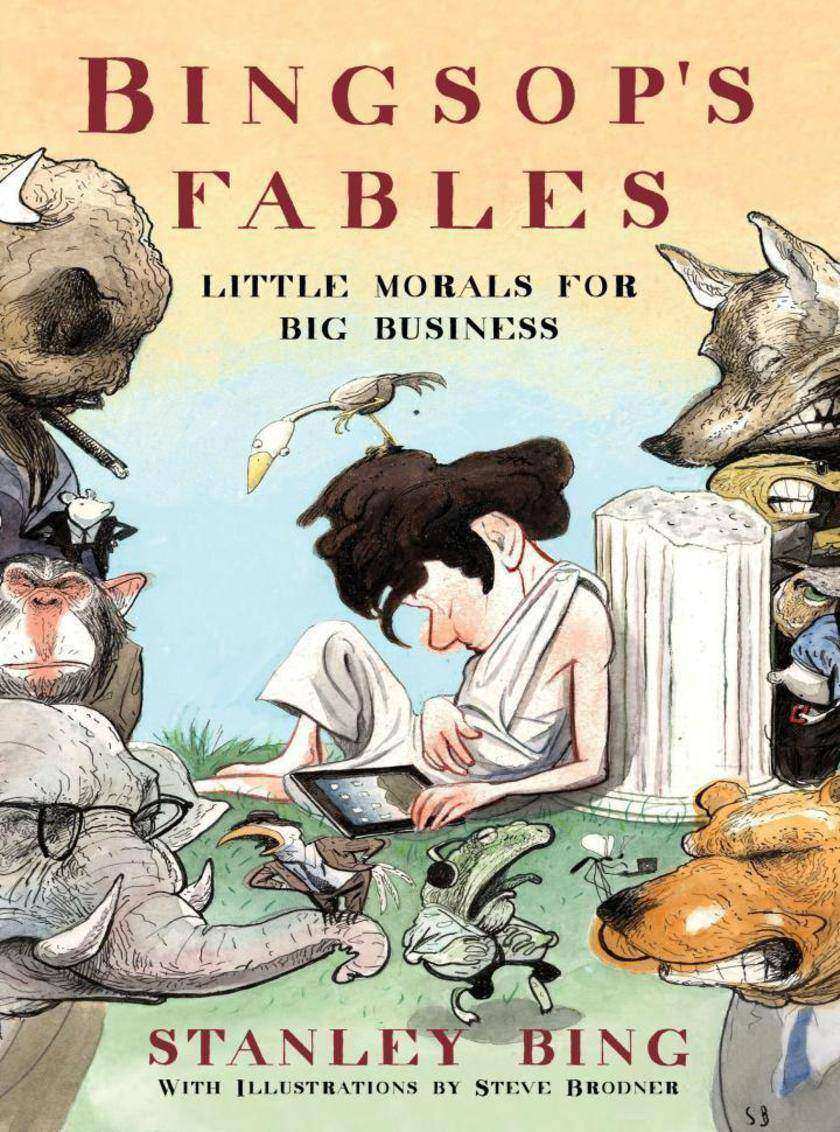
For more than twenty years, Stanley Bing has peerlessly explained corporate culture and strategy with wit and insight. Now he brings us this engaging and instructive book of white-collar fables that have charmed generations of businesspeople since Greece was glorious and Rome was grand, brilliant gems of wisdom flowing from the pen of the mysterious, legendary author known throughout the ancient corporate world by a single name: Bingsop. Bingsop's Fables is animated by a cast of archetypal characters that are as iconic and representative of human nature as were the jackdaw, the dull, the snake, the hare, the lion, the horse, and all the rest of the birds and beasts that populated the stories of that other fabulist, Aesop. The Stupid Investor, the Miserable Misery Mogul, the Ill-Tempered PR Person, and the Potentially Generous CEO each struts and frets his hour upon the stage and, in the end, presents us with a moral that rings so true it would hurt if we were not also laughing. Festooned with provocative, witty illustrations by New Yorker artist Steve Brodner, this lean, muscular edition will equally be at home on the shelves of aspiring hedge fund managers hoping to kill their elders as on the credenzas of those beleaguered executives who hear the next generation coming up fast from behind. No business library should be considered complete without it.
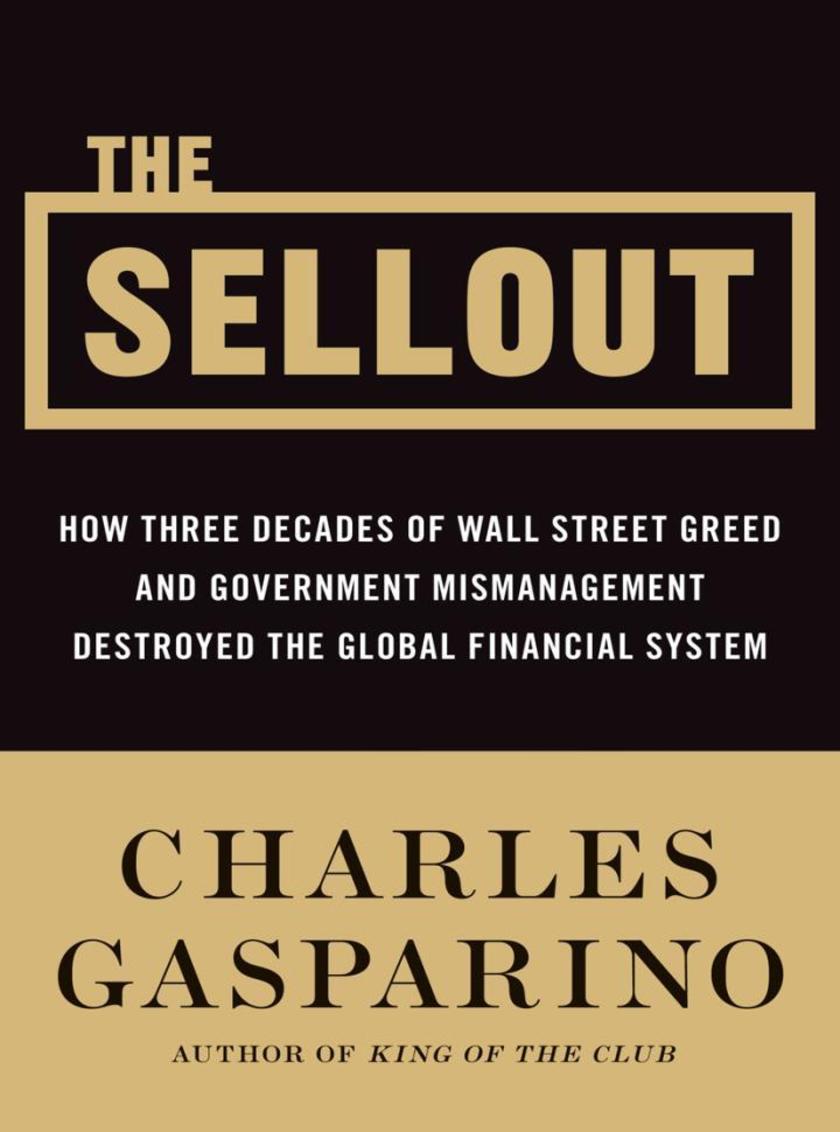
The Sellout
¥95.39
The definitive account of Wall Street's stunning collapse From critically acclaimed investigative journalist and CNBC personality Charles Gasparino comes a sweeping examination of the most recent volatile, anxiety-ridden era in our nation's socioeconomic history. The Sellout traces the implosion of the financial services business back to its roots in the late 1970s when Wall Street embraced a new business model predicated on taking enormous risks. It shows how a backwater business involving the trading of risky bonds packed with mortgages showered countless billions in profits on the financial industry but sowed the seeds of its ultimate demise. Gasparino walks readers through Wall Street's three-decades' love affair with risk, revealing a trail of culpability from the government bureaucrats who crafted housing policies that encouraged homeownership, to the Wall Street firms that underwrote and invested in risky debt, to the mortgage sellers who handed out loans to people without the financial wherewithal to pay them back, to the homeowners who became convinced they could afford mansions on blue-collar wages. The ongoing tumult in financial markets and the global economy began when some of our most esteemed financial institutions, our government, and even average citizens abdicated their collective responsibilities, eventually selling out investors and selling off the American Dream itself. In the spirit of classics such as Barbarians at the Gate and Liar's Poker, this page-turning narrative captures how avarice, arrogance, and sheer stupidity eroded Wall Street's dominance and profoundly weakened the financial security of millions of middle-class Americans. Eye-opening and engrossing, The Sellout provides the most thorough investigation to date of this latest gilded era.
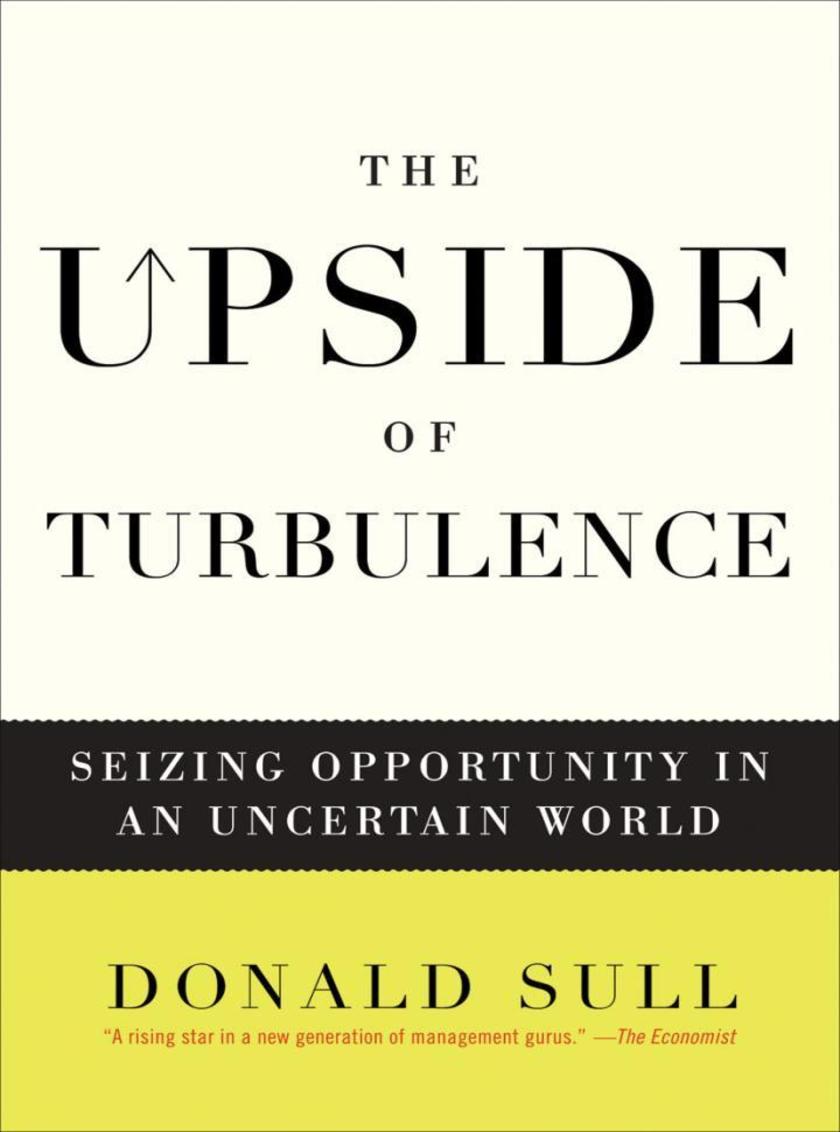
The Upside of Turbulence
¥157.15
A provocative user's guide to a world where the only thing that doesn't change is change itself "Before I die," Albert Einstein once said, "I hope someone will clarify quantum physics for me. After I die, I hope God will explain turbulence to me." Einstein might have been more confused today: Turbulence, in all its manifestations, is on the rise. Financial markets gyrate. Commodity prices zig and zag. New technologies disrupt long-standing businesses and entire industries. Scientific discoveries overturn historical truisms. Dirty bombs and pension busts, natural disasters and flu pandemics, add to the tumult. We live in a world beset by turbulence.We often respond to turbulence by accelerating activities that worked in the past. We lapse into inertia when we should adapt with agility, and we cling to rigid dogmas when we should improvise. But throughout history, volatility has not only dethroned incumbent leaders, it has also created untold possibilities to create economic value. Turbulence has an upside, and companies that seize the opportunities arising out of seething markets will become tomorrow's champions. Based on more than a decade of research, The Upside of Turbulence draws lessons from companies that have consistently spotted and exploited opportunities that rivals have missed. The book explores realms ranging from improvisational comedy to the U.S. Marine Corp's combat doctrine. The result is a series of provocative insights that defy conventional wisdom. The book also introduces practical tools, which have been field-tested by executives around the world, to wrestle triumph out of turmoil.

Boundaries for Leaders
¥167.88
In Boundaries for Leaders, clinical psychologist and bestselling author Dr. Henry Cloud leverages his expertise of human behavior, neuroscience, and business leadership to explain how the best leaders set boundaries within their organizations--with their teams and with themselves--to improve performance and increase employee and customer satisfaction. In a voice that is motivating and inspiring, Dr. Cloud offers practical advice on how to manage teams, coach direct reports, and instill an organization with strong values and culture. Boundaries for Leaders: Take Charge of Your Business, Your Team, and Your Life is essential reading for executives and aspiring leaders who want to create successful companies with satisfied employees and customers, while becoming more resilient leaders themselves.

The Hard Thing About Hard Things
¥166.09
A lot of people talk about how great it is to start a business, but only Ben Horowitz is brutally honest about how hard it is to run one.In The Hard Thing About Hard Things, Ben Horowitz, cofounder of Andreessen Horowitz and one of Silicon Valley's most respected and experienced entrepreneurs, draws on his own story of founding, running, selling, buying, managing, and investing in technology companies to offer essential advice and practical wisdom for navigating the toughest problems business schools don't cover. His blog has garnered a devoted following of millions of readers who have come to rely on him to help them run their businesses. A lifelong rap fan, Horowitz amplifies business lessons with lyrics from his favorite songs and tells it straight about everything from firing friends to poaching competitors, from cultivating and sustaining a CEO mentality to knowing the right time to cash in.His advice is grounded in anecdotes from his own hard-earned rise from cofounding the early cloud service provider Loudcloud to building the phenomenally successful Andreessen Horowitz venture capital firm, both with fellow tech superstar Marc Andreessen (inventor of Mosaic, the Internet's first popular Web browser). This is no polished victory lap; he analyzes issues with no easy answers through his trials, including demoting (or firing) a loyal friend; whether you should incorporate titles and promotions, and how to handle them; if it's OK to hire people from your friend's company; how to manage your own psychology, while the whole company is relying on you; what to do when smart people are bad employees; why Andreessen Horowitz prefers founder CEOs, and how to become one; whether you should sell your company, and how to do it. Filled with Horowitz's trademark humor and straight talk, and drawing from his personal and often humbling experiences, The Hard Thing About Hard Things is invaluable for veteran entrepreneurs as well as those aspiring to their own new ventures.
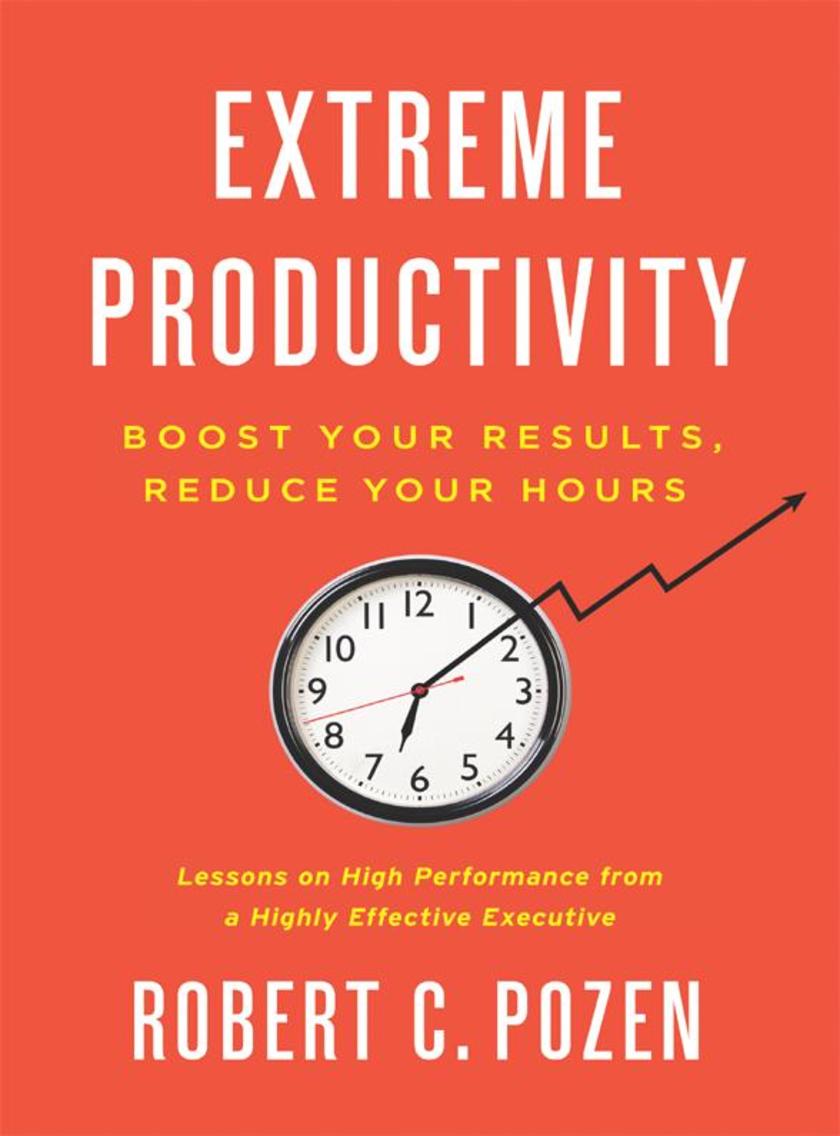
Extreme Productivity
¥155.02
A road-tested formula for improving your performance, from one of the business world's most successful and productive executives. Robert C. Pozen taught a full course load at Harvard Business School while serving as the full-time chairman of a global financial-services firm. He's written six books and hundreds of articles, raised a family with his wife of more than four decades, and served on many boards of local charities and public companies. Pozen is a prince of productivity, a man who has worked smarter and faster than almost everyone around him for more than forty years.In Extreme Productivity, Pozen reveals the secrets to workplace productivity and high performance. His book is for anyone feeling overwhelmed by an existing workload facing myriad competing demands and multiple time-sensitive projects. Offering antidotes to a calendar full of boring meetings and a backlog of e-mails, Extreme Productivity explains how to determine your highest priorities and match them with how you actually spend your time. Pozen shows that in order to be truly productive, professionals must make a critical shift in their mind-set: from hours worked to results produced. He helps people at all stages of their careers read, write, and make presentations quicker and more effectively. He provides professionals with practical tips on how to efficiently use their time in the office while leading full and productive personal lives as well.
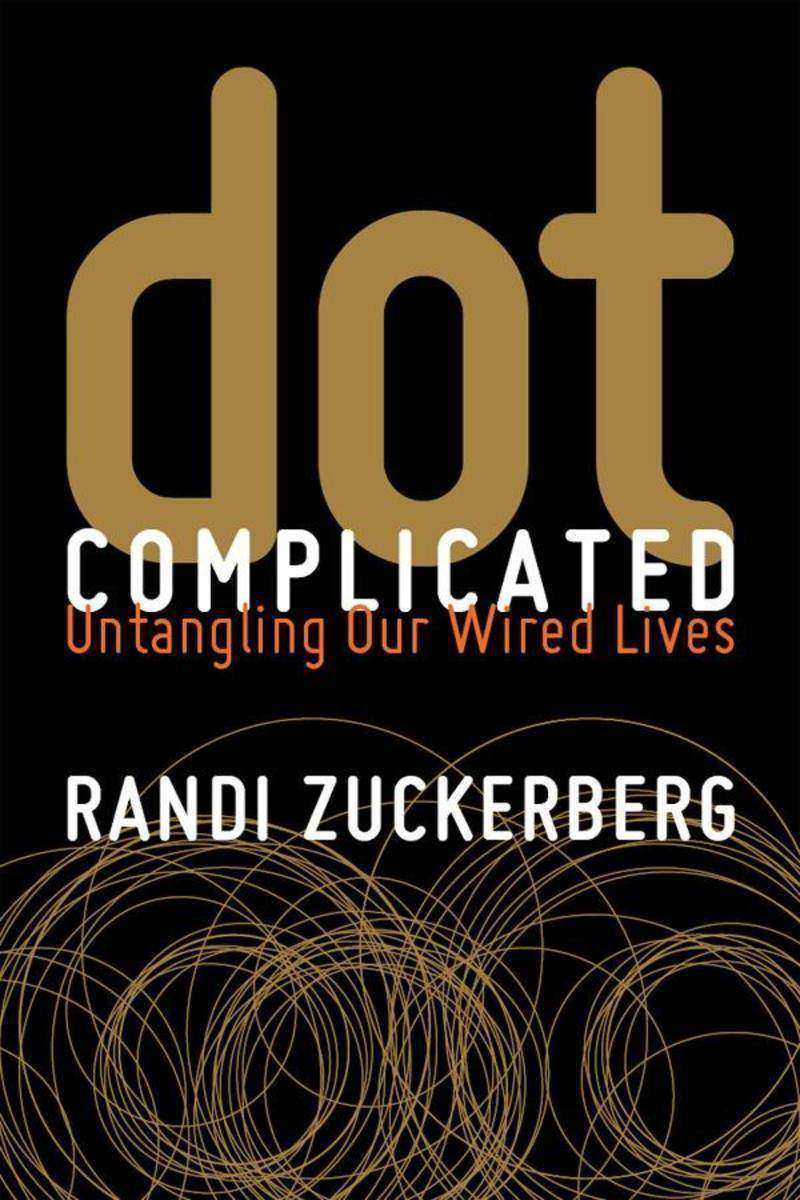
Dot Complicated
¥156.69
From Randi Zuckerberg, social media and technology expert and former marketing executive at Facebook, comes a welcome, essential guide to understanding social media and technology and how they influence and inform our lives online and off.Technology and social media have changed, enhanced, and complicated every facet of our lives from how we interact with our friends to how we elect presidents, from how we manage our careers to how we support important causes, from how we find love to how we raise our children.The technology revolution is not going away. We can't hide from it or pretend that it's not changing our lives in a thousand different ways. So how do we dealIn Dot Complicated, Randi Zuckerberg shows us. Through first hand accounts of her time at Facebook and beyond, where Zuckerberg witnessed this remarkable shift, she details the opportunities and obstacles, problems and solutions, to this new online reality. In the process, she establishes rules to bring some much-needed order and clarity to our connected, complicated, and constantly changing lives online.The Internet, social networks, and smartphones,Zuckerberg writes, have given us amazing new tools and ways of communicating, collaborating, and living with one another. We can use new technology to understand and solve some very old challenges that individuals and communities around the world have faced since long before Facebook, or anything like it, existed.Invaluable, timely, and engaging, Dot Complicated reveals how to make it through your life online in one piece from the etiquette of unfriending and the power of crowdsourcing to the perils of photo tags and the importance of teaching your kids how to be tech savvy.

Retire Early? Make the SMART Choices
¥112.00
Are You Considering Early Retirement?Do You Know Someone Who Is Considering This Momentous DecisionWith Retire EarlyMake the SMART Choices, Steven Silbiger, CPA, offers a short guide to the big issues of retirement planning packed on every page with detailed, step-by-step advice. Choosing when to retire is one of the most important and overlooked decisions we will make about our lives. Silbiger, author of The Ten-Day MBA, has written the first guide that untangles the complicated issues surrounding early retirement, based on careful research about the money pitfalls retirees and near-retirees face. He delivers an understandable roadmap that demystifies the confusion about Social Security benefits, and clarifies the choices for anyone considering when and how to retire.Are you thinking about getting the early Social Security checkIt can be tempting, but for many this can be a foolhardy decision. For others, it makes perfect sense. Making the smart choice about when to retire can make a $100,000 difference for an individual and $200,000 for a couple. Silbiger guides readers through the key variables that affect the decision to elect early Social Security retirement benefits: What are your early benefits and penaltiesHow's your healthAre you marriedAre you planning on working while retiredWhat are your cash needs during retirementBy getting a grip on how to manage our investments, cash flow, and real estate, Silbiger shows how we can put thousands of dollars more into our pockets every year. He addresses vital questions about money and retirement that include: Tapping your nest egg for retirement how to make ends meetWhich retirement investments are for youAre you prepared to fend off scam artistsThrough it all, you'll meet everyday people who have faced the early retirement question and learned how to make the smart choices. Silbiger provides the tools, worksheets, and assessments to avoid costly mistakes, take charge of your financial future, and choose the path to a secure, happy retirement.
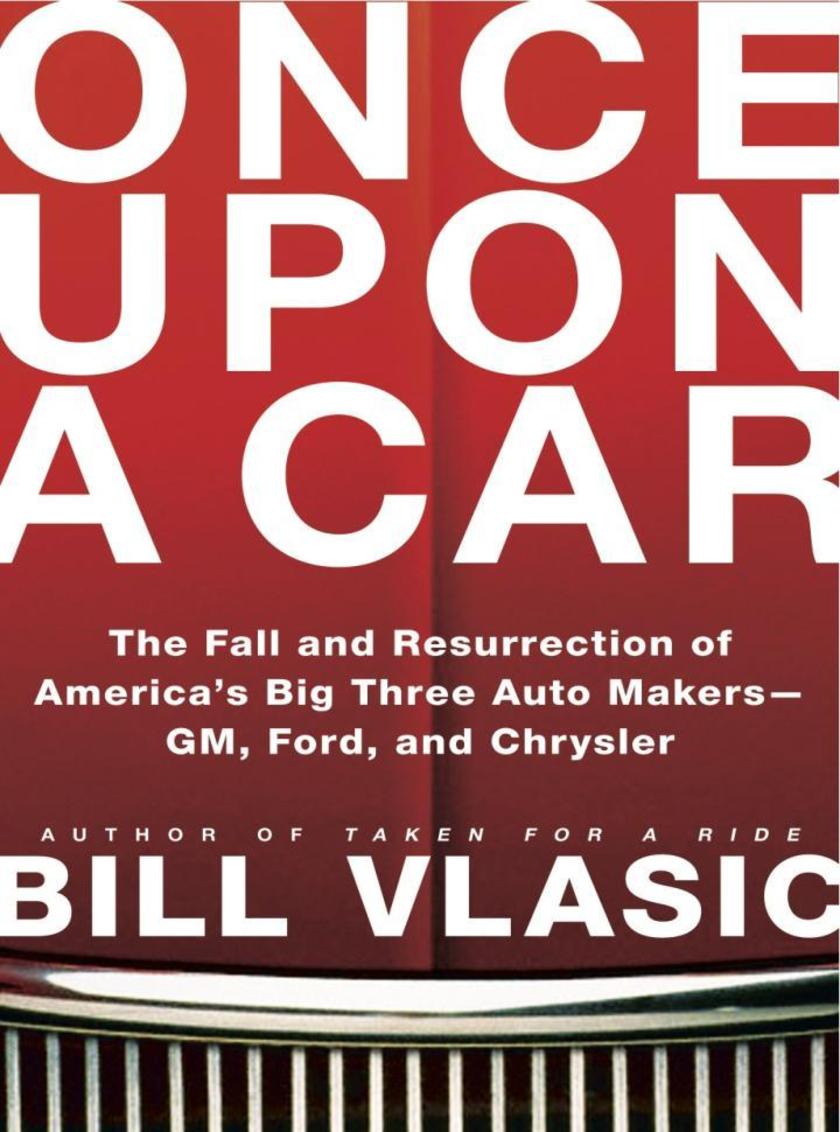
Once Upon a Car
¥99.65
Once Upon a Car is the brilliantly reported inside-the-boardrooms-and-factories story of Detroit's fight for survival, going beyond the headlines to chronicle how the country's Big Three auto companies General Motors, Ford, and Chrysler teetered on the brink of collapse during the 2008 financial crisis. In a tale that reads like a corporate thriller, Bill Vlasic, who has covered the auto industry for more than fifteen years, first for the Detroit News and now for the New York Times, takes readers into the executive offices, assembly plants, and union halls to introduce a cast of memorable characters, many of whom are speaking out for the first time, including the executives who struggled to save their companies but in the end had to seek a controversial, last-gasp rescue from the U.S. government.Vlasic goes behind the scenes to portray the men at the top during Detroit's last stand. Rick Wagoner, the CEO of General Motors, tried to turn around a dying company, only to be forced to resign as a condition of the government bailout. Bill Ford, great-grandson of the legendary Henry Ford, had the will to keep Ford alive but needed the guts to hire an unknown outsider, Alan Mulally, to transform the company before it crashed. At Chrysler, leadership was constantly changing as new owners tried in vain to fix the smallest of the beleaguered Big Three. And through it all, the president of the United Auto Workers union, Ron Gettelfinger, fought to save the jobs of the men and women who build American-made cars and trucks.This tale of an iconic industry in crisis is more than a big business drama and provides a rich, unvarnished portrait of how Detroit's decline affected tens of thousands of workers and dozens of communities nationwide. The story moves from the gleaming corporate skyscrapers and massive auto plants to the halls of the U.S. Congress and into the Oval Office, where President Obama and his aides wrestled with how to keep General Motors and Chrysler from going out of business. Vlasic shows why the bailout worked, and how Detroit can succeed under new leadership and build automobiles equal to any in the world. Once Upon a Car tells a uniquely American tale of success, failure, and redemption. It is an important and illuminating chapter in an astonishing story that is still unfolding. And no one is more qualified to write it than Bill Vlasic.
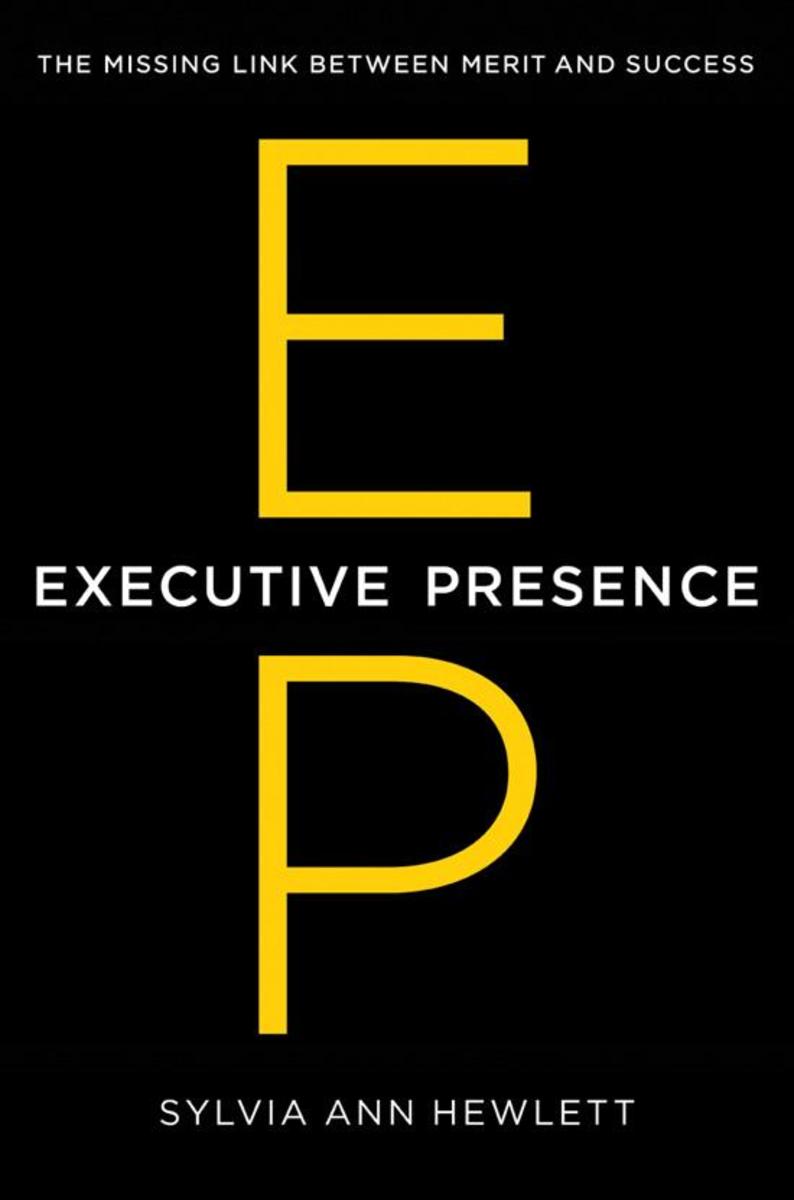
Executive Presence
¥157.15
Do you exude confidence and credibilityCan you command a roomSylvia Ann Hewlett, one of the world's most influential business thinkers, cracks the code of Executive Presence (EP) for men and women intent on winning the next plum assignment and doing something extraordinary with their lives.You might have the qualifications to be considered for your dream job, but you won't get far unless you can signal that you're "leadership material" and that you "have what it takes." Professionals are judged on presence as well as on performance. Using a wealth of hard data including a new nationwide survey and dozens of focus groups Hewlett reveals EP to be a dynamic mix of three things: how you act (gravitas), how you speak (communication), and how you look (appearance). She also draws on in-depth interviews with a wide selection of admired leaders to reveal how they embody and deploy key elements of EP.This book is immensely practical. Hewlett teases out tactics that can help you raise your game and close the gap between merit and success. She offers the unvarnished advice you won't get from supportive friends and tackles head-on such touchy subjects as too-tight clothing and too-shrill voices. She shows how the standards for EP vary for men, women, multicultural, and LGBT employees, and she shares how to get meaningful feedback from politically correct bosses intent on avoiding the real issues.The good news is that EP is eminently teachable. You can learn how to "show teeth" while remaining likable, and you can teach yourself how to dress appropriately while staying true to yourself. You don't have to be born with the voice of James Earl Jones or the looks of Angelina Jolie to hurdle the EP bar. With hard facts and vivid examples, Hewlett shows you how to ace EP and fully realize your unique potential no matter who you are, no matter where you work.
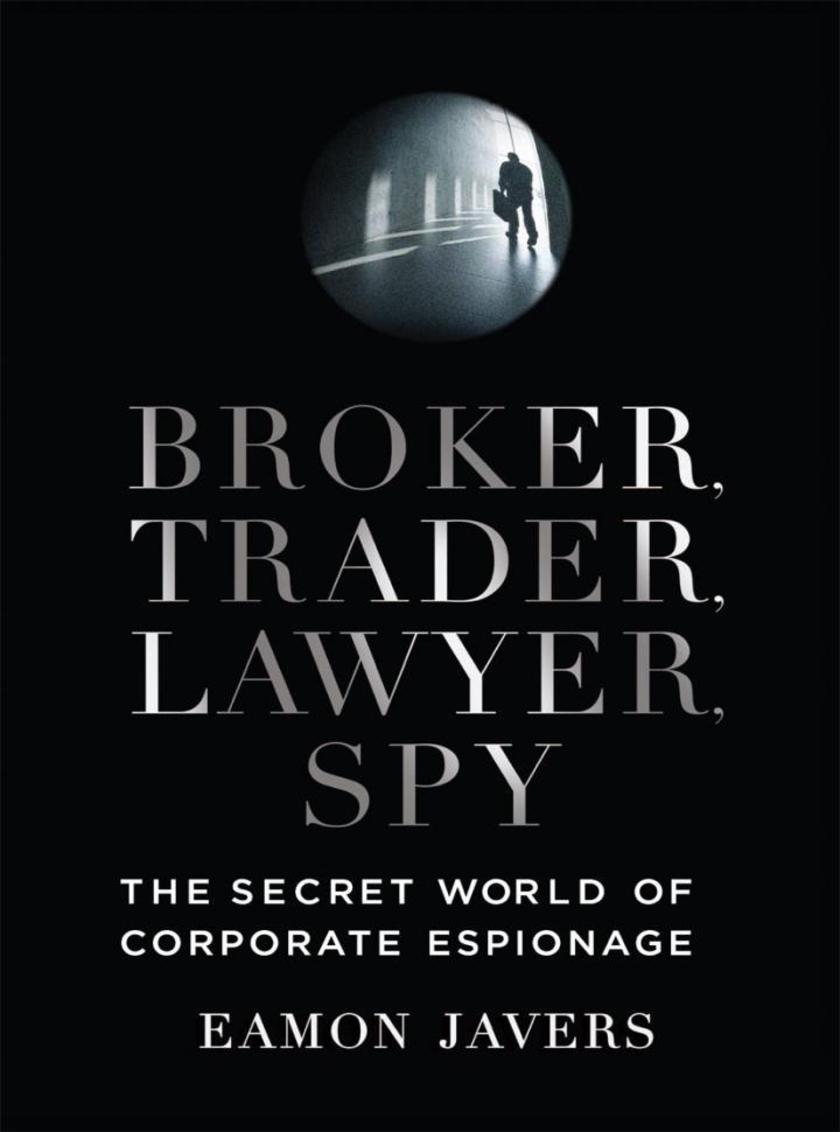
Broker, Trader, Lawyer, Spy
¥88.56
In this penetrating work of investigative and historical journalism, Eamon Javers explores the dangerous and combustible power spies hold over international business.Today's global economy has a dark underbelly: the world of corporate espionage. Using cutting-edge technology, age-old techniques of deceit and manipulation, and sheer talent, spies act as the hidden puppeteers of globalized businesses. They control markets, determine prices, influence corporate decisions, and manage the flow of data and information of some of the world's biggest corporations. In his gripping and alarming book, Eamon Javers takes the reader inside this hidden global industry. Readers meet the spies who conduct surveillance operations, satellite analysts who peer down on corporate targets from the skies, veteran CIA officers who work for hedge funds, and even a Soviet military intelligence officer who now sells his services to American companies.This industry has tentacles in almost every industry in almost every corner of the globe. Intelligence companies and the spies they employ are setting up fake Web sites to elicit information, trailing individuals and mirroring travel itiner-aries, Dumpster-diving in household and corporate trash, using ultrasophisticated satellite surveillance to spy on facilities, acting as impostors to take jobs within companies or to gain access to corporations, concocting elaborate schemes of fraud and deceit, and hacking e-mail and secure computer networks. The work of this industry can be ingenious, but it also raises crucial moral and legal questions in a world where global conflicts are as likely to be corporation versus corporation as they are to be nation versus nation.This globalized industry is not a recent phenomenon, but rather a continuation of a fascinating history. The story begins with Allan Pinkerton, the nation's first true "private eye," and extends through the annals of a rich history that includes tycoons and playboys, presidents and FBI operatives, CEOs and accountants, Cold War veterans and military personnel. Built on exclusive reporting and unprecedented access, this book features accounts of Howard Hughes's private CIA, the extensive spying that took place in a battle between two global food companies, and interviews with some of the world's top corporate surveillance experts.

Financially Ever After
¥95.39
Your Guide to Managing the Real Dollars and the Real Emotions of Your Relationship Too often with money, couples face two choices: fight and risk making the situation worse, or keep quiet and risk making the situation worse. Financially Ever After offers a third option: family financial fluency the insight, knowledge, and vocabulary every couple needs to communicate effectively about money. Jeff D. Opdyke, previously The Wall Street Journal's syndicated "Love Money" columnist, covers any and all financial issues that couples face, including budgeting, deciding on whether to have joint or individual accounts, dividing up family financial chores, confronting debt, making major purchases, as well as handling mortgages, employment, children, and even engagement rings. He offers dozens of real-life scenarios between couples, with *s and suggestions for how to broach delicate money-related subjects with your significant other, whether he or she has a shaky credit history or is feeling left out of family financial decision-making.The book also provides helpful tools to organize your financial life, such as a budgeting chart, a "scorecard" to track spending, and an "affordability calculator" to help you figure out how much buying a house will cost you.A must-read for any couple starting out, Financially Ever After lays the groundwork for building a healthy and thriving financial life together.
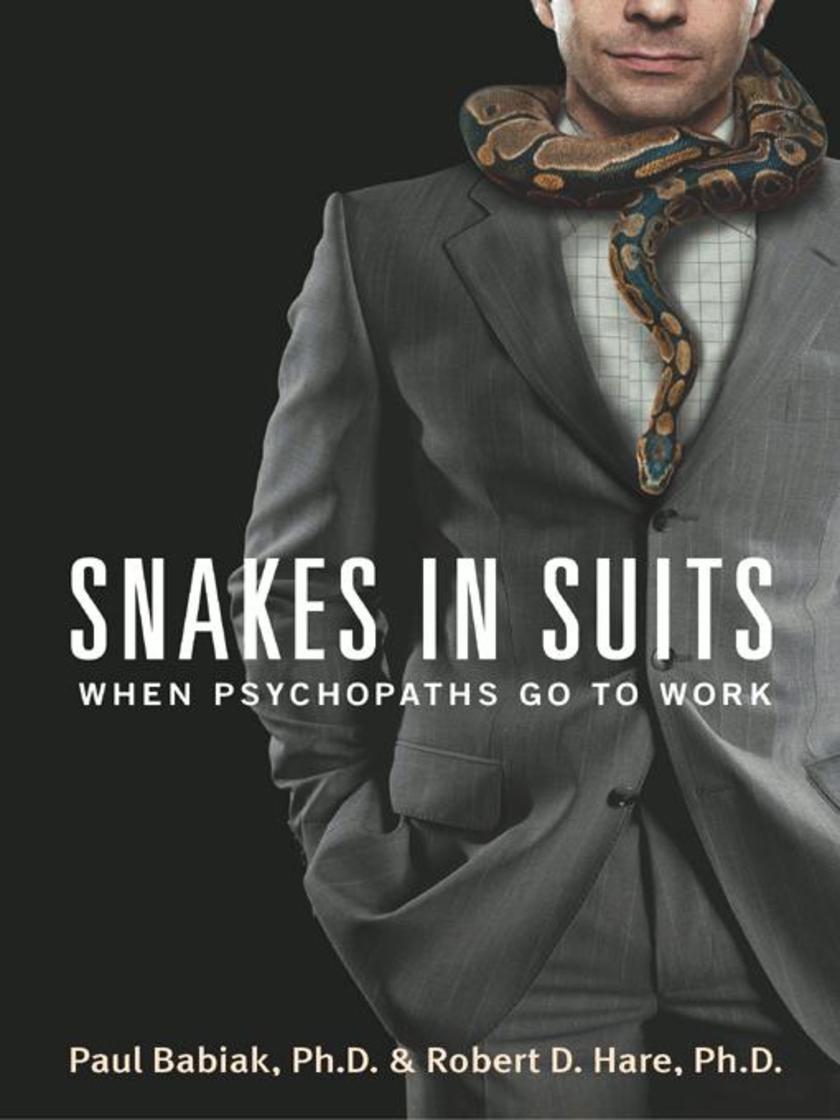
Snakes in Suits
¥99.65
Let's say you're about to hire somebody for a position in your company. Your corporation wants someone who's fearless, charismatic, and full of new ideas. Candidate X is charming, smart, and has all the right answers to your questions. Problem solved, rightMaybe not.We'd like to think that if we met someone who was completely without conscience -- someone who was capable of doing anything at all if it served his or her purposes -- we would recognize it. In popular culture, the image of the psychopath is of someone like Hannibal Lecter or the BTK Killer. But in reality, many psychopaths just want money, or power, or fame, or simply a nice car. Where do these psychopaths goOften, it's to the corporate world. Researchers Paul Babiak and Robert Hare have long studied psychopaths. Hare, the author of Without Conscience, is a world-renowned expert on psychopathy, and Babiak is an industrial-organizational psychologist. Recently the two came together to study how psychopaths operate in corporations, and the results were surprising. They found that it's exactly the modern, open, more flexible corporate world, in which high risks can equal high profits, that attracts psychopaths. They may enter as rising stars and corporate saviors, but all too soon they're abusing the trust of colleagues, manipulating supervisors, and leaving the workplace in shambles.Snakes in Suits is a compelling, frightening, and scientifically sound look at exactly how psychopaths work in the corporate environment: what kind of companies attract them, how they negotiate the hiring process, and how they function day by day. You'll learn how they apply their "instinctive" manipulation techniques -- assessing potential targets, controlling influential victims, and abandoning those no longer useful -- to business processes such as hiring, political command and control, and executive succession, all while hiding within the corporate culture. It's a must read for anyone in the business world, because whatever level you're at, you'll learn the subtle warning signs of psychopathic behavior and be able to protect yourself and your company -- before it's too late.

Consulting Demons
¥101.00
In this gripping and colorful account of the American dream gone astray, Lewis Pinault provides the essential guidelines on how to get ahead and an enlightening perspective on the brutal infighting that can engulf even the most civilized consulting firm. This stunning expose of some of the most prestigious and respected names in the business leads you into a world where a client's interests are skillfully subordinated to those of the consultants, where money rules the day, and where principles and morals are unwelcome baggage.Humorous and insightful, this no-holds-barred account takes you behind the scenes of the dehumanizing indoctrination of an academic intellectual into an exploitative -- and exploited -- "global transformation contractor." Featuring new material dealing with the e-consulting industry's boom, bust, and its future, Consulting Demons offers the most complete look at an industry that exacts the highest prices for the most questionable standards of success.


