


 购物车
购物车 个人中心
个人中心
Bitcoin and Cryptocurrency Technologies.
¥24.44
Bitcoin and Cryptocurrency Technologies.
Hybrid Cloud for Developers
¥73.02
Develop and manage applications on the AWS and OpenStack platforms with this comprehensive learning guide. About This Book ? A step-by-step guide to help you develop applications on the hybrid cloud platform. ? Acquire an in-depth understanding of the OpenStack and AWS cloud platforms. ? Extensive source code examples for OpenStack and AWS applications. ? Easily troubleshoot OpenStack and AWS issues. ? Understand the best practices and security measures for the hybrid cloud platform. Who This Book Is For If you are an IT professional, developer, or a DevOps engineer looking to develop and manage your applications on the hybrid cloud platform, then this book is for you. Some prior knowledge of the public and private cloud will enhance your skills. Developers looking to build applications using AWS or OpenStack services will also benefit from this book. What You Will Learn ? Understand the hybrid cloud platform ? Explore the AWS and OpenStack cloud platforms in depth ? Develop AWS applications with source code examples ? Develop OpenStack applications with source code examples ? Troubleshoot OpenStack and AWS ? Learn hybrid cloud best practices ? Understand security measures on the hybrid cloud In Detail This book introduces you to the hybrid cloud platform, and focuses on the AWS public cloud and OpenStack private cloud platforms. It provides a deep dive into the AWS and OpenStack cloud platform services that are essential for developing hybrid cloud applications. You will learn to develop applications on AWS and OpenStack platforms with ease by leveraging various cloud services and taking advantage of PaaS. The book provides you with the ability to leverage the flexibility of choosing a cloud platform for migrating your existing resources to the cloud, as well as developing hybrid cloud applications that can migrate virtual machine instances from AWS to OpenStack and vice versa. You will also be able to build and test cloud applications without worrying about the system that your development environment supports. The book also provides an in-depth understanding of the best practices that are followed across the industry for developing cloud applications, as well as for adapting the hybrid cloud platform. Lastly, it also sheds light on various troubleshooting techniques for OpenStack and AWS cloud platform services that are consumed by hybrid cloud applications. By the end of this book, you will have a deep understanding of the hybrid cloud platform and will be able to develop robust, efficient, modular, scalable, and ?exible cloud applications. Style and approach This book follows a practical approach to become familiar with the AWS and OpenStack platform from a developer's perspective.
Java 9 Dependency Injection
¥81.74
Create clean code with Dependency Injection principles About This Book ? Use DI to make your code loosely coupled to manage and test your applications easily on Spring 5 and Google Guice ? Learn the best practices and methodologies to implement DI ? Write more maintainable Java code by decoupling your objects from their implementations Who This Book Is For This book is for Java developers who would like to implement DI in their application. Prior knowledge of the Spring and Guice frameworks and Java programming is assumed. What You Will Learn ? Understand the benefits of DI and fo from a tightly coupled design to a cleaner design organized around dependencies ? See Java 9’s new features and modular framework ? Set up Guice and Spring in an application so that it can be used for DI ? Write integration tests for DI applications ? Use scopes to handle complex application scenarios ? Integrate any third-party library in your DI-enabled application ? Implement Aspect-Oriented Programming to handle common cross-cutting concerns such as logging, authentication, and transactions ? Understand IoC patterns and anti-patterns in DI In Detail Dependency Injection (DI) is a design pattern that allows us to remove the hard-coded dependencies and make our application loosely coupled, extendable, and maintainable. We can implement DI to move the dependency resolution from compile-time to runtime. This book will be your one stop guide to write loosely coupled code using the latest features of Java 9 with frameworks such as Spring 5 and Google Guice. We begin by explaining what DI is and teaching you about IoC containers. Then you’ll learn about object compositions and their role in DI. You’ll find out how to build a modular application and learn how to use DI to focus your efforts on the business logic unique to your application and let the framework handle the infrastructure work to put it all together. Moving on, you’ll gain knowledge of Java 9’s new features and modular framework and how DI works in Java 9. Next, we’ll explore Spring and Guice, the popular frameworks for DI. You’ll see how to define injection keys and configure them at the framework-specific level. After that, you’ll find out about the different types of scopes available in both popular frameworks. You’ll see how to manage dependency of cross-cutting concerns while writing applications through aspect-oriented programming. Towards the end, you’ll learn to integrate any third-party library in your DI-enabled application and explore common pitfalls and recommendations to build a solid application with the help of best practices, patterns, and anti-patterns in DI. Style and approach This book will take an easy-to-understand, step-by-step approach providing hands-on examples at every stage.
Windows Server 2016 Security, Certificates, and Remote Access Cookbook
¥54.49
This book contains more than 25 hands-on recipes that will equip you to build a PKI and roll out remote access capabilities via Microsoft DirectAccess and VPN. This book also contains tips and tricks for increasing the security footprint of your Windows Server infrastructure. About This Book ? Identify and mitigate security risks in your Windows Server 2016 infrastructure ? Learn how to build a PKI and use it to issue certificates within your network ? In-depth information for setting up Microsoft DirectAccess Who This Book Is For If you are a Windows Server administrator interested in learning the key security and networking functions available in Windows Server 2016, keep this book close at hand. If you are a server administrator setting up certificate services for the first time you will also benefit from the step-by-step instructions on implementation of a PKI. What You Will Learn ? Implement solid networking and security practices into your Windows Server environment ? Design your own PKI and start issuing certificates today ? Connect your remote laptops back to the corporate network using Microsoft's own remote access technologies, including DirectAccess ? Learn to use commands that will help you with monitoring network traffic. ? Build and explore your first Server Core instance today! In Detail Windows Server 2016 is an operating system designed to run on today's highly performant servers, both on-premise and in the cloud. It supports enterprise-level data storage, communications, management, and applications. This book builds off a basic knowledge of the Windows Server operating system, and assists administrators with taking the security of their systems one step further. You will learn tips for configuring proper networking, especially on multi-homed systems, and tricks for locking down access to your servers. Then you will move onto one of the hottest security topics of the year – certificates. You will learn how to build your own PKI, or how to better administer one that you already have. You will publish templates, issue certificates, and even configure autoenrollment in your network. When we say "networking" we don't only mean inside the LAN. To deal safely with mobile devices, you will learn about the capabilities of Windows Server 2016 for connecting these assets securely back into the corporate network, with information about DirectAccess and VPN. The material in the book has been selected from the content of Packt's Windows Server 2016 Cookbook by Jordan Krause to provide a specific focus on these key Windows Server tasks. Style and approach This book is a quick recipe-based guide on Windows Server 2016. The book starts with an introduction to securing servers and properly configuring network settings, then moves on to establishing certificate services using Windows Server 2016. Finally we explore the connection of remote laptops to the corporate network using DirectAccess and VPN.
Hands-On GUI Programming with C++ and Qt5
¥81.74
Create visually appealing and feature-rich applications by using Qt 5 and the C++ language About This Book ? Explore Qt 5’s powerful features to easily design your GUI application ? Leverage Qt 5 to build attractive cross-platform applications ? Work with Qt modules for multimedia, networking, and location, to customize your Qt applications Who This Book Is For This book will appeal to developers and programmers who would like to build GUI-based applications. Basic knowledge of C++ is necessary and the basics of Qt would be helpful. What You Will Learn ? Implement tools provided by Qt 5 to design a beautiful GUI ? Understand different types of graphs and charts supported by Qt 5 ? Create a web browser using the Qt 5 WebEngine module and web view widget ? Connect to the MySQL database and display data obtained from it onto the Qt 5 GUI ? Incorporate the Qt 5 multimedia and networking module in your application ? Develop Google Map-like applications using Qt 5’s location module ? Discover cross-platform development by exporting the Qt 5 application to different platforms ? Uncover the secrets behind debugging Qt 5 and C++ applications In Detail Qt 5, the latest version of Qt, enables you to develop applications with complex user interfaces for multiple targets. It provides you with faster and smarter ways to create modern UIs and applications for multiple platforms. This book will teach you to design and build graphical user interfaces that are functional, appealing, and user-friendly. In the initial part of the book, you will learn what Qt 5 is and what you can do with it. You will explore the Qt Designer, discover the different types of widgets generally used in Qt 5, and then connect your application to the database to perform dynamic operations. Next, you will be introduced to Qt 5 chart which allows you to easily render different types of graphs and charts and incorporate List View Widgets in your application. You will also work with various Qt modules, like QtLocation, QtWebEngine, and the networking module through the course of the book. Finally, we will focus on cross-platform development with QT 5 that enables you to code once and run it everywhere, including mobile platforms. By the end of this book, you will have successfully learned about high-end GUI applications and will be capable of building many more powerful, cross-platform applications. Style and approach This is a comprehensive guide that explores the essential Qt features and implement them in building real-world cross-platform GUI applications
Learning JavaScript Data Structures and Algorithms
¥81.74
Create classic data structures and algorithms such as depth-first search and breadth-first search, learn recursion, as well as create and use a heap data structure using JavaScript About This Book ? Implement common data structures and the associated algorithms along with the context in which they are used ? Master existing JavaScript data structures such as arrays, sets, and maps, and learn how to implement new ones such as stacks, linked lists, trees, and graphs in ES 8 ? Develop abstract data types to make JavaScript a more flexible and powerful programming language Who This Book Is For If you’re a JavaScript developer who wants to dive deep into JavaScript and write complex programs using JavaScript data structures and algorithms, this book is for you. What You Will Learn ? Declare, initialize, add, and remove items from arrays, stacks, and queues ? Create and use linked lists, doubly linked lists, and circular linked lists ? Store unique elements with hash tables, dictionaries, and sets ? Explore the use of binary trees and binary search trees ? Sort data structures using algorithms such as bubble sort, selection sort, insertion sort, merge sort, and quick sort ? Search elements in data structures using sequential sort and binary search In Detail A data structure is a particular way of organizing data in a computer to utilize resources efficiently. Data structures and algorithms are the base of every solution to any programming problem. With this book, you will learn to write complex and powerful code using the latest ES 2017 features. Learning JavaScript Data Structures and Algorithms begins by covering the basics of JavaScript and introduces you to ECMAScript 2017, before gradually moving on to the most important data structures such as arrays, queues, stacks, and linked lists. You will gain in-depth knowledge of how hash tables and set data structures function as well as how trees and hash maps can be used to search files in an HD or represent a database. This book serves as a route to take you deeper into JavaScript. You’ll also get a greater understanding of why and how graphs, one of the most complex data structures, are largely used in GPS navigation systems in social networks. Toward the end of the book, you’ll discover how all the theories presented in this book can be applied to solve real-world problems while working on your own computer networks and Facebook searches. Style and approach Easy to follow guide which will cover the most used data structures and sorting/searching algorithms known in the computer science world along with examples to help the readers understand each chapter thoroughly.
Phoenix Web Development
¥73.02
Learn to build a high-performance functional prototype of a voting web application from scratch using Elixir and Phoenix About This Book ? Build a strong foundation in Functional-Programming techniques while learning to build compelling web applications ? Understand the Elixir Concurrency and parallelization model to build high-performing blazingly fast applications ? Learn to test, debug and deploy your web applications using Phoenix framework Who This Book Is For This book is for people with a basic knowledge of Elixir, who want to start building web applications. Prior experience with web technologies is assumed. What You Will Learn ? Learn Phoenix Framework fundamentals and v1.3's new application structure ? Build real-time applications with channels and presence ? Utilize GenServers and other OTP fundamentals to keep an application stable ? Track users as they sign in and out of chat with Phoenix’s built-in presence functionality ? Write your own database interaction code that is safe, bug-free, and easy to work with ? Explore testing and debugging methodologies to understand a real software development lifecycle for a Phoenix application ? Deploy and run your Phoenix application in production In Detail Phoenix is a modern web development framework that is used to build API’s and web applications. It is built on Elixir and runs on Erlang VM which makes it much faster than other options. With Elixir and Phoenix, you build your application the right way, ready to scale and ready for the increasing demands of real-time web applications. This book covers the basics of the Phoenix web framework, showing you how to build a community voting application, and is divided into three parts. In the first part, you will be introduced to Phoenix and Elixir and understand the core terminologies that are used to describe them. You will also learn to build controller pages, store and retrieve data, add users to your app pages and protect your database. In the second section you will be able to reinforce your knowledge of architecting real time applications in phoenix and not only debug these applications but also diagnose issues in them. In the third and final section you will have the complete understanding of deploying and running the phoenix application and should be comfortable to make your first application release By the end of this book, you'll have a strong grasp of all of the core fundamentals of the Phoenix framework, and will have built a full production-ready web application from scratch. Style and approach Covers the basics of the Phoenix web framework by building a complete real-time application and showing the new structure changes introduced in Phoenix v1.3
Mastering UI Development with Unity
¥81.74
Master Game UI system by creating captivating user interface components with Unity 5 through Unity 2018 and C#. Learn about UI texts, images, world space UI, mobile-specific UI and much more. About This Book ? Develop a game UI with both technical and aesthetic considerations ? Use all the UI elements provided by Unity's UI system ? Step-by-step examples of creating user interface components in the top game genres Who This Book Is For This book is for anyone keen to improve their games via a great user interface with Unity's UI system. If you're looking for a book that explains how to develop specific user interfaces or that thoroughly explains how each of the individual Unity components work, this book is for you. What You Will Learn ? Design principles and patterns for laying out elements in your UI ? Techniques that allow your UI to scale appropriately in different resolutions ? How to use automatic layouts to streamline your UI building process ? Properties of the Event System and how to appropriately hook events to your UI elements ? Access the components and properties of UI elements via code ? Implement all of Unity's built-in UI elements as well as those provided by TextMeshPro ? Develop key UI components that are popularly used in multiple game genres ? Add visual flare to user interfaces with the use of animation and particle effects ? Create a UI that displays in the Screen Space as well as World Space In Detail A functional UI is an important component for player interaction in every type of video game. Along with imparting crucial statistical information to the player, the UI is also the window through which the player engages with the world established by the game. Unity's tools give you the opportunity to create complex and attractive UIs to make your game stand out. This book helps you realize the full potential of Unity's powerful tools to create the best UI for your games by walking you through the creation of myriad user interface components. Learn how to create visually engaging heads-up-displays, pause menus, health bars, circular progress bars, animated menus, and more. This book not only teaches how to lay out visual elements, but also how to program these features and implement them across multiple games of varying genres. While working through the examples provided, you will learn how to develop a UI that scales to multiple screen resolutions, so your game can be released on multiple platforms with minimal changes. Style and approach The book walks you through the process of creating many different user interface components, by describing each UI component and property thoroughly and then providing step-by-step examples of its implementation. You will not only learn how to lay out visual elements, but you will also learn how to program for these features and hook them in to your game. The examples provided in the book can be reused for many other products.
Hands-On Machine Learning on Google Cloud Platform
¥81.74
Unleash Google's Cloud Platform to build, train and optimize machine learning models About This Book ? Get well versed in GCP pre-existing services to build your own smart models ? A comprehensive guide covering aspects from data processing, analyzing to building and training ML models ? A practical approach to produce your trained ML models and port them to your mobile for easy access Who This Book Is For This book is for data scientists, machine learning developers and AI developers who want to learn Google Cloud Platform services to build machine learning applications. Since the interaction with the Google ML platform is mostly done via the command line, the reader is supposed to have some familiarity with the bash shell and Python scripting. Some understanding of machine learning and data science concepts will be handy What You Will Learn ? Use Google Cloud Platform to build data-based applications for dashboards, web, and mobile ? Create, train and optimize deep learning models for various data science problems on big data ? Learn how to leverage BigQuery to explore big datasets ? Use Google’s pre-trained TensorFlow models for NLP, image, video and much more ? Create models and architectures for Time series, Reinforcement Learning, and generative models ? Create, evaluate, and optimize TensorFlow and Keras models for a wide range of applications In Detail Google Cloud Machine Learning Engine combines the services of Google Cloud Platform with the power and flexibility of TensorFlow. With this book, you will not only learn to build and train different complexities of machine learning models at scale but also host them in the cloud to make predictions. This book is focused on making the most of the Google Machine Learning Platform for large datasets and complex problems. You will learn from scratch how to create powerful machine learning based applications for a wide variety of problems by leveraging different data services from the Google Cloud Platform. Applications include NLP, Speech to text, Reinforcement learning, Time series, recommender systems, image classification, video content inference and many other. We will implement a wide variety of deep learning use cases and also make extensive use of data related services comprising the Google Cloud Platform ecosystem such as Firebase, Storage APIs, Datalab and so forth. This will enable you to integrate Machine Learning and data processing features into your web and mobile applications. By the end of this book, you will know the main difficulties that you may encounter and get appropriate strategies to overcome these difficulties and build efficient systems. Style and approach An easy-to-follow step by step guide which will help you get to the grips with real-world applications of Google Cloud Machine Learning.
Enterprise Internet of Things Handbook
¥63.21
Get familiar with the building blocks of IoT solutions using off–the-shelf IoT platforms. About This Book ? Work with various trending IoT platforms such as AWS IoT, Azure IoT, Google IoT, IBM Watson IoT, and Kaa IoT ? Gain hands-on knowledge working with Cloud-based IoT platforms, IoT Analytics, and so on. ? A practical guide that will help you build IoT strategies for your organization Who This Book Is For This book is targeted at IoT architects and engineers, or any stakeholders working with IoT solutions in an organization. This book will also help decision makers and professionals from small- and medium-sized enterprises build an IoT strategy for their venture. What You Will Learn ? Connect a Temperature and Humidity sensor and see how these two can be managed from various platforms ? Explore the core components of AWS IoT such as AWS Kinesis and AWS IoTRules Engine ? Build a simple analysis dashboard using Azure IoT and Power BI ? Understand the fundamentals of Google IoT and use Google core APIs to build your own dashboard ? Get started and work with the IBM Watson IoT platform ? Integrate Cassandra and Zeppelin with Kaa IoT dashboard ? Review some Machine Learning and AI and get to know more about their implementation in the IoT domain. In Detail There is a lot of work that is being done in the IoT domain and according to Forbes the global IoT market will grow from $157B in 2016 to $457B by 2020. This is an amazing market both in terms technology advancement as well as money. In this book, we will be covering five popular IoT platforms, namely, AWS IoT, Microsoft Azure IoT, Google IoT Core, IBM Watson IoT, and Kaa IoT middleware. You are going to build solutions that will use a Raspberry Pi 3, a DHT11 Temperature and humidity sensor, and a dashboard to visualize the sensor data in real-time. Furthermore, you will also explore various components of each of the platforms that are needed to achieve the desired solution. Besides building solutions, you will look at how Machine Learning and IoT go hand in hand and later design a simple predictive web service based on this concept. By the end of this book, you will be in a position to implement an IoT strategy best-fit for your organization Style and approach An informative guide that will help you design and implement an IoT Strategy best-fit for your organization
Beginning Server-Side Application Development with Angular
¥90.46
Discover how to rapidly prototype SEO-friendly web applications with Angular Universal About This Book : ? Rapidly build an application that's optimized for search performance ? Develop service workers to make your application truly progressive ? Automatically update metadata and load in content from external APIs Who This Book Is For : This book is ideal for experienced front-end developers who are looking to quickly work through an intelligent example that demonstrates all the key features of server-side development with Angular. You'll need some prior exposure to Angular, as we skim over the basics and get straight to work. What You Will Learn : ? Use the official tools provided by Angular to build an SEO-friendly application ? Create a dynamic web application that maps to current Angular best practices ? Manage your Angular applications with Angular CLI ? Implement server-side rendering for your future web application projects ? Configure service workers to automatically update your application in the background In Detail : Equip yourself with the skills required to create modern, progressive web applications that load quickly and efficiently. This fast-paced guide to server-side Angular leads you through an example application that uses Angular Universal to render application pages on the server, rather than the client. You'll learn how to serve your users views that load instantly, while reaping all the SEO benefits of improved page indexing. With differences of just 200 milliseconds in performance having a measurable impact on your users, it's more important than ever to get server-side right. Style and approach : With this book, you'll be equipped to create modern, SEO-friendly web apps with best practices using Angular CLI. This book focuses on creating a progressive web app using Angular that is optimized for search engines.
Raspberry Pi 3 Cookbook for Python Programmers
¥63.21
A recipe-based guide to programming your Raspberry Pi 3 using Python About This Book : ? Leverage the power of Raspberry Pi 3 using Python programming ? Create 3D games, build neural network modules, and interface with your own circuits ? Packed with clear, step-by-step recipes to walk you through the capabilities of Raspberry Pi Who This Book Is For : This book is for anyone who wants to master the skills of Python programming using Raspberry Pi 3. Prior knowledge of Python will be an added advantage. What You Will Learn : ? Learn to set up and run Raspberry Pi 3 ? Build text classifiers and perform automation using Python ? Predict sentiments in words and create games and graphics ? Detect edges and contours in images ? Build human face detection and recognition system ? Use Python to drive hardware ? Sense and display real-world data ? Build a neural network module for optical character recognition ? Build movie recommendations system In Detail : Raspberry Pi 3 Cookbook for Python Programmers – Third Edition begins by guiding you through setting up Raspberry Pi 3, performing tasks using Python 3.6, and introducing the first steps to interface with electronics. As you work through each chapter, you will build your skills and apply them as you progress. You will learn how to build text classifiers, predict sentiments in words, develop applications using the popular Tkinter library, and create games by controlling graphics on your screen. You will harness the power of a built in graphics processor using Pi3D to generate your own high-quality 3D graphics and environments. You will understand how to connect Raspberry Pi’s hardware pins directly to control electronics, from switching on LEDs and responding to push buttons to driving motors and servos. Get to grips with monitoring sensors to gather real-life data, using it to control other devices, and viewing the results over the internet. You will apply what you have learned by creating your own Pi-Rover or Pi-Hexipod robots. You will also learn about sentiment analysis, face recognition techniques, and building neural network modules for optical character recognition. Finally, you will learn to build movie recommendations system on Raspberry Pi 3. Style and approach : Written in a cookbook style, this book contains a series of recipes on various topics. It is an easy-to-follow step-by-step guide with examples of feature integration suitable for any search application.
Java EE 8 Cookbook
¥90.46
A practical guide for building effective enterprise solutions with Java EE 8 About This Book ? Recipes to get you up-and-running with Java EE 8 application development ? Learn how to apply the major Java EE 8 APIs and specifications ? Implement microservices and Reactive programming with Java EE 8 Who This Book Is For This book is for developers who want to become proficient with Java EE 8 for their enterprise application development. Basic knowledge of Java is assumed What You Will Learn ? Actionable information on the new features of Java EE 8 ? Using the most important APIs with real and working code ? Building server side applications, web services, and web applications ? Deploying and managing your application using the most important Java EE servers ? Building and deploying microservices using Java EE 8 ? Building Reactive application by joining Java EE APIs and core Java features ? Moving your application to the cloud using containers ? Practical ways to improve your projects and career through community involvement In Detail Java EE is a collection of technologies and APIs to support Enterprise Application development. The choice of what to use and when can be dauntingly complex for any developer. This book will help you master this. Packed with easy to follow recipes, this is your guide to becoming productive with Java EE 8. You will begin by seeing the latest features of Java EE 8, including major Java EE 8 APIs and specifications such as JSF 2.3, and CDI 2.0, and what they mean for you. You will use the new features of Java EE 8 to implement web-based services for your client applications. You will then learn to process the Model and Streaming APIs using JSON-P and JSON-B and will learn to use the Java Lambdas support offered in JSON-P. There are more recipes to fine-tune your RESTful development, and you will learn about the Reactive enhancements offered by the JAX-RS 2.1 specification. Later on, you will learn about the role of multithreading in your enterprise applications and how to integrate them for transaction handling. This is followed by implementing microservices with Java EE and the advancements made by Java EE for cloud computing. The final set of recipes shows you how take advantage of the latest security features and authenticate your enterprise application. At the end of the book, the Appendix shows you how knowledge sharing can change your career and your life. Style and approach Task based learning guide to help ease application development with Java EE.
Vuex Quick Start Guide
¥54.49
Develop consistent web apps with Vuex by easily centralizing the state of your application About This Book ? Uncover the hidden features of Vuex to build applications that are powerful, consistent, and maintainable ? Enforce a Flux-like application architecture in your Vue application ? Test your Vuex elements and Vue components using Karma/Jasmine testing framework Who This Book Is For If you are a JavaScript developer, working on Vue.js and want to extend your web development skills to develop and maintain bigger applications using state management, then this book is for you. No knowledge of Vuex is required. What You Will Learn ? Moving from classical MVC to a Flux-like architecture ? Implementing predictable centralized state management in your applications using Vuex ? Using ECMAScript 6 features for developing a real application ? Using webpack in conjunction with Vue single file components ? Testing your Vue/Vuex applications using Karma/Jasmine and inject-loader ? Simple and effective Test Driven Development ? Extending your application with Vuex plugins In Detail State management preserves the state of controls in a user interface. Vuex is a state management tool for Vue.js that makes the architecture easier to understand, maintain and evolve. This book is the easiest way to get started with Vuex to improve your Vue.js application architecture and overall user experience. Our book begins by explaining the problem that Vuex solves, and how it helps your applications. You will learn about the Vuex core concepts, including the Vuex store, changing application state, carrying out asynchronous operations and persisting state changes, all with an eye to scalability. You will learn how to test Vuex elements and Vue components with the Karma and Jasmine testing frameworks. You will see this in the context of a testing first approach, following the fundamentals of Test Driven Development. TDD will help you to identify which components need testing and how to test them. You will build a full Vuex application by creating the application components and services, and persist the state. Vuex comes with a plugin system that allows programmers to extend Vuex features. You will learn about some of the most powerful plugins, and make use of the built-in logger plugin. You write a custom Google Analytics plugin to send actions to its analytics API, and an Undo/Redo plugin. Style and approach Learn the core concepts and get started using?Vuex as a centralized state management system in your Vue.js applications.
Java 9: Building Robust Modular Applications
¥63.21
Mastering advanced features of Java and implement them to build amazing projects About This Book ? Take advantage of Java's new modularity features to write real-world applications that solve a variety of problems ? Explore the major concepts introduced with Java 9, including modular programming, HTTP 2.0, API changes, and more ? Get to grips with tools, techniques and best practices to enhance application development Who This Book Is For This learning path is for Java developers who are looking to move a level up and learn how to build robust applications in the latest version of Java. What You Will Learn ? Package Java applications as modules using the Java Platform Module System ? Implement process management in Java using the all-new process handling API ? Integrate your applications with third-party services in the cloud ? Interact with mail servers, using JavaMail to build an application that filters spam messages ? Use JavaFX to build rich GUI-based applications, which are an essential element of application development ? Leverage the possibilities provided by the newly introduced Java shell ? Test your application's effectiveness with the JVM harness ? See how Java 9 provides support for the HTTP 2.0 standard In Detail Java 9 and its new features add to the richness of the language; Java is one of the languages most used by developers to build robust software applications. Java 9 comes with a special emphasis on modularity with its integration with Jigsaw. This course is your one-stop guide to mastering the language. You'll be provided with an overview and explanation of the new features introduced in Java 9 and the importance of the new APIs and enhancements. Some new features of Java 9 are ground-breaking; if you are an experienced programmer, you will be able to make your enterprise applications leaner by learning these new features. You'll be provided with practical guidance in applying your newly acquired knowledge of Java 9 and further information on future developments of the Java platform. This course will improve your productivity, making your applications faster. Next, you'll go on to implement everything you've learned by building 10 cool projects. You will learn to build an email filter that separates spam messages from all your inboxes, a social media aggregator app that will help you efficiently track various feeds, and a microservice for a client/server note application, to name just a few. By the end of this course, you will be well acquainted with Java 9 features and able to build your own applications and projects. This Learning Path contains the best content from the following two recently published Packt products: ? Mastering Java 9 ? Java 9 Programming Blueprints Style and approach This practical guide is filled with real-world examples. Its projects will help you get acquainted with concepts in depth.
Google Cloud Platform Cookbook
¥81.74
Practical recipes to implement cost-effective and scalable cloud solutions for your organization About This Book ? Implement Google Cloud services in your organization ? Leverage Google Cloud components to secure your organization’s data ? A recipe-based guide that promises hands-on experience in deploying a highly scalable and available environment Who This Book Is For This book is for IT professionals, engineers, and developers looking at implementing Google Cloud in their organizations. Administrators and architects planning to make their organization more efficient with Google Cloud will also find this book useful. Basic understanding of Cloud services and the Google Cloud platform is necessary. What You Will Learn ? Host a Python application on Google Compute Engine ? Host an application using Google Cloud Functions ? Migrate a MySQL DB to Cloud Spanner ? Configure a network for a highly available application on GCP ? Learn simple image processing using Storage and Cloud Functions ? Automate security checks using Policy Scanner ? Understand tools for monitoring a production environment in GCP ? Learn to manage multiple projects using service accounts In Detail Google Cloud Platform is a cloud computing platform that offers products and services to host applications using state-of-the art infrastructure and technology. You can build and host applications and websites, store data, and analyze data on Google's scalable infrastructure. This book follows a recipe-based approach, giving you hands-on experience to make the most of Google Cloud services. This book starts with practical recipes that explain how to utilize Google Cloud's common services. Then, you'll see how to make full use of Google Cloud components such as networking, security, management, and developer tools. Next, we'll deep dive into implementing core Google Cloud services into your organization, with practical recipes on App Engine, Compute Engine microservices with Cloud Functions, virtual networks, and Cloud Storage. Later, we'll provide recipes on implementing authentication and security, Cloud APIs, command-line management, deployment management, and the Cloud SDK. Finally, we'll cover administration troubleshooting tasks with the Compute and Container Engines and we'll show how to monitor your organization's efficiency with best practices. By the end of this book, you'll have a complete understanding of how to implement Google Cloud services in your organization with ease. Style and approach This book will quickly get you started with using Google Cloud Services.
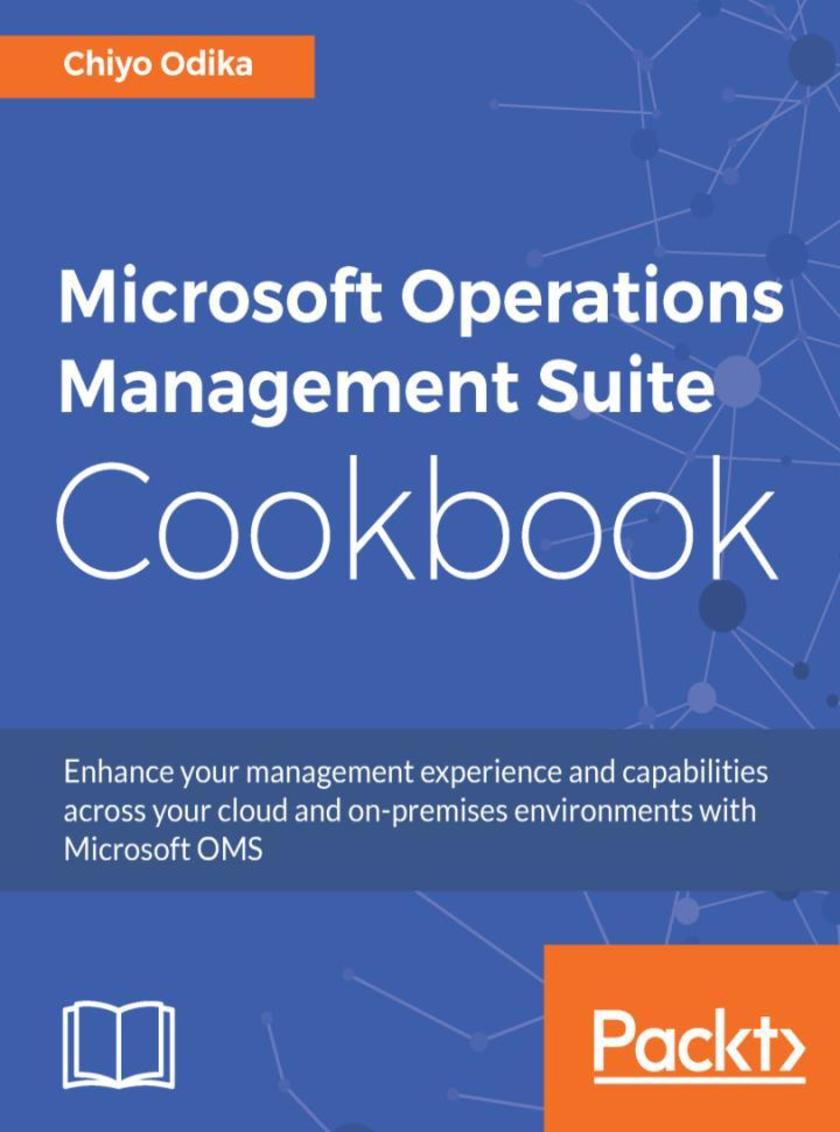
Microsoft Operations Management Suite Cookbook
¥73.02
Manage on-premises and cloud IT assets from one console About This Book ? Empower yourself with practical recipes to collect and analyze operational insights on Windows and Linux servers in your on premises datacenters and in any public cloud environments such as Azure and AWS. ? Build capabilities through practical tasks and techniques to collect and analyze machine data ? Address business challenges and discover means to accommodate workloads and instances in a low cost manner Who This Book Is For This book is written for the IT professional and general reader who is interested in technology themes such as DevOps, Big Data Analytics, and digital transformation concepts. Azure and other cloud platform administrators, cloud professionals, and technology analysts who would like to solve everyday problems quickly and efficiently with hybrid management tools available in the Microsoft product ecosystem will derive much value from this book. Prior experience with OMS 2012 would be helpful. What You Will Learn ? Understand the important architectural considerations and strategies for OMS ? Use advanced search query commands and strategies to derive insights from indexed data ? Make use of alerting in OMS such as alert actions, and available options for the entire lifecycle of the alert ? Discover some practical tips for monitoring Azure container service containers and clusters using OMS ? Review and use the backup options available through the Azure backup service, as well as data recovery options available through Azure Site Recovery (ASR) ? Understand how to advance important DevOps concepts within your IT organization ? Learn how to manage configurations and automate process In Detail Microsoft Operations Management Suite Cookbook begins with an overview of how to hit the ground running with OMS insights and analytics. Next, you will learn to search and analyze data to retrieve actionable insights, review alert generation from the analyzed data, and use basic and advanced Log search queries in Azure Log Analytics. Following this, you will explore some other management solutions that provide functionality related to workload assessment, application dependency mapping, automation and configuration management, and security and compliance. You will also become well versed with the data protection and recovery functionalities of OMS Protection and Recovery, and learn how to use Azure Automation components and features in OMS. Finally you will learn how to evaluate key considerations for using the Security and Audit solution, and working with Security and Compliance in OMS. By the end of the book, you will be able to configure and utilize solution offerings in OMS, understand OMS workflows, how to unlock insights, integrate capabilities into new or existing workflows, manage configurations, and automate tasks and processes. Style and approach This is a recipe based guide where early chapters introduce the main concepts and key capabilities, and the later chapters delve into more advance concepts.
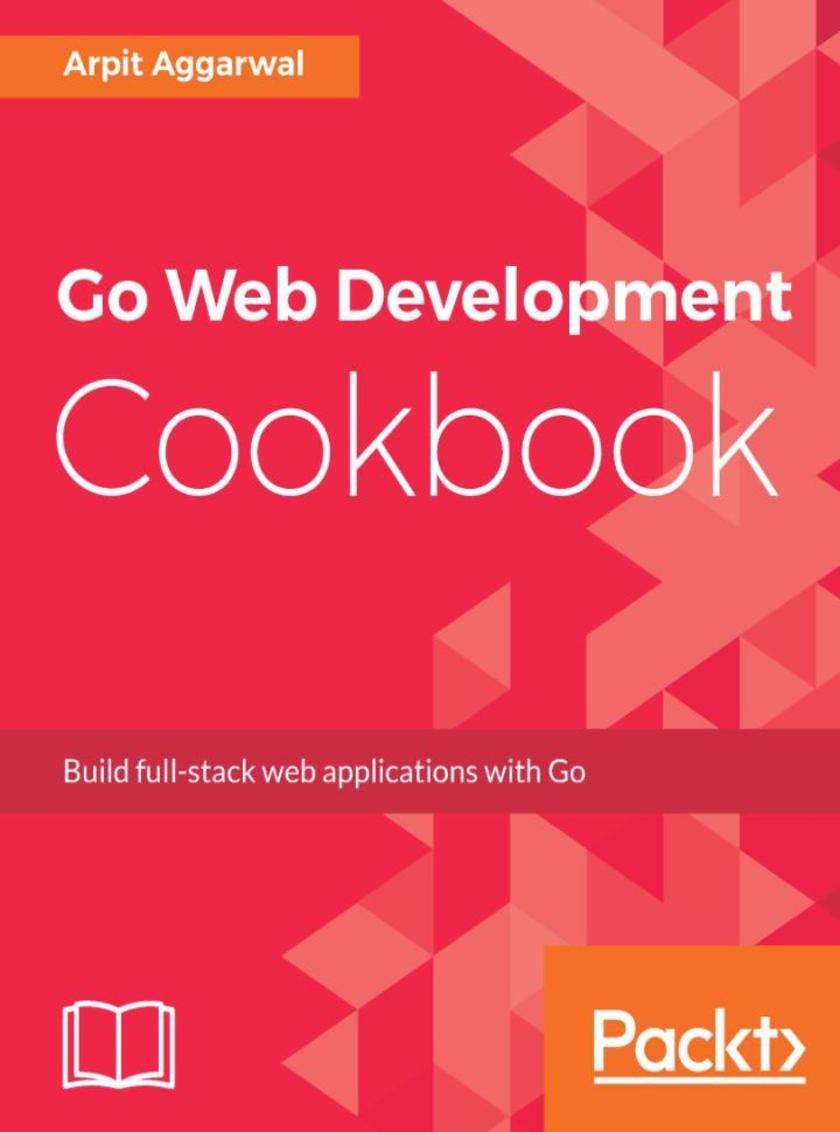
Go Web Development Cookbook
¥81.74
86 recipes on how to build fast, scalable, and powerful web services and applications with Go About This Book ? Become proficient in RESTful web services ? Build scalable, high-performant web applications in Go ? Get acquainted with Go frameworks for web development Who This Book Is For This book is for Go developers interested in learning how to use Go to build powerful web applications. A background in web development is expected. What You Will Learn ? Create a simple HTTP and TCP web server and understand how it works ? Explore record in a MySQL and MongoDB database ? Write and consume RESTful web service in Go ? Invent microservices in Go using Micro – a microservice toolkit ? Create and Deploy the Beego application with Nginx ? Deploy Go web application and Docker containers on an AWS EC2 instance In Detail Go is an open source programming language that is designed to scale and support concurrency at the language level. This gives you the liberty to write large concurrent web applications with ease. From creating web application to deploying them on Amazon Cloud Services, this book will be your one-stop guide to learn web development in Go. The Go Web Development Cookbook teaches you how to create REST services, write microservices, and deploy Go Docker containers. Whether you are new to programming or a professional developer, this book will help get you up to speed with web development in Go. We will focus on writing modular code in Go; in-depth informative examples build the base, one step at a time. You will learn how to create a server, work with static files, SQL, NoSQL databases, and Beego. You will also learn how to create and secure REST services, and create and deploy Go web application and Go Docker containers on Amazon Cloud Services. By the end of the book, you will be able to apply the skills you've gained in Go to create and explore web applications in any domain. Style and approach This book helps you learn core Go concepts faster by taking a recipe-based approach.
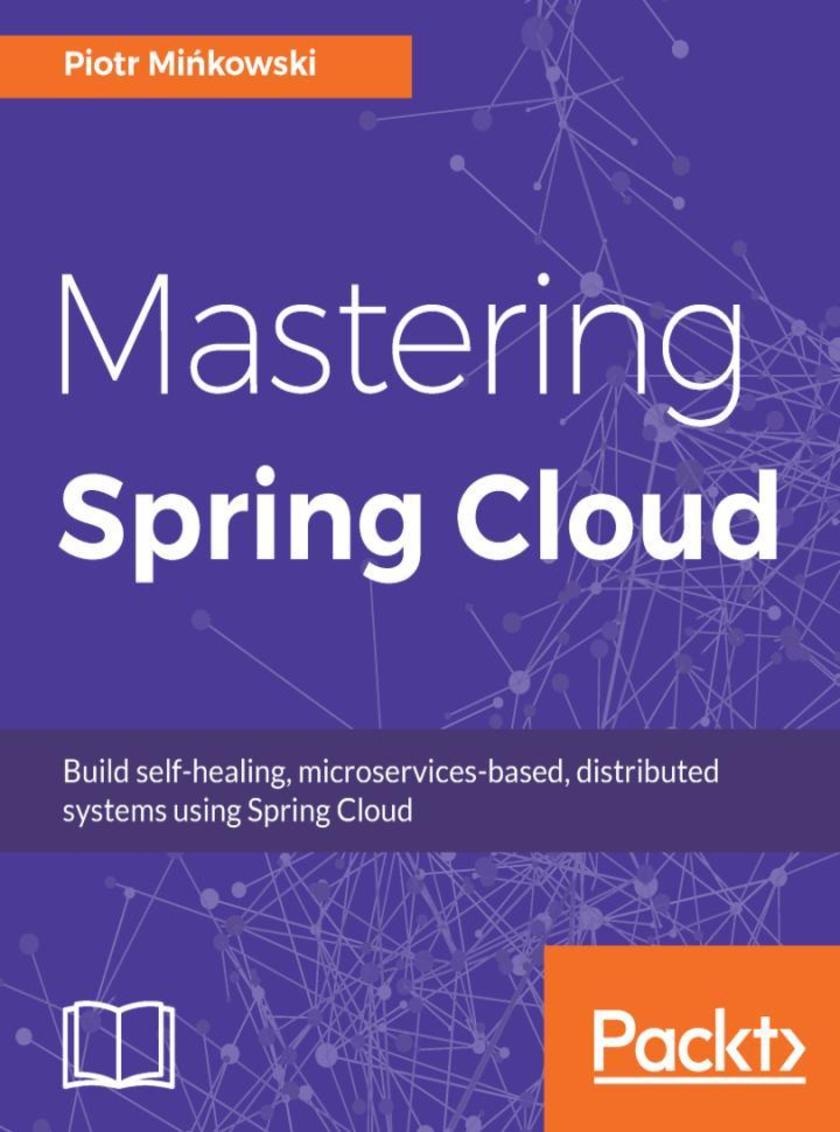
Mastering Spring Cloud
¥90.46
Learn how to build, test, secure, deploy, and efficiently consume services across distributed systems. About This Book ? Explore the wealth of options provided by Spring Cloud for wiring service dependencies in microservice systems. ? Create microservices utilizing Spring Cloud's Netflix OSS ? Architect your cloud-native data using Spring Cloud. Who This Book Is For This book appeals to developers keen to take advantage of Spring cloud, an open source library which helps developers quickly build distributed systems. Knowledge of Java and Spring Framework will be helpful, but no prior exposure to Spring Cloud is required. What You Will Learn ? Abstract Spring Cloud's feature set ? Create microservices utilizing Spring Cloud's Netflix OSS ? Create synchronous API microservices based on a message-driven architecture. ? Explore advanced topics such as distributed tracing, security, and contract testing. ? Manage and deploy applications on the production environment In Detail Developing, deploying, and operating cloud applications should be as easy as local applications. This should be the governing principle behind any cloud platform, library, or tool. Spring Cloud–an open-source library–makes it easy to develop JVM applications for the cloud. In this book, you will be introduced to Spring Cloud and will master its features from the application developer's point of view. This book begins by introducing you to microservices for Spring and the available feature set in Spring Cloud. You will learn to configure the Spring Cloud server and run the Eureka server to enable service registration and discovery. Then you will learn about techniques related to load balancing and circuit breaking and utilize all features of the Feign client. The book now delves into advanced topics where you will learn to implement distributed tracing solutions for Spring Cloud and build message-driven microservice architectures. Before running an application on Docker container s, you will master testing and securing techniques with Spring Cloud. Style and approach This comprehensive guide covers the advanced features of Spring Cloud and communicates them through a practical approach to explore the underlying concepts of how, when, and why to use them.
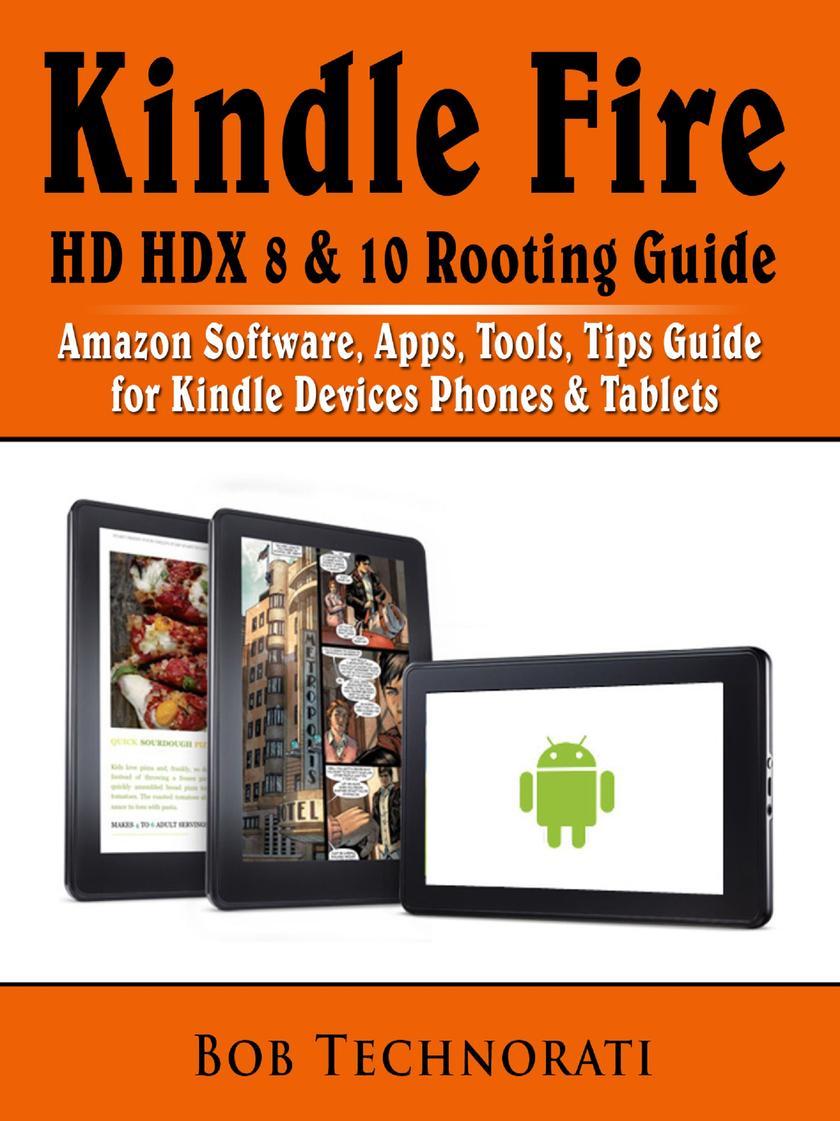
Kindle Fire HD HDX 8 & 10 Rooting Guide
¥40.79
Kindle Fire HD HDX 8 & 10 Rooting Guide
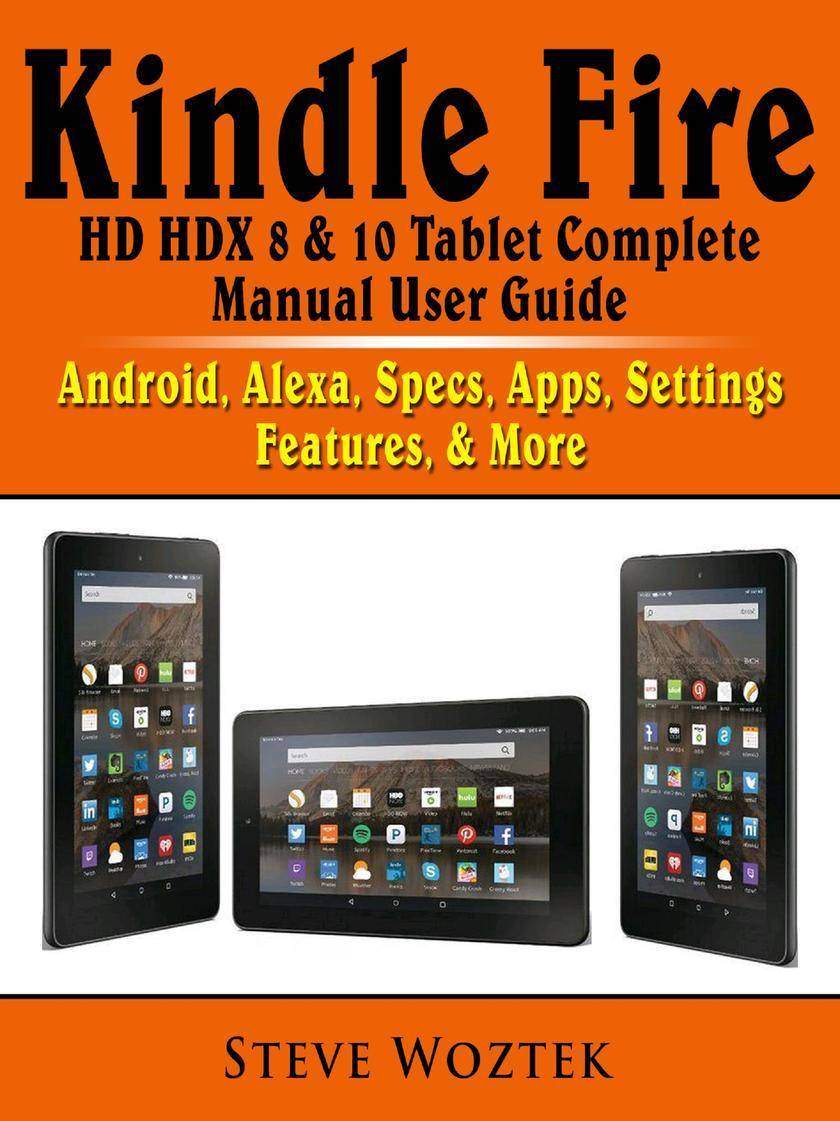
Kindle Fire HD HDX 8 & 10 Tablet Complete Manual User Guide
¥40.79
Kindle Fire HD HDX 8 & 10 Tablet Complete Manual User Guide


