


 购物车
购物车 个人中心
个人中心
Hands-On System Programming with Go
¥70.84
Explore the fundamentals of systems programming starting from kernel API and filesystem to network programming and process communications Key Features * Learn how to write Unix and Linux system code in Golang v1.12 * Perform inter-process communication using pipes, message queues, shared memory, and semaphores * Explore modern Go features such as goroutines and channels that facilitate systems programming Book Description System software and applications were largely created using low-level languages such as C or C++. Go is a modern language that combines simplicity, concurrency, and performance, making it a good alternative for building system applications for Linux and macOS. This Go book introduces Unix and systems programming to help you understand the components the OS has to offer, ranging from the kernel API to the filesystem, and familiarize yourself with Go and its specifications. You'll also learn how to optimize input and output operations with files and streams of data, which are useful tools in building pseudo terminal applications. You'll gain insights into how processes communicate with each other, and learn about processes and daemon control using signals, pipes, and exit codes. This book will also enable you to understand how to use network communication using various protocols, including TCP and HTTP. As you advance, you'll focus on Go's best feature-concurrency helping you handle communication with channels and goroutines, other concurrency tools to synchronize shared resources, and the context package to write elegant applications. By the end of this book, you will have learned how to build concurrent system applications using Go What you will learn * Explore concepts of system programming using Go and concurrency * Gain insights into Golang's internals, memory models and allocation * Familiarize yourself with the filesystem and IO streams in general * Handle and control processes and daemons' lifetime via signals and pipes * Communicate with other applications effectively using a network * Use various encoding formats to serialize complex data structures * Become well-versed in concurrency with channels, goroutines, and sync * Use concurrency patterns to build robust and performant system applications Who this book is for If you are a developer who wants to learn system programming with Go, this book is for you. Although no knowledge of Unix and Linux system programming is necessary, intermediate knowledge of Go will help you understand the concepts covered in the book
Improving your Penetration Testing Skills
¥88.28
Evade antiviruses and bypass firewalls with the most widely used penetration testing frameworks Key Features * Gain insights into the latest antivirus evasion techniques * Set up a complete pentesting environment using Metasploit and virtual machines * Discover a variety of tools and techniques that can be used with Kali Linux Book Description Penetration testing or ethical hacking is a legal and foolproof way to identify vulnerabilities in your system. With thorough penetration testing, you can secure your system against the majority of threats. This Learning Path starts with an in-depth explanation of what hacking and penetration testing is. You’ll gain a deep understanding of classical SQL and command injection flaws, and discover ways to exploit these flaws to secure your system. You'll also learn how to create and customize payloads to evade antivirus software and bypass an organization's defenses. Whether it’s exploiting server vulnerabilities and attacking client systems, or compromising mobile phones and installing backdoors, this Learning Path will guide you through all this and more to improve your defense against online attacks. By the end of this Learning Path, you'll have the knowledge and skills you need to invade a system and identify all its vulnerabilities. This Learning Path includes content from the following Packt products: * Web Penetration Testing with Kali Linux - Third Edition by Juned Ahmed Ansari and Gilberto Najera-Gutierrez * Metasploit Penetration Testing Cookbook - Third Edition by Abhinav Singh , Monika Agarwal, et al What you will learn * Build and analyze Metasploit modules in Ruby * Integrate Metasploit with other penetration testing tools * Use server-side attacks to detect vulnerabilities in web servers and their applications * Explore automated attacks such as fuzzing web applications * Identify the difference between hacking a web application and network hacking * Deploy Metasploit with the Penetration Testing Execution Standard (PTES) * Use MSFvenom to generate payloads and backdoor files, and create shellcode Who this book is for This Learning Path is designed for security professionals, web programmers, and pentesters who want to learn vulnerability exploitation and make the most of the Metasploit framework. Some understanding of penetration testing and Metasploit is required, but basic system administration skills and the ability to read code are a must.
QGIS Quick Start Guide
¥54.49
Step through loading GIS data, creating GIS data, styling GIS and making maps with QGIS following a simple narrative that will allow you to build confidence as you progress. Key Features * Work with GIS data, a step by step guide from creation to making a map * Perform geoprocessing tasks and automate them using model builder * Explore a range of features in QGIS 3.4, discover the power behind open source desktop GIS Book Description QGIS is a user friendly, open source geographic information system (GIS). The popularity of open source GIS and QGIS, in particular, has been growing rapidly over the last few years. This book is designed to help beginners learn about all the tools required to use QGIS 3.4. This book will provide you with clear, step-by-step instructions to help you apply your GIS knowledge to QGIS. You begin with an overview of QGIS 3.4 and its installation. You will learn how to load existing spatial data and create vector data from scratch. You will then be creating styles and labels for maps. The final two chapters demonstrate the Processing toolbox and include a brief investigation on how to extend QGIS. Throughout this book, we will be using the GeoPackage format, and we will also discuss how QGIS can support many different types of data. Finally, you will learn where to get help and how to become engaged with the GIS community. What you will learn * Use existing data to interact with the canvas via zoom/pan/selection * Create vector data and a GeoPackage and build a simple project around it * Style data, both vector and raster data, using the Layer Styling Panel * Design, label, save, and export maps using the data you have created * Analyze spatial queries using the Processing toolbox * Expand QGIS with the help of plugins, model builder, and the command line Who this book is for If you know the basic functions and processes of GIS, and want to learn to use QGIS to analyze geospatial data and create rich mapping applications, then this is the book for you.
React Native Cookbook
¥90.46
Improve your React Native mobile development skills or transition from web development to mobile development with this practical solution-packed guide Key Features * Learn strategies and techniques to face challenges in React Native mobile development head-on * Leverage the best ways to use iOS and Android for React Native development while maximizing code reuse and cohesion * Build engaging, performant user experiences with React Native Book Description If you are a developer looking to create mobile applications with maximized code reusability and minimized cost, then React Native is here to help. With this practical guide, you will be able to build attractive UIs, tackle common mobile development-related issues, and achieve improved performance in mobile environments. This book starts with common techniques for React Native customization and helps you set up your development platforms. Over the course of the book, a wide variety of step-by-step recipes are designed with both built-in React Native and custom third-party components that you will create, style, and animate. You will create real-world browser-based authentication, build a fully functional audio player, and integrate with Google maps. You will also explore different strategies for working with data, including leveraging the popular Redux library and optimizing your app’s dataflow. You will then get an introduction to writing native device functionality for new and already existing native projects. Finally, you will learn how app deployment works, and tips and tricks for writing performant code. By the end of the book, you'll have gained enough knowledge to build full iOS and Android applications using React Native. What you will learn * Build UI features and components using React Native * Create advanced animations for UI components * Develop universal apps that run on phones and tablets * Leverage Redux to manage application flow and data * Expose both custom native UI components and application logic to React Native * Employ open-source third-party plugins to create React Native apps more efficiently Who this book is for If you're a JavaScript developer looking for a practical guide with step-by-step tutorials for developing feature rich mobile apps using React Native, then this book is for you. Though not required, some experience working with React will help you more easily understand the React Native concepts covered in this book. While React Native development can be done on a Windows machine, certain aspects, such as running your apps on iOS devices and in the iOS simulator, or editing native code with Xcode, can only be done with a Mac.
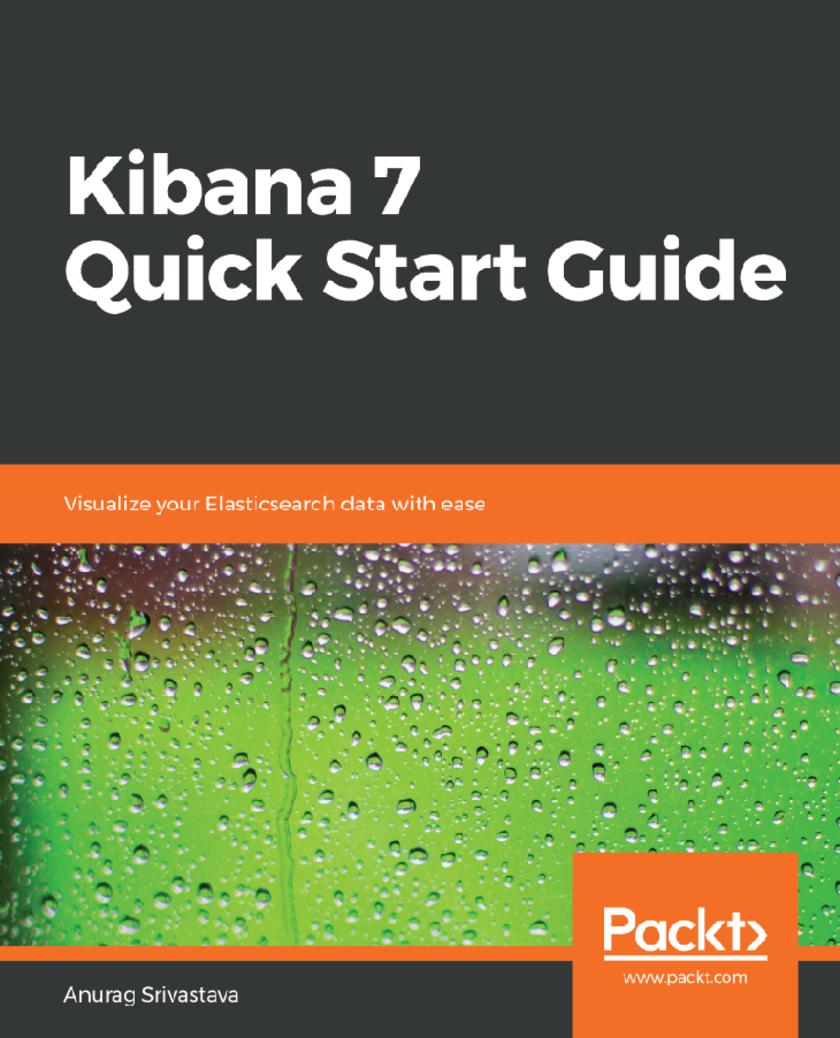
Kibana 7 Quick Start Guide
¥54.49
A quick start guide to visualize your Elasticsearch data Key Features * Your hands-on guide to visualizing the Elasticsearch data as well as navigating the Elastic stack * Work with different Kibana plugins and create effective machine learning jobs using Kibana * Build effective dashboards and reports without any hassle Book Description The Elastic Stack is growing rapidly and, day by day, additional tools are being added to make it more effective. This book endeavors to explain all the important aspects of Kibana, which is essential for utilizing its full potential. This book covers the core concepts of Kibana, with chapters set out in a coherent manner so that readers can advance their learning in a step-by-step manner. The focus is on a practical approach, thereby enabling the reader to apply those examples in real time for a better understanding of the concepts and to provide them with the correct skills in relation to the tool. With its succinct explanations, it is quite easy for a reader to use this book as a reference guide for learning basic to advanced implementations of Kibana. The practical examples, such as the creation of Kibana dashboards from CSV data, application RDBMS data, system metrics data, log file data, APM agents, and search results, can provide readers with a number of different drop-off points from where they can fetch any type of data into Kibana for the purpose of analysis or dashboarding. What you will learn * Explore how Logstash is configured to fetch CSV data * Understand how to create index patterns in Kibana * Become familiar with how to apply filters on data * Discover how to create ML jobs * Explore how to analyze APM data from APM agents * Get to grips with how to save, share, inspect, and edit visualizations * Understand how to find an anomaly in data Who this book is for Kibana 7 Quick Start Guide is for developers new to Kibana who want to learn the fundamentals of using the tool for visualization, as well as existing Elastic developers.
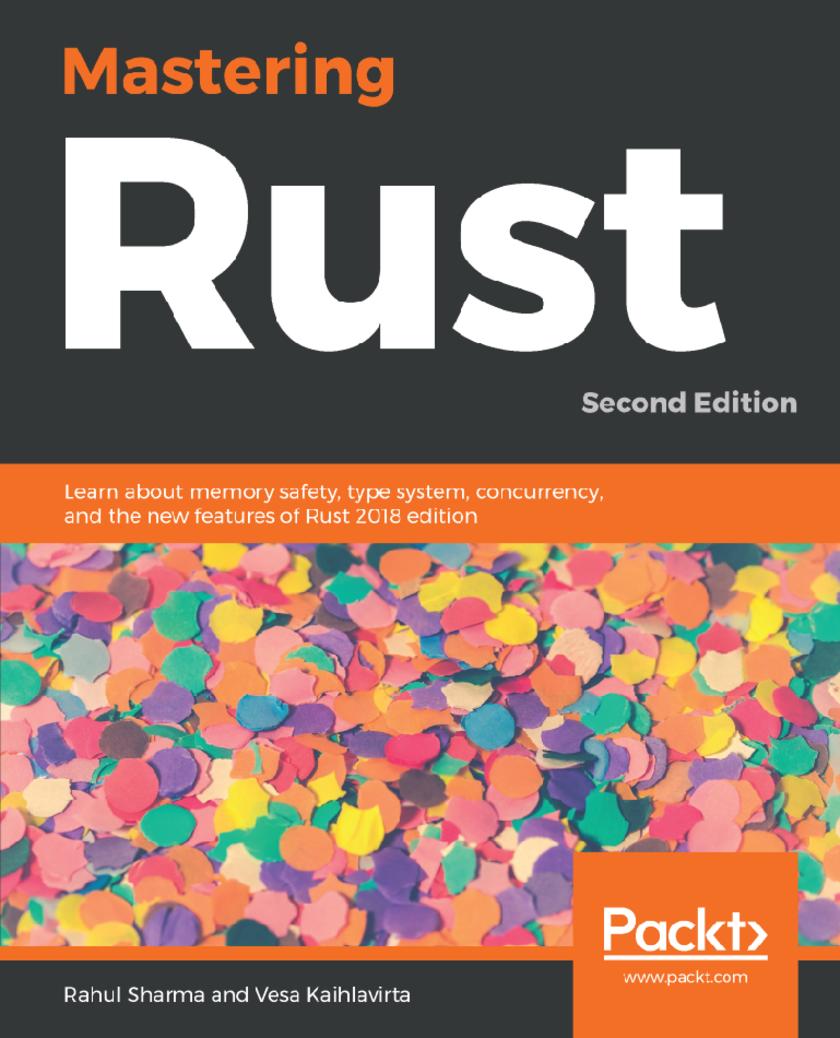
Mastering Rust
¥90.46
Become proficient in designing, developing and deploying effective software systems using the advanced constructs of Rust Key Features * Improve your productivity using the latest version of Rust and write simpler and easier code * Understand Rust’s immutability and ownership principle, expressive type system, safe concurrency * Deep dive into the new doamins of Rust like WebAssembly, Networking and Command line tools Book Description Rust is an empowering language that provides a rare combination of safety, speed, and zero-cost abstractions. Mastering Rust – Second Edition is filled with clear and simple explanations of the language features along with real-world examples, showing you how you can build robust, scalable, and reliable programs. This second edition of the book improves upon the previous one and touches on all aspects that make Rust a great language. We have included the features from latest Rust 2018 edition such as the new module system, the smarter compiler, helpful error messages, and the stable procedural macros. You’ll learn how Rust can be used for systems programming, network programming, and even on the web. You’ll also learn techniques such as writing memory-safe code, building idiomatic Rust libraries, writing efficient asynchronous networking code, and advanced macros. The book contains a mix of theory and hands-on tasks so you acquire the skills as well as the knowledge, and it also provides exercises to hammer the concepts in. After reading this book, you will be able to implement Rust for your enterprise projects, write better tests and documentation, design for performance, and write idiomatic Rust code. What you will learn * Write generic and type-safe code by using Rust’s powerful type system * How memory safety works without garbage collection * Know the different strategies in error handling and when to use them * Learn how to use concurrency primitives such as threads and channels * Use advanced macros to reduce boilerplate code * Create efficient web applications with the Actix-web framework * Use Diesel for type-safe database interactions in your web application Who this book is for The book is aimed at beginner and intermediate programmers who already have familiarity with any imperative language and have only heard of Rust as a new language. If you are a developer who wants to write robust, efficient and maintainable software systems and want to become proficient with Rust, this book is for you. It starts by giving a whirlwind tour of the important concepts of Rust and covers advanced features of the language in subsequent chapters using code examples that readers will find useful to advance their knowledge.

Learn Spring for Android Application Development
¥90.46
A hands-on guide to Android programming with Spring MVC, Spring Boot, and Spring Security Key Features * Build native Android applications with Spring for Android * Explore Reactive programming, concurrency, and multithreading paradigms for building fast and efficient applications * Write more expressive and robust code with Kotlin using its coroutines and other latest features Book Description As the new official language for Android, Kotlin is attracting new as well as existing Android developers. As most developers are still working with Java and want to switch to Kotlin, they find a combination of these two appealing. This book addresses this interest by bringing together Spring, a widely used Java SE framework for building enterprise-grade applications, and Kotlin. Learn Spring for Android Application Development will guide you in leveraging some of the powerful modules of the Spring Framework to build lightweight and robust Android apps using Kotlin. You will work with various modules, such as Spring AOP, Dependency Injection, and Inversion of Control, to develop applications with better dependency management. You’ll also explore other modules of the Spring Framework, such as Spring MVC, Spring Boot, and Spring Security. Each chapter has practice exercises at the end for you to assess your learning. By the end of the book, you will be fully equipped to develop Android applications with Spring technologies. What you will learn * Get to grips with the basics of the Spring Framework * Write web applications using the Spring Framework with Kotlin * Develop Android apps with Kotlin * Connect a RESTful web service with your app using Retrofilt * Understand JDBC, JPA, MySQL for Spring and SQLite Room for Android * Explore Spring Security fundamentals, Basic Authentication, and OAuth2 * Delve into Concurrency and Reactive programming using Kotlin * Develop testable applications with Spring and Android Who this book is for If you’re an aspiring Android developer or an existing developer who wants to learn how to use Spring to build robust Android applications in Kotlin, this book is for you. Though not necessary, basic knowledge of Spring will assist with understanding key concepts covered in this book.

Implementing AWS: Design, Build, and Manage your Infrastructure
¥90.46
Work through exciting recipes to administer your AWS cloud Key Features * Build secure environments using AWS components and services * Explore core AWS features with real-world applications and best practices * Design and build Lambda functions using real-world examples Book Description With this Learning Path, you’ll explore techniques to easily manage applications on the AWS cloud. You’ll begin with an introduction to serverless computing, its advantages, and the fundamentals of AWS. The following chapters will guide you on how to manage multiple accounts by setting up consolidated billing, enhancing your application delivery skills, with the latest AWS services such as CodeCommit, CodeDeploy, and CodePipeline to provide continuous delivery and deployment, while also securing and monitoring your environment's workflow. It’ll also add to your understanding of the services AWS Lambda provides to developers. To refine your skills further, it demonstrates how to design, write, test, monitor, and troubleshoot Lambda functions. By the end of this Learning Path, you’ll be able to create a highly secure, fault-tolerant, and scalable environment for your applications. This Learning Path includes content from the following Packt products: * AWS Administration: The Definitive Guide, Second Edition by Yohan Wadia * AWS Administration Cookbook by Rowan Udell, Lucas Chan * Mastering AWS Lambda by Yohan Wadia, Udita Gupta What you will learn * Explore the benefits of serverless computing and applications * Deploy apps with AWS Elastic Beanstalk and Amazon Elastic File System * Secure environments with AWS CloudTrail, AWSConfig, and AWS Shield * Run big data analytics with Amazon EMR and Amazon Redshift * Back up and safeguard data using AWS Data Pipeline * Create monitoring and alerting dashboards using CloudWatch * Effectively monitor and troubleshoot serverless applications with AWS * Design serverless apps via AWS Lambda, DynamoDB, and API Gateway Who this book is for This Learning Path is specifically designed for IT system and network administrators, AWS architects, and DevOps engineers who want to effectively implement AWS in their organization and easily manage daily activities. Familiarity with Linux, web services, cloud computing platforms, virtualization, networking, and other administration-related tasks will assist in understanding the concepts in the book. Prior hands-on experience with AWS core services such as EC2, IAM, S3, and programming languages, such as Node.Js, Java, and C#, will also prove beneficial.
Hands-On Java Deep Learning for Computer Vision
¥54.49
Leverage the power of Java and deep learning to build production-grade Computer Vision applications Key Features * Build real-world Computer Vision applications using the power of neural networks * Implement image classification, object detection, and face recognition * Know best practices on effectively building and deploying deep learning models in Java Book Description Although machine learning is an exciting world to explore, you may feel confused by all of its theoretical aspects. As a Java developer, you will be used to telling the computer exactly what to do, instead of being shown how data is generated; this causes many developers to struggle to adapt to machine learning. The goal of this book is to walk you through the process of efficiently training machine learning and deep learning models for Computer Vision using the most up-to-date techniques. The book is designed to familiarize you with neural networks, enabling you to train them efficiently, customize existing state-of-the-art architectures, build real-world Java applications, and get great results in a short space of time. You will build real-world Computer Vision applications, ranging from a simple Java handwritten digit recognition model to real-time Java autonomous car driving systems and face recognition models. By the end of this book, you will have mastered the best practices and modern techniques needed to build advanced Computer Vision Java applications and achieve production-grade accuracy. What you will learn * Discover neural networks and their applications in Computer Vision * Explore the popular Java frameworks and libraries for deep learning * Build deep neural networks in Java * Implement an end-to-end image classification application in Java * Perform real-time video object detection using deep learning * Enhance performance and deploy applications for production Who this book is for This book is for data scientists, machine learning developers and deep learning practitioners with Java knowledge who want to implement machine learning and deep neural networks in the computer vision domain. You will need to have a basic knowledge of Java programming.
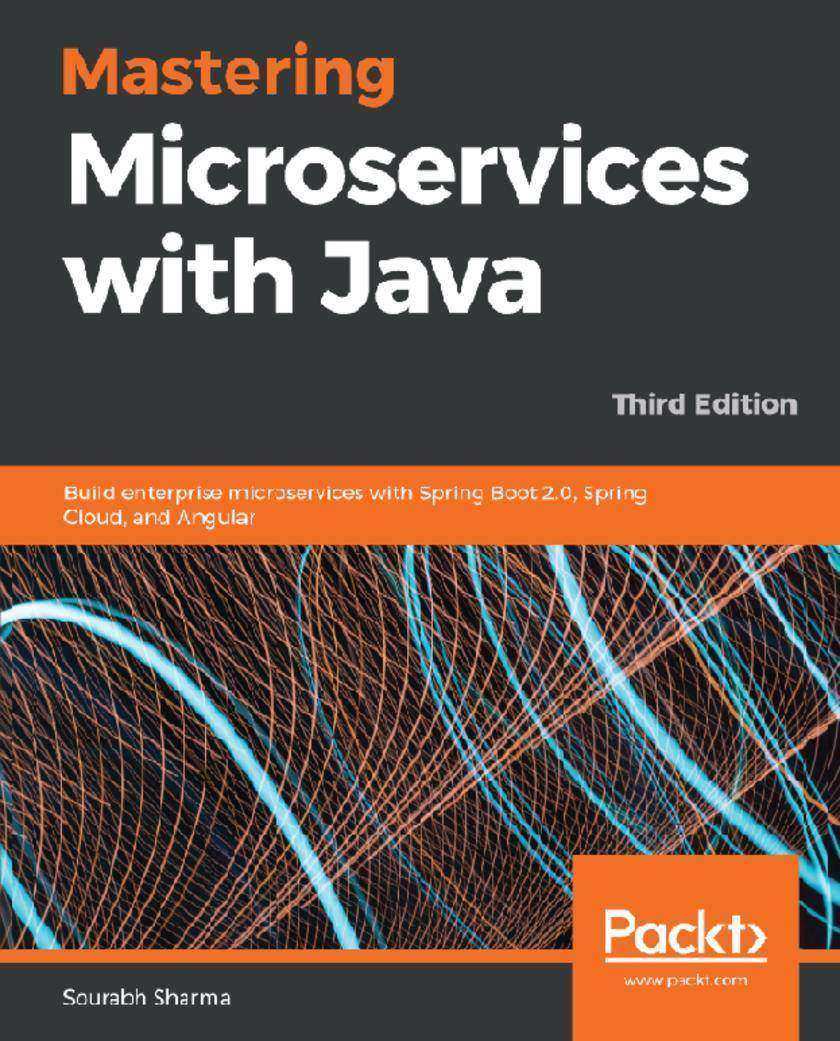
Mastering Microservices with Java
¥81.74
Master the art of implementing scalable and reactive microservices in your production environment with Java 11 Key Features * Use domain-driven designs to build microservices * Explore various microservices design patterns such as service discovery, registration, and API Gateway * Use Kafka, Avro, and Spring Streams to implement event-based microservices Book Description Microservices are key to designing scalable, easy-to-maintain applications. This latest edition of Mastering Microservices with Java, works on Java 11. It covers a wide range of exciting new developments in the world of microservices, including microservices patterns, interprocess communication with gRPC, and service orchestration. This book will help you understand how to implement microservice-based systems from scratch. You'll start off by understanding the core concepts and framework, before focusing on the high-level design of large software projects. You'll then use Spring Security to secure microservices and test them effectively using REST Java clients and other tools. You will also gain experience of using the Netflix OSS suite, comprising the API Gateway, service discovery and registration, and Circuit Breaker. Additionally, you'll be introduced to the best patterns, practices, and common principles of microservice design that will help you to understand how to troubleshoot and debug the issues faced during development. By the end of this book, you'll have learned how to build smaller, lighter, and faster services that can be implemented easily in a production environment. What you will learn * Use domain-driven designs to develop and implement microservices * Understand how to implement microservices using Spring Boot * Explore service orchestration and distributed transactions using the Sagas * Discover interprocess communication using REpresentational State Transfer (REST) and events * Gain knowledge of how to implement and design reactive microservices * Deploy and test various microservices Who this book is for This book is designed for Java developers who are familiar with microservices architecture and now want to effectively implement microservices at an enterprise level. Basic knowledge and understanding of core microservice elements and applications is necessary.
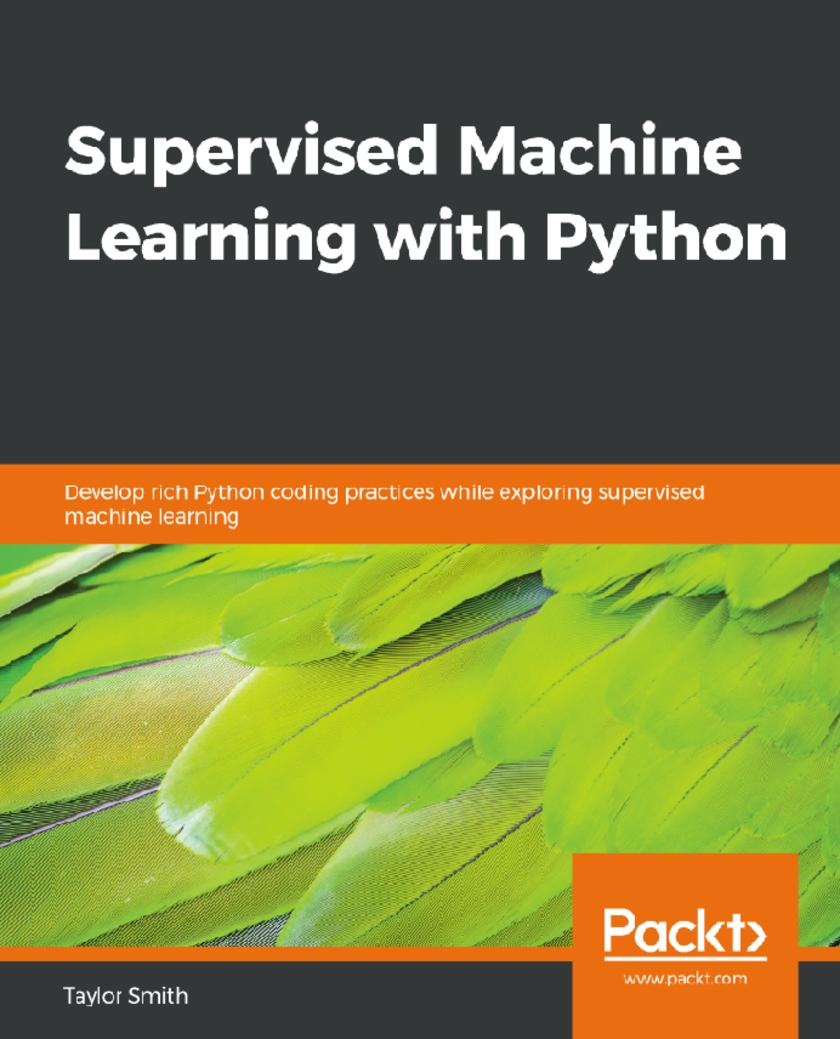
Supervised Machine Learning with Python
¥44.68
Teach your machine to think for itself! Key Features * Delve into supervised learning and grasp how a machine learns from data * Implement popular machine learning algorithms from scratch, developing a deep understanding along the way * Explore some of the most popular scientific and mathematical libraries in the Python language Book Description Supervised machine learning is used in a wide range of sectors (such as finance, online advertising, and analytics) because it allows you to train your system to make pricing predictions, campaign adjustments, customer recommendations, and much more while the system self-adjusts and makes decisions on its own. As a result, it's crucial to know how a machine “learns” under the hood. This book will guide you through the implementation and nuances of many popular supervised machine learning algorithms while facilitating a deep understanding along the way. You’ll embark on this journey with a quick overview and see how supervised machine learning differs from unsupervised learning. Next, we explore parametric models such as linear and logistic regression, non-parametric methods such as decision trees, and various clustering techniques to facilitate decision-making and predictions. As we proceed, you'll work hands-on with recommender systems, which are widely used by online companies to increase user interaction and enrich shopping potential. Finally, you’ll wrap up with a brief foray into neural networks and transfer learning. By the end of this book, you’ll be equipped with hands-on techniques and will have gained the practical know-how you need to quickly and powerfully apply algorithms to new problems. What you will learn * Crack how a machine learns a concept and generalize its understanding to new data * Uncover the fundamental differences between parametric and non-parametric models * Implement and grok several well-known supervised learning algorithms from scratch * Work with models in domains such as ecommerce and marketing * Expand your expertise and use various algorithms such as regression, decision trees, and clustering * Build your own models capable of making predictions * Delve into the most popular approaches in deep learning such as transfer learning and neural networks Who this book is for This book is for aspiring machine learning developers who want to get started with supervised learning. Intermediate knowledge of Python programming—and some fundamental knowledge of supervised learning—are expected.
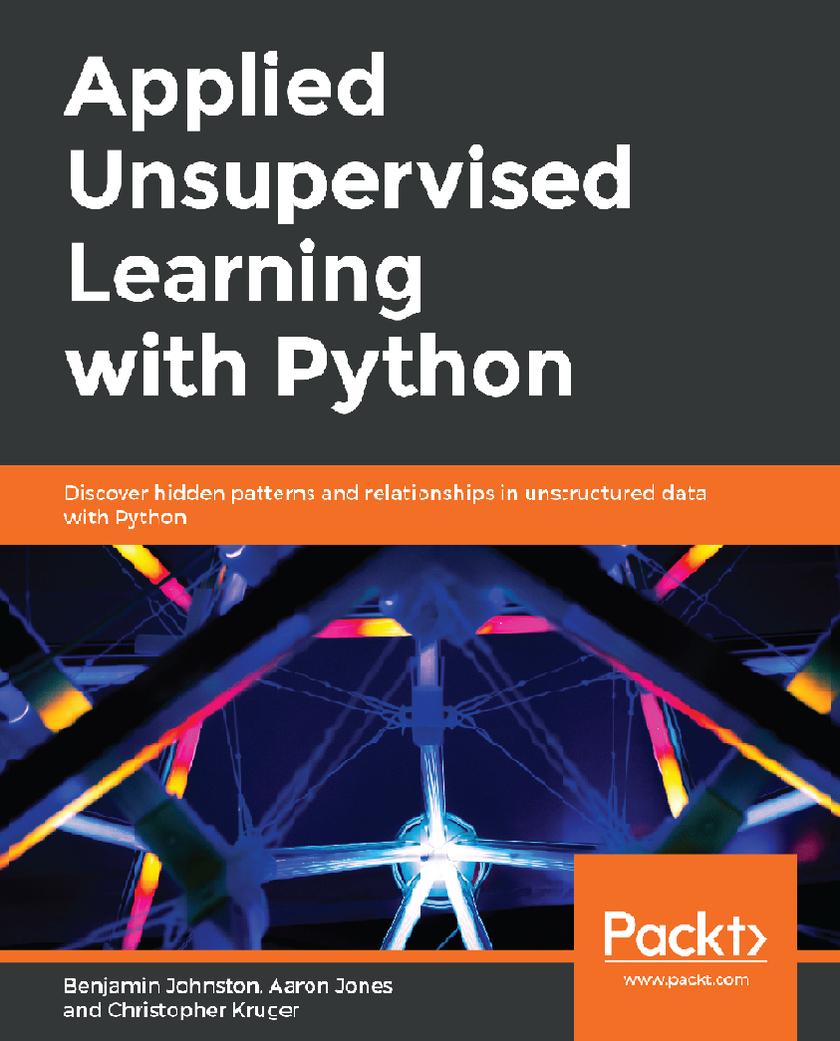
Applied Unsupervised Learning with Python
¥79.56
Design clever algorithms that can uncover interesting structures and hidden relationships in unstructured, unlabeled data Key Features * Learn how to select the most suitable Python library to solve your problem * Compare k-Nearest Neighbor (k-NN) and non-parametric methods and decide when to use them * Delve into the applications of neural networks using real-world datasets Book Description Unsupervised learning is a useful and practical solution in situations where labeled data is not available. Applied Unsupervised Learning with Python guides you on the best practices for using unsupervised learning techniques in tandem with Python libraries and extracting meaningful information from unstructured data. The course begins by explaining how basic clustering works to find similar data points in a set. Once you are well versed with the k-means algorithm and how it operates, you’ll learn what dimensionality reduction is and where to apply it. As you progress, you’ll learn various neural network techniques and how they can improve your model. While studying the applications of unsupervised learning, you will also understand how to mine topics that are trending on Twitter and Facebook and build a news recommendation engine for users. You will complete the course by challenging yourself through various interesting activities such as performing a Market Basket Analysis and identifying relationships between different merchandises. By the end of this course, you will have the skills you need to confidently build your own models using Python. What you will learn * Understand the basics and importance of clustering * Build k-means, hierarchical, and DBSCAN clustering algorithms from scratch with built-in packages * Explore dimensionality reduction and its applications * Use scikit-learn (sklearn) to implement and analyse principal component analysis (PCA)on the Iris dataset * Employ Keras to build autoencoder models for the CIFAR-10 dataset * Apply the Apriori algorithm with machine learning extensions (Mlxtend) to study transaction data Who this book is for This course is designed for developers, data scientists, and machine learning enthusiasts who are interested in unsupervised learning. Some familiarity with Python programming along with basic knowledge of mathematical concepts including exponents, square roots, means, and medians will be beneficial.
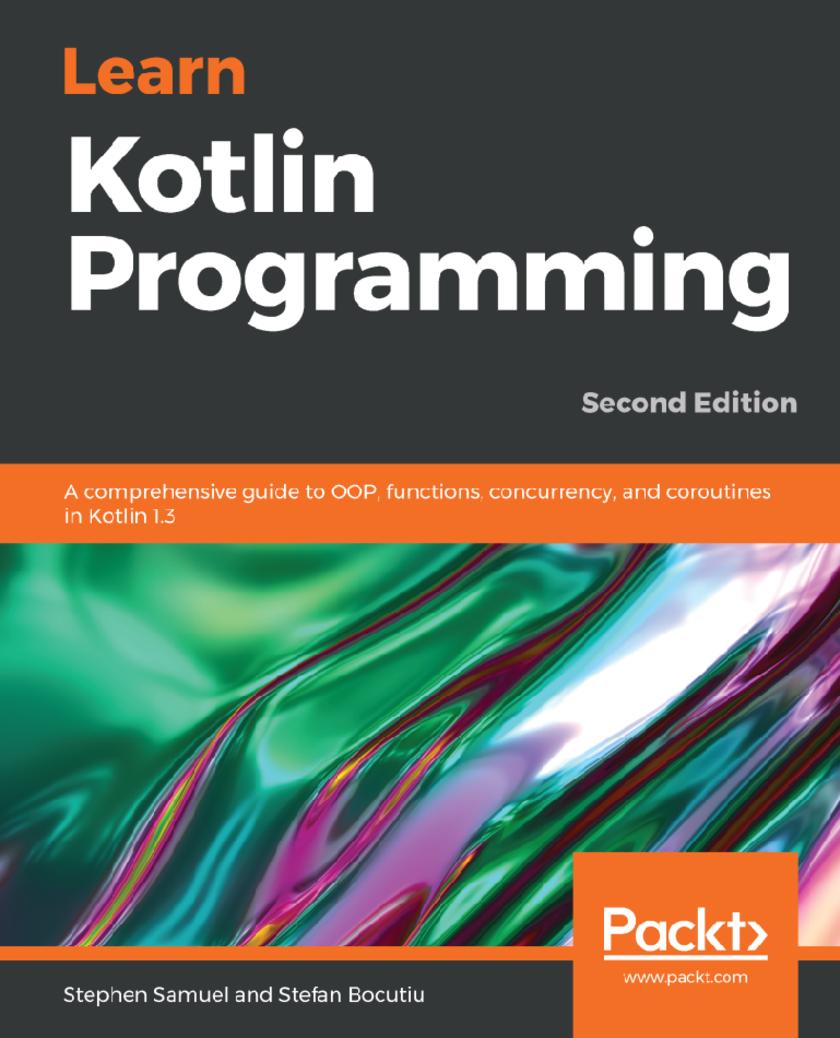
Learn Kotlin Programming
¥62.12
Delve into the world of Kotlin and learn to build powerful Android and web applications Key Features * Learn the fundamentals of Kotlin to write high-quality code * Test and debug your applications with the different unit testing frameworks in Kotlin * Explore Kotlin's interesting features such as null safety, reflection, and annotations Book Description Kotlin is a general-purpose programming language used for developing cross-platform applications. Complete with a comprehensive introduction and projects covering the full set of Kotlin programming features, this book will take you through the fundamentals of Kotlin and get you up to speed in no time. Learn Kotlin Programming covers the installation, tools, and how to write basic programs in Kotlin. You'll learn how to implement object-oriented programming in Kotlin and easily reuse your program or parts of it. The book explains DSL construction, serialization, null safety aspects, and type parameterization to help you build robust apps. You'll learn how to destructure expressions and write your own. You'll then get to grips with building scalable apps by exploring advanced topics such as testing, concurrency, microservices, coroutines, and Kotlin DSL builders. Furthermore, you'll be introduced to the kotlinx.serialization framework, which is used to persist objects in JSON, Protobuf, and other formats. By the end of this book, you'll be well versed with all the new features in Kotlin and will be able to build robust applications skillfully. What you will learn * Explore the latest Kotlin features in order to write structured and readable object-oriented code * Get to grips with using lambdas and higher-order functions * Write unit tests and integrate Kotlin with Java code * Create real-world apps in Kotlin in the microservices style * Use Kotlin extensions with the Java collections library * Uncover destructuring expressions and find out how to write your own * Understand how Java-nullable code can be integrated with Kotlin features Who this book is for If you’re a beginner or intermediate programmer who wants to learn Kotlin to build applications, this book is for you. You’ll also find this book useful if you’re a Java developer interested in switching to Kotlin.
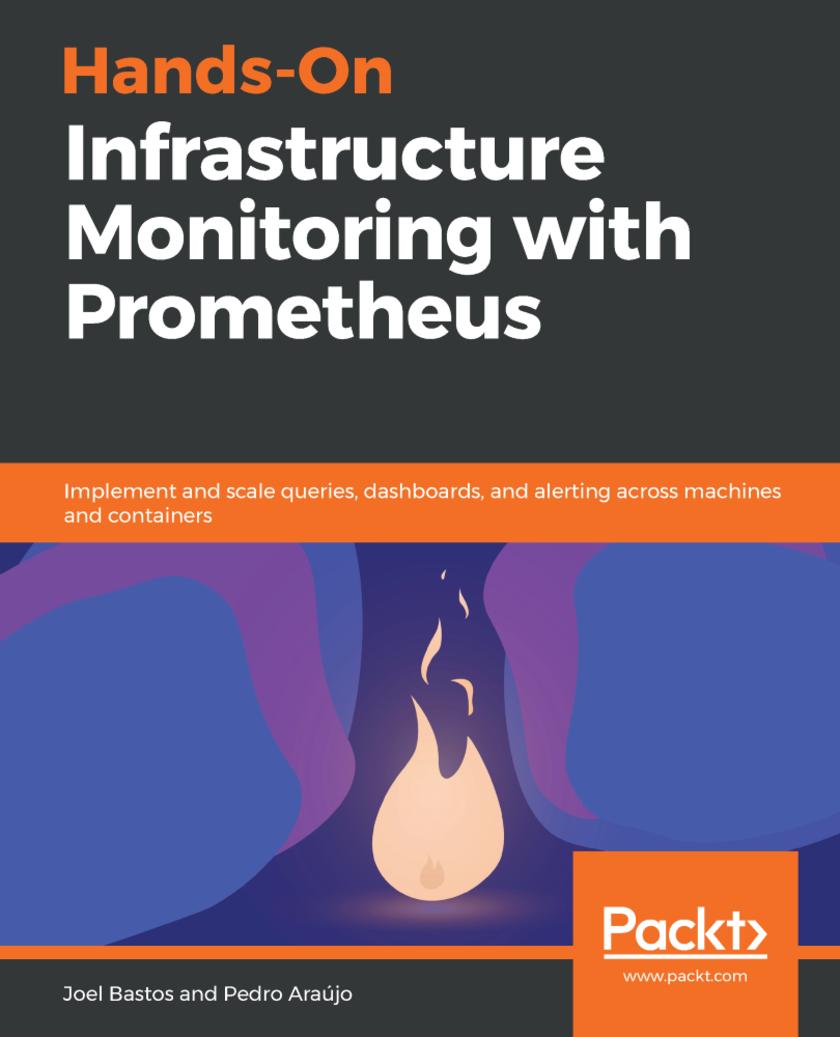
Hands-On Infrastructure Monitoring with Prometheus
¥62.12
Build Prometheus ecosystems with metric-centric visualization, alerting, and querying Key Features * Integrate Prometheus with Alertmanager and Grafana for building a complete monitoring system * Explore PromQL, Prometheus' functional query language, with easy-to-follow examples * Learn how to deploy Prometheus components using Kubernetes and traditional instances Book Description Prometheus is an open source monitoring system. It provides a modern time series database, a robust query language, several metric visualization possibilities, and a reliable alerting solution for traditional and cloud-native infrastructure. This book covers the fundamental concepts of monitoring and explores Prometheus architecture, its data model, and how metric aggregation works. Multiple test environments are included to help explore different configuration scenarios, such as the use of various exporters and integrations. You’ll delve into PromQL, supported by several examples, and then apply that knowledge to alerting and recording rules, as well as how to test them. After that, alert routing with Alertmanager and creating visualizations with Grafana is thoroughly covered. In addition, this book covers several service discovery mechanisms and even provides an example of how to create your own. Finally, you’ll learn about Prometheus federation, cross-sharding aggregation, and also long-term storage with the help of Thanos. By the end of this book, you’ll be able to implement and scale Prometheus as a full monitoring system on-premises, in cloud environments, in standalone instances, or using container orchestration with Kubernetes. What you will learn * Grasp monitoring fundamentals and implement them using Prometheus * Discover how to extract metrics from common infrastructure services * Find out how to take full advantage of PromQL * Design a highly available, resilient, and scalable Prometheus stack * Explore the power of Kubernetes Prometheus Operator * Understand concepts such as federation and cross-shard aggregation * Unlock seamless global views and long-term retention in cloud-native apps with Thanos Who this book is for If you’re a software developer, cloud administrator, site reliability engineer, DevOps enthusiast or system admin looking to set up a fail-safe monitoring and alerting system for sustaining infrastructure security and performance, this book is for you. Basic networking and infrastructure monitoring knowledge will help you understand the concepts covered in this book.
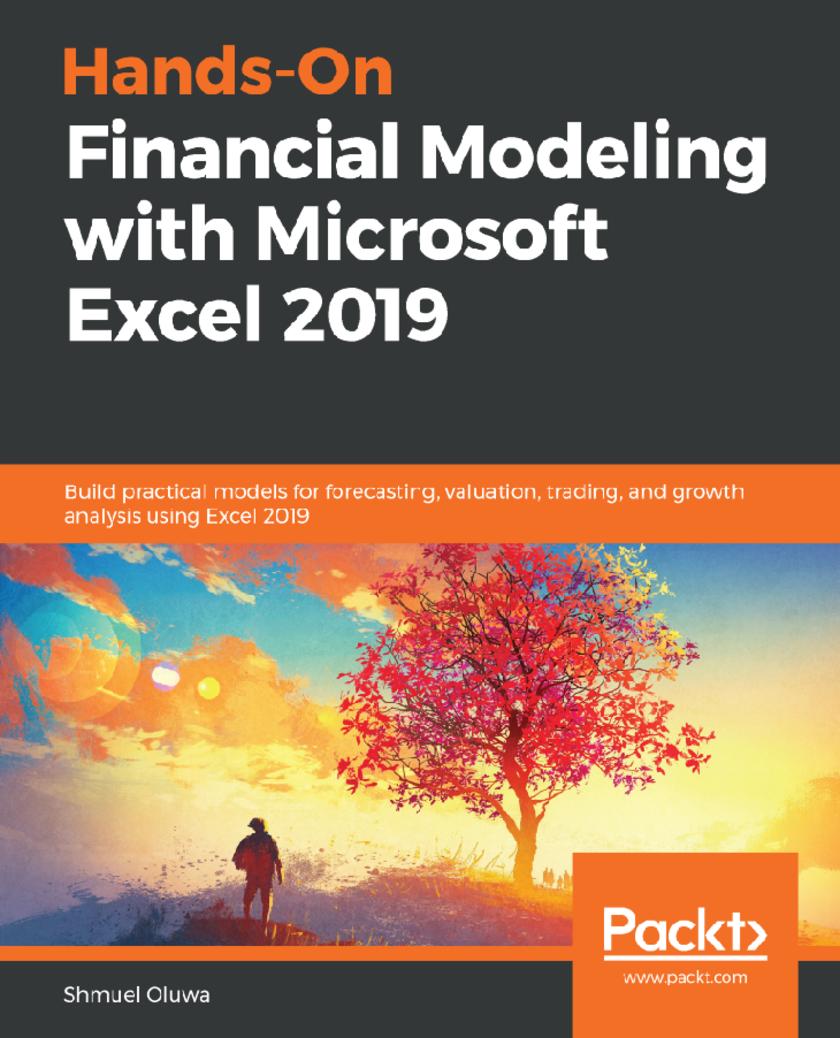
Hands-On Financial Modeling with Microsoft Excel 2019
¥62.12
Explore the aspects of financial modeling with the help of clear and easy-to-follow instructions and a variety of Excel features, functions, and productivity tips Key Features * A non data professionals guide to exploring Excel's financial functions and pivot tables * Learn to prepare various models for income and cash flow statements, and balance sheets * Learn to perform valuations and identify growth drivers with real-world case studies Book Description Financial modeling is a core skill required by anyone who wants to build a career in finance. Hands-On Financial Modeling with Microsoft Excel 2019 examines various definitions and relates them to the key features of financial modeling with the help of Excel. This book will help you understand financial modeling concepts using Excel, and provides you with an overview of the steps you should follow to build an integrated financial model. You will explore the design principles, functions, and techniques of building models in a practical manner. Starting with the key concepts of Excel, such as formulas and functions, you will learn about referencing frameworks and other advanced components of Excel for building financial models. Later chapters will help you understand your financial projects, build assumptions, and analyze historical data to develop data-driven models and functional growth drivers. The book takes an intuitive approach to model testing, along with best practices and practical use cases. By the end of this book, you will have examined the data from various use cases, and you will have the skills you need to build financial models to extract the information required to make informed business decisions. What you will learn * Identify the growth drivers derived from processing historical data in Excel * Use discounted cash flow (DCF) for efficient investment analysis * Build a financial model by projecting balance sheets, profit, and loss * Apply a Monte Carlo simulation to derive key assumptions for your financial model * Prepare detailed asset and debt schedule models in Excel * Discover the latest and advanced features of Excel 2019 * Calculate profitability ratios using various profit parameters Who this book is for This book is for data professionals, analysts, traders, business owners, and students, who want to implement and develop a high in-demand skill of financial modeling in their finance, analysis, trading, and valuation work. This book will also help individuals that have and don't have any experience in data and stats, to get started with building financial models. The book assumes working knowledge with Excel.
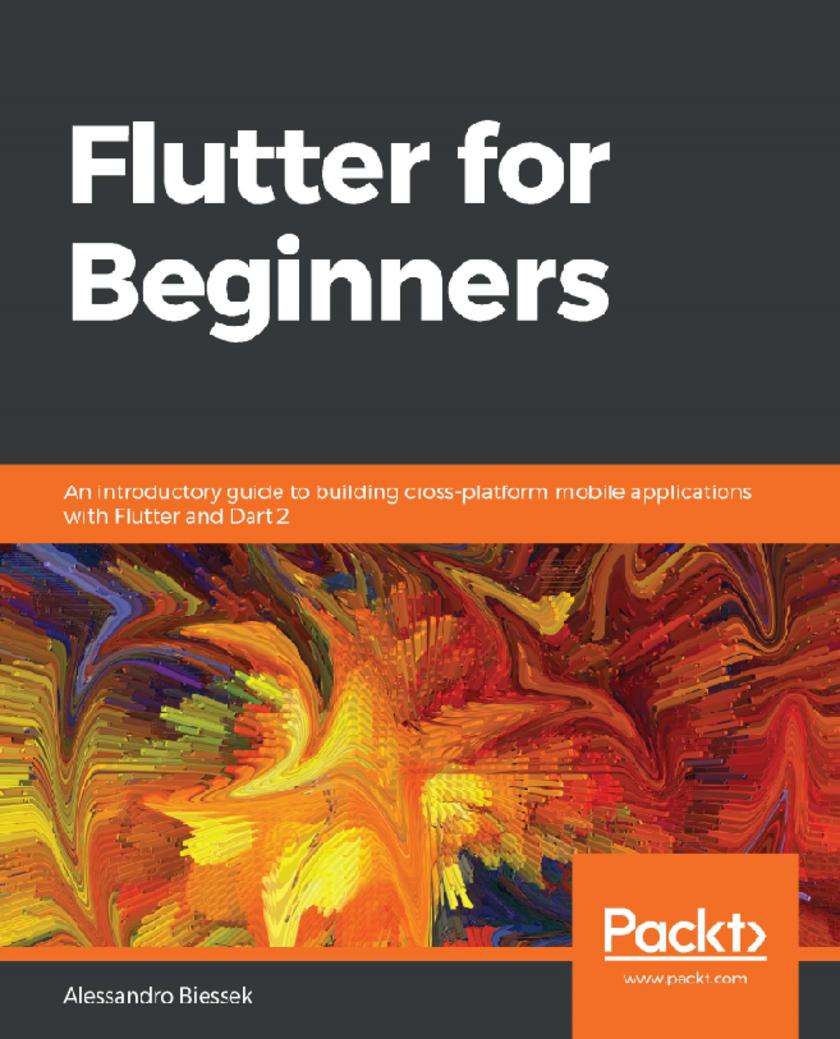
Flutter for Beginners
¥63.21
A step-by-step guide to learning Flutter and Dart 2 for creating Android and iOS mobile applications Key Features * Get up to speed with the basics of Dart programming and delve into Flutter development * Understand native SDK and third-party libraries for building Android and iOS applications using Flutter * Package and deploy your Flutter apps to achieve native-like performance Book Description Google Flutter is a cross-platform mobile platform that makes it easier to write secure and high-performance native apps for iOS and Android. This book begins by introducing you to the Flutter framework and basics of Dart. You’ll learn to set up the development environment to get started with your Flutter project. The book will guide you through designing the user interface and user input functions for your app. As you progress, you’ll explore the navigator widget to manage your app routes and understand how to add transitions between screens. You’ll then get to grips with developing your own plugin and discover how to structure good plugin code. The book will help you display a map from the Flutter app, add markers and interactions to it, and use the Google Places API. You’ll build on your knowledge by not only adding tests to create a bug-free app, but also preparing it for deployment on Apple's App Store and Google Play. In later chapters, you’ll learn to improve the user experience with advanced features such as map integrations, platform-specific code with native programming languages, and personalized animation options for designing intuitive UIs. By the end of this book, you’ll be well-versed with Dart programming and have the skills to develop your own mobile apps or build a career as a Dart and Flutter app developer. What you will learn * Understand the fundamentals of the Dart programming language * Explore the core concepts of the Flutter UI and how it compiles for multiple platforms * Develop Flutter plugins and widgets and understand how to structure good plugin code * Style your apps with widgets and learn the difference between stateful and stateless widgets * Add animation to your UI using Flutter's AnimatedBuilder component * Integrate your native code into your Flutter codebase for native app performance Who this book is for This book is for developers looking to learn Google's revolutionary framework, Flutter from scratch. No knowledge of Flutter or Dart is required. However, basic programming language knowledge will be helpful.
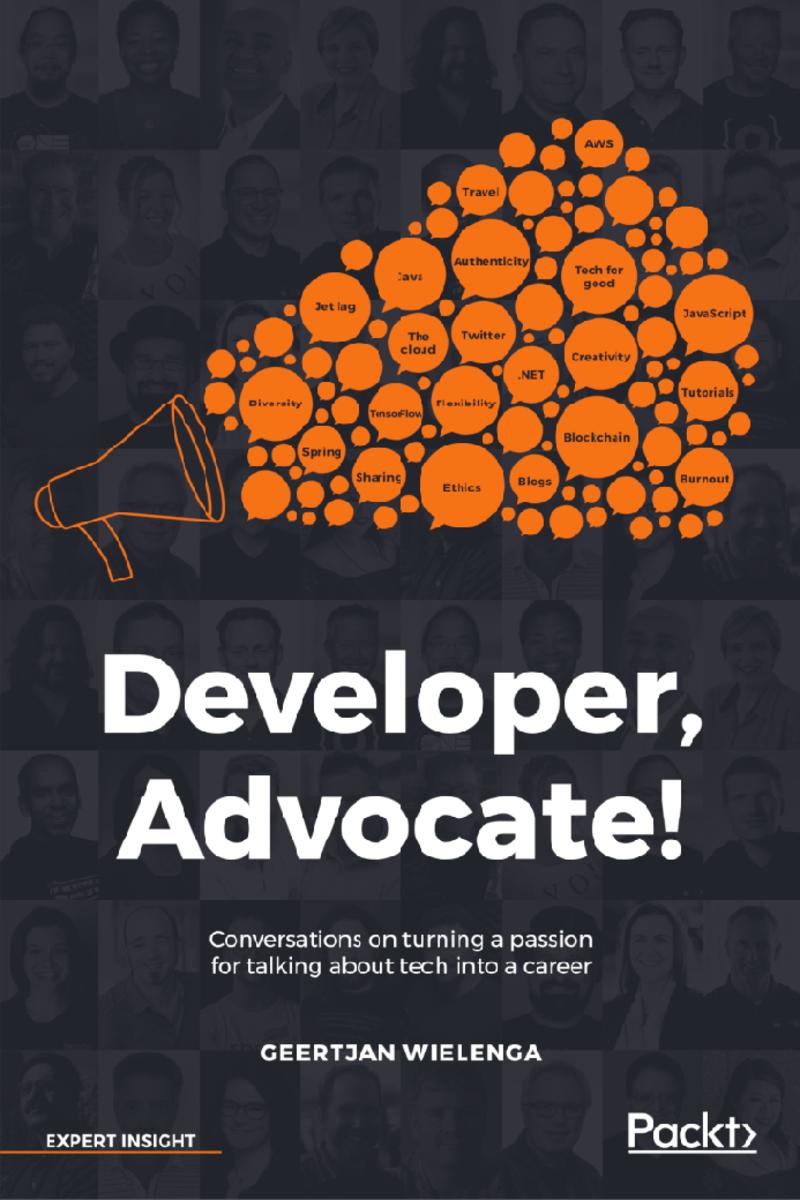
Developer, Advocate!
¥71.93
A collection of in-depth conversations with leading developer advocates that reveal the world of developer relations today Key Features * Top developer advocates reveal the work they’re doing at the center of their tech communities and the impact their advocacy is having on the tech industry as a whole * Discover the best practices of developer advocacy and get the inside story on working at some of the world’s largest tech companies * Features contributions from noted developer advocates, including Scott Hanselman, Sally Eaves, Venkat Subramaniam, Jono Bacon, Ted Neward, and more Book Description What exactly is a developer advocate, and how do they connect developers and companies around the world? Why is the area of developer relations set to explode? Can anybody with a passion for tech become a developer advocate? What are the keys to success on a global scale? How does a developer advocate maintain authenticity when balancing the needs of their company and their tech community? What are the hot topics in areas including Java, JavaScript, "tech for good," artificial intelligence, blockchain, the cloud, and open source? These are just a few of the questions addressed by developer advocate and author Geertjan Wielenga in Developer, Advocate!. 32 of the industry's most prominent developer advocates, from companies including Oracle, Microsoft, Google, and Amazon, open up about what it's like to turn a lifelong passion for knowledge sharing about tech into a rewarding career. These advocates run the gamut from working at large software vendors to small start-ups, along with independent developer advocates who work within organizations or for themselves. In Developer, Advocate!, readers will see how developer advocates are actively changing the world, not only for developers, but for individuals and companies navigating the fast-changing tech landscape. More importantly, Developer, Advocate! serves as a rallying cry to inspire and motivate tech enthusiasts and burgeoning developer advocates to get started and take their first steps within their tech community. What you will learn * Discover how developer advocates are putting developer interests at the heart of the software industry in companies including Microsoft and Google * Gain the confidence to use your voice in the tech community * Immerse yourself in developer advocacy techniques * Understand and overcome the challenges and obstacles facing developer advocates today * Hear predictions from the people at the cutting edge of tech * Explore your career options in developer advocacy Who this book is for Anybody interested in developer advocacy, the impact it is having, and how to build developer advocacy capabilities
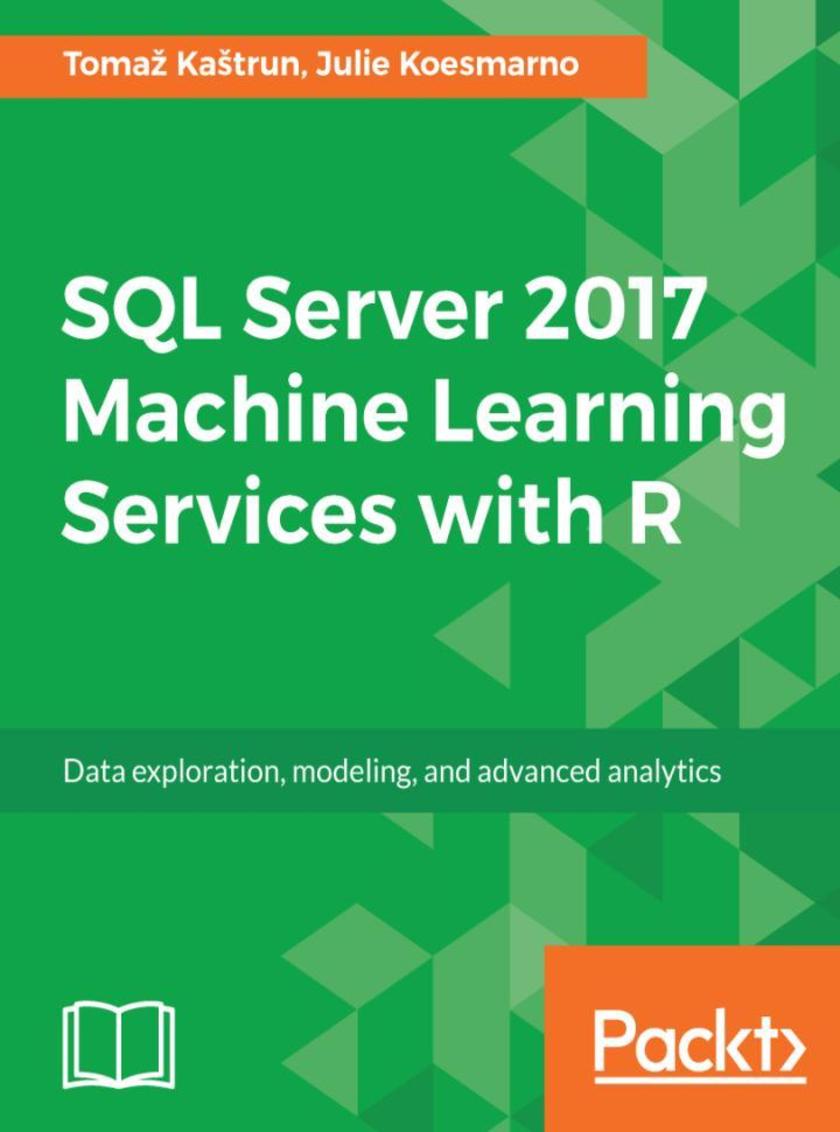
SQL Server 2017 Machine Learning Services with R
¥73.02
Develop and run efficient R *s and predictive models for SQL Server 2017 About This Book ? Learn how you can combine the power of R and SQL Server 2017 to build efficient, cost-effective data science solutions ? Leverage the capabilities of R Services to perform advanced analytics—from data exploration to predictive modeling ? A quick primer with practical examples to help you get up- and- running with SQL Server 2017 Machine Learning Services with R, as part of database solutions with continuous integration / continuous delivery. Who This Book Is For This book is for data analysts, data scientists, and database administrators with some or no experience in R but who are eager to easily deliver practical data science solutions in their day-to-day work (or future projects) using SQL Server. What You Will Learn ? Get an overview of SQL Server 2017 Machine Learning Services with R ? Manage SQL Server Machine Learning Services from installation to configuration and maintenance ? Handle and operationalize R code ? Explore RevoScaleR R algorithms and create predictive models ? Deploy, manage, and monitor database solutions with R ? Extend R with SQL Server 2017 features ? Explore the power of R for database administrators In Detail R Services was one of the most anticipated features in SQL Server 2016, improved significantly and rebranded as SQL Server 2017 Machine Learning Services. Prior to SQL Server 2016, many developers and data scientists were already using R to connect to SQL Server in siloed environments that left a lot to be desired, in order to do additional data analysis, superseding SSAS Data Mining or additional CLR programming functions. With R integrated within SQL Server 2017, these developers and data scientists can now benefit from its integrated, effective, efficient, and more streamlined analytics environment. This book gives you foundational knowledge and insights to help you understand SQL Server 2017 Machine Learning Services with R. First and foremost, the book provides practical examples on how to implement, use, and understand SQL Server and R integration in corporate environments, and also provides explanations and underlying motivations. It covers installing Machine Learning Services;maintaining, deploying, and managing code;and monitoring your services. Delving more deeply into predictive modeling and the RevoScaleR package, this book also provides insights into operationalizing code and exploring and visualizing data. To complete the journey, this book covers the new features in SQL Server 2017 and how they are compatible with R, amplifying their combined power. Style and approach This fast-paced guide will help data scientists and DBAs implement all new data science projects using SQL Server 2017 Machine Learning Services.
ArcGIS Pro 2.x Cookbook
¥99.18
Creating and Sharing Maps and Data using ArcGIS Pro About This Book ? Leverage the power of ArcGIS to build beautiful 2D and 3D maps. ? Work with ArcGIS to analyze and process data. ? Extend the power of ArcGIS to ArcGIS Online to create and edit content. Who This Book Is For GIS developers who are comfortable using ArcGIS, and are looking to increase their capabilities and skills, will find this book useful. What You Will Learn ? Edit data using standard tools and topology ? Convert and link data together using joins and relates ? Create and share data using Projections and Coordinate Systems ? Access and collect data in the field using ArcGIS Collector ? Perform proximity analysis and map clusters with hotspot analysis ? Use the 3D Analyst Extension and perform advanced 3D analysis ? Share maps and data using ArcGIS Online via web and mobile apps In Detail ArcGIS is Esri's catalog of GIS applications with powerful tools for visualizing, maintaining, and analyzing data. ArcGIS makes use of the modern ribbon interface and 64-bit processing to increase the speed and efficiency of using GIS. It allows users to create amazing maps in both 2D and 3D quickly and easily. If you want to gain a thorough understanding of the various data formats that can be used in ArcGIS Pro and shared via ArcGIS Online, then this book is for you. Beginning with a refresher on ArcGIS Pro and how to work with projects, this book will quickly take you through recipes about using various data formats supported by the tool. You will learn the limits of each format, such as Shapefiles, Geodatabase, and CAD files, and learn how to link tables from outside sources to existing GIS data to expand the amount of data that can be used in ArcGIS. You'll learn methods for editing 2D and 3D data using ArcGIS Pro and how topology can be used to ensure data integrity. Lastly the book will show you how data and maps can be shared via ArcGIS Online and used with web and mobile applications. Style and approach This book takes a recipe-based approach, teaching you how to create and share maps and data using ArcGIS Pro.
Scala Reactive Programming
¥81.74
Build fault-tolerant, robust, and distributed applications in Scala About This Book ? Understand and use the concepts of reactive programming to build distributed systems running on multiple nodes. ? Learn how reactive architecture reduces complexity throughout the development process. ? Get to grips with functional reactive programming and Reactive Microservices. Who This Book Is For This book is for Scala developers who would like to build fault-tolerant, scalable distributed systems. No knowledge of Reactive programming is required. What You Will Learn ? Understand the fundamental principles of Reactive and Functional programming ? Develop applications utilizing features of the Akka framework ? Explore techniques to integrate Scala, Akka, and Play together ? Learn about Reactive Streams with real-time use cases ? Develop Reactive Web Applications with Play, Scala, Akka, and Akka Streams ? Develop and deploy Reactive microservices using the Lagom framework and ConductR In Detail Reactive programming is a scalable, fast way to build applications, and one that helps us write code that is concise, clear, and readable. It can be used for many purposes such as GUIs, robotics, music, and others, and is central to many concurrent systems. This book will be your guide to getting started with Reactive programming in Scala. You will begin with the fundamental concepts of Reactive programming and gradually move on to working with asynchronous data streams. You will then start building an application using Akka Actors and extend it using the Play framework. You will also learn about reactive stream specifications, event sourcing techniques, and different methods to integrate Akka Streams into the Play Framework. This book will also take you one step forward by showing you the advantages of the Lagom framework while working with reactive microservices. You will also learn to scale applications using multi-node clusters and test, secure, and deploy your microservices to the cloud. By the end of the book, you will have gained the knowledge to build robust and distributed systems with Scala and Akka. Style and approach The book takes a pragmatic approach, showing you how to build a scalable distributed system using Scala and Akka.
Machine Learning with Swift
¥73.02
Leverage the power of machine learning and Swift programming to build intelligent iOS applications with ease About This Book ? Implement effective machine learning solutions for your iOS applications ? Use Swift and Core ML to build and deploy popular machine learning models ? Develop neural networks for natural language processing and computer vision Who This Book Is For iOS developers who wish to create smarter iOS applications using the power of machine learning will find this book to be useful. This book will also benefit data science professionals who are interested in performing machine learning on mobile devices. Familiarity with Swift programming is all you need to get started with this book. What You Will Learn ? Learn rapid model prototyping with Python and Swift ? Deploy pre-trained models to iOS using Core ML ? Find hidden patterns in the data using unsupervised learning ? Get a deeper understanding of the clustering techniques ? Learn modern compact architectures of neural networks for iOS devices ? Train neural networks for image processing and natural language processing In Detail Machine learning as a field promises to bring increased intelligence to the software by helping us learn and analyse information efficiently and discover certain patterns that humans cannot. This book will be your guide as you embark on an exciting journey in machine learning using the popular Swift language. We’ll start with machine learning basics in the first part of the book to develop a lasting intuition about fundamental machine learning concepts. We explore various supervised and unsupervised statistical learning techniques and how to implement them in Swift, while the third section walks you through deep learning techniques with the help of typical real-world cases. In the last section, we will dive into some hard core topics such as model compression, GPU acceleration and provide some recommendations to avoid common mistakes during machine learning application development. By the end of the book, you'll be able to develop intelligent applications written in Swift that can learn for themselves. Style and approach A comprehensive guide that teaches how to implement machine learning apps for iOS from scratch


