


 购物车
购物车 个人中心
个人中心
Mastering Unit Testing Using Mockito and JUnit
¥79.56
A practical and easy-to-follow, yet comprehensive, guide to learning advanced JUnit testing. Each topic is explained and placed in context, and for the more inquisitive, there are more details of the concepts used. This book is for you if you are a developer with some experience in Java application development as well as a basic knowledge of JUnit testing. But for those whose skill set is void of any prior experience with JUnit testing, the book also covers basic fundamentals to get you acquainted with the concepts before putting them into practise.
SQL Server 2014 Development Essentials
¥79.56
This book is an easy-to-follow, comprehensive guide that is full of hands-on examples, which you can follow to successfully design, build, and deploy mission-critical database applications with SQL Server 2014. If you are a database developer, architect, or administrator who wants to learn how to design, implement, and deliver a successful database solution with SQL Server 2014, then this book is for you. Existing users of Microsoft SQL Server will also benefit from this book as they will learn what's new in the latest version.
Lumion 3D Cookbook
¥79.56
This book offers uses practical applications using recipes with step-by-step instructions and useful information to help you master how to produce professional architectural visualizations in Lumion. The cookbook approach means you need to think and explore how a particular feature can be applied in your project and perform the intended task. This book is written to be accessible to all Lumion users and is a useful guide to follow when becoming familiar with this cutting-edge real-time technology.This practical guide is designed for all levels of Lumion users who know how to model buildings in 3D and a basic understanding of Lumion, who want to enhance their skills to the next level.
Mastering Puppet
¥79.56
Presented in an easy-to-follow, step-by-step tutorial format and packed with examples, this book will lead you through making the best out of Puppet in an enterprise environment. If you are a system administrator or developer who has used Puppet in production and are looking for ways to easily use Puppet in an enterprise environment, this book is for you. This book assumes an intermediate knowledge of Puppet and is intended for those writing modules or deploying Puppet in an enterprise environment.
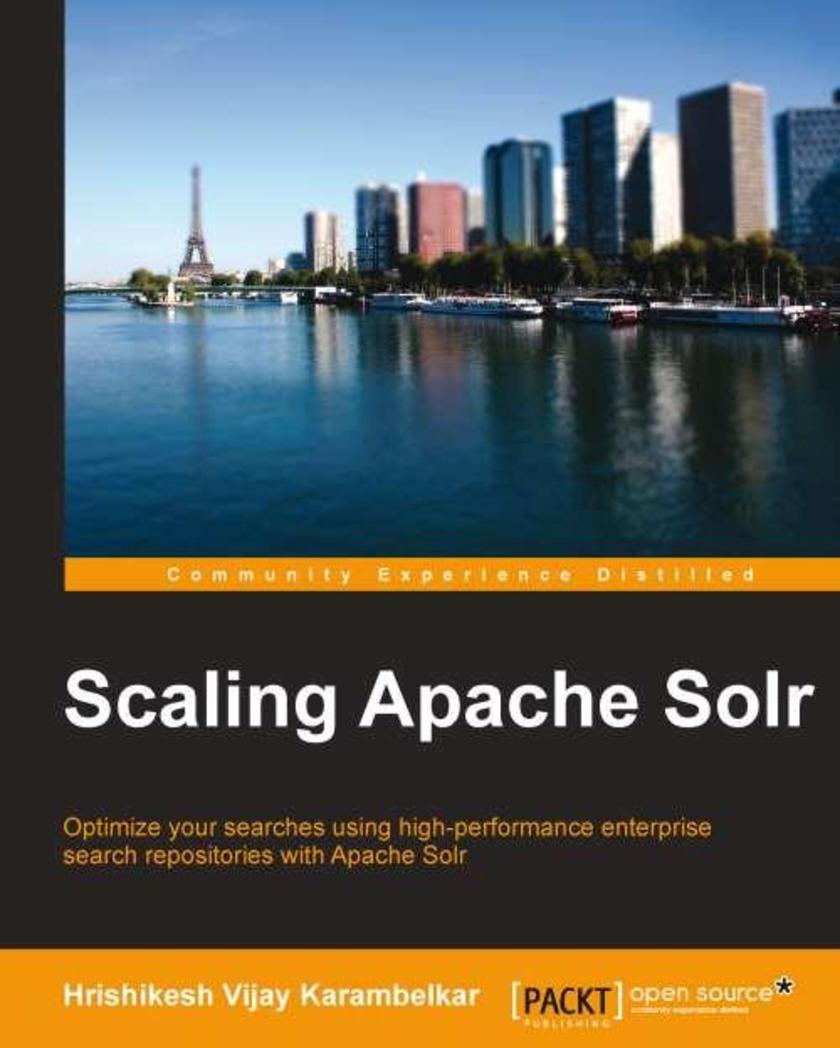
Scaling Apache Solr
¥79.56
This book is a step-by-step guide for readers who would like to learn how to build complete enterprise search solutions, with ample real-world examples and case studies. If you are a developer, designer, or architect who would like to build enterprise search solutions for your customers or organization, but have no prior knowledge of Apache Solr/Lucene technologies, this is the book for you.
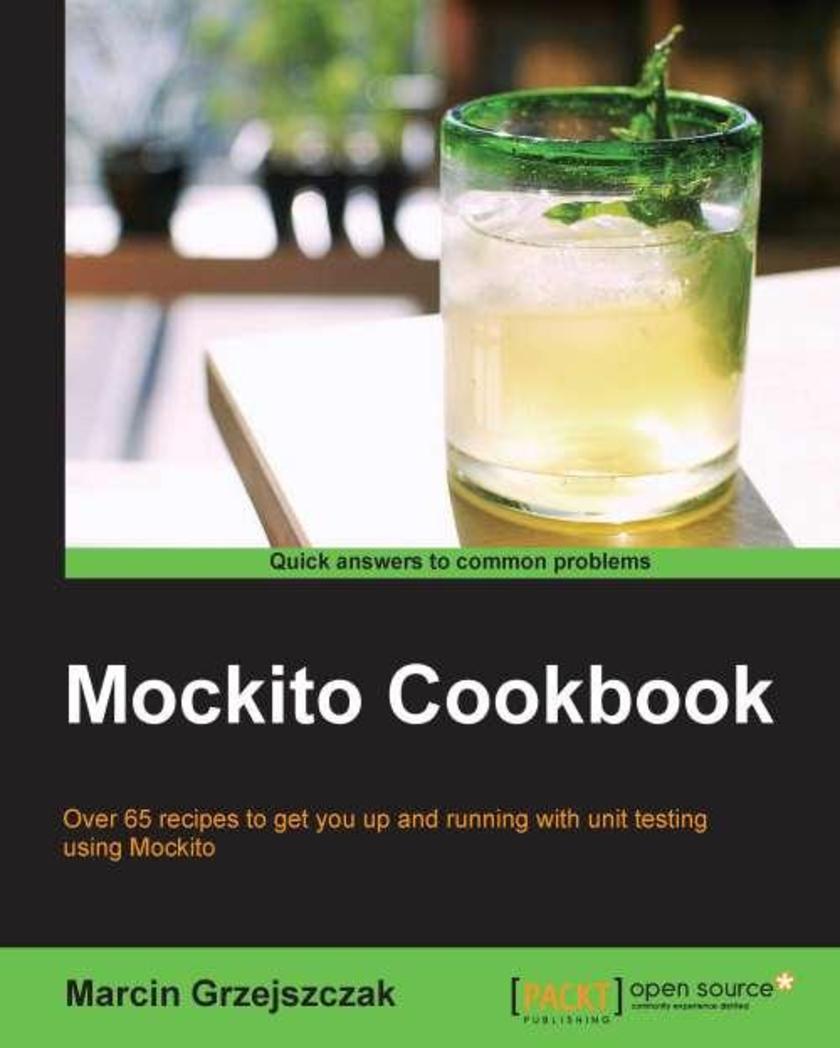
Mockito Cookbook
¥79.56
This is a focused guide with lots of practical recipes with presentations of business issues and presentation of the whole test of the system. This book shows the use of Mockito's popular unit testing frameworks such as JUnit, PowerMock, TestNG, and so on. If you are a software developer with no testing experience (especially with Mockito) and you want to start using Mockito in the most efficient way then this book is for you. This book assumes that you have a good knowledge level and understanding of Java-based unit testing frameworks.
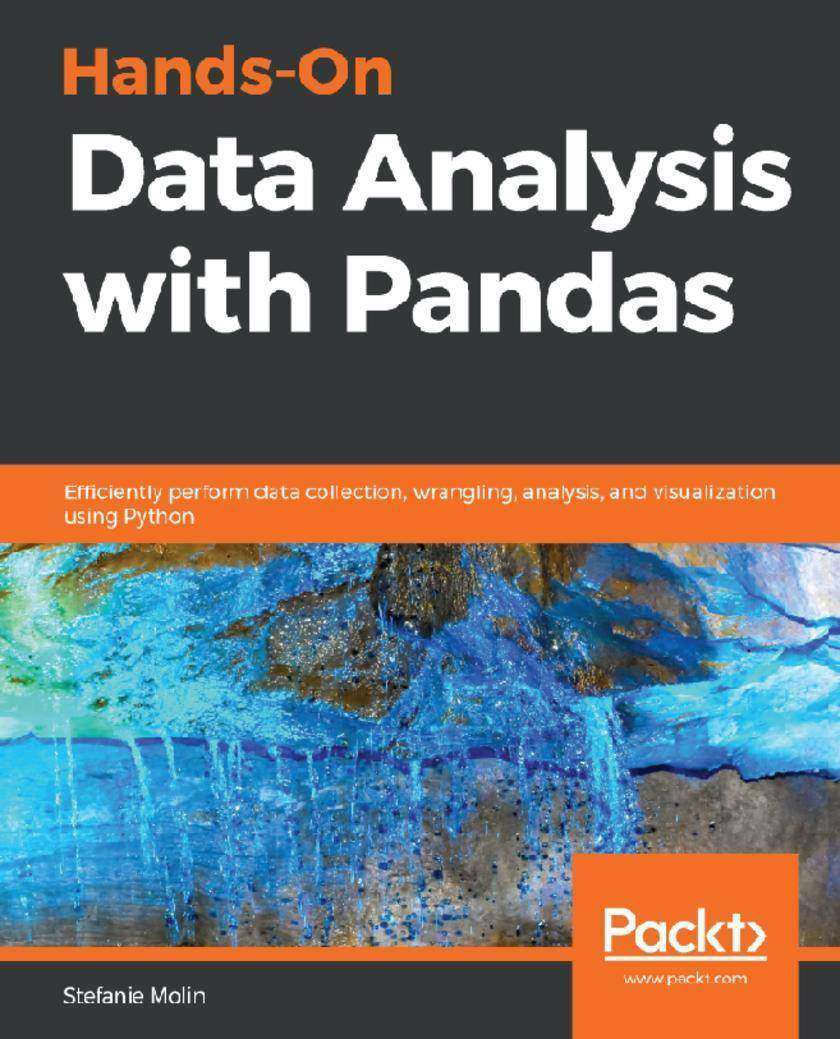
Hands-On Data Analysis with Pandas
¥79.56
Get to grips with pandas—a versatile and high-performance Python library for data manipulation, analysis, and discovery Key Features * Perform efficient data analysis and manipulation tasks using pandas * Apply pandas to different real-world domains using step-by-step demonstrations * Get accustomed to using pandas as an effective data exploration tool Book Description Data analysis has become a necessary skill in a variety of positions where knowing how to work with data and extract insights can generate significant value. Hands-On Data Analysis with Pandas will show you how to analyze your data, get started with machine learning, and work effectively with Python libraries often used for data science, such as pandas, NumPy, matplotlib, seaborn, and scikit-learn. Using real-world datasets, you will learn how to use the powerful pandas library to perform data wrangling to reshape, clean, and aggregate your data. Then, you will learn how to conduct exploratory data analysis by calculating summary statistics and visualizing the data to find patterns. In the concluding chapters, you will explore some applications of anomaly detection, regression, clustering, and classification, using scikit-learn, to make predictions based on past data. By the end of this book, you will be equipped with the skills you need to use pandas to ensure the veracity of your data, visualize it for effective decision-making, and reliably reproduce analyses across multiple datasets. What you will learn * Understand how data analysts and scientists gather and analyze data * Perform data analysis and data wrangling in Python * Combine, group, and aggregate data from multiple sources * Create data visualizations with pandas, matplotlib, and seaborn * Apply machine learning (ML) algorithms to identify patterns and make predictions * Use Python data science libraries to analyze real-world datasets * Use pandas to solve common data representation and analysis problems * Build Python scripts, modules, and packages for reusable analysis code Who this book is for This book is for data analysts, data science beginners, and Python developers who want to explore each stage of data analysis and scientific computing using a wide range of datasets. You will also find this book useful if you are a data scientist who is looking to implement pandas in machine learning. Working knowledge of Python programming language will be beneficial.

Professional Azure SQL Database Administration
¥79.56
Leverage the features of Azure SQL database and become an expert in data management Key Features * Explore ways to create shards and elastic pools to scale Azure SQL databases * Automate common management tasks with PowerShell * Implement over 40 practical activities and exercises to reinforce your learning Book Description Despite being the cloud version of SQL Server, Azure SQL Database differs in key ways when it comes to management, maintenance, and administration. This book shows you how to administer Azure SQL database to fully benefit from its wide range of features and functionality. Professional Azure SQL Database Administration begins by covering the architecture and explaining the difference between Azure SQL Database and the on-premise SQL Server to help you get comfortable with Azure SQL database. You’ll perform common tasks such as migrating, backing up, and restoring a SQL Server database to an Azure database. As you progress, you’ll study how you can save costs and manage and scale multiple SQL Databases using elastic pools. You’ll also implement a disaster recovery solution using standard and active geo-replication. Whether it is learning different techniques to monitor and tune an Azure SQL database or improving performance using in-memory technology, this book will enable you to make the most out of Azure SQL database features and functionality for data management solutions. By the end of this book, you’ll be well versed with key aspects of an Azure SQL database instance, such as migration, backup restorations, performance optimization, high availability, and disaster recovery. What you will learn * Understand Azure SQL Database configuration and pricing options * Provision a new SQL database or migrate an existing on-premise SQL Server database to Azure SQL Database * Back up and restore Azure SQL Database * Secure an Azure SQL database * Scale an Azure SQL database * Monitor and tune an Azure SQL database * Implement high availability and disaster recovery with Azure SQL Database * Automate common management tasks with PowerShell * Develop a scalable cloud solution with Azure SQL Database * Manage, maintain, and secure managed instances Who this book is for If you’re a database administrator, database developer, or an application developer interested in developing new applications or migrating existing ones with Azure SQL database, this book is for you. Prior experience of working with an on-premise SQL Server or Azure SQL database along with a basic understanding of PowerShell scripts and C# code is necessary to grasp the concepts covered in this book.
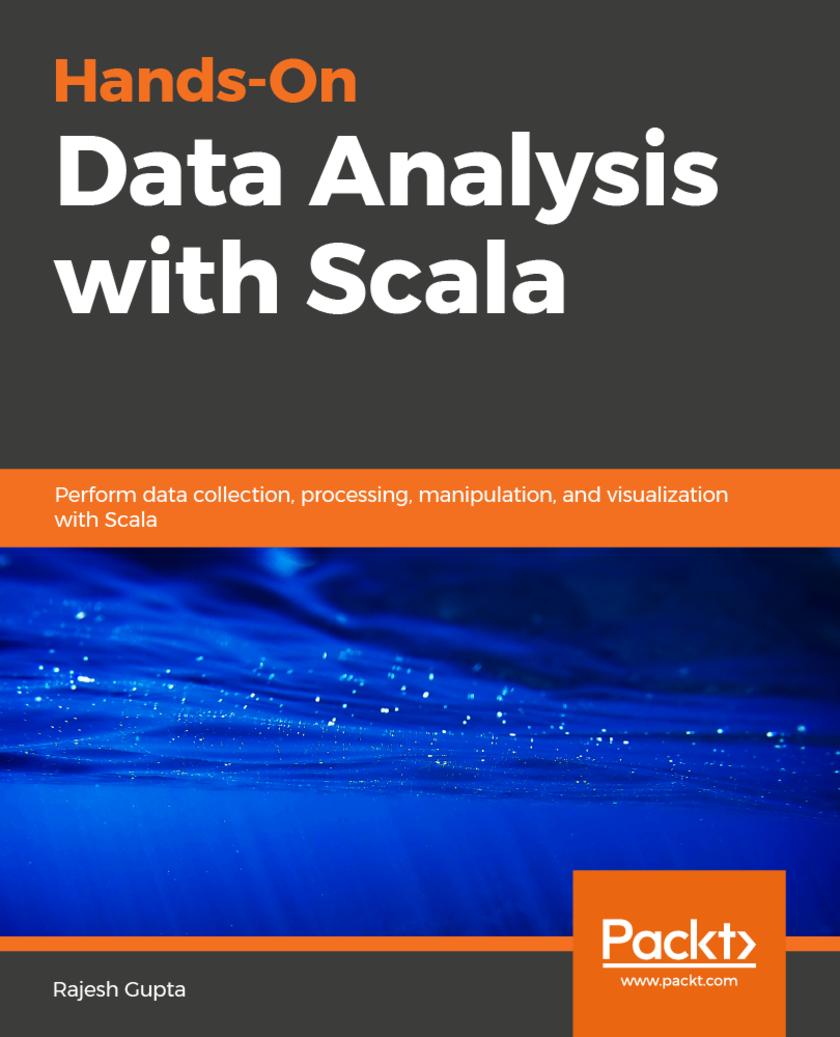
Hands-On Data Analysis with Scala
¥79.56
Master scala's advanced techniques to solve real-world problems in data analysis and gain valuable insights from your data Key Features * A beginner's guide for performing data analysis loaded with numerous rich, practical examples * Access to popular Scala libraries such as Breeze, Saddle for efficient data manipulation and exploratory analysis * Develop applications in Scala for real-time analysis and machine learning in Apache Spark Book Description Efficient business decisions with an accurate sense of business data helps in delivering better performance across products and services. This book helps you to leverage the popular Scala libraries and tools for performing core data analysis tasks with ease. The book begins with a quick overview of the building blocks of a standard data analysis process. You will learn to perform basic tasks like Extraction, Staging, Validation, Cleaning, and Shaping of datasets. You will later deep dive into the data exploration and visualization areas of the data analysis life cycle. You will make use of popular Scala libraries like Saddle, Breeze, Vegas, and PredictionIO for processing your datasets. You will learn statistical methods for deriving meaningful insights from data. You will also learn to create applications for Apache Spark 2.x on complex data analysis, in real-time. You will discover traditional machine learning techniques for doing data analysis. Furthermore, you will also be introduced to neural networks and deep learning from a data analysis standpoint. By the end of this book, you will be capable of handling large sets of structured and unstructured data, perform exploratory analysis, and building efficient Scala applications for discovering and delivering insights What you will learn * Techniques to determine the validity and confidence level of data * Apply quartiles and n-tiles to datasets to see how data is distributed into many buckets * Create data pipelines that combine multiple data lifecycle steps * Use built-in features to gain a deeper understanding of the data * Apply Lasso regression analysis method to your data * Compare Apache Spark API with traditional Apache Spark data analysis Who this book is for If you are a data scientist or a data analyst who wants to learn how to perform data analysis using Scala, this book is for you. All you need is knowledge of the basic fundamentals of Scala programming.
PostgreSQL 11 Administration Cookbook
¥79.56
A practical guide to administer, monitor and replicate your PostgreSQL 11 database Key Features * Study and apply the newly introduced features in PostgreSQL 11 * Tackle any problem in PostgreSQL 11 administration and management * Catch up on expert techniques for monitoring, fine-tuning, and securing your database Book Description PostgreSQL is a powerful, open source database management system with an enviable reputation for high performance and stability. With many new features in its arsenal, PostgreSQL 11 allows you to scale up your PostgreSQL infrastructure. This book takes a step-by-step, recipe-based approach to effective PostgreSQL administration. The book will introduce you to new features such as logical replication, native table partitioning, additional query parallelism, and much more to help you to understand and control, crash recovery and plan backups. You will learn how to tackle a variety of problems and pain points for any database administrator such as creating tables, managing views, improving performance, and securing your database. As you make steady progress, the book will draw attention to important topics such as monitoring roles, backup, and recovery of your PostgreSQL 11 database to help you understand roles and produce a summary of log files, ensuring high availability, concurrency, and replication. By the end of this book, you will have the necessary knowledge to manage your PostgreSQL 11 database efficiently. What you will learn * Troubleshoot open source PostgreSQL version 11 on various platforms * Deploy best practices for planning and designing live databases * Select and implement robust backup and recovery techniques in PostgreSQL 11 * Use pgAdmin or OmniDB to perform database administrator (DBA) tasks * Adopt efficient replication and high availability techniques in PostgreSQL * Improve the performance of your PostgreSQL solution Who this book is for This book is designed for database administrators, data architects, database developers, or anyone with an interest in planning and running live production databases using PostgreSQL 11. It is also ideal if you’re looking for hands-on solutions to any problem associated with PostgreSQL 11 administration. Some experience with handling PostgreSQL databases will be beneficial
Alfresco One 5.x Developer’s Guide - Second Edition
¥80.65
Discover what it means to be an expert developer by exploring the latest features available to you in Alfresco One 5.x About This Book Create reliable and secure enterprise apps with the latest Alfresco One 5.x platform Explore all the latest Alfresco One 5.x APIs such as the CMIS API, Alfresco One API, and the integrated RESTful API to get more out of your enterprise apps Unleash the power of the latest JavaScript engine and the JavaScript API for Alfresco to customize your existing apps for the Alfresco 5 platform Who This Book Is For If you’re an enterprise app developer who wants to create custom applications with Alfresco, then this book is for you. Previous knowledge with Alfresco would be helpful but is not necessary. What You Will Learn Create and manage a custom content model Configure the Alfresco Share user interface Build a new AngularJS 2.0 application Create business process definitions using Activiti Designer Discover the most common extensions provided by Alfresco Configure Alfresco to authenticate against LDAP, including & chaining" LDAP with Alfresco authentication Get familiar with the latest features of Alfresco Mobile SDK, Smart Search, and the new Angular framework In Detail Do you want to create more reliable and secure solutions for enterprise appsAlfresco One 5.x is your gateway to developing the best industry-standard enterprise apps and this book will help you to become a pro with Alfresco One 5.x development. This book will help you create a complete fully featured app for your organization and while you create that perfect app, you will explore and implement the new and intriguing features of Alfresco. The book starts with an introduction to the Alfresco platform and you’ll see how to configure and customize it. You will learn how to work with the content in a content management system and how you can extend it to your own use case. Next, you will find out how to work with Alfresco Share, an all-purpose user interface for general document management, and customize it. Moving on, you write web *s that create, read, and delete data in the back-end repository. Further on from that, you’ll work with a set of tools that Alfresco provides; to generate a basic AnglularJS application supporting use cases, to name a few authentication, document list, document view. Finally, you’ll learn how to develop your own Alfresco Mobile app and understand how Smart Folders and Search manager work. By the end of the book, you’ll know how to configure Alfresco to authenticate against LDAP, be able to set up Single Sign-On (SSO), and work with Alfresco’s security services. Style and approach This book takes a step-by-step practical tutorial-style approach helping you create a complete enterprise app using Alfresco.
Learning PySpark
¥80.65
Build data-intensive applications locally and deploy at scale using the combined powers of Python and Spark 2.0 About This Book Learn why and how you can efficiently use Python to process data and build machine learning models in Apache Spark 2.0 Develop and deploy efficient, scalable real-time Spark solutions Take your understanding of using Spark with Python to the next level with this jump start guide Who This Book Is For If you are a Python developer who wants to learn about the Apache Spark 2.0 ecosystem, this book is for you. A firm understanding of Python is expected to get the best out of the book. Familiarity with Spark would be useful, but is not mandatory. What You Will Learn Learn about Apache Spark and the Spark 2.0 architecture Build and interact with Spark DataFrames using Spark SQL Learn how to solve graph and deep learning problems using GraphFrames and TensorFrames respectively Read, transform, and understand data and use it to train machine learning models Build machine learning models with MLlib and ML Learn how to submit your applications programmatically using spark-submit Deploy locally built applications to a cluster In Detail Apache Spark is an open source framework for efficient cluster computing with a strong interface for data parallelism and fault tolerance. This book will show you how to leverage the power of Python and put it to use in the Spark ecosystem. You will start by getting a firm understanding of the Spark 2.0 architecture and how to set up a Python environment for Spark. You will get familiar with the modules available in PySpark. You will learn how to abstract data with RDDs and DataFrames and understand the streaming capabilities of PySpark. Also, you will get a thorough overview of machine learning capabilities of PySpark using ML and MLlib, graph processing using GraphFrames, and polyglot persistence using Blaze. Finally, you will learn how to deploy your applications to the cloud using the spark-submit command. By the end of this book, you will have established a firm understanding of the Spark Python API and how it can be used to build data-intensive applications. Style and approach This book takes a very comprehensive, step-by-step approach so you understand how the Spark ecosystem can be used with Python to develop efficient, scalable solutions. Every chapter is standalone and written in a very easy-to-understand manner, with a focus on both the hows and the whys of each concept.
Data Visualization with D3 4.x Cookbook - Second Edition
¥80.65
Discover over 65 recipes to help you create breathtaking data visualizations using the latest features of D3 About This Book Learn about D3 4.0 from the inside out and master its new features Utilize D3 packages to generate graphs, manipulate data, and create beautiful presentations Solve real-world visualization problems with the help of practical recipes Who This Book Is For If you are a developer familiar with HTML, CSS, and JavaScript, and you wish to get the most out of D3, then this book is for you. This book can serve as a desktop quick-reference guide for experienced data visualization developers. You’ll also find this book useful if you’re a D3 user who wants to take advantage of the new features introduced in D3 4.0. You should have previous experience with D3. What You Will Learn Get a solid understanding of the D3 fundamentals and idioms Use D3 to load, manipulate, and map data to any kind of visual representation on the web Create data-driven dynamic visualizations that update as the data does Leverage the various modules provided by D3 to create sophisticated, dynamic, and interactive charts and graphics Create data-driven transitions and animations within your visualizations Understand and leverage more advanced concepts such as force, touch, and Geo data visualizations In Detail This book gives you all the guidance you need to start creating modern data visualizations with D3 4.x that take advantage of the latest capabilities of JavaScript. The book starts with the basic D3 structure and building blocks and quickly moves on to writing idiomatic D3-style JavaScript code. You will learn how to work with selection to target certain visual elements on the page, then you will see techniques to represent data both in programming constructs and its visual metaphor. You will learn how map values in your data domain to the visual domain using scales, and use the various shape functions supported by D3 to create SVG shapes in visualizations. Moving on, you’ll see how to use and customize various D3 axes and master transition to add bells and whistles to otherwise dry visualizations. You’ll also learn to work with charts, hierarchy, graphs, and build interactive visualizations. Next you’ll work with Force, which is one of the most awe-inspiring techniques you can add to your visualizations, and you’ll implement a fully functional Choropleth map (a special purpose colored map) in D3. Finally, you’ll learn to unit test data visualization code and test-driven development in a visualization project so you know how to produce high-quality D3 code. Style and approach This step-by-step guide to mastering data visualizations with D3 will help you create amazing data visualizations with professional efficiency and precision. It is a solution-based guide in which you learn through practical recipes, illustrations, and code samples.
Big Data Visualization
¥80.65
Learn effective tools and techniques to separate big data into manageable and logical components for efficient data visualization About This Book This unique guide teaches you how to visualize your cluttered, huge amounts of big data with ease It is rich with ample options and solid use cases for big data visualization, and is a must-have book for your shelf Improve your decision-making by visualizing your big data the right way Who This Book Is For This book is for data analysts or those with a basic knowledge of big data analysis who want to learn big data visualization in order to make their analysis more useful. You need sufficient knowledge of big data platform tools such as Hadoop and also some experience with programming languages such as R. This book will be great for those who are familiar with conventional data visualizations and now want to widen their horizon by exploring big data visualizations. What You Will Learn Understand how basic analytics is affected by big data Deep dive into effective and efficient ways of visualizing big data Get to know various approaches (using various technologies) to address the challenges of visualizing big data Comprehend the concepts and models used to visualize big data Know how to visualize big data in real time and for different use cases Understand how to integrate popular dashboard visualization tools such as Splunk and Tableau Get to know the value and process of integrating visual big data with BI tools such as Tableau Make sense of the visualization options for big data, based upon the best suited visualization techniques for big data In Detail When it comes to big data, regular data visualization tools with basic features become insufficient. This book covers the concepts and models used to visualize big data, with a focus on efficient visualizations. This book works around big data visualizations and the challenges around visualizing big data and address characteristic challenges of visualizing like speed in accessing, understanding/adding context to, improving the quality of the data, displaying results, outliers, and so on. We focus on the most popular libraries to execute the tasks of big data visualization and explore "big data oriented" tools such as Hadoop and Tableau. We will show you how data changes with different variables and for different use cases with step-through topics such as: importing data to something like Hadoop, basic analytics. The choice of visualizations depends on the most suited techniques for big data, and we will show you the various options for big data visualizations based upon industry-proven techniques. You will then learn how to integrate popular visualization tools with graphing databases to see how huge amounts of certain data. Finally, you will find out how to display the integration of visual big data with BI using Cognos BI. Style and approach With the help of insightful real-world use cases, we’ll tackle data in the world of big data. The scalability and hugeness of the data makes big data visualizations different from normal data visualizations, and this book addresses all the difficulties encountered by professionals while visualizing their big data.
ServiceNow Cookbook
¥80.65
Over 50 practical and immediately applicable recipes to help you manage services in your enterprise environment efficiently About This Book Solve problems and challenges encountered while implementing or using ServiceNow in your organization Helps you build core administration, management, and maintenance skills to automate and orchestrate your IT environment Comes with recipes to improve the way you design and create automated workflows Who This Book Is For This book targets IT professionals and administrators who have some experience of working with ServiceNow already and are looking to solve regular or unique problems that surface when using ServiceNow. It’s advisable to have a basic level of administration experience with ServiceNow. Familiarity with JavaScript is assumed. What You Will Learn Grasp the basics, such as entering and navigation, required to implement ServiceNow Perform core configuration and management tasks Use the ServiceNow plugins to manage development Build and publish custom applications for service management Design data-driven apps to connect with outside worlds by getting into Client and server *ing Configure alerts and notifications and understand e-mail troubleshooting and watermarking Build and configure reports to set up your dashboard as per the requirement Create and configure workflow activities In Detail ServiceNow is the ideal platform for you to create enterprise-level applications, giving borh requesters and fulfillers better visibility and access to a process. With this title we’ll guide you through the world of ServiceNow, letting you take on the best the platform offers you with the least amount of hassle. Starting with the core configuration and management tasks, this book will help you build data-driven apps and it will also explore development best practices. You will learn to set up email notifications for users and work with the database view for reporting. Next, the book will guide you through creating various tasks from the workflow and show you how to make the most of the workflow utilities available in ServiceNow. Finally, the book will drive you through the auditing and diagnosing aspects of ServiceNow. By the end of this book, you will acquire immediately applicable skills to rectify everyday problems encountered on the ServiceNow platform. Style and approach This book follows a recipe-based problem-solution approach to address and dispel challenges faced when implementing and using ServiceNow on a regular basis. It will act as a quick solution when trying to solve specific problems without having to read an exhaustive tutorial.
Java 9 Programming By Example
¥80.65
This book gets you started with essential software development easily and quickly, guiding you through Java's different facets. By adopting this approach, you can bridge the gap between learning and doing immediately. You will learn the new features of Java 9 quickly and experience a simple and powerful approach to software development. You will be able to use the Java runtime tools, understand the Java environment, and create Java programs. We then cover more simple examples to build your foundation before diving to some complex data structure problems that will solidify your Java 9 skills. With a special focus on modularity and HTTP 2.0, this book will guide you to get employed as a top notch Java developer. By the end of the book, you will have a firm foundation to continue your journey towards becoming a professional Java developer. What you will learn ?Compile, package and run a trivial program using a build management tool ?Get to know the principles of test-driven development and dependency management ?Separate the wiring of multiple modules from the application logic into an application using dependency injection ?Benchmark Java execution using Java 9 microbenchmarking ?See the workings of the Spring framework
Mastering OpenCV 3 - Second Edition
¥80.65
Practical Computer Vision Projects About This Book ?Updated for OpenCV 3, this book covers new features that will help you unlock the full potential of OpenCV 3 ?Written by a team of 7 experts, each chapter explores a new aspect of OpenCV to help you make amazing computer-vision aware applications ?Project-based approach with each chapter being a complete tutorial, showing you how to apply OpenCV to solve complete problems Who This Book Is For This book is for those who have a basic knowledge of OpenCV and are competent C++ programmers. You need to have an understanding of some of the more theoretical/mathematical concepts, as we move quite quickly throughout the book. What You Will Learn ?Execute basic image processing operations and cartoonify an image ?Build an OpenCV project natively with Raspberry Pi and cross-compile it for Raspberry Pi.text ?Extend the natural feature tracking algorithm to support the tracking of multiple image targets on a video ?Use OpenCV 3's new 3D visualization framework to illustrate the 3D scene geometry ?Create an application for Automatic Number Plate Recognition (ANPR) using a support vector machine and Artificial Neural Networks ?Train and predict pattern-recognition algorithms to decide whether an image is a number plate ?Use POSIT for the six degrees of freedom head pose ?Train a face recognition database using deep learning and recognize faces from that database In Detail As we become more capable of handling data in every kind, we are becoming more reliant on visual input and what
Learning Ionic - Second Edition
¥80.65
"Create real-time hybrid applications with the leader of HTML5 frameworks: Ionic Framework About This Book ?Step into the world of amazingly interactive and real-time app development using Ionic 2 ?Leverage the powerful Angular 2 along with Ionic to develop cutting edge apps ?Detailed code examples and explanations will help you get up and running with Ionic quickly and easily Who This Book Is For This book is for JavaScript developers with basic skills. No previous knowledge of Ionic is required for this book. What You Will Learn ?Understanding the world of the mobile hybrid architecture ?Scaffolding and working with Ionic templates ?Transforming a single page app to a multi-page app using Navigation Controller ?Integrating Ionic components, decorators, and services and rapidly developing complex applications ?Theming Ionic apps as well as customizing components using SCSS ?Working with Ionic Native to interface with device features, such as camera, notifications, and battery ?Building a production grade app using Ionic and Uber API to let users book a ride ?Migrating an Ionic 1 app to Ionic 2 or Ionic 3 ?Performing unit testing, end-to-end testing, and device testing on your apps ?Deploying Ionic apps to store and manage their subsequent releases In Detail Ionic makes it incredibly easy to build beautiful and interactive mobile apps using HTML5, SCSS, and Angular. Ionic also makes app development easier, faster, and more fun. This hands-on guide will help you understand the Ionic framework and how you can leverage it to create amazing real-time applications. We begin by covering the essential features of Angular 2, and then dive straight into how Ionic fits in today's world of hybrid app development and give you a better understanding of the mobile hybrid architecture along the way. Further on, you will learn how to work with Ionic decorators, services, and components, which will allow you to build complex apps using the Ionic framework. We will take a look at theming Ionic apps using the built-in SCSS setup. After that, we will explore Ionic Native, and you will learn how to integrate device-specific features, such as notifications, with the Ionic app. To complete our learning, we will be building a Rider app, using Ionic and Uber API, to book a ride. Next, you will learn how to unit test, end-to-end test, monkey test, and execute device testing on AWS Device farm. Then, we will take a look at migrating the existing Ionic 1 apps to Ionic 2 and deploy them to the App Store. The final chapter on Ionic 3 wraps up this book by explaining the new features of Ionic 3 at the time of writing this book. By the end of this book, you will be able to develop, deploy, and manage hybrid mobile applications built with Cordova, Ionic, and Angular. All the examples in this book are valid for both Ionic 2 and Ionic 3. Style and approach A step-by-step, practical approach to learning Ionic using the example of designing an online course app. Each topic is explained sequentially in the process of creating a course. This includes explanations of both basic and advanced features of Ionic. "
Vue.js 2 Cookbook
¥80.65
"Key Features ?Understand and use Vue's reactivity system, data binding, and computed properties ?Create fluid transitions in your application with Vue's built-in transition system ?Use Vuex and Webpack to build medium-to-large scale SPAs and enhance your development workflow Book De*ion Vue.js is an open source JavaScript library for building modern, interactive web applications. With a rapidly growing community and a strong ecosystem, Vue.js makes developing complex single page applications a breeze. Its component-based approach, intuitive API, blazing fast core, and compact size make Vue.js a great solution to craft your next front-end application. From basic to advanced recipes, this book arms you with practical solutions to common tasks when building an application using Vue. We start off by exploring the fundamentals of Vue.js: its reactivity system, data-binding syntax, and component-based architecture through practical examples. After that, we delve into integrating Webpack and Babel to enhance your development workflow using single file components. Finally, we take an in-depth look at Vuex for state management and Vue Router to route in your single page applications, and integrate a variety of technologies ranging from Node.js to Electron, and Socket.io to Firebase and HorizonDB. This book will provide you with the best practices as determined by the Vue.js community. What you will learn ?Understand the fundamentals of Vue.js through numerous practical examples ?Piece together complex web interfaces using theVue.js component system ?Use Webpack and Babel to enhance your development workflow ?Manage your "
MongoDB Cookbook - Second Edition
¥80.65
Harness the latest features of MongoDB 3 with this collection of 80 recipes – from managing cloud platforms to app development, this book is a vital resourceAbout This BookGet to grips with the latest features of MongoDB 3Interact with the MongoDB server and perform a wide range of query operations from the shellFrom administration to automation, this cookbook keeps you up to date with the world’s leading NoSQL databaseWho This Book Is ForThis book is engineered for anyone who is interested in managing data in an easy and efficient way using MongoDB. You do not need any prior knowledge of MongoDB, but it would be helpful if you have some programming experience in either Java or Python.What You Will LearnInstall, configure, and administer MongoDB sharded clusters and replica setsBegin writing applications using MongoDB in Java and Python languagesInitialize the server in three different modes with various configurationsPerform cloud deployment and introduce PaaS for MongoDiscover frameworks and products built to improve developer productivity using MongoTake an in-depth look at the Mongo programming driver APIs in Java and PythonSet up enterprise class monitoring and backups of MongoDBIn DetailMongoDB is a high-performance and feature-rich NoSQL database that forms the backbone of the systems that power many different organizations – it’s easy to see why it’s the most popular NoSQL database on the market. Packed with many features that have become essential for many different types of software professionals and incredibly easy to use, this cookbook contains many solutions to the everyday challenges of MongoDB, as well as guidance on effective techniques to extend your skills and capabilities.This book starts with how to initialize the server in three different modes with various configurations. You will then be introduced to programming language drivers in both Java and Python. A new feature in MongoDB 3 is that you can connect to a single node using Python, set to make MongoDB even more popular with anyone working with Python. You will then learn a range of further topics including advanced query operations, monitoring and backup using MMS, as well as some very useful administration recipes including SCRAM-SHA-1 Authentication. Beyond that, you will also find recipes on cloud deployment, including guidance on how to work with Docker containers alongside MongoDB, integrating the database with Hadoop, and tips for improving developer productivity.Created as both an accessible tutorial and an easy to use resource, on hand whenever you need to solve a problem, MongoDB Cookbook will help you handle everything from administration to automation with MongoDB more effectively than ever before.Style and approachEvery recipe is explained in a very simple set-by-step manner yet is extremely comprehensive.
Splunk Developer's Guide - Second Edition
¥80.65
Learn the A to Z of building excellent Splunk applications with the latest techniques using this comprehensive guideAbout This BookThis is the most up-to-date book on Splunk 6.3 for developersGet ahead of being just a Splunk user and start creating custom Splunk applications as per your needsYour one-stop-solution to Splunk application developmentWho This Book Is ForThis book is for those who have some familiarity with Splunk and now want to learn how to develop an efficient Splunk application. Previous experience with Splunk, writing searches, and designing basic dashboards is expected.What You Will LearnImplement a Modular Input and a custom D3 data visualizationCreate a directory structure and set view permissionsCreate a search view and a dashboard view using advanced XML modulesEnhance your application using eventtypes, tags, and macrosPackage a Splunk application using best practicesPublish a Splunk application to the Splunk communityIn DetailSplunk provides a platform that allows you to search data stored on a machine, analyze it, and visualize the analyzed data to make informed decisions. The adoption of Splunk in enterprises is huge, and it has a wide range of customers right from Adobe to Dominos. Using the Splunk platform as a user is one thing, but customizing this platform and creating applications specific to your needs takes more than basic knowledge of the platform.This book will dive into developing Splunk applications that cater to your needs of making sense of data and will let you visualize this data with the help of stunning dashboards.This book includes everything on developing a full-fledged Splunk application right from designing to implementing to publishing. We will design the fundamentals to build a Splunk application and then move on to creating one. During the course of the book, we will cover application data, objects, permissions, and more. After this, we will show you how to enhance the application, including branding, workflows, and enriched data. Views, dashboards, and web frameworks are also covered.This book will showcase everything new in the latest version of Splunk including the latest data models, alert actions, XML forms, various dashboard enhancements, and visualization options (with D3). Finally, we take a look at the latest Splunk cloud applications, advanced integrations, and development as per the latest release.Style and approachThis book is an easy-to-follow guide with lots of tips and tricks to help you master all the concepts necessary to develop and deploy your Splunk applications.


