


 购物车
购物车 个人中心
个人中心
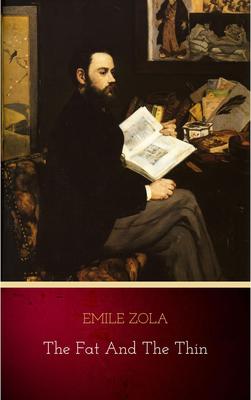
The Fat and the Thin
¥4.41
The third novel in Zola's twenty-volume series entitled "Les Rougon-Macquart," this story revolves around and within the 21-acre market Les Halles Centrales of Paris. The starving scholar Florent has escaped his unwarranted exile on Devil's Island, and he is alternately entranced and disgusted by his refuge in 'the belly of Paris.' Zola describes the market and Florent's experiences in the midst of it with his characteristically captivating comprehension, foreshadowing the total mastery of working-class speech in his later works. Florent makes a friend of Claude Lantier, a painter who explains the battle being waged in the vast Central Markets between the 'fat' burghers and 'thin' lower class, in which Florent is soon embroiled. He is a man caught between the fat and the thin, and this lack of allegiance leads to painful condemnation and Florent's ultimate disintegration. Presented here is the somewhat expurgated 1895 translation of Ernest Alfred Vizetelly, entitled "The Fat and the Thin".
La tía Tula
¥9.00
La tía Tula, es, según su autor, ?la historia de una joven que, rechazando novios, se queda soltera para cuidar a unos sobrinos, hijos de una hermana que se le muere. Vive con el cu?ado, a quien rechaza para marido, pues no quiere manchar con el débito conyugal el recinto en que respiran aire de castidad sus hijos. Satisfecho el instinto de maternidad, ?para qué perder su virginidad? Es virgen madre?. Pero sobre este ca?amazo argumental teje Unamuno una obra cargada de sentidos plurales: Tula, la protagonista, que encarna la concepción tradicional de la familia y de la mujer y que es, a al vez, víctima de ella, ejemplifica la figura del agonista unamuniano dividido en mil contradicciones.
Le Chant de l'amour triomphant
¥8.82
A la même époque, il y avait à Ferrare une jeune damoiselle du nom de Valéria. Elle passait pour être l'une des plus grandes beautés de la ville, encore qu'on ne la v?t guère, car elle menait un genre de vie fort retiré et ne sortait de chez elle que pour se rendre à l'église, ou à la promenade, les jours de fête. Elle habitait avec sa mère, une veuve noble, mais peu fortunée, dont elle était l'unique enfant. Quiconque la croisait dans la rue, éprouvait aussit?t un sentiment d'involontaire surprise, due à sa beauté, et de tendre respect, inspiré par sa modestie : la jeune fille semblait ne pas se rendre compte du charme qui émanait de toute sa personne.
Assez ! Extrait du journal d'un peintre défunt
¥8.82
Assez ! me disais-je à moi-même, en gravissant péniblement le flanc d’une montagne escarpée qui s’élevait depuis les rives d’un fleuve paisible. Assez ! me répétai-je, en humant l’haleine résineuse d’un bosquet de sapins, particulièrement odorante dans la fracheur du crépuscule… Assez ! me dis-je de nouveau en m’asseyant sur un tertre moussu qui surplombait le fleuve, les yeux fixés sur les vagues sombres et paresseuses que dominaient les tiges vert clair des joncs… Assez,assez remué, assez erré : il est temps de rentrer en soi-même, de se prendre la tête à deux mains, et d’ordonner à son cur de ne plus battre.
Fant?mes
¥8.82
Je voulus discerner les traits de la femme mystérieuse, mais un tremblement involontaire me parcourut tout entier et une bouffée d'air glacé me frappa au visage. Je n'étais plus couché, mais assis sur mon séant, et, à l'endroit où j'avais cru apercevoir la vision, il n'y avait plus qu'une longue raie de lumière blanche, projetée par la lune.
Nothing
¥8.09
A woman tries in vain to convince those around her that the world is ending. Is she right…or is she losing her mind?
Fathers and Sons
¥8.82
When a young graduate returns home he is accompanied, much to his father and uncle's discomfort, by a strange friend "who doesn't acknowledge any authorities, who doesn't accept a single principle on faith." Turgenev's masterpiece of generational conflict shocked Russian society when it was published in 1862 and continues today to seem as fresh and outspoken as it did to those who first encountered its nihilistic hero.
Symphony
¥8.09
Aurora Award Finalist.? The colony ship, The Last Chance, has fled a plague-poisoned Earth with the remnants of the human race. Launched before completion of its biosphere, the ship is only partly self-sustaining. Humanity has to find a new home—and time is running out. It isn’t called The Last Chance for nothing. When they find the planet, it seems a dream come true. Earth-like, breathable atmosphere, unpopulated. They name it Aurora, for the beauty that dances in its skies. At least, it had seemed beautiful at the time. Now they aren’t so sure. Now people are dying. Gar Franck is the ship’s communication expert. When signs point to a non-human intelligence on the planet, Gar becomes the key to communicating with it. But how can he communicate with an alien being when he can’t even talk to his autistic son, Anton, or his increasingly distant wife, Clara? "There are two stories in "Symphony"...both converge in a spectacular, explosive finale. Smith's prose is poetic and evocative. He creates an intricate fabric of light, color, and sound with effortless flair. The story’s fluid style and the abundance of complex, wrenching emotions [make this] another recommended story in this issue." —Eugie Foster and Marsha Sisolak, Tangent Online "A strong SF-nal story about a 'sentient light symphony' that objects to humans colonizing 'its planet.' How would you communicate with such and how would it react to a baby who lacks all 'human baggage' are some of the issues addressed here. (A+)" —Fantasy Book Critic

The Dancer at the Red Door
¥8.09
Aurora Award Finalist.? Alexander King has everything--wealth, power, a business empire over which he rules. But lately, the corporate game in which he excels has lost its thrill for him. He needs a new game. And then, on the crowded streets of Toronto, in the dead cold of winter, she appears before him. The Dancer. Achingly beautiful, half-naked, and dancing to a song that only she and King seem to hear, she becomes King’s new obsession, an obsession that draws him into a journey through a secret world hidden within the city he thought he knew…and to a very special club. "'The Dancer at the Red Door,' with its mix of oblique horror, urban fantasy, and monsters ... recalls British horror novelist Clive Barker at his most disturbingly fanciful." —Quill and Quire "An excellent story … urban fantasy at its best." —Fantasy Book Critic "...intriguing meditation on escapism...evoking Gaiman's Neverwhere, the obligatory helping of Lovecraft, plus a touch of something like Kubrick's Eyes Wide Shut" —Strange Horizons "Just as the song of the city leads King throughout his journey, so too does it lead the reader throughout Douglas Smith's beautifully crafted 'The Dancer at the Red Door.' The writing is lean and evocative; every element of the story works double-time as setting informs character, action creates mood, and nothing is superfluous. The song becomes a living, breathing creature which, more so than hearing, I could feel viscerally as I read Doug's wonderful story. Highly, highly recommended." —Rainbow Dragon Recommends

The Last Ride
¥8.09
Vaya is an immortal Valkyrie and favorite daughter of Odin All Father, sworn to carry dead heroes from the battlefields of Earth to live forever in Valhalla. One day, she intervenes on the battlefield to save the life of a soldier who has captured her heart, and is forced by Odin to choose between immortality and the man she loves. Vaya chooses love, not knowing that the hardest choice still lies ahead of her. "…exemplifies the best elements of Douglas Smith’s writing. A Valkyrie falls for her hero, gives up her immortality for him then has to make that inevitable and awful choice afterwards. As always, even for such a brief time, there is so much life in these characters. I don’t bother to marvel at how quickly I come to care for Douglas Smith’s people anymore, it’s a given." —SF Crowsnest Reviews "A gripping portrayal of Vaya, a Valkyrie, and the ultimate sacrifices one makes for love." —SFRevu
Les ?tranges noces de Rouletabille
¥8.82
La suite du Ch?teau noir... Les noces dont il est question dans le titre concerne Ivana et notre sympathique reporter...

La Machine à assassiner
¥8.82
Le roman para?t, sous le titre La Poupée sanglante, 2e partie : Gabriel, en 41 feuilletons quotidiens du journal Le Matin entre le 10 ao?t et le 19 septembre 1923. L'?uvre est reprise en volume l'année suivante chez Tallandier. Bien que La Machine à assassiner ait été publiée initialement dans un volume indépendant, la plupart des éditions modernes l'incluent à la suite de La Poupée sanglante en ne conservant que ce dernier titre sur la couverture.
El cisne de Vilamorta
¥9.00
EL CISNE DE VILAMORTA : Leocadia, la maestra de Vilamorta, ama apasionadamente al joven y apuesto Segundo ( el cisne ) al que recibe en su casa y de vez en cuando hace algún obsequio, ya que Segundo aunque estudió derecho , no trabaja. Leocadia tiene un hijo deficiente producto de una violación incestuosa de un tío con el que vivía en Ourense. Segundo aspira a conseguir una colocación en Madrid que le permita darse a conocer en el mundo literario de la capital. Llega a Vilamorta un político influyente ( don Victoriano ). Viene a curarse con las aguas del balneario. El poeta se enamora de la joven mujer del político ( Nieves ) y ella coquetea con él , pero el marido muere y la viuda marcha a Madrid sin querer saber nada de Segundo ...
Un homme dans la nuit
¥8.82
Jonathan Smith, le ?roi de l'huile?, est immensément riche. Mary, enfant de rien, du hasard, de la misère, qu'il a ramassée, un jour de promenade, avec sa mère, va devenir son centre du monde, ses beaux grands yeux clairs l'ayant séduit tout de suite. Mais Mary en aime un autre et va être amenée à ?tuer? Jonathan. Celui-ci, laissé pour mort, en réchappe par miracle et après vingt ans de préparatifs, il lance sa ?terrible? vengeance, corrompant et achetant tous ceux qui lui permettront d'atteindre le but qu'il s'est fixé...
The Brown Owl: "A Fairy Story"
¥18.56
ONCE upon a time, a long while ago—in fact long before Egypt had risen to power and before Rome or Greece had ever been heard of—and that was some time before you were born, you know—there was a king who reigned over a very large and powerful kingdom. Now this king was rather old, he had founded his kingdom himself, and he had reigned over it nine hundred and ninety-nine and a half years already. As I have said before, it was a very large kingdom, for it contained, among other things, the whole of the western half of the world. The rest of the world was divided into smaller kingdoms, and each kingdom was ruled over by separate princes, who, however, were none of them so old as Intafernes, as he was called.
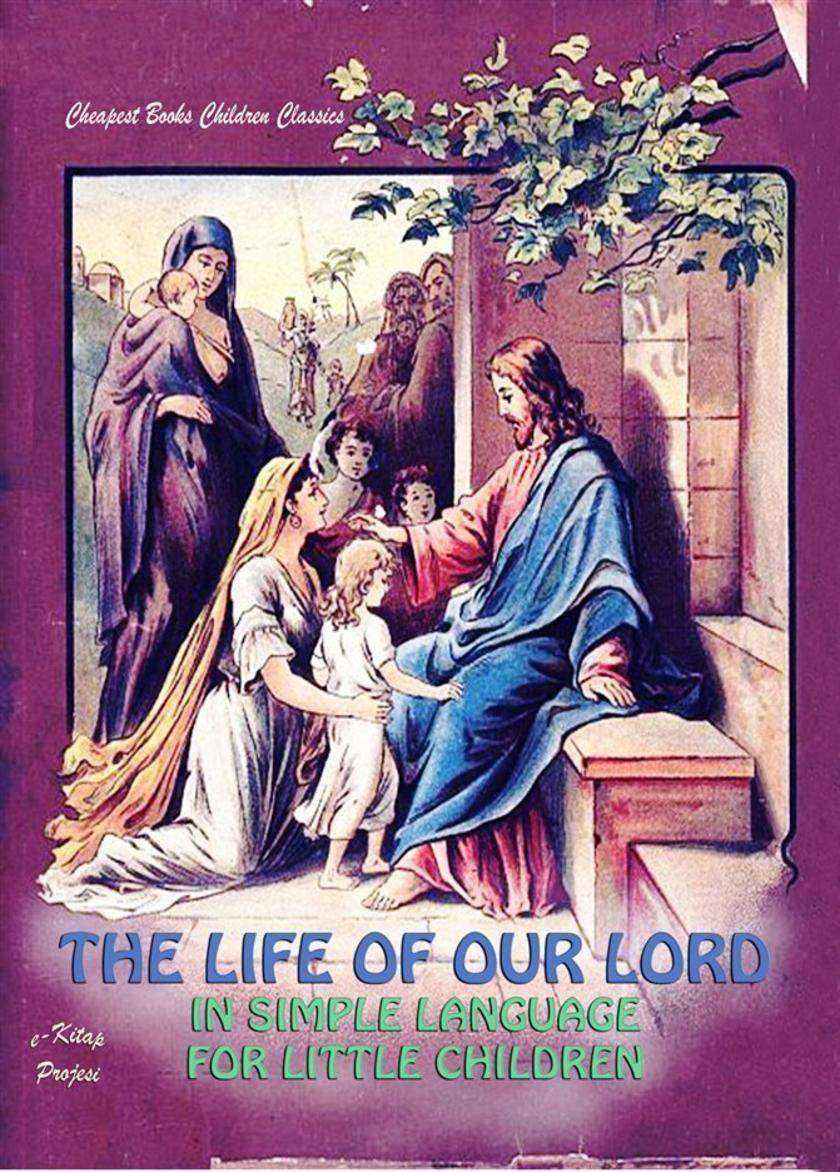
The Life of Our Lord in Simple Language for Little Children
¥9.24
In preparing this brief account of the chief incidents in Our Lord's Life, the writer has endeavoured to keep as close as possible to the sacred text; its divine simplicity being far preferable to any other style of writing the story. The easiest words and those most familiar to children have generally been used and every effort has been made to adapt the volume to the intelligence of the young with the view of instilling into their minds the love of our Saviour for mankind as shown in the beautiful story of His life. ? KING DAVID. In ages past God made the world: the earth, the sea, the hills, the streams, the trees; the fish, birds and beasts; last of all He made Adam, the first man, and Eve his wife, and they lived in the Garden of Eden. They were quite good at first, but tempted by Satan they ate the fruit of a tree God told them not to eat, and that brought sin into the world; they could not live for ever now, they must die; but that their souls might go to heaven, God's own Son said He would come down on earth and die to save them. God said His Son should be born of Abraham's nation, and should be one of the sons of the line of King David, who sang the sweet psalms in praise of God. Abraham was a good man, so good that God called him His friend; and from him came the people called Jews. David was one of their kings. God always keeps His word, but He makes men wait till it is His time to do as He says; and it was a long, long time after Abraham and David that our Lord came to live among men. At last God sent His angel Gabriel to a young maiden, named Mary, who lived at a town called Nazareth, to tell her that God loved her, and that she should have God's Son for her own son. Our Lord would be her little babe. When Mary saw the angel she was at first afraid, but he said to her, "Fear not, Mary," and he told her that she must call the child's name Jesus—that means Saviour—for He would save the people from their sins. Then Mary must have been glad. She said, "I am God's servant; may His will be done." Mary was to be the wife of her cousin Joseph—they were both of David's family—so the angel went and told him too, that Mary should have God's Son for her own, and that he must call the child Jesus.
El saludo de las brujas
¥8.82
Un amor apasionado que se vuelve imposible. La historia de un príncipe que no amaba a su esposa la cual termina yéndose con un plebeyo. Las calles de París están en esta novela invadidas de intrigas, conspiraciones e ambiciones...
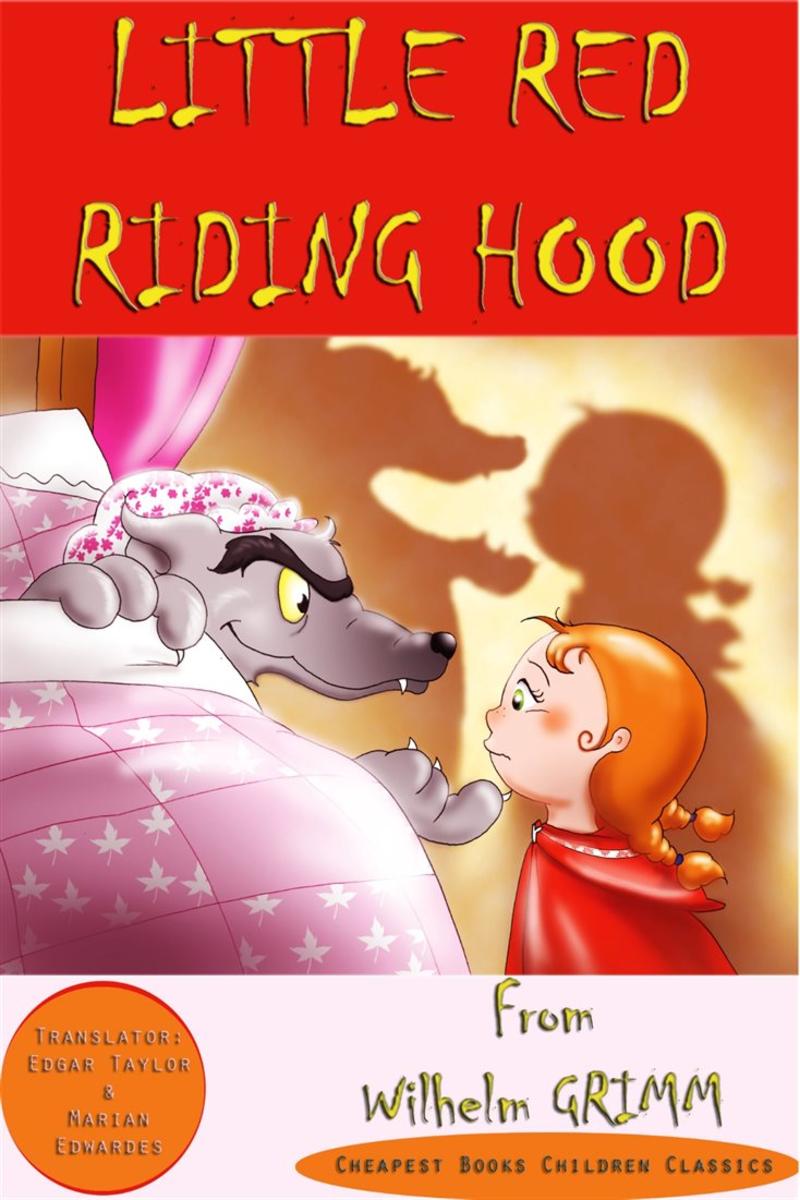
Little Red Riding Hood
¥9.24
LITTLE RED RIDING HOOD from "Brothers Grimm" ONCE upon a time... in the middle of a thick forest stood a small cottage, the home of a pretty little girl known to everyone as Little Red Riding Hood. One day, her Mummy waved her goodbye at the garden gate, saying, "Grandma is ill. Take her this basket of cakes, but be very careful. Keep to the path through the wood and don't ever stop. That way, you will come to no harm." Little Red Riding Hood kissed her mother and ran off. "Don't worry", she said, "I'll run all the way to Grandma's without stopping". Full of good intensions, the little girl made her way through the wood, but she was soon to forget her mother's wise words. "What lovely strawberries! And so red..."
The Merchant of Venice
¥8.82
The Merchant of Venice is a play by William Shakespeare, believed to have been written between 1596 and 1598. Although classified as a comedy in the First Folio, and while it shares certain aspects with Shakespeare's other romantic comedies, the play is perhaps more remembered for its dramatic scenes, and is best known for the character of Shylock. The title character is the merchant Antonio, not the Jewish moneylender Shylock, who is the play's most prominent and more famous villain. Though Shylock is a tormented character, he is also a tormentor, so whether he is to be viewed with disdain or sympathy is up to the audience (as influenced by the interpretation of the play's director and lead actors). As a result, The Merchant of Venice is often classified as one of Shakespeare's problem plays.
![Code Name: [Grey Class]](https://platform-permanent.ddimg.cn/pt-media-info-soa-resource/digital/product/47/58/1901164758_ii_cover.jpg?version=ff194c7b-cd9b-496d-a5de-1d78ae016a71)
Code Name: [Grey Class]
¥18.56
"White House, June 1st, 1789"? ? ? The president was a little bit nervous for days on end; and he was bemused because of his thoughts which he abstained to confess to himself, but it was requiring that his ideas should become reality for the future of America.He was in conscious of this but he had definitely made a decision; just at that moment, he summoned his staff Andy who he loves very much.? ? ? ?Andy had understood that somethings went wrong; he was being able to see President's nervous situation; they caught each other's eyes; and the President notified that he assigned Andy for a new duty; he said that it is not possible to be unsuccessful in his new duty; and congratulated him.? ? ? ?No longer, Andy was the teacher of the Grey Class; Andy's apprehension had started to increase, and he was trying to attribute meanings to those what had been, and on the other hand he was also carefully hearing the President.The president was telling Andy the Grey Class, its departments, his duties; and was not hiding his excitement; Andy was being the more surprised the more hear him; and also getting excited as well.? ? ? ?Andy was carefully examining the file which had put before him; departments for the Gray Class and their responsible staffs, and also his students and sidekicks were written in the file.? ? ? ?The President had submitted to his staff his program which will create the strategy, will design the strategy of the world, and will transfer America into world emperorship.
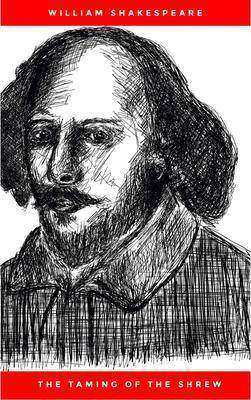
The Taming of the Shrew
¥8.82
The Taming of the Shrew is a comedy by William Shakespeare. It was one of his earlier plays, believed to have been written between 1590 and 1594. The play begins with a framing device in which a drunkard is deceived into thinking he is a nobleman who then watches the "play" itself, which depicts a nobleman, Petruchio, who marries an outspoken, intelligent, and bad-tempered shrew named Katherina. Petruchio manipulates and "tames" her until she is obedient to his will. The main subplot features the courting of Katherina's more conventional sister Bianca by numerous suitors.


