


 购物车
 个人中心


La Machine à assassiner
¥8.82
Le roman para?t, sous le titre La Poupée sanglante, 2e partie : Gabriel, en 41 feuilletons quotidiens du journal Le Matin entre le 10 ao?t et le 19 septembre 1923. L'?uvre est reprise en volume l'année suivante chez Tallandier. Bien que La Machine à assassiner ait été publiée initialement dans un volume indépendant, la plupart des éditions modernes l'incluent à la suite de La Poupée sanglante en ne conservant que ce dernier titre sur la couverture.
In the Days of the Comet
¥8.98
A fantastic tale of the world's beauty and unity after the Great Change occurs.
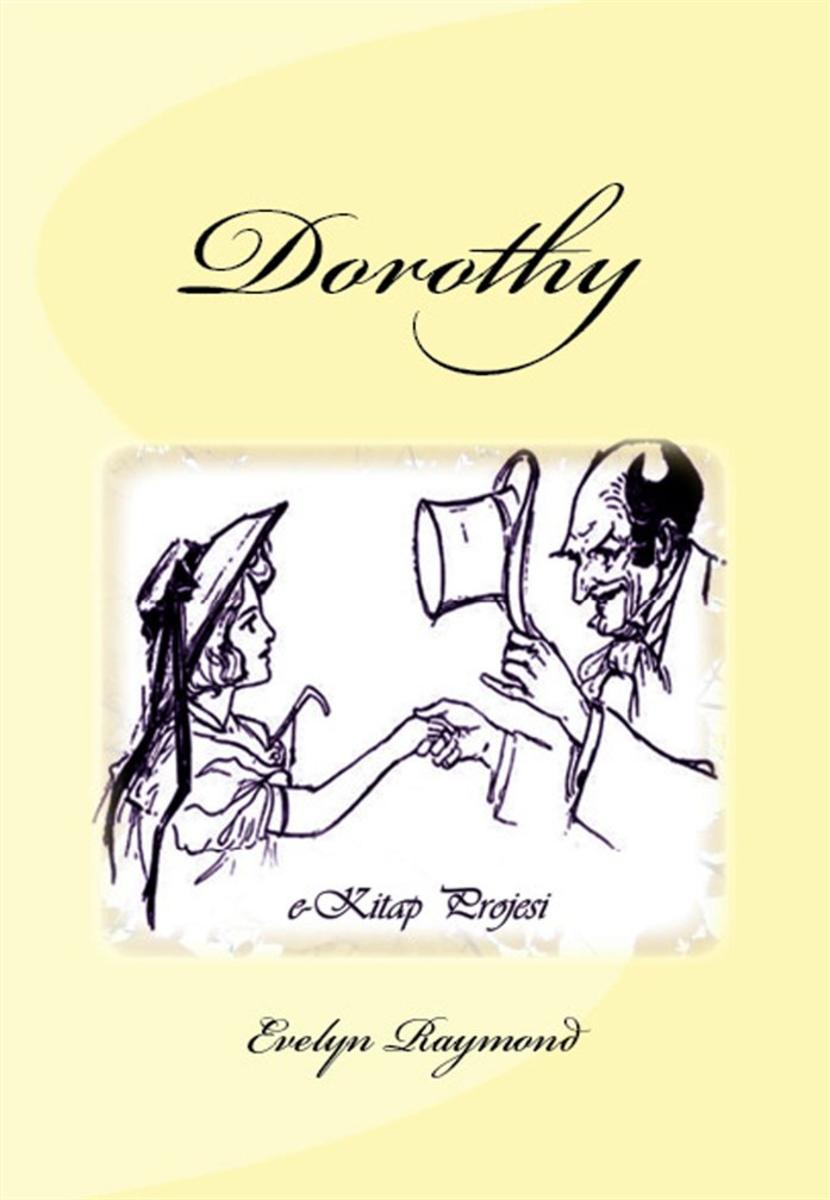
Dorothy
¥27.80
So long a time had passed that Dorothy C. had grown to be what father John called "a baker's dozen of years old"; and upon another spring morning, as fair as that when she first came to them, the girl was out upon the marble steps, scrubbing away most vigorously. The task was known locally as "doing her front," and if one wishes to be considerable respectable, in Baltimore, one's "front" must be done every day. On Saturdays the entire marble facing of the basement must also be polished; but "pernickity" Mrs. Chester was known to her neighbors as such a forehanded housekeeper that she had her Saturday's work done on Friday, if this were possible.??Now this was Friday and chanced to be a school holiday; so Dorothy had been set to the week-end task, which she hated; and therefore she put all the more energy into it, the sooner to have done with it, meanwhile singing at the top of her voice. Then, when the postman came round the corner of the block, she paused in her singing to stare at him for one brief instant. The next she had pitched her voice a few notes higher still, and it was her song that greeted her father's ears and set him smiling in his old familiar fashion. ??Unfortunately, he had not been smiling when she first perceived him and there had been a little catch in her tones as she resumed her song. Each was trying to deceive the other and each pretending that nothing of the sort was happening.??"Heigho, my child! At it again, giving the steps a more tombstone effect? Well, since it's the fashion—go ahead!"??"I wish the man, or men, who first thought of putting scrubby-steps before people's houses had them all to clean himself! Hateful old thing!"
The Picture in the House
¥9.00
A lone traveler seeks shelter from an approaching storm in an apparently abandoned house, only to find that it is occupied by a "loathsome old, white-bearded, and ragged man."
Poetry of the Gods
¥9.00
Poetry and the Gods is a short story by horror writer and poet H.P. Lovecraft in collaboration with writer Anna Helen Crofts. The story is very different from the vast majority of Lovecraft's other work and collaborations. It does, however, bear similar themes regarding dreams as a doorway to magic realms, and slumbering gods. The narrative follows the dream-voyage of Marcia, a young woman filled with weariness of the mundane world and all its woes. She resolves to ease her troubled soul by reading a magazine of poetry. As she does, a dream-state unfolds in which the Greek god Hermes appears and bears Marcia to the court of Zeus and the Olympians.
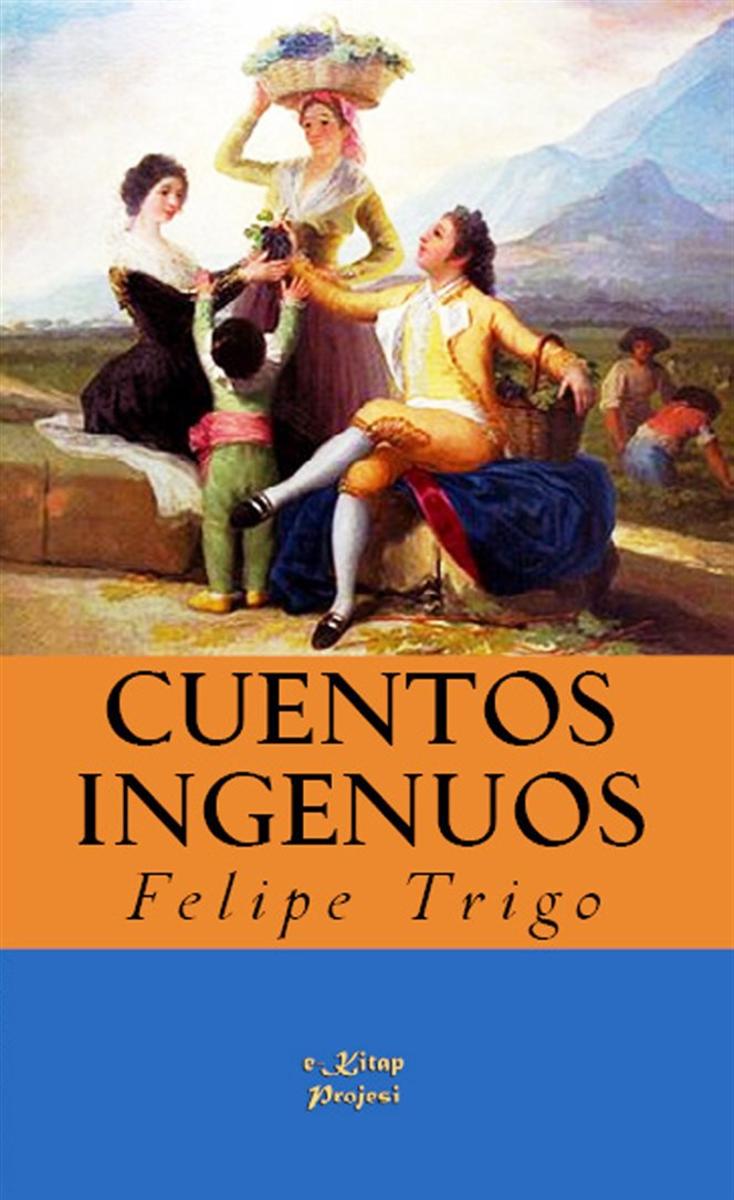
Cuentos Ingenuos
¥18.56
—Estas??—Si, corriendo.? Y corriendo, corriendo, azotando las puertas con sus vuelos de seda, desde el tocador al gabinete y desde el armario al espejo, siempre en el retoque de ultima hora; buscando el alfiler o el abanico que perdian su cabecilla de loca, volviendose desde la calle para cenir a su garganta el collar, haciendome entrar todavia por el panolito de encaje olvidado sobre la silla, saliamos al fin todas las noches con hora y media de retraso, aunque con luz del sol empezara ella la archidificil obra de poner a nivel de la belleza de su cara la delicadeza de su adorno.?Gracias habia que dar si cuando al primer farol, ella, parandose, me preguntaba: "Que tal voy?", no le contestaba yo: "Bien, muy guapa", con absoluto convencimiento; porque capaz era la nina de volverse en ultima instancia al tribunal supremo del espejo, y entonces, ?adios, teatro!..., llegabamos a la salida. Como ocurria muchas veces.? Ella muy de prisa, yo a su lado, un poco detras, no muy cerca, con mezcla del respeto galante del caballero a la dama y del respeto grave del groom a la duquesita. Cuando en la vuelta de una esquina rozaban mi brazo sus cintas, yo le pedia perdon. Mirabala sin querer a la luz de los escaparates, y cuando alguna mujer del pueblo quedabase parada floreandola, yo la decia: "Mira, oyes?", y sonreia ella triunfante como una reina... ? ?AUTOR: Felipe Trigo Sanchez (1864 – 1916) fue medico rural y militar, y posteriormente escritor espanol. Nacido en Villanueva de la Serena, en el seno de una familia de clase media con dificultades economicas por la temprana muerte del padre, Felipe Trigo curso el bachillerato en Badajoz y la carrera de medicina en el Hospital de San Carlos de Madrid. Su experiencia como estudiante forastero en la capital la plasmaria en la novela En la carrera. Tras licenciarse, casado ya con su companera de facultad, Consuelo Seco de Herrera, ejercio como medico titular en los pueblos pacenses de Trujillanos y Valverde de Merida, circunstancia biografica que tambien novelizaria en El medico rural. Hastiado de la vida rural, entro por oposicion en el Cuerpo de Sanidad Militar. Su primer destino fue Sevilla, donde comenzo su actividad periodistica que ya habia intentado en Madrid. De Sevilla paso a Trubia, como medico de la fabrica de armas. Anos despues marcho voluntario a unas Filipinas en plena rebelion. Destinado como medico en Fuerte Victoria, en realidad un destacamento de prisioneros tagalos, estuvo a punto de perder la vida durante una escaramuza. Los sublevados le asestaron no menos de siete machetazos, dejandolo por muerto. Trigo, sin embargo, consiguio huir a campo traves, en espantosas condiciones. Con una mano inutilizada, fue repatriado como mutilado de guerra, con el grado de teniente coronel. La prensa le recibio como ?el heroe de Fuerte Victoria? y llego a ser propuesto para la Cruz Laureada de San Fernando. Rechazando la posibilidad de capitalizar politicamente su celebridad, en 1900 se retiro del Ejercito y fijo su residencia en Merida para dedicarse en exclusiva a la literatura...
The Moon Bog
¥9.00
"The Moon-Bog" is a short story by American horror fiction writer H. P. Lovecraft, written in or before March 1921. The story was first published in the June 1926 issue of the pulp magazine Weird Tales. In the story, the unnamed narrator describes the final fate of his good friend, Denys Barry, an Irish-American who reclaims an ancestral estate in Kilderry, a fictional village in Ireland. Barry ignores pleas from the superstitious local peasantry not to drain the nearby bog, with unfortunate supernatural consequences.
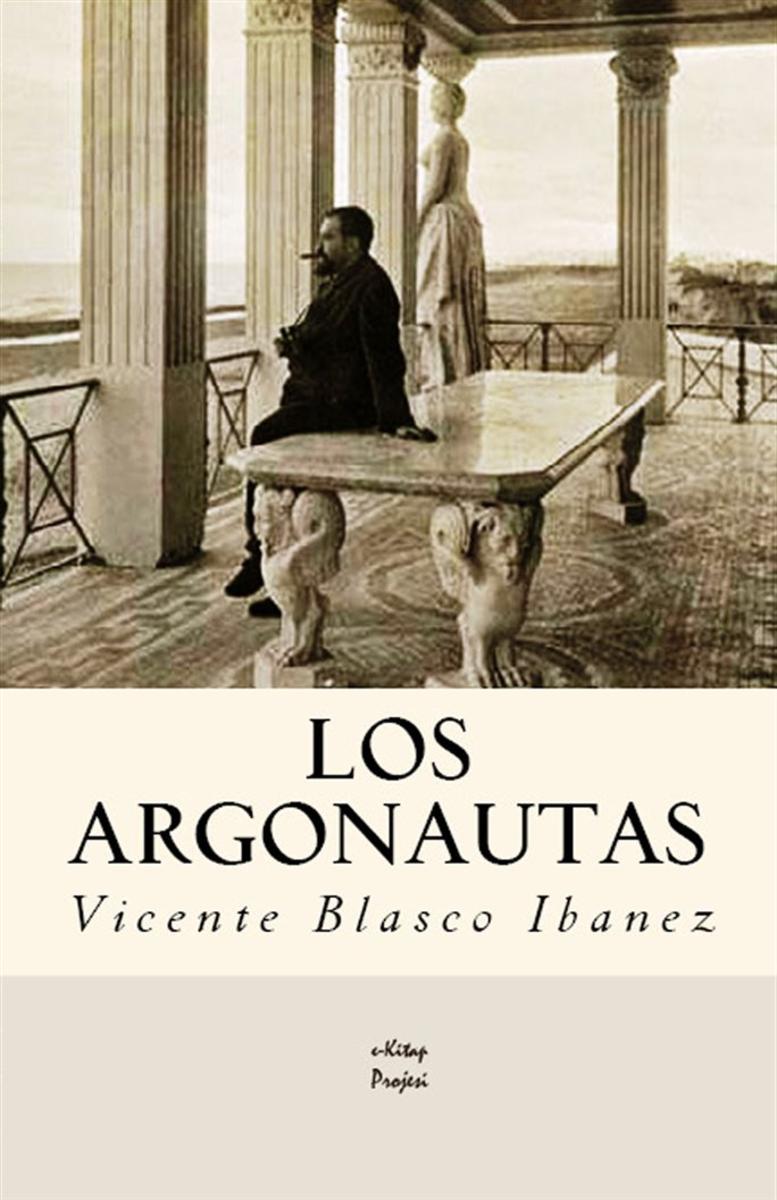
Los Argonautas
¥18.56
Al sentir un roce en el cuello, Fernando de Ojeda soltó la pluma y levantó la cabeza. Una palmera enana movía detrás de él con balanceo repentino sus anchas manos de múltiples y puntiagudos dedos. Para evitarse este contacto avanzó el sillón de junco, pero no pudo seguir escribiendo. Algo nuevo había ocurrido en torno de él mientras con el pecho en el filo de la mesa y los ojos sobre los papeles huía lejos, muy lejos, acompa?ado en esta fuga ideal por el leve crujido de la pluma. Vio con el mismo aspecto exterior cosas y personas al salir de su abstracción; pero una vida interna, ruidosa y móvil parecía haber nacido en las cosas hasta entonces inanimadas, mientras la vida ordinaria callaba y se encogía en las personas, como poseída de súbita timidez.??Sus ojos, fatigados por la escritura, huían de las ampollas eléctri-cas del techo, inflamadas en plena tarde, para reposarse en los rectángulos de las ventanas que encuadraban el azul grisáceo de un día de invierno. La blancura de la madera laqueada temblaba con cierto reflejo húmedo que parecía venir del exterior. Dos salones agrandados por la escasez de su altura eran el campo visual de Ojeda. En el primero, donde estaba él, mezclábase a la blancura uniforme de la decoración el verde charolado de las palmeras de inver-náculo, el verde pictórico de los enrejados de madera tendidos de pilastra a pilastra y el verde amarillento y velludo de unas parras artificiales, cuyas hojas parecían retazos de terciopelo. Sillones de floreada cretona en torno de las mesas de bambú formaban islas, a las que se acogían grupos de personas para embadurnar con manteca y mermeladas el pan tostado, husmear el perfume del té o seguir el burbujeo de las aguas minerales te?idas de jarabes y licores. ? AUTOR: Vicente Blasco Ibanez nacio el 29 de enero de 1867 en Valencia (Espana). Era hijo de Ramona Ibanez y del comerciante Gaspar Blanco. Estudio Derecho en la Universidad de Valencia. Participo en la politica uniendose al Partido Republicano". En 1894 fundo el periodico El pueblo. En el ano 1896, fue detenido y condenado a varios meses de prision. En 1889 contrajo matrimonio con Maria Blasco del Cacho, hija del magistrado Rafael Blasco y Moreno. Cuando subio al poder Canovas del Castillo, el escritor se exilio brevemente en la ciudad de Paris. Fue un autor vinculado en muchos aspectos al naturalismo frances. Por otra parte, la explicita intencion politicosocial de algunas de las novelas de Blasco Ibanez, aunada al escaso bagaje intelectual del autor, lo mantuvo alejado de los representantes de la Generacion del 98. Murio el 28 de enero de 1928 en Menton (Francia)a los 60 anos. Entre sus titulos destacan: "Arroz y Tartana" (1894), "La Barraca" (1898), "Entre Naranjos (1900), "Canas y Barro" (1902), "La Horda" (1905), "Sangre y Arena" (1908) o "Los Cuatro Jinetes Del Apocalipsis" (1916).
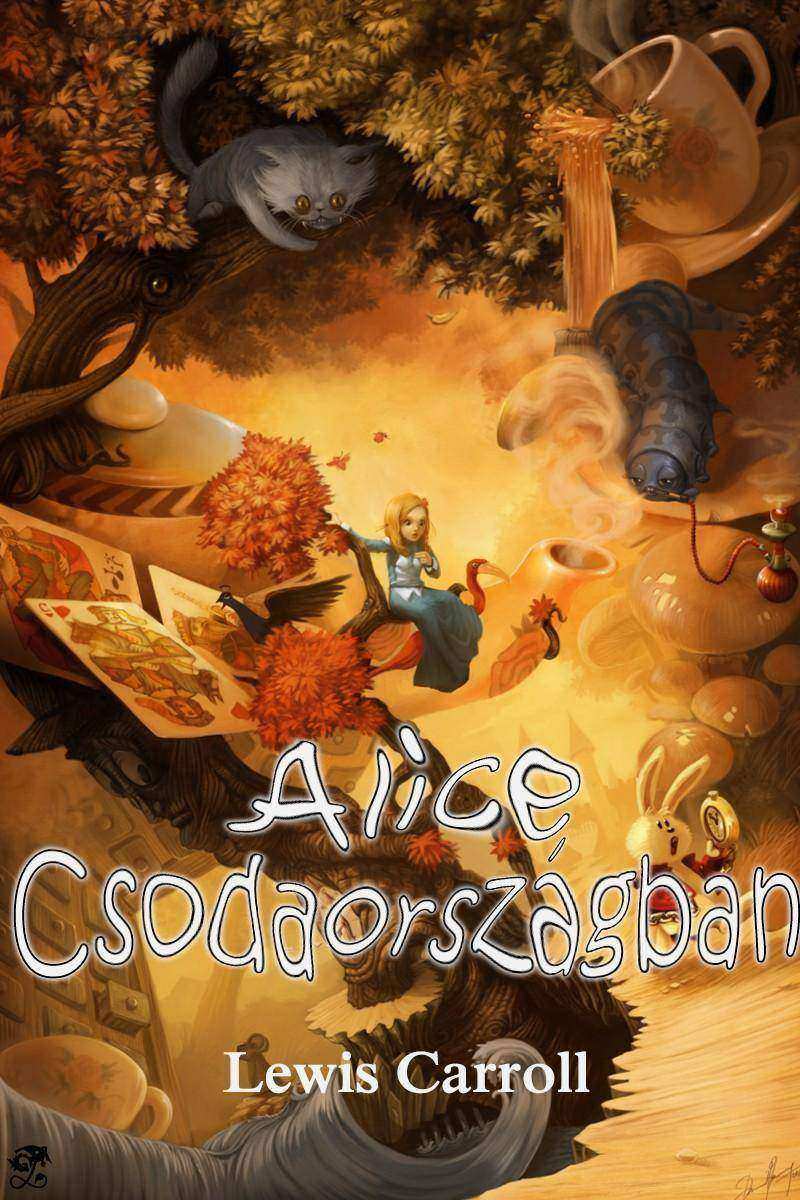
Alice Csodaországban
¥16.27
What do Nightcreatures do? They fly from the South to the North. They tell stories in English on the way. They draw what you cannot see. They make friends. Don't you want to join them?

Kurt Cobain kardigánja
¥28.78
Velence, 1408. Velencében, a titkok és rejtélyek városában semmi nem az, aminek látszik, és senki nem az, akinek mutatja magát. B?báj és ármány, árulás és vesztegetés – bármilyen eszk?z bevethet? a gy?zelemért. Kül?n?sen akkor, amikor a bizánci és a német-római császár is szemet vet a szépséges Lady Giulietta di Millionira. Az sem akadály, hogy a h?lgynek már van egy nem mindennapi k?rülmények k?z?tt fogant gyermeke… A két uralkodó valódi célja a gazdag városállam megszerzése. Velence sorsa három ember kezében van. Egyikük a frissen lovaggá üt?tt Sir Tycho, az angyalarcú démon, a kegyetlen Assassini-harcos, aki megóvta a várost a mameluk támadóktól. Csak egyet nem tud elérni – hogy a n?, akit szeret, viszontszeresse. Tycho szenved a napfényt?l, irtózik a vízt?l, s nem beszélhet az ?t kínzó titkokról. Miért is mentené meg újra a gy?l?lt várost – hiszen így szerelmét is végleg elveszítené. Tycho szíve h?lgye, a mesésen gazdag Lady Giulietta a másik ember, aki eld?ntheti Velence sorsát. Anya és ?zvegy alig tizenhét évesen. Fiának mostohaapja a német-római császár egyik fia, s mindezek ellenére még sz?z… Társuk Rosalyn, a kolduslány ?rokonlelke” Tychónak, aki visszahozza ?t a sírból, hogy mindhárman sz?vetségre lépve megküzdjenek a német császár vérfarkasaival, szembeszálljanak a bizánci mágus s?tét er?ivel, és megmentsék a város – s vele Giuliettát a házasságtól…
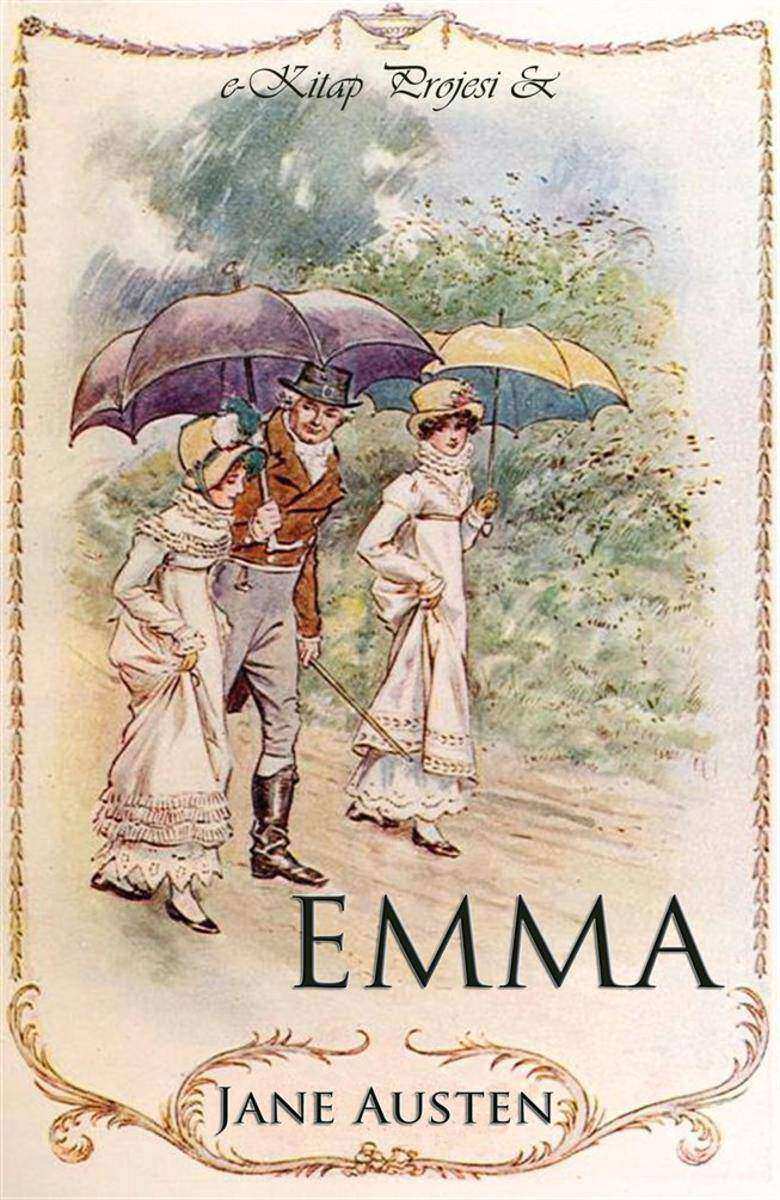
Emma
¥23.30
A few years ago, while visiting or, rather, rummaging about Notre-Dame, the author of this book found, in an obscure nook of one of the towers, the following word, engraved by hand upon the wall:— ? ? ? ? ? ? ? ANArKH. These Greek capitals, black with age, and quite deeply graven in the stone, with I know not what signs peculiar to Gothic caligraphy imprinted upon their forms and upon their attitudes, as though with the purpose of revealing that it had been a hand of the Middle Ages which had inscribed them there, and especially the fatal and melancholy meaning contained in them, struck the author deeply. He questioned himself; he sought to divine who could have been that soul in torment which had not been willing to quit this world without leaving this stigma of crime or unhappiness upon the brow of the ancient church. Afterwards, the wall was whitewashed or scraped down, I know not which, and the inscription disappeared. For it is thus that people have been in the habit of proceeding with the marvellous churches of the Middle Ages for the last two hundred years. Mutilations come to them from every quarter, from within as well as from without. The priest whitewashes them, the archdeacon scrapes them down; then the populace arrives and demolishes them. Thus, with the exception of the fragile memory which the author of this book here consecrates to it, there remains to-day nothing whatever of the mysterious word engraved within the gloomy tower of Notre-Dame,—nothing of the destiny which it so sadly summed up. The man who wrote that word upon the wall disappeared from the midst of the generations of man many centuries ago; the word, in its turn, has been effaced from the wall of the church; the church will, perhaps, itself soon disappear from the face of the earth. It is upon this word that this book is founded.

?tinapló: Wesselényi Miklós utazása Széchenyi Istvánnal, 1821-1822
¥28.78
Janka a csinos, 31 éves pincérn? legh?bb vágya, hogy belépjen életébe a nagy szerelem. Amikor megismerkedik Dáviddal, a híres énekessel, úgy érzi, benne megtalálta azt, akit mindig is keresett. Kapcsolatuk mégsem alakul felh?tlenül, bármilyen szenvedélyesen szerelmes is a popsztárba. Ahogy egyre jobban megismeri Dávidot, kiderül a férfi s?tét oldala. Janka azonban nem tud t?le elszakadni... A regény?arra keresi a választ, hogy milyen egy bántalmazó férfi és egy bántalmazói kapcsolat. Hogyan lehet egy ilyen kapcsolaton túljutni és ?nmagunkra találni annak ellenére, hogy képtelennek érezzük magunkat az elszakadásra? Hogyan lehet egy fájdalmas kapcsolaton túl is újra boldognak lenni?

Csillagpuszta
¥22.97
A kosaras srácok t?rténete folytatódik! Valaki felgyújtja Sédar klubját. Nyolcszornyolc, az edz? kizártnak tartja, hogy a Sharks csapatának k?ze legyen a dologhoz. A gyanúsítottak k?re azonban egyre b?vül, el?veszik a játékosokat is: Tunyát, aki mindig kül?nck?dik, Levet, aki visszahúzódó és félénk, Grimaszt, aki a legkisebb provokációból is balhét csinál. ?s ha mindez nem volna elég, Stifti, aki a szép szál Sédar iránti féltékenységét soha sem titkolta, ezúttal Szilviával is ?sszekap. Ráadásul Porto Vecchio hárompontosakat szóró királyn?je is eltitkol valamit. A Sharksnak a nagy izgalmak k?zepette is meg kell ?riznie higgadtságát, hogy legy?zhessék a Templomosokat.
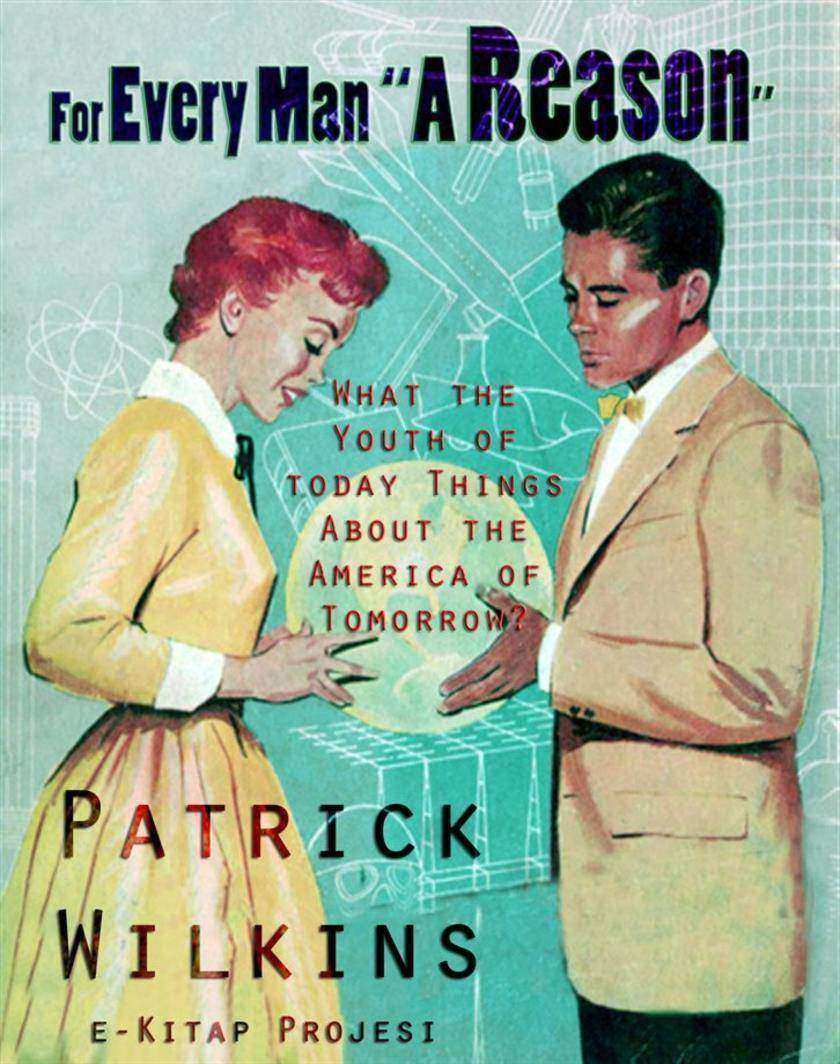
For Every Man A Reason
¥4.58
He stood watching while George Atkinson spun around, dark eyes flashing, hair tousled. There was a two days' growth of beard darkening Atkinson's face. "Why, George," Loveral said, swiftly examining the litter of metal and wood which was spread over a table behind Atkinson. There was a home-made hammer in Atkinson's hand. "What have we here, George?""Something for you," Atkinson said, tightening his fingers about the handle of the hammer.Loveral grinned his famous Loveral grin. "That's fine. What could it be?" "None of your damned business.""George," Loveral said, his smile still white but his eyes narrow and quick.The woman was behind them. Her voice screeched. "George, I told you. Why didn't you listen, George? You should have listened to me. You—" Loveral held up a hand, still watching Atkinson. "Now tell me, George, what is it you're making for me?"Atkinson raised the hammer slightly.Loveral stood very still. "That's a nice hammer, George."Atkinson's eyes were black beneath his thick brows."You made that, didn't you?" Loveral asked."Yes, I made that," Atkinson said. "I made that and I made something else. Another minute and I'll have that finished, too." "George," said Loveral, stepping quietly forward, "I don't like to say this, of course. You've been one of our very best members. But nobody works here, George. We can't allow that. You know the rules." "I know the rules, all right.""Well, then," Loveral said, extending his hand toward the hammer, "we'll just destroy this and whatever else you might have been making. We'll just forget it ever happened. We'll get along real fine that way, George. We'll just be such good friends.""We'll just go to hell," said Atkinson, snatching his hammer away. Loveral's smile disappeared. "I'll tell you, George. I have to mean business with this. You know the reasons. If we allow anybody to work here, then there's going to be trouble. That isn't our plan. We're here to grow within ourselves and expand culturally. Not to commercialize a beautiful world like Dream Planet."

Az alvilág zsoldjában
¥86.33
Doktor Proktor, a kétbalkezes professzor maga sem sejti, milyen kalandokba keveredik majd, amikor véletlenül feltalálja a f?ldkerekség legnagyobb erej? pukiporát, ami bárkit képes az ?rbe r?píteni. ?m amíg két kisiskolás segít?je azon dolgozik, hogy a találmány híressé és gazdaggá tegye ?ket, a csodaszer híre illetéktelenek fülébe is eljut. A doktor hamarosan egy sz?késbiztos cellában találja magát, a gonosz ikerpár ellopja a találmányt, és egy folyton éhes anakonda is beszabadul Oslo szennyvízcsatornáiba. K?zben pedig feltartóztathatatlanul k?zeleg a nemzeti ünnepre gyakorló iskolai katonazenekar... A világhír? skandináv krimiíró Doktor Proktor-sorozatát már t?bb mint 20 nyelvre fordították le. A f?szerepl?k fergeteges kalandjait elképeszt? fordulatok, abszurd humor és a Nesb?-féle kül?nleges atmoszféra teszi feledhetetlenné.
Hard Times
¥28.04
The story begins on May 5, 1805, in one of the wildest and most abrupt portions of New Spain, which now forms the State of Coahuila, belonging to the Mexican Confederation. If the reader will have the kindness to take a glance at a numerous cavalcade, which is debouching from a canyon and scaling at a gallop the scarped side of a rather lofty hill, on the top of which stands an aldea, or village of Indios mansos, he will at the same time form the acquaintance of several of our principal characters, and the country in which the events recorded in this narrative occurred. This cavalcade was composed of fifteen individuals in all; ten of them were lancers, attired in that yellow uniform which procured them the nickname of tamarindos. These soldiers were execrated by the people, in consequence of their cruelty. They advanced in good order, commanded by a subaltern and an alférez—an old trooper who had grown gray in harness, who had long white moustachios and a disagreeable face. As he galloped on, he looked around him with the careless, wearied air of a man for whom the future reserves no hopes either of ambition, love, or fortune. About twenty paces from this little band, and just so far ahead that their remarks reached the soldiers' ears in a completely incomprehensible fashion, three persons, two men and a woman, were riding side by side.The first was a gentleman of about thirty years of age, of commanding stature; his harsh, haughty, and menacing features were rendered even more gloomy by a deep scar of a livid hue which commenced on his right temple and divided his face into two nearly equal parts. This man, who was dressed in the sumptuous costume of the Mexican campesinos, which he wore with far from common grace, was named Don Aníbal de Saldibar, and was considered the richest hacendero in the province.His companion, who kept slightly in the rear, doubtless through respect, was a civilized Indian, with a quick eye, aquiline nose, and a wide mouth lined with two rows of dazzling white teeth. His countenance indicated intelligence and bravery. He was short and robust, and the almost disproportioned development of his muscles gave an enormous width to his limbs. This individual must assuredly be endowed with extraordinary strength. His attire, not nearly so rich as that of the hacendero, displayed a certain pretension to elegance, which was an extraordinary thing in an Indian. This man's name was Pedro Sotavento, and he was majordomo to Don Aníbal.As we have said, the third person was a female. Although it was easy to see, through the juvenile grace of her movements and her taper waist, that she was still very young, she was so discreetly hidden behind gauze and muslin veils, in order to protect her from the burning heat of the sun which was then at its zenith, that it was impossible to distinguish her features. Long black locks escaped from beneath her broad-brimmed vicu?a hat, and fell in profusion on her pink and white shoulders, which were scarcely veiled by a China crape rebozo. At the moment when we approach these three persons they were conversing together with considerable animation."No," Don Aníbal said, with a frown, as he smote the pommel of his saddle, "it is not possible, I cannot believe in so much audacity on the part of these Indian brutes. You must have been deceived, Sotavento." The majordomo grinned knowingly, and buried his head between his shoulders with a motion which was habitual to him."You will see, mi amo," he replied, in a honeyed voice, "my information is positive." "What!" the hacendero continued with increased fury, "They would really attempt resistance! Why, they must be mad!""Not so much as you suppose, mi amo; the aldea is large and contains at least three thousand callis.""What matter? Suppose there were twice as many, is not one Spaniard as good as ten Indians?"

A kis szellem
¥58.78
Defoe's novel Robinson Crusoe (1719) tells of a man's shipwreck on a deserted island and his subsequent adventures. The author based part of his narrative on the story of the Scottish castaway Alexander Selkirk, who spent four years stranded on the island of Juan Fernandez. He may have also been inspired by the Latin or English translation of a book by the Andalusian-Arab Muslim polymath Ibn Tufail, who was known as "Abubacer" in Europe. The Latin edition of the book was entitled Philosophus Autodidactus and it was an earlier novel that is also set on a deserted island. "One day, about noon, going towards my boat, I was exceedingly surprised with the print of a man's naked foot on the shore, which was very plain to be seen on the sand."— Defoe's Robinson Crusoe, 1719 The novel has been variously read as an allegory for the development of civilisation, as a manifesto of economic individualism and as an expression of European colonial desires but it also shows the importance of repentance and illustrates the strength of Defoe's religious convictions. It is also considered by many to be the first novel written in English. Early critics, such as Robert Louis Stevenson admired it saying that the footprint scene in Crusoe was one of the four greatest in English literature and most unforgettable; more prosaically, Dr. Wesley Vernon has seen the origins of forensic podiatry in this episode. It has inspired a new genre, the Robinsonade as works like Johann David Wyss's The Swiss Family Robinson (1812) adapt its premise and has provoked modern postcolonial responses, including J. M. Coetzee's Foe (1986) and Michel Tournier's Vendredi ou les Limbes du Pacifique (in English, Friday, or, The Other Island) (1967). Two sequels followed, Defoe's The Farther Adventures of Robinson Crusoe (1719) and his Serious reflections during the life and surprising adventures of Robinson Crusoe: with his Vision of the angelick world (1720). Jonathan Swift's Gulliver's Travels (1726) in part parodies Defoe's adventure novel. ? About Author: Daniel Defoe (1660 – 24 April 1731), born Daniel Foe, was an English trader, writer, journalist, pamphleteer, and spy, now most famous for his novel Robinson Crusoe. Defoe is notable for being one of the earliest proponents of the novel, as he helped to popularise the form in Britain, and, along with others such as Samuel Richardson, is among the founders of the English novel. A prolific and versatile writer, he wrote more than 500 books, pamphlets and journals on various topics (including politics, crime, religion, marriage, psychology and the supernatural). He was also a pioneer of economic journalism. ? Early lifeDaniel Foe (his original name) was probably born in the parish of St. Giles Cripplegate, London. Defoe later added the aristocratic-sounding "De" to his name and on occasion claimed descent from the family of De Beau Faux. His birthdate and birthplace are uncertain: sources offer dates of anywhere between 1659 to 1662; considered most likely to be 1660. His father, James Foe, was a prosperous tallow chandler and a member of the Butchers' Company. In Defoe's early life he experienced firsthand some of the most unusual occurrences in English history: in 1665, 70,000 were killed by the Great Plague of London and the Great Fire of London (1666) left standing only Defoe's and two other houses in his neighborhood. In 1667, when he was probably about 7, Dutch fleet sailed up the Medway via the River Thames and attacked Chatham. His mother Annie had died by the time he was about 10.

Tales of Space and Time
¥18.80
Tales of Space and Time, A collection of short stories: "The Crystal Egg", "The Star", "A Story of the Stone Age", "A Story of the Days to Come" & "The Man who could Work Miracles" ? Some Books of Wells: The War of the Worlds (1898) The Time Machine (1895) A Modern Utopia (1905) The Invisible Man (1897) The Island of Dr. Moreau (1896) The Food of the Gods and How It Came to Earth (1904) The Sleeper Awakes (1910) The Story of the Inexperienced Ghost (1902) The First Men in the Moon (1901) A Dream of Armageddon (1901)
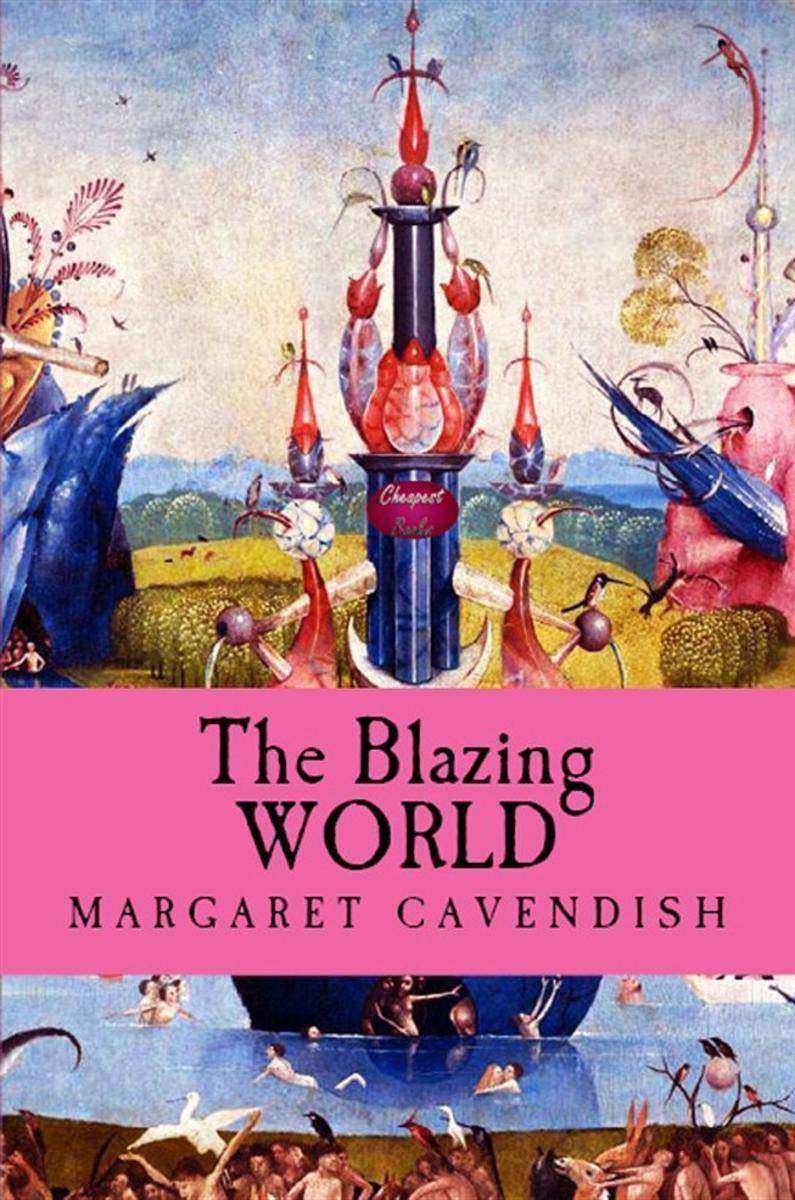
The Blazing World
¥28.37
“The Blazing World”, is a Description of a New World, Called The Blazing-World, better known as The Blazing World, is a 1666 work of prose fiction by English writer Margaret Cavendish, the Duchess of Newcastle. It has been described as an early fore-runner of science fiction.??Here on this Figure Cast a Glance.?But so as if it were by Chance,?Your eyes not fixt, they must not Stay,?Since this like Shadowes to the Day?It only represent's; for Still,?Her Beauty's found beyond the Skill?Of the best Paynter, to Imbrace?These lovely Lines within her face.?View her Soul's Picture, Judgment, witt,?Then read those Lines which Shee hath writt,?By Phancy's Pencill drawne alone?Which Peces but Shee, can justly owne.??To The Duchesse of Newcastle, ?On Her New Blazing-World.??Our Elder World, with all their Skill and Arts,?Could but divide the World into three Parts:?Columbus, then for Navigation fam'd,?Found a new World, America 'tis nam'd;?Now this new World was found, it was not made,?Onely discovered, lying in Time's shade.?Then what are You, having no Chaos found?To make a World, or any such least ground??But your Creating Fancy, thought it fit?To make your World of Nothing, but pure Wit.?Your Blazing-World, beyond the Stars mounts higher,?Enlightens all with a C?lestial Fier.??William Newcastle.

?n fiecare zi moare un celebru
¥35.15
Dinu are 25 de ani, o carier? ?n presa de scandal ?i nemul?umiri pe toate planurile: e convins c? iubita ?l ?n?al?, a scris o carte pe care nu reu?e?te s-o publice, iar jobul s?u, de a scoate senza?ionalul din necazurile altora, nu-i aduce nici o satisfac?ie. ?n loc s?-?i accepte cu demnitate condi?ia de t?n?r intelectual rom?n, e decis s?-?i rezolve toate problemele, ?n doar o s?pt?m?n?. ?ntr-o astfel de situa?ie, de o gravitate medie, c?teva sfaturi ra?ionale ar putea fi exact ce are nevoie. Din p?cate, persoanele din jurul s?u nu se obosesc cu a?a ceva. Luca, prietenul s?u cel mai bun ?i fost coleg de facultate, ?l ?mpinge, de fiecare dat?, spre cea mai simpl? sau imoral? solu?ie. De cealalt? parte, fratele s?u Andrei ?ncearc? s?-l transforme ?ntr-un bun cre?tin, precum ceilal?i membrii ai sectei. Obsesia fa?? de starul hip-hop Ty Julius, impus? de cerin?ele publicului de tabloid, e singurul lucru care reu?e?te s?-i mai st?rneasc? sentimente puternice. Asta p?n? c?nd o ?nt?lne?te pe Simona, care i-ar putea schimba via?a complet, ?n bine, sau ?n r?u, sau poate chiar deloc.
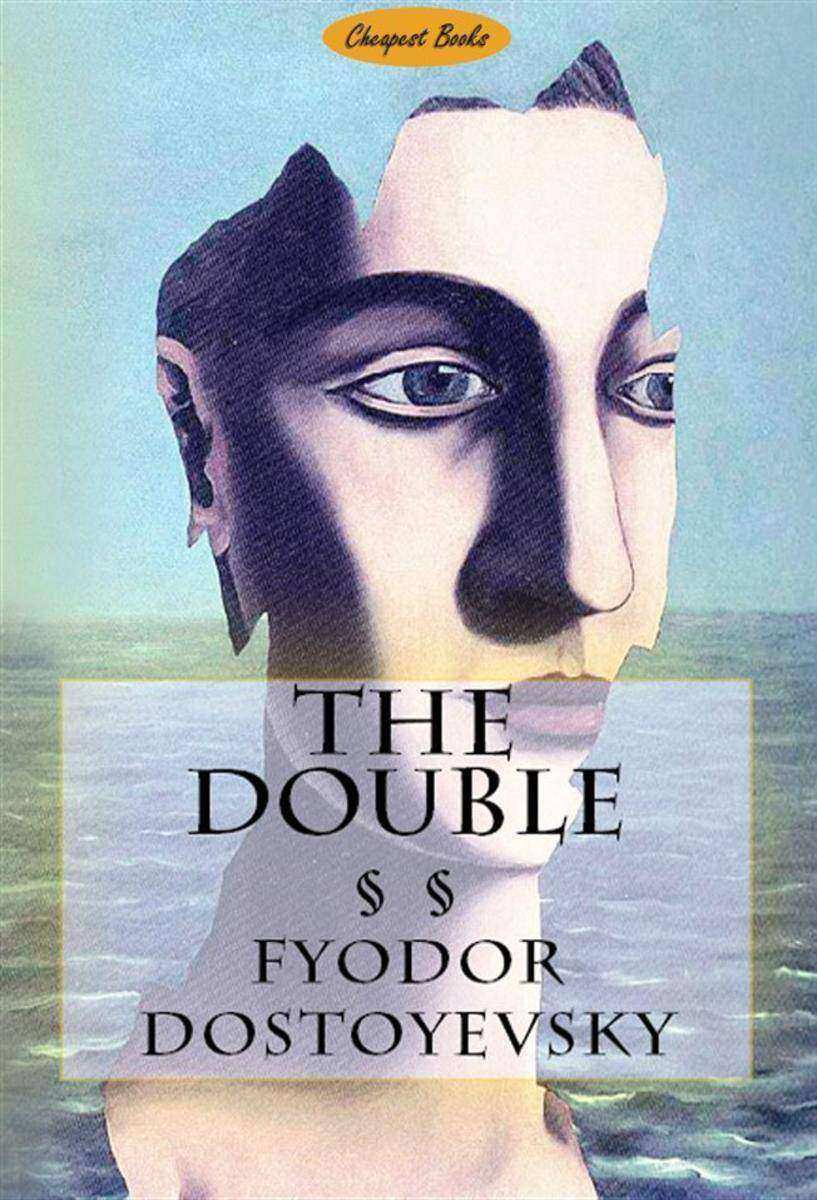
The Double
¥18.80
-THE DOUBLE- centers on a government clerk who goes mad. It deals with the internal psychological struggle of its main character, Yakov Petrovich Golyadkin, who repeatedly encounters someone who is his exact double in appearance but confident, aggressive, and extroverted, characteristics that are the polar opposites to those of the toadying "pushover" protagonist. ??The motif of the novella is a doppelganger (Russian "dvoynik"), known throughout the world in various guises such as the fetch. * * *? It was a little before eight o’clock in the morning when Yakov Petrovitch Golyadkin, a titular councillor, woke up from a long sleep. He yawned, stretched, and at last opened his eyes completely.?For two minutes, however, he lay in his bed without moving, as though he were not yet quite certain whether he were awake or still asleep, whether all that was going on around him were real and actual, or the continuation of his confused dreams. ??Very soon, however, Mr. Golyadkin’s senses began more clearly and more distinctly to receive their habitual and everyday impressions. The dirty green, smoke-begrimed, dusty walls of his little room, with the mahogany chest of drawers and chairs, the table painted red, the sofa covered with American leather of a reddish colour with little green flowers on it, and the clothes taken off in haste overnight and flung in a crumpled heap on the sofa, looked at him familiarly. At last the damp autumn day, muggy and dirty, peeped into the room through the dingy window pane with such a hostile, sour grimace that Mr. Golyadkin could not possibly doubt that he was not in the land of Nod, but in the city of Petersburg, in his own flat on the fourth storey of a huge block of buildings in Shestilavotchny Street.


