


 购物车
 个人中心

The Fairy Ring
¥37.85
"THERE was once upon a time a king who had a garden; in that garden was an apple tree, and on that apple tree grew a golden apple every year."?These stories are the golden apples that grew on the tree in the king's garden; grew and grew and grew as the golden years went by; and being apples of gold they could never wither nor shrink nor change, so that they are as beautiful and precious for you to pluck today as when first they ripened long, long ago.??Perhaps you do not care for the sort of golden apples that grew in the king's garden; perhaps you prefer plain russets or green pippins? Well, these are not to be despised, for they also are wholesome food for growing boys and girls; but unless you can taste the flavor and feel the magic that lies in the golden apples of the king's garden you will lose one of the joys of youth.??No one can help respecting apples (or stories) that gleam as brightly today as they did hundreds and thousands of years ago, when first the tiny blossoms ripened into precious fruit.??"Should you ask me whence these stories,?Whence these legends and traditions?With the odors of the forest,?With the dew and damp of meadows?"—??I can say only that the people were telling fairy tales in Egypt, in Joseph's time, more than three thousand years ago; and that grand old Homer told them in the famous "Odyssey," with its witches and giants, its cap of darkness, and shoes of swiftness. Old nurses and village crones have repeated them by the fireside and in the chimney corner; shep-herds and cowherds have recounted them by the brookside, until the children of the world have all learned them by heart, bequeathing them, generation after generation, as a priceless legacy to their own children. Nor must you fancy that they have been told in your own tongue only. Long, long before the art of printing was known, men and women of all nations recited these and similar tales to one another, never thinking that the day would come when they would be regarded as the peculiar property of youth and childhood. ?
Baletul fantasmelor
¥47.01
Un nou gen de proz? literar?? A?a s-ar p?rea, dac? pornim de la separarea ?n con?tient ?i incon?tient a sinelui uman, aprofundat? magistral de marele psihiatru elve?ian C.G. Jung ?n celebra ?i monumentala sa Carte Ro?ie. Dumitru Popescu are o bogat? oper? literar?-fic?ional? ?i nonfic?ional? – inspirat? din yona con?tientului. Baletul fantasmelor ne propune sondarea cu mijloace literare a celeilalte zone a spiritului, cu origini ?i mecanisme ?nc? greu decelabile ?i care deschide o alt? fabuloas? perspectiv? a l?untricului omenesc.
The Colour Out of Space
¥9.00
"The Colour Out of Space" is a first-person narrative written from the perspective of an unnamed surveyor from Boston. In order to prepare for the construction of a new reservoir in Massachusetts, he surveys a rural area that is to be flooded near Lovecraft's fictional town of Arkham. He comes across a mysterious patch of land, an abandoned five-acre farmstead, which is completely devoid of all life.
The Book
¥9.00
"The Book" is an unfinished short story by American horror fiction writer H. P. Lovecraft, believed to have been written in late 1933. It was first published in the journal Leaves in 1938, after Lovecraft's death. In the story fragment, the narrator is given an ancient book by a strange bookseller, and when he takes it home and examines it, weird and sinister events ensue.
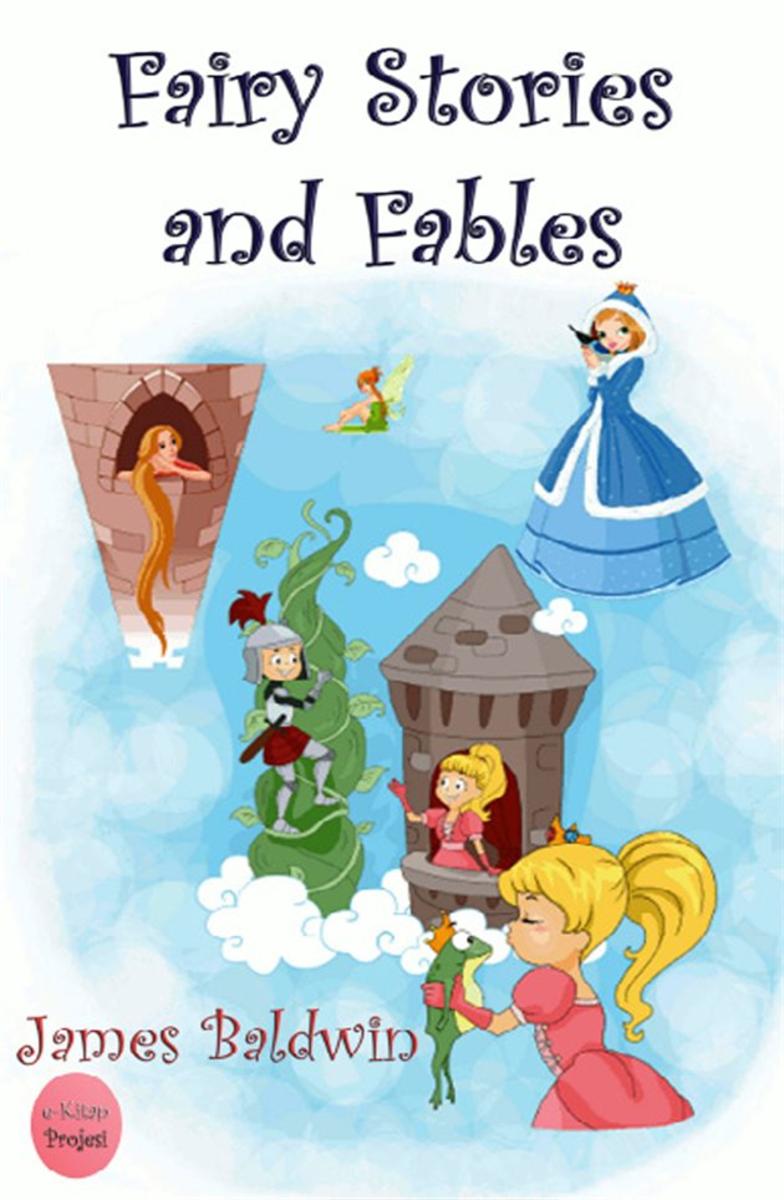
Fairy Stories and Fables
¥28.29
The longer stories in this book are called Fairy Stories, because that is the name by which such tales are always known to children; and yet only a very few contain any direct reference to fairies. The most of them have to do with talking animals and with strange incidents and transformations such as have always delighted the childish fancy. They have been drawn from a variety of sources; and liberty has been taken to make such changes in the narratives as seemed most necessary to adapt them to the understanding and needs of the children of our own time and country. ??Free renderings, they may be called, of some of the most popular folktales of foreign lands. The Three Bears, Tom Thumb, Jack and the Beanstalk, and Tom Tit Tot are old English favorites dressed in modern garb; Little Red Riding Hood, Puss in Boots, Princet and the Golden Blackbird, and Drakesbill and his Friends are variants of the well-known French versions by Perrault, Marelles, and Sebillot; Little Tuppen and The Three Goats named Bruse are from Norwegian sources; and the rest are founded upon German originals. In the retelling of these tales care has been taken to avoid whatever might distress the most sensitive child as well as everything that could give a wrong bias to his moral nature or distort his perception of the beautiful and the true.
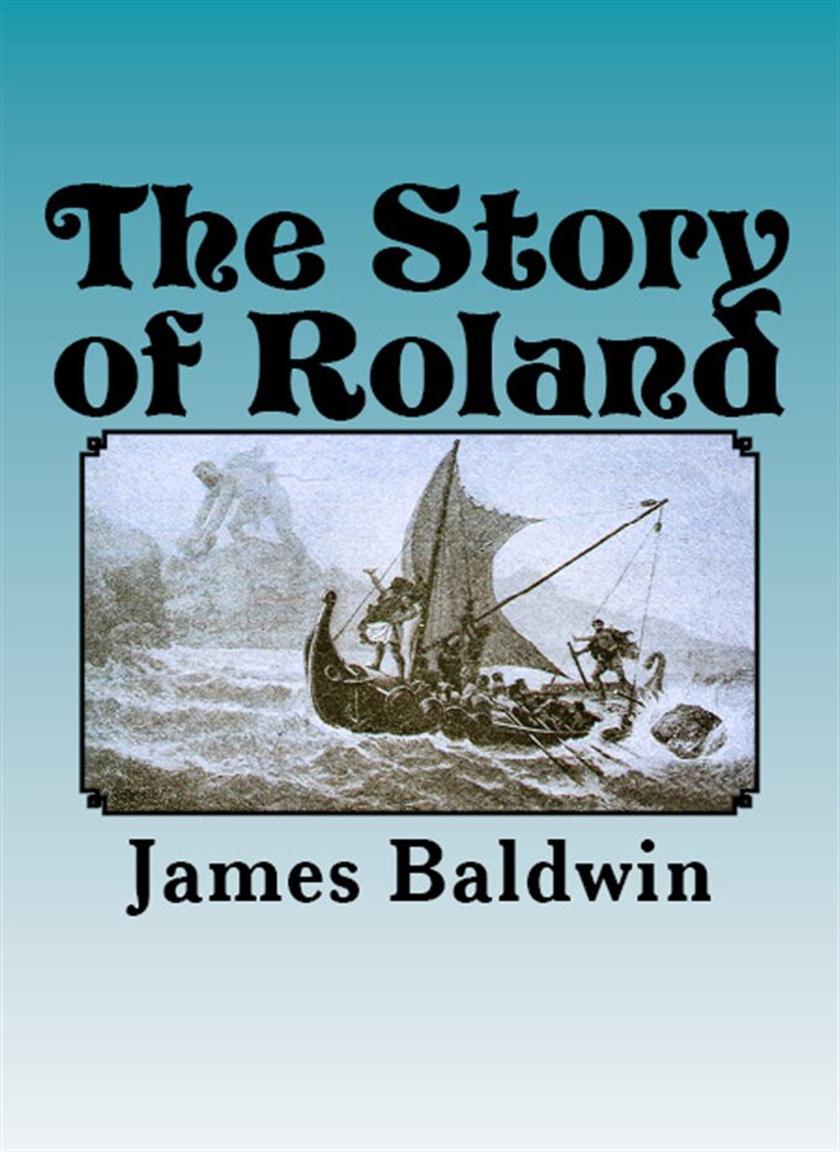
The Story of Roland
¥28.29
Jean Bodel a minstrel of the thirteenth century, wrote, "There are but three subjects which interest men,—the tales of France, of Britain, and of Rome the great; and to these subjects there is nothing like. The tales of Britain are so light and pleasant, those of Rome are wise and of teachful sense; those of France, truly every day of greater appearance."??In this story of Roland as I propose telling it, I shall intro-duce you to some of the most pleasing of those "tales of France" The poems and legends which embody them were written in various languages, and at widely different times; but in them two names, Charlemagne and Roland are of very frequent occurrence. Charlemagne, as you know, was a real historical personage, the greatest monarch of medieval times. His empire included France, the greater part of Germany and Italy; and his power and influence were felt all over the Christian world. The fame of his achievements in war was heralded and sung in every country of Europe; his name was in the mouth of every story-teller and wandering bard; and it finally became customary to ascribe all the heroic deeds and wonderful events of three centuries to the time of Charlemagne. ??The songs and stories in which these events were related were dressed up with every kind of embellishment to suit the circumstances of their recital. Wild myths of the Pagan ages, legends and traditions of the Christian Church, superstitious notions of magic and witchcraft, fantastic stories derived from the Arabs of Spain and the East,—all these were blended in one strange mass, and grafted upon a slender core of historical truth. The result was a curious mixture of fact and fiction, of the real and the marvellous, of the beautiful and the impure, of Christian devotion and heathen superstition. And it was thus that "the tales of France", which we may term the legendary history of Charlemagne, came into being ..

The Grey Fairy Book: [Illustrated Edition]
¥28.37
The tales in the Grey Fairy Book are derived from many countries: ”Lithuania, various parts of Africa, Germany, France, Greece, and other regions of the world. They have been translated and adapted by Mrs. Dent, Mrs. Lang, Miss Eleanor Sellar, Miss Blackley, and Miss Lang. 'The Three Sons of Hali' is from the last century 'Cabinet des Faces,' a very large collection. The French author may have had some Oriental original before him in parts; at all events he copied the Eastern method of putting tale within tale, like the Eastern balls of carved ivory. ??The stories, as usual, illustrate the method of popular fiction. A certain number of incidents are shaken into many varying combinations, like the fragments of coloured glass in the kaleidoscope. Probably the possible combinations, like possible musical combinations, are not unlimited in number, but children may be less sensitive in the matter of fairies than Mr. John Stuart Mill was as regards music.
Legendele sau basmele rom?nilor
¥16.35
Cel mai vechi dintre cltorii romantici, Grigore Alexandrescu, n paginile consacrate vizitei sale la mnstirile olteneti (1842), ne ofer… destul de puin. Impresiile sale privesc mai degrab tradiiile istorice ale locurilor pe care le viziteaz sau unele particulariti ale ornduirii lor actuale. Cadrul natural este abia indicat. Cnd ajunge la Cozia, o simpl nsemnare topografic i este de ajuns… n faa Mnstirii Dintr-un Lemn descrierea este ceva mai bogat, dar fr elemente sensibile propriu-zise. Autorul descrie o configuraie, nu un peisagiu… Petera de la Polovraci l impresioneaz mai mult, dar spiritul de observaie rmne, chiar n faa acestui spectacol, inferior fanteziei constructive, creia i se pare a vedea, n grupul stalactitelor, siluete de copii sau de fantasmagorice fiine combinate din oameni i fiare, dac nu simple chipuri slbatice "c doi tlhari, care, cu armele gata, ateapt s atace un trector". Abia, ultima pagin a Memorialului jertfete esteticii timpului, zugrvind un motiv tipic-rasarirea lunii deasupra unei pduri… Pagina merit a fi reinut. Este acea prin care natura, ca obiect al descrierii literare, intr n operele prozatorilor romni, sub forma magiei lunare. Scriitorul nelege ce poate fi dulceag sau convenional n zugrvirea strlucirii nentinate a lunii i de aceea ntregete tabloul sau din contraste punnd alturi de lumin selenar, rspndit pe ziduri, pe stnci i poteci, masa ntunecat a pdurii rmase n umbr. Rsrirea lunii la Tismana rmne oricum o excepie n paginile de proz ale lui Grigore Alexandrescu.“Tudor Vianu, Arta prozatorilor romni, Chiinu, Casa de editura Litera, 1997, p. 69-70.

The Magic City
¥8.82
An extremely unhappy ten-year-old magically escapes into a city he has built out of books, chessmen, candlesticks, and other household items.

Lelkünk üzenete
¥81.26
Elég egy váratlan hajnali telefonhívás és egy rég nem hallott a hang a vonal másik végén, hogy Myron Bolitar, a kemény?kl? játékosügyn?k ismét egy els? ránézésre megoldhatatlan rejtély kell?s k?zepén találja magát. Nyolc éve, hogy utoljára találkozott a gy?ny?r? Terese Collinsszal, aki most arra kéri, utazzon Párizsba. Myron sejti, hogy nem csupán egy romantikus randevú várja a szerelem városában, ám amikor a repül?térre érve rend?r?k fogadják, majd hamarosan kiderül, hogy Terese az els? számú gyanúsítottja egy gyilkosságnak, úgy érzi, zsákutcába került. Nem ismeri sem a nyelvet, sem a szokásokat, így aligha tud bármit is kinyomozni. De miel?tt alaposabban végiggondolhatná a helyzetet, t?rténik valami, ami új megvilágításba helyezi az ügyet... ?Ekkor borítottam rá az asztalt. Amint leült mellém, azonnal végiggondoltam a lehet?ségeket. Már tudtam, mir?l van szó: emberrablás. Ha beszállok a furgonba, nekem l?ttek. Hallották már azt a nagy b?lcsességet, hogy az emberrablásoknál mindig az els? negyvennyolc óra a legkritikusabb? Amit nem szoktak hozzátenni - talán mert annyira nyilvánvaló -, hogy minden másodperccel cs?kken az esélye annak, hogy valaha is megtalálják az áldozatot. Itt ugyanez volt a helyzet. Ha beszállok abba a kocsiba, túlélési esélyeim a minimumra cs?kkennek. Ha felállok, és elindulok a furgon felé, szintén romlanak a kilátásaim. Ráadásul Sebhelyes Fej nem számít korai ellencsapásra. Azt hiszi, szépen begyakorolt kis monológját hallgatom. Nem jelentek fenyegetést. ?gy hát a meglepetés erejére építettem. Egy pillanatra ? is odanézett, hogy meggy?z?dj?n, valóban ott áll-e a kocsi. Ennyi elég is volt. Az asztal peremét már korábban megmarkoltam. Lábizmaim megfeszültek. ?gy pattantam f?l, mintha dobbantóról ugranék. Az asztallap egyenesen az arcába csapódott." Harlan Coben napjaink egyik legnépszer?bb krimiírója. Regényeit a m?faj gy?ngyszemeiként tartják számon, eddig negyven kül?nb?z? nyelvre fordították le, és k?zel 50 millió (!) példányt adtak el bel?lük világszerte.
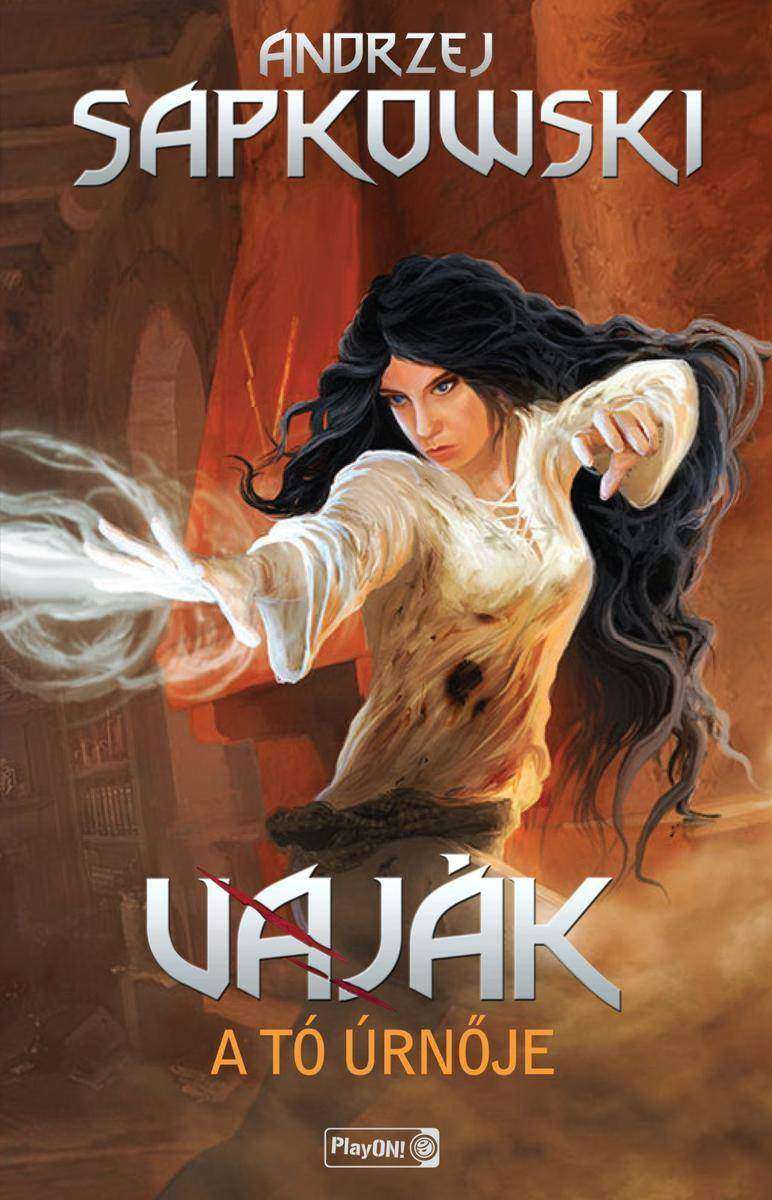
A tó úrn?je
¥102.27
These tales are translated from a variety of authors. The translator has been chiefly led to the task by the hope of composing an entertaining volume out of materials not generally accessible. The works in which many of them are found, are by no means common, and the indelicacy with which almost all collections of Italian tales are polluted, deservedly excludes them from general perusal. Such care has, however, been employed in the following selection, and such liberties taken with the originals, when they appeared objectionable on this account, that it is hoped this little book will escape the censure too justly cast upon Italian works of humour, in general—a censure which falls heavily upon many of the otherwise admirable tales of Boccaccio. While, however, such trifling alterations have been made as appeared necessary, these tales may still justly be considered as fair specimens of the Italian Novella, and like the celebrated collection already alluded to, furnish us with a very lively idea of the early manners of the Italians. Those tales, from which our great dramatist borrowed parts of his plots, and some of his incidents, have a double interest, both from their own nature, and as they illustrate the process by which his genius, "by happy alchemy of mind," turned all the materials which fell in his way to gold. Two or three of this kind have been purposely selected. ITALIAN TALES: THE TEACHER TAUGHT. THE UNEXPECTED REPLY. WHO AM I? THE DEAD RIDER. THE SKILFUL PHYSICIAN THE POMEGRANATE SEED THE FATAL MISTAKE THE DEAD ALIVE THE FALSE CHAMPION THE MERCHANT OF VENICE THERE IS A SKELETON IN EVERY HOUSE. THE ELOPEMENT. THE FRIAR ENTRAPPED ANTONIO AND VERONICA. BELPHAGOR. THE SLEEPING DRAUGHT THE COUNTERPARTS
Japanese Fairy Tales: Illustrated
¥18.74
THE ARABIAN NIGHTS “THE ORIENT MAGIC” The Talking Bird, The Singing Tree, and the Golden WaterThe Story of the Fisherman and the GenieThe History of the Young King of the Black IslesThe Story of Gulnare of the SeaThe Story of Aladdin; Or, the Wonderful LampThe Story of Prince AgibThe Story of the City of BrassThe Story of Ali Baba and the Forty ThievesThe History of Codadad and His BrothersThe Story of Sinbad the Voyager The Talking Bird:It will be sufficient to break off a branch and carry it to plant in your gardenThe Fisherman and the GenieThe smoke ascended to the clouds, and extending itself along the sea and upon the shore formed a great mist The Young King of the Black IslesWhen he came to this part of his narrative the young king could not restrain his tearsGulnare of the SeaAnd she proceeded to burn perfume and repeat spells until the sea foamed and was agitatedAladdinAt the same time the earth, trembling, opened just before the magician, and uncovered a stone, laid horizontally, with a brass ring fixed into the middlePrince AgibAnd when the boat came to me I found in it a man of brass, with a tablet of lead upon his breast, engraven with names and talismans Prince AgibAt the approach of evening I opened the first closet and, entering it, found a mansion like paradiseThe City of BrassAnd when they had ascended that mountain they saw a city than which eyes had not beheld any greaterThe Story of Ali Baba and the Forty ThievesCassim ... was so alarmed at the danger he was in that the more he endeavoured to remember the word Sesame the more his memory was confoundedThe History of Codadad and His BrothersAs it drew near we saw ten or twelve armed pirates appear on the deckSecond Voyage of SinbadThe spot where she left me was encompassed on all sides by mountains that seemed to reach above the clouds, and so steep that there was no possibility of getting out of the valleyThird Voyage of SinbadHaving finished his repast, he returned to his porch, where he lay and fell asleep, snoring louder than thunder.. Little excuse is needed, perhaps, for any fresh selection from the famous "Tales of a Thousand and One Nights," provided it be representative enough, and worthy enough, to enlist a new army of youthful readers. Of the two hundred and sixty-four bewildering, unparalleled stories, the true lover can hardly spare one, yet there must always be favourites, even among these. We have chosen some of the most delightful, in our opinion; some, too, that chanced to appeal particularly to the genius of the artist. If, enticed by our choice and the beauty of the pictures, we manage to attract a few thousand more true lovers to the fountain-book, we shall have served our humble turn. The only real danger lies in neglecting it, in rearing a child who does not know it and has never fallen under its spell. You remember Maimoune, in the story of Prince Camaralzaman, and what she said to Danhasch, the genie who had just arrived from the farthest limits of China? "Be sure thou tellest me nothing but what is true or I shall clip thy wings!" This is what the modern child sometimes says to the genies of literature, and his own wings are too often clipped in consequence."The Empire of the Fairies is no more. Reason has banished them from ev'ry shore;Steam has outstripped their dragons and their cars,Gas has eclipsed their glow-worms and their stars."?douard Laboulaye says in his introduction to Nouveaux Contes Bleus: "Mothers who love your children, do not set them too soon to the study of history; let them dream while they are young.
Wuthering Heights
¥8.09
Kedves Feln?ttek! ?Ez a k?nyv Nektek készült! T?rténetünk a XXXIV. században játszódik. Egy királyi család nem épp szokványos életén keresztül betekintést nyerhetünk a j?v?be. ??j faj k?rvonalazódik, aminek fejl?dése megállíthatatlan. ?Unalmasnak t?n?, idillikus életüket felváltja a S?tétség er?ivel folytatott harc, aminek kimenetele végleg meghatározza a F?ld bolygó sorsát...
Annuska
¥8.67
The history of our English translations of "Don Quixote" is instructive. Shelton's, the first in any language, was made, apparently, about 1608, but not published till 1612. This of course was only the First Part. It has been asserted that the Second, published in 1620, is not the work of Shelton, but there is nothing to support the assertion save the fact that it has less spirit, less of what we generally understand by "go," about it than the first, which would be only natural if the first were the work of a young man writing currente calamo, and the second that of a middle-aged man writing for a bookseller. On the other hand, it is closer and more literal, the style is the same, the very same translations, or mistranslations, occur in it, and it is extremely unlikely that a new translator would, by suppressing his name, have allowed Shelton to carry off the credit. In 1687 John Phillips, Milton's nephew, produced a "Don Quixote" "made English," he says, "according to the humour of our modern language." His "Quixote" is not so much a translation as a travesty, and a travesty that for coarseness, vulgarity, and buffoonery is almost unexampled even in the literature of that day. But it is, after all, the humour of "Don Quixote" that distinguishes it from all other books of the romance kind. It is this that makes it, as one of the most judicial-minded of modern critics calls it, "the best novel in the world beyond all comparison." It is its varied humour, ranging from broad farce to comedy as subtle as Shakespeare's or Moliere's that has naturalised it in every country where there are readers, and made it a classic in every language that has a literature.
Antigoné
¥8.67
FIRE MOUNTAIN IS "A THRILLING SEA STORY BY "NORMAN SPRINGER", AUTHOR OF "THE BLOOD SHIP" Years. Bright, aslant eyes, and a suave and ever-ready smile that broke immediately Martin met his gaze. "You will be so good as to inform the honorable that Dr. Ichi is here?" he asked in precise and stilted voice. Ever the same—the noiseless entry, the quietly spoken request for the lawyer. Martin repressed a flash of irritation; the little Japanese, with his uncanny soft-footedness and stereotyped address, got upon his nerves. However, his orders were explicit; Mr. Smatt would see Dr. Ichi without delay or preliminary, whenever Dr. Ichi favored the office with a visit. It was already the third visit that day, but orders were orders. So, Martin inclined his head toward the door of Smatt's private office. The Japanese crossed the room. He bowed to Martin, as stately a bow as if Martin were also an "honorable," instead of a poor devil of a law clerk; then, noiselessly as he had entered the outer office, Dr. Ichi disappeared within Smatt's sanctum. Martin turned to his window again. But his bright day dream was fled, and he could not conjure it back again. The view was without charm. His thoughts, despite himself, persisted in centering upon the dapper little figure now closeted with his employer. The dandified Jap aroused Martin's interest. What manner of client was this Dr. Ichi? Martin had not seen a single scrap of paper, nor had Smatt dropped a single hint, concerning the case. It was mysterious! Martin was not an overly curious chap, but he was human. It was another of Smatt's secret cases, thought Martin. Another token of those hidden activities of the old vulture, which he sensed, but did not know about. For, though Martin attended to the routine work, though his duties were responsible—Smatt specialized and was prominent in maritime law—still Martin knew he did not enjoy his employer's complete confidence. Much of Smatt's time was taken up with cases Martin knew nothing about, with clients who appeared to shun the daylight of the courts. The Nippon Trading Company, for instance! Martin knew Smatt was interested in a company of that name—a strange company, that apparently conducted business without using the mails. And there was business between Ichi and Smatt—money, or Smatt would have nothing to do with it. The mystery aroused Martin's dormant curiosity. But all his speculation was pointless. Martin bethought himself of the marine affidavit lying uncompleted upon his desk. He turned from the window with the intention of applying himself to that task—and he discovered the office to have a second visitor. Another unusual figure who possessed the penchant for surreptitious entry. He observed the fellow in the very act of closing the office door.

Szigorúan bizalmas
¥46.68
– Itt Zachary Horner beszél! Miben segíthetek? – Jó estét kívánunk Zachary James Horner! A Brit Szerencsejáték Sz?vetség ?r?mmel értesíti ?nt, hogy megnyerte a British Bonus f?nyereményét, azaz nyolcvan?tmillió fontot. – A rohadt élet! – d?bbent meg a fiatalember a hír hallatán, majd felülve az ágyán, nagy ?r?mmel folytatta – Ez most azt jelenti, hogy eltalálták mind a négy számot, amit megjátszottam? – Igen, tisztelt uram! Ez a legmagasabb ?sszeg, amit ember eddig valaha nyert. Nyereményét bármikor átveheti a londoni k?zpontunkban is személyesen, de akár bankszámlára is elutalhatjuk ?nnek.
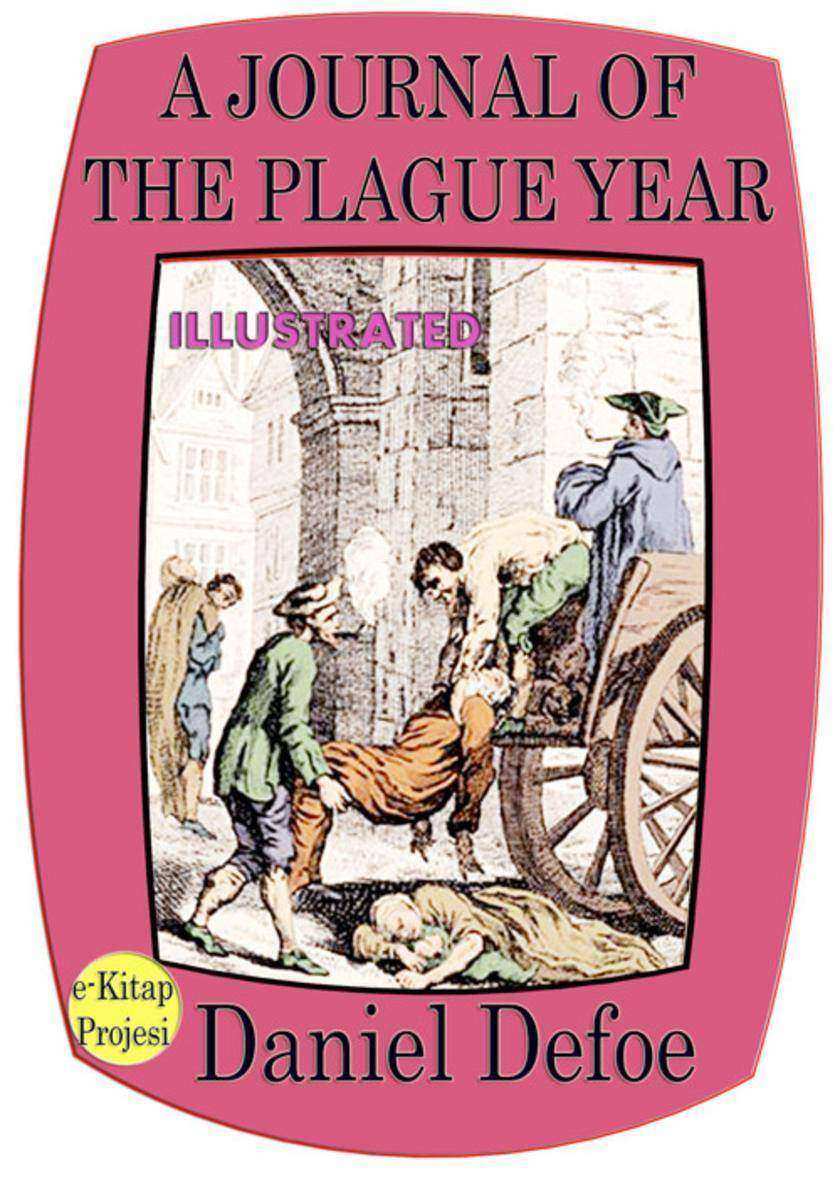
A Journal of the Plague Year: "Illustrated"
¥8.09
A háború el?szele már mindenütt érezhet?: az utakat másfajúak renegát csapatai tartják rettegésben, a városok utcáin rejtélyes halálesetek t?rténnek. A királyok nem bíznak t?bbé a varázslókban, akik azt képzelik, varázshatalmuk feljogosítja ?ket, hogy beleártsák magukat a politikába. Némelyikük a szabad országok javáért cselekszik, mások ?n?s érdekb?l, de a varázslók álságos mosolya és felszínes csevegése m?g?tt sorsd?nt? játszmák zajlanak. Ríviai Geralt mindig is büszke volt semlegességére. A vaják korábban úgy gondolta, elegend?, hogy a saját sorsáról d?nts?n… csakhogy akkor még nem kellett mások miatt aggódnia. Egyedül k?nny? semlegesnek maradni, de ha egy kislány élete a tét, már nem annyira. Geralt igyekszik mindent megtenni Ciri védelmében.

Egy ?rállomás-takarító naplója
¥16.27
Az Uralom Koronája egy ?si, egyedülálló varázser?vel rendelkez? elveszett ereklye. A civilizációtól távol, az elhagyatott Felejtés-sivataggal k?rülvett, misztikus Piramisf?ld?n nyugszik titkos rejtekhelyén. A legendák szerint megszerz?je Erabon világának urává válhat. A tolvajfiú Antor, tanítványa Morghan, a varázslón? Kyranda, a szerencsevadász Monteris és az íjászn? Elvana kapják azt az életveszélyes kényszerfeladatot, hogy megszerezzék ezt a fenséges varázstárgyat a rettegett Birodalom császárának. A k?z?s cél a viszontagságokkal teli utazás során elszánt és lelkes csapattá kovácsolja ?ket ?ssze. Egy ármányos és velejéig romlott rosszakaró, valamint a fondorlatos alvilág jelenléte miatt azonban a folytonos kihívások mellett ellenségekb?l sincs hiány. A konfliktusok során szerepet kap a hagyományos küzdelem, a kül?nféle harcm?vészetek, a mágia szinte minden iskolája és formája, továbbá a pusztán beavatottak által használt titokzatos kozmikus er?. A megpróbáltatások folyamán el?térbe kerülnek birodalmak, népek, kultúrák, vallások, világi és titkos rendek, szokások és kivételes világcsodák; mindek?zben változatos helyszíneken igaz barátságok és szenvedélyes szerelmek születnek. Az igazi meglepetéseket mégis az ismert világ peremvidékén túli, lakatlannak vélt vidék tartogatja. Vajon képes lesz-e a csapat megküzdeni minden nehézséggel? A k?nyvben ?tv?z?dik a páratlan részletességgel kidolgozott háttérvilág a rendkívül precíz ?sszefonódású, egymásra utaló eseményekkel, és mindezt életh?en színes leírások, filmszer? jelenetek, valamint hangulatos párbeszédek tarkítják. Nem mindennapi terjedelmét, színvonalas tartalmát és kimagasló mélységét tekintve e m? egyike a valaha megírt legnagyobb eredeti alkotásoknak. www.aholdsarlofenye.hu
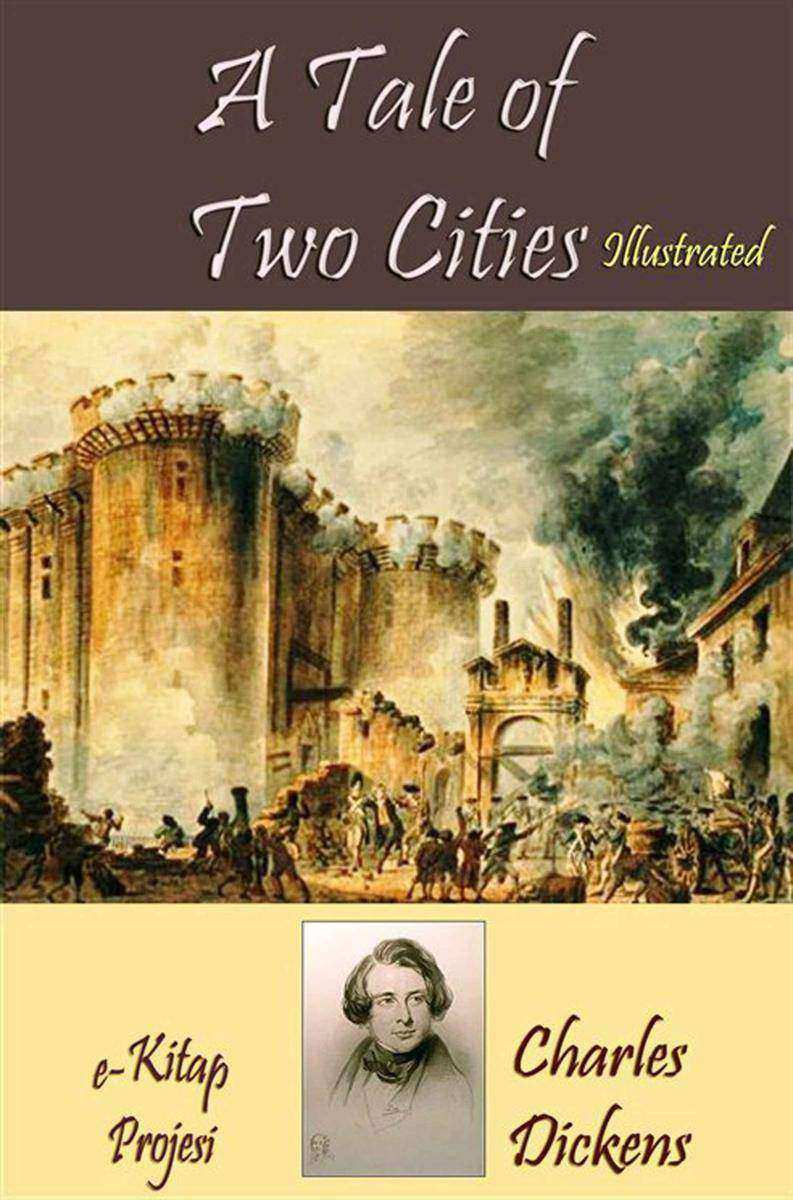
A Tale of Two Cities: Illustrated
¥24.44
Cirilla, a cintrai trón?r?k?s a Fecske-toronyban elt?nik saját világáról, és olyan útra indul, ahová sem védelmez?je, a fehér hajú vaják, sem mentora, a fekete hajú varázslón? nem k?vetheti. Olyan útra, amelynek a végén a végzet várja – az a végzet, amelyr?l már oly sok látomás kísértette. Minden a helyére kerül, a kígyó a saját farkába harap, valami véget ér, és valami elkezd?dik… A Vaják-saga befejez? k?tetében Sapkowski még magához képest is elképeszt? bravúrral ábrázol nagyszabású háborút és ugyanakkor az egyes ember drámai sorsát. Képzeletének és érzékletes leírásainak hatására megelevenednek el?ttünk az országok, városok és falvak, a t?le megszokott néz?pontváltások pedig gondoskodnak róla, hogy a sorssz?tte t?rténet végét a lehet? legalaposabb, legmélyebb módon kapjuk meg. A sagát átsz?v? fekete humor pedig tükr?t tart nemcsak a társadalom, de az egyes ember kicsinyessége és nagysága elé. ??
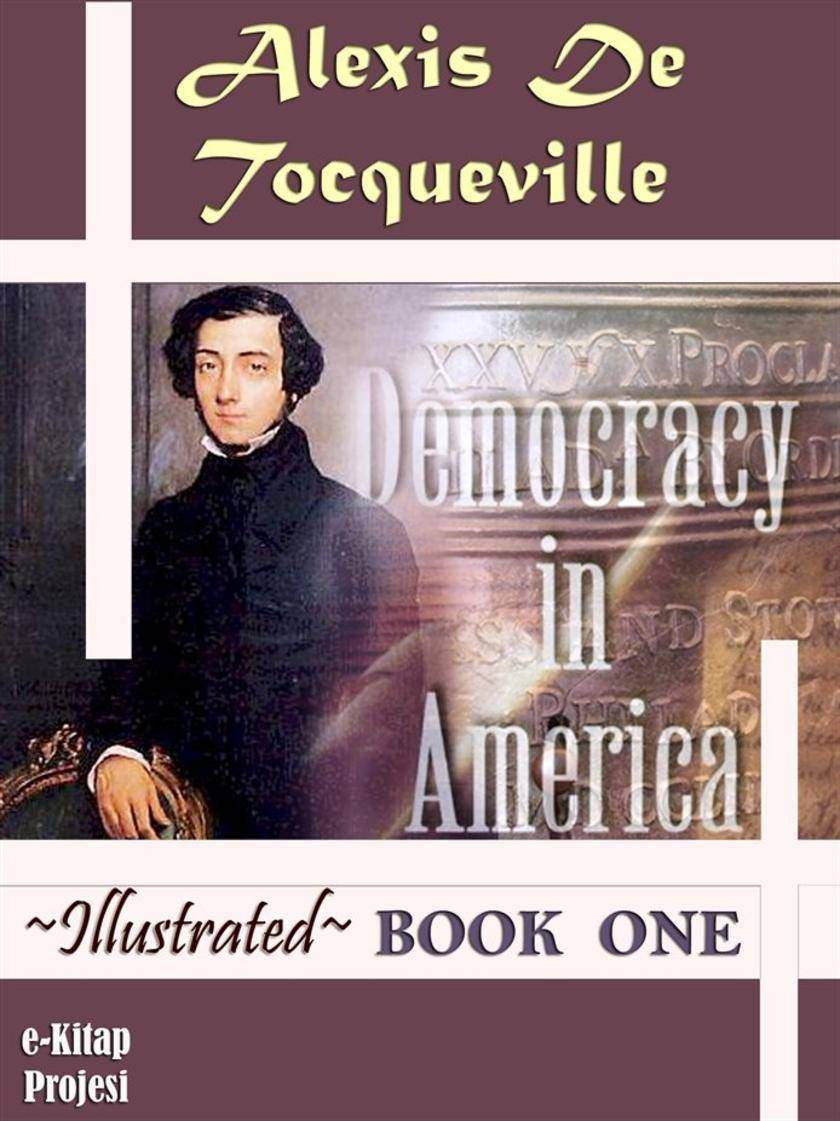
Democracy in America: Book One
¥28.04
A young girl named Fanny Price comes to live with her wealthy uncle and aunt, Sir Thomas and Lady Bertram. Fanny's family is quite poor; her mother, unlike her sister Lady Bertram, married beneath her, and Fanny's father, a sailor, is disabled and drinks heavily. Fanny is abused by her other aunt, Mrs. Norris, a busybody who runs things at Mansfield Park, the Bertrams' estate. The Bertram daughters, Maria and Julia, are shallow, rather cruel girls, intent on marrying well and being fashionable. The elder son, Tom, is a roustabout and a drunk. Fanny finds solace only in the friendship of the younger son, Edmund, who is planning to be a clergyman. Fanny grows up shy and deferential, caught as she typically is between members of the Bertram family. Sir Thomas leaves Mansfield Park for Antigua, where he owns plantations. In his absence, two new figures arrive at Mansfield: Henry and Mary Crawford, the brother and sister of the local minister's wife. Henry and Mary are attractive and cheerful, and they soon become indispensable members of the Mansfield circle. Henry flirts extensively with Maria, who is engaged to marry the boring but wealthy Rushworth. He also flirts with Julia when it suits his purposes. At first, Mary is interested in Tom, the older son and heir, but she soon realizes that he is boring and not really interested in her. She finds herself increasingly attracted to Edmund, although the prospect of marrying a clergyman does not appeal to her, and she is often cruel to him on this account. In the meantime, Fanny has innocently fallen in love with Edmund, although she does not even admit this to herself. Yates, a visiting friend of Tom's, proposes that the group should put on a play. His idea is eagerly received by all except for Edmund and Fanny, who are horrified at the idea of acting. The play goes on anyways, however; Maria and Henry, as well as Mary and Edmund (who has been prevailed upon to take a role to avoid bringing in an outsider to play it), get to play some rather racy scenes with one another. When one of the women cannot make a rehearsal, Fanny is pressured to take a role. She is almost forced to give in when Sir Thomas makes a sudden entrance, having arrived from Antigua. Sir Thomas is unhappy about the play and quickly puts a stop to the improprieties. Since Henry has not declared his love, Maria is married to Rushworth. She and Julia leave Mansfield Park for London. Relationships between the Crawfords and the Bertrams intensify. Edmund nearly proposes to Mary several times, but her condescension and amorality always stop him at the last minute. He confides his feelings to Fanny, who is secretly upset by them. In the meantime, on a lark, Henry has decided to woo Fanny. He is surprised to find himself sincerely in love with her. Fanny has become indispensable as a companion to her aunt and uncle, and on the occasion of her brother William's visit, they give a ball in her honor. Some time after the ball, Henry helps William get a promotion in the Navy. Using this as leverage, he proposes to Fanny, who is mortified and refuses. He continues to pursue her. Her uncle is disappointed that she has refused such a wealthy man, and, as an indirect result, she is sent to stay with her parents in their filthy house. Meanwhile, Edmund has been ordained and continues to debate over his relationship with Mary, to Fanny's dismay. Henry comes to see Fanny at her parents' and renews his suit. He then leaves to take care of business on his estate. Fanny continues to receive letters from Mary encouraging her to take Henry's proposal. A series of events then happen in rapid succession: Tom Bertram falls dangerously ill as a result of his partying and nearly dies; Henry, who has gone not to his estate but to see friends, has run off with the married Maria; Julia, upset over her sister's rash act, elopes with Yates, Tom's friend. Julia and Yates are reconciled to the family. Edmund finally comes and marries Fanny

Iluziile literaturii ?i deziluziile criticii
¥80.52
Proasp?t ajuns? ?n Japonia, Adriana ?ncearc? s? se integreze ?n via?a studen?easc?, cu rezultate ?ndoielnice. ?n cele din urm?, ??i g?se?te locul ?n r?ndul celorlal?i studen?i str?ini: australieni petrec?re?i, englezi plini de ei, finlandezi scandalagii ?i, bine?n?eles, singurul alt rom?n pe care ?l ?nt?lne?te acolo. ?mpreun?, exploreaz? temple, ?ncearc? diverse chimonouri, particip? la ceremonii, viziteaz? cluburi de jazz ?i travesti?i ?i filosofeaz? pe tema eternei fascina?ii japoneze. O perspectiv? plin? de umor asupra frumuse?ii, frustr?rilor ?i nebuniei vie?ii ?ntr-una dintre cele mai admirate culturi din lume.


