


 购物车
 个人中心

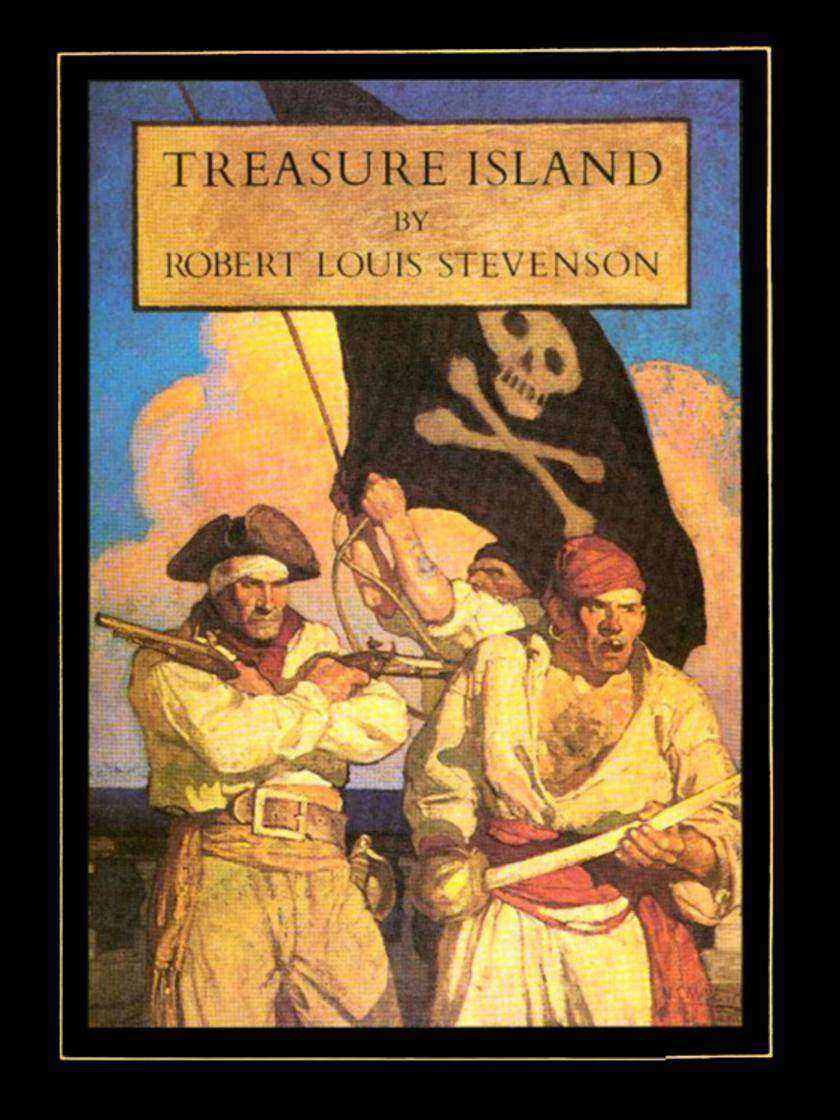
Treasure Island
¥8.09
Tanara Oriana moare intr-un accident, chiar in ziua nuntii ei. Pentru oricine, acesta ar parea sfarsitul. Nu si pentru ea. Se intoarce ca recuperator de suflete, insa nu la vechea viata si familie, pentru care trebuie sa ramana moarta, ci la una cu totul noua. Rasfatul si confortul, considerate garantate mai inainte, se duc acum pe Apa Sambetei. Va trebui sa lupte pentru a-i salva pe ceilalti, dar si pe sine. Apar noi prieteni, noi dusmani si… prima iubire? Exista viata dupa moarte? Unii vor spune ca da, altii ca nu. Dar exista un raspuns la care cu siguranta nu v-ati gandit. Exista recuperatorii de suflete. Smulsi din existentele lor, sunt aruncati in altele, neintrebati de nimeni, fara sa li se ceara acceptul. Trebuie doar sa se supuna legilor celor de Dincolo. Iar unii aleg razvratirea…In volumul 3, lucrurile iau o intorsatura la care nimeni nu s-ar fi gandit. Ce este Dincolo? Indiferent cu ti-ai imaginat tu, cititorule ca e, nimic din ce ai trait pana acum ne te-a pregatit pentru ce vei afla.Ai curaj? Atunci, continua aventura alaturi de Oriana si ingerii ei.
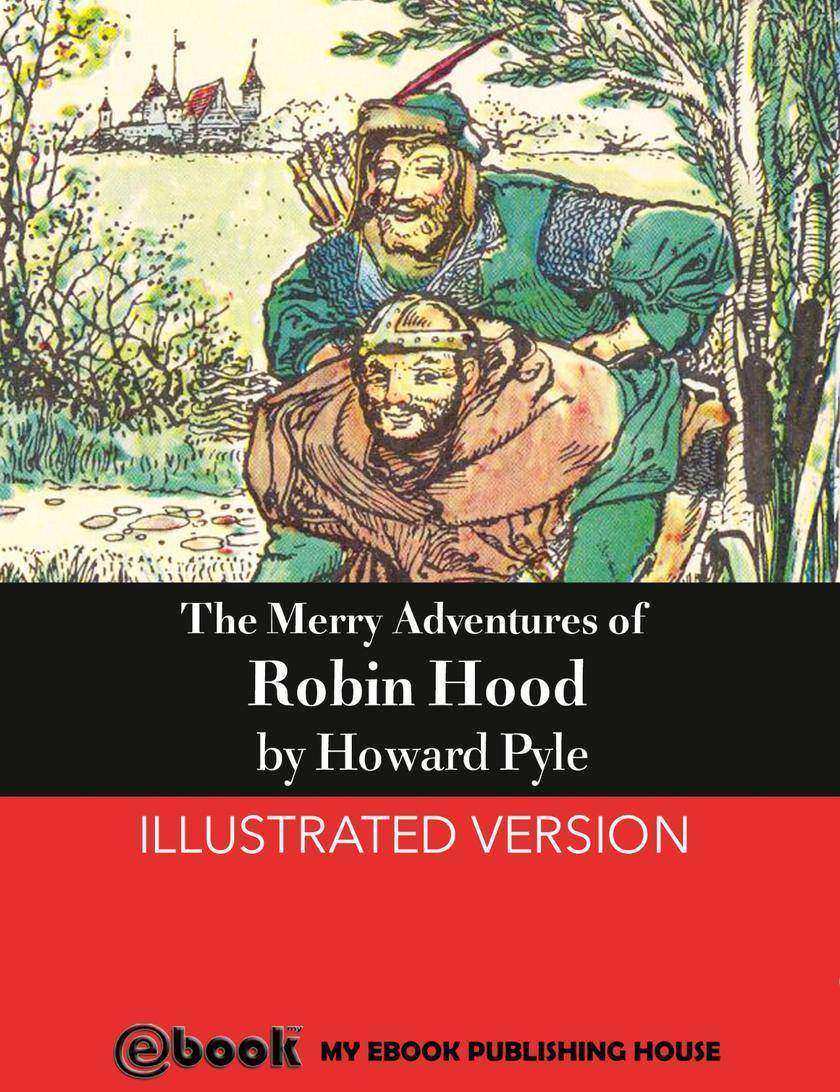
The Merry Adventures of Robin Hood
¥8.09
Aviatoarea Sure Vanay porneste in cea mai importanta misiune a vietii sale, care o poate propulsa spre un nivel mai inalt in randul aviatorilor din Naram. Misiunea stranie pe care o primeste, de a livra un mesaj la o adresa nestiuta de nimeni, aflata la baza muntelui Histo, o trimite pe Sure intr-o calatorie de neuitat. Curiozitatea si curajul o imping spre limitele dintre spatiu si timp, facand-o sa se piarda chiar inainte de a ajunge la destinatie. Locurile pe care le vede, oamenii pe care ii intalneste si speranta nebuna de a-si revedea fratele disparut, o poarta intr-o lume cu totul noua si misterioasa. Incepe o aventura de neuitat alaturi de Sure Vanay, aviatoarea neinfricata si decopera o lume plina de emotie, in care razboiul sta sa inceapa la fiecare pas, in care dragostea pare imposibila si timpul devine relativ.

Primitív ?ser?
¥80.36
Lelakatolt ajtók, szokatlan fények, mutáns csótányok. Nate lakásával valami nincs rendben. De a gondolatait most más k?ti le. Utálja a munkáját, a bankszámlája lassan kimerül, és még barátn?je sincs. Elképzelni sem tudja, mit vár az életét?l. ?j lakása nem éppen ideális, de legalább élhet?, és megengedheti magának. A bérleti díj egészen alacsony, a házkezel? cég ügyn?ke szuperbarátságos, és a rendellenességek inkább csak idegesít?ek, mint nyugtalanítóak. Egészen addig, amíg a férfi nem találkozik Mandyvel, a szomszédjával, és fel nem fedezi a lány lakásának furcsaságait. ?s a másik szomszédjáét, Xela-ét . ?s Tim és Veek lakásáét is. Merthogy a régi, Los Angeles-i téglaépület minden egyes bérlakása szolgál némi rejtéllyel. Olyan rejtélyekkel, amelyeknek a t?rténete t?bb mint száz évvel korábbra nyúlik vissza. Némelyik furcsaság szembe?tl?, míg másokat zárt ajtók rejtenek el a kíváncsi tekintetek el?l. Viszont ha e kül?n?s rejtélyek ?sszeadódnak, az akár a véget is jelentheti Nate és barátai számára. Vagy az egész világ számára…

Cum s? te sim?i mai bine, s? te faci mai bine, s? r?m?i mai bine
¥65.32
Owen élete fenekestül felfordul, amikor apja, akit a fiú meggy?z?dése szerint ártatlanul ítéltek el, meghal a b?rt?nben. Monroe, a fiú iskolájának informatikusa felajánlja neki, hogy egy Animus használatával lehet?vé teszi Owen számára, hogy tisztázza apja nevét. Az eszk?z segítségével ugyanis feltárhatja a saját DNS-ében rejl? genetikus emlékeket. ?m Owen nagyobb fába vágta a fejszéjét, mint hitte. A szimuláció alatt ugyanis felfedez egy ?si és nagy hatalmú, rég elveszettnek hitt relikviát – az ?denszigonyt. Két rivális titkos szervezet, az Orgyilkos Testvériség és a Templomos Rend semmit?l sem riad vissza, hogy megszerezze ezt az ereklyét. Owen számára hamarosan nyilvánvalóvá válik, hogy csak úgy menekülhet meg, ha ? találja meg el?sz?r a Szigonyt. Monroe irányítása alatt Owen és néhány másik fiatal egy olyan szimulációba lépnek be, amely a DNS-eikben lév? k?z?s emlékeken alapul: az 1863-as New York-i felkelés idejébe térnek vissza. Owen és társai súlyos kihívásokkal kerülnek szembe a forrongó város utcáin, ott megélt tapasztalatiknak pedig hosszú távú k?vetkezményei lesznek a jelenben. A t?bbsz?r?sen díjnyertes Matthew J. Kirby trilógiájában egy az Assassin’s Creed világában játszódó teljesen új t?rténetet ismerhetünk meg, amely szorosan illeszkedik a kánonba, számtalan utalással a játékokra és a decemberben mozikba kerül? filmre.

Meztelenül
¥63.03
Mit ér az emlékezés, ha senki nem kíváncsi arra, ami elmúlt? B?n-e a hallgatás, ha védeni akarjuk szeretteinket a múlt sz?rny?ségeit?l? Mit tehetünk, ha a t?rténelem megismételni látszik ?nmagát?? Egy újságíró és egy sokat megélt nyolcvannégy éves h?lgy találkozása régi sebeket tép fel. Mélyen eltemetett emlékek kerülnek felszínre: A remény és a hit a kegyetlenséggel szemben, emberek az embertelenségben, és üzleti érdekek, melyek a pokol káoszát irányítják. Mi k?ti ?ssze egy kislány, egy náci tiszt, egy szovjet ezredes és egy m?fordító sorsát hetven év távlatából? ?Ez a t?rténet...

?ntoarcerea: Am murit, din fericire 1
¥36.79
45.538 de cuvinte. At?tea stau str?nse ?n cartea asta. A?a ?mi indic? un contor al softului ?n care am editat textul. Ceea ce ?nseamn? c? ?n aceast? prezentare a ei, a c?r?ii, trebuie s? m? comport ca un gospodar care ar ?ncerca s? hr?neasc? toat? p?s?rimea satului cu o singur? m?n? de gr?un?e. N-am cum. ?i nici n-a? vorbi despre ea a?a cum o facem despre copiii no?tri, care sunt mereu ?i mai de?tep?i, mai frumo?i sau m?car mai ?nal?i dec?t ai altora. ?n momentul ?sta, tot programul de editare m? salveaz?. Observ c? are posibilitatea de a rezuma textul meu ?n numai zece sentin?e: De riduri. De paradigm?. Nu de om, ci de m?gar [...] De necur??ie. De ?coal?. De efeminat. De care uitasem. De munc?. De butie. De p?reri. ?mi dau seama ?ns? c? posibilul cititor interesat, ori librarul care ar dori s? v?nd? cartea, nu are cum s? ?n?eleag? prea multe din asta. Nu pricep nici eu de unde apeten?a programului pentru prepozi?ia de. Sunt singur ?n cas?, nimeni nu-?i poate da cu p?rerea despre volumul ?sta, editorii m? sun? rug?nd s? le trimit acest sinopsis. ?n clipa aia, Cimbru, c?inele meu, cel care m? ?n?elege mereu at?t de bine, ??i f?lf?ie coada pe l?ng? cracii pantalonilor mei. ?i pun manuscrisul ?n fa?? ?i-l rog s? m? ajute cumva. ?l miroase curios, de dou?, trei ori, p?n? ??i d? seama c? nu-i bun de m?ncat. E clar, cartea asta nu este bun? de m?ncat! Poate o fi bun? la altceva. Nu ?tiu, m?car ca palet? de ping-pong.

Jókedvet adj!
¥57.31
A regény Jókai munkásságának ahhoz a Fekete gyémántokkal megkezdett irányzatához kapcsolódik, melyben a modern ?nagyvilági” életet kívánta ábrázolni. A m? szerkezetileg két lazán ?sszefügg? részre tagolódik. Az els?, A ?tegnap” 1848-49-ben játszódik. F?h?se Illavai Ferenc, igazi Jókai alak: csúnya, de rettenthetetlenül bátor, m?velt, szerény, okos és jóságos. Gyámfiát és egyben unoka?ccsét, Opatovszky Kornélt t?bbsz?r kimenti kül?nféle halálos veszedelmekb?l, noha méltatlan rá, hogy ?r?k?séül megtartsa. Nagy szolgálatot tesz a gróf Tarnaváry családnak, életüket és vagyonukat is megmenti…. A második rész, A ?ma”: az 1860-as évek eleje, a Schmerling-korszak. Mind az Opatovszky-, mind a Tarnaváry-birtok t?nkrement az oktalan spekulációban és az egymással vívott harcban… A regény b?velkedik az izgalmas fordulatokban, ezért szerkezeti és jellemzési gyengéi ellenére kit?n? olvasmány.

Spitalul manechinelor
¥8.09
Snt fericit de aceast regsire n literatur a lui InimRea, cum snt bucuros c, din ntmplare, i-am fost cumva un martor privilegiat, publicnd acum aproape patru ani n Timpul primele pagini din Cas pe pmnt i susinnd publicarea celor Cteva idei despre fericire la Editura T. Iar acum, Adenium i reediteaz unul din romanele deja publicate, care va fi, cum am scris deja c sper, urmat de altele. Cum nc mai trim n era Navigatorului, i urez lui InimRea vnt bun la pup!“ – Liviu Antonesei

Az árny csábítása
¥43.41
Karinthy legismertebb, legnépszer?bb m?ve mindmáig az ?gy írtok ti. Ez a m? hozta meg számára az ismertséget, ezzel a k?nyvével aratta els? igazi, nagy sikerét. A kávéházi játékokból, nemzedéktársainak kigúnyolásából alakult karikatúrasorozat id?vel tudatos enciklopédiává b?vült, s nemcsak a magyar szerz?k arcképcsarnoka teljesedett ki, hanem világirodalmi és m?faji tematikával is gazdagodott. Máig ható sikerének titka, hogy Karinthy a célba vett írói egyéniség egész karakterét, az alkotói modor és modorosság torzképét rajzolta meg. K?tetünk a Még mindig így írtok ti méltán híres gy?jteményén túl a korabeli lapokban megjelent k?zlések legjobb gúnyrajzait is tartalmazza.
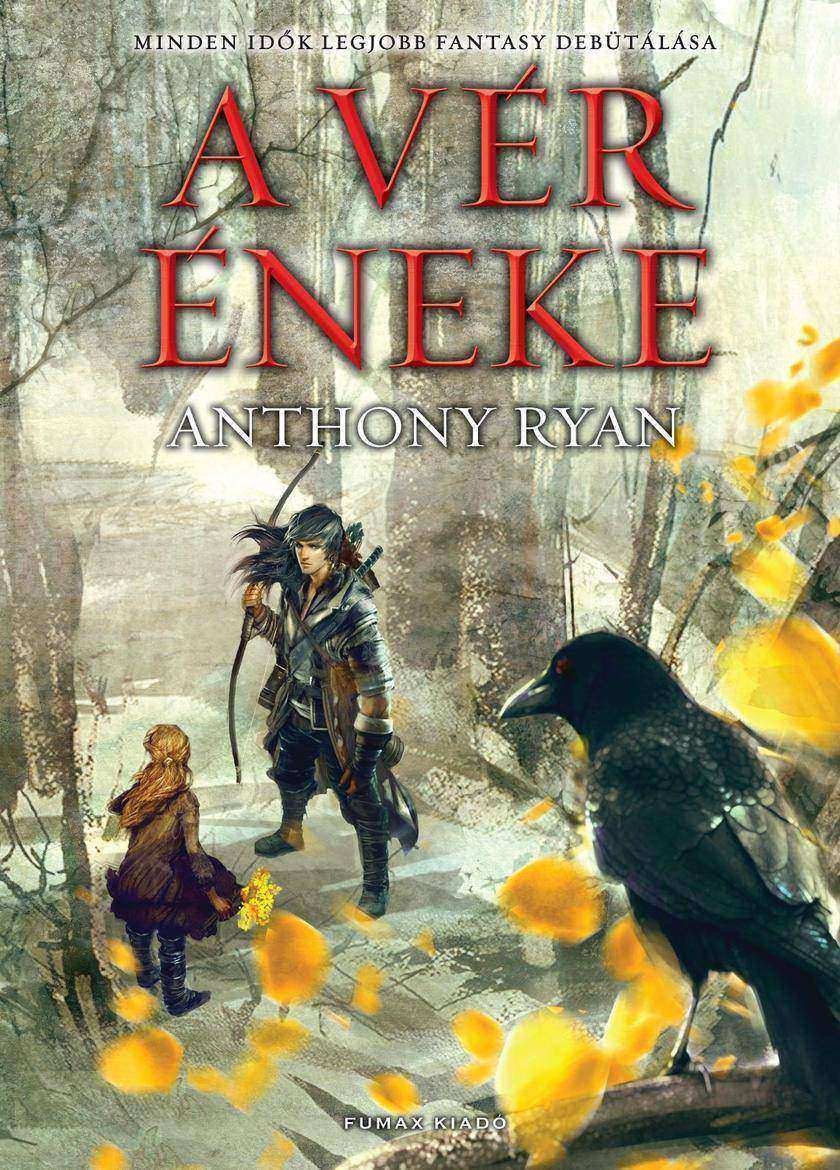
A vér éneke
¥81.18
After the publication of "The Wonderful Wizard of OZ" I began to receive letters from children, telling me of their pleasure in reading the story and asking me to "write something more" about the Scarecrow and the Tin Woodman. At first I considered these little letters, frank and earnest though they were, in the light of pretty compliments; but the letters continued to come during succeeding months, and even years. Finally I promised one little girl, who made a long journey to see me and prefer her request,—and she is a "Dorothy," by the way—that when a thousand little girls had written me a thousand little letters asking for the Scarecrow and the Tin Woodman I would write the book, Either little Dorothy was a fairy in disguise, and waved her magic wand, or the success of the stage production of "The Wizard of OZ" made new friends for the story, For the thousand letters reached their destination long since—and many more followed them. ? ?And now, although pleading guilty to long delay, I have kept my promise in this book. L. FRANK BAUM., Chicago, June, 1904 To those excellent good fellows and comedians David C. Montgomery and Frank A. Stone whose clever personations of the Tin Woodman and the Scarecrow have delighted thousands of children throughout the land, this book is gratefully dedicated by THE AUTHOR Chapter 1 Tip Manufactures a Pumpkinhead ??In the Country of the Gillikins, which is at the North of the Land of Oz, lived a youth called Tip. There was more to his name than that, for old Mombi often declared that his whole name was Tippetarius; but no one was expected to say such a long word when "Tip" would do just as well. This boy remembered nothing of his parents, for he had been brought when quite young to be reared by the old wom-an known as Mombi, whose reputation, I am sorry to say, was none of the best. For the Gillikin people had reason to suspect her of indulging in magical arts, and therefore hesi-tated to associate with her. Mombi was not exactly a Witch, because the Good Witch who ruled that part of the Land of Oz had forbidden any oth-er Witch to exist in her dominions. So Tip's guardian, how-ever much she might aspire to working magic, realized it was unlawful to be more than a Sorceress, or at most a Wizardess. ? Tip was made to carry wood from the forest, that the old woman might boil her pot. He also worked in the corn-fields, hoeing and husking; and he fed the pigs and milked the four-horned cow that was Mombi's especial pride... ? ABOUT AUTHOR: Lyman Frank Baum (May 15, 1856–May 6, 1919) was an American author, actor, and independent filmmaker best known as the creator, along with illustrator W. W. Denslow, of one of the most popular books ever written in American children's literature, The Wonderful Wizard of Oz, better known today as simply The Wizard of Oz. He wrote thirteen sequels, nine other fantasy novels, and a plethora of other works, and made numerous attempts to bring his works to the stage and screen.? Other Books of Author: The Wonderful Wizard of Oz (1900) Dorothy and the Wizard in Oz (1908) American Fairy Tales (1901) The Emerald City of Oz (1910) Ozma of Oz (1907) The Lost Princess of Oz (1917) Glinda of Oz (1920) The Road to Oz (1909) Tik-Tok of Oz (1914)

Kalibán háborúja
¥65.66
The Trial (German: Der Process) is a novel by Franz Kafka about a character named Josef K., who awakens one morning and, for reasons never revealed, is arrested and prosecuted for an unspecified crime. According to Kafka's friend Max Brod, the author never finished the novel and wrote in his will that it was to be destroyed. After his death, Brod went against Kafka's wishes and edited The Trial into what he felt was a coherent novel and had it published in 1925.
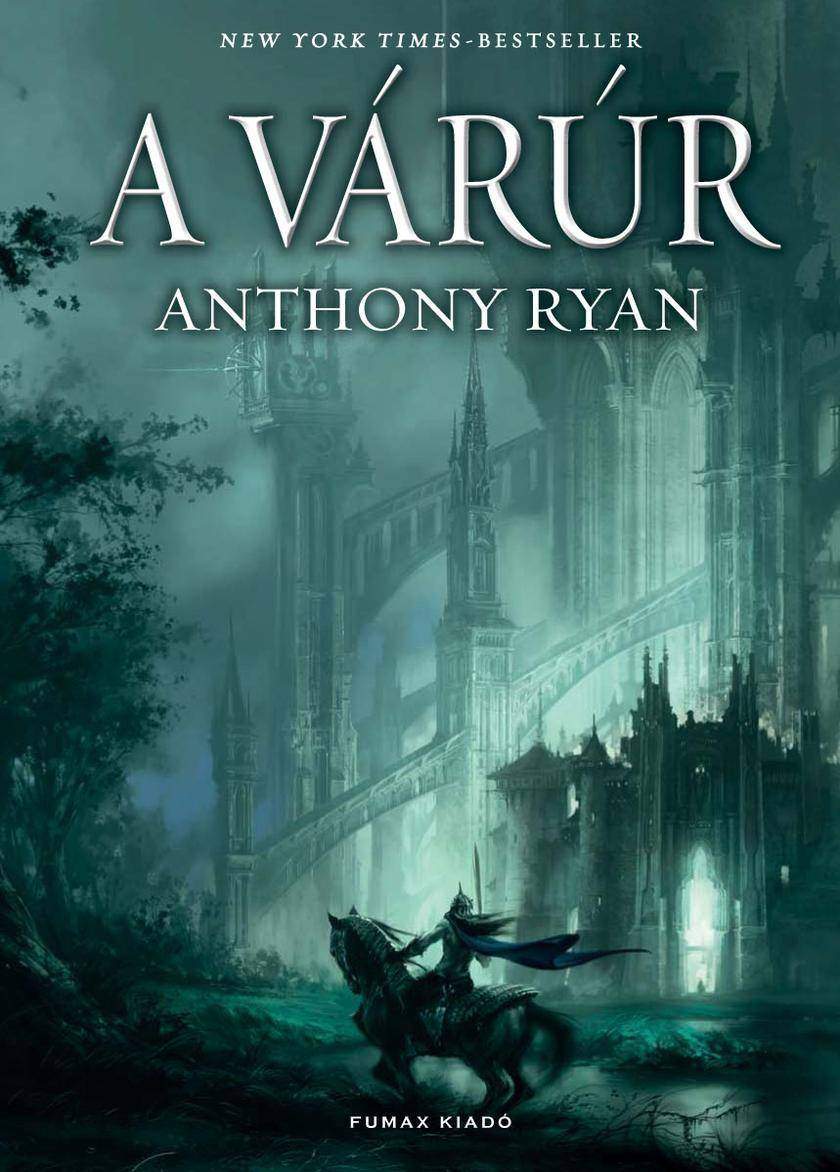
A várúr
¥80.03
"When Jesus arrives, Hades bids his servants to bolt and lock the doors, but to no avail; Jesus shatters the gates and enters. He seizes Satan and binds him in iron chains, then consigning him into Hades’s keeping until the second coming. Jesus next turns his attention to the patriarchs. He raises up Adam, along with all the prophets and the saints. Together, they all depart up out of Hades, and ascend into Paradise.) The “Harrowing of Hell” portion of that Gospel was widely circulated in other compilations of religious literature, most notably in the Golden Legend of the lives of the saints, compiled by Jacob of Voragine in the 13th century." The literary versions of the “Harrowing of Hell” in turn gave rise to many works of art, including the “mystery play” tradition of medieval religious drama. Most commonly, however, people would learn about Jesus’s descent into the underworld from the artwork which decorated the churches and cathedrals of Europe. A Dialogue in Hades, this illlustrated version of the book, gives a many perspective to the readers, With WELL ILLUSTRATIONS BY MURAT UKRAY {E-KITAP PROJESI}..
Madarak a dobozban
¥57.14
"A Daughter of the Snows" is Jack London's first novel. The novel features a strong female heroine, Frona Welse. Frona was born into a wealthy family and educated at Stanford but she takes to the Yukon trail after upsetting her father and his wealthy community of friends with her out-spoken ways and her innocent friendship with the town's prostitute. "All ready, Miss Welse, though I'm sorry we can't spare one of the steamer's boats." Frona Welse arose with alacrity and came to the first officer's side. "We're so busy," he explained, "and gold-rushers are such perishable freight, at least—" "I understand," she interrupted, "and I, too, am behaving as though I were perishable. And I am sorry for the trouble I am giving you, but—but—" She turned quickly and pointed to the shore. "Do you see that big log-house Between the clump of pines and the river I was born there." "Guess I'd be in a hurry myself," he muttered, sympathetically, as he piloted her along the crowded deck.Everybody was in everybody else's way; nor was there one who failed to proclaim it at the top of his lungs. A thousand gold-seekers were clamoring for the immediate landing of their outfits. Each hatchway gaped wide open, and from the lower depths the shrieking donkey-engines were hurrying the misassorted outfits skyward. On either side of the steamer, rows of scows received the flying cargo, and on each of these scows a sweating mob of men charged the descending slings and heaved bales and boxes about in frantic search. Men waved shipping receipts and shouted over the steamer-rails to them. Sometimes two and three identified the same article, and war arose. The "two-circle" and the "circle-and-dot" brands caused endless jangling, while every whipsaw discovered a dozen claimants. "The purser insists that he is going mad," the first officer said, as he helped Frona Welse down the gangway to the landing stage, "and the freight clerks have turned the cargo over to the passengers and quit work. But we're not so unlucky as the Star of Bethlehem," he reassured her, pointing to a steamship at anchor a quarter of a mile away. "Half of her passengers have pack-horses for Skaguay and White Pass, and the other half are bound over the Chilcoot. So they've mutinied and everything's at a standstill." "Hey, you!" he cried, beckoning to a Whitehall which hovered discreetly on the outer rim of the floating confusion. A tiny launch, pulling heroically at a huge tow-barge, attempted to pass between; but the boatman shot nervily across her bow, and just as he was clear, unfortunately, caught a crab. This slewed the boat around and brought it to a stop. "Watch out!" the first officer shouted. ABOUT AUTHOR: John Griffith "Jack" London (born John Griffith Chaney, January 12, 1876 – November 22, 1916) was an American author, journalist, and social activist, Authors of; "The Pearls of Parlay" and "The Heathen", and of the San Francisco Bay area in The Sea Wolf. And also; as his dystopian novel The Iron Heel, his non-fiction exposé The People of the Abyss, and The War of the Classes.
Damele din p?l?rie. Pseudospionologykos
¥32.62
Inspirat de o tem? pe care o prime?te de la noul s?u profesor de ?tiin?e sociale, micul Trevor are o idee menit? s? schimbe lumea. O ambi?ie uria?? pentru un pu?ti de numai doisprezece ani, dar care reu?e?te, ?n ciuda obstacolelor, s? nu-?i piard? idealismul ?i s? demonstreze c? to?i putem fi capabili de fapte bune.?n jocul aritmetic al lui Trevor, de la un singur om care face trei lucruri importante pentru trei oameni diferi?i, se poate ajunge la o lume ?ntreag? ?n care o favoare primit? nu se ?ntoarce, ci se r?spl?te?te d?nd mai departe ajutorul celor care au nevoie de el.?O capodoper? cu un final incendiar." Kirkus Reviews?Foarte puternic… dialoguri veridice ?i nuan?e care fac personajele mai vii dec?t ar fi ?n realitate." Chicago Tribune?Catherine Ryan Hyde ne conduce c?tre un final curajos ?i puternic." Los Angeles Times?Filosofia din spatele c?r?ii este at?t de interesant?, iar optimismul ei at?t de contagios, ?nc?t cititorul absoarbe f?r? s?-?i dea seama o poveste de care-?i va aminti mult? vreme." The Denver Post
Zsiványok
¥85.76
Summary: Sara Crewe, a pupil at Miss Minchin's London school, is left in poverty when her father dies, but is later rescued by a mysterious benefactor. ?"Once on a dark winter's day, when the yellow fog hung so thick and heavy in the streets of London that the lamps were lighted and the shop windows blazed with gas as they do at night, an odd-looking little girl sat in a cab with her father and was driven rather slowly through the big thoroughfares." ? She sat with her feet tucked under her, and leaned against her father, who held her in his arm, as she stared out of the window at the passing people with a queer old-fashioned thoughtfulness in her big eyes. ? She was such a little girl that one did not expect to see such a look on her small face. It would have been an old look for a child of twelve, and Sara Crewe was only seven. The fact was, however, that she was always dreaming and thinking odd things and could not herself remember any time when she had not been thinking things about grown-up people and the world they belonged to. She felt as if she had lived a long, long time. ? "The Little Princes, in this Illustrated book, a fantastic girl who Principally, she was thinking of what a queer thing it was that at one time one was in India in the blazing sun, and then in the middle of the ocean, and then driving in a strange vehicle through strange streets where the day was as dark as the night. She found this so puzzling that she moved closer to her father.." Illustrated by Murat UKray, By e-Kitap Projesi

?szi k?ztársaság
¥80.52
Anna Karenina is a novel by the Russian writer Leon Tolstoy, published in serial installments from 1873 to 1877 in the periodical The Russian Messenger. Tolstoy clashed with editor Mikhail Katkov over political issues that arose in the final installment (Tolstoy's unpopular views of volunteers going to Serbia); therefore, the novel's first complete appearance was in book form. Widely regarded as a pinnacle in realist fiction, Tolstoy considered Anna Karenina his first true novel, when he came to consider War and Peace to be more than a novel. Fyodor Dostoevsky declared it to be "flawless as a work of art". His opinion was shared by Vladimir Nabokov, who especially admired "the flawless magic of Tolstoy's style", and by William Faulkner, who described the novel as "the best ever written". The novel is currently enjoying popularity, as demonstrated by a recent poll of 125 contemporary authors by J. Peder Zane, published in 2007 in "The Top Ten" in Time, which declared that Anna Karenina is the "greatest novel ever written" "..The novel opens with a scene introducing Prince Stepan Arkadyevich Oblonsky ("Stiva"), a Moscow aristocrat and civil servant who has been unfaithful to his wife Darya Alexandrovna ("Dolly"). Dolly has discovered his affair with the family's governess, and the household and family are in turmoil. Stiva's affair and his reaction to his wife's distress show an amorous personality that he cannot seem to suppress. In the midst of the turmoil, Stiva informs the household that his married sister, Anna Arkadyevna Karenina, is coming to visit from Saint Petersburg. Meanwhile, Stiva's childhood friend, Konstantin Dmitrievich Levin ("Kostya"), arrives in Moscow with the aim of proposing to Dolly's youngest sister, Princess Katerina Alexandrovna Shcherbatskaya ("Kitty"). Levin is a passionate, restless, but shy aristocratic landowner who, unlike his Moscow friends, chooses to live in the country on his large estate. He discovers that Kitty is also being pursued by Count Alexei Kirillovich Vronsky, an army officer. Whilst at the railway station to meet Anna, Stiva bumps into Vronsky who is there to meet his mother, the Countess Vronskaya. Anna and Vronskaya have traveled and talked together in the same carriage. As the family members are reunited, and Vronsky sees Anna for the first time, a railway worker accidentally falls in front of a train and is killed. Anna interprets this as an "evil omen." Vronsky, however, is infatuated with her. Anna is uneasy about leaving her young son, Sergei ("Seryozha"), alone for the first time.At the Oblonsky home, Anna talks openly and emotionally to Dolly about Stiva's affair and convinces her that Stiva still loves her despite the infidelity. Dolly is moved by Anna's speeches and decides to forgive Stiva. Kitty, who comes to visit Dolly and Anna, is just eighteen. In her first season as a debutante, she is expected to make an excellent match with a man of her social standing. Vronsky has been paying her considerable attention, and she expects to dance with him at a ball that evening. Kitty is very struck by Anna's beauty and personality and becomes infatuated with her just as Vronsky is. When Levin proposes to Kitty at her home, she clumsily turns him down, believing she is in love with Vronsky and that he will propose to her, and encouraged to do so by her mother who believes Vronsky would be a better match.At the big ball Kitty expects to hear something definitive from Vronsky, but he dances with Anna, choosing her as a partner over a shocked and heartbroken Kitty. Levin, crushed by Kitty's refusal, returns to his estate, abandoning any hope of marriage. Anna returns to her husband Alexei Alexandrovich Karenin, a senior government official, and her son Seryozha in Saint Petersburg. On seeing her husband for the first time since her encounter with Vronsky, Anna realises that she finds him unattractive, though she tells herself he is a good man.." ? ABOUT AUTHOR: Tolstoy was born in Yasnaya Polyana, the family estate in the Tula region of Russia. The Tolstoys were a well-known family of old Russian nobility. He was the fourth of five children of Count Nikolai Ilyich Tolstoy, a veteran of the Patriotic War of 1812, and Countess Mariya Tolstaya (Volkonskaya).

Assassin's Creed: Reneszánsz
¥71.69
The story starts in London on Tuesday, October 1, 1872. Fogg is a rich English gentleman and bachelor living in solitude at Number 7 Savile Row, Burlington Gardens. Despite his wealth, which is ?40,000 (roughly ?3,020,000 today), Fogg, whose countenance is described as "repose in action", lives a modest life with habits carried out with mathematical precision. Very little can be said about his social life other than that he is a member of the Reform Club. Having dismissed his former valet, James Foster, for bringing him shaving water at 84 °F (29 °C) instead of 86 °F (30 °C), Fogg hires a Frenchman by the name of Jean Passepartout, who is about 30 years old, as a replacement. Later on that day, in the Reform Club, Fogg gets involved in an argument over an article in The Daily Telegraph, stating that with the opening of a new railway section in India, it is now possible to travel around the world in 80 days. He accepts a wager for ?20,000 (roughly ?1,510,000 today) from his fellow club members, which he will receive if he makes it around the world in 80 days. Accompanied by Passepartout, he leaves London by train at 8:45 P.M. on Wednesday, October 2, 1872, and thus is due back at the Reform Club at the same time 80 days later, Saturday, December 21, 1872. Mr. Phileas Fogg lived, in 1872, at No. 7, Saville Row, Burlington Gardens, the house in which Sheridan died in 1814. He was one of the most noticeable members of the Reform Club, though he seemed always to avoid attracting attention; an enigmatical personage, about whom little was known, except that he was a polished man of the world. People said that he resembled Byron—at least that his head was Byronic; but he was a bearded, tranquil Byron, who might live on a thousand years without growing old. Certainly an Englishman, it was more doubtful whether Phileas Fogg was a Londoner. He was never seen on 'Change, nor at the Bank, nor in the counting-rooms of the "City"; no ships ever came into London docks of which he was the owner; he had no public employment; he had never been entered at any of the Inns of Court, either at the Temple, or Lincoln's Inn, or Gray's Inn; nor had his voice ever resounded in the Court of Chancery, or in the Exchequer, or the Queen's Bench, or the Ecclesiastical Courts. He certainly was not a manufacturer; nor was he a merchant or a gentleman farmer. His name was strange to the scientific and learned societies, and he never was known to take part in the sage deliberations of the Royal Institution or the London Institution, the Artisan's Association, or the Institution of Arts and Sciences. He belonged, in fact, to none of the numerous societies which swarm in the English capital, from the Harmonic to that of the Entomologists, founded mainly for the purpose of abolishing pernicious insects. Phileas Fogg was a member of the Reform, and that was all. The way in which he got admission to this exclusive club was simple enough. He was recommended by the Barings, with whom he had an open credit. His cheques were regularly paid at sight from his account current, which was always flush. Was Phileas Fogg rich? Undoubtedly. But those who knew him best could not imagine how he had made his fortune, and Mr. Fogg was the last person to whom to apply for the information. He was not lavish, nor, on the contrary, avaricious; for, whenever he knew that money was needed for a noble, useful, or benevolent purpose, he supplied it quietly and sometimes anonymously. He was, in short, the least communicative of men. He talked very little, and seemed all the more mysterious for his taciturn manner. His daily habits were quite open to observation; but whatever he did was so exactly the same thing that he had always done before, that the wits of the curious were fairly puzzled. ABOUT AUTHOR: Jules Gabriel Verne (1828 – 1905) was a French novelist, poet, and playwright best known for his adventure novels and his profound influence on the literary genre of science fiction. Born to bourgeois parents in the seaport of Nantes, Verne was trained to follow in his father's footsteps as a lawyer, but quit the profession early in life to write for magazines and the stage. His collaboration with the publisher Pierre-Jules Hetzel led to the creation of the Voyages Extraordinaires, a widely popular series of scrupulously researched adventure novels including Journey to the Center of the Earth, Twenty Thousand Leagues Under the Sea, and Around the World in Eighty Days.

Vészmadarak
¥57.47
"BLEAK HOUSE" is a novel by Charles Dickens, published in 20 monthly instalments between March 1852 and September 1853. It is held to be one of Dickens's finest novels, containing one of the most vast, complex and engaging arrays of minor characters and sub-plots in his entire canon. The story is told partly by the novel's heroine, Esther Summerson, and partly by a mostly omniscient narrator. Memorable characters include the menacing lawyer Tulkinghorn, the friendly but depressive John Jarndyce, and the childish and disingenuous Harold Skimpole, as well as the likeable but imprudent Richard Carstone. At the novel's core is long-running litigation in England's Court of Chancery, Jarndyce v Jarndyce, which has far-reaching consequences for all involved. This case revolves around a testator who apparently made several wills. The litigation, which already has taken many years and consumed between 60,000 and 70,000 in court costs, is emblematic of the failure of Chancery. Though Chancery lawyers and judges criticised Dickens's portrait of Chancery as exaggerated and unmerited, his novel helped to spur an ongoing movement that culminated in the enactment of legal reform in the 1870s. In fact, Dickens was writing just as Chancery was reforming itself, with the Six Clerks and Masters mentioned in Chapter One abolished in 1842 and 1852 respectively: the need for further reform was being widely debated. These facts raise an issue as to when Bleak House is actually set. Technically it must be before 1842, and at least some of his readers at the time would have been aware of this. However, there is some question as to whether this timeframe is consistent with the themes of the novel. The English legal historian Sir William Holdsworth set the action in 1827. Characters in Bleak House: As usual, Dickens drew upon many real people and places but imaginatively transformed them in his novel. Hortense is based on the Swiss maid and murderess Maria Manning. The "telescopic philanthropist" Mrs Jellyby, who pursues distant projects at the expense of her duty to her own family, is a criticism of women activists like Caroline Chisholm. The "childlike" but ultimately amoral character Harold Skimpole is commonly regarded as a portrait of Leigh Hunt. "Dickens wrote in a letter of 25 September 1853, 'I suppose he is the most exact portrait that was ever painted in words! ... It is an absolute reproduction of a real man'; and a contemporary critic commented, 'I recognized Skimpole instantaneously; ... and so did every person whom I talked with about it who had ever had Leigh Hunt's acquaintance.'"[2] G. K. Chesterton suggested that Dickens "may never once have had the unfriendly thought, 'Suppose Hunt behaved like a rascal!'; he may have only had the fanciful thought, 'Suppose a rascal behaved like Hunt!'". Mr Jarndyce's friend Mr Boythorn is based on the writer Walter Savage Landor. The novel also includes one of the first detectives in English fiction, Inspector Bucket. This character is probably based on Inspector Charles Frederick Field of the then recently formed Detective Department at Scotland Yard. Dickens wrote several journalistic pieces about the Inspector and the work of the detectives in Household Words, his weekly periodical in which he also published articles attacking the Chancery system. The Jarndyce and Jarndyce case itself has reminded many readers of the thirty-year Chancery case over Charlotte Smith's father-in-law's will. Major characters: Esther Summerson – the heroine of the story, and one of its two narrators (Dickens's only female narrator), raised as an orphan because the identity of her parents is unknown. At first, it seems probable that her guardian, John Jarndyce, is her father because he provides for her. This, however, he disavows shortly after she comes to live under his roof.

Little Women
¥18.74
In offering this study to a public accustomed only to the unquestioning acceptance of the home as something perfect, holy, quite above discussion, a word of explanation is needed. First, let it be clearly and definitely stated, the purpose of this book is to maintain and improve the home. Criticism there is, deep and thorough; but not with the intention of robbing us of one essential element of home life—rather of saving us from conditions not only unessential, but gravely detrimental to home life. Every human being should have a home; the single person his or her home; and the family their home. The home should offer to the individual rest, peace, quiet, comfort, health, and that degree of personal expression requisite; and these conditions should be maintained by the best methods of the time. The home should be to the child a place of happiness and true development; to the adult a place of happiness and that beautiful reinforcement of the spirit needed by the world's workers. We are here to perform our best service to society, and to find our best individual growth and expression; a right home is essential to both these uses. The place of childhood's glowing memories, of youth's ideals, of the calm satisfaction of mature life, of peaceful shelter for the aged; this is not attacked, this we shall not lose, but gain more universally. What is here asserted is that our real home life is clogged and injured by a number of conditions which are not necessary, which are directly inimical to the home; and that we shall do well to lay these aside. As to the element of sanctity—that which is really sacred can bear examination, no darkened room is needed for real miracles; mystery and shadow belong to jugglers, not to the truth. The home is a human institution. All human institutions are open to improvement. This specially dear and ancient one, however, we have successfully kept shut, and so it has not improved as have some others.
Lords of the Stratosphere
¥9.24
It is a cumulative tale that does not tell the story of Jack's house, or even of Jack who built the house, but instead shows how the house is indirectly linked to other things and people, and through this method tells the story of "The man all tattered and torn", and the "Maiden all forlorn", as well as other smaller events, showing how these are interlinked. Origins: It has been argued that the rhyme is derived from an Aramaic hymn Chad Gadya (lit., "One Young Goat") in Sepher Haggadah, first printed in 1590; but although this is an early cumulative tale that may have inspired the form, the lyrics bear little relationship. It was suggested by James Orchard Halliwell that the reference to the "priest all shaven and shorn" indicates that the English version is probably very old, presumably as far back as the mid-sixteenth century. There is a possible reference to the song in The Boston New Letter of 12 April 1739 and the line: "This is the man all forlorn, &c". However, it did not appear in print until it was included in Nurse Truelove's New-Year's-Gift, or the Book of Books for Children, printed in London in 1755. It was printed in numerous collections in the late eighteenth and early nineteenth centuries. Randolph Caldecott produced an illustrated version in 1878. Cherrington Manor, a handsome timber-framed house in North East Shropshire, England, is reputed to be the actual house that Jack built. There is a former malt house in the grounds. Syntactic structure: Each sentence in the story is an example of an increasingly deeply nested relative clause. The last version, "This is the horse...", would be quite difficult to untangle if the previous ones were not present. See the Noun Phrase for more details about postmodification of the noun phrase in this manner. References in popular culture: The rhyme continues to be a popular choice for illustrated children's books, with recent examples by Simms Taback and Quentin Blake showing how illustrators can introduce a fresh angle and humour into a familiar tale. The popularity of the rhyme can be seen in its use in a variety of other cultural contexts..
Notre-Dame de Paris
¥28.04
An afternoon of a cold winter’s day, when the sun shone forth with chilly brightness, after a long storm, two children asked leave of their mother to run out and play in the new-fallen snow. The elder child was a little girl, whom, because she was of a tender and modest disposition, and was thought to be very beautiful, her parents, and other people who were familiar with her, used to call Violet. But her brother was known by the style and title of Peony, on account of the ruddiness of his broad and round little phiz, which made everybody think of sunshine and great scarlet flowers. The father of these two children, a certain Mr. Lindsey, it is important to say, was an excellent, but exceedingly matter-of-fact sort of man, a dealer in hardware, and was sturdily accustomed to take what is called the common-sense view of all matters that came under his consideration. With a heart about as tender as other people’s, he had a head as hard and impenetrable, and therefore, perhaps, as empty, as one of the iron pots which it was a part of his business to sell. The mother’s character, on the other hand, had a strain of poetry in it, a trait of unworldly beauty—a delicate and dewy flower, as it were, that had survived out of her imaginative youth, and still kept itself alive amid the dusty realities of matrimony and motherhood. So, Violet and Peony, as I began with saying, besought their mother to let them run out and play in the new snow; for, though it had looked so dreary and dismal, drifting downward out of the gray sky, it had a very cheerful aspect, now that the sun was shining on it. The children dwelt in a city, and had no wider play-place than a little garden before the house, divided by a white fence from the street, and with a pear-tree and two or three plum-trees overshadowing it, and some rose-bushes just in front of the parlor windows. The trees and shrubs, however, were now leafless, and their twigs were enveloped in the light snow, which thus made a kind of wintry foliage, with here and there a pendent icicle for the fruit. “Yes, Violet,—yes, my little Peony,” said their kind mother; “you may go out and play in the new snow.”


