


 购物车
 个人中心

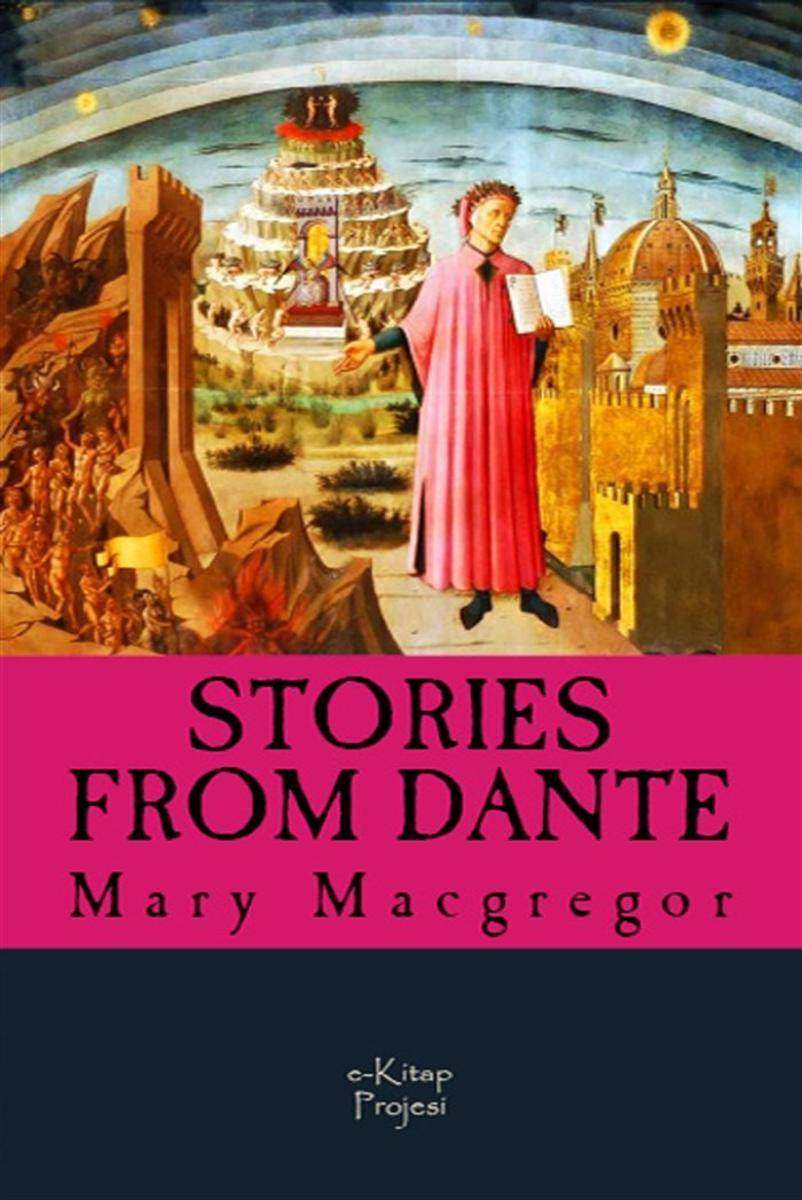
Stories from Dante: Told to the Children
¥14.06
IN the far-off days when Dante lived, those who wrote books wrote them in the Latin tongue. Dante himself wrote the first seven cantos of his great poem in Latin. But like many another poet, he was not satisfied with his first attempt. He flung the seven Latin cantos aside and seemingly forgot all about them, for when he was banished from Florence the poem he had begun was not among his treasures. His wife, however, found the seven cantos and tossed them into a bag among her jewels. Then she also seemed to forget all about them. Five years later a nephew of Dante chanced to find the long-forgotten verses. He at once sent them to his uncle, who was still living in exile. When Dante received the cantos he had written so long ago, he believed that their recovery was a sign from Heaven that he should complete the great poem he had begun. He therefore set to work afresh, but this time he wrote, not in Latin, but in his own beautiful mother-tongue, which was, as you know, Italian. When at length the great poem was finished, Dante named it simply, "The Comedy," and it was not until many years after his de-ath that the title was changed into "The Divine Comedy." A comedy was a tale which might be as sad as tale could be, so only that it ended in gladness.In "The Divine Comedy," then, about which this little book tells, you may expect to find much that is sad, much that is terrible. Yet you may be certain that before the end of the tale you will find in it gladness and joy..
Istoria ??rii Rom?ne?ti
¥16.35
Mare poet clasic, Co?buc ?i-a asigurat locul printre marii creatori: Eminescu, Creang?, Caragiale, Slavici, prin con?inutul na?ional al operei sale, prin cultivarea ?i frecventarea clasicilor, prin puritatea expresiei ?i claritatea stilului, prin promovarea idealului de frumuse?e echilibrat?, ?n general prin ?nnoirea limbii poetice. Co?buc este – unanim recunoscut – un mare clasic al versului rom?nesc. Poet al naturii ?i al omului de la ?ar?, al exuberan?ei juvenile, al iubirii, al revoltei ?i luptei, al b?rb??iei, Co?buc ?nscrie una din cele mai pre?ioase experien?e ale literelor rom?ne?ti, ?ntr-un moment de r?scruce, c?nd, prin scrierile unei pletore de pseudoeminescieni, se crease ?n poezia noastr? o stare deprimant?, maladiv?, din care se p?rea c? nu exist? perspective de ie?ire spre un liman s?n?tos. ?n acest climat de mal de siecle, de Wetschmerz r?sare nea?teptat de viguros ?i nou George Co?buc, redres?nd poezia rom?neasc?, aduc?nd noi orizonturi, noi sensuri, noi valori artistice.
C?ntece de vitejie
¥16.35
Pove?tile lui Creang? sunt delectabile deopotriv? pentru copii ?i pentru adul?i. ?ns? numai cei din urm? le pot gusta pe deplin savoarea. Creanga pare a nu-?i fi b?tut capul s? inventeze pove?ti: avea de?tul material la ?ndem?n? ca s? mai fie nevoie de a?a ceva. C?t datoreaz? el crea?iei folclorice anonime ?i c?t ?i este aceasta tributar? dup? publicarea pove?tilor ?i absorb?ia – sau re?ntoarcerea – acestora ?n circuitul oralit??ii e o chestiune ce poate interesa mig?loase cercet?ri erudite. Farmecul pove?tilor lui Creang? nu st? ?n inven?ie – cel mult, aici ?i-a spus cuv?ntul selec?ia f?cut? de scriitor dintr-un inventar disponibil at?t de bogat. Ceea ce atrage ?i cucere?te, ?n primul r?nd, e ?punerea ?n scen?“ – nemaivorbind de darul rostirii plastice, suculen?e, at?t de mult comentat ?i analizat.LIVIU PAPADIMA
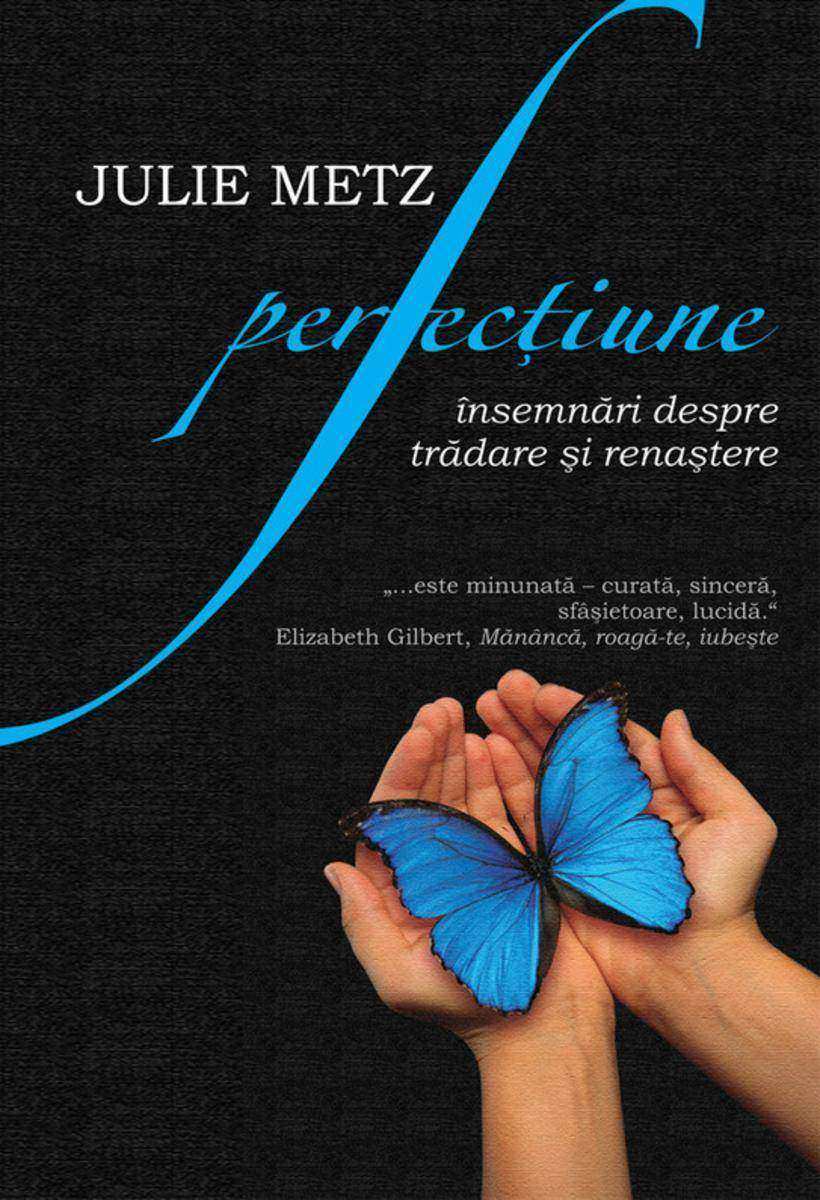
Perfec?iune. ?nsemn?ri despre tr?dare ?i rena?tere
¥57.96
n vrst de 11 ani, Ivy Manx locuiete n inutul Caux, al crui conductor este teribilul Rege Mtrgun i unde legea trmului este otrvete sau fii otrvit“. Fr un degusttor de ncredere acreditat de Breasl care s-i stea mereu aproape, urmtoarea ta mas ar putea fi i ultima.Chiar mai ru, unchiul mult iubit al fetiei – ultimul farmacopat vindector din Caux – a disprut fr urm, lsnd-o pe Ivy cu trusa lui cu leacuri secrete, cu o cioar zgomotoas pe nume H i cu un degusttor nepriceput i mrav, cu nclinaie pentru picoteal.Nu mai e timp de pierdut! Ivy trebuie s-i pun n aplicare teribilul plan! mpreun cu un tnr degusttor pe nume Rowan – aflat pe fug dup otrvirea accidental a douzeci dintre grzile regelui –, fata pornete n cutarea unchiului ei. n aceste vremuri dominate de corupie i de uneltiri – n acest, pn nu demult, minunat loc strvechi –, cei doi copii, devenii acum dumanii ntregului regat, au un sprijin de ndejde.Dar ce vor oare urmritorii lor S fie nestemata de-o inegalabil frumusee ce pare – dei asta este practic imposibil – a fi scobit Sau o fi elixirul pe care ea nsi l-a creat i care are misterioase puteri vindectoare Sau oare poate fi vorba despre Ivy nsiSpus pe un ton uor ironic i de o prospeime irezistibil, primul volum al trilogiei Otrvurile din Caux“, Nestemata Scobit este o uimitoare poveste despre ierburi i magie, degusttori i otrvuri.
C?ntec sf?nt
¥16.35
Ceea ce putem spune ?i ceea ce se cuvine spus este c? literatura noastr? modern? ?l revendic? cu hot?r?re pe Panait Istrati, pe fiul pierdut ?i revenit ca ?i Ulise al versului francez, dup? o miraculoas? c?l?torie. C?ci opera lui Panait Istrati ?ntrege?te peisajul literaturii rom?ne?ti din ultimii dou?zeci de ani, deoarece, dimpreun? cu Mihail Sadoveanu ?i cu Liviu Rebreanu, autorul Chirei Chiralina alc?tuie?te treimea cea de o fiin?? a celei mai unitare substan?e epice. C? ?i ace?tia – ?i poate c? nu stric? s? amintim cum c?te?itrei purced la ?mplinirea operei lor, cam ?n acela?i timp (?ntreg Sadoveanu de dup? Cocost?rcul albastru, doar de la trecutul r?zboi ?ncepe) c? ?i ace?tia, Panait Istrati este dintre to?i ceilal?i scriitori ai no?tri, acela care aduce cele mai multe probleme, cei mai mul?i eroi ?i cea mai puternic? individualitate. — Perpessicius
Excelsior
¥16.35
Dup? cum din Golanii nu se putea prevedea Ion, tot a?a nici din La Grandiflora nu se putea prevedea Rusoaica sau Donna Alba, cu toat? prezen?a elementelor prezumtive ale talentului lui Gib I. Mih?escu. Scriitorul a ?tiut s? se organizeze ?n crea?ii de care critica e bucuroas? s? ?in? seama, ca de produc?ii reprezentative ale literaturii noastre ultime. (Eugen Lovinescu)
Minunile Sf Sisoe
¥16.35
Iubire sete de via?? Tu e?ti puterea creatoare Sub care inimile noastre Renasc ca ???orile ?n soare ??i ?mb?tate de-al t?u farmec Ce peste lume se a?terne ?n tremurarea lor de-o clip? Viseaz? fericiri eterne. Din haos ?i din ?ntuneric Te-ai smuls fecund? ?i senin?: Al t?u sur?s de alma parens Fu prima raz? de lumin?. ??i de c?ldura ta plane?ii Treptat se dezmor?esc ?nvie... Pe to?i ca ?ntr-o mreaj?-i leag? Universala simpatie. Tu faci s? circule ?n lume Puterea ta de z?mislire. ??i miliardele de forme De-a lungul vremii s? se-n?ire. Alexandru Vlahuta - Iubire

Despot Voda. Sanziana si Pepelea
¥16.35
Prin culegerea de fa?? punem la dispozi?ia tineretului studios (?i nu numai) o seam? de opere importante ale lui Vasile Alecsandri, opere reprezentative pentru dramaturgia ?i proza scriitorului, ?n primul r?nd cele prev?zute de programele ?colare ?n vigoare.
Az ?rd?g egyetlen barátja
¥57.47
When does life begin?... A well-known book says "forty". A well-known radio program says "eighty". Some folks say it's mental, others say it's physical. But take the strange case of Mel Carlson who gave a lot of thought to the matter. Mel felt as if he were floating on clouds in the deepest, most intense dark he had ever experienced. He tried opening his eyes but nothing happened, only a sharp pain. Little bits of memory flashed back and he tried to figure out what could have happened, where he was. The last thing he could remember was the little lab hidden back in the mountains in an old mine tunnel. Remote, but only an hour's drive from the city. What had he been doing? Oh yes, arguing with Neil again. He even recalled the exact words."Damn it, Mel," his partner had said. "We've gone about as far as possible working with animal brains. We've got to get a human one." "We can't," Mel had disagreed. "There'd be enough of an uproar if the papers got hold of what we've been doing with animals. If we did get someone in a hospital to agree to let us use his brain on death, they would close us up tighter than a drum.""But our lab's too well hidden, they'd never know." "It wouldn't work anyway. The brain might be damaged for lack of oxygen and all of our work would go for nothing. Worse, it might indicate failure where a fresh, healthy brain would mean success.""We'll never know unless we try," said Neil almost violently, dark eyes glittering. "Our funds aren't going to last forever."
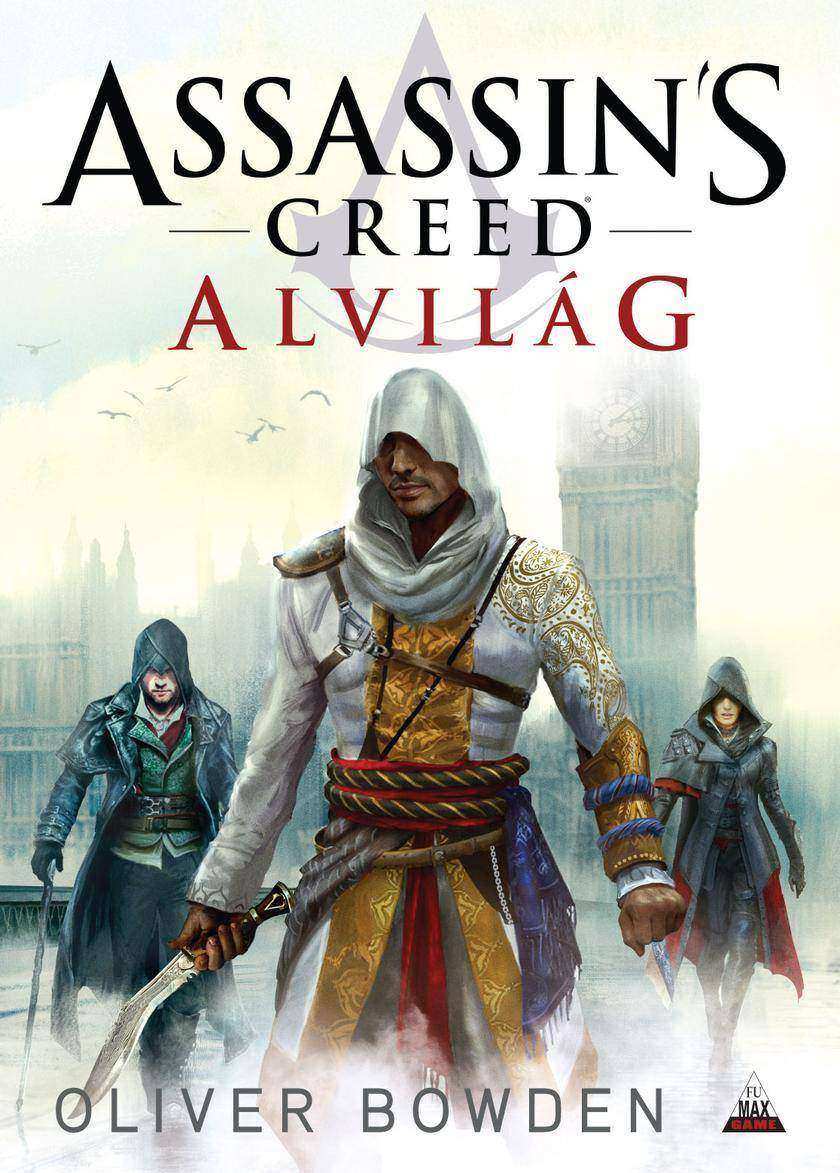
Assassin's Creed: Alvilág
¥71.69
To the irreverent—and which of us will claim entire exemption from that comfortable classification—there is something very amusing in the attitude of the orthodox criticism toward Bernard Shaw. He so obviously disregards all the canons and unities and other things which every well-bred dramatist is bound to respect that his work is really unworthy of serious criticism (orthodox). Indeed he knows no more about the dramatic art than, according to his own story in "The Man of Destiny," Napoleon at Tavazzano knew of the Art of War. But both men were successes each in his way—the latter won victories and the former gained audiences, in the very teeth of the accepted theories of war and the theatre. Shaw does not know that it is unpardonable sin to have his characters make long speeches at one another, apparently thinking that this embargo applies only to long speeches which consist mainly of bombast and rhetoric. There never was an author who showed less predilection for a specific medium by which to accomplish his results. He recognized, early in his days, many things awry in the world and he assumed the task of mundane reformation with a confident spirit. It seems such a small job at twenty to set the times aright. He began as an Essayist, but who reads essays now-a-days—he then turned novelist with no better success, for no one would read such preposterous stuff as he chose to emit. He only succeeded in proving that absolutely rational men and women—although he has created few of the latter—can be most extremely disagreeable to our conventional way of thinking. As a last resort, he turned to the stage, not that he cared for the dramatic art, for no man seems to care less about "Art for Art's sake," being in this a perfect foil to his brilliant compatriot and contemporary, Wilde. He cast his theories in dramatic forms merely because no other course except silence or physical revolt was open to him. For a long time it seemed as if this resource too was doomed to fail him. But finally he has attained a hearing and now attempts at suppression merely serve to advertise their victim. It will repay those who seek analogies in literature to compare Shaw with Cervantes. After a life of heroic endeavor, disappointment, slavery, and poverty, the author of "Don Quixote" gave the world a serious work which caused to be laughed off the world's stage forever the final vestiges of decadent chivalry. The institution had long been outgrown, but its vernacular continued to be the speech and to express the thought "of the world and among the vulgar," as the quaint, old novelist puts it, just as to-day the novel intended for the consumption of the unenlightened must deal with peers and millionaires and be dressed in stilted language. Marvellously he succeeded, but in a way he least intended. We have not yet, after so many years, determined whether it is a work to laugh or cry over. "It is our joyfullest modern book," says Carlyle, while Landor thinks that "readers who see nothing more than a burlesque in 'Don Quixote' have but shallow appreciation of the work." Shaw in like manner comes upon the scene when many of our social usages are outworn. He sees the fact, announces it, and we burst into guffaws. The continuous laughter which greets Shaw's plays arises from a real contrast in the point of view of the dramatist and his audiences. When Pinero or Jones describes a whimsical situation we never doubt for a moment that the author's point of view is our own and that the abnormal predicament of his characters appeals to him in the same light as to his audience. With Shaw this sense of community of feeling is wholly lacking. He describes things as he sees them, and the house is in a roar. Who is right If we were really using our own senses and not gazing through the glasses of convention and romance and make-believe, should we see things as Shaw does Must it not cause Shaw to doubt his own or the public's sanity to hear audiences laughing boisterously over tragic situations And yet, if they did not come to laugh, they would not come at all. Mockery is the price he must pay for a hearing. Or has he calculated to a nicety the power of reaction Does he seek to drive us to aspiration by the portrayal of sordidness, to disinterestedness by the picture of selfishness, to illusion by disillusionment It is impossible to believe that he is unconscious of the humor of his dramatic situations, yet he stoically gives no sign. He even dares the charge, terrible in proportion to its truth, which the most serious of us shrinks from—the lack of a sense of humor. Men would rather have their integrity impugned. In "Arms and the Man" the subject which occupies the dramatist's attention is that survival of barbarity—militarism—which raises its horrid head from time to time to cast a doubt on the reality of our civilization. No more hoary superstition survives than that the donning of a uniform changes the nature of the wearer. This
14
¥51.58
BOW-WOW AND MEW-MEW is one of the few books for beginners in reading that may be classed as literature. Written in words of mostly one syllable, it has a story to tell, which is related in so attractive a manner as to immediately win the favor of young children. It teaches English and English literature to the child in the natural way: through a love for the reading matter. It is the character of story that will, in the not distant future, replace the ordinary primer or reader with detached sentences, and which seldom possesses any relation to literature.The ultimate objects of any story can only be effected through the love for a story. The prominent point in this story is development of good character, which may well be regarded as the highest purpose of education. The transformation from bad to good traits in the dog and cat cannot but have a desirable effect on every child that reads the story. Bow-Wow and Mew-Mew become dissatisfied with their home and their surroundings, and ungrateful toward their benefactress. As the story tells, "They did not find good in any thing." But after running away and suffering hunger, neglect, and bad treatment, their characters begin to change. They naturally come to reflect their mistress's goodness. They learn the value of companionship and friendship, and the appreciation of a home. However, the ethical thoughts in the story are presented without a moral. The child really lives the scenes described. He has the emotions of the characters and feels their convictions. And this determines the worth of a story as an agent in character development.The narrative furnishes, further, the proper kind of exercise for the imagination. It affords abundant opportunity for the play of the dramatic instinct in the child, and effects a happy union of the "home world" and the "school world." The illustrations, drawn by Miss Hodge, have been planned and executed with considerable care.

Mrs. Jeffries és a gyilkos bál
¥52.16
A mérf?ldk?nek számító Sons of Anarchy - Kemény motorosok cím? televíziós sorozat negyedik évadja után játszódó t?rténetét Kurt Sutter, a széria vezet? producere találta ki. A klubtagság fele éppenhogy csak kiszabadult a Stockton állami b?rt?nb?l, de a Galindo drogkartell máris a nyakukban liheg, így nem unatkoznak a motorosok. Jax Teller, a SAMCRO aleln?ke mégis kénytelen egy másik problémával foglalkozni, amikor megtudja, hogy ír féltestvére, Trinity már hónapok óta az Egyesült ?llamokban tartózkodik - és az orosz Bratva-gengszterekkel lóg. Most azonban elt?nt, és Jax biztos abban, hogy ehhez az életét fenyeget? maffiaháborúnak van k?ze. Jax, Chibs és Opie társaságában Nevadába utazik, hogy megkeresse, és hazavigye. Trinity ugyan félig ír, félig viszont Teller, és ahol a Tellerek megjelennek, ott k? k?v?n nem marad. ?A Maffiózók óta nem uralta így a tévéképerny?t egy csapat izzadt, er?szakos vadállat...” - Rolling Stone. ?Els? osztályú... A mai napig az egyik legjobb tévésorozat.” - Newsday. ?Az egyik legjobb dráma a tévében.” - Time. ??t csillagból négy... A Sons csúcsra járatja a drámát.” - New York Daily News.?
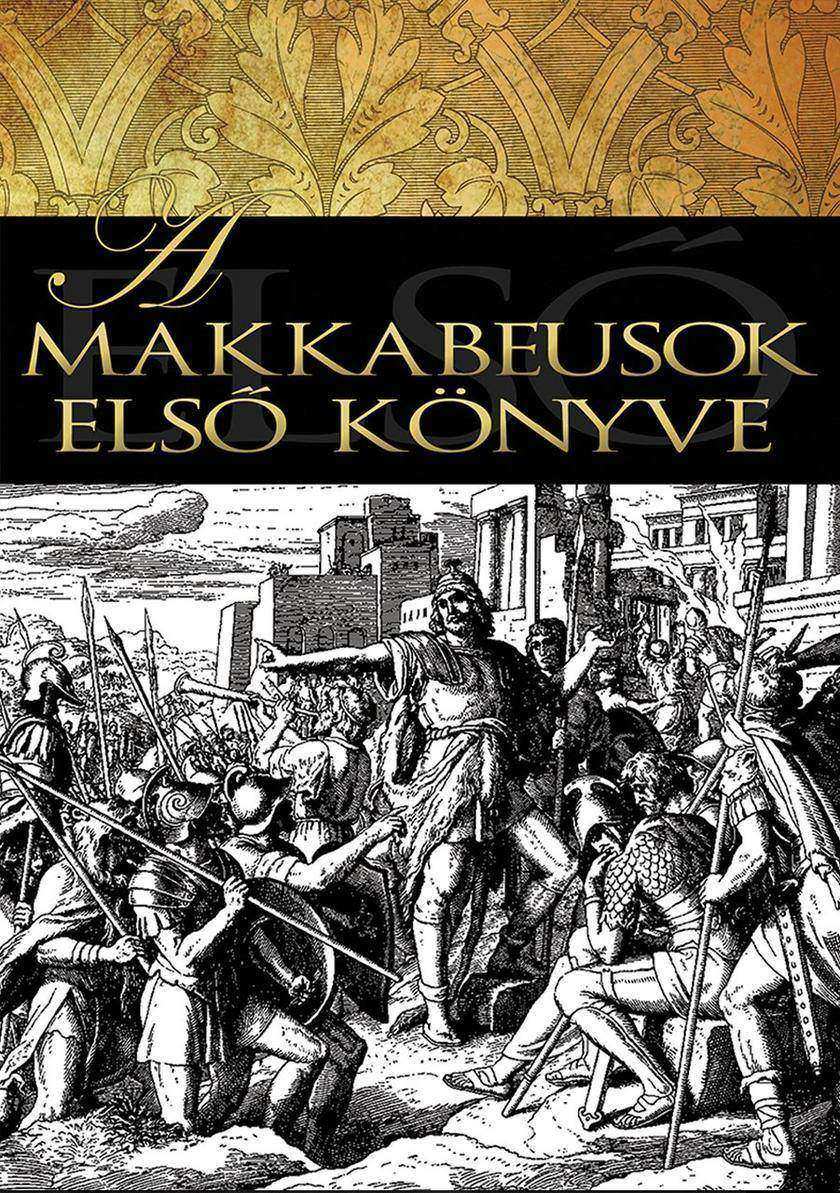
A makkabeusok els? k?nyve
¥25.91
The Discovery of the Future is a philosophical lecture by H. G. Wells that argues for the knowability of the future. It was originally delivered to the Royal Institution on January 24, 1902. Before appearing in book form. Wells begins by distinguishing between “two divergent types of mind,” one that judges and attaches importance principally to what has happened in the past and one that judges and attaches importance principally to what will happen in the future. To the former he attributes the adjectives “legal or submissive,” “passive,” and “oriental,” and to the latter the adjectives “legislative, creative, organizing, or masterful,” and “active,” calling it “a more modern and much less abundant type of mind.” ? ? ? ? ? ? ? ? ? ? ? ? ? ? ? ? ? ? ? ? ? ? ? ? ? ? ?*** It will lead into my subject most conveniently to contrast and separate two divergent types of mind, types which are to be distinguished chiefly by their attitude toward time, and more particularly by the relative importance they attach and the relative amount of thought they give to the future. The first of these two types of mind, and it is, I think, the predominant type, the type of the majority of living people, is that which seems scarcely to think of the future at all, which regards it as a sort of blank non-existence upon which the advancing present will presently write events. The second type, which is, I think, a more modern and much less abundant type of mind, thinks constantly and by preference of things to come, and of present things mainly in relation to the results that must arise from them. The former type of mind, when one gets it in its purity, is retrospective in habit, and it interprets the things of the present, and gives value to this and denies it to that, entirely with relation to the past. The latter type of mind is constructive in habit, it interprets the things of the present and gives value to this or that, entirely in relation to things designed or foreseen. While from that former point of view our life is simply to reap the consequences of the past, from this our life is to prepare the future. The former type one might speak of as the legal or submissive type of mind, because the business, the practice, and the training of a lawyer dispose him toward it; he of all men must constantly refer to the law made, the right established, the precedent set, and consistently ignore or condemn the thing that is only seeking to establish itself. The latter type of mind I might for contrast call the legislative, creative, organizing, or masterful type, because it is perpetually attacking and altering the established order of things, perpetually falling away from respect for what the past has given us. It sees the world as one great workshop, and the present is no more than material for the future, for the thing that is yet destined to be. It is in the active mood of thought, while the former is in the passive; it is the mind of youth, it is the mind more manifest among the western nations, while the former is the mind of age, the mind of the oriental. Things have been, says the legal mind, and so we are here. The creative mind says we are here because things have yet to be. Now I do not wish to suggest that the great mass of people belong to either of these two types. Indeed, I speak of them as two distinct and distinguishable types mainly for convenience and in order to accentuate their distinction. There are probably very few people who brood constantly upon the past without any thought of the future at all, and there are probably scarcely any who live and think consistently in relation to the future. The great mass of people occupy an intermediate position between these extremes, they pass daily and hourly from the passive mood to the active, they see this thing in relation to its associations and that thing in relation to its consequences, and they do not even suspect that they are using two distinct methods in their minds.

Szobortánc
¥58.29
Soman Chainani els? regénye, a New York Times bestseller Jók és Rosszak Iskolája folytatásában Sophie és Agatha visszatér Gavaldonba, és boldogan élnek saját világukban, ám az élet nem olyan tündérmese, amilyennek képzelték… Agatha már úgy érzi, bárcsak más boldog befejezést kívánt volna a mesének, ám ekkor véletlenül megtalálja és kinyitja a Jók és Rosszak Iskolájának kapuját. A lányok azzal szembesülnek, hogy az a világ, amit az els? tanévben tapasztaltak, megváltozott. A boszorkányok és a hercegn?k a Lányok Iskolájában laknak. Elhatározták, hogy kirekesztik életükb?l a hercegeket. Tedros és a fiúk a Rossz Iskolája régi tornyainak lakói lettek. A két iskola k?z?tt háború van kit?r?ben. Vajon Agatha és Sophie helyre tudják állítani a békét? Vajon Sophie jó tud maradni úgy, hogy Tedros állandóan üld?zi? ?s kihez húz Agatha szíve? A barátn?jéhez vagy a hercegéhez? Soman Chainani kül?nleges világot teremtett. A Newbery-díj legutóbbi jutalmazottja, Ann M. Martin ?páratlan mesének” nevezi, amely ?csupa romantika, varázslat, humor és rejtvény. Legszívesebben egyhuzamban olvasnánk végig.”
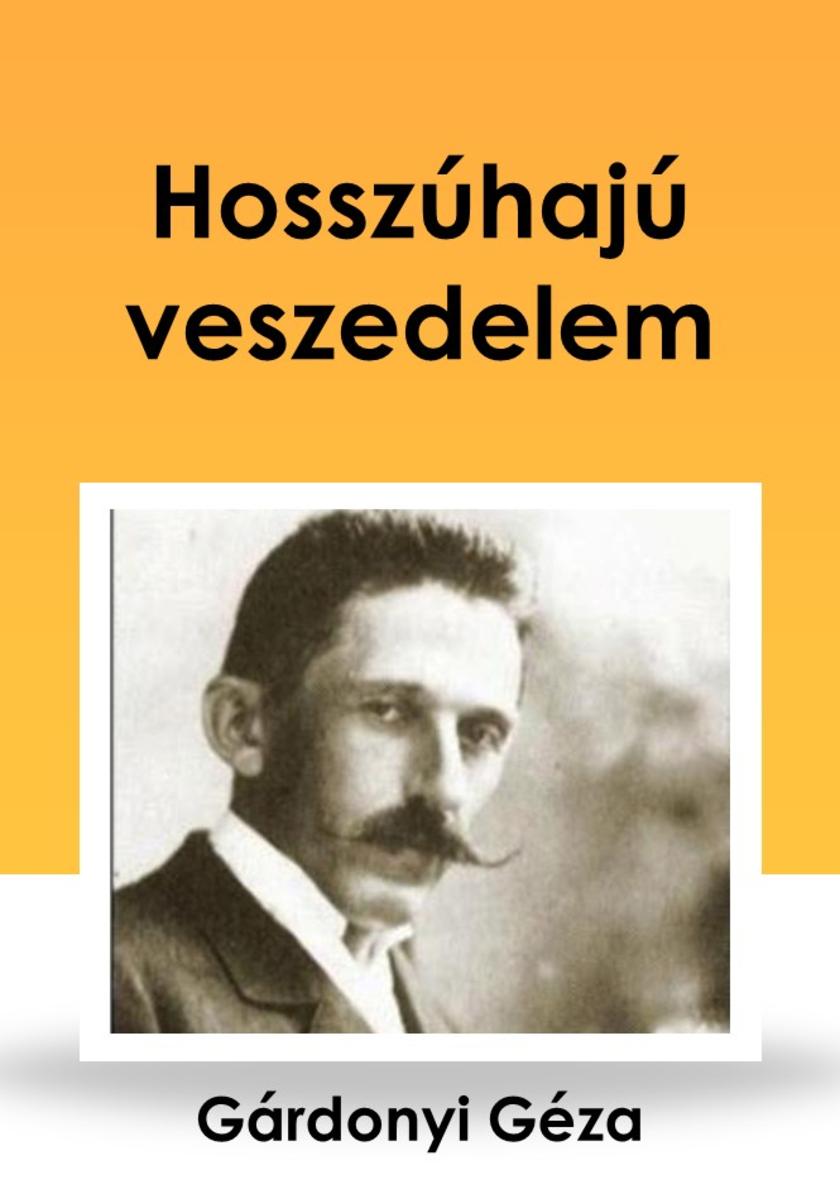
Hosszúhajú veszedelem
¥8.67
The stories were written when Irish nationalism was at its peak, and a search for a national identity and purpose was raging; at a crossroads of history and culture, Ireland was jolted by various converging ideas and influences. They centre on Joyce's idea of an epiphany: a moment where a character experiences self-understanding or illumination. Many of the characters in Dubliners later appear in minor roles in Joyce's novel Ulysses. The initial stories in the collection are narrated by child protagonists, and as the stories continue, they deal with the lives and concerns of progressively older people. This is in line with Joyce's tripartite division of the collection into childhood, adolescence and maturity. THERE was no hope for him this time: it was the third stroke. Night after night I had passed the house (it was vacation time) and studied the lighted square of window: and night after night I had found it lighted in the same way, faintly and evenly. If he was dead, I thought, I would see the reflection of candles on the darkened blind for I knew that two candles must be set at the head of a corpse. He had often said to me: "I am not long for this world," and I had thought his words idle. Now I knew they were true. Every night as I gazed up at the window I said softly to myself the word paralysis. It had always sounded strangely in my ears, like the word gnomon in the Euclid and the word simony in the Catechism. But now it sounded to me like the name of some maleficent and sinful being. It filled me with fear, and yet I longed to be nearer to it and to look upon its deadly work.Old Cotter was sitting at the fire, smoking, when I came downstairs to supper. While my aunt was ladling out my stirabout he said, as if returning to some former remark of his: "No, I wouldn't say he was exactly... but there was something queer... there was something uncanny about him. I'll tell you my opinion...." He began to puff at his pipe, no doubt arranging his opinion in his mind. Tiresome old fool! When we knew him first he used to be rather interesting, talking of faints and worms; but I soon grew tired of him and his endless stories about the distillery. "I have my own theory about it," he said. "I think it was one of those... peculiar cases.... But it's hard to say...." He began to puff again at his pipe without giving us his theory. My uncle saw me staring and said to me:"Well, so your old friend is gone, you'll be sorry to hear." "Who?" said I."Father Flynn.""Is he dead?" ? ABOUT AUTHOR: ? James Augustine Aloysius Joyce (1882 – 1941) was an Irish novelist and poet, considered to be one of the most influential writers in the modernist avant-garde of the early 20th century. Joyce is best known for Ulysses (1922), a landmark work in which the episodes of Homer's Odyssey are paralleled in an array of contrasting literary styles, perhaps most prominent among these the stream of consciousness technique he perfected. Other major works are the short-story collection Dubliners (1914), and the novels A Portrait of the Artist as a Young Man (1916) and Finnegans Wake (1939). His complete oeuvre also includes three books of poetry, a play, occasional journalism, and his published letters.

English Governess at the Siamese Court
¥19.52
The fascinating and somewhat sensationalist memoirs of Anna Leonowens, the English travel writer, educator, and social activist that became tutor to the wives and children of the king of Siam from 1862-68. Her story was later fictionalised in the book 'Anna and the King of Siam', which was adapted by Rogers and Hammerstein into the hit 1951 musical 'The King and I'.

House of the Wolf
¥19.52
A fantastic romance novel set during the 16th century French Wars of Religion, written by the master of the romance novel, Stanley J. Weyman.
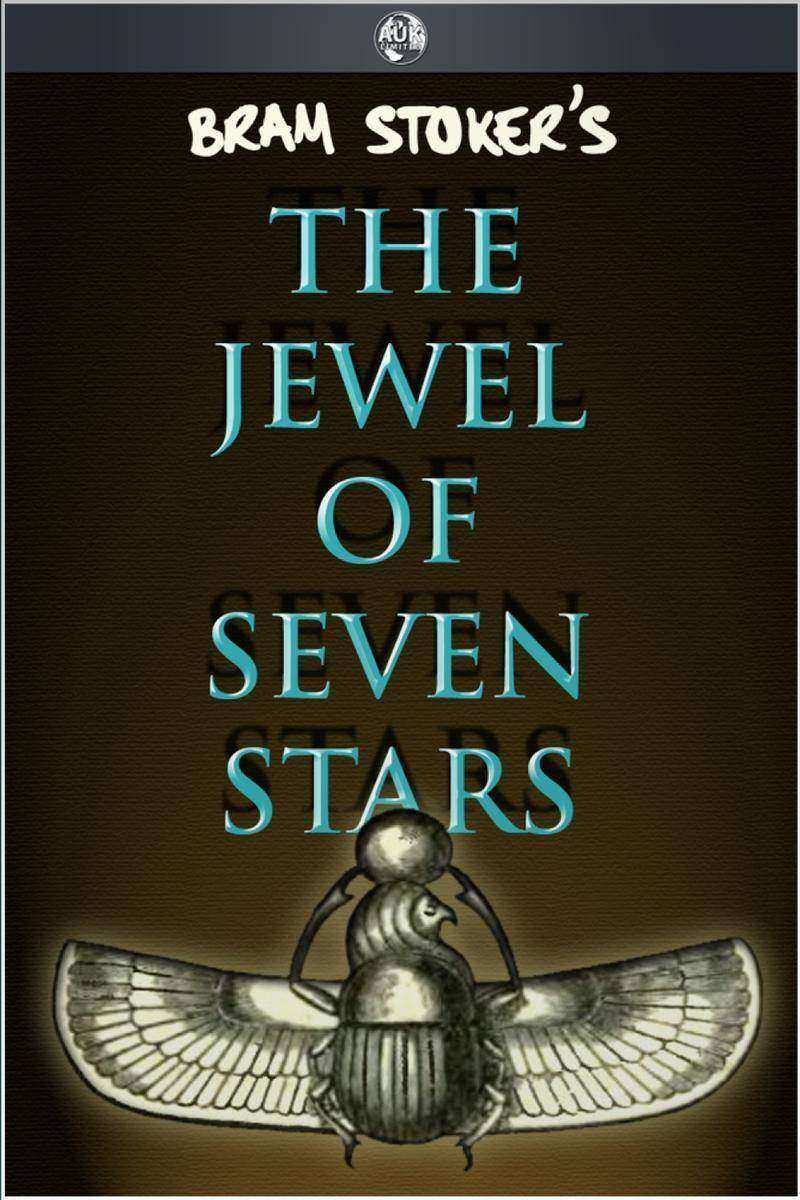
Jewel of Seven Stars
¥19.52
This classic horror novel by the author of Dracula, Bram Stoker, is the original Mummy story. An archaeologist hatches an evil plan to resurrect Queen Tera, an ancient Egyptian mummy.

Sherlock Holmes and the Irish Rebels
¥83.29
It is early 1916 and the world is at war. Sherlock Holmes is well into his spy persona as Altamont following the capture of the German spy Von Bork at the opening of the Great War. Watson is called to London by Mycroft Holmes and is asked to join Sherlock, who has infiltrated the Irish Volunteers. War within the United Kingdom could deal a decisive blow to the war effort and Holmes must find out the rebels plans, and if possible, stop the rebellion which appears imminent. He has need of Watson once again.
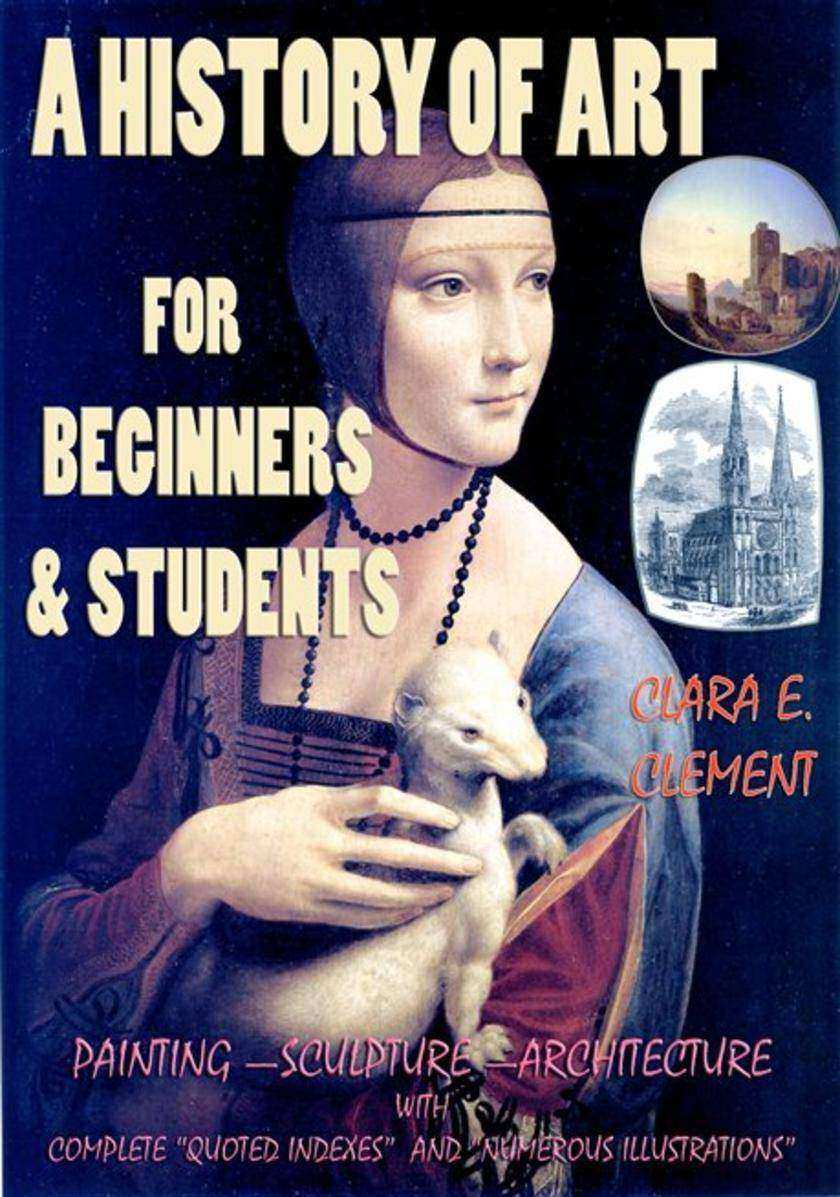
A History of Art for Beginners and Students
¥24.44
A kis szellem minden éjjel pontban éjfélkor f?lébred. Vígan járja Bagolyk? várának ?sszes termét, és meglátogatja ?reg barátját, Uhu bácsit. De k?zben arról ábrándozik, milyen jó lenne nappal látni a világot! Csupán egyetlenegyszer… Addig nem nyugszik, míg egy ver?fényes napon a kívánsága váratlanul nem teljesül. Ekkor izgalmas kalandok sora veszi kezdetét, és nemcsak a kis szellem számára… A Kolibri Klasszikusok sorozatban a Torzonborz-t?rténetek után egy újabb Otfried Preussler meseh?s, a kis szellem válhat generációk kedvencévé.
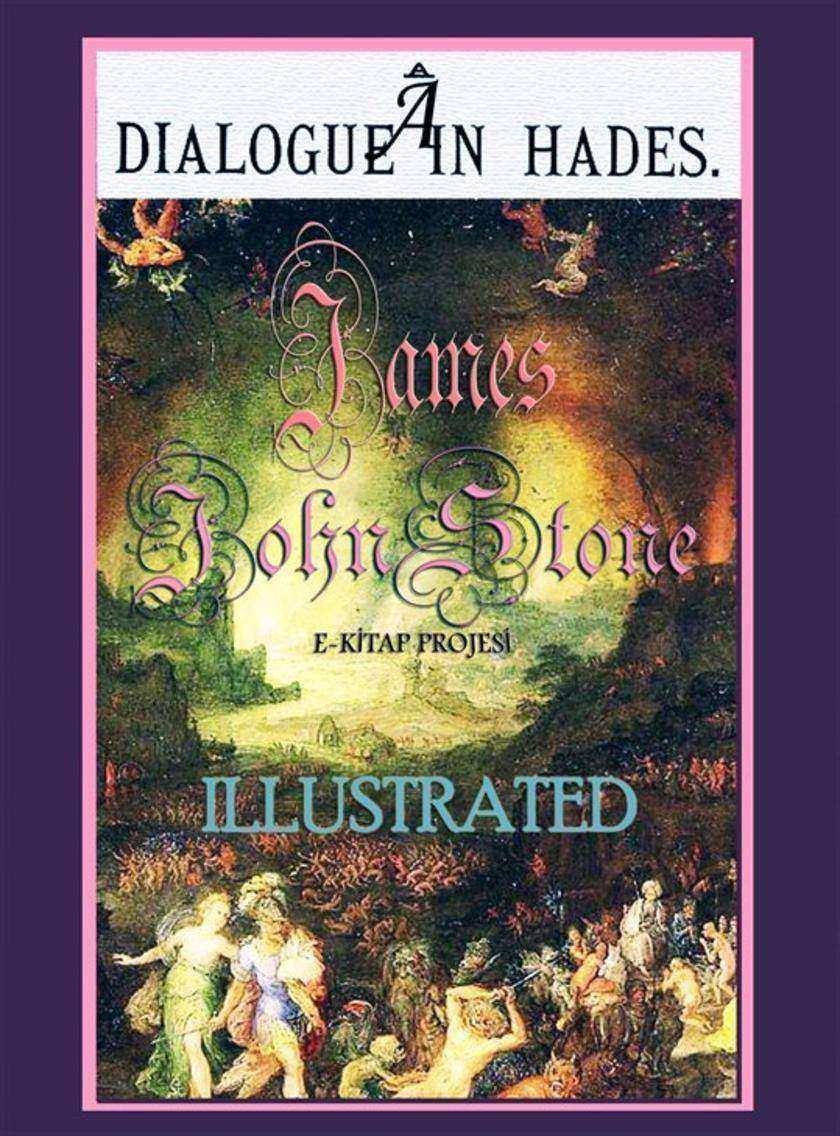
A Dialogue in Hades: "Illustrated"
¥8.09
t lány, t nézpont, t knyv. Cherry trténete, a Cseresznyés ábránd az els. Cherry Costello élete hamarosan rkre megváltozik. Somersetbe kltzik az apukájával, ahol egy új anyuka és egy csomó vadiúj testvér vár rá. Rgtn az els napon megismeri Shay Fletchert, aki annyira szívdgleszt, hogy az már kzveszélyes. Csakhogy Shay foglalt: Cherry új mostohatestvérével, Honey-val jár. Cherry pontosan tudja, milyen kockázatos Shayjel barátkoznia – hiszen ezzel mindent tnkretehet. Csakhogy ez még nem jelenti azt, hogy távol is tudja tartani magát tle… Csajok és csokik. Egy knyvsorozat, melyben minden testvérnek megvan a maga trténete… Neked melyik lány lesz a kedvenced Talán a Cseresznyés ábránd fhse, Cherry Az a lány, akinek tejeskávé szín a bre, stétbarna szeme pedig mandulavágású. Akinek élénk a képzelete, szórakoztató a társaságában lenni, és aki mindig kiáll magáért. Cathy Cassidy nyolc-kilencéves korában írta meg els képesknyvét kisccsének, és azóta ontja magából a trténeteket. Magyarul elsként a Csajok és csokik-sorozata (a Cseresznyés ábránd az 1. ktet) jelenik meg, melynek a vagány Tanberry-nvérek a fhsei, de mellettük feltnik néhány szupermen srác is, valamint Cathy egyik legnagyobb szerelme, a csokoládé is fontos szerepet kap. Cathy Skóciában él a családjával. Az sszes munka kzül, amivel valaha megpróbálkozott, az írást szereti a legjobban – hiszen amikor ír, mást sem kell csinálnia, mint ébren álmodozni egész álló nap.


