


 购物车
购物车 个人中心
个人中心
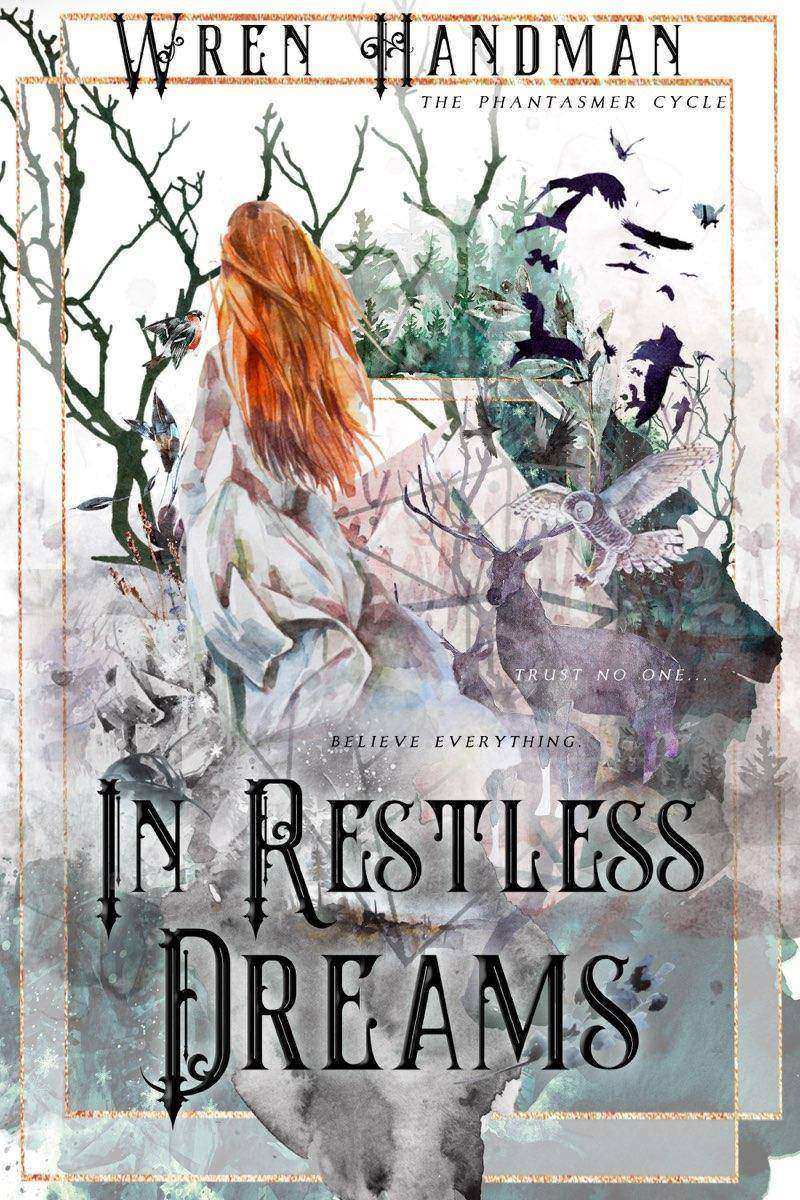
In Restless Dreams: Trust no one... believe everything
¥8.09
Sylvia is just a normal girl with huge, normal problems – her mother’s attempted suicide; how to adjust to life on the Upper East Side; trying to make friends in a rich prep school where she doesn’t belong; whether or not to trust the cute boy with the dangerous eyes. She thinks that’s more than she can handle, but she tests the limits of her endurance when she learns that she is the long awaited Phantasmer, a human who can change the fabric of Fairy simply by believing in a new story. Sylvia’s life is thrown off course as two warring Courts, the Seelie and Unseelie, both attempt to co-opt her gift to fight the other Court, which she has to deal with while trying not to get kicked out of school for fighting. And it doesn’t help matters that the fairies begging for her help are both attractive young men – with their own agendas.
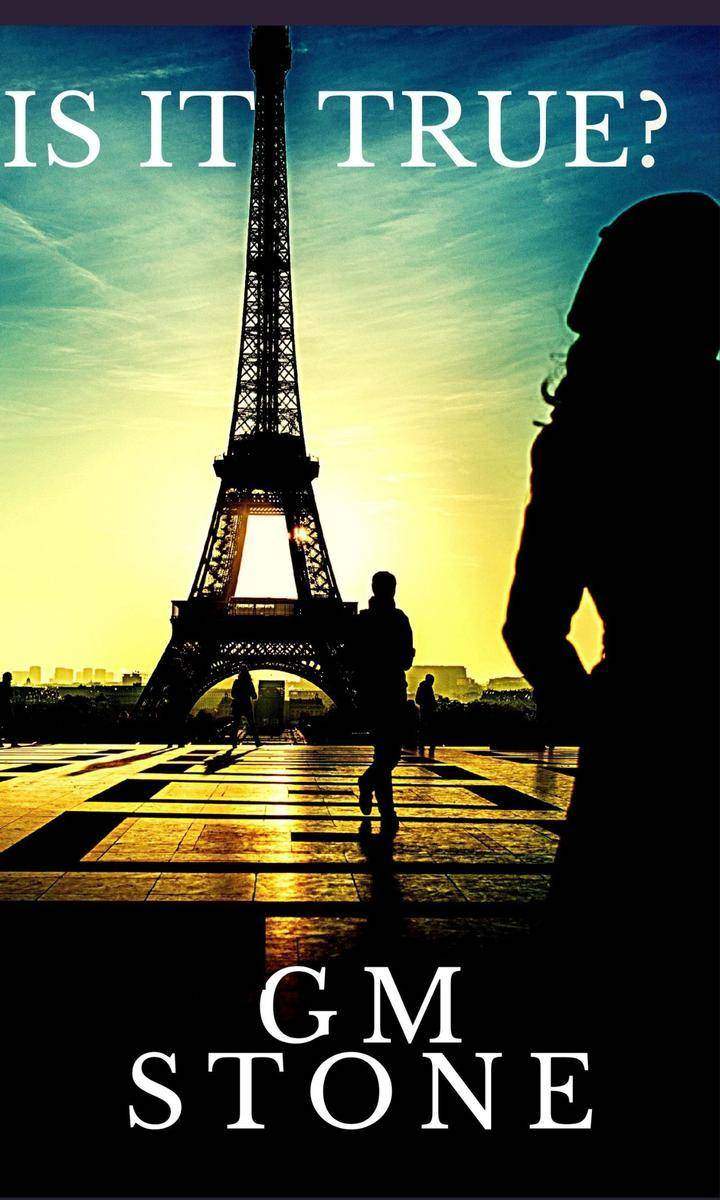
Is It True?
¥8.09
The truth is only half the story… Ten year old Vivienne’s parents disappeared without a trace.Twenty years later, an anonymous email claims to know where they are.Now, pregnant with her second child, Vivienne must confront her past to find out what happened to her parents. But as her family’s secrets and lies unravel, she starts to realise that the truth is only half the story… Who are her parents? And what have they done?
Jogos Zumbi Livro 1
¥0.01
In part two of this incredibly erotic series, Misha, Lydia’s new shemale lover has moved in with Lydia and her cuckold husband, Chris. Together, they take full advantage of the basement play dungeon that Lydia had had Chris build. The hot wife and the shemale take turns to play with Chris and the dungeon equipment, using his sissy cuckold body for their own pleasures – a turn of events that Chris is more than delighted with, although they keep his manhood confined for much of the time. EXPLICIT: this story contains 6,400 words of highly erotic t-girl, hot wife and cuckold BDSM action!
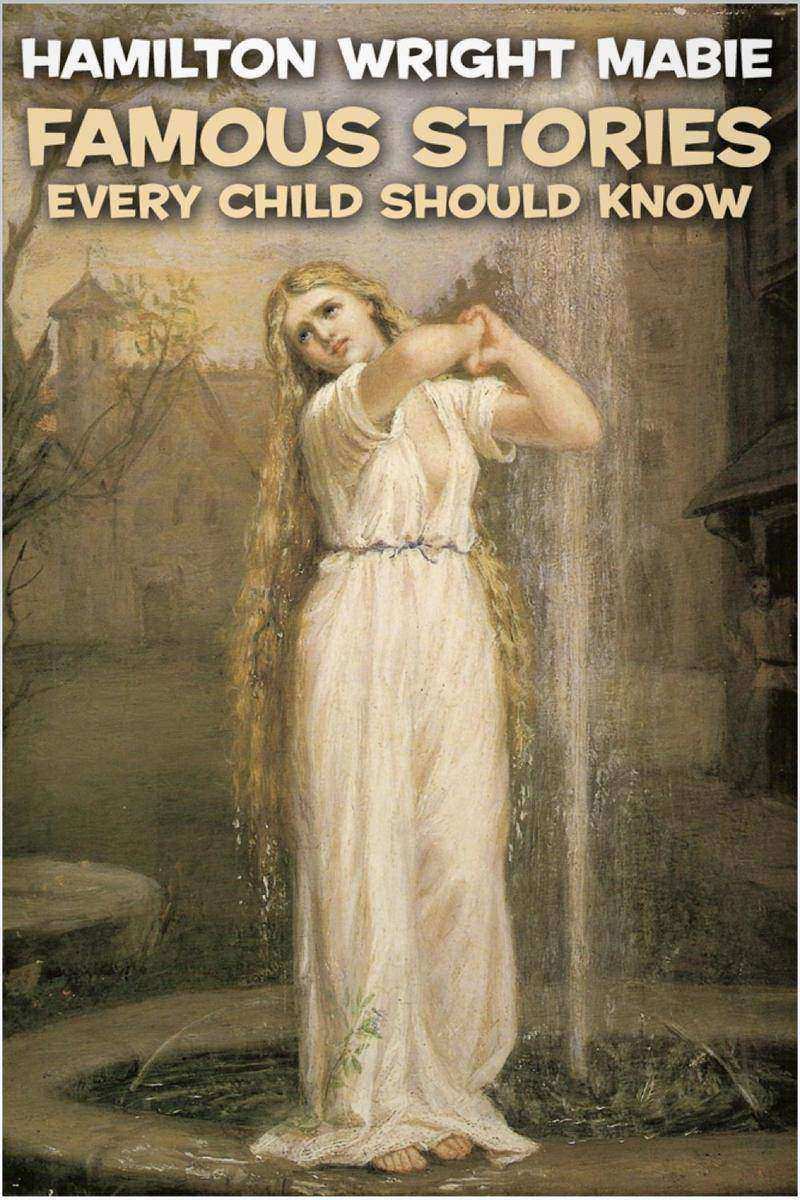
Famous Stories Every Child Should Know
¥19.52
A fantastic collection of 11 traditional tales, many of them forgotten classics that deserve to be rediscovered.
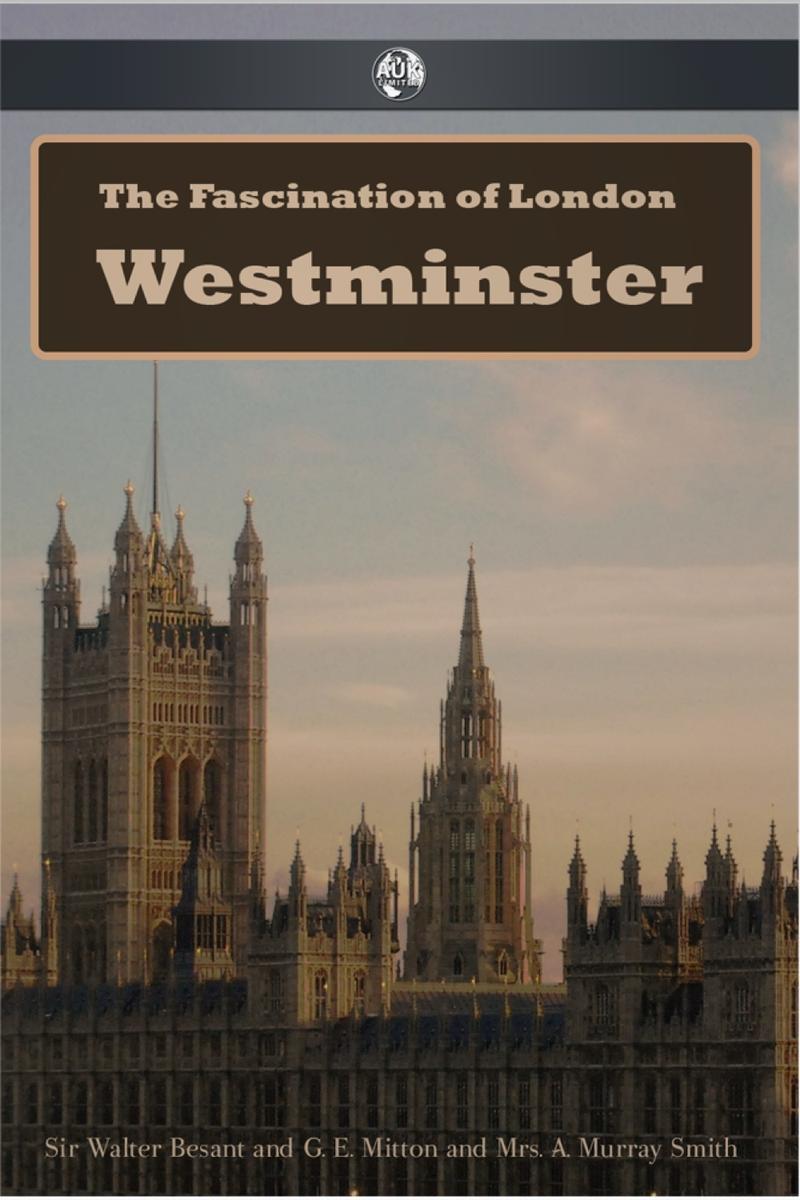
Fascination of London
¥19.52
The Fascination of London' was a series of guide books written by Sir Walter Besant and G. E. Mitton about various different areas of London. This book is about the area of Westminster, the seat of power in England for almost a thousand years, and home to the Palace of Westminster (the Houses of Parliament) and Westminster Abbey.
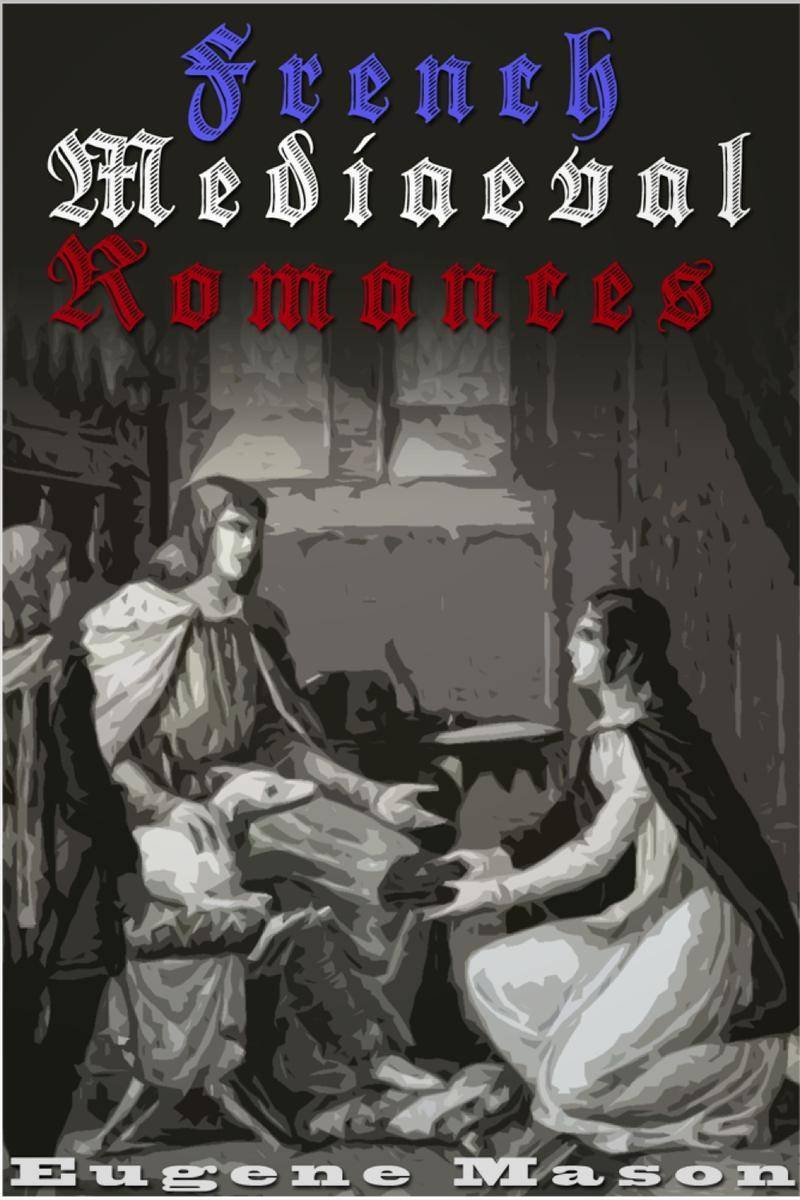
French Mediaeval Romances
¥19.52
A fantastic collection of romantic tales translated from the original 12th century Anglo-Norman, originally known as the Lais of Marie de France.
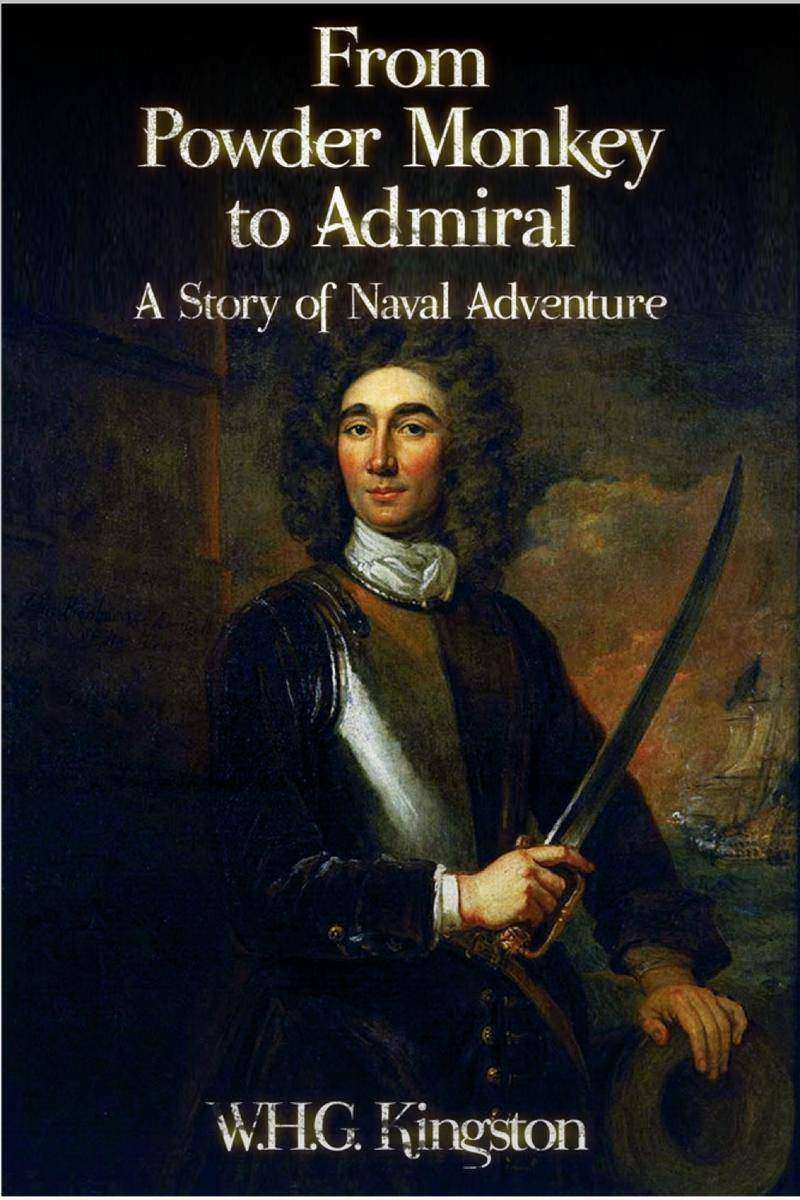
From Powder Monkey to Admiral
¥19.52
A fantastic historical boy's adventure novel on the high seas by the master of juvenile fiction W. H. G. Kingston.
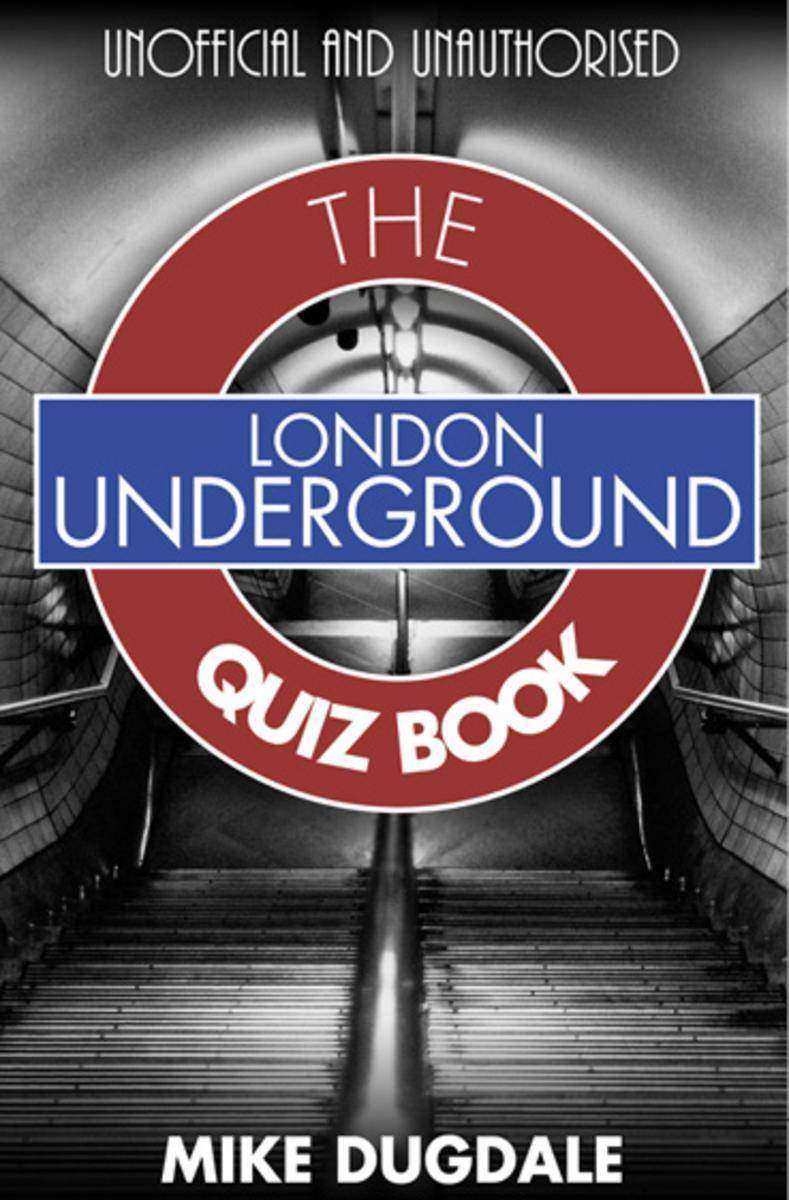
London Underground The Quiz Book
¥19.52
For the last 150 years, every Londoner, tourist, and visitor uses the tube to explore and enjoy London. But behind the facade of ox-blood brick buildings and colourful diagrams lies a wealth of history and interesting facts. This book tests your knowledge in this area with 250 questions (and answers) about this incredible network.
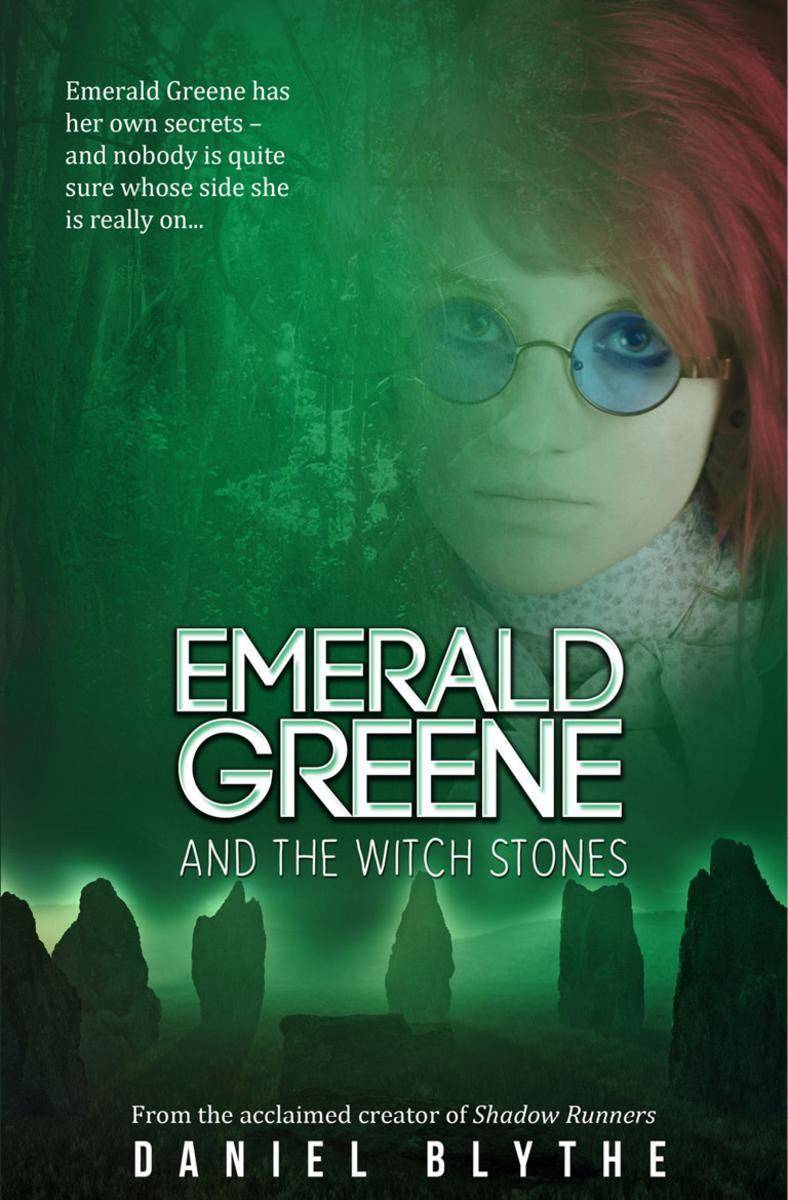
Emerald Greene and the Witch Stones
¥19.52
There's a new pupil at St Agnes' school in the historic city of Meresbury. She's a mysterious, otherworldly girl called Emerald Greene. A girl without a past, without a family or friends. When Jess and Richie decide to befriend her, they're in for a few shocks - for Emerald lives in a mansion which doesn't exist, and can see things nobody else can see. Meanwhile, Meresbury becomes home to a series of strange events. What is the secret of the tomb which the eccentric Professor Ulverston has unearthed in an ancient stone circle? Where does the talking cat come from? And why have Mr Courtney and his Special Measures operatives arrived in town? With unearthly apparitions stalking the land, Jess and Richie soon realise that their mysterious classmate might be the only one to know what's happening. But it seems Emerald Greene has her own secrets - and nobody is quite sure whose side she is really on...
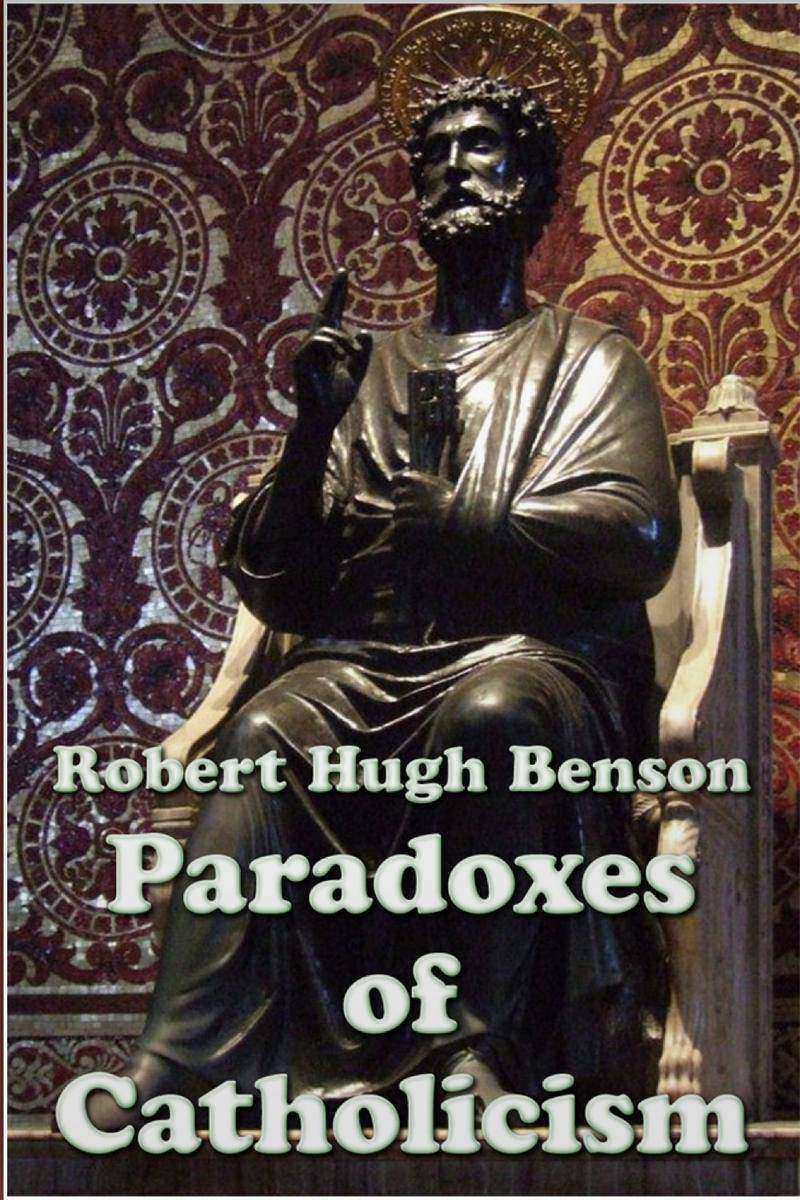
Paradoxes of Catholicism
¥19.52
A fascinating apologetic work by writer of fiction and nonfiction Robert Hugh Benson.

101 Amazing Facts about Queen Victoria
¥19.52
Did you know that Queen Victoria could speak five different languages? Or that her closest childhood friend was a King Charles spaniel by the name of Dash? What did she ask staff to do instead of knocking on her door? And how did she deliberately annoy Prime Minister William Gladstone? All of these facts and more can be found in this fantastic guide to the long-reigning monarch and Empress of India. This book is perfect for those studying Queen Victoria at school, or even for those who are just interested in learning more about one of history's most fascinating figures.
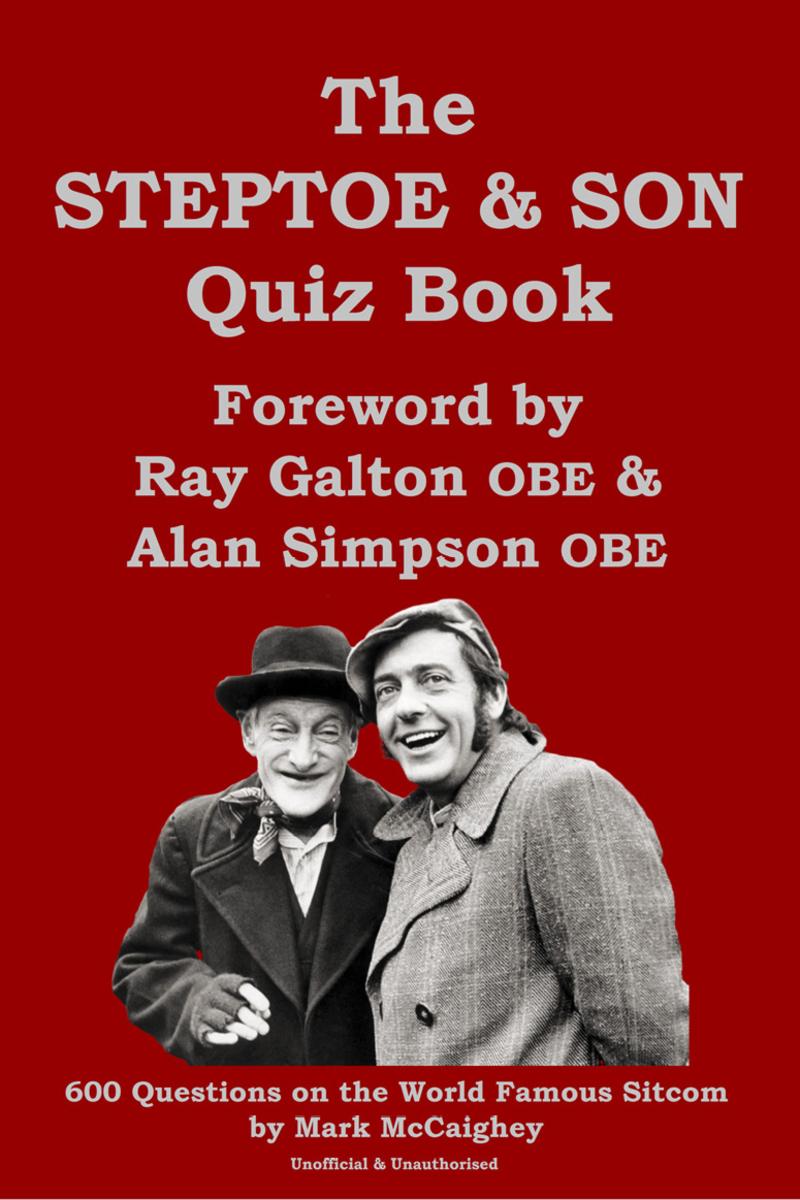
Steptoe and Son Quiz Book
¥48.95
Those world famous rag and bone men - Albert and Harold Steptoe are back in this original and entertaining quiz book based on the award winning BBC TV sitcom. The show's' creators and writers Ray Galton and Alan Simpson have penned an exclusive 'Foreword' to sit alongside the six hundred questions that cover all 57 television episodes and both movies from this phenomenal series. Steptoe and Son and their carthorse Hercules, first trundled onto British TV screens in 1962. It wasn't long before viewers fell for the scrapping junkmen and the Steptoes were soon pulling in regular weekly audiences of over 20 million, peaking at 28 million. So, whether you've been a fan of the sitcom for many years or have recently discovered it why not enjoy spending some more time in the company of Albert and Harold and see how much you can remember from the unforgettable Steptoe and Son by adding this book to your cart.
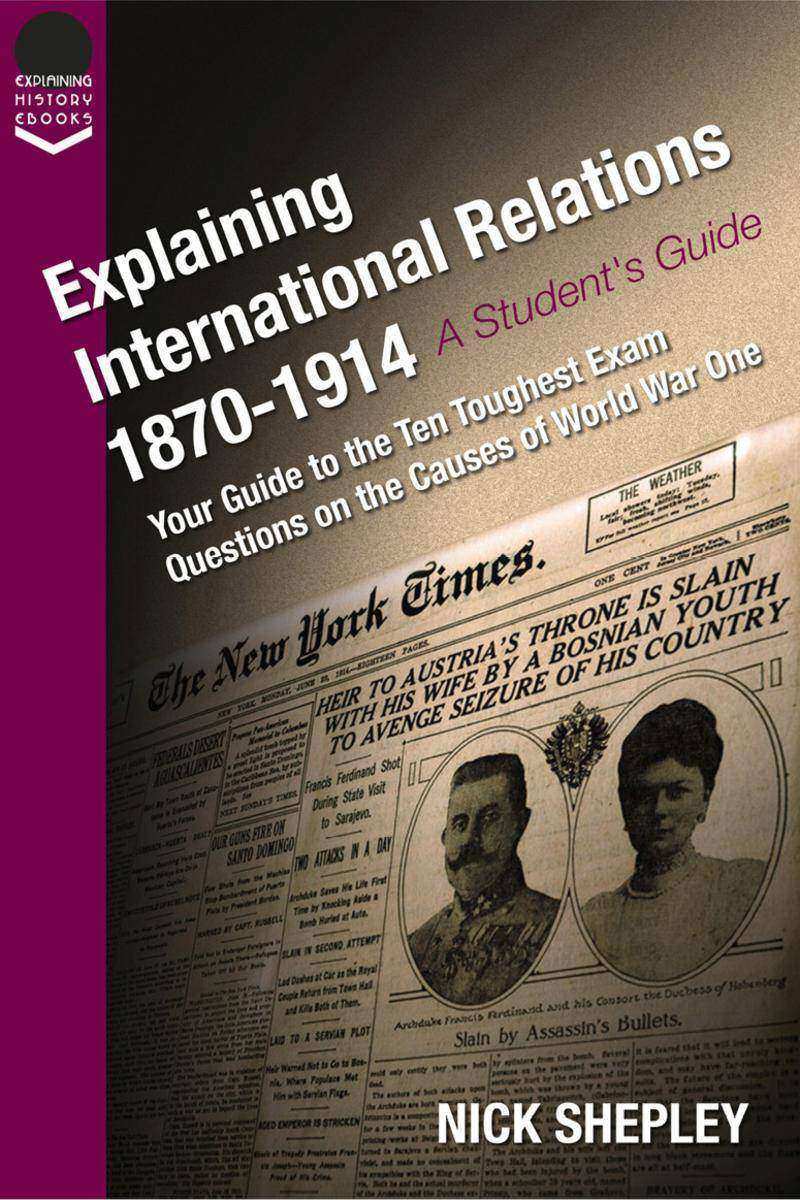
Explaining International Relations 1870-1914
¥29.33
Between 1870 and 1914 Europe experienced mounting diplomatic tensions and the division of the continent into rival alliance systems. The outbreak of war in 1914 had long term origins which are complex and often obscure. This e-book is written to make these conflicts and the debates that surround them easy to understand and accessible. It covers the following key questions: 1. What as the significance of the Unification of Germany on European diplomacy?2. What were Britain's main objectives between 1870 and 1904?3. Why did Colonial Empires lead to an increase in tension?4. How did Bismarck's diplomacy shape European affairs?5. Why were the Balkans such a source of tension?6. What was the significance of the Congress of Berlin?7. How did the fall of Bismarck affect European diplomacy?8. Why did Britain sign the Entente Cordiale?9. How did the crises over Morocco change European affairs?10. How did the arms race contribute to international tensions?This e-book also features: advice on essay writing and addressing complex essay questions, a historiographical essay. There is also a link to Explaining History study notes, essay plans, fact files and more.
Jump Into Spanish
¥44.05
It's a great feeling to know you can be who you are without fear or embarrassment. This Spanish language course is designed to be FUN AND EASY to follow. In this eBook we have covered all of the most likely situations you may face and have prepared you with the KEY WORDS AND PHRASES most commonly used. In this modern age you will most likely have a cell phone and wear a watch - consequently we have avoided tedious chapters on telling the time, counting and things you can point to. Instead, we have replaced them with more of what you will actually need! This programme is ideal if you are taking a short break or making a business trip. Everything from hiring a car, checking in to your hotel, sightseeing, shopping, eating out, from meeting people to dealing with emergencies is covered in topical chapters that you can access instantly. Make the most of your travels with all of our 'Jump Into' language courses available in Spanish, German, Italian, Dutch and French.
Jump Into Dutch
¥44.05
It's a great feeling to know you can be who you are without fear or embarrassment. This Dutch language course is designed to be FUN AND EASY to follow. In this eBook we have covered all of the most likely situations you may face and have prepared you with the KEY WORDS AND PHRASES most commonly used. In this modern age you will most likely have a cell phone and wear a watch - consequently we have avoided tedious chapters on telling the time, counting and things you can point to. Instead, we have replaced them with more of what you will actually need! This programme is ideal if you are taking a short break or making a business trip. Everything from hiring a car, checking in to your hotel, sightseeing, shopping, eating out, from meeting people to dealing with emergencies is covered in topical chapters that you can access instantly. Make the most of your travels with all of our 'Jump Into' language courses available in Spanish, German, Italian, Dutch and French.
Stories of the Deugar
¥19.52
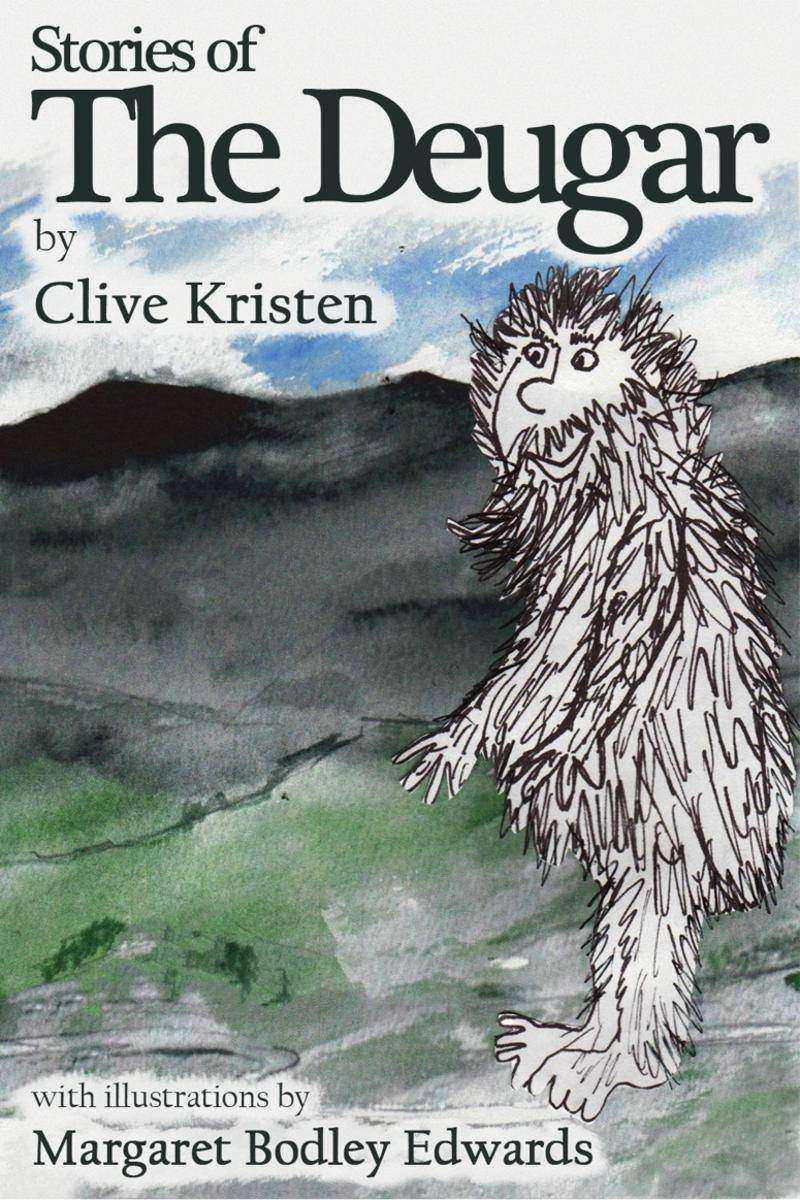
These stories of the Deugar are based on a chronology of legends featuring a magical and mysterious creature from a wild Northumberland valley. The Deugar is a cousin of other similarly strange creatures from remote areas of the world. But is The Deugar good or evil? The jury is out. It is for you to decide.
1111 Amazing Facts about Animals
¥58.76
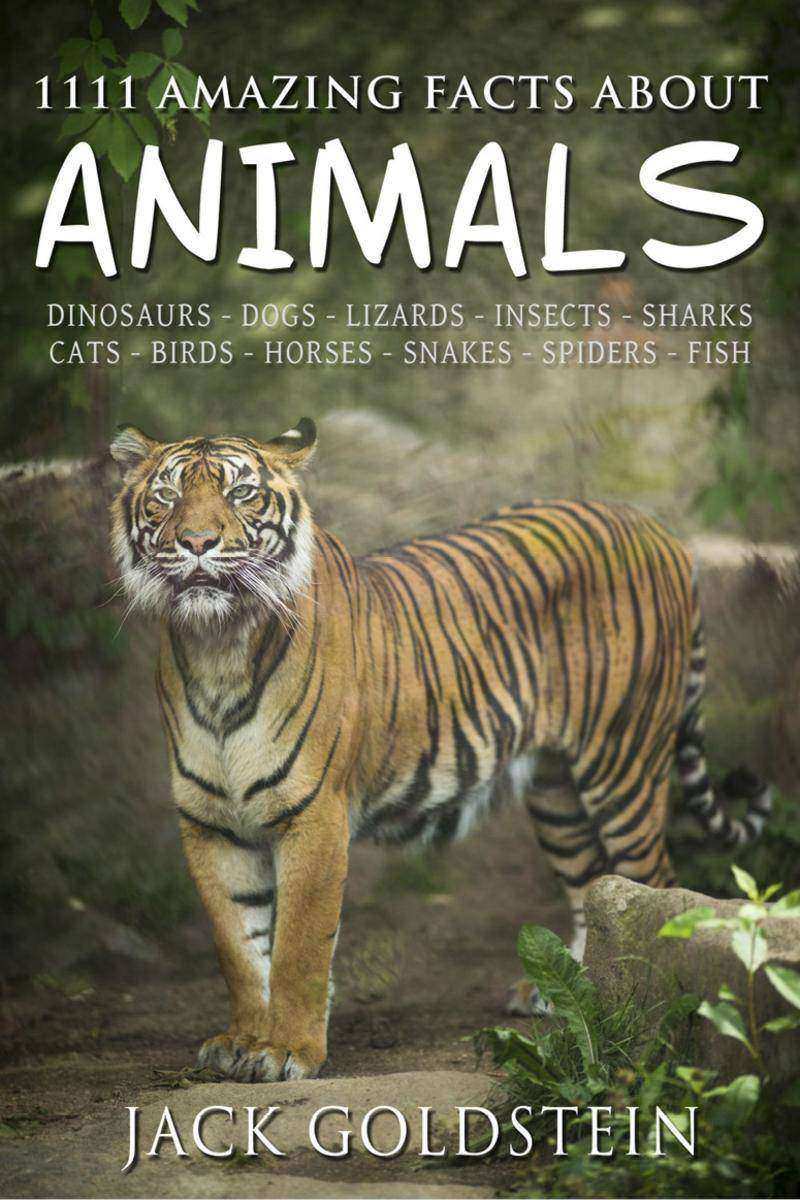
Did you know that in medieval times dogs were known to have accompanied their masters into battle wearing suits of armour? Or that cows from different regions moo in different accents? Were you aware that the courtship dance of some seahorses can last eight hours? Or that an albatross flies much further in a lifetime than the Apollo astronauts did on their moon missions? This fantastic book contains over one thousand facts about a wide range of animals, including dinosaurs, dogs, lizards, insects, sharks, cats, birds, horses, snakes, spiders and fish. So if you want to know what the wagometer was invented for, which fish the Romans used as a recreational drug or what the offspring of a donkey and a zebra is called, then this is the book for you!

Encyclopedia of Aerodynamics
¥220.63
The Encyclopedia of Aerodynamics was written for pilots at all levels from private pilot to airline pilot, military pilots and students of aerodynamics as a complete reference manual to aerodynamic terminology. General aerodynamic text books for pilots are relatively limited in their scope while aerodynamic text books for engineering students involve complex calculus. The references in this book, The Encyclopedia of Aerodynamics, are clearly described and only basic algebra is used in a few references but is completely devoid of any calculus - an advantage to many readers. Over 1400 references are included with alternative terms used where appropriate and cross-referenced throughout. The text is illustrated with 178 photographs and 96 diagrams. The Encyclopedia of Aerodynamics is an ideal aerodynamic reference manual for any pilot's bookshelf.

Golden Island
¥29.33
In 1529, Martin leaves his life in Spain to join an adventure to the New World. He soon discovers things were not to be as they were promised, as abominable hardship is the daily fare. When the New World is finally reached, the Spaniards find a strange and exotic, but welcoming culture that is seen as vulnerable for pillage and conquest. Martin soon finds a young person on the island and they become friends despite the obvious Spanish intentions. Soon, a love interest between Martin and the new friend's sister complicates things.
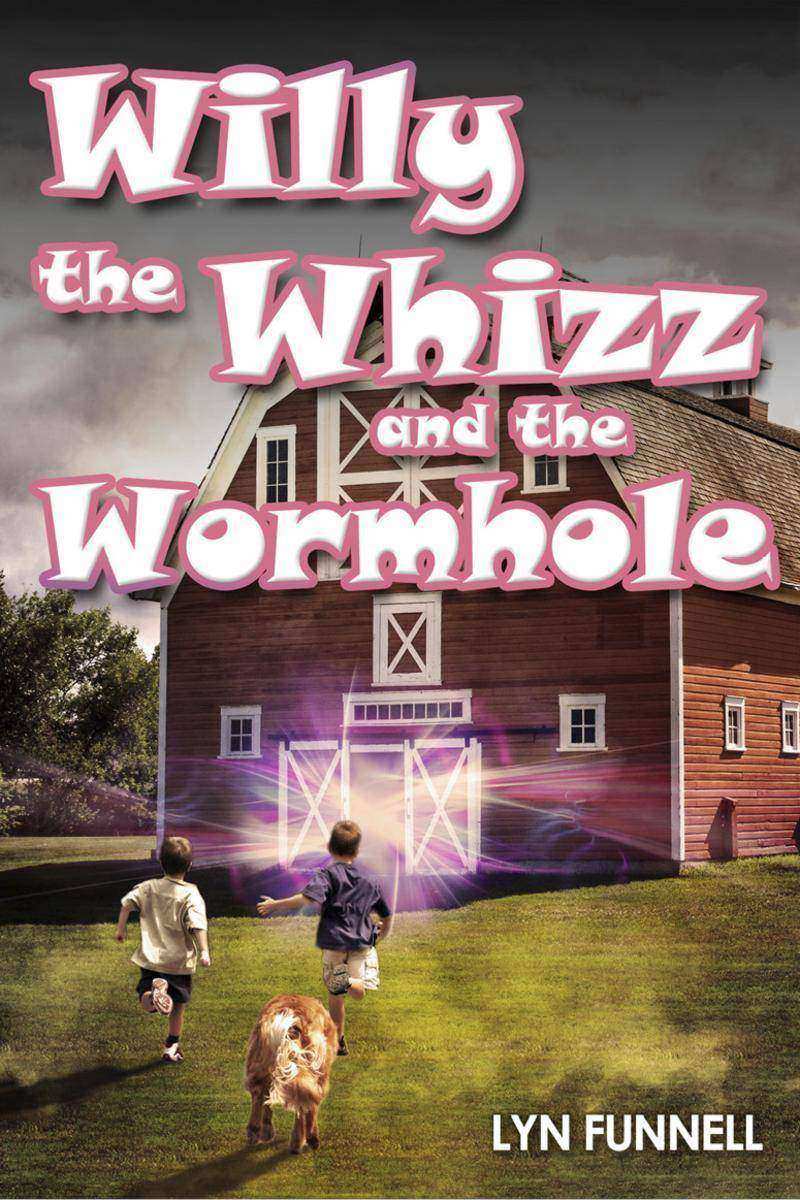
Willy the Whizz and the Wormhole
¥19.52
Will Spalding had an IQ of 172. But nobody knew it yet. And nobody would realise it even when he constructed what was probably the most amazing invention that the world had ever seen. Actually most of the world would never see it!Read the hilarious story of what happens when Will's little sister Maud crawls into it, and how Will and his friends (with the help of Einstein the dog) try to get her back without Will's Mum Pru finding out.
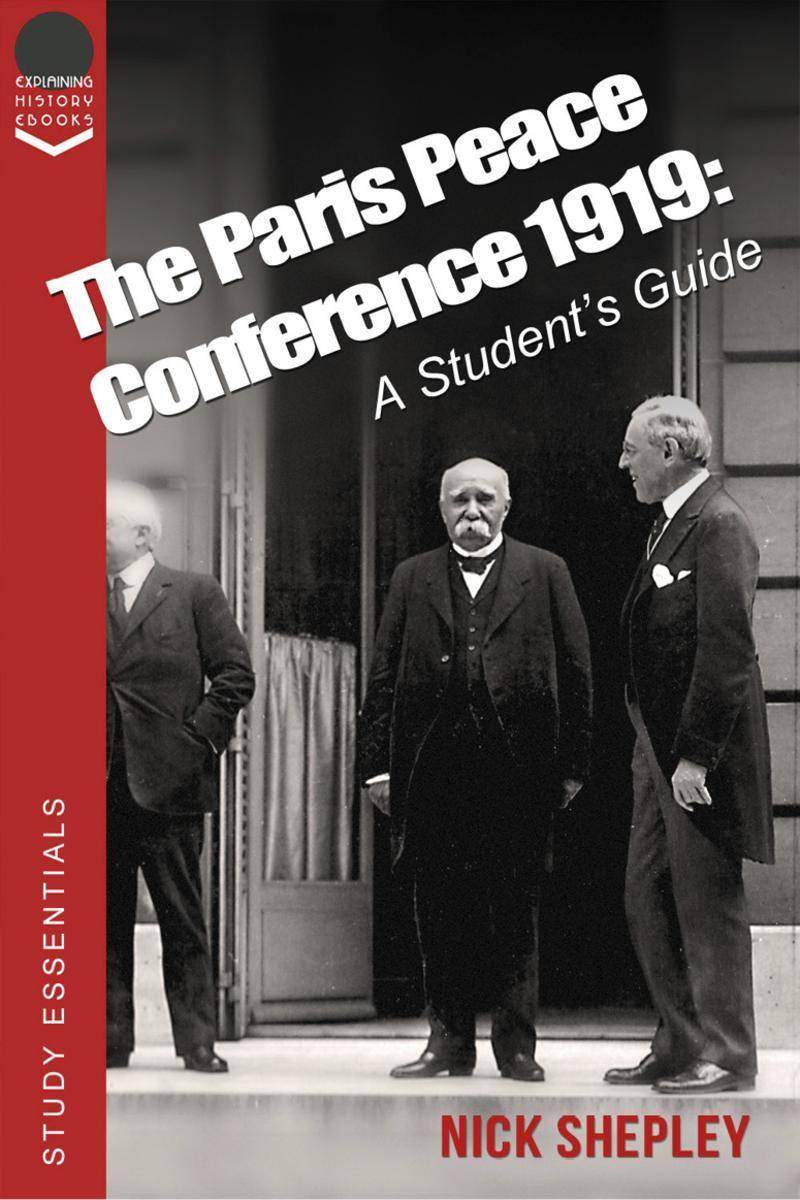
Paris Peace Conference 1919
¥29.33
In six months, from December 1918 to May 1919, the fate of the world was decided by a small group of statesmen and diplomats in Paris. The First World War had left behind a chaotic legacy of new nations, collapsed empires and the question of how Germany should be punished. This eBook is the first in a new series called 'Study Essentials', which takes complex historical events and makes them accessible and easy to understand for students of all experience and abilities. If you are studying inter war diplomacy for the first time, this eBook is the perfect introduction to the Paris Peace Conference. It includes:* A short history of the First World War* An overview of the victorious powers* An overview of the defeated powers* The history of European empires after the war* The historiography of the Paris Peace Conference* Advice on how to answer essay questions


