


 购物车
购物车 个人中心
个人中心

Duelo de Cora??es
¥41.45
Lady Caroline Faye, é a mais recente bela debutante, de maior sucesso da última temporada social de Londres. O inescrupuloso sir Montagu Reversby, ardilosamente, convence-a a ir de carruagem com ele, de Londres a Sevenoaks. Sob o pretexto de existir um defeito no eixo da carruagem, os dois param em uma estalagem, no campo. Horrorizada, lady Caroline compreende que sir Montagu afinal simulou o acidente apenas para passar a noite com ela. Desesperada, a bela jovem foge dele e embrenha-se na mata. Ali, encontra o atraente lord Brecon, um homem que, n?o só consegue livrá-la da situa??o delicada em que se encontrava, como também irá roubar-lhe o cora??o com uma paix?o arrebatadora e inesperada… e ela por sua vez, seguindo o seu instinto, vai ao seu encontro, ao Castelo de Brecon, fingindo-se passar por uma dama de companhia procurando trabalho, arriscando toda a sua reputa??o, para poder salvar Lord Brecon, de uma armadilha montada por seu primo, Gervase Warlingham, que tudo fará, para que Vane seja acusado de um crime que n?o cometera. Caroline vai ser o seu anjo da guarda, testemunha fundamental para provar a sua inocência… e é com esta intriga, no meio de suspense e romance, que se desenvolve esta fascinante história, no centro do Castelo de Brecon, em Cuckhurst, Kent.
Omoo by Herman Melville - Delphi Classics (Illustrated)
¥8.09
This eBook features the unabridged text of ‘Omoo by Herman Melville - Delphi Classics (Illustrated)’ from the bestselling edition of ‘The Complete Works of Herman Melville’. Having established their name as the leading publisher of classic literature and art, Delphi Classics produce publications that are individually crafted with superior formatting, while introducing many rare texts for the first time in digital print. The Delphi Classics edition of Melville includes original annotations and illustrations relating to the life and works of the author, as well as individual tables of contents, allowing you to navigate eBooks quickly and easily. eBook features: * The complete unabridged text of ‘Omoo by Herman Melville - Delphi Classics (Illustrated)’ * Beautifully illustrated with images related to Melville’s works * Individual contents table, allowing easy navigation around the eBook * Excellent formatting of the text Please visit www.delphiclassics.com to learn more about our wide range of titles
White-Jacket by Herman Melville - Delphi Classics (Illustrated)
¥8.09
This eBook features the unabridged text of ‘White-Jacket by Herman Melville - Delphi Classics (Illustrated)’ from the bestselling edition of ‘The Complete Works of Herman Melville’. Having established their name as the leading publisher of classic literature and art, Delphi Classics produce publications that are individually crafted with superior formatting, while introducing many rare texts for the first time in digital print. The Delphi Classics edition of Melville includes original annotations and illustrations relating to the life and works of the author, as well as individual tables of contents, allowing you to navigate eBooks quickly and easily. eBook features: * The complete unabridged text of ‘White-Jacket by Herman Melville - Delphi Classics (Illustrated)’ * Beautifully illustrated with images related to Melville’s works * Individual contents table, allowing easy navigation around the eBook * Excellent formatting of the text Please visit www.delphiclassics.com to learn more about our wide range of titles

A journey to the centre of the Earth
¥40.79
In this classic science fiction story we descend into an extinct Icelandic volcano, encountering many adventures, including prehistoric animals and natural hazards, before eventually coming to the surface again in southern Italy.
The Different Forms of Flowers on Plants of the Same Species by Charles Darwin -
¥8.09
This eBook features the unabridged text of ‘The Different Forms of Flowers on Plants of the Same Species by Charles Darwin - Delphi Classics (Illustrated)’ from the bestselling edition of ‘The Complete Works of Charles Darwin’. Having established their name as the leading publisher of classic literature and art, Delphi Classics produce publications that are individually crafted with superior formatting, while introducing many rare texts for the first time in digital print. The Delphi Classics edition of Darwin includes original annotations and illustrations relating to the life and works of the author, as well as individual tables of contents, allowing you to navigate eBooks quickly and easily. eBook features: * The complete unabridged text of ‘The Different Forms of Flowers on Plants of the Same Species by Charles Darwin - Delphi Classics (Illustrated)’ * Beautifully illustrated with images related to Darwin’s works * Individual contents table, allowing easy navigation around the eBook * Excellent formatting of the text Please visit www.delphiclassics.com to learn more about our wide range of titles
Erasmus Darwin by Charles Darwin - Delphi Classics (Illustrated)
¥8.09
This eBook features the unabridged text of ‘Erasmus Darwin by Charles Darwin - Delphi Classics (Illustrated)’ from the bestselling edition of ‘The Complete Works of Charles Darwin’. Having established their name as the leading publisher of classic literature and art, Delphi Classics produce publications that are individually crafted with superior formatting, while introducing many rare texts for the first time in digital print. The Delphi Classics edition of Darwin includes original annotations and illustrations relating to the life and works of the author, as well as individual tables of contents, allowing you to navigate eBooks quickly and easily. eBook features: * The complete unabridged text of ‘Erasmus Darwin by Charles Darwin - Delphi Classics (Illustrated)’ * Beautifully illustrated with images related to Darwin’s works * Individual contents table, allowing easy navigation around the eBook * Excellent formatting of the text Please visit www.delphiclassics.com to learn more about our wide range of titles

Robinson Crusoe by Daniel Defoe - Delphi Classics (Illustrated)
¥8.09
This eBook features the unabridged text of ‘Robinson Crusoe by Daniel Defoe - Delphi Classics (Illustrated)’ from the bestselling edition of ‘The Complete Works of Daniel Defoe’. Having established their name as the leading publisher of classic literature and art, Delphi Classics produce publications that are individually crafted with superior formatting, while introducing many rare texts for the first time in digital print. The Delphi Classics edition of Defoe includes original annotations and illustrations relating to the life and works of the author, as well as individual tables of contents, allowing you to navigate eBooks quickly and easily. eBook features: * The complete unabridged text of ‘Robinson Crusoe by Daniel Defoe - Delphi Classics (Illustrated)’ * Beautifully illustrated with images related to Defoe’s works * Individual contents table, allowing easy navigation around the eBook * Excellent formatting of the text Please visit www.delphiclassics.com to learn more about our wide range of titles
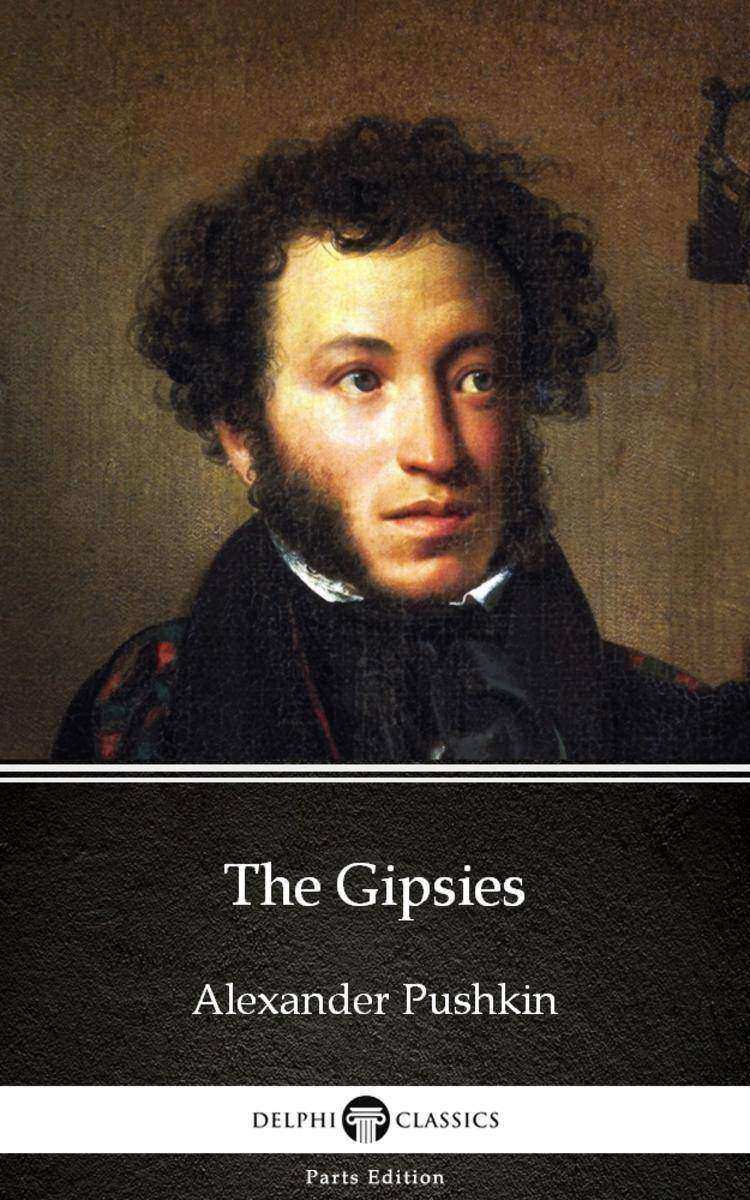
The Gipsies by Alexander Pushkin - Delphi Classics (Illustrated)
¥8.09
This eBook features the unabridged text of ‘The Gipsies by Alexander Pushkin - Delphi Classics (Illustrated)’ from the bestselling edition of ‘The Collected Works of Alexander Pushkin’. Having established their name as the leading publisher of classic literature and art, Delphi Classics produce publications that are individually crafted with superior formatting, while introducing many rare texts for the first time in digital print. The Delphi Classics edition of Pushkin includes original annotations and illustrations relating to the life and works of the author, as well as individual tables of contents, allowing you to navigate eBooks quickly and easily. eBook features: * The complete unabridged text of ‘The Gipsies by Alexander Pushkin - Delphi Classics (Illustrated)’ * Beautifully illustrated with images related to Pushkin’s works * Individual contents table, allowing easy navigation around the eBook * Excellent formatting of the text Please visit www.delphiclassics.com to learn more about our wide range of titles

Neural Network Programming with TensorFlow
¥297.10
Neural Networks and their implementation decoded with TensorFlow About This Book Develop a strong background in neural network programming from scratch, using the popular Tensorflow library. Use Tensorflow to implement different kinds of neural networks – from simple feedforward neural networks to multilayered perceptrons, CNNs, RNNs and more. A highly practical guide including real-world datasets and use-cases to simplify your understanding of neural networks and their implementation. Who This Book Is For This book is meant for developers with a statistical background who want to work with neural networks. Though we will be using TensorFlow as the underlying library for neural networks, book can be used as a generic resource to bridge the gap between the math and the implementation of deep learning. If you have some understanding of Tensorflow and Python and want to learn what happens at a level lower than the plain API syntax, this book is for you. What You Will Learn Learn Linear Algebra and mathematics behind neural network. Dive deep into Neural networks from the basic to advanced concepts like CNN, RNN Deep Belief Networks, Deep Feedforward Networks. Explore Optimization techniques for solving problems like Local minima, Global minima, Saddle points Learn through real world examples like Sentiment Analysis. Train different types of generative models and explore autoencoders. Explore TensorFlow as an example of deep learning implementation. In Detail If you're aware of the buzz surrounding the terms such as "machine learning," "artificial intelligence," or "deep learning," you might know what neural networks are. Ever wondered how they help in solving complex computational problem efficiently, or how to train efficient neural networks? This book will teach you just that. You will start by getting a quick overview of the popular TensorFlow library and how it is used to train different neural networks. You will get a thorough understanding of the fundamentals and basic math for neural networks and why TensorFlow is a popular choice Then, you will proceed to implement a simple feed forward neural network. Next you will master optimization techniques and algorithms for neural networks using TensorFlow. Further, you will learn to implement some more complex types of neural networks such as convolutional neural networks, recurrent neural networks, and Deep Belief Networks. In the course of the book, you will be working on real-world datasets to get a hands-on understanding of neural network programming. You will also get to train generative models and will learn the applications of autoencoders. By the end of this book, you will have a fair understanding of how you can leverage the power of TensorFlow to train neural networks of varying complexities, without any hassle. While you are learning about various neural network implementations you will learn the underlying mathematics and linear algebra and how they map to the appropriate TensorFlow constructs. Style and Approach This book is designed to give you just the right number of concepts to back up the examples. With real-world use cases and problems solved, this book is a handy guide for you. Each concept is backed by a generic and real-world problem, followed by a variation, making you independent and able to solve any problem with neural networks. All of the content is demystified by a simple and straightforward approach.

The Wanderings of Persiles and Sigismunda by Miguel de Cervantes - Delphi Classi
¥8.09
This eBook features the unabridged text of ‘The Wanderings of Persiles and Sigismunda by Miguel de Cervantes - Delphi Classics (Illustrated)’ from the bestselling edition of ‘The Complete Works of Miguel de Cervantes’. Having established their name as the leading publisher of classic literature and art, Delphi Classics produce publications that are individually crafted with superior formatting, while introducing many rare texts for the first time in digital print. The Delphi Classics edition of Cervantes includes original annotations and illustrations relating to the life and works of the author, as well as individual tables of contents, allowing you to navigate eBooks quickly and easily. eBook features: * The complete unabridged text of ‘The Wanderings of Persiles and Sigismunda by Miguel de Cervantes - Delphi Classics (Illustrated)’ * Beautifully illustrated with images related to Cervantes’s works * Individual contents table, allowing easy navigation around the eBook * Excellent formatting of the text Please visit www.delphiclassics.com to learn more about our wide range of titles
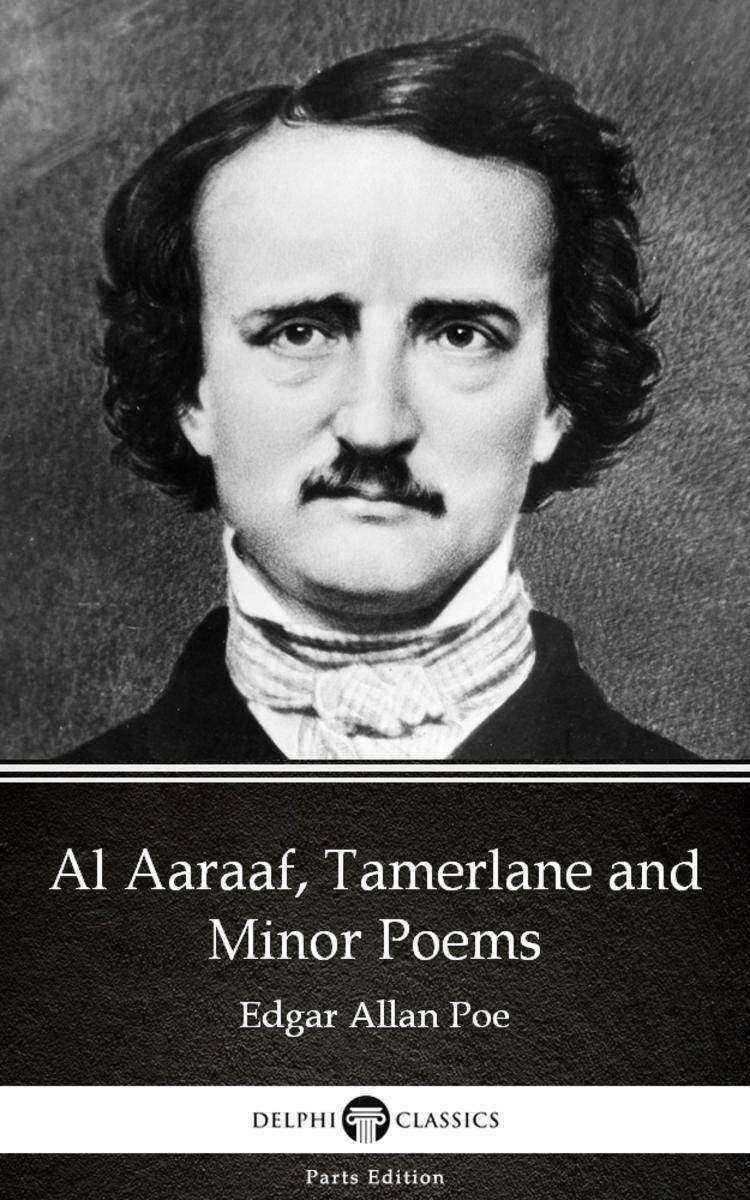
Al Aaraaf, Tamerlane and Minor Poems by Edgar Allan Poe - Delphi Classics (Illus
¥8.09
This eBook features the unabridged text of ‘Al Aaraaf, Tamerlane and Minor Poems by Edgar Allan Poe - Delphi Classics (Illustrated)’ from the bestselling edition of ‘The Complete Works of Edgar Allan Poe’. Having established their name as the leading publisher of classic literature and art, Delphi Classics produce publications that are individually crafted with superior formatting, while introducing many rare texts for the first time in digital print. The Delphi Classics edition of Poe includes original annotations and illustrations relating to the life and works of the author, as well as individual tables of contents, allowing you to navigate eBooks quickly and easily. eBook features: * The complete unabridged text of ‘Al Aaraaf, Tamerlane and Minor Poems by Edgar Allan Poe - Delphi Classics (Illustrated)’ * Beautifully illustrated with images related to Poe’s works * Individual contents table, allowing easy navigation around the eBook * Excellent formatting of the text Please visit www.delphiclassics.com to learn more about our wide range of titles
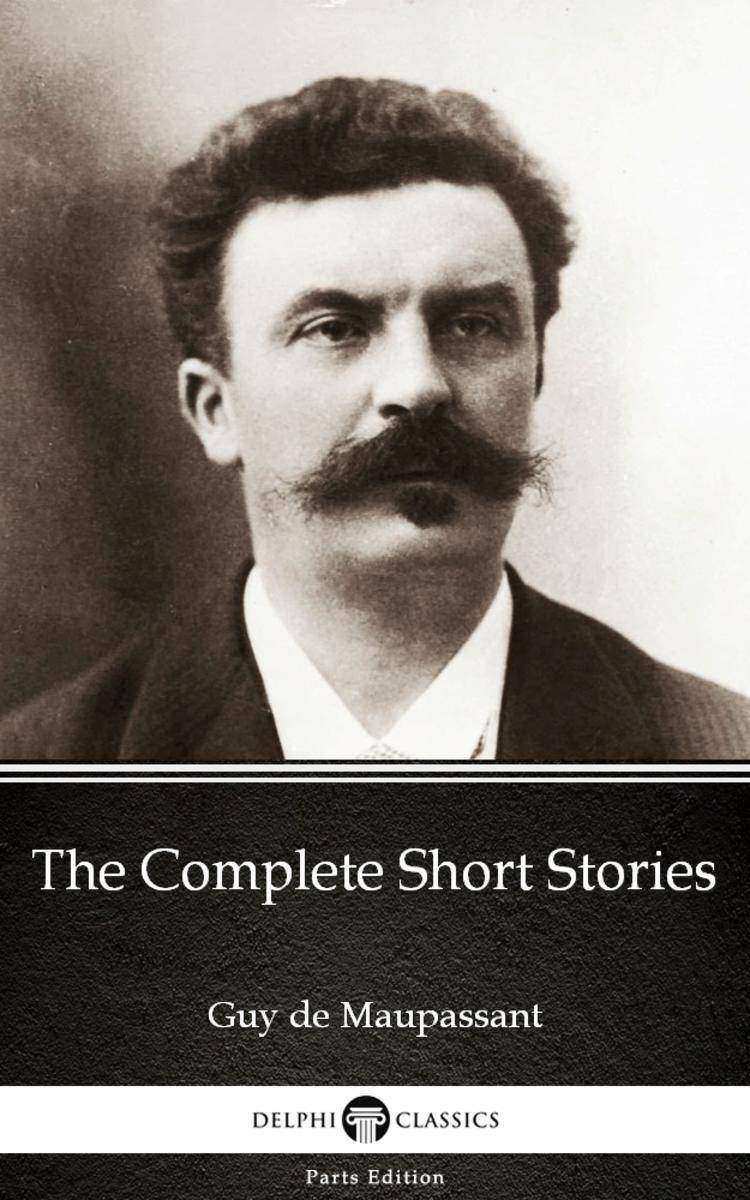
The Complete Short Stories by Guy de Maupassant - Delphi Classics (Illustrated)
¥8.09
This eBook features the unabridged text of ‘The Complete Short Stories by Guy de Maupassant - Delphi Classics (Illustrated)’ from the bestselling edition of ‘The Complete Works of Guy de Maupassant’. Having established their name as the leading publisher of classic literature and art, Delphi Classics produce publications that are individually crafted with superior formatting, while introducing many rare texts for the first time in digital print. The Delphi Classics edition of Maupassant includes original annotations and illustrations relating to the life and works of the author, as well as individual tables of contents, allowing you to navigate eBooks quickly and easily. eBook features: * The complete unabridged text of ‘The Complete Short Stories by Guy de Maupassant - Delphi Classics (Illustrated)’ * Beautifully illustrated with images related to Maupassant’s works * Individual contents table, allowing easy navigation around the eBook * Excellent formatting of the text Please visit www.delphiclassics.com to learn more about our wide range of titles
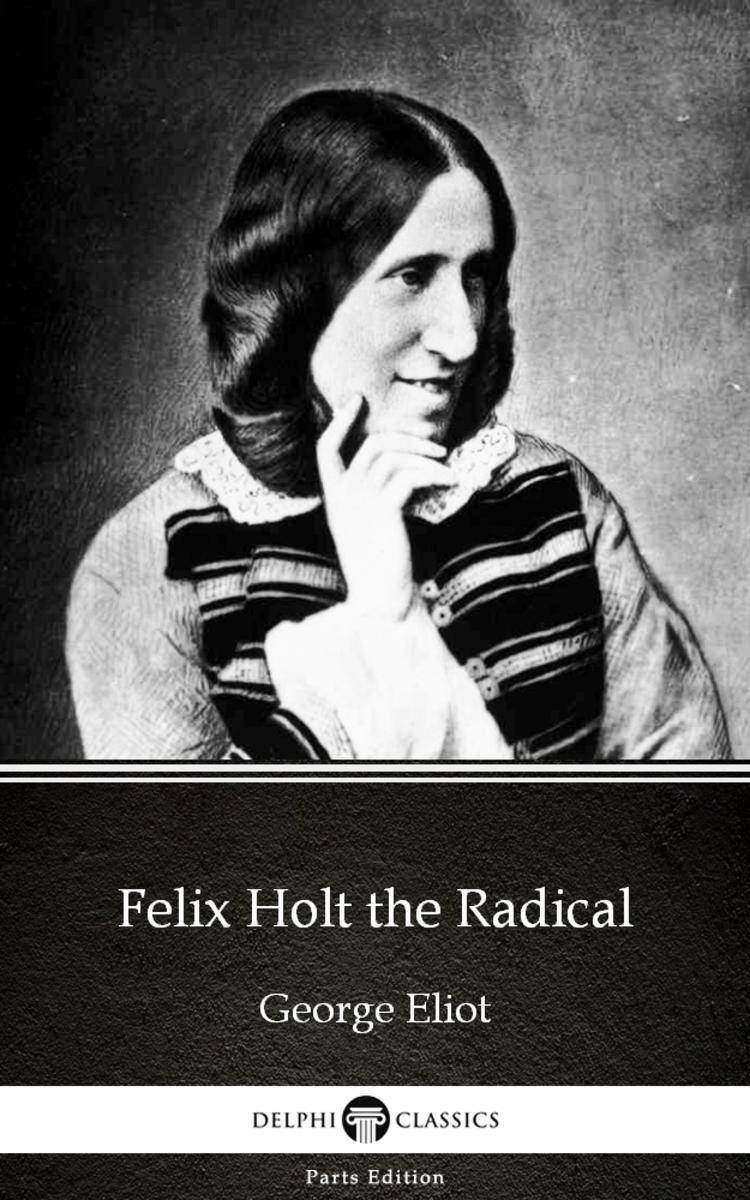
Felix Holt the Radical by George Eliot - Delphi Classics (Illustrated)
¥8.09
This eBook features the unabridged text of ‘Felix Holt the Radical by George Eliot - Delphi Classics (Illustrated)’ from the bestselling edition of ‘The Complete Works of George Eliot’. Having established their name as the leading publisher of classic literature and art, Delphi Classics produce publications that are individually crafted with superior formatting, while introducing many rare texts for the first time in digital print. The Delphi Classics edition of Eliot includes original annotations and illustrations relating to the life and works of the author, as well as individual tables of contents, allowing you to navigate eBooks quickly and easily. eBook features: * The complete unabridged text of ‘Felix Holt the Radical by George Eliot - Delphi Classics (Illustrated)’ * Beautifully illustrated with images related to Eliot’s works * Individual contents table, allowing easy navigation around the eBook * Excellent formatting of the text Please visit www.delphiclassics.com to learn more about our wide range of titles
The Story of the Glittering Plain by William Morris - Delphi Classics (Illustrat
¥8.09
This eBook features the unabridged text of ‘The Story of the Glittering Plain by William Morris - Delphi Classics (Illustrated)’ from the bestselling edition of ‘The Complete Works of William Morris’. Having established their name as the leading publisher of classic literature and art, Delphi Classics produce publications that are individually crafted with superior formatting, while introducing many rare texts for the first time in digital print. The Delphi Classics edition of Morris includes original annotations and illustrations relating to the life and works of the author, as well as individual tables of contents, allowing you to navigate eBooks quickly and easily. eBook features: * The complete unabridged text of ‘The Story of the Glittering Plain by William Morris - Delphi Classics (Illustrated)’ * Beautifully illustrated with images related to Morris’s works * Individual contents table, allowing easy navigation around the eBook * Excellent formatting of the text Please visit www.delphiclassics.com to learn more about our wide range of titles
Child Christopher and Goldilind the Fair by William Morris - Delphi Classics (Il
¥8.09
This eBook features the unabridged text of ‘Child Christopher and Goldilind the Fair by William Morris - Delphi Classics (Illustrated)’ from the bestselling edition of ‘The Complete Works of William Morris’. Having established their name as the leading publisher of classic literature and art, Delphi Classics produce publications that are individually crafted with superior formatting, while introducing many rare texts for the first time in digital print. The Delphi Classics edition of Morris includes original annotations and illustrations relating to the life and works of the author, as well as individual tables of contents, allowing you to navigate eBooks quickly and easily. eBook features: * The complete unabridged text of ‘Child Christopher and Goldilind the Fair by William Morris - Delphi Classics (Illustrated)’ * Beautifully illustrated with images related to Morris’s works * Individual contents table, allowing easy navigation around the eBook * Excellent formatting of the text Please visit www.delphiclassics.com to learn more about our wide range of titles

The Well at the World’s End by William Morris - Delphi Classics (Illustrated)
¥8.09
This eBook features the unabridged text of ‘The Well at the World’s End by William Morris - Delphi Classics (Illustrated)’ from the bestselling edition of ‘The Complete Works of William Morris’. Having established their name as the leading publisher of classic literature and art, Delphi Classics produce publications that are individually crafted with superior formatting, while introducing many rare texts for the first time in digital print. The Delphi Classics edition of Morris includes original annotations and illustrations relating to the life and works of the author, as well as individual tables of contents, allowing you to navigate eBooks quickly and easily. eBook features: * The complete unabridged text of ‘The Well at the World’s End by William Morris - Delphi Classics (Illustrated)’ * Beautifully illustrated with images related to Morris’s works * Individual contents table, allowing easy navigation around the eBook * Excellent formatting of the text Please visit www.delphiclassics.com to learn more about our wide range of titles
Introduction to the Fantasy Short Stories of Morris by William Morris - Delphi C
¥8.09
This eBook features the unabridged text of ‘Introduction to the Fantasy Short Stories of Morris by William Morris - Delphi Classics (Illustrated)’ from the bestselling edition of ‘The Complete Works of William Morris’. Having established their name as the leading publisher of classic literature and art, Delphi Classics produce publications that are individually crafted with superior formatting, while introducing many rare texts for the first time in digital print. The Delphi Classics edition of Morris includes original annotations and illustrations relating to the life and works of the author, as well as individual tables of contents, allowing you to navigate eBooks quickly and easily. eBook features: * The complete unabridged text of ‘Introduction to the Fantasy Short Stories of Morris by William Morris - Delphi Classics (Illustrated)’ * Beautifully illustrated with images related to Morris’s works * Individual contents table, allowing easy navigation around the eBook * Excellent formatting of the text Please visit www.delphiclassics.com to learn more about our wide range of titles
North and South by Elizabeth Gaskell - Delphi Classics (Illustrated)
¥8.09
This eBook features the unabridged text of ‘North and South by Elizabeth Gaskell - Delphi Classics (Illustrated)’ from the bestselling edition of ‘The Complete Works of Elizabeth Gaskell’. Having established their name as the leading publisher of classic literature and art, Delphi Classics produce publications that are individually crafted with superior formatting, while introducing many rare texts for the first time in digital print. The Delphi Classics edition of Gaskell includes original annotations and illustrations relating to the life and works of the author, as well as individual tables of contents, allowing you to navigate eBooks quickly and easily. eBook features: * The complete unabridged text of ‘North and South by Elizabeth Gaskell - Delphi Classics (Illustrated)’ * Beautifully illustrated with images related to Gaskell’s works * Individual contents table, allowing easy navigation around the eBook * Excellent formatting of the text Please visit www.delphiclassics.com to learn more about our wide range of titles
Mr. Harrison’s Confessions by Elizabeth Gaskell - Delphi Classics (Illustrated)
¥8.09
This eBook features the unabridged text of ‘Mr. Harrison’s Confessions by Elizabeth Gaskell - Delphi Classics (Illustrated)’ from the bestselling edition of ‘The Complete Works of Elizabeth Gaskell’. Having established their name as the leading publisher of classic literature and art, Delphi Classics produce publications that are individually crafted with superior formatting, while introducing many rare texts for the first time in digital print. The Delphi Classics edition of Gaskell includes original annotations and illustrations relating to the life and works of the author, as well as individual tables of contents, allowing you to navigate eBooks quickly and easily. eBook features: * The complete unabridged text of ‘Mr. Harrison’s Confessions by Elizabeth Gaskell - Delphi Classics (Illustrated)’ * Beautifully illustrated with images related to Gaskell’s works * Individual contents table, allowing easy navigation around the eBook * Excellent formatting of the text Please visit www.delphiclassics.com to learn more about our wide range of titles
Little Wizard Stories of Oz by L. Frank Baum - Delphi Classics (Illustrated)
¥8.09
This eBook features the unabridged text of ‘Little Wizard Stories of Oz by L. Frank Baum - Delphi Classics (Illustrated)’ from the bestselling edition of ‘The Complete Works of L. Frank Baum’. Having established their name as the leading publisher of classic literature and art, Delphi Classics produce publications that are individually crafted with superior formatting, while introducing many rare texts for the first time in digital print. The Delphi Classics edition of Baum includes original annotations and illustrations relating to the life and works of the author, as well as individual tables of contents, allowing you to navigate eBooks quickly and easily. eBook features: * The complete unabridged text of ‘Little Wizard Stories of Oz by L. Frank Baum - Delphi Classics (Illustrated)’ * Beautifully illustrated with images related to Baum’s works * Individual contents table, allowing easy navigation around the eBook * Excellent formatting of the text Please visit www.delphiclassics.com to learn more about our wide range of titles
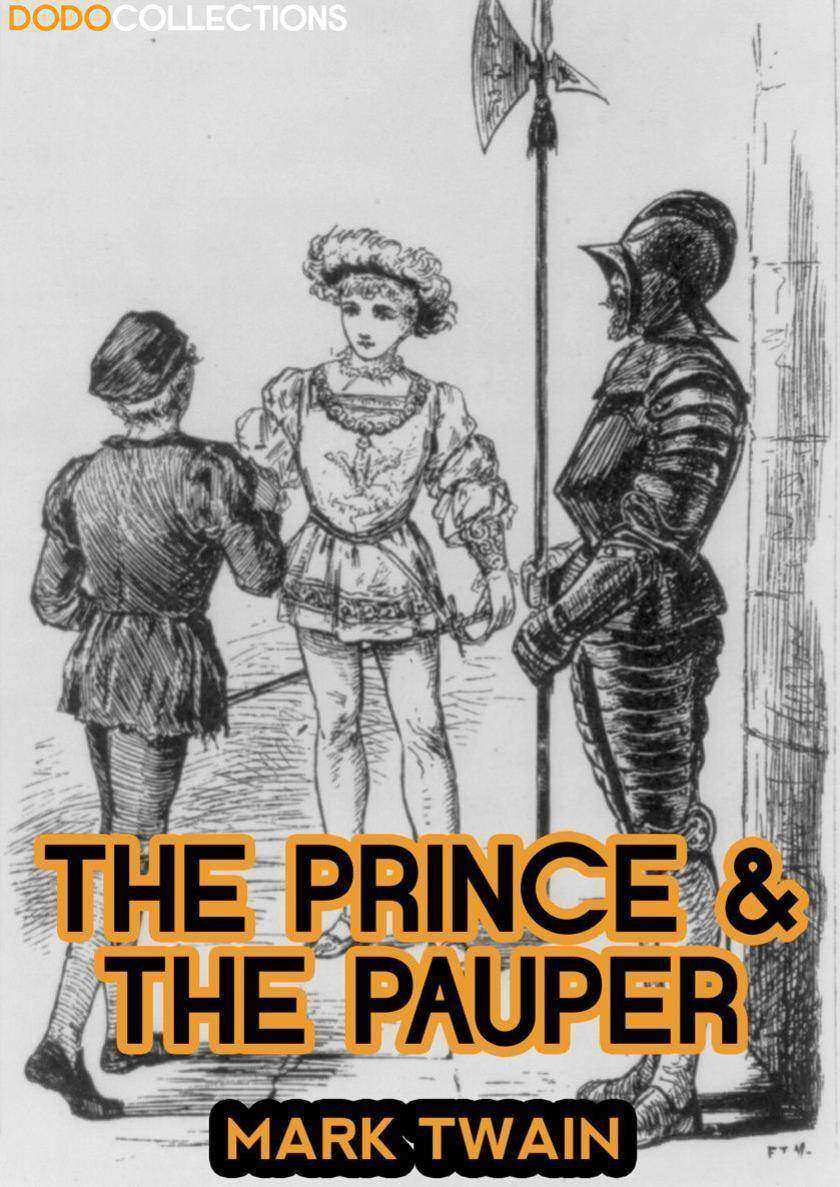
The Prince and the Pauper
¥8.09
Dodo Collections present Mark Twain’s ‘The Prince and the Pauper’. Presented as a fantastic edition with a fully interactive table of contents. The Prince and the Pauper?is a novel by American author?Mark Twain. It was first published in 1881 in Canada, before its 1882 publication in the United States. The novel represents Twain's first attempt at?historical fiction. Set in 1547, it tells the story of two young boys who are identical in appearance:?Tom Canty, a?pauper?who lives with his abusive father in Offal Court off?Pudding Lane?in?London, and?Prince Edward, son of?King Henry VIII. The Prince and the Pauper,?seemingly a simple novel, handles several divergent themes and ideas simultaneously. Foremost is the basic idea of the exchange of roles and lines between the prince and the pauper and the constant reference to their twin fates. Prior to meeting each other, both boys have dreams of living the life of the other.? The Prince and the Pauper?is Twain's most carefully plotted novel, but unlike Twain's greater novels (such as?Huck Finn?and?Tom Sawyer), where there is a great deal of character development, in this novel the characters are scarcely developed at all; instead, they are used largely as pawns to move the plot forward. Therefore, the main emphasis of the novel is not on character; it is on Twain's ingenious plot devices.?


