


 购物车
购物车 个人中心
个人中心
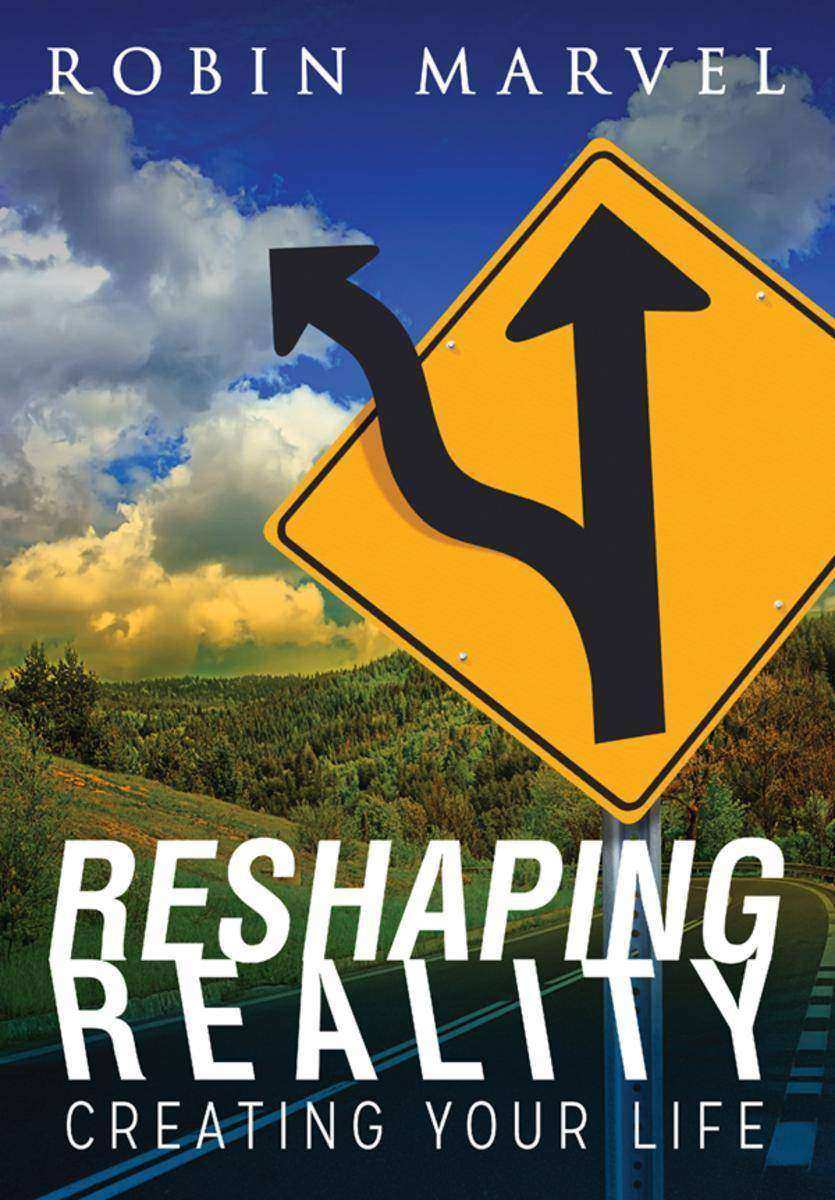
Reshaping Reality:Creating Your Life
¥48.74
We all have a story. Most of our stories have bumps and bruises that leave us at the fork in the road as to where to go next, feeling alone on the journey of life. Reshaping Reality will encourage you to shake your spirit awake from anything that is limiting you from your potential, propelling you into a life of purpose and meaning, giving you the support needed to grow, evolve, and empower your life. Today, you stop existing and start L-I-V-I-N-G. Readers who follow the Reshaping Reality exercises will:Gain tools to reshape programmed beliefs Discover what cycles you are stuck in and ways to break them Learn how to break patterns of self destruction Explore ways to reshape your inner child Empower mind, body and spirit by taking an active approach to your life "Reshaping Reality was very encouraging and spoke directly to me. It has helped me to be aware and let go of my bad habits and programming. I like to keep it's messages in my mind and it helps me to be kind and loving and to send good energy even to those people I don't like. Reshaping Reality is a lifesaver." -- Arnbjorg Finnbogadottir "Robin comes to life in these pages a loving and gentle soul who gives to you the exact tools to do the same in your life and that is powerful. What I love the most is through the exercises and her inspirational guidance you find your own strength and power once again and that you Love who you are." -- Adele Marie Learn more at www.RobinMarvel.com From the Modern Spirituality Series Marvelous Spirit Press www.MarvelousSpirit.com

The Darling and Other Stories
¥40.79
Olenka, the daughter of the retired collegiate assessor, Plemyanniakov, was sitting in her back porch, lost in thought. It was hot, the flies were persistent and teasing, and it was pleasant to reflect that it would soon be evening. Dark rainclouds were gathering from the east, and bringing from time to time a breath of moisture in the air. Kukin, who was the manager of an open-air theatre called the Tivoli, and who lived in the lodge, was standing in the middle of the garden looking at the sky.

Rescuers
¥105.87
Written for young adults, the Urban Underground series confronts issues that are of great importance to teens, such as friendship, loyalty, drugs, gangs, abuse, urban blight, bullies, and self-esteem to name a few. More than entertainment, these books can be a powerful learning and coping tool when a struggling reader connects with credible characters and a compelling storyline. The highly readable style and mature topics will appeal to young adult readers of both sexes and encourage them to finish each eBook. Harriet Tubman HS Series - On the brink of her freshman year at Tubman High, something clicked in Chelsea's mind. Shadrach rescued animals. And in a way, he saved kids by teaching them respect. Now she and her friends were rescuers by volunteering at the shelter. Jaris was a rescuer too. He was trying to save Sereeta's mom. And, maybe Maurice would have to rescue Athena from getting into trouble.

The Rape of Lucrece by William Shakespeare (Illustrated)
¥8.09
This eBook features the unabridged text of ‘The Rape of Lucrece’ from the bestselling edition of ‘The Complete Works of William Shakespeare’. Having established their name as the leading publisher of classic literature and art, Delphi Classics produce publications that are individually crafted with superior formatting, while introducing many rare texts for the first time in digital print. The Delphi Classics edition of Shakespeare includes original annotations and illustrations relating to the life and works of the author, as well as individual tables of contents, allowing you to navigate eBooks quickly and easily.eBook features:* The complete unabridged text of ‘The Rape of Lucrece’* Beautifully illustrated with images related to Shakespeare’s works* Individual contents table, allowing easy navigation around the eBook* Excellent formatting of the textPlease visit www.delphiclassics.com to learn more about our wide range of titles

F.N.G
¥65.99
Everyone is gunning for the New Guy Gabriel Sauers of Two Squad is a soldier, newly arrived in Vietnam--a country too beautiful to invite so savagely unreal a war. But Gabriel won't be a New Guy for long. He'll go through incoming mortars, he'll see the enemy alive. He'll wander through a hell that will turn the green recruit lucky enough to survive into a death-hardened veteran, longing for nothing more than a return to the world of hot baths and cold beer, no bullets, and no noise. Now, 40 years later, he is grappling with an action on the verge of his grandson Seth's deployment to Iraq that will change both their lives forever.Critics Praise Don Bodey's F.N.G "One of the most hard-hitting of all the vietnam novels" -- The Boston Herald "A powerful social document and a well-written, deeply moving first novel...highly recommended" --The Library Journal "Raw, profane...a candidly moving portrayal of the average American soldier in Vietnam, who often found courage when he did not seek it--but little of anything else." --Chicago Sun-Times "The day to day grind, beautifully and touchingly rendered by...a Vietnam veteran, is told with an unrelenting accumulation of detail." --The New York Times Book Review "Bodey packs considerable emotional freight...into a style that remains deliberately supple, cool, and declarative...An impressive novel." --The Cleveland Plain Dealer "A harrowing vividly written account of hell with a leavening of light moments. A revelation for one who wasn't there. Painful for those who were." --Bob Mason, author of CHICKENHAWK "All Quiet on the Western Front drives its readers to the front of World War I. F.N.G helicopters its readers to a new front: Vietnam." --Bestsellers More info at www.DonBodey.com The Reflections of History Series from Modern History Press www.ModernHistoryPress.com (an Imprint of Loving Healing Press)

Saving Sarah
¥24.44
Sarah wandered from bed to bed, checking on the few patients at the Hedley Clinic. It was such a welcome contrast from when she'd arrived and established the makeshift hospital off the Rio Negro. The treatment area had overflowed with patients from the first day, all in desperate need of care. Malaria, Yellow Fever, Cholera, Typhoid fever, and uncontrolled diabetes had run rampant throughout the area. But thanks to antimalarial drugs, vaccinations, antibiotics, and rehydration solutions, the number of patients had dwindled dramatically. Most days brought patients with ear infections, high blood pressure, asthma attacks, and even the occasional prenatal checkup. Still, there was a relatively regular flow of emergency patients suffering injuries from farming accidents and even alligator bites. The enormous black caimans were especially troublesome, particularly during the wet seasons when they ventured into the flooded savannas of the Amazon basin. Though there was so much more she wished she could do, never a day went by when she didn't feel she made an...

The Cowboy and the Rancher's Daughter:4
¥24.44
A Western Historical Romance Book 4 in a Series of 5 The long awaited cattle drive is finally here and Clara is ready to finish her first year as the sole owner of the Fuller Ranch. A lot is riding on getting the herd to market, but she and her men are prepared for just about anything. The drive is going well and Jake couldn’t be prouder of all the rancher’s daughter has accomplished. She’s all woman but tough as any cowhand. When unexpected trouble strikes, Jake learns what happens when you’re too trusting. If the enemy has his way, they stand to lose it all. Can Jake and the woman he loves overcome the heartache ahead? "I love a good western and this book did not disappoint! Short and sweet it kept me on the edge of my seat."? -Romance Reader, online reviewer In The Cowboy and the Rancher's Daughter Series, Clara Fuller inherits her father’s ranch and quickly learns being in charge is not going to be all that easy. Raised around cattle, she knows the business inside and out, but few men are willing to work for a lady rancher. Once a drifter, Jake Talley has finally found a place to call home. As the foreman of the Fuller Ranch, he doesn’t mind taking orders from a woman. He’s willing to do whatever it takes to help Clara Fuller succeed. Edward Sinclair is a successful ranch owner who wants more. He’s used to getting what he wants, and few have dared to try and stand in his way. One piece of property is all he needs to have complete control of the county. There’s only one problem; the land belongs to Clara Fuller. That’s all right; he’s never met a problem yet he couldn’t erase. Praise for Kari Mackenzie: “Once I started reading this book, I just couldn't stop!” -vp09, online reviewer “I had fun in the wild west and I really do admit that for me, this was a real page turner, I couldn't put it down at all!” -Stephanie Lynn, online reviewer “What will Clara do? Will her and Jake become a couple? Will Sinclair obtain the Fuller ranch? These are all questions I hope will be answered in the next installment of this story.” -Samantha Adams, online reviewer?

Marked for Death
¥16.27
An ex-FBI agent with a past. A celebrity murdered. 24 hours to find a killer. When a shocking murder rocks Los Angeles, former FBI agent Keira Summers is called in to find the killer. But, when the identity of the victim is revealed, Keira is pulled deep into an investigation that takes her across the city and into the dark underbelly of Hollywood. Now, in a race against time, Keira must find the killer and discover why anyone would execute one of the most famous men alive. If you like gripping mysteries, thrilling action and suspense, you’ll love the next installment in PT Reade’s BOOK HITS. Click and get your copy of MARKED FOR DEATH now! Tags: Book hits, book shots, crime, hard boiled mysteries, mystery, mysteries, noir, private investigators, hard boiled thriller, hard boiled detective fiction, hard boiled private investigator mystery series, thriller.

The Heritage of the Desert by Zane Grey - Delphi Classics (Illustrated)
¥8.09
This eBook features the unabridged text of ‘The Heritage of the Desert by Zane Grey - Delphi Classics (Illustrated)’ from the bestselling edition of ‘The Collected Works of Zane Grey’. Having established their name as the leading publisher of classic literature and art, Delphi Classics produce publications that are individually crafted with superior formatting, while introducing many rare texts for the first time in digital print. The Delphi Classics edition of Grey includes original annotations and illustrations relating to the life and works of the author, as well as individual tables of contents, allowing you to navigate eBooks quickly and easily. eBook features: * The complete unabridged text of ‘The Heritage of the Desert by Zane Grey - Delphi Classics (Illustrated)’ * Beautifully illustrated with images related to Grey’s works * Individual contents table, allowing easy navigation around the eBook * Excellent formatting of the text Please visit www.delphiclassics.com to learn more about our wide range of titles

The Young Pitcher by Zane Grey - Delphi Classics (Illustrated)
¥8.09
This eBook features the unabridged text of ‘The Young Pitcher by Zane Grey - Delphi Classics (Illustrated)’ from the bestselling edition of ‘The Collected Works of Zane Grey’. Having established their name as the leading publisher of classic literature and art, Delphi Classics produce publications that are individually crafted with superior formatting, while introducing many rare texts for the first time in digital print. The Delphi Classics edition of Grey includes original annotations and illustrations relating to the life and works of the author, as well as individual tables of contents, allowing you to navigate eBooks quickly and easily. eBook features: * The complete unabridged text of ‘The Young Pitcher by Zane Grey - Delphi Classics (Illustrated)’ * Beautifully illustrated with images related to Grey’s works * Individual contents table, allowing easy navigation around the eBook * Excellent formatting of the text Please visit www.delphiclassics.com to learn more about our wide range of titles

The Greek State and Other Fragments by Friedrich Nietzsche - Delphi Classics (Il
¥8.09
This eBook features the unabridged text of ‘The Greek State and Other Fragments by Friedrich Nietzsche - Delphi Classics (Illustrated)’ from the bestselling edition of ‘The Complete Works of Friedrich Nietzsche’. Having established their name as the leading publisher of classic literature and art, Delphi Classics produce publications that are individually crafted with superior formatting, while introducing many rare texts for the first time in digital print. The Delphi Classics edition of Nietzsche includes original annotations and illustrations relating to the life and works of the author, as well as individual tables of contents, allowing you to navigate eBooks quickly and easily. eBook features: * The complete unabridged text of ‘The Greek State and Other Fragments by Friedrich Nietzsche - Delphi Classics (Illustrated)’ * Beautifully illustrated with images related to Nietzsche’s works * Individual contents table, allowing easy navigation around the eBook * Excellent formatting of the text Please visit www.delphiclassics.com to learn more about our wide range of titles

Saemtliche Werke von Brüder Grimm (Illustrierte)
¥16.27
Brüder Grimm waren der ?Gründungsv?ter“ der Deutschen Philologie bzw. Germanistik. Jetzt genie?en Sie die kompletten Werke von Brüder Grimm auf Ihrem E-Reader. Diese enorme Sammlung umfasst auch besonderen Merkmalen. (Version 1) Merkmale: * die vollst?ndige M?rchen, mit Inhaltsverzeichnissen * kurze Einführungen in die M?rchen und anderen Texte * zahlreiche Bilder mit Bezug zu Brüder Grimm, ihr Leben und ihr Werken * alphabetisches Inhaltsverzeichnis der M?rchen und Sagen * ein kritischer Essay INHALT: M?rchen und Sagen KINDER- UND HAUSM?RCHEN, 1812 KINDER- UND HAUSM?RCHEN, 1815 KINDER- UND HAUSM?RCHEN, 1857 DEUTSCHE SAGEN IRISCHE ELFENM?RCHEN DEUTSCHE MYTHOLOGIE Index der M?rchen und Sagen LISTE DER M?RCHEN UND SAGEN IN ALPHABETISCHER REIHENFOLGE Literaturkritik DIE BR?DER GRIMM von Max Ring

Saemtliche Werke von E. T. A. Hoffmann (Illustrierte)
¥24.44
E. T. A. Hoffmann war ein Schriftsteller, Komponist, Musikkritiker, Karikaturist, Maler und Zeichner. Sein literarisches Schaffen ist der Hochromantik zuzuordnen, aber er orientierte sich auch am trivialen Schauerroman und M?rchen. Jetzt genie?en Sie die kompletten Werke von Hoffmann auf Ihrem E-Reader. Diese enorme Sammlung umfasst auch spezielle Bonustexte. (Version 1) Merkmale: * die vollst?ndige Romane, mit Inhaltsverzeichnissen * kurze Einführungen in die Romane und anderen Texte * zahlreiche Bilder mit Bezug zu Hoffmann, seinem Leben und seinen Werken * die vollst?ndigen Erz?hlungen * alphabetisches Inhaltsverzeichnis der Erz?hlungen * Sachbücher * enth?lt eine Bonus-Text-Biografie Besuchen Sie bitte www.delphiclassics.com für weitere Informationen und um unsere andere eBooks zu durchsuchen. Inhalt: Romane Schwester Monika Die Elixiere des Teufels Lebens-Ansichten des Katers Murr Sammlungen von Erz?hlungen und M?rchen Fantasiestücke in Callots Manier Nachtstücke Seltsame Leiden eines Theater-Direktors Klein Zaches, genannt Zinnober Haimatochare Die Marquise De La Pivardiere Prinzessin Brambilla Die Serapionsbrüder Die Irrungen Die Geheimnisse Die Doppeltg?nger Der Elementargeist Meister Floh Des Vetters Eckfenster Andere Erz?hlungen Erz?hlungen Liste Der Erz?hlungen in chronologischer Reihenfolge Liste Der Erz?hlungen in alphabetischer Reihenfolge Sachbücher Beethovens Instrumentalmusik Biografie Ernst Hoffmann von Franz Muncker

Παιδικ?? Ψυχ?? στο Αιγα?ο
¥79.71
να ηλιλουστο πρωιν του Σαββτου, καθ η Ζωολα πινε φρσκο χυμ πορτοκλι, εδε απο τη τζαμαρα του σπιτιο τη στην μορφη Κω μσα στην απραντη γαλζια θλασσα μια βρκα με δο παιδκια μσα να πλησαζει την ακτ. Ο λιο που ταν καταμεσ στον ουραν δεν την φηνε να τα δει ξεκθαρα. Η Ζω εχε ακοσει τι εκενο το διστημα φταναν πρσφυγε απ μακρυνο τπου και εχε φοβηθε λιγκι... Η βρκα πλησασε την ακτ... τι θα κνει η Ζω; Τι θα κνει ο κθε νθρωπο που θα βρεθε σε μια ττοια κατσταση;;;να βιβλο που θλει να δσει ελπδα, ιδιατερα σε αυτο που πρασαν ακμα περνον κακουχε στη δνη του πολμου. να βιβλο γραμμνο με αγπη για τα παιδι και για τον νθρωπο, με δναμη καρδι, ελπδα, και με πολ κουργιο για τον συνθρωπ μα τσι στε ο κσμο μα να γνεται πιο μορφο μρα με τη μρα...

Hamlet by William Shakespeare (Illustrated)
¥8.09
This eBook features the unabridged text of ‘Hamlet’ from the bestselling edition of ‘The Complete Works of William Shakespeare’. Having established their name as the leading publisher of classic literature and art, Delphi Classics produce publications that are individually crafted with superior formatting, while introducing many rare texts for the first time in digital print. The Delphi Classics edition of Shakespeare includes original annotations and illustrations relating to the life and works of the author, as well as individual tables of contents, allowing you to navigate eBooks quickly and easily.eBook features:* The complete unabridged text of ‘Hamlet’* Beautifully illustrated with images related to Shakespeare’s works* Individual contents table, allowing easy navigation around the eBook* Excellent formatting of the textPlease visit www.delphiclassics.com to learn more about our wide range of titles

The Triumphs of A Taxidermist
¥40.79
Here are some of the secrets of taxidermy. They were told me by the taxidermist in a mood of elation. He told me them in the time between the first glass of whisky and the fourth, when a man is no longer cautious and yet not drunk.

Pericles by William Shakespeare (Illustrated)
¥8.09
This eBook features the unabridged text of ‘Pericles’ from the bestselling edition of ‘The Complete Works of William Shakespeare’. Having established their name as the leading publisher of classic literature and art, Delphi Classics produce publications that are individually crafted with superior formatting, while introducing many rare texts for the first time in digital print. The Delphi Classics edition of Shakespeare includes original annotations and illustrations relating to the life and works of the author, as well as individual tables of contents, allowing you to navigate eBooks quickly and easily.eBook features:* The complete unabridged text of ‘Pericles’* Beautifully illustrated with images related to Shakespeare’s works* Individual contents table, allowing easy navigation around the eBook* Excellent formatting of the textPlease visit www.delphiclassics.com to learn more about our wide range of titles

The Story of The Three Bears
¥40.79
Once upon a time there were three Bears, who lived together in a house of their own, in a wood. One of them was a Little Wee Bear, and one was a Middle-sized Bear, and the other was a Great Big Bear. They had each a bowl for their porridge; a little bowl for the Little Wee Bear; and a middle-sized bowl for the Middle-sized Bear; and a great bowl for the Great Big Bear. And they had each a chair to sit in; a little chair for the Little Wee Bear; and a middle-sized chair for the Middle-sized Bear; and a great chair for the Great Big Bear. And they had each a bed to sleep in; a little bed for the Little Wee Bear; and a middle-sized bed for the Middle-sized Bear; and a great bed for the Great Big Bear.

The Three Feathers
¥40.79
Once upon a time there lived a girl who was wooed and married by a man she never saw; for he came a-courting her after nightfall, and when they were married he never came home till it was dark, and always left before dawn.
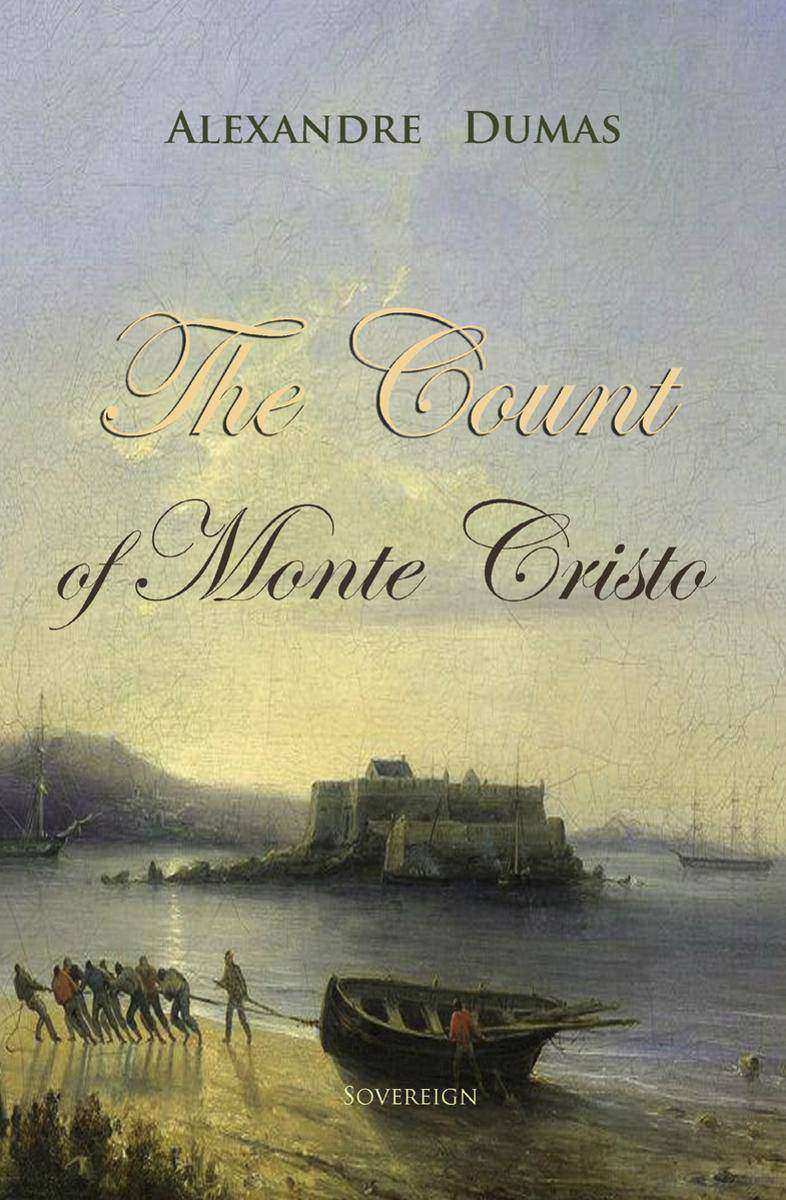
The Count of Monte Cristo
¥40.79
On the day of his wedding to Mercedes, Edmond Dantes, first mate of the Pharaon, is accused of treason, arrested, and imprisoned without trial in the Chateau d'If, a grim island fortress off Marseille. A fellow prisoner, Abbe Faria, correctly deduces that his jealous rival Fernand Mondego, envious crewmate Danglars, and double-dealing Magistrate De Villefort, betrayed him. Faria inspires his escape and guides him to a fortune in treasure. As the powerful and mysterious Count of Monte Cristo, he arrives from the Orient to enter the fashionable Parisian world of the 1830s and avenge himself on the men who conspired to destroy him.

The Puritan by William Shakespeare - Apocryphal (Illustrated)
¥8.09
This eBook features the unabridged text of ‘The Puritan’ from the bestselling edition of ‘The Complete Works of William Shakespeare’. Having established their name as the leading publisher of classic literature and art, Delphi Classics produce publications that are individually crafted with superior formatting, while introducing many rare texts for the first time in digital print. The Delphi Classics edition of Shakespeare includes original annotations and illustrations relating to the life and works of the author, as well as individual tables of contents, allowing you to navigate eBooks quickly and easily.eBook features:* The complete unabridged text of ‘The Puritan’* Beautifully illustrated with images related to Shakespeare’s works* Individual contents table, allowing easy navigation around the eBook* Excellent formatting of the textPlease visit www.delphiclassics.com to learn more about our wide range of titles


