


 购物车
购物车 个人中心
个人中心
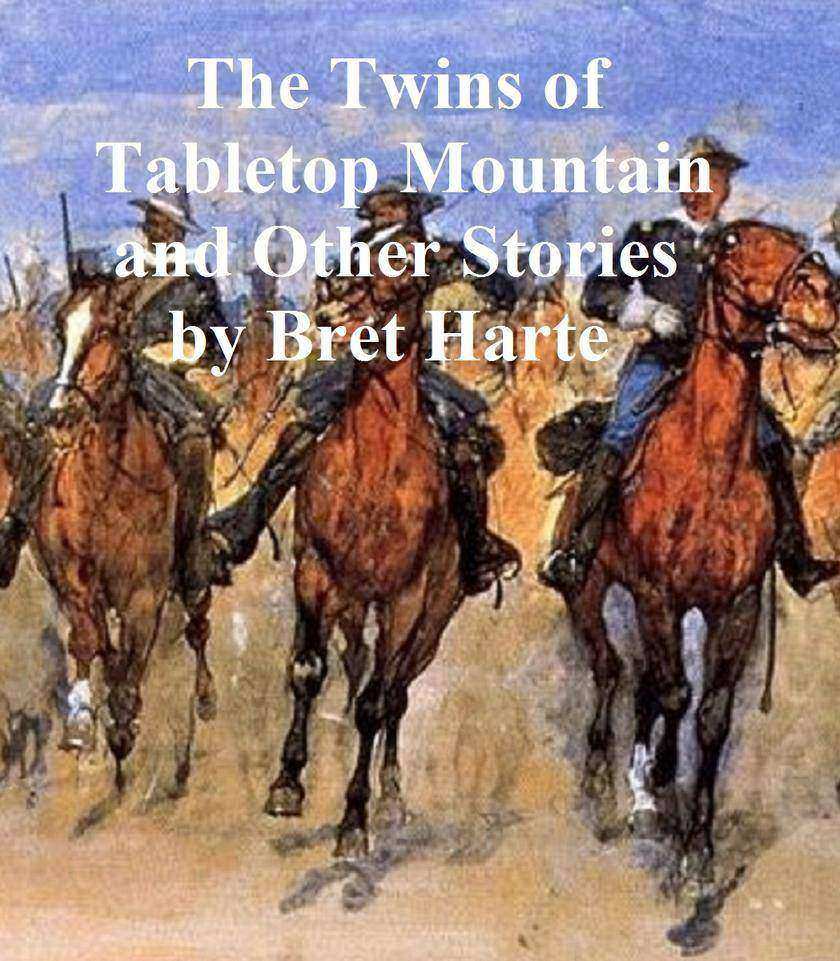
The Twins of Table Mountain and Other Stories
¥8.09
Collection of western stories, including: The Twins of Table Mountain, An Heiress of Red Dog, The Great Deadwood Mystery, A Legend of Sammtstadt, and Views from a German Spion. According to Wikipedia: "Bret Harte (August 25, 1836 – May 6, 1902) was an American author and poet, best remembered for his accounts of pioneering life in California. He was born in Albany, New York. ... He moved to California in 1853, later working there in a number of capacities, including miner, teacher, messenger, and journalist. He spent part of his life in the northern California coast town now known as Arcata, then just a mining camp on Humboldt Bay. His first literary efforts, including poetry and prose, appeared in The Californian, an early literary journal edited by Charles Henry Webb. In 1868 he became editor of The Overland Monthly, another new literary magazine, but this one more in tune with the pioneering spirit of excitement in California. His story, "The Luck of Roaring Camp," appeared in the magazine's second edition, propelling Harte to nationwide fame... Determined to pursue his literary career, in 1871 he and his family traveled back East, to New York and eventually to Boston, where he contracted with the publisher of The Atlantic Monthly for an annual salary of $10,000, "an unprecedented sum at the time." His popularity waned, however, and by the end of 1872 he was without a publishing contract and increasingly desperate. He spent the next few years struggling to publish new work (or republish old), delivering lectures about the gold rush, and even selling an advertising jingle to a soap company. In 1878 Harte was appointed to the position of United States Consul in the town of Krefeld, Germany and then to Glasgow in 1880. In 1885 he settled in London. During the thirty years he spent in Europe, he never abandoned writing, and maintained a prodigious output of stories that retained the freshness of his earlier work. He died in England in 1902 of throat cancer and is buried at Frimley."
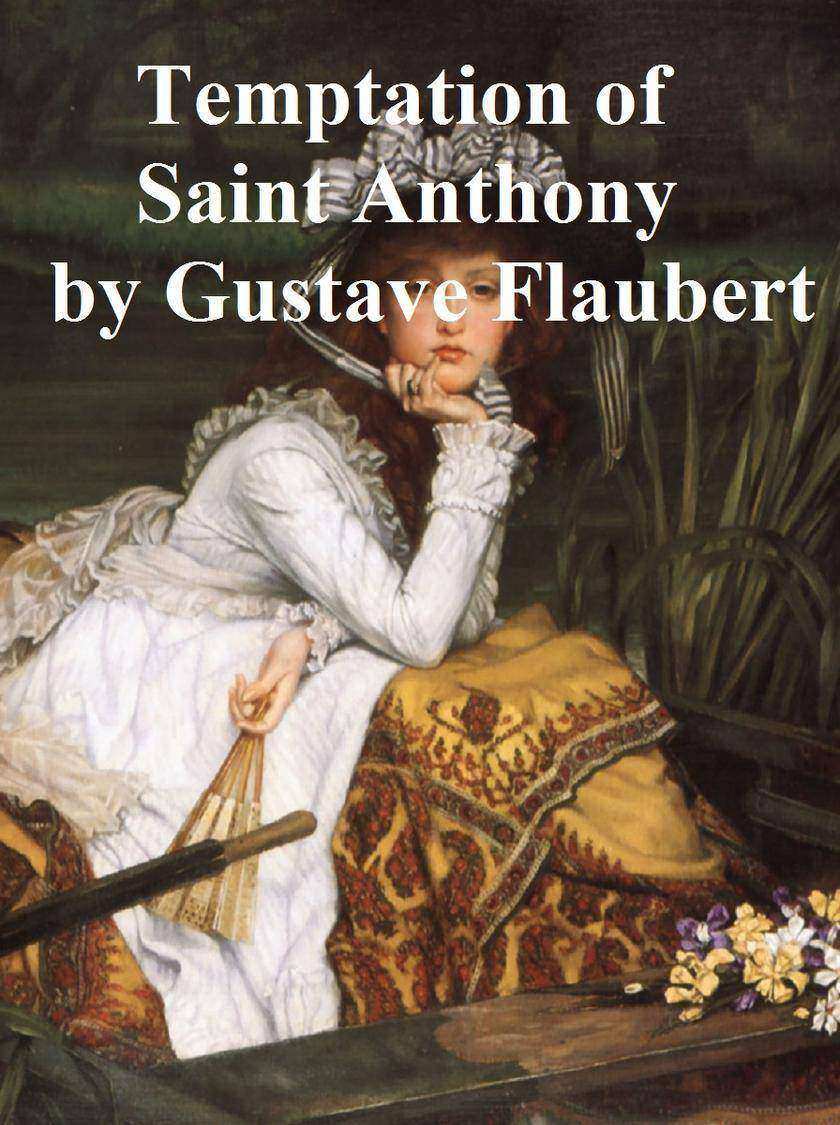
The Temptation of St. Anthony
¥8.09
According to Wikipedia: "The Temptation of Saint Anthony (French La Tentation de Saint Antoine) is a book which the French author Gustave Flaubert spent practically his whole life fitfully working on, in three versions he completed in 1849, 1856 (extracts published at the same time) and 1872 before publishing the final version in 1874. It takes as its subject the famous temptation faced by Saint Anthony the Great in the Egyptian desert, a theme often repeated in medieval and modern art. It is written in the form of a play script. It details one night in the life of Anthony the Great where Anthony is faced with great temptations, and it was inspired by the painting, which he saw at the Balbi Palace in Genoa. It was this work, rather than his better known Madame Bovary, that Flaubert considered his masterwork."

The Dynasts
¥8.09
According to Wikipedia: "Thomas Hardy, (1840 – 1928) was an English author of the naturalist movement, though he regarded himself primarily as a poet and composed novels mainly for financial gain. The bulk of his work, set mainly in the semi-fictional land of Wessex, delineates characters struggling against their passions and circumstances. Hardy's poetry, first published in his 50s, has come to be as well regarded as his novels, especially after The Movement of the 1950s and 1960s."

Poor Folk
¥8.09
Dostoevsky's first novel. In the form of a series of letters. According to Wikipedia: "Fyodor Mikhaylovich Dostoyevsky (1821 – 1881) was a Russian fiction writer, essayist and philosopher whose works include Crime and Punishment and The Brothers Karamazov. Dostoyevsky's literary output explores human psychology in the troubled political, social and spiritual context of 19th-century Russian society. Considered by many as a founder or precursor of 20th century existentialism, his Notes from Underground (1864), written in the embittered voice of the anonymous "underground man", was called by Walter Kaufmann the "best overture for existentialism ever written."
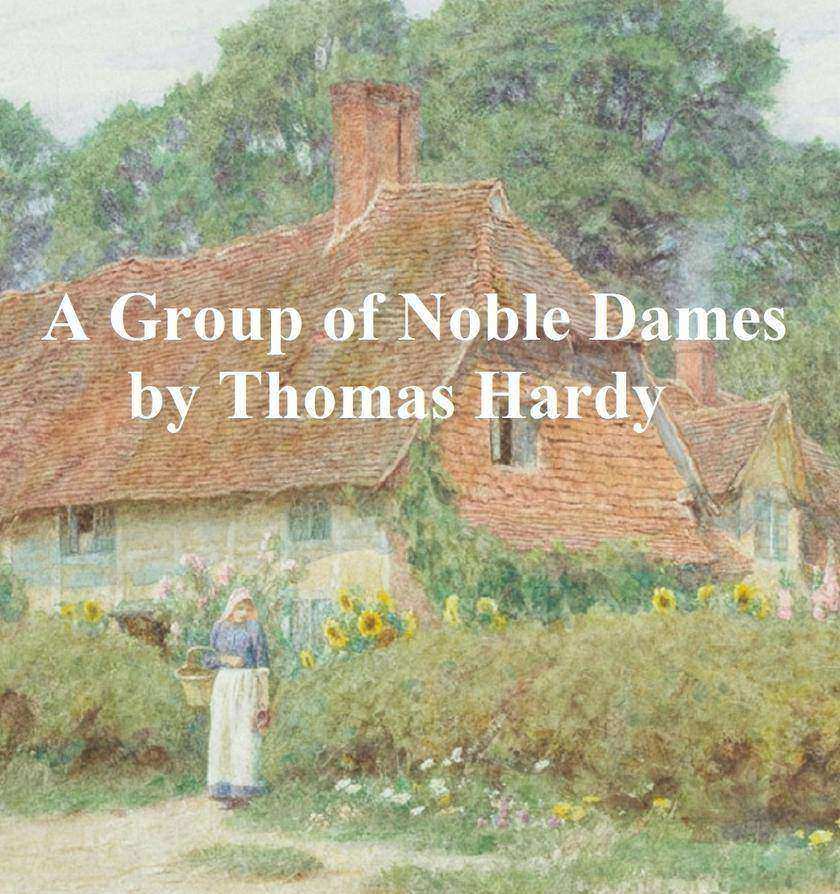
A Group of Noble Dames
¥8.09
According to Wikipedia: "Thomas Hardy, (1840 – 1928) was an English author of the naturalist movement, though he regarded himself primarily as a poet and composed novels mainly for financial gain. The bulk of his work, set mainly in the semi-fictional land of Wessex, delineates characters struggling against their passions and circumstances. Hardy's poetry, first published in his 50s, has come to be as well regarded as his novels, especially after The Movement of the 1950s and 1960s."

Life's Little Ironies
¥8.09
According to Wikipedia: "Thomas Hardy, (1840 – 1928) was an English author of the naturalist movement, though he regarded himself primarily as a poet and composed novels mainly for financial gain. The bulk of his work, set mainly in the semi-fictional land of Wessex, delineates characters struggling against their passions and circumstances. Hardy's poetry, first published in his 50s, has come to be as well regarded as his novels, especially after The Movement of the 1950s and 1960s."

Under the Greenwood Tree
¥8.09
According to Wikipedia: "Thomas Hardy, (1840 – 1928) was an English author of the naturalist movement, though he regarded himself primarily as a poet and composed novels mainly for financial gain. The bulk of his work, set mainly in the semi-fictional land of Wessex, delineates characters struggling against their passions and circumstances. Hardy's poetry, first published in his 50s, has come to be as well regarded as his novels, especially after The Movement of the 1950s and 1960s."
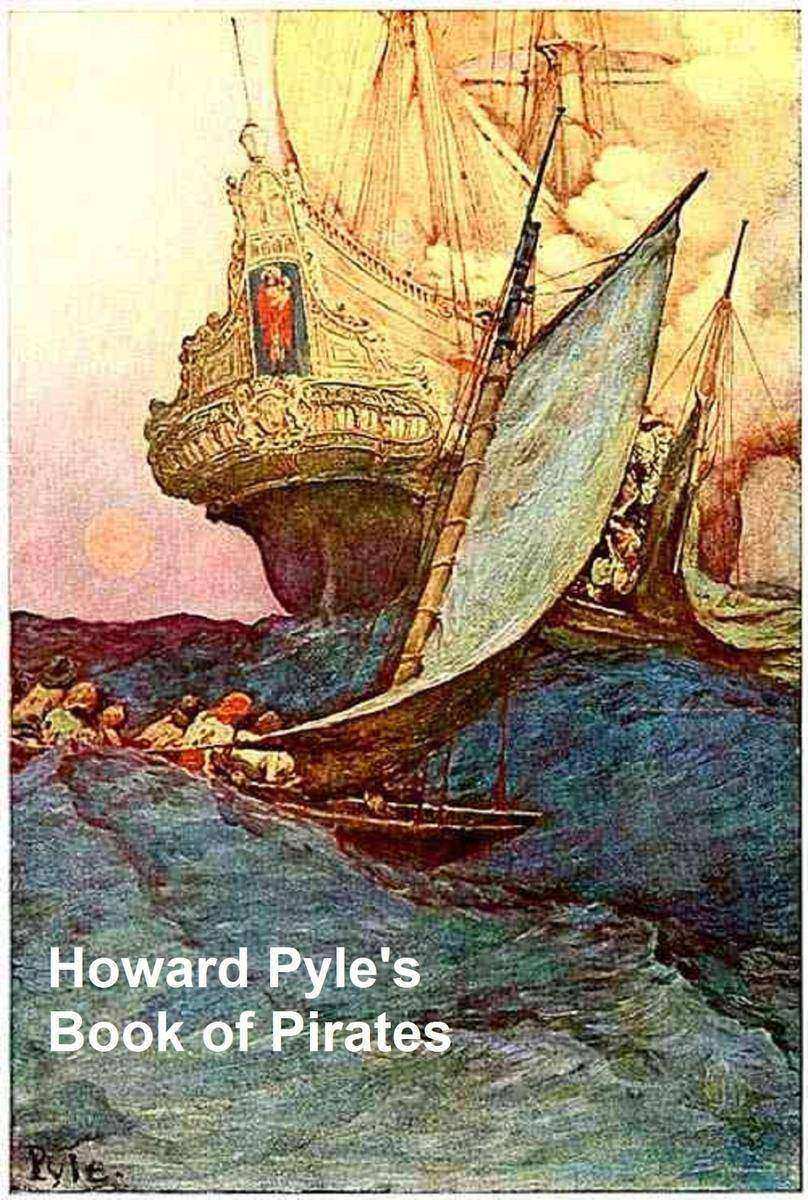
Book of Pirates
¥8.09
Fiction, fact and fancy concerning the bucaneers and marooners of the Spanish Main, from the writings of Howard Pyle. 56 illustrations, some color, some black-and-white. According to Wikipedia: "Howard Pyle (March 5, 1853 – November 9, 1911) was an American illustrator and author, primarily of books for young people... His 1883 classic publication The Merry Adventures of Robin Hood remains in print, and his other books, frequently with medieval European settings, include a four-volume set on King Arthur. He is also well known for his illustrations of pirates, and is credited with creating the now stereotypical modern image of pirate dress."

The Well-Beloved
¥8.09
According to Wikipedia: "Thomas Hardy, (1840 – 1928) was an English author of the naturalist movement, though he regarded himself primarily as a poet and composed novels mainly for financial gain. The bulk of his work, set mainly in the semi-fictional land of Wessex, delineates characters struggling against their passions and circumstances. Hardy's poetry, first published in his 50s, has come to be as well regarded as his novels, especially after The Movement of the 1950s and 1960s."
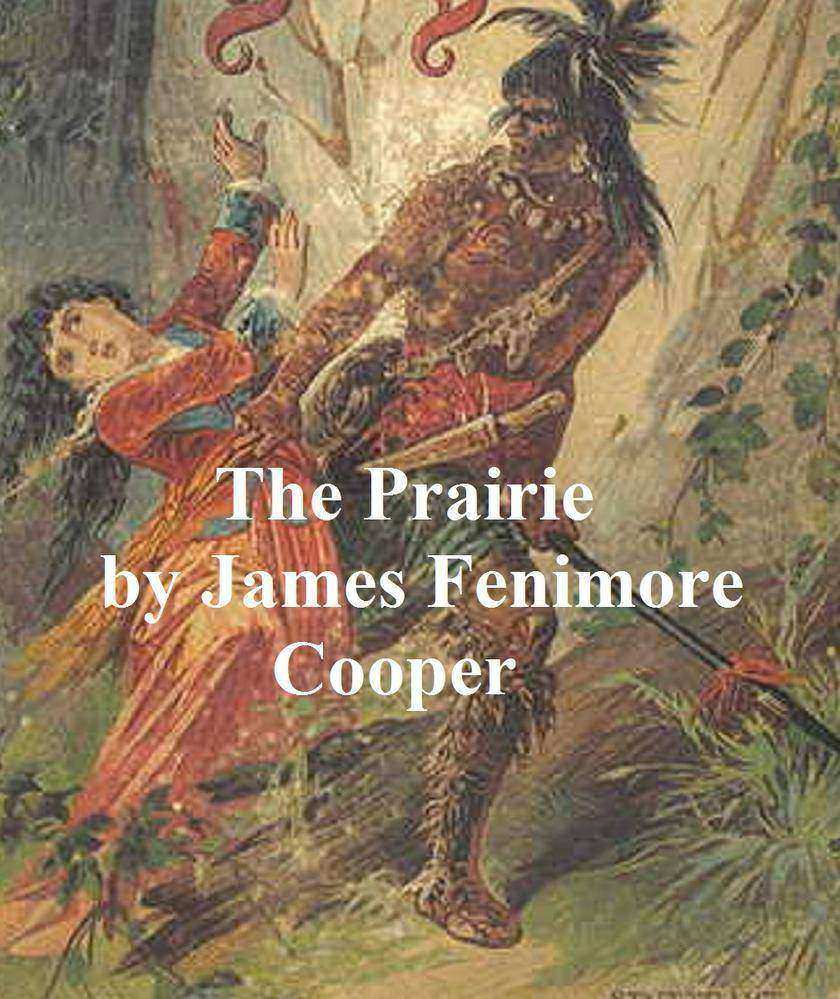
The Prairie: Fifth and last of the Leatherstocking Tales
¥8.09
Fifth and last of the Leatherstocking Tales in terms of the story line. Third in terms of publication date. Historical novel set in 1804, first published in 1827. The other Leatherstocking Tales are Deerslayer, Last of the Mohicans, Pathfinder, and Pioneers. According to Wikipedia: "James Fenimore Cooper (September 15, 1789 – September 14, 1851) was a prolific and popular American writer of the early 19th century. He is best remembered as a novelist who wrote numerous sea-stories and the historical novels known as the Leatherstocking Tales, featuring frontiersman Natty Bumppo. Among his most famous works is the Romantic novel The Last of the Mohicans, which many consider to be his masterpiece."
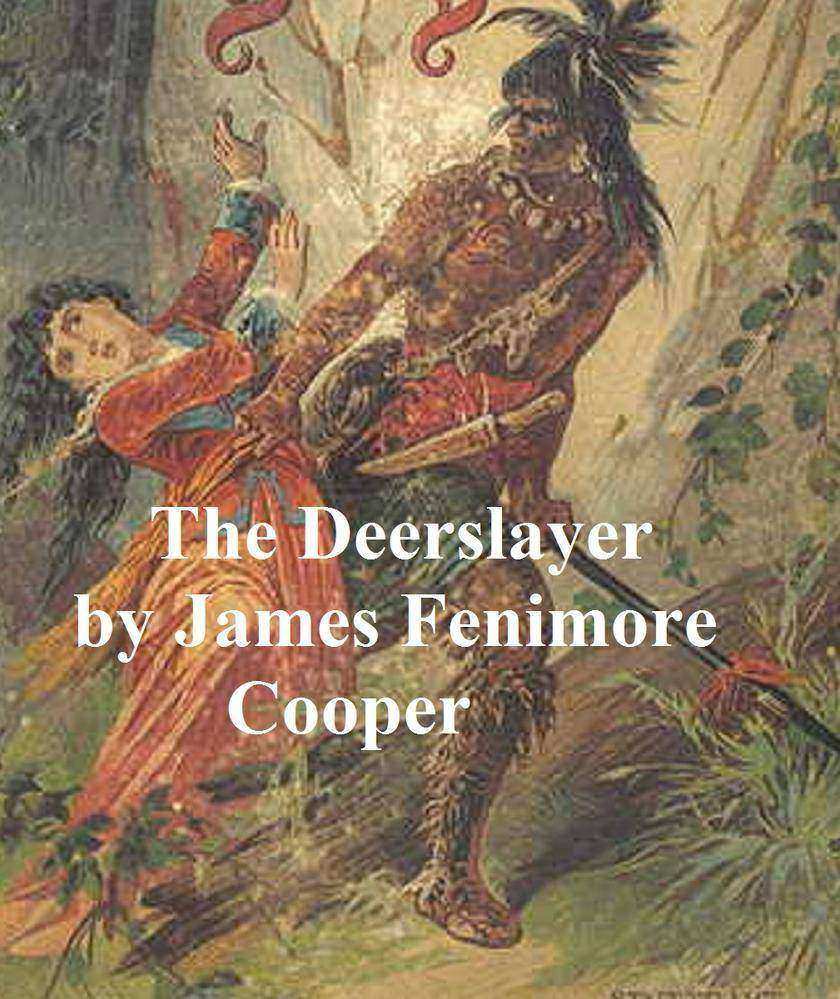
The Deerslayer: First of the Leatherstocking Tales
¥8.09
First of the Leatherstocking Tales (in terms of chronological order, rather than publication date). Historical novel set in 1744. First published in 1841. The other Leatherstocking Tales are Last of the Mohicans, Pathfinder, Pioneers, and Prairie. According to Wikipedia: "James Fenimore Cooper (September 15, 1789 – September 14, 1851) was a prolific and popular American writer of the early 19th century. He is best remembered as a novelist who wrote numerous sea-stories and the historical novels known as the Leatherstocking Tales, featuring frontiersman Natty Bumppo. Among his most famous works is the Romantic novel The Last of the Mohicans, which many consider to be his masterpiece."

The Antiquary
¥8.09
First published in 1816. Set in Angus, Scotland, in the 1790s. According to Wikipedia: "Sir Walter Scott, 1st Baronet (1771 – 1832) was a prolific Scottish historical novelist and poet popular throughout Europe during his time. In some ways Scott was the first English-language author to have a truly international career in his lifetime, with many contemporary readers all over Europe, Australia, and North America. His novels and poetry are still read, and many of his works remain classics of both English-language literature and of Scottish literature. Famous titles include Ivanhoe, Rob Roy, The Lady of The Lake, Waverley, The Heart of Midlothian and The Bride of Lammermoor."
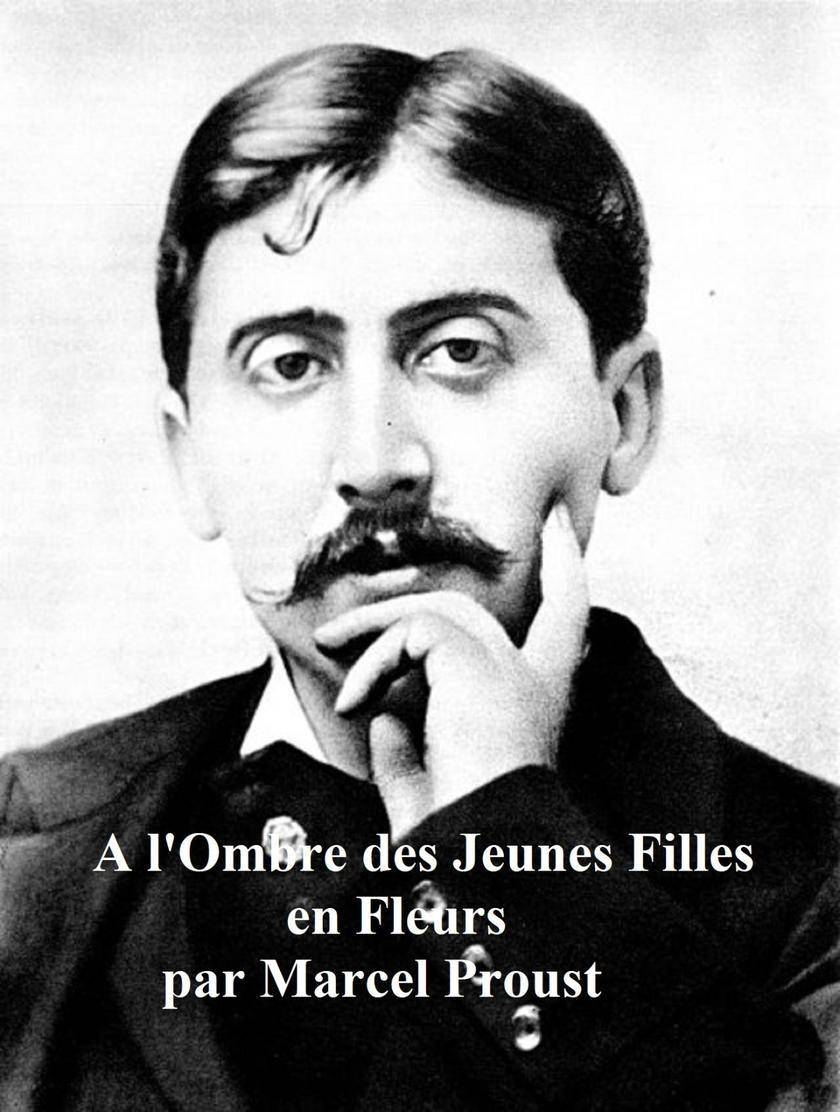
? l'ombre des jeunes filles en fleurs
¥8.09
Selon Wikipédia: "Valentin Louis Georges Eugène Marcel Proust (10 Juillet 1871 - 18 Novembre 1922) était un romancier, essayiste et critique fran?ais, mieux connu comme l'auteur de la recherche du temps perdu Remembrance of Things Past), une ?uvre monumentale de fiction du XXe siècle publiée en sept parties de 1913 à 1927. "
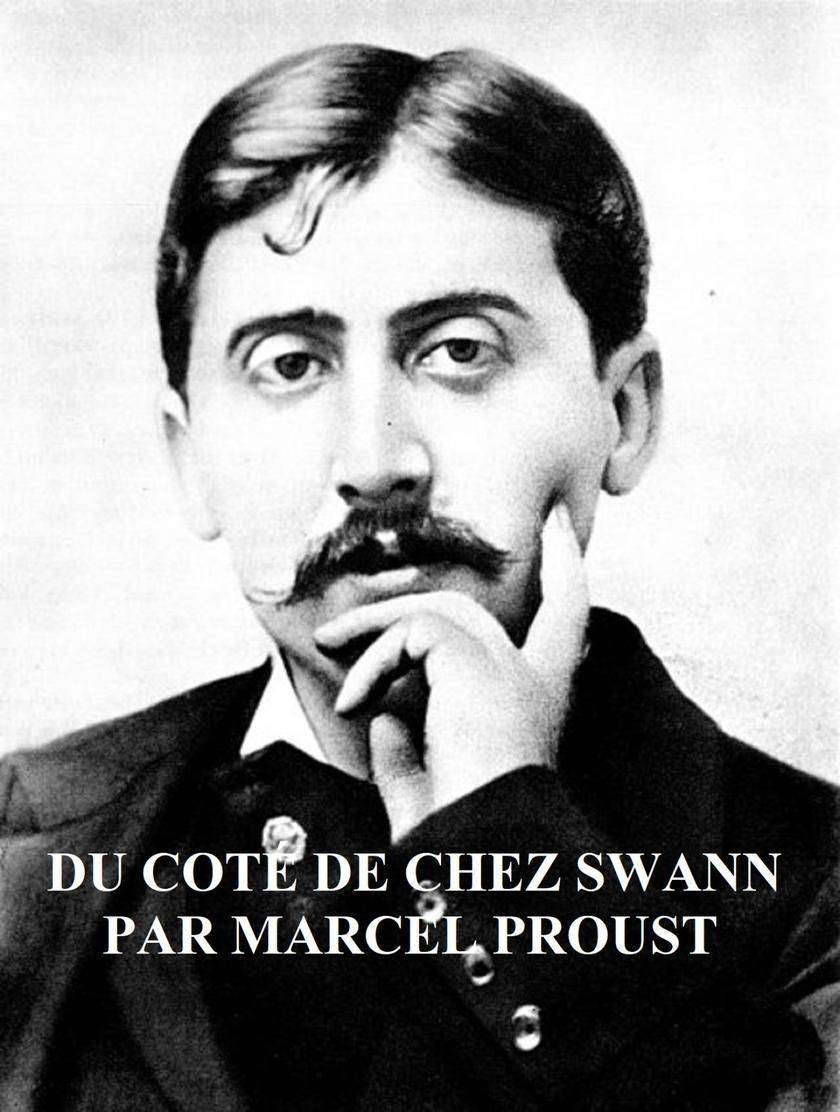
Du c?té de chez Swann
¥8.09
Selon Wikipedia: "Valentin Louis Georges Eugène Marcel Proust (10 Juillet 1871 - 18 Novembre 1922) était un romancier, essayiste et critique fran?ais, mieux connu comme l'auteur de ? la recherche du temps perdu (en anglais, ? la recherche du temps perdu , plus t?t traduit comme Souvenir des choses passées), une ?uvre monumentale de la fiction du XXe siècle publié en sept parties de 1913 à 1927. "
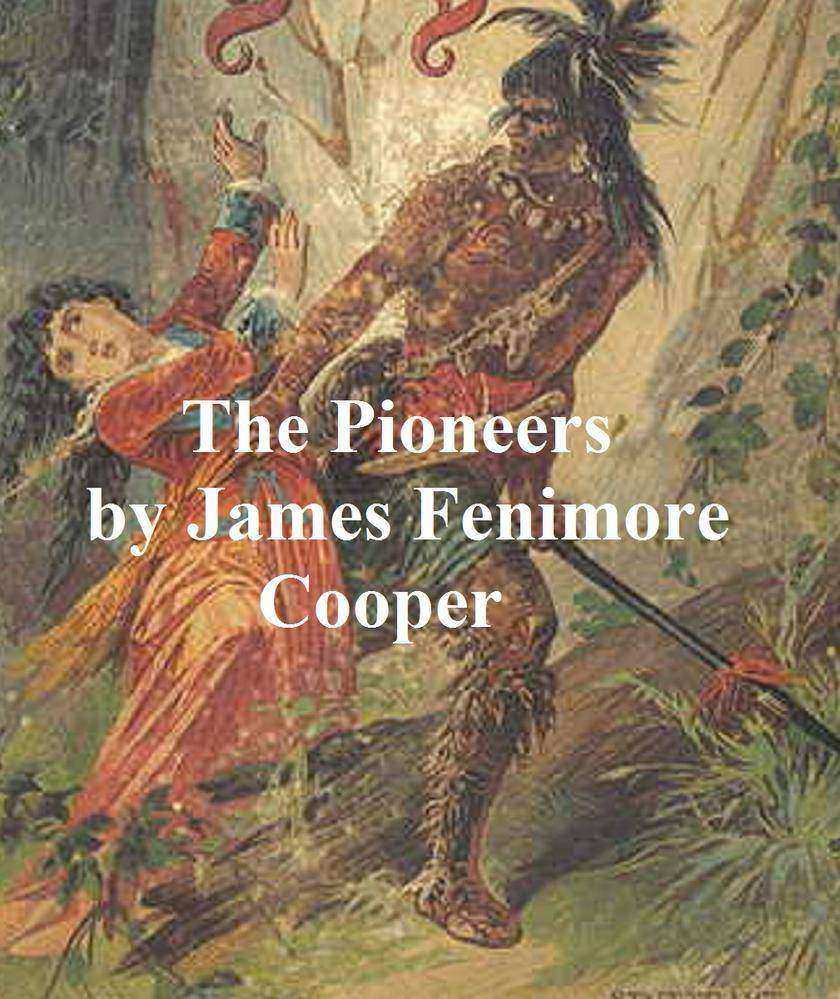
The Pioneers
¥8.09
Fourth of the Leatherstocking Tales. Historical novel set in 1793 and first published in 1823. The other Leatherstocking Tales are Deerslayer, Last of the Mohicans, Pathfinder, and Prairie. according to Wikipedia: "James Fenimore Cooper (September 15, 1789 – September 14, 1851) was a prolific and popular American writer of the early 19th century. He is best remembered as a novelist who wrote numerous sea-stories and the historical novels known as the Leatherstocking Tales, featuring frontiersman Natty Bumppo. Among his most famous works is the Romantic novel The Last of the Mohicans, which many consider to be his masterpiece."

Wilhelm Meisters Lehrjahre
¥8.09
Goethes Meisterwerk im deutschen Original. Laut Wikipedia: "Johann Wolfgang von Goethe (28. August 1749 - 22. M?rz 1832) war ein deutscher Schriftsteller. George Eliot nannte ihn" Deutschlands gr??ten Literaten ... und der letzte wahre Universalgelehrte auf der Erde. "Goethes Werke die Gebiete der Poesie, des Dramas, der Literatur, der Theologie, des Humanismus und der Wissenschaft, Goethes Hauptwerk, das als einer der H?hepunkte der Weltliteratur gepriesen wird, ist das zweiteilige Drama Faust. Goethes andere bekannte literarische Werke sind seine zahlreichen Gedichte, der Bildungsroman Wilhelm Meister und der Briefroman Die Leiden des jungen Werther. "

Wilhelm Meisters Wanderjahre Oder Die Entsagenden
¥8.09
Goethes Meisterwerk im deutschen Original. Laut Wikipedia: "Johann Wolfgang von Goethe (28. August 1749 - 22. M?rz 1832) war ein deutscher Schriftsteller. George Eliot nannte ihn" Deutschlands gr??ten Literaten ... und der letzte wahre Universalgelehrte auf der Erde. "Goethes Werke die Gebiete der Poesie, des Dramas, der Literatur, der Theologie, des Humanismus und der Wissenschaft, Goethes Hauptwerk, das als einer der H?hepunkte der Weltliteratur gepriesen wird, ist das zweiteilige Drama Faust. Goethes andere bekannte literarische Werke sind seine zahlreichen Gedichte, der Bildungsroman Wilhelm Meister und der Briefroman Die Leiden des jungen Werther. "
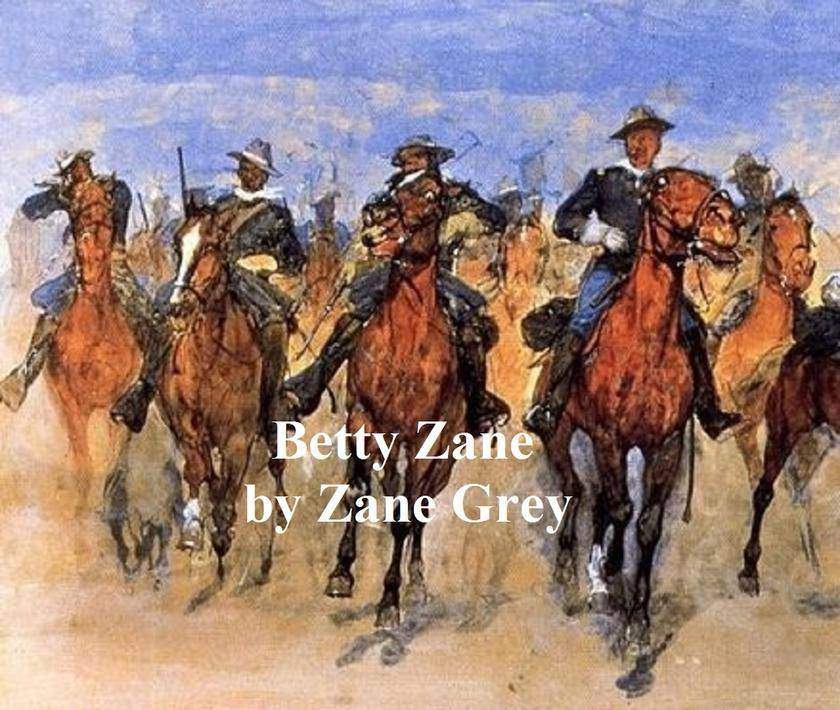
Betty Zane
¥8.09
Historical novel set during the American Revolution. According to the author's note at the beginning: "In a quiet corner of the stately little city of Wheeling, West Va., stands a monument on which is inscribed: "By authority of the State of West Virginia to commemorate the siege of Fort Henry, Sept 11, 1782, the last battle of the American Revolution, this tablet is here placed." Had it not been for the heroism of a girl the foregoing inscription would never have been written, and the city of Wheeling would never have existed." According to Wikipedia: "Zane Grey (1872 – 1939) was an American author best known for his popular adventure novels and stories that presented an idealized image of the rugged Old West. As of June 2007, the Internet Movie Database credits Grey with 110 films, one TV episode, and a series, Dick Powell's Zane Grey Theater based loosely on his novels and short stories."
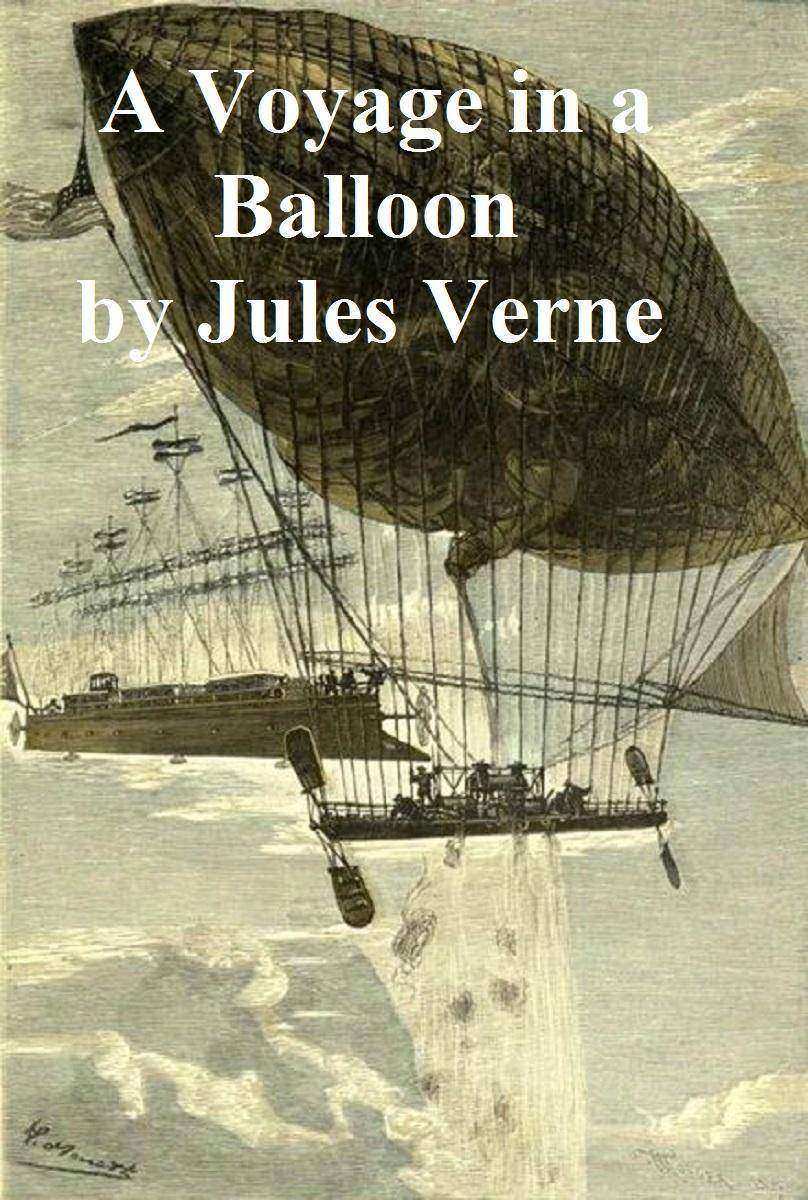
A Voyage in a Balloon
¥8.09
Classic short storyl. According to Wikipedia: "Jules Gabriel Verne (February 8, 1828-March 24, 1905) was a French author who pioneered the science-fiction genre. He is best known for novels such as Journey to the Center of the Earth (1864), Twenty Thousand Leagues under the Sea (1870), and Around the World in Eighty Days (1873). Verne wrote about space, air, and underwater travel before air travel and practical submarines were invented, and before practical means of space travel had been devised. He is the third most translated author in the world, according to Index Translationum. Some of his books have been made into films. Verne, along with H. G. Wells, is often popularly referred to as the "Father of Science Fiction"

The Guns of Shiloh
¥8.09
Historical novel from the Civil War series, sequel to The Guns of Bull Run. According to Wikipedia: "Joseph Alexander Altsheler (1862 - 1919), was an American author of popular juvenile historical fiction. Altsheler was born in Three Springs, Kentucky to Joseph and Louise Altsheler. In 1885, he took a job at the Louisville Courier-Journal as a reporter and later, an editor. He started working for the New York World in 1892, first as the paper's Hawaiian correspondent and then as the editor of the World's tri-weekly magazine. Due to a lack of suitable stories, he began writing children's stories for the magazine.
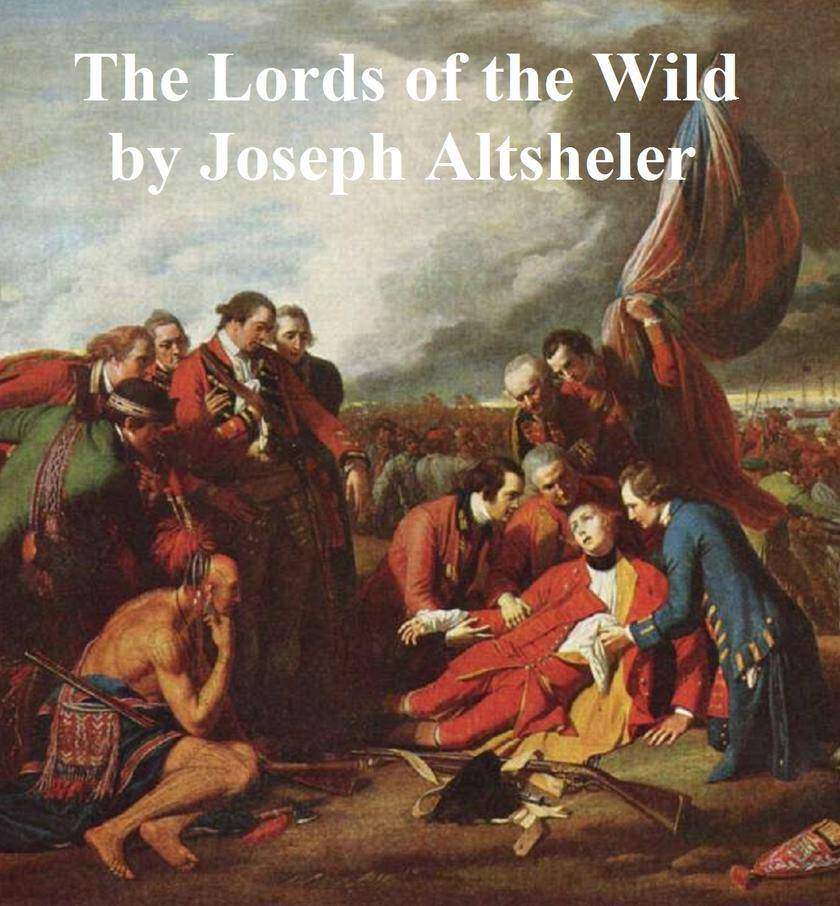
Lords of the Wild
¥8.09
Historical novel from the French and Indian War series. "The Lords of the Wild" tells a complete story, but it is also a part of the French and Indian War Series, of which the predecessors were "The Hunters of the Hills," "The Shadow of the North," "The Rulers of the Lakes" and "The Masters of the Peaks." Robert Lennox, Tayoga, Willet, St. Luc, Tandakora and all the principal characters of the earlier volumes reappear. According to Wikipedia: "Joseph Alexander Altsheler (1862 - 1919), was an American author of popular juvenile historical fiction. Altsheler was born in Three Springs, Kentucky to Joseph and Louise Altsheler. In 1885, he took a job at the Louisville Courier-Journal as a reporter and later, an editor. He started working for the New York World in 1892, first as the paper's Hawaiian correspondent and then as the editor of the World's tri-weekly magazine. Due to a lack of suitable stories, he began writing children's stories for the magazine.


