


 购物车
购物车 个人中心
个人中心
The Boys' and Girls'
¥8.09
According to Wikipedia: "According to Wikipedia: "Lucius Mestrius Plutarchus (c. AD 46 - 120 — commonly known in English as Plutarch — was a Roman historian (of Greek ethnicity), biographer, essayist, and Middle Platonist. Plutarch was born to a prominent family in Chaeronea, Boeotia, a town about twenty miles east of Delphi. His known works consist of the Parallel Lives and the Moralia."
Allan Quatermain
¥8.09
Adventure novel, first published in 1887. Sequel to King Solomon's Mines. According to Wikipedia: "Sir Henry Rider Haggard (1856 – 1925), was a prolific writer of adventure novels set in exotic locations, predominantly Africa. He was also involved in agricultural reform around the British Empire. His stories, situated at the lighter end of Victorian literature, continue to be popular and influential to this day."
With Kitchener in the Soudan
¥8.09
Historical novel set in the Sudan in the late 19th century. The Preface begins: "The reconquest of the Soudan will ever be mentioned as one of the most difficult, and at the same time the most successful, enterprises ever undertaken. The task of carrying an army hundreds of miles across a waterless desert; conveying it up a great river, bristling with obstacles; defeating an enormously superior force, unsurpassed in the world for courage; and, finally, killing the leader of the enemy and crushing out the last spark of opposition; was a stupendous one. After the death of Gordon, and the retirement of the British troops, there was no force in existence that could have barred the advance of the fanatical hordes of the Mahdi, had they poured down into Egypt. The native Egyptian army was, as yet, in the earliest stage of organization; and could not be relied upon to stand firm against the wild rush of the Dervishes." According to Wikipedia: "George Alfred Henty (8 December 1832 - 16 November 1902), referred to as G. A. Henty, was a prolific English novelist, special correspondent, and Imperialist born in Trumpington, Cambridgeshire, England. He is best known for his historical adventure stories that were popular in the late 19th century. His works include Out on the Pampas (1871), The Young Buglers (1880), With Clive in India (1884) and Wulf the Saxon (1895)."
By Right of Conquest
¥8.09
Historical novel that makes you feel like you are there. According to Wikipedia: "George Alfred Henty (8 December 1832 - 16 November 1902), referred to as G. A. Henty, was a prolific English novelist, special correspondent, and Imperialist born in Trumpington, Cambridgeshire, England. He is best known for his historical adventure stories that were popular in the late 19th century. His works include Out on the Pampas (1871), The Young Buglers (1880), With Clive in India (1884) and Wulf the Saxon (1895)"
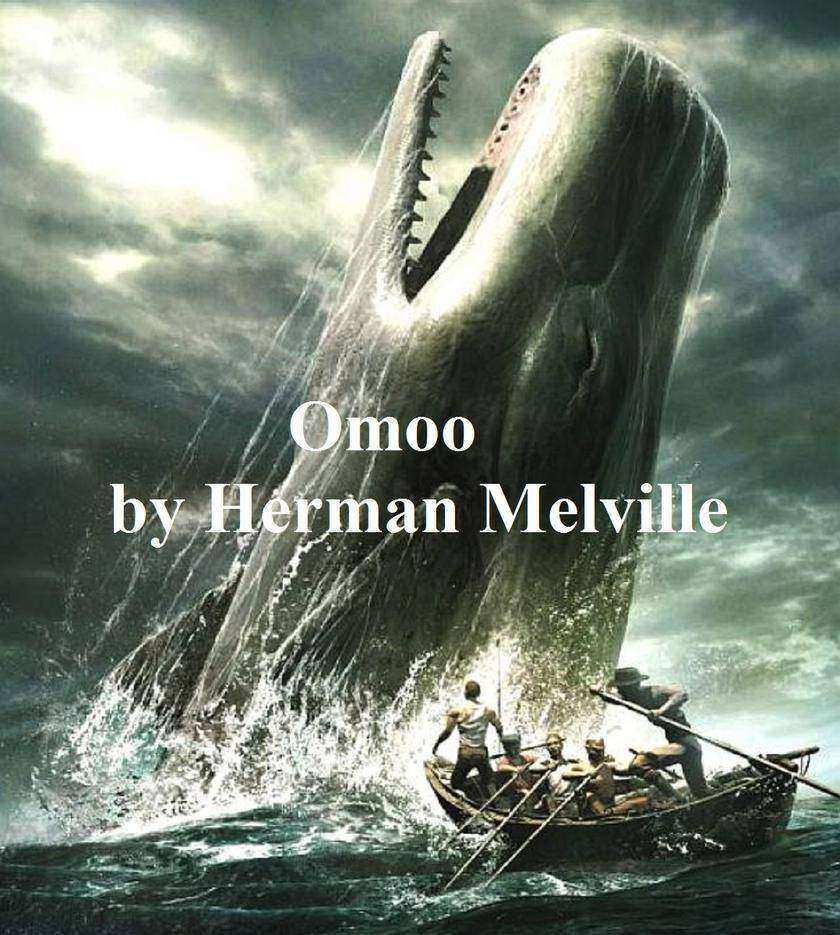
Omoo: A Sequel to Typee
¥8.09
Autobiographical novel. "Omoo is so close a sequel to "Typee," that it almost forms a part of that work. Herman Melville's second book appeared in 1847, published (as its forerunner had been the year before) simultaneously in London and New York. In 'Omoo,' as Mr. Arthur Stedman says- 'We leave for the most part the dreamy pictures of island life, and find ourselves sharing the extremely realistic discomforts of a Sydney whaler in the early forties.' Both books are without a doubt largely autobiographical, and based on the writer's early sea-adventures, of which his voyage in the "Acushnet" in 1841-2 was the most memorable." According to Wikipedia: "Herman Melville (August 1, 1819 – September 28, 1891) was an American novelist, short story writer, essayist and poet. His first two books gained much attention, though they were not bestsellers, and his popularity declined precipitously after only a few years. By the time of his death he had been almost completely forgotten, but his longest novel, Moby-Dick — largely considered a failure during his lifetime, and most responsible for Melville's fall from favor with the reading public — was recognized in the 20th century as one of the chief literary masterpieces of both American and world literature."
Kenilworth
¥8.09
Historical novel, first published in 1821. Set in Southern England in 1575. According to Wikipedia: "Sir Walter Scott, 1st Baronet (1771 – 1832) was a prolific Scottish historical novelist and poet popular throughout Europe during his time. In some ways Scott was the first English-language author to have a truly international career in his lifetime, with many contemporary readers all over Europe, Australia, and North America. His novels and poetry are still read, and many of his works remain classics of both English-language literature and of Scottish literature. Famous titles include Ivanhoe, Rob Roy, The Lady of The Lake, Waverley, The Heart of Midlothian and The Bride of Lammermoor."
The Fortunes of Nigel
¥8.09
Historical novel, first published in 1822. Set in London and Greenwich, England, in 1616-1618. According to Wikipedia: "Sir Walter Scott, 1st Baronet (1771 – 1832) was a prolific Scottish historical novelist and poet popular throughout Europe during his time. In some ways Scott was the first English-language author to have a truly international career in his lifetime, with many contemporary readers all over Europe, Australia, and North America. His novels and poetry are still read, and many of his works remain classics of both English-language literature and of Scottish literature. Famous titles include Ivanhoe, Rob Roy, The Lady of The Lake, Waverley, The Heart of Midlothian and The Bride of Lammermoor."
Woodstock
¥8.09
Historical novel, first published in 1826. Set in Woodstock and Windsor, England, and in Brussels in 1652. According to Wikipedia: "Sir Walter Scott, 1st Baronet (1771 – 1832) was a prolific Scottish historical novelist and poet popular throughout Europe during his time. In some ways Scott was the first English-language author to have a truly international career in his lifetime, with many contemporary readers all over Europe, Australia, and North America. His novels and poetry are still read, and many of his works remain classics of both English-language literature and of Scottish literature. Famous titles include Ivanhoe, Rob Roy, The Lady of The Lake, Waverley, The Heart of Midlothian and The Bride of Lammermoor."

Peveril of the Peak
¥8.09
Historical novel, originally published in 1822. Set in Derbyshire, the Island of Man, and London in 1658-1680. According to Wikipedia: "Sir Walter Scott, 1st Baronet (1771 – 1832) was a prolific Scottish historical novelist and poet popular throughout Europe during his time. In some ways Scott was the first English-language author to have a truly international career in his lifetime, with many contemporary readers all over Europe, Australia, and North America. His novels and poetry are still read, and many of his works remain classics of both English-language literature and of Scottish literature. Famous titles include Ivanhoe, Rob Roy, The Lady of The Lake, Waverley, The Heart of Midlothian and The Bride of Lammermoor."
True to the Old Flag
¥8.09
Historical novel, set during the American Revolution, and told from the British perspective. The Preface begins: "You have probably been accustomed to regard the war between England and her colonies in America as one in which we were not only beaten but, to some extent, humiliated. Owing to the war having been an unsuccessful one for our arms, British writers have avoided the subject, and it has been left for American historians to describe. These, writing for their own countrymen, and drawing for their facts upon gazettes, letters, and other documents emanating from one side only, have, naturally, and no doubt insensibly, given a very strong color to their own views of the events, and English writers have been too much inclined to accept their account implicitly. There is, however, another and very different side to the story, and this I have endeavored to show you. The whole of the facts and details connected with the war can be relied upon as accurate. According to Wikipedia: "George Alfred Henty (8 December 1832 - 16 November 1902), referred to as G. A. Henty, was a prolific English novelist, special correspondent, and Imperialist born in Trumpington, Cambridgeshire, England. He is best known for his historical adventure stories that were popular in the late 19th century. His works include Out on the Pampas (1871), The Young Buglers (1880), With Clive in India (1884) and Wulf the Saxon (1895)."
Agnes Grey
¥8.09
Class novel by the third Bronte sister. According to Wikipedia: "Anne Bronte ( 1820 - 1849) was a British novelist and poet, the youngest of the Bronte literary family. She used the pen name Acton Bell."
Cinq Semaines en Ballon
¥8.09
Roman d'aventure classique dans le fran?ais original. Selon Wikipédia: ?Jules Gabriel Verne (8 février 1828 - 24 mars 1905) est un auteur fran?ais qui a été le pionnier du genre de la science-fiction, notamment des romans comme Voyage au centre de la terre (1864), Vingt mille lieues sous la mer (1870) et autour du monde en quatre-vingts jours (1873) Verne a écrit sur l'espace, l'air et les voyages sous-marins avant que les voyages aériens et les sous-marins pratiques soient inventés. Selon Index Translationum, il est le troisième auteur le plus traduit au monde, certains de ses livres ont été transformés en films ... Verne, avec HG Wells, est souvent surnommé le ?père de la science-fiction?
A Final Reckoning
¥8.09
Historical novel, set in Australia's equivalent of the Wild West, in the mid-19th century. According to Wikipedia: "George Alfred Henty (8 December 1832 - 16 November 1902), referred to as G. A. Henty, was a prolific English novelist, special correspondent, and Imperialist born in Trumpington, Cambridgeshire, England. He is best known for his historical adventure stories that were popular in the late 19th century. His works include Out on the Pampas (1871), The Young Buglers (1880), With Clive in India (1884) and Wulf the Saxon (1895)"
The Fur Country
¥8.09
Classic adventure novel by Jules Verne. According to Wikipedia: "Jules Gabriel Verne (February 8, 1828 – March 24, 1905) was a French author who pioneered the science-fiction genre. He is best known for his novels Journey to the Center of the Earth (written in 1864), From the Earth to the Moon (1865), Twenty Thousand Leagues Under the Sea (1869–1870), and Around the World in Eighty Days (1873). Verne wrote about space, air, and underwater travel before navigable aircraft and practical submarines were invented, and before any means of space travel had been devised. Consequently he is often referred to as the "Father of science fiction", along with H. G. Wells. Verne is the second most translated author of all time, only behind Agatha Christie with 4162 translations..."
Friends Though Divided
¥8.09
Historical novel, set in England in the 1640s, during the English Civil War (Cromwell). According to Wikipedia: "George Alfred Henty (8 December 1832 - 16 November 1902), referred to as G. A. Henty, was a prolific English novelist, special correspondent, and Imperialist born in Trumpington, Cambridgeshire, England. He is best known for his historical adventure stories that were popular in the late 19th century. His works include Out on the Pampas (1871), The Young Buglers (1880), With Clive in India (1884) and Wulf the Saxon (1895)"
Topsy-Turvy
¥8.09
Classic adventure novel by Jules Verne. According to Wikipedia: "Jules Gabriel Verne (February 8, 1828 – March 24, 1905) was a French author who pioneered the science-fiction genre. He is best known for his novels Journey to the Center of the Earth (written in 1864), From the Earth to the Moon (1865), Twenty Thousand Leagues Under the Sea (1869–1870), and Around the World in Eighty Days (1873). Verne wrote about space, air, and underwater travel before navigable aircraft and practical submarines were invented, and before any means of space travel had been devised. Consequently he is often referred to as the "Father of science fiction", along with H. G. Wells. Verne is the second most translated author of all time, only behind Agatha Christie with 4162 translations..."
Les Indes Noires
¥8.09
Roman d'aventure classique dans l'original fran?ais. Selon Wikipédia: "Jules Gabriel Verne (8 février 1828 - 24 mars 1905) était un auteur fran?ais pionnier du genre de science-fiction, en particulier pour des romans tels que" Voyage au centre de la terre "(1864) Vingt mille milles sous la mer (1870) et autour du monde en quatre-vingts jours (1873) Verne a écrit sur le voyage spatial, aérien et sous-marin avant que les voyages aériens et les sous-marins pratiques soient inventés et avant que les moyens pratiques de vols spatiaux Translationum est le troisième auteur le plus traduit dans le monde, certains de ses livres ont été transformés en films et Verne, avec HG Wells, est souvent surnommé le ?père de la science-fiction?.
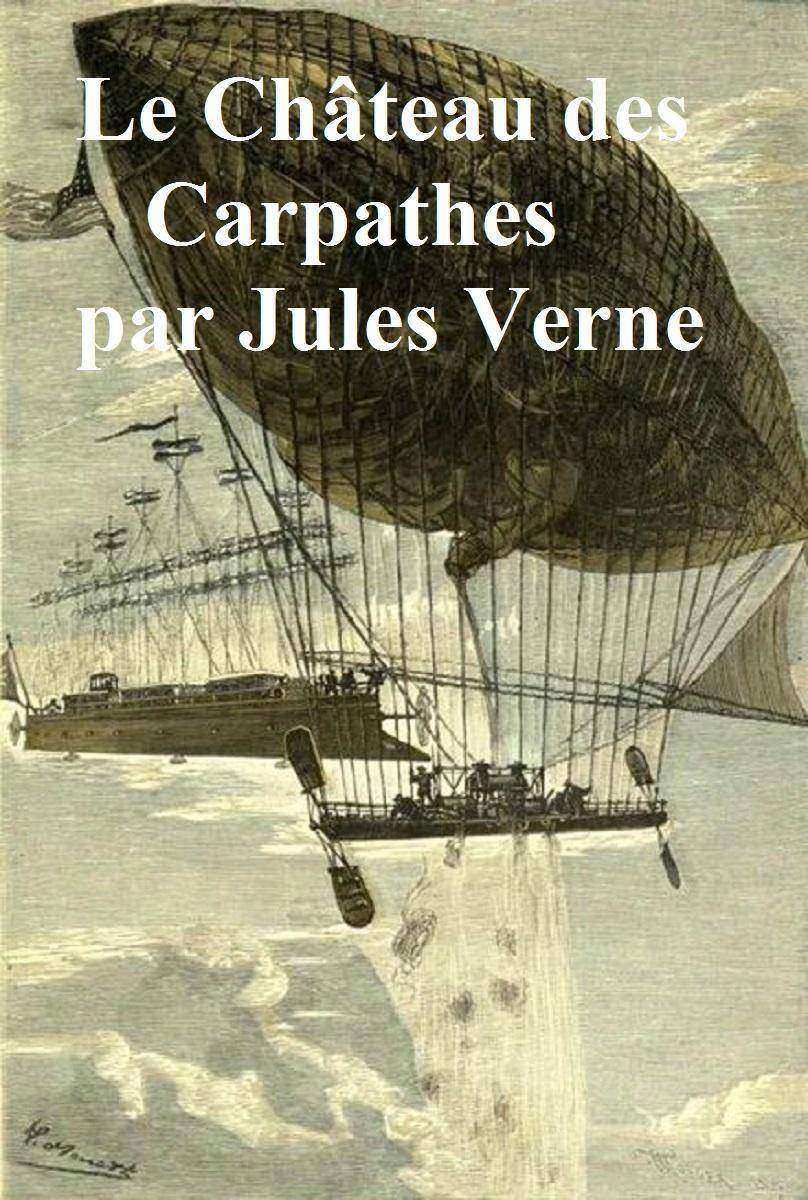
Le Chateau des Carpathes
¥8.09
Roman d'aventure classique, en fran?ais original. Selon Wikipédia: ?Jules Gabriel Verne (8 février 1828 - 24 mars 1905) est un auteur fran?ais qui a été le pionnier du genre de la science-fiction, notamment des romans comme Voyage au centre de la terre (1864), Vingt mille lieues sous la mer (1870) et autour du monde en quatre-vingts jours (1873) Verne a écrit sur l'espace, l'air et les voyages sous-marins avant que les voyages aériens et les sous-marins pratiques soient inventés. Selon Index Translationum, il est le troisième auteur le plus traduit au monde, certains de ses livres ont été transformés en films ... Verne, avec HG Wells, est souvent surnommé le ?père de la science-fiction?
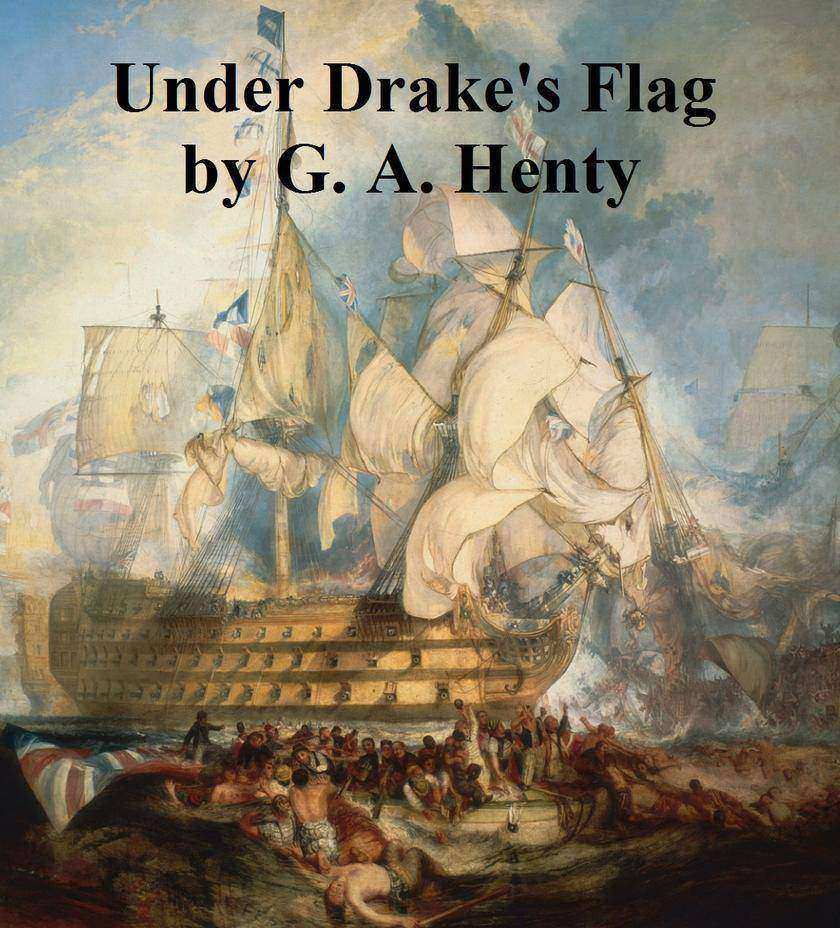
Under Drake's Flag
¥8.09
Historical novel, set in the 16th century, with privateer Sir Francis Drake hunting Spanish treasure ships. According to Wikipedia: "George Alfred Henty (8 December 1832 - 16 November 1902), referred to as G. A. Henty, was a prolific English novelist, special correspondent, and Imperialist born in Trumpington, Cambridgeshire, England. He is best known for his historical adventure stories that were popular in the late 19th century. His works include Out on the Pampas (1871), The Young Buglers (1880), With Clive in India (1884) and Wulf the Saxon (1895)."
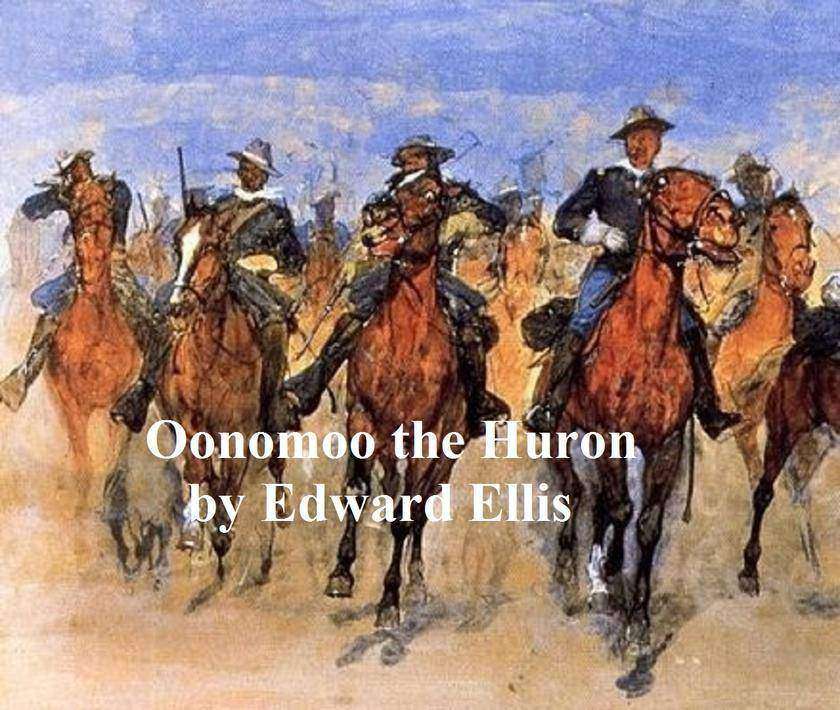
Oonomoo the Huron
¥8.09
Classic adventure novel. According to Wikipedia: "Edward Sylvester Ellis (April 11, 1840 – June 20, 1916) was an American author who was born in Ohio and died at Cliff Island, Maine. Ellis was a teacher, school administrator, and journalist, but his most notable work was that that he performed as author of hundreds of dime novels that he produced under his name and a number of noms de plume. Notable works by Ellis include The Huge Hunter, or the Steam Man of the Prairies and Seth Jones, or the Captives of the Frontier. Internationally, Edward S. Ellis is probably best known for his Deerhunter novels widely read by young boys up to the 1950s (together with works by James Fenimore Cooper and Karl May). In the mid-1880s, after a fiction-writing career of some thirty years, Ellis eventually turned his pen to more serious works of biography, history, and persuasive writing."
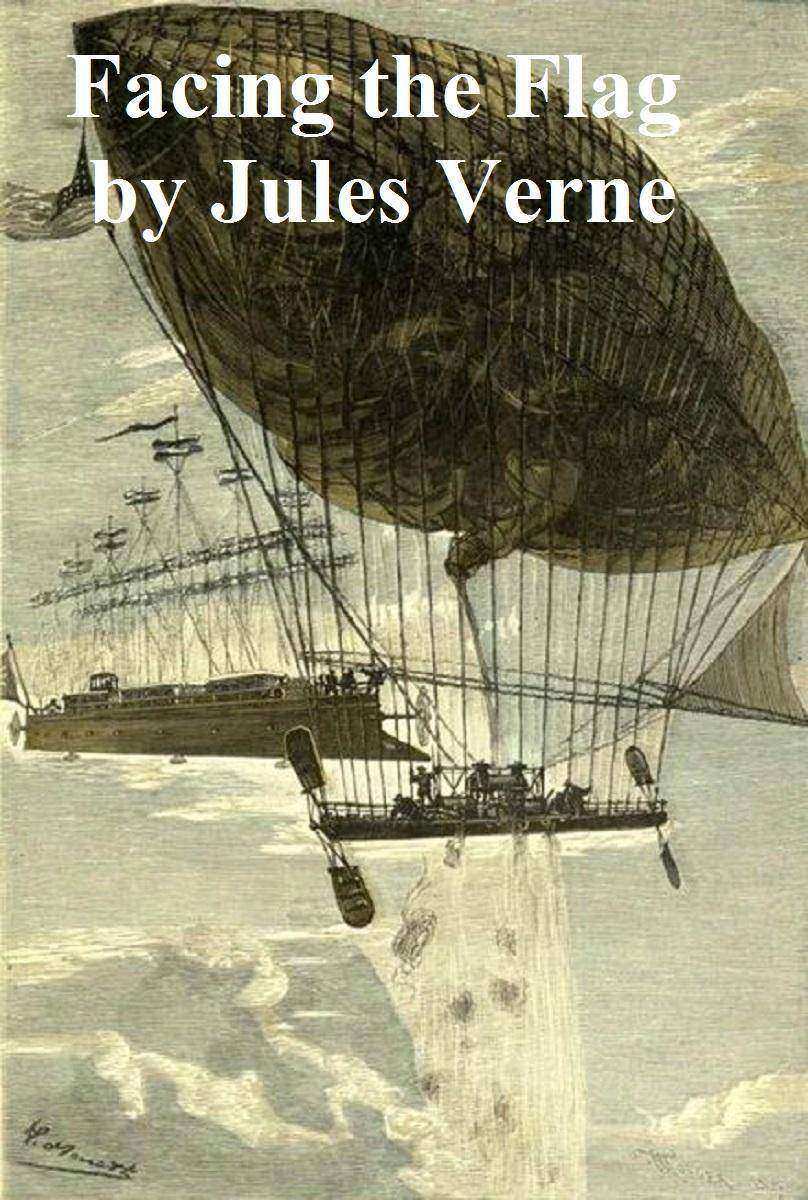
Facing the Flag
¥8.09
Classic adventure novel. According to Wikipedia: "Jules Gabriel Verne (February 8, 1828-March 24, 1905) was a French author who pioneered the science-fiction genre. He is best known for novels such as Journey to the Center of the Earth (1864), Twenty Thousand Leagues under the Sea (1870), and Around the World in Eighty Days (1873). Verne wrote about space, air, and underwater travel before air travel and practical submarines were invented, and before practical means of space travel had been devised. He is the third most translated author in the world, according to Index Translationum. Some of his books have been made into films. Verne, along with H. G. Wells, is often popularly referred to as the "Father of Science Fiction"


