


 购物车
购物车 个人中心
个人中心
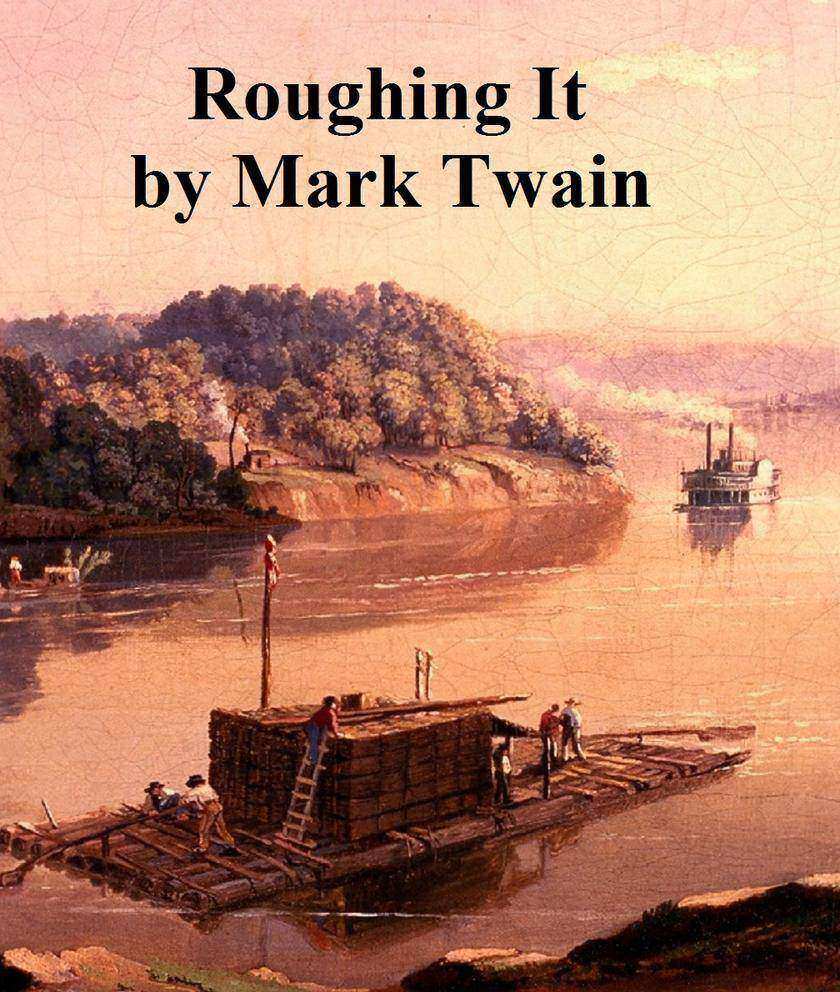
Roughing It
¥8.09
Humorous travelogue of trip to the "wild west". According to Wikipedia: "Samuel Langhorne Clemens (1835 – 1910), better known by the pen name Mark Twain, was an American author and humorist. Twain is most noted for his novels Adventures of Huckleberry Finn, which has since been called the Great American Novel and The Adventures of Tom Sawyer. He is extensively quoted. During his lifetime, Twain became a friend to presidents, artists, industrialists and European royalty. Twain enjoyed immense public popularity, and his keen wit and incisive satire earned him praise from both critics and peers. American author William Faulkner called Twain "the father of American literature."
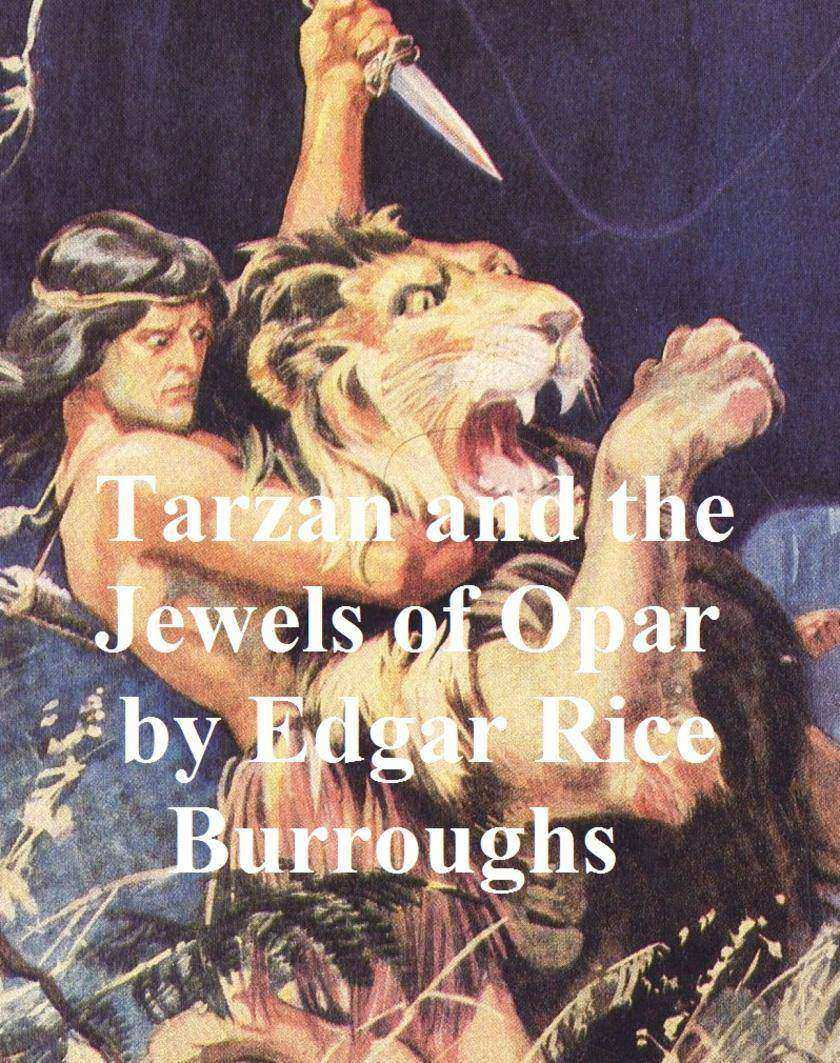
Tarzan and the Jewels of Opar
¥8.09
Jungle adventure, first published in 1916. According to Wikipedia: "Edgar Rice Burroughs (1875 – 1950) was an American author, best known for his creation of the jungle hero Tarzan and the heroic John Carter, although he produced works in many genres."
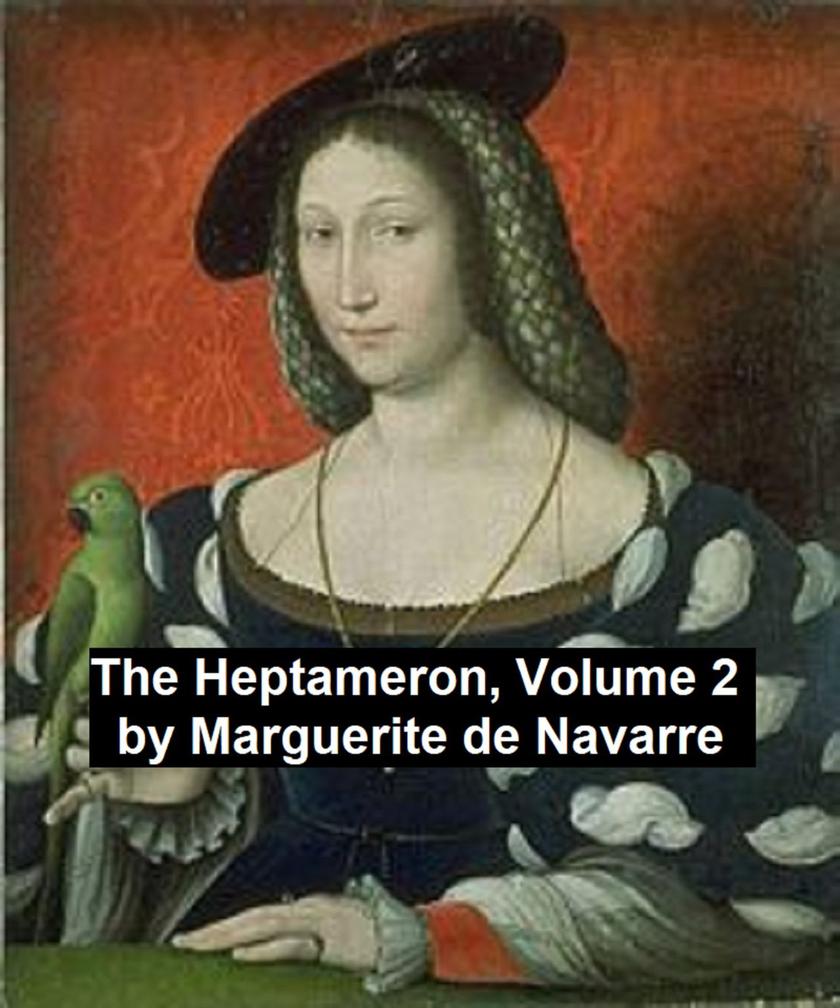
The Heptameron, Volume 2
¥8.09
With 29 illustrations. According to Wikipedia: "The Heptameron is a collection of 72 short stories written in French by Marguerite of Navarre (1492-1549), published posthumously in 1558. It has the form of a frame narrative and was inspired by The Decameron of Giovanni Boccaccio. It was originally intended to contain one hundred stories covering ten days just as The Decameron does, but at Marguerite’s death it was only completed as far as the second story of the eighth day. Many of the stories deal with love, lust, infidelity and other romantic and sexual matters. One was based on the life of Marguerite de La Rocque, a French noblewoman abandoned, as punishment, with her lover on an island off Quebec... Marguerite de Navarre (French: Marguerite d'Angoulême) (April 11, 1492 – December 21, 1549), also known as Marguerite of Angouleme and Margaret of Navarre, was the queen consort of King Henry II of Navarre. As patron of humanists and reformers, and as an author in her own right, she was an outstanding figure of the French Renaissance. Samuel Putnam called her "The First Modern Woman"."
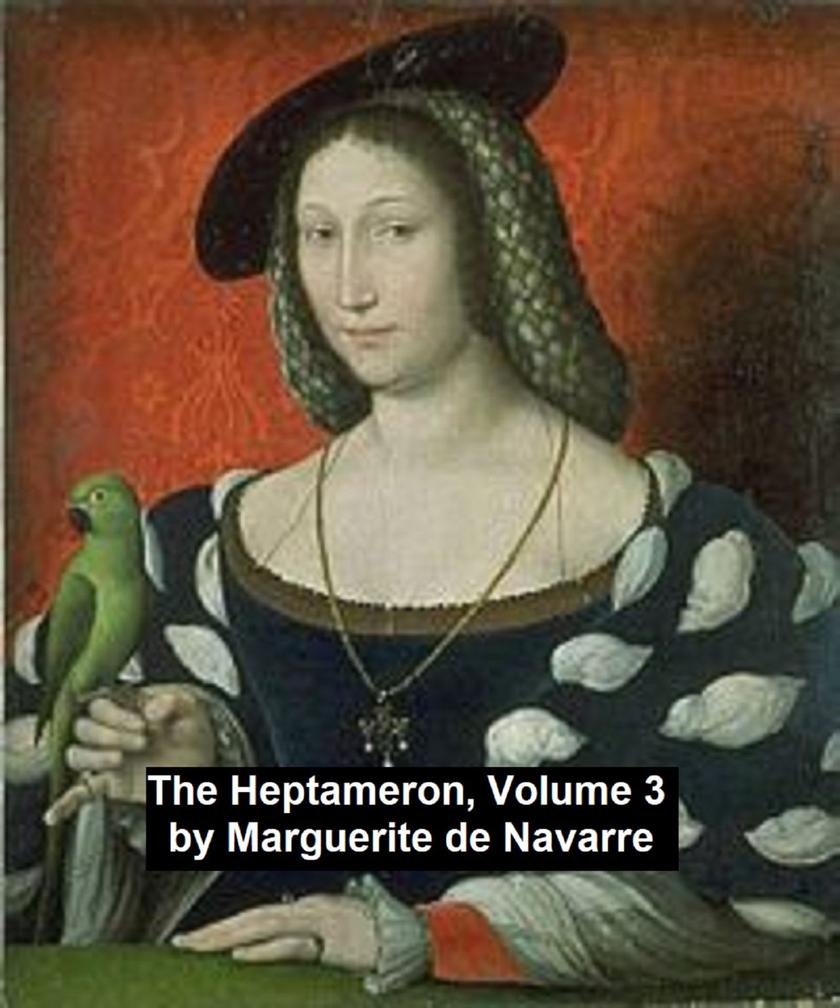
The Heptameron, Volume 3
¥8.09
With 37 illustrations. According to Wikipedia: "The Heptameron is a collection of 72 short stories written in French by Marguerite of Navarre (1492-1549), published posthumously in 1558. It has the form of a frame narrative and was inspired by The Decameron of Giovanni Boccaccio. It was originally intended to contain one hundred stories covering ten days just as The Decameron does, but at Marguerite’s death it was only completed as far as the second story of the eighth day. Many of the stories deal with love, lust, infidelity and other romantic and sexual matters. One was based on the life of Marguerite de La Rocque, a French noblewoman abandoned, as punishment, with her lover on an island off Quebec... Marguerite de Navarre (French: Marguerite d'Angoulême) (April 11, 1492 – December 21, 1549), also known as Marguerite of Angouleme and Margaret of Navarre, was the queen consort of King Henry II of Navarre. As patron of humanists and reformers, and as an author in her own right, she was an outstanding figure of the French Renaissance. Samuel Putnam called her "The First Modern Woman"."
The Amazing Interlude
¥8.09
According to Wikipedia: "Mary Roberts Rinehart (August 12, 1876-September 22, 1958) was a prolific author often called the American Agatha Christie.[1] She is considered the source of the phrase "The butler did it", although she did not actually use the phrase herself, and also considered to have invented the "Had-I-But-Known" school of mystery writing.... Rinehart wrote hundreds of short stories, poems, travelogues and special articles. Many of her books and plays, such as The Bat (1920) were adapted for movies, such as The Bat (1926), The Bat Whispers (1930), and The Bat (1959). While many of her books were best-sellers, critics were most appreciative of her murder mysteries. Rinehart, in The Circular Staircase (1908), is credited with inventing the "Had-I-But-Known" school of mystery writing. The Circular Staircase is a novel in which "a middle-aged spinster is persuaded by her niece and nephew to rent a country house for the summer. The house they choose belonged to a bank defaulter who had hidden stolen securities in the walls. The gentle, peace-loving trio is plunged into a series of crimes solved with the help of the aunt. This novel is credited with being the first in the "Had-I-But-Known" school."[3] The Had-I-But-Known mystery novel is one where the principal character (frequently female) does less than sensible things in connection with a crime which have the effect of prolonging the action of the novel. Ogden Nash parodied the school in his poem Don't Guess Let Me Tell You: "Sometimes the Had I But Known then what I know now I could have saved at least three lives by revealing to the Inspector the conversation I heard through that fortuitous hole in the floor." The phrase "The butler did it", which has become a cliché, came from Rinehart's novel The Door, in which the butler actually did do it, although that exact phrase does not actually appear in the work."

The Case of Jennie Brice
¥8.09
According to Wikipedia: "Mary Roberts Rinehart (August 12, 1876-September 22, 1958) was a prolific author often called the American Agatha Christie.[1] She is considered the source of the phrase "The butler did it", although she did not actually use the phrase herself, and also considered to have invented the "Had-I-But-Known" school of mystery writing.... Rinehart wrote hundreds of short stories, poems, travelogues and special articles. Many of her books and plays, such as The Bat (1920) were adapted for movies, such as The Bat (1926), The Bat Whispers (1930), and The Bat (1959). While many of her books were best-sellers, critics were most appreciative of her murder mysteries. Rinehart, in The Circular Staircase (1908), is credited with inventing the "Had-I-But-Known" school of mystery writing. The Circular Staircase is a novel in which "a middle-aged spinster is persuaded by her niece and nephew to rent a country house for the summer. The house they choose belonged to a bank defaulter who had hidden stolen securities in the walls. The gentle, peace-loving trio is plunged into a series of crimes solved with the help of the aunt. This novel is credited with being the first in the "Had-I-But-Known" school."[3] The Had-I-But-Known mystery novel is one where the principal character (frequently female) does less than sensible things in connection with a crime which have the effect of prolonging the action of the novel. Ogden Nash parodied the school in his poem Don't Guess Let Me Tell You: "Sometimes the Had I But Known then what I know now I could have saved at least three lives by revealing to the Inspector the conversation I heard through that fortuitous hole in the floor." The phrase "The butler did it", which has become a cliché, came from Rinehart's novel The Door, in which the butler actually did do it, although that exact phrase does not actually appear in the work."
Long Live the King
¥8.09
According to Wikipedia: "Mary Roberts Rinehart (August 12, 1876-September 22, 1958) was a prolific author often called the American Agatha Christie.[1] She is considered the source of the phrase "The butler did it", although she did not actually use the phrase herself, and also considered to have invented the "Had-I-But-Known" school of mystery writing.... Rinehart wrote hundreds of short stories, poems, travelogues and special articles. Many of her books and plays, such as The Bat (1920) were adapted for movies, such as The Bat (1926), The Bat Whispers (1930), and The Bat (1959). While many of her books were best-sellers, critics were most appreciative of her murder mysteries. Rinehart, in The Circular Staircase (1908), is credited with inventing the "Had-I-But-Known" school of mystery writing. The Circular Staircase is a novel in which "a middle-aged spinster is persuaded by her niece and nephew to rent a country house for the summer. The house they choose belonged to a bank defaulter who had hidden stolen securities in the walls. The gentle, peace-loving trio is plunged into a series of crimes solved with the help of the aunt. This novel is credited with being the first in the "Had-I-But-Known" school."[3] The Had-I-But-Known mystery novel is one where the principal character (frequently female) does less than sensible things in connection with a crime which have the effect of prolonging the action of the novel. Ogden Nash parodied the school in his poem Don't Guess Let Me Tell You: "Sometimes the Had I But Known then what I know now I could have saved at least three lives by revealing to the Inspector the conversation I heard through that fortuitous hole in the floor." The phrase "The butler did it", which has become a cliché, came from Rinehart's novel The Door, in which the butler actually did do it, although that exact phrase does not actually appear in the work."

Tenting To-Night
¥8.09
A Chronicle of Sport and Adventure in Glacier Park and the Cascade Mountains. According to Wikipedia: "Mary Roberts Rinehart (August 12, 1876-September 22, 1958) was a prolific author often called the American Agatha Christie.[1] She is considered the source of the phrase "The butler did it", although she did not actually use the phrase herself, and also considered to have invented the "Had-I-But-Known" school of mystery writing.... Rinehart wrote hundreds of short stories, poems, travelogues and special articles. Many of her books and plays, such as The Bat (1920) were adapted for movies, such as The Bat (1926), The Bat Whispers (1930), and The Bat (1959). While many of her books were best-sellers, critics were most appreciative of her murder mysteries. Rinehart, in The Circular Staircase (1908), is credited with inventing the "Had-I-But-Known" school of mystery writing. The Circular Staircase is a novel in which "a middle-aged spinster is persuaded by her niece and nephew to rent a country house for the summer. The house they choose belonged to a bank defaulter who had hidden stolen securities in the walls. The gentle, peace-loving trio is plunged into a series of crimes solved with the help of the aunt. This novel is credited with being the first in the "Had-I-But-Known" school."[3] The Had-I-But-Known mystery novel is one where the principal character (frequently female) does less than sensible things in connection with a crime which have the effect of prolonging the action of the novel. Ogden Nash parodied the school in his poem Don't Guess Let Me Tell You: "Sometimes the Had I But Known then what I know now I could have saved at least three lives by revealing to the Inspector the conversation I heard through that fortuitous hole in the floor." The phrase "The butler did it", which has become a cliché, came from Rinehart's novel The Door, in which the butler actually did do it, although that exact phrase does not actually appear in the work."
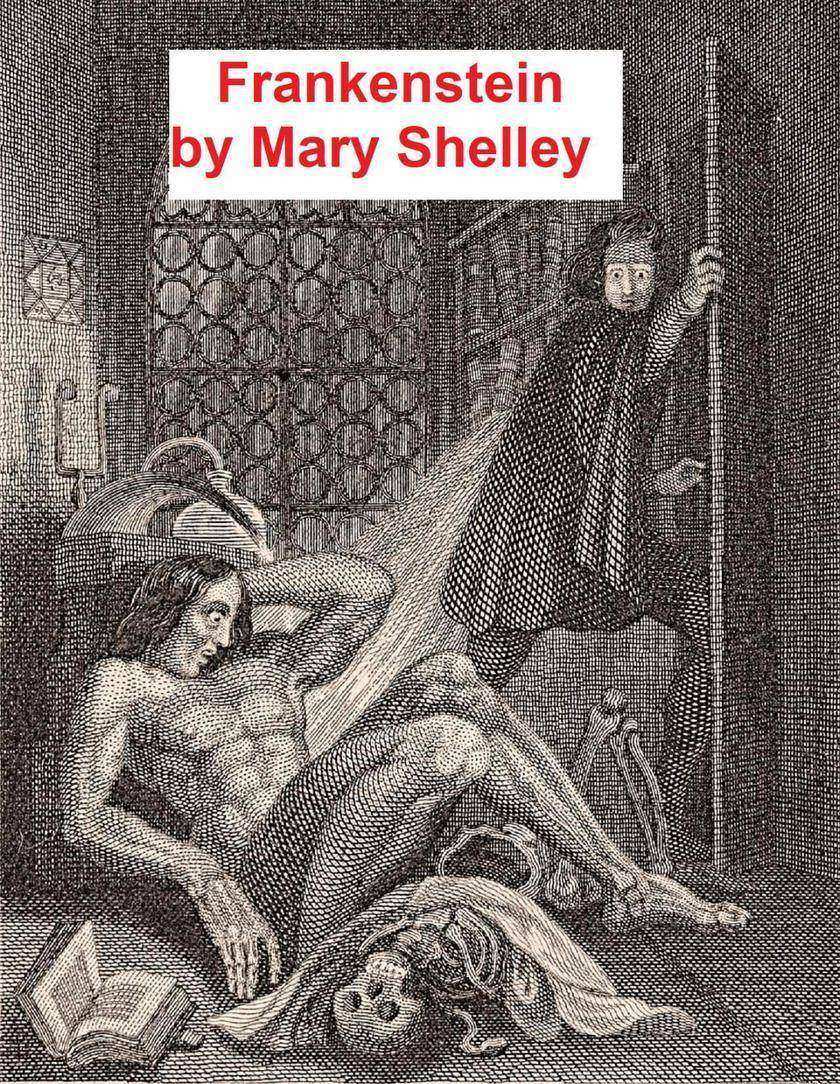
Frankenstein
¥8.09
According to Wikipedia: "Frankenstein; or, The Modern Prometheus is a novel written by Mary Shelley about a creature produced by an unorthodox scientific experiment. Shelley started writing the story when she was nineteen, and the novel was published when she was twenty-one. The first edition was published anonymously in London in 1818. Shelley's name appears on the second edition, published in France in 1823. Shelley had travelled in the region of Geneva, where much of the story takes place, and the topics of galvanism and other similar occult ideas were themes of conversation among her companions, particularly her future husband, Percy Shelley. The storyline emerged from a dream. Mary, Percy, Lord Byron, and John Polidori decided to have a competition to see who could write the best horror story. After thinking for weeks about what her possible storyline could be, Shelley dreamt about a scientist who created life and was horrified by what he had made. She then wrote Frankenstein."
Penrod
¥8.09
According to Wikipedia: "Newton Booth Tarkington (July 29, 1869, Indianapolis – May 19, 1946) was an American novelist and dramatist best known for his Pulitzer Prize-winning novels The Magnificent Ambersons and Alice Adams…. Much of Tarkington's work consists of satirical and closely observed studies of the American class system and its foibles. He himself came from a patrician family that came down in the world after the Panic of 1873. Today he is best known for his novel The Magnificent Ambersons, which Orson Welles filmed in 1942. It is included in the Modern Library's list of top-100 novels."
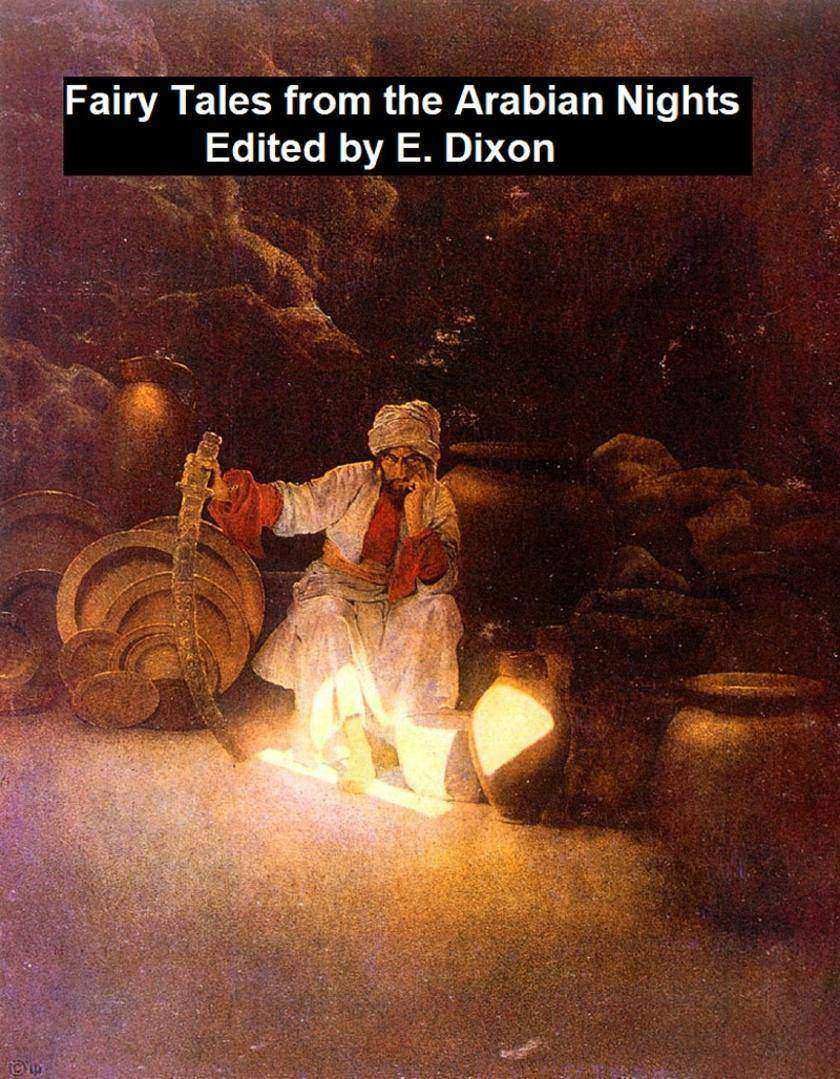
Fairy Tales from the Arabian Nights
¥8.09
The stories in this 1893 collection include: The King of Persia and the Princess of the Sea, Prince Beder and the Princess Giauhara, The Three Princes and Princess Nouronnihar, Prince Ahmed and the Fairy, Prince Camaralzaman and the Princess of China, The Loss of the Talisman, The Story of Zobeide, The Story of the King's Son, and the First, Second, Third, Fourth, Fifth, Sixth, and Seventh Voyages of Sinbad the Sailor.
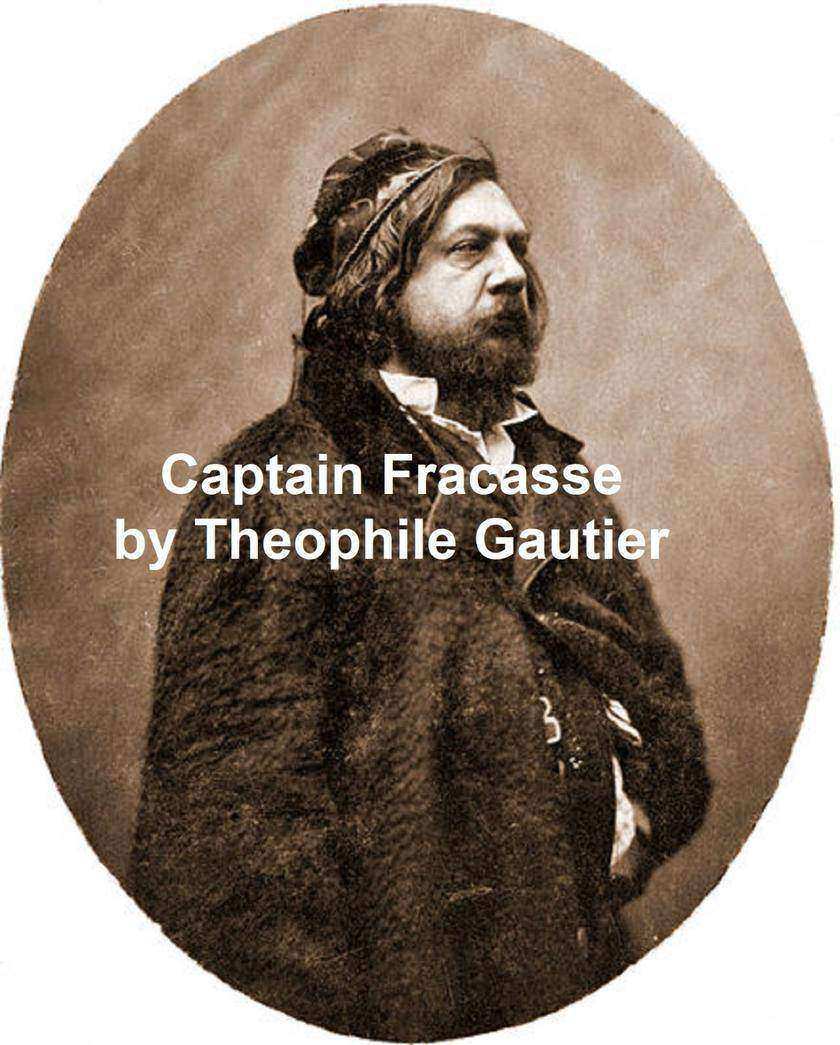
Captain Fracasse
¥8.09
According to Wikipedia: "Pierre Jules Théophile Gautier (August 30, 1811 – October 23, 1872) was a French poet, dramatist, novelist, journalist, and literary critic. While an ardent defender of Romanticism, Gautier's work is difficult to classify and remains a point of reference for many subsequent literary traditions such as Parnassianism, Symbolism, Decadence and Modernism. He was widely esteemed by writers as diverse as Baudelaire, the Goncourt brothers, Flaubert and Oscar Wilde."
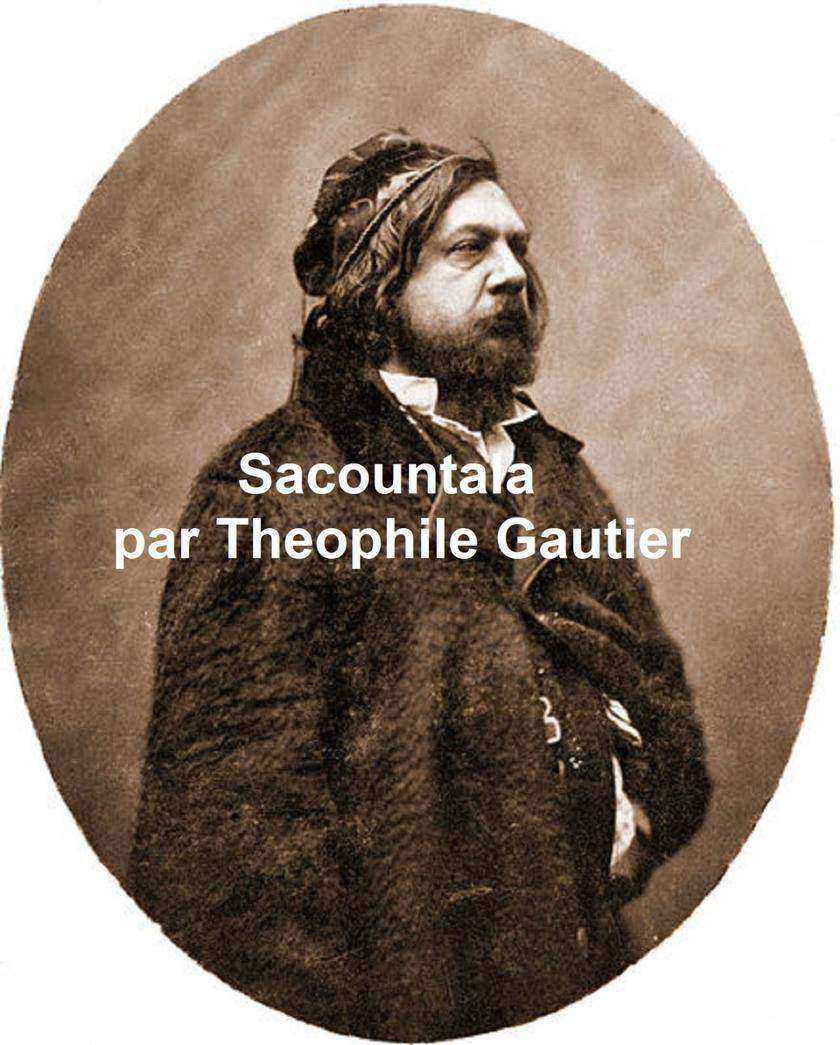
Sacountala
¥8.09
Selon Wikipédia: "Pierre Jules Théophile Gautier (30 ao?t 1811 - 23 octobre 1872), poète, dramaturge, romancier, journaliste et critique littéraire fran?ais, défenseur ardent du romantisme, est difficile à classer et à classer. point de référence pour de nombreuses traditions littéraires ultérieures telles que le parnassianisme, le symbolisme, la décadence et le modernisme, il a été largement estimé par des écrivains aussi divers que Baudelaire, les frères Goncourt, Flaubert et Oscar Wilde.
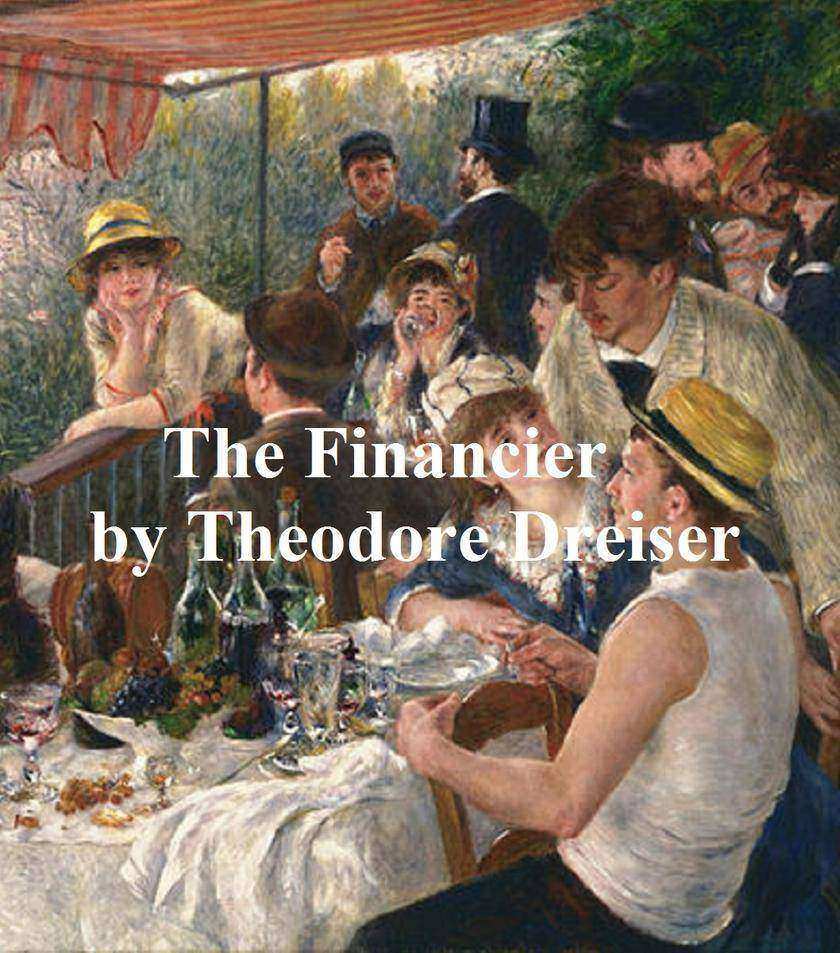
The Financier
¥8.09
According to Wikipedia: "Theodore Herman Albert Dreiser (August 27, 1871 – December 28, 1945) was an American novelist and journalist. He pioneered the naturalist school and is known for portraying characters whose value lies not in their moral code, but in their persistence against all obstacles, and literary situations that more closely resemble studies of nature than tales of choice and agency... His second novel, Jennie Gerhardt, was published in 1911. Many of Dreiser's subsequent novels dealt with social inequality. His first commercial success was An American Tragedy (1925), which was made into a film in 1931 and again in 1951."

A Changed Man and Other Tales
¥8.09
According to Wikipedia: "Thomas Hardy, (1840 – 1928) was an English author of the naturalist movement, though he regarded himself primarily as a poet and composed novels mainly for financial gain. The bulk of his work, set mainly in the semi-fictional land of Wessex, delineates characters struggling against their passions and circumstances. Hardy's poetry, first published in his 50s, has come to be as well regarded as his novels, especially after The Movement of the 1950s and 1960s."
The Hand of Ethelberta
¥8.09
According to Wikipedia: "Thomas Hardy, (1840 – 1928) was an English author of the naturalist movement, though he regarded himself primarily as a poet and composed novels mainly for financial gain. The bulk of his work, set mainly in the semi-fictional land of Wessex, delineates characters struggling against their passions and circumstances. Hardy's poetry, first published in his 50s, has come to be as well regarded as his novels, especially after The Movement of the 1950s and 1960s."
Headlong Hall
¥8.09
According to Wikipedia: "Thomas Love Peacock (18 October 1785 - 23 January 1866) was an English satirist and author. Peacock was a close friend of Percy Bysshe Shelley and they influenced each other's work. He wrote satirical novels, each with the same basic setting — characters at a table discussing and criticising the philosophical opinions of the day. He worked for the British East India Company."
Mother West Wind "Where" Stories, Illustrated
¥8.09
Children's book, first published in 1918, with four black-and-white illustrations. According to Wikipedia: "Thornton Waldo Burgess (January 14, 1874 – June 5, 1965). Born in Sandwich, Cape Cod, Massachusetts, he was a conservationist and author of children's stories. Thornton Waldo Burgess loved the beauty of nature and its living creatures so much that he wrote about them for 50 years. By the time he retired, he had written more than 170 books and 15,000 stories for daily columns in newspapers."
Mother West Wind's Children, Illustrated
¥8.09
Childen's book, first published in 1911, with four black-and-white illustrations. According to Wikipedia: "Thornton Waldo Burgess (January 14, 1874 – June 5, 1965). Born in Sandwich, Cape Cod, Massachusetts, he was a conservationist and author of children's stories. Thornton Waldo Burgess loved the beauty of nature and its living creatures so much that he wrote about them for 50 years. By the time he retired, he had written more than 170 books and 15,000 stories for daily columns in newspapers."
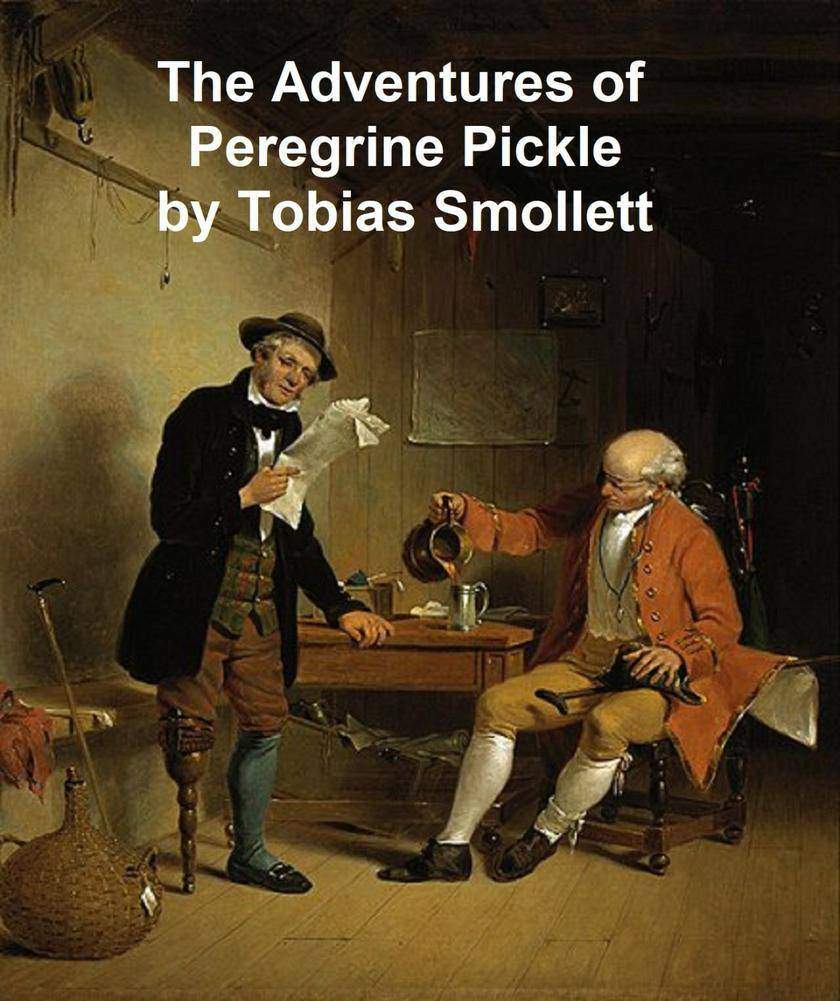
The Adventures of Peregrine Pickle
¥8.09
According to Wikipedia: "Tobias George Smollett (1721 - 1771) was a Scottish author, best known for his picaresque novels, such as The Adventures of Roderick Random (1748) and The Adventures of Peregrine Pickle (1753)." Smollett was one of David Copperfield's (Charles Dickens') favorite authors.
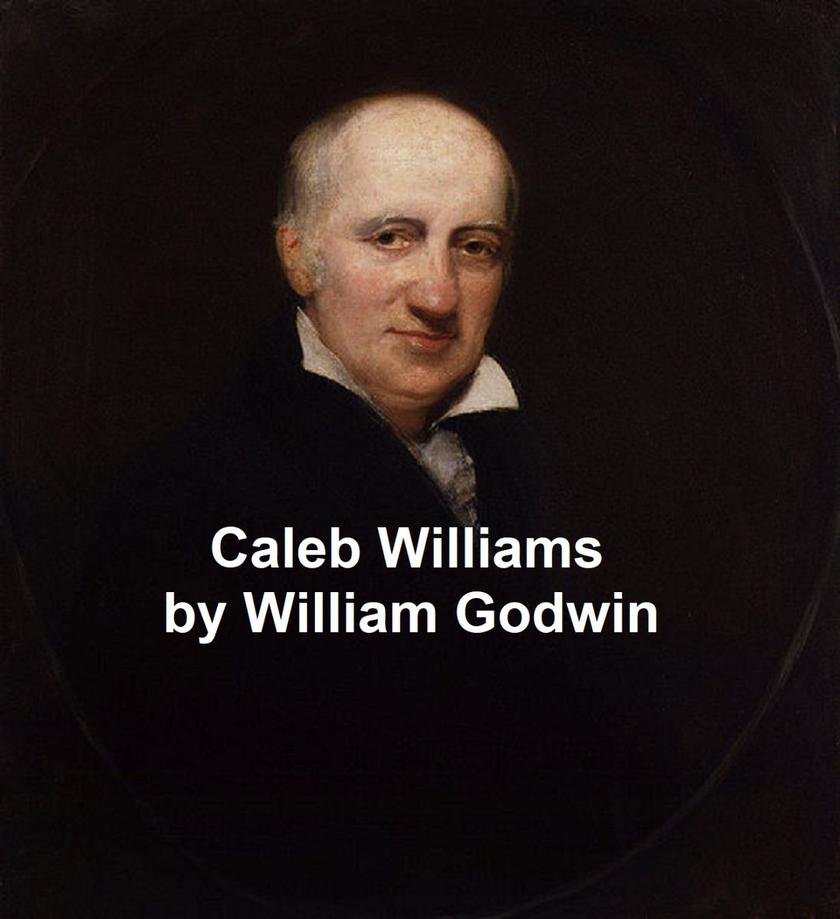
Caleb Williams
¥8.09
According to Wikipedia: "William Godwin (3 March 1756 – 7 April 1836) was an English journalist, political philosopher and novelist. He is considered one of the first exponents of utilitarianism, and one of the first modern proponents of anarchism. Godwin is most famous for two books that he published within the space of a year: An Enquiry Concerning Political Justice, an attack on political institutions, and Things as They Are or The Adventures of Caleb Williams, which attacks aristocratic privilege, but also is virtually the first mystery novel. Based on the success of both, Godwin featured prominently in the radical circles of London in the 1790s. In the ensuing conservative reaction to British radicalism, Godwin was attacked, in part because of his marriage to the pioneering feminist writer Mary Wollstonecraft in 1797 and his candid biography of her after her death; their child, Mary Godwin (later Mary Shelley) would go on to author Frankenstein and marry the poet Percy Bysshe Shelley. Godwin wrote prolifically in the genres of novels, history and demography throughout his lifetime."


