


 购物车
购物车 个人中心
个人中心
Montezuma's Daughter
¥8.09
Dodo Collections brings you another classic from H. Rider Haggard, ‘Montezuma's Daughter.’ ? This remarkable novel by adventure writer H. Rider Haggard can be enjoyed on many levels. As a tale of adventure, it takes the reader through 16th-century England, Spain, and Mexico at the time of the Spanish Conquest. But on a deeper level, the author's hopes for humanity shine through the darkness of this time to illuminate the reader with his spiritual philosophy. The closing chapters on the fall of the Aztec capital of Tenoctitlan under the assault of Cortez are profoundly moving. ? Montezuma's Daughter is a fascinating historical novel and love story, with enough action to keep even the most jaded reader on the edge of the chair. And those who value the deeper aspects of the author's writing will not be disappointed. ? Sir Henry Rider Haggard was an English writer of adventure novels set in exotic locations, predominantly Africa, and the creator of the Lost World literary genre. His stories, situated at the lighter end of the scale of Victorian literature, continue to be popular and influential. He was also involved in agricultural reform and improvement in the British Empire. ? His breakout novel was King Solomon's Mines (1885), which was to be the first in a series telling of the multitudinous adventures of its protagonist, Allan Quatermain. ? Haggard was made a Knight Bachelor in 1912 and a Knight Commander of the Order of the British Empire in 1919. He stood unsuccessfully for Parliament as a Conservative candidate for the Eastern division of Norfolk in 1895. The locality of Rider, British Columbia, was named in his memory.
Morning Star
¥8.09
Dodo Collections brings you another classic from H. Rider Haggard, ‘Morning Star’ ? It was evening in Egypt, thousands of years ago, when the Prince Abi, governor of Memphis and of great territories in the Delta, made fast his ship of state to a quay beneath the outermost walls of the mighty city of Uast or Thebes, which we moderns know. ? Sir Henry Rider Haggard was an English writer of adventure novels set in exotic locations, predominantly Africa, and the creator of the Lost World literary genre. His stories, situated at the lighter end of the scale of Victorian literature, continue to be popular and influential. He was also involved in agricultural reform and improvement in the British Empire. ? His breakout novel was King Solomon's Mines (1885), which was to be the first in a series telling of the multitudinous adventures of its protagonist, Allan Quatermain. ? Haggard was made a Knight Bachelor in 1912 and a Knight Commander of the Order of the British Empire in 1919. He stood unsuccessfully for Parliament as a Conservative candidate for the Eastern division of Norfolk in 1895. The locality of Rider, British Columbia, was named in his memory.
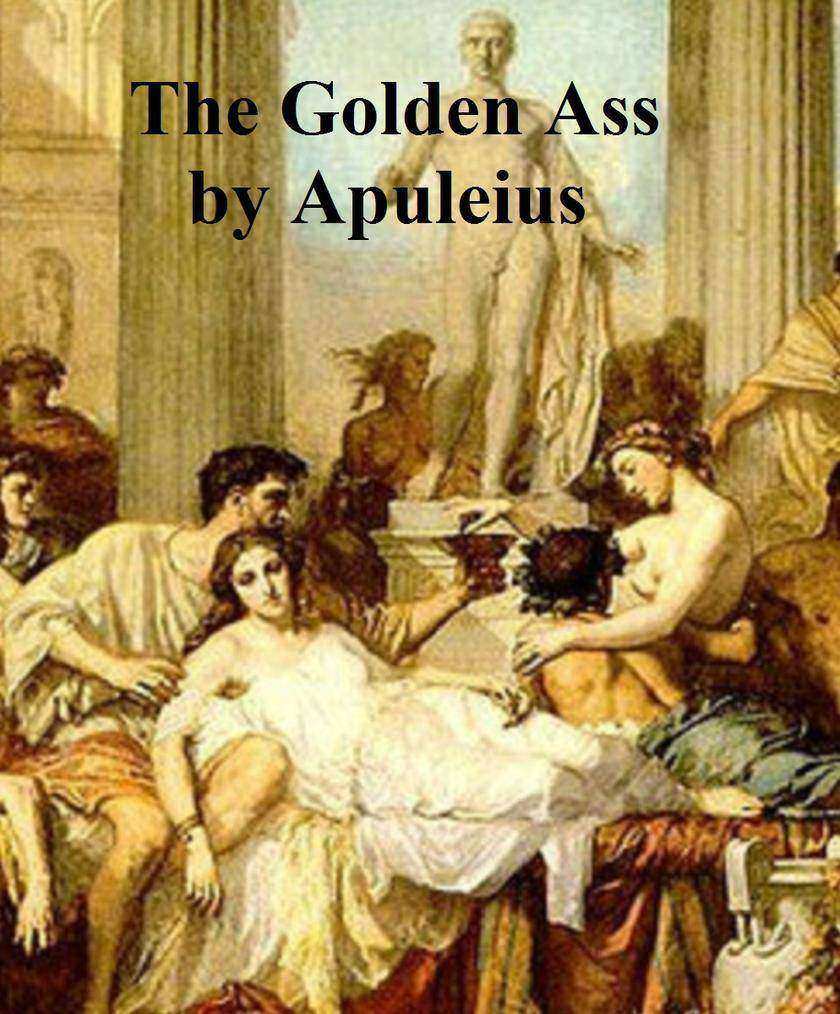
The Golden Ass
¥8.09
Novel first written in the second century A.D., in a translation first published in 1566. According to Wikipedia: "The Metamorphoses of Apuleius, which St. Augustine referred to as The Golden Ass (Asinus aureus), is the only Latin novel to survive in its entirety. The protagonist of the novel may in fact be the author himself. His first name is revealed to be Lucius; at the end of the novel, he is revealed to be from Madaurus, the hometown of Apuleius himself. The identification of the protagonist as Lucius of Madaurus has led some scholars to posit that the narrator and the author are one and the same person.[4] The plot revolves around the protagonist's curiosity (curiositas) and insatiable desire to see and practice magic. While trying to perform a spell to transform into a bird, he is accidentally transformed into an ass. This leads to a long journey, literal and metaphorical, filled with in-set tales. He finally finds salvation through the intervention of the goddess Isis, whose cult he joins."
Rewards and Fairies
¥8.09
Dodo Collections brings you another classic from Rudyard Kipling, ‘Rewards and Fairies’. ? Through the agency of Puck, Dan and Una, meet an array of historical characters from flint and iron ages to Good Queen Bess and Sir Francis Drake. Other tales include stories of England following the Norman Conquest, and the Europe of Napolean and Talleyrand. ? Kipling's works of fiction include The Jungle Book (1894), Kim (1901), and many short stories, including "The Man Who Would Be King" (1888). His poems include "Mandalay" (1890), "Gunga Din" (1890), "The Gods of the Copybook Headings" (1919), "The White Man's Burden" (1899), and "If—" (1910). He is regarded as a major innovator in the art of the short story; his children's books are classics of children's literature; and one critic described his work as exhibiting "a versatile and luminous narrative gift". ? Kipling was one of the most popular writers in England, in both prose and verse, in the late 19th and early 20th centuries. Henry James said: "Kipling strikes me personally as the most complete man of genius (as distinct from fine intelligence) that I have ever known." In 1907, he was awarded the Nobel Prize in Literature, making him the first English-language writer to receive the prize, and its youngest recipient to date Among other honours, he was sounded out for the British Poet Laureateship and on several occasions for a knighthood, all of which he declined.

Glasses
¥8.09
Dodo Classics brings you another classic from Henry James, ‘Glasses.’ ? This was a little person whom I would have made a high bid for a good chance to paint. The head, the features, the color, the whole facial oval and radiance had a wonderful purity; the deep grey eyes -- the most agreeable, I thought, that I had ever seen -- brushed with a kind of winglike grace every object they encountered. Their possessor was just back from Boulogne, where she had spent a week with dear Mrs. Floyd-Taylor: this accounted for the effusiveness of her reunion with dear Mrs. Meldrum. Her black garments were of the freshest and daintiest; she suggested a pink-and-white wreath at a showy funeral. She confounded us for three minutes with her presence; she was a beauty of the great conscious public responsible order. The young men, her companions, gazed at her and grinned: I could see there were very few moments of the day at which young men, these or others, would not be so occupied. ? Henry James, OM, son of theologian Henry James Sr., brother of the philosopher and psychologist William James and diarist Alice James, was an American-born author, one of the founders and leaders of a school of realism in fiction. He spent much of his life in England and became a British subject shortly before his death. He is primarily known for a series of major novels in which he portrayed the encounter of America with Europe. His plots centered on personal relationships, the proper exercise of power in such relationships, and other moral questions. His method of writing from the point of view of a character within a tale allowed him to explore the phenomena of consciousness and perception, and his style in later works has been compared to impressionist painting. ? James insisted that writers in Great Britain and America should be allowed the greatest freedom possible in presenting their view of the world, as French authors were. His imaginative use of point of view, interior monologue and unreliable narrators in his own novels and tales brought a new depth and interest to realistic fiction, and foreshadowed the modernist work of the twentieth century. An extraordinarily productive writer, in addition to his voluminous works of fiction he published articles and books of travel writing, biography, autobiography, and criticism,and wrote plays, some of which were performed during his lifetime with moderate success. His theatrical work is thought to have profoundly influenced his later novels and tales.
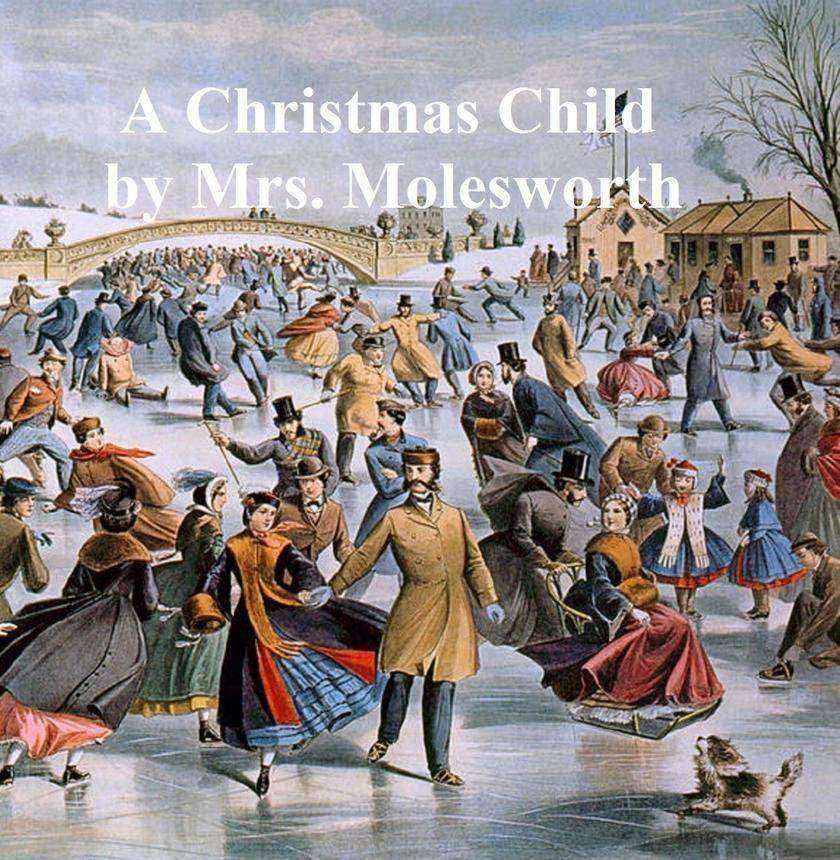
A Christmas Child, a Sketch of a Boy-Life
¥8.09
Popular children's book, first published in 1880. According to Wikipedia: "Mary Louisa Molesworth (29 May 1839 – 20 January 1921) was an English writer of children's stories who wrote for children under the name of Mrs Molesworth… Mrs Molesworth is best known as a writer of books for the young, such as Tell Me a Story (1875), Carrots (1876), The Cuckoo Clock (1877), The Tapestry Room (1879), and A Christmas Child (1880). She has been called "the Jane Austen of the nursery," while The Carved Lions (1895) "is probably her masterpiece." In the judgement of Roger Lancelyn Green: Mary Louisa Molesworth typified late Victorian writing for girls. Aimed at girls too old for fairies and princesses but too young for Austen and the Bront?s, books by Molesworth had their share of amusement, but they also had a good deal of moral instruction. The girls reading Molesworth would grow up to be mothers; thus, the books emphasized Victorian notions of duty and self-sacrifice. Typical of the time, her young child characters often use a lisping style, and words may be misspelt to represent children's speech—"jography" for geography, for instance."

The Cricket on the Hearth: A Fairy Tale of Home
¥8.09
Dodo Collections brings you another classic from Charles Dickens, ‘The Cricket on the Hearth: A Fairy Tale of Home.’ ? Dickens gave his first formal expression to his Christmas thoughts in his series of small books, the first of which was the famous "Christmas Carol." There followed four others: "The Chimes," "The Cricket on the Hearth," "The Battle of Life," and "The Haunted Man." The five are known today as the "Christmas Books." Of them all the "Carol" is the best known and loved, and "The Cricket on the Hearth," although third in the series, is perhaps next in popularity, and is especially familiar to Americans through Joseph Jefferson's characterisation of Caleb Plummer. ? The title creature is a sort of barometer of life at the home of John Peerybingle and his much younger wife Dot. When things go well, the cricket on the hearth chirps; it is silent when there is sorrow. Tackleton, a jealous old man, poisons John's mind about Dot, but the cricket through its supernatural powers restores John's confidence and all ends happily. ? Charles Dickens was an English writer and social critic. He created some of the world's best-known fictional characters and is regarded as the greatest novelist of the Victorian era. His works enjoyed unprecedented popularity during his lifetime, and by the twentieth century critics and scholars had recognised him as a literary genius. His novels and short stories enjoy lasting popularity. Born in Portsmouth, Dickens left school to work in a factory when his father was incarcerated in a debtors' prison. Despite his lack of formal education, he edited a weekly journal for 20 years, wrote 15 novels, five novellas, hundreds of short stories and non-fiction articles, lectured and performed extensively, was an indefatigable letter writer, and campaigned vigorously for children's rights, education, and other social reforms. ? A prolific 19th Century author of short stories, plays, novellas, novels, fiction and non-fiction; during his lifetime Dickens became known the world over for his remarkable characters, his mastery of prose in the telling of their lives, and his depictions of the social classes, morals and values of his times. Some considered him the spokesman for the poor, for he definitely brought much awareness to their plight, the downtrodden and the have-nots. He had his share of critics, like Virginia Woolf and Henry James, but also many admirers, even into the 21st Century.
Four Meetings
¥8.09
Dodo Classics brings you another classic from Henry James, ‘Four Meetings.’ My relative, as it proved, was not sufficiently restored to leave the place by the afternoon train; so that as the autumn dusk began to fall I found myself at liberty to call at the establishment named to me by my friends. I must confess that I had spent much of the interval in wondering what the disagreeable thing was that the less attractive of these had been telling the other. Henry James, OM, son of theologian Henry James Sr., brother of the philosopher and psychologist William James and diarist Alice James, was an American-born author, one of the founders and leaders of a school of realism in fiction. He spent much of his life in England and became a British subject shortly before his death. He is primarily known for a series of major novels in which he portrayed the encounter of America with Europe. His plots centered on personal relationships, the proper exercise of power in such relationships, and other moral questions. His method of writing from the point of view of a character within a tale allowed him to explore the phenomena of consciousness and perception, and his style in later works has been compared to impressionist painting. ? James insisted that writers in Great Britain and America should be allowed the greatest freedom possible in presenting their view of the world, as French authors were. His imaginative use of point of view, interior monologue and unreliable narrators in his own novels and tales brought a new depth and interest to realistic fiction, and foreshadowed the modernist work of the twentieth century. An extraordinarily productive writer, in addition to his voluminous works of fiction he published articles and books of travel writing, biography, autobiography, and criticism,and wrote plays, some of which were performed during his lifetime with moderate success. His theatrical work is thought to have profoundly influenced his later novels and tales.
The Altar of the Dead
¥8.09
Dodo Classics brings you another classic from Henry James, ‘The Altar of the Dead’. ? "The Altar of the Dead" is a short story by Henry James, first published in his collection Terminations in 1895. A fable of literally life and death significance, the story explores how the protagonist tries to keep the remembrance of his dead friends, to save them from being forgotten entirely in the rush of everyday events. He meets a woman who shares his ideals, only to find that the past places what seems to be an impassable barrier between them. Although James was not religious in any conventional sense, the story shows a deep spirituality in its treatment of mortality and the transcendent power of unselfish love. ? Henry James, OM (15 April 1843 – 28 February 1916) was an American writer who spent most of his writing career in Britain. He is regarded as one of the key figures of 19th-century literary realism. He was the son of Henry James, Sr. and the brother of philosopher and psychologist William James and diarist Alice James. ? He is best known for a number of novels showing Americans encountering Europe and Europeans. His method of writing from a character's point of view allowed him to explore issues related to consciousness and perception, and his style in later works has been compared to impressionist painting. His imaginative use of point of view, interior monologue and unreliable narrators brought a new depth to narrative fiction. ? James contributed significantly to literary criticism, particularly in his insistence that writers be allowed the greatest possible freedom in presenting their view of the world. James claimed that a text must first and foremost be realistic and contain a representation of life that is recognizable to its readers. Good novels, to James, show life in action and are, most importantly, interesting. In addition to his voluminous works of fiction he published articles and books of travel, biography, autobiography, and criticism, and wrote plays. James alternated between America and Europe for the first twenty years of his life; eventually he settled in England, becoming a British subject in 1915, one year before his death. James was nominated for the Nobel Prize in Literature in 1911, 1912, and 1916.
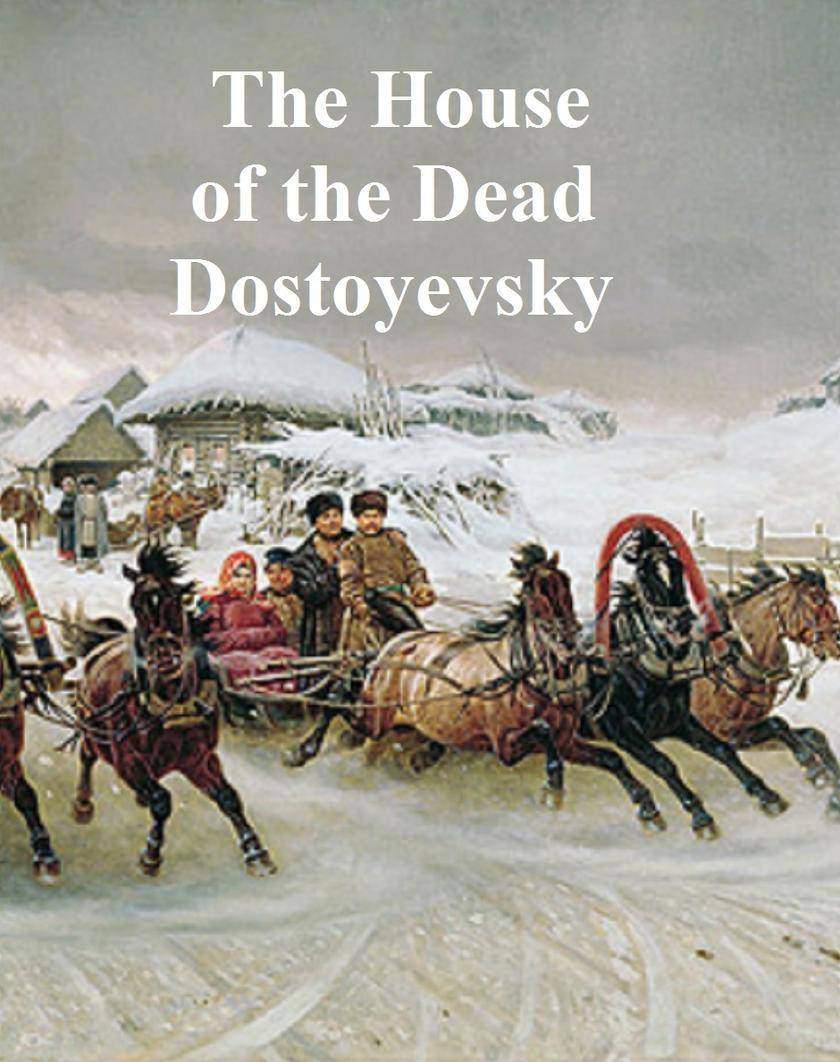
The House of the Dead or Prison Life in Siberia
¥8.09
Autobiographical novel, first published in 1861. According to Wikipedia: "The House of the Dead is a novel published in 1861 in the journal Vremya by Russian author Fyodor Dostoyevsky, which portrays the life of convicts in a Siberian prison camp. The novel has also been published under the titles Memoirs from the House of The Dead and Notes from the Dead House. The book is a loosely-knit collection of facts and events connected to life in a Siberian prison, organised by "theme" rather than as a continuous story. Dostoyevsky himself spent four years in exile in such a camp following his conviction for involvement in the Petrashevsky Circle. This experience allowed him to describe with great authenticity the conditions of prison life and the characters of the convicts."
The Figure in the Carpet
¥8.09
Dodo Classics brings you another classic from Henry James, ‘The Figure in the Carpet’. ? The short story is usually referred to as a novella and is told in the first person. The narrator, whose name is never revealed, meets his favorite author and becomes obsessed with discovering the secret meaning or intention within the entire author's works. Henry James, OM (15 April 1843 – 28 February 1916) was an American writer who spent most of his writing career in Britain. He is regarded as one of the key figures of 19th-century literary realism. He was the son of Henry James, Sr. and the brother of philosopher and psychologist William James and diarist Alice James. ? He is best known for a number of novels showing Americans encountering Europe and Europeans. His method of writing from a character's point of view allowed him to explore issues related to consciousness and perception, and his style in later works has been compared to impressionist painting. His imaginative use of point of view, interior monologue and unreliable narrators brought a new depth to narrative fiction. ? James contributed significantly to literary criticism, particularly in his insistence that writers be allowed the greatest possible freedom in presenting their view of the world. James claimed that a text must first and foremost be realistic and contain a representation of life that is recognizable to its readers. Good novels, to James, show life in action and are, most importantly, interesting. In addition to his voluminous works of fiction he published articles and books of travel, biography, autobiography, and criticism, and wrote plays. James alternated between America and Europe for the first twenty years of his life; eventually he settled in England, becoming a British subject in 1915, one year before his death. James was nominated for the Nobel Prize in Literature in 1911, 1912, and 1916.
The Innocence of Father Brown
¥8.09
Classic collection of stories, first published early in the 20th century. According to Wikipedia: "Gilbert Keith Chesterton, KC*SG (29 May 1874 – 14 June 1936) was an English writer. His prolific and diverse output included philosophy, ontology, poetry, plays, journalism, public lectures and debates, literary and art criticism, biography, Christian apologetics, and fiction, including fantasy and detective fiction. Chesterton has been called the "prince of paradox". Time magazine, in a review of a biography of Chesterton, observed of his writing style: "Whenever possible Chesterton made his points with popular sayings, proverbs, allegories—first carefully turning them inside out." For example, Chesterton wrote "Thieves respect property. They merely wish the property to become their property that they may more perfectly respect it.
Odd Craft
¥8.09
Dodo Collections brings you another classic from W.W Jacobs, ‘Odd Craft.’ ? Mr. Jacobs serenely continues to distribute wholesome food for laughter. These characters elicit fresh admiration for the inexhaustible inventions of their creator. ? William Wymark Jacobs was an English author of short stories and novels. Quite popular in his lifetime primarily for his amusing maritime tales of life along the London docks (many of them humorous as well as sardonic in tone). Today he is best known for a few short works of horror fiction. One being "The Monkey's Paw"(published 1902). It has in its own right become a well-known and widely anthologized classic.
The Old Man of the Sea
¥8.09
Dodo Collections brings you another classic from W.W Jacobs, ‘The Old Man of the Sea.’ ? "What I want you to do," said Mr. George Wright, as he leaned towards the old sailor, "is to be an uncle to me." "Aye, aye," said the mystified Mr. Kemp, pausing with a mug of beer midway to his lips. "A rich uncle," continued the young man, lowering his voice to prevent any keen ears in the next bar from acquiring useless knowledge. "An uncle from New Zealand, who is going to leave me all 'is money." "Where's it coming from?" demanded Mr. Kemp, with a little excitement. ? In 1896 Jacobs' first collection of short stories was titled Many Cargoes of which Punch magazine said his favourite subjects were "men who go down to the sea in ships of moderate tonnage." It was followed in 1897 by a novelette titled The Skipper's Wooing and in 1898 by another collection of short stories Sea Urchins. By 1899 Jacobs was confident enough to resign from the civil service to devote his full time to writing. In 1900 he married suffragette Agnes Eleanor with whom he would have two sons and three daughters.
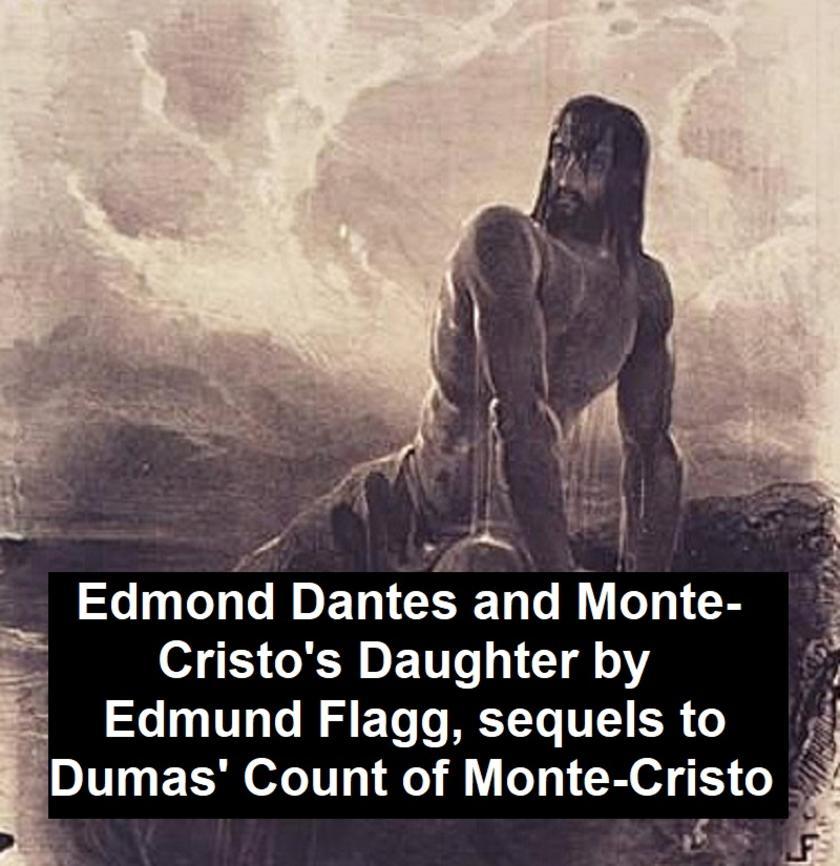
Edmond Dantes and Monte-Cristo's Daughter
¥8.09
According to Wikipedia: "The Count of Monte Cristo (French: Le Comte de Monte-Cristo) is an adventure novel by Alexandre Dumas. It is often considered to be, along with The Three Musketeers, Dumas's most popular work." These sequels were written by a 19th-century American author.
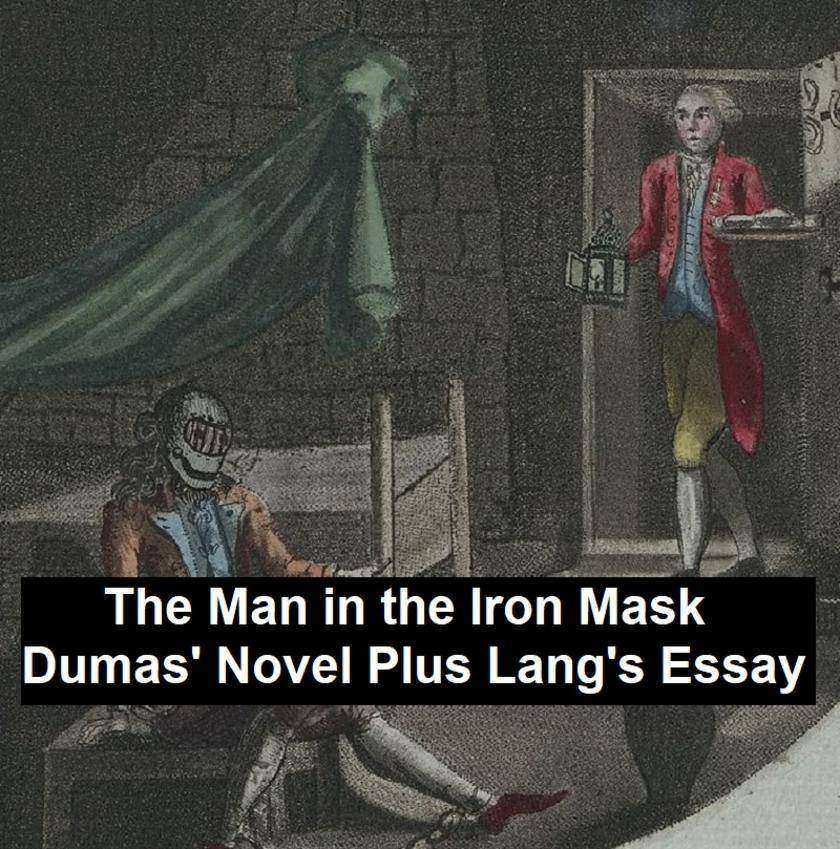
The Man in the Iron Mask: Dumas' Novel Plus Lang's Essay
¥8.09
The classic Dumas novel (part of the Three Musketeers series), plus an essay by Andrew Lang examining the historical basis of the story/legend.
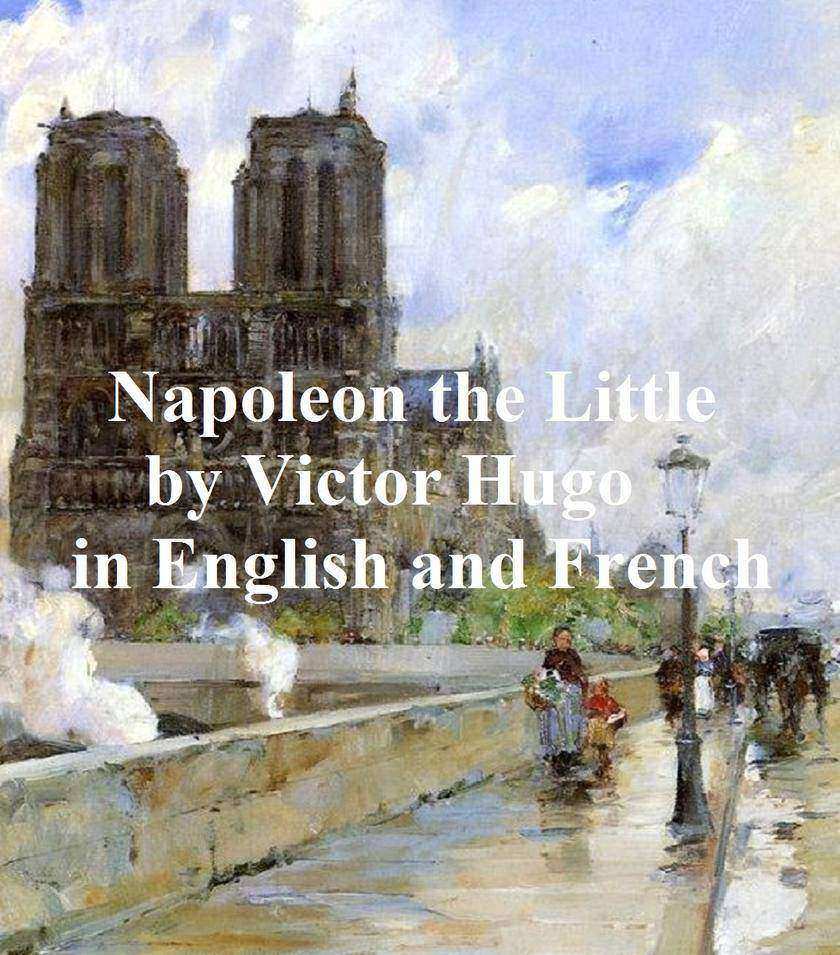
Napoleon the Little and Napoleon le Petit
¥8.09
Bilingual, English and French. According to Wikipedia: "Napoleon le Petit was an influential political pamphlet by Victor Hugo which condemned the reign of Napoleon III, Emperor of the French. Hugo lived in exile in Guernsey for most of Napoleon III's reign, and his criticism of the monarch was significant as he was one of the most prominent Frenchmen of the time, and was revered by many. It includes the concept of two and two make five as a denial of truth by authority, a notion later used by George Orwell in Nineteen Eighty-Four. Volumes were smuggled into France (eg. in bales of hay, and between metal sheets as a tin of sardines), read at secret meetings, and hand-copied." Bilingue, anglais et fran?ais. Selon Wikipédia: ?Napoléon le Petit était un pamphlet politique influent de Victor Hugo qui condamnait le règne de Napoléon III, empereur des Fran?ais, qui vécut en exil à Guernesey pendant la plus grande partie du règne de Napoléon III, et sa critique du monarque fut significative. Comme il était l'un des Fran?ais les plus éminents de l'époque, il a été vénéré par beaucoup de gens et inclut le concept de deux et de deux comme un déni de la vérité par l'autorité, une notion utilisée plus tard par George Orwell dans Nineteen Quatre-vingt-quatre. Les volumes étaient introduits clandestinement en France (par exemple dans des ballots de foin et entre des t?les comme une bo?te de sardines), lus lors de réunions secrètes et copiés à la main.
Winesburg, Ohio: A Group of Tales of Ohio Small Town Life
¥8.09
Dodo Collections brings you another classic from Sherwood Anderson, ‘"Winesburg, Ohio”. ? The work is structured around the life of protagonist George Willard, from the time he was a child to his growing independence and ultimate abandonment of Winesburg as a young man. It is set in the fictional town of Winesburg, Ohio (not to be confused with the actual Winesburg), which is based loosely on the author's childhood memories of Clyde, Ohio. ? Mostly written from late 1915 to early 1916, with a few stories completed closer to publication, they were "...conceived as complementary parts of a whole, centered in the background of a single community." The book consists of twenty-two stories, with the first story, "The Book of the Grotesque", serving as an introduction. Each of the stories shares a specific character's past and present struggle to overcome the loneliness and isolation that seems to permeate the town. Stylistically, because of its emphasis on the psychological insights of characters over plot, and plain-spoken prose, Winesburg, Ohio is known as one of the earliest works of Modernist literature. ? Anderson was born on Sept. 13, 1876, in Camden, Ohio. He never finished high school because he had to work to support his family. By 1912, he was the successful manager of a paint factory in Elyria, Ohio, and the father of three children by the first of his four wives. In 1912, Anderson deserted his family and job. In early 1913, he moved to Chicago, where he devoted more time to his imaginative writing. He became a heroic model for younger writers because he broke with what they considered to be American materialism and convention to commit himself to art.

The Human Machine
¥8.09
Dodo Collections brings you another classic from Arnold Bennett, ‘The Human Machine’. This is a typical example of the sort of self-improvement essays or book that Arnold Bennett produced so readily during his heyday. In Britain in the first decades of the 20th century, there was a demand for anything that would help ordinary people better themselves, and Bennett obliged with volumes on Mental Efficiency, how to live 24 hours a day, how to improve one's literary taste, as well as books on the life of a novelist, etc. Bennett (1867-1931) was a British novelist. He was born in a modest house in Hanley in the Potteries district of Staffordshire. At age 21 he went to London as a solicitor's clerk. He won a literary competition in Tit Bits magazine in 1889 and was encouraged to take up journalism full time. From 1900 he devoted himself full time to writing, giving up the editorship and writing much serious criticism, and also theatre journalism, one of his special interests. In 1902 Anna of the Five Towns, the first of a succession of stories which detailed life in the Potteries appeared. In 1908 The Old Wives' Tale was published, and was an immediate success throughout the English-speaking world. His most famous works are the Clayhanger (1910) trilogy and The Old Wives' Tale. These books draw on his experience of life in the Potteries, as did most of his best work. Among his other books are: The Grand Babylon Hotel (1902), The Grim Smile of the Five Towns (1907), Hilda Lessways (1911), The Author's Craft (1914), The Lion's Share (1916), and The Roll-Call (1919).?
Mental Efficiency, and Other Hints to Men and Women
¥8.09
Dodo Collections brings you another classic from Arnold Bennett, ‘Mental Efficiency, and Other Hints to Men and Women’. This book on Mental Efficiency was typical of the self-improvement essays and books that Arnold Bennett produced alongside his outstanding fiction. Even all these years later, it still makes a lot of sense, and modern readers will be amused and instructed! Bennett (1867-1931) was a British novelist. He was born in a modest house in Hanley in the Potteries district of Staffordshire. At age 21 he went to London as a solicitor's clerk. He won a literary competition in Tit Bits magazine in 1889 and was encouraged to take up journalism full time. From 1900 he devoted himself full time to writing, giving up the editorship and writing much serious criticism, and also theatre journalism, one of his special interests. In 1902 Anna of the Five Towns, the first of a succession of stories which detailed life in the Potteries appeared. In 1908 The Old Wives' Tale was published, and was an immediate success throughout the English-speaking world. His most famous works are the Clayhanger (1910) trilogy and The Old Wives' Tale. These books draw on his experience of life in the Potteries, as did most of his best work. Among his other books are: The Grand Babylon Hotel (1902), The Grim Smile of the Five Towns (1907), Hilda Lessways (1911), The Author's Craft (1914), The Lion's Share (1916), and The Roll-Call (1919).
Buried Alive: A Tale of These Days
¥8.09
Dodo Collections brings you another classic from Arnold Bennett, ‘"Buried Alive: A Tale of These Days".’ ? An ingenious satire, "Buried Alive" is Bennett at his most charming and wittiest. It is the story a renowned but exceedingly shy painter, Priam Farll, who assumes the identity of his dead valet, Henry Leek, as a means of avoiding press attention. The novel was enormously successful as a play, retitled The Great Adventure, and later as the film "Holy Matrimony." ? Enoch Arnold Bennett (always known as Arnold Bennett) was one of the most remarkable literary figures of his time, a product of the English Potteries that he made famous as the Five Towns. Yet he could hardly wait to escape his home town, and he did so by the sheer force of his ambition to succeed as an author. In his time he turned his hand to every kind of writing, but he will be remembered for such novels as The Old Wives' Tale, the Clayhanger trilogy (Clayhanger, Hilda Lessways, and These Twain), and The Card. He also wrote such intriguing self-improvement books as Literary Taste, How To Live on 24 Hours a Day, The Human Machine, etc. After a local education Bennett finished his education at the University of London and for a time was editor of Woman magazine. After 1900 he devoted himself entirely to writing; dramatic criticism was one of his foremost interests. Bennett is best known, however, for his novels, several of which were written during his residence in France. ? Bennett's infancy was spent in genteel poverty, which gave way to prosperity as his father succeeded as a solicitor. From this provincial background he became a novelist. His enduring fame is as a Chronicler of the Potteries towns, the setting and inspiration of some of his most famous and enduring literary work and the place where he grew up.


