


 购物车
购物车 个人中心
个人中心
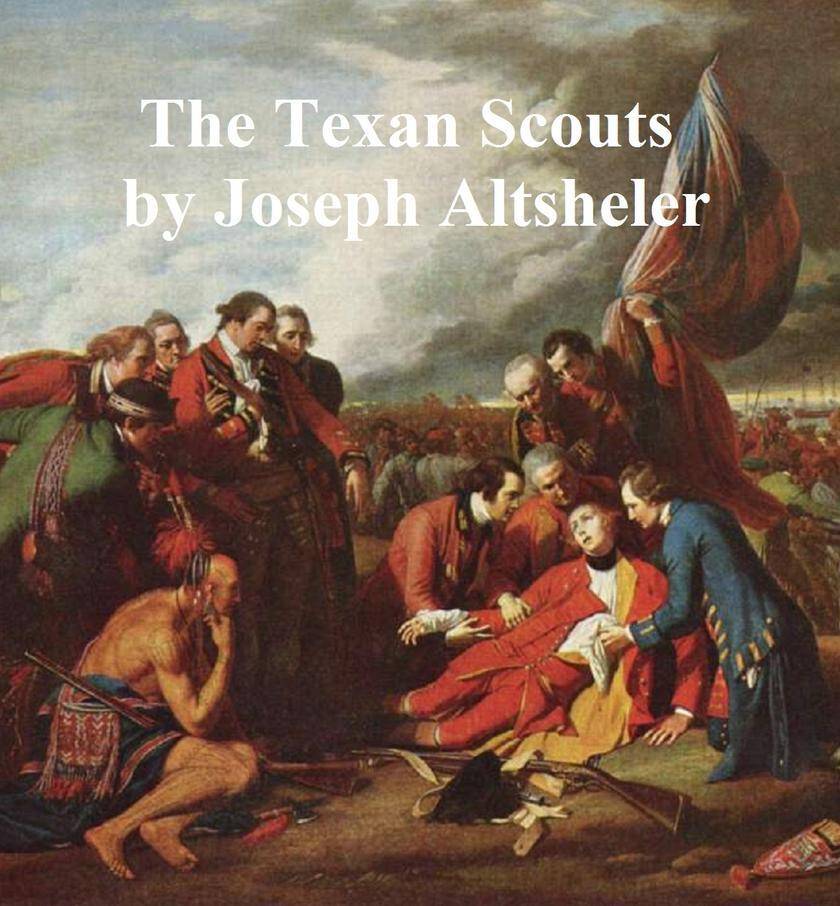
The Texan Scouts
¥8.09
Historical novel from the Texan series. "The Texan Scouts," while a complete story in itself, continues the fortunes of Ned Fulton and his friends, who were central characters in "The Texan Star." According to Wikipedia: "Joseph Alexander Altsheler (1862 - 1919), was an American author of popular juvenile historical fiction. Altsheler was born in Three Springs, Kentucky to Joseph and Louise Altsheler. In 1885, he took a job at the Louisville Courier-Journal as a reporter and later, an editor. He started working for the New York World in 1892, first as the paper's Hawaiian correspondent and then as the editor of the World's tri-weekly magazine. Due to a lack of suitable stories, he began writing children's stories for the magazine."
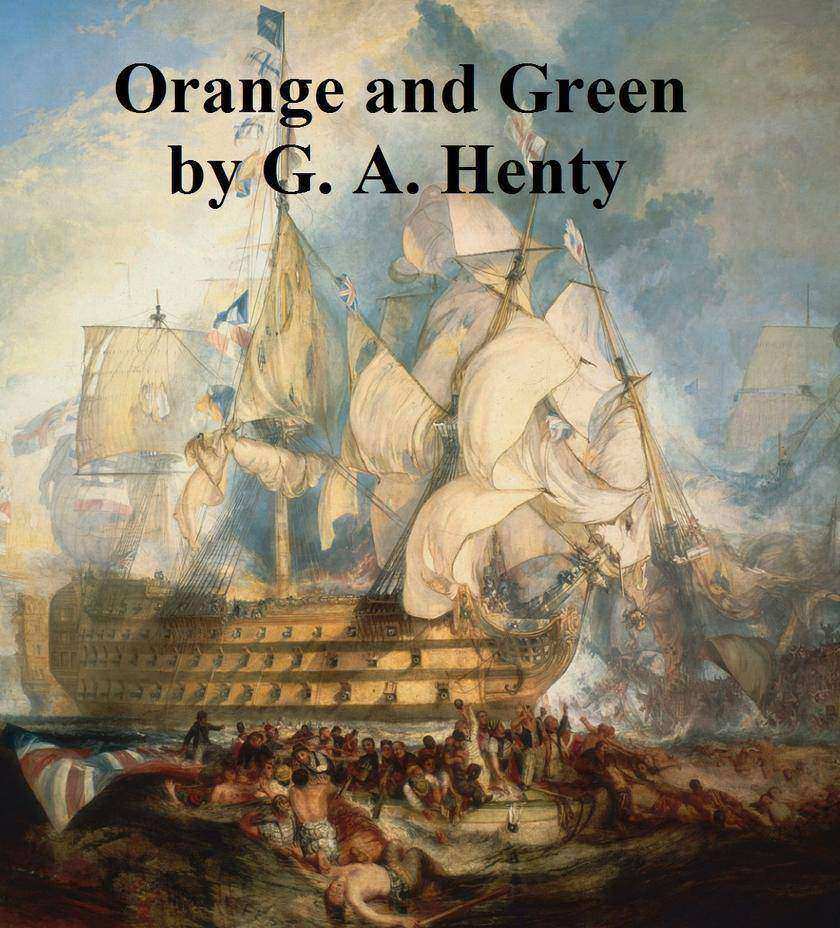
Orange and Green, A Tale of Boyne and Limerick
¥8.09
Historical novel set in 17th century Ireland. The Preface begins: "The subject of Ireland is one which has, for some years, been a very prominent one, and is likely, I fear, for some time yet to occupy a large share of public attention. The discontent, manifested in the troubles of recent years, has had its root in an old sense of grievance, for which there was, unhappily, only too abundant reason. The great proportion of the soil of Ireland was taken from the original owners, and handed over to Cromwell's followers, and for years the land that still remained in the hands of Irishmen was subject to the covetousness of a party of greedy intriguers, who had sufficient influence to sway the proceedings of government. The result was the rising of Ireland, nominally in defence of the rights of King James..." According to Wikipedia: "George Alfred Henty (8 December 1832 - 16 November 1902), referred to as G. A. Henty, was a prolific English novelist, special correspondent, and Imperialist born in Trumpington, Cambridgeshire, England. He is best known for his historical adventure stories that were popular in the late 19th century. His works include Out on the Pampas (1871), The Young Buglers (1880), With Clive in India (1884) and Wulf the Saxon (1895)."

The Consolidator
¥8.09
According to Wikipedia: Daniel Defoe (1659/1661 [?] — 1731), born Daniel Foe, was an English writer, journalist, and pamphleteer, who gained enduring fame for his novel Robinson Crusoe. Defoe is notable for being one of the earliest practitioners of the novel, as he helped to popularise the form in Britain, and is even referred to by some as one of the founders of the English novel. A prolific and versatile writer, he wrote more than five hundred books, pamphlets, and journals on various topics (including politics, crime, religion, marriage, psychology and the supernatural). He was also a pioneer of economic journalism.
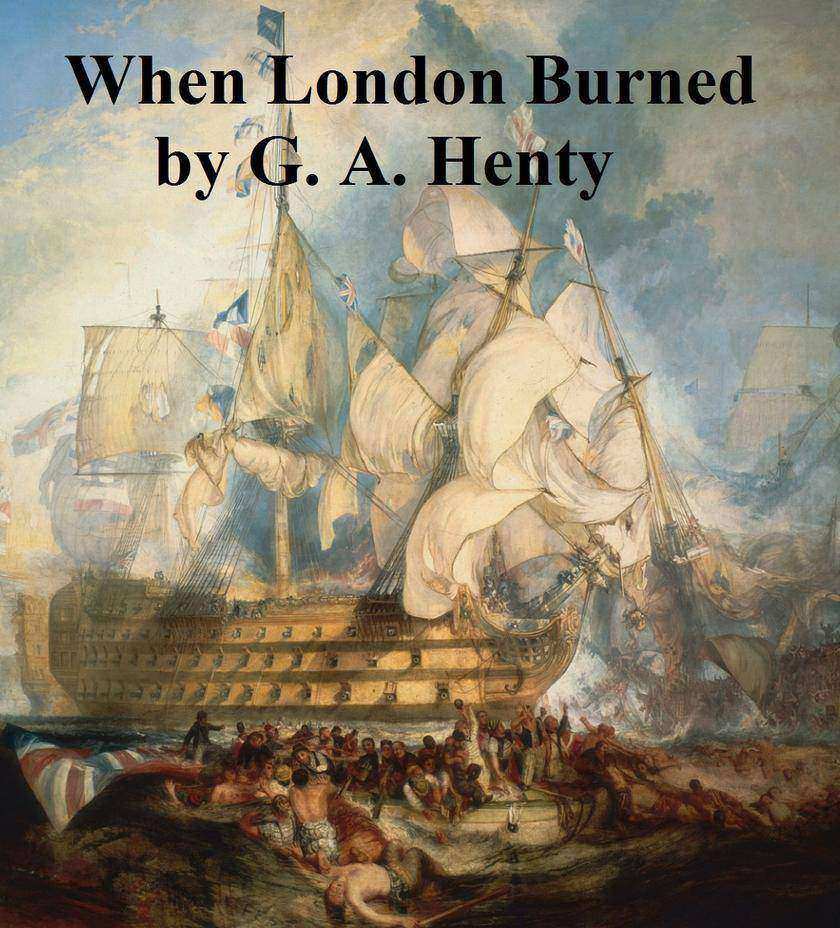
When London Burned
¥8.09
Historical novel set in England in the middle of the seventeenth century. The Preface begins: "We are accustomed to regard the Reign of Charles II. as one of the most inglorious periods of English History; but this was far from being the case. ... the extravagance and profligacy of the Court were carried to a point unknown before or since, forming...-the main cause of the overthrow of the House of Stuart. But, ...the nation made extraordinary advances in commerce and wealth, while the valour of our sailors was as conspicuous under the Dukes of York and Albemarle, Prince Rupert and the Earl of Sandwich... and their victories resulted in transferring the commercial as well as the naval supremacy of Holland to this country. In spite of the cruel blows inflicted on the well-being of the country, alike by the extravagance of the Court, the badness of the Government, the Great Plague, and the destruction of London by fire, an extraordinary extension of of our trade occurred during the reign of Charles II." Historical novel set in Spain, where the British battled the French in the Napoleonic Wars. The Preface begins: ""As many boys into whose hands the present volume may fall will not have read my last year's book, With Moore in Corunna, of which this is a continuation, it is necessary that a few words should be said, to enable them to take up the thread of the story. It was impossible, in the limits of one book, to give even an outline of the story of the Peninsular War, without devoting the whole space to the military operations. It would, in fact, have been a history rather than a tale; and it accordingly closed with the passage of the Douro, and the expulsion of the French from Portugal." According to Wikipedia: "George Alfred Henty (8 December 1832 - 16 November 1902), referred to as G. A. Henty, was a prolific English novelist, special correspondent, and Imperialist born in Trumpington, Cambridgeshire, England. He is best known for his historical adventure stories that were popular in the late 19th century. His works include Out on the Pampas (1871), The Young Buglers (1880), With Clive in India (1884) and Wulf the Saxon (1895)."
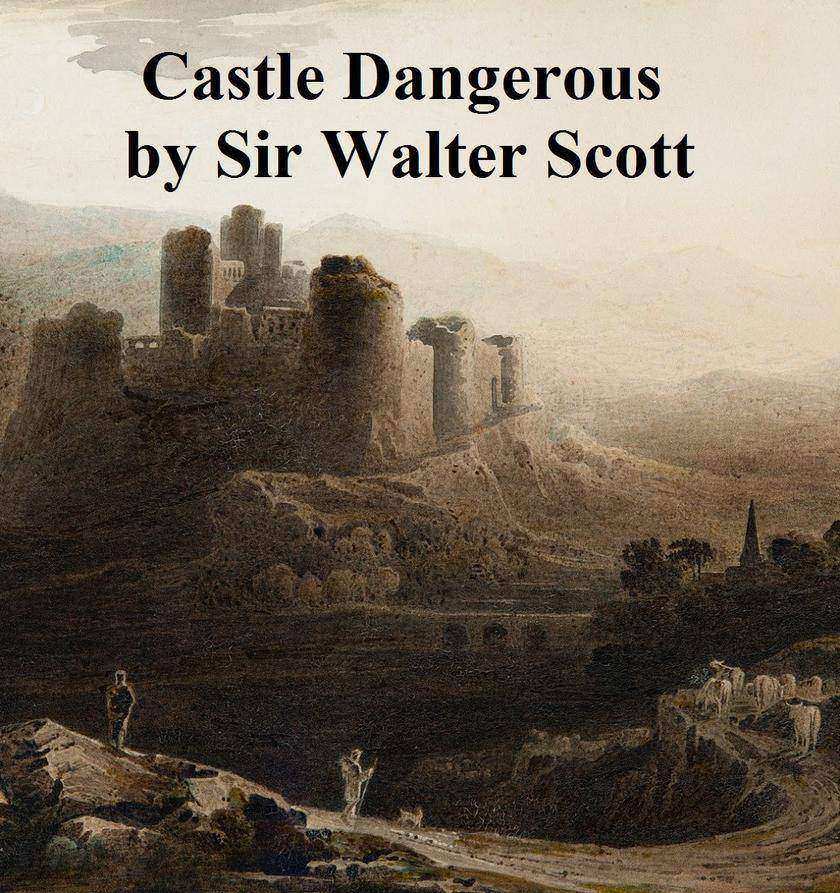
Castle Dangerous
¥8.09
Historical novel set in Kirkcudbrightshire in 1307. From the 1832 Introduction: "The incidents on which the ensuing Novel mainly turns, are derived from the ancient Metrical Chronicle of "The Brace," by Archdeacon Barbour, and from the "History of the Houses of Douglas and Angus," by David Hume of Godscroft; and are sustained by the immemorial tradition of the western parts of Scotland. They are so much in consonance with the spirit and manners of the troubled age to which they are referred, that I can see no reason for doubting their being founded in fact; the names, indeed, of numberless localities in the vicinity of Douglas Castle, appear to attest, beyond suspicion, many even of the smallest circumstances embraced in the story of Godscroft." According to Wikipedia: "Sir Walter Scott, 1st Baronet (1771 – 1832) was a prolific Scottish historical novelist and poet popular throughout Europe during his time. In some ways Scott was the first English-language author to have a truly international career in his lifetime, with many contemporary readers all over Europe, Australia, and North America. His novels and poetry are still read, and many of his works remain classics of both English-language literature and of Scottish literature. Famous titles include Ivanhoe, Rob Roy, The Lady of The Lake, Waverley, The Heart of Midlothian and The Bride of Lammermoor."
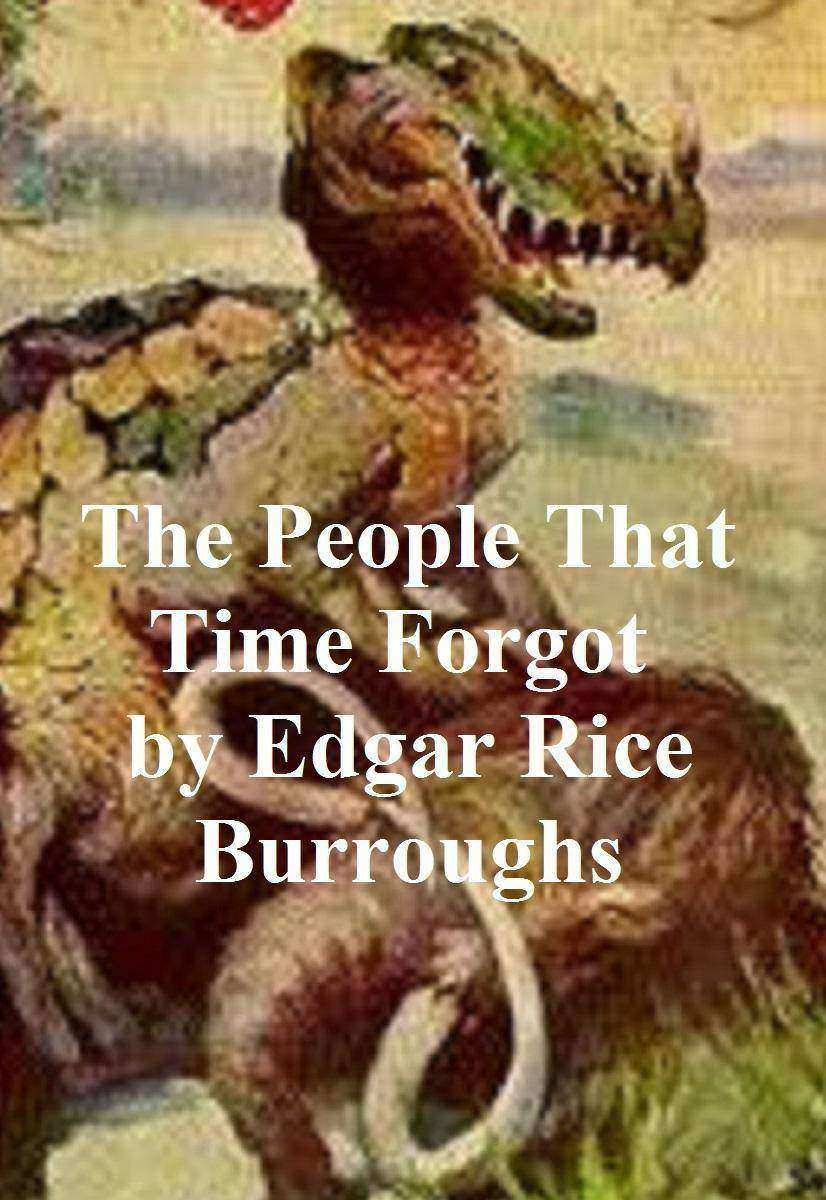
The People that Time Forgot: Second Novel of the Caspak Series
¥8.09
Adventure novel first published in 1918. According to Wikipedia: "Edgar Rice Burroughs (1875 – 1950) was an American author, best known for his creation of the jungle hero Tarzan and the heroic John Carter, although he produced works in many genres."
Under Wellington's Command
¥8.09
Historical novel set in Spain, where the British battled the French in the Napoleonic Wars. The Preface begins: ""As many boys into whose hands the present volume may fall will not have read my last year's book, With Moore in Corunna, of which this is a continuation, it is necessary that a few words should be said, to enable them to take up the thread of the story. It was impossible, in the limits of one book, to give even an outline of the story of the Peninsular War, without devoting the whole space to the military operations. It would, in fact, have been a history rather than a tale; and it accordingly closed with the passage of the Douro, and the expulsion of the French from Portugal." According to Wikipedia: "George Alfred Henty (8 December 1832 - 16 November 1902), referred to as G. A. Henty, was a prolific English novelist, special correspondent, and Imperialist born in Trumpington, Cambridgeshire, England. He is best known for his historical adventure stories that were popular in the late 19th century. His works include Out on the Pampas (1871), The Young Buglers (1880), With Clive in India (1884) and Wulf the Saxon (1895)."
Jack Archer
¥8.09
Historical novel set in the Crimean War. According to Wikipedia: "George Alfred Henty (8 December 1832 - 16 November 1902), referred to as G. A. Henty, was a prolific English novelist, special correspondent, and Imperialist born in Trumpington, Cambridgeshire, England. He is best known for his historical adventure stories that were popular in the late 19th century. His works include Out on the Pampas (1871), The Young Buglers (1880), With Clive in India (1884) and Wulf the Saxon (1895)."
Kidnapped
¥8.09
Historical novel, by the author of Treasure Island. According to Wikipedia: "Robert Louis Balfour Stevenson (13 November 1850–3 December 1894), was a Scottish novelist, poet, essayist and travel writer. He was the man who "seemed to pick the right word up on the point of his pen, like a man playing spillikins", as G. K. Chesterton put it."
The Black Dwarf
¥8.09
Historical novel, first published in 1816. Set in the Scottish Borders, in 1707. According to Wikipedia: "Sir Walter Scott, 1st Baronet (1771 – 1832) was a prolific Scottish historical novelist and poet popular throughout Europe during his time. In some ways Scott was the first English-language author to have a truly international career in his lifetime, with many contemporary readers all over Europe, Australia, and North America. His novels and poetry are still read, and many of his works remain classics of both English-language literature and of Scottish literature. Famous titles include Ivanhoe, Rob Roy, The Lady of The Lake, Waverley, The Heart of Midlothian and The Bride of Lammermoor."
Saint Bartholomew's Eve
¥8.09
Historical novel, set in 16th century France, focusing on the conflict between Protestants and Catholics. The Preface begins: "It is difficult, in these days of religious toleration, to understand why men should, three centuries ago, have flown at each others' throats in the name of the Almighty; still less how, in cold blood, they could have perpetrated hideous massacres of men, women, and children. The Huguenot wars were, however, as much political as religious. Philip of Spain, at that time the most powerful potentate of Europe, desired to add France to the countries where his influence was all powerful; and in the ambitious house of Guise he found ready instruments." According to Wikipedia: "George Alfred Henty (8 December 1832 - 16 November 1902), referred to as G. A. Henty, was a prolific English novelist, special correspondent, and Imperialist born in Trumpington, Cambridgeshire, England. He is best known for his historical adventure stories that were popular in the late 19th century. His works include Out on the Pampas (1871), The Young Buglers (1880), With Clive in India (1884) and Wulf the Saxon (1895)."
The Field of Ice
¥8.09
Classic adventure novel by Jules Verne. According to Wikipedia: "Jules Gabriel Verne (February 8, 1828 – March 24, 1905) was a French author who pioneered the science-fiction genre. He is best known for his novels Journey to the Center of the Earth (written in 1864), From the Earth to the Moon (1865), Twenty Thousand Leagues Under the Sea (1869–1870), and Around the World in Eighty Days (1873). Verne wrote about space, air, and underwater travel before navigable aircraft and practical submarines were invented, and before any means of space travel had been devised. Consequently he is often referred to as the "Father of science fiction", along with H. G. Wells. Verne is the second most translated author of all time, only behind Agatha Christie with 4162 translations..."

The Dragon and the Raven
¥8.09
Historical novel, set in England in the ninth century. According to Wikipedia: "George Alfred Henty (8 December 1832 - 16 November 1902), referred to as G. A. Henty, was a prolific English novelist, special correspondent, and Imperialist born in Trumpington, Cambridgeshire, England. He is best known for his historical adventure stories that were popular in the late 19th century. His works include Out on the Pampas (1871), The Young Buglers (1880), With Clive in India (1884) and Wulf the Saxon (1895)."

Les Cinq Cents Millions de Begum
¥8.09
Roman d'aventure classique, en fran?ais original. Selon Wikipédia: ?Jules Gabriel Verne (8 février 1828 - 24 mars 1905) est un auteur fran?ais qui a été le pionnier du genre de la science-fiction, notamment des romans comme Voyage au centre de la terre (1864), Vingt mille lieues sous la mer (1870) et autour du monde en quatre-vingts jours (1873) Verne a écrit sur l'espace, l'air et les voyages sous-marins avant que les voyages aériens et les sous-marins pratiques soient inventés. Selon Index Translationum, il est le troisième auteur le plus traduit au monde, certains de ses livres ont été transformés en films ... Verne, avec HG Wells, est souvent surnommé le ?père de la science-fiction?

Les Enfants du Capitaine Grant
¥8.09
Roman d'aventure classique, en fran?ais original. Selon Wikipédia: ?Jules Gabriel Verne (8 février 1828 - 24 mars 1905) est un auteur fran?ais qui a été le pionnier du genre de la science-fiction, notamment des romans comme Voyage au centre de la terre (1864), Vingt mille lieues sous la mer (1870) et autour du monde en quatre-vingts jours (1873) Verne a écrit sur l'espace, l'air et les voyages sous-marins avant que les voyages aériens et les sous-marins pratiques soient inventés. Selon Index Translationum, il est le troisième auteur le plus traduit au monde, certains de ses livres ont été transformés en films ... Verne, avec HG Wells, est souvent surnommé le ?père de la science-fiction?
Adrift in the Wilds, Or the Adventures of Two Shipwrecked Boys
¥8.09
Classic adventure novel. According to Wikipedia: "Edward Sylvester Ellis (April 11, 1840 – June 20, 1916) was an American author who was born in Ohio and died at Cliff Island, Maine. Ellis was a teacher, school administrator, and journalist, but his most notable work was that that he performed as author of hundreds of dime novels that he produced under his name and a number of noms de plume. Notable works by Ellis include The Huge Hunter, or the Steam Man of the Prairies and Seth Jones, or the Captives of the Frontier. Internationally, Edward S. Ellis is probably best known for his Deerhunter novels widely read by young boys up to the 1950s (together with works by James Fenimore Cooper and Karl May). In the mid-1880s, after a fiction-writing career of some thirty years, Ellis eventually turned his pen to more serious works of biography, history, and persuasive writing."

Before the Dawn
¥8.09
Historical novel, set in the Civil War. According to Wikipedia: "Joseph Alexander Altsheler (1862 - 1919), was an American author of popular juvenile historical fiction. Altsheler was born in Three Springs, Kentucky to Joseph and Louise Altsheler. In 1885, he took a job at the Louisville Courier-Journal as a reporter and later, an editor. He started working for the New York World in 1892, first as the paper's Hawaiian correspondent and then as the editor of the World's tri-weekly magazine. Due to a lack of suitable stories, he began writing children's stories for the magazine."

Deerfoot in the Mountains
¥8.09
Classic adventure novel. According to Wikipedia: "Edward Sylvester Ellis (April 11, 1840 – June 20, 1916) was an American author who was born in Ohio and died at Cliff Island, Maine. Ellis was a teacher, school administrator, and journalist, but his most notable work was that that he performed as author of hundreds of dime novels that he produced under his name and a number of noms de plume. Notable works by Ellis include The Huge Hunter, or the Steam Man of the Prairies and Seth Jones, or the Captives of the Frontier. Internationally, Edward S. Ellis is probably best known for his Deerhunter novels widely read by young boys up to the 1950s (together with works by James Fenimore Cooper and Karl May). In the mid-1880s, after a fiction-writing career of some thirty years, Ellis eventually turned his pen to more serious works of biography, history, and persuasive writing."
In the Irish Brigade
¥8.09
Historical novel, set in the early 18th century. From the Preface: "For records of the doings of some of the regiments of the Irish Brigade, during the years 1706-1710, I am indebted to the painstaking account of the Irish Brigade in the service of France, by J. C. O'Callaghan; while the accounts of the war in Spain are drawn from the official report, given in Boyer's Annals of the Reign of Queen Anne, which contains a mine of information of the military and civil events of the time." According to Wikipedia: "George Alfred Henty (8 December 1832 - 16 November 1902), referred to as G. A. Henty, was a prolific English novelist, special correspondent, and Imperialist born in Trumpington, Cambridgeshire, England. He is best known for his historical adventure stories that were popular in the late 19th century. His works include Out on the Pampas (1871), The Young Buglers (1880), With Clive in India (1884) and Wulf the Saxon (1895)."

The Hunters of the Ozark
¥8.09
Classic adventure novel. According to Wikipedia: "Edward Sylvester Ellis (April 11, 1840 – June 20, 1916) was an American author who was born in Ohio and died at Cliff Island, Maine. Ellis was a teacher, school administrator, and journalist, but his most notable work was that that he performed as author of hundreds of dime novels that he produced under his name and a number of noms de plume. Notable works by Ellis include The Huge Hunter, or the Steam Man of the Prairies and Seth Jones, or the Captives of the Frontier. Internationally, Edward S. Ellis is probably best known for his Deerhunter novels widely read by young boys up to the 1950s (together with works by James Fenimore Cooper and Karl May). In the mid-1880s, after a fiction-writing career of some thirty years, Ellis eventually turned his pen to more serious works of biography, history, and persuasive writing."
The Lion of St. Mark
¥8.09
Historical novel. According to the Preface: "Of all the chapters of history, there are few more interesting or wonderful than that which tells the story of the rise and progress of Venice. Built upon a few sandy islands in a shallow lagoon, and originally founded by fugitives from the mainland, Venice became one of the greatest and most respected powers of Europe. She was mistress of the sea; conquered and ruled over a considerable territory bordering on the Adriatic; checked the rising power of the Turks; conquered Constantinople; successfully defied all the attacks of her jealous rivals to shake her power; and carried on a trade relatively as great as that of England in the present day. I have laid my story in the time not of the triumphs of Venice, but of her hardest struggle for existence--when she defended herself successfully against the coalition of Hungary, Padua, and Genoa--for never at any time were the virtues of Venice, her steadfastness, her patriotism, and her willingness to make all sacrifice.. According to Wikipedia: "George Alfred Henty (8 December 1832 - 16 November 1902), referred to as G. A. Henty, was a prolific English novelist, special correspondent, and Imperialist born in Trumpington, Cambridgeshire, England. He is best known for his historical adventure stories that were popular in the late 19th century. His works include Out on the Pampas (1871), The Young Buglers (1880), With Clive in India (1884) and Wulf the Saxon (1895)."


