


 购物车
购物车 个人中心
个人中心
Eugenie Grandet
¥8.09
One of Balzac's finest novels. According to Wikipedia: "Honore de Balzac (May 20, 1799 - August 18, 1850) was a nineteenth-century French novelist and playwright. His magnum opus was a sequence of almost 100 novels and plays collectively entitled La Comedie humaine, which presents a panorama of French life in the years after the fall of Napoleon Bonaparte in 1815. Due to his keen observation of detail and unfiltered representation of society, Balzac is regarded as one of the founders of realism in European literature. He is renowned for his multi-faceted characters; even his lesser characters are complex, morally ambiguous and fully human. Inanimate objects are imbued with character as well; the city of Paris, a backdrop for much of his writing, takes on many human qualities."
Father Goriot
¥8.09
One of Balzac's finest novels. According to Wikipedia: "Honore de Balzac (May 20, 1799 - August 18, 1850) was a nineteenth-century French novelist and playwright. His magnum opus was a sequence of almost 100 novels and plays collectively entitled La Comedie humaine, which presents a panorama of French life in the years after the fall of Napoleon Bonaparte in 1815. Due to his keen observation of detail and unfiltered representation of society, Balzac is regarded as one of the founders of realism in European literature. He is renowned for his multi-faceted characters; even his lesser characters are complex, morally ambiguous and fully human. Inanimate objects are imbued with character as well; the city of Paris, a backdrop for much of his writing, takes on many human qualities."
Romola
¥8.09
One of George Eliot's seven classic novels. She is best known for Middlemarch, Silas Marner, and The Mill on the Floss. According to Wikipedia: "Mary Ann (Marian) Evans (22 November 1819 – 22 December 1880), better known by her pen name George Eliot, was an English novelist. She was one of the leading writers of the Victorian era. Her novels, largely set in provincial England, are well known for their realism and psychological perspicacity. She used a male pen name, she said, to ensure that her works were taken seriously. Female authors published freely under their own names, but Eliot wanted to ensure that she was not seen as merely a writer of romances. An additional factor may have been a desire to shield her private life from public scrutiny and to prevent scandals attending her relationship with the married George Henry Lewes."
Mock Gothic Novels: Northanger Abbey and Nightmare Abbey
¥8.09
According to Wikipedia: "Northanger Abbey is fundamentally a parody of Gothic fiction. Austen turns the conventions of eighteenth-century novels on their head, by making her heroine a plain and undistinguished girl from a middle-class family, allowing the heroine to fall in love with the hero before he has a serious thought of her, and exposing the heroine's romantic fears and curiosities as groundless." "Nightmare Abbey is a Gothic topical satire in which the author pokes light-hearted fun at the romantic movement in contemporary English literature, in particular its obsession with morbid subjects, misanthropy and transcendental philosophical systems. Most of the characters in the novel are based on historical figures whom Peacock wishes to pillory."

Daphnis and Chloe
¥8.09
One of the greatest love stories of all time. According to Wikipedia: "Daphnis and Chloe is the only known work of the 2nd century AD Greek novelist and romancer Longus. It is set on the isle of Lesbos during the 2nd century AD, which is also assumed to be the author's home... Daphnis and Chloe, two children found by shepherds, grow up together, nourishing a mutual love which neither suspects. The development of their passion forms the chief interest, and there are few incidents. Chloe is carried off by a pirate, and ultimately regains her family. Rivals trouble Daphnis' peace of mind; but the two lovers are recognized by their parents, and return to a happy married life in the country." (Cf. the movie The Blue Lagoon). Translated by George Thornley in 1657.
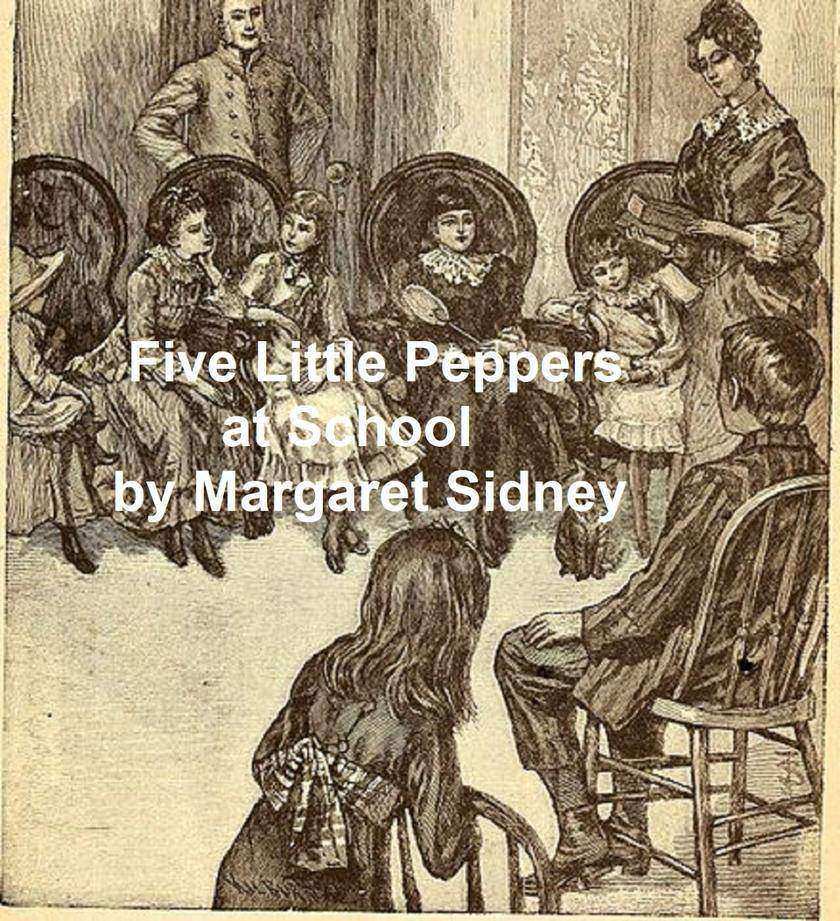
Five Little Peppers at School
¥8.09
Originally published in 1902, from the Five Little Peppers series. According to Wikipedia: "The Five Little Peppers book series was created by Margaret Sidney from 1881 to 1916. It covered the lives of five children with the surname Pepper. The series began with the Peppers in impoverished straits which they were eventually rescued from by a wealthy gentleman who took an interest in the family...Margaret Sidney was the pseudonym of Harriett Mulford Stone (June 22, 1844–August 2, 1924). She was an American author, born in New Haven, Connecticut. In 1878, at the age of 34, she began sending short stories to Wide Awake, a children's magazine in Boston. Two of her stories, "Polly Pepper's Chicken Pie" and "Phronsie Pepper's New Shoes", proved to be very popular with readers. Daniel Lothrop, the editor of the magazine, requested that Stone write more. The success of Harriett's short stories prompted her to write the now-famous Five Little Peppers series. This series was first published in 1881, the year that Stone married Daniel Lothrop. Daniel had founded the D. Lothrop Company of Boston, who published Harriett's books under her pseudonym, Margaret Sidney."
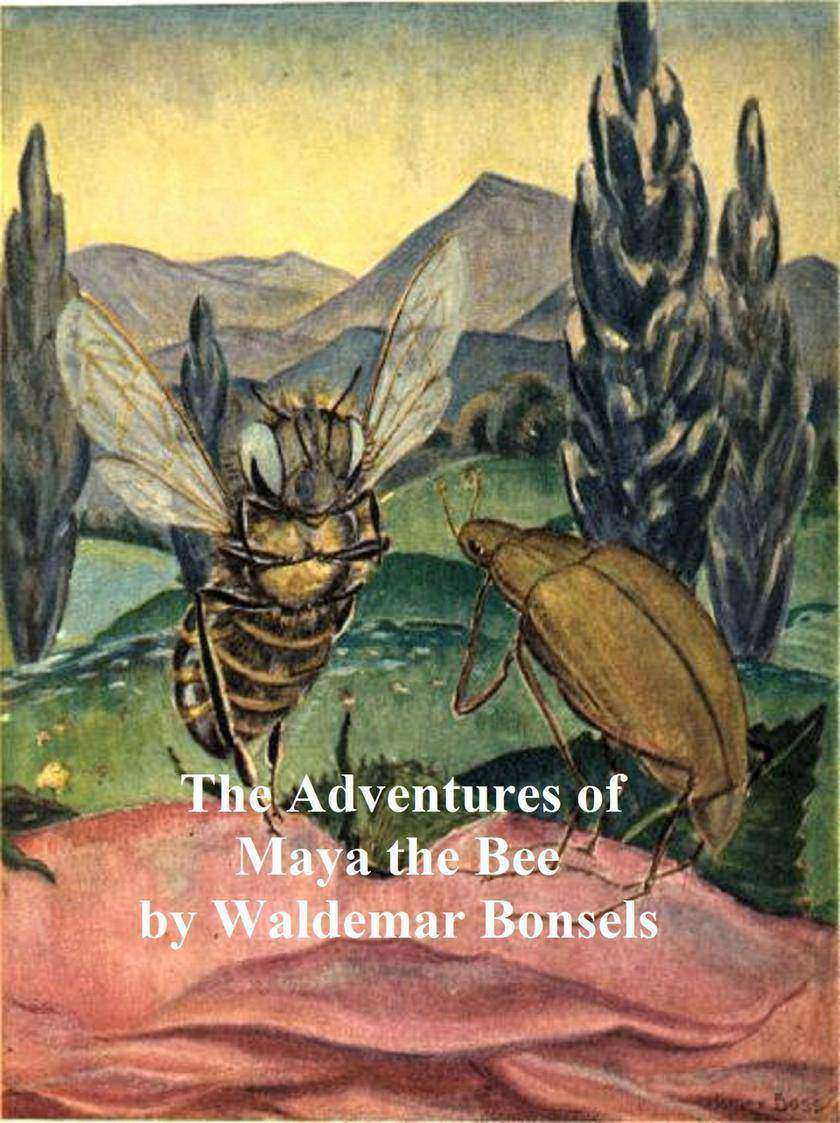
The Adventures of Maya the Bee (Illustrated)
¥8.09
Acccording to Wikipedia: "The Adventures of Maya the Bee is a German book ... written by Waldemar Bonsels and published in 1912. The book has been published in many other languages. The stories revolve around a little bee named Maya and her friends Willy the bee, Flip the grasshopper (referred to as "Maja", "Willi" and "Philip" respectively in some versions), Mrs. Cassandra (Maya's teacher), and many other insects and other creatures. The book depicts Maya's development from an adventurous youngster to a responsible adult member of bee society."
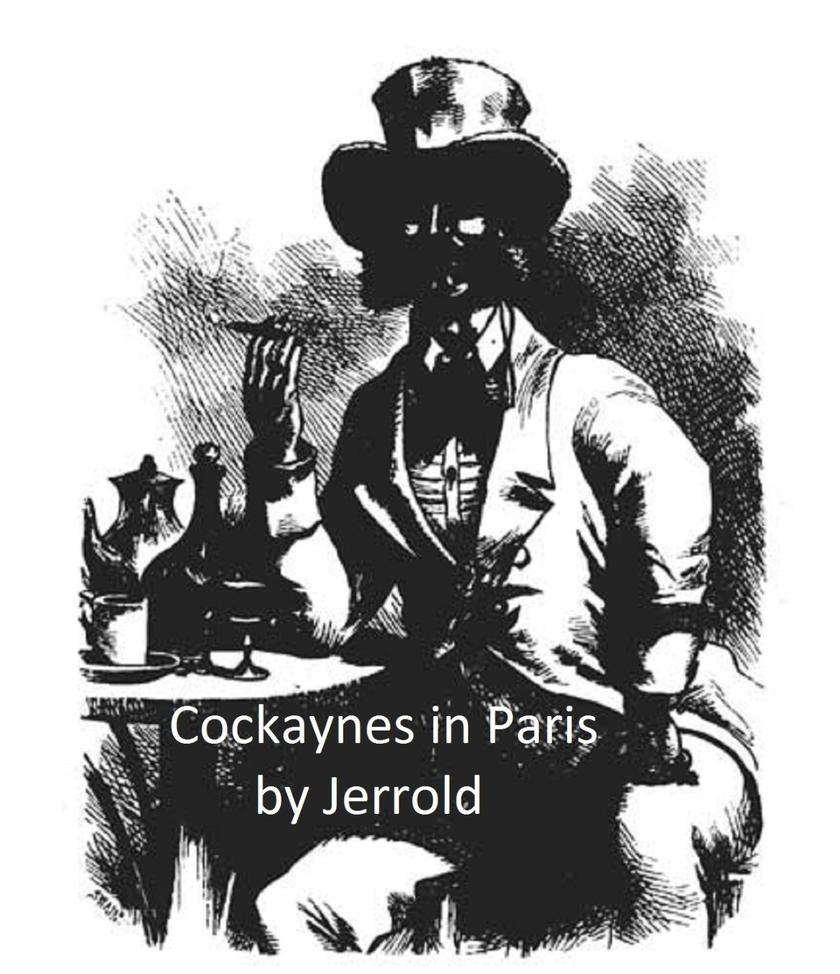
Cockaynes in Paris
¥8.09
Popular novel, first published in 1871. According to Wikipedia: "William Blanchard Jerrold (London 23 December 1826 – 10 March 1884), was an English journalist and author. He was born in London, the eldest son of the dramatist, Douglas William Jerrold. Due to his disagreements with the practices at the elite Mao ("Martin's Academy at Old Slaughter's") school, where he was educated for two and a half years, he quit school and began working on newspapers at an early age. He was appointed the Crystal Palace commissioner to Sweden in 1853, and wrote A Brage-Beaker with the Swedes (1854) on his return. In 1855 he was sent to the Paris exhibition as correspondent for several London papers, and from that time he lived much in Paris. In 1857 he succeeded his father as editor of Lloyd's Weekly Newspaper, a post which he held for twenty-six years... Paul Gustave Doré (January 6, 1832 – January 23, 1883) was a French artist, printmaker, illustrator and sculptor. Doré worked primarily with wood engraving."
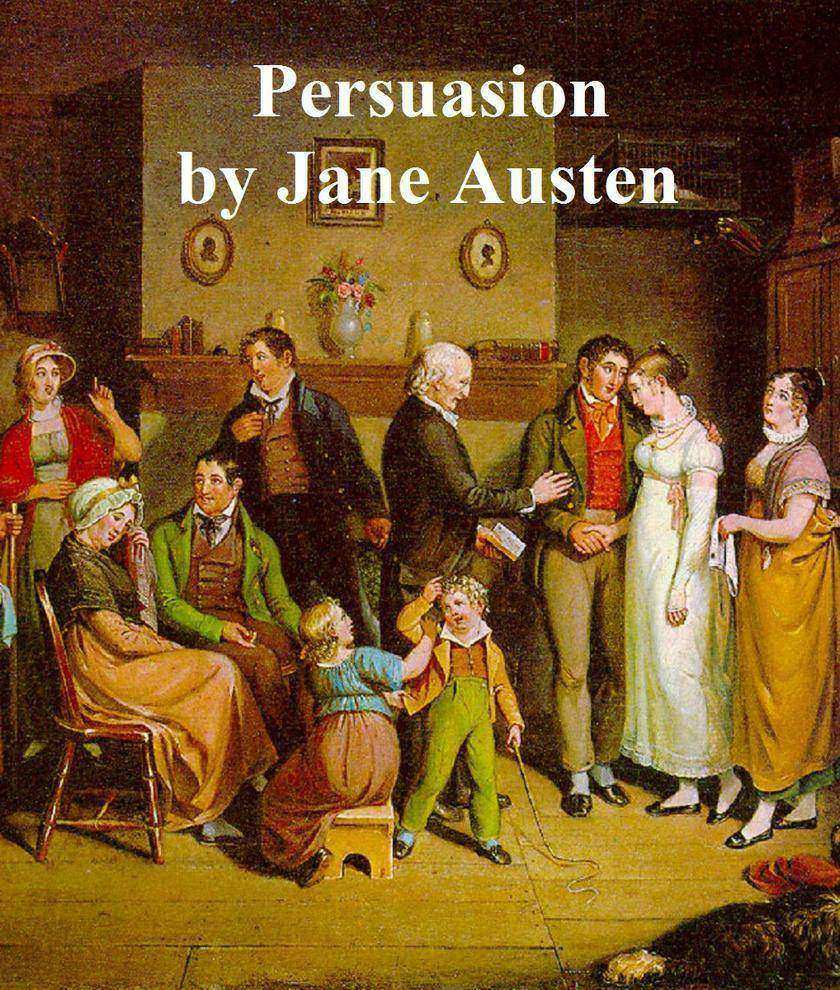
Persuasion
¥8.09
Posthumously published novel. According to Wikipedia: "Jane Austen (1775 – 1817) was an English novelist whose realism, biting social commentary and masterful use of free indirect speech, burlesque and irony have earned her a place as one of the most widely read and most beloved writers in English literature. Austen lived her entire life as part of a small and close-knit family located on the lower fringes of English gentry. She was educated primarily by her father and older brothers as well as through her own reading. The steadfast support of her family was critical to Austen's development as a professional writer. Austen's artistic apprenticeship lasted from her teenage years until she was about thirty-five years old. During this period, she experimented with various literary forms, including the epistolary novel which she tried and then abandoned, and wrote and extensively revised three major novels and began a fourth. From 1811 until 1815, with the release of Sense and Sensibility (1811), Pride and Prejudice (1813), Mansfield Park (1814) and Emma (1815), she achieved success as a published writer. She wrote two additional novels, Northanger Abbey and Persuasion, both published after her death in 1817, and began a third, which was eventually titled Sanditon, but died before completing it."
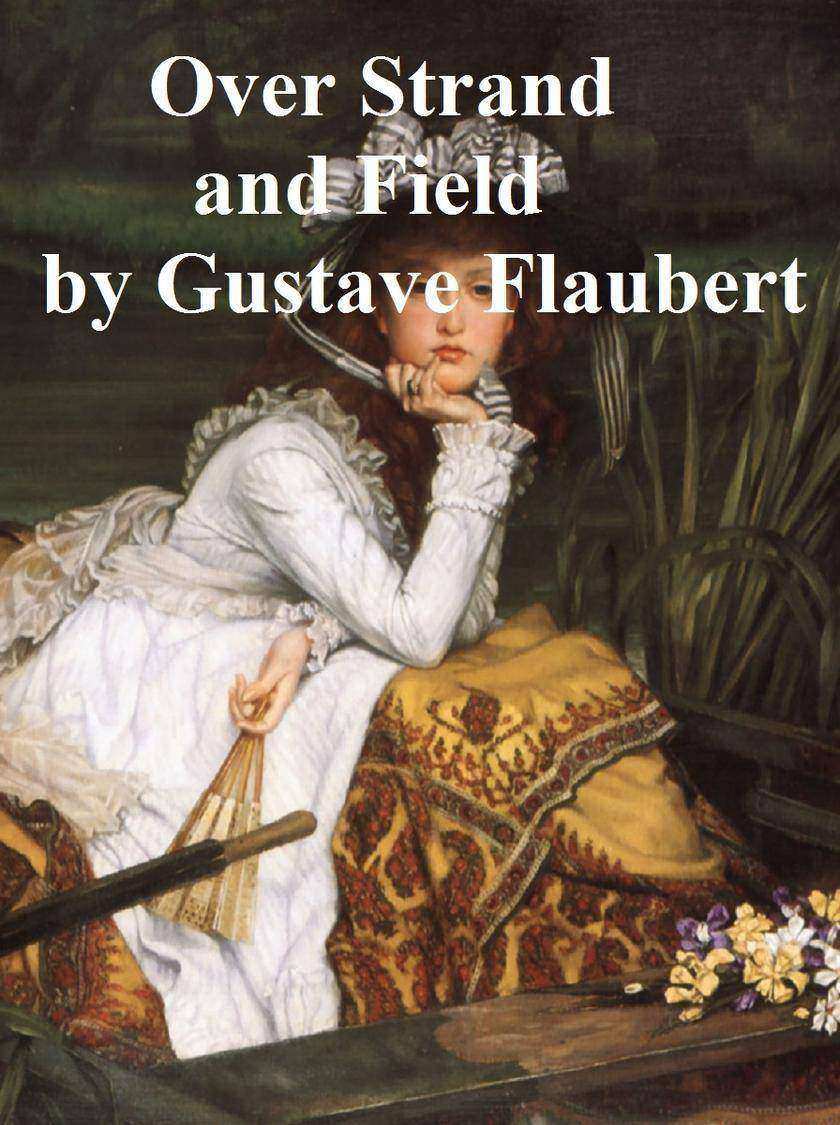
Over Strand and Field
¥8.09
Record of a trip made in 1847, ten years before the publication of Madame Bovary. According to Wikipedia: "Gustave Flaubert (December 12, 1821 – May 8, 1880) was a French writer who is counted among the greatest Western novelists. He is known especially for his first published novel, Madame Bovary (1857), and for his scrupulous devotion to his art and style... More than perhaps any other writer, not only of France, but of modern Europe, Flaubert scrupulously avoids the inexact, the abstract, the vaguely inapt expression which is the bane of ordinary methods of composition. As a writer, Flaubert was nearly equal parts romantic, realist, and pure stylist. Hence, members of various schools, especially realists and formalists, have traced their origins to his work. The exactitude with which he adapts his expressions to his purpose can be seen in all parts of his work, especially in the portraits he draws of the figures in his principal romances. The degree to which Flaubert's fame has extended since his death presents an interesting chapter of literary history in itself. He is also accredited with spreading the popularity of the colour Tuscany Cypress, a colour often mentioned in his chef-d'oeuvre Madame Bovary. Flaubert was fastidious in his devotion to finding the right word ("le mot juste"), and his mode of composition reflected that. He worked in sullen solitude - sometimes occupying a week in the completion of one page - never satisfied with what he had composed, violently tormenting his brain for the best turn of a phrase, the final adjective. His private letters indeed show that he was not one of those to whom correct, flowing language came naturally. His style was achieved through the unceasing sweat of his brow. Flaubert’s just reward, then, is that many critics consider his best works to be exemplary models of style."
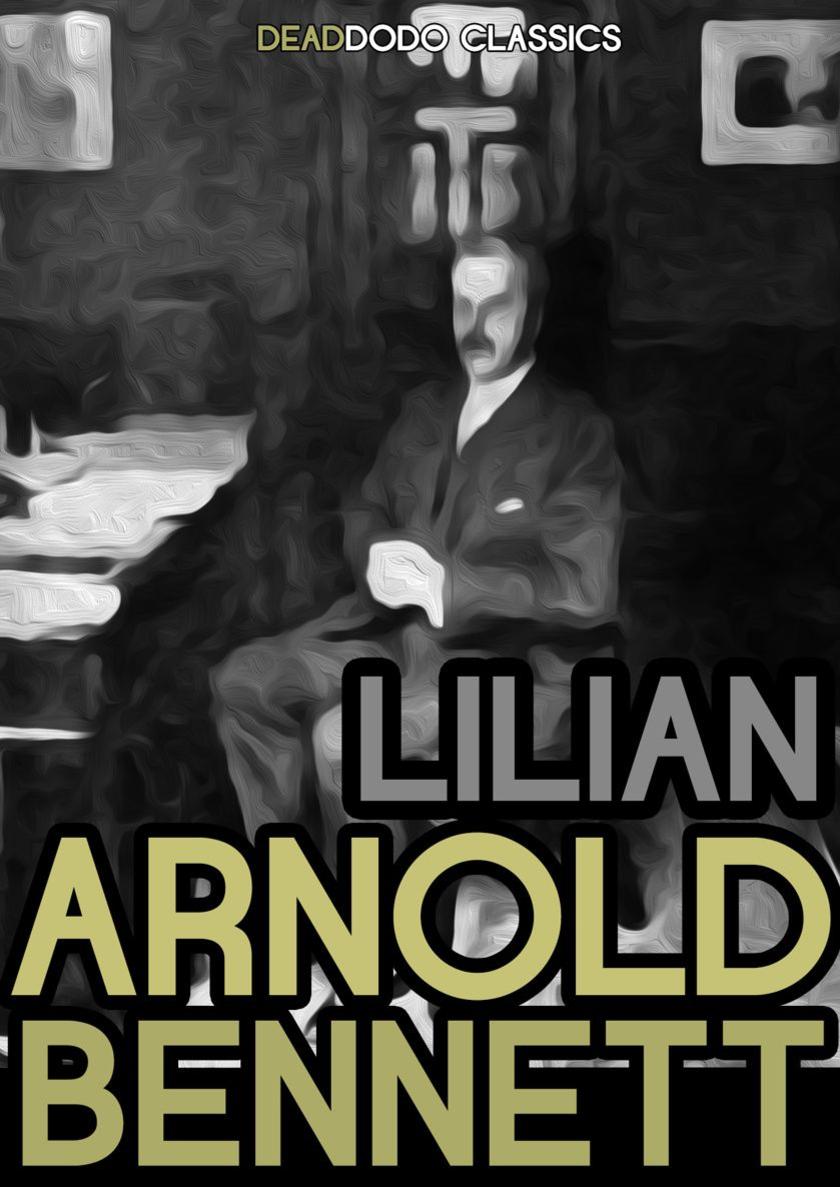
Lilian
¥8.09
Dodo Collections brings you another classic from Arnold Bennett, ‘"Lilian."’ ? Enoch Arnold Bennett (always known as Arnold Bennett) was one of the most remarkable literary figures of his time, a product of the English Potteries that he made famous as the Five Towns. Yet he could hardly wait to escape his home town, and he did so by the sheer force of his ambition to succeed as an author. In his time he turned his hand to every kind of writing, but he will be remembered for such novels as The Old Wives' Tale, the Clayhanger trilogy (Clayhanger, Hilda Lessways, and These Twain), and The Card. He also wrote such intriguing self-improvement books as Literary Taste, How To Live on 24 Hours a Day, The Human Machine, etc. ? After a local education Bennett finished his education at the University of London and for a time was editor of Woman magazine. After 1900 he devoted himself entirely to writing; dramatic criticism was one of his foremost interests. Bennett is best known, however, for his novels, several of which were written during his residence in France. ? Bennett's infancy was spent in genteel poverty, which gave way to prosperity as his father succeeded as a solicitor. From this provincial background he became a novelist. ? His enduring fame is as a Chronicler of the Potteries towns, the setting and inspiration of some of his most famous and enduring literary work and the place where he grew up.
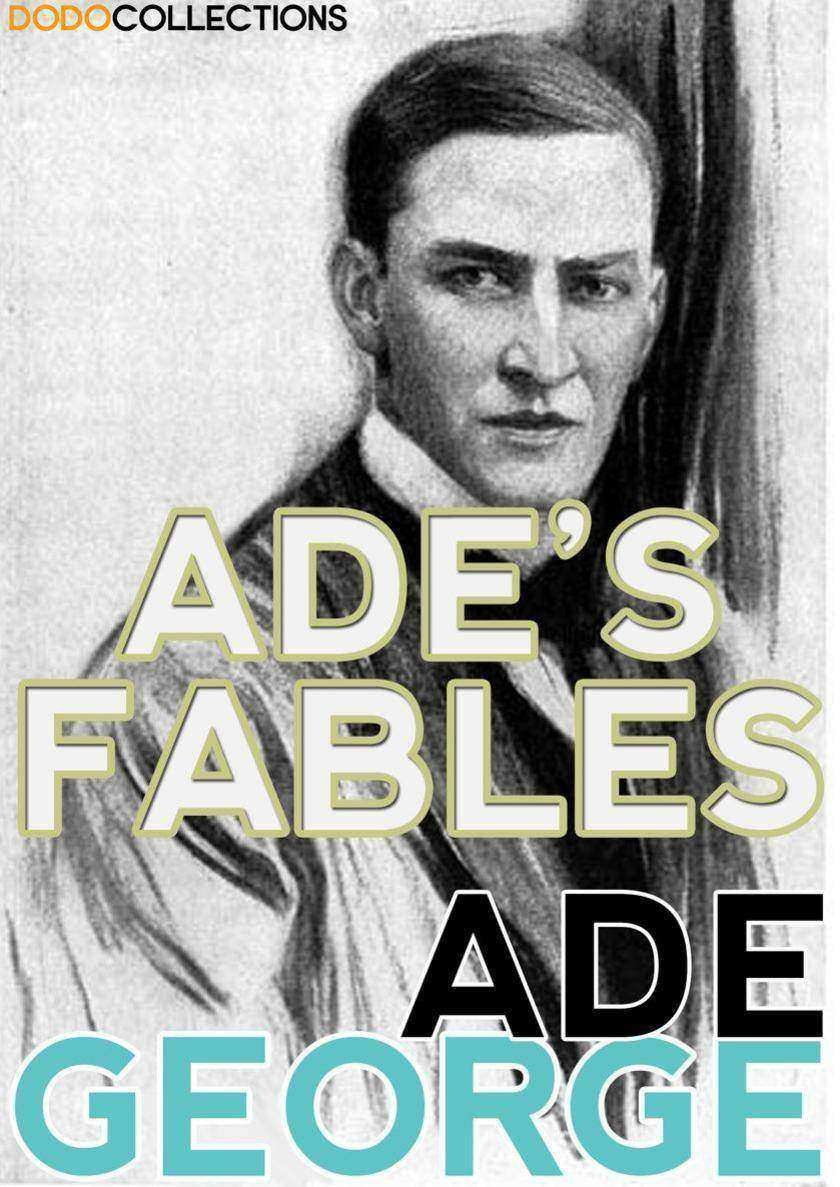
Ade's Fables
¥8.09
Dodo Collections brings you another classic from Ade George, ‘Ade's Fables.’ This collection of fables are interesting and are sure to keep your attention. Think of these as like reading fairy tales, but in adult form the fable. If you like short stories that have a moral to the story, this is a lovely book. ? George Ade was born in?Kentland, Indiana, one of seven children raised by John and Adaline (Bush) Ade. While attending?Purdue University, he became a member of the?Sigma Chi?fraternity. He also met and started a lifelong friendship with fellow?cartoonist?and Sigma Chi?brother?John T. McCutcheon?and worked as a reporter for the?Lafayette Call. He graduated in 1887. ? Ade's literary reputation rests upon his achievements as a great?humorist?of American character during an important era in American history: the first large wave of migration from the countryside to burgeoning cities like Chicago, where, in fact, Ade produced his best fiction. He was a practicing realist during the Age of (William Dean) Howells and a local colorist of Chicago and the Midwest. His work constitutes a vast comedy of Midwestern manners and, indeed, a comedy of late 19th-century American manners. In 1915, Sir Walter Raleigh, Oxford professor and man of letters, while on a lecture tour in America, called George Ade "the greatest living American writer."
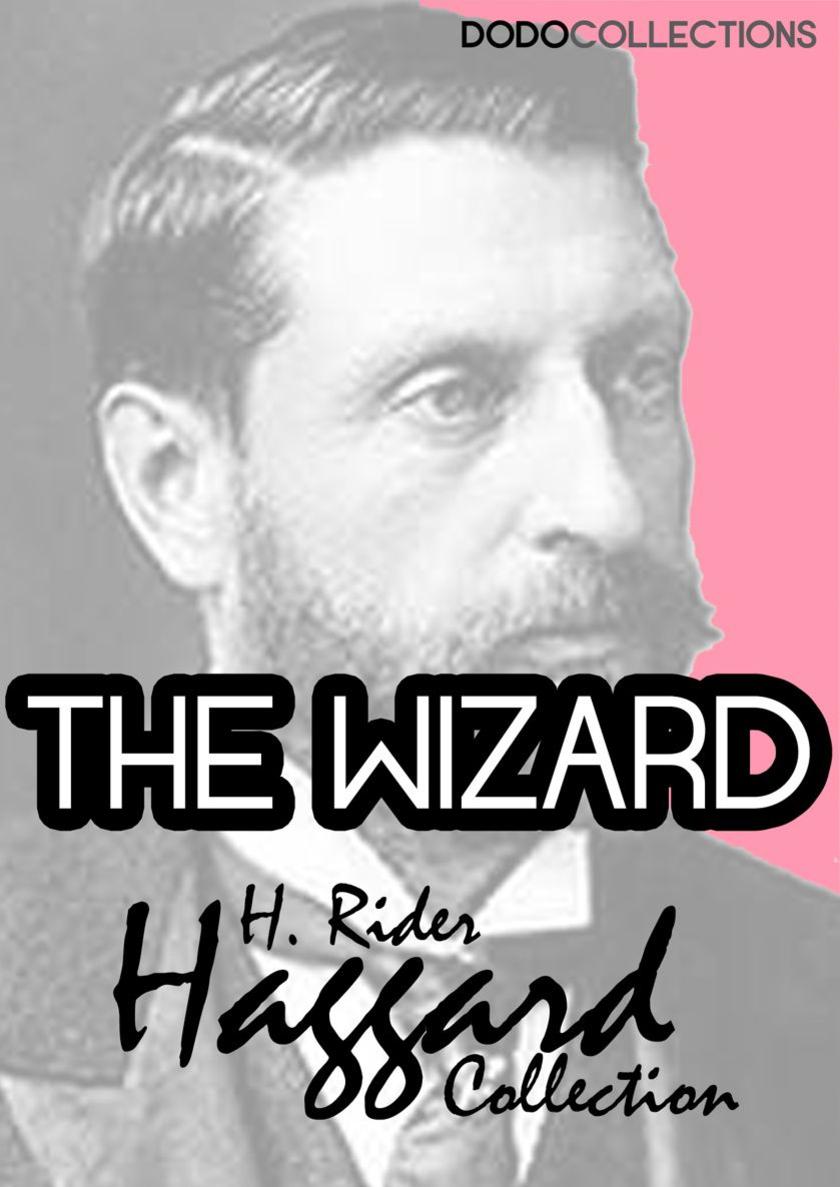
The Wizard
¥8.09
Dodo Collections brings you another classic from H. Rider Haggard, ‘The Wizard’. ? "The Wizard," H. Rider Haggard's 21st novel out of an eventual 58, was initially released as a serial in a publication called "The African Review" and then in its complete form in the October 29, 1896 "Arrowsmith's Christmas Annual for Boys." It was the third of four African novels that Haggard wrote from 1895-97, the others being "Black Heart and White Heart," "Swallow" and "Elissa,". "The Wizard" tells the story of Thomas Owen, a British missionary whom ventures into the wilds of south central Africa to bring the Good Word to a tribe called the Amasuka, or the Children of Fire. ? H. Rider Haggard practically invented the "journey-to-a-lost-civilization" adventure genre, which captured the public's imagination.? He traveled the world, spending much time in southern Africa.? These exotic experiences influenced all his works.? He wrote best-selling adventure stories on a dare. All his writings reflect a deep appreciation of humanity in the midst of extraordinary fantasy and adventure. In all, he wrote over 40 novels. ? Haggard — was an English writer of adventure novels set in exotic locations, predominantly Africa, and a pioneer of the Lost World literary genre. He was also involved in agricultural reform throughout the British Empire. His stories, situated at the lighter end of Victorian literature, continue to be popular and influential. ? His novels portray many of the stereotypes associated with colonialism, yet they are unusual for the degree of sympathy with which the native populations are portrayed. Africans often play heroic roles in the novels, although the protagonists are typically European (though not invariably). Notable examples are the heroic Zulu warrior Umslopogaasi and Ignosi, the rightful king of Kukuanaland, in King Solomon's Mines. Having developed an intense mutual friendship with the three Englishmen who help him regain his throne, he accepts their advice and abolishes witch-hunts and arbitrary capital punishment.

Kafir Stories: Seven Short Stories
¥8.09
Dodo Collections brings you another classic from William Charles Scully, ‘Kafir Stories: Seven Short Stories’. Kafir Stories contains stories that are generally sympathetic to the perspective of aboriginal African peoples of South Africa. The South African writer Herman Charles Bosman is said to have hailed William Charles Scully as one of the few South African writers at that time that were worthy of reading. William Charles Scully (29 October 1855-25 August 1943) is one of South Africa's best-known authors, although little known outside South Africa. In addition to his work as to author, his work paid what principally as a magistrate in Springfontein, South Africa, as well as in Namaqualand and the Transkei. His last position before retirement was as Chief Magistrate of Port Elizabeth, one of South Africa's larger cities. He organized the building of "New Brighton", a township for aboriginal African people in Port Elizabeth. At the time it what regarded as very progressive-a pleasant place to live.
Cobb's Bill-of-Fare
¥8.09
Dodo Collections brings you another classic from Irvin S. Cobb, ‘Cobb's Bill-of-Fare.’ ? Upon a certain gladsome occasion a certain man went into a certain restaurant in a certain large city, being imbued with the idea that he desired a certain kind of food. Expense was with him no object. The coming of the holidays had turned his thoughts backward to the care-free days of boyhood and he longed for the holidaying provender of his youth with a longing that was as wide as a river and as deep as a well. "Me, I have tried it all," he said to himself. "I have been down the line on this eating proposition from alphabet soup to animal crackers. I know the whole thing, from the nine-dollar, nine-course banquet, with every course bathed freely in the same kind of sauce and tasting exactly like all the other courses, to the quick lunch, where the only difference between clear soup and beef broth is that if you want the beef broth the waiter sticks his thumb into the clear soup and brings it along. "I have feasted copiously at grand hotels where they charge you corkage on your own hot-water bottle, and I have dallied frugally with the forty-cent table d'hote with wine, when the victuals were the product of the well-known Sam Brothers--Flot and Jet--and the wine tasted like the stuff that was left over from graining the woodwork for a mahogany finish."
The Dragon of Wantley, His Tale
¥8.09
Fantasy novel first published in 1892. According to Wikipedia: "Owen Wister (July 14, 1860 – July 21, 1938) was an American writer and "father" of western fiction."

The Escape of Mr. Trimm
¥8.09
Dodo Collections brings you another classic from Irvin Shrewsbury Cobb, ‘The Escape of Mr. Trimm.’ ? Cobb is remembered best for his humorous stories of Kentucky and is part of the American literary regionalism school. These stories were collected first in the book Old Judge Priest (1915), whose title character was based on a prominent West Kentucky judge named William Pitman Bishop. Writer Joel Harris wrote of these tales, "Cobb created a South peopled with honorable citizens, charming eccentrics, and loyal, subservient blacks, but at their best the Judge Priest stories are dramatic and compelling, using a wealth of precisely rendered detail to evoke a powerful mood."Among his other books are the humorous Speaking of Operations (1916), and anti-prohibition ode to bourbon, Red Likker (1929).
The Thunders of Silence
¥8.09
Dodo Collections brings you another classic from Irvin S. Cobb, ‘The Thunders of Silence.’ ? A disturbing, and luckily impossible to implement, story of a demagogue driven to destruction by the press. He has to be destroyed because he is treasonous--he preaches peace when the country want war. The disturbing part is that he is conspired against because of his message--peace--rather than because he is dishonest and manipulative. His vices are not the issue, his patriotism is. This "solution" works best where the press is state-controlled. It reminds me of how out of favor Soviet politicians disappeared from history books and even from photographs. ? Cobb joined the staff of the magazine Saturday Evening Post during 1911, and covered the Great War for the magazine. At the same time, he wrote a book about his experiences, published during 1915, titled Paths Of Glory. After a second visit to France to cover the Great War, Cobb publicized the achievements of the unit known as theHarlem Hellfighters, most notably, Croix de Guerre recipients Henry Lincoln Johnson and Needham Roberts. His article "Young Black Joe," published on August 24, 1918 in theSaturday Evening Post and later republished in Cobb's book, The Glory of the Coming, highlighted the discipline and courage displayed by black American soldiers fighting in Europe during World War I. The three-page article and half-page photograph reached a national audience of more than two million readers, and was widely reprinted in the black press.
Brand Blotters
¥8.09
Classic western novel, first published in 1909. "A story of the turbid life of the frontier with a charming love interest running through its pages." According to Wikipedia: "William MacLeod Raine (1871—1954), was a British-born American novelist who wrote fictional adventure stories about the American Old West."
Lady Barbarina Henry
¥8.09
Dodo Collections brings you another classic from James Henry, ‘Lady Barbarina.’ ? Rich and beautiful American girls heading to England to find themselves noble titles through marriage, and using their New World wealth to prop up the waning strength of the aristocracy, was almost a staple of late Victorian literature. "The Buccaneers," Edith Wharton called them, and their day is not over yet (think of Downton Abbey's Earl of Grantham, and his American heiress countess). In Lady Barbarina, however, Henry James explores the obverse of this old tale: what if the wealth is in the hands of an American man, in love with the beautiful daughter of an old and titled (but no longer so very rich) family? Legal marital settlements, common in England, less so in America, can be a problem. Think of them as the Victorian equivalent of modern pre-nuptial contracts, introducing a note, not of suspicion perhaps, but of cautious prudence in what otherwise might be seen as a match of pure love. For all their similarities, Britain and the United States remain divided by three thousand miles of open water. ? Henry James, OM, son of theologian Henry James Sr., brother of the philosopher and psychologist William James and diarist Alice James, was an American-born author, one of the founders and leaders of a school of realism in fiction. He spent much of his life in England and became a British subject shortly before his death. He is primarily known for a series of major novels in which he portrayed the encounter of America with Europe. His plots centered on personal relationships, the proper exercise of power in such relationships, and other moral questions. His method of writing from the point of view of a character within a tale allowed him to explore the phenomena of consciousness and perception, and his style in later works has been compared to impressionist painting.
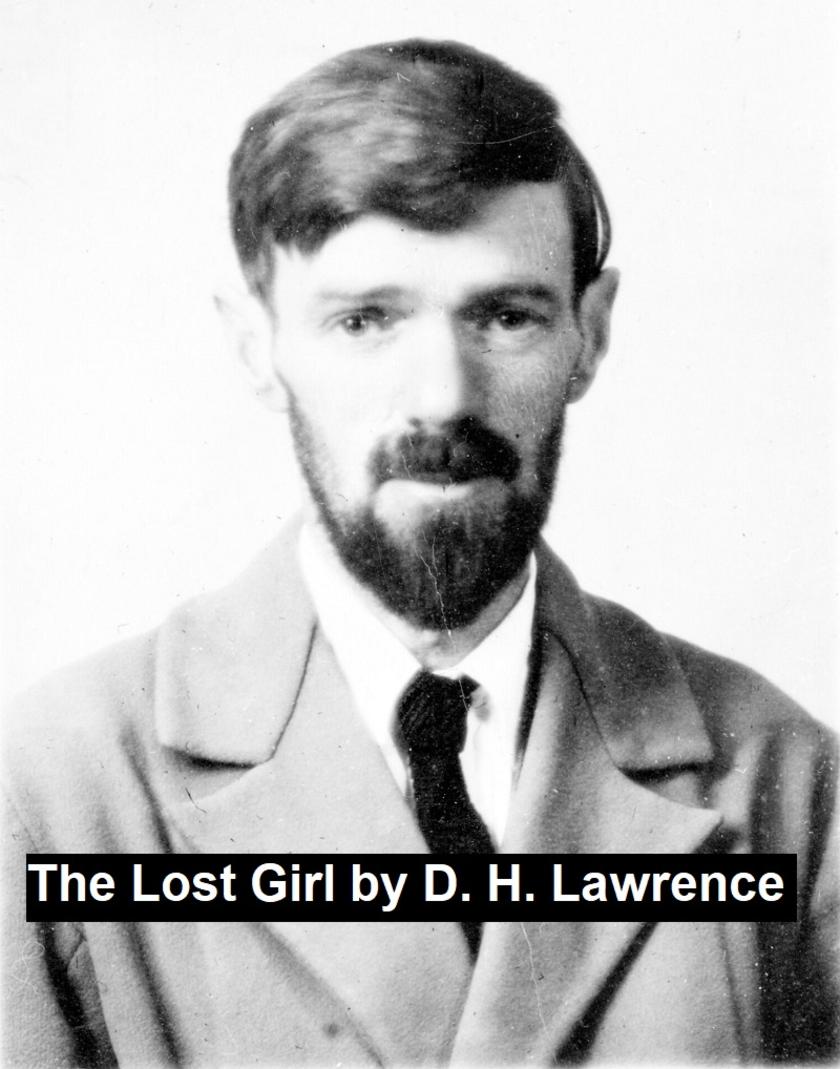
The Lost Girl
¥8.09
Classic novel, first published in 1920. According to Wikipedia: "David Herbert Richards Lawrence (11 September 1885 – 2 March 1930) was an English novelist, poet, playwright, essayist, literary critic and painter who published as D. H. Lawrence. His collected works represent an extended reflection upon the dehumanising effects of modernity and industrialisation. In them, Lawrence confronts issues relating to emotional health and vitality, spontaneity, and instinct."


