


 购物车
购物车 个人中心
个人中心
Rubens: "Masterpieces in Colour" Series: Book-IV
¥28.04
In “True Ghost Stories,” Mr. Carrington presents a number of startling cases of this character; but they are not the ordinary “ghost stories”—based on pure fiction, and having no foundation in reality. Here we have a well-arranged collection of incidents, all thoroughly investigated and vouched for, and the testimony obtained first-hand and corroborated by others. The chapter on “Haunted Houses” is particularly striking. The first chapter deals with the interesting question, “What is a Ghost?” and attempts to answer this question in the light of the latest scientific theories which have been advanced to explain these supernatural happenings and visitants. It is a book of absorbing interest, and cannot fail to grip and hold the attention of every reader—no matter whether he be a student of these questions, or one merely in search of hair-raising anecdotes and stories. He will find them here a-plenty! The following little book endeavors to bring together a number of “ghost stories” of the more startling and dramatic type,—but stories, nevertheless, which seem to be well authenticated; and which have been obtained, in most instances, at first hand, from the original witnesses; and often contain corroborative testimony from others who also experienced the ghostly phenomena. Some of these incidents, indeed, rise to the dignity of scientific evidence; others are less well authenticated cases,—but interesting for all that. These have been grouped in various Chapters, according to their evidential value. Chapters II. and III. contain well-evidenced cases, some of which have been taken from the Proceedings and Journals of the Society for Psychical Research (S. P. R.), or from Phantasms of the Living, or from other scientific books, in which narratives of this character receive serious consideration. Chapter V., on the contrary, contains a number of incidents which,—striking and dramatic as they are,—cannot be included in the two earlier Chapters, as presenting real evidence of Ghosts; but are published rather as startling and interesting ghost stories. Chapter IV., devoted to “Haunted Houses,” contains brief accounts of the most famous Haunted Houses, and of the phenomena which have been witnessed within them. Appendix A gives a list of a few of the important “Historical Ghosts,” Appendix B describes the “Phantom Armies” lately seen by the Allied troops in France—while Appendix C lists a number of books of Ghost Stories which the interested reader may care to peruse. A short Glossary, at the beginning of the book, explains the meaning of certain terms used,—which are not, perhaps, ordinarily met with in books of this character. In the Introductory Chapter, I have endeavored to explain, very briefly, the nature and character of Ghosts; what they are; and the various scientific theories which have been brought forward, of late years, to explain Ghosts. I hope that this may prove of interest to the reader; in case it does not do so, he is invited to “skip” directly to Chapter II., which begins our account of “True Ghost Stories.” I wish to express my thanks in this place to the Council of the English S. P. R. for special permission to quote and to summarize several striking cases here reproduced; also to Miss Estelle Stead, for permission to utilize several cases previously printed at length in Mr. Wm. T. Stead’s collections of Ghost Stories. H. C. [Author]

Сочные блюда из курицы. Мамочкина вкуснятина!
¥17.74
Доля ж?нки в Пакистан? визначена наперед: бути пок?рною дружиною, догоджати чолов?ков? й виховувати д?тей. Але 1997 року народилася ??накша? д?вчинка. Вона хот?ла ходити в школу, носити яскравий одяг ? не ховати обличчя. В цей час владу в ?? р?дних краях, в долин? Сват, захопив ?Тал?бан?. За найменшу провину перед ?законом? терористи карали людей побоями ? нав?ть смертю. Геро?ня ? авторка ц??? книжки розум?ла важлив?сть осв?ти ? боронила права ж?нок, за що й отримала кулю в голову... ?? звуть Малала. ? це т?льки початок ?? ?стор??...
She
¥18.74
The War of the Worlds is a military science fiction novel by H. G. Wells. It first appeared in serialized form in 1897, published simultaneously in Pearson's Magazine in the UK and Cosmopolitan magazine in the US. The first appearance in book form was published by William Heinemann of London in 1898. It is the first-person narrative of the adventures of an unnamed protagonist and his brother in Surrey and London as Earth is invaded by Martians. Written between 1895 and 1897, it is one of the earliest stories that detail a conflict between mankind and an extraterrestrial race. The novel is one of the most commented-on works in the science fiction canon. The War of the Worlds has two parts, Book One: The Coming of the Martians and Book Two: The Earth under the Martians. The narrator, a philosophically-inclined author, struggles to return to his wife while seeing the Martians lay waste to southern England. Book One also imparts the experience of his brother, also unnamed, who describes events in the capital and escapes the Martians by boarding a ship near Tillingham, on the Essex coast. The plot has been related to invasion literature of the time. The novel has been variously interpreted as a commentary on evolutionary theory, British Imperialism, and generally Victorian superstitions, fears and prejudices. At the time of publication it was classified as a scientific romance, like his earlier novel The Time Machine. The War of the Worlds has been both popular (having never gone out of print) and influential, spawning half a dozen feature films, radio dramas, a record album, various comic book adaptations, a television series, and sequels or parallel stories by other authors. It has even influenced the work of scientists, notably Robert Hutchings Goddard. Plot SummaryYet across the gulf of space, minds that are to our minds as ours are to those of the beasts that perish, intellects vast and cool and unsympathetic, regarded this earth with envious eyes, and slowly and surely drew their plans against us.— H. G. Wells (1898), The War of the Worlds The Coming of the MartiansThe narrative opens in an astronomical observatory at Ottershaw where explosions are seen on the surface of the planet Mars, creating much interest in the scientific community. Later a "meteor" lands on Horsell Common, near the narrator's home in Woking, Surrey. He is among the first to discover that the object is an artificial cylinder that opens, disgorging Martians who are "big" and "greyish" with "oily brown skin," "the size, perhaps, of a bear," with "two large dark-coloured eyes," and a lipless "V-shaped mouth" surrounded by "Gorgon groups of tentacles." The narrator finds them "at once vital, intense, inhuman, crippled and monstrous." They briefly emerge, have difficulty in coping with the Earth's atmosphere, and rapidly retreat into the cylinder. A human deputation (which includes the astronomer Ogilvy) approaches the cylinder with a white flag, but the Martians incinerate them and others nearby with a heat-ray before beginning to assemble their machinery. Military forces arrive that night to surround the common, including Maxim guns. The population of Woking and the surrounding villages are reassured by the presence of the military. A tense day begins, with much anticipation of military action by the narrator.

Воздушные блинчики, оладьи, вафли.
¥17.99
Кра?на, яку залишили ?? творц?, винах?дники та мислител?, приречена на в?йну, голод ? смерть. Владу захоплюють нев?гласи, корупц?онери й мародери. ?стор?я трива? бодай тому, що одна вольова ж?нка на ?м’я Да?н? Та??арт переконана, що досконалий св?т справжн?х ц?нностей ?сну?. Вона намага?ться зламати сценар?й неминучо? катастрофи. ?? Атлантида не м?ф. У св?т? ще ? см?ливц?, спроможн? створити сусп?льний лад, де нема? конфл?кт?в, не виника? потреби в самопожертв?, жодна людина не становить загрози для мети ?нших. Бунт?вн? атланти знають, що розум таки переможе. Риторичне питання, хто такий Джон ?олт, насправд? ма? в?дпов?дь, а неймов?рн? ?де? — сво? вт?лення, яке проголомшу? людську уяву. В останн?й частин? свого фундаментального роману ?дей Айн Ренд змальову? ц?л?сну ф?лософську систему, яка дос? виклика? палк? дискус??, де в?д захвату до обурення — один крок.
Spiders
¥18.74
This book is called The White Spark as the white spark or vacuum cell in Nature IS THE RIGHT HAND OF GOD—it is a ubiquitous principle of the universe and is the cause and parent of electricity, combustion, radium, snow-flakes, flowers, trees, leaves, crystallization, wireless telegraphy, animal forms and EVEN LIFE ITSELF. This book is the key to every department of human endeavor, as it enunciates the basic principle and THE PRIME MOVER of the universe.?It tells the road to health, the cause and cure of disease, the truth about the germ humbug and drug treatments, serums and antitoxins. It shows why luminosity is produced on the flesh of various organisms, why a slice of pollock when first iced, then heated to 100 degrees and then thrust into a temperature of 50 degrees becomes luminous. It shows the farmer that he can become a magician of agriculture—tells that the nitrogen of the air is only a dust of quartz rocks, like the invisible moisture of the air is "a dust of water"—that the nodules on the roots of the clover and legumes do not abstract nitrogen from the air, for if they did nature would have placed these bacteriological growths on the vine and not the root, the scientists have the cart before the horse in this case and the nodular cells form the proteids from sand or silica, this book tells how it is done. It tells what a trance is and how the soul can leave the body temporarily. How JESUS CHRIST is carrying out the biblical prophesy by TELEPATHY. Gives the truths about the ideal society, alcohol, drunkenness, causes of crime, longevity and law.
Энциклопедия разумного огородника
¥17.74
Нельсон Мандела — п?вденноафриканський правозахисник, юрист, пол?тик, президент П?вденно-Африкансько? Республ?ки (1994 –??1999 рр.). Мандела був першим президентом ПАР, обраним на демократичних, не сфальсиф?кованих виборах. У сво?й трет?й книз? Нельсон Мандела в?дверто опису? ?н?ц?ац?ю африканських хлопчик?в, побут ? злидн? свого дитинства, навчання й одруження, народження ? смерть сво?х д?тей, жах самотност? в’язня на остров? Роббен ? вистраждану Свободу. Житт?вий досв?д та погляди Нельсона Мандели як н?коли актуальн? в контекст? нин?шн?х укра?нських реал?й, бо ?правда поляга? в тому, що ми ще не в?льн?, ми просто здобули свободу бути в?льними, право не бути пригноблюваними…справжн? випробування нашо? в?дданост? свобод? лише почина?ться?.??
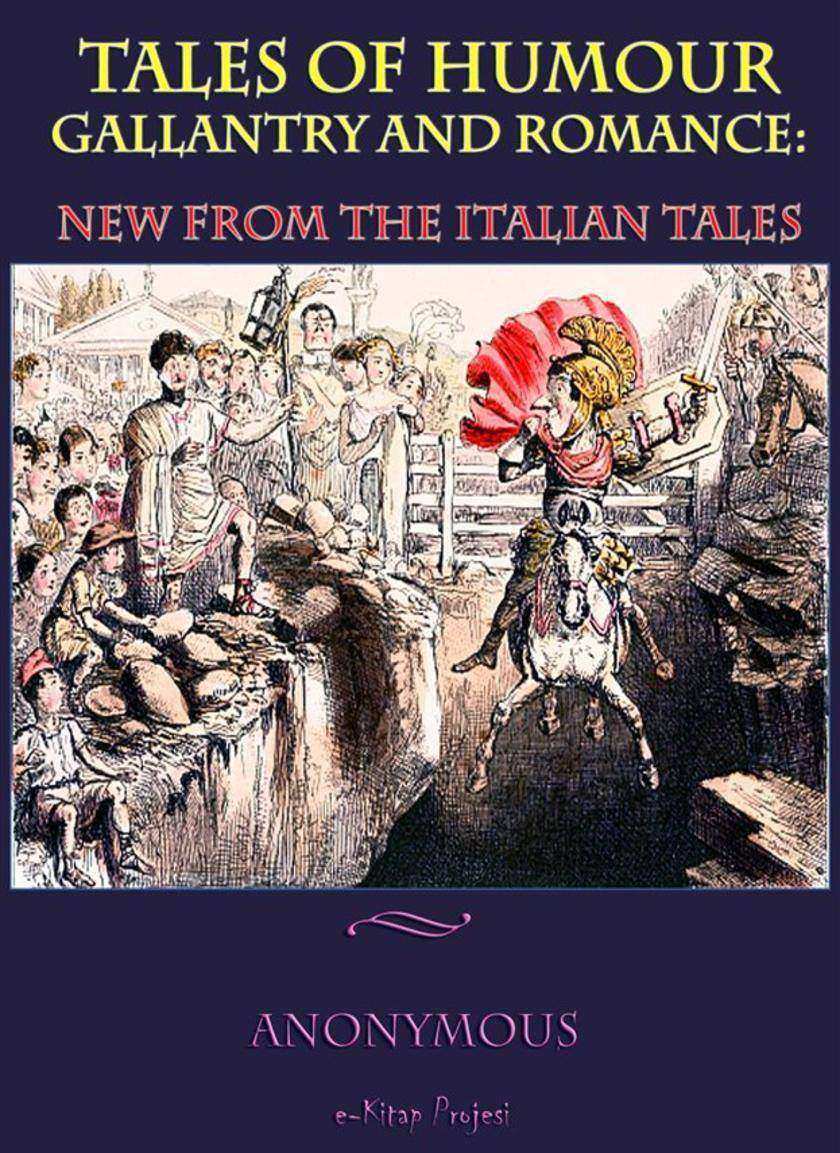
Tales Of Humour, Gallantry and Romance: New from the Italian Tales (Illustrated)
¥9.24
THE history, the features, and the most famous examples of European architecture, during a period extending from the rise of the Gothic, or pointed, style in the twelfth century to the general depression which overtook the Renaissance style at the close of the eighteenth, form the subject of this little volume. I have endeavoured to adopt as free and simple a mode of treatment as is compatible with the accurate statement of at least the outlines of so very technical a subject. Though it is to be hoped that many professional students of architecture will find this hand-book serviceable to them in their elementary studies, it has been my principal endeavour to adapt it to the requirements of those who are preparing for the professional pursuit of the sister arts, and of that large and happily increasing number of students who pursue the fine arts as a necessary part of a complete liberal education, and who know that a solid and comprehensive acquaintance with art, especially if joined to some skill in the use of the pencil, the brush, the modelling tool, or the etching needle, will open sources of pleasure and interest of the most refined description. The broad facts of all art history; the principles which underlie each of the fine arts; and the most precious or most noteworthy examples of each, ought to be familiar to every art student, whatever special branch he may follow. Beyond these limits I have not attempted to carry this account of Gothic and Renaissance architecture; within them I have endeavoured to make the work as complete as the space at my disposal permitted. THE architecture generally known as Gothic, but often described as Christian Pointed, prevailed throughout Europe to the exclusion of every rival for upwards of three centuries; and it is to be met with, more or less, during two others. Speaking broadly, it may be said that its origin took place in the twelfth century, that the thirteenth was the period of its development, the fourteenth that of its perfection, and the fifteenth that of its decline; while many examples of its employment occur in the sixteenth. In the following chapters the principal changes in the features of buildings which occurred during the progress of the style in England will be described. Subsequently, the manner in which the different stages of development were reached in different countries will be given; for architecture passed through very nearly the same phases in all European nations, though not quite simultaneously. It must be understood that through the whole Gothic period, growth or at least change was going on; the transitions from one stage to another were only periods of more rapid change than usual. The whole process may be illustrated by the progress of a language. If, for instance, we compare round-arched architecture in the eleventh century to the Anglo-Saxon form of speech of the time of Alfred the Great, and the architecture of the twelfth century to the English of Chaucer, that of the thirteenth will correspond to the richer language of Shakespeare, that of the fourteenth to the highly polished language of Addison and Pope, and that of the fifteenth to the English of our own day. We can thus obtain an apt parallel to the gradual change and growth which went on in architecture; and we shall find that the oneness of the language in the former case, and of the architecture in the latter, was maintained throughout. For an account of the Christian round-arched architecture which preceded Gothic, the reader is referred to the companion volume in this series. Here it will be only necessary briefly to review the circumstances which went before the appearance of the pointed styles.
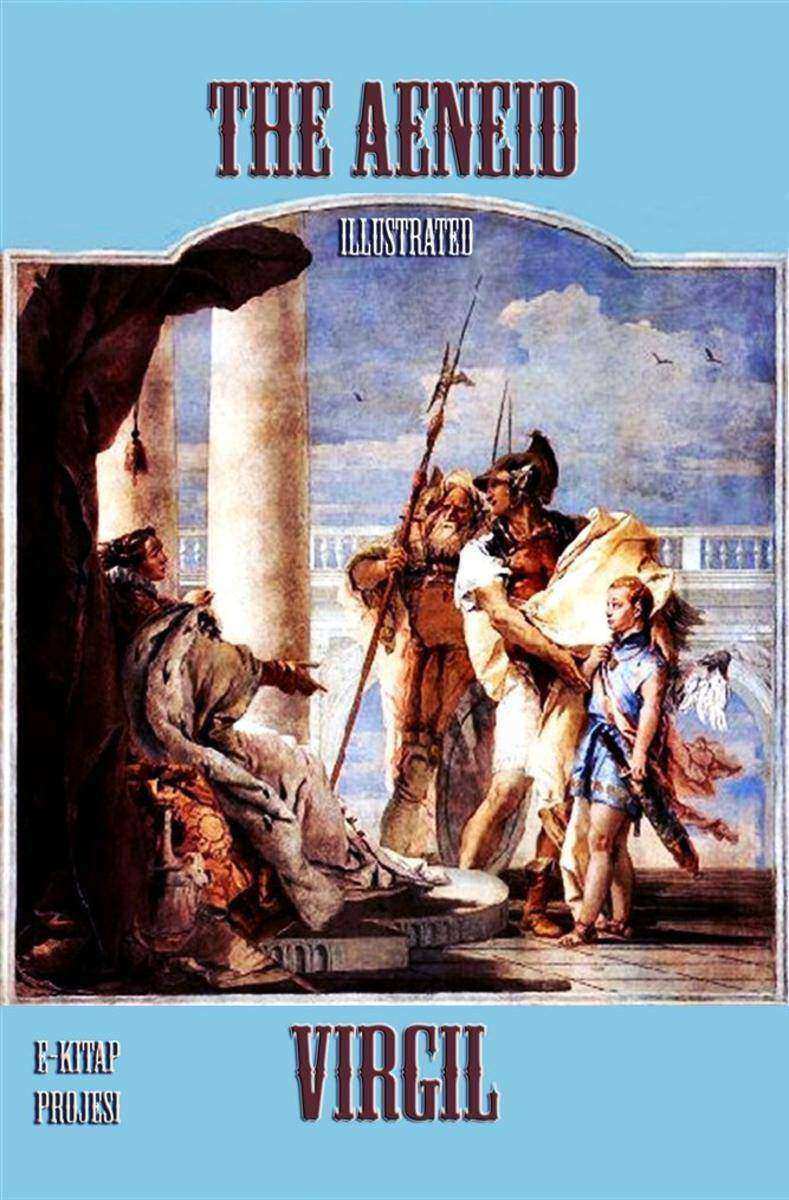
The Aeneid: "Illustrated"
¥18.74
"Where ocean bathes earth's footstool these sea-bowersBedeck its solid wavelets: wise was heWho blended shore with deep, with seaweed flowers,And Naiads' rivulets with Nereids' sea." Strictly speaking the peninsula on which the city stands is of the form of a trapezium. It juts out into the sea, beating back as it were the fierce waves of the Bosphorus, and forcing them to turn aside from their straight course and widen into the Sea of Marmora, which the ancients called the Propontis, narrowing again as it forces its way between the near banks of the Hellespont, which rise abrupt and arid from the European side, and slope gently away in Asia to the foot of Mount Ida. Northwards there is the little bay of the Golden Horn, an arm as it were of the Bosphorus, into which run the streams which the Turks call the Sweet Waters of Europe. The mouth of the harbour is no more than five hundred yards across. The Greeks of the Empire spanned it by a chain, supported here and there on wooden piles, fragments of which still remain in the Armoury that was once the church of S. Irene. Within is safe anchorage in one of the finest harbours of the world. South of the Golden Horn, on the narrow tongue of land—narrow it seems as seen from the hills of the northern shore—is the city of Constantine and his successors in empire, seated, like the old Rome, on seven hills, and surrounded on three sides by sea, on the fourth by the still splendid, though shattered, medi?val walls. Northwards are the two towns, now linked together, of Pera and Galata, that look back only to the trading settlements of the Middle Ages.The single spot united, as Gibbon puts it, the prospects of beauty, of safety, and of wealth: and in a masterly description that great historian has collected the features which made the position, "formed by Nature for the centre and capital of a great monarchy," attractive to the first colonists, and evident to Constantine as the centre where he could best combine and command the power of the Eastern half of his mighty Empire. Byzantium Before Constantine.It is impossible to approach Constantinople without seeing the beauty and the wonder of its site. Whether you pass rapidly down the Bosphorus, between banks crowned with towers and houses and mosques, that stretch away hither and thither to distant hills, now bleak, now crowned with dark cypress groves; or up from the Sea of Marmora, watching the dome of S. Sophia that glitters above the closely packed houses, till you turn the point which brings you to the Golden Horn, crowded with shipping and bright with the flags of many nations; or even if you come overland by the sandy wastes along the shore, looking across the deep blue of the sea to the islands and the snow-crowned mountains of Asia, till you break through the crumbling wall within sight of the Golden Gate, and find yourself at a step deep in the relics of the middle ages; you cannot fail to wonder at the splendour of the view which meets your eyes. Sea, sunlight, the quaint houses that stand close upon the water's edge, the white palaces, the crowded quays, and the crowning glory of the Eastern domes and the medi?val walls—these are the elements that combine to impress, and the impression is never lost. Often as you may see again the approach to the imperial city, its splendour and dignity and the exquisite beauty of colour and light will exert their old charm, and as you put foot in the New Rome you will feel all the glamour of the days that are gone by.
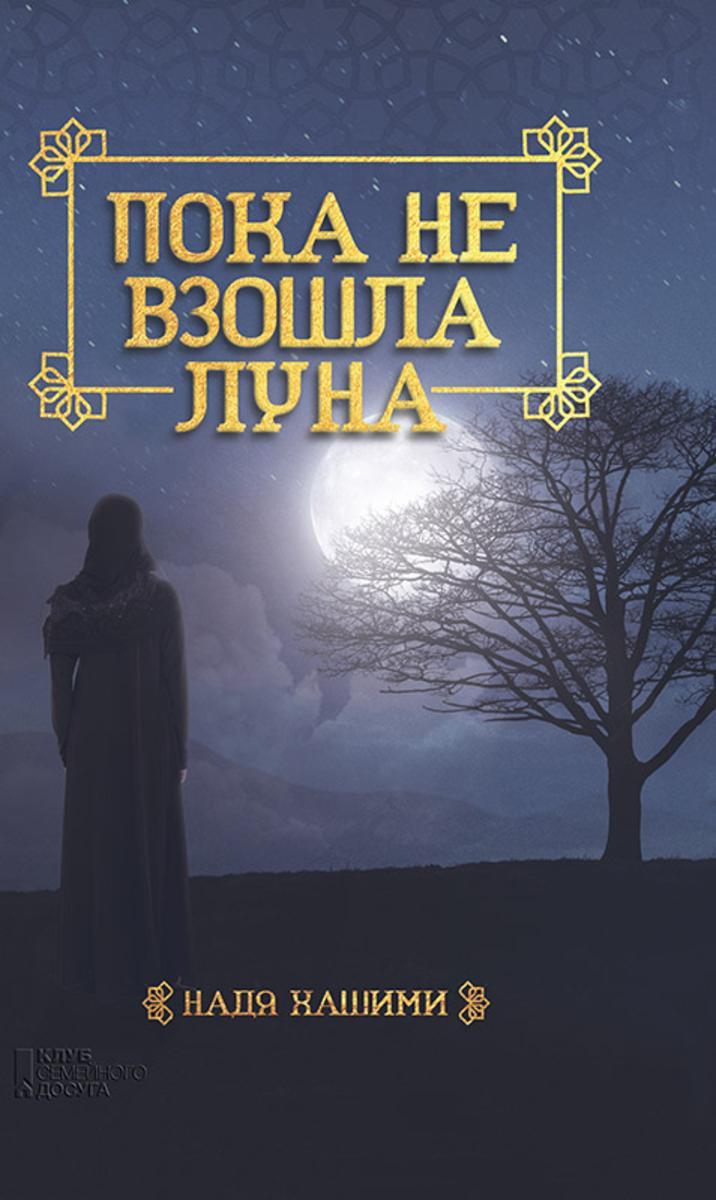
Пока не взошла луна (Poka ne vzoshla luna)
¥18.07
Щороку ми д?зна?мося дедал? б?льше нових сл?в у галуз? економ?ки, комп’ютерних технолог?й ? маркетингу, натом?сть невпинно убож?? наш лексикон у сфер? етики й морал?. Дев?д Брукс б’? на сполох: очевидно, що сучасне сусп?льство у гонитв? за новац?ями нехту? усталеними етичними принципами, втрача? моральн? стимули й ?деали, руйну? св?й духовний стрижень. ?ДНК особистост?? про те, як переглянути власн? пр?оритети ? зосередитися на внутр?шн?х чеснотах. Вона покаже, як деяким людям вдалося проторувати шлях до сильного характеру ? стати г?дною особист?стю. ?хн? ?стор?? стануть для читача певними ор??нтирами у пошуках власно? стратег?? гартування характеру, допоможуть п?знати себе, в?днайти душевну гармон?ю ? щастя.

Вазочки, конфетницы, корзинки.
¥17.74
Капталзм свобода — класика полтико-економчно лтератури ХХ столття — як нколи актуальна для Украни. Нобелвський лауреат Млтон Фрдман розгляда зв’язок мж економчною та полтичною свободою. Вн опису, чому варто обмежити вплив держави в економку, децентралзувати владу, забезпечити гнучкий валютний курс, роздержавити сфери освти соцального забезпечення.

The Critique of Pure Reason
¥28.04
Piping down the valleys wild,?Piping songs of pleasant glee,?On a cloud I saw a child,?And he laughing said to me:??"Pipe a song about a Lamb!"?So I piped with merry cheer.?"Piper, pipe that song again;"?So I piped: he wept to hear.??"Drop thy pipe, thy happy pipe;?Sing thy songs of happy cheer!"?So I sang the same again,?While he wept with joy to hear.??"Piper, sit thee down and write?In a book, that all may read."?So he vanish'd from my sight;?And I pluck'd a hollow reed,??And I made a rural pen,?And I stain'd the water clear,?And I wrote my happy songs?Every child may joy to hear. ?

Закусочные и сладкие пироги, пирожки, тарты, киши
¥17.74
Багато людей не визначають пр?оритет?в, не формулюють мети життя ?, як насл?док, просто пливуть за теч??ю. Так? люди ризикують опинитися не там, де хот?ли. Коли житт?ва р?ка почина? кидати тебе на порогах, де шукати рят?вний круг, як не втратити весло, що допоможе повернутися на обраний шлях? Автори ц??? книжки — в?домий блогер Майкл Гаят ? б?знес-тренер Ден?ел Гаркав? — вважають, що вряту? ефективний житт?вий план. ??Книжка ?Дивись уперед? покрокова ?нструкц?я з? створення карти д?й, яка стане вашим найважлив?шим проектом. Книжка стане в нагод? ус?м, хто хоче розвиватись ? зм?нюватись, та вважа?, що життя ма? приносити рад?сть.

Тринадцята казка (Trinadcjata kazka)
¥27.22
Одного дня життя дев’ятир?чного хлопчика повн?стю зм?нилося. Дитяча ц?кав?сть обернулася страшною пожежею, внасл?док яко? хлопчик отримав оп?ки майже усього т?ла. Пробувши у л?карн? п’ять м?сяц?в, в?н пережив ампутац?ю пальц?в та бол?сну реаб?л?тац?ю. Але якщо рубц? на т?л? можна прикрити одягом, то що робити ?з душевними шрамами? Чи можна п?сля цього мр?яти про повноц?нне щасливе життя? ?У полум’?? — це книга-спов?дь про незламн?сть, пошук себе ? велику роботу на шляху до усп?ху. Вона написана на основ? реальних под?й, як? зм?нили життя багатьох людей.

Торты нашего детства. Мамочкина вкуснятина!
¥17.99
Книга объединяет два главных прижизненных издания основателя и ярчайшего представителя поэзии абсурда. Эдвард Лир (1812-1888) – прославленный английский поэт и художник, отец литературного лимерика, жанра, оказавшего заметное влияние на литературу конца XIX и всего XX века. Лимерики (216 забавных пятистиший) приведены на языке оригинала с параллельными переводами, выполненными лучшим российским интерпретатором поэзии нонсенса Борисом Архипцевым, и сопровождаются авторскими иллюстрациями. Переводчик посвятил работе более 20 лет жизни, добившись уникального результата, невиданной прежде полноты раскрытия авторского замысла в сочетании с красотой и естественностью звучания русского стиха. ?…Архипцев переводит Эдварда Лира, как благочестивый толковник – Писание: он передает и смысл, и звук. Точен – часто до мельчайших деталей. Звучен – до самой лихой эквилибристики…??Н. Горбаневская. Книга погружает читателя в атмосферу тонкого английского юмора, превосходно переданного переводчиком, в мир абсурда, делая его близким и понятным человеку любого возраста – от младшего школьного до старшего пенсионного. Издательство Animedia Company желает вам приятного чтения.
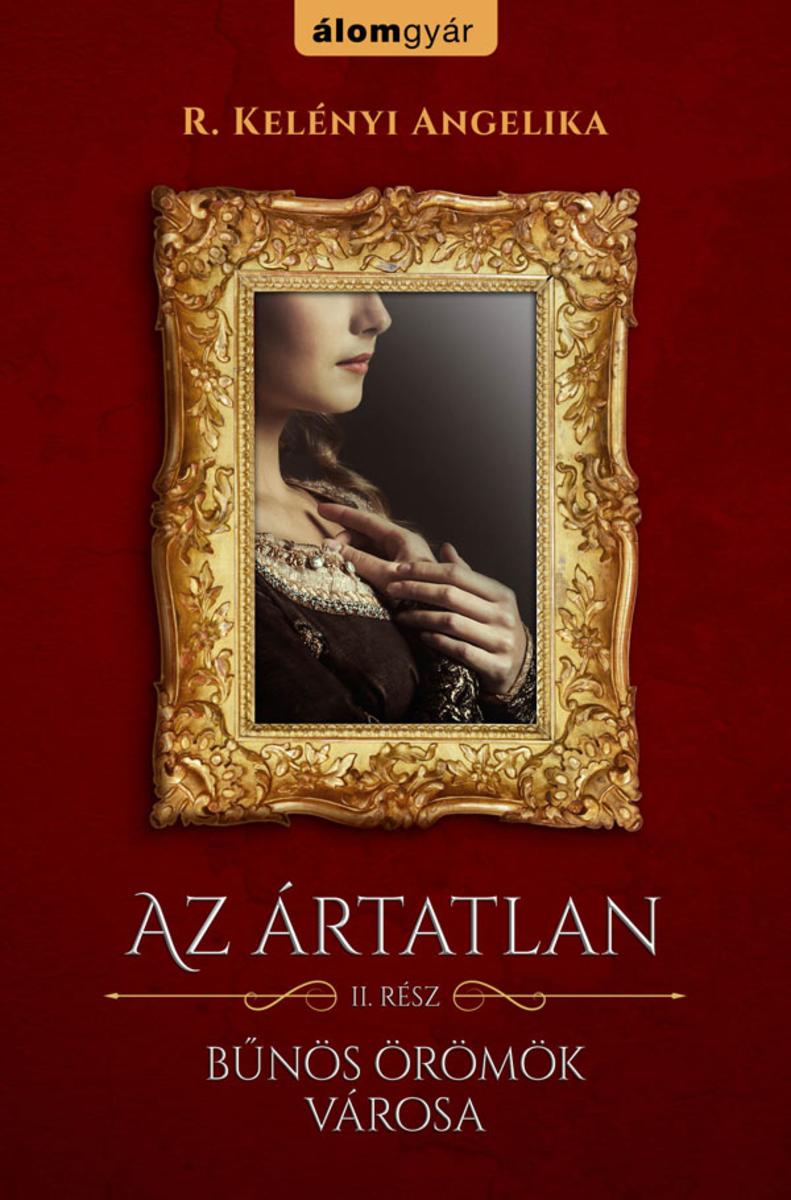
Az ártatlan II. rész
¥54.20
Amy remek színészn?, mindent tud a fegyverekr?l, és ki nem állhatja a rend?r?ket. Szeret?je egy kétes üzletet készül megk?tni, amikor meggondolatlanságában balesetet okoz Klagenfurt határában, majd lelép a helyszínr?l. Amy kénytelen egyedül szembenézni a rend?r?kkel, ráadásul az egyik nyomozó azonnal kikezd vele. Amy szánalmasnak találja Martinek hadnagy próbálkozását, mégis enged neki, hogy a nyomozás k?zelébe férk?zhessen. Mik?zben szemmel tartja a hadnagy minden lépését, egy teljesen más oldaláról is megismeri ?t. Amynek át kell értékelnie mindent, amit eddig a rend?r?kr?l hitt. ?letében el?sz?r ellenszegül a kapott parancsoknak. Kész megfizetni a d?ntése árát – még akkor is, ha emberéletekbe kerül. ?

Elégtétel
¥58.29
…ránézett az el?tte terpeszked? hatalmas faóriásra. Milyen méltóságteljes, és milyen dunyha vastagságú, hófehér palást borítja f?ldig ér? ágait. Mint valami sátor, akár meg is éjszakázhat alatta. Elfedi az, megvédi az erd? minden veszélyét?l. K?zben kitisztult az ég, s csillagok milliárdjai gyújtották meg kis lámpásaikat. A hókristályok csillagszóróként sziporkáztak a nagy feny? ágain. Aztán a fa csúcsán megjelent a ragyogó hold, és az arany sarló megkoronázta az amúgy is fényárban tünd?kl? fát. Ez lehet az erd? karácsonyfája – gondolta. ?gy karácsonyozik az erd?, és én most vendégségben vagyok nála. ?s még bejglim is van – jutott eszébe. Csak a szerettei hiányoztak. Hogy ?k nem lehettek részesei ennek a látványnak, nem gy?ny?rk?dhettek vele együtt az óriás karácsonyfa szépségében…

?gyn?k t?sarkúban
¥58.29
Robert Masello új thrillerében David Franco, a zseniális, de szkeptikus ifjú kutató egy legendás m?tárgy nyomába ered: egy amulettet keres, amelyet Benvenuto Cellini, a reneszánsz Itália kézm?vesmestere készített. Az amulettet a szépsége mellett a varázsereje teszi értékessé, ugyanakkor igen veszedelmesnek tartják.Az egyszer? nyomozásnak induló kaland intrikák sz?vevényévé válik. Franco Loire menti kastélyokban és római palazzókban kutat a kincs után, hogy megfejtsen egy rejtélyt, amely ?sid?k óta foglalkoztatja az emberiséget.A tudós egy s?tét titkokat ismer?, gy?ny?r? firenzei lányt hív segítségül, s orgyilkosokkal a nyomában néz szembe egy sokkal er?sebb gonosszal, mint amit?l rémálmaiban rettegett. Lélegzetelállító fordulatokban b?velked? utazásuk Chicago utcáitól a nagy francia forradalom káoszáig vezet.?Egy regény, amelyben a t?rténelmi tények találkoznak az irodalmi kreativitással, és a lehetetlen félelmetes valósággá válik. A Medúza-amulett Cellini m?véhez hasonlóan egyedi alkotás, éppen olyan vonzó, mint amilyen ijeszt?, és éppen olyan monumentális, mint amilyen merész.Robert Masello az Egyesült ?llamok egyik legsikeresebb t?rténelmi és misztikus krimi írója, regényeit 15 nyelvre fordították le. A magyar k?z?nség Az Einstein-prófécia és A Romanov-kereszt címmel megjelent regényein keresztül ismerhette eddig meg.

Határtalanok
¥54.20
Gyilkosság t?rténik egy vidéki kúriában. Az áldozatot megfojtva találják a szobájában, az ajtót belülr?l elreteszelték, az ablak tárva-nyitva. Az asztalon egy csupor kakaó - benne altató. Vajon a gyilkos tette bele? Ha igen, aligha lehetett más, mint valaki a házban lakók k?zül. A Maxie család és két vendégük feszült, gyanakvó légk?rben várják a nyomozás eredményét, és a legkevésbé sem k?nnyítik meg Dalgliesh f?felügyel? dolgát. A poéta-lelk? detektív azonban nem az a fajta, aki k?nnyen feladja...P. D. James, akit Agatha Christie mellett az angol krimi klasszikusának tartanak, gondosan ügyel arra, hogy az olvasó számára végig izgalmas maradjon a fejt?r? irodalmi kirakójáték - majd minden szerepl?je gyanús, és egészen az utolsó oldalakig az is marad.?A Takard el az arcát! az írón? korai és egyik legsikeresebb regénye, a m?faj tízmilliók által olvasott alapm?ve.?

Szül?k feltétel nélkül
¥57.31
Az elvált, nyugdíjas Nathan Glass már nem vágyik másra, csak magányra és névtelenségre, ezért visszavonul gyerekkora helyszínére, Brooklynba. Csakhogy találkozik rég nem látott unoka?ccsével, Tommal, aki valaha akadémiai ambíciókat dédelgetett, ám most taxisof?r, majd annak barátjával, a kétes múltú antikvárius Harryvel, és hamarosan azt veszi észre, hogy egy ?sszeesküvés részese, amelynek tárgya egy hamisított kézirat, célja pedig a bosszú. Paul Auster ebben a regényében a t?le megszokottnál melegebb, der?sebb hangon mesél kallódó emberekr?l, akiknek élete nem úgy alakult, ahogy remélték, akik már lemondtak a j?v?r?l, de a j?v? még korántsem mondott le róluk. Auster, hosszú évek óta a Nobel-díj várományosa, számtalan irodalmi díj birtokosa, k?nyveit harminc nyelvre fordították le. M?vei most a 21. Század Kiadó új életm?sorozatában jelennek meg. "Elb?v?l? t?rténet a család elviselhetetlen szépségér?l és a szerelem megváltó erejér?l." USA TODAY "Nagyszív?, életigenl?, gyengéd és mulatságos t?rténet.” The Washington Post "Auster üzenenetet küld nekünk: van remény. A szerelem megment bennünket. Meg fogjuk menteni egymást. The Boston Globe

Azok a régi Csibészek
¥57.31
gy mondják, sose bízz egy idegenben. Talán nekik van igazuk. Amikor Emma Joseph megismerkedett a férjével, Davidet bánat gytrte. Els feleségét a saját elszabadult kocsija gázolta halálra, hatesztends lánya pedig titokzatos módon eltnt a baleset helyszínérl. Most, hat évvel késbb, Emma úgy véli, végre maguk mgtt tudhatják a fájdalmas idket. j életet építettek fel Daviddel, és van egy csodaszép kisfiúk, Ollie. Aztán feltnik egy idegen, és flforgatja az életüket. Emma elveszíti a biztonságérzékét. Vajon csakugyan tudja, mi trtént oly sok évvel azeltt s miért aggódik nmagáért meg a csecsem fiáért Elkeseredésében régi barátjához, Tom Douglas nyomozó ffelügyelhz fordul segítségért, ám ezzel a lépéssel valamennyiük életét veszélybe sodorja. Hamarosan olyan hazugságok hálójára derítenek fényt, amely mindkettejüket velejéig sokkolja. Az Aludj jól világhír szerzjének legújabb bestsellere letehetetlen és elgondolkodtató remekm, a pszichológiai thrillerek, és a krimik kedvelinek a kedvence világszerte.

Az ?z
¥71.69
n már elz életemben sem hittem a reinkarnációban, de ennek ellenére azt kívánom, trténeteim olvasása által sikerüljn újjászületned azokban a kapcsolatokban, melyeken változtatni szeretnél, de nem mersz, vagy úgy érzed, nem tudsz lépni igazán. Legyen az párkapcsolati kuszaság, gyermeke(i)ddel való rendezetlenség, akár lelki, akár testi eredet bonyodalom nmagaddal, azaz: nem bírok a tükrbe nézni” szindróma. Természetesen annak is rülk, ha egyszeren csak szerzek néhány gondtalan percet. Ezeket a sztorikat a fantázia diktálta nekem; ha valamelyikben ráismersz valakire, ne hagyd magad megtéveszteni, az csakis és kizárólag a véletlen mve lehet.


