


 购物车
购物车 个人中心
个人中心
Experimentul MAMATATA
¥57.14
Alexandra, o adolescent? rebel?, este trimis? de p?rin?i s? ??i petreac? vacan?a de var? ?ntr-un sat din Transilvania, pentru a fi ?ndep?rtat? de o iubire considerat? imoral?. Odat? ajuns? ?n V., ea este atras? de pove?tile localnicilor legate de o crim? s?v?r?it? ?n urm? cu mai mult de un veac: contesa Aneke fusese acuzat? de incest ?i vr?jitorie ?i ucis? ?n p?dure. Alexandra porne?te pe urmele contesei, hot?r?t? s? afle ce s-a ?nt?mplat cu adev?rat. Castelul ascunde mistere la fiecare col?… Pe m?sur? ce fapte ?i personaje stranii ies la iveal?, Alexandra ??i d? seama c? are ?n comun cu frumoasa vr?jitoare mai mult dec?t ?i-ar fi imaginat, inclusiv iubirea ei secret? ?i interzis?. Va reu?i Alexandra s? salveze aceast? iubire ?i ?n final propria via??, sau va avea soarta tragic? a Anekei? Dou? lumi distincte se ?ntrep?trund: lumea adolescen?ilor de azi, cu Facebook, concerte rock, tatuaje ?i pierce-uri, ?i lumea contesei disp?rute, cu intrigi de curte ?i pove?ti uitate. Un mistery romance ?n tonuri ?ntunecate despre incest, supersti?ii, tr?d?ri, secrete, legende transmise peste veacuri
Exploratorii. Cartea I - ?nceputul aventurii
¥65.32
Nora ar trebui s? ?tie c? via?a ei este departe de a fi perfect?. De?i cu ajutorul lui Patch, iubitul ?i ?ngerul ei p?zitor, a sc?pat cu via?? dintr-o serie de incidente cu totul neobi?nuite, primejdia e departe de a fi trecut. Rela?ia cu Patch nu este ?n cel mai bun moment al ei, iar Marcie Millar pare mai hot?r?t? ca oric?nd s?-i fac? Norei via?a un co?mar. De parc? nu ar fi de-ajuns, un nou du?man ?ncearc? s? o distrug?, iar moartea tat?lui ei r?m?ne ?n continuare un mister. Cum Patch nu numai c? nu ?i r?spunde la ?ntreb?ri, dar pare chiar s?-i stea ?n cale, Nora se vede nevoit? s? afle r?spunsuri de una singur?. Nu se anun?? o var? prea tihnit?, nu-i a?a?Continuarea bestsellerului ?ngerul nop?ii de Becca Fitzpatrick.Roman publicat ?n 35 de ??ri
?ton hozzád
¥78.07
A K?M?LETLEN ?SZAKI PUSZTAS?G HAT?R?N… Az egykori páratlan orgyilkos, az othiri éjszaka ragadozó, s?tét árnya, Caim veszélyes játszmába kezdett, amikor egy trónját k?vetel? császárn? segítségére sietett. ?m titokzatos múltjának elfeledett ?r?ksége ismét csalogatni kezdi. Mik?zben szülei elt?nésének és meggyilkolásának k?rülményeir?l igyekszik kideríteni az igazságot, Caim tudomást szerez egy országról, amelyet az ?rny a rabigájába hajtott. Az Odaát mágikus kísértését?l ?z?tt harcos olyan háborúba keveredik, amelyben semmi kedve sincs küzdeni. De senki sem állhat ellen az ?rny csábításának. “Ez a k?nyv csupa akció… Az író mindvégig a sz?veg ritmusára, a cselekmény orientált mesesz?vésre és a t?kéletesen eltalált jellemekre ?sszpontosít, míg azok mesteri dark fantasy regénnyé állnak ?ssze… Mi bármikor szívesen olvassuk Jon Sprunk letehetetlen t?rténeteit.” – ELITIST BOOK REVIEWS

Vecinul
¥66.22
Dup? Aurul spartanilor ?i Imperiul pierdut, so?ii Sam ?i Remi Fargo se ?ntorc ?ntr-o nou? aventur? extraordinar?.Mae?tri ai v?n?torilor de comori, Sam ?i Remi Fargo nu sunt deloc obi?nui?i cu v?n?toarea de oameni. Dar un baron texan al petrolului apeleaz? la ei cu o rug?minte personal?: un detectiv particular angajat s?-i g?seasc? tat?l disp?rut s-a pierdut f?r? urm? ?i el. Dat fiind c? detectivul le este prieten, ar fi dispu?i Sam ?i Remi s?-i caute pe am?ndoi? ?n ciuda suspiciunilor, cei doi accept? noua provocare, iar ceea ce vor descoperi va fi mai mult dec?t ?i-ar fi putut imagina. ?n c?l?toria care ?i poart? prin Tibet, Nepal, Bulgaria, India ?i China, Sam ?i Remi Fargo se trezesc implica?i ?n traficul cu fosile de pe pia?a neagr?, descoper? un cuf?r vechi de secole, un regat tibetan disp?rut, un dirijabil inventat cu secole ?naintea vremii sale… ?i un schelet care ar putea transforma complet ?ntreaga istorie a evolu?iei umane.Plin de imagina?ie ?i cu un suspans care-?i taie r?suflarea, Regatul dovede?te ?nc? o dat? de ce Clive Cussler este considerat ?unul dintre cei mai buni autori contemporani de thriller“. – New York PostRomanele lui Cussler sunt publicate ?n peste 40 de limbi, ?n mai bine de o sut? de ??ri ale lumii.

Z?r?s hétvége
¥59.84
EGY FONTOS ?ZENET ROSSZ KEZEKBE KER?L. S?T?T TERV L?P M?K?D?SBE. ?M A K?T TOLVAJ MOST IS A CSELSZ?V?K ?TJ?BAN ?LL. A Riyria egyik fele, Hadrian Blackwater Novron elveszett ?r?k?sének felkutatására indul. Egykori társa életét féltve, Royce Melborn ismét csatlakozik hozzá egy utolsó küldetésre, így együtt szállnak tengerre. A sikerre egyetlen esélyük, ha szembeszállnak a kíméletlen Merrick Mariusszal, a mesterb?n?z?vel, aki barátból Royce legádázabb ellenségévé vált. ?tjuk csapdák és árulás ingoványos vidékén át vezet, és Hadrian arra kényszerül, hogy szembenézzen rég eltemetett múltjával. A Smaragdvihar a magával ragadó Riyria-krónikák negyedik k?tete. A hatk?tetes sorozatot írója egyetlen, eposzi magaslatokra t?r? t?rténetként alkotta meg, amit kül?n epizódokra bontott. A cselekményszálak egybefonódnak, de minden egyes k?tet a saját t?rténetét meséli el, és kül?n, kerek egészként is élvezhet?. Az eredetileg magánkiadásban megjelent sorozatra felfigyelt egy nagy kiadó is, és az új kiadás révén az utóbbi évek legsikeresebb új fantasyjévé vált.
Cavalerul templier
¥81.67
Dr. Moalem spune poveti fascinante astfel nct cititorii s neleag uor complexitatea tiinei moderne a geneticii.“Dr. Temple Grandin, autorul crilor The Autistic Brain i Thinking in PicturesO carte revoluionar, care va transforma ceea ce nelegem despre noi nine i despre familiile noastre, dezvluind c tot ce credeam c tim despre genetic este greit:genele nu sunt fixe;trsturile pe care le motenim nu sunt de nemodificat;comportamentul nostru poate afecta modul n care genele sunt transmise copiilor notri.Am fost nvai c nu prea avem de ales n privina a ceea ce primim sau ceea ce transmitem mai departe, pentru c motenirea noastr genetic a fost fixat n momentul n care prinii ne-au conceput. Greit! Genele noastre sunt dinamice, unele se activeaz, altele se dezactiveaz, ca rspuns la ceea ce facem, vedem i simim. i toate aceste lucruri se pot schimba, ceea ce nseamn c i noi ne putem schimba. Genetic.Cartea aceasta este un ghid pentru aceast schimbare. Nu mai suntem nevoii s ne mulumim cu ceea ce ne-a fost dat. Putem s ne scriem singuri istoria!
Radio ?n z?pad?
¥24.44
uneori moartea vinedac? lumea arde multe lum?n?ri,dar muribunda astanu pricepe,nu vrea ca inima s?-i crape ?nc? ?ise tot pune pe partea st?ng?ca s-o lini?teasc?,?i url? c?t poate:?sunt vie! de ce pleca?i?“
Clocotul s?ngelui
¥32.62
In Sa invingem autismul autorul prezinta principiile revolutionare aflate la baza programului care i-a ajutat pe el si pe cateva mii de familii cu nevoi speciale. Dupa cum arata Raun Kaufman, adesea, autismul este gresit inteles ca o tulburare comportamentala cand, de fapt, este o tulburare social-relationala. El explica, din proprie experienta, ce inseamna sa fii autist si in ce fel Programul Son-Rise da rezultate. Un ghid detaliat cu strategii clare si practice, pe care cititorii le pot aplica imediat – in unele cazuri, parintii observa schimbari la copiii lor in numai o zi – Sa invingem autismul da o sansa acestor copii sa sfideze prognozele initiale pesimiste. Citind aceasta carte, parintii si educatorii invata sa le faciliteze copiilor crearea unor relatii pline de semnificatie si afectiune, sa-i ajute sa-si extinda aria de comunicare si sa participe cu succes la cele ce se intampla in lume. O lucrare importanta in care se impletesc stiinta, progresul si speranta, Sa invingem autismul prezinta ideile valoroase si aplicatiile practice care au schimbat deja vietile a mii de familii din lumea intreaga.? ?Taria cu care autorul crede in Programul Son-Rise, caldura cu care vorbeste si metodele eficiente ii vor incuraja pe cititori sa-i urmeze sfaturile.“ - Publishers Weekly ?Cartea aceasta trebuie citita de toti parintii de copii cu autism. Am asistat nemijlocit la inceputul transformarii miraculoase a lui Raun K. Kaufman prin intermediul programului Son-Rise. Fiica mea, care prezenta toate semnele unei faze incipiente de autism, duce acum o viata normala pentru ca am stiut exact ce sa fac: sa ignor toate predictiile sumbre si s-o angrenez in tehnicile descrise in aceasta carte, care transforma principiul iubirii neconditionate intr-un plan practic si usor de aplicat.“ - Dr. Wayne W. Dyer, autorul cartii Puterea intentiei si a altor 30 de titluri
Eminescu, poem cu poem. Luceaf?rul
¥40.79
Cartea fundamentala despre ?ngeri ?i rolul surprinzator pe care il au ?n via?a noastr??n martie 2015, lumea ?ntreag? a fost impresionat? de salvarea miraculoas? a feti?ei de 18 luni, Lily Groesbeck, care a supravie?uit paisprezece ore ?n ma?ina r?sturnat? ?ntr-un r?u ?nghe?at din Utah.??n timp ce se chinuiau s? scoat? ma?ina din ap?, poli?i?tii au auzit o voce de femeie care striga ?Ajutor". Ceea ce au v?zut dup? ce au adus ma?ina ?n pozi?ie normal? i-a ?ocat: singura femeie din ma?in?, mama lui Lily, murise ?n urma accidentului petrecut cu paisprezece ore ?n urm?.Tyler Beddoes, unul dintre poli?i?ti, este convins c? ?n ziua aceea a auzit un ?nger, iar asta a schimbat tot ceea ce credea c? ?tie despre lumea spiritual?.??mpletind povestea lui Tyler cu istorisiri adev?rate ale unor ?nt?lniri cu ?ngerii, autorul creeaz? un tablou viu al modului ?n care ?ngerii intervin ?n vie?ile noastre. El arat? c? bariera dintre domeniul spiritual ?i cel ?tiin?ific este mai pu?in strict delimitat? dec?t credem ?i ne transmite un mesaj lini?titor: nu suntem singuri.
Eminescu, poem cu poem. Doina, ?mp?rat ?i proletar,Gloss?, Epigonii,O, mam?
¥40.79
Dr. Carolyn Bernstein, neurolog care a suferit de migrene n tineree, mpreun cuElaine McArdle, jurnalist i avocat, i ea confruntndu-se cu aceeai problem, prezint o analiz clar i cuprinztoare a acestei boli neurologice complexe care afecteaz sistemul nervos central. Durerea de cap sever este doar unul dintre simptomele ei, alturi de grea, vrsturi, modificri ale vederii sau sensibilitate exagerat la lumin sau sunete.Autoarele i ajut pe cititori s identifice factorii declanatori ai unui atac (stresul, somnul insuficient, ciclul menstrual etc.), ndrumndu-i apoi s aplice un plan personalizat pentru prevenire, evitare sau vindecare.Sunt prezentate cercetrile legate de noua clas de medicamente denumite triptani, care pot ntrerupe reacia neurochimic a unui atac, oprind evoluia migrenei, precum i informaii despre medicaia preventiv (beta-blocantele i antidepresivele) sau despre unele metode alternative, cum ar fi biofeedback i acupunctur.Cu creativitate, rigoare tiinific i compasiune, autoarele ofer o gam de tactici i tratamente care s-i ajute pe cei care sufer de migrene s-i controleze i s-i calmeze durerile."Programul propus de dr. Bernstein a ajutat sute de pacieni s-i in migrenele sub control, iar cartea ei v poate ajuta i pe voi.“ -Dr. Mehmet C. Oz, coautor al crilor You: Staying Young i You: On a Dietn sfrit! Migrenele ofer cu adevrat speran, ajutor i compasiune tuturor celor care se confrunt cu aceast suferin.“ -Dr. Pauline W. Chen, autoarea crii Final Exam: A Surgeon's Reflections on MortalityCartea de fa este o surs de informare complet i actual, fiind absolut necesar celor care sufer de migrene i persoanelor din jurul lor. Este aprofundat, uor de neles i bine structurat. Un ghid fundamental n materie de migrene.“ -Dr. Nieca Goldberg, M.D., autoarea crii Dr. Nieca Goldberg's Complete Guide to Women's Health

Dear Darlin'. Namor
¥32.62
E la mijloc un mister negru. erpuitor. Cu femei puternice, regsindu-se n albia nopilor. Cu brbai pierdui n hiurile existenei. Cu adolesceni care asist gur-casc la felul n care morii dau buzna n existena de zi cu zi. Sunt pagini dense, pe mari poriuni memorabile, de un erotism subtil, nvalnic, mpuns de botul fraged al morii care-este-pretutindeni. Madeleine Davidsohn are lejeritatea i familiaritatea lucrurilor artate la lumina zilei de creatorii obiectelor artizanale, confecionate cu o art motenit din tat n fiu, ce-i transmit reciproc secretele meseriei, trucurile tiute exclusiv de membrii clanului de meseriai.“ – Aura Christi

Literatura rom?n? pentru Evaluarea Na?ional?. Aplica?ii, teste, sugestii de rezo
¥30.82
Ar fi prea simplu s? dai fr?u liberlacrimilor pe coala alba, virginal? –ci tu te ?nc?p???nezi s? la?i un semn deslu?itdespre aleanul din sufletu-?i oprimat – ?ncercis? ?ntinzi pe h?rtie materia stelar? a unei pic?turialbastre; o ?mpingi ?ncolo ?i ?ncoace, caligrafiezi litere,le ?ns?ilezi ?n cuvinte ne?nc?p?toare – ?i e de parc??n interiorul pic?turii de cerneal?s-ar afla un ce viu ?i neostoit, care se zbates? r?zbeasc? ?ntr-o parte sau alta, afar? dincaptivitatea pungii elastice – un spirit vital, care?mpunge orbe?te, nereu?ind s? evadeze, blestemats? se chinuiasc? acolo,ve?nic...

Regulile creierului
¥65.32
Un nou bestseller interna?ional de la creatorii seriei ?Pisicile r?zboinice” Lumea nu va mai fi niciodat? la fel dup? Marele M?r?it - a?a s-ar numi un cutremur devastator v?zut prin ochii unui c??el. P?m?ntul s-a despicat pe de-a ?ntregul ?i au disp?rut toate labele-lungi – a?a s-ar numi semin?ia omeneasc? prin ochii aceluia?i c??el. Hrana a devenit aproape imposibil de g?sit, apa este otr?vit?, iar du?manii mi?un? la tot pasul. ?n aceast? situa?ie, c?inii se v?d nevoi?i s? deprind? toate aptitudinile unor supravie?uitori. A venit vremea lor s? domine lumea. Norocel, un C?ine Singuratic obi?nuit s? tr?iasc? pe cont propriu, s-a integrat ?n Haita C?inilor Lega?i pentru a face fa?? condi?iilor dure de via?? de dup? Marele M?r?it. C?nd un atac puternic ?i pune ?n pericol nu numai pe C?inii Lega?i, ci ?i pe inamicii lor, C?inii S?lbatici, Norocel ??i d? seama c? singura lor ?ans? de supravie?uire este s? se uneasc?. Tocmai aceast? decizie ?i va provoca probleme, iar ?n cele din urm? va fi alungat din haita unit?. Cartea a IV-a prilejuie?te ?mp?carea dintre Norocel ?i Alfa, conduc?torul Haitei S?lbatice. Dar ?ntre ei r?m?ne ?n continuare o tensiune mocnit?: Alfa las? de ?n?eles c? nu va fi niciodat? dispus s? accepte compania anumitor c?ini. Haita recent unit? se afl? ?n c?utarea unui nou c?min, c?t mai ?ndep?rtat de Tab?ra C?inilor Fioro?i. C?inii descoper? treptat c? niciun teritoriu nu este complet lipsit de pericole. Atunci c?nd ?nt?lnesc un alt grup de c?ini care a supravie?uit Marelui M?r?it, Norocel sper? ca cele dou? haite s? se alieze. ?ns?, aceast? nou? Hait?, condus? de Teroare, laba dreapt? a C?inelui-Spaim?, s-ar putea s? se transforme ?n cel mai periculos inamic pe care l-au ?nt?lnit vreodat?... ?O carte plin? de ?nt?mpl?ri palpitante ?i minunate.“ - Kirkus Reviews ?Tinerii cititori vor g?si o mul?ime de lucruri fascinante ?n aceast? carte de aventuri, de la intriga palpitant? p?n? la caracteriz?rile fiec?rui c??el ?n parte. O lectur? ideal? pentru fanii ?Pisicilor r?zboinice?.” – Booklist ?S? vezi lumea prin ochii unui c??el ??i poate schimba viziunea asupra vie?ii. Ac?iunea ?i pericolul ?i vor ?ine pe cititori ?n suspans, iar finalul pe muchie de cu?it ?i va determina s? deschid? ner?bd?tori urm?toarea carte din serie.” - Jennifer Rummel, VOYA Din aceea?i serie: Supravie?uitorii. Cartea I - Ora?ul pustiu Supravie?uitorii. Cartea a II-a - Du?manul ascuns Supravie?uitorii. Cartea a III-a – C?derea ?ntunericului
Cuv?ntul care st? s? m? nasc?. The word poised to birth me
¥24.44
Hamburger cu m?m?lig? este un pamflet cinic ?i incisiv care descrie fidel ?i realist dou? popoare: rom?n ?i american. Le descrie nu din auzite, nu din ziare ?i nu din vizionarea programelor de televiziune, ci din experien?a autorului. O carte acid? care condamn? prostia, arogan?a ?i incultura ?elitei“ societ??ii rom?ne?ti de ast?zi, dar ?i prostia americanilor care habar nu au unde se afl? Rom?nia ?i poporul ei. O carte care dezv?luie f?r? rezerve ?i f?r? ascunzi?uri adev?rata fa?? a societ??ii rom?ne?ti contemporane. O carte ?n care personajele principale sunt politicienii, protipendada, ?baronii locali“, potenta?ii vremii, biserica, media aservit? politic ?i cea declarativ ?liber? ?i independent?“, trafican?ii ajun?i vedete. O carte despre cum suntem noi cu adev?rat ?i despre cum sunt americanii de fapt. Ve?i citi o carte r?z?nd ?n hohote, dar ?i pl?ng?nd cu lacrimi amare. Ve?i citi ?i ve?i cunoa?te adev?rul. Iar adev?rul v? va face liberi! Pentru c? un popor care nu mai r?de este condamnat s? fie ve?nic sclavul celor care ??i bat joc de el. Revolta?i-v? ?i r?de?i! ?i v? ve?i sim?i liberi!...
Genera?ia mea
¥24.44
...A ine jurnal, a nu fi singur sub canonad. A duce n crc trupul cu multe rni al unui camarad, toate sngernde... El mai tria n momentul cnd l-ai aburcat n spate, dar nu mai prea n simiri. naintezi prin viscolul de gloane i schije, dintre care unele adorm scurt n carnea lui dens. Cel puin aa crezi, cel puin aa ndjduieti – c loviturile nu s-au oprit n tine. Dar poi fi sigur Prin canonad nainte, sau cine mai tie ncotro, snge a curs i se mai prelinge nc din trupul prietenului, sau i dintr-al tu Greutatea lui te deznoad, i simi cldura... Mai triete oare ntrebarea nu are nevoie de rspuns, oricum n-ai s te debarasezi de strvul lui: te-a aprat i o s te mai apere de lovitura mortal. (El, camaradul, el, jurnalul.) i de vzut cine dintre noi mai supravieuiete, vom vedea la urm, i spui.“ – Ion Lazu
Limpezimi
¥16.35
Russo ni se dovedeste… in aceasta opera mai renumita a lui, posesorul unui ?simt muzical?, pe care, in acelasi fel si cu aceleasi caracteristici, proza romaneasca nu-l manifestase mai inainte… Multimea conjunctiei ?si? in Cantarea Romaniei lucreaza ca un ?legatto? muzical, menit sa elimine articulatia logica si oarecum spatiala a propozitiilor si sa sublinieze continuitatea lor metodica. Nimeni mai mult ca Russo n-a folosit in proza noastra acest vechi ?si? biblic, procedeu magic si incantatoriu…“ – Tudor Vianu

Con?tientizarea. Cheia pentru a tr?i ?n armonie
¥49.62
Da-da, ?i noi, martorii fl?m?nzi de auto-construc?ie, ridicoli ?i glorio?i pasageri ai ?nceputului de mileniu precoce ?mb?tr?nit, precoce obosit de existen??!, fl?m?nzi – ?ntr-un mod dizgra?ios, strident, dep??it – de idealuri – oho!, ce cuv?nt cu miros de alt secol cultural! –, a?tept?m, vis?nd, Povestea, spus? cu o jum?tate de gur?, ?n ritmuri lente, neb?nuit de ?ncete, cu digresiuni multiple, savant-priceput inserate ?n corpul ei masiv ?i cumva greoi, aparent greoi, cu ac?iune – nu foarte mult?, totu?i! –, cu eroi care au aerul de – ?i, deci, sunt de fapt, ?ntr-o m?sur? mai mare – antieroi, cu personaje problematice, cu dialoguri lungi-lungi ?n perimetrul generos-calculat al c?rora personajele se livreaz?, gr?bite s? se consume, definitiv, se precipit?, se nelini?tesc, prinse de un etern neast?mp?r rapace, de pofta – ca s? nu zicem setea – de a spune totul-totul, ?ncol?i?i de spaima venirii bru?te a unei Apocalipse.
Legende istorice
¥16.35
Cel ce a scris aceast?? c??rticic?? ?i al c??rui nume s-a tot pitit p?n?? acuma sub modestul titlul de Culeg??torul tipograf p?n?? c?nd ?n sf?r?it meritele sale literare de to?i recunoscute ne-au f??cut s??-l silim acum pentru ?nt?ia?i dat?? a se da ?n vileagul publicit???ii cel ce a scris aceast?? c??rticic?? zic mi-a f??cut onoarea ?i pl??cerea de a m?? consulta adesea asupra alegerii faptelor pe care voia s?? le povesteasc?? ?ntr-?nsa. I-a dat ?n minte d-lui P. Ispirescu bunul g?nd de a l??muri pe cei din cititori rom?ni care nu sunt tocmai c??rtutari ad?nci asupra unei mul?imi de nume de cuvinte ?i de zic??tori str??ine pe cari ?n timpul de acum le ?ntrebuin?eaz?? mereu scriitorii no?tri prin gazete ?i prin felurite c??r?i. [...] Apoi pentru un a?a bun serviciu nu se cade oare s?? mul?umim domnului P. Ispirescu culeg??torul ?i scriitorul at?tor Basme Snoave ?i Zic??tori rom?ne?ti con?tiinciosul ?i merituosul lor editor? Ba z??u foarte mult ?i eu unul m?? simt acum fericit c?? mi-a dat ?nsu?i prilejul de a-i aduce prin aceste r?nduri cel dint?i prinos de mul?umire. Sunt ?ncredin?at c?? ?n urm??-mi are s?? se adune gloat?? mare. A. I. ODOBESCU

Destin, libertate ?i suflet. Care este semnifica?ia vie?ii?
¥51.50
Discursul acesta ?ndr?gostit este structurat din termeni care apar?in filosofiei sau esteticii, fiind grefat pe structura de discurs a celui mai prestigios mit al poeziei: mitul lui Orfeu ?i Euridice. Acest mit reprezint? cadrul unei fenomenologii a c?ut?rii ?i cunoa?terii Fiin?ei, care arunc? o lumin? ?n ad?ncul fenomenologiei Operei. Autorul porne?te de la premiza c? sensul unei opere nu poate fi c?utat ?i cunoscut dec?t ?n orizontul Fiin?ei. Poezia liric? la care se restr?nge demersul teoretic ?i critic al lucr?rii poate vorbi nu numai despre prezen??, ci ?i despre absen?a Fiin?ei, altfel spus, at?t despre ce este, c?t ?i despre ce nu este Fiin?a. Orice fenomenologie devine, ?n cele din urm?, ontologie. Periplurile hermeneutice sunt f?cute prin opera unor poe?i ca, bun?oar?, Eminescu, Barbu, Arghezi, Nichita.
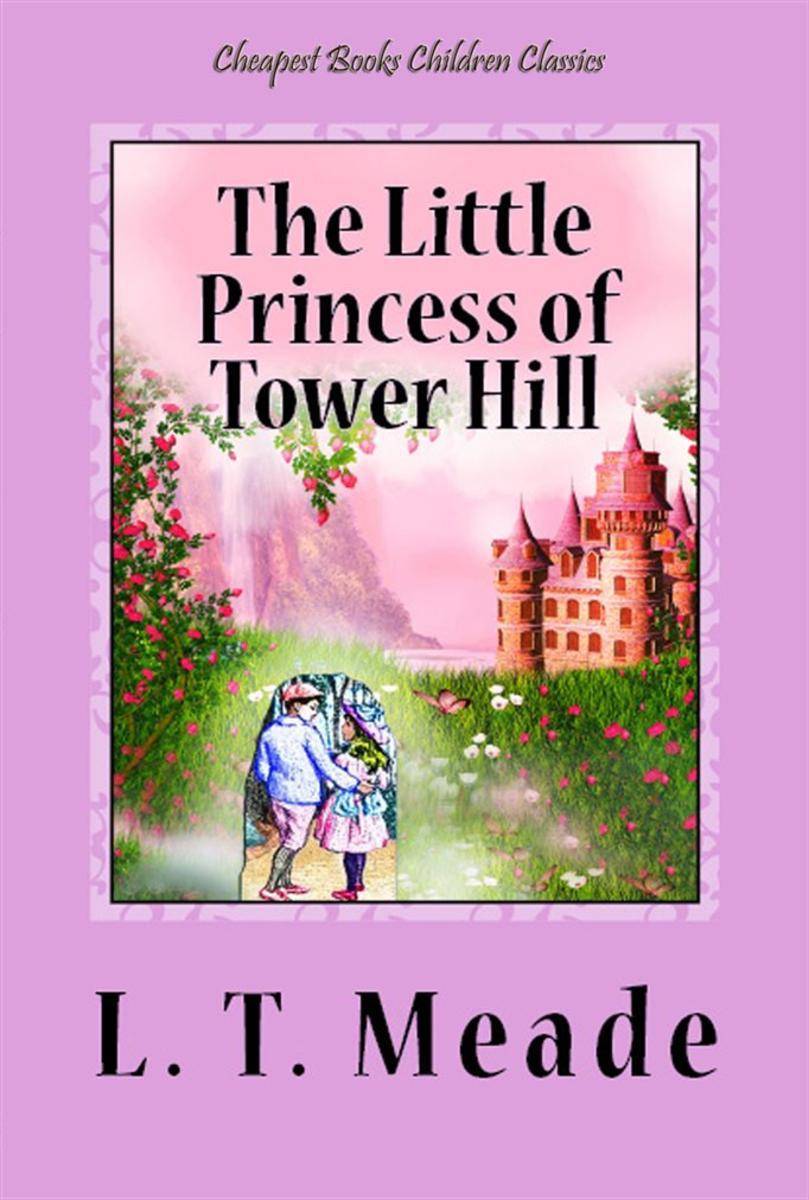
The Little Princess of Tower Hill
¥18.56
All the other children who knew her thought Maggie a wonderfully fortunate little girl. She was sometimes spoken about as the "Little Princess of Tower Hill," for Tower Hill was the name of her father's place, and Maggie was his only child. ??The children in the village close by spoke of her with great respect, and looked at her with a good deal of longing and also no slight degree of envy, for while they had to run about in darned and shabby frocks, Maggie could wear the gayest and daintiest little dresses, and while they had to trudge sometimes even on little bare feet, Maggie could sit by her mother's side and be carried rapidly over the ground in a most delicious and luxurious carriage, or, better still, she might ride on her white pony Snowball, followed by a groom. The poor children envied Maggie, and admired her vastly, and the children of those people who, compared to Sir John Ascot, Maggie's father, might be considered neither rich nor poor, also thought her one of the most fortunate little girls in existence. Mag-gie was nearly eight years old, and from her very earliest days there had been a great fuss made about her. At the time of her birth bonfires had been lit, and oxen killed and roasted whole to be given away to the poor people, and Sir John and Lady Ascot did not seem at all disappointed at their baby being a girl instead of a son and heir to the old title and the fine old place. ??There was a most extraordinary fuss made over Maggie while she was a baby; her mother was never tired of visiting her grand nurseries and watching her as she lay asleep, or smiling at her and kissing her when she opened her big, bright blue eyes.
Z?pada mieilor
¥90.84
De ce, oare, ne ?ntreb?m, ?i ?nlesnise Gra?ian Porumb omului pe care-l dispre?uia aceast? fapt?, aceast? grav? injusti?ie? Nu ?tim, d?m din umeri, privim ?n st?nga, privim ?n dreapta, dar de nic?ieri nu ne vine un ajutor c?t de c?t, un r?spuns. ?i nu ne r?m?ne atunci, insisten?i cum suntem, dec?t s? ghicim: trebuia oare, ?n imagina?ia ?nfierb?ntat? de nou? ?i ciudat? aventur? a t?n?rului – trebuia oare ca prietenul s?u Bizoniu, s? ?coboare" ?i ?n ?lumea cealalt?" care, ha, ha, se afla tot ?n lumea noastra, ?n lumea ?celor nev?zu?i?" A, nu, ei nu sunt nev?zu?i dec?t pentru simplul motiv ca ?i ?nl?turam din calea, din drumurile noastre ?i ?i ascundem, ?i ??nchidem" ?n subteranele lor care se cheam? sau temni?e, sau case de nebuni! Oricum, ?n ?subteranele nebunilor" Gra?ian consider? c? "micul pop?" ??i plimbase deja pa?ii ?i f?ptura, urma doar sa ?accead?" ?i la "ceilal?i", cei ne?n?ele?i ?i ?pedepsi?i" care, vii ?i fiin?e fiind, ca ?i noi, aveau la r?ndul lor dreptul de a-L ?nt?lni. A?a cum ?i ?el", omul viu ?i ?n?eleg?tor – de?i, cum am v?zut, el nu ?abuz?" de ?n?elegerea sa, nu se gr?bea defel ?s? ?n?eleag?", ci mai ales s? aud?, s? vad?, s? stea al?turi, s? fie, adic?, s?-?i d?ruiasca din merindea timpului s?u ?i nou?, s? fie ?cu noi" – deci, a?a cum ?i ?el" avea ?dreptul" de a fi cu ?ei". Cine ?tie? (Nicolae Breban)Puterea nev?zut? este cel de-al treilea volum din tetralogia Ziua ?i noaptea, care are ca supratem? rela?ia maestru-ucenic.


