


 购物车
购物车 个人中心
个人中心
Civiliza?ia uitat?. Rolul exploziilor solare ?n trecutul ?i viitorul nostru
¥73.49
Marina ?vetaieva se distinge printr-o scriitur? accentuat personal?, nu numai ?n poezie, dar ?i ?n proz?. Este vorba de stilistica ei nervoas?, abrupta, sincopata, chiar ?i ortografic inconfundabil?, cu multiple linii de pauz? ori intercal?ri neuzuale de paranteze, exclama?ii ?i altele. Care s? fie, deci, cuv?ntul nimerit pentru a surprinde particularitatea acestei crea?ii? I-am spus: stare patetic?. ?i pot spune: stare febril?. I-am spus: radicalitate. ?i pot spune: frenezie. ?i via?a, ?i opera ?vetaievei febriciteaz?. Ele repudiaz?, f?r? ?ncetare, situa?iile medii, mediocre, cotidiene, cumin?i. ...Dac? excesul poate periclita via??, excesivul poate salva arta. Excesivul e aici o supralicitare a d?ruirii, o hipertrofie a ata?amentului. ?vetaieva smulge arta din str?mtor?rile ei, ale ?vetaievei ?i ale artei. E ca o hiperbola a omului, ca o dovada a demnit??ii rec??tigate: prin arta subumanul trece ?n sublim. Crez?nd ?n art?, ?vetaieva crede ?n umanitate, ?n ?ansa nemuririi ei palpabile. Dar transgresarea mor?ii ea o stoarce din vecin?tatea mor?ii; dintr-o via?? ne?ncetat periclitat? de absolutismele ei. Via?a nu e tr?it? pe m?sura artei, s-o oblig?m la nem?surare! – ar putea fi deviza ei, ultimul ei mesaj.
C?l?uzitorul de suflete
¥57.14
„Mai devreme decât niciodat?“, cum scriam într-un vers de tinere?e, ajunge la tipar materia înjum?t??it?, v?muit? a jurnalului meu de scriitor din perioada 1979-1989; cel din anii anteriori s-a pierdut, nu mai are rost s? explic în ce fel. Iar materia jurnalelor mele din perioada de dup? 1989, structurat? în dou? volume: Lamenta?iile uitucului ?i Gândirea înceat?, î?i a?teapt? editorul. ?i, implicit, cititorii…
Zeii locuiesc l?ng? Olimp
¥32.62
Cartea este rezultatul anchetelor desf??urate ?n paginile revistei Contemporanul – anchete ce au abordat o problema delicat?, ocolit? de nu pu?ini c?rturari: ?Problema evreiasc?". Se pronun?? pe marginea acestei disputate teme actuale personalit??i ca, de pild?, Dumitru ?epeneag, Matei C?linescu, Ion Vianu, Irina Cajal, Ion Iano?i, Nicolae Breban, ?i nu pu?ini al?i importan?i actan?i ai vie?ii sociale, politice ?i culturale din Rom?nia de azi.Un manual indirect de istorie, cartea e destinata studen?ilor, elevilor, profesorilor, precum ?i publicului larg de cititori.
Zece prozatori exemplari. Perioada interbelic?
¥48.97
Cum dispare, cu de la sine putere, realismul socialist, transform?ndu-se – ?n textele publicate dup? ‘90 – ?ntr-un ?realism atroce“, ce oglinde?te p?r?ile ?ntunecate ?i incendiare ale existen?ei? Minimonografia Nicoletei S?lcudeanu, critic, profesor ?i istoric literar, r?spunde sugestiv ?i pertinent la aceast? ?ntrebare, cartea ei constituind-o un manual indirect de istorie a literaturii postdecembriste. Cartea se adreseaz? elevilor, studen?ilor, precum ?i publicului larg de cititori.

Jurnalul unui iubitor de fotbal
¥39.65
Noi venim pe lumea aceasta cu un suflet sincer ?i cu ochii larg deschi?i. Primim cu ?nc?ntare fiecare raz? de soare, observ?m curcubeul ?n fiecare pic?tura de ploaie ?i respir?m cu tot pieptul, pun?ndu?ne ?n fa?a v?ntului. Dar trec anii ?i ceva se ?nt?mpl?: noi brusc observ?m c? ne?am dezobi?nuit s? r?dem, entuziasmul a fost ?nlocuit cu morm?itul, iar a?teptarea bucuriei, cu am?r?ciunea dezam?girii. ?i doar o prim? adiere de v?nt de prim?var? ne treze?te ?n suflet amintirea acelei perioade de aur, c?nd via?a noastr? era una adev?rat?, ?mplinit? ?i fericit?. Vom face o c?l?torie ?mpreun? cu marele maestru Vladimir Lermontov. Dansa?i, lua?i zborul ?i zbura?i spre o nou? via?? minunat?. Mai simplu dec?t at?t nu poate fi!
Experien?e extracorporale. Istoria ?i ?tiin?a c?l?toriilor astrale
¥57.14
ncepnd cu Grdina magistrului Thomas (1995), care reprezint debutul su editorial, tefan Borbély se recomand ca un critic eliberat de marotele locale, dezinhibat de complexe endemice i dotat cu o deschidere hermeneutic n care referinele creative principale par a fi acelea germane (Nietzsche, Freud, Jung, Kafka, Hermann Hesse i Thomas Mann). Autorul tezei de doctorat De la Herakles la Eulenspiegel. Eroicul (publicat sub form de carte n 2001) reuete s depeasc handicapul speculativ att de flagrant pentru critica noastr postbelic, rmas la stadiul unui orizont de ateptare provincialist, n imposibilitate de a lua contact cu ideile critice din alte pri i a se sincroniza normal cu demersul interdisciplinaritii. Alonja deschiderii comparatiste, ca i apetitul tririi nietzscheene a ideilor fac din tefan Borbély o personalitate critic n expansiune. El este un hermeneut de descenden eliadist care cerceteaz topologia auroral a umanitii, subsumnd-o categoriei eroicului, n perimetrul creia se pot decela fundamentele culturii i civilizaiei mediteraneene. Prin opera de cercettor i culturolog avizat, tefan Borbély este un exemplu important de integrare a criticii noastre postdecembriste n sfera hermeneuticii europene.“ – Marin Mincu
Imaginea t?m?duitoare. Curs avansat de transformare
¥40.88
Prefa?? de Andrei Vochin Pe mul?i dintre ei i-a comentat pe viu! Pe al?ii i-a v?zut juc?nd, iar despre ceilal?i a aflat citindu-i pe marii cronicari ai acelor vremuri... Avand ?n spate o experien?? de peste 2000 de meciuri comentate la cel mai ?nalt nivel, Bogdan Socol a ?ncercat s? prezinte, a?a cum a fost, via?a ?i cariera a "100 de fotbali?ti legendari". Dupa o munc? minu?ioas?, mig?loas?, dar ?i foarte frumoas?, comentatorul Digi Sport a reu?it s? adune ?n 400 de pagini 100 de pove?ti speciale ale unor oameni care au marcat nu doar istoria fotbalului, dar ?i a omenirii prin impactul lor. ?n "100 de fotbali?ti legendari", ve?i afla cum un meci de fotbal i-a salvat via?a unui viitor campion mondial, cum cel mai mare atacant italian al tuturor timpurilor se motiva cel mai bine ?naintea meciurilor petrec?nd o noapte ?ntreag? lang? ni?te doamne de companie sau care a fost primul juc?tor care a f?cut o schimbare, f?r? ca antrenorul s? mai aib? vreun cuv?nt de spus. Pe parcursul lecturii acestei c?r?i, ve?i ajunge, prin intermediul celor 100 de eroi, din epoca interbelic? p?n? ?n zilele noastre, trec?nd ?i prin dramele din preajma celui de-al Doilea R?zboi Mondial, prin comunismul care a obstruc?ionat at?tea cariere m?re?e, prin dictaturile militare din America Latin? ?i prin toat? perioada de incertitudini a R?zboiului Rece. Fotbalul a ?nvins toate problemele, ?ns?, ?i a mers mai departe cu pove?tile sale. "100 de fotbali?ti legendari" ?i cinste?te a?a cum se cuvine ?i pe cei mai mari juc?tori rom?ni care ne-au marcat existen?a, Nicolae Dobrin, Ilie Balaci, Gic? Hagi, Gic? Popescu ?i Miodrag Belodedici. Bogdan Socol a ?capturat” ?ntre coper?ile noii sale lucr?ri 100 de fotbali?ti legendari din istoria acestui sport. Nu m? pot aventura s? spun c? ei sunt cei mai mari, pentru c? ?n orice astfel de anchet? nici un argument nu este mai puternic dec?t altul. Poate a mai sc?pat unul, poate c? noi, cei mai vechi, i-am prins ?i pe al?ii juc?nd ?i i-am v?zut pe viu, motiv pentru care am putea spune c? au fost mai buni ca al?ii care au prins un loc ?n volumul de fa??. De fapt, nici nu mai conteaz?. Ceea ce va r?m?ne atunci c?nd ve?i termina de citit ?i ultima poveste din acest volum va fi sentimentul acela de prea plin de informa?ie, de pl?cut? sa?ietate, pe care orice consumator de sport o dore?te. Cu at?t mai mult unul care e ?i el prizonier pe via?? ?n aceast? minunat? ?nchisoare a pasiunii numit? fotbal. (Andrei Vochin)
Tema la insomnie
¥32.62
Constat c literatura mare n-au scris-o, dup 1989, cei care ctigaser puterea, n cultur, sub eticheta biruitoare de postmodernism, ci scriitorii singuratici, indiferent de generaie, indiferent dac unora li s-au pus stigmatul de expirai. Nicolae Breban, o spun de la bun nceput, a dat una dintre marile cri ale literaturii romne moderne i transmoderne, aproape o carte-testament. (...) Singura cale este una dintre cele mai lucide cri care s-au scris vreodat, capodopera-sintez a operei lui Nicolae Breban, susinut la o tensiune narativ excepional. (...) Singura cale este unul dintre marile romane transmoderne, n varianta cinic/kynic.“ – Theodor CodreanuCred c un mare scriitor cum este Nicolae Breban ar merita mult mai mult atenie de ct a avut parte n ultimii douzeci de ani, cnd s-a ncpnat s fac ceea ce a fcut dintotdeauna, indiferent de epoca pe care a traversat-o, indiferent de situaia social pe care a avut-o: s scrie. Ca orice mare creator, Breban a avut mereu puterea de a institui prin scrisul su, n pofida evidenelor, normalitatea.“ – Bogdan Creu)Nicolae Breban, nscut n 1934, continu, de la debutul su literar din 1957 i de la publicarea primului su romn, Francisca, n 1965, s fie o prezen de vrf n literatura romn contemporan. (...) Autorul attor volume a probat, de asemenea, un singular curaj civic, atunci cnd, la nici doi ani de la alegerea sa, exclusiv pentru merite culturale, ca membru supleant al Comitetului Central al Partidului Comunist Romn (august 1969), a dezavuat, la Paris, n mod public, regimul Ceauescu, pentru tezele culturale dogmatice din iulie 1971. Cu acel prilej, i-a dat i demisia din funcia de redactor-ef al principalei reviste literare autohtone, Romnia literar. El a refuzat, totui, exilul i s-a ntors n Romnia, suportnd cu demnitate urmrile gesturilor sale de nesupunere n numele unei contiine scriitoriceti libere...“ – Ion IanoiN. Breban este mai ales unul dintre marii romancieri ai literaturii romne dintotdeauna, cel mai important dintre romancierii notri actuali, sincron, prin formele i substana ficiunii, celei mai semnificative literaturi contemporane universale.“ – Marian Victor Buciu

Te salut, fericire!
¥53.14
Prix Médicis ?tranger, Fran?a, 2010Premi Llibreter, Spania, 2011California Book Award, 2008Grace Paley Price, 2007Dac? ideea de ?eliberare prin scris“ are ?n ea o s?m?n?? de adev?r, povestirile cvasiautobiografice din acest volum reprezint? cea mai bun? exemplificare. Obsedat de imaginea unui tat? ciudat, greu de ?n?eles, care pare s? nu-?i fi g?sit nic?ieri locul potrivit, David Vann ?ncearc? s? ?i traseze traiectoria de via??, pentru a-l ?n?elege mai bine ?i pentru a reu?i s? se ?mpace cu el. ??i rememoreaz? mai ?nt?i copil?ria, momentele dureroase sau senine petrecute al?turi de tat?l s?u ori cu g?ndul la el. ??i imagineaz? apoi o c?l?torie cu el ?n Alaska, unde se retrag am?ndoi ?ntr-o regiune nelocuit?, ?n mijlocul naturii s?lbatice, ?ncerc?nd parc? s? transforme ?n realitate atrac?ia dintotdeauna a tat?lui fa?? de ?spiritul de frontier?“, nostalgia unei austerit??i care ar fi putut s? compenseze via?a tr?it? p?n? atunci ?n dezordine, egoism ?i ?n?el?ciune. Cu o intransigen??, dar ?i o ingenuitate remarcabile, b?iatul merge p?n? la cap?t al?turi de tat?l s?u ?i rezolv? ?n mod radical nu at?t enigma acestuia, c?t raporturile sale filiale cu el ?i conflictul moral devastator din via?a tat?lui.Volum tradus ?n 19 limbi
Arta de a fi
¥28.61
S? fii un tat? minunat pare o sarcin? de-a dreptul imposibil? uneori. Se a?teapt? de la tat?l modern s? poat? face orice – s? poarte ?ntotdeauna de grij? familiei, s?-i motiveze pe copii, s? fie un bun ?ndrum?tor, consilier, educator, gestionar, asistent medical, nutri?ionist, ofi?er de securitate... iar lista r?m?ne deschis?.Autorul le d? o speran?? tuturor ta?ilor care, p?n? acum, s-au descurcat ?i ei cum au putut, oferindu-le un ghid complet pentru a se implica direct ?n via?a copiilor lor, din momentul concep?iei ?i p?n? c?nd ace?tia ajung la v?rsta adult?. O lucrare necesar? at?t proaspe?ilor t?tici ?i celor cu state vechi, c?t ?i oric?rui b?rbat care sper? s? devin? ?ntr o bun? zi tat?.
Lecturi ?n filigran
¥44.15
Biblioteca pentru toi copiii“ cuprinde cele mai preuite opere ale scriitorilor clasici ai literaturii romne i universale. Crile de neuitat ale copilriei sunt disponibile astzi si in format e-book.Capodoper a literaturii pentru copii i adolesceni, Robinson Crusoe rmne i astzi o carte fundamental a primelor lecturi. Creat n 1719, ea a legnat copilria multor generaii, fiind rspndit pe toate meridianele lumii. Jean-Jaques Rousseau considera romanul un excelent tratat de educaie, iar André Malraux l aaz pe nlimile atinse de Cervantes i de Dostoievski. Mereu vie, cartea lui Daniel Defoe ne nva s fim nelepi i curajoi, s sperm i s nvingem.“
Civiliza?ii disp?rute ?i secrete ale trecutului
¥65.32
Am ales cazul de ruptur n evoluia unor exponeni proemineni din literatura romn actual, ruptura care a dus fie la impas, fie la regenerare. Pentru termenii conflictului un factor hotrtor l-a constituit n condiiile date epoca n formele ei de constrngere i de emulaie. Sunt convins c n alte circumstane ecuaia ar fi avut componente diferite. Nu sugerez c ar fi obligatorie restrngerea n ilustrarea pe care o propun, s-ar mai fi putut aduga cu aceeai ndreptite, recunosc, i alte aplicaii. Analizele nu sunt exhaustive, ele insist asupra unui fenomen caracteristic. Deruta ivit la unii pe traseu, parial sau total, s-a articulat pe planul angajrii civice i al nchegrii estetice. Trebuie s remarc o diferen n abordare, deoarece unii din cei selectai (G. Clinescu, M. Preda) nu mai sunt n via, aadar pentru ei e exclus posibilitatea unei schimbri de destin. A survenit pentru toi necesitatea unei racordri la orizontul epocii moderne, la presiunea raporturilor de for, la nvala dogmatismului, la ansele unei sincronizri cu Europa. Imperios necesar a fost lepdarea de prejudecile naionaliste i provinciale, ieirea din comarul ideologiei i al somaiei dure.“ – S. Damian
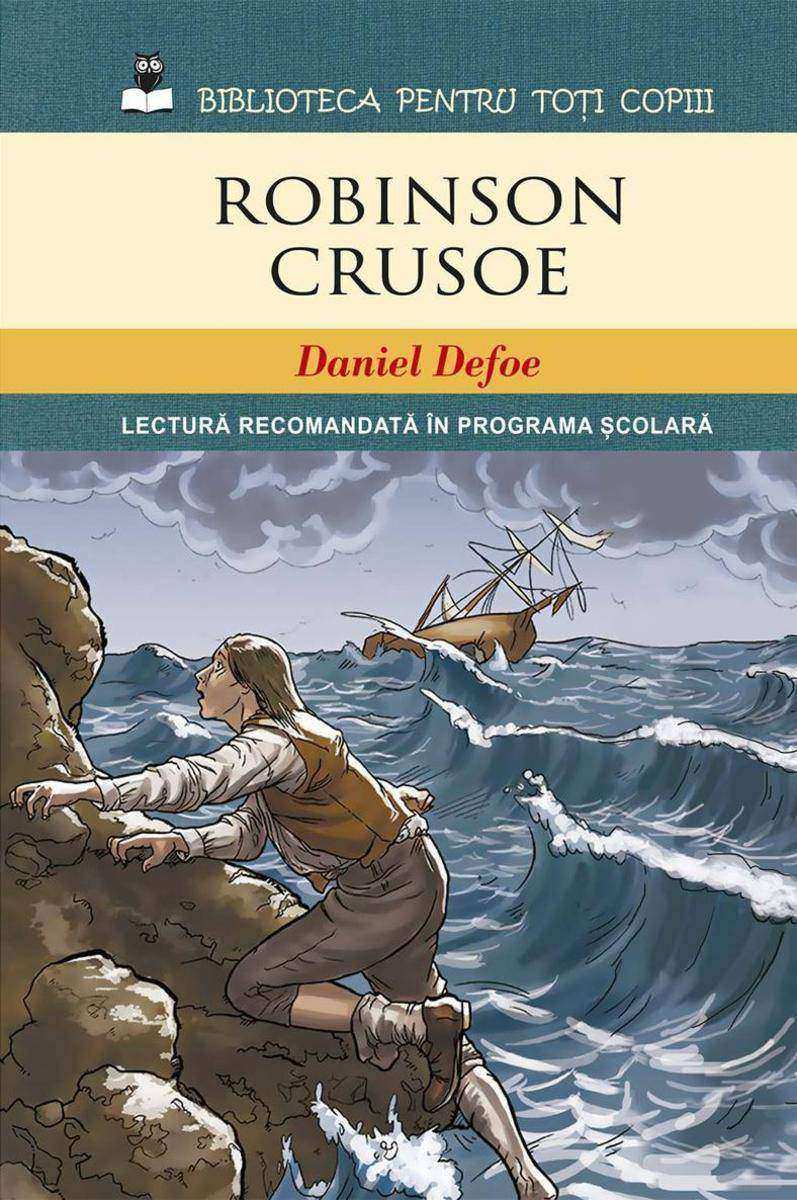
Robinson Crusoe
¥33.03
Cu ani ?n urm?, Lyra Davis l?sa ?n urm? o lume de bog??ie ?i privilegii, precum ?i pe cei pe care ?i iubea cel mai mult ?n lume, incapabil? s? ?mpace a?tept?rile familiei sale cu n?zuin?ele propriei inimi s?lbatice. Acum duce o existen?? lini?tit? pe insula Capri, ?nv???nd s? e bucure cu adev?rat de via??, al?turi de b?rbatul pe care ?l consider? sufletul pereche.Fiica ei, Pell, acum ?n v?rst? de 16 ani, ?i sora ei mai mic?, Lucy, ?nc? ?i duc dorul mamei care le-a p?r?sit c?nd erau copii. Pell crede c? ?tie motivele pentru care Lyra le-a abandonat, ?i, dup? moartea tat?lui lor, va traversa lumea ca s? o g?seasc? pe mama pe care ?i-o aminte?te ?i s? afle adev?rurile ad?nc ascunse, pe care Lyra nu a putut s? le dezv?luie p?n? acum.Un albastru infinit este o poveste despre dragoste, familie ?i prietenie ?n vie?ile a dou? femei care se re?nt?lnesc ?n locul unde ?ncep visele – ?i unde se pot ?mplini ?n cele din urm?.
Imparare a Morire
¥41.86
Un roman de excep?ie, cu o intrig? de prima m?n?. Un roman care se cite?te cu sufletul la gur?.
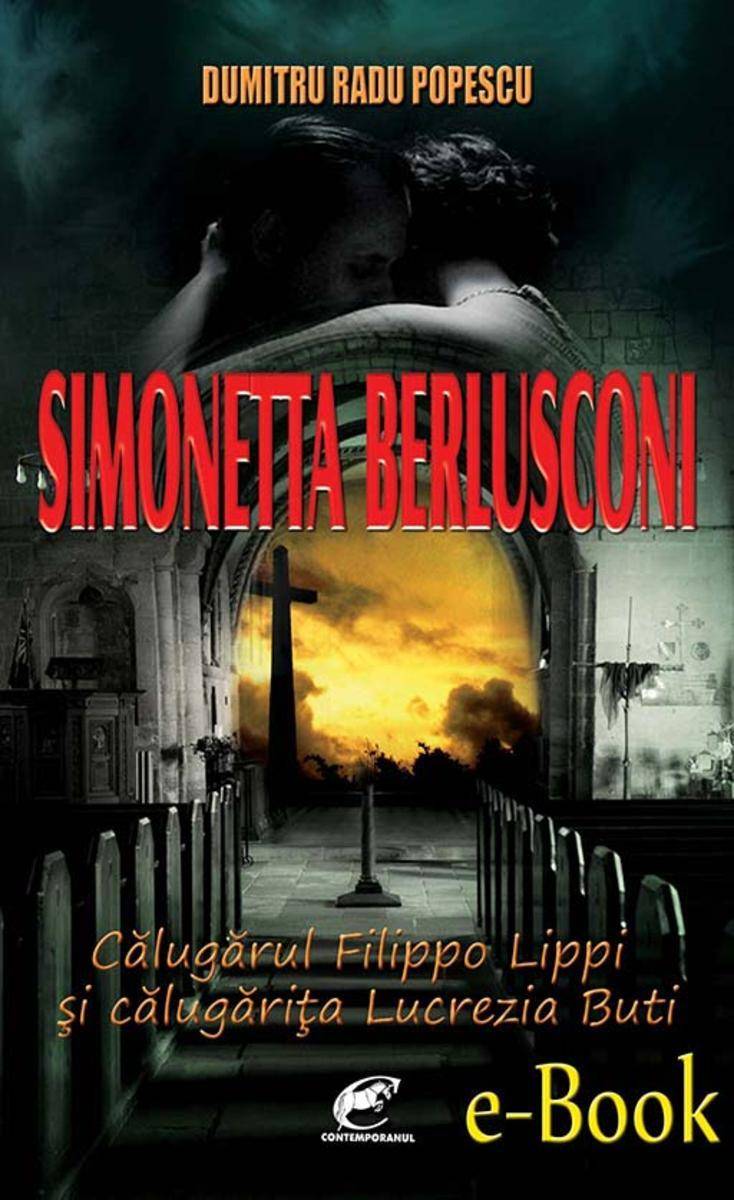
Simonetta Berlusconi. C?lugarul Filippo Lippi ?i c?lug?ri?a Lucrezia Buti
¥98.02
M aplec critic spre o literatur nc insuficient cunoscut, marcat n ultimele decenii i de obsesia sau complexul Premiului Nobel. Atitudinea noastr comun fibrileaz excesiv de relativizant sau absolutizant, ncercnd s devin acionar i s provoace reaciuni ntr-un domeniu artistic universal, cu suport multilingvistic. Rmn la convingerea c exemplaritatea este efectul stranietii privit ca insolit familiaritate. Testez, cum am mai spus, fondul autohton i forma universal, n epic romneasc din secolul XX, evideniind experimentului substanial, n msura n care se integreaz n – i face sau ncearc diferena de – epic occidental. Dincolo de valoarea intrinsec, prin traducere merituoas i meritat, se va arta c literatura romn, chiar i prin proz, vine ntr-un (de)mers firesc, de vie comunicare, spre doritul i hulitul Premiu Nobel...“ – Marian Victor Buciu

?ntunecare (2 vol.)
¥26.16
iganii lui Miron Radu Paraschivescu nu sunt arztorii gitanos andaluzi rzboindu-se cu la guardia civil, ci biei oameni nevoiai, obedieni, care-i cnt iubirile arzoaie, se blestem, se prsc, viseaz, iar nfruntrile cele mai sngeroase dintre ei nu depesc vendeta mrunt din Ric, ce aduce aminte de strlucitul cntec btrnesc Toma Alimo.“ – Ilie Constantin
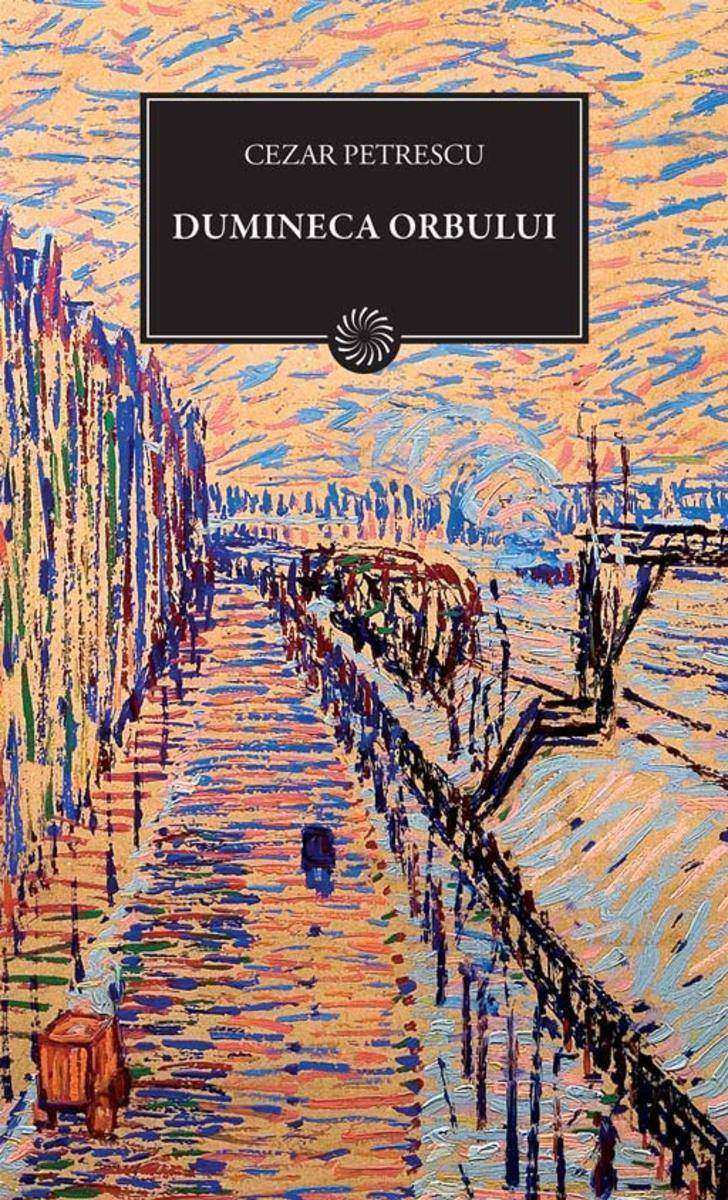
Dumineca Orbului
¥13.08
Mamele, care fac at?t de multe lucruri, spun adesea despre ele c? stau ?n cas? ?i nu fac nimic. Se simt singure, invizibile ?i ne?nsemnate. ?i asta de?i fiecare mam? ??i preg?te?te copilul pentru societatea ?n care tr?im cu to?ii. ?ntreaga civiliza?ie depinde de munca mamelor. ?i nu sunt vorbe prea mari. Via?a social? ar fi haotic? f?r? contribu?ia at?t de ?nsemnat? a mamelor. Dac? ele se simt lipsite de importan??, atunci cu siguran?? valoarea muncii lor nu este apreciat? cum se cuvine. Cartea Ce fac mamele este scris? cu scopul de a ilustra nu doar motivele pentru care meseria de mam? merit? toat? admira?ia noastr?, ci ?i influen?a pe care noi to?i o avem ?n acest sens. Cu to?ii suntem conecta?i la universul acesta al mamelor.Atunci c?nd o femeie ?ncepe s? le spun? celor din jur c? este ?ns?rcinat?, se simte uneori de parc? ar fi p??it pe un teren minat. Pentru fiecare ?ntrebare posibil? legat? de ea ?i de copilul ei, exist? cel pu?in dou? ?coli opuse de g?ndire. Fiecare ?coal? de g?ndire ??i consolideaz? principiile prin intermediul unui atac la adresa ?colii ?inamice“, cu previziuni ?nfrico??toare privitoare la ceea ce se va ?nt?mpla dac? mama va c?dea prad? influen?ei acesteia. Au ap?rut o mul?ime de c?r?i care le ?ndeamn? pe mame s? urmeze regulile sau instruc?iunile personale ale autorilor, deoarece acestea, chipurile, le-ar u?ura munca. Dar c?t de util este un set de reguli? Tr?im ?ntr-o societate tolerant?, iar dreptul de a alege este o consecin?? pre?ioas? a acestui fapt. Totu?i, mamele se simt adesea etichetate ?n func?ie de alegerile pe care le fac ?i respinse de femeile care au luat decizii diferite. Autoarea ?ncearc? ?ns? s? ne spun? c?, ?n spatele alegerilor noastre individuale, exist? teme fundamentale, comune mai tuturor mamelor. Le ?mp?rt??im oriunde am locui ?i indiferent de epoc?. Rolul de mam? se concentreaz? asupra dragostei pe care o ofer? copilului s?u. Cartea ??i propune s? ofere pe de o parte ?ncuraj?rile de care au at?ta nevoie mamele, pe de alta, un reper ferm pentru oricine ?ncearc? s? le ?n?eleag?.
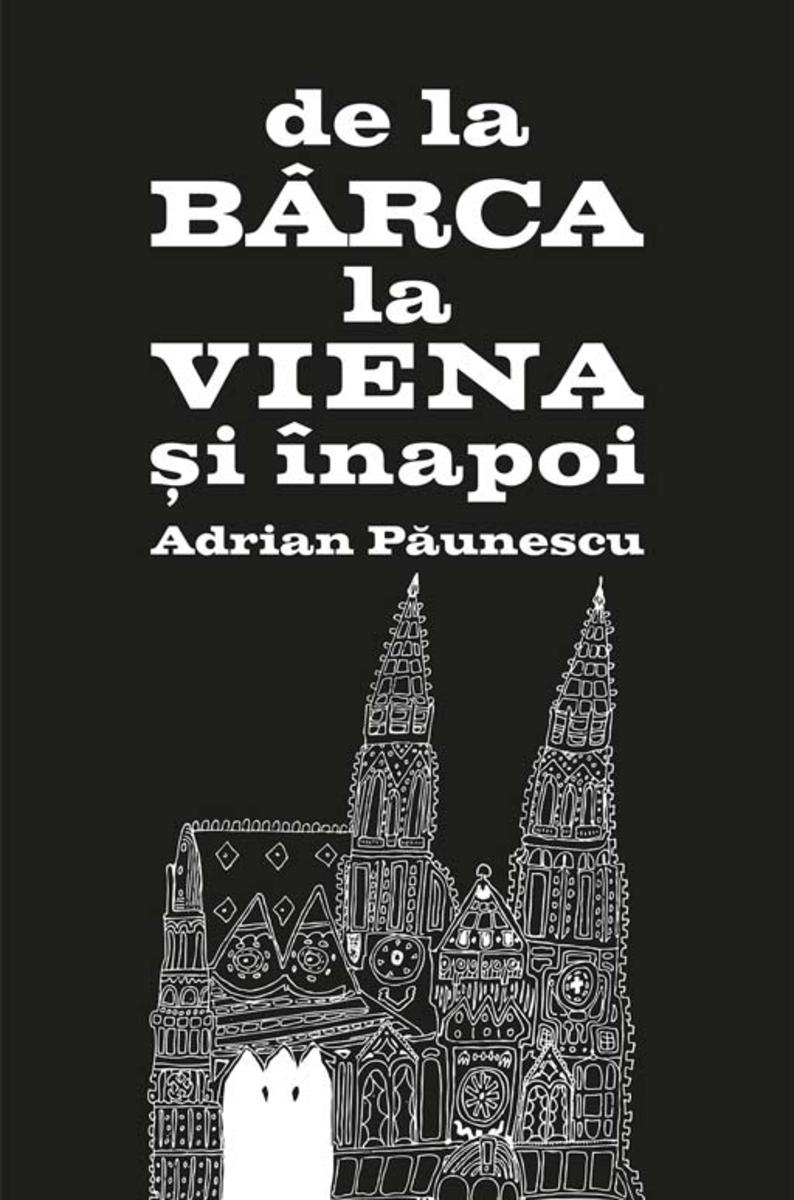
De la B?rca la Viena ?i ?napoi
¥41.37
ntmplri reale despre oamenii i experienele care aduc linite sufleteasc i bucurie femeilor Cu toii avem de nfruntat adversiti din cnd n cnd. Cu toii suntem uneori triti. Cu toii suntem cteodat prea ocupai, prea mulumii de noi nine sau prea apsai de povara propriilor probleme ca s mai apreciem lucrurile pozitive din vieile noastre. Colecia Poveti adevrate“ i aduce cazuri reale, ntmplri din viaa unor oameni obinuii, ce ne vorbesc despre curaj i buntate, despre binecuvntrile i miracolele vieii, amintindu-ne c nu suntem singuri, c putem rzbate chiar i n cele mai ntunecate zile, c nc exist buntate n lume. O nmormntare i o coresponden prin e-mail readuc mpreun dup zeci de ani o familie nstrinat de divor. S mplineti patruzeci de ani nu nseamn renunarea la orice scop n via, ci poate fi momentul n care s ncepi a avea grij i de tine, nu doar de familia ta. Dup multe lecii dureroase, vei descoperi c este mai bine s fii tu nsi dect s ncerci a fi Iubita Perfect. 42 de ntmplri adevrate despre dragoste, prietenie i puterea femeilor de a merge mai departe.

Azon is túl
¥91.99
A t?kéletes házaspár. A t?kéletes gyilkosság. Senki nem feltételezné, hogy az elismert bíró és az elegáns felesége egy drogos prostituálttal beszél meg találkozót. Azt pedig végképp nem, hogy a lányt meg?lik és eltemetik a patinás, ódon villájuk kertjében. A Fitzsimon házaspár mélyen hallgat a gyilkosságról. A n? mindent megtesz, nehogy a fia tudomására jusson a sz?rny? titok. A férfi viszont lelkileg és idegileg kezd szétesni. De a fiú nem olyan naiv, mint ahogy a szülei képzelik. Talán nem is annyira ártatlan. ?s a legnagyobb probléma, hogy szinte r?geszmésen érdekl?dni kezd a prostituált családja iránt… ?Mondd le a programjaidat, amikor belekezdesz.” Sunday Mirror ?Pokoli jól kitalált t?rténet, bravúros kegyelemd?féssel a végén.” Sunday Times ?Briliáns szerkezet? thriller. Az utolsó lapokon már szinte elviselhetetlen a feszültség.” Woman&Home
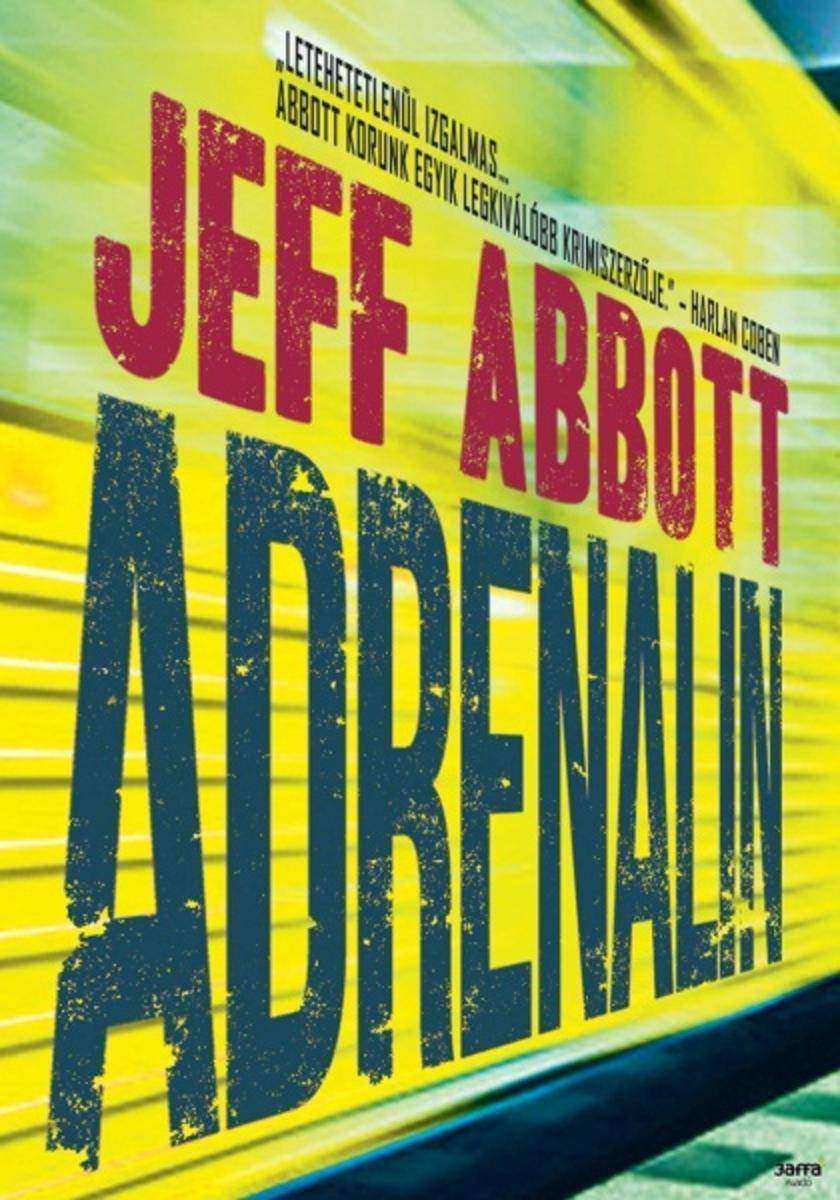
Adrenalin
¥57.31
A fváros eleshet, a hadsereg széteshet, de a gyzelmet nem adjuk.” Tamás tábornagy sikeresen visszaérkezik szeretett hazájába, ám a fváros, Adró, trténetében elszr idegen megszállók kezére került. Egyetlen fia eltnt, szvetségeseit képtelen megkülnbztetni az ellenségeitl, az ersítés pedig csak hetek múlva érkezhet. A továbbra is a Kez támadásait nyg, vezet nélkül maradt adrói hadsereg végül nmaga ellen fordul. Adamat felügyel ebbe a konfliktusba keveredik elrabolt fia keresése kzben. Kétlvet Tániel, akit saját katonái üldznek, igyekszik megóvni az egyetlen reményt arra, hogy Adró pusztulás nélkül vészelje át a háborút… Az SZI KZTRSASG a Lpormágus-trilógia eposzi zárása.

T?rékeny vonzer?
¥57.55
S, mint sokk. Alex élete egyetlen pillanat alatt romba d?l, amikor autóbalesetben elveszti a szüleit. A lány ügyvédje ráadásul felkavaró hírrel szolgál: van egy eltitkolt n?vére. O, mint otthon. Dory sosem ismerte a szüleit és ?r?kbefogadó családja másodrend? gyerekként nevelte fel. Amikor a család imádott, vér szerinti gyereke gyilkosság áldozata lesz, a gyanú Dory-ra terel?dik. S, mint sors. Harminc év után Alex és Dory el?sz?r találkozik. Alexnek nemsokára sz?rny? kérdéssel kell szembesülnie: lehet, hogy élete legnagyobb hibája volt, hogy megkereste az eddig eltitkolt n?vérét? Ki akarhat most Alex életére t?rni? ?Az utolsó lapig nem találod ki a megoldást." - Publishers Weekly. ?Sokkolóan fordulatos t?rténet. " - Booklist. Patricia MacDonald amerikai bestsellerszerz? okos, csavaros krimijei egyaránt magával ragadják a pszichothriller és a klasszikus detektívregények rajongóit. Szinte irodalmi min?ség? sztorikat talál ki, viszont - mint egykori televíziós szappanopera-szerkeszt? - lebilincsel?en p?rg?sre, fordulatosra írja meg.


