


 购物车
购物车 个人中心
个人中心
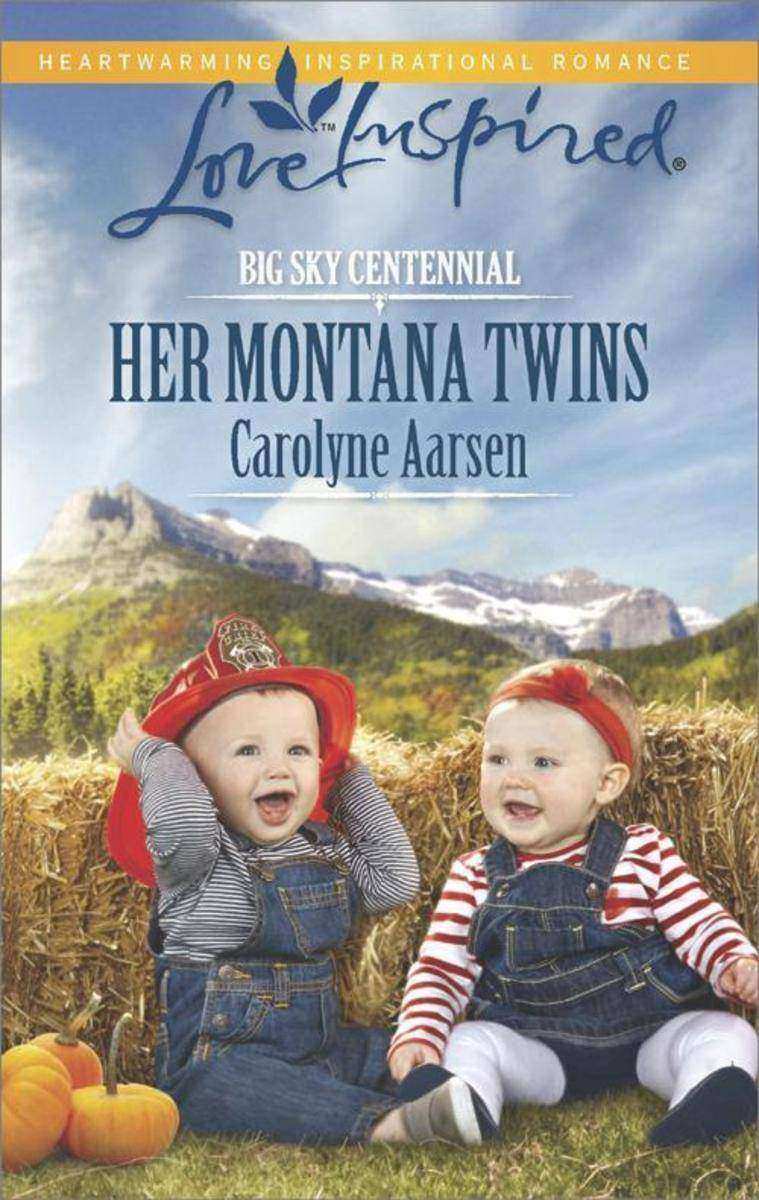
Her Montana Twins (Mills & Boon Love Inspired) (Big Sky Centennial, Book 4)
¥31.20
A FOREVER FAMILY Raising twins on her own hasn't been easy for widowed mom Hannah Douglas. But she's determined to see her family-and the picnic basket auction she's organizing for the town's centennial celebration-succeed. Still, there are times she wishes for someone to lean on. To her surprise, Brody Harcourt's strong shoulders are at the ready. Seems like Jasper Gulch's favorite firefighter and rancher is always there when she needs him. But Hannah's not sure she's willing to take another chance on love, especially with someone whose job puts him in harm's way. Is the risk of loving Brody worth the reward to make her family complete? Big Sky Centennial: A small town rich in history… and love.

His Texas Forever Family (Mills & Boon Cherish)
¥25.70
Please Report to the Principal's Office… Paige Graham only has room in her life for her son, Owen. He hadn’t spoken since his father died, but things changed when he met his new art teacher, Liam Campbell. Paige can’t help marvelling at the progress Owen’s made – and Liam isn’t exactly hard on the eyes either! New to Texas, Liam can’t risk his future by falling for his captivating supervisor Paige. But there’s something about her that he can’t resist. With Owen on the road to recovery, healing Paige’s heart to help her love again is next on his agenda.
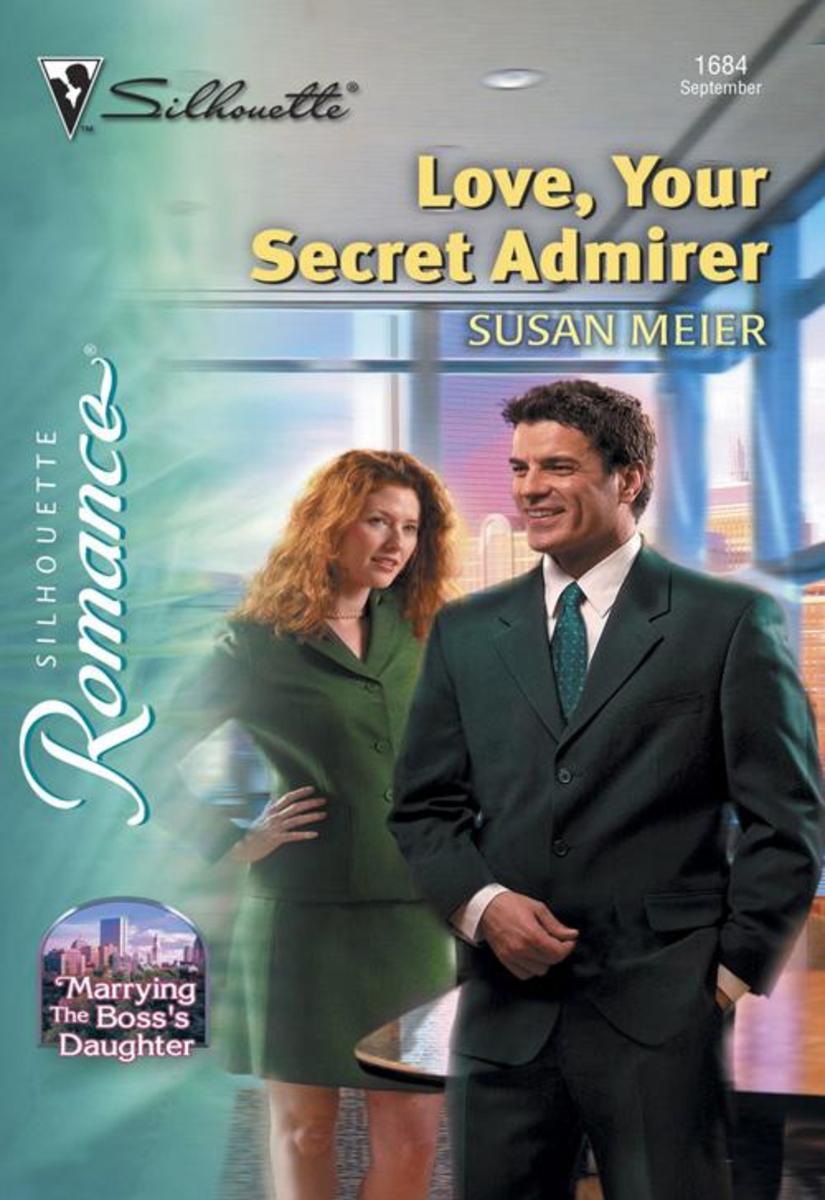
Love, Your Secret Admirer (Mills & Boon Silhouette)
¥20.60
FROM THE DESK OF EMILY WINTERS Bachelor #1: Matthew Burke Title: Senior VP of Accounting This Month's Scheme: Open Matt's eyes to his adoring assistant Let's see… There's got to be a way to get all-business Matt Burke to notice his lovestruck secretary, Sarah Morris. I think she needs a secret admirer to shower her with gifts and a sexy makeover from small-town farm girl to big-city bombshell. That should be enough to drive even the most pragmatic man wild with jealousy–and desire. I'll leave the falling in love part to Sarah….
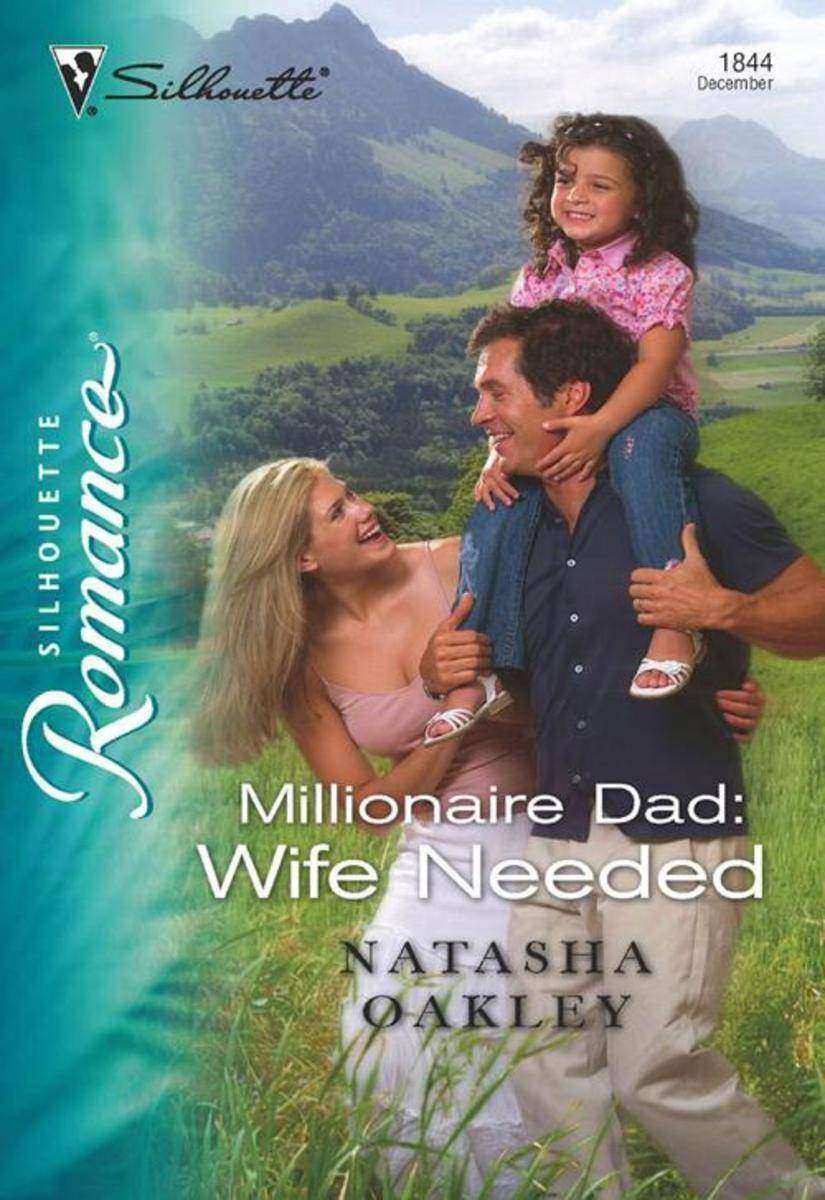
Millionaire Dad: Wife Needed (Mills & Boon Silhouette)
¥21.58
Nick Regan-Phillips: a millionaire, whom the world assumes has it all…but he's got a secret that he's kept from the world–he's a single dad. Nick's daughter, Rosie, is deaf. Nick missed the first five years of Rosie's life, but now she's come to live with him he's struggling to communicate with her…. Lydia Stanford: beautiful, courageous, award-^nnning journalist. And seemingly the only person who can help Nick forge a bond with his daughter… "But when their fragile relationship is tested, will , Lydia realize how much this millionaire dad really means to her–and needs her–before it is too late?

Oh, Babies! (Mills & Boon Silhouette)
¥31.10
Simultaneously nurturing and sexy, Kristen Devereaux filled a void in Grant Brewster's soul. Not only did the new nanny shower the businessman's triplet babies with kindness, but she also aroused in him emotions he'd thought long buried. Grant suspected his masculine charms were having an effect on Kristen. And he ached to have her for himself. But Grant cherished his family above all, and would do anything to protect them. So what would happen when he learned Kristen's secret–that she wanted to claim the babies for her own?
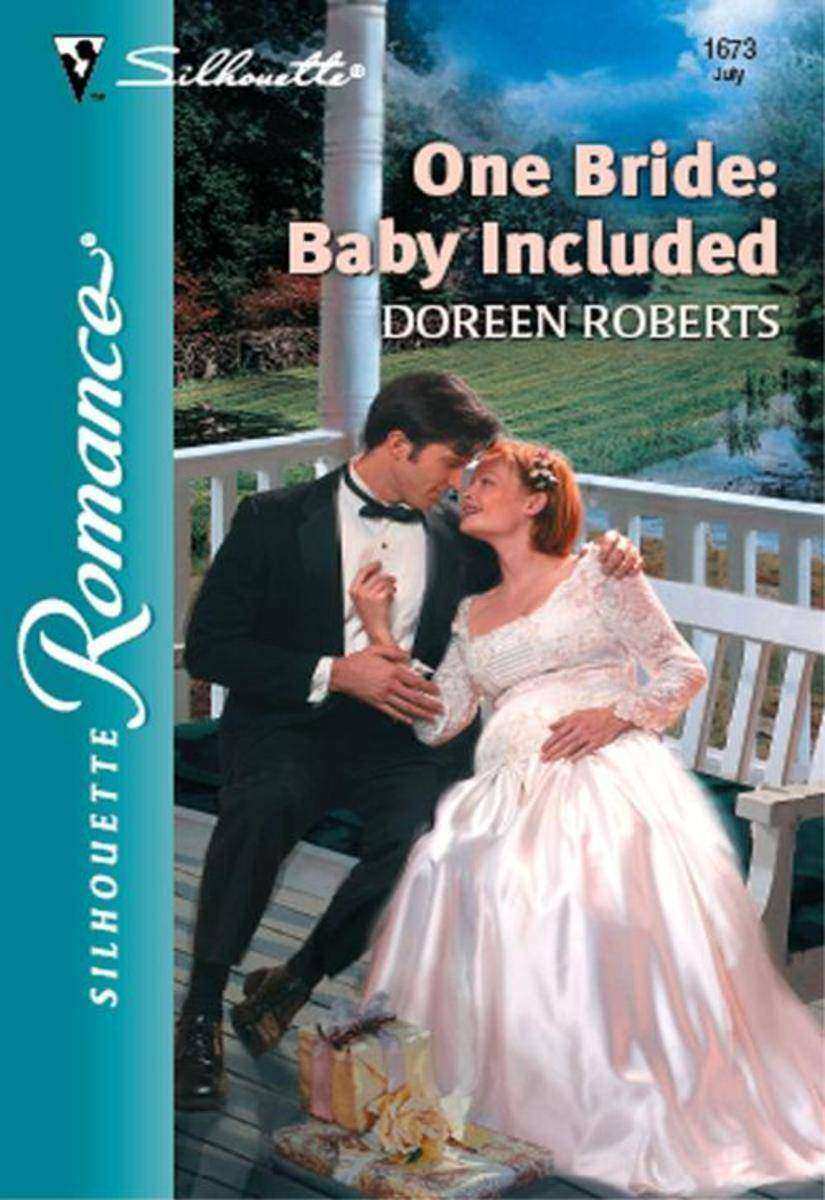
One Bride: Baby Included (Mills & Boon Silhouette)
¥25.60
George Bentley had mastered the art of negotiation, so he recognized his mother's "favor-for-a-friend" plea for what it was: matchmaking. Worse, the favor was Amy Richards, a girl who'd been oil to his water once. Now, to his shock, George found himself wanting to spend 24/7 with the spirited beauty instead of on business–especially when he learned why she'd unexpectedly relocated. Amy was expecting. Suddenly, George's urge to care for Amy and her fatherless child rivaled his urge to climb the corporate ladder, making him wonder if his mother's wedding wish wasn't so off-the-wall. With Amy, George had bride and baby all lined up. Now all they needed was love….
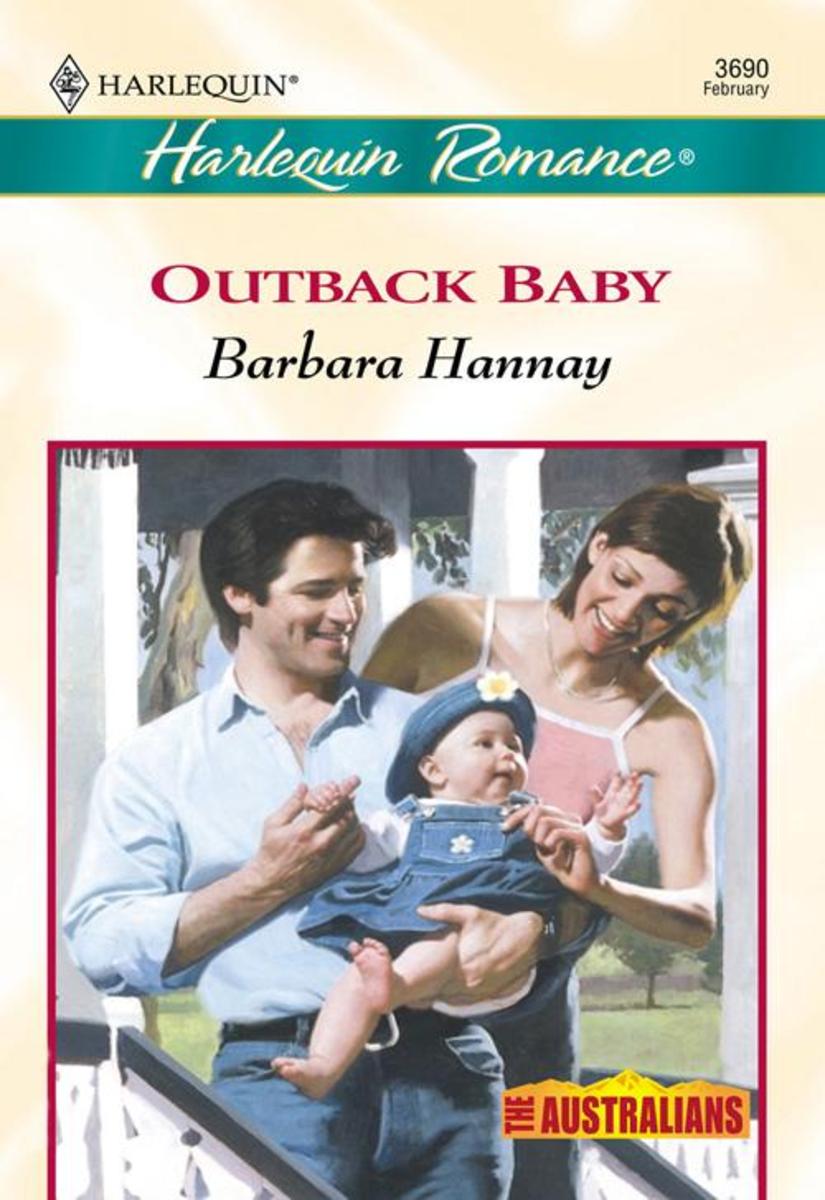
Outback Baby (Mills & Boon Cherish)
¥31.10
Max Jardine always behaves like a bossy big brother to Gemma Brown. Except for one night five years ago–a night they have never talked about since. But now Gemma is moving into Max's remote Outback home to help him care for a friend's baby… Seeing stubborn, gorgeous Max with a baby in his arms confuses Gemma–almost as much as it intrigues Max to see Gemma all grown up! And tension mounts as they confront the past…
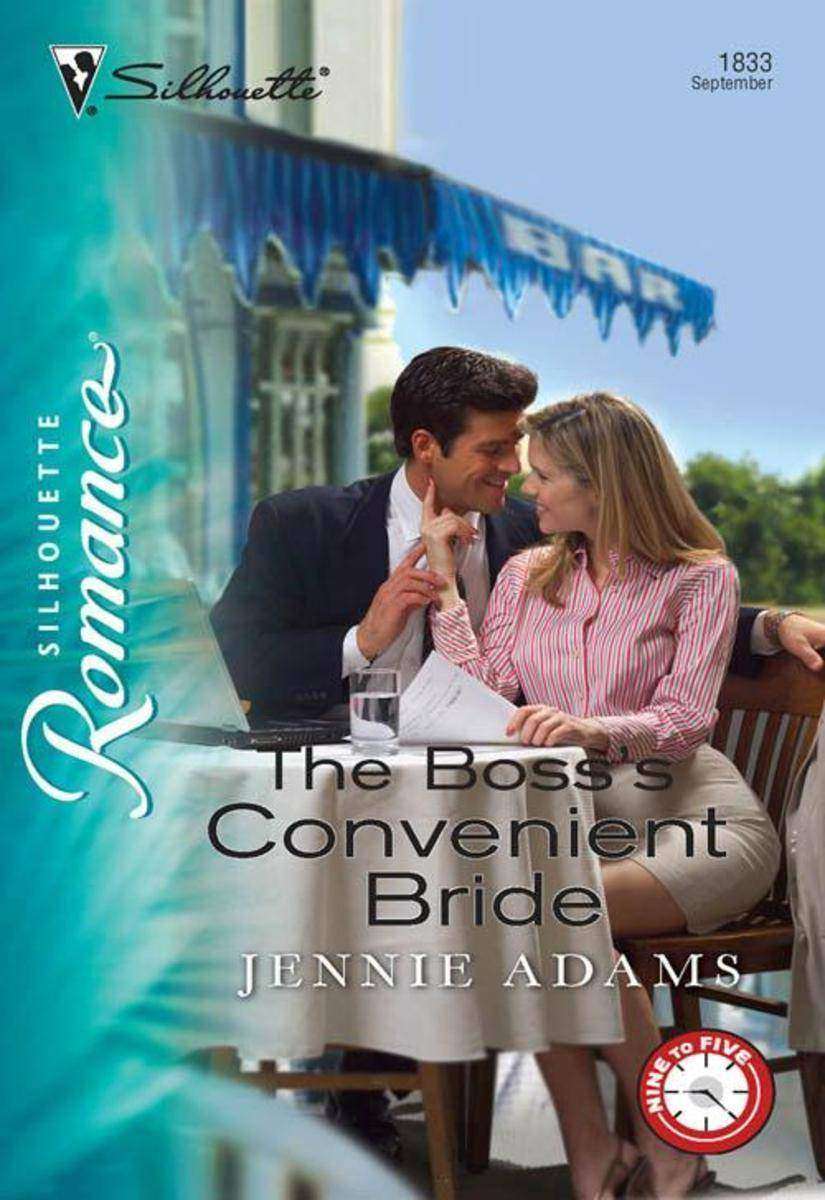
The Boss's Convenient Bride (Mills & Boon Silhouette)
¥21.09
Claire Dalgliesh is shocked–no, stunned–when Jier cool, controlled boss declares that he needs a convenient wife–and the woman he's selected for Ithe job is her! Claire may have a crush the size of Australia on her gorgeous boss, Nicholas Monroe, jbut she's not going to walk up the aisle with him. Not without love. Claire soon discovers she has ,no choice but to throw herself headlong into the wedding preparations. But what will Nicholas do when he discovers Claire's secret: that she has no intention of becoming his wife…?
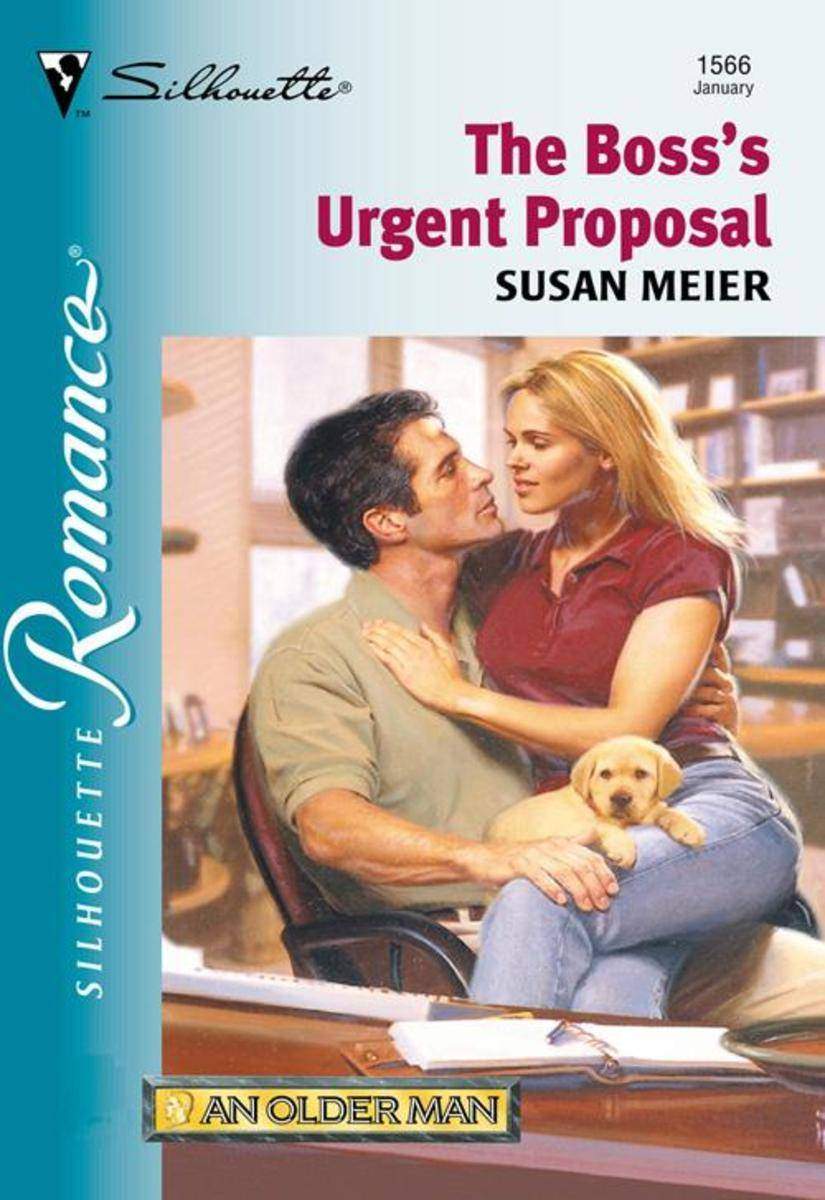
The Boss's Urgent Proposal (Mills & Boon Silhouette)
¥31.10
Olivia Brady was head over heels in love with her breathtaking boss, Josh Nicholson…but he had no idea. And four years of loving the eye-catching executive from afar had taught her that it was time to move on. But when Josh learned that his ace secretary was leaving town, he demanded she stay…under his roof! Now with the blond beauty at arm's length, Josh suddenly realized that he wanted her for more than her excellent organizational skills…but a commitment was out of the question. Would Josh ever put his doubts of love aside and allow Olivia's steamy kisses to touch his hardened heart?
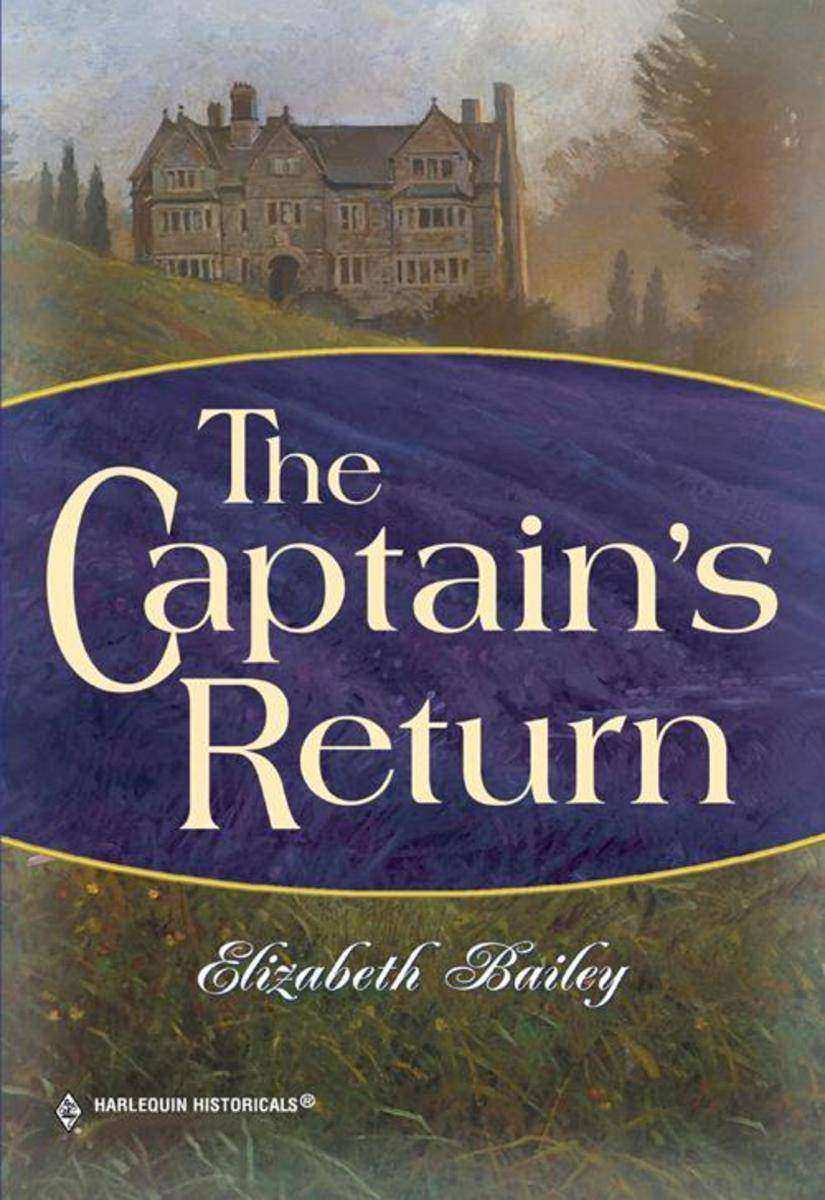
The Captain's Return (Mills & Boon Historical)
¥39.24
A young woman disappears. A husband is suspected of murder. Stirring times for all the neighborhood. In a village near Steepwood Abbey, a captain–thought lost in the war–returns to his home. But things are not quite what they seem.… Captain Henry Colton is stunned to find his lost love living the quiet life of a widow– with a small daughter! Since they had parted in anger, how can he expect Annabel to let him back into her life? His only recourse seems to be to pose as her husband, miraculously returned alive from the war.… Regency Drama Intrigue, mischief…and marriage The Steepwood Scandal
The Courtship (Mills & Boon Historical)
¥39.24
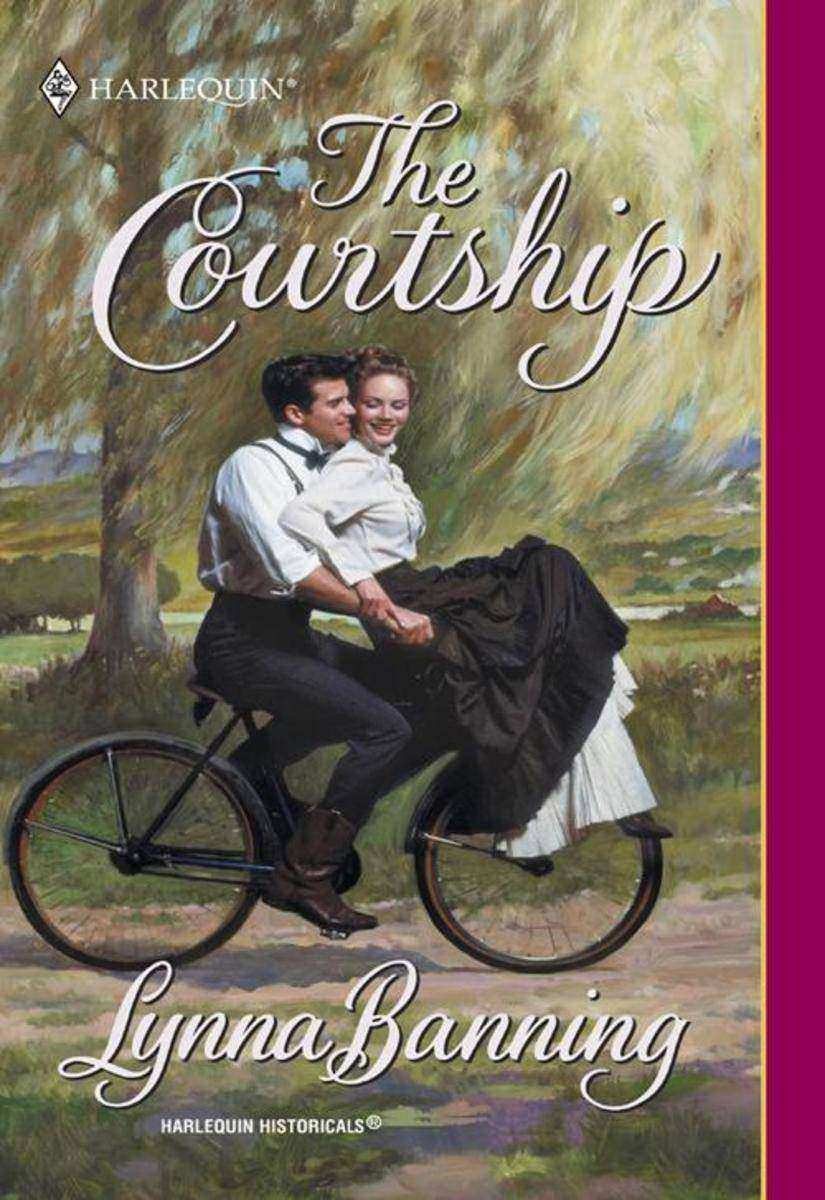
Temporarily displaced Southern belle Jane Charlotte Davis was desperate to make enough money to return home. So when town banker Rydell Wilder, a Northerner through and through, offered her a loan to start her own business, she jumped at the chance. Even though the man was too handsome–and too interested in her–for her peace of mind.… Once, Rydell Wilder had been the new, poor boy in town. Now he had the wealth and the means to get whatever he wanted. And what he wanted more than anything was Jane. But did he have a prayer of turning their business deal into a marriage contract?
The Daddy's Promise (Mills & Boon Silhouette)
¥21.09
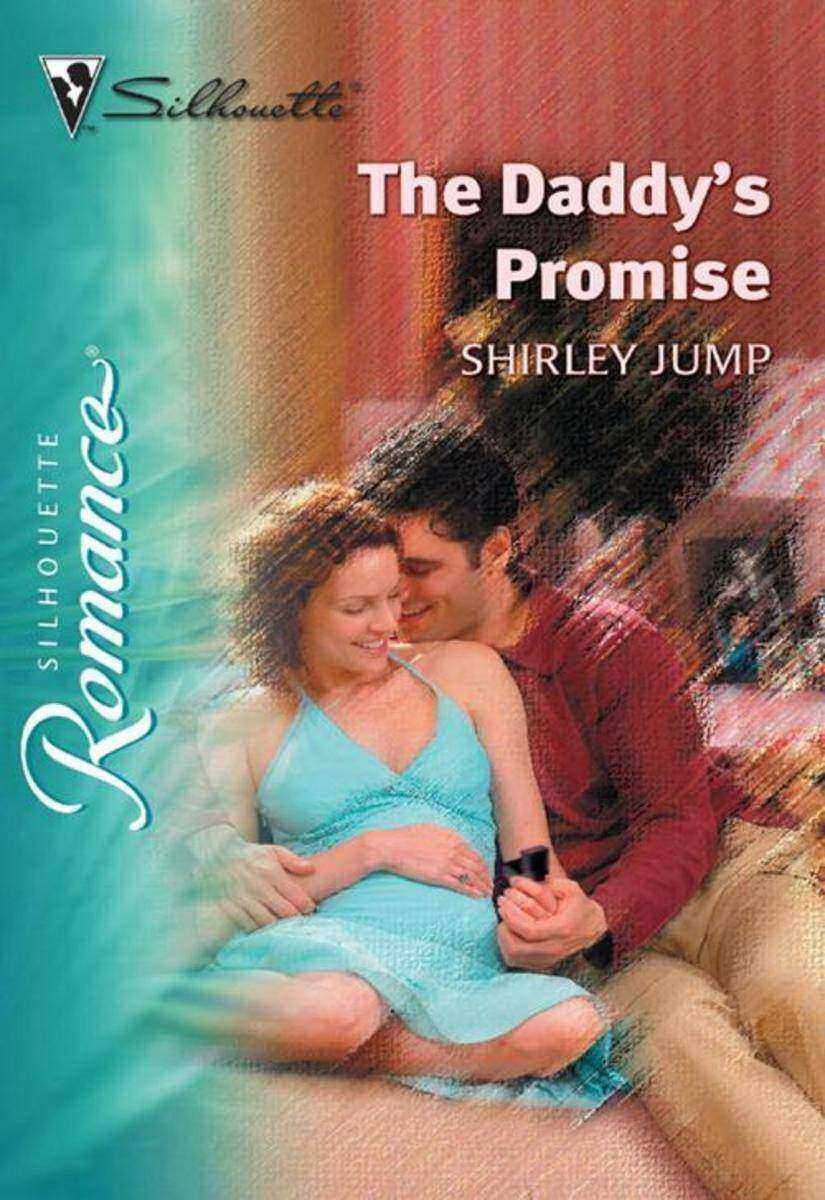
HAVING…ANOTHER MAN'S BABY Anita Ricardo had moved to town to make a home for her baby–alone. She'd learned long ago that she didn't need anyone, not even Luke Dole, the sexy single dad she'd once fantasized about. But how could a hormonally challenged expectant mother steer clear of her former crush when he was so irresistible? Luke had never dreamed he'd again be face-to-face with Anita…a very alluring, very pregnant Anita. Once, he'd let her go. But he wouldn't make that mistake twice. Because now Anita needed him, and he planned to show her exactly what fulfilling the promise of fatherhood really meant….
A Penniless Prospect (Mills & Boon Historical)
¥31.10
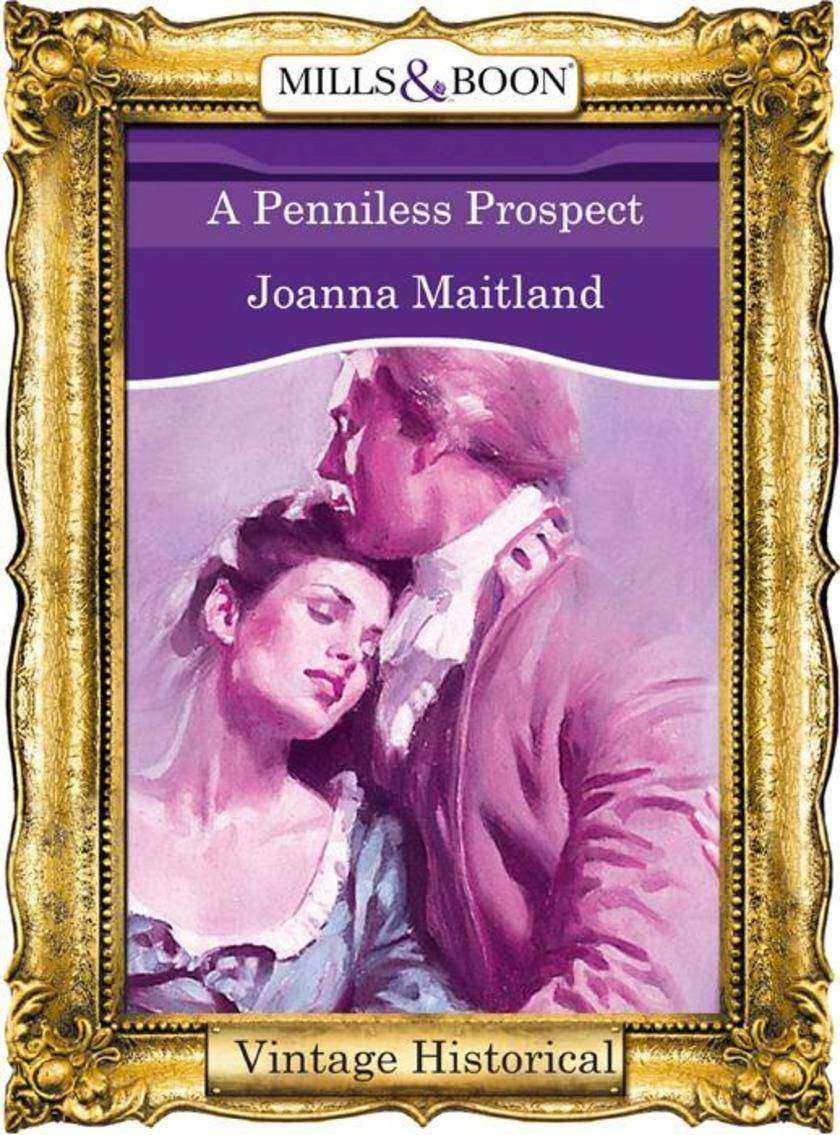
A Lady In Disguise With no dowry and unremarkable looks, Jessamyne Calderwood sees herself as a penniless country mouse. But when her greedy family attempts to marry her off, the mouse becomes a wily vixen…. Determined to escape a loveless marriage, "Jamie" disguises herself as a boy and manages to find a position working in the gardens on the estate of Richard, Earl Hardinge. There she remains undetected until Richard rescues her from an attack. To his astonishment, he finds he's not holding a boy, but the soft body of a delectable young woman….
Fatal Fallout (Mills & Boon Romantic Suspense)
¥31.10
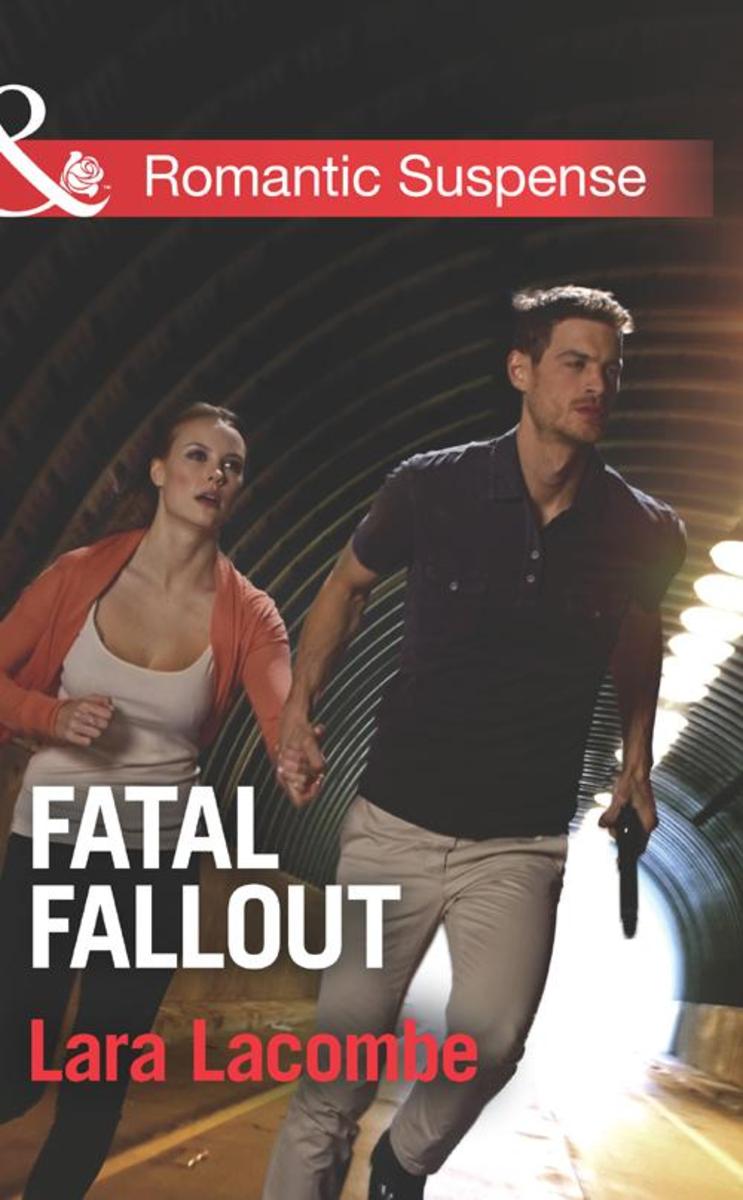
Torn between duty and desire, two strangers must risk all for love Nuclear physicist Dr. Claire Fleming has one rule: never get close to anyone. But when her colleague is murdered and she's targeted next, she must place all her trust in FBI agent Thomas Kincannon. Soon Claire forgets her tenet as she fantasizes about Thomas's touch. Thomas is wildly attracted to Claire. But his life and his job are too complicated for any romantic entanglements. Despite this, they share a mind-blowing kiss, and there's no turning back. When Thomas's niece is abducted, the stakes become dangerously higher as Claire insists he trade her for the child. Somehow, Thomas must find a way to rescue his family and protect the woman who let her protective walls down just for him.

Forecast
¥15.50
The Lockwood triplets are charged with helping to save the world–but at a high cost. Coral is always in the middle, always the family peacemaker. She's the sister with the most to prove. When a freak snowstorm halts her Florida summer, signaling the Norse end of the world, she tracks down Taran Breen–a would-be warrior carrying Thor's soul. A boy who's fought his temper all his life and is now a suspect for murder. One who looks at her as no other has before. As roaring seas surge and terrifying underworld creatures emerge for battle, can Coral control her goddess magic and protect Taran? Because now she has a chance for more than her crazy life–as long as she and Taran win… It is written that three Sisters of Fate have the power to change the world's destiny. But only if they survive…
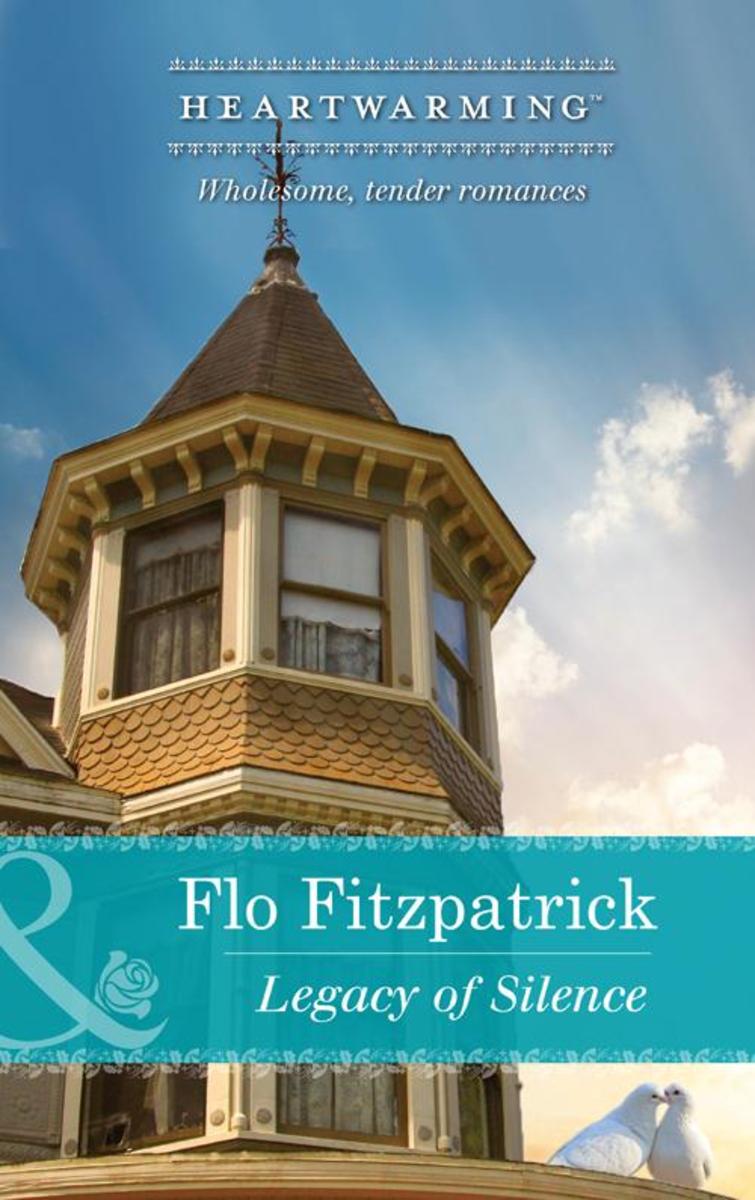
Legacy of Silence (Mills & Boon Heartwarming)
¥25.21
She can't imagine a life without music… Even as a little girl, Miranda Nolan loved to sing and dance, especially for her reclusive neighbor, a woman who was more like a second mother. She never expected to inherit her mentor's estate and to have to put her career as a performer on hold. Even more confusing, she's found herself settling affairs with co-claimant Russ Gerik, an interpreter who lost his hearing in a tragic bombing and struggles to find his way in a now-silent world. Unimaginable. As the two work together to catalog the possessions of–and understand–a woman shrouded in mystery, they forge a powerful connection. But how long can their bond last when it's not built on trust?
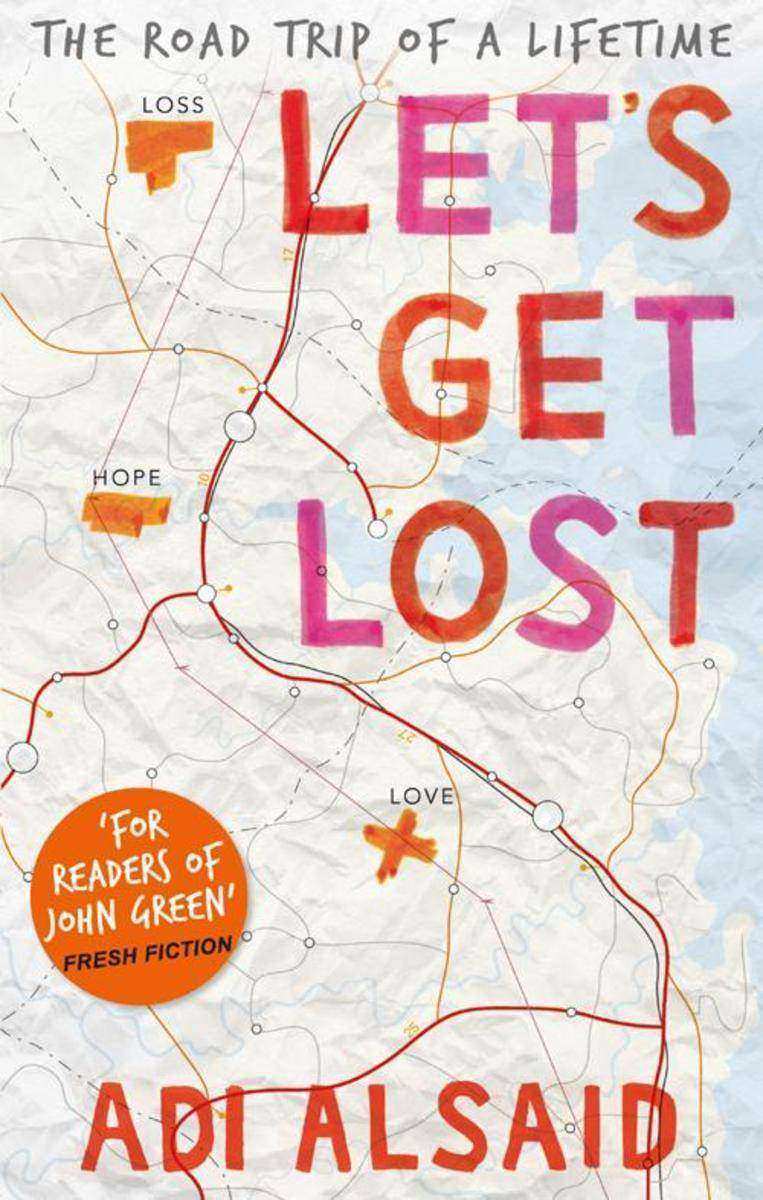
Let's Get Lost
¥11.77
One girl could change four lives forever… Mysterious Leila, who is on the road trip of a lifetime, has a habit of crashing into people’s worlds at the moment they need someone the most. There’s Hudson, who is willing to throw away his dreams for love. And Bree, a runaway who seizes every Tuesday—and a few stolen goods along the way. Elliot who believes in happy endings… until his own goes off-*. And Sonia who worries that she’s lost her ability to love. Hudson, Bree, Elliot and Sonia find a friend in Leila. But Leila’s trip could help her discover something bigger — that sometimes, the only way to find what you’re looking for is to get lost along the way… Praise for Let's Get Lost 'Reminiscent of John Green’s Paper Towns' School Library Journal ‘Balances both the quirky fun and the harsh realities of adolescence’ Entertainment Weekly ‘Let's Get Lost is an absorbing, beautiful novel we all need in our lives. Phenomenal!’ Pretty Little Memoirs ‘A sweet tale with real heart – get in early before the rest of the reading world catches up’ Heat 'For readers of John Green' Fresh Fiction

Return of Dr Irresistible (Mills & Boon Medical)
¥31.10
RETURN OF DR IRRESISTIBLE Jolie Bohannon never expected to see childhood sweetheart Dr Reece Keightly again. Now he’s back to close down his family’s circus, and after everything she’s been through Jolie wants nothing more to do with him. Yet after one scorching, passionate tryst it’s clear that Jolie will always find Reece irresistible! But should she trust him with her heart… ?

Small-Town Cinderella (Mills & Boon Cherish) (The Pirelli Brothers, Book 3)
¥25.70
CHECKLIST FOR THE PERFECT PRINCE CHARMING: ? Tall, dark and handsome ? Passionate ? Thoroughly devoted ? Capable of spontaneity ? Someone who is not Drew Pirelli! After years of putting other people first, Debbie Mattson is ready to look for her own happily-ever-after. Clearville’s favourite baker is determined to leave her small home town and find her perfect man – someplace far away. The last person she would ever consider dating is her childhood friend Drew Pirelli. He’s a homebody, loves small-town life and is ready to settle down. She’s convinced he is Mr Wrong. And then one magical kiss changes everything…
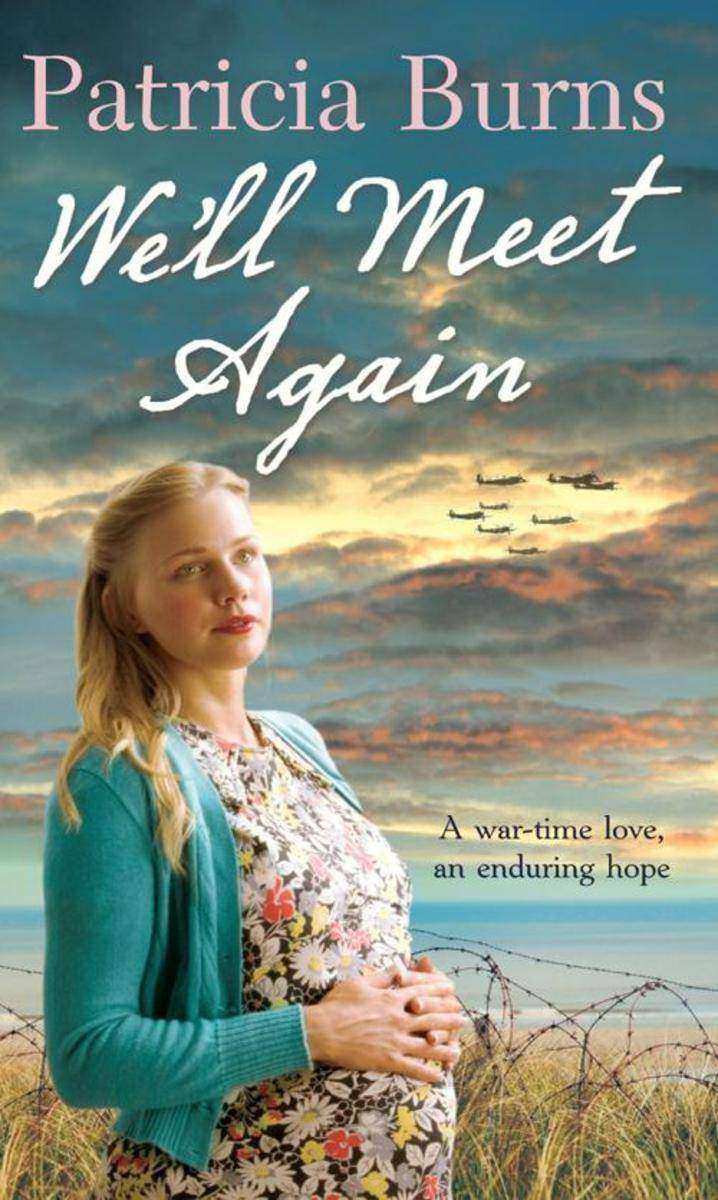
We'll Meet Again
¥21.68
Annie Cross has few pleasures in her tough life. On the bleak family farm on the Essex marshlands, she slaves all day for her cruel father. The one thing that keeps her going is her secret meetings with Tom Featherstone. But War steals Tom from her when he joins the RAF. Annie would love to do her bit but stuck on the farm, she lives for Tom's letters - until they stop coming. When, against the odds, her beloved Tom returns, he finds a different, stronger Annie to the one he left behind. But he also finds the girl he loved is carrying another man's child… Other books by Patricia Burns Bye Bye Love Follow Your Dream
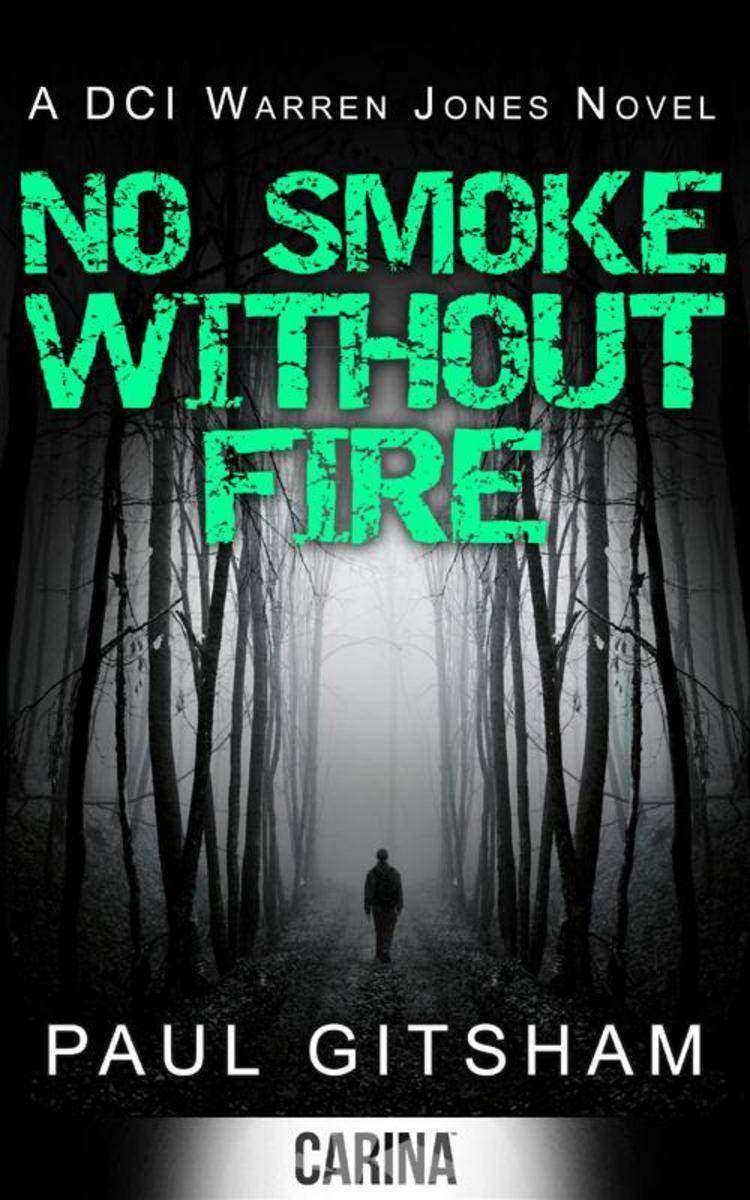
No Smoke Without Fire (DCI Warren Jones, Book 2)
¥39.24
DCI Warren Jones has a bad feeling when the body of a young woman turns up in Beaconsfield Woods. She's been raped and strangled but the murderer has been careful to leave no DNA evidence. There are, of course, suspects - boyfriend, father - to check out but, worryingly, it looks more and more like a stranger murder. Warren's worst fears are confirmed when another young woman is killed in the same way. The MO fits that of Richard Cameron who served twelve years for rape. But Cameron never killed his victims and he has a cast-iron alibi. Then personal tragedy intervenes and Warren is off the case. But the pressure is mounting and another woman goes missing. Warren is back but will the break he desperately needs come before there's another victim? More DCI Warren Jones books by Paul Gitsham: The Last Straw No Smoke Without Fire Blood is Thicker Than Water Praise for Paul Gitsham:"A wonderfully classy crime novel. Fluent writing style, great pace to the action. What's not to like? I'll be reading number 2 as quickly as I can download it. Highly recommended. Crime Writing at its very best" - Kate Rhodes, author of Crossbones Yard and the Alice Quentin series


