


 购物车
购物车 个人中心
个人中心
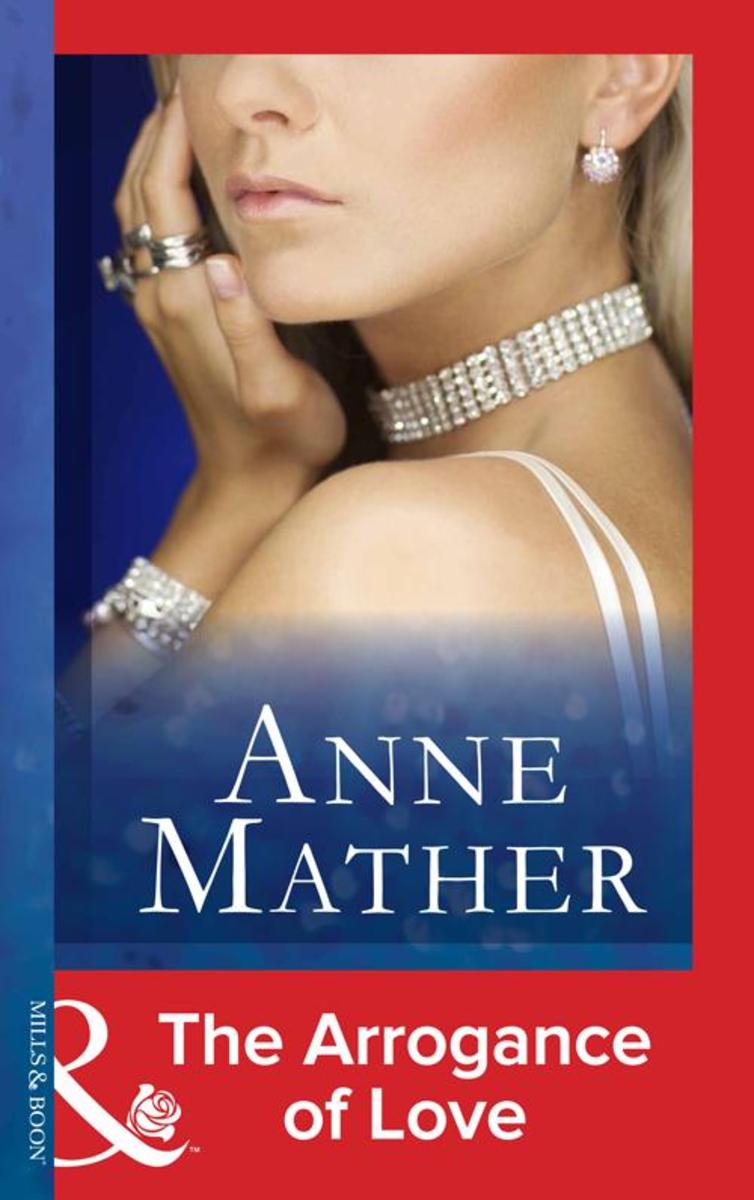
The Arrogance of Love (Mills & Boon Modern) (The Anne Mather Collection)
¥31.20
Mills & Boon are excited to present The Anne Mather Collection – the complete works by this classic author made available to download for the very first time! These books span six decades of a phenomenal writing career, and every story is available to read unedited and untouched from their original release. The Duque’s willing captive… Dominic Halstad could just be the most attractive man Susan has ever met! He is tall, handsome, celebrated and rich. It is little wonder that Susan now finds her fiancé David weak, dull and unimaginative! Especially as the seeds of trouble in her relationship were being rapidly sown… But even if her first loyalty were not still to David, what right had Dominic to return her feelings – when he’s a married man himself?!
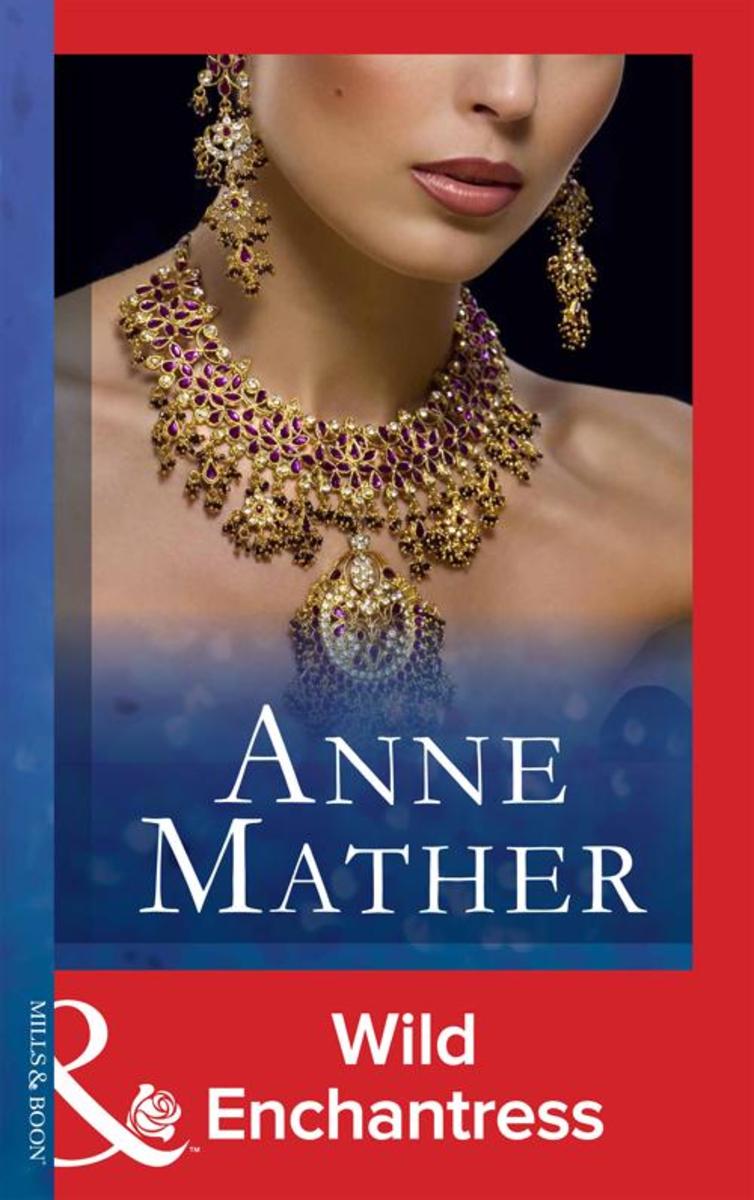
Wild Enchantress (Mills & Boon Modern) (The Anne Mather Collection)
¥31.10
Mills & Boon are excited to present The Anne Mather Collection – the complete works by this classic author made available to download for the very first time! These books span six decades of a phenomenal writing career, and every story is available to read unedited and untouched from their original release. Bad girl made good… Catherine Fulton was not enthusiastic about spending a few months in Barbados under the guardianship of Jared Royal, which was why she went out of her way to give him as bad an impression of herself as she could. Clearly Jared was also unhappy about the arrangement. Perhaps he remembered the crush Catherine had had on him some years before. Yet there was no denying the attraction was still there, for both of them—if only she could get Jared to admit it!

Marrying The Major (Mills & Boon Historical)
¥31.10
Guilt Tore Away At His Soul… Surrounded by callous fortune hunters, beautiful Emma Fitzwilliam despaired of ever finding a man who truly loved her. Until she came face-to-face with the man who'd once been the object of her girlhood fantasies. Returning from the Peninsular War, Major Hugo Stratton was nothing like the lighthearted young man Emma remembered. Scarred and embittered, his reputation in tatters, Hugo believed he had nothing to offer her. But as she caught glimpses of the man she once knew and felt the heat of his desire, Emma knew otherwise. Though it wasn't until a desperate situation forced Hugo's hand in marriage that Emma got her chance to discover if that were true. But what would it take to bring back to life the man she'd never stopped loving?
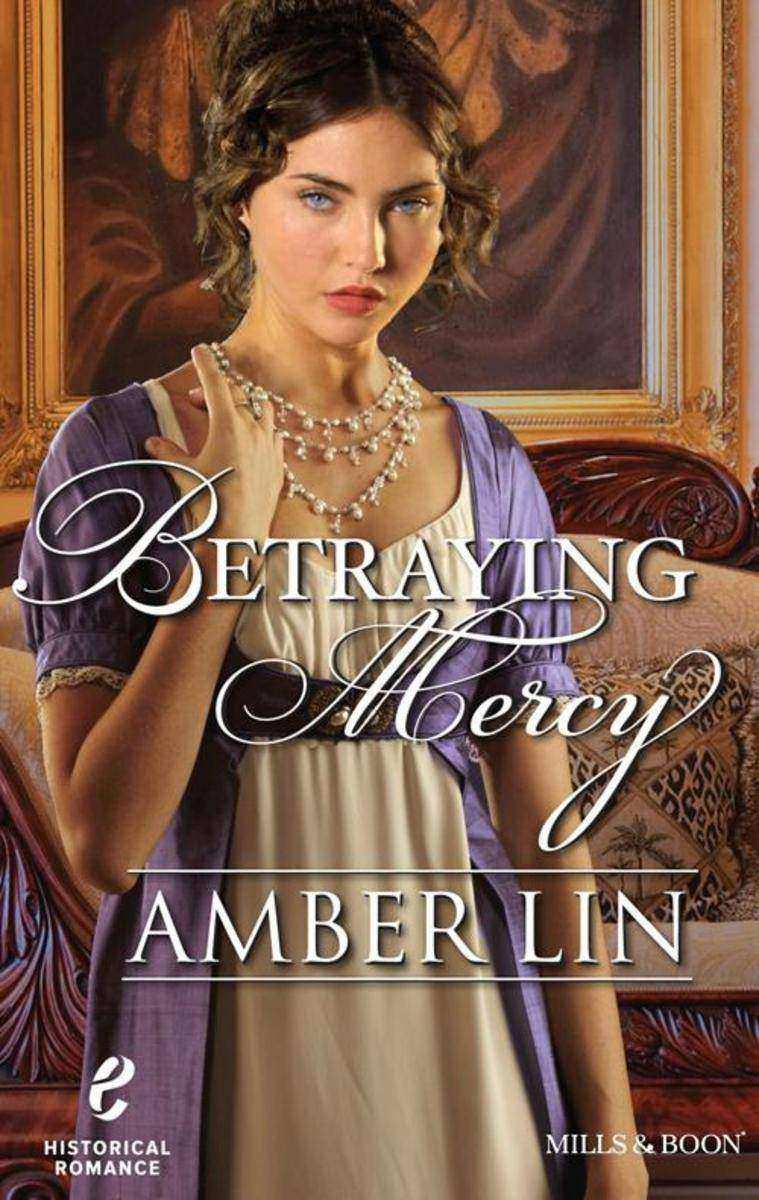
Betraying Mercy
¥13.83
Can she be more than a mistress? With a tarnished reputation, Mercy Lyndhurst expected to become the Earl of Rochford's mistress, not his wife. Immediately abandoned by her husband after their wedding, Mercy transformed herself from commoner to countess, vowing to protect the lands and people her husband was forced to leave. Over the past six years, William has restored the family fortune all the while tortured by his memories of Mercy…and the dark night he killed a man. When a threat draws him home, William learns just how much has changed–including his wife. While the passion still flares between them, he fears he has wounded her too badly to regain her trust. But as the danger grows they must unite to save the estate…and possibly their marriage.

Honeysuckle Summer (A Sweet Magnolias Novel, Book 7)
¥62.59
Her devastating marriage behind her, Raylene Hammond is truly thankful for her best friends, the Sweet Magnolias. They've taken her in, shielding her from the world. Then she meets sheriff's deputy Carter Rollins, and suddenly Raylene's haven no longer feels quite so safe. Carter understands why Raylene is trapped inside. He's even taken to bringing the outside world to her. But with two kid sisters to raise, just how much time can he devote to this woman who's stolen his heart? Raylene knows Carter is a man worth loving, but she may never be strong enough to accept what he's offering. How long can she ask him to wait? Maybe they'll never have more than this one sweet summer.
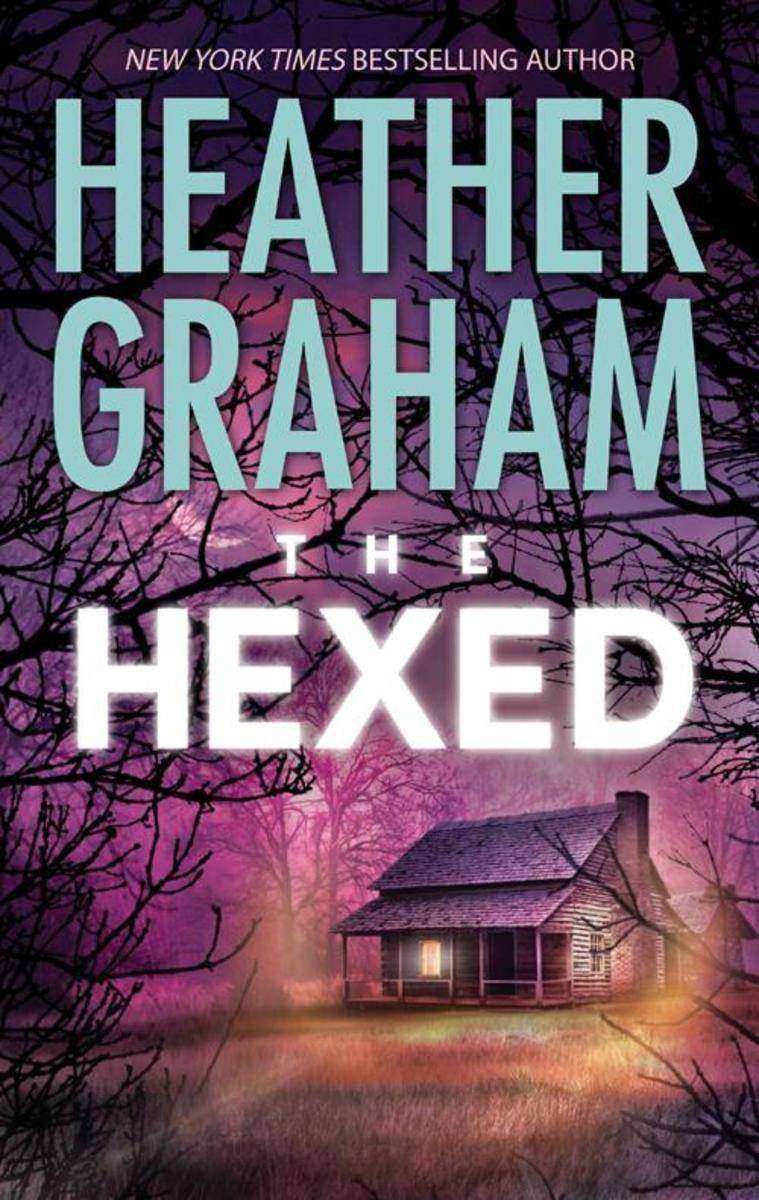
The Hexed (Krewe of Hunters, Book 13)
¥51.50
www.eHeatherGraham.com A place of history, secrets…and witchcraft. Devin Lyle has recently returned to the Salem area, but her timing couldn't be worse. Soon after she moved into the eighteenth-century cabin she inherited from her great-aunt Mina–her "crazy" great-aunt, who spoke to the dead–a woman was murdered nearby. Craig Rockwell–known as Rocky–is a new member of the Krewe of Hunters, the FBI's team of paranormal investigators. He never got over finding a friend dead in the woods. Now another body's been found in those same woods, not far from the home of Devin Lyle. And Devin's been led to a third body–by…a ghost? Her discovery draws them both deeper into the case and Salem's rich and disturbing history. Even as the danger mounts, Devin and Rocky begin to fall for each other, something the ghosts of Mina and past witches seem to approve of. But the two of them need every skill they possess to learn the truth–or Devin's might be the next body in the woods….
A Distant Sound of Thunder (Mills & Boon Modern) (The Anne Mather Collection)
¥31.10
Mills & Boon are excited to present The Anne Mather Collection – the complete works by this classic author made available to download for the very first time! These books span six decades of a phenomenal writing career, and every story is available to read unedited and untouched from their original release. Storms of passion… Rebecca has never forgotten the irresistible Piers St Clair. But seven years ago, their romantic idyll on a remote Pacific island came to an abrupt end – when she discovered he was married! Rebecca has rebuilt her life but finding love again seems impossible. Then suddenly Piers returns - and all her feelings come flooding back! But there is a new hardness to the man she loves so intensely. Rebecca wonders if they can ever have a future together – but she is in too deep to free herself now…
If The Ring Fits... (Mills & Boon Silhouette)
¥25.60
Practical Rachel Palmer's aversion to risk-taking led to a marriage that just didn't fit. Now single again, she's embracing her newfound independence–and the first step is taking her jewelry business worldwide! For that she needs expert help from Italian Antonio Salerno… His business help soon turns personal. And being in close-enough-to-kiss proximity to a sexy playboy makes Rachel feel she's taking a flying leap into deliciously risky territory. It's everything she's been craving…but this is a man famous for loving and leaving. Surely falling for him would be a step too far?
In Pursuit Of A Princess (Mills & Boon Silhouette)
¥31.10
FROM THE DESK OF LUC DUMONT, HEAD OF SECURITY ST. MICHEL APRIL 2002 DAY30 While a missing heir remains at large, Princess Ariane has offered to go undercover at the palace in Rhineland and learn more about the rumored faction hoping to control St. Michel. Her quick mind and devotion to her country–not to mention her intoxicating beauty–make Ariane the perfect person for the job. But it seems as though love has bloomed early this spring, for Ariane and the irresistible Prince Etienne have been practically inseparable. Does this mean the prince has finally found his bride? And if so, what will happen when he learns Ariane's been stripped of her royal title?

The Emerald Comb
¥39.24
If you want a book that is exciting, fast-paced and impossible to put down, with plenty of twists and turns, then you need to buy this book! I can't wait to read more of Kathleen's novels.' - Emma's Book Reviews Some secrets are best left buried… Researching her family tree had been little more than a hobby – until Katie stepped onto Kingsley House’s sprawling, ivy-strewn drive. The house may be crumbling today, but it was once the intimidatingly opulent residence of the St Clairs, Katie’s ancestors. Arriving here two hundred years later, emotion stirs in Katie: a strange nostalgia for a place she’s never seen before… and when Kingsley House comes up for sale, Katie is determined that her family must buy it. Surrounded by the mysteries of the past, Katie’s pastime becomes a darker obsession, as she searches through history to trace her heritage. But she soon discovers that these walls house terrible secrets. And when forgotten stories and hidden betrayals come to light, the past seems more alive than Katie could ever have imagined. Moving between the 21st and 19th centuries, The Emerald Comb is a hauntingly evocative novel, perfect for fans of Kate Morton and Rachel Hore. Praise for Kathleen McGurl 'The Emerald Comb is fantastic.' – Books & Baby 'An edge of your seat read, that is a page turner and griped me from page one.' – Comet Babe's Books 'An engrossing family saga' – cayocosta72 on The Pearl Locket
Hide And Seek (Part 2)
¥15.50
It’s been thirty years since it happened. A lifetime, for some. Yet I still hear his cries. I still feel eyes on me. Still hear the whispers: I know what you did. I’ve spent so long hiding that I barely remember what it’s like to be seen – to be known for who you really are. But all that must stay where it’s buried. For better, for worse. No-one can ever know what happened that day. And no-one ever will. Because they can seek all they want, but this is a secret I’ll take to my grave. No matter who comes knocking. The chilling second part of Hide and Seek by Amy Bird: a new novel, perfect for fans of Gillian Flynn, SJ Watson and Liane Moriarty. Is finding the truth worth losing everything? Praise for Amy Bird 'Ms. Bird is most certainly a force to be reckoned with and an author who has crossed the threshold of notoriety… An exciting story with real tension and suspense.' - Gordon Reiselt 'Hide and Seek is everything I wanted Gone Girl to be, and more… The pacing was spot on, and the setup is absolutely beautiful; engaging characters, liberally sprinkled intrigue, and an exploration of the origins of our identity that will have your mind working overtime.' - Zoe Markham, Markham Reviews 'Amy Bird is so good at writing dialogue you just can’t help chuckling. Add to this the fact that her writing style is such that I feel she is talking directly to me and I am absolutely hooked.' - Lucy Literati, A Modern Mum's Musings 'A slow and creepy build-up to an exciting crescendo.' - Rosemary Smith, Cayocosta72 Book Reviews 'Enjoyable and intriguing.' - Christine Marson, Northern Crime 'Lives up to the thrilling aspect of the genre and also manages to have an original feel.' - Cleo Bannister, Cleopatra Loves Books 'The tension builts to a crescendo and the author pulls the reader along, speeding up like a train with no need to slow on approach to its destination. A great read from an author I had yet to encounter. I will definitely read more of her work after enjoying this thrilling three-part thriller. Having the book in three parts is also a great idea, as each part is perfect for reading in one sitting!' - Margaret Madden, Bleach House Library
An Elusive Desire (Mills & Boon Modern) (The Anne Mather Collection)
¥31.10
Mills & Boon are excited to present The Anne Mather Collection – the complete works by this classic author made available to download for the very first time! These books span six decades of a phenomenal writing career, and every story is available to read unedited and untouched from their original release. Her first love… Jaimie Forster has never forgotten her passionate affair with the irresistible Rafaello di Vaggio. At the time, independent-minded Jaimie had strong ideas about her future – which didn’t include marriage! When she finds out that Rafaello’s marriage to her friend Nicola is far from a bed of roses, and Nicola begs her to visit their glamorous home in Italy, Jaimie is torn. She wants to help her friend, but seeing Rafaello again may be just one temptation too far…
Stranger in a Small Town (Mills & Boon Intrigue) (Shivers, Book 6)
¥31.10
The house wasn't ready to give up its secrets... The mysterious blue-eyed stranger who showed up in the middle of the night wasn't just looking for work. No, when "John Samuels" signed on with Maggie Harper to restore the decrepit old house, he was hoping for answers and a chance to face the demons of his past. But then strange happenings started threatening his beautiful new boss-and disrupting the passion that sparked between them. Someone didn't want them in that house. Someone who knew the truth about what had happened there thirty years before, about the brutal murder that destroyed John's family. John never expected redemption. But danger waited in the old house, haunting them both....
The Englishman's Bride (Mills & Boon Cherish)
¥31.10
Sir Philip Hardesty, a negotiator for the United Nations, is famed for his cool head. But for the first time in his life, this never-ruffled English aristocrat is getting hot under the collar–over a woman! Kit Romaine is not easily impressed by money or titles; if Philip wants her, he's going to have to pay her. Once Kit agrees to be his temporary assistant, Philip knows he's halfway there. Now he just has to work on making her his bride….
The Guardian's Dilemma (Mills & Boon Historical)
¥39.24
A young woman disappears. A husband is suspected of murder. Stirring times for all the neighborhood. In an effort to save his young stepsister from a fortune hunter's grasp, Oliver Brandon places her in a genteel ladies' academy. His shock is considerable when he realizes that one of the respectable schoolmistresses is a woman he last saw at a house party–in a highly compromising situation!

The Guy Next Door (Mills & Boon Love Inspired)
¥31.10
From Friend to…Fiancé? Stalwart and steady, Darcy O'Malley has been by Luke Jordan's side since childhood. She has seen him through trials and tragedies, romances and breakups. They've been everything to each other–except boyfriend and girlfriend. Why ruin a good thing? What Luke can't explain, however, is why suddenly Darcy's presence is making his heart beat so hard. Something has changed since he left Appleton, and it's making him uneasy. Is it possible his best friend is meant to be something more? Dare he risk their perfect friendship in the hopes of finding his perfect wife? Stalwart and steady, Darcy O'Malley has been by Luke Jordan's side since childhood. She has seen him through trials and tragedies, romances and breakups. They've been everything to each other–except boyfriend and girlfriend. Why ruin a good thing? What Luke can't explain, however, is why suddenly Darcy's presence is making his heart beat so hard. Something has changed since he left Appleton, and it's making him uneasy. Is it possible his best friend is meant to be something more? Dare he risk their perfect friendship in the hopes of finding his perfect wife?

零起点·马上开口说德语
¥9.99
《零起?马上口说德语》包含两大内容!? 正文部分是实用会话。该部分共有15个话题,2 000多句实用会话,网罗了生活中的方方面面,包括日常寒暄、居家生活、生活服务、交通出行、休闲娱乐、欢度节日、恋爱婚姻、交际往来、情感表达、电话交流、旅游度假、乘机事宜、宾馆住宿、时尚话题和职场工作等。? 附录部分简单介绍了德语中的人体部位、肢体动作、数字时间、水果蔬菜、公共设施、季节天气、各行各业等表达,旨在扩大读者的知识面,使读者更好地了解德国文化。

轻松玩转旅游日语大全集(懒人专用日本旅游极短句!1书2用,3大秘技,6大实用内容,畅游日本带这本就GO!)(试读本)
免费
《轻松玩转旅游日语大全集》是为想去旅行但不懂日语的人量身造的旅游日语工具书。 本书精选交通、住宿、物、餐饮等13大主题,193种旅行中一定会遇到的场景,除了具备一般教材中*正规、*完整的用法外,还特别为游客贴身设计了“懒人极短句”,又好说又准确。两种说法一起学,遇到任何情况、在任何场合都能应对自如。另外考虑到游客的需求,还特别将本书设计成了1书2用的形式,左页学习表达自己,右页学习听懂对方的回答及类似回答,能听、会说让你玩得更尽兴!而且每个句子都贴心地给出了罗马音标,翻就会说,扫描二维码还能听地道日语,现学现用就能畅游日本!另外本书还附赠标准日语发音光盘,方便学习地道的语音、语调! 走遍日本,带上这本就GO!

好简单!我是西班牙语入门学习书
¥13.99
《好简单!我是西班牙语入门学习书》是一本西班牙语入门学习书,为了方便学习者,字母、发音、单词、语法、句型、会话一本全部囊括其中,还配备了单词测验、填空、替换练习,随课测试自己的学习效果。1000个单词,2000句会话,内容丰富,编排清晰,是一本短时间内高效学习西班牙语的工具书。

Conveniently Engaged To The Boss (Mills & Boon Cherish)
¥39.63
From assistant to fiancée! Joss Dawson knows the one thing that will make his dying father happy is to see his son find love…the problem is, he's sworn off love forever! But the answer's simple! Asking his father's fiercely intelligent, beautiful assistant Eva to play the perfect role – his fiancée. Only for Eva it's not that easy… Pretending to be Joss's fiancée threatens to ruin the life she's worked so hard for! And how will she keep her head when she's losing her heart to her frustratingly attractive new boss?

Newborn Under The Christmas Tree (Mills & Boon Cherish)
¥39.63
The baby that brought them together As heir to Thornwood Manor, Liam Jenkins wants to erase painful memories by knocking it down and rebuilding it. But Alice Walters has turned the manor into a women's refuge, and she's prepared to be the thorn in the new lord's side! When they hear the cries of a newborn under the Christmas tree, they're forced to find a way to work together. And with each passing day, this little baby brings them both back to life, and gives them a Christmas gift they never expected!


