


 购物车
购物车 个人中心
个人中心
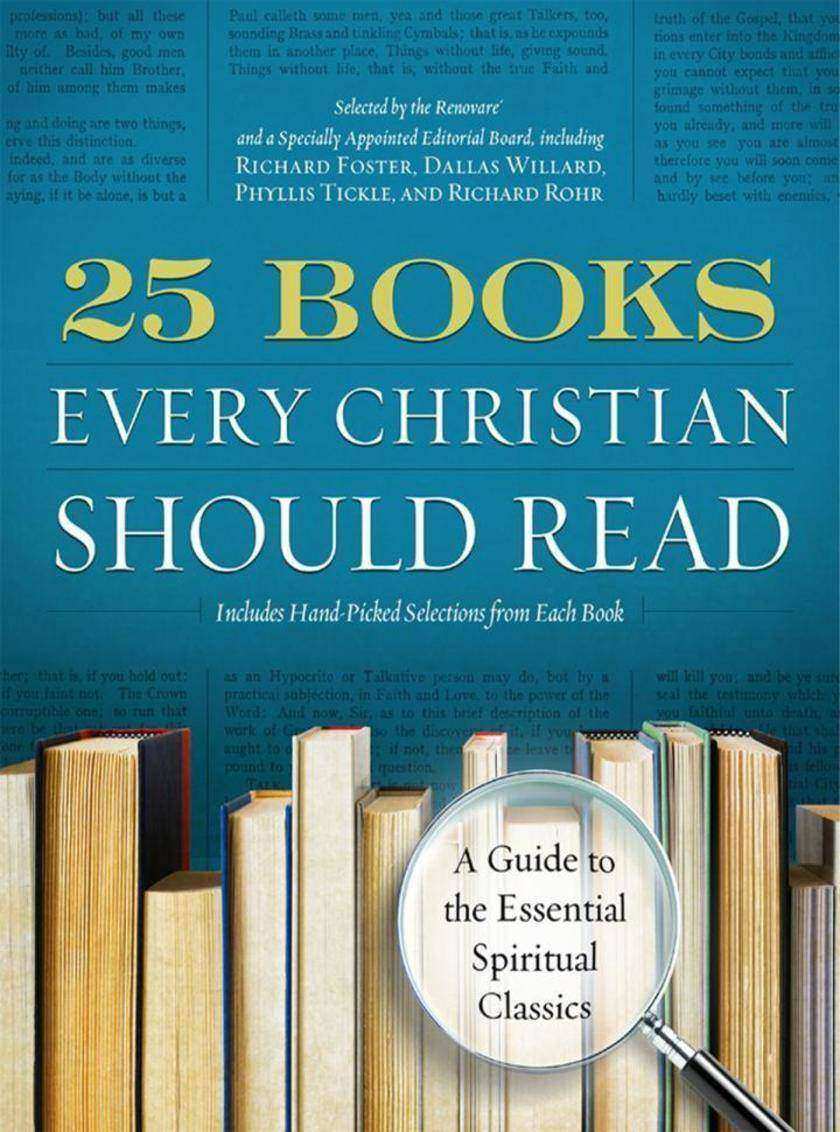
25 Books Every Christian Should Read
¥105.17
For more than twenty years Renovaré has pioneered the use of spiritual classics for deepening our lives of discipleship. Their highly praised compendiums Devotional Classics and Spiritual Classics have sold 500,000 copies. Now they have put together a prestigious editorial board and polled respected Christian leaders and thinkers from a variety of Christian traditions, including Catholic, Orthodox, and Protestant, to present the twenty-five most spiritually influential and important books for Christians to read. There are books that should be shaping the church, our faith, and our engagement in the world. From timeless classics like The Imitation of Christ to unexpected selections like Fyodor Dostoevsky’s The Brothers Karamazov and the poetry of Gerard Manley Hopkins, 25 Books Every Christian Should Read provides historical background for each work and explains its importance for modern Christians, while including selected readings from every book to get you started. In addition, each chapter ends with discussion questions to the work for use in small groups or for personal reflection. 25 Books Every Christian Should Read is a pivotal resource for the future of Christianity, an invitation into the fullness and richness of the Christian tradition.
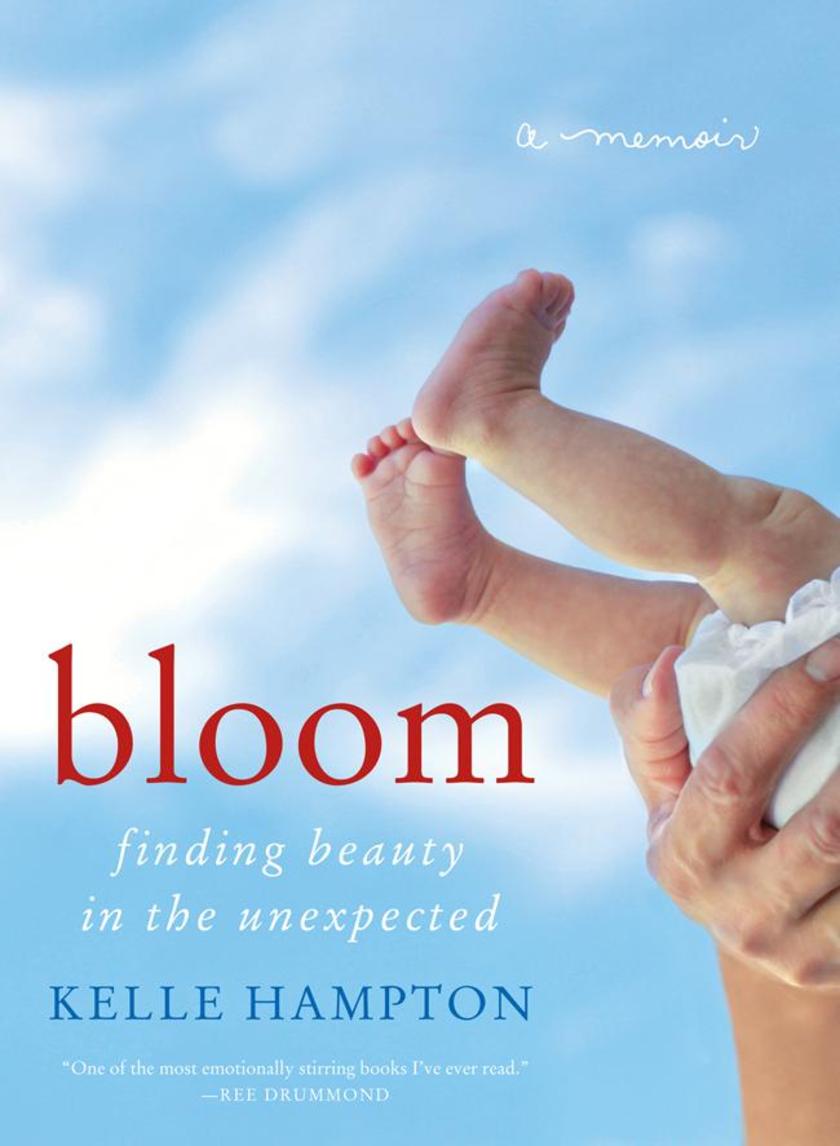
Bloom
¥110.71
Love me. Love me. I'm not what you expected, but oh, please love me.That was the most defining moment of my life. That was the beginning of my story.From the outside looking in, Kelle Hampton had the perfect life: a beautiful two-year-old daughter, a loving husband, a thriving photography career, and great friends. When she learned she was pregnant with her second child, she and her husband, Brett, were ecstatic. Her pregnancy went smoothly and the ultrasounds showed a beautiful, healthy, high-kicking baby girl. But when her new daughter was placed in her arms in the delivery room, Kelle knew instantly that something was wrong. Nella looked different than her two-year-old sister, Lainey, had at birth. As she watched friends and family celebrate with champagne toasts and endless photographs, a terrified Kelle was certain that Nella had Down syndrome a fear her pediatrician soon confirmed. Yet gradually Kelle's fear and pain were vanquished by joy, as she embraced the realization that she had been chosen to experience an extraordinary and special gift.With lyrical prose and gorgeous full-color photography, Bloom takes readers on a wondrous journey through Nella's first year of life a gripping, hilarious, and intensely poignant trip of transformation in which a mother learns that perfection comes in all different shapes. It is a story about embracing life and really living it, of being fearless and accepting difference, of going beyond constricting definitions of beauty, and of the awesome power of perspective. As Kelle writes, "There is us. Our Family. We will embrace this beauty and make something of it. We will hold our precious gift and know that we are lucky."
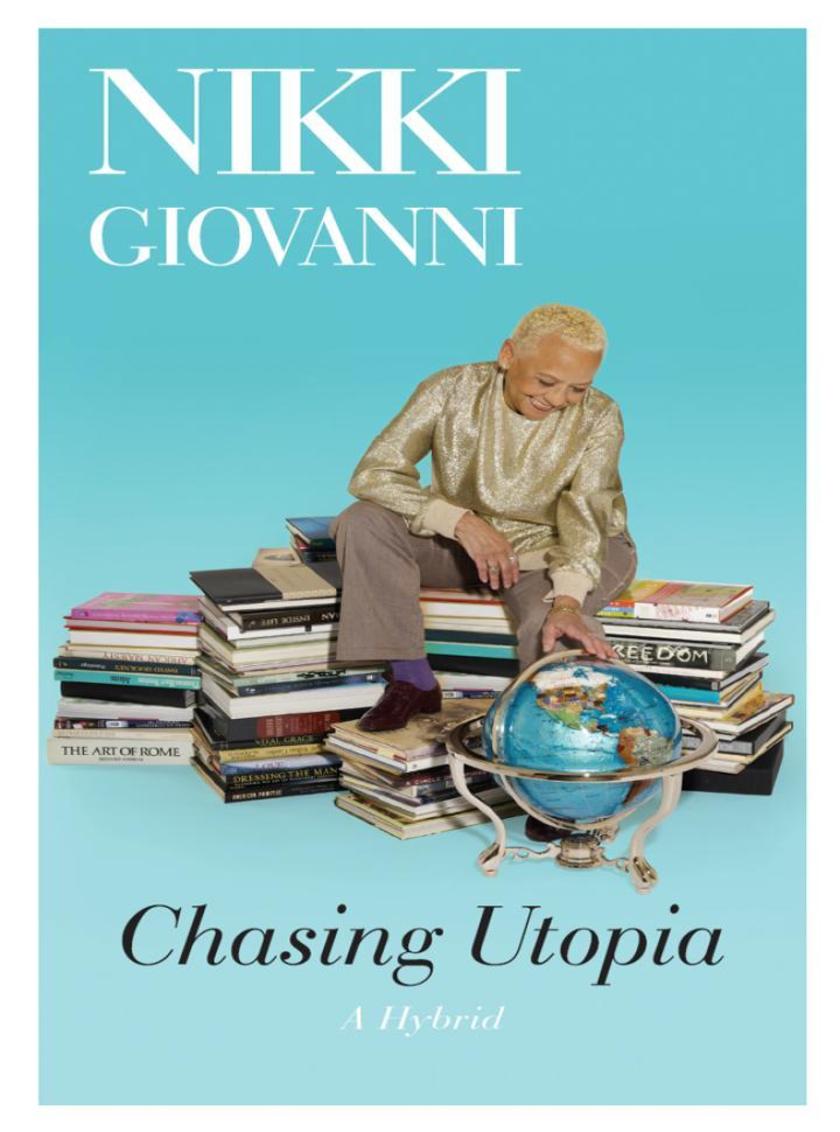
Chasing Utopia
¥112.23
From one of America’s most celebrated poets, Nikki Giovanni, comes this poignant collection of poetry that celebrates the simple pleasures of everyday life and the bonds we share with those closest to us. “This slim volume delights on every page. There are stories, imaginings, whimsy, and startling images which prove the poet’s power and her command of language . . . Anyone with a love of language will be delighted with this book and the continuing publication of America’s treasured poet.”—San Francisco Book Review The poetry of Nikki Giovanni has spurred movements and inspired songs, turned hearts and informed generations. She's been hailed as a healer and as a national treasure. But Giovanni's heart resides in the everyday, where family and lovers gather, friends commune, and those no longer with us are remembered. And at every gathering there is food—food as sustenance, food as aphrodisiac, food as memory. A pot of beans is flavored with her mother's sighs—this sigh part cardamom, that one the essence of clove; a lover requests a banquet as an affirmation of ongoing passion; homage is paid to the most time-honored appetizer: soup. With Chasing Utopia, Giovanni demands that the prosaic—flowers, birdsong, winter—be seen as poetic, and reaffirms once again why she is as energetic, "remarkable" (Gwendolyn Brooks), "wonderful" (Marian Wright Edelman),"outspoken, prolific, energetic" (New York Times), and relevant as ever.
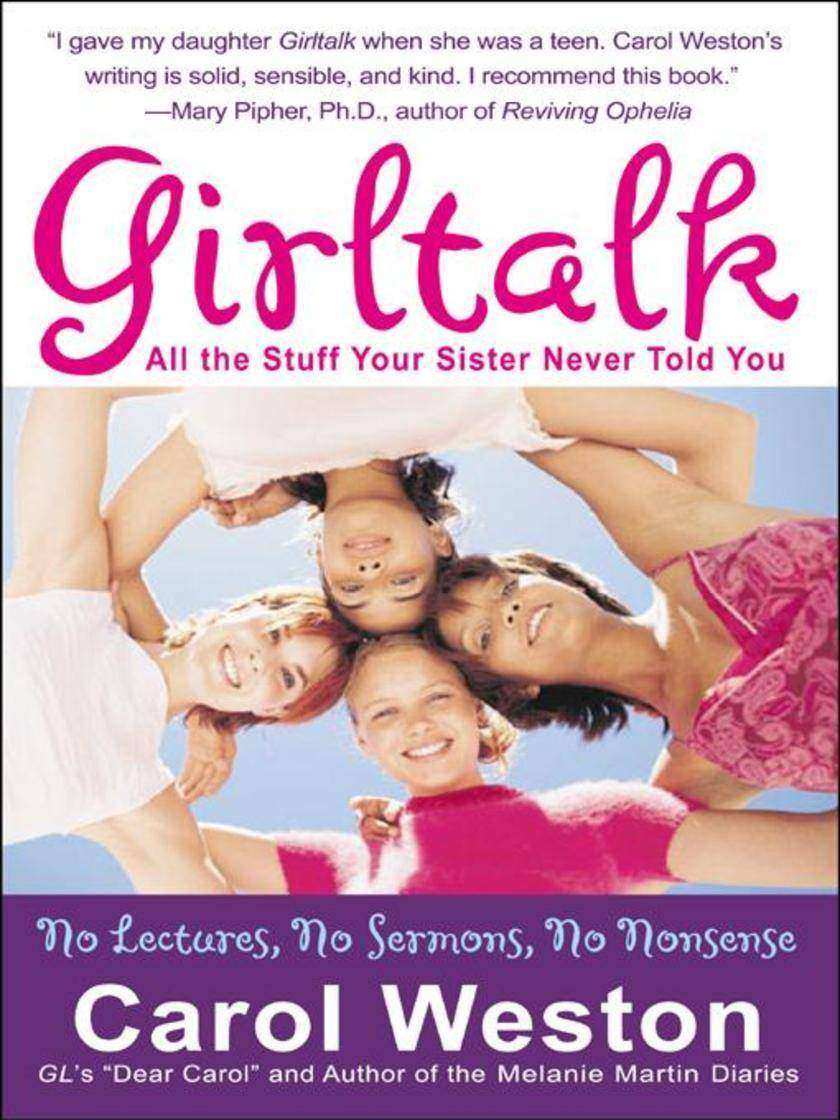
Girltalk Fourth Edition
¥84.16
From bra shopping to babysitting, from making close friends to making great grades, Girltalk has all the answers Upbeat and up-to-date, honest and hip, Girltalk is an "indispensable guide" (Working Mother) for girls ages eleven to eighteen. This Fourth Edition is the ultimate preteen and teen source for advice on: Body: looking and feeling your best Friendship: you don't like everybody -- why should everybody like youLove: falling in, falling out Sex: what you should know before saying yes Family: making the best of your nest Education: getting through school, getting into college Money: making it, saving it, spending it Smoking, Drinking, and Drugs: advice without lectures Quizzes: getting to know yourself
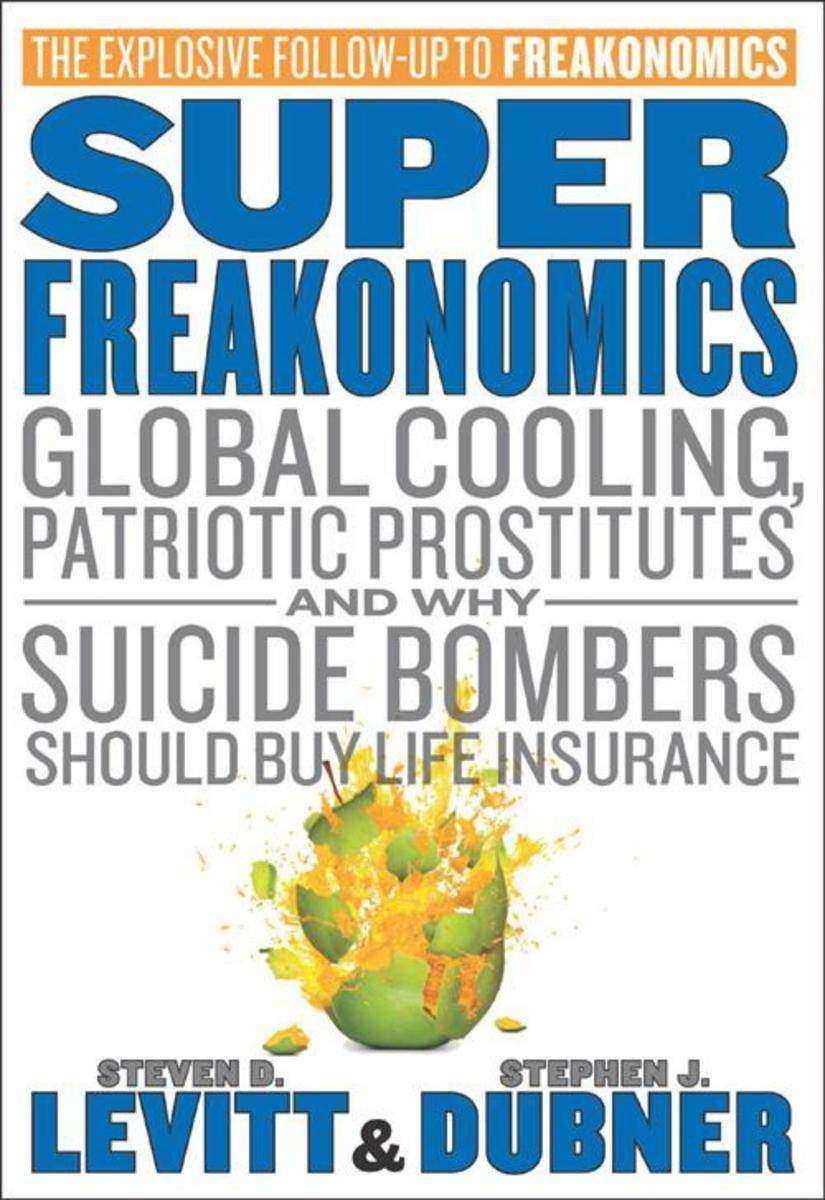
SuperFreakonomics
¥95.11
The New York Times best-selling Freakonomics was a worldwide sensation, selling over four million copies in thirty-five languages and changing the way we look at the world. Now, Steven D. Levitt and Stephen J. Dubner return with SuperFreakonomics, and fans and newcomers alike will find that the freakquel is even bolder, funnier, and more surprising than the first. Four years in the making, SuperFreakonomics asks not only the tough questions, but the unexpected ones: What's more dangerous, driving drunk or walking drunkWhy is chemotherapy prescribed so often if it's so ineffectiveCan a sex change boost your salarySuperFreakonomics challenges the way we think all over again, exploring the hidden side of everything with such questions as: How is a street prostitute like a department-store SantaWhy are doctors so bad at washing their handsHow much good do car seats doWhat's the best way to catch a terroristDid TV cause a rise in crimeWhat do hurricanes, heart attacks, and highway deaths have in commonAre people hard-wired for altruism or selfishness?Can eating kangaroo save the planetWhich adds more value: a pimp or a RealtorLevitt and Dubner mix smart thinking and great storytelling like no one else, whether investigating a solution to global warming or explaining why the price of oral sex has fallen so drastically. By examining how people respond to incentives, they show the world for what it really is good, bad, ugly, and, in the final analysis, super freaky. Freakonomics has been imitated many times over but only now, with SuperFreakonomics, has it met its match.

Call the Midwife: Shadows of the Workhouse
¥94.10
The sequel to Jennifer Worth's New York Times bestselling memoir and the basis for the PBS series Call the MidwifeWhen twenty-two-year-old Jennifer Worth, from a comfortable middle-class upbringing, went to work as a midwife in the direst section of postwar London, she not only delivered hundreds of babies and touched many lives, she also became the neighborhood's most vivid chronicler. Woven into the ongoing tales of her life in the East End are the true stories of the people Worth met who grew up in the dreaded workhouse, a Dickensian institution that limped on into the middle of the twentieth century. Orphaned brother and sister Peggy and Frank lived in the workhouse until Frank got free and returned to rescue his sister. Bubbly Jane's spirit was broken by the cruelty of the workhouse master until she found kindness and romance years later at Nonnatus House. Mr. Collett, a Boer War veteran, lost his family in the two world wars and died in the workhouse. Though these are stories of unimaginable hardship, what shines through each is the resilience of the human spirit and the strength, courage, and humor of people determined to build a future for themselves against the odds. This is an enduring work of literary nonfiction, at once a warmhearted coming-of-age story and a startling look at people's lives in the poorest section of postwar London.

Doctor Who: The Shakespeare Notebooks
¥90.77
Many people know about William Shakespeare's famous encounter with the Doctor at the Globe Theatre in 1599. But what few people know (though many have suspected) is that it was not the first time they met.Drawn from recently discovered archives, The Shakespeare Notebooks is the holy grail for Bard scholars: conclusive proof that the Doctor not only appeared throughout Shakespeare's life but also had a significant impact on his writing. In these pages you'll find early drafts of scenes and notes for characters that never appeared in the plays; discarded lines of dialogue and sonnets; never-before-seen journal entries; and much more.From the original notes for Hamlet (with a very different appearance by the ghost) and revealing early versions of the faeries of A Midsummer Night's Dream to strange stage directions revised to remove references to a mysterious blue box, The Shakespeare Notebooks is an astonishing document that offers a unique insight into the mind of one of history's most respected and admired figures. And also, of course, William Shakespeare.
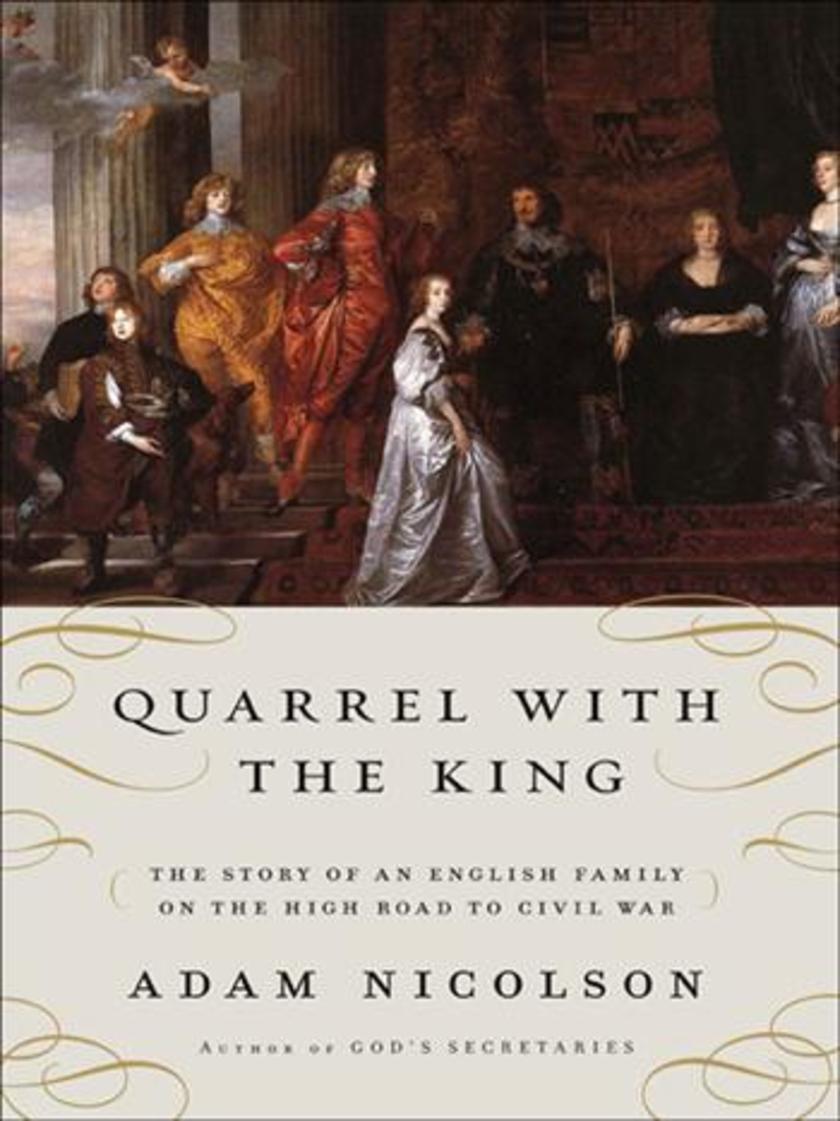
Quarrel with the King
¥96.50
Spanning the most turbulent and dramatic years of English history from the 1520s through 1650 Quarrel with the King tells the remarkable saga of one of the greatest families in English history, the Pembrokes, following their glamorous trajectory across three generations of change, ambition, resistance, and war. With vivid color and fascinating detail, acclaimed historian Adam Nicolson recounts the story of a century-long power struggle between England's richest family and the English Crown a fascinating study of divided loyalties, corruption, rights and privilege, and all the ambiguities involved in the exercise and maintenance of power and status.
The Reshaping of Everyday Life
¥95.11
"Compact and insightful. "--New York Times Book Review "Jack Larkin has retrieved the irretrievable; the intimate facts of everyday life that defined what people were really like."--American Heritage
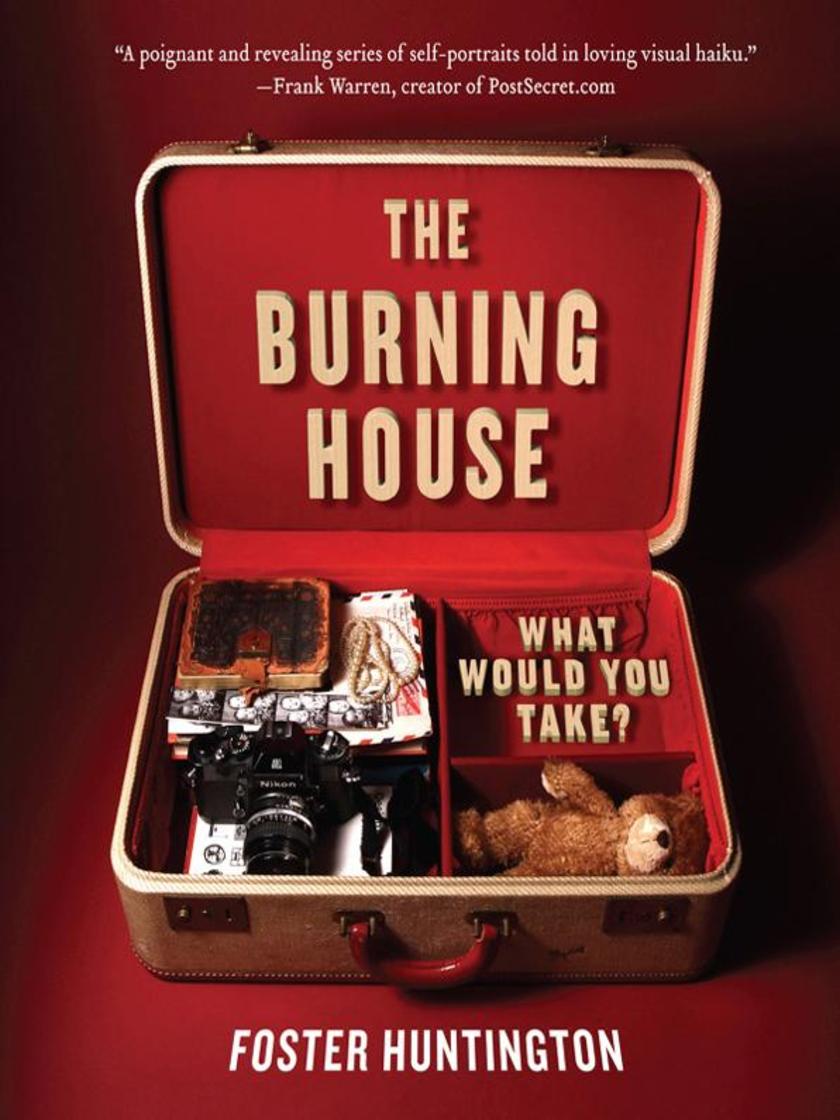
The Burning House
¥95.39
Your house is burning. You have to get out fast. Suddenly you are forced to prioritize, editing down a lifetime of possessions to a mere handful. Now you must decide: Of all the things you own, what is most important to you?The practicalYour laptop, your smartphone, what you need to keep working and stayin touchThe valuableYour money, your jewelry, the limited edition signed poster in the living room?The sentimentalThe watch your late grandfather gave you, the diary you kept as a teenagerWhat you choose to bring with you speaks volumes about who you are and what you believe in your interests, your background, your view of life. With contributions from all over the world, The Burning House is an eye-opening pictorial meditation on materialism; an in-depth, intensely personal interview contained in a single question; a revealing window into the human heart.
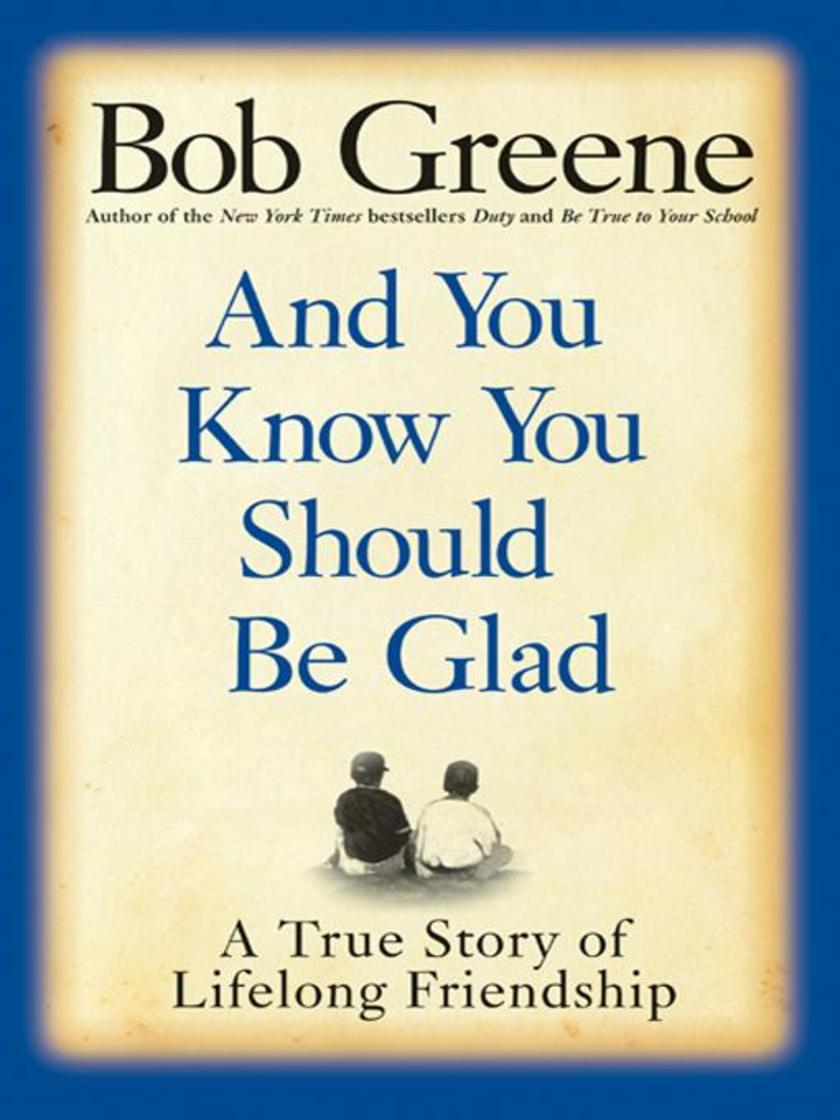
And You Know You Should Be Glad
¥83.03
A highly personal and moving true story of friend-ship and remembrance from the New York Times bestselling author of Duty and Be True to Your School Growing up in Bexley, Ohio, population 13,000, Bob Greene and his four best friends -- Allen, Chuck, Dan, and Jack -- were inseparable. Of the four, Jack was Bob's very best friend, a bond forged from the moment they met on the first day of kindergarten. They grew up together, got into trouble together, learned about life together -- and were ultimately separated by time and distance, as all adults are. But through the years Bob and Jack stayed close, holding on to the friendship that had formed years before.Then the fateful call came: Jack was dying. And in this hour of need, as the closest of friends will do, Bob, Allen, Chuck, and Dan put aside the demands of their own lives, came together, and saw Jack through to the end of his journey.Tremendously moving, funny, heart-stirring, and honest, And You Know You Should Be Glad is an uplifting exploration of the power of friendship to uphold us, sustain us, and ultimately set us free.
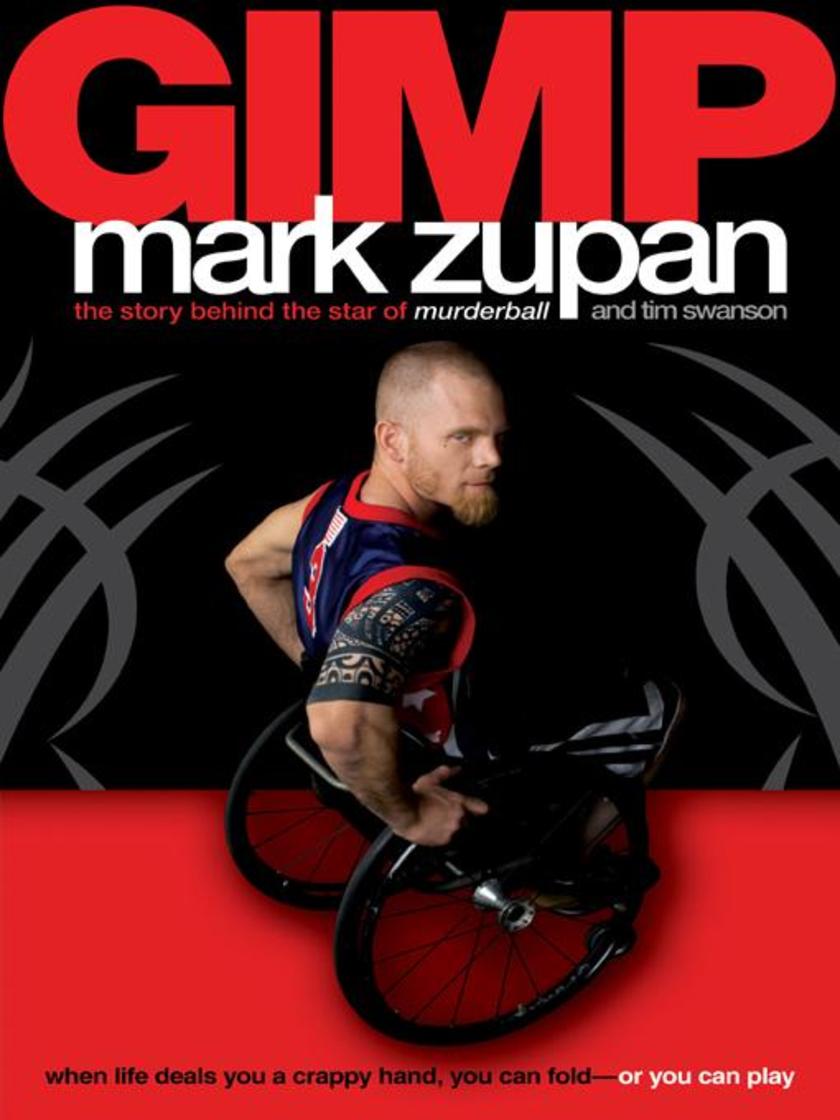
GIMP
¥83.03
College soccer star Mark Zupan had been out drinking one night and had passed out in the back of his best friend's pickup truck when his friend got in the driver's seat, decided to take the truck for a spin, and accidentally crashed it. Thrown into a canal and stuck in frigid water for fourteen hours, Mark was finally rescued and learned soon after that he'd broken his neck. He'd most likely be a quadriplegic and spend the rest of his life in a wheelchair, doctors told him. At first Mark's only goal was to walk again. When that proved impossible, he fell into the depths of anger and despair, retreating from the world and the people closest to him. But love, friendship, and a new sport, quad rugby (a.k.a. "murderball"), helped Mark create a new existence that's truly exceptional.Gimp, the no-holds-barred memoir of a Paralympic athlete and the star of the Academy Award–nominated documentary Murderball, is an inspiring, defiant, and revealing celebration of spirit and will that confounds readers' prejudices by offering proof that a guy in a chair can still do amazing things: have sex with his girlfriend, party with his friends . . . even crowd-surf at Pearl Jam shows.
Clearing the Bases
¥85.05
Clearing the Bases is a much-needed call to arms by one of baseball's most respected players. Drawing on his experiences as a third baseman, a manager, and, most recently, a fan, Mike Schmidt takes on everything from skyrocketing payrolls, callous owners, and unapproachable players to inflated statistics, and, of course, ersatz home run kings. But Schmidt's book goes beyond the Balco investigation and never-ending free-agent bonanzas that dominate the back pages. It also examines all that's right with our national pastime, including interleague play, expansion, and, most surprisingly, better all-around hitters. Riveting, wise, and illuminating, Clearing the Bases is a hall of famer's look at how Major League Baseball has lost its way and how it can head back home.
The Cycle of Leadership
¥101.00
In The Leadership Engine Noel Tichy showed how great companies strive to create leaders at all levels of the organization and how those leaders actively develop future generations of leaders. In this new book he takes the theme further showing how great companies and their leaders develop their business knowledge into achable points of view pend a great portion of their time giving their learnings to others sharing best practices and how they in turn learn and receive business ideas/knowledge from the employees they are teaching. Calling this exchange a virtuous teaching cycle Professor Tichy shows how business builders from Jack Welch at GE to Joe Liemandt at Trilogy create organizations that foster this knowledge exchange and how their efforts result in smarter more agile companies and winning results. Some of these ideas were showcased in Tichy's recent Harvard Business Review article entitled Ordinary Boot Camp. Using examples from GE Ford Dell Southwest Airlines and many others Tichy presents and analyzes these principles in action and shows how managers can begin to transform their own businesses into teaching organizations and consequently better performing companies
Mother Earth Spirituality
¥99.65
A dear stream of practical knowledge with the mind change we need to save the life of our Mother Earth--and ourselves . . . This is a book for every person who loves this planet. Eagle Man shows us the joyful path home to our universal Mother.Cynthia Bend, Water Spirit Woman, co-author of Birth of a Modem Shaman A rich panorama of our native heritage which allows the seeker access to the heart of the Path of Beauty. Ed McGaa has walked this path so that all people may live in harmony. Samie Sams, Hancoka Olowanpi, author of Midnight Song: Quest for the Vanished Ones Ed McGaa is one of the first persons who can write about 0glala religion in the first person because he has lived it. For years anthropologists have hoped a Native American would portray that society from the inside out. Ed McGaa has. It's about time. William K. Powers, author of 0glala Religion Fascinating as well as inspiring reading. Ed McGaa makes an excellent spiritual guide and intellectual teacher . . . The information stimulates the mind, the drawings delight the eye, and the ideas soothe the spirit. Jack Weatherford, author of Indian Givers Profound and insightful . . . Mother Earth Spirituality will be of great importance to those of us, both 'rainbow' and non-Indian people, who walk over land in search of a deeper spiritual life . . . For us, this book is an invaluable guide showing us how to do it.Fred Alm Wolf, Ph.D., author of Taking the Quantum Leap
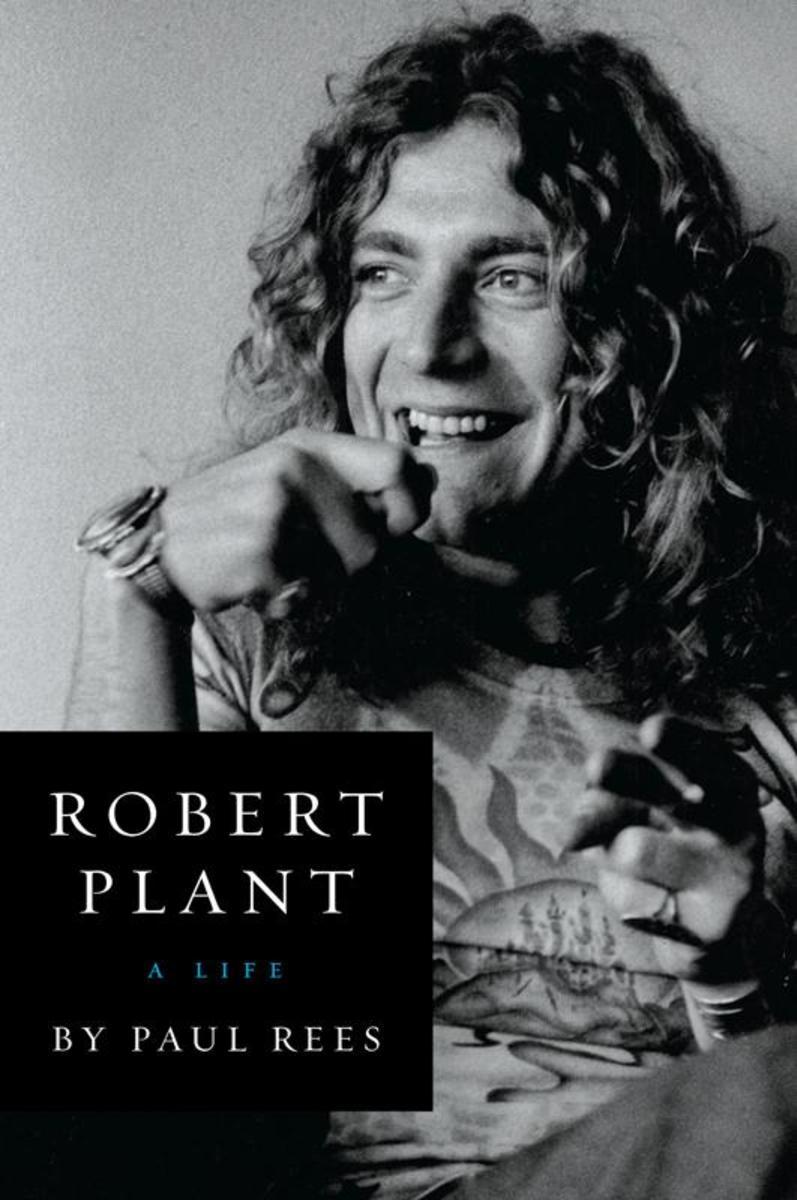
Robert Plant
¥100.71
Robert Plant is a living legend. The front man of Led Zeppelin, one of the biggest and most influential rock bands of all time, Plant defined the very notion of what it means to be a rock god.The sheer scale of Led Zeppelin's success is extraordinary. In the United States alone they have sold seventy million records a figure surpassed only by the Beatles while Stairway to Heaven,the band's most famous song, has been played more times on American radio than any other track and is frequently referred to as one of the greatest rock 'n' roll songs ever.But Robert Plant's legacy stretches far beyond Led Zeppelin. Robert Plant: A Life is the story of the forces that shaped Plant: from his boyhood in England's Black Country to the ravaging highs and lows of the Zeppelin years; from his relationship with Jimmy Page and John Bonham to the solo career that today, at the age of sixty-two, has him producing some of the most acclaimed work of his career. Author Paul Rees, former editor of Q and Kerrang!, who has in the past interviewed Plant at length, paints a rich, complicated portrait of a man who was only nineteen when he changed the face of rock 'n' roll.Told with tenacity, emotion, and the spark of brilliance that befits such an enigmatic front man, Robert Plant: A Life is the definitive story of a musical icon.
Why It's Great to Be a Girl
¥55.94
Why It's Great to Be a Girl is a must-have for every girl from six to sixteen! Chock-full of fascinating facts, enlightening girl-knowledge, and important historical milestones even a list of great books written by women here is a guaranteed self-esteem booster for young females everywhere . . . and it's lots of fun too! After all, what girl wouldn't feel great about herself knowing that: girls hear better than boys girls drive better than boys girls' bodies are stronger than boys' in every way, except for muscles girls are less susceptible to major diseases and, according to many anthropologists and archaeologists, girls actually "civilized" humankind! So get ready for an eye-opening journey through the awesomeness of girldom with the ultimate guide to why being a girl is the ultimate in cool!
Why Girls Can't Throw
¥72.70
Warning: the truth can be shocking, seductive, offensive, outrageous...even disgusting!Are you perplexed by the mysteries of the universe, confounded by the workings of the human body, prone to pondering the great imponderablesAt long last, the answers are here for every inquiring mind that's not afraid to face up to the cold, hard facts of life. The author who brought you That Book . . . of Perfectly Useless Information now addresses the quirky, the eclectic, and the essential conundrums of our age in Why Girls Can't Throw . . . and Other Questions You Always Wanted Answered, including: What's the kindest way to tell a friend he has halitosisIs it cheaper to send yourself as a package to Australia rather than fly on an airplaneAre there any benefits to smokingIs it true that Keith Richards used to regularly replace all the blood in his body?
Revolt in the Boardroom
¥83.93
Throughout the 20th century, American corporations were governed by autocratic, almost unaccountable chief executives. Their word was law and the only check on their power was a board of directors composed of their friends and allies.Then, in a stunning reversal, a momentous series of firings deposed the heads of some of the world's best-known companies: AIG, Morgan Stanley, Boeing, Hewlett-Packard and Pfizer, just to name a few. Formerly unchallenged CEOs found themselves under fire, often from their own handpicked boards. The number of deposed executives is astonishing. In 2004, the leaders of 600 companies were asked to leave. That number more than doubled in 2005 and reached 1,400 companies in 2006.Flexing new muscles, directors are assuming new and unfamiliar responsibilities. In Revolt in the Boardroom, Alan Murray reveals the inner workings of the new seat of power. Using the access afforded to him by his influential Wall Street Journal column, Murray tells the story of three seminal board revolts the now-famous Hewlett-Packard drama, the ousting of Boeing's Harry Stonecipher and the end of the reign one of the world's most autocratic executives, Hank Greenberg at AIG.Murray goes further to chart the history of the corporation, the rise of governance and the effects of the new power gained by outside institutions like hedge funds and interest groups. Through it all, Murray shows how the job of chief executive has rapidly and permanently changed. Leaders like A. G. Lafley and Jeff Immelt govern instead of rule, build alliances and support instead of dictating direction and pay careful attention to a broader range of stakeholders than ever before.Revolt in the Boardroom is the first look at the new world of corporate power and the last word on the transformational events of the last two years.

Scientific American's Ask the Experts
¥83.93
Why is the night sky darkHow do dolphins sleep without drowningWhy do hangovers occurWill time travel ever be a realityWhat makes a knuckleball appear to flutterWhy are craters always round?There's only one source to turn to for the answers to the most puzzling and thought-provoking questions about the world of science: Scientific American. Writing in a fun and accessible style, an esteemed team of scientists and educators will lead you on a wild ride from the far reaches of the universe to the natural world right in your own backyard. Along the way, you'll discover solutions to some of life's quirkiest conundrums, such as why cats purr, how frogs survive winter without freezing, why snowflakes are symmetrical, and much more. Even if you haven't picked up a science book since your school days, these tantalizing Q & A's will shed new light on the world around you, inside you, below you, above you, and beyond!
You Can't Win a Fight with Your Client
¥83.93
In this follow-up to You Can't Win a Fight with Your Boss, Tom Markert returns to provide clever, timeless advice on how to offer exceptional service. The most important ruleYou can't win a fight with your client! As American companies large and small have shifted their focus from manufacturing to providing services, keeping clients satisfied has become critical to the survival of every business. Yet, very few people have mastered the art of managing clients successfully. In You Can't Win a Fight with Your Client, Tom Markert argues that the secret to great service lies in understanding and applying a few fundamentals. In fifty small doses, he provides practical advice on how to manage your relationships with your clients and ensure they receive the kind of service that will keep them coming back for more.A perfect resource for anyone working with clients at any level, You Can't Win a Fight with Your Client is the no-nonsense, straightforward guide to keeping clients happy in today's hypercompetitive and demanding business environment.


