


 购物车
购物车 个人中心
个人中心
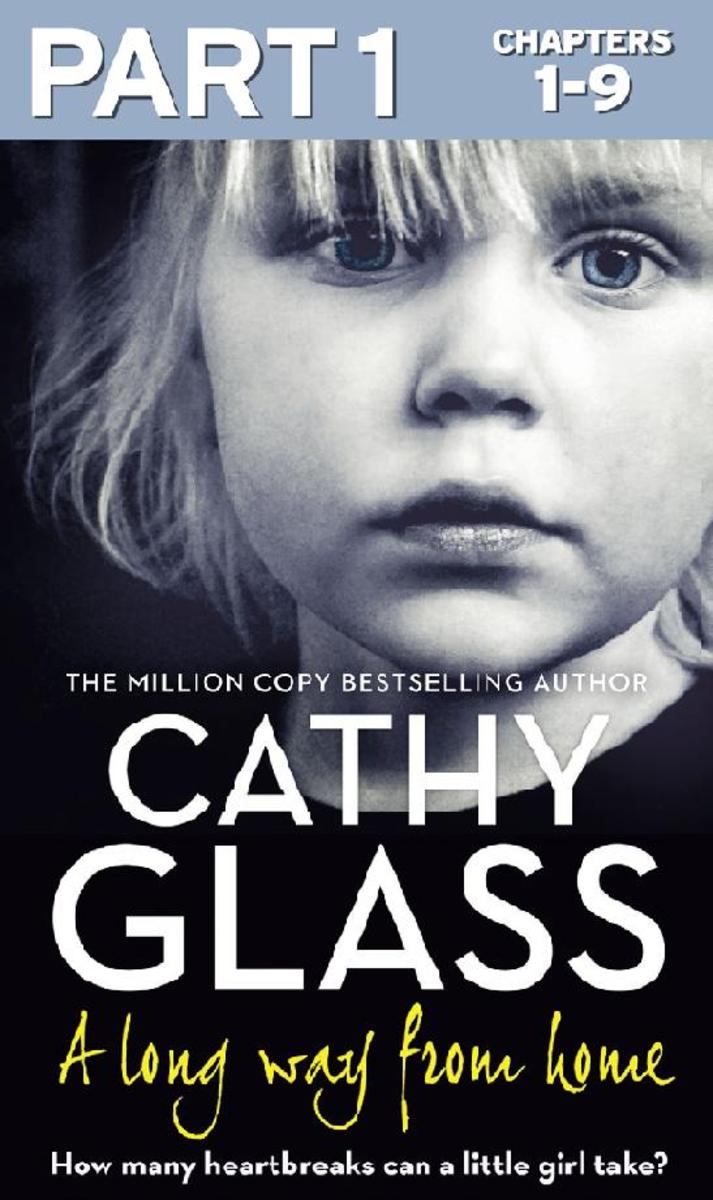
A Long Way from Home: Part 1 of 3
¥28.45
The true story of 2 year-old Anna, abandoned by her natural parents, left alone in a neglected orphanage. Elaine and Ian had travelled half way round the world to adopt little Anna. She couldn’t have been more wanted, loved and cherished. So why was she now in foster care and living with me? It didn’t make sense. Until I learned what had happened. … Dressed only in nappies and ragged T-shirts the children were incarcerated in their cots. Their large eyes stared out blankly from emaciated faces. Some were obviously disabled, others not, but all were badly undernourished. Flies circled around the broken ceiling fans and buzzed against the grids covering the windows. The only toys were a few balls and a handful of building bricks, but no child played with them. The silence was deafening and unnatural. Not one of the thirty or so infants cried, let alone spoke.
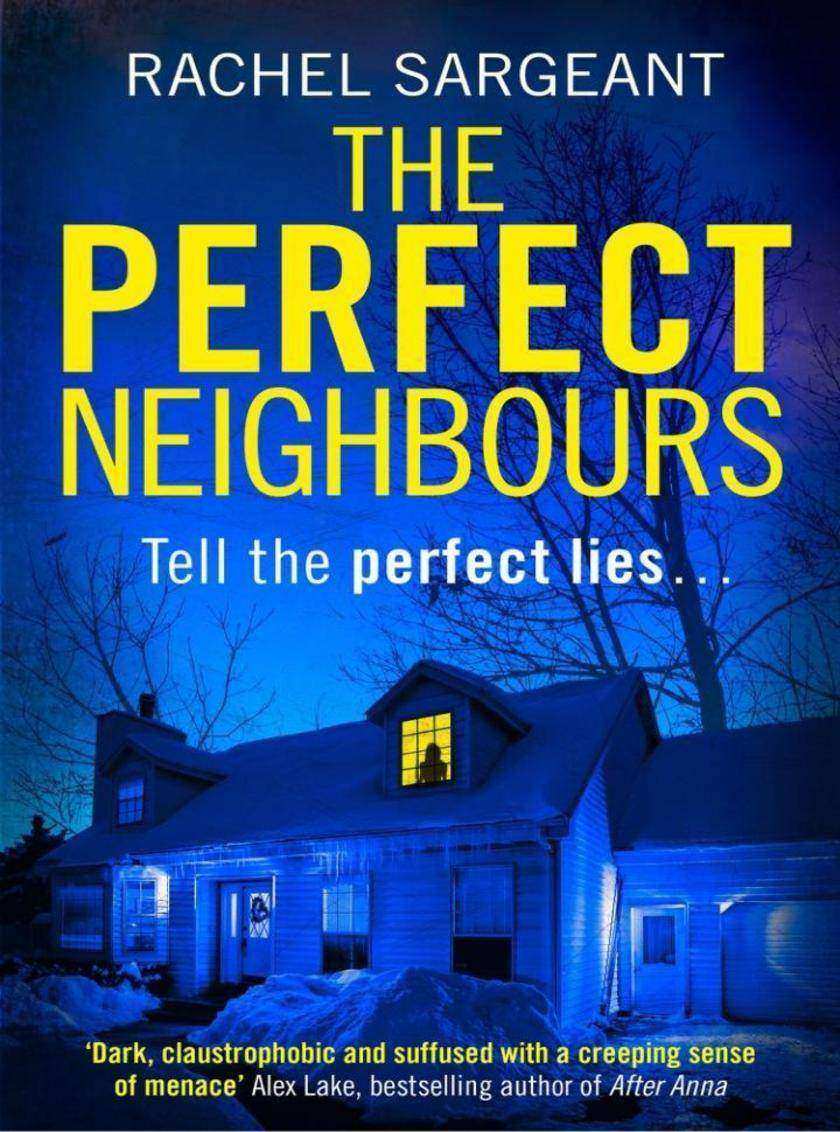
The Perfect Neighbours: A gripping psychological thriller with an ending you won
¥28.45
The perfect neighbours tell the perfect lies… *** A TOP TEN KINDLE BESTSELLER *** A dark and twisty psychological thriller from a rising star in the genre, perfect for fans of THE COUPLE NEXT DOOR. When Helen moves into an exciting new neighbourhood, she finds herself in a web of evil with no escape. Behind the shutters lies a devastating secret… When Helen moves abroad with her loving husband Gary, she can’t wait to meet her fellow expat teachers from the local International School. But her new start is about to become her worst nightmare… As soon as the charming family across the way welcome Helen into their home, she begins to suspect that all is not as it seems. Then Gary starts to behave strangely and a child goes missing, vanished without a trace. When violence and tragedy strike, cracks appear in the community, and Helen realises her perfect neighbours are capable of almost anything…
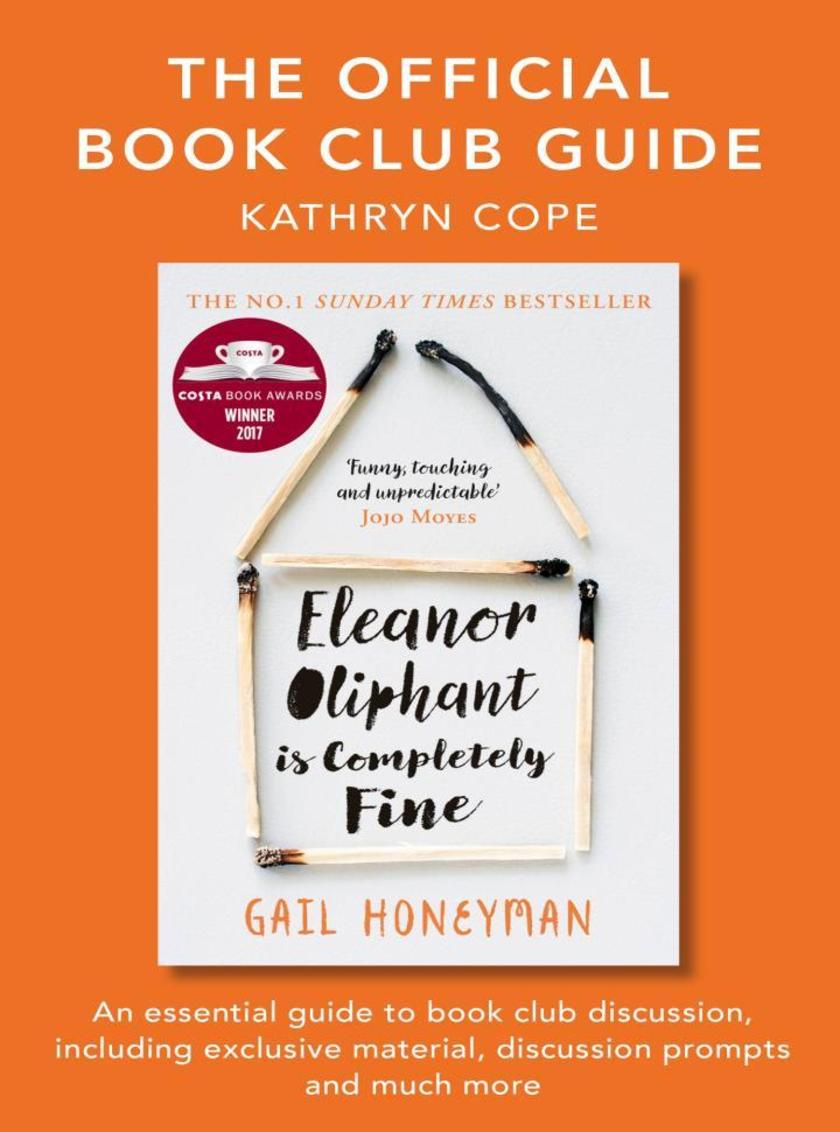
The Official Book Club Guide: Eleanor Oliphant is Completely Fine
¥28.45
An essential tool for all reading groups – a detailed guide to Sunday Times Number One bestseller, Eleanor Oliphant is Completely Fine! A comprehensive guide to Gail Honeyman's acclaimed bestseller, Eleanor Oliphant is Completely Fine, this discussion aid includes a wealth of information and resources: useful literary context; an author biography; a plot synopsis; analyses of themes & imagery; character analysis; twenty-two thought-provoking discussion questions; recommended further reading and even a quick quiz. This companion guide takes the hard work out of preparing for meetings and guarantees productive discussion. For solo readers, it encourages a deeper examination of a rich and rewarding text.

English Rose for the Sicilian Doc (Mills & Boon Medical)
¥30.61
Uncovering a sizzling attraction… Burned in love, Dr Matteo Di Salvo knows he should stay away from single mother, Rose Palmer. But as he gets to know the beautiful English archaeologist, he longs to chase the shadows from her eyes… Rose is drawn to the handsome radiologist, though after her disastrous marriage, getting emotionally entangled is out of the question! But as the sun-drenched island of Sicily works its magic, she wonders if she’s finally found a man she can trust…with her heart and her son.
Fully Booked – Part 2 (The Once in a Blue Moon Guesthouse, Book 2)
¥20.01
The charming new bestseller from the No.1 bestselling author of The Canal Boat Cafe
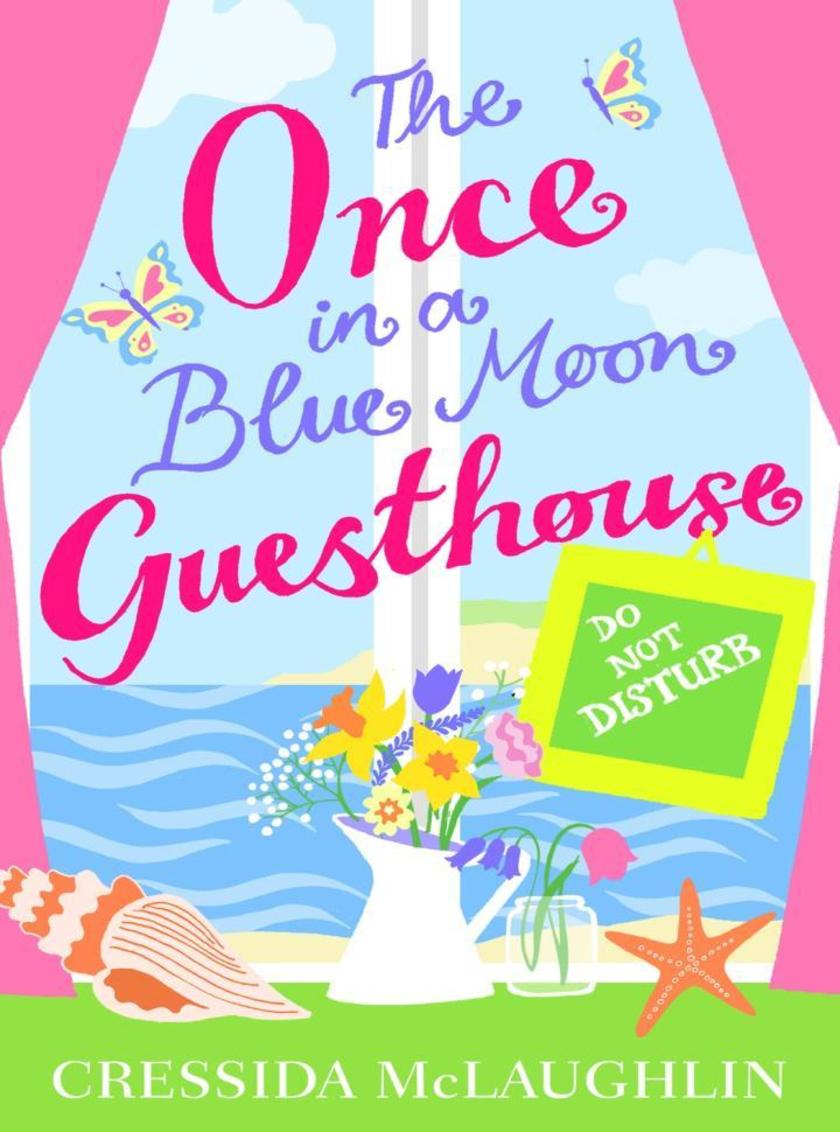
Do Not Disturb – Part 3 (The Once in a Blue Moon Guesthouse, Book 3)
¥20.01
The charming new bestseller from the No.1 bestselling author of The Canal Boat Cafe
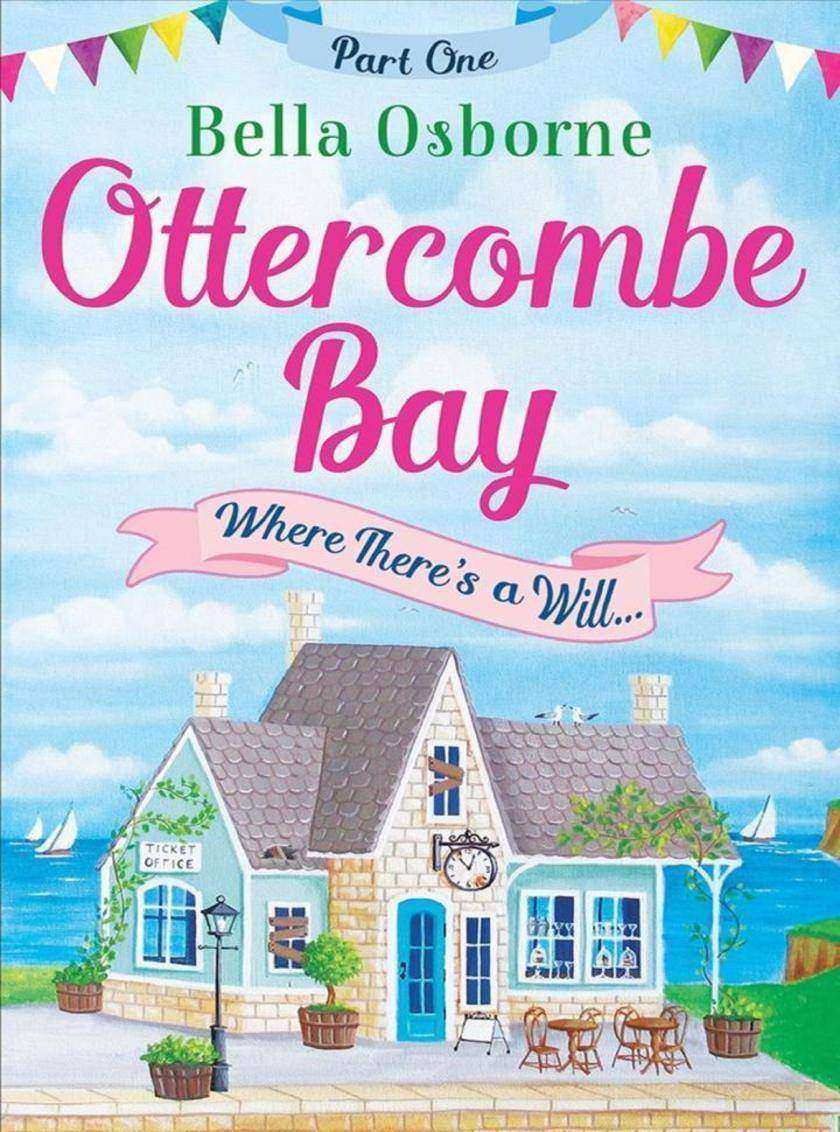
Ottercombe Bay – Part One: Where There’s a Will... (Ottercombe Bay Series)
¥21.39
Escape to the Devon coast, with Part One of a brand-new four-part serial from the author of Willow Cottage. Daisy Wickens has returned to Ottercombe Bay, the picturesque Devon town where her mother died when she was a girl. She plans to leave as soon as her great uncle’s funeral is over, but Great Uncle Reg had other ideas. He’s left Daisy a significant inheritance – an old building in a state of disrepair, which could offer exciting possibilities, but to get it she must stay in Ottercombe Bay for twelve whole months. With the help of a cast of quirky locals, a few gin cocktails and a black pug with plenty of attitude, Daisy might just turn this into something special. But can she ever hope to be happy among the ghosts of her past? Authors and readers love Bella Osborne’s gorgeous novels: ‘I really enjoy Bella Osborne’s books’ – Katie Fforde ‘An absolutely glorious read full of laugh out loud moments and beautifully observed characters who spring to life on the page’ Phillipa Ashley ‘A warm and engaging story with relatable characters who will worm their way into your heart. A great read!’ – Talli Roland ‘Loved it! Believable characters, a sweetly told, lovely story… a great read’ – Jane Lovering ‘Romance, comedy, and mystery abound in this delightful British novel’ – I Read That Book! ‘A great read, with some really special moments… so beautiful and romantic’ – Annie’s Book Corner ‘A well-written and charming tale.’ – Paris Baker’s Book Nook ‘I wasn't expecting a debut novel to be this good’ – The Bookish & The Romantic 'Makes me feel like I should be reading it while wearing a tea dress, drinking posh coffee from a china cup and eating Victoria sandwich cake with a dainty little fork. It's charming, adorable, amusing and all those sorts of words' – Escape Into Words 'This book is perfect chick lit' – Gidget Girls Reading
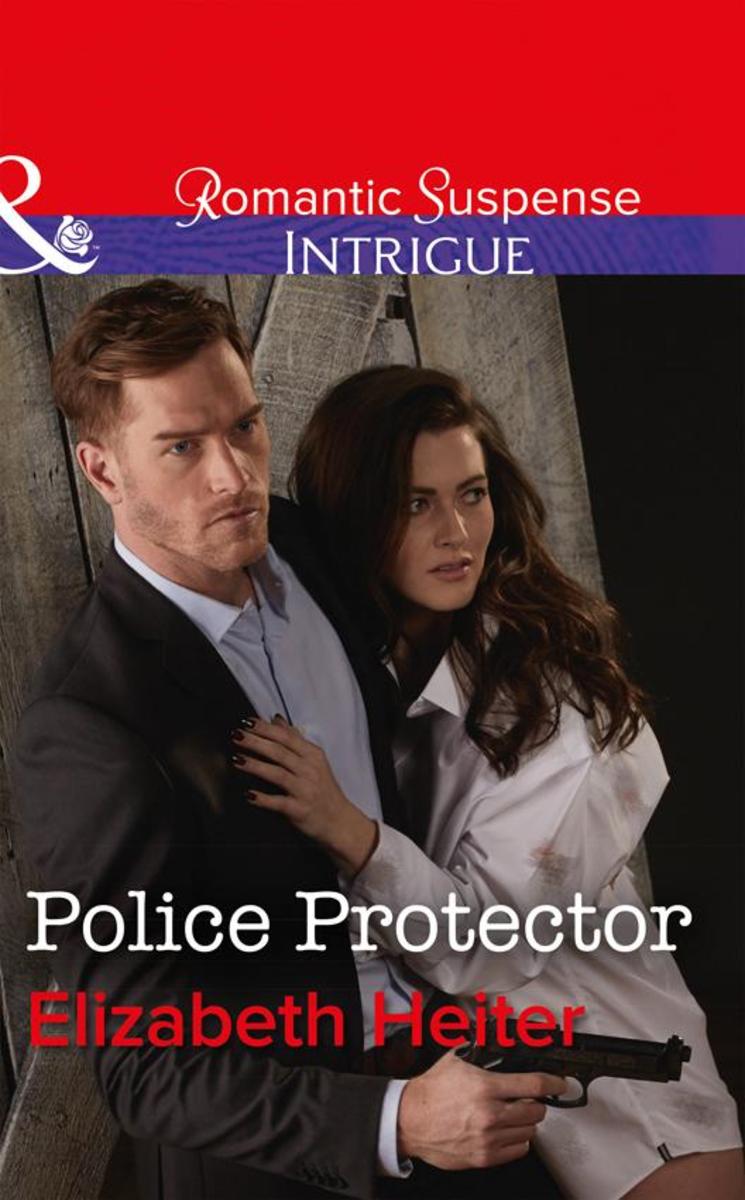
Police Protector (Mills & Boon Intrigue) (The Lawmen: Bullets and Brawn, Book 2)
¥39.63
She's become his whole world…and she's under fire Ever since forensics analyst Shaye Mallory survived a police-station shootout, Detective Cole Walker has felt personally responsible for her well-being. Then another shooter takes aim at Shaye. Cole decides the only thing he can do is stay right by her side until he finds the man who wants her dead. Cole knows that he must set aside his attraction to Shaye if he's going to do his job. But as the days – and nights – go on, it becomes harder and harder to resist his feelings. And, as danger moves ever closer to them both, Shaye realizes that her safety might cost her the life of the man she loves.
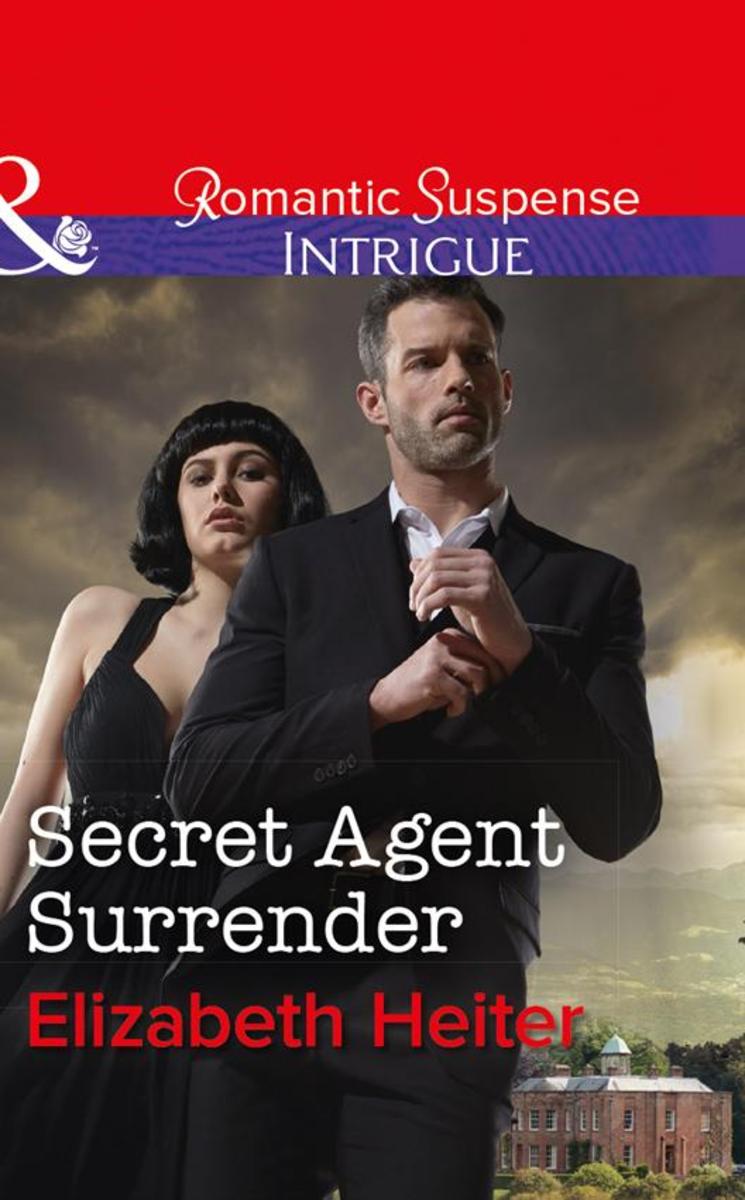
Secret Agent Surrender (Mills & Boon Intrigue) (The Lawmen: Bullets and Brawn, B
¥39.63
This undercover agent can't disguise his true desire! DEA agent Marcos Costa is undercover and ready to bring down a drug kingpin inside his own mansion – until he runs into Brenna Hartwell, his very first love. He doesn't know she's a detective on a case and their reunion will be short-lived if their cover is blown.
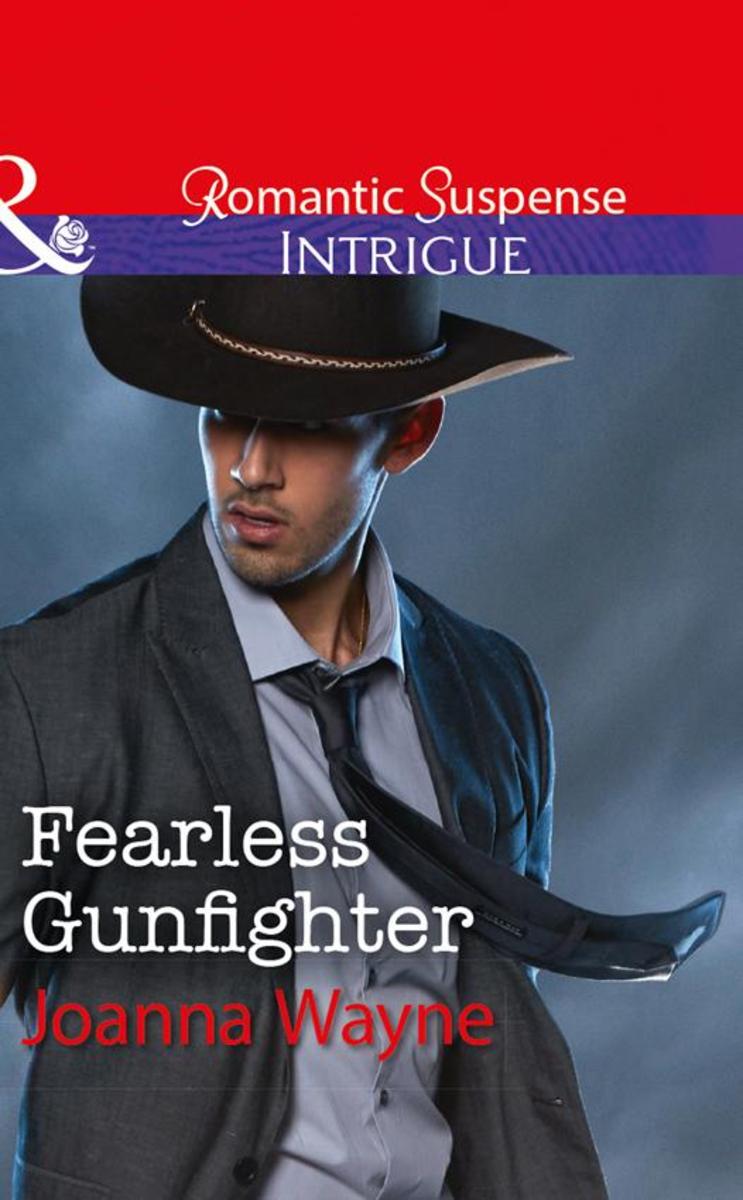
Fearless Gunfighter (Mills & Boon Intrigue) (The Kavanaughs, Book 3)
¥39.63
Can a stubborn cowboy recapture the one who got away? Ledger McGraw may know all about horses, but he doesn’t know anything about the lie that broke up his first romance with waitress Abby Pierce. Abby, tricked into marrying the wrong man, is at the end of her tether in her abusive relationship. When she learns the truth about her terrible marriage, she becomes desperate to escape it—before her jealous husband kills her. Though Ledger's heart was wounded by Abby, he'll still do anything to protect her and free her from her violent spouse. He's determined to win her back and reignite their passion…

A Very Special Child (Mills & Boon Medical) (Dalverston Hospital, Book 3)
¥22.07
A special joy Bringing up her special-needs son, Robbie, has meant a busy life for Laura Grady. When she takes up a new nursing post at Dalverston General Hospital, her attraction for the pediatric resident Mark Dawson is an unwanted distraction. While Mark makes his feelings clear, Laura feels that as Robbie will always be the center of her life, she could never offer Mark the happiness he deserves. But in Mark's view, Laura is as special to him as her child, and he intends to ensure she really gets the message….

The Windmill Café: Summer Breeze (The Windmill Café, Book 1)
¥22.27
The Windmill Cafe is open for business! ‘I relished every moment of this story … definitely not one to be missed’ Emma, Shaz’s Book Blog As Rosie Barnes serves glasses of tangy lemonade and ice-cold prosecco at her summer garden party, she couldn’t be happier. The Windmill Café, with its peppermint green sails is a roaring success and has given Rosie a chance to escape the heartbreak of her busy life in London. But then disaster strikes when popstar Suki Richards is taken unexpectedly ill at the party. Now all eyes are on Rosie…have her famous raspberry cupcakes poisoned her most high-profile guest? Or is someone else trying to damage Suki’s chance of stardom? If Rosie wants to save her picture-perfect life, and the reputation of her beloved Windmill Café, she’s going to have to get to the bottom of the mystery…and fast!

The World’s Best Sailing Jokes
¥23.05
An Irishman went out alone in a small skiff and ran into bad weather. His craft foundered on a reef and he waited several hours before he was finally spotted and rescued. When they saw his radio, the rescuers asked why he hadn’t sent out an S.O.S. ‘I would have done,’ he replied, ‘but I didn’t know how to spell it.’
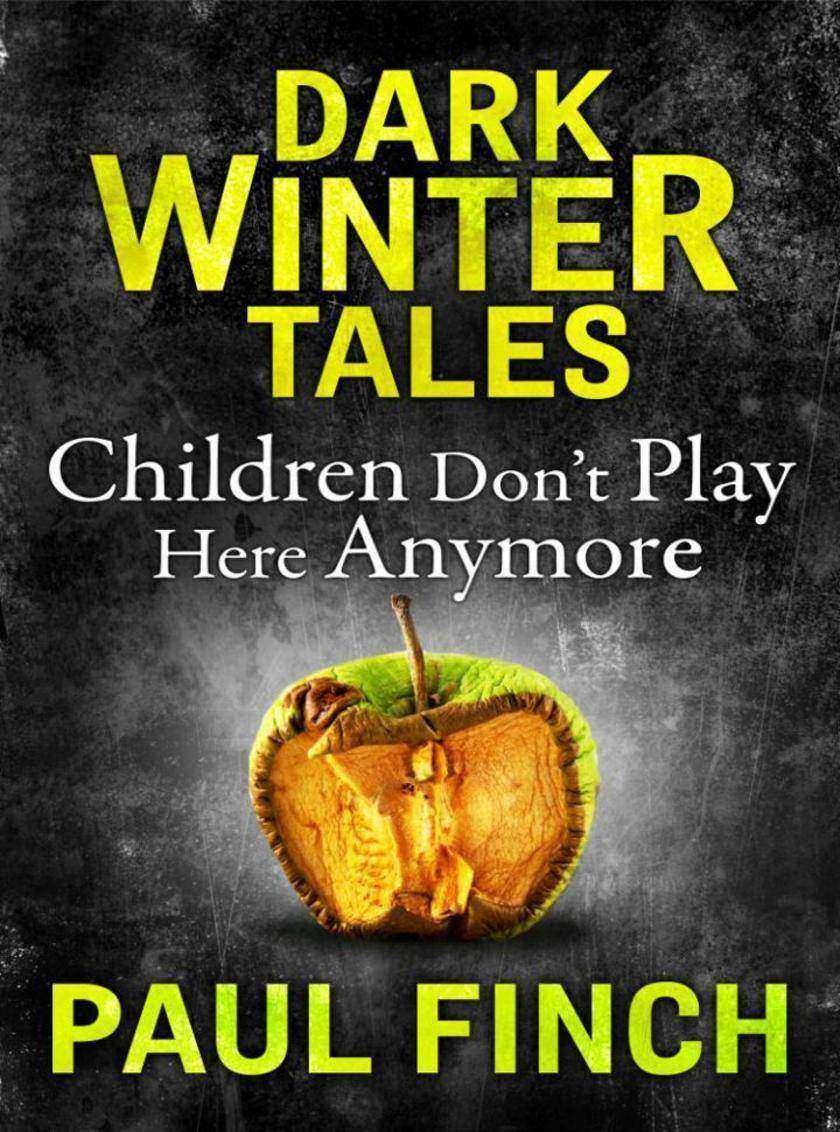
Children Don’t Play Here Anymore (Dark Winter Tales)
¥20.01
**A horror short story from #1 bestseller, Paul Finch. Part of the Dark Winter Tales series: unputdownable reads for cold winter nights…**
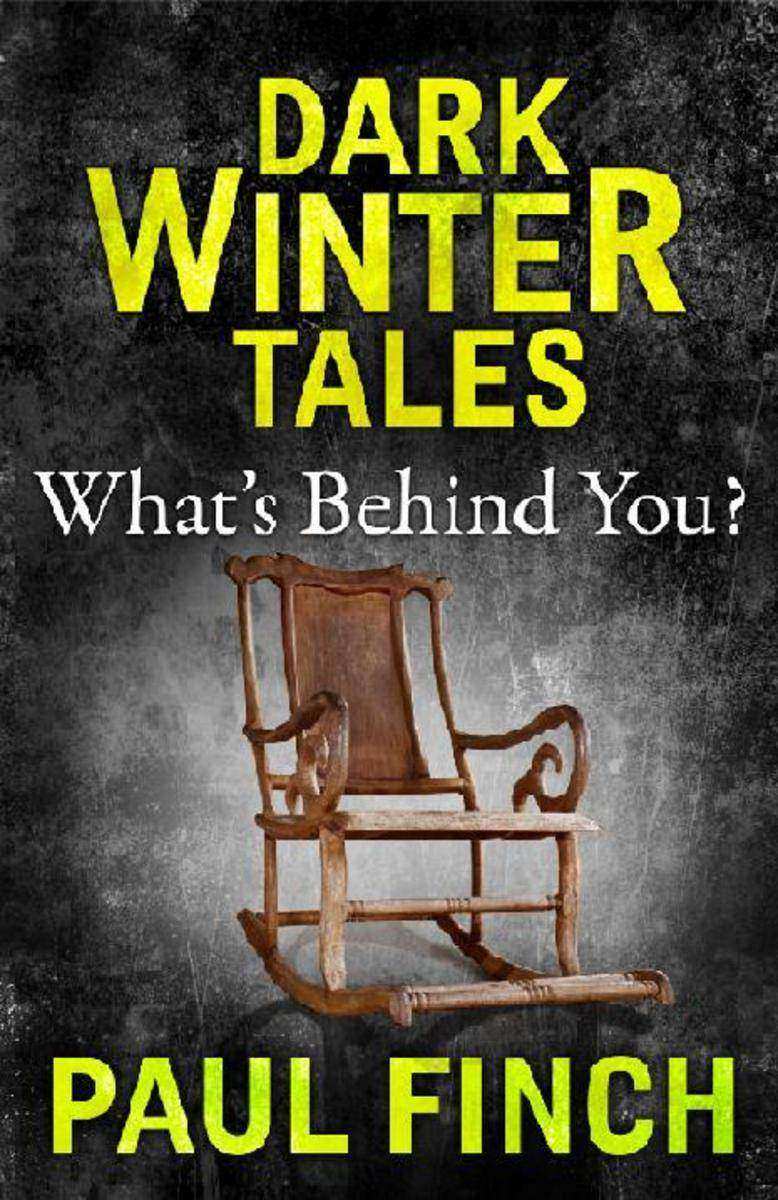
What’s Behind You (Dark Winter Tales)
¥20.01
**A horror short story from #1 bestseller, Paul Finch. Part of the Dark Winter Tales series: unputdownable reads for cold winter nights…**
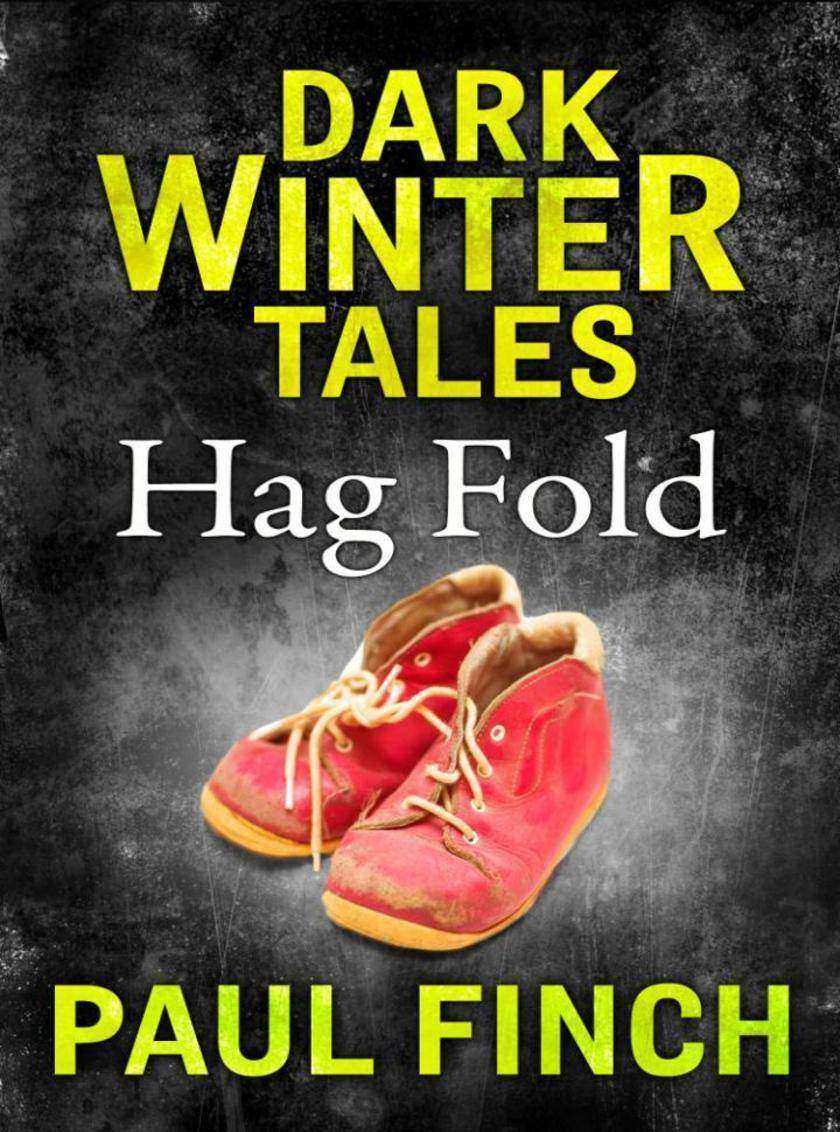
Hag Fold (Dark Winter Tales)
¥20.01
**A horror short story from #1 bestseller, Paul Finch. Part of the Dark Winter Tales series: unputdownable reads for cold winter nights…**
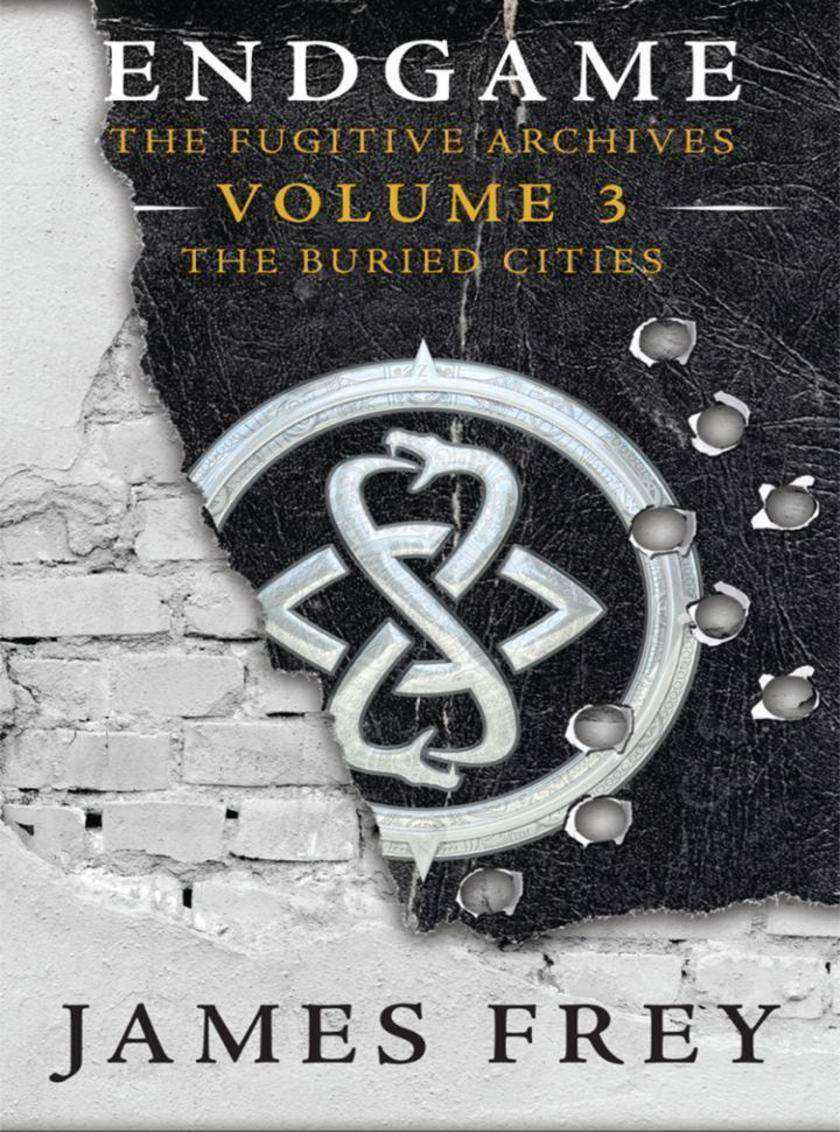
The Buried Cities (Endgame: The Fugitive Archives, Book 3)
¥25.60
The final story in a heart-stopping novella trilogy that follows a forbidden love that threatens Endgame in post-World War II Germany and takes place prior to the events in the New York Times bestseller, Endgame: The Calling. Humanity rests on the shoulders of twelve Players. But when the lives of a Cahokian Player and a Minoan Player intertwine over the search for an ancient weapon in post-World War II Berlin, the last thing they expect is to let their guard down and fall in love. Now Boone and Ariadne must journey deep into the ancient buried cities of Cappadocia, to find the remaining pieces of the weapon - before it's too late. But this is Endgame. And only one can win. This heart-stopping novella arc takes place prior to the events in the New York Times bestseller Endgame: The Calling.

The Unforgettable Spanish Tycoon (Mills & Boon Cherish) (Romantic Getaways)
¥35.61
"I know we were more than just friends." Once Elena Jones shared an intense entanglement with striking Spaniard Caleb Araya, ending with both their hearts in tatters. Now she's a successful entrepreneur, and when he rejects her new business proposition it's clear Caleb hasn't forgotten… Then a sudden accident means that the tycoon remembers nothing about their past! Elena seizes the chance to make things right—she’ll stay in Barcelona and help Caleb recover his memory. But the closer they get, the more Elena realises how much her own heart has never forgotten him… Romantic Getaways Escape to Paradise!
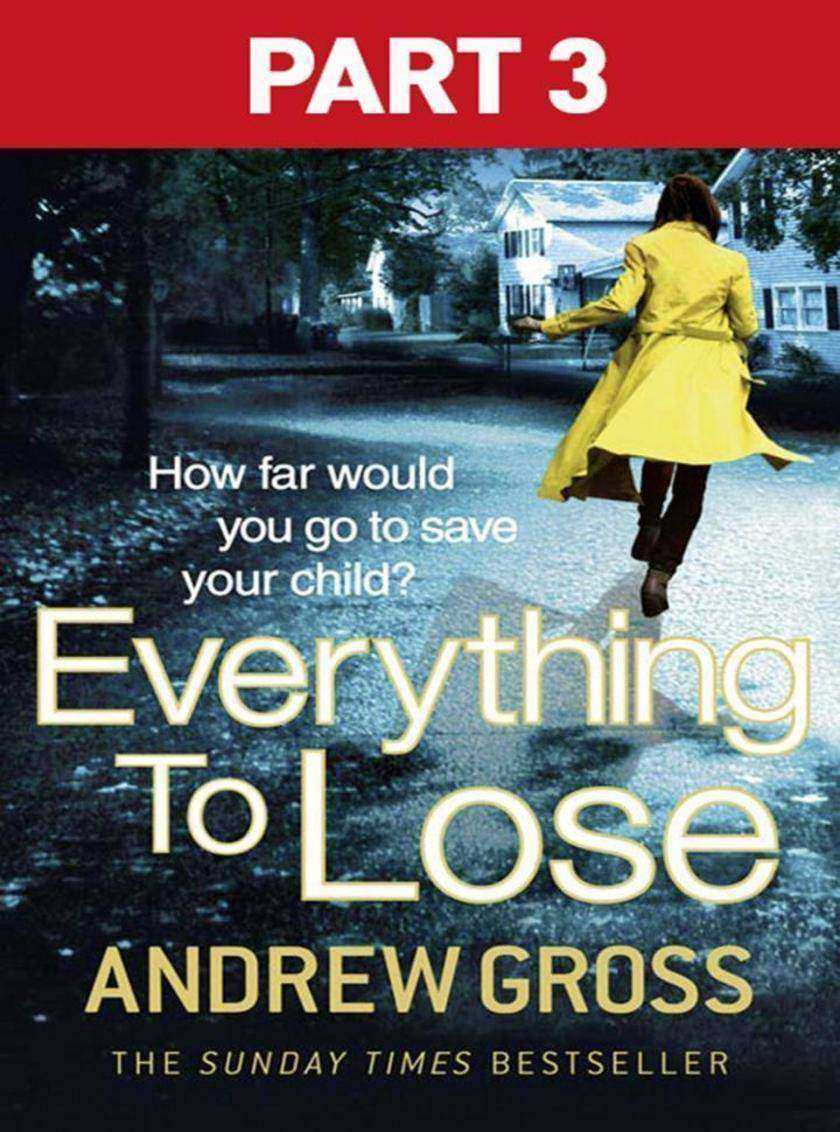
Everything to Lose: Part Three, Chapters 39–69
¥28.45
Part 3 of the heart-pounding new thriller from the co-author of five No. 1 James Patterson bestsellers including Judge and Jury and Lifeguard, and the Sunday Times bestsellers The Blue Zone and Reckless.
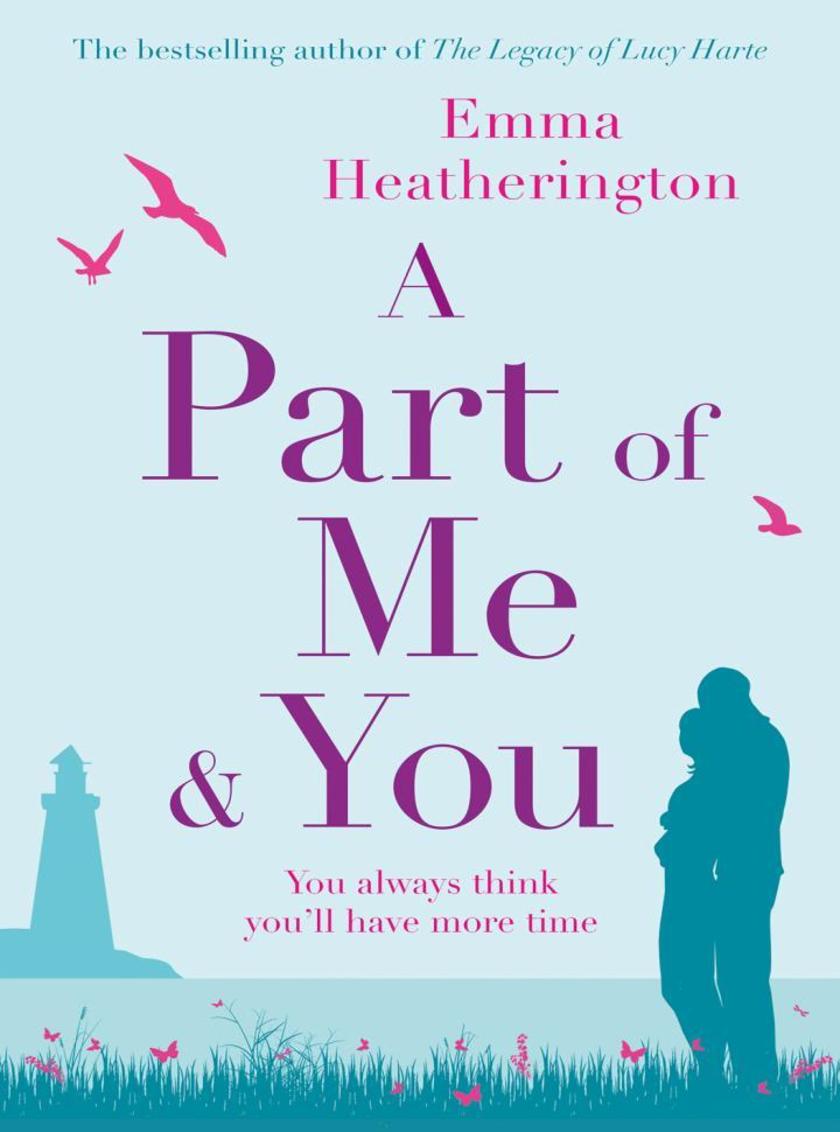
A Part of Me and You: An empowering and incredibly moving novel that will make y
¥28.45
You will love this moving and powerful novel from bestselling author Emma Heatherington. A must read for fans of Jojo Moyes. You always think you have more time… Juliette always thought she’d have more time. But as her fortieth birthday approaches she is dealt the deadliest of blows – she has just weeks to live. As the terrible news sinks in, Juliette’s only concern is for her fifteen-year-old daughter, Rosie. Who will take care of her precious child? Who will love her daughter with the same fierce love? The answer lies in a secret Juliette hoped never to reveal… Devastated at the loss of her own baby daughter, Shelley is barely managing to survive. Consumed by her grief, she has pushed everyone away – including the man who loves her the most. With her once happy marriage now in tatters, Shelley has nothing left to live for. But as the lives of these two women collide, could Juliette’s secret be the key to solving Shelley’s heartache? And could Juliette’s death give Shelley one final chance to live again… What readers are loving about A Part of Me and You: ‘One of THE most emotional books I have EVER read’ Angela Mellor, Netgalley ‘Heartbreaking…up there with Me Before You’ Tina Wakelin, Netgalley ‘Written from the heart, genuine emotion shining out from every page’ Audrey Cowie, Netgalley ‘An amazingly poignant story…the reader is left with tear filled eyes but a strong belief that love will prevail’ Jane Hunt Writer Book Reviews
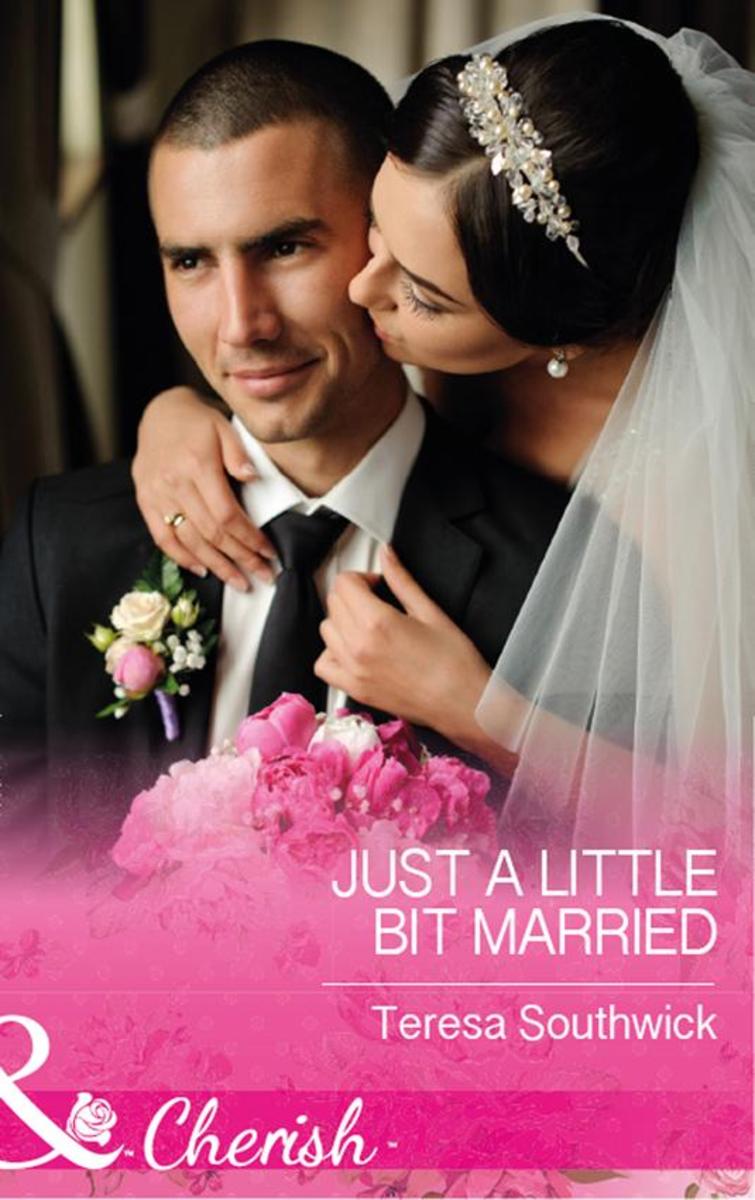
Just A Little Bit Married (Mills & Boon Cherish) (The Bachelors of Blackwater La
¥22.07
How to ruin a perfectly good divorce The last time Rose Tucker saw her ex-husband, Lincoln Hart, he was fleeing their newly minted marriage. Now the man she fell in love with at first sight has returned to say those three little words: "we’re still married!" And while the lawyers fix the clerical glitch, the handsome millionaire offers a way to help his not so ex-wife save her business. The pretty interior designer can hardly wait to say, “I don’t.” But in the meantime, Rose can’t afford to turn down her husband’s job offer. So she agrees to decorate Linc’s new luxury condo. While Rose draws up plans for his home, he has designs on her heart. And if he gets his way, the new towels will say his and hers.


