


 购物车
购物车 个人中心
个人中心
What Lies Behind (A Samantha Owens Novel, Book 4)
¥56.02
Critically acclaimed New York Times bestselling author J. T. Ellison delivers another riveting novel featuring the incomparable Dr. Samantha Owens Waking to sirens in the night is hardly unusual for Samantha Owens. No longer a medical examiner, she doesn't lose sleep over them, but a routine police investigation in her neighborhood has her curious. When her homicide detective friend, Darren Fletcher, invites her to look over the evidence, she jumps at the chance and immediately realizes the crime scene has been staged. What seems to be a clear case of murder/suicide–a crime of passion–is anything but. The discovery of toxic substances in hidden vials indicates that something much more sinister is at play… As Fletch and Sam try to understand what and who they are dealing with, they are summoned to a meeting at the State Department. High-level officials are interested in what they know and seem to be keeping secrets of their own. It's up to Sam and Fletch to uncover what lies behind the deception as the threat of bioterrorism is exposed, and her boyfriend, Xander Whitfield, may be in the line of fire. Unsure who to trust, Sam and Fletch find themselves up against very powerful people at every stage in the investigation. No one is who they appear to be and with every minute that passes, the danger escalates. It's Sam's most complex case yet and the terrifying reality is beyond anything she could have imagined.
When He Fell
¥39.24
The powerfully gripping new book from USA Today bestselling author Kate Hewitt. Josh and Ben are nine years old and best friends, until a single, careless act in the school playground destroys the lives of both families – and wrenches their small Manhattan school apart. As both mothers Maddie and Joanna try to find out what really happened between the boys, they discover the truth is far more complicated and painful than either of them could have ever realised… with lasting repercussions for both families. And when tragedy strikes again in the most unexpected of ways, the lives of these two women will be changed once more, and this time forever. When He Fell explores the issues of parental responsibility and guilt, and whether there are some acts that human nature just cannot forgive…

A Kiss To Melt Her Heart (Mills & Boon Medical)
¥31.10
Awakened by his touch… Arriving in Antarctica, young widow Dr Sophie Thompson is looking for a fresh start in life—and definitely not a new man! But, faced with handsome Station Leader Gabe Sullivan, Sophie can’t ignore the flickering feelings of desire she'd thought long extinguished… Gabe turned his back on love a long time ago—yet there’s something about Sophie that makes him question his decision! Could one scorching, unforgettable kiss beneath the sparkling Aurora Australis begin to melt Sophie’s frozen heart?

A Wedding In The Village (Mills & Boon Medical)
¥22.17
Luke is startled to discover that the tenant of his Rome residenza, Minnie Pepino, is young, blond and sensational! There is an immediate attraction between them, but despite her family's premature plans to arrange the wedding of the year, Minnie holds back, unable to let go of her past. But the more time Luke spends with Minnie, he sees that beneath her reserved facade there lies a broken heart and painful memories. Luke is determined to be the one man who can make her life whole again… .
Explosive Alliance (Mills & Boon Love Inspired Suspense) (First Responders, Book
¥31.10
RACE AGAINST TIME The last thing Krista Curry expected to find in a soccer stadium was a time bomb. When she alerts explosives expert Cash Dixon, she becomes a local hero. But the attention could expose her real name–and the infamous past she fought to escape. Cash promises Krista protection from the bomber's retaliation. Yet she hesitates to trust him as she sees his suspicion about her grow with every question she dodges. She can't expect Cash to continue to safeguard her unless she tells him the truth. Now Cash must decide if she's an innocent woman or guilty accomplice. But the clock is ticking down–and the real bomber is still on the loose… First Responders: Brave men and women alert and ready for danger and love.

In the Royal's Bed: Wanted: Royal Wife and Mother / Cinderella: Hired by the Pri
¥37.96
Wanted: Royal Wife and Mother For five years Kelly has been separated from her son, the heir to the Alp de Ciel throne. With her estranged husband’s death, they can finally be reunited – but first she must return to the palace and meet the dangerously tempting Prince Regent, Rafael de Boutaine. Cinderella: Hired by the Prince When gorgeous stranger Ramón offers sensible chef Jenny a job on his yacht, she can’t refuse his offer of adventure. But nothing could have prepared her for Ramón’s revelation once they’re at sea: that he’s not a humble yachtsman, but a secret prince! A Royal Marriage of Convenience International lawyer Nikolai de Montez has discovered that he’s heir to the throne of Alp de Montez – yet, to claim his title, he must marry Rose McCray. And after a sumptuous ceremony a match of duty begins to evolve into a marriage of desire…

Man of His Word (Mills & Boon Heartwarming) (The Georgia Monroes, Book 1)
¥31.10
A promise made has to be a promise kept This small town in rural Georgia is where Kimberly Singleton hopes to find the answers that can save her adopted daughter's life. Daniel Monroe is the key: the charismatic firefighter is the one who helped bring her child into the world. He's a good man from a loving family who makes Kimberly feel like she's finally found a safe haven. But he won't give up his secret. For almost twelve years, Daniel has kept his promise to a terrified young mother. Now Kimberly and her daughter deserve the truth. But how can he break that long-ago vow and stay true to who he is, a man Kimberly can trust…and love?

Scene of the Crime: Killer Cove (Mills & Boon Intrigue)
¥31.10
A MAN RETURNS TO HIS HOMETOWN TO SOLVE A COLD CASE IN NEW YORK TIMES BESTSELLER CARLA CASSIDY’S NEW SCENE OF THE CRIME BOOK. A family tragedy brings Bo McBride back to his Mississippi town two years after a devastating loss made him leave. Now he's back and only Claire Silver is ready to welcome him home. The sassy blond teacher wants his help in finding a killer that has plagued the town…. Although she could only admire him from afar, Claire was always drawn to Bo. Their unofficial investigation is complicated by the passion igniting between them. And by the obsessed stalker who has targeted Claire. With the threat escalating, Bo vows he'll do whatever it takes to protect her. And Claire vows to put her faith in the man ready to risk everything to safeguard her future.
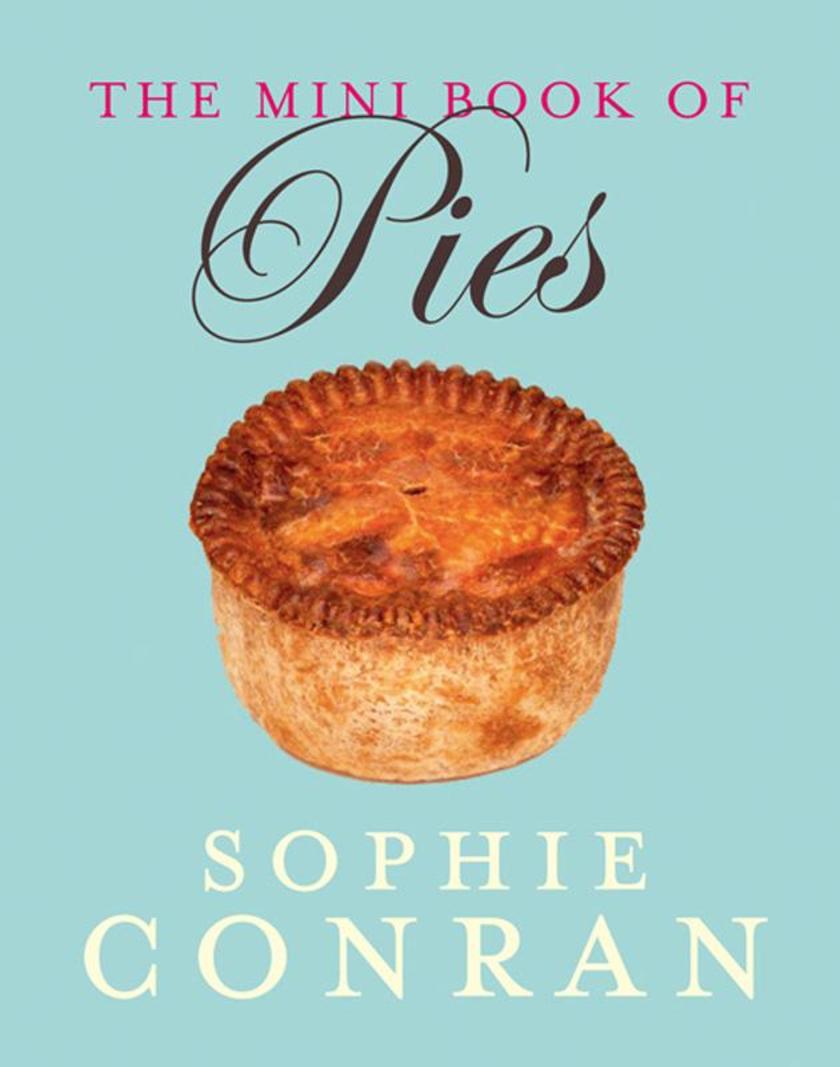
The Mini Book of Pies
¥58.86
Pies are the ultimate comfort food. Enjoy sweet and savoury pies, try traditional and modern recipes and discover new family favourites with The Mini Book of Pies. The perfect book for the beginner pie maker, it features 85 inventive and delicious recipes for the true British classic, the pie. This book also includes simple to follow guides on making pastry, pie dishes and pie decoration and also reveals a few secret baking tips, making sure your pies turn out perfect every time (and no soggy bottoms!). Whether you are looking for simple family suppers or pies to impress; a winter warmer or a summer picnic pie; a meaty pie, a veggie pie, a fish pie or a classic pudding pie, you will find it in The Mini Books of Pies. Recipes include; Beef and Beer Pie with Sweet Potato Mash Pie Moroccan Lamb with Apricots Pie Sausage and Caramelised Onion with Mash Pie Spanish Chicken Pie Smoked Trout and Almond Quick Pie Roasted Vegetable with Cumin Puff Pastry Pie Butternut Squash, Sage and Goat’s Cheese Pie Easy Peasy Plum and Blackberry Pie Features content first published in Pies by Sophie Conran, 2006

Space
¥76.91
2020. Fueled by an insatiable curiosity, Reid Malenfant ventures to the far edge of the solar system, where he discovers a strange artifact left behind by an alien civilization: A gateway that functions as a kind of quantum transporter, allowing virtually instantaneous travel over the vast distances of interstellar space. What lies on the other side of the gateway? Reid decides to find out. Yet he will soon be faced with an impossible choice that will push him beyond terror, beyond sanity, beyond humanity itself. Meanwhile on Earth the Japanese scientist Nemoto fears her worst nightmares are coming true. Startling discoveries reveal that the Moon, Venus, even Mars once thrived with life. Life that was snuffed out not just once but many times, in cycles of birth and destruction. And the next chilling cycle is set to begin again . . .

Trail of Evidence (Mills & Boon Love Inspired Suspense) (Capitol K-9 Unit, Book
¥31.10
SAVING HIS SON Why is a dead woman's phone–evidence in a murder investigation–in Jonas Parker's son's bedroom? Dangerous thugs are after that phone and his terrified teenager, so the single father turns to Capitol K-9 Unit officer Brooke Clark. Years ago, Brooke broke Jonas's heart without explanation. But he has to trust her and her highly-trained golden retriever to keep his son safe. When the boy goes missing, Jonas and Brooke must make peace with their past to find the teen–before increasingly desperate criminals get to him first. Capitol K-9 Unit: These lawmen solve the toughest cases with the help of their brave canine partners.

A Consultant's Special Care (Mills & Boon Medical)
¥31.10
Dr. Abby Curtis starts her new job in a busy A&E department with trepidation. Her consultant boss is notorious for his critical nature and she's had enough of overbearing men Her fears are borne out as Dr. Jordan Blakesley seems intent on faulting everything she does–but he's just so attractive that she cannot keep her eyes off him! And when dramatic events in Abby's life result in Jordan paying her very personal attention, she has to decide whether his protection is something she wants to depend upon for ever…

A Mother for His Baby (Mills & Boon Medical)
¥21.58
Dr. Brady McNeal just hopes and prays he's made the right decision. A new life for him and his tiny baby son is what he needs, and the Mount Pryde Country Practice seems like a small slice of heaven… especially when he finds he's working with GP Jo Rutherford. Jo and Brady have met once before. Now, as they work side by side, the attraction between them is still undeniable. Brady can't get too close–he's vowed to put his son's happiness first. But soon he begins to wish that Jo had a more permanent role in his life… as the mother of his child.

Shadow and Dust (A Short Story):A Throne of the Caesars Story
¥59.94
A tense and brilliantly dramatic 30-page short story from the bestselling author of The Throne of the Caesars Series. This thrilling short story opens at the end of BLOOD AND STEEL and is the perfect trailer for Harry Sidebottom’s new novel FIRE AND SWORD. AD 238. When Gordian the Younger is brutally cut down at the battle of Carthage, his ally Phillyrio and a centurion from his army must make for the hills of northern Africa, to escape Maximinus’s army. But their enemy, led by Capelianus, is determined to hunt them down.

The Girls Who Went to War:Heroism, heartache and happiness in the wartime women’
¥58.86
The personal accounts of three young women who joined up in 1940. In the summer of 1940, Britain stood alone against Germany. The British Army stood at just over one and a half million men, while the Germans had three times that many, and a population almost twice the size of ours from which to draw new waves of soldiers. Clearly, in the fight against Hitler, manpower alone wasn’t going to be enough. Eighteen-year-old Jessie Ward defied her mother to join the ATS, Margery Pott signed up for the Women’s Auxiliary Air Force, and nanny Kathleen Skin the WRNS. They left quiet homes for the rigours of training, the camaraderie of the young women who worked together so closely and to face a war that would change their lives for ever. Overall, more than half a million women served in the armed forces during the Second World War. This book tells the story of just three of them – one from the Army, one from the Navy and one from the Air Force. But in their stories are reflected the lives of hundreds of thousands of others like them – ordinary girls who went to war, wearing their uniforms with pride.

Emergency At Bayside (Mills & Boon Medical)
¥31.10
Secrets and seduction in A&E Emergency sister Meg O’Sullivan has come to Bayside Hospital to start afresh as a determined singleton after discovering her ex-boyfriend has married. But tired and dazed after a traumatic first day, she finds herself upside down in her car staring into the eyes of a gorgeous man. Dr. Flynn Kelsey risks his own life to save Meg, and they discover they are colleagues. As they deal with emergencies together their attraction becomes explosive and their raw emotions intense. Meg can barely resist. And then she sees a photo of Flynn’s wedding…
Game Of Scones
¥12.75
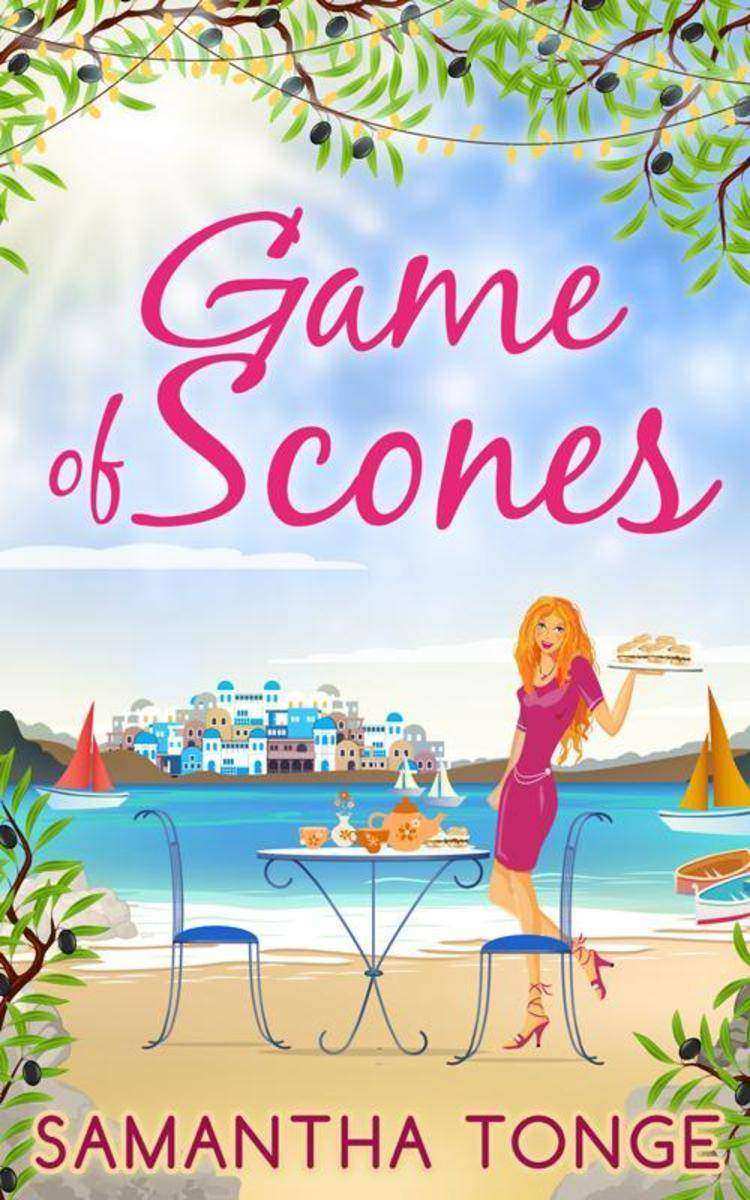
‘This was the ultimate summer read and I enjoyed every page and every word. A little slice of paradise.’ - Jenny in Neverland A story of icing and flour… and how love doesn’t always go to plan! Growing up, Pippa Pattinson’s summers were spent in the idyllic Greek island fishing village of Taxos. There she spent many long hazy days determinedly ignoring thoughts of the life her parents had mapped out for her (a dreary-but-secure accounting job and obligatory sensible husband!) Instead she daydreamed of running her own tea shop – serving the perfect scones – with mocha-eyed childhood friend Niklaus by her side… Arriving back in Taxos for the first time in years, with suave boyfriend Henrik, Pippa barely recognises the tired little town – but is relieved to catch glimpses of the quaint, charming village she’s always loved. Together Niklaus and Pippa put together a proposal to save Taxos from tourist-tastic ruin, and at the heart of their plan is Pippa’s dream project: The Tastiest Little Tea Shop in Taxos. It’s time for Pippa to leave her London life behind and dust off her scone recipe that’s guaranteed to win over both locals and visitors. And amidst the rolling pins and raisins, it seems romance is blossoming where she’s least expecting it… Loved Game of Scones then don’t miss My Big Fat Christmas Wedding – out now! This sizzling summer read is perfect for fans of Lindsey Kelk's Always the Bridesmaid and Lucy Diamond's Summer at Shell Cottage What reviewers are saying about Game of Scones ‘The perfect book to kick start your summer reading… A gloriously fun read which does not disappoint.’ – Book Addict Shaun ‘a great escapist read that is still well written and character lead.’ – The Price is Usually Right ‘an enjoyable light read with a good story and characters. The baking element of the story is also an enjoyable aspect… An enjoyable read for summer.’ – Chick Lit Central ‘I loved Game of Scones… and would highly recommend it to anyone looking for a HEA steeped in friendship, tradition, location, and yummy desserts.’ – Harlequin Junkie
Polly's Pride
¥12.75
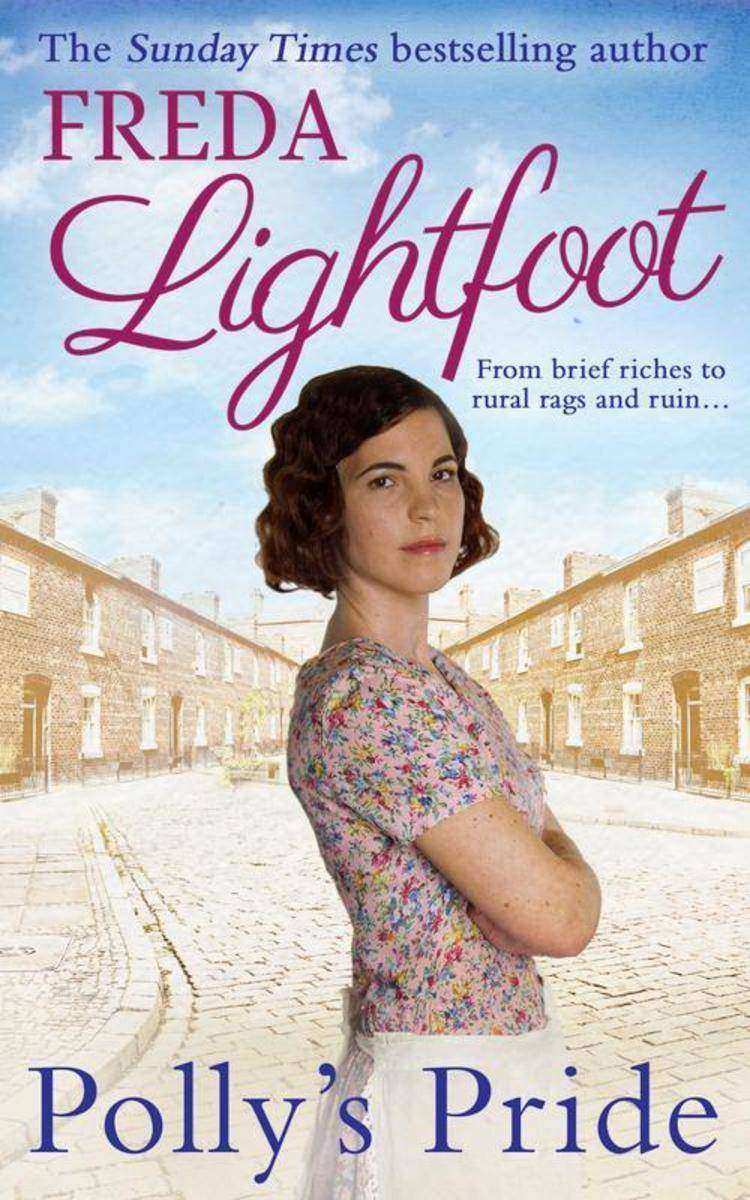
From Sunday Times bestselling author, Freda Lightfoot. From brief riches to rural rags and ruin… 1920s, Manchester. Living in the deprived area of Ancoats area of Manchester Polly Pride feels more fortunate than most until her husband Matthew loses his job and her life is thrown into turmoil. With no money coming in Polly must act to keep her family from starvation. In a desperate gamble she sells all the family goods and buys a handcart, from which she sells second-hand rugs and carpets. But struggling to deal with poverty and her husband’s hurt pride are only the start of her problems. For when tragedy strikes Polly has to do battle with the bigotry of a sour brother-in-law to keep herself and her family from falling apart. A stirring, heartrending story of love, passion, duty and family, set in the 1920s as the Second World War looms. Praise for Freda Lightfoot ’ Freda's books are a joy to read - her characters are so believable and richly drawn - they’re satisfying page turners!’ – Anne Bennett

A Dad for Her Twins (Mills & Boon Love Inspired) (Family Ties (Love Inspired), B
¥31.10
The Cowboy's New Family Widow Abby McDonald is pregnant with twins, suddenly homeless and has nowhere to go. When her late husband's army buddy offers her a temporary haven at his family ranch in Buffalo Gap, Abby accepts the handsome cowboy's hospitality. She knows that Cade Lebret, an honorable man with a complicated life on the Double L, is just "doing the right thing." But when a needy foster child joins their makeshift family, Abby begins to see what a kind, loving father figure Cade is. Suddenly she's dreaming of making the Lebret family ranch her home forever. Family Ties: Bundles of joy bring couples together. Family Ties flash to come Widow Abby McDonald is pregnant with twins, suddenly homeless and has nowhere to go. When her late husband's army buddy offers her a temporary haven at his family ranch in Buffalo Gap, Abby accepts the handsome cowboy's hospitality. She knows that Cade Lebret, an honorable man with a complicated life on the Double L, is just "doing the right thing." But when a needy foster child joins their makeshift family, Abby begins to see what a kind, loving father figure Cade is. Suddenly she's dreaming of making the Lebret family ranch her home forever. Family Ties: Bundles of joy bring couples together.

The Lost Diary Of Tutankhamun’s Mummy
¥51.50
ANCIENT EGYPTIAN SCANDAL Nefertidy Tells All! Newly discovered diaries and postcards from Ancient Egypt reveal that King Tutankhamun was a bit of a mummy's boy – but what can you expect from a nine-year-old ruler with a mother like Nefertidy! Astonishing details of life in Ancient Egypt are revealed from a completely different perspective. / Pharaohs and pyramids / Hieroglyphics and hairstyles / Scribes and slaves / Isis, Osiris and all those other gods / Floodings and feasts / Medicine and mummies / Treasures and trophies / And much, much more! You've never read anything like it before!

Black Bread White Beer
¥30.41
OBSERVER BOOKS OF THE YEAR 2012 LONGLISTED FOR THE DSC PRIZE FOR SOUTH ASIAN LITERATURE Amal is driving his wife Claud from London to her parents’ country house. In the wake of Claud’s miscarriage, it is a journey that will push their relationship – once almost perfect – towards possible collapse. In this, his latest novel, Govinden casts a critical eye on a society in which, in spite of never-ending advances in social media communications, the young still find it difficult to communicate. A devastatingly passionate and real portrait of a marriage, ‘Black Bread White Beer’ keenly captures the abandon, selfishness, hazards and pleasures that come with giving your life to another.


