


 购物车
购物车 个人中心
个人中心

Dinner with a Vampire (The Dark Heroine, Book 1)
¥54.84
The addictive, enthralling debut by online sensation Abigail Gibbs. The sexiest romance you’ll read this year. One moment can change your life forever… For Violet Lee, a chance encounter on a darkened street draws her into a world beyond her wildest imaginings, a timeless place of vast elegance and immeasurable wealth – of beautiful mansions and lavish parties – where a decadent group of friends live for pleasure alone. A place from which there is no escape… no matter how hard Violet tries. Yet all the riches in the world can’t mask the darkness that lies beneath the gilded surface, embodied in the charismatic but dangerous Kaspar Varn. Violet and Kaspar surrender to a passion that transcends their separate worlds – but it’s a passion that comes at a price. As featured on BBC Breakfast, Sky News, Sunday Times, Guardian, Mail Online, Huffington Post and Sugarscape.

Yorkshire Dales (Collins New Naturalist Library, Book 130)
¥257.90
A definitive natural history of the Yorkshire Dales, covering the range of wildlife habitats, rich cultural heritage and ecological history of one of our best-loved National Parks. The Yorkshire Dales National Park is a special place: its outstanding scenery and the diversity of habitats is perhaps unrivalled in any other National Park in Britain. This rich biodiversity has been a great attraction to naturalists for over two centuries. But to fully appreciate the present-day plant and animal communities, their status and the constraints upon them, it is important to understand the geology and landscape history of the National Park, including the role that human populations have played in modifying the environment. In this long-anticipated New Naturalist volume, John Lee introduces the National Park, exploring both its geology and geomorphology, and describing the role of early naturalists and the Yorkshire Naturalists Union in recording and understanding the natural history of the Dales. He describes the major habitats or groups of habitats which underline the ecological importance of the Dales. Lee covers the earliest settlement times to the modern day, and he focuses in particular on the most iconic plant of the Dales, the Lady’s Slipper Orchid, arguably the rarest of native British plants, which until recently was thought to be confined to a single plant in the Dales. Lee takes a historical approach, describing its near eradication and early attempts to conserve it – including the establishment of a secret society – concluding with recent scientific conservation approaches.

Queen Victoria:A Life of Contradictions
¥66.22
A fresh, witty, accessible life of Queen Victoria. Not since Lytton Strachey has the irony, contradictions and influence of this Queen been treated with such flourish or biographical insight. 'Queen Victoria had a very complicated and psychologically fascinating personality and only a very talented biographer could get to the key of her character. Fortunately in Matthew Dennison's pithy, well-researched, beautifully written and very accessible book, she has found one' Andrew Roberts Queen Victoria is Britain’s queen of contradictions. In her combination of deep sentimentality and bombast; cultural imperialism and imperial compassion; fear of intellectualism and excitement at technology; romanticism and prudishness, she became a spirit of the age to which she gave her name. Victoria embraced photography, railway travel and modern art; she resisted compulsory education for the working classes, recommended for a leading women’s rights campaigner ‘a good whipping’ and detested smoking. She may or may not have been amused. Meanwhile she reinvented the monarchy and wrestled with personal reinvention. She lived in the shadow of her mother and then under the tutelage of her husband; finally she embraced self-reliance during her long widowhood. Fresh, witty and accessible, Queen Victoria is a compelling assessment of Victoria’s mercurial character and impact, written with the irony, flourish and insight that this Queen and her rule so richly deserve.
Me and You
¥45.62
Heartbreaking and uplifting, Me and You is a story about how hard it is to leave our old selves behind, the tough choices we sometimes have to make and how love and friendship can heal the most damaged of hearts. “I’m fine. I’m sorry. Please take care of him for me. And maybe one day I’ll get to explain.” Angie knows a lot about her best friend Kitty. She knows Kitty is mad and wild and loves to wear clashing colours. She knows she’s incredibly funny and generous but also very unreliable. And she knows that there is a perfect explanation for Kitty standing her up on her birthday. She thinks she knows everything about Kitty, except she doesn’t. Kitty knows that she is the happiest she has ever been. She knows she’s so lucky to have a lovely boyfriend, Simon and a best friend like Angie. But what she doesn’t know is that on this night, her past is finally going to catch up with her and change everything. If you love Marian Keyes and Melissa Hill you’ll adore Claudia Carroll’s Me and You.
Churchill’s Angels
¥45.62
The first in a series of books featuring four young women whose lives will be forever changed by WWII. Perfect for fans of Katie Flynn. It is 1939 and in the town of Dartford, Grace, Sally and twins Daisy and Rose, are determined to do their bit when war is declared. Grace, desperate to get away from her sad home life, signs up for the Land Army. Sally’s dream of stage school is thwarted by the war, but she finds hope in an unexpected place. For the twins, nothing has prepared them for the shock of the blitz and the nightly raids on their hometown. Rose signs on at the local munitions factory, but with her brothers away fighting, Daisy is needed at home in her father’s greengrocer shop. When she unwittingly trespasses on a wealthy estate and meets the aristocratic flying ace, Adair, Daisy initially dismisses him as a ‘toff’. But they become friends and Adair encourages Daisy to indulge her passion for aeroplanes. Could Daisy’s dream of being a pilot be closer than she thinks? And in these uncertain times, a girl would have to be crazy to fall in love, wouldn’t she?

On a Wing and a Prayer
¥51.50
The fourth in a series of books featuring four young women whose lives will be forever changed by WWII. Perfect for fans of Katie Flynn. Rose Petrie is desperate to do something for the war effort. Despite the daily hardships and the nightly bombing raids, her sister, Daisy, and their friends all seem to be thriving in their war work. Rose is doing her best down at the munitions factory, but she is dealt a blow when her childhood sweetheart, Stan, tells her he doesn’t feel the same way about her. Determined to get away and make a new start, Rosie decides to put her mechanical skills, learned from her father and brothers, to good use and signs up for the Women’s Auxiliary Service, or ATS. But Rose discovers that delivering fruit and veg in her father’s greengrocer’s van is very different to driving trucks for the army in a country under seize. While learning the ropes, Rose will learn that things never go according to plan, either in love or war. But with grit, determination and a bit of luck, Rose is determined that she, and the rest of the country, will keep shining through…
Deep Secret
¥58.86
A fantasy adventure about saving the universe one world at a time from Diana Wynne Jones. The companion novel to the bestselling The Merlin Conspiracy. Magids look after all worlds, steer them towards magic, and keep history happening. But Rupert Venables’ mentor has just died, and as the junior magid on earth he has to find a replacement while also trying to find the lost heir of a collapsing empire, worlds away. Rupert interweaves the fate lines to get all the candidates together at a sci-fi fantasy convention, and havoc ensues as they all converge on a very strange hotel, where everything is always linked, the walls keep moving, people are trying to kill him, and nothing is as it seems…a magical, epic story from the Godmother of fantasy.
The Way Back Home
¥58.86
The unforgettable, poignant new novel from Sunday Times bestseller Freya North. Born and brought up in an artists’ commune in Derbyshire, Oriana Taylor had freedom at her fingertips in a home full of extraordinary people. The Bedwell brothers, Malachy and Jed, shared their childhood and adolescence with Oriana. In the rambling old house and tangled grounds, their dreams and desires could run free. But too much freedom comes at a price. Something happened the summer they were fifteen. And now, having been gone eighteen years, Oriana is back. This is their story.
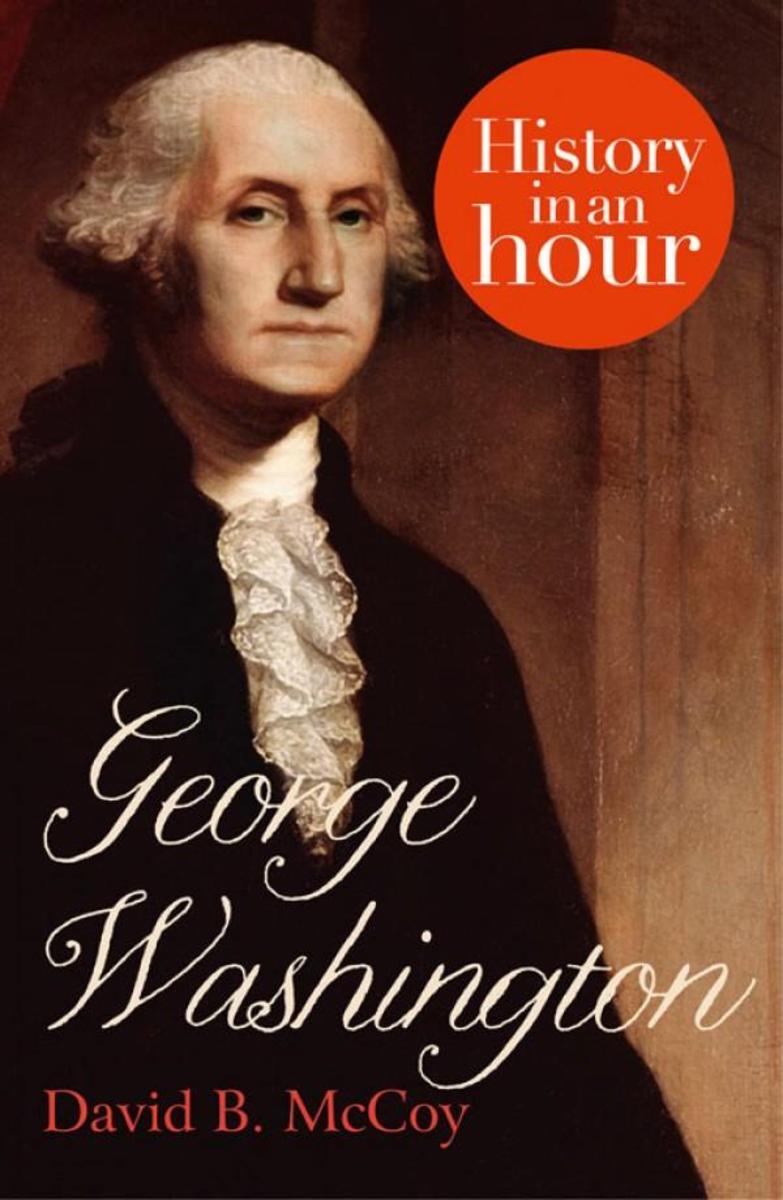
George Washington:History in an Hour
¥14.81
Love history? Know your stuff with History in an Hour. George Washington – a figure synonymous with American history. His image is known worldwide, marked on American currency, postage stamps – even a state is named after him. George Washington in an Hour explores the man beneath the symbol. This is the essential chronicle of Washington’s life – his rise from middle class Virginian upbringing to America’s first President, elected unanimously twice. Explore Washington’s legacy – from securing Independence, to his instrumental role in writing and adopting the American constitution. George Washington in an Hour covers Washington’s redefinition of greatness, relinquishing power not once but twice – at the end of Revolution and his second term in Presidency. Learn why Washington is still considered one of the most influential people in history, and how his impact shaped the world in this engaging overview of his life. Love history? Know your stuff with History in an Hour…
My Soul To Steal (Soul Screamers, Book 4)
¥51.50
Trying to work things out with Nash—her maybe boyfriend—is hard enough for Kaylee Cavanaugh. She can't just pretend nothing happened. But "complicated" doesn't even begin to describe their relationship when his ex-girlfriend transfers to their school, determined to take Nash back. See, Sabine isn't just an ordinary girl. She's a mara, the living personification of a nightmare. She can read people's fears—and craft them into nightmares while her victims sleep. Feeding from human fear is how she survives. And Sabine isn't above scaring Kaylee and the entire school to death to get whatever—and whoever—she wants.

Carrie Pilby
¥55.92
Figuring out life in NYC. Being a genius has never been this hard! Carrie Pilby doesn't fit in. Anywhere. And she's pretty much given up trying. A year out of college, this nineteen-year-old genius believes everyone she meets is immoral, sex obsessed and hypocritical, and the only person she sees on a regular basis is her therapist. When he comes up with a five-point plan to help her discover the "positive aspects of social interaction, " Carrie, who would rather stay home in bed, is forced to view the world in a new light.

My Soul To Keep (Soul Screamers, Book 3)
¥51.50
Kaylee has one addiction:her very hot, very popular boyfriend, Nash. A banshee like Kaylee, Nash understands her like no one else. Nothing can come between them. Until something does. Demon breath. No, not the toothpaste-challenged kind. The Netherworld kind. The kind that really can kill you. Somehow the super-addictive substance has made its way to the human world. But how? Kaylee and Nash have to cut off the source and protect their friends—one of whom is already hooked. And so is someone else…

The Dog Who Healed a Family
¥53.76
In this charming collection of nineteen stories, you can't help but fall in love with the unlucky fawn who is saved by a nursing home, the troublesome rabbit who warms her way into a new family and the good (German) shepherd who comforts the sick. These are stories of hope, humor, triumph, loyalty, compassion, life and even death--but most of all, these are stories of love and the extraordinary animals who make our lives the richer for it.
Blind Dates and Other Disasters:The Wedding Wish
¥53.76
Party planner Holly can’t find the perfect man – it’s time to turn to her friends to help her out. But after a string of horrific dates, will Jake Lincoln be the man for her? Serena wishes she could ignore her unconventional upbringing and settle down with her dream man! So she’s heading out on a blind date. But her date is a man who lives by one rule:never get married! Annie is stuck in the Outback without any men for miles. When she meets Damien on an internet chat group, she immediately heads to the city to meet him. Then Theo steps in to take Damien’s place…

The Lies We Told
¥61.51
Maya and Rebecca Ward are both accomplished physicians, but that's where the sisters' similarities end. As teenagers, they witnessed their parents' murder, but it was Rebecca who saved Maya from becoming another of the gunman's victims. The tragedy left Maya cautious and timid, settling for a sedate medical practice with her husband, Adam, while Rebecca became the risk taker. After a devastating hurricane hits the coast of North Carolina, Rebecca and Adam urge Maya to join them in the relief effort. To please her husband, Maya finally agrees. She loses herself in the care and transport of victims, but when her helicopter crashes into raging floodwaters, there appear to be no survivors. Forced to accept Maya is gone, Rebecca and Adam turn to one another—first for comfort, then in passion—unaware that, miles from civilization, Maya is injured and trapped with strangers she's not certain she can trust. Away from the sister who has always been there to save her, now Maya must find the courage to save herself—unaware that the life she knew has changed forever.
The Hundred Days: Aubrey/Maturin series, book 19
¥66.22
Patrick O’Brian’s Aubrey-Maturin tales are widely acknowledged to be the greatest series of historical novels ever written. Now, for the first time, they are available in electronic book format, so a whole new generation of readers can be swept away on the adventure of a lifetime. This is the nineteenth book in the series. Following the extraordinary success of The Yellow Admiral, this latest Aubrey-Maturin novel brings alive the sights and sounds of North Africa as well as the great naval battles in the days immediately following Napoleon’s escape from Elba. Aubrey and Maturin are in the thick of the plots and counterplots to prevent his regaining power. Coloured by conspiracies in the Adriatic, in the Berber and Arab lands of the southern shores of the Mediterranean, by night actions, fierce pursuits, slave-trading and lion hunts, The Hundred Days is a masterpiece. ’O’Brian is far and away the best of the Napoleonic storytellers and The Hundred Days is one of the best of the series: a classic naval adventure, crammed with incident, superbly plotted and utterly gripping…This is O’Brian at his brilliant, entertaining best and when he is on this form the rest of us who write of the Napoleonic conflict might as well give up and try a new career. Fans of the series will need no encouragement to buy this book, but if you are new to Aubrey and Maturin then this is as splendid an introduction as you could wish for.’ Bernard Cornwell

The Final, Unfinished Voyage of Jack Aubrey: Aubrey/Maturin series, book 21
¥66.22
At the time of his death, Patrick O'Brian had begun to write a novel to follow on from Blue at the Mizzen, the twentieth book in the classic series. These are the chapters he had completed of the final voyage of Jack Aubrey and Stephen Maturin. Now they are available for the first time in electronic book format. The story picks up from the end of ‘Blue at the Mizzen’ when Jack Aubrey receives the news, in Chile, of his elevation to flag rank: Rear Admiral of the Blue Squadron, with orders to sail to the South Africa station. This novel, unfinished and untitled at the time of O’Brian’s death, would have been a chronicle of that mission, and much else besides. The chapters left on O’Brian’s death are presented here both in printed version – including his corrections to the type* – and a facsimilie of his manu*, which goes several pages beyond the end of the type* and includes marginal notes by O’Brian. And so this great ‘roman fleuve’ comes to an end with Jack, with his ‘sacred blue flag’, sailing through fair, sweet days – Stephen with his dissections and new love, Killick muttering darkly over the toasted cheese… Of course, we would rather have had the whole story; instead we have this proof that O’Brian’s powers of observation, his humour and his understanding of his characters were undiminished to the end.
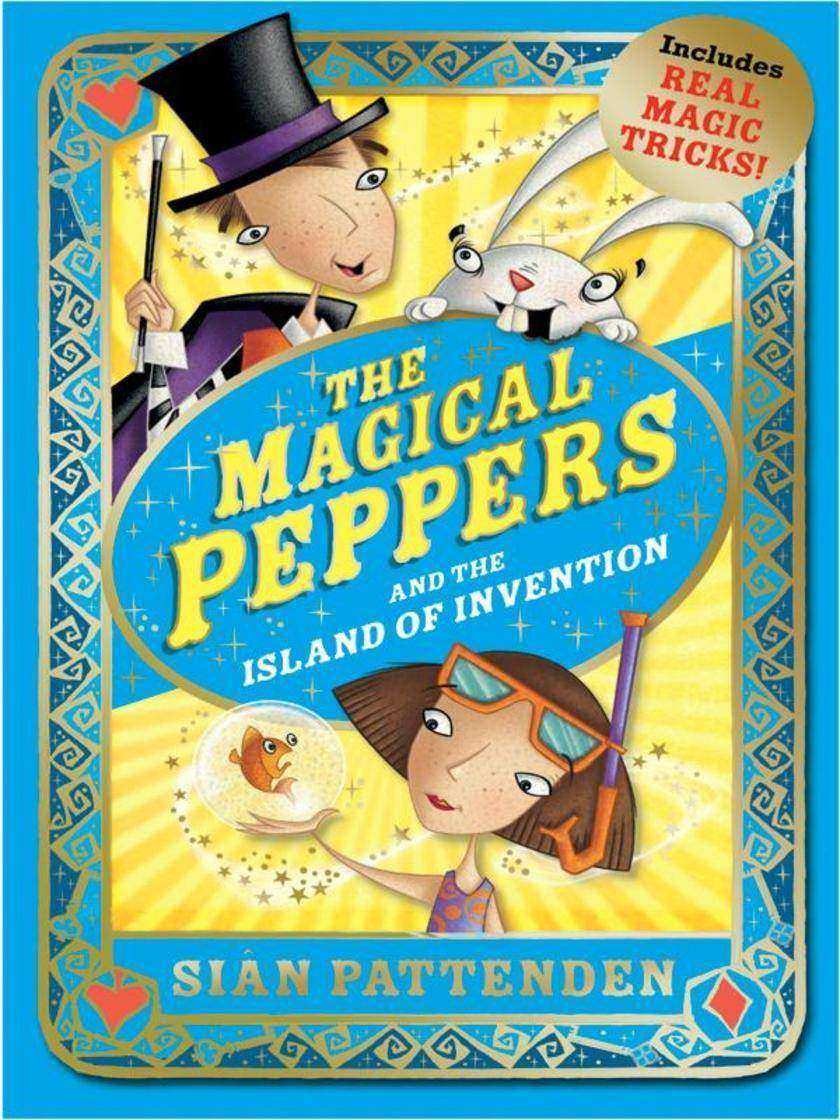
The Magical Peppers and the Island of Invention
¥46.11
A strange old theatre at the end of the pier is the setting for the next fantastic adventure full of magic and mayhem with unbeatable double act, Esme & Monty Pepper, and their madcap Uncle Potty… The Pepper twins, Esmé and Monty and their uncle Potty have been summoned to the Sea Spray Theatre on the end of Crab Pie Pier. They’re on a mission to keep the old theatre from closing and must perform the show of a lifetime to reel in the crowds. But not everyone wants the theatre to survive and a certain someone is determined to sabotage the show, whatever the cost… Add a strange island hideaway full of zany inventions (including the Great Crab Pie flytrap and the Banana-Powered Test Your Strength machine), a hair-raising helicopter rescue-mission, some dodgy fortune-telling and the world’s biggest goldfish bowl and the Peppers are in for an unforgettable summer.

Wedding Fever
¥51.50
Finding Mr Right and saying ‘yes’ was just the beginning. A delightfully romantic read for fans of Trisha Ashley and Chris Manby. After listening to her friends’ latest travails in love, parenting, and careers, superstitious bride-to-be Nicole sets to work planting silver charms into her wedding cake, each of which will bring its recipient the magical assistance needed to change her destiny. There is one for Melissa, still ringless after dating the same man for six years. Another for Seema, who is in love with her best male friend Scott. And recently laid off journalist Nic should get one too, to help her get her career back on track. Nicole does everything she can to control who gets which silver keepsake, but when the place settings are mysteriously shifted around, mayhem ensues! *Please note that this is the UK edition - in the US, the title of this book is ‘There’s Cake in My Future’*
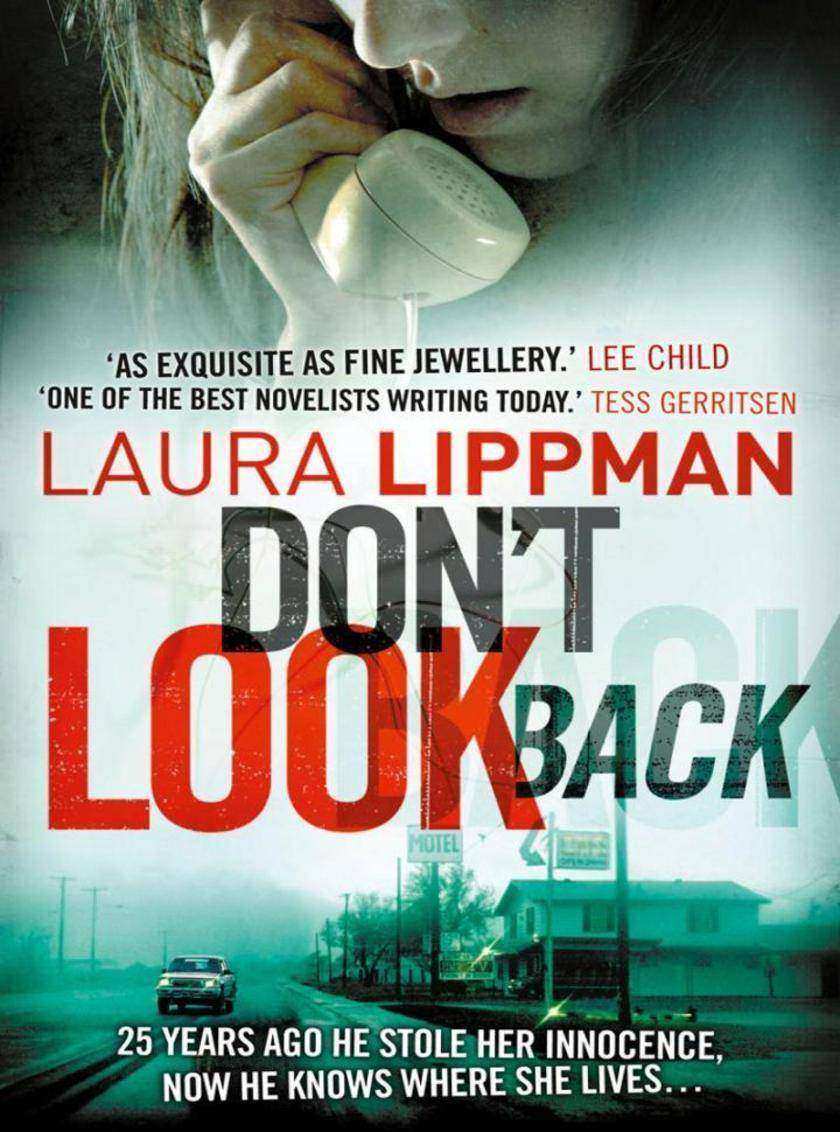
Don’t Look Back
¥51.50
Eliza Benedict’s past returns to haunt her when the serial killer she escaped from as a young girl walks back into her life. The nail-shredding novel from New York Times bestseller, Laura Lippman. 25 years ago, he stole her innocence. Now he wants to get in touch. Eliza Benedict cherishes her quiet existence with her successful husband and children in the leafy suburbs of suburban Washington. But her tranquillity is shattered when she receives a letter from the last person she ever expects – or wants – to hear from: Walter Bowman. In the summer of 1985 when she was fifteen-years-old, Eliza was kidnapped by serial killer Walter Bowman, who targeted young girls like Eliza in a sexually motivated killing spree. Now facing lethal injection on death row, Walter is keen to make contact with Eliza, seemingly motivated by a desire to atone for his sins before he finally meets his maker. Carefully, with some reluctance, she lets Walter enter her life, first by letter, then in person. Walter is keen to convince Eliza that he has changed but it becomes clear that Walter has more of an agenda than he first revealed. Cunning and manipulative, Walter is never more dangerous than when he can't get what he wants, and he wants something very badly. Disturbingly, he seems to have an ally working in the outside, one who seems to know everything about Eliza's life – including where she lives. As Walter once again manages to exert his malign influence, Eliza must draw on all of her reserves of wisdom and strength as the battle of predator and prey once more plays out and she must face the past head on if she is to survive. A taut and mesmerizing novel by the highly-acclaimed author of Life Sentences and Every Secret Thing.
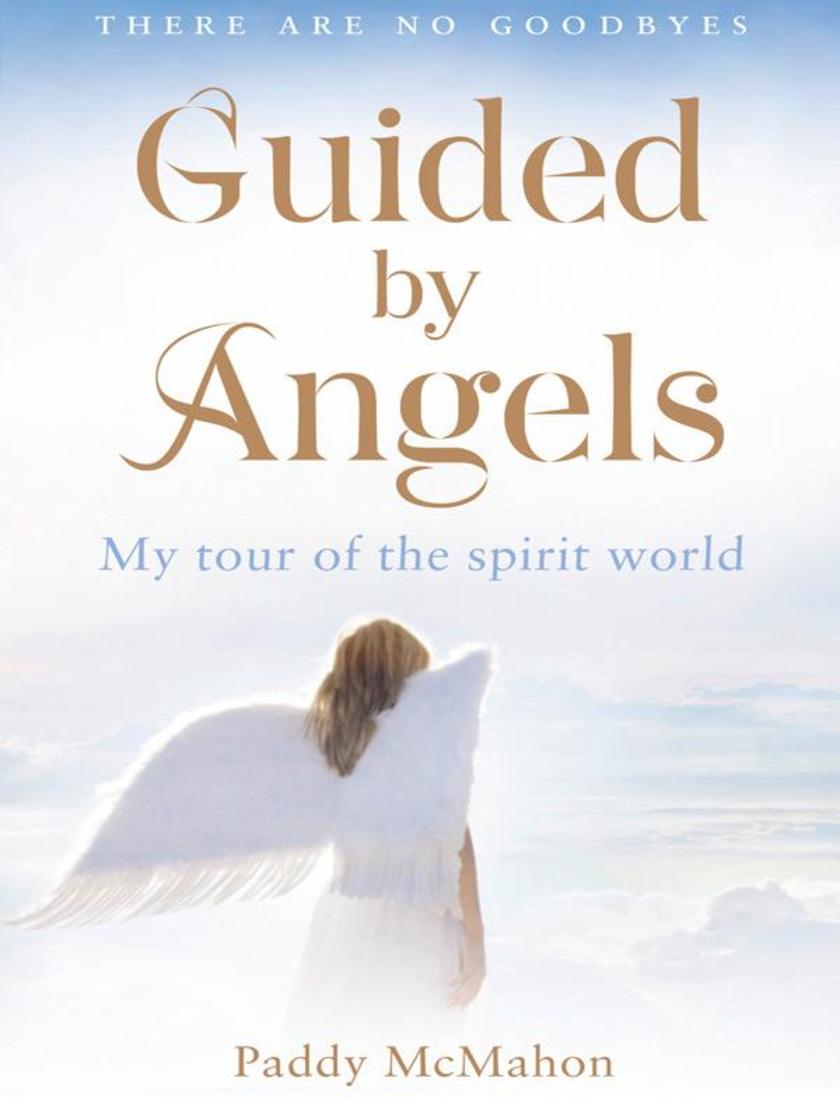
Guided By Angels: There Are No Goodbyes, My Tour of the Spirit World
¥54.74
Have you ever wondered if there is there life after death? If so, where do people go when they die? Whether it’s possible to keep in contact with your loved ones after they die? And are they able to help you? Will you meet them again? There Are No Goodbyes provides answers and comfort for all of these questions, and more. What happens to us when we die is bound to be a matter of curiosity for most, if not all people. Some believe that when you're dead, you're dead. Others believe that we go on - but to what? There Are No Goodbyes provides reassurance and answers to this and many other questions. The main object is to help people go through their existence on Earth secure in the knowledge that life continues as an adventure towards complete freedom of spirit, so that there's no reason whatever to be afraid of death. For decades, Paddy McMahon has acted as a bridge between the spiritual and human realms, helping people to connect with their angels, or spirit guides. He believes that we are born with spiritual connections to one or more angels, and if we want their help in life we need to be open to receiving their assistance.


