


 购物车
购物车 个人中心
个人中心

Clinton in Exile
¥90.73
On January 20, 2001, the most powerful and arguably most ambitious man in the world relinquished the public stage, reluctantly, at the young age of fifty-four. Since then President Bill Clinton has moved in and out of the shadows of this "exile," leaving the millions who knew him to wonder: How has this man of such outsized talent and passions adjusted to leaving powerBased on more than 150 interviews with the former president's friends, associates, and sometime enemies, Clinton in Exile takes readers from Clinton's last hours in office, through his indulgent personal life and well-publicized humanitarian efforts, to his front-of-camera and behind-the-scenes coordination of his wife's presidential campaign. This is a fascinating and textured portrait of one of the most towering, intriguing, and deeply controversial figures of our time.

Amazing Grace
¥88.56
Amazing Grace tells the story of the remarkable life of the British abolitionist William Wilberforce (1759-1833). This accessible biography chronicles Wilberforce's extraordinary role as a human rights activist, cultural reformer, and member of Parliament. At the center of this heroic life was a passionate twenty-year fight to abolish the British slave trade, a battle Wilberforce won in 1807, as well as efforts to abolish slavery itself in the British colonies, a victory achieved just three days before his death in 1833. Metaxas discovers in this unsung hero a man of whom it can truly be said: he changed the world. Before Wilberforce, few thought slavery was wrong. After Wilberforce, most societies in the world came to see it as a great moral wrong.To mark the 200th anniversary of the abolition of the British slave trade, HarperSanFrancisco and Bristol Bay Productions have joined together to commemorate the life of William Wilberforce with the feature-length film Amazing Grace and this companion biography, which provides a fuller account of the amazing life of this great man than can be captured on film. This account of Wilberforce's life will help many become acquainted with an exceptional man who was a hero to Abraham Lincoln and an inspiration to the anti-slavery movement in America.

First Families
¥94.10
What is it like to be America's First FamilyIn this wonderfully engaging book, Bonnie Angelo, Time correspondent and acclaimed author of First Mothers, probes two hundred years of American history to tell the story of real life within the White House walls how presidents, their wives, children, and extended families worked to create a home in an imposing national monument while attempting to keep their private lives from the public domain.First Families chronicles exhilarating moments as well as dark days at the nation's most famous address, with fascinating, behind-the-headline accounts of picture-book weddings, gossipy love affairs, rollicking children, domestic squabbles, and tragic deaths. From activist wives Eleanor Roosevelt and Hillary Clinton to reluctant occupants Bess Truman and Jacqueline Kennedy, to those such as Mary Todd Lincoln, Dolley Madison, and madcap debutante Alice Roosevelt, who embraced their new address and status, here is an unforgettable human portrait of our First Families and how they coped, stumbled, or thrived in the national spotlight.

Motherless Mothers
¥95.39
When Hope Edelman, author of the New York Times bestseller Motherless Daughters, became a parent, she found herself revisiting the loss of her mother in ways she had never anticipated. Now the mother of two young girls, Edelman set out to learn how the loss of a mother to death or abandonment can affect the ways women raise their own children. In Motherless Mothers, Edelman uses her own story as a prism to reveal the unique anxieties and desires that these women experience as they raise their children without the help of a living maternal guide. In an impeccably researched, luminously written book enriched by the voices of the mothers themselves and filled with practical insight and advice from experienced professionals she examines their parenting choices, their triumphs, and their fears, and offers motherless mothers the guidance and support they want and need.

The Tyranny of Oil
¥90.77
Who's really driving oil and gas pricesHow much oil is leftHow far will Big Oil go to get it, and at what cost to the environment, human rights, the economy, worker safety, public health, and democracy?Here, at last, are the answers we've been looking for and the inside story on Big Oil.In The Tyranny of Oil, Antonia Juhasz investigates the true state of the companies collectively known as "Big Oil," uncovering their unparalleled global financial power, their political dominance, and their increasingly destructive plans for the future. And she tells us what we can do about it.A tool for meaningful change that blends history, original investigative research and reporting, candid interviews with key insiders, and a unique focus on activism, The Tyranny of Oil is required reading for every concerned global citizen.

Hip: The History
¥94.10
Hip: The History is the story of how American pop culture has evolved throughout the twentieth century to its current position as world cultural touchstone. How did hip become such an obsessionFrom sex and music to fashion and commerce, John Leland tracks the arc of ideas as they move from subterranean Bohemia to Madison Avenue and back again. Hip: The History examines how hip has helped shape -- and continues to influence -- America's view of itself, and provides an incisive account of hip's quest for authenticity.This P.S. edition features an extra 16 pages of insights into the book, including author interviews, recommended reading, and more.

Piggybanking
¥90.77
How to afford kids and teach them about moneyWe all want to raise smart children. But somewhere between the reading, writing, and arithmetic, one of life's most important lessons is too often overlooked: personal finances. As adults, we interact with money every day, whether by saving, investing, spending, or giving it, but we often forget that kids also face these same decisions from their own unique perspective as they mature. How do we teach today what kids really need to know tomorrow to thrive as financially savvy adultsIn Piggybanking, veteran Wall Street Journal personal-finance writer Jeff D. Opdyke provides a clear and effective plan to help parents raise children to be comfortable and confident managing the daily finances of life.But even before kids arrive, parents face a rash of financial decisions. Accordingly, Piggybanking also deals with the essential problems every struggling young family must face, including how to prepare your budget for a child's arrival, how to choose between single- and dual-income lifestyles, and how to plan for funding a college education.With Opdyke's valuable advice, and with his 15 Rules of Kids Money in hand, parents will be well equipped to create a sound financial foundation for their family and a successful financial life for their kids.
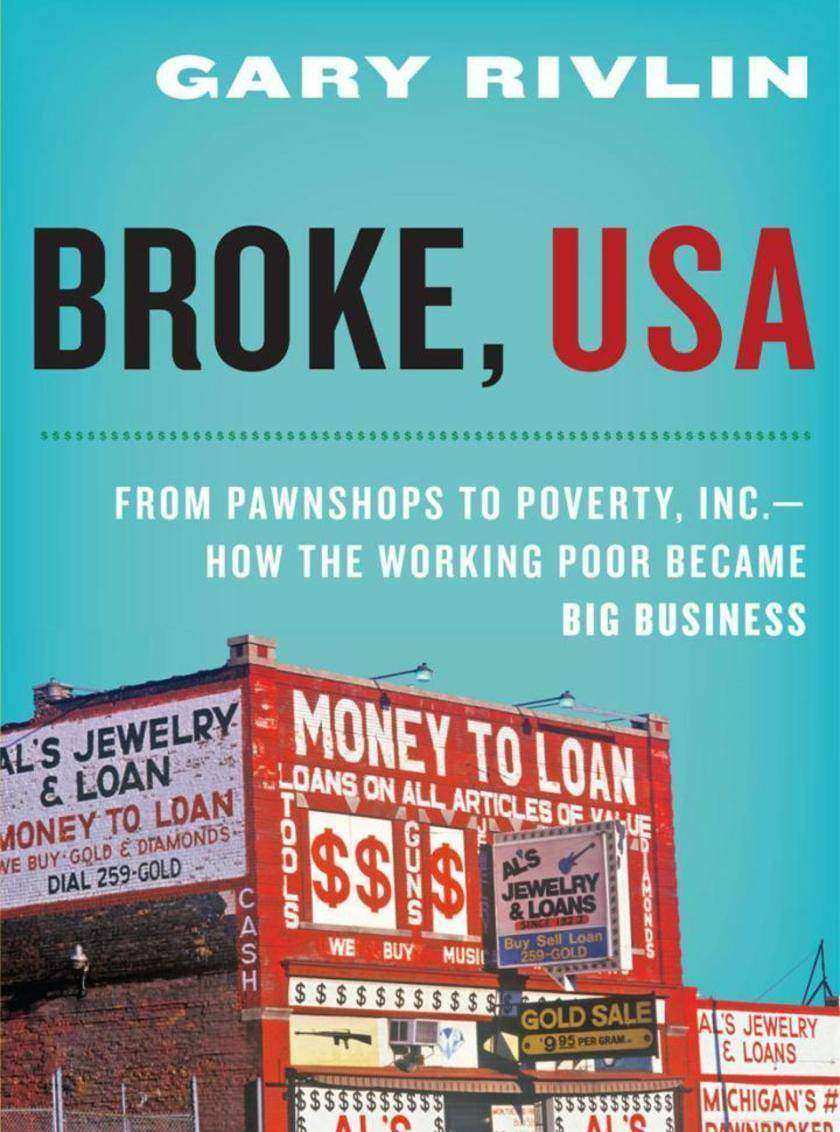
Broke, USA
¥88.56
For most people, the Great Crash of 2008 has meant troubling times. Not so for those in the flourishing poverty industry, for whom the economic woes spell an opportunity to expand and grow. These mercenary entrepreneurs have taken advantage of an era of deregulation to devise high-priced products to sell to the credit-hungry working poor, including the instant tax refund and the payday loan. In the process they've created an industry larger than the casino business and have proved that pawnbrokers and check cashers, if they dream big enough, can grow very rich off those with thin wallets.Broke, USA is Gary Rivlin's riveting report from the economic fringes. From the annual meeting of the national check cashers association in Las Vegas to a tour of the foreclosure-riddled neighborhoods of Dayton, Ohio, here is a subprime Fast Food Nation featuring an unforgettable cast of characters and memorable scenes. Rivlin profiles players like a former small-town Tennessee debt collector whose business offering cash advances to the working poor has earned him a net worth in the hundreds of millions, and legendary Wall Street dealmaker Sandy Weill, who rode a subprime loan business into control of the nation's largest bank. Rivlin parallels their stories with the tale of those committed souls fighting back against the major corporations, chain franchises, and newly hatched enterprises that fleece the country's hardworking waitresses, warehouse workers, and mall clerks.Timely, shocking, and powerful, Broke, USA offers a much-needed look at why our country is in a financial mess and gives a voice to the millions of ordinary Americans left devastated in the wake of the economic collapse.

In the City of Bikes
¥99.65
When Pete Jordan arrives in Amsterdam to study how to make America's cities more bicycle-friendly, he immediately falls in love with the city that already lives life on two wheels. His new bride, Amy Joy, joins Pete, and despite their financial hardships and instability, she eventually finds her own new calling as a bicycle mechanic as Pete discovers the untold history of cycling in Amsterdam.From its beginnings as an elitis t pastime in the 1890s to the street-consuming craze of the 1920s, from the bicycle's role in a citywide resistance to the Nazi occupation to the White Bikes of the 1960s and the bike fishermen of today, Jordan chronicles the evolution of Amsterdam's cycling.Part personal memoir, part history of cycling, part fascinating street-level tour of Amsterdam, In the City of Bikes is the story of a man who loves bikes in a city that loves bikes.
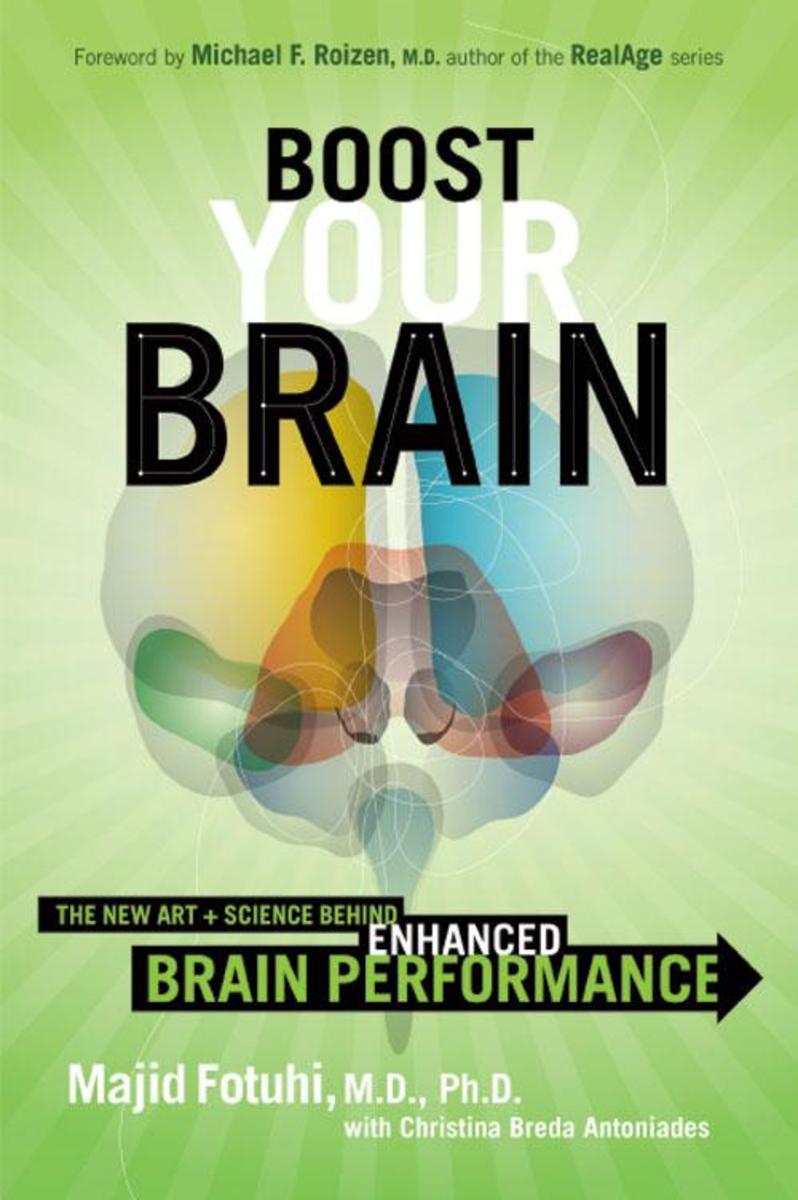
Boost Your Brain
¥88.56
The human brain can actually grow and a bigger brain means better memory, creativity, speed of learning, and ability to concentrate.In Boost Your Brain, Majid Fotuhi, M.D., Ph.D., guides you through the innovative brain fitness program that he has developed for his patients at the NeurExpand Brain Center, an institute dedicated to helping people quickly sharpen their brain performance. You start the program with an assessment of your current brain health and then are given specific brain-fit strategies proven to promote brain acuity and longevity, detailing the latest scientific evidence behind each. Concrete advice is given on how to spur new cell growth, which foods help to build new synapses, what creates brain reserve, and more. Dr. Fotuhi also highlights key behaviors to avoid explaining, for example, how one common sleep disorder can shrink your brain's memory and attention centers by as much as 18 percent!Dr. Fotuhi brings together the latest brain science discoveries about neuroplasticity, which show not only that the size of the brain can be increased within a matter of weeks resulting in better focus, memory, and creativity but that the increase can be scientifically measured. Boost Your Brain is the only book that uses groundbreaking advances in neuroscience to present a clear explanation and pre*ive plan for how to access the benefits of significantly enhanced brain performance at any age.
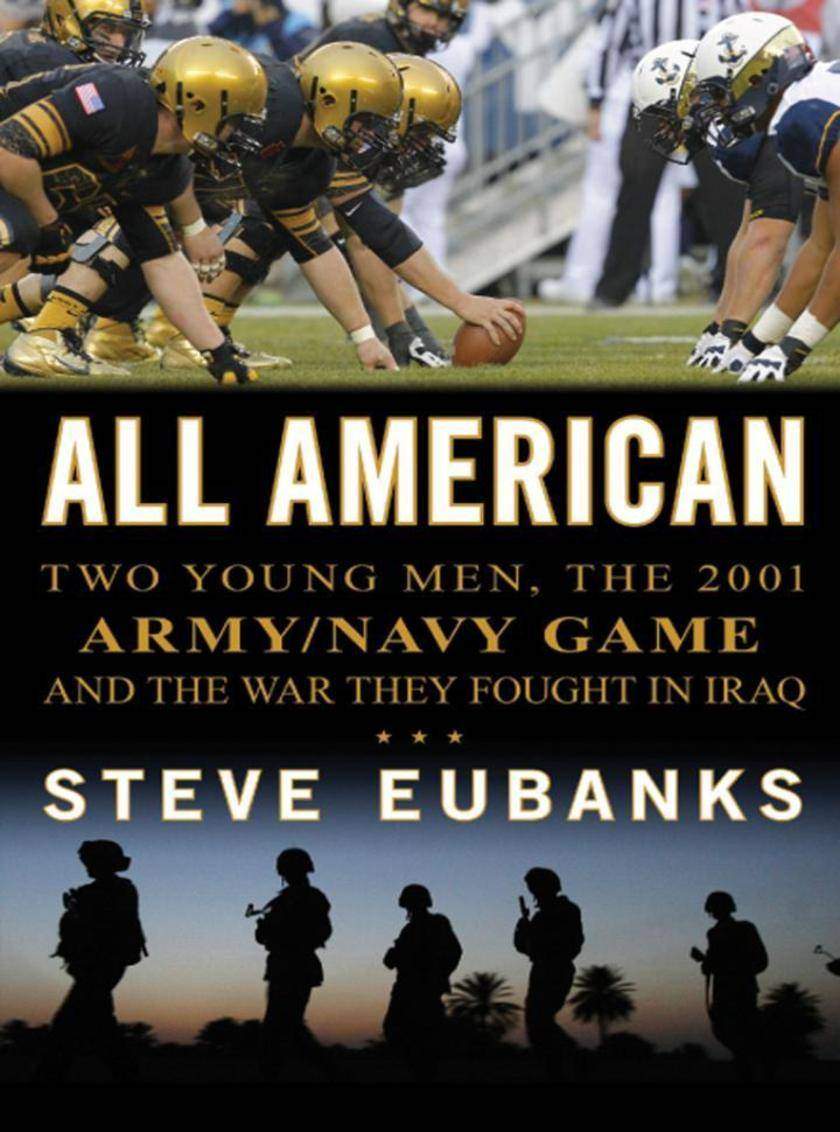
All American
¥88.56
In December 2001, as fires still burned beneath the ruins of the World Trade Center, West Point cadet Chad Jenkins and Naval Academy midshipman Brian Stann faced off at Veterans Stadium in Philadel-phia in what would become the most-watched college football game of the decade: the matchup between the Army Black Knights and the Navy Midshipmen. At opposing stadiums throughout the season, the Army and Navy teams, used to jeers from their oppo-nents' fans, had instead been greeted with standing ovations from respectful crowds who knew that these young players, military officers in training, were soon going to fight a war in the Middle East. On this day, before this momentous game, President George W. Bush along with others such as General Norman Schwarzkopf and Senator John McCain visited both locker rooms before watching the game from the sidelines.When Stann, a Navy linebacker, first came into contact with Jenkins, the Army quarterback, his team was behind by thirteen points. Yet he managed to land the perfect tackle against Jenkins. Though these two players?would not meet again for a decade, Stann and Jenkins shared the same path: both went to war. As first-class officers serving several tours of duty, they led soldiers and marines and participated in events they never imagined possible. A moving and fascinating dual profile of honor, duty, courage, and competition, All American is a thoughtful exploration of American character and values, embodied in the lives of two remarkable young men.

The Free Market Capitalist's Survival Guide
¥95.39
America is hurtling toward socialism. What should free market capitalists do with their moneyBarack Obama is aggressively pushing the American economy toward socialism. Maybe he will succeed, maybe he won't. In the meantime, what should the rest of us do with our moneyIn this unique and timely book, financial adviser Jerry Bowyer combines critical analysis of Obama's economic policies with sound investment guidelines for free market capitalists. Under Obama, taxes will rise, energy will become more expensive, regulation will increase, corporate stocks will suffer, credit will remain tight, and national markets will stagnate. Bowyer explains why this is happening and offers helpful advice on how to profit under the new antigrowth regime for as long as it lasts.

Good Catholic Girls
¥95.11
The widely exposed transgressions of priests within the Catholic Church stunned the faithful and sent a new surge of energy through the progressive church reform movement in the United States. Despite the movement's growing profile, the world has only recently learned that Catholic women are the driving force behind reform. Good Catholic Girls is a lively account of these courageous women, as seen through the eyes of an impassioned journalist, Angela Bonavoglia. They include Joan Chittister, the Benedictine nun who refused to obey a Vatican order not to speak at an international conference for women's ordination groups; Mary Ramerman, ordained a Catholic priest before 3,000 jubilant supporters; Frances Kissling, whose fight for women's reproductive rights has shaken the Church at its highest levels; Barbara Blaine, a priest abuse survivor who created the nation's most powerful voice for victims; and Sister Jeannine Gramick, who built a pioneering ministry to gays and lesbians, despite Vatican orders to silence her and ban her work.Backed by supporters worldwide, these and other women are rethinking Catholic theology, changing the face of ministry, and resurrecting the lost lives of female church leaders. As Bonavoglia shows, the hierarchy ignores them at its peril.

A Garden of Marvels
¥94.10
A witty and engaging history of the first botanists, interwoven with stories of today's extraordinary plants found in the garden and the labIn Paradise Under Glass, Ruth Kassinger recounts with grace and humor her journey from brown thumb to green, sharing the lessons that she learned from building a home conservatory in the wake of a devastating personal crisis. In A Garden of Marvels, she extends the story. "This book was born of a murder, a murder I committed," she begins. The victim was a kumquat tree. Though she diligently did her best watering, fertilizing, repotting, and pruning the plant turned brown and brittle. Why did the kumquat die when other plants in the garden that received the same attention thrivedshe wondered. It was an experience that offered invaluable insight. While she knew the basic rules of caring for indoor plants, Kassinger realized that she understood very little about plant physiology how roots, stems, leaves, and flowers actually function. Determined not to repeat her failure, she set out to learn the fundamentals of botany in order to become a better gardener. A Garden of Marvels is the story of her wise and enchanting odyssey to discover the secret life of plants. Kassinger retraces the progress of the first botanists including a melancholy Italian anatomist, a renegade French surgeon, a stuttering English minister, an obsessive German schoolteacher, and Charles Darwin who banished myths and misunderstandings and discovered that flowers have sex, leaves eat air, roots choose their food, and hormones make morning glories climb fence posts. She goes out into the world as well, visiting modern gardens, farms, and labs to discover the science behind extraordinary plants like one-ton pumpkins, truly black petunias, ferns that eat the arsenic in contaminated soil, biofuel grass that grows twelve feet tall, and the world's only photosynthesizing animal. Kassinger also introduces us to modern scientific research that offers hope for combatting climate change and alleviating world hunger. She then transfers her insights to her own garden, where she nurtures a "cocktail" tree that bears five kinds of fruit, cures an ailing Buddha's Hand plant with beneficial fungi, and gets a tree to text her when it's thirsty. Intertwining personal anecdotes, accessible science, and little-known history, A Garden of Marvels takes us on an eye-opening journey into Kassinger's garden and yours offering us a new appreciation of this exquisite gift of nature: "Our garden is more than a marvel. It's as close to a miracle as there is on Earth."

The Heisman
¥145.69
Close your eyes and picture the Heisman Trophy. The form is easyto conjure, a graceful, fluid posethat is football past and football present in one dignified figure ...The story of the Heisman Trophyis an american epic.-- from the PrefaceNo sport in America can match the pageantry, raw emotion, and thrilling tradition of college football. It is a world in which a twenty-year-old kid can become a national sensation overnight, in which coaches are deified and rivalries burn white-hot.And in this world, there is no individual award so revered as the Heisman Trophy. Every yearsince 1935, one player has run, thrown, or kicked his way into the pantheon of American sport. From Nile "The Cornbelt Comet" Kinnick in the '30s, West Point's legendary backfield of Doc Blanchard and Glenn Davis in the '40s, and Paul Hornung in the '50s to Ernie Davis, the Jackie Robinson of college football, miracle worker Doug Flutie, and modern-day Sunday warrior Eddie George, the history of the Heisman gives us insight into the heart of America through the lives of the heroes that entranced an entire nation for one brilliant season. Extraordinary in ways that transcend athletic ability, Heisman winners have gone on to become war heroes, Fortune 500 CEOs, and high-level politicians.As John Heisman himself once said, the Heisman Trophy "is meant to exemplify the grandeur of a thousand men." Here within these pages are intimate portraits of some of the winners who also exemplify the grit and glory of America's beloved game and of the coaching giants such as Bear Bryant, Woody Hayes, and Red Blaik, who inspired the winners to achieve.Told in the evocative words of Pulitzer Prize nominated journalist Bill Pennington, their heart-stopping experiences on the field and off will have Americans enthralled until the final page is turned.

The Eldercare Handbook
¥101.00
In this comprehensive and accessible guide, long-term care expert Stella Henry helps readers navigate the daunting logistics and powerful emotions of making care decisions for an elderly parent or loved one. Drawing from her 36 years as a registered nurse and a nursing home administrator, as well as her experience caring for both her parents (both of whom suffered the ravages of Alzheimer's disease), Henry tackles all the tough issues: spotting the warning signs of dementia, redefining sibling roles, doing a walk-through at an assisted living facility or nursing home, making the move, and coping with "take me home!" demands.She also explains the medical, legal, and insurance maze. In a time when almost 10 million Americans currently need long-term care, The Eldercare Handbook is an essential read.

Will to Live
¥99.65
In a survival situation, a wrong decision could spell the difference between life and death. No one knows this better than Les Stroud, who has survived everywhere from the sun-scorched sands of the Kalahari to the snake-infested jungles of the Amazon. In Will to Live, Les examines many incredible true life survival stories explaining what happened and why, and offering valuable perspectives on what went right, what went wrong, and what could have been done differently. The tales in Will to Live include: Chris McCandless the subject of the book and movie Into the Wild. Yossi Ghinsberg who survived alone in the Amazon for twenty-one days. Douglas Mawson the Antarctic "superman" who survived three hellish months at the bottom of the planet. Nando Parrado who was trapped for two months high in the Andes after a plane crash killed his friends and family. Plus . . . stories from Les's own experiences, along with practical sidebars with tips on how to escape quicksand, butcher a moose, cross a snow-covered crevasse, and more. Provocative and entertaining, Will to Live is a compilation of history's most intriguing survival stories from one of the world's foremost experts.

Like Dreamers
¥101.00
In June 1967, Israel achieved the unimaginable a decisive victory against Egypt, Jordan, and Syria in the Six-Day War. The most symbolic triumph for the young nation was the reunification of Israeli West Jerusalem and Jordanian East Jerusalem, achieved at great cost by a group of paratroopers from the 55th Paratroopers Reserve Brigade. In restoring Jewish sovereignty to the Holy City, these men fulfilled the dream of two millennia, changing the history of Israel and of the Middle East. And as veteran journalist Yossi Klein Halevi shows in Like Dreamers, they played pivotal roles in shaping Israel's destiny long after their resounding military success.A masterful storyteller, Halevi tracks down seven members of the 55th Brigade and traces their lives through the decades following the Six-Day War. But as his narrative reveals, despite the intensity of their shared experience protecting Israel, in their postwar paths they nurture drastically divergent visions for the country's future. Yoel Bin-Nun emerges at the forefront of the religious Zionist West Bank settlement movement, but Arik Achmon the chief intelligence officer of the 55th becomes a spiritual father of the unilateral withdrawal from Gaza in 2005. Achmon becomes a driving force in the growth of Israel's capitalist economy, whereas Avital Geva, in addition to building a reputation as a leading conceptual artist, ardently defends the socialist kibbutzim. And while Geva is among the foremost activists in Peace Now, Udi Adiv helps create an anti-Zionist terror underground in Damascus, eventually serving twelve years in an Israeli prison.Charting the ideological differences among this band of brothers, Halevi weaves a nuanced and insightful chronicle of modern Israel. His fascinating, diligently researched examination of each man's motivations and actions supported by extensive interviews with their friends, family members, and comrades-in-arms humanizes the country 's complex political landscape, facilitating a deeper understanding of the forces that influence its evolution as a state.
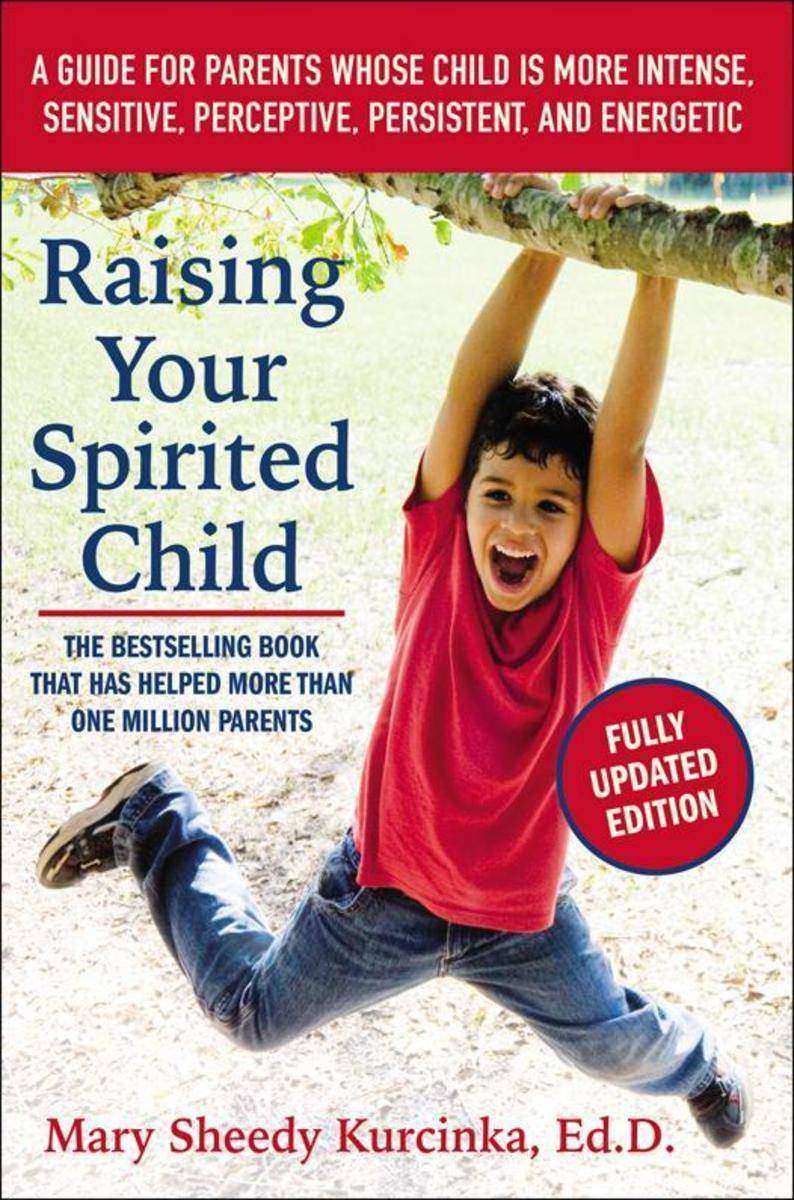
Raising Your Spirited Child, Third Edition
¥106.31
The spirited child—often called "difficult" or "strong willed"—possesses traits we value in adults yet find challenging in children. Research shows that spirited children are wired to be "more"; by temperament, they are more intense, sensitive, perceptive, persistent, and more uncomfortable with change than the average child. In this newly revised third edition of the award-winning classic, Dr. Mary Sheedy Kurcinka provides vivid examples of real-life challenges and a refreshingly positive viewpoint. Within these pages you will find: New strategies for managing intensity levels—not just the spirited child's, but yours too A simple, four-step program for peaceful bedtimes, mealtimes, holidays, and many other commonly challenging situations A focus on your child's strengths Steps for teaching your child how to be a problem solver and how to work with others Updated guidance on establishing clear limits And more! Charts and quick tips make this newly updated edition an indispensable guide for fostering a supportive, encouraging, and loving environment for children.

Revolution in Mind
¥113.43
A masterful history of one of the most important movements of our time, Revolution in Mind is a brilliant, engaging, and radically new work the first ever to fully account for the making of psychoanalysis. In a sweeping narrative, George Makari demonstrates how a new way of thinking about inner life coalesced and won followers who spread this body of thought throughout the West. Along the way he introduces the reader to a fascinating array of characters, many of whom have been long ignored or forgotten.Amid great ferment, Sigmund Freud emerged as a creative, interdisciplinary thinker who devised a riveting new theory of the mind that attracted acolytes from the very fields the Viennese doctor had mined for his synthesis. These allies included Eugen Bleuler, Carl Jung, and Alfred Adler, all of whom eventually broke away and accused the Freudian community of being unscientific. Makari reveals how in the wake of these crises, innovators like Sndor Ferenczi, Wilhelm Reich, Melanie Klein, and others reformed psychoanalysis, which began to gain wide acceptance only to be banished from the continent and sent into exile due to the rise of fascism.Groundbreaking, insightful, and compulsively readable, Revolution in Mind goes beyond myth and polemic to give us the story of one of the most controversial intellectual endeavors of the twentieth century.

Masters and Commanders
¥123.10
An epic joint biography, Masters and Commanders explores the degree to which the course of the Second World War turned on the relationships and temperaments of four of the strongest personalities of the twentieth century: political masters Winston Churchill and Franklin D. Roosevelt and the commanders of their armed forces, General Sir Alan Brooke and General George C. Marshall. Each was exceptionally tough willed and strong minded, and each was certain that he knew best how to win the war. Yet each knew that he had to win at least two of the others if he was to have his strategy adopted. Andrew Roberts, whom The Economist calls "Britain's finest contemporary military historian," traces the mutual suspicion and admiration, the rebuffs and the charm, the often-explosive disagreements and wary reconciliations, and he helps us to appreciate the motives and imperatives acting upon these key leaders struggling to destroy Nazism. Drawing on newly discovered verbatim accounts of Churchill's war-cabinet meetings and on the private papers of nearly seventy contemporaries, Roberts reconstructs the lively debates of the four principals and other leading figures, and attempts to answer some of the key questions of Allied strategy. Why, when the most direct route from Germany to Britain was through north-western France, did the Western Allies launch attacks via North Africa, Sicily, and RomeWhy, if Operation Overlord in June 1944 was intended to be the start of the Allies' great thrust into Germany, did four hundred thousand men land five hundred miles to the south, in southern France, two months laterWhy did the Allies not take Berlin, Vienna, or Prague and allow the Iron Curtain to descend where it didMasters and Commanders dramatically re-creates the atmosphere, debates, and maneuverings through which Allied grand strategy was forged and reveals the profound impact of personality upon history.


