


 购物车
购物车 个人中心
个人中心

In Her Rival's Arms (Mills & Boon Cherish)
¥31.10
Walking into Suzanna Zelensky’s shop, Dominic Brabant can’t help but make an impression. Zanna can’t control the beating of her heart – except this stranger’s here for more pressing matters… her home is top of his redevelopment list and Zanna’s not going to give in to her rival’s charms!

Reunited with the Lassiter Bride (Mills & Boon Desire) (Dynasties: The Lassiters
¥31.10
In the fight sparked by her late father’s will, CEO Angelica Lassiter won control of her birthright – but lost the fiancé she loved. Yet suddenly she and Evan McCain must now fake a reunion to make their best friends’ wedding work. Trusting each other might be impossible, but their kisses may not be a ruse any more…

Risk of Falling (Mills & Boon Heartwarming)
¥31.10
Grief doesn't come with a deadline… She's got thirty days to clean up her mother's neglected home or she'll lose it. That's all city code inspector Will Stone has given her. And it's not nearly long enough for Suzy Bylin to sort through the lifetime of old treasures and broken keepsakes she's inherited. Desperate to keep the place, Suzy must steel herself against the feeling that every time she throws something away, she's getting rid of a memory of her mom. When she can no longer do it on her own, she has nobody to turn to but Will. And if she can help him through his own family crisis, maybe together they can find more than mutual support and friendship….
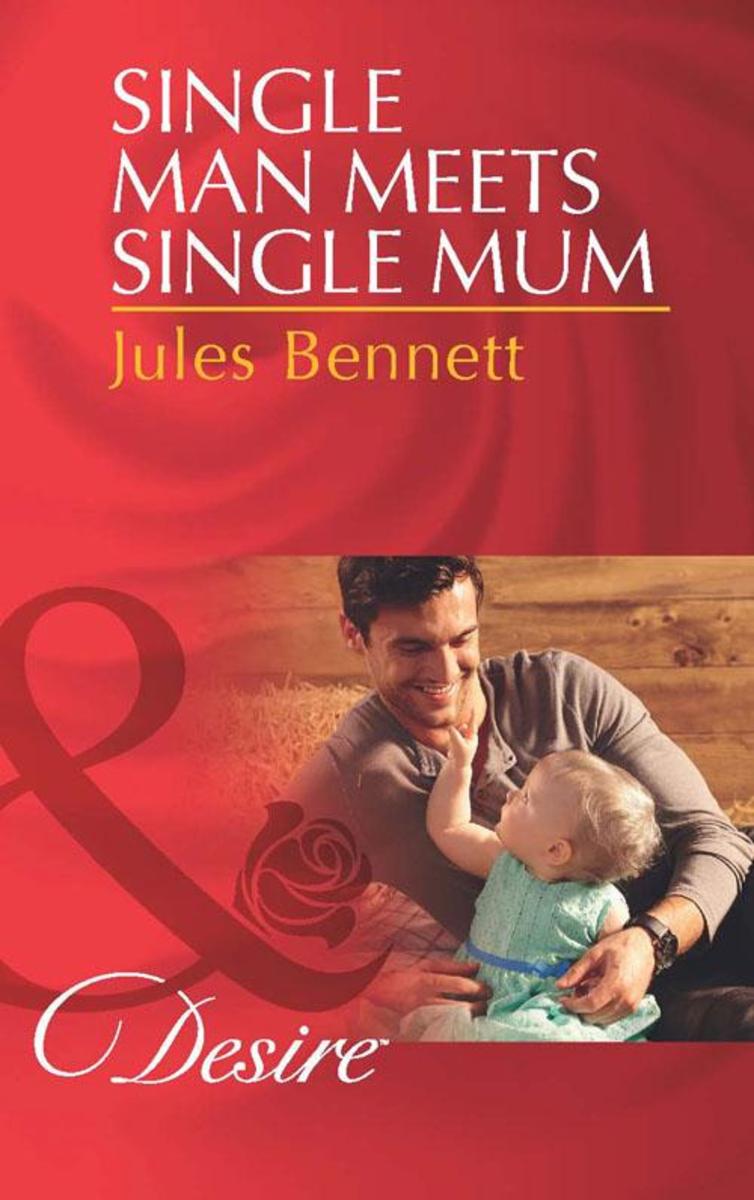
Single Man Meets Single Mum (Mills & Boon Desire) (Billionaires and Babies, Book
¥31.10
Hollywood agent Ian Schaffer is totally thunderstruck by the intensity of his attraction to horse trainer Cassie Barrington. Her vulnerability and passion are utterly irresistible. But Ian’s as commitment-shy as they come. Too bad the voluptuous single mum has him aching to break all his old rules…

Sunken Treasure (Mills & Boon Love Inspired Suspense)
¥25.60
DANGER ON THE HIGH SEAS Shipwreck diver Gage Fontaine is used to modern-day pirates chasing after his boat and the buried treasure he salvages. But when he unknowingly leads a dangerous criminal to the waters off Stepping Stones Island, he puts a beautiful fisherwoman in grave danger. Rachelle Thibodaux has spent the past year hiding on her boat to avoid the town's censure for her father's crimes. But when she comes face-to-face with a gun-wielding pirate, she becomes a new kind of target. To save her own life, she'll have to work with Gage to find the treasure before the pirates do.
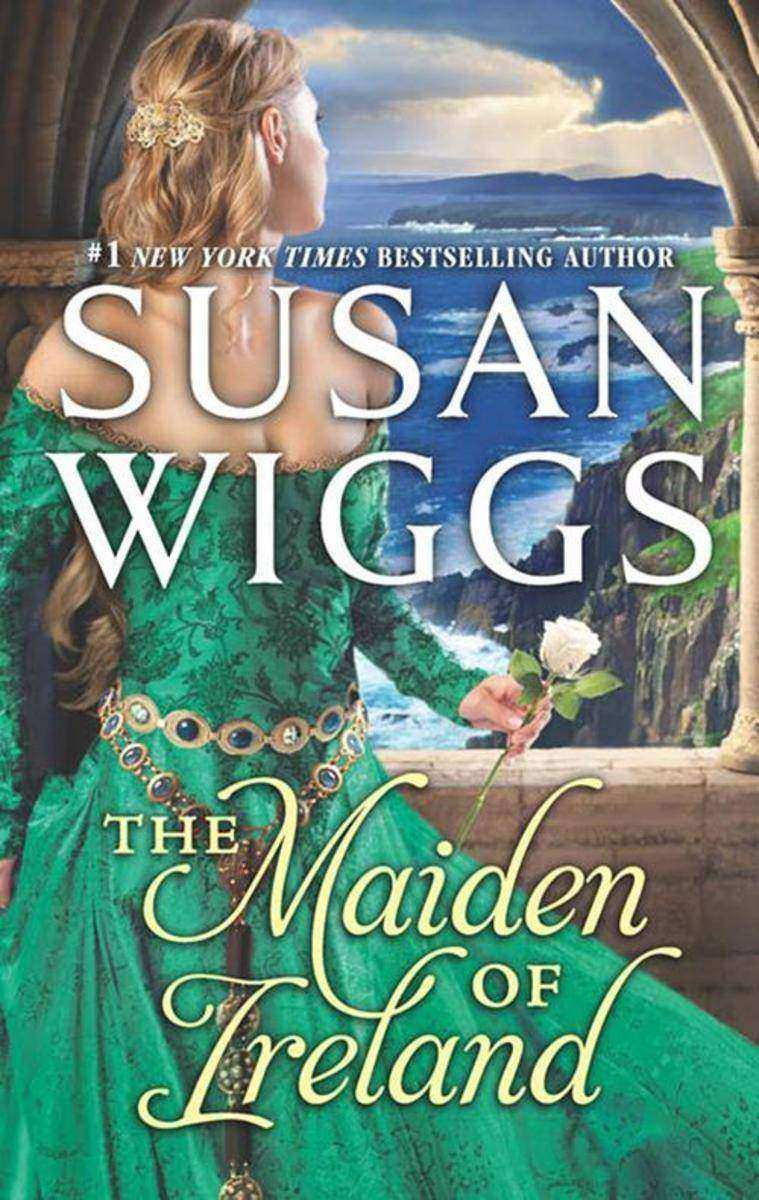
The Maiden of Ireland
¥54.74
#1 New York Times bestselling author Susan Wiggs sweeps readers away to the misty coast of Ireland in an irresistible tale of falling in love with the enemy… John Wesley Hawkins was condemned to hang, accused of treason and heresy. As he's transported to the scaffold at Tyburn, however, the Lord Protector steps in and offers him the hand of mercy-if Wesley agrees to travel to Ireland on a dangerous mission into the heart of the Irish resistance against English rule. He'll have to seduce the rebels' secrets from a headstrong Irishwoman, but that shouldn't be a problem for a man of Wesley's reputation… . Caitlin MacBride is mistress of the beleaguered Irish castle Clonmuir, and she makes no secret of her loyalty to her countrymen. She's determined to remain strong for her people, but a wish for true love one evening at sunset yields the one thing that may sway her resolve. When Wesley walks out of the mist that fateful night, Caitlin's faith in the magic of Ireland is briefly restored-until she discovers he's one of the treacherous Englishmen she has spent her life fighting against. See more at www.SusanWiggs.com

The Surprise Triplets (Mills & Boon American Romance) (Safe Harbor Medical, Book
¥31.10
TRIPLE THE TROUBLE When fertility counselor Melissa Everhart decided to have a baby on her own, she didn't anticipate triplets… or her ex-husband's return to Safe Harbor. Three years ago, Edmond's reluctance to have children tore them apart. But now that he's been made guardian of his niece, Melissa witnesses how tenderly he cares for the little girl. Though Edmond doesn't believe he's father material, his sudden custody of Dawn leaves him little choice. He turns to Melissa, the warmest, kindest person he knows, for help. They begin to rediscover the love they once shared, but the betrayals of the past trouble them both. Can they find the forgiveness they both need to come together as a family?

The Texan's Twins (Mills & Boon American Romance) (Texas Rodeo Barons, Book 5)
¥31.10
DEFINITELY NOT DADDY MATERIAL! Jasmine Marks is focused and hardworking, and when she took a job as engineer for Baron Energies, she left behind her support network. Now, the burden of caring for her twin girls is all on her, and she doesn't have time for a dilettante playboy like Jet Baron. Besides, she needs her job, and she can't blow it by getting involved with the boss's son. On the surface, Jet Barron is a dabbler, dropping into work one day and riding rodeo the next. But when he makes his mind up, he goes for it, full-out. He knows a lot more than anyone suspects, about the oil business, about women. And this woman needs someone to count on - which will be Jet, if he gets his way.

Wearing the Rancher's Ring (Mills & Boon Cherish) (Men of the West, Book 29)
¥26.78
If it weren't for the King… … rancher Clancy Calhoun and Olivia Parsons might be able to convince the world that they just knew each other in passing. But convincing themselves was another matter entirely. Years ago, they had been the whole world to each other – and he’d given her a diamond ring to prove it. Now, ten years later, Olivia is back, and she and Clancy are sure they can be in each other’s company without falling apart – or, worse yet, falling into each other’s arms. Because if the ring goes back on her finger, this time it’s never coming off!

First To Fall (The Avalon series, Book 1)
¥42.48
Aiden Connelly’s first case… Lawyer Aiden Connelly has traded the frenzy of Chicago for a slower pace in sleepy Avalon – and his first case appears to be as open-and-shut as he could hope for. Hired to defend a local ex-beauty queen accused of murdering her husband, he’s confident that he’ll have the case closed in record time. But below the surface lurks a darker truth… Will be one he’ll never forget. Suddenly, a quiet backwater has transformed into a dangerous pressure cooker. In a town where everyone knows everyone, gathering evidence should be easy… but the harder Aiden searches, the more he appreciates how tangled this net of loyalties is. And as he digs deeper, Aiden begins to realise that his very first case in Avalon could be the beginning of his undoing… Don't miss a single book in the thrilling new Avalon series: First to Fall Second to Cry Third to Die Fourth to Run - out now!

Jake Howard's Wife (Mills & Boon Modern) (The Anne Mather Collection)
¥31.10
Mills & Boon are excited to present The Anne Mather Collection – the complete works by this classic author made available to download for the very first time! These books span six decades of a phenomenal writing career, and every story is available to read unedited and untouched from their original release. They make the perfect couple! Jake is attractive, rich and successful. Helen is beautiful and intelligent. Together they make perfect sense. So why is there trouble in paradise?! Jake is about to find out there’s more to his trophy wife than he first expected. And Helen will discover the real man behind the wealth… As an unexpected heat flares between them, this marriage could prove to be pure heaven – or absolute hell!

Rooted in Dishonour (Mills & Boon Modern) (The Anne Mather Collection)
¥31.10
Mills & Boon are excited to present The Anne Mather Collection – the complete works by this classic author made available to download for the very first time! These books span six decades of a phenomenal writing career, and every story is available to read unedited and untouched from their original release. Golden sands, blue skies, burning desires… The island could only be described as a paradise – but for Beth, it’s most definitively not! Beth is here for one reason only – she must marry a widower twice her age; a gentle man who respects her. Or so she thought. When she meets delicious stranger Raoul Valerian, she is suddenly filled with doubts…and fresh hope. Perhaps Raoul help her out of her predicament? Soon Raoul is getting under her skin as much as the pervasive beauty of the island – and Beth is left unable to control her primitive emotions that drew her to Raoul…
The Arrogance of Love (Mills & Boon Modern) (The Anne Mather Collection)
¥31.20
Mills & Boon are excited to present The Anne Mather Collection – the complete works by this classic author made available to download for the very first time! These books span six decades of a phenomenal writing career, and every story is available to read unedited and untouched from their original release. The Duque’s willing captive… Dominic Halstad could just be the most attractive man Susan has ever met! He is tall, handsome, celebrated and rich. It is little wonder that Susan now finds her fiancé David weak, dull and unimaginative! Especially as the seeds of trouble in her relationship were being rapidly sown… But even if her first loyalty were not still to David, what right had Dominic to return her feelings – when he’s a married man himself?!
Wild Enchantress (Mills & Boon Modern) (The Anne Mather Collection)
¥31.10
Mills & Boon are excited to present The Anne Mather Collection – the complete works by this classic author made available to download for the very first time! These books span six decades of a phenomenal writing career, and every story is available to read unedited and untouched from their original release. Bad girl made good… Catherine Fulton was not enthusiastic about spending a few months in Barbados under the guardianship of Jared Royal, which was why she went out of her way to give him as bad an impression of herself as she could. Clearly Jared was also unhappy about the arrangement. Perhaps he remembered the crush Catherine had had on him some years before. Yet there was no denying the attraction was still there, for both of them—if only she could get Jared to admit it!

A Penniless Prospect (Mills & Boon Historical)
¥31.10
A Lady In Disguise With no dowry and unremarkable looks, Jessamyne Calderwood sees herself as a penniless country mouse. But when her greedy family attempts to marry her off, the mouse becomes a wily vixen…. Determined to escape a loveless marriage, "Jamie" disguises herself as a boy and manages to find a position working in the gardens on the estate of Richard, Earl Hardinge. There she remains undetected until Richard rescues her from an attack. To his astonishment, he finds he's not holding a boy, but the soft body of a delectable young woman….

Marrying The Major (Mills & Boon Historical)
¥31.10
Guilt Tore Away At His Soul… Surrounded by callous fortune hunters, beautiful Emma Fitzwilliam despaired of ever finding a man who truly loved her. Until she came face-to-face with the man who'd once been the object of her girlhood fantasies. Returning from the Peninsular War, Major Hugo Stratton was nothing like the lighthearted young man Emma remembered. Scarred and embittered, his reputation in tatters, Hugo believed he had nothing to offer her. But as she caught glimpses of the man she once knew and felt the heat of his desire, Emma knew otherwise. Though it wasn't until a desperate situation forced Hugo's hand in marriage that Emma got her chance to discover if that were true. But what would it take to bring back to life the man she'd never stopped loving?
Betraying Mercy
¥13.83
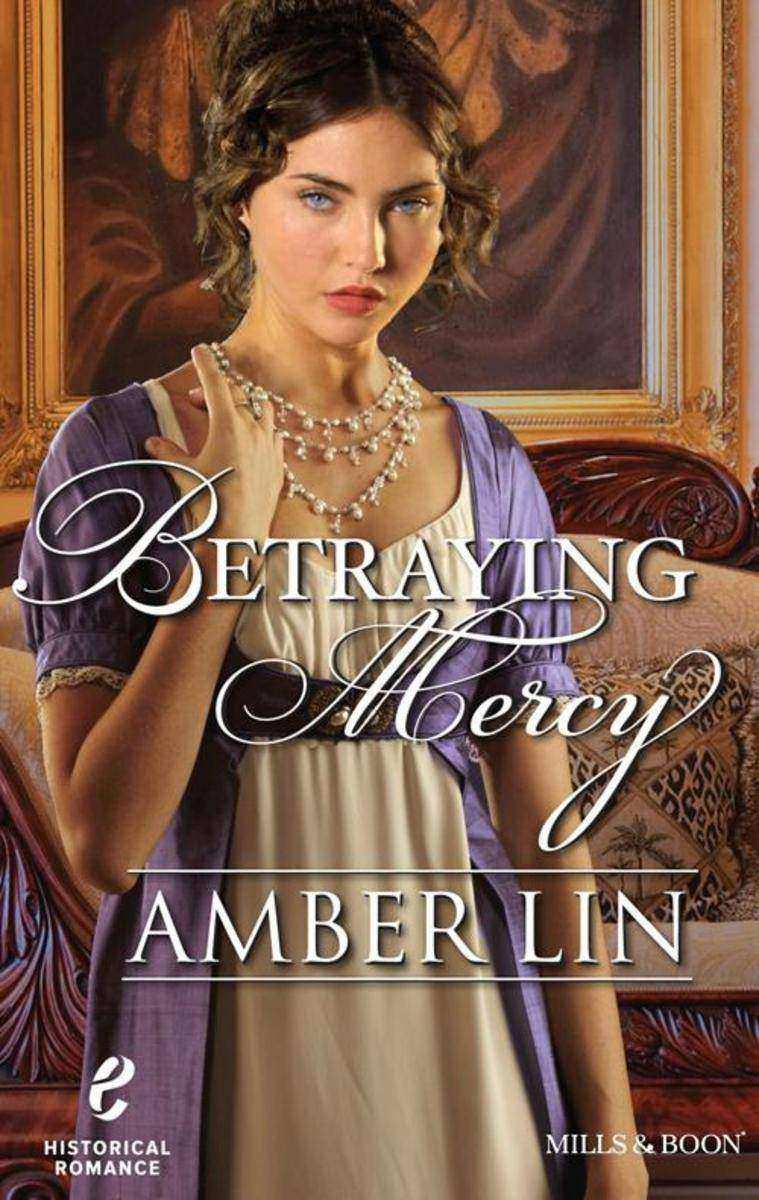
Can she be more than a mistress? With a tarnished reputation, Mercy Lyndhurst expected to become the Earl of Rochford's mistress, not his wife. Immediately abandoned by her husband after their wedding, Mercy transformed herself from commoner to countess, vowing to protect the lands and people her husband was forced to leave. Over the past six years, William has restored the family fortune all the while tortured by his memories of Mercy…and the dark night he killed a man. When a threat draws him home, William learns just how much has changed–including his wife. While the passion still flares between them, he fears he has wounded her too badly to regain her trust. But as the danger grows they must unite to save the estate…and possibly their marriage.
Fatal Fallout (Mills & Boon Romantic Suspense)
¥31.10
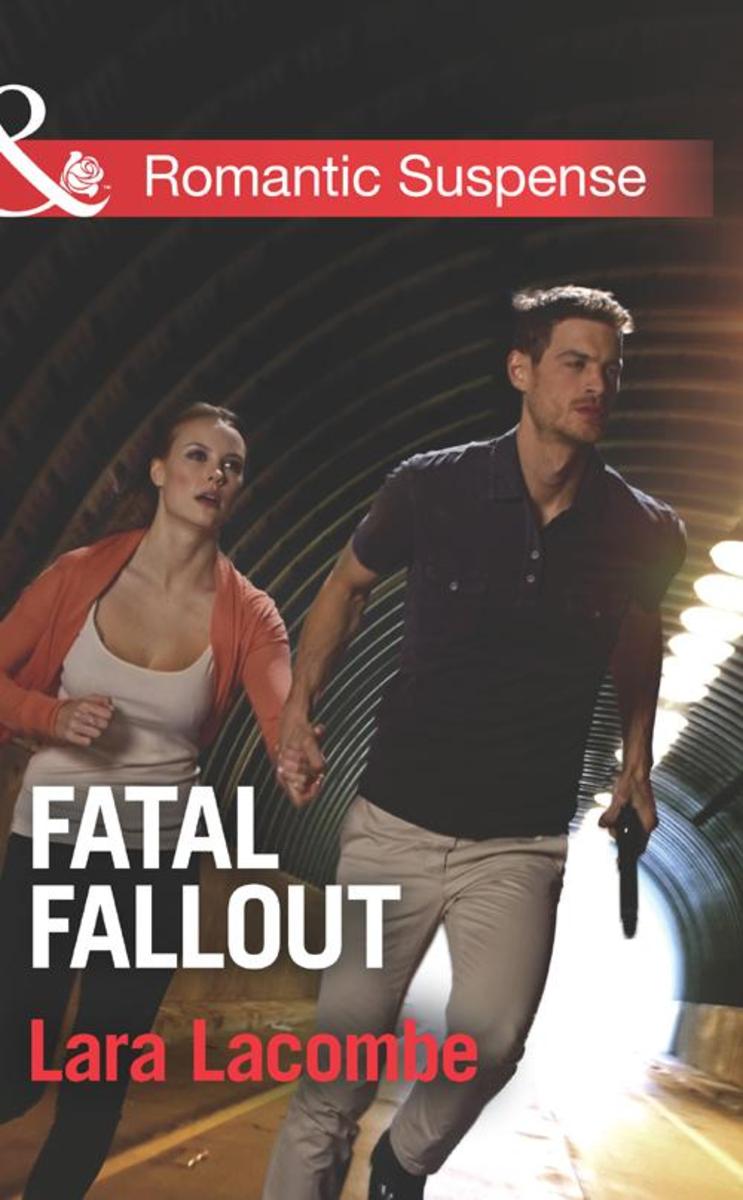
Torn between duty and desire, two strangers must risk all for love Nuclear physicist Dr. Claire Fleming has one rule: never get close to anyone. But when her colleague is murdered and she's targeted next, she must place all her trust in FBI agent Thomas Kincannon. Soon Claire forgets her tenet as she fantasizes about Thomas's touch. Thomas is wildly attracted to Claire. But his life and his job are too complicated for any romantic entanglements. Despite this, they share a mind-blowing kiss, and there's no turning back. When Thomas's niece is abducted, the stakes become dangerously higher as Claire insists he trade her for the child. Somehow, Thomas must find a way to rescue his family and protect the woman who let her protective walls down just for him.

Forecast
¥15.50
The Lockwood triplets are charged with helping to save the world–but at a high cost. Coral is always in the middle, always the family peacemaker. She's the sister with the most to prove. When a freak snowstorm halts her Florida summer, signaling the Norse end of the world, she tracks down Taran Breen–a would-be warrior carrying Thor's soul. A boy who's fought his temper all his life and is now a suspect for murder. One who looks at her as no other has before. As roaring seas surge and terrifying underworld creatures emerge for battle, can Coral control her goddess magic and protect Taran? Because now she has a chance for more than her crazy life–as long as she and Taran win… It is written that three Sisters of Fate have the power to change the world's destiny. But only if they survive…

Honeysuckle Summer (A Sweet Magnolias Novel, Book 7)
¥62.59
Her devastating marriage behind her, Raylene Hammond is truly thankful for her best friends, the Sweet Magnolias. They've taken her in, shielding her from the world. Then she meets sheriff's deputy Carter Rollins, and suddenly Raylene's haven no longer feels quite so safe. Carter understands why Raylene is trapped inside. He's even taken to bringing the outside world to her. But with two kid sisters to raise, just how much time can he devote to this woman who's stolen his heart? Raylene knows Carter is a man worth loving, but she may never be strong enough to accept what he's offering. How long can she ask him to wait? Maybe they'll never have more than this one sweet summer.
Legacy of Silence (Mills & Boon Heartwarming)
¥25.21
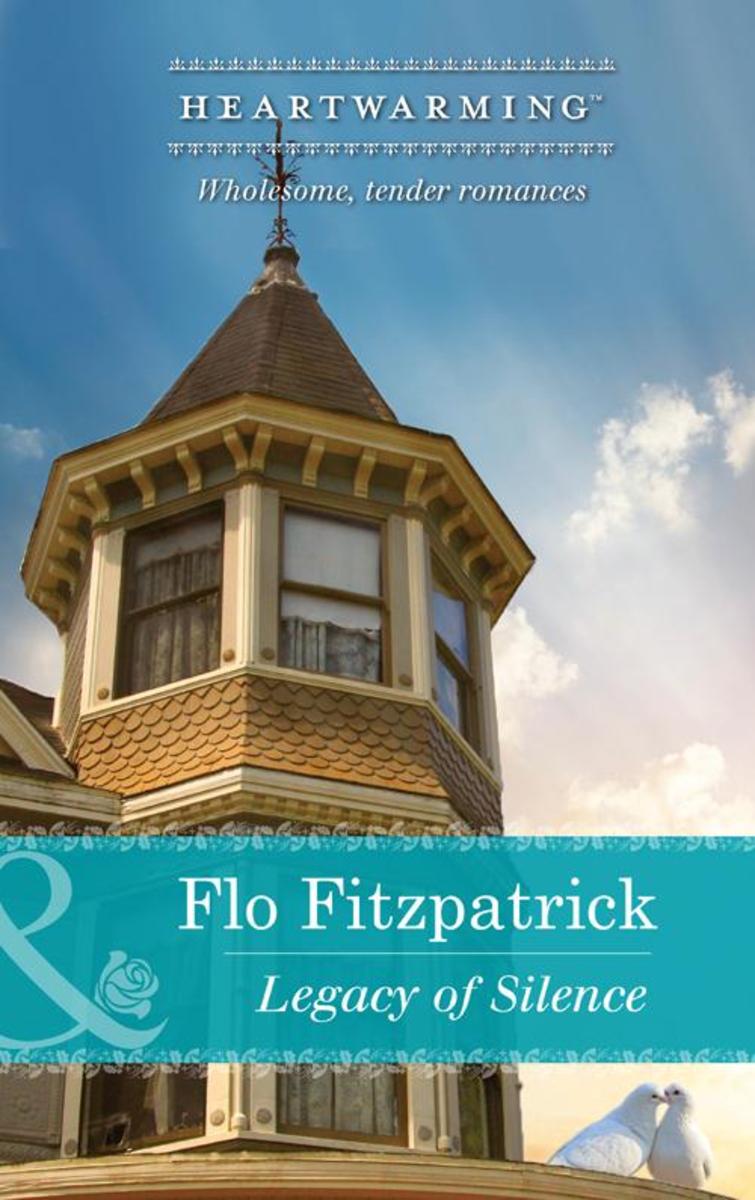
She can't imagine a life without music… Even as a little girl, Miranda Nolan loved to sing and dance, especially for her reclusive neighbor, a woman who was more like a second mother. She never expected to inherit her mentor's estate and to have to put her career as a performer on hold. Even more confusing, she's found herself settling affairs with co-claimant Russ Gerik, an interpreter who lost his hearing in a tragic bombing and struggles to find his way in a now-silent world. Unimaginable. As the two work together to catalog the possessions of–and understand–a woman shrouded in mystery, they forge a powerful connection. But how long can their bond last when it's not built on trust?


