


 购物车
购物车 个人中心
个人中心
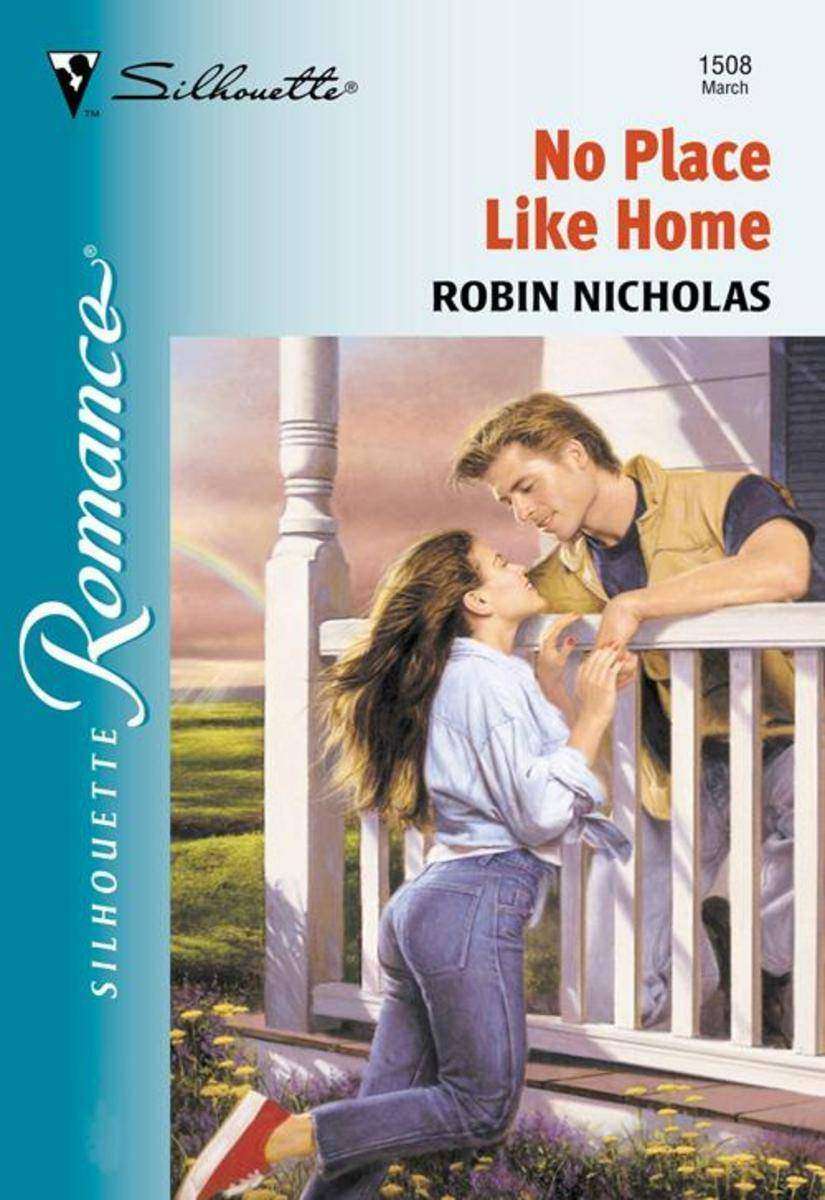
No Place Like Home (Mills & Boon Silhouette)
¥31.10
Mariah knew why she wasn't sleeping at night, why her work was lackluster, why she noticed children everywhere. She wanted a child, and a dependable man to love her. She strode to Rafe, who was nothing like her dear old dad or her brother. "Take me home. And don't worry–I want nothing to do with writing your story." She gave him no chance to reply, stomping to his truck before turning. Her breath caught. Rafe stood on the highway, the incessant breeze tugging his hair, his clothes. He stared after the departing storm, clearly craving to give chase again. He was crazy. And she was crazy for wanting him.

One Night with the Best Man (Mills & Boon Cherish)
¥26.78
A BRIDE FOR THE BEST MAN? Running into his first love at his brother’s wedding isn’t the homecoming Dr Luke Ward imagined. Bridesmaid Penny Montgomery should have been his bride. And now, the former bad girl has made him an offer he’d be foolish to refuse. Eight years ago, Penny lost the only man she ever loved. Spending the weekend together is risky – and the only way to see if she’s really over Luke. But a family emergency turns their passionate reunion fling into a deeper attachment. Does Penny have the courage to say “I do” to her best man?

Part-Time Fiance (Mills & Boon Cherish)
¥20.01
For Delainey Hodges things can't get any worse at work… until she finds herself in a very tight corner–and has to pretend that she's engaged! The man she picks to be her "fiancé" is her sexy–but infuriating–neighbor Sam Wagner. Sam is happy to play the role of devoted fiancé–even moving into Delainey's home. In fact, he's so convincing that Delainey starts to wonder if Sam has a marriage agenda of his own….
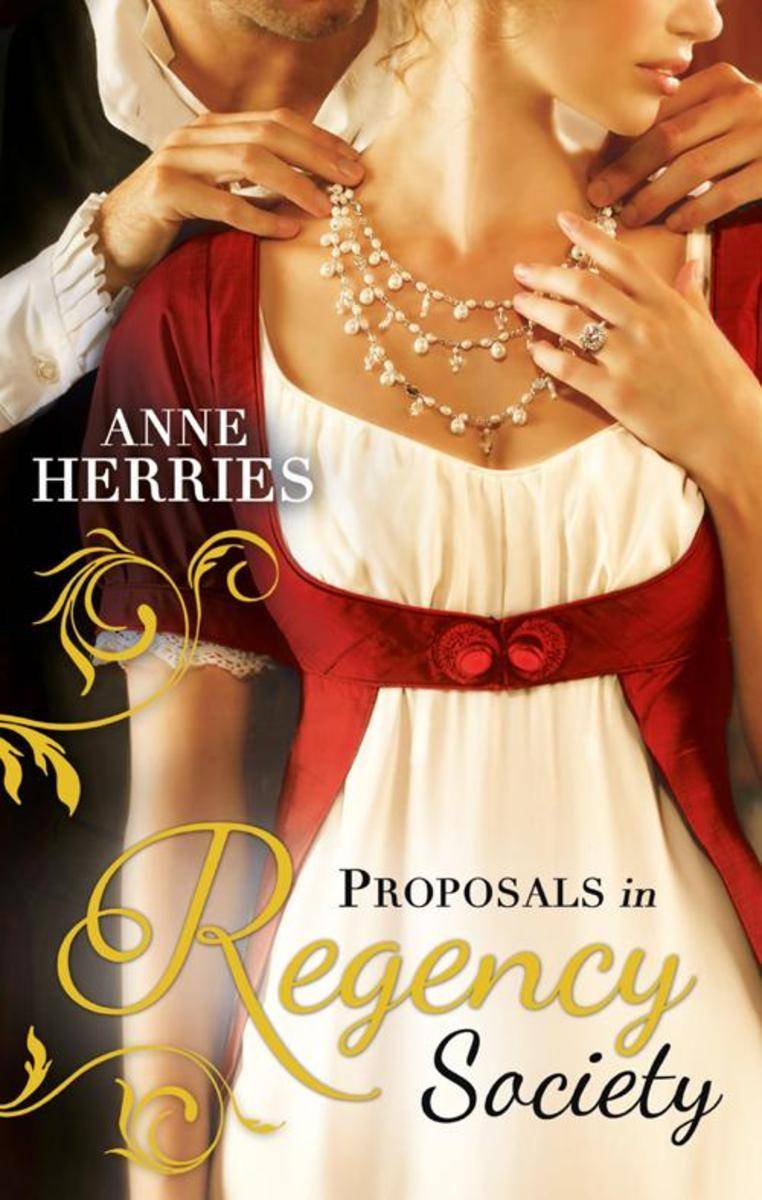
Proposals in Regency Society: Make-Believe Wife / The Homeless Heiress (Mills &
¥51.50
MAKE-BELIEVE WIFE With his rakish reputation and reluctance to wed, Lord Luke Clarendon is in need of a make-believe wife and who better than the beautiful runaway actress Roxanne? She is his perfect leading lady, yet once they uncover her true identity her Lord may claim her as his Lady for real… THE HOMELESS HEIRESS Disguised as a boy and living on the streets, runaway heiress Georgie is cold, hungry and desperate. Forced to pickpocket to survive, Georgie thieves from the wrong man – dashing Captain Richard Hernshaw! Soon the consummate Captain discovers this grubby boy is actually a pretty young woman, yet the dark secrets he conceals may prevent him from ever making Georgie his wife!
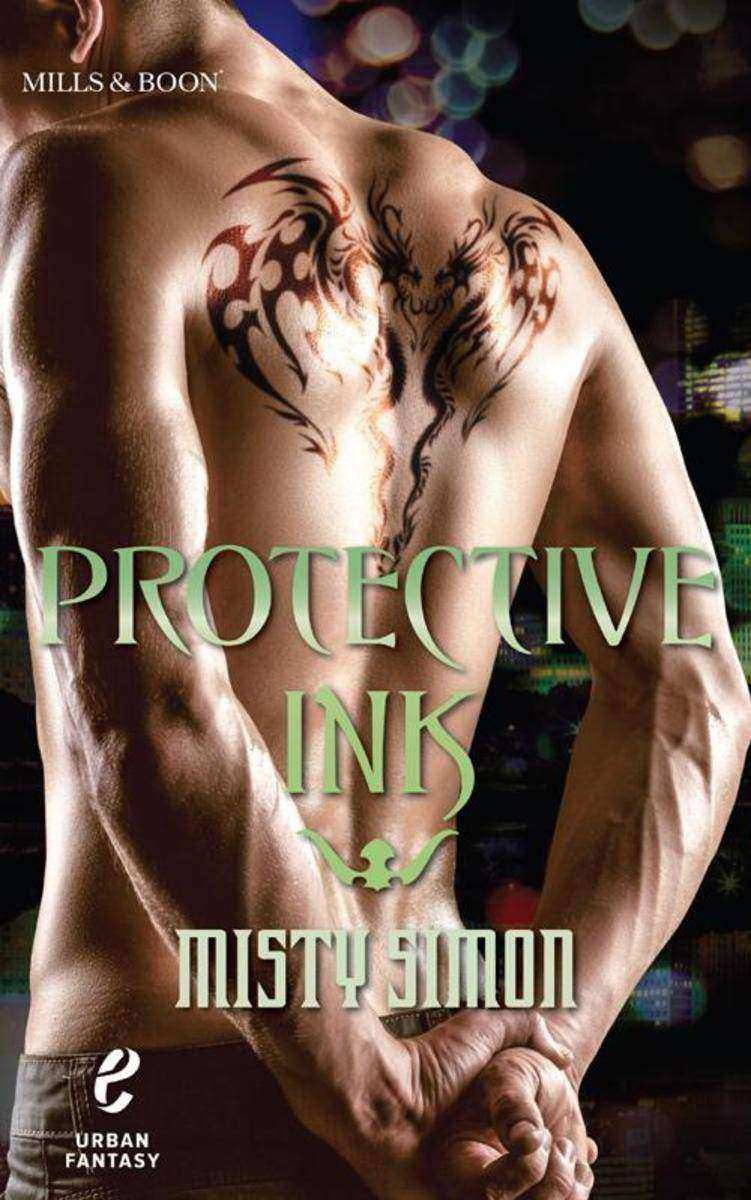
Protective Ink (Urban Fantasy, Book 8)
¥11.77
Friends. Allies. Lovers? Jackson Freeling lost his sense of purpose when he left the marines. Lissa McLaughlin gave him a new one: protecting a man with the ability to forge weapons from his tattoos. Together, they defend the innocent from the criminals vying for control of their city's drug trade. Lissa inked those tattoos. After watching her friend risk losing a piece of himself every time he used his powers, she decided to suppress her own strange gift. But, without quite understanding how, she has given Jackson a tattoo that lets him become invisible…. While Jackson and Lissa do their best to save their ally, they also fight the growing passion between them. Everyone they care about is in danger. And they have to decide whether their feelings for each other are a strength or a deadly weakness. With this sequel, Misty Simon continues the bewitching tale she began with her urban fantasy debut, Wicked Ink.
Rake's Reform (Mills & Boon Historical)
¥39.24
Jonathan Lindsay was surprised when he was confronted by the ever-passionate Miss Janey Hilton. Her love for lost causes drew him to her, along with her astonishing beautfy and forceful ways. But the scoundrel in him made a big mistake by wagering that he could seduce the naive miss! The joke was soon on him when the unthinkable happened–the determined bachelor Jonathan fell in love! Baffled by his sudden emotion, he knew he had to call off the wager. But would it be too much, too late, when Janey discovered his horrendous deception?
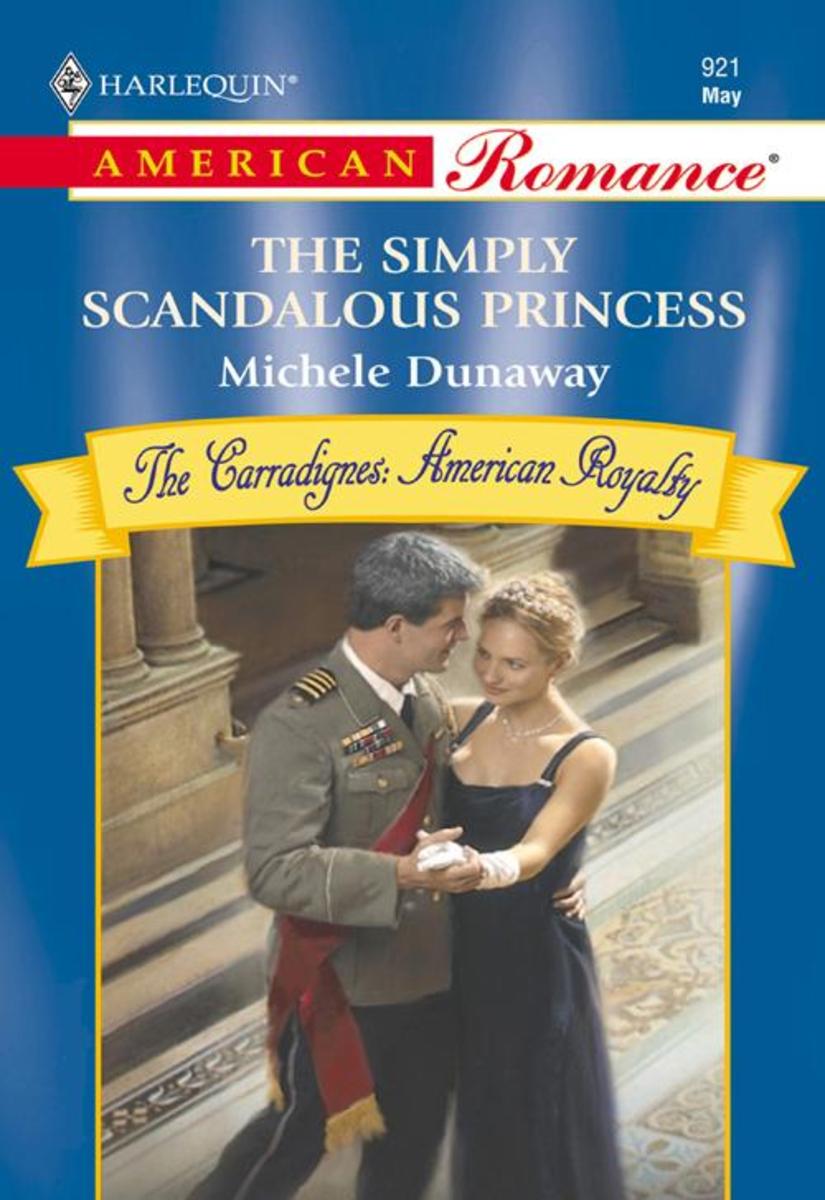
The Simply Scandalous Princess (Mills & Boon American Romance)
¥31.10
Princess Receives Royal Treatment From King's Adviser Sources reveal that General Montcalm has been issued a royal directive: determine if youngest princess Lucia Carradigne is fit to be queen of Korosol. But this assignment may prove more risky to the general than taking a bullet for his king. Seems as if the beautiful princess is testing his resolve–against seduction. And what normal man wouldn't want to fail such a test with the tempting, much younger woman? Still, accounts of the military hero indicate he would never woo the king's granddaughter from the throne to satisfy his own desires. Then again–has his "investigation" wobbled off course? In this quest for a queen, perhaps he'll win a wife! Get all the facts inside…as a search for an heir to the throne leads to scandals of royal proportions for the Carradigne: American Royalty
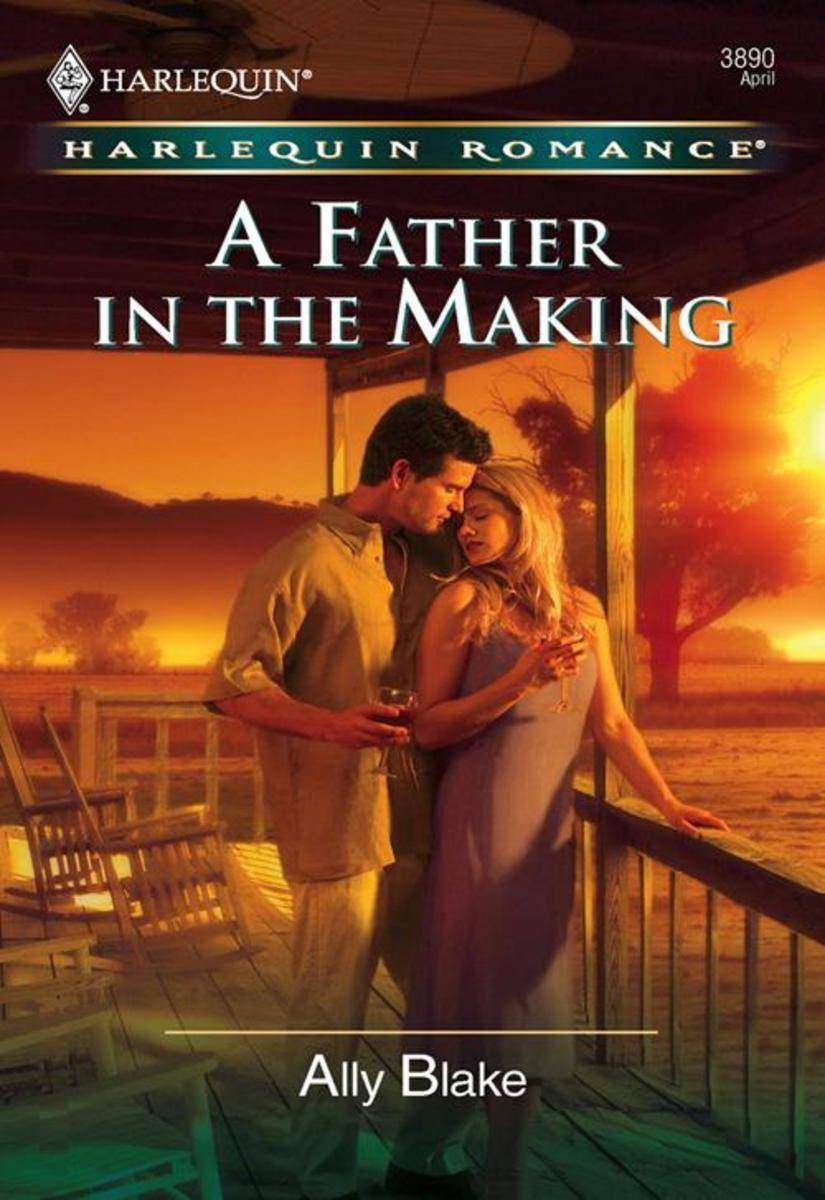
A Father in the Making (Mills & Boon Cherish)
¥21.09
Nate Lyster and Mia Verbeek are in perfect agreement–letting someone new into your life is much too risky. Mom to four kids, Mia can't let just anyone get close, while wandering cowboy Nate learned young that trusting another means chancing heartbreak. But when a fire turns Mia's life upside down, Nate is the only one who can get through to her traumatized son. Nate fits into Mia's family perfectly, and they soon realize that a loving family is what they both want. Can they put the hurts of their pasts behind them…for a chance at a perfect love?

Someone Like You (Mills & Boon Heartwarming)
¥31.10
You can't program love...or can you? Kayleigh Renshaw has come up with the idea for a brilliant "compatibility app," a new kind of matchmaking software. All she needs is a programmer to help her bring the idea to market...and she knows exactly who she wants. But Niall Walsh--a code whiz and her former best friend--has been avoiding her since he returned from Afghanistan. In spite of their history, and some sparks that go beyond friendship, he's proving reluctant.... Is it her, or is something darker holding him back?
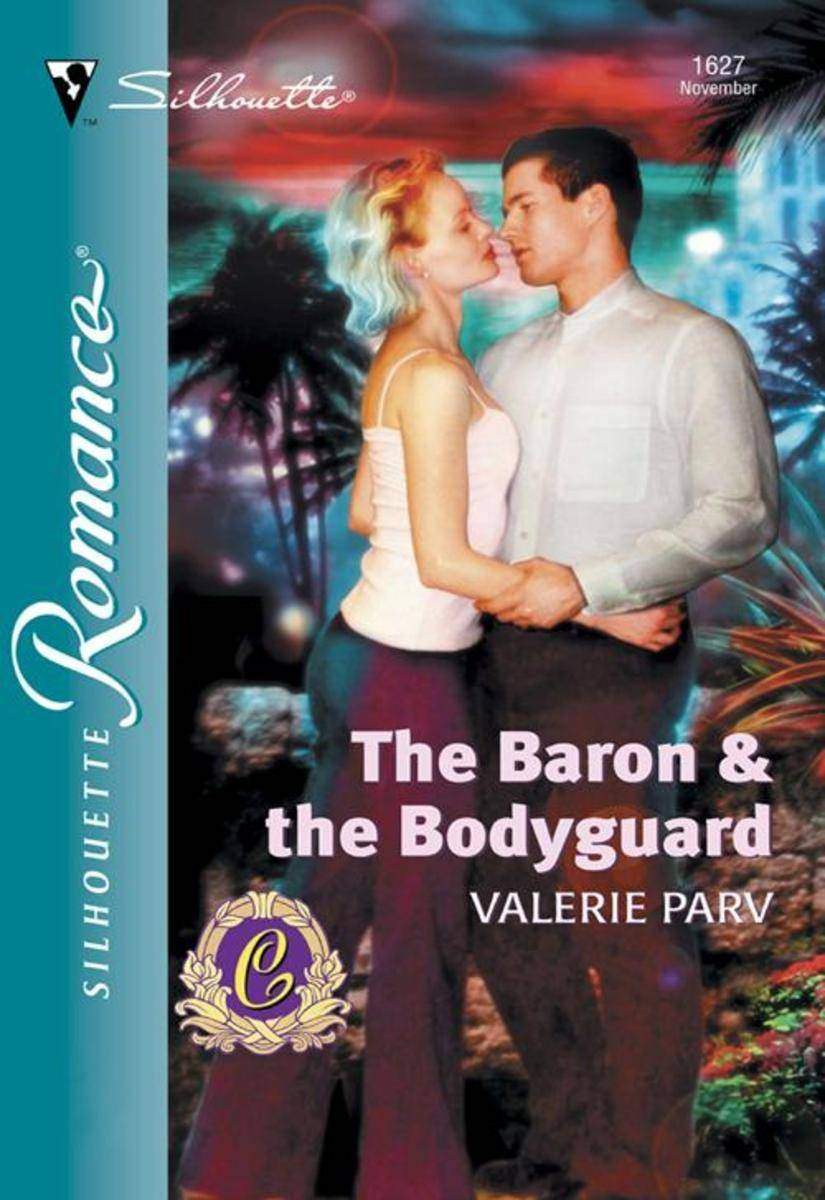
The Baron and The Bodyguard (Mills & Boon Silhouette)
¥31.10
Playing royal bodyguard to Mathiaz de Marigny, the seductive Baron Montravel, was a temptation few women could resist. But the moment he was out of harm's way, Jacinta Newnham had fled his chateau–and abandoned memories of moonlit nights that left them both weak with unfulfilled passion. Now stricken with amnesia and in danger once again, Mathiaz summoned Jacinta back to his side. Jacinta vowed to protect his life, but the greater peril was to her heart–and the haunting secret she could never reveal. When the truth surrounding Mathiaz's accident–and Jacinta's connection to it–surfaced, would he force her to leave, or refuse to let her go again…?

The Bedroom Assignment (Mills & Boon Cherish)
¥31.10
Everyone thought she was a party girl Zoe Brown seemed the ultimate city girl. Her friends thought she was a "hot babe," keeping men–and jobs–on a short lease. Zoe didn't dare reveal that she wasn't a vamp–she was a virgin! But had she finally met Mr. Right? Zoe was stunned to find herself confessing her Big Secret to her new boss. Playboy millionaire Jay Christopher was a man used to seeing a problem, and fixing it! How on earth was he going to fix Zoe…?
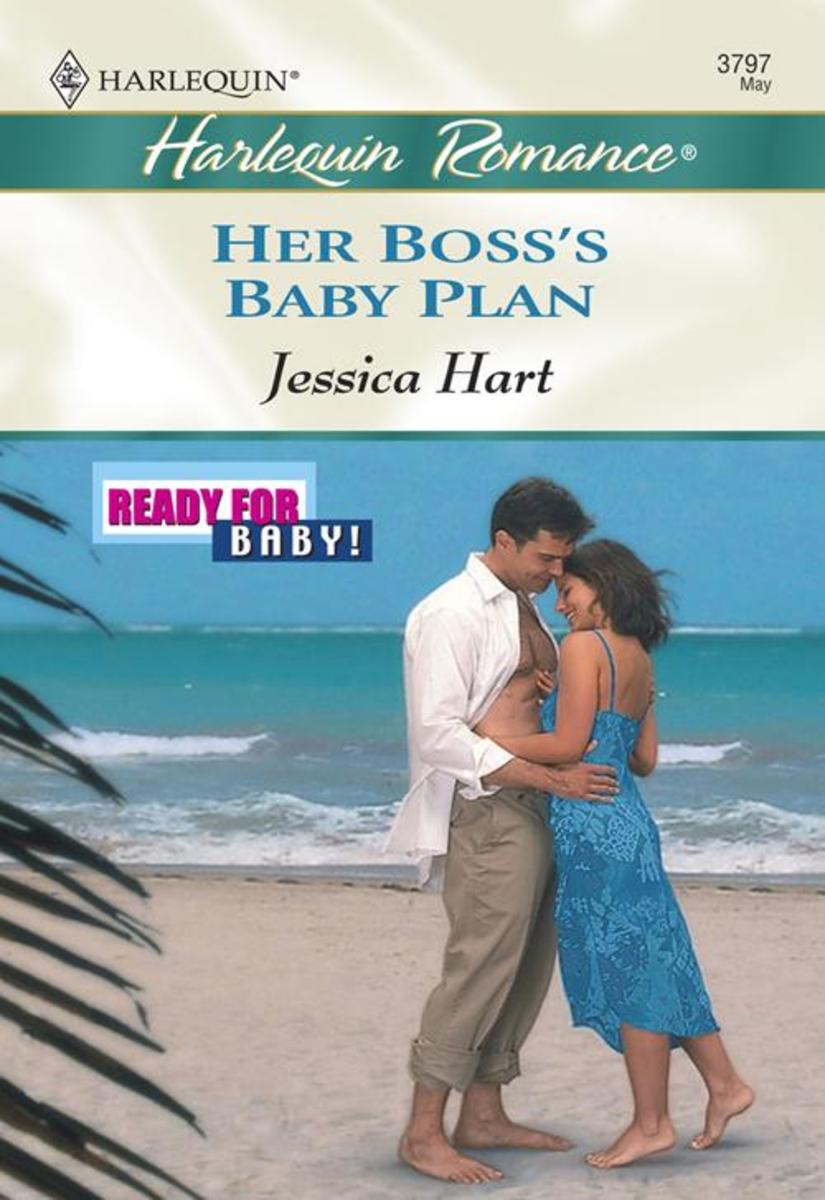
Her Boss's Baby Plan (Mills & Boon Cherish)
¥16.58
Single mom Martha Shaw has a gorgeous new boss–Lewis Mansfield. She's nanny to his niece and is about to spend six months on a tropical island with him and the babies! Martha quickly falls deeply in love with her sexy boss. But he seems happy being a carefree bachelor with no plans to settle down… Will Martha risk all by telling Lewis how she really feels?
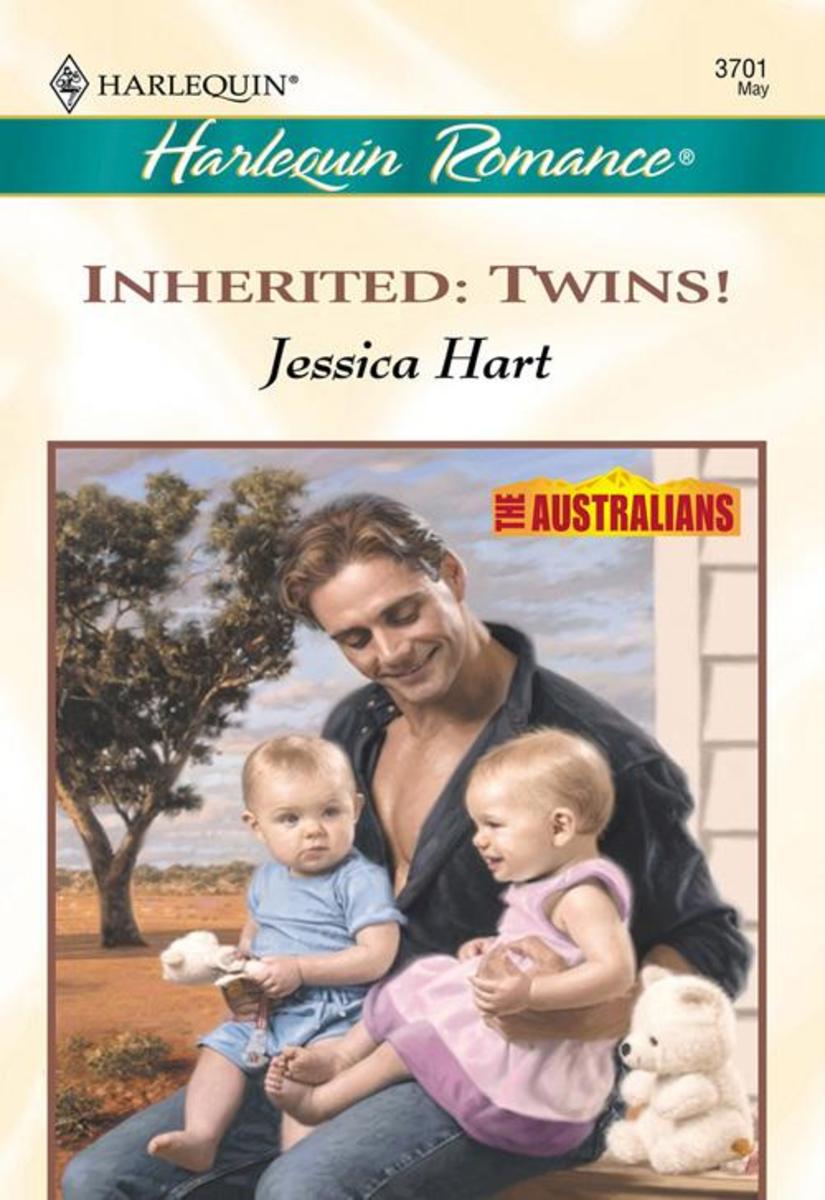
Inherited: Twins (Mills & Boon Cherish)
¥31.10
Strong, silent Outback rancher Nat Masterman doesn't know the first thing about babies. Yet he's just become the guardian of eight-month-old twins–and he has to go to London to collect them! Prue wishes she'd never told her English family she would be bringing a gorgeous, rugged Australian home for her sister's wedding. There is no such man! At least, not until Prue meets Nat–and they decide to go to London together…
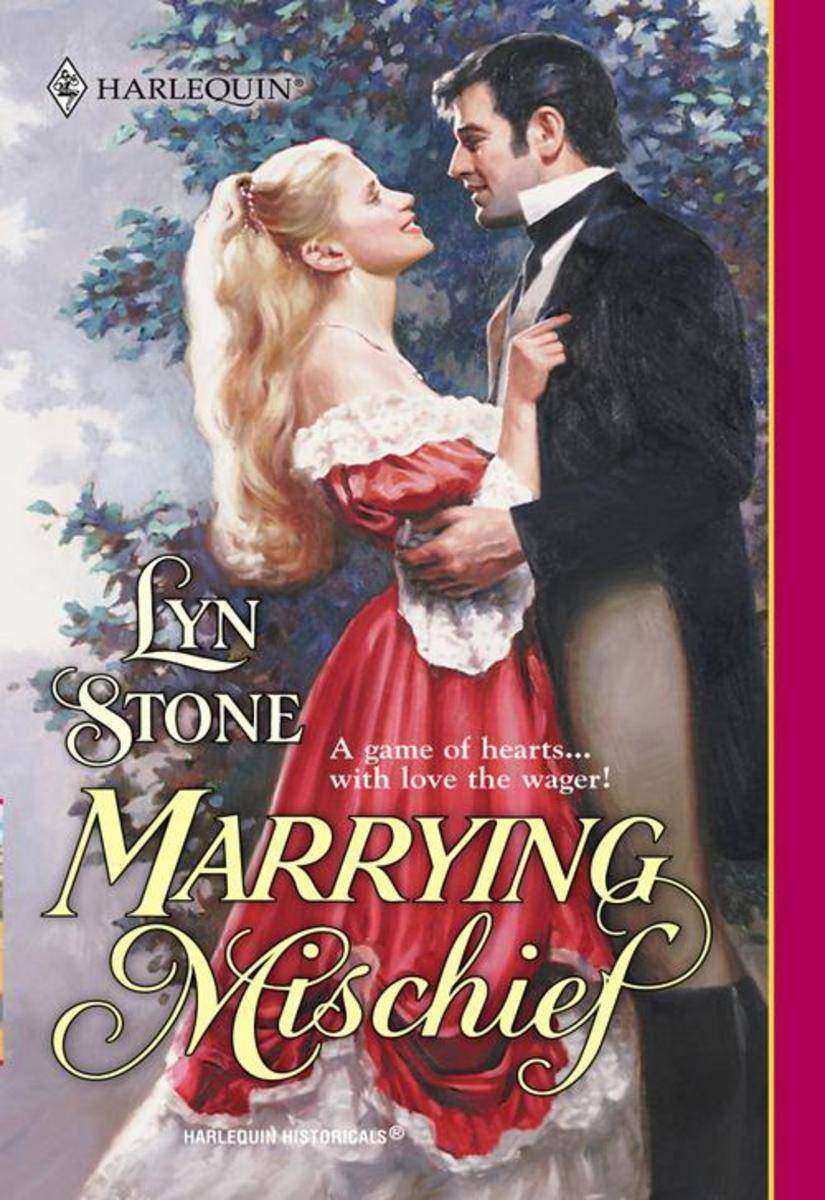
Marrying Mischief (Mills & Boon Historical)
¥39.24
Inheriting an earldom had obviously gone to Nicholas Hollander's head. After he'd left Emily's reputation in tatters years before, how could he expect that she would ever agree to marry him? Yet still he insisted that her rash efforts to find her missing brother had left them no choice but to wed, and straightaway. Nick's youthful defection had ruined Emily Lovenye's prospects. So it was no wonder that the vicar's daughter still wanted nothing to do with him. Unwittingly compromised into a hasty marriage, his courageous Emily was giving him the devil of a time as he struggled to win back her trust and turn their inconvenient union into wedded bliss.
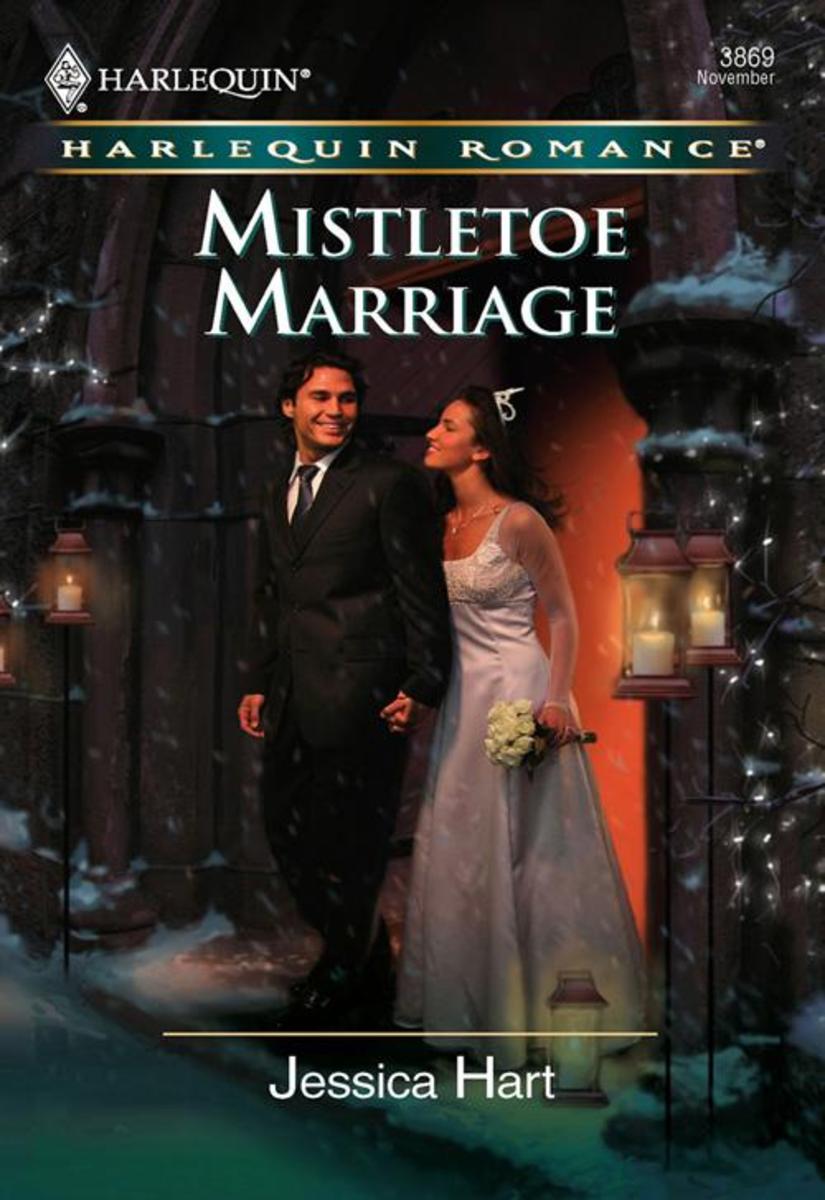
Mistletoe Marriage (Mills & Boon Cherish)
¥21.09
It could happen to you! A CHRISTMAS WISH… For Sophie Beckwith, Christmas this year means having to face the ex who dumped her and then married her sister! Only one person can help–her best friend Bram. A YULETIDE PROPOSAL… Bram used to be engaged to Sophie's sister. Now, determined to show "the lovebirds" that they've moved on, he's come up with a plan: he's proposed–to Sophie! A MISTLETOE MARRIAGE! It's crazy, but it would be only pretend…wouldn't it? Now their wedding day is here and Sophie's feelings for Bram have drastically changed. Her deepest wish now is for Bram to say "I do"–for real!
Satan's Mark (Mills & Boon Historical)
¥39.24
A most attractive guardian Strictly brought up by her Puritan uncle, Annelise Woodward is much too innocent for the likes of Justin Rochefort, Marquis Saintjohn. When she discovers Justin is her true guardian, and that she must go live with his mother, Lady Emily, Annelise's world turns upside down. Thrust from her modest life into the wicked court of Charles II, Annelise seeks guidance from her handsome new guardian. But Justin is too tormented by his past to help his beautiful ward. Can Annelise help him put aside his pain and look forward to their future together?
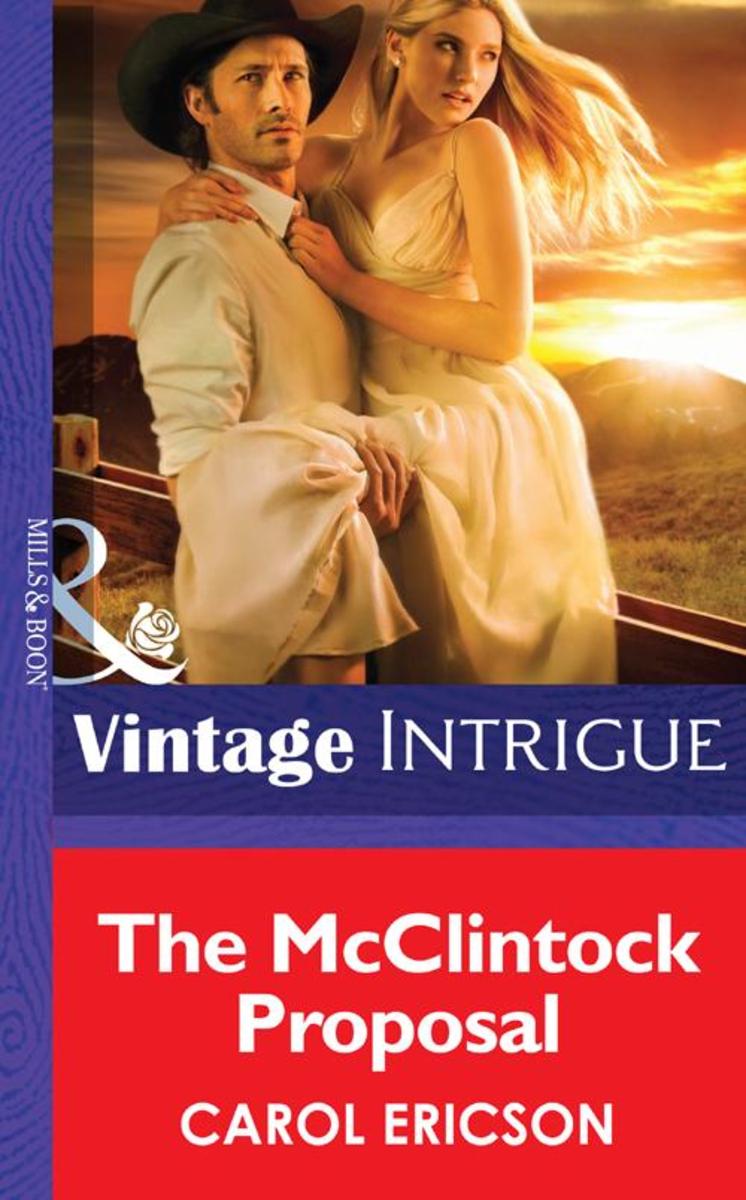
The McClintock Proposal (Mills & Boon Intrigue)
¥31.10
The moment Rod McClintock spots the disheveled bride on the side of the road, he knows life is about to become a lot more complicated. Callie Price is on the run and in need of his protection. She's also the answer to his financial woes, if they're both willing to say "I do." A marriage of convenience is Callie's sole shot at inheriting the ranch that'll help her rebuild her life. All she needs is a husband in name only. Her smoldering cowboy rescuer fits the role perfectly. Too perfectly. As they struggle to escape a killer's obsession, peril and passion tie them together. And before long, someone is putting "till death do us part" to the ultimate test….
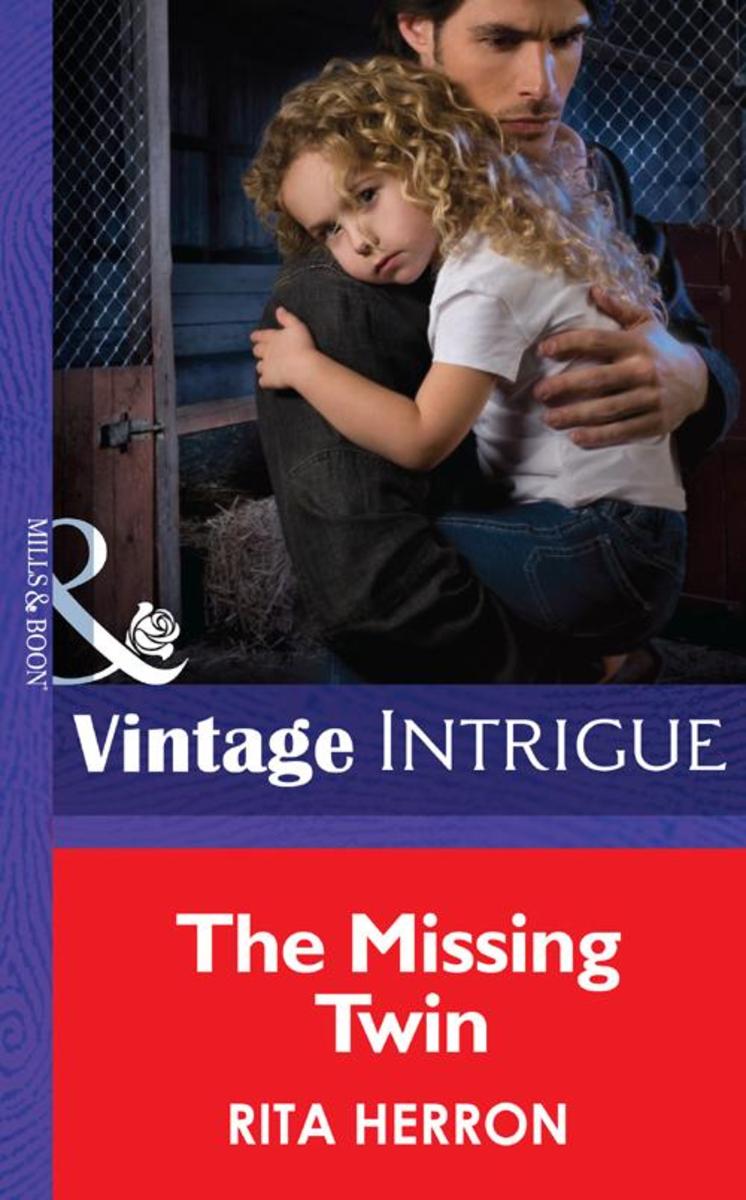
The Missing Twin (Mills & Boon Intrigue) (Guardian Angel Investigations: Lost a
¥31.10
Detective Caleb Walker had taken on some tough cases for Guardian Angel Investigations, but when Madelyn Andrews came to him, claiming that her five-year-old daughter was able to "communicate" with her twin sister who'd never made it home from the hospital, Caleb was skeptical. One glimpse at the beautiful single mother, though, and he couldn't walk away. Now, as he looked into what had really happened when Madelyn went into labor, suspicious details were uncovered. Details that prompted Madelyn to cling to him as pain consumed her. And the deeper he dug, the more invested Caleb became in their tiny family, in their safety when danger penetrated their lives–and in their salvation when he promised to bring a little girl home….
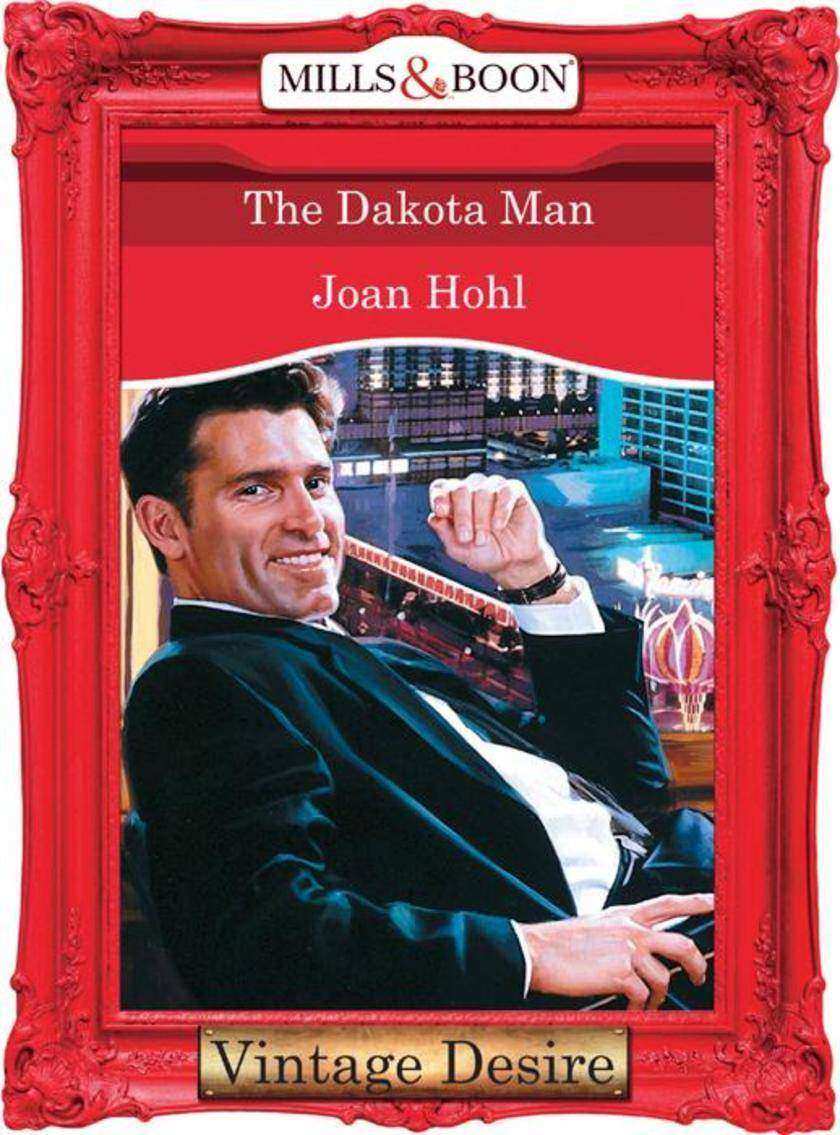
The Dakota Man (Mills & Boon Desire) (Man of the Month, Book 68)
¥31.10
She called him an arrogant, overconfident ram hiding inside the trappings of civilized clothing. And Mitch would not have his startlingly beautiful new assistant believe otherwise. Yet their fierce passion knew no such falsehoods. Dynamic Maggie was destined to be the Dakota man's lover… he was made to set her soul on fire. And suddenly Mitch's carefully constructed world was rocked. The woman in his arms was a prize the bullish bachelor had never expected…but could he break his number one rule and allow sweet Maggie to tame him?

The Return Of Adams Cade (Mills & Boon Desire)
¥31.10
He came back to Belle Terre to save his family's plantation, but seeing Eden Claibourne again had Adams Cade fighting his long-buried desire for the woman he'd never forgotten. The enticing tomboy had turned into a sensual goddess–one whom he longed to lure into his bed. But Eden deserved a man who could offer more than fiery, short-lived passion. Would his first love's tantalizing kisses convince this jaded loner to let down his marriage-wary guard?
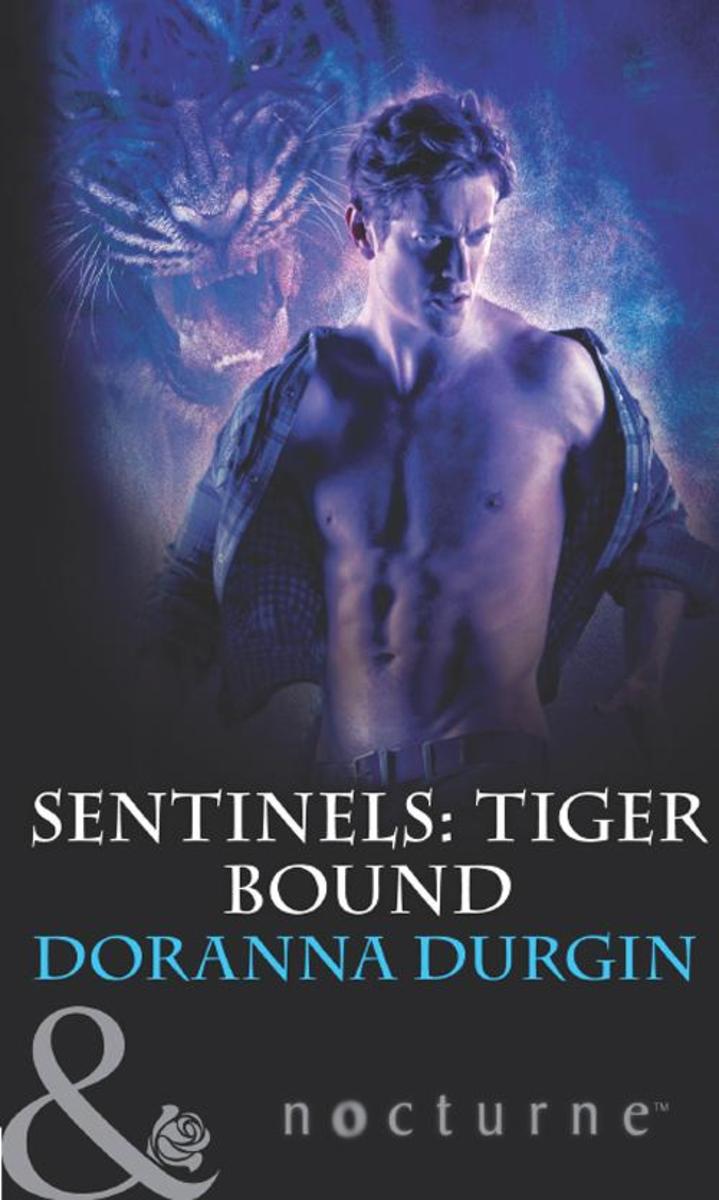
Sentinels: Tiger Bound (Mills & Boon Intrigue) (Sentinels, Book 4)
¥39.24
Like the Siberian tiger he can transform into, Maks Alt& #225;n is a strong, ferocious fighter who's incredibly protective of his Sentinel kin. But thanks to a debilitating injury, he feels anything but fierce. That is, until he is sent to guard Katie Maddox, a gorgeous healer who awakens a dangerous lust within him. Problem is, in the shifter world, Katie's deer alter ego is easy prey…and much too tempting for Maks. As unnamed danger lurks just beyond her awareness, Katie has doubts–about her abilities, her role in the Sentinels and the strange desire she feels toward her new protector. But somehow, the wounded predator and his wary prey must ignore their instincts, their fears and their dangerous attraction to each other in order to defeat their common enemy!


